




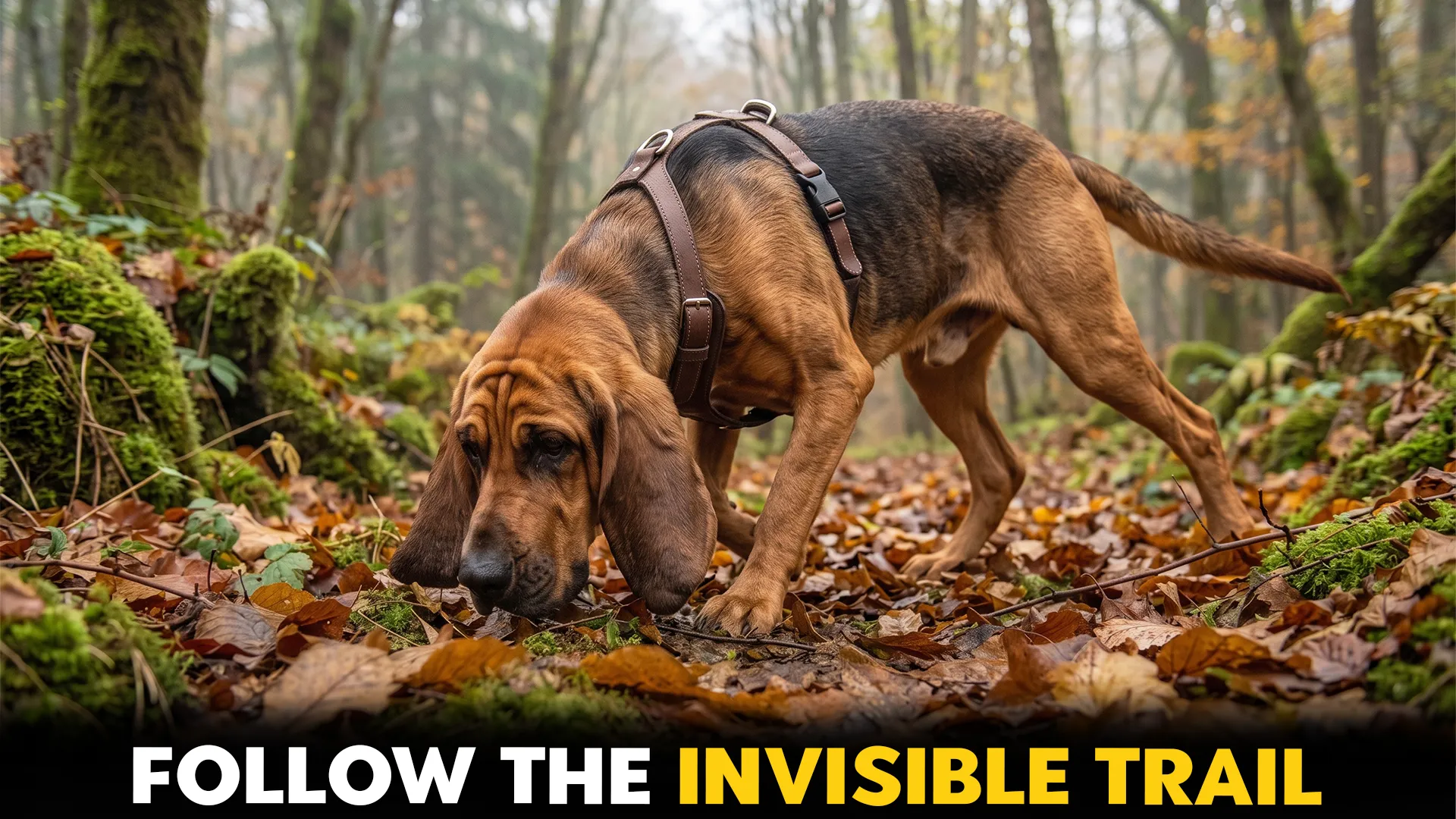
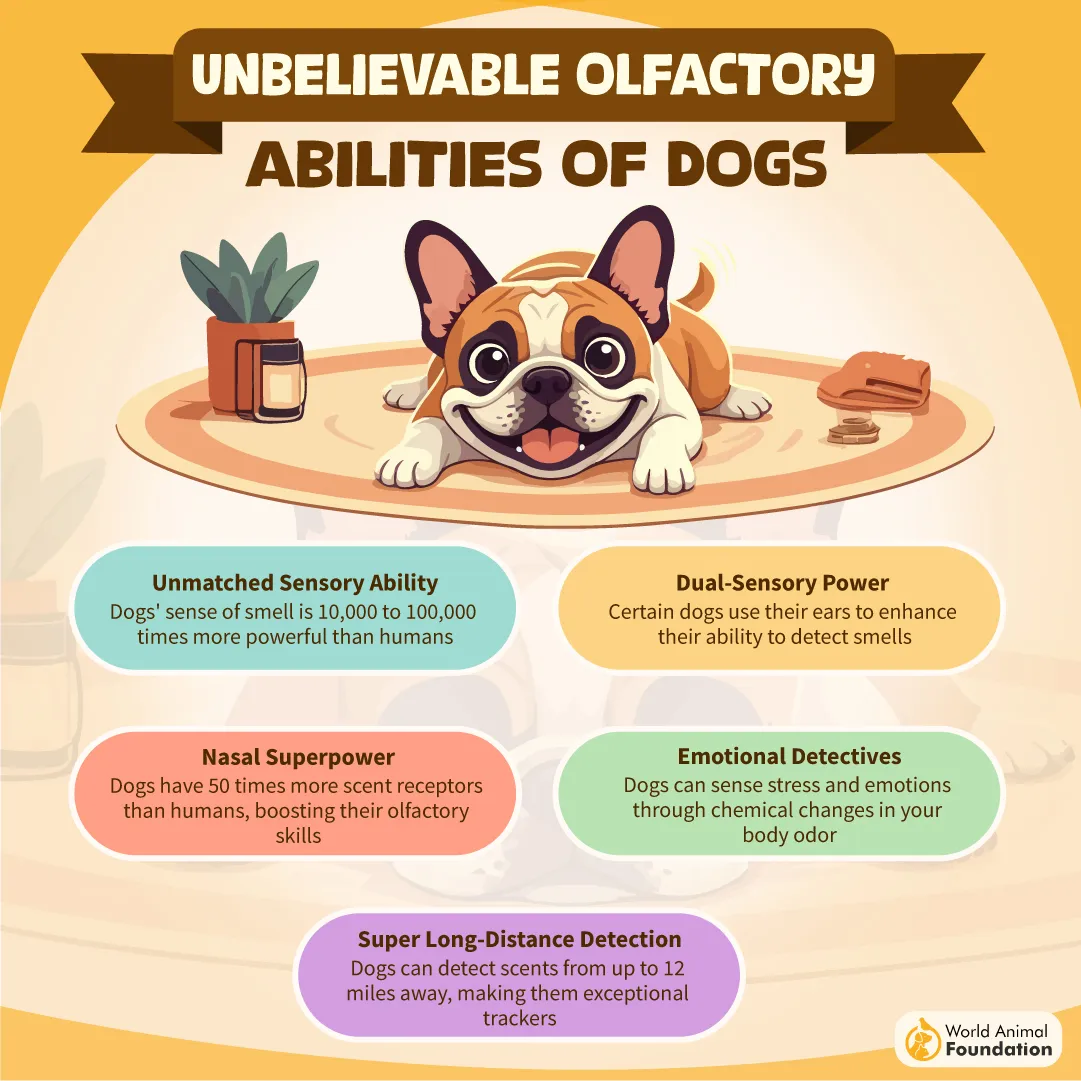
The nose is a dog’s window to the world. While humans use their eyes to gather information, dogs use their noses to gain awareness of their surroundings. Their keen noses enable them to sense at a level where even human beings are unable to track scents.
This capability assists them in finding lost individuals, detecting drugs and diseases, and finding animals in extended ranges. They are also used in search and rescue missions all over the world.
Since the dawn of time, breeders have produced a few dogs that are more effective for tracking, hunting, and detecting. These pups are a combination of senses, focus, good smells, and scent receptors. Some have proven to be adept at following a trail through a thick forest; others have been trusted to carry out a task during a search and rescue operation or to find explosives.
The following are nine dog breeds that have the sharpest smelling abilities in the dog world.
Dog Breeds with the Most Acute Sense of Smell
1. Bloodhound
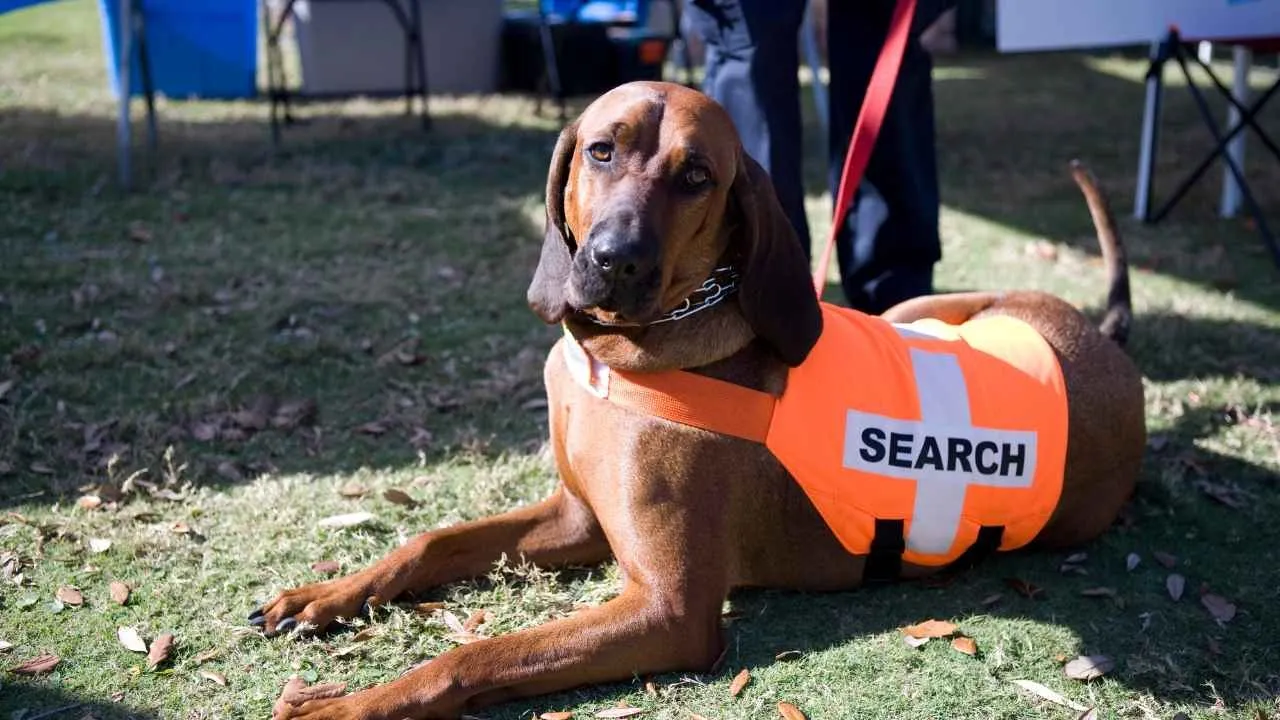
The Bloodhound is undoubtedly the king of scent-tracking dogs. There are very few breeds that can be compared to its canine olfaction capability of following a trail that is days old. This dog’s sense of smell has been used in numerous locations to aid law enforcement inquiries.
There are a number of physical attributes that make it successful. The long ears sweep the scent particles upwards, and loose facial skin aids in trapping the odor surrounding the nose. Combined, these characteristics enhance its ability to remain attached to a scent trail over long distances.
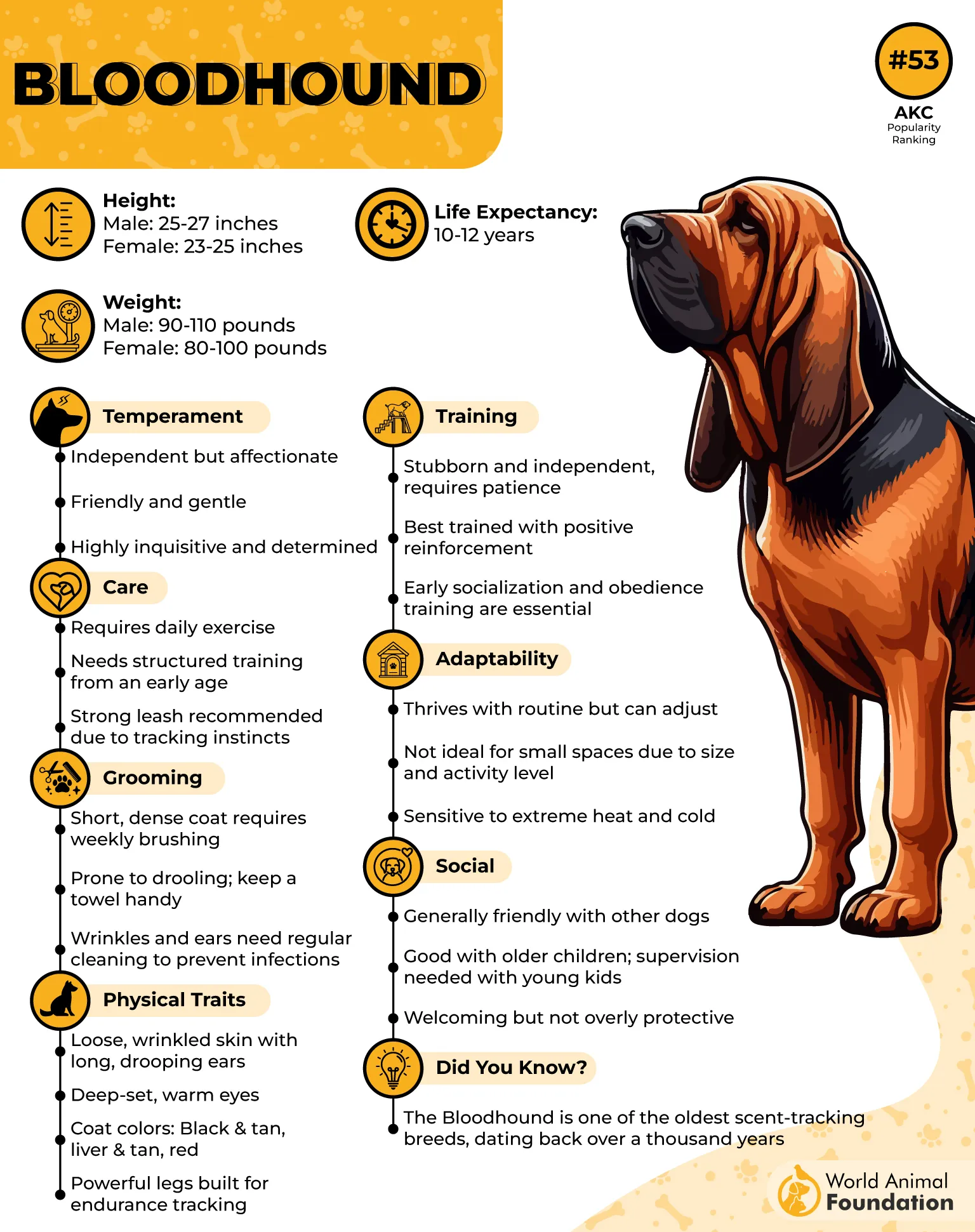
Bloodhounds can follow individuals, hunt badgers, and detect scents over extensive distances. They are not concerned with speed; rather, they are concerned with accuracy and persistence, unlike many other breeds with powerful senses. Whenever their olfactory bulb lights up, they chase it, no matter what.
Bloodhounds are family dogs despite their serious working mode. They like socializing and can develop close ties with their owners.
2. Basset Hound
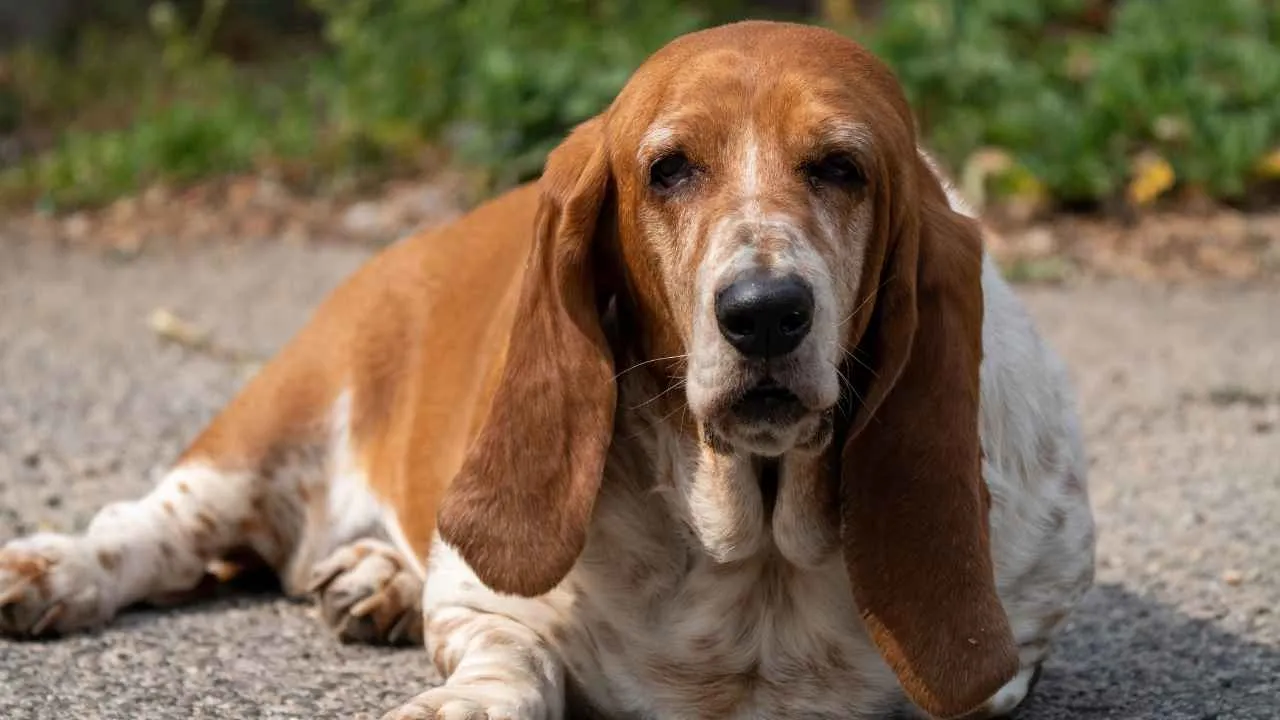
Although the Basset Hound might look like a lazy and slow-moving dog, it has one of the best noses in the dog world. It has been ranked as the second best to the Bloodhound in olfactory capabilities.
It has a low body shape that holds its nose near the ground to keep it in touch with scent trails. Similar to the Bloodhound, its elongated ears aid in concentrating the scent particles towards their nose.
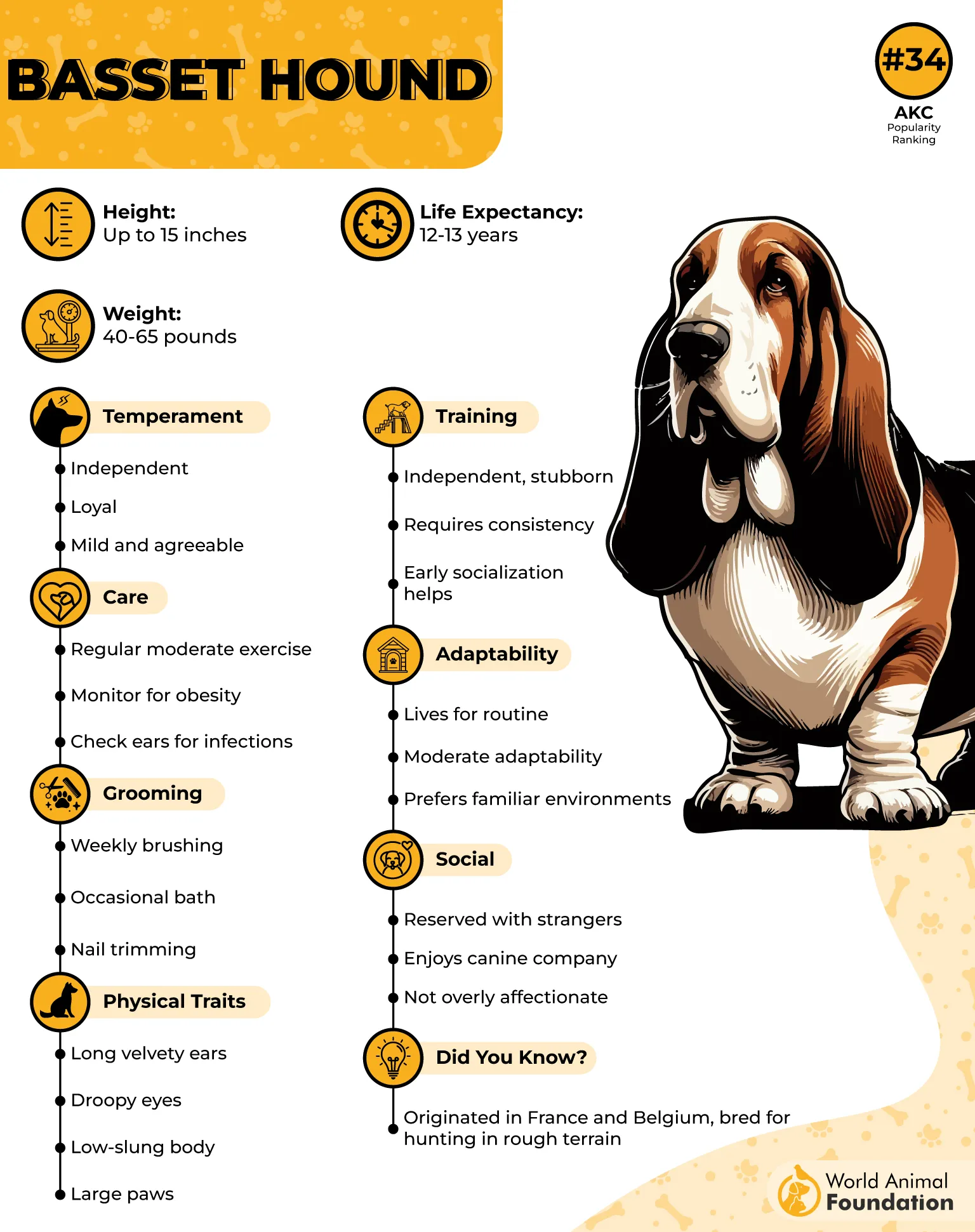
Basset Hounds were originally bred to chase rabbits and other small animals. Hunters treasured them as they did their job systematically and hardly went off track. Their slow pace and exceptional sense of smell allowed hunters to follow on foot while the dog steadily tracked the prey.
Basset Hounds are docile outside and loving at home. When they sense an interesting smell, their scent work and will to chase it become very evident on their face. Their patience, endurance, and best sense ability make them a great tracking dog even today.
3. Beagle
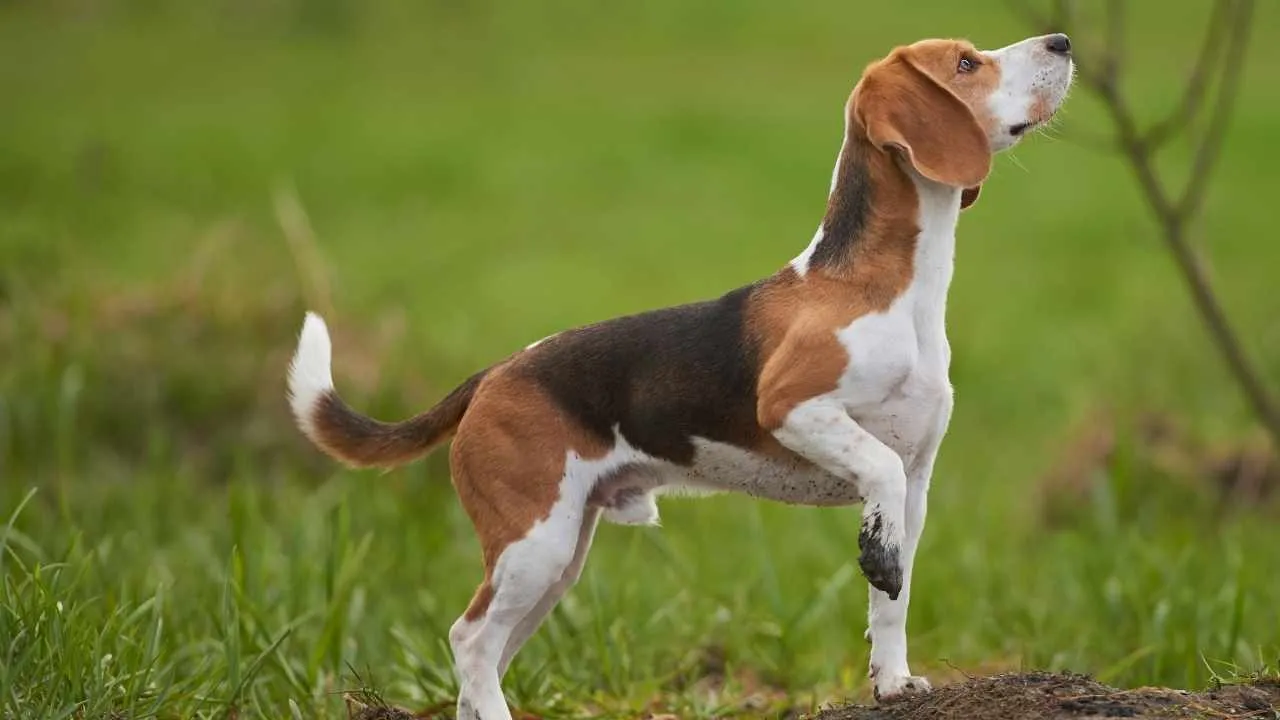
The Beagle is a small yet strong scent hound that is one of the most well-known and popular pups in the canine world, according to PetMD. Its strong sense of smell is so good that most of the airports and border patrol authorities train special Beagles to detect explosives, outlawed food, and agricultural goods. They are also among the most used dogs in narcotics detection.
Beagles were initially used to hunt rabbits because they were very small in size and thus were able to move in thick brush along the scent trails. Their natural tracking and hunting instincts are popular even today.
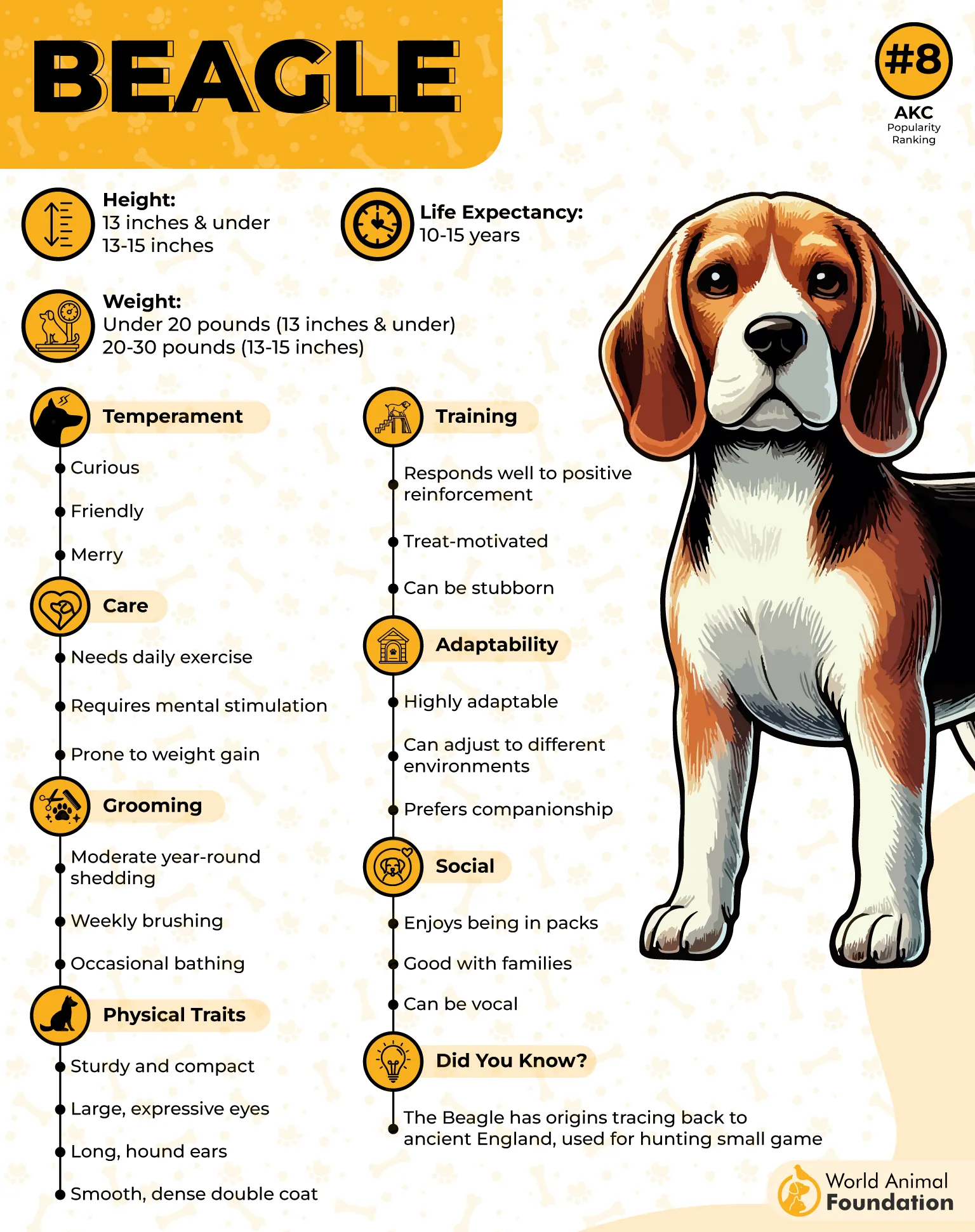
The curiosity of these wild pups is one of the reasons why they are effective detectives. They love exploring new scents and are always eager to learn new tricks in training sessions. They are also easy to work with a large number of people because of their friendly nature.
Beagles are scent-driven, and this makes them easily distracted in open fields. It might be difficult for a person to call them back once these dogs start chasing a smell, so keeping treats to lure them is always a good idea.
4. German Shepherd
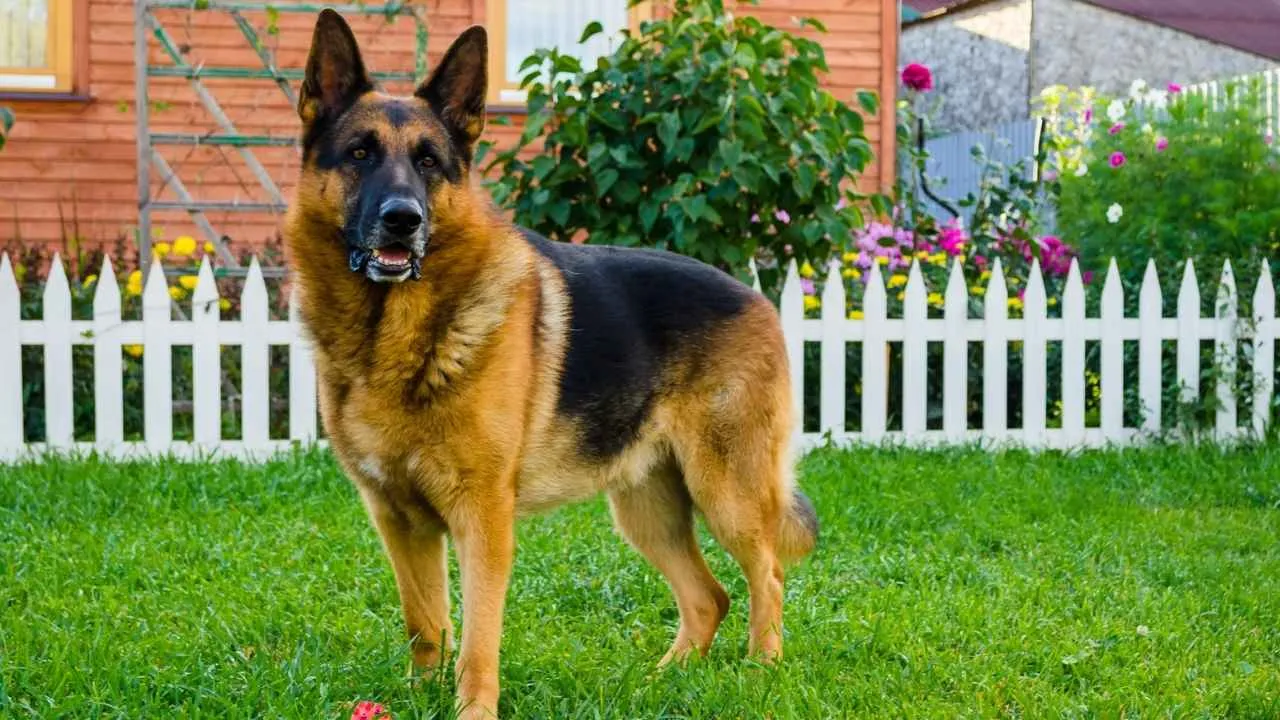
The German Shepherd is known as a smart, versatile, and hardworking breed. Another reason why it is so competent in so many professional jobs is its powerful nose and best sense of smell.
German Shepherds are often used in police departments to track suspects, search for missing individuals, and trace narcotics, according to the Royal Kennel Club. They are also used in special scent-detection work by military units.
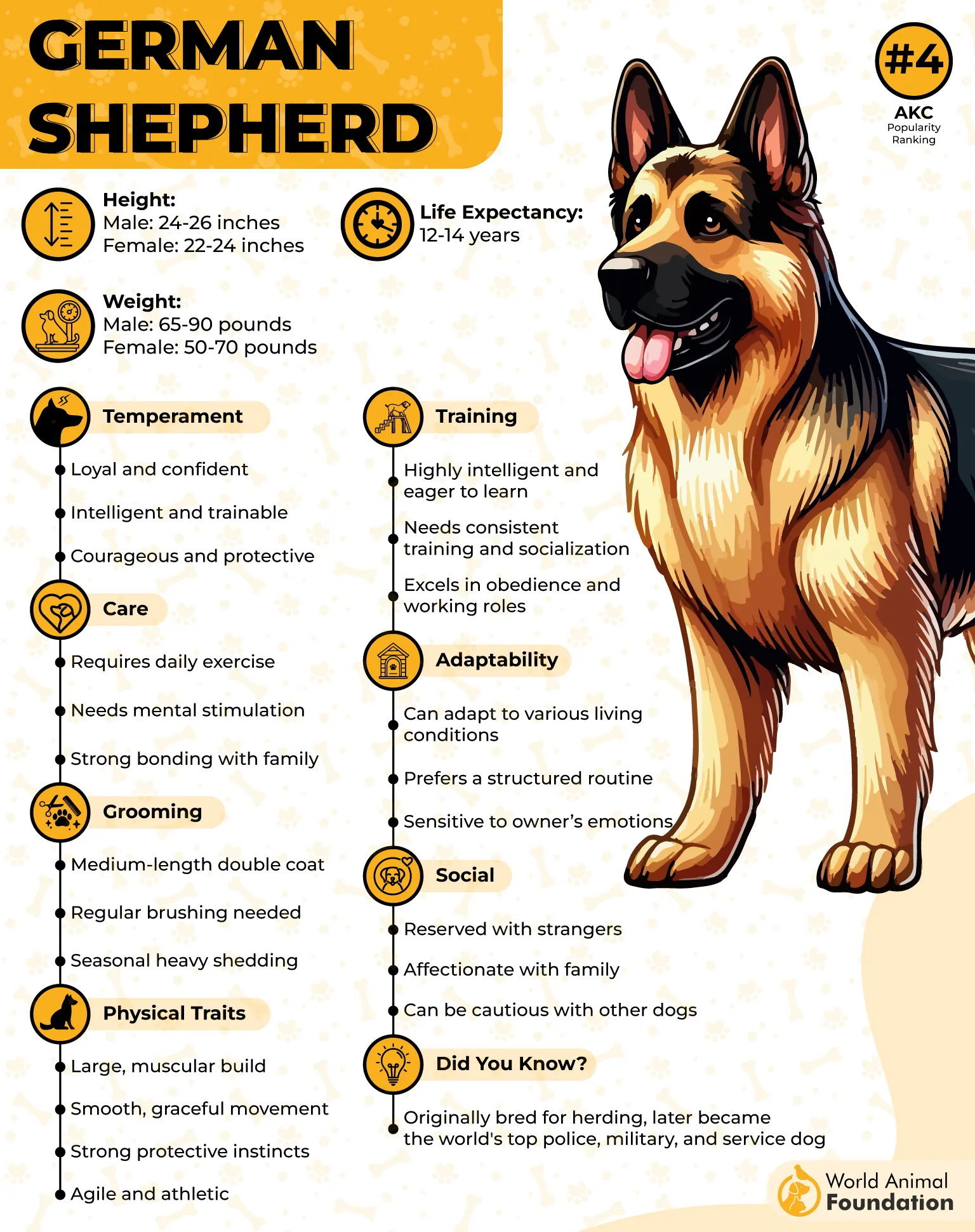
German Shepherds are unlike conventional scent hounds because they possess a great sense of scent and, at the same time, are extremely obedient. This enables handlers to focus their efforts with amazing accuracy. These furry friends are able to alternate swiftly between tracking, guarding, and search operations.
Their physical structure allows them to work long hours. German Shepherds stay focused in tough conditions, whether they are in the forests or some other place. These dogs do well in family life and create attachments with children and pet parents.
5. Labrador Retriever
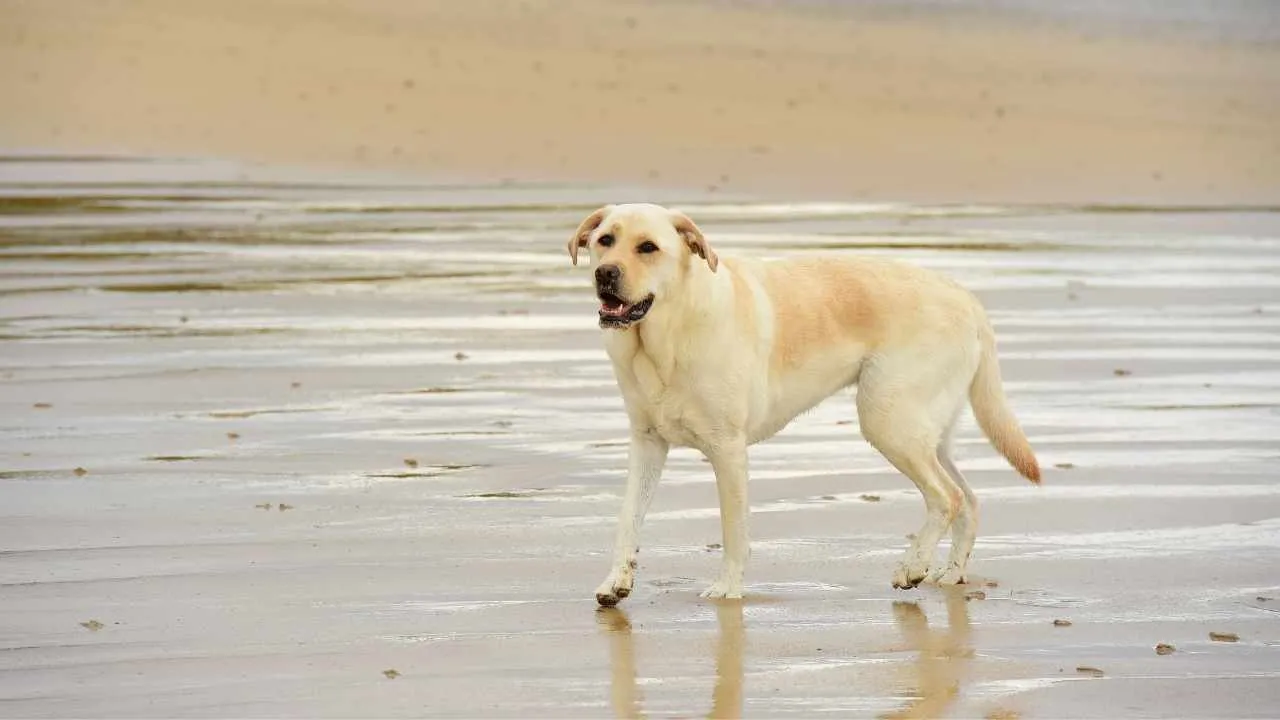
The Labrador Retriever is a dog that can be linked to family, but it is also considered one of the most skilled scent-sensitive dogs in the world.
These sweet dogs are very sensitive to smell, and they have a willingness to work with people. These features make them perfect in the detection of explosives, narcotics, and contraband, as per Hill’s Pet. They are also used in medical detection programs by many organizations.
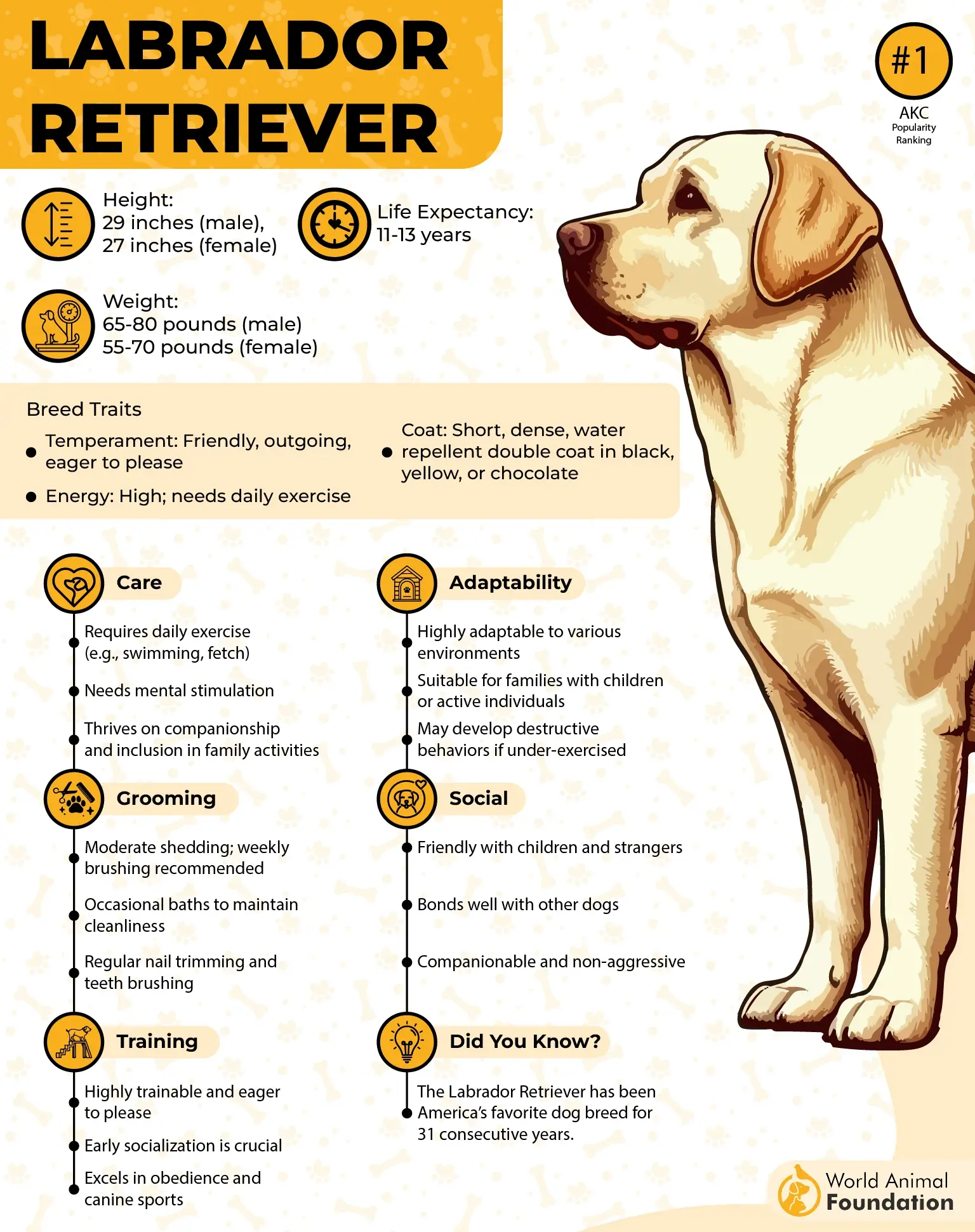
Scientists have taught Labs to detect human scent modifications related to some diseases. Some of these pups can also warn owners about the variation in blood sugar levels even before they experience any change.
Labradors also work in the busy areas of society, which comes in very handy, especially in airports, hospitals, and schools. Moreover, their competitive nature and love for learning make them very responsive to training.
6. Belgian Malinois
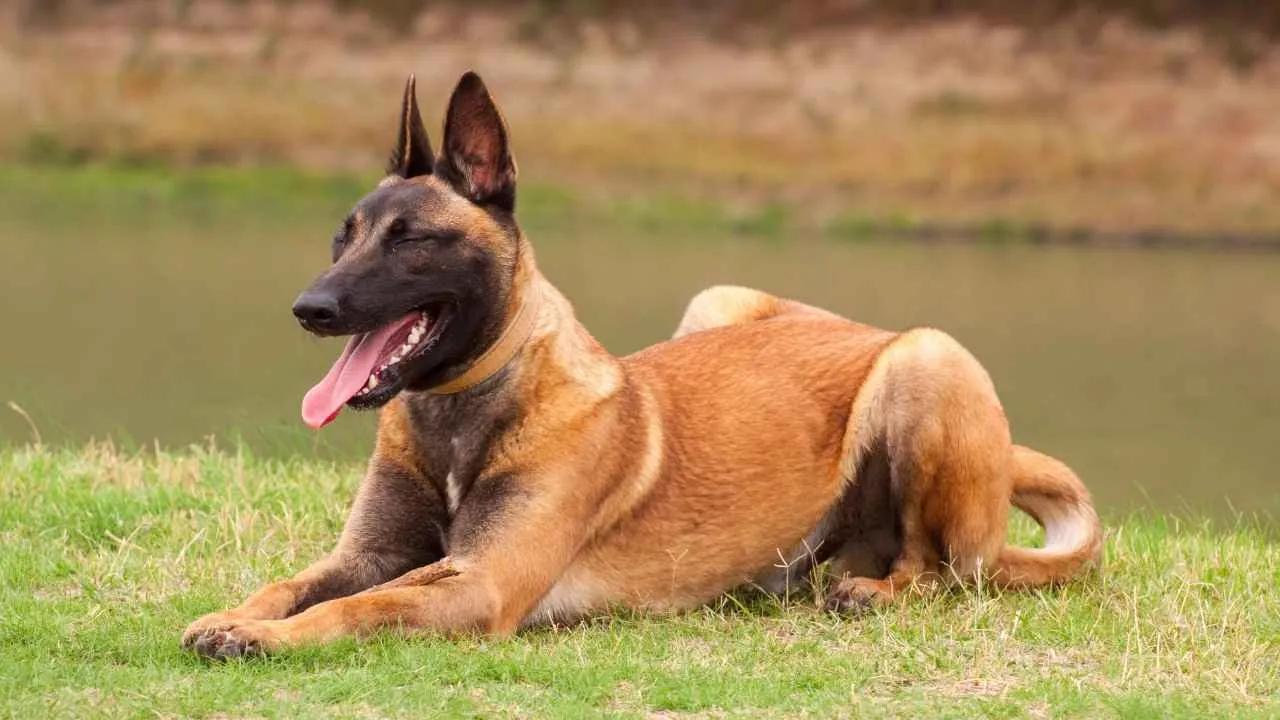
Malinois, a breed of the Belgians, has gained the status of being one of the most elite working dogs in the world. They are energetic and determined and have an excellent nose.
The Malinois is often used in military and law enforcement agencies to do hard-duty scent detection. These dogs are excellent in tracking explosives and concealed fugitives.
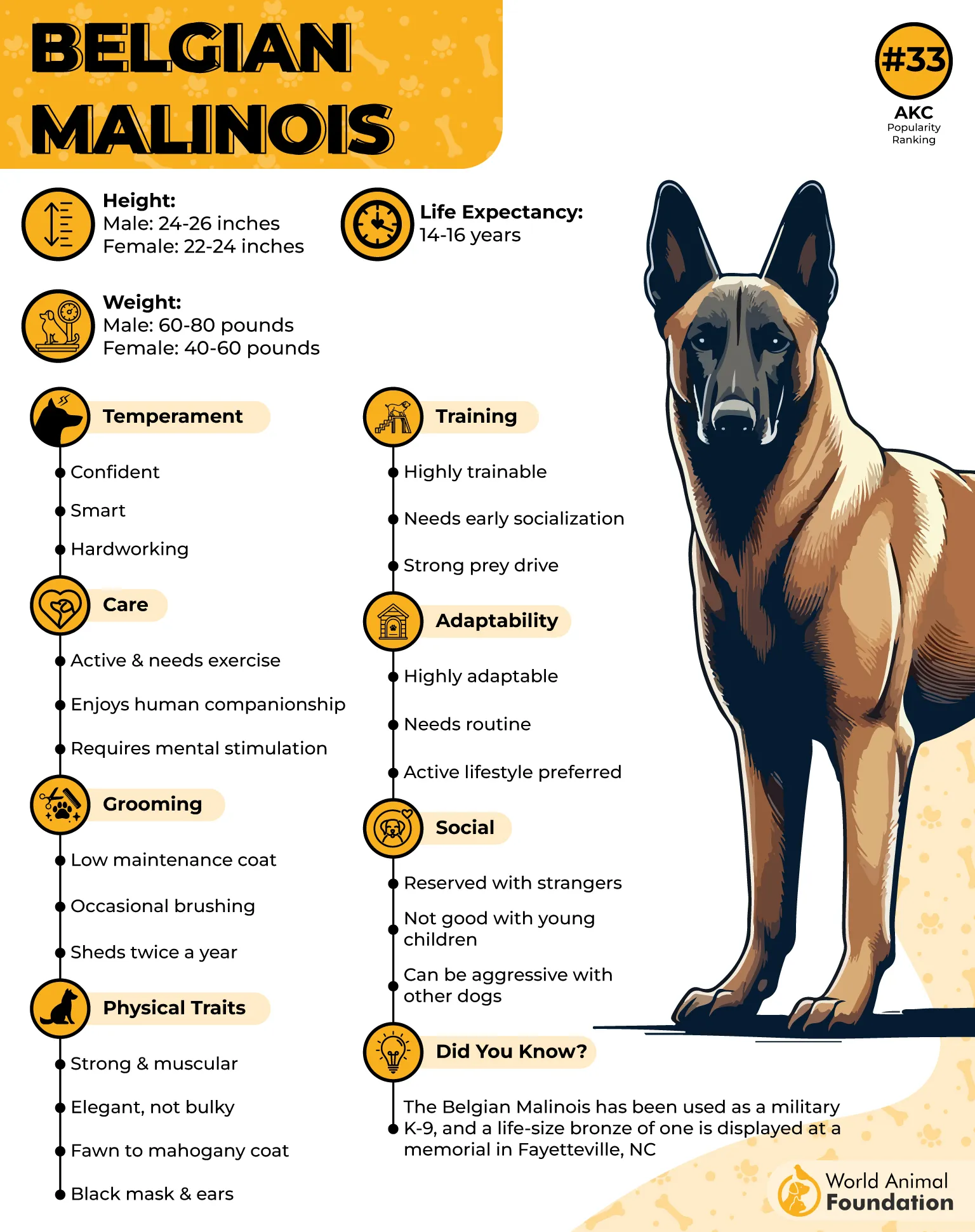
They are also the strongest ones in focus. Belgian Malinois is capable of staying on a task despite the distractions. This concentration is important in high-pressure operations. These pups also happen to be very athletic. Their speed, endurance, and agility enable them to move over long distances in a short time, keeping the scent accuracy.
Due to their high level of motivation, Belgian Malinois need to be handled by experienced people and should be trained regularly. They make excellent working partners and can excel at some of the most demanding scent-based tasks when their natural abilities are properly developed.
7. English Springer Spaniel
One of the least appreciated scent detection dogs is the English Springer Spaniel. It is relatively small but still gives great performance in professional detection work. They make excellent working partners and can excel at some of the most demanding scent-based tasks when their natural abilities are properly developed.
The Springer Spaniels are very popular for use in airports, transportation hubs, and customs. They can detect drugs and other restricted materials with great precision and sharp noses.
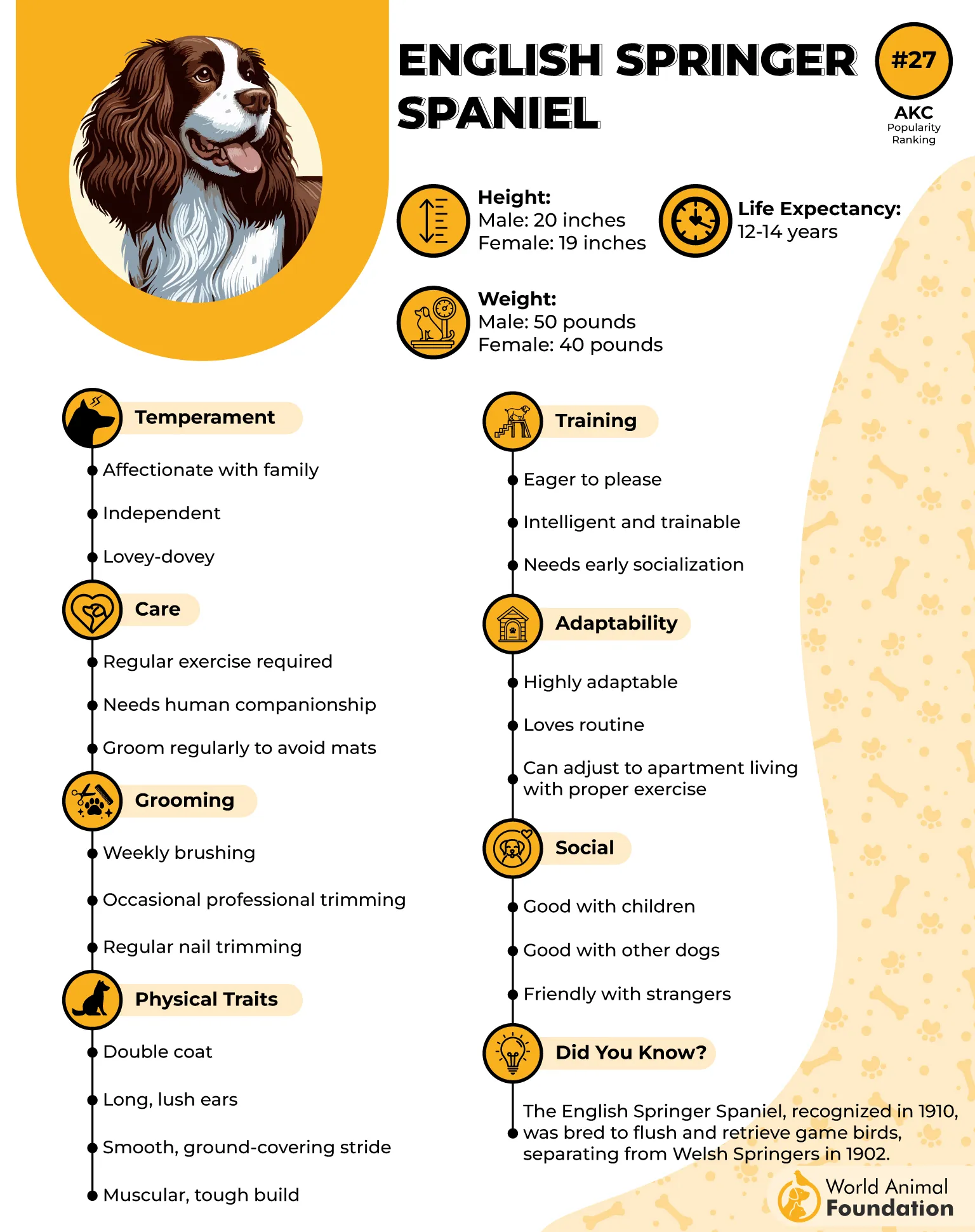
They have a strong personality and are good around children if provided with early socialization skills, as stated by Orvis. They love to search for stuff and consider the work of detection to be a game. This passion is useful in keeping them motivated in longer shifts.
As opposed to larger breeds, English Springer Spaniels are able to search in confined areas. Their small size can be used to check luggage and vehicles effectively. They are also very trainable and obedient. Such attributes have made them worthy contributors in security and detection duties across the globe.
8. Bluetick Coonhound
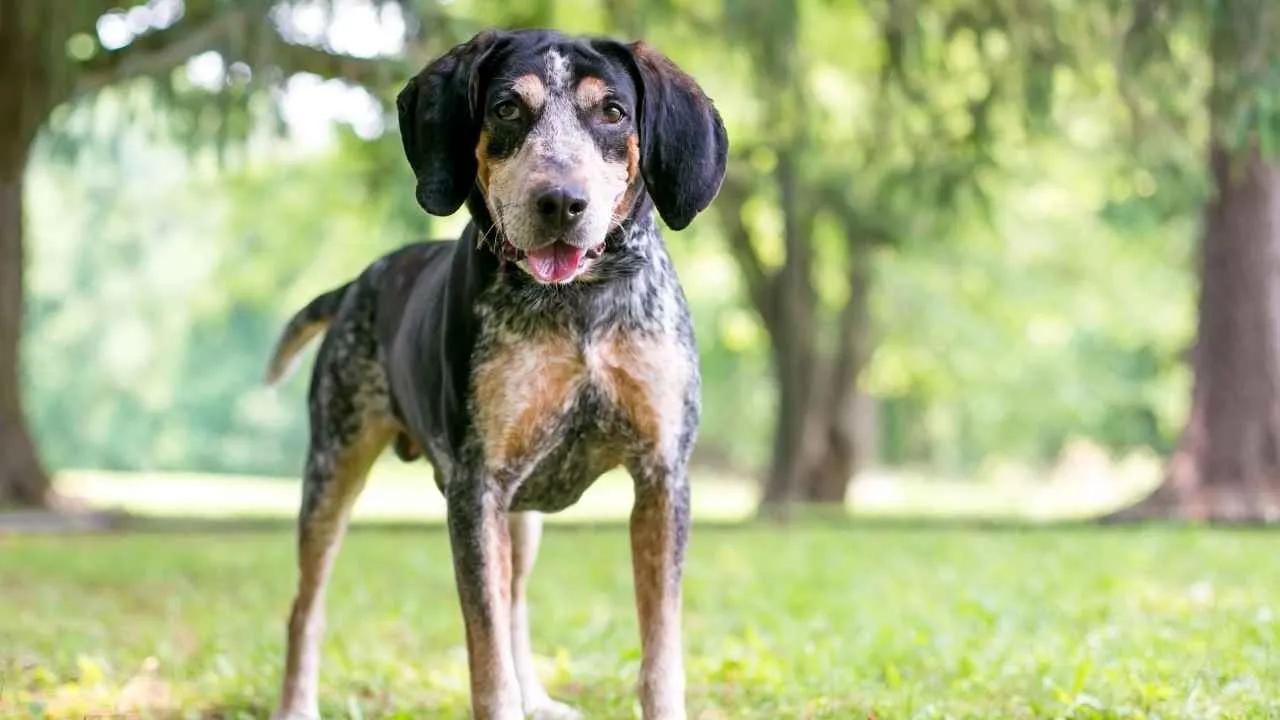
The Bluetick Coonhound originated from the French hounds and was gifted to George Washington. These dogs were created to make game hunting on rough and harsh grounds easier. They are one of the best scent hounds in North America.
These dogs are good at tracking scent trails in forests, mountains, and harsh conditions. They can stick to a scent being targeted without getting distracted, even during longer periods.
Bluetick Coonhounds are known for their endurance. Hundreds appreciate the fact that they can work long hours and be accurate in tracking. Obedience training is very important for these dogs from an early age, or else they can develop destructive behaviors in later years and become uncontrollable.
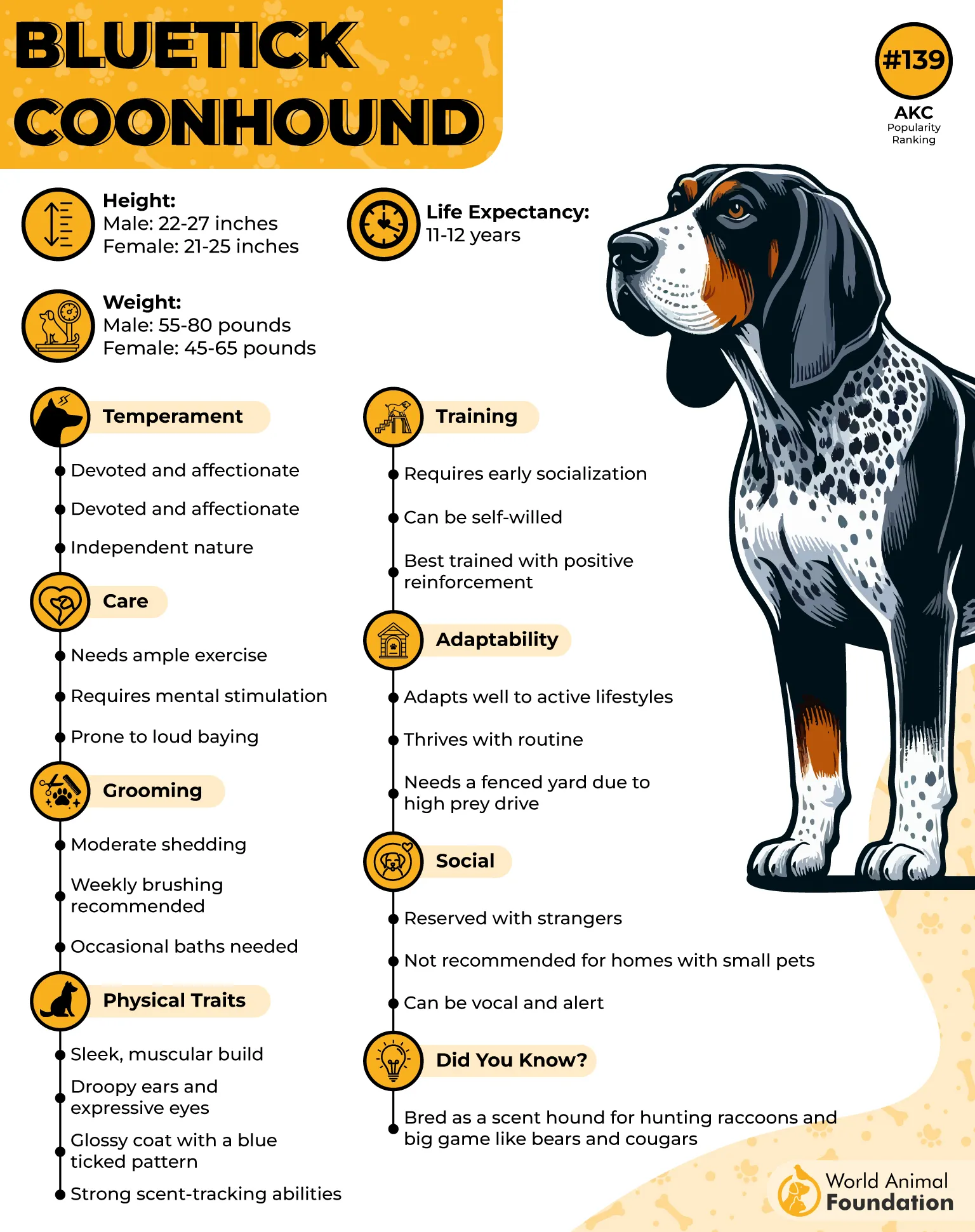
These dogs should be kept on a leash when taken out for exercise or a light jog, or else they will escape and chase birds. It is recommended to keep an eye on them even when they are in a fenced area at home since they tend to follow all types of scents that come their way.
9. Dachshund
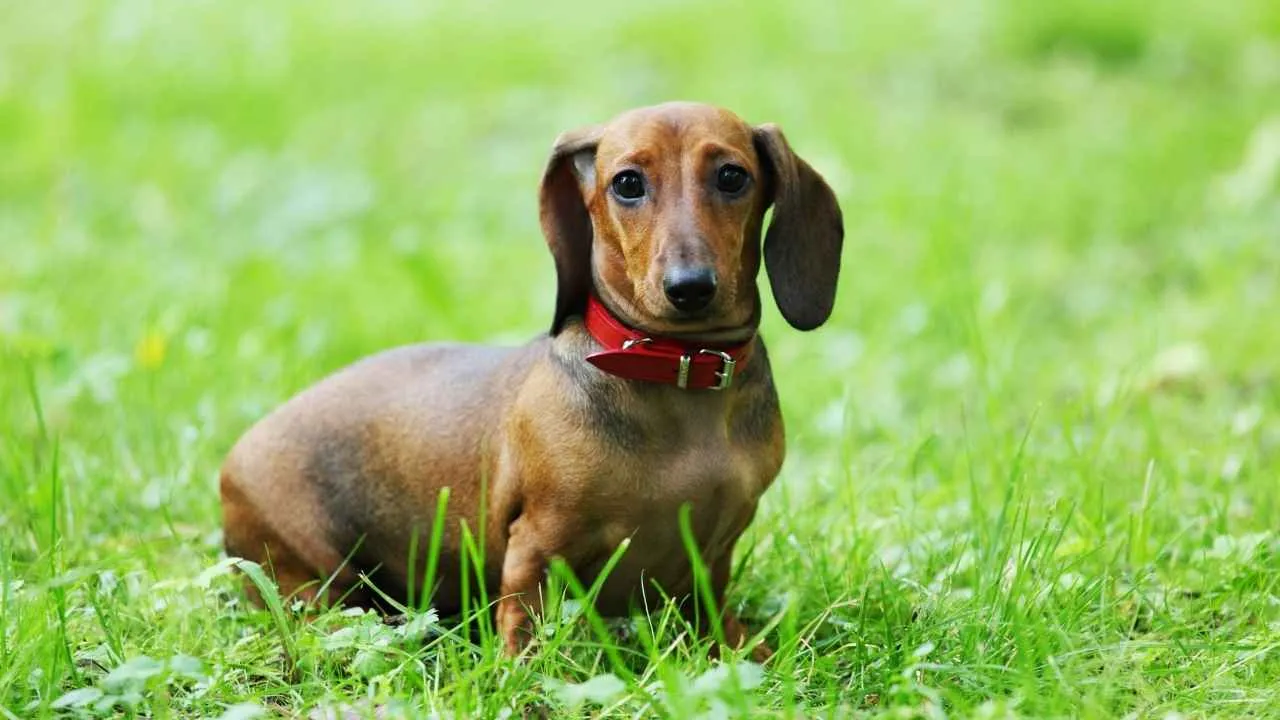
Numerous individuals consider the Dachshund to be a pet dog, yet it was initially created as a hunting breed. It is called a badger dog because it used to hunt wounded game back in the day.
Dachshunds have been used to hunt and follow animals into their burrows. This was a job that demanded bravery and a well-developed sense of smell.
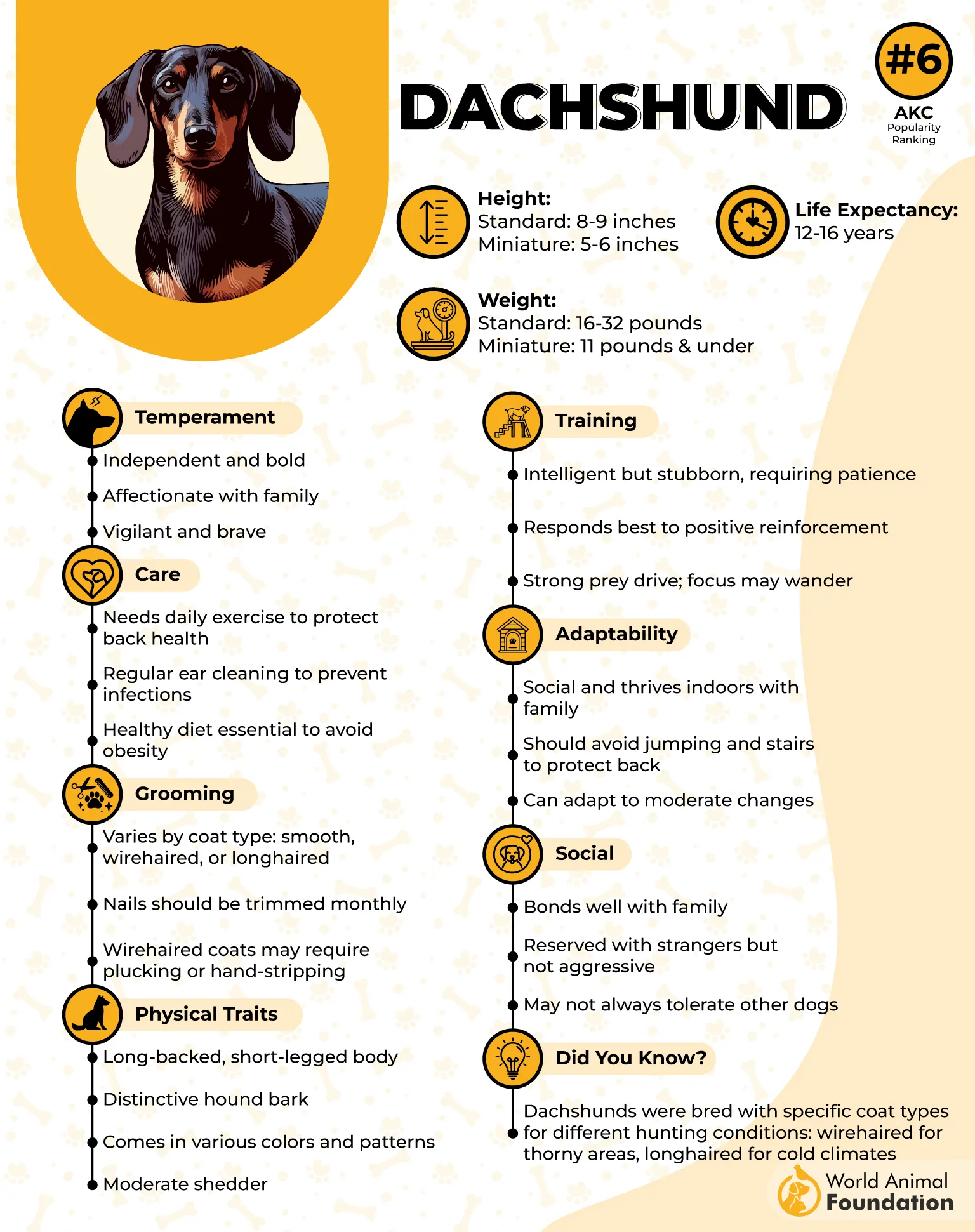
Their short legs and long bodies enabled them to penetrate tunnels, and their strong noses assisted them in finding their prey. They are considerably smaller than the conventional scent hounds but still surprisingly good trackers.
Positive reinforcement techniques should be used for them to stay calm around people. Nevertheless, these pups are tenacious, and this quality has taken many owners by surprise, especially those who undervalue these dogs’ working heritage.
Conclusion
Extraordinary sniffing dogs have revolutionized the art of hunting, guarding, and detecting. Be it in airports, military fields, or even homes, such outstanding breeds prove the astonishing ability of their noses.
Their smell sensing properties still assist men in problem solving, saving lives, and performing other tasks that would otherwise be unachievable.
