




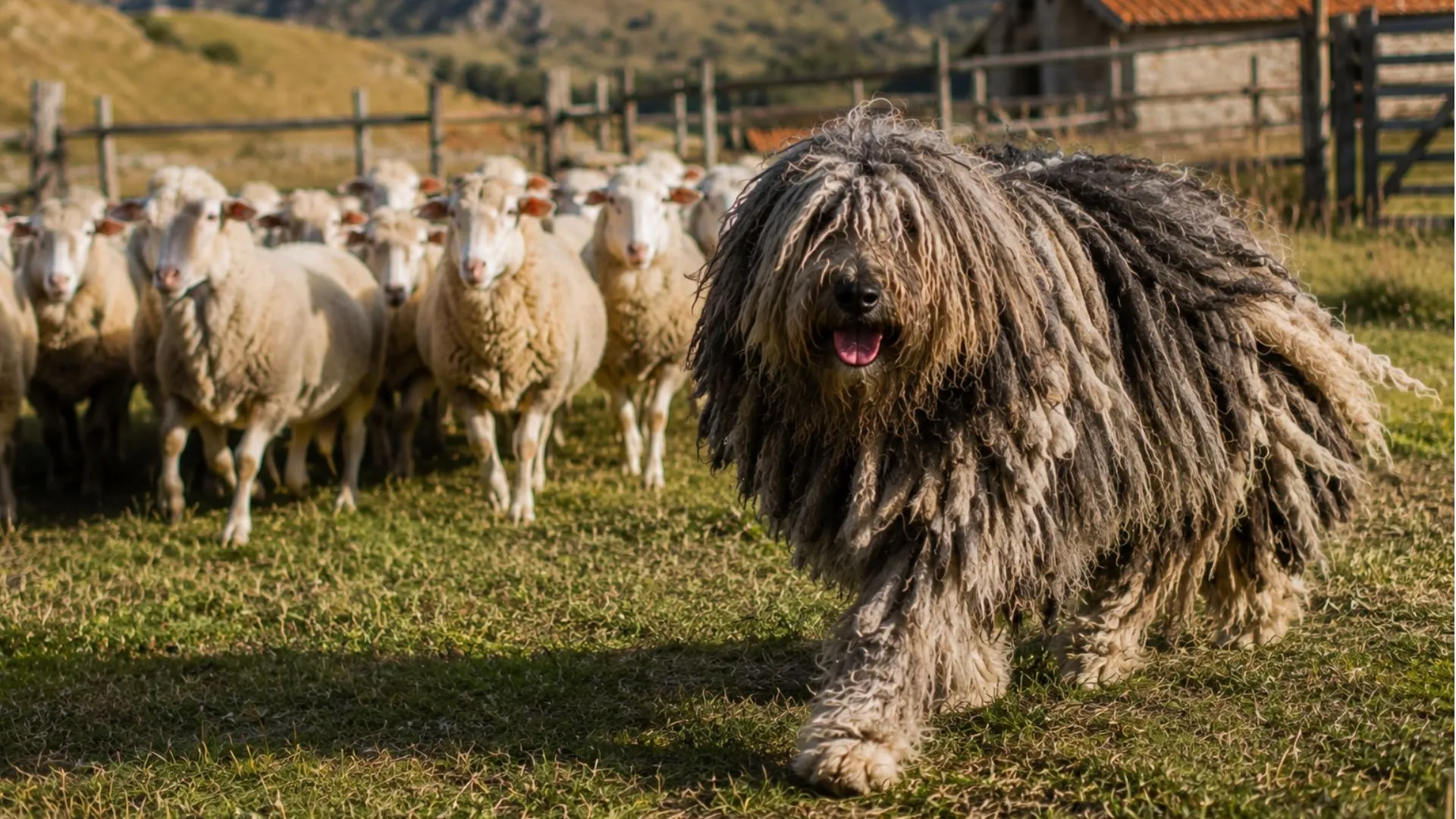
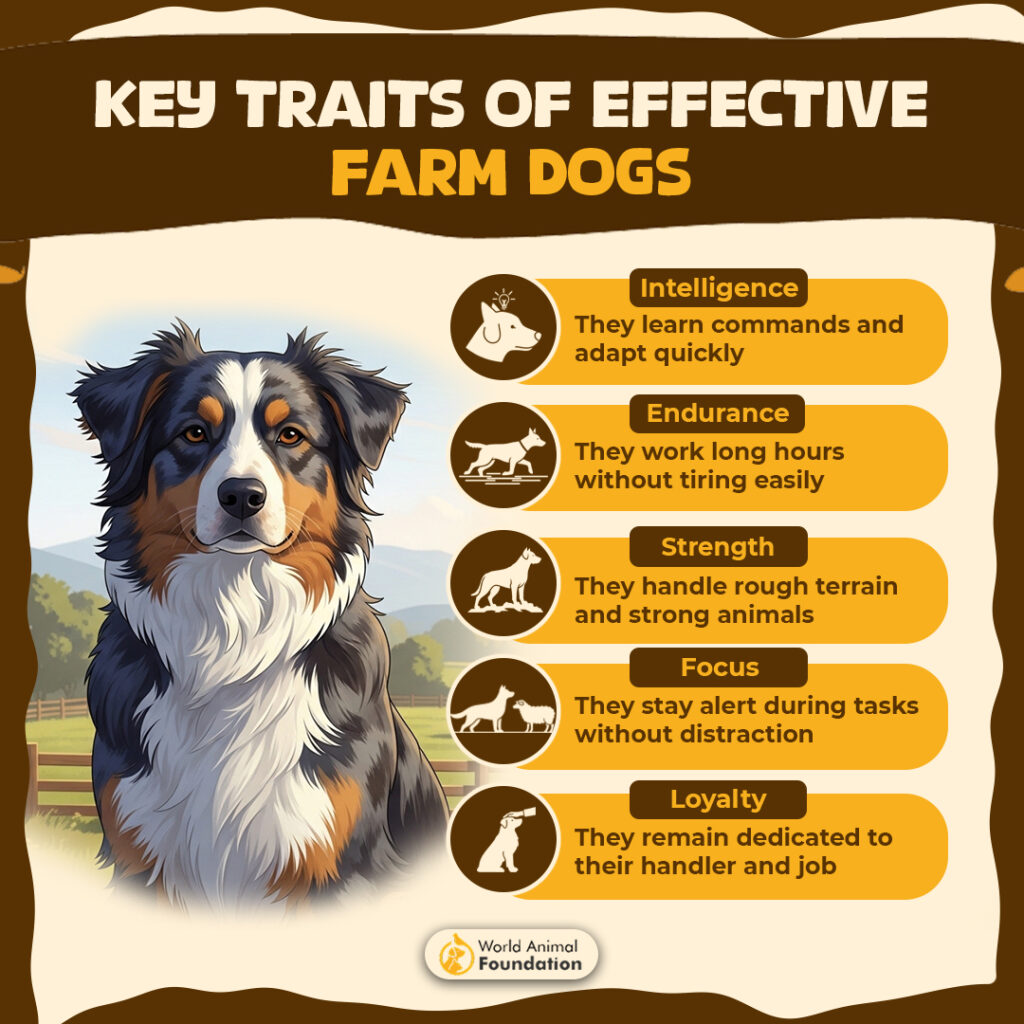
Before drones, ATVs, and GPS collars became common on farms, there was one piece of technology that never ran out of batteries: a hardworking herding dog. For centuries, these canines have gathered sheep, moved cattle, protected livestock, and outsmarted predators using nothing more than instinct, intelligence, and a rock-solid partnership with humans.
What makes herding dogs so fascinating is that they don’t all work the same way. Some use intense eye contact to pressure livestock into moving, while others bark, circle, or physically drive animals from behind.
Whether you live on a ranch or admire incredible working dogs, these breeds showcase some of the most impressive examples of canine intelligence and teamwork. Let’s meet the mighty farm dogs whose herding strategies have earned them legendary status.
Mighty Dog Breeds Designed for Farm and Herding
1. Briard
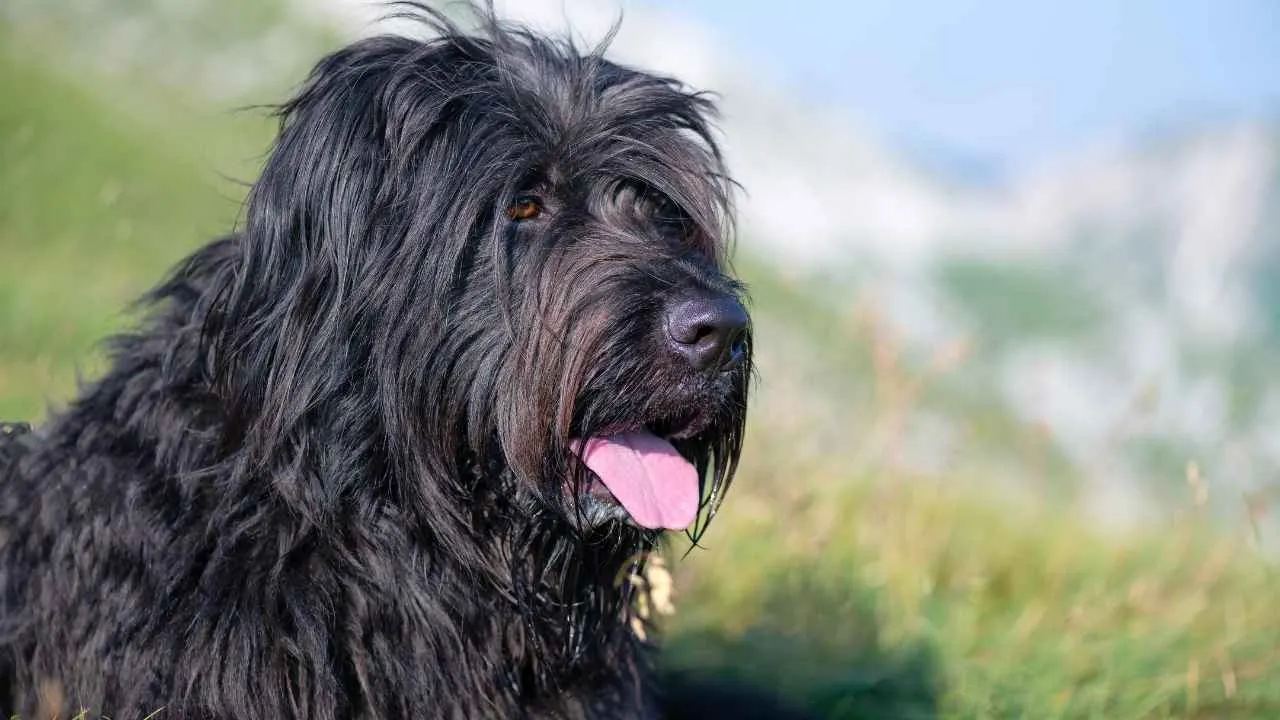
The Briard is one of France’s oldest pastoral breeds and has spent centuries herding and protecting flocks across the countryside. Rather than relying solely on speed, they combine observation, patience, and strategic positioning to guide sheep while remaining alert for potential threats.
Unlike breeds that constantly chase livestock, they often maintain order through calm but confident pressure. They instinctively patrol the edges of a flock, discouraging wandering animals while staying aware of predators or strangers approaching the group.
Farmers have long appreciated this farm dog breed’s herding instincts and the ability to multitask without constant direction.
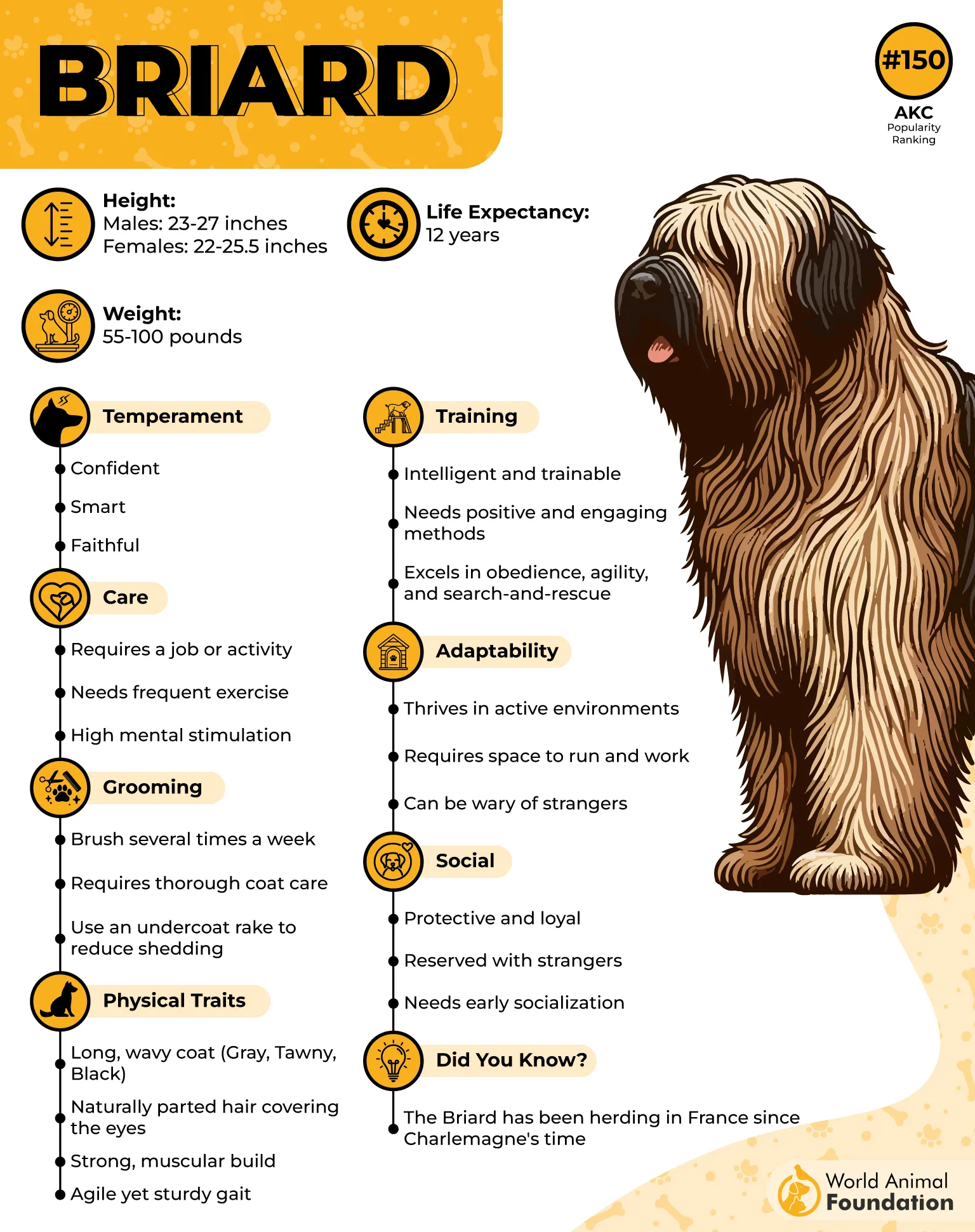
One fascinating aspect of the Briard’s working style is its independent decision-making. Because shepherds could not supervise every movement across vast grazing lands, Briards learned to assess situations and react appropriately on their own. That independence remains visible today, making consistent training and socialization especially important.
The breed’s protective instincts naturally extend beyond livestock to family members. Many owners report that Briards gently monitor children and may even engage in light “herding” behaviors, circling or nudging them together during play.
Even away from farms, they thrive when they have mentally engaging tasks. Advanced obedience, scent games, and herding trials allow them to express the problem-solving skills that generations of selective breeding refined.
2. Rottweiler
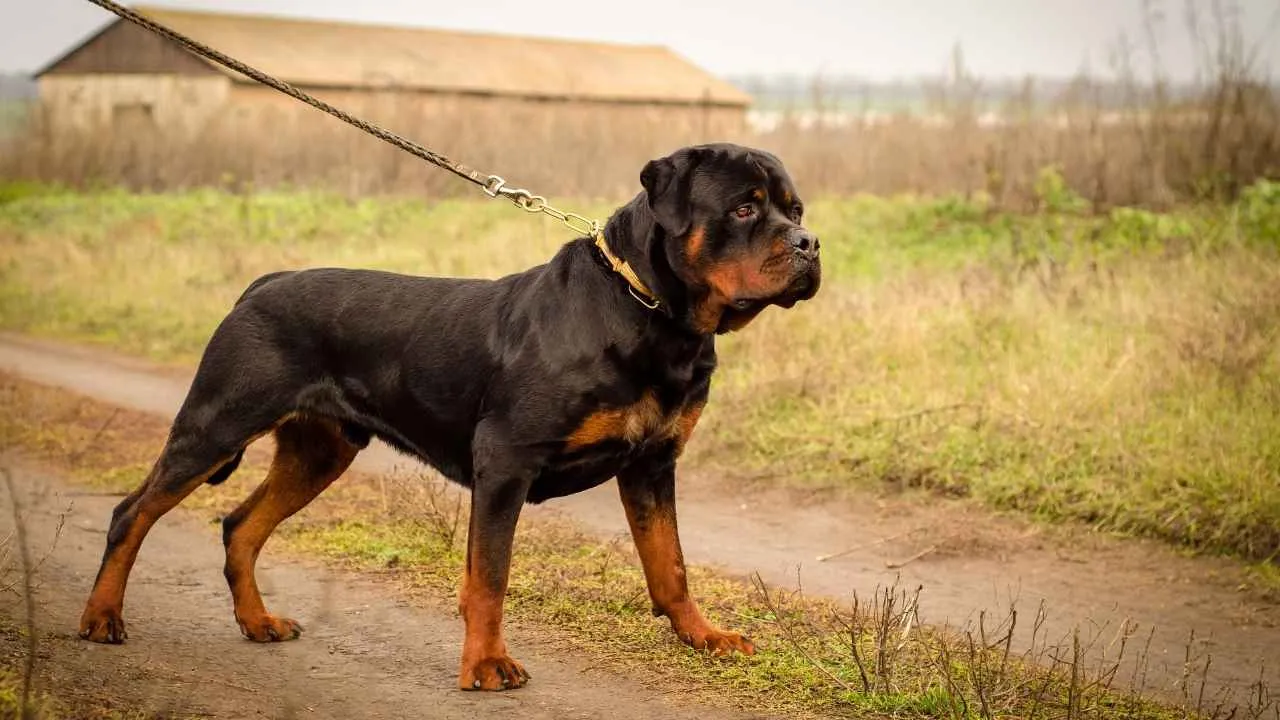
Although many people associate the Rottweiler with guarding or police work, its agricultural history is equally impressive. Historically known as drovers, the breed helped move cattle over long distances while protecting livestock and valuable goods from thieves.
Unlike lighter herding breeds that constantly circle livestock, they often relied on controlled forward pressure and physical presence. Their size alone kept cattle in formation without excessive barking or frantic movement. Calm authority, rather than chaos, defined their working strategy.
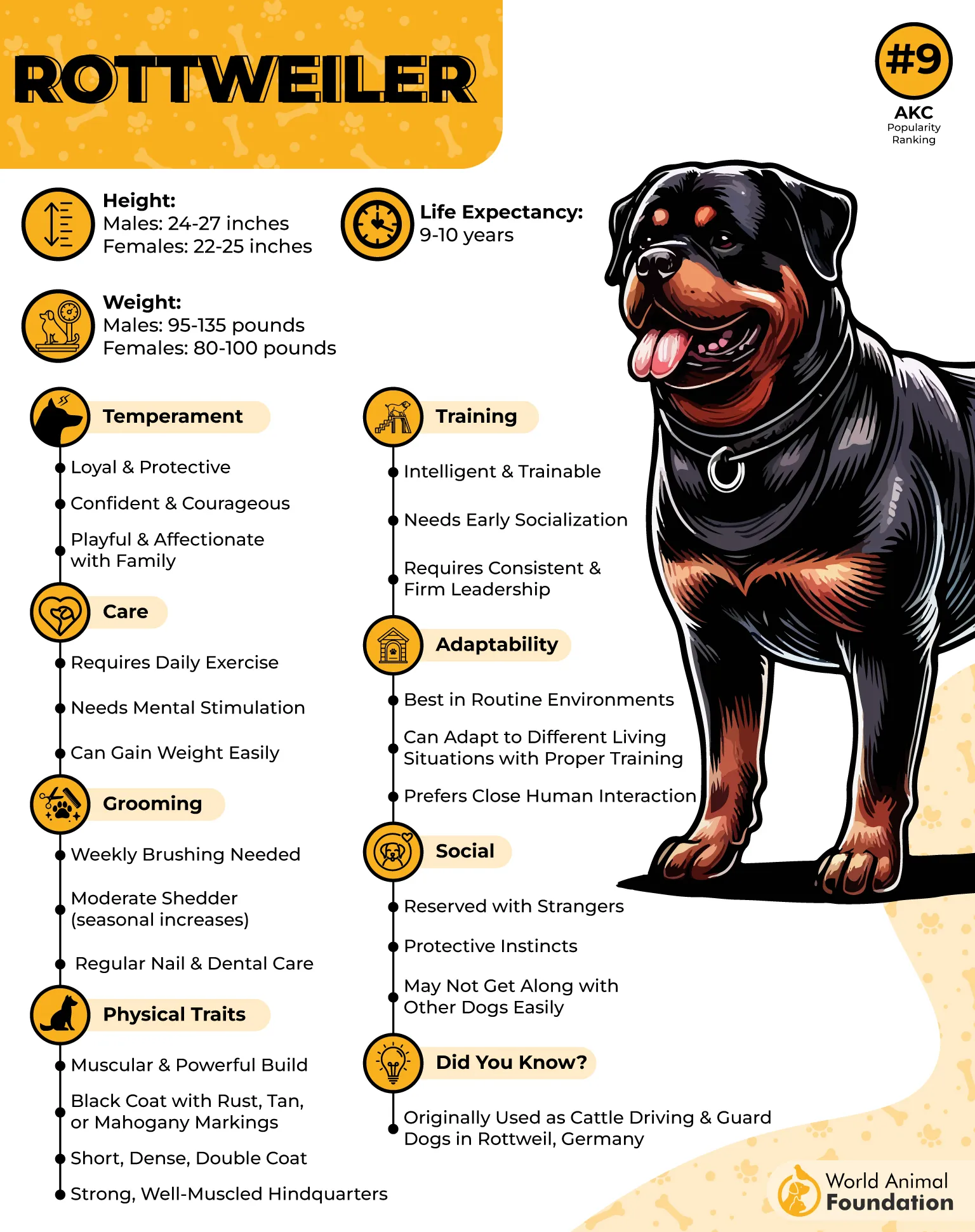
Modern Rottweilers remain highly trainable thanks to their intelligence and eagerness to work with people. Positive reinforcement methods help build lasting behavioral habits while maintaining the trust that makes them such dependable partners.
On farms where they still perform livestock duties, they combine guarding instincts with practical herding behavior. They naturally monitor boundaries and stay attentive to changes in their surroundings, making them excellent all-purpose working companions.
Life with this family dog requires daily exercise and mental stimulation to satisfy its working heritage. Long walks, structured training sessions, and interactive challenges help prevent boredom while strengthening the bond between dog and owner.
3. Polish Lowland Sheepdog
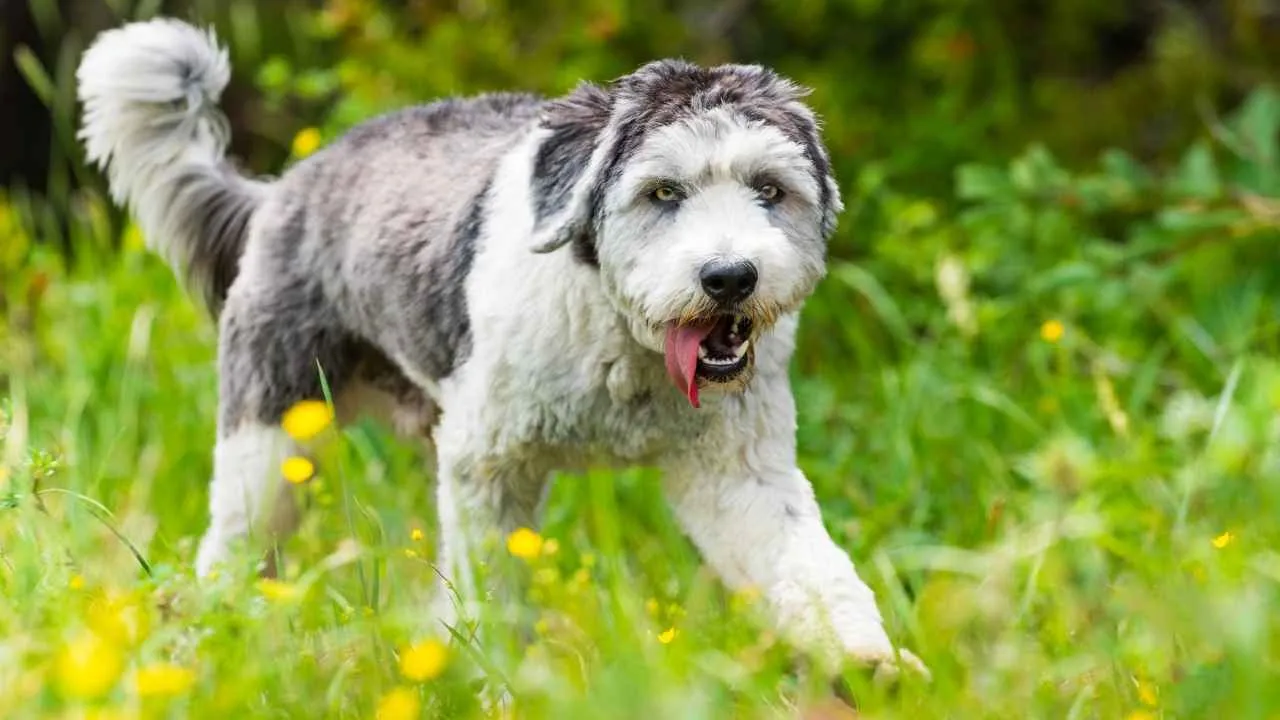
The Polish Lowland Sheepdog, often called the PON, developed on Poland’s plains where intelligence and memory were essential for managing flocks. Shepherds valued these dogs because they could remember commands, recognize livestock patterns, and adapt quickly to changing situations.
Rather than relying on intimidation, this energetic breed uses persistence and calculated movement to keep animals together. It carefully positions itself to redirect wandering sheep before they stray too far from the flock. This efficient strategy conserves energy while maintaining excellent control.
One standout trait is the breed’s willingness to think independently. They do not simply execute commands mechanically but evaluate circumstances and sometimes solve problems on their own. While this makes them highly capable workers, it also means owners must provide clear and consistent leadership.
Outside traditional farming, these dogs shine in agility competitions, obedience sports, and therapy work. Their adaptability demonstrates that the same intelligence used for herding can transfer to many different tasks requiring focus and cooperation.
Despite their cheerful personalities, Polish Lowland Sheepdogs are not ideal for sedentary households. They crave engagement, companionship, and purposeful activity, often becoming vocal or mischievous if under-stimulated.
4. Bergamasco Sheepdog
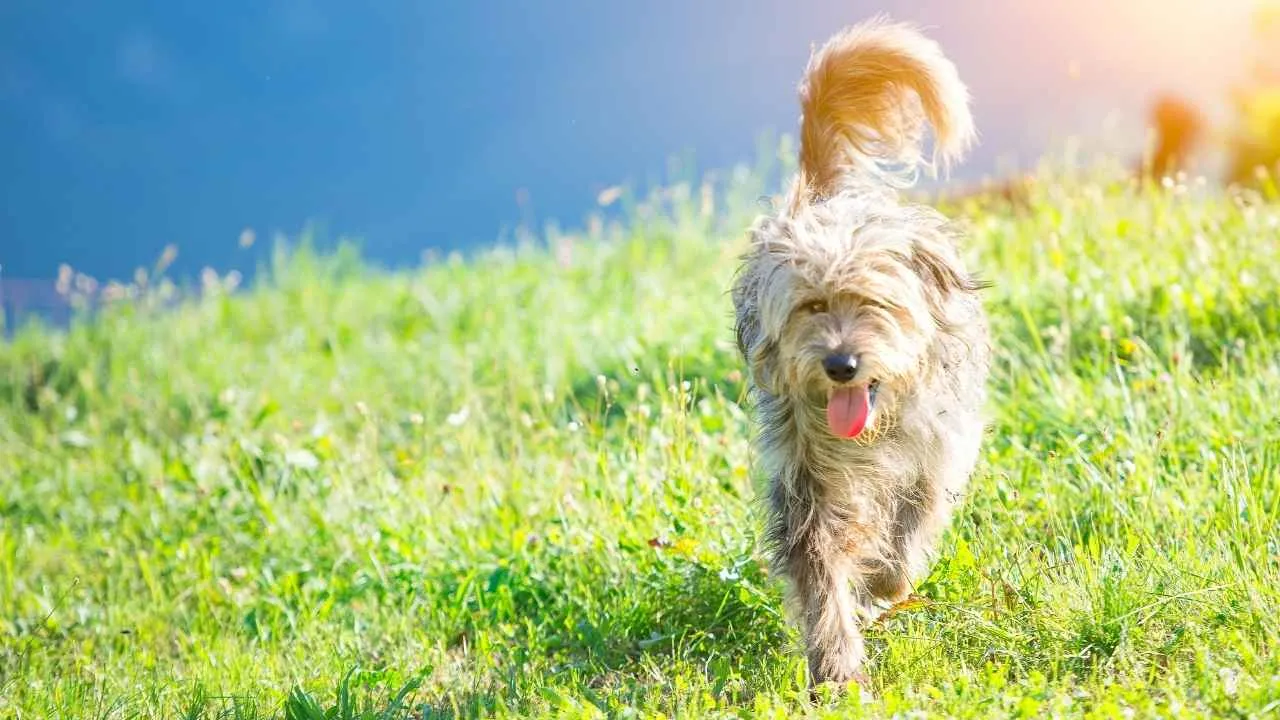
The Bergamasco Sheepdog is an ancient Italian herding breed developed in the rugged Alps, where livestock management demanded endurance, intelligence, and independence. Unlike high-pressure herding dogs that constantly direct animals with speed, the Bergamasco prefers a calm and methodical approach.
Its strategy is built around observation, positioning, and thoughtful decision-making rather than frantic movement.
One of the breed’s greatest strengths is its ability to work without constant human supervision. Alpine shepherds often trusted Bergamascos to monitor flocks across difficult terrain, knowing the dogs could assess situations and react appropriately on their own.
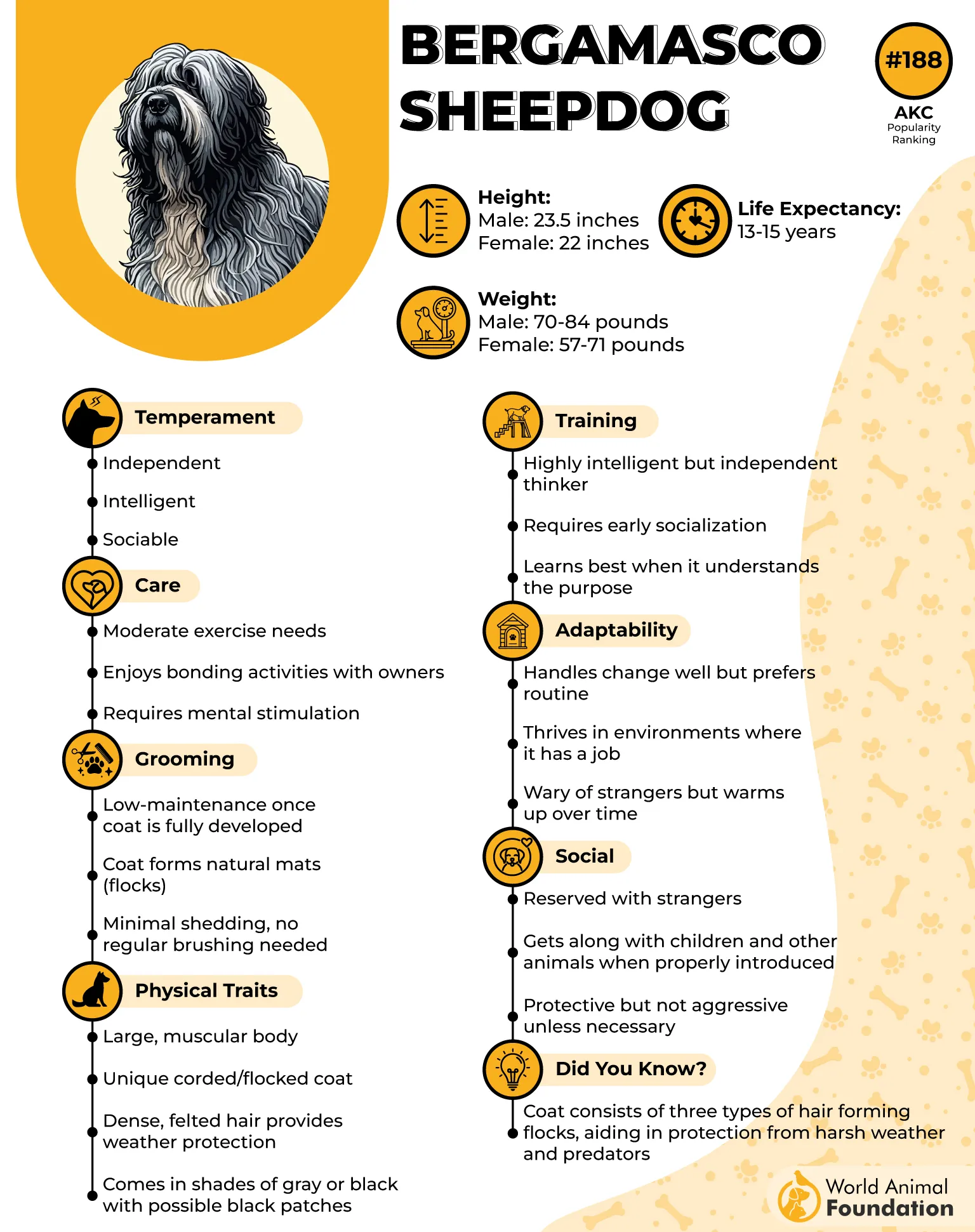
The Bergamasco’s famous matted coat isn’t just for looks—it evolved as practical protection against freezing temperatures, rain, and predator attacks. The dense felted layers help shield the dog while it spends long hours outdoors with sheep and goats.
When moving livestock, Bergamascos rely on quiet confidence instead of intimidation. They maintain steady pressure on wandering animals and naturally patrol vulnerable areas of the flock, reducing stress while keeping the group organized.
Beyond traditional herding, these perfect farm dogs excel in activities that challenge their intelligence, including obedience, scent work, and advanced training exercises. They bond deeply with their families but retain the watchful instincts that made them trusted guardians for generations.
5. Puli
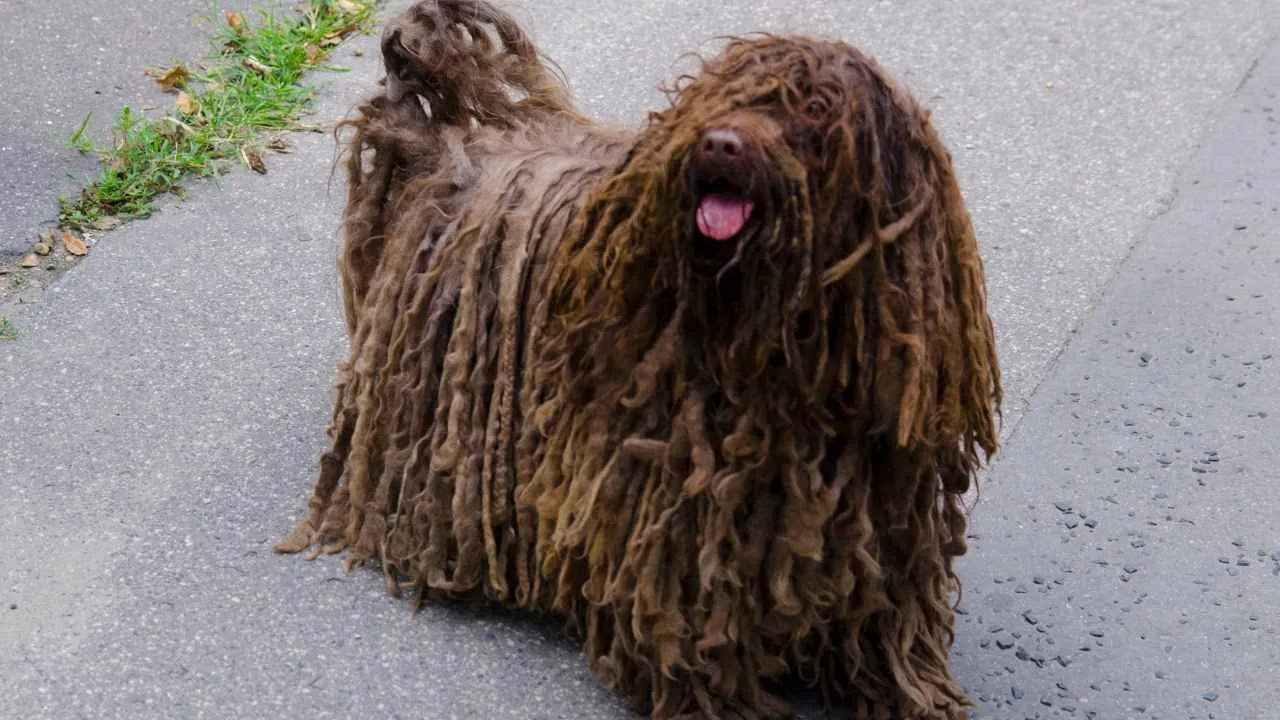
The Puli may be famous for its incredible corded coat, but beneath those signature cords is one of the quickest and most agile herding dogs in the world. Developed in Hungary to gather and drive sheep, the breed specializes in fast directional changes and responsive movement.
Unlike livestock guardian breeds that remain stationary to deter predators, the Puli actively moves stock by darting around the flock and applying controlled pressure. It constantly scans the environment, adjusting its position to redirect animals before they separate from the group.
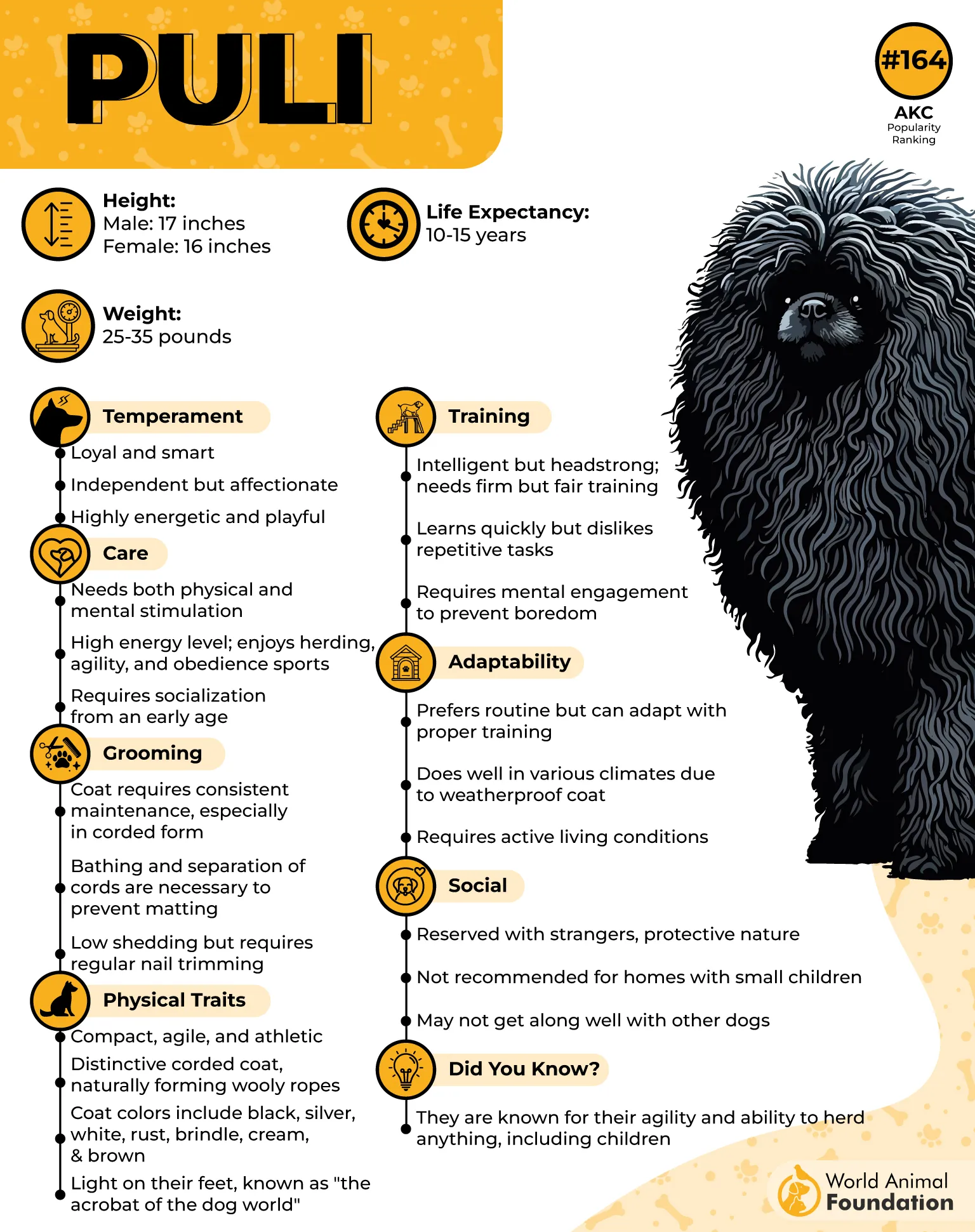
Intelligence is one of the Puli’s defining characteristics, says Hills Pet, and centuries of selective breeding have produced exceptional problem-solving abilities. Handlers often praise the breed’s speed of learning and responsiveness to commands, qualities that translate beautifully into agility competitions and obedience sports.
Because they were bred for nonstop work, Pulik require significant daily mental and physical stimulation. Herding simulations, advanced trick training, scent games, and canine sports all help satisfy their natural drive.
The iconic cords also serve a functional purpose by protecting the dog from harsh weather and rough vegetation while working. However, maintaining them requires dedicated care, including separating cords and ensuring they dry completely after becoming wet.
6. Belgian Malinois
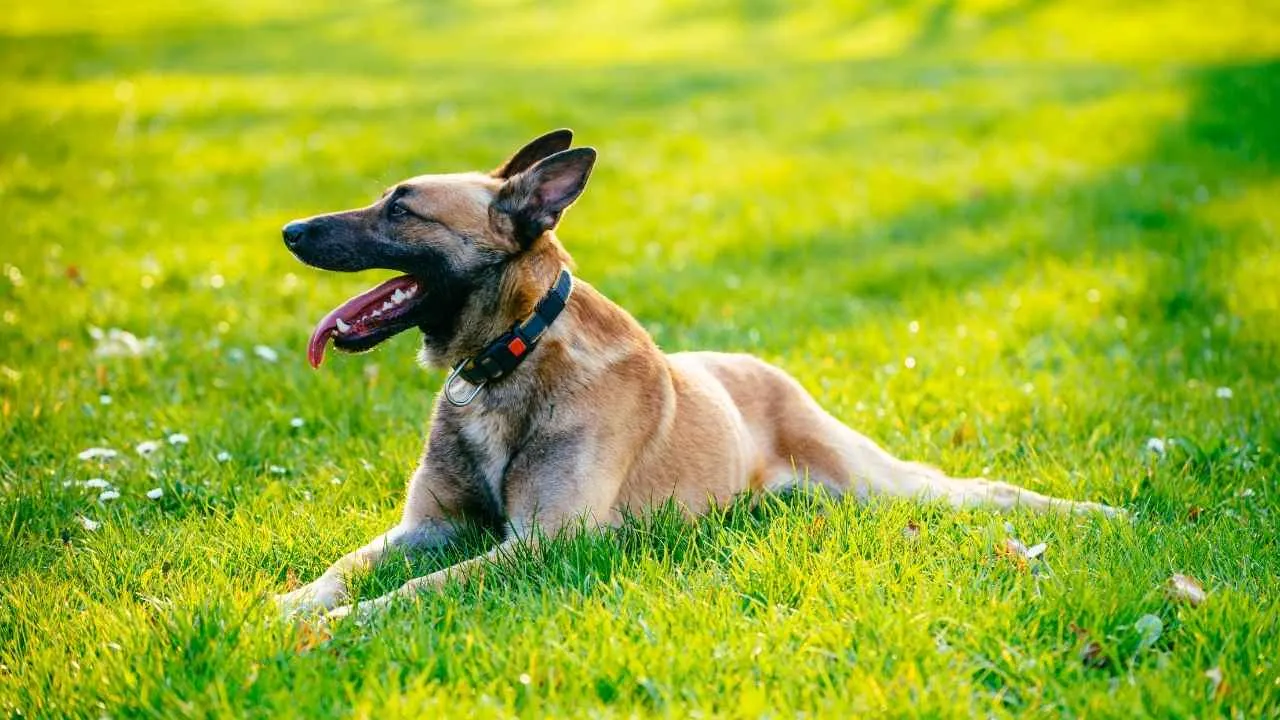
The Belgian Malinois is often associated with elite military and police units, but its roots lie firmly in livestock herding. Originally developed in Belgium as a hardworking farm dog, it was prized for speed, responsiveness, and relentless focus.
In the pasture, the Malinois uses an energetic driving style that combines athletic movement with constant engagement. Rather than slowly escorting livestock, it quickly positions itself to influence direction, using body language and controlled pressure to keep animals moving efficiently.
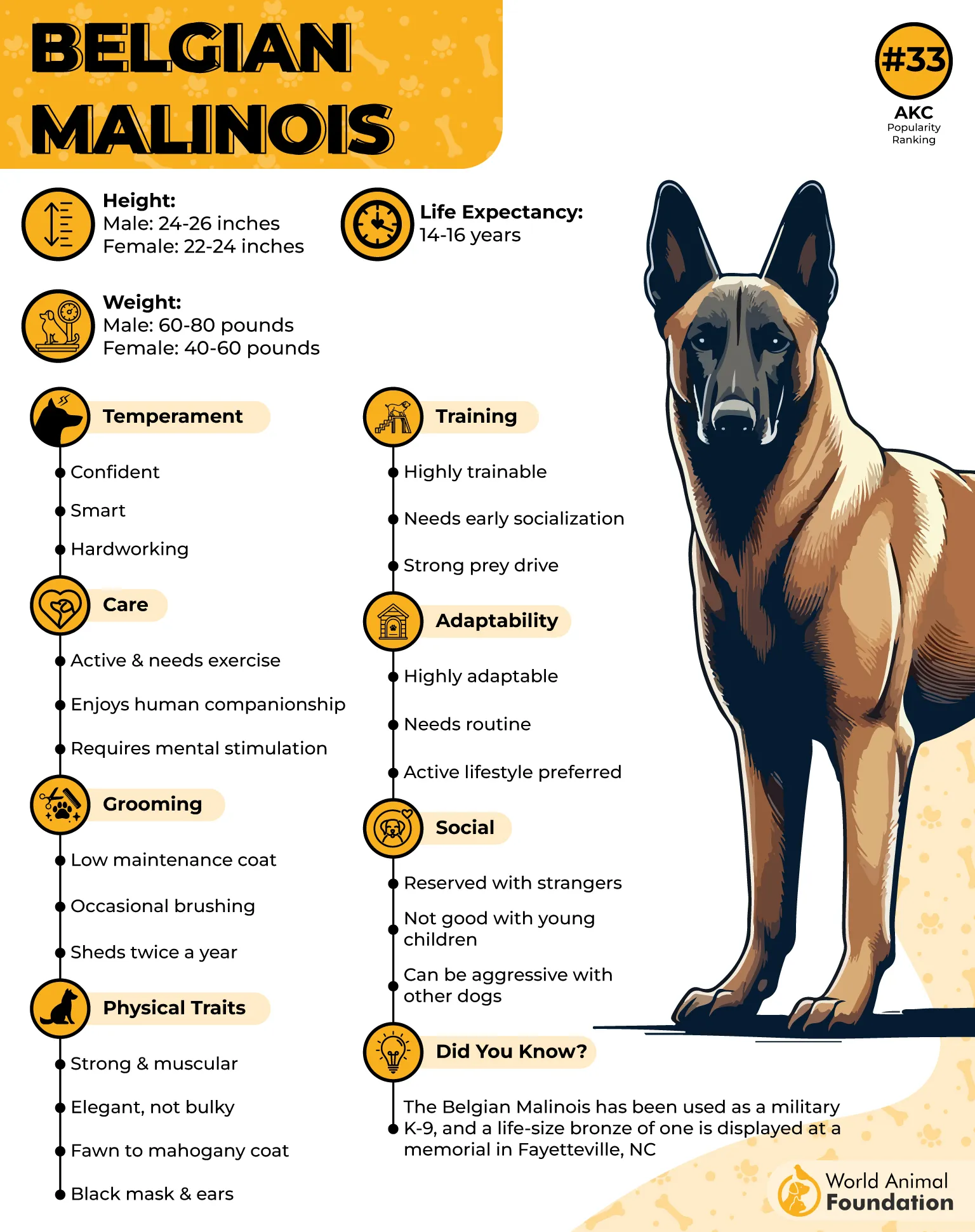
Perhaps the breed’s greatest asset is its extraordinary trainability. Belgian Malinois rapidly absorb new commands and thrive on structured tasks that challenge both mind and body. Professional handlers frequently describe them as dogs that actively seek work, making them outstanding competitors in obedience, tracking, protection sports, and advanced herding trials.
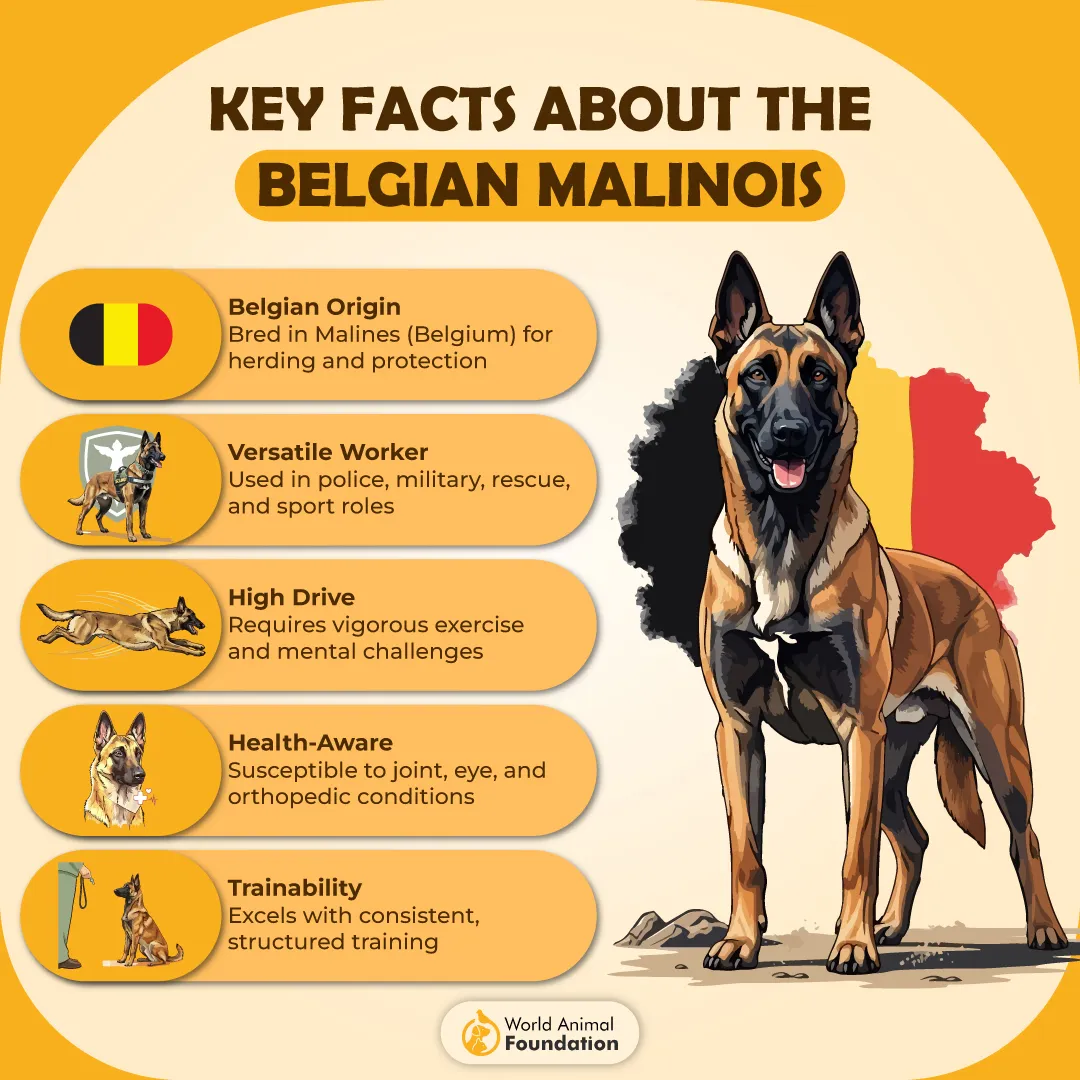
Their intense work ethic also means they require experienced ownership. Without regular exercise, training, and meaningful engagement, a Malinois may invent its own activities—often by chasing movement or attempting to herd children and other pets. Early socialization and consistent leadership are essential for channeling these powerful instincts into productive behavior.
For active owners or working farms, few breeds can match the Belgian Malinois’s combination of intelligence, speed, and versatility.
7. German Shepherd
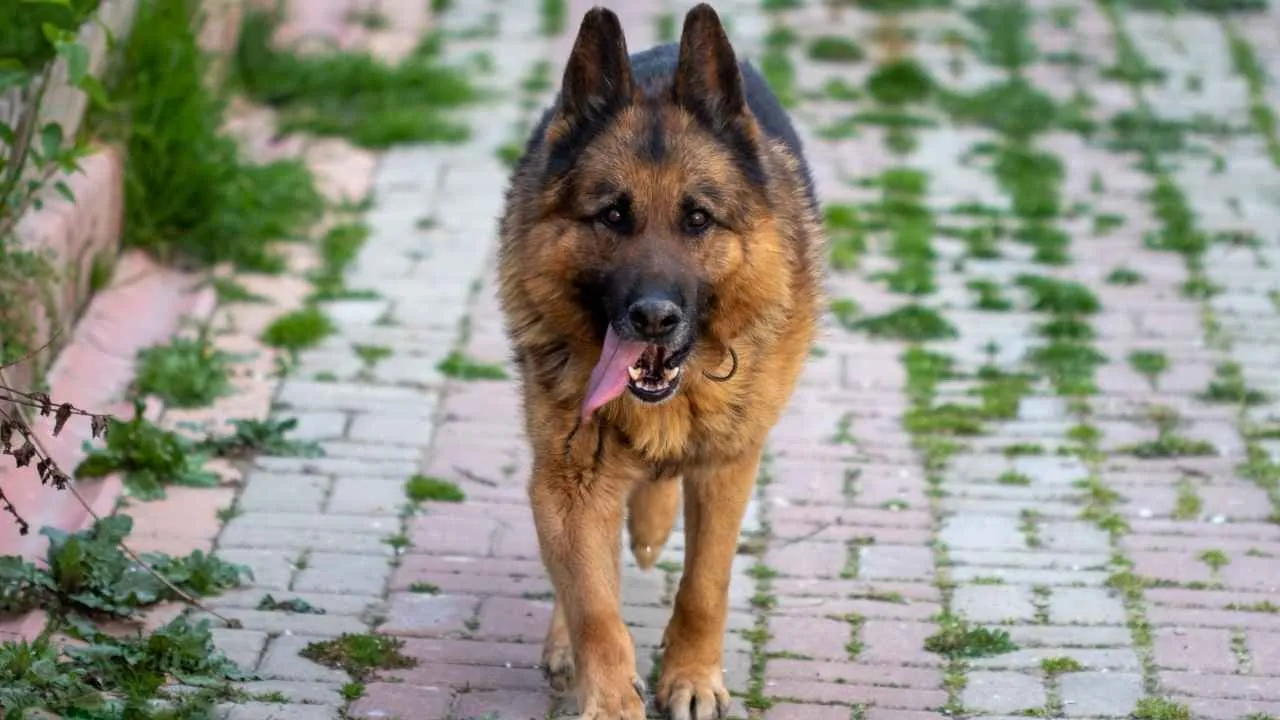
The German Shepherd is one of the world’s most recognizable working dogs, but many people don’t realize that its story began in the pastures of Germany. Developed in the late 19th century by Captain Max von Stephanitz, the breed was designed to be the ultimate herding and utility dog.
Unlike breeds that rely on an intense “eye” to control livestock, these Shepherd dogs typically use a loose, upright driving style. They patrol boundaries, respond to voice and hand signals, and use their physical presence to encourage sheep or cattle to move in the desired direction. This adaptable strategy allows them to handle a variety of farm tasks beyond simple herding.
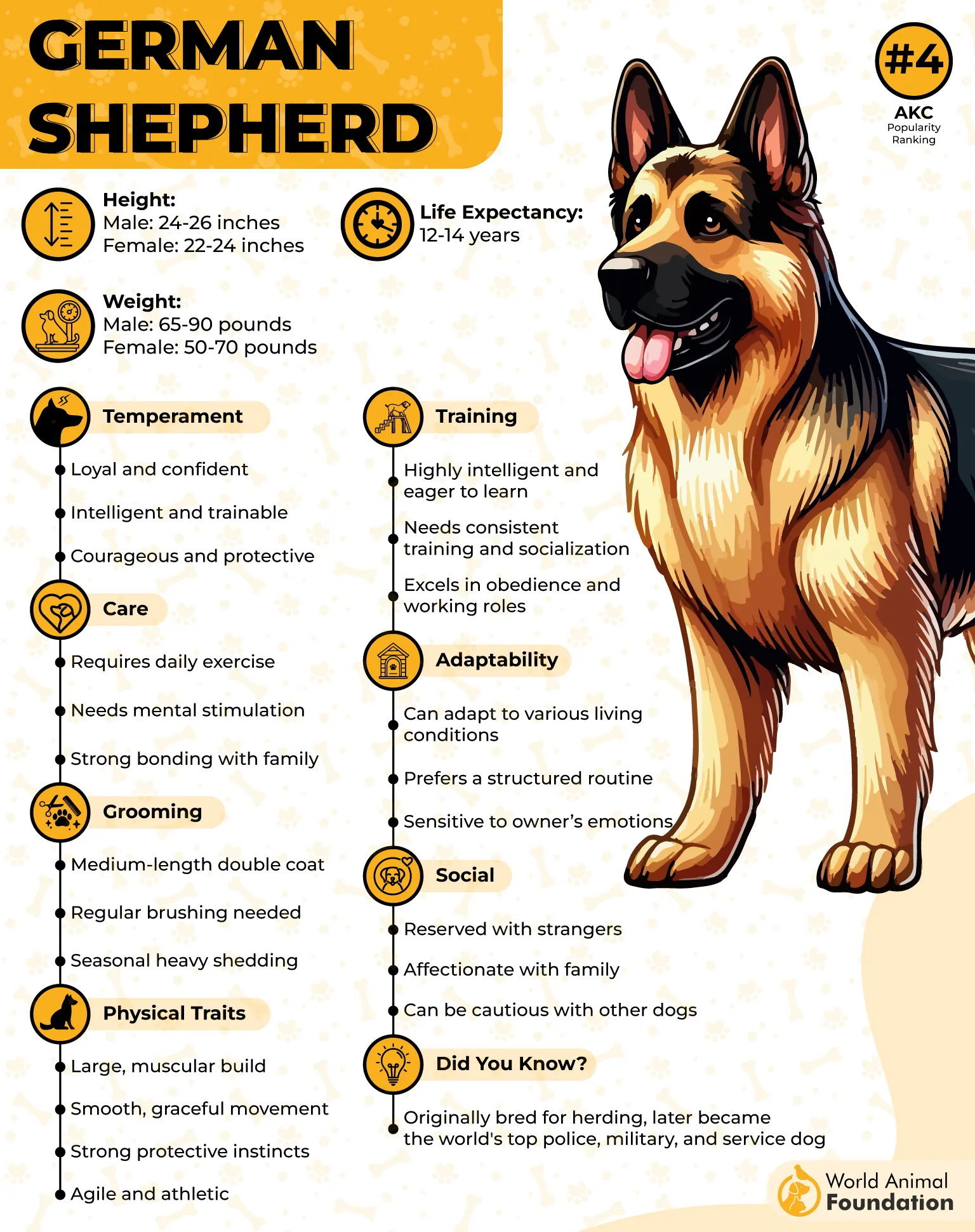
A hallmark of the breed is its exceptional trainability and desire to cooperate with handlers. German Shepherds thrive when given structured jobs that require problem-solving, whether gathering livestock, navigating obstacle courses, or learning advanced obedience commands.
Their ability to process complex instructions has made them indispensable in police, military, and search-and-rescue work around the globe.
Because they were bred to work for long hours, German Shepherds need substantial daily exercise and mental stimulation. Experts often recommend one to two hours of physical activity, combined with training sessions, scent games, or puzzle-solving exercises, to keep them engaged.
Without sufficient engagement, their intelligence can manifest as boredom-driven behaviors such as excessive barking or destructive chewing.
On modern farms, German Shepherds remain valued for their versatility and vigilance.
8. Bearded Collie
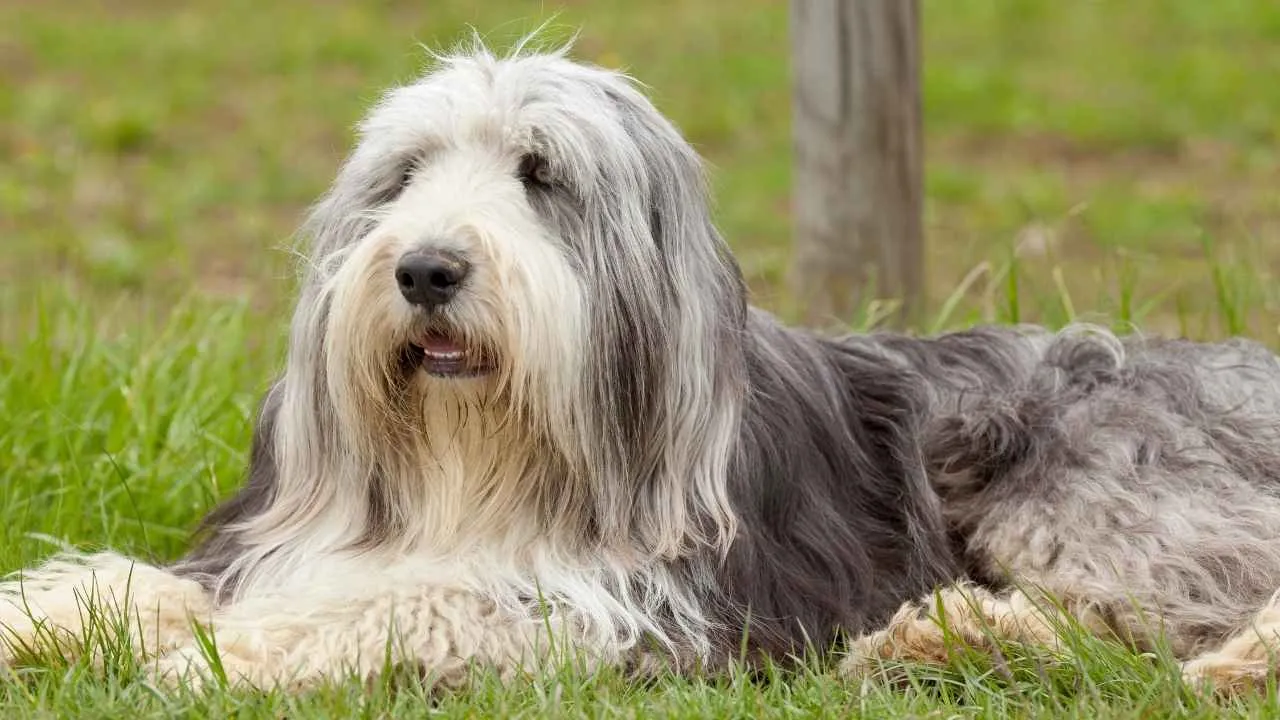
The Bearded Collie, affectionately known as the “Beardie,” has been herding livestock across the rugged landscapes of Scotland for centuries. Bred to gather sheep over hills, valleys, and unpredictable terrain, these shaggy dogs developed remarkable endurance and an independent mind.
Unlike forceful droving breeds, Bearded Collies use movement, barking, and strategic positioning to encourage livestock in the correct direction. They excel at collecting scattered sheep and gently guiding them back toward the flock without causing unnecessary stress.
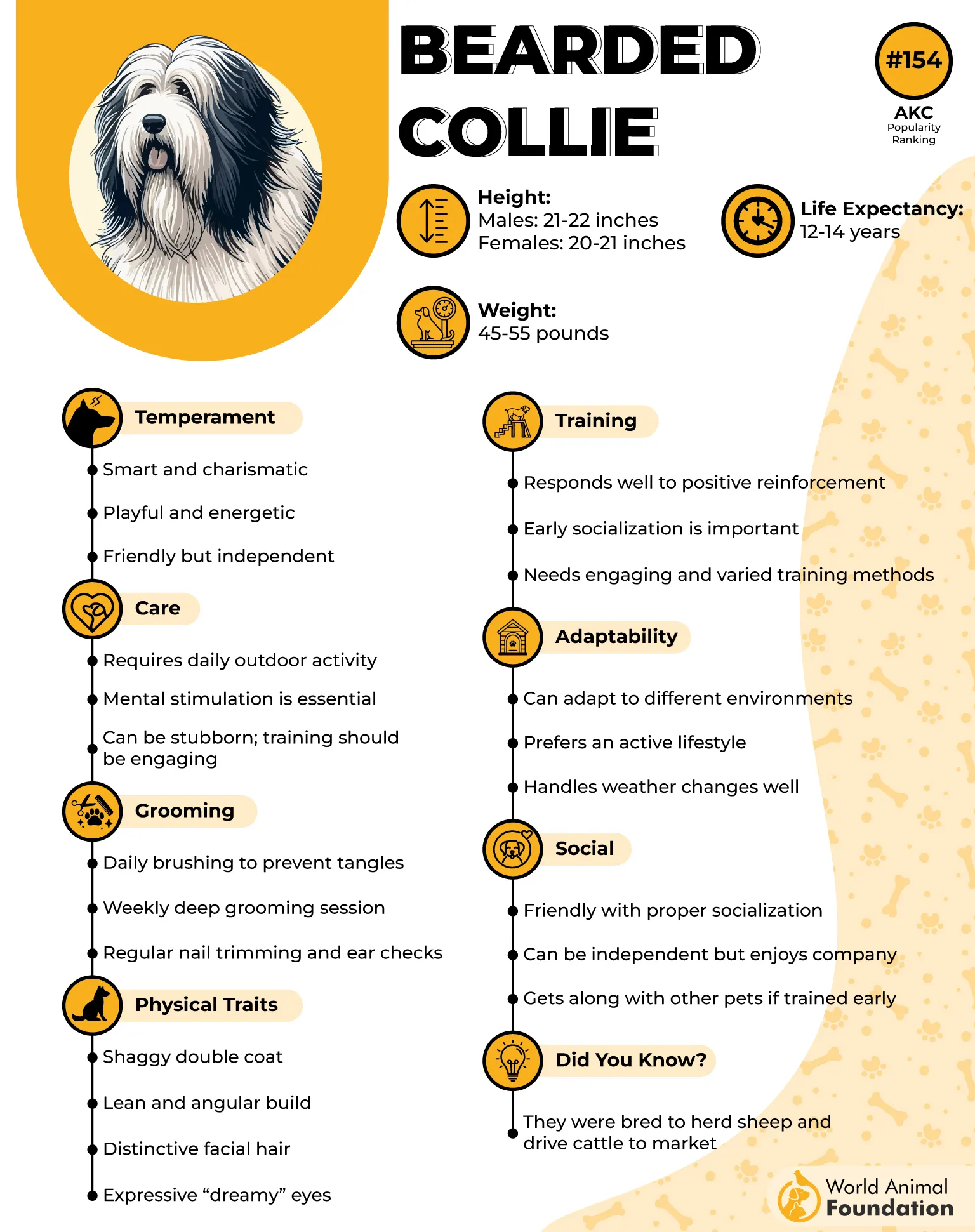
One of the Beardie’s defining traits is its boundless enthusiasm for activity. Whether participating in herding trials, agility competitions, or advanced obedience classes, they approach challenges with visible excitement and curiosity.
These dogs require regular mental enrichment alongside physical exercise to stay balanced. Herding games, interactive toys, and structured training sessions help satisfy instincts that generations of selective breeding have reinforced. Owners often remark that a mentally engaged Beardie is both easier to manage and endlessly entertaining.
In family settings, their herding heritage can occasionally appear in amusing ways, such as attempting to gather children or other pets into one place. Early socialization and positive reinforcement teach appropriate boundaries while preserving the confidence and initiative that define the breed.
9. Doberman Pinscher
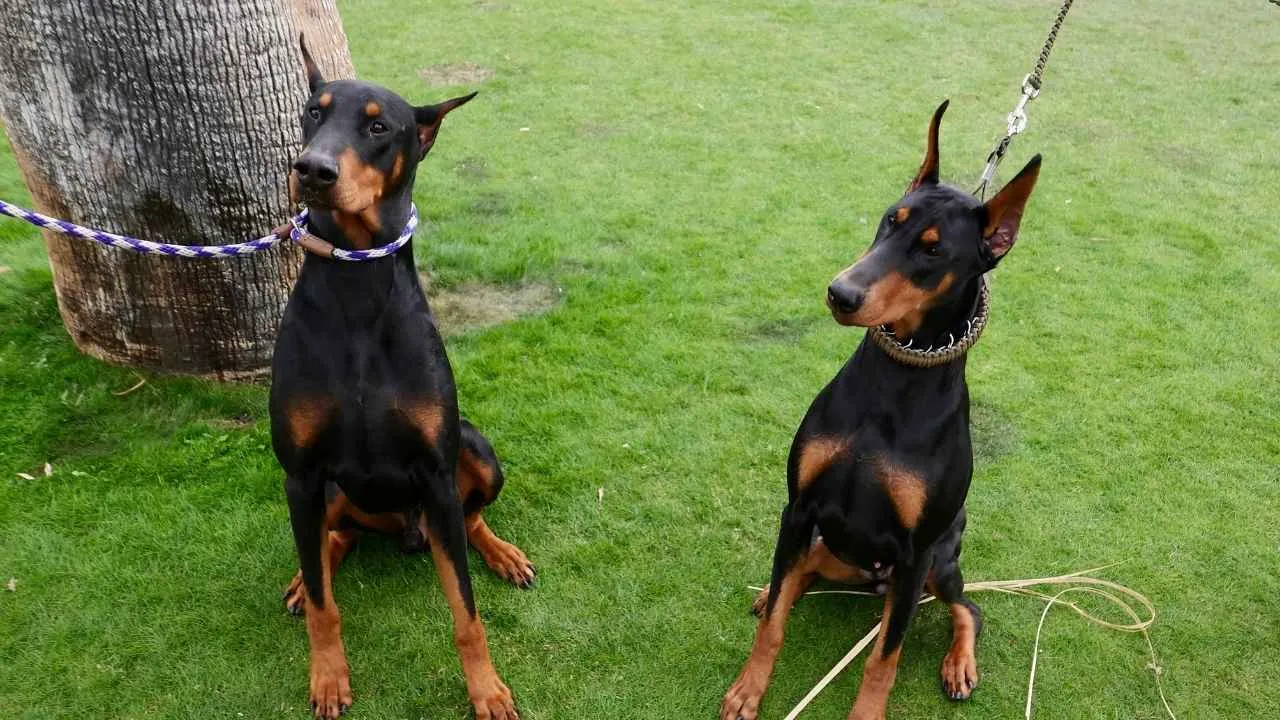
The Doberman Pinscher is widely celebrated as a fearless protector, but its versatility extends well beyond guarding duties. Although not traditionally classified as a specialist for herding cattle, Dobermans possess many working traits that make them valuable partners on farms and large rural properties.
Rather than using intricate livestock-gathering techniques, Chewy says they contribute through perimeter awareness and rapid response. Their natural alertness enables them to monitor property, deter intruders, and quickly investigate disturbances.
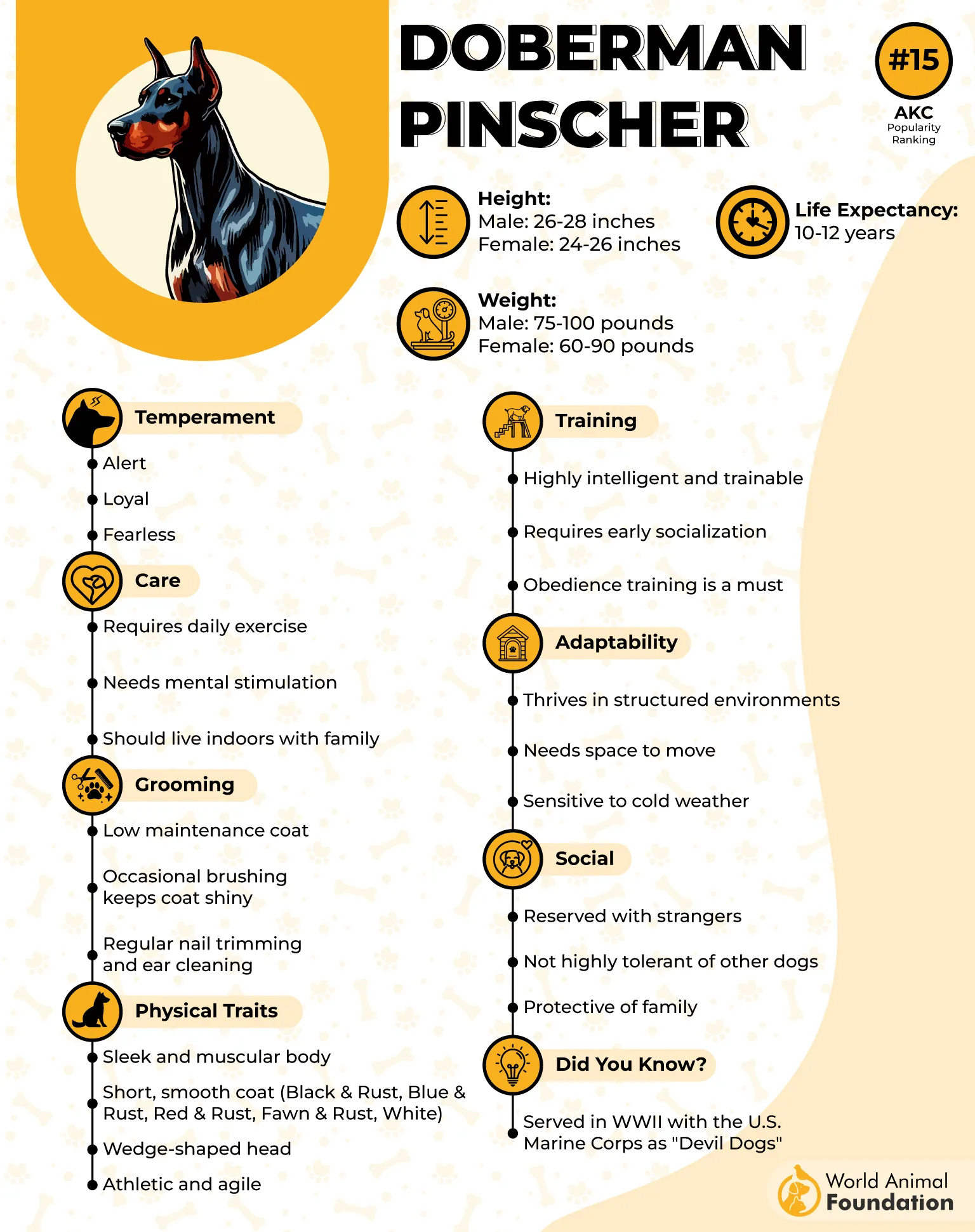
Athleticism is one of the breed’s greatest strengths. Dobermans combine explosive speed with excellent stamina, allowing them to patrol extensive areas or accompany handlers through physically demanding tasks. Their lean, muscular build supports quick directional changes and sustained activity, qualities prized in many working environments.
Training is typically straightforward because Dobermans are eager learners who respond well to consistency and positive reinforcement. They excel when given structured routines and mentally stimulating challenges that engage their problem-solving abilities.
Although modern Dobermans are more commonly seen as family guardians or service animals, their strong work ethic remains deeply rooted in the breed’s history. They form close bonds with their people and perform best when included in daily activities rather than left idle.
10. Komondor
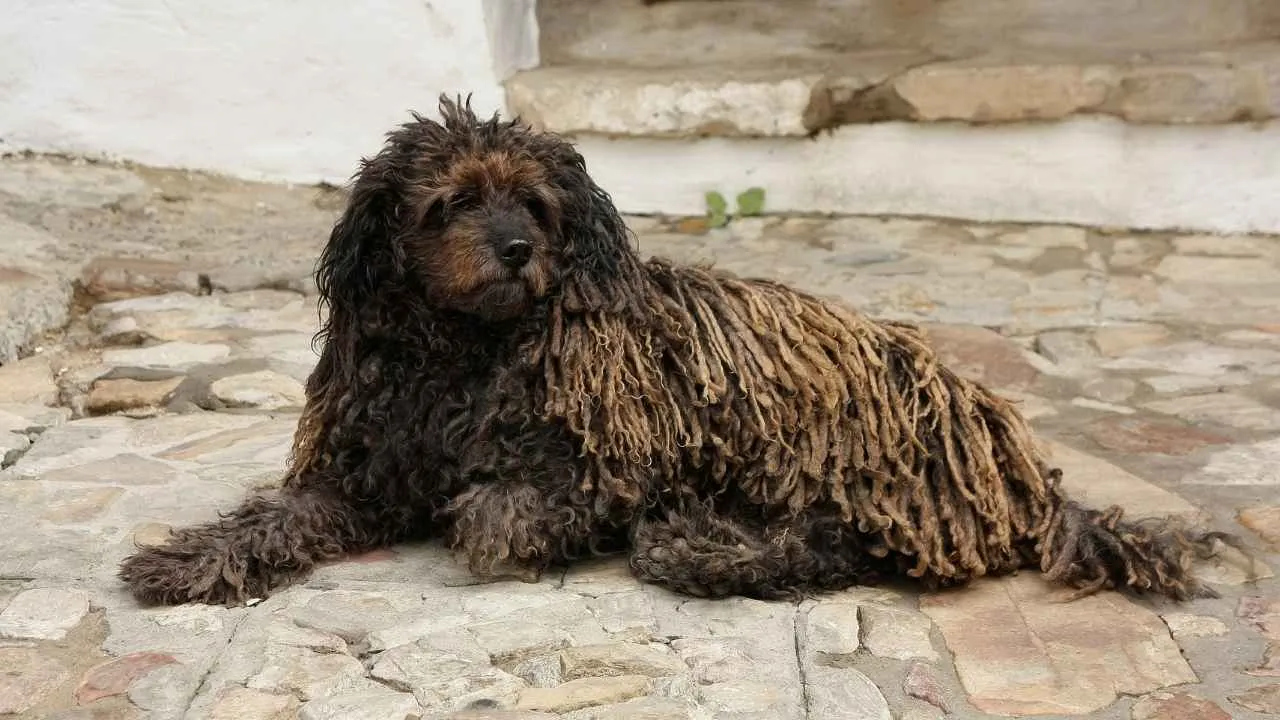
The Komondor is one of the most distinctive livestock guardian dogs in the world, instantly recognizable by its dramatic corded white coat that resembles a walking mop. Its calm confidence and fearless nature have made it a trusted guardian for centuries.
Unlike driving or gathering breeds that actively push livestock in a specific direction, the Komondor practices passive protection. It quietly observes its surroundings, blending into the flock until a threat appears, then reacts with remarkable speed and determination.
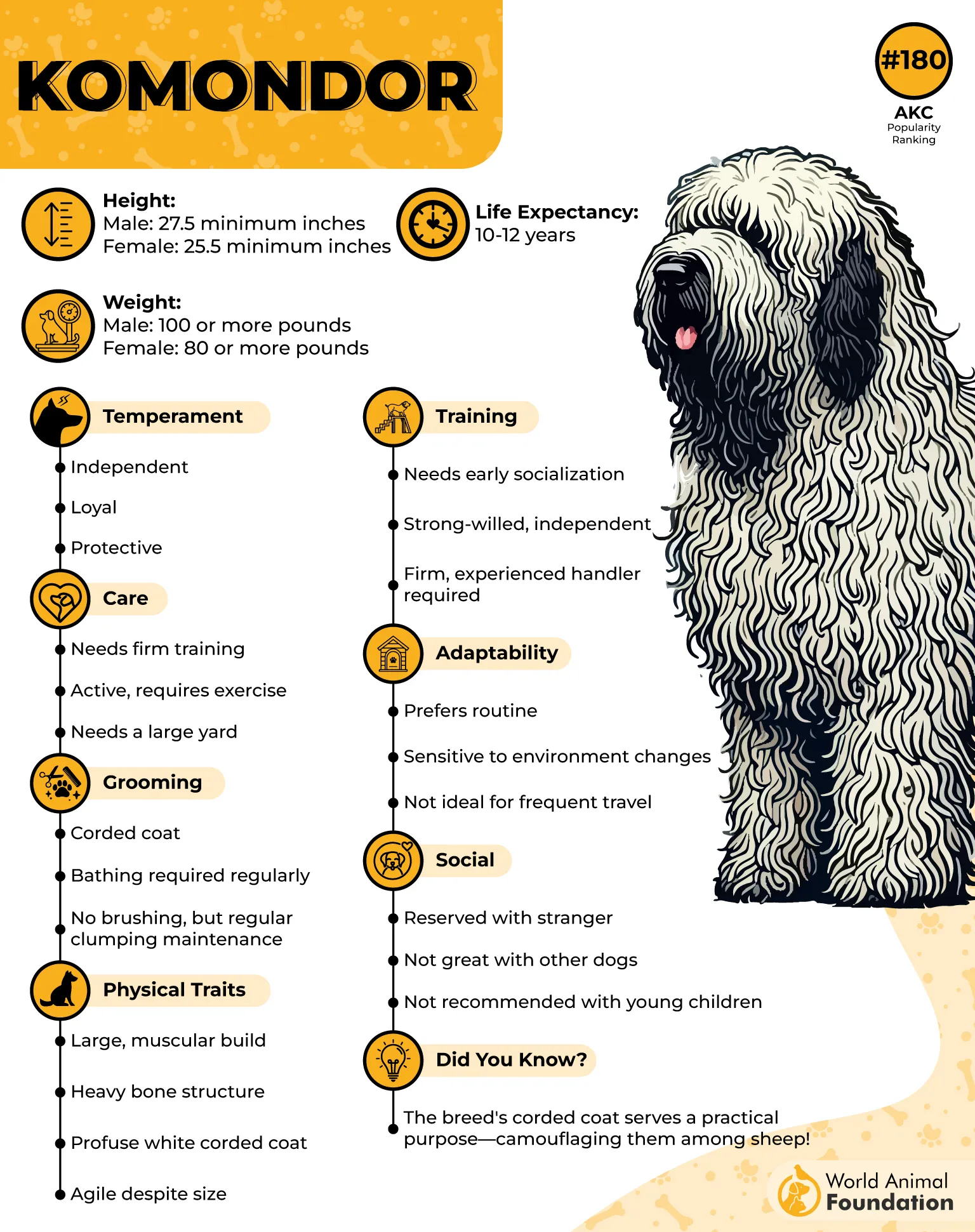
American Kennel Club (AKC) says this breed is an exceptionally independent thinker because it was historically expected to make life-or-death decisions without waiting for human commands. Once a Komondor understands what belongs under its protection, it takes that responsibility seriously and patrols its territory with unwavering dedication.
Proper socialization from puppyhood is essential to help Komondors distinguish between genuine threats and everyday visitors. Early exposure to different people, animals, and environments helps create a confident guardian that remains composed under normal circumstances.
Its protective instincts, resilience, and devotion make it an outstanding partner for farms and ranches facing predator pressure. Beneath the famous cords lies a courageous working dog whose instincts have been refined over hundreds of years.
Conclusion
Farm and herding dogs are far more than hardworking helpers—they are the result of centuries of selective breeding that shaped specialized skills for managing livestock and protecting rural communities.
No matter which breed captures your attention, one thing is certain: these mighty dogs have helped shape agriculture for generations through intelligence, courage, and extraordinary teamwork with humans. Their legacy lives on not only in fields and pastures but also in homes where their loyalty and determination continue to inspire admiration.
