




Some dogs can ignore a fluttering bird or a running rabbit without giving it a second glance. Others react so quickly that the movement is over before you even realize what caught their attention. That difference is not random, and it has very little to do with obedience alone.
Hidden beneath generations of careful breeding is a powerful instinct that still influences the way certain dogs see the world today. It affects how they respond to motion, how they approach outdoor adventures, and why they often need different training than many other companions.
Once you understand where that instinct comes from, many everyday behaviors begin to make perfect sense. It also becomes easier to appreciate why these dogs excel in specific roles while requiring thoughtful management at home.
Continue reading to explore impressive breeds whose naturally high prey drive remains one of their defining characteristics and greatest strengths.
Key Takeaways
A Greyhound can spot movement from surprisingly far away and react before most people even notice what caught its eye.
That same instinct is shared by breeds like the Afghan Hound and Saluki, whose hunting history still shapes the way they respond to the world today.
Once you discover what drives these dogs to chase, many everyday habits suddenly make perfect sense, from their love of running to their need for thoughtful training.
Keep reading because every breed on this list has a story that explains why this powerful instinct never really disappeared.
Dog Breeds with Naturally High Prey Drive
1. Greyhound
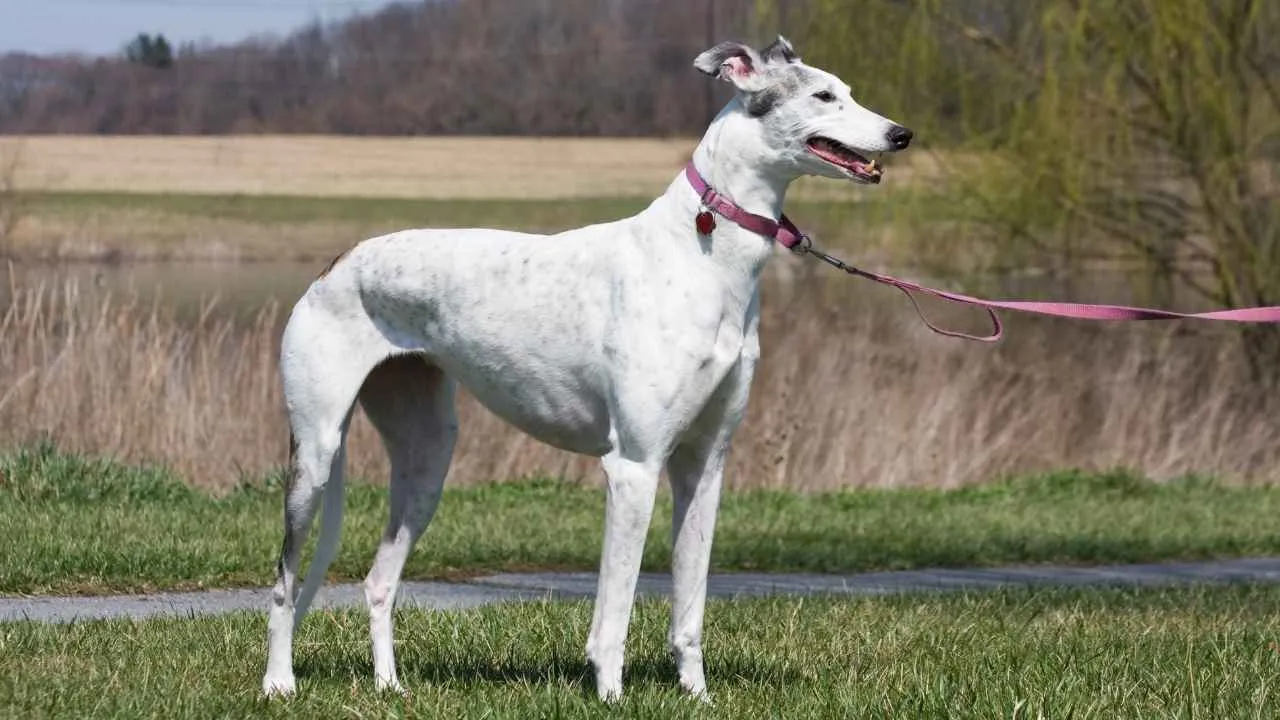
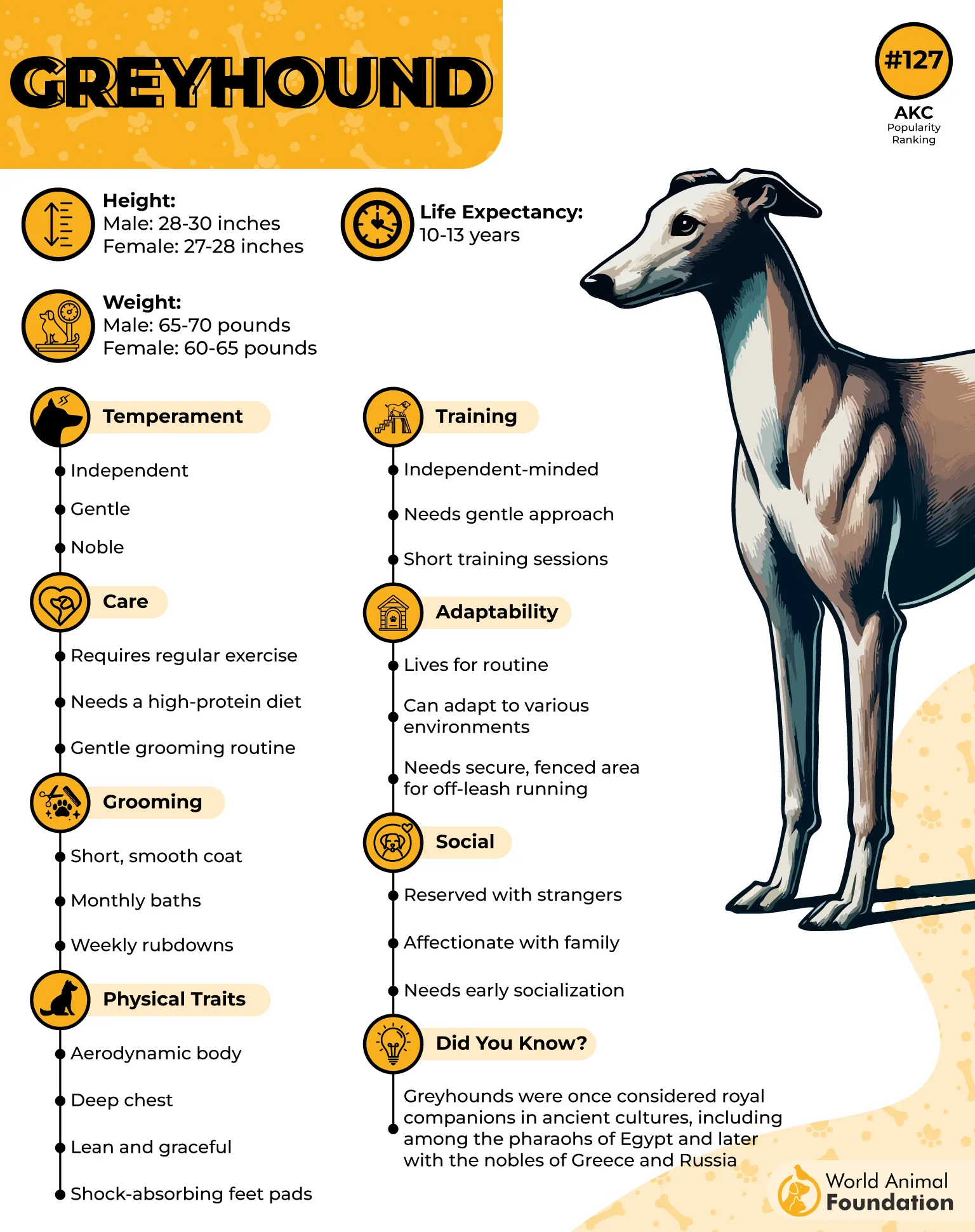
Greyhounds rely on sharp eyesight rather than scent to detect motion, making them one of the best-known sighthounds, as noted by the AKC. Its lean, “inverted S” body shape gives this breed the balance, agility, and speed needed to pursue fast-moving prey across open ground.
Speed With Purpose
Generations of sight hunting shaped a dog that reacts quickly whenever movement catches its attention. That instinct explains why secure fencing and a leash remain important whenever outdoor adventures are part of the routine.
These fascinating facts complete the picture:
Inspired artists, poets, and kings
Recognized for its “inverted S” outline
Uses vision instead of scent to hunt
Instinct Still Matters
This racing dog can react quickly around cats and other small animals because its hunting drive remains deeply rooted. Early socialization helps build better responses, though enclosed areas and careful awareness of nearby triggers remain important during outdoor time.
2. Afghan Hound
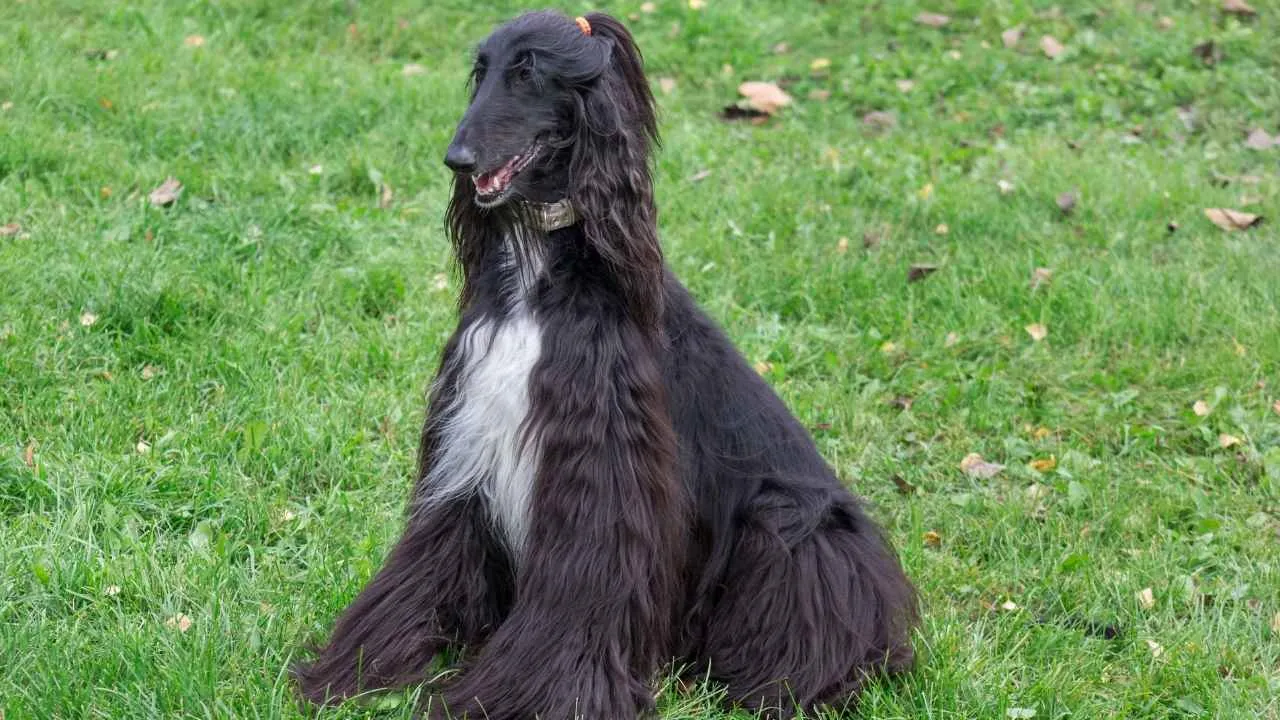
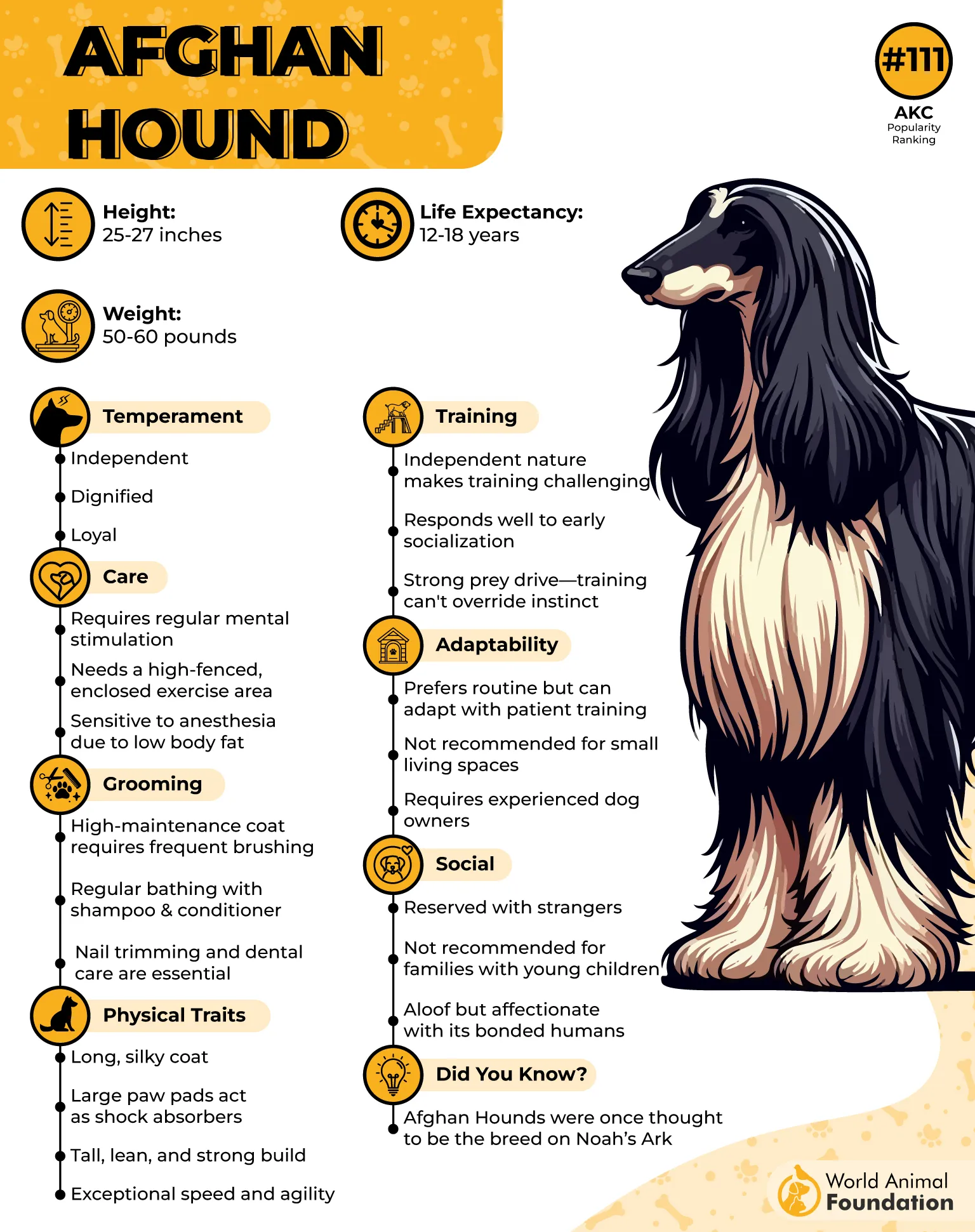
The Afghan Hound uses exceptional eyesight and remarkable speed to spot and pursue small game, skills that still shine in lure coursing today. Working on its own also helped shape a dog that’s naturally confident and prefers making decisions without constant guidance.
Built for Pursuit
Long legs, athletic ability, and an eagerness to chase fast-moving animals all contribute to this breed’s powerful hunting instinct. Daily outings such as long walks or jogging help provide an appropriate outlet for that natural drive, as PetMD noted.
These details are worth keeping in mind:
Excels in lure coursing
Capable of clearing high fences
Infrequent barking indoors
Smart Precautions
The Afghan Hound should remain on a leash or inside a securely fenced area when outdoors because squirrels, rabbits, and other small pets can quickly trigger a chase. Socialization from a young age can also help this breed live more comfortably with household cats and other companion pets.
3. Saluki
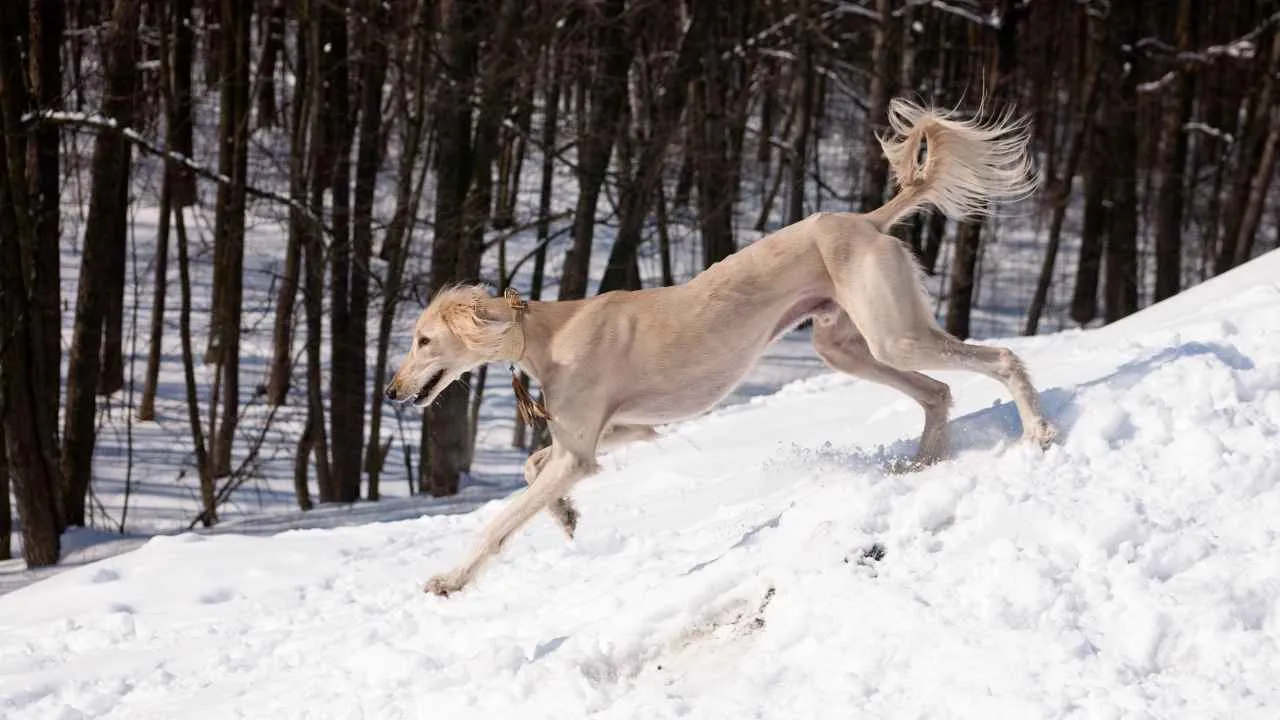
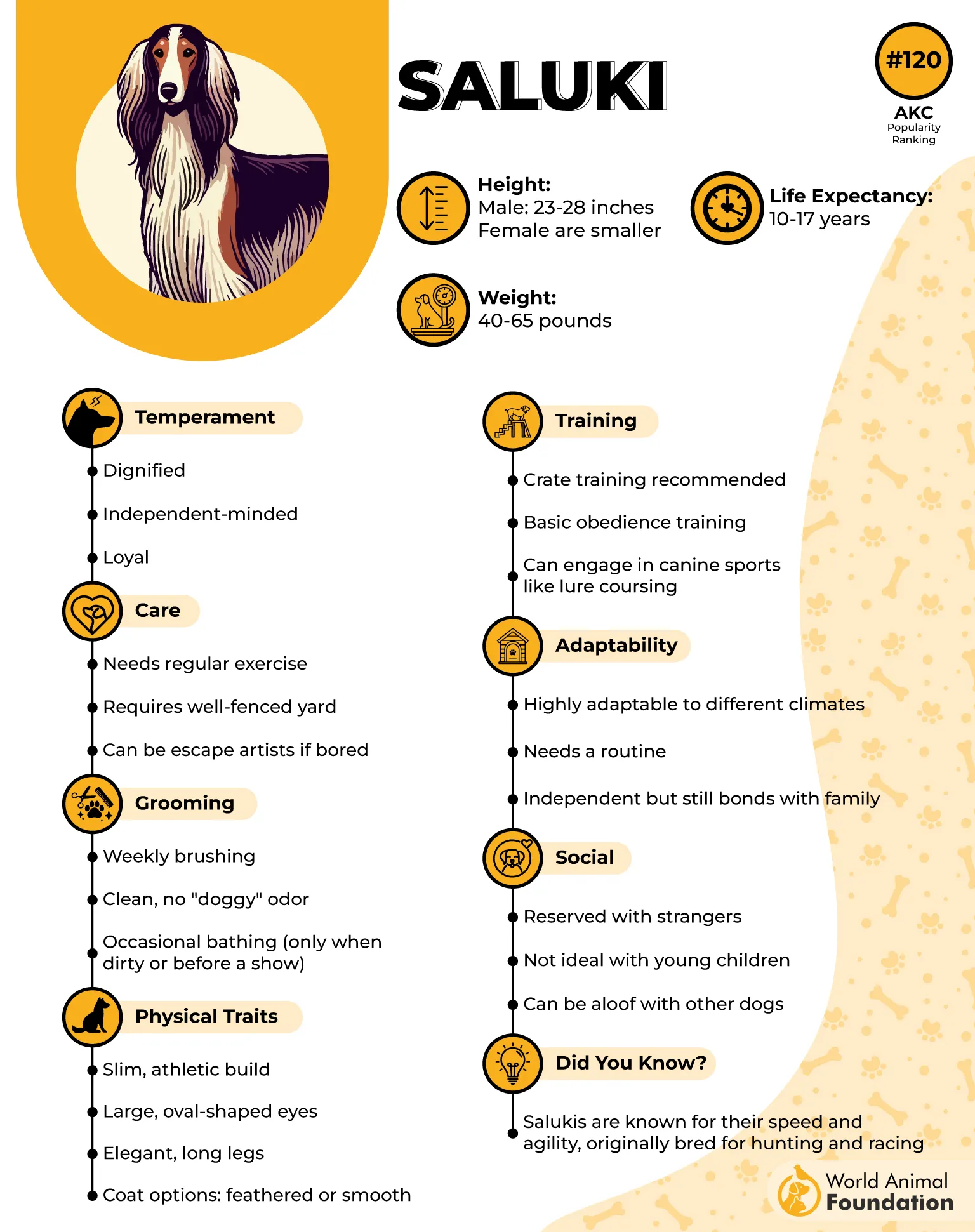
The Saluki belongs to one of the oldest hunting breeds, with records reaching as far back as 329 BCE. Its graceful build made this dog highly valued by Egyptian royalty, and some pharaohs even chose to have their Salukis mummified for the afterlife.
Born to Chase
They once chased gazelles, hares, and foxes for nomadic tribes, using remarkable speed and long, graceful legs to keep up with fast-moving prey. That hunting heritage still explains why anything that runs can quickly catch this breed’s attention.
Note: Early guidance can help with other dogs, though cats, guinea pigs, and similar small pets may still trigger its instinct to chase.
A few remarkable facts add even more perspective:
Mummified alongside Egyptian pharaohs
Favored by nomadic hunting tribes
One of the oldest hunting breeds
Quiet Around Family
Salukis form close bonds with familiar people and enjoy their company throughout the day, while unfamiliar visitors often receive little attention. A peaceful household usually suits this breed better, especially when children understand personal space and gentle interaction.
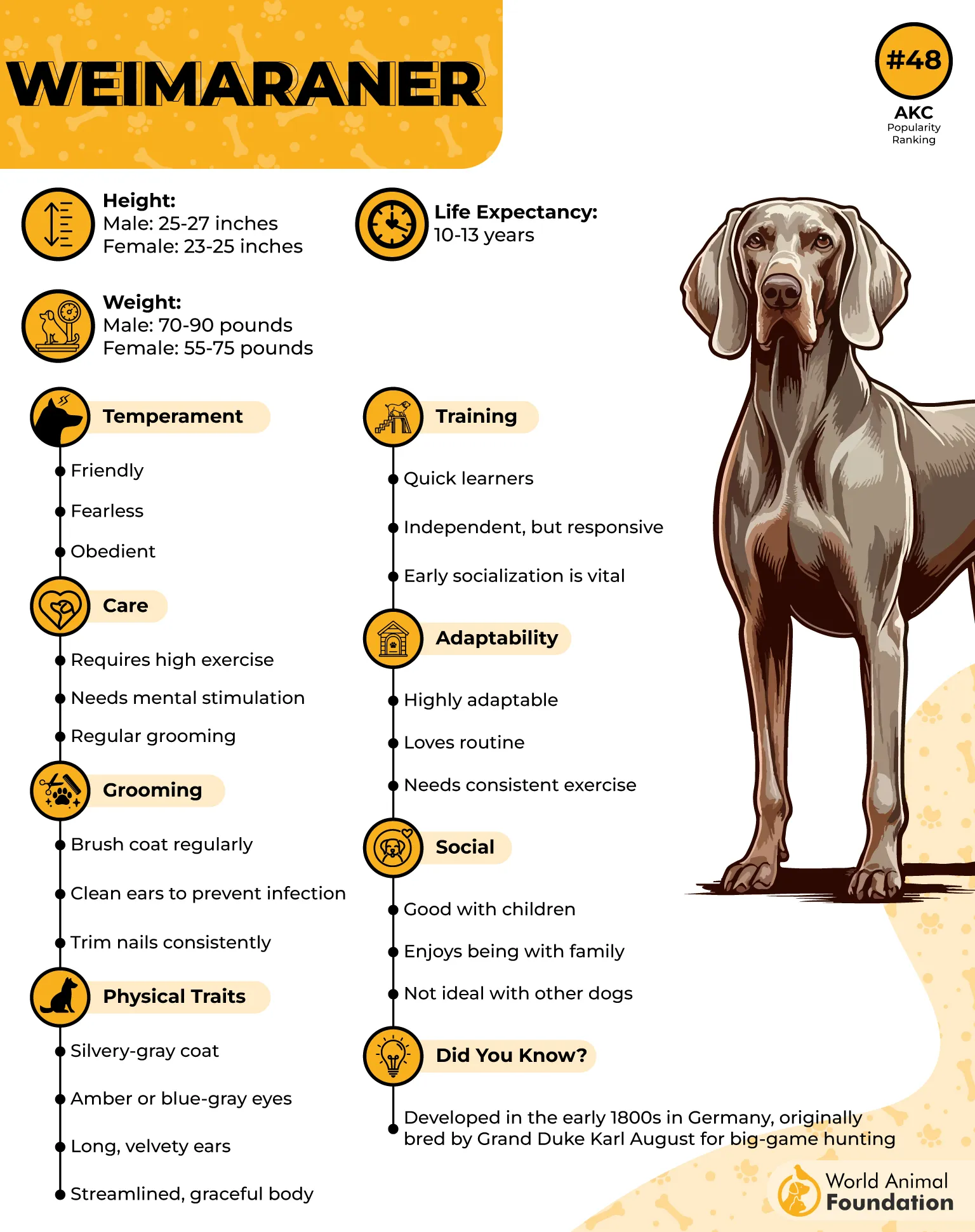
4. Weimaraner
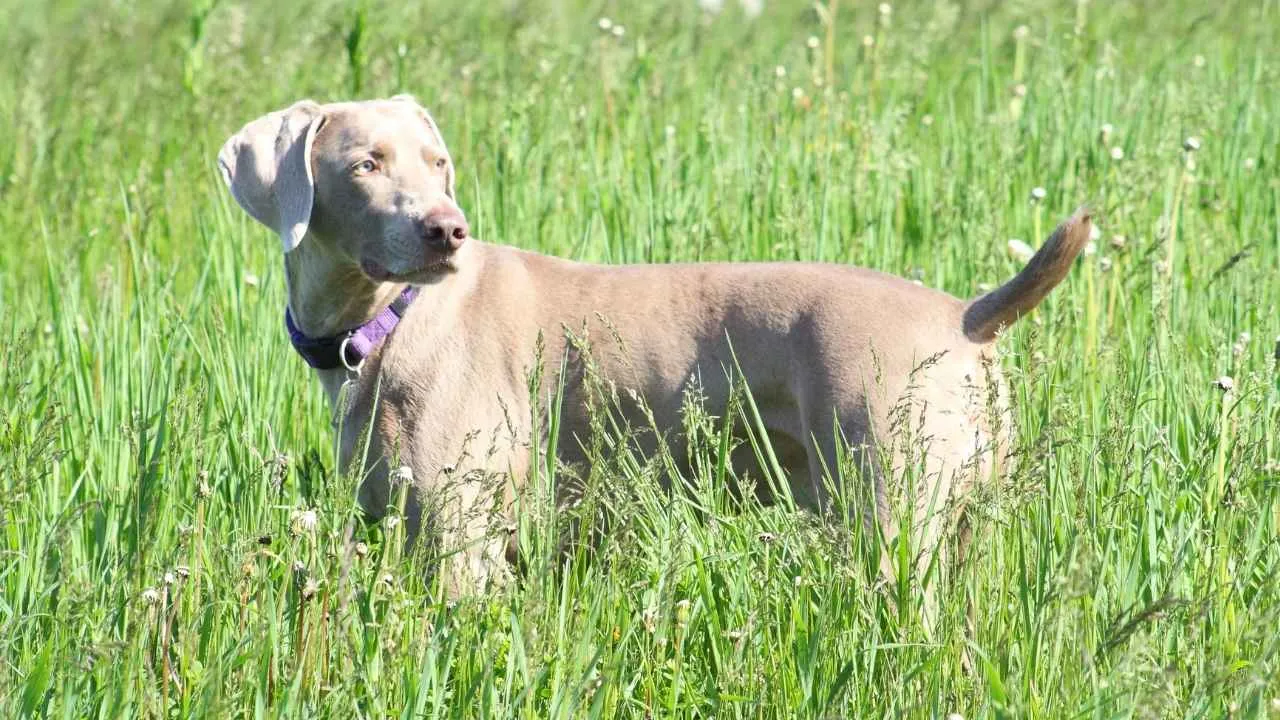
The Weimaraner first appeared during the 19th century and soon built a reputation as one of the most capable hunting dogs of its time. Even today, this breed can instinctively chase running animals, making careful introductions to smaller pets especially important.
Always Looking Ahead
This breed’s lean frame, long legs, and lengthy muzzle make covering ground look almost effortless. That same impressive reach can also extend to unattended food on kitchen counters, so a little awareness indoors goes a long way.
Some lesser-known details of the breed are:
Reached the United States in the late 1920s
Kept by President Eisenhower
Also owned by Grace Kelly
Built for Busy Days
The Weimaraner ranks among the most energetic dogs, combining an eager attitude with intelligence that responds well to training and regular interaction, as Orvis noted. Around two hours of daily activity, along with engaging tasks, help reduce unwanted habits such as chewing and digging.
5. Beagle
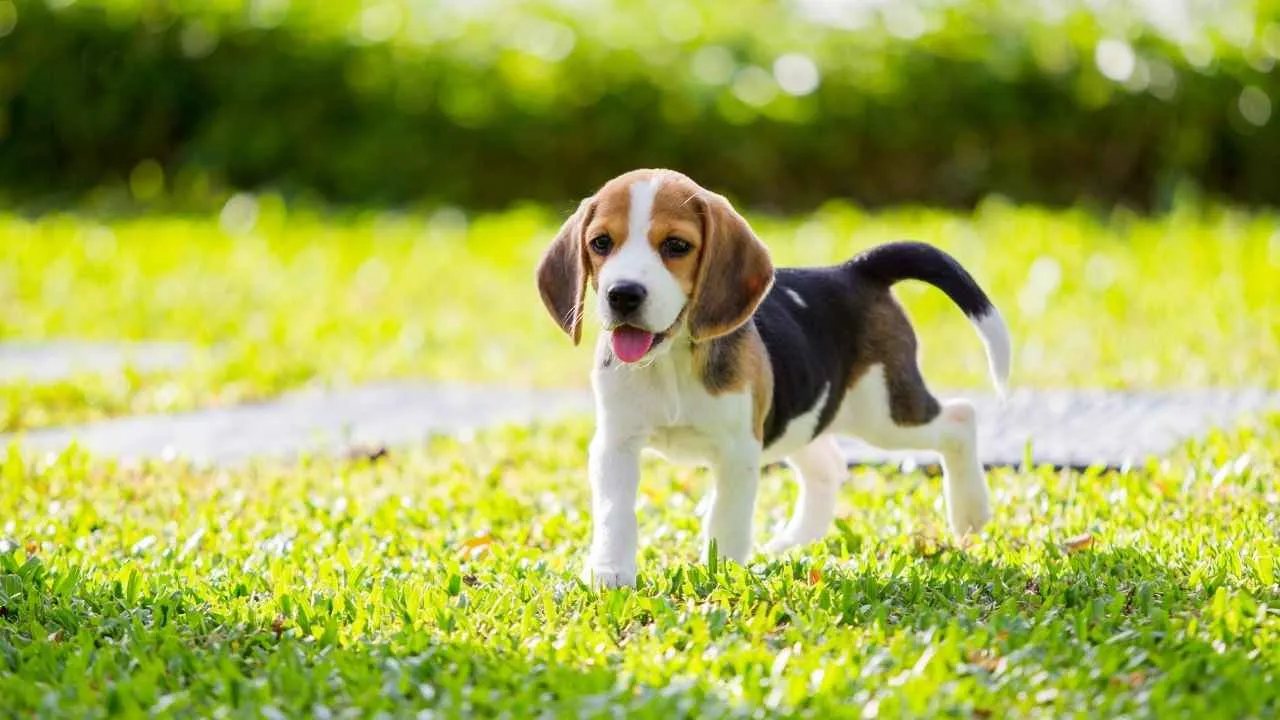
Beagles follow a scent with remarkable determination, a quality shaped by generations of hunting alongside a pack. That instinct explains why interesting smells can quickly become the center of this breed’s attention during walks and outdoor adventures.
Pack at Heart
They feel most comfortable with the company because it was originally bred to hunt alongside other dogs rather than alone. Long periods without companionship can lead to unwanted behavior, making regular interaction an important part of daily life.
A few standout facts come next:
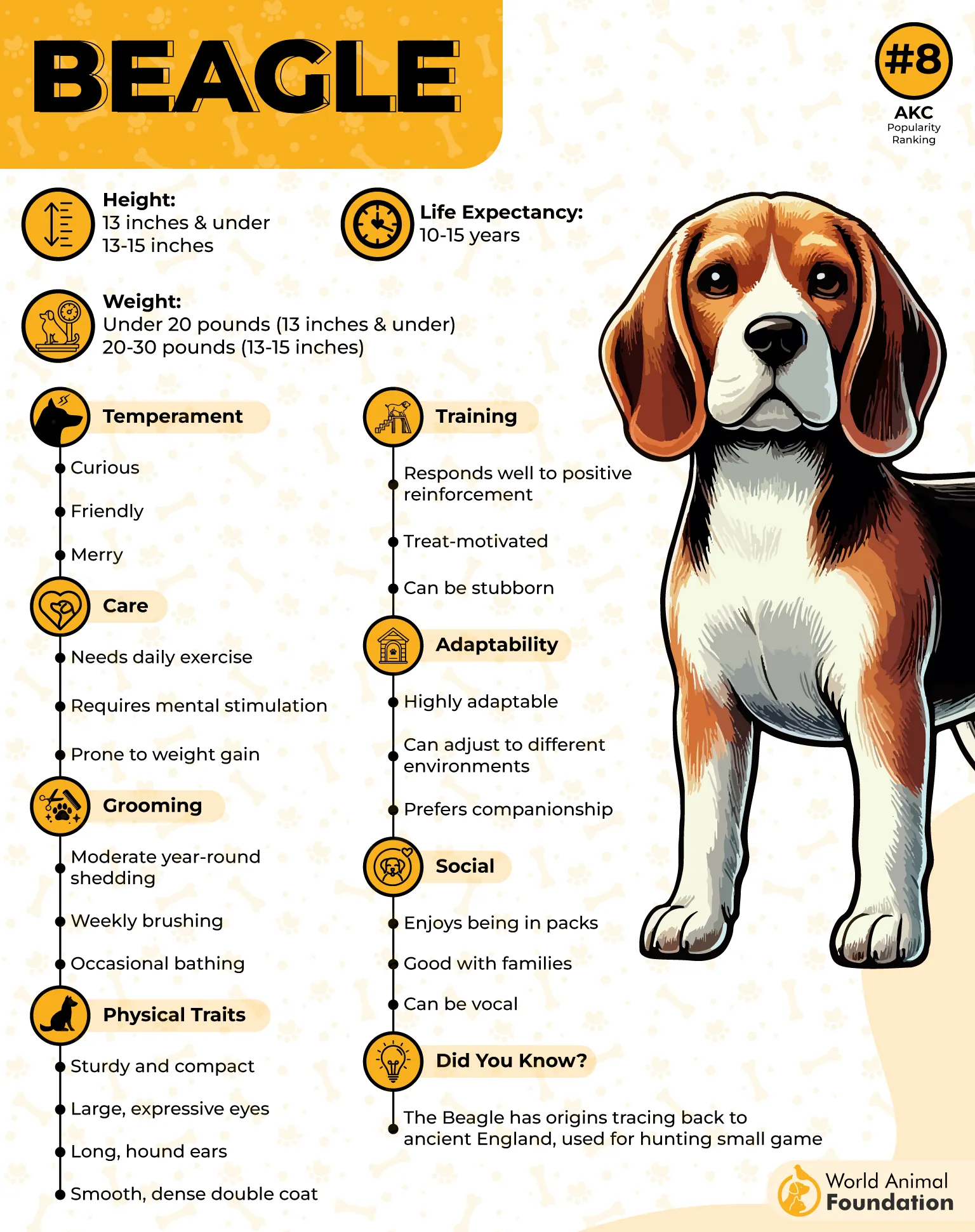
Broad head with long, low-set ears
Large brown or hazel eyes
Described as “merry” by breed enthusiasts
Friendly but Focused
Beagles enjoy meeting people and usually get along well with other dogs and other pets, reflecting their long association with pack life. However, hunting instincts still call for extra care around smaller pets, while early socialization can help reduce excessive vocal behavior.
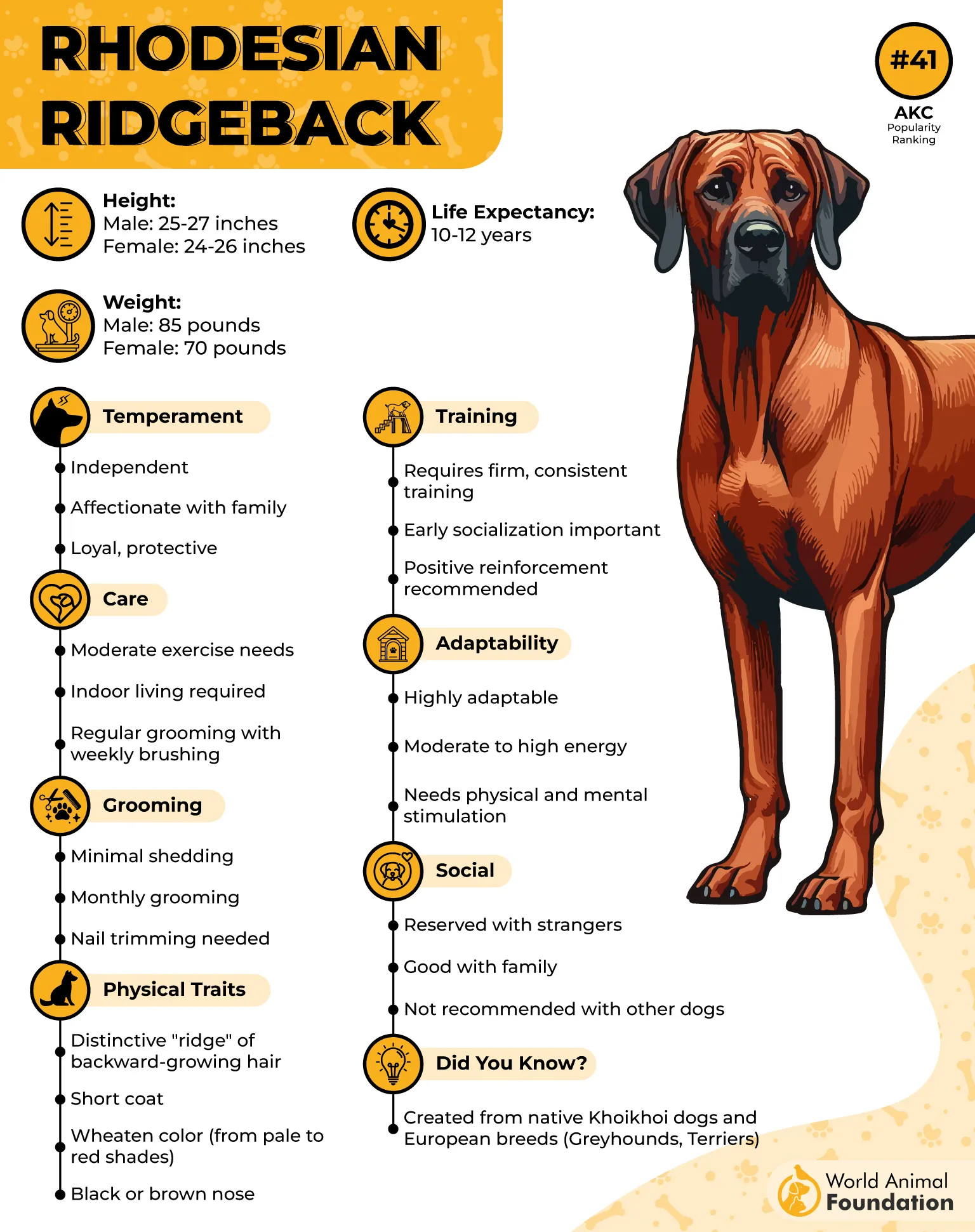
6. Rhodesian Ridgeback
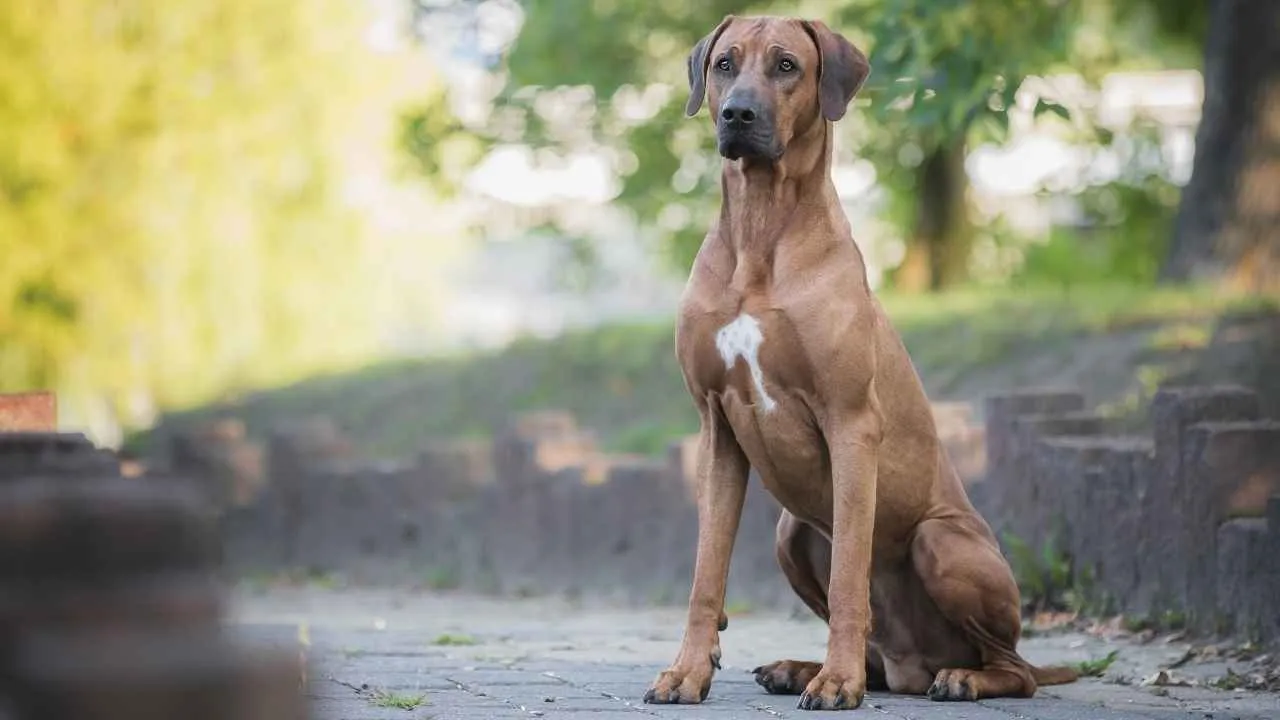
The Rhodesian Ridgeback is immediately recognized by the narrow strip of hair running along the spine in the opposite direction from the rest of its coat. Beneath that distinctive feature is a muscular, athletic dog once selected to track and flush formidable predators, including lions.
Driven to Pursue
They combine stamina with sharp focus, qualities that explain why this breed needs purposeful activity every day. About 45 minutes of exercise, along with regular mental challenges, helps channel its natural hunting instincts productively.
These details reveal even more about this breed:
Nicknamed the African Lion Hound
Enjoys hiking, swimming, and running
Excels in agility and hunting work
Natural Hunting Instinct
This intelligent dog breed can find life with smaller pets more challenging because its instinct to pursue remains deeply rooted. Careful introductions often help with other dogs, especially when social experiences begin at a young age.
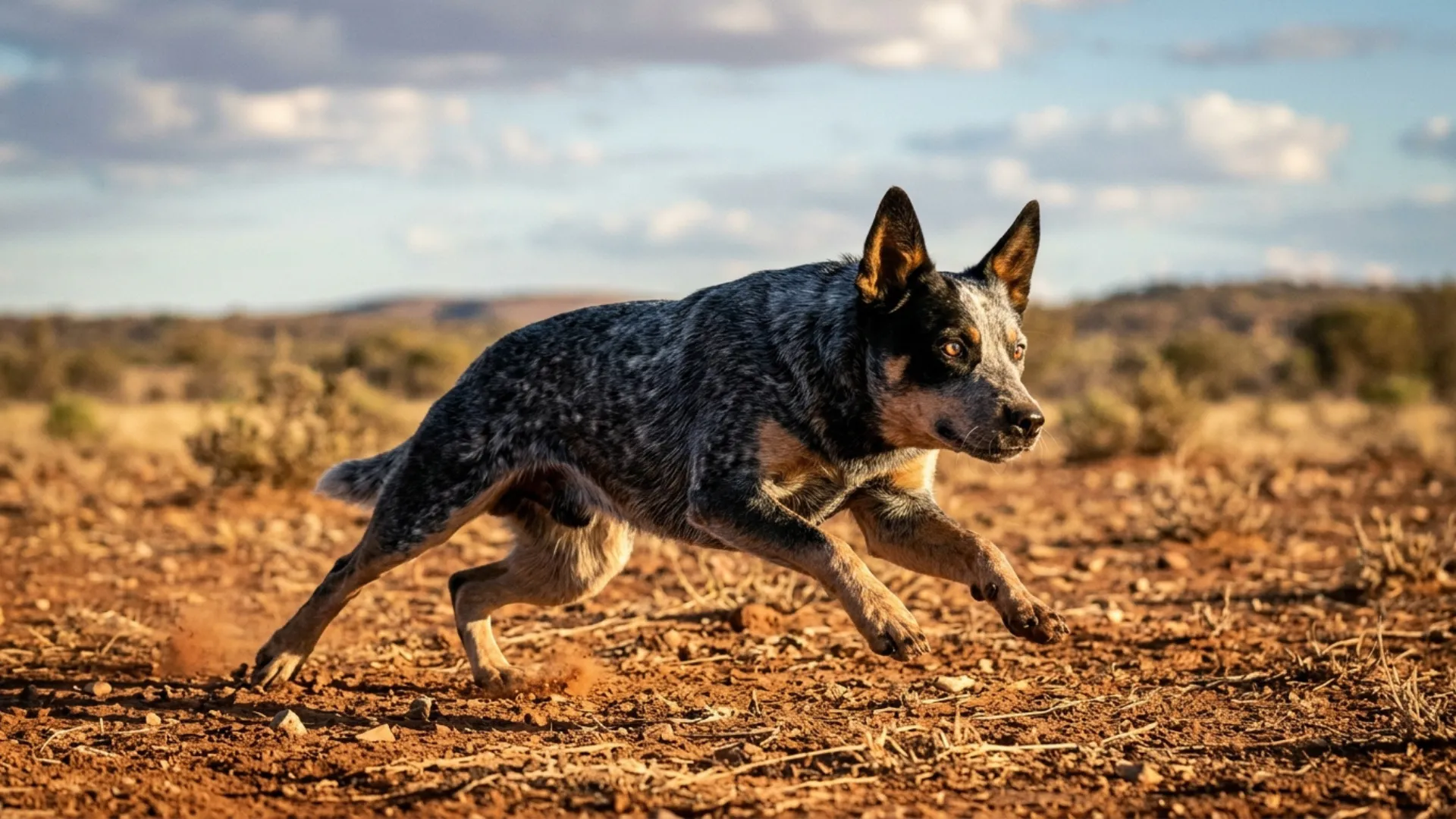
7. Australian Cattle Dog
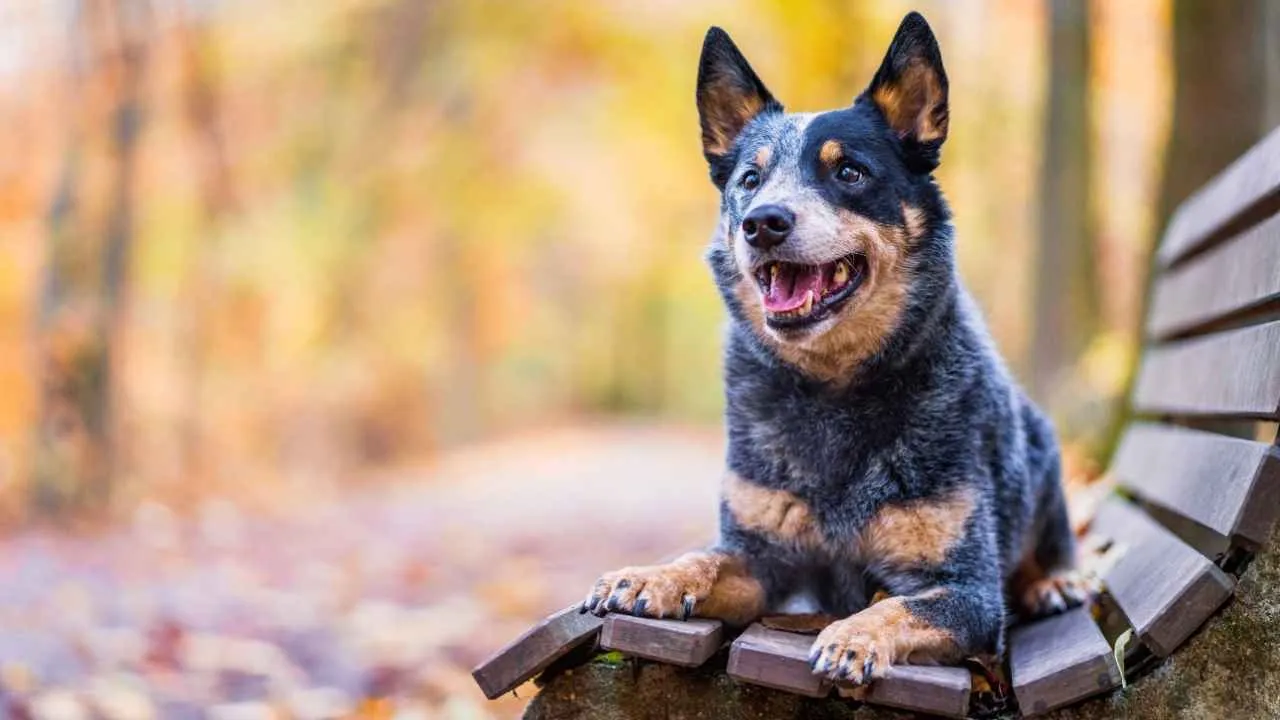
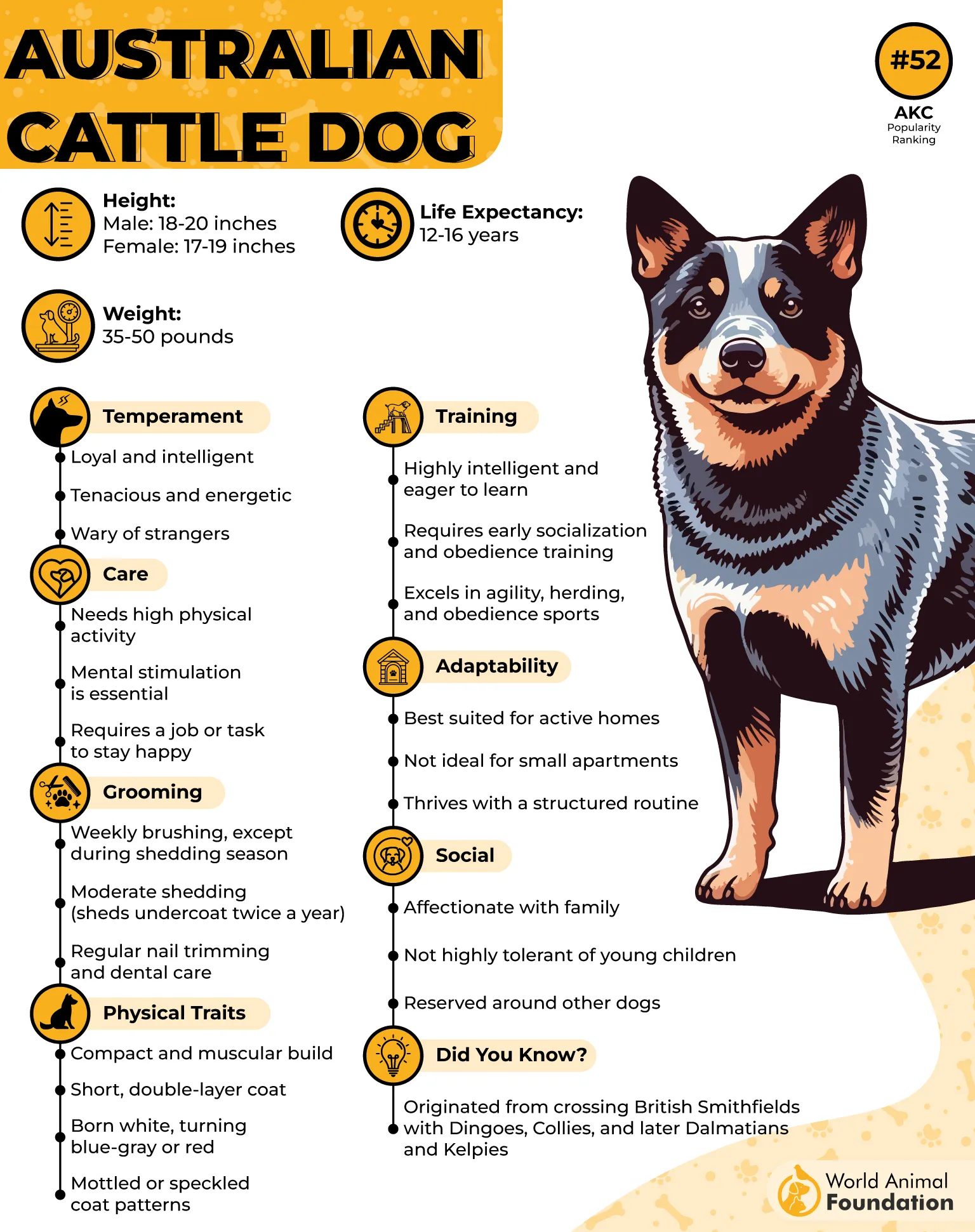
The Australian Cattle Dog descended from the Dingo and built its reputation by controlling livestock with remarkable determination and quick reactions. Its habit of nipping at the heels of animals explains why the names Blue Heeler and Red Heeler became closely associated with the breed.
Energy With a Purpose
A stocky, muscular frame gives this breed the strength and stamina needed for demanding work over long periods. Running, jogging, agility, Frisbee, and fetch all provide productive outlets for a dog that needs more than casual daily activity.
This breed also stands out for the following qualities:
Blue or red speckled coat
Bonds closely with one person
Curious about strangers
Focused Instincts
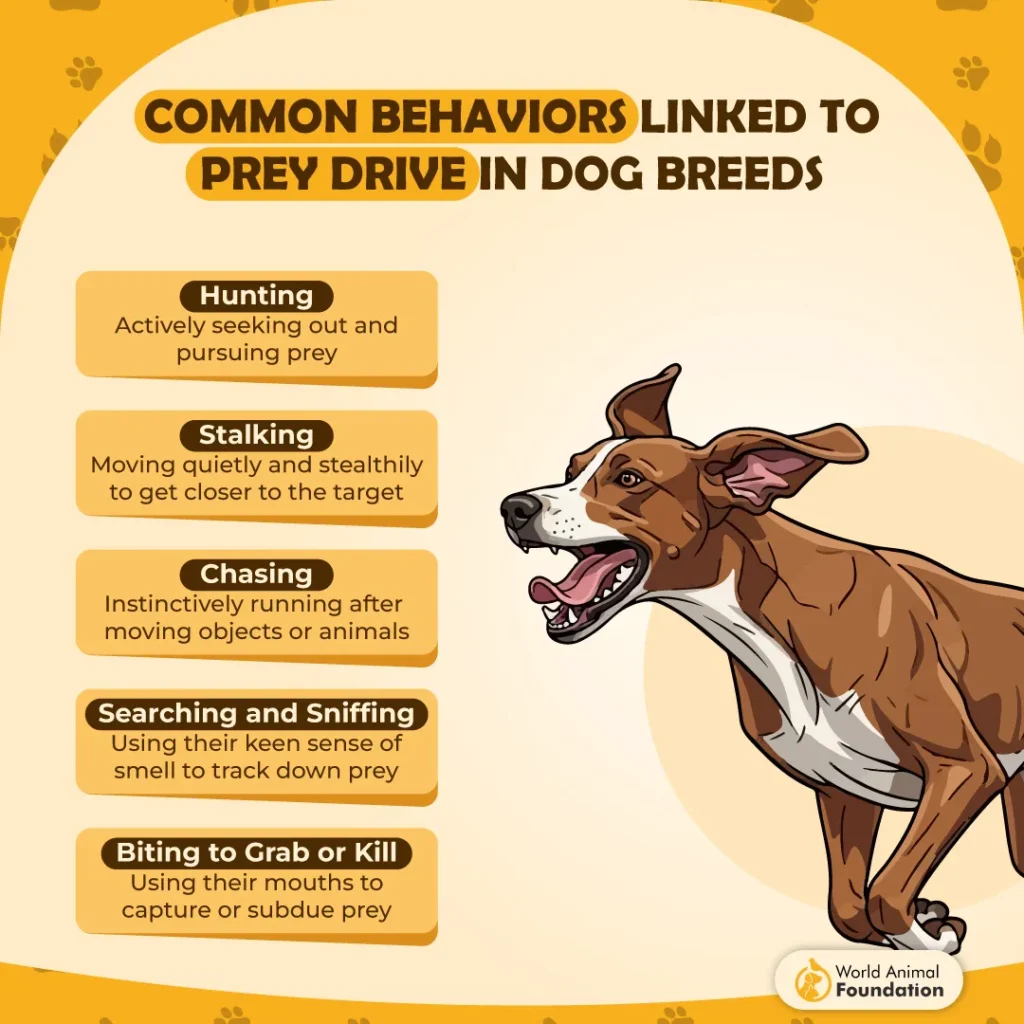
The Australian Cattle Dog forms deep attachments to its favorite person and may become unsettled when separated for long periods. Its strong prey drive can also create challenges around cats or other small animals if introductions do not begin early in puppyhood.
Conclusion
Every dog brings its own personality, but few instincts remain as deeply rooted as the desire to notice, pursue, and investigate movement. Knowing that natural behavior helps explain many of the habits owners encounter during walks, play, and everyday life.
These high prey drive dogs thrive when their energy is directed toward meaningful activities instead of being left without purpose.
With patience, consistent and proper training, and opportunities to use their abilities, they become loyal and rewarding companions. Appreciating those instincts rather than fighting them often creates a stronger relationship built on trust, respect, and a better understanding of what these wonderful pets were bred to do.
