




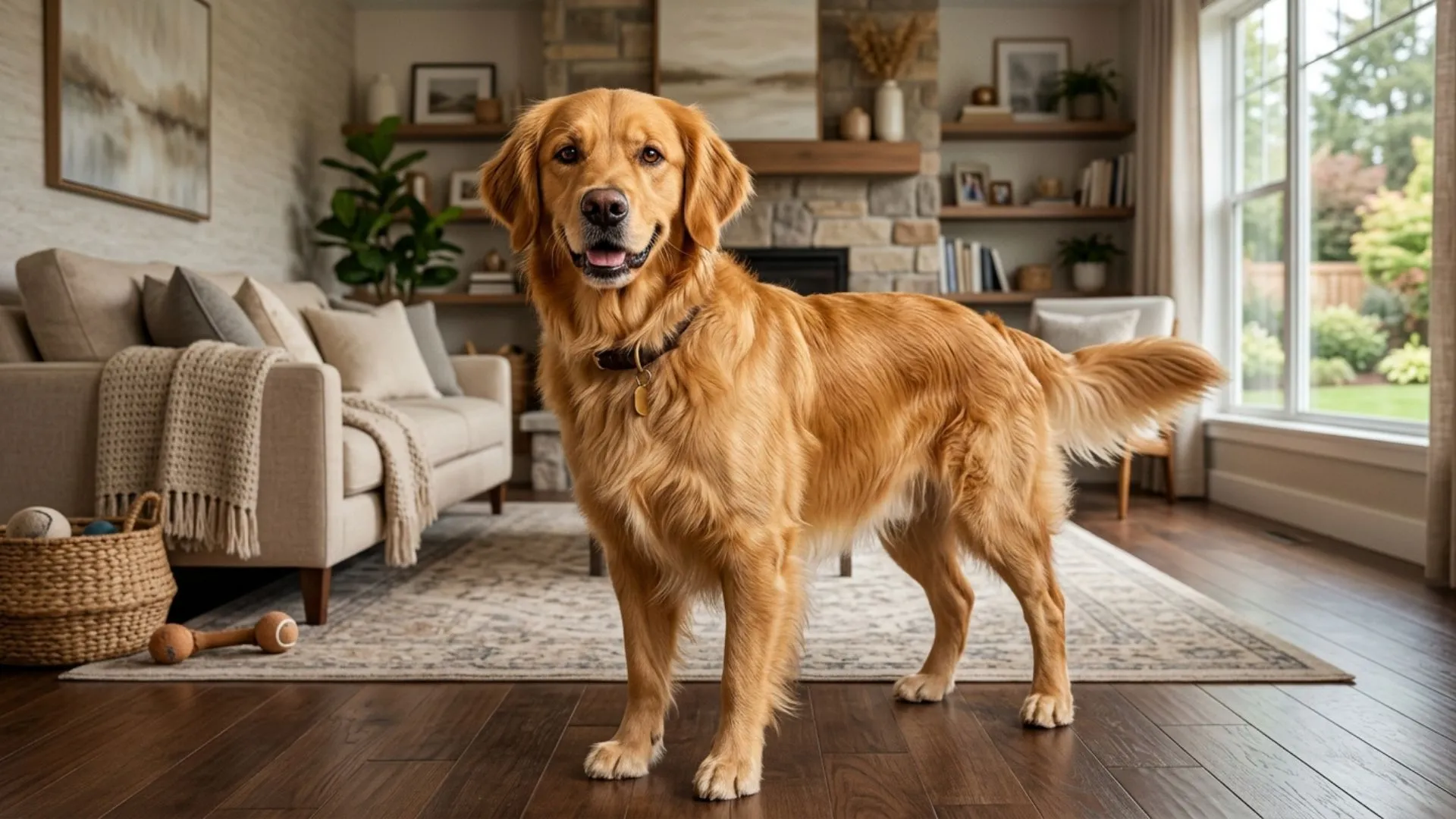
Ever told a dog “sit”… and it already sat before you even finished the word? That awkward pause where you wonder, “Okay… who’s really training who here?” Welcome to the world of intelligent dogs.
But here’s the thing—not all canine intelligence works the same way.
Dog intelligence is often understood in two ways. The first is working intelligence: how quickly a dog learns from humans through commands, routines, and consistent training. The second is adaptive intelligence: a dog’s ability to think independently, solve problems, and read situations on its own.
Together, these traits shape how dogs learn, behave, and fit into everyday life. The smartest dogs don’t just follow instructions—they engage, anticipate, and keep you on your toes.
For savvy pet parents who enjoy teaching, problem-solving, and building deeper connections through daily interaction, these breeds offer far more than companionship.
Let’s explore 10 brilliant dog breeds that combine brains, trainability, and personality to become exceptional partners for savvy pet parents.
Brilliant Dog Breeds Perfect for Savvy Pet Parents
1. Border Collie
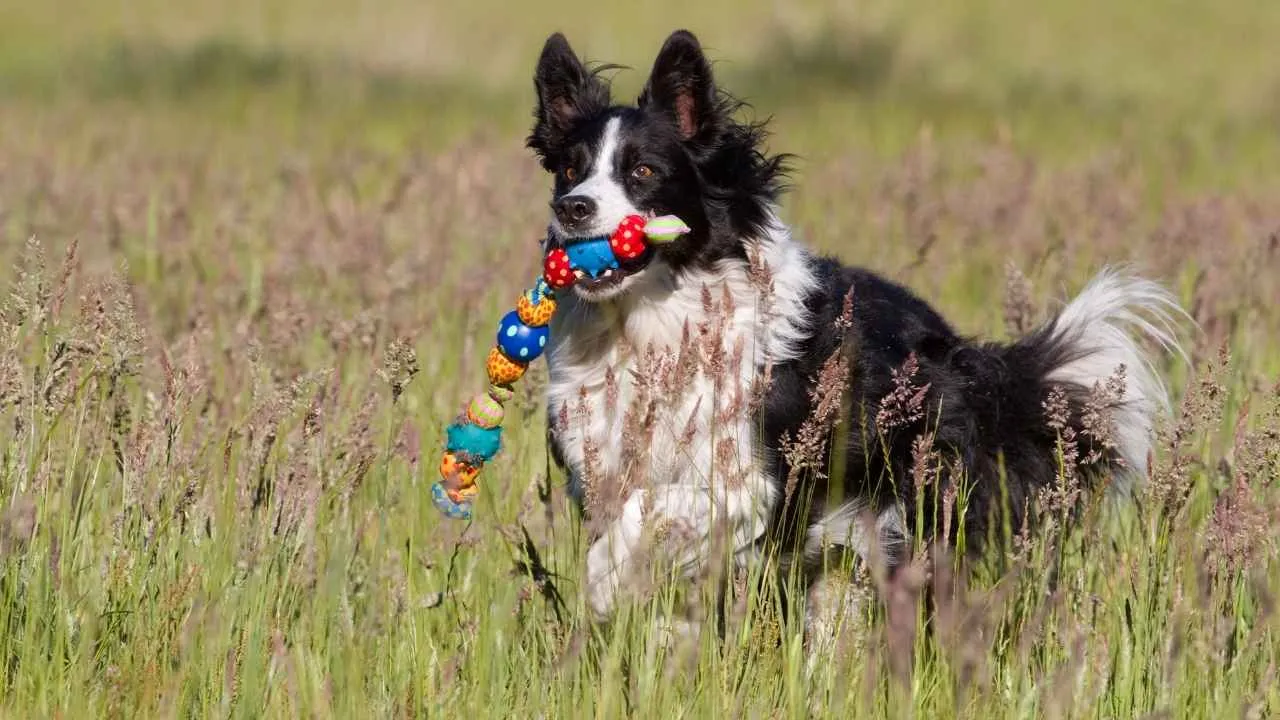
Ever felt like a dog is reading your mind before you even move? That’s the Border Collie… sharp, alert, and always one step ahead.
For savvy pet parents, this is one of the smartest dog breeds you can ever meet—but it comes with responsibility. Originally bred for herding, it thrives on structure, daily mental stimulation, and clear purpose. Without it, boredom sets in quickly.
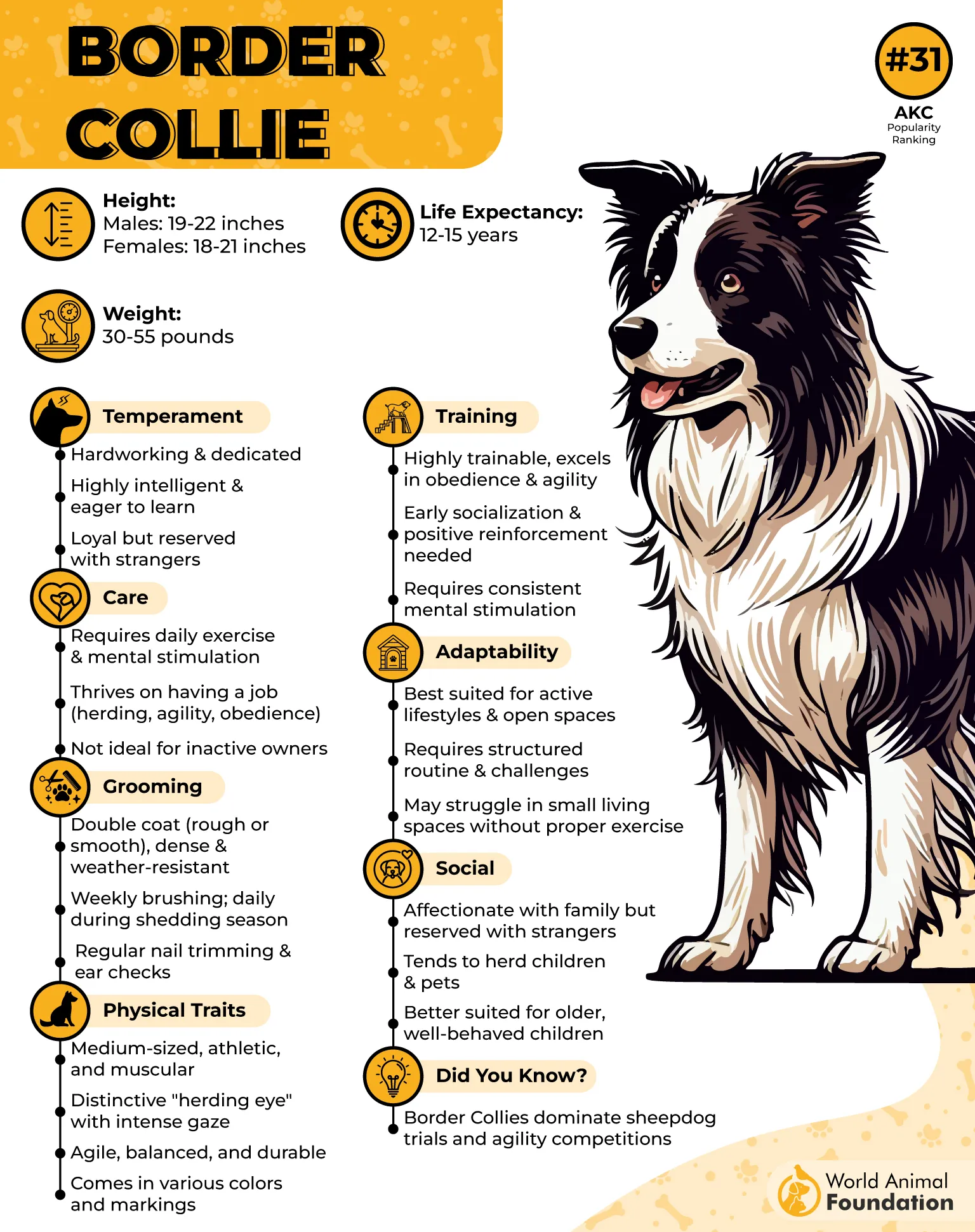
According to the AKC, highly athletic and extremely trainable, the Border Collie excels in obedience, agility, and advanced training. It learns new commands in fewer than five repetitions, making it incredibly rewarding for experienced owners who enjoy consistent training.
But it’s not a relaxed family dog. It needs daily exercise, problem-solving tasks, and engaged interaction to stay balanced and happy.
New insight: Modern trainers increasingly use scent games and puzzle tasks alongside agility work to keep this breed mentally satisfied.
2. Shetland Sheepdog
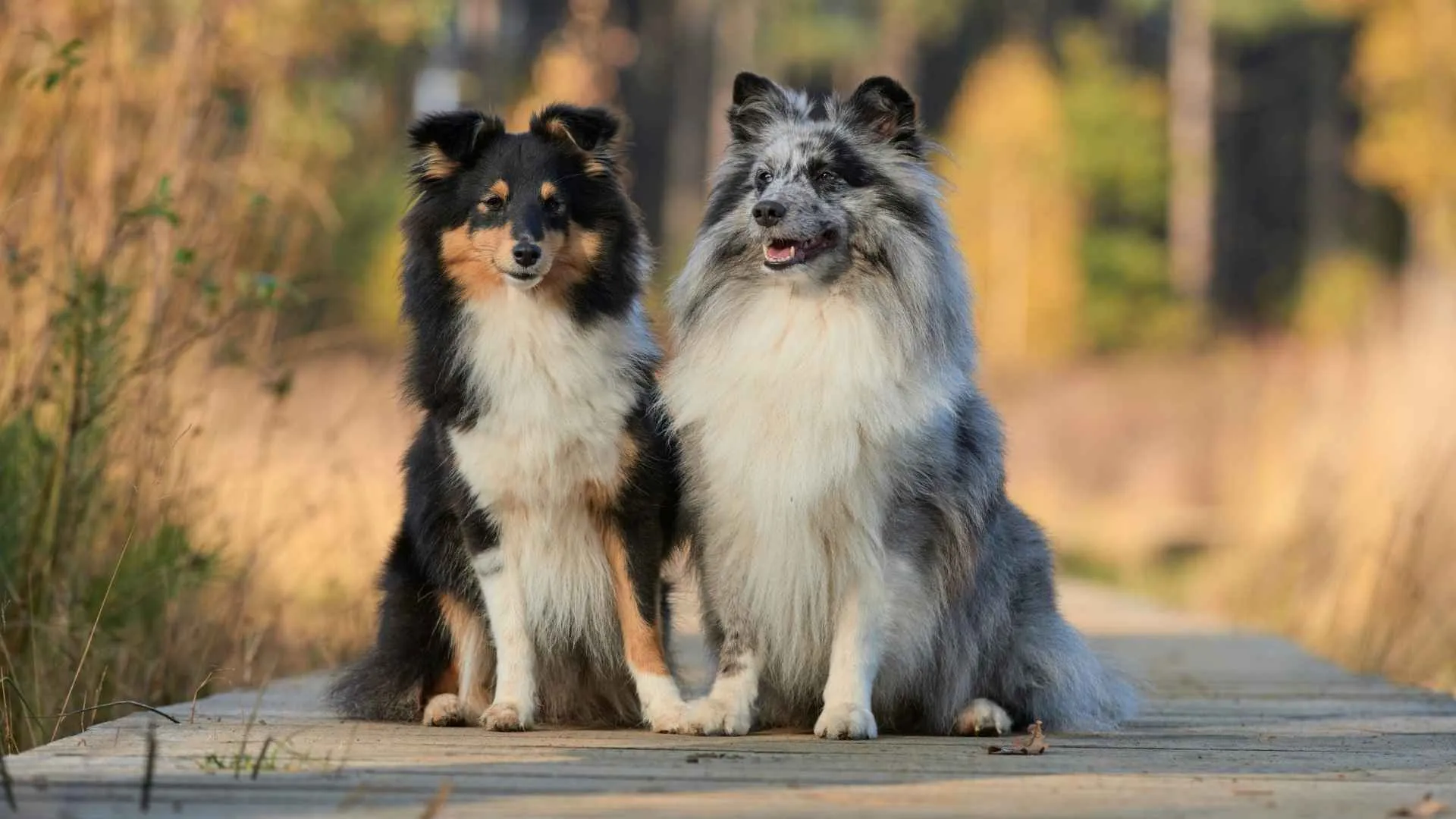
Ever notice a dog that seems sweet, alert, and always watching everything around it? That’s the Shetland Sheepdog—bright, active, and highly responsive.
Shetland Sheepdogs are one of the highly intelligent breeds, ranking 6th out of 138 breeds in Stanley Coren’s The Intelligence of Dogs. Their quick learning ability and eager-to-please nature make them standout performers in obedience, agility, and herding activities. This combination of intelligence and responsiveness allows them to excel when given structured training and engaging tasks.
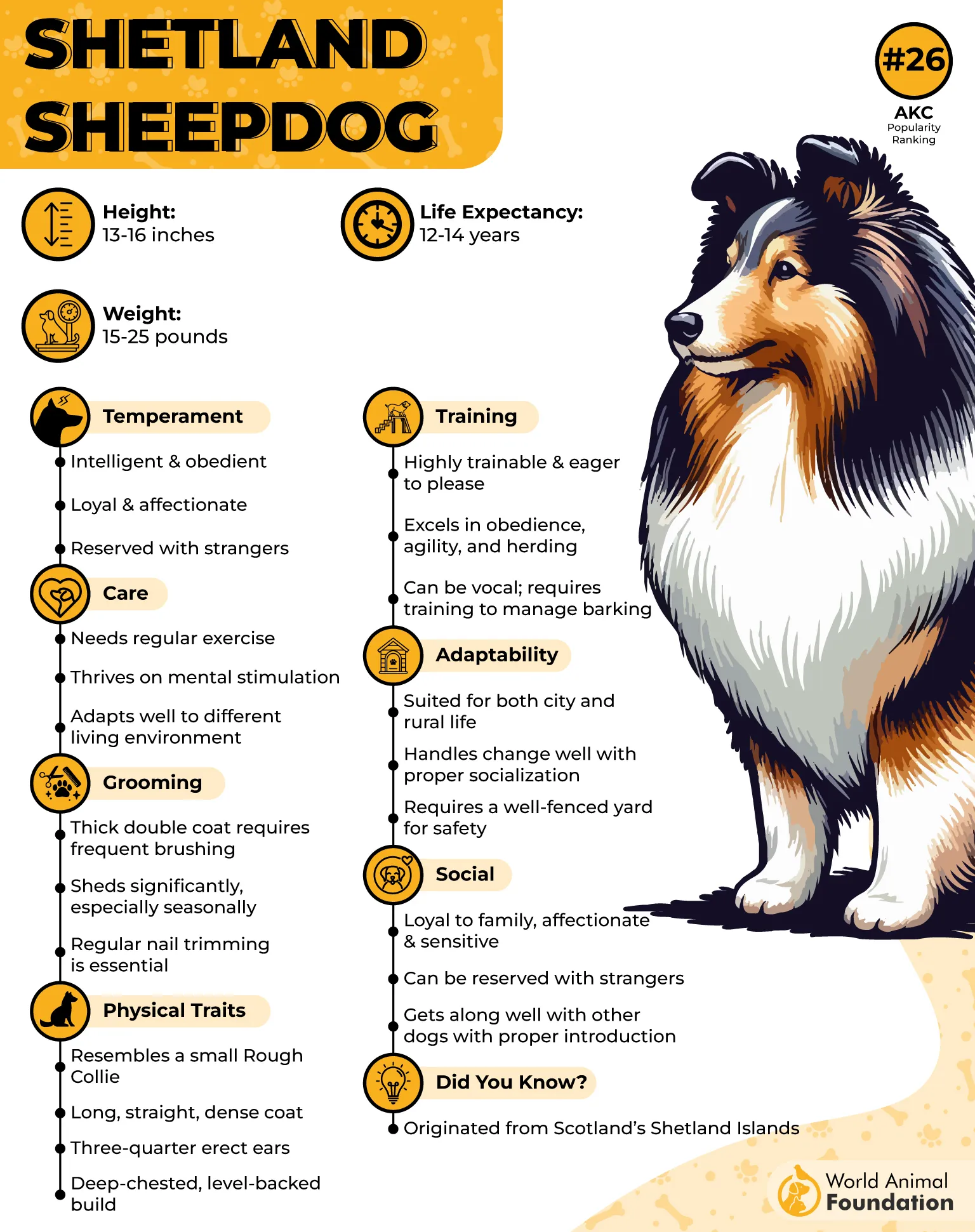
Originally bred as a herding dog, it still carries strong protective instincts and a naturally alert personality. Daily walks, outdoor play, and mental stimulation help keep it balanced, and it can adapt well to city life when its energy is managed properly.
However, without early guidance, its intelligence can turn into excessive barking or chasing behavior, so obedience training and leash discipline by savvy pet owners are essential from the start, as per WebMD.
New insight: Short, reward-based focus drills are now widely used by pet parents to improve calm behavior and reduce overstimulation in highly alert herding breeds like this.
3. Labrador Retriever

Ever met a dog that greets everyone like an old friend? That’s the Labrador Retriever—friendly, intelligent, and always ready to connect.
Labs are among the most popular dog breeds, known for quick learning and strong memory when trained patiently. Their ability to understand and retain commands makes them excellent for obedience, guide work, and therapy roles, where consistency and trust matter most.
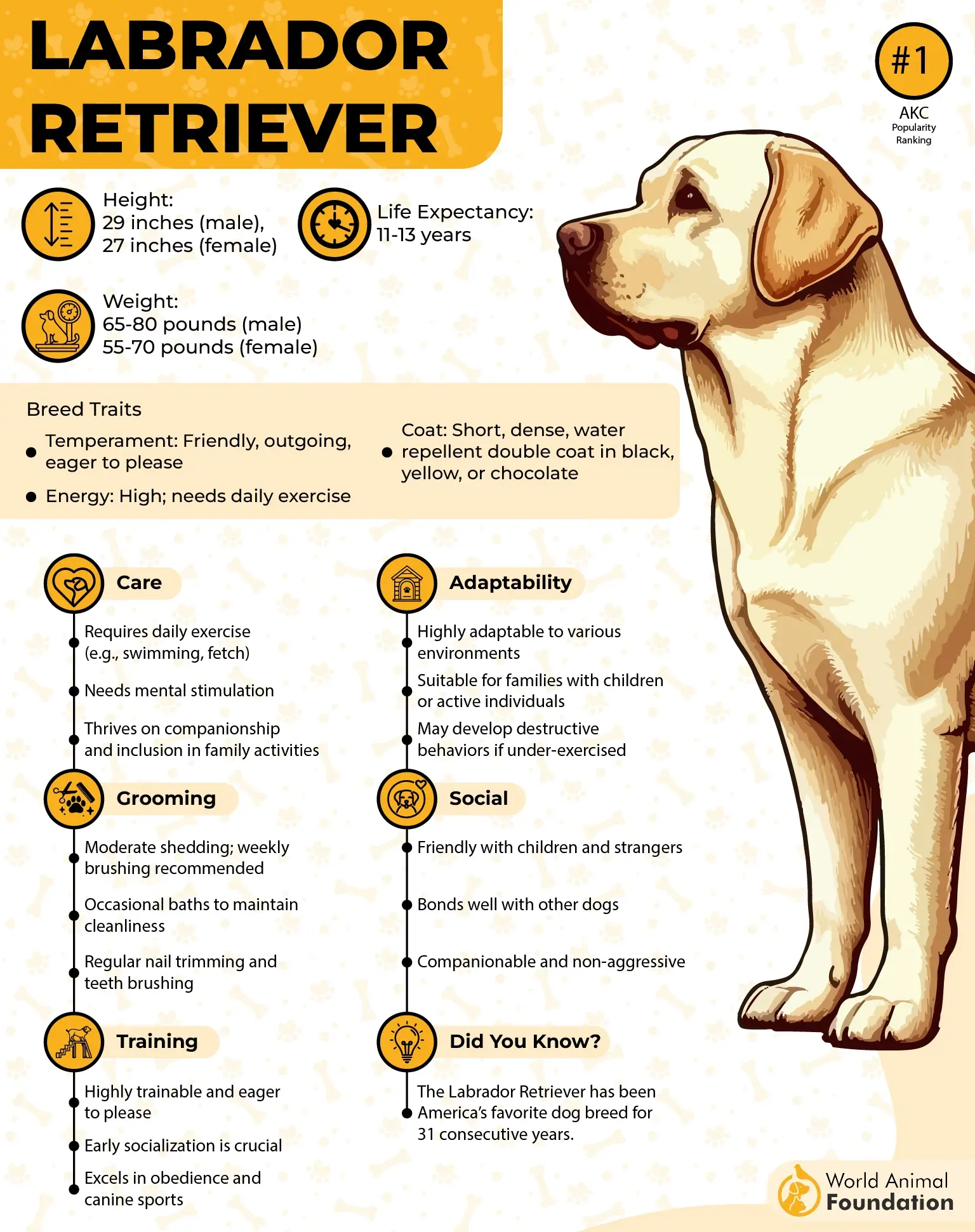
Originally bred as working gundogs, they are natural athletes who love swimming, running, and retrieving games. Their energy and eagerness to please make them highly responsive to training, especially in active households of savvy owners where structure and regular engagement are part of daily life.
What makes them truly special is their temperament. Labradors get along easily with children, other pets, and new environments, forming strong bonds with the whole family.
New insight: Modern training programs often use Labradors in emotional support and hospital therapy roles due to their calm responsiveness and high social intelligence.
4. Poodle
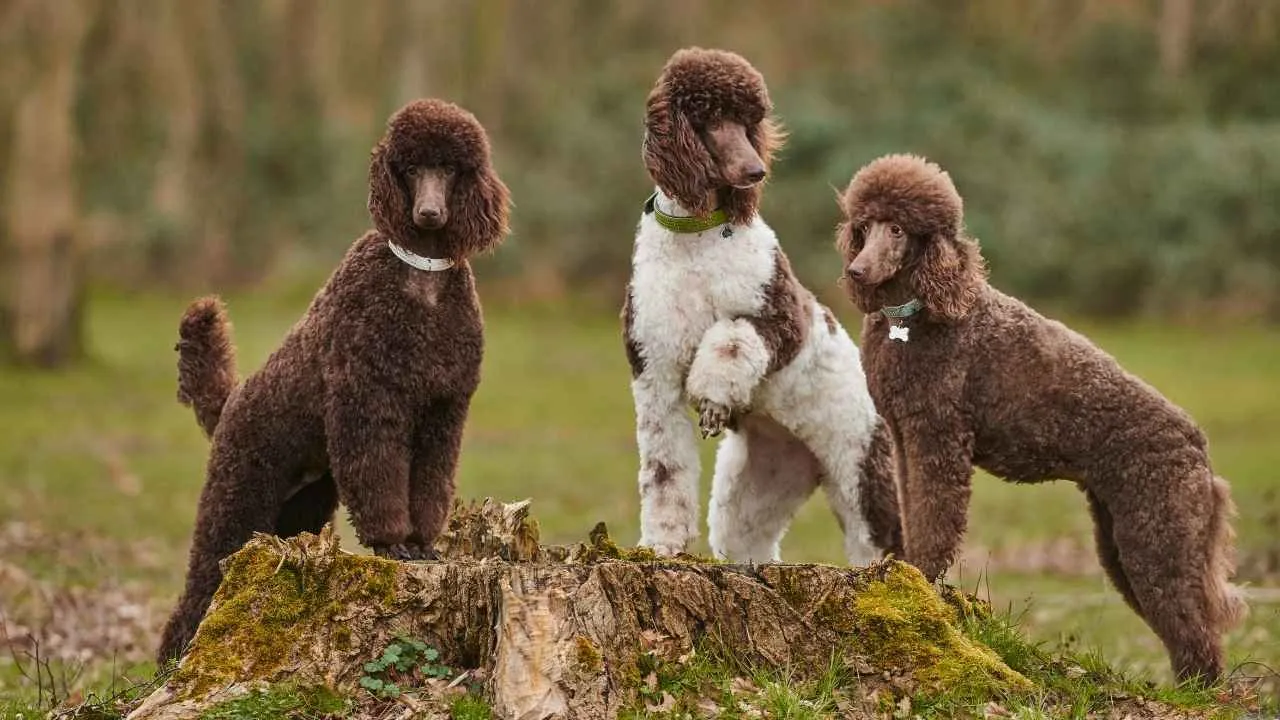
Ever met a dog that looks elegant… but thinks like a problem-solver? That’s the Poodle—smart, active, and far more versatile than its stylish appearance suggests.
As per PDSA, known for exceptional intelligence, Poodles learn quickly and respond well when guided with consistency and positive reinforcement. For savvy pet parents, this makes them especially rewarding, as they enjoy training sessions that challenge both mind and body rather than simple repetition.
Originally bred as retrieving dogs, they still carry strong working instincts. They enjoy activities like swimming, agility, and fetch, and need regular exercise along with mental engagement to stay balanced and happy.
What makes them stand out is adaptability—they fit well into active households, family life, and structured routines, and they often excel in service and therapy roles due to their focus and responsiveness.
New insight: Today, Poodles are increasingly chosen for advanced canine sports and therapy programs because their problem-solving ability allows them to adapt quickly to complex training tasks.
5. Golden Retriever
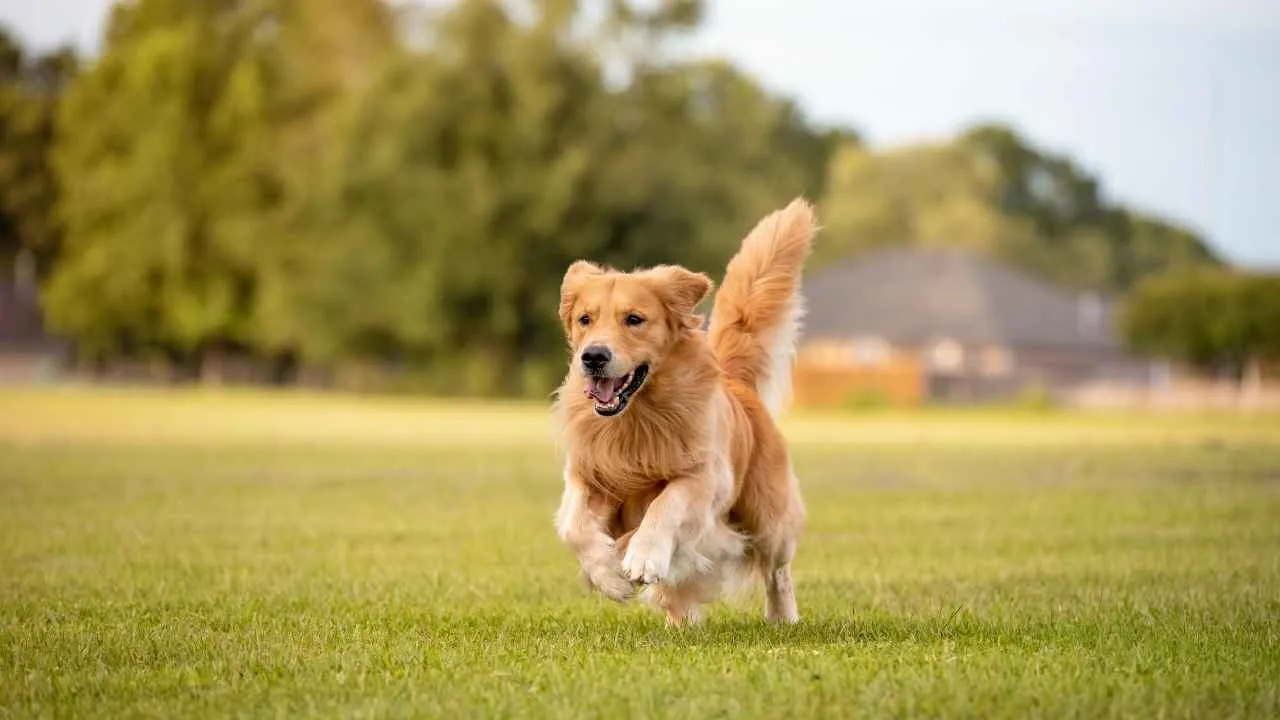
Ever met a dog that feels like it understands your mood without you saying a word? That’s the Golden Retriever—friendly, intelligent, and naturally calm, making it one of the most loved family dogs worldwide.
Originally developed in 19th-century Scotland as a gundog and water retriever, this breed is athletic, strong, and an excellent swimmer. Its golden coat and balanced build reflect its working roots, but its gentle temperament is what truly defines it.
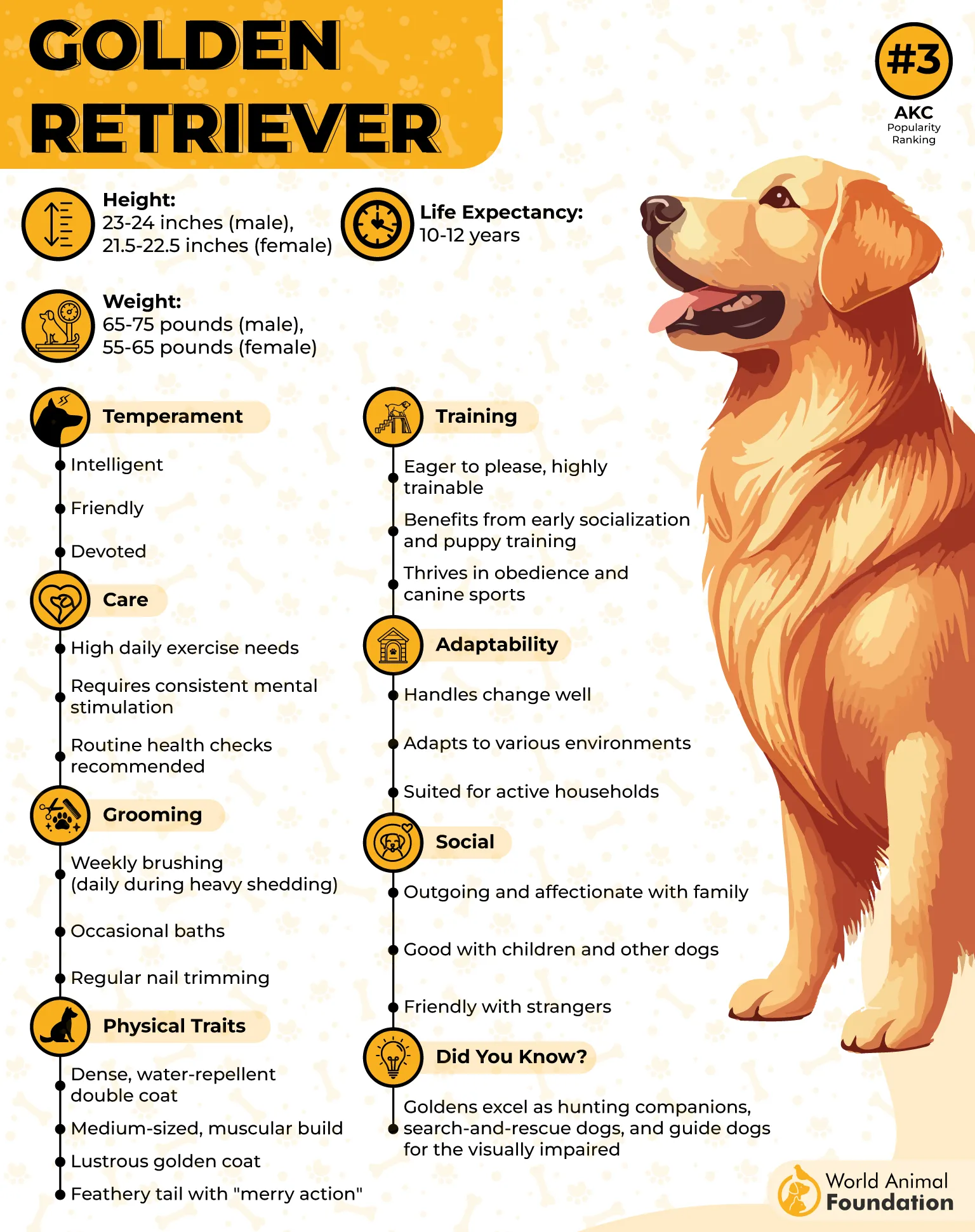
As per Britannica, Golden Retrievers are highly intelligent and easy to train, especially with positive reinforcement and consistent guidance. For savvy pet parents, their eagerness to please and emotional awareness make training smooth and rewarding rather than difficult.

They need at least an hour of daily exercise, including fetch, swimming, walking, or structured play. Mental stimulation also keeps them engaged, helping them excel in obedience, agility, tracking, and service work.
New insight: Today, Golden Retrievers are widely used in emotional support and therapy programs due to their calm behavior and strong ability to sense human emotions.
6. Papillon

Ever seen a tiny dog act like it has a giant personality? That’s the Papillon—alert, lively, and surprisingly bold for its size.
This is one of the most intelligent small breeds, known for quick learning and strong responsiveness when guided with positive reinforcement. It enjoys learning cues, tricks, and interactive commands, making training feel fun and engaging for savvy owners who stay consistent.
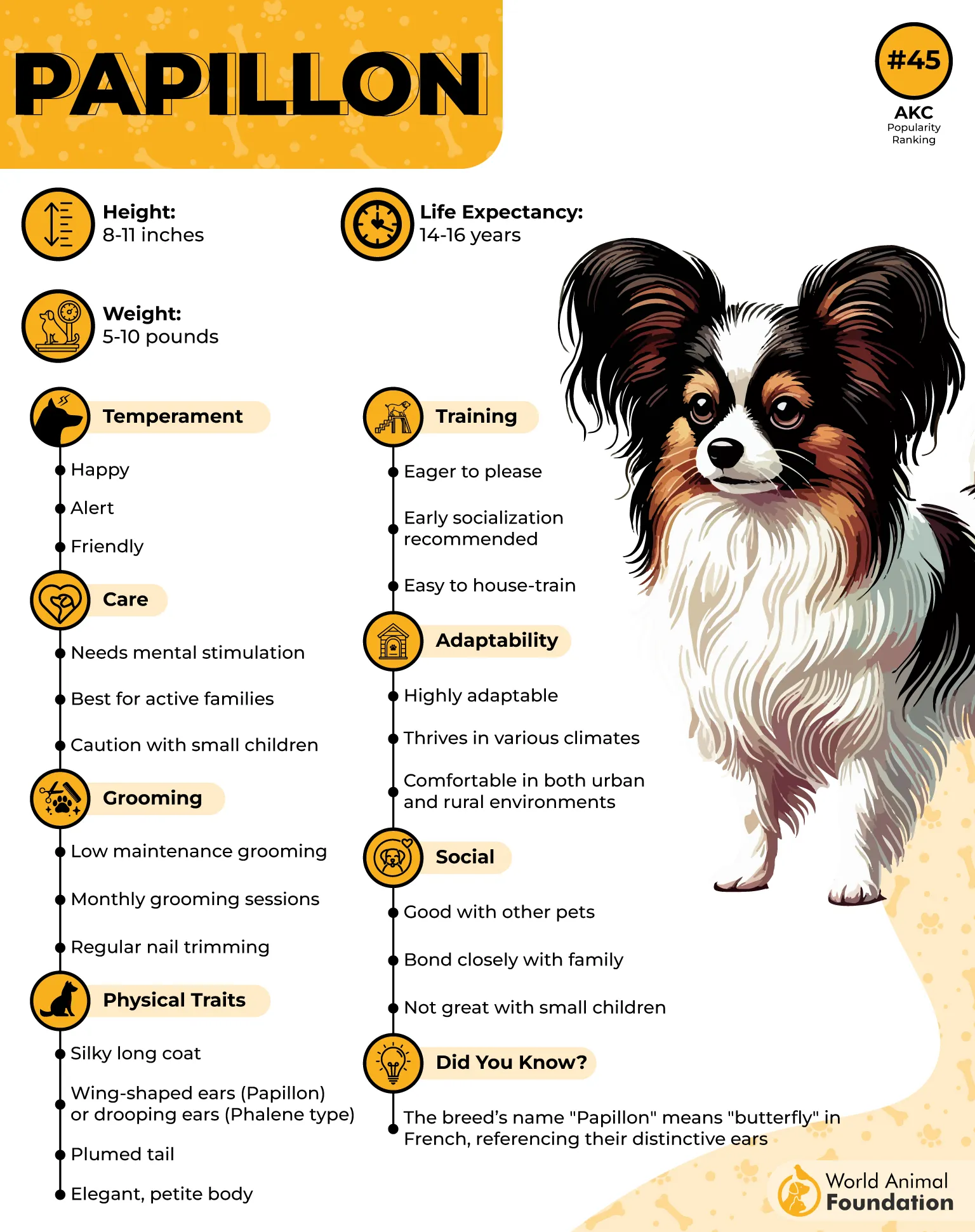
Despite its delicate appearance, the Papillon is confident and social. Early socialization helps it grow into a well-balanced companion that gets along with people and other pets without becoming overly dependent.
It doesn’t need heavy exercise, but it does need daily engagement. Short walks, light play, and interactive activities are enough to keep it satisfied, as long as it stays mentally involved.
New insight: Today, Papillons are increasingly used in small-dog agility programs because their speed, focus, and problem-solving ability make them stand out in compact training environments.
7. German Shepherd
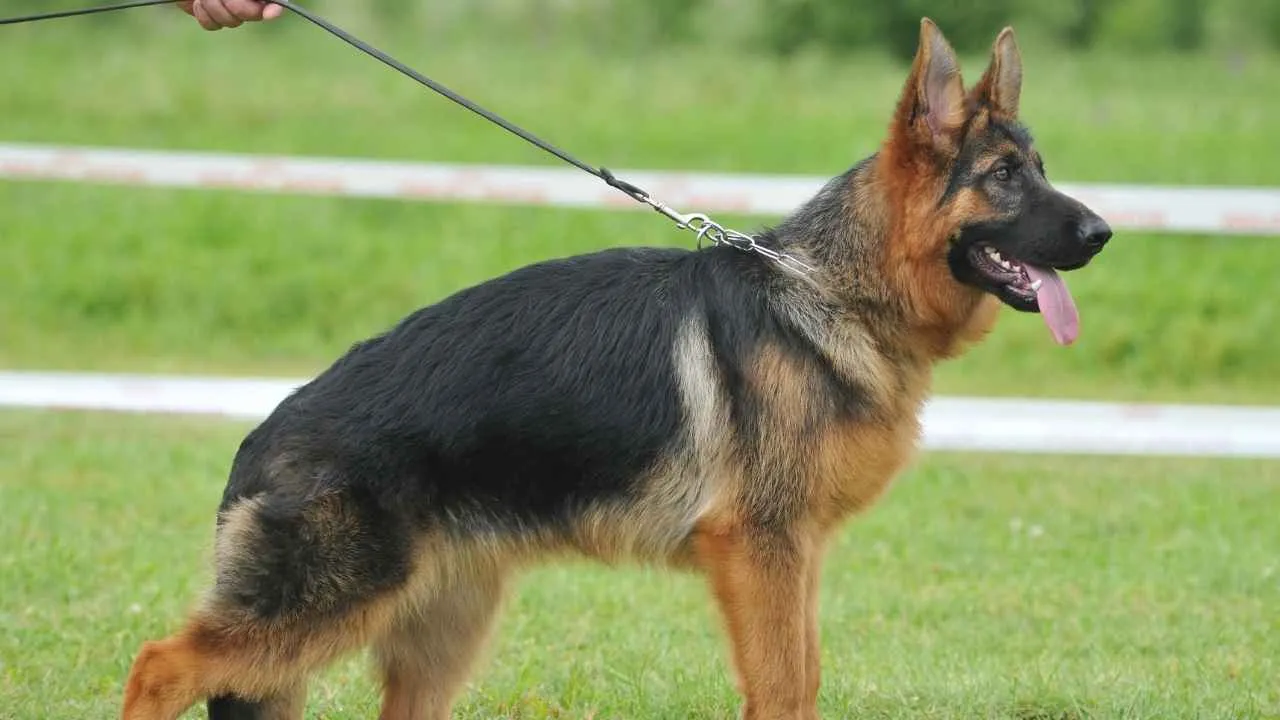
Ever met a dog that feels like it’s always one step ahead of you? That’s the German Shepherd—smart, alert, and incredibly loyal.
Originally bred as a herding dog, this breed is now known for its versatility, intelligence, and strong working drive. It learns quickly and responds best to structured, consistent training, which is why it’s often used in police, service, and protection roles, as per PetPlan.
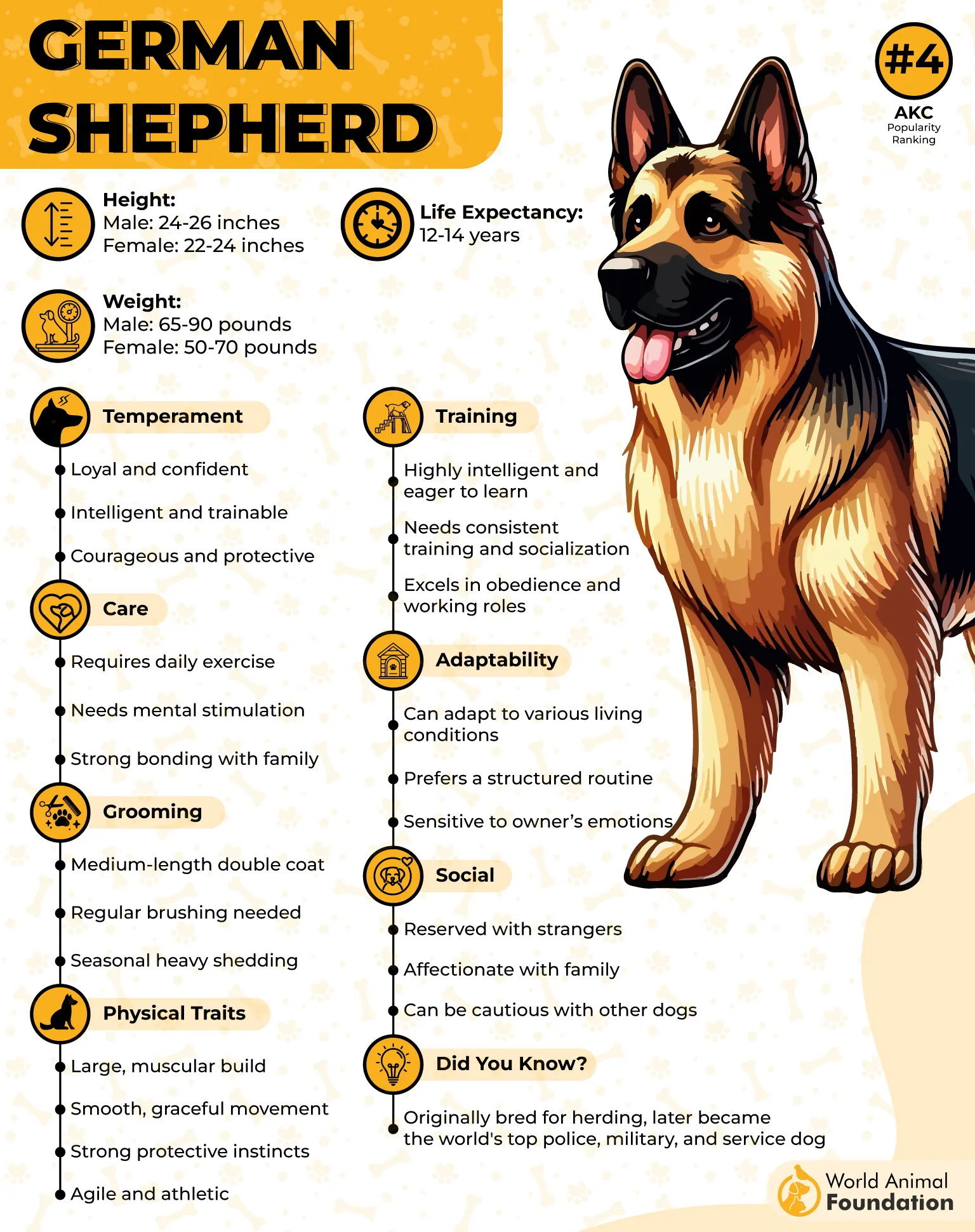
For savvy owners, German Shepherds can be deeply devoted companions. They form strong bonds, enjoy time with their people, and thrive when included in daily life. However, they may become stressed if left alone for long periods, as they need both mental engagement and emotional connection.
They are confident, courageous, and naturally protective, though not inherently aggressive. Early socialization helps them stay balanced and comfortable around strangers, children, and other animals.
New insight: Today, German Shepherds are increasingly used in search-and-rescue operations because their problem-solving ability and focus allow them to work effectively in high-pressure environments.
8. Rottweiler

The Rottweiler is a strong, confident, and loyal breed with roots in Ancient Rome. Descended from Roman drover dogs, it later became known as the “Butcher’s Dog” in Germany for guarding livestock and carrying valuables. Today, it is valued for its courage, loyalty, and steady temperament.
Behind its powerful look is a highly intelligent and observant mind. Rottweilers learn commands quickly, read human cues well, and respond best to consistent, structured training with clear leadership and positive reinforcement.
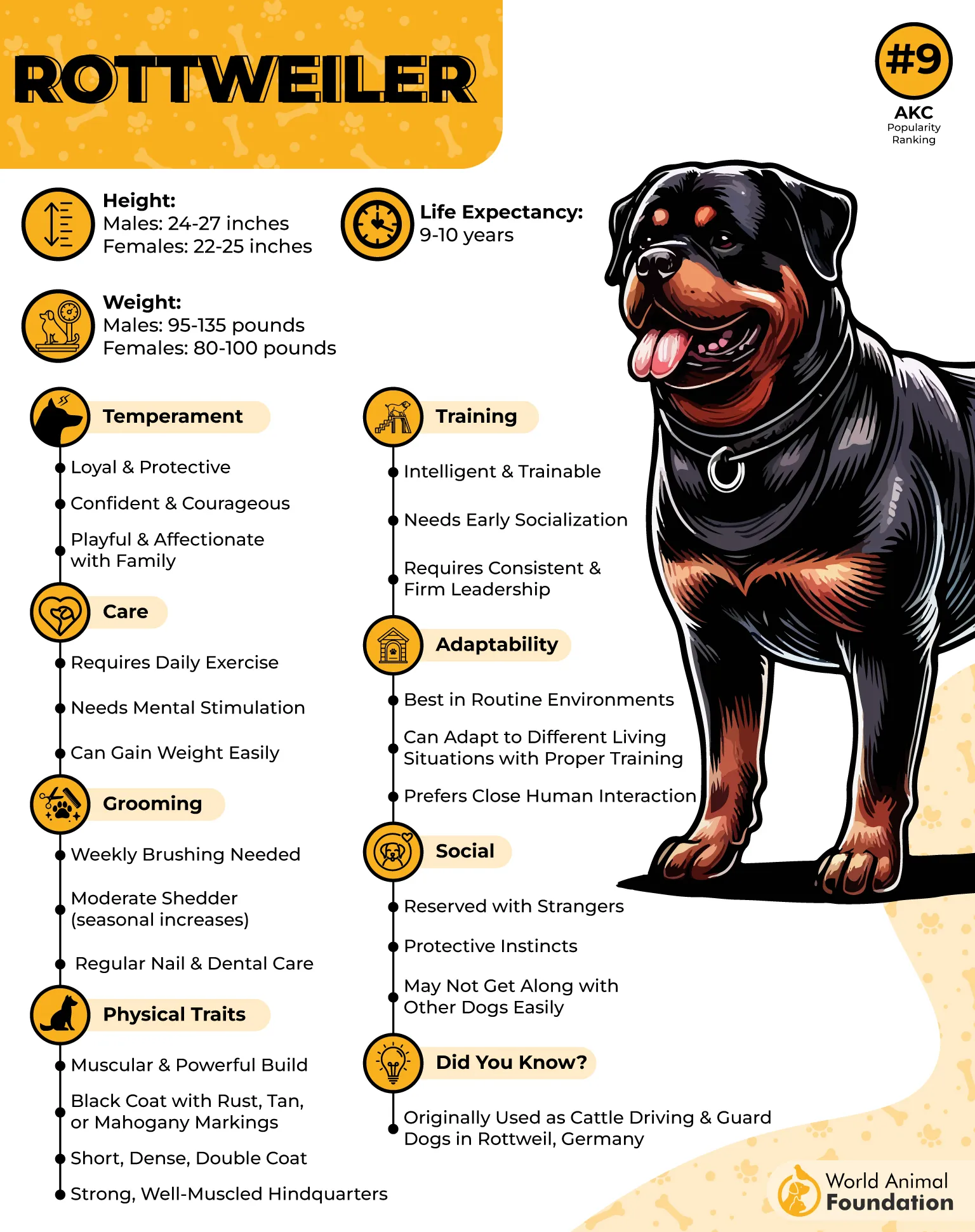
They excel in police, military, and service work due to their focus and discipline. At home, they are calm, affectionate, and deeply bonded with their families when properly guided.
For experienced, savvy owners, they are especially rewarding as they need structure, confidence, and daily mental engagement to stay balanced.
New insight: Modern training now emphasizes early controlled socialization to channel their protective instincts into calm, reliable behavior rather than over-guarding.
9. Australian Cattle Dog

The Australian Cattle Dog was developed in 19th-century Australia as a hardworking herding breed, built for stamina, strength, and long hours in tough terrain. It is energetic, alert, and naturally driven to stay active and engaged.
Its high intelligence helps it learn household rules quickly, picking up routines and boundaries with ease. However, it also means it can test limits if training is inconsistent, so clear structure and guidance are important from the start.
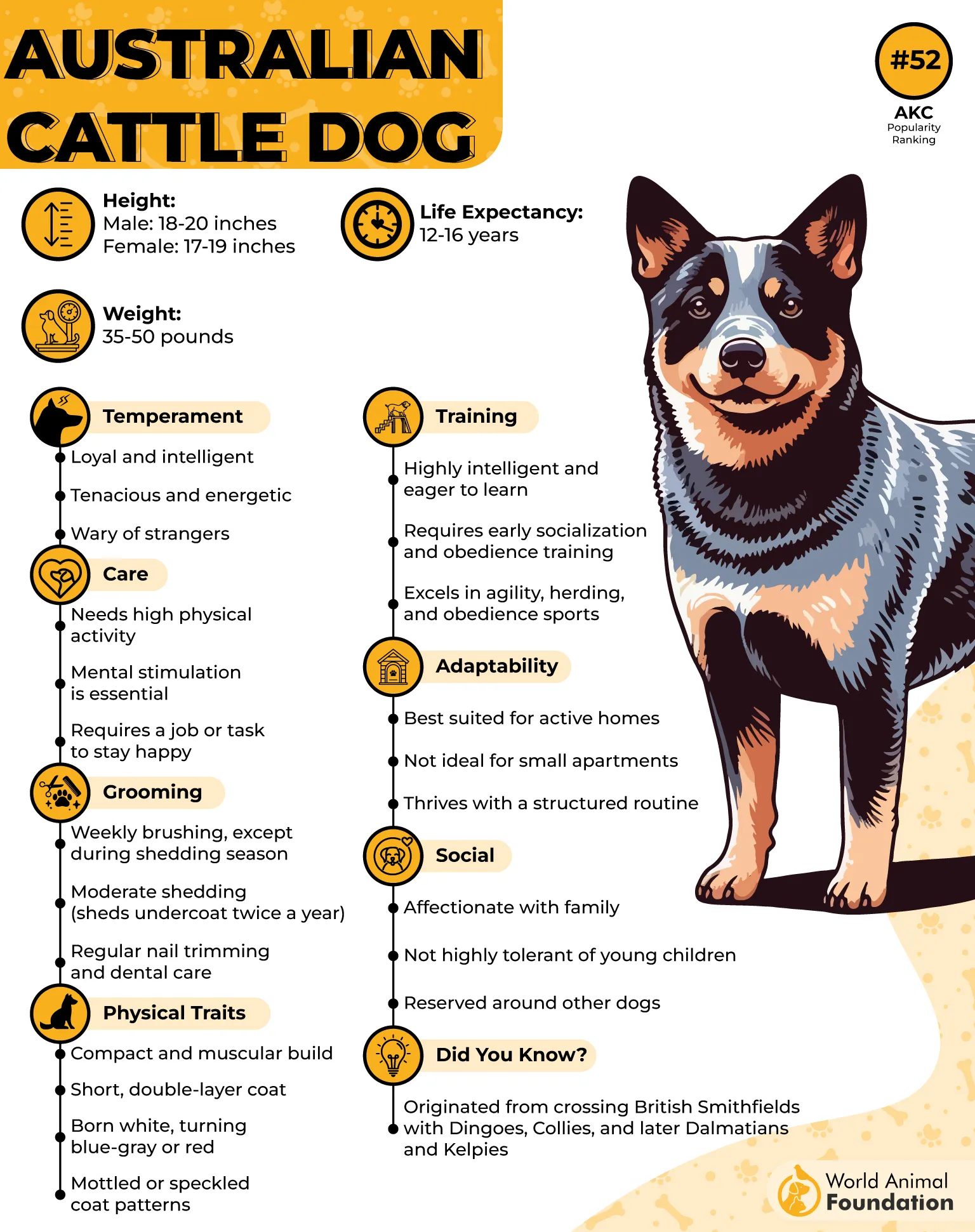
With early socialization and positive reinforcement, it becomes obedient, focused, and highly responsive. It needs more than basic walks—mental challenges, obedience work, and active tasks are essential to keep it balanced.
For active, savvy owners, it fits well because it thrives on structure, leadership, and purpose-driven activity. When properly guided, it becomes reliable, loyal, and deeply bonded with its family.
New insight: Modern trainers often use structured agility and problem-solving games to channel their intelligence into focused work instead of restless energy.
10. English Springer Spaniel
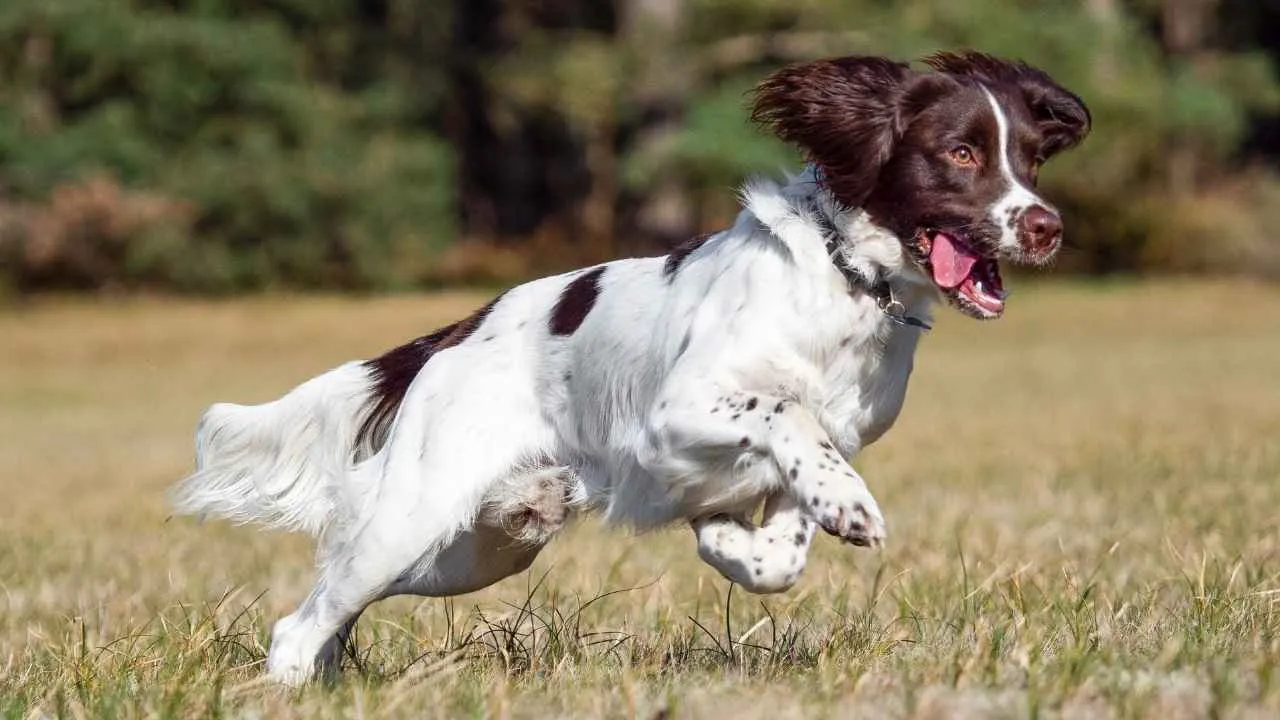
Originally bred as working dogs, English Springer Spaniels naturally love having a job to do. They are energetic, friendly, and thrive when their daily routine includes both exercise and interaction with their people.
Their intelligence makes training smooth and rewarding, especially when using gentle, reward-based methods. They pick up commands quickly and respond best when learning is consistent and engaging from an early age.
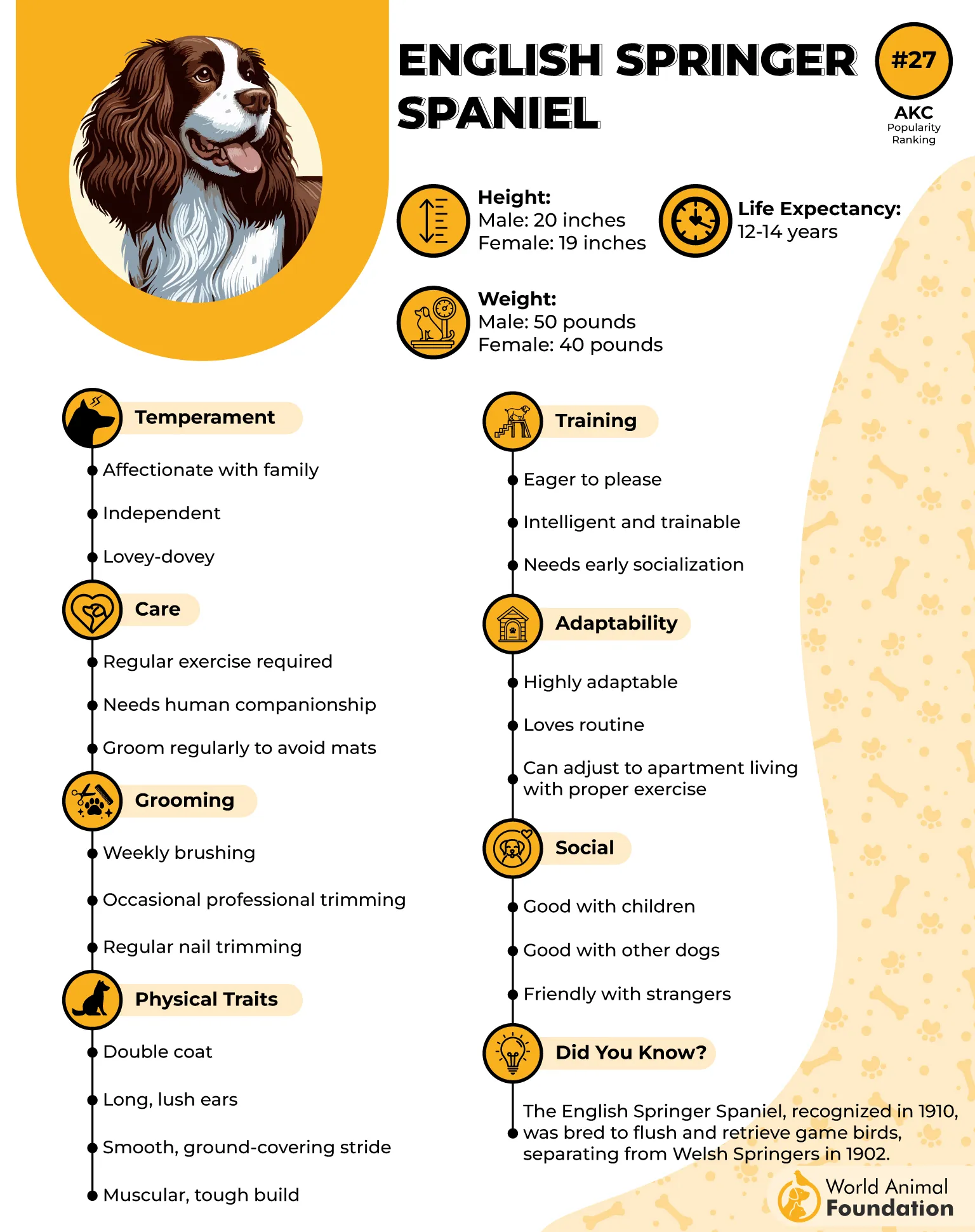
For household life, they adapt well when given structure, regular activity, and enough space to move. Long walks, swimming, retrieving games, and agility-style activities help keep both their bodies and minds balanced, as per PetMD.
They are social by nature and enjoy being around people, often showing excitement through playful energy or light vocalization. With proper socialization, they remain well-mannered and easygoing.
New insight: Modern trainers often use scent-tracking and field-style games to satisfy their natural working instincts, helping prevent boredom-driven behaviors.
Conclusion
Choosing the right dog isn’t just about looks—it’s about matching intelligence, energy, and personality with your lifestyle.
From highly trainable working breeds to affectionate family companions, these intelligent dogs thrive when they are mentally engaged, consistently trained, and given a clear sense of purpose. What truly sets them apart is how quickly they learn, bond, and adapt when placed in the right environment.
If you’re considering adding one of these brilliant breeds to your life, take time to understand their needs first—because the right match doesn’t just bring a pet home, it builds a partnership.
And if there’s one thing to remember, it’s this: the smartest dogs don’t just need love—they need direction, structure, and meaningful daily engagement to truly shine.
Final insight: In the end, the best relationship with an intelligent dog isn’t about control—it’s about communication, where both sides learn, adapt, and grow together over time.
