




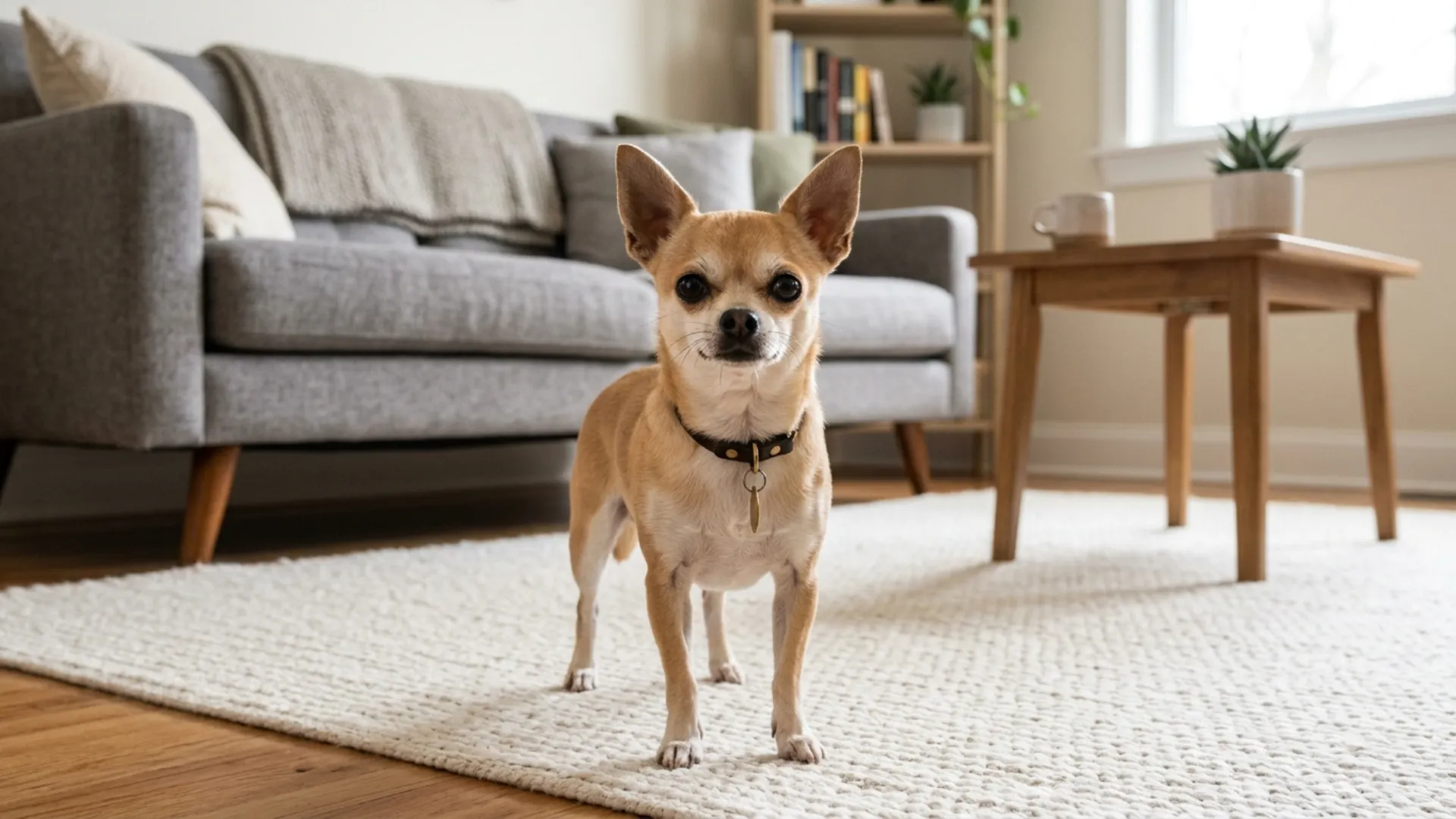
“Wait… I have to brush the dog how many times a week?”
No one mentions this part when you’re admiring adorable puppy photos and dreaming of cozy cuddles. Suddenly, you’re researching grooming schedules, planning daily exercise, and wondering if you’ve signed up for a part-time job.
The truth is, many people love dogs but don’t have endless hours for extensive grooming, intense exercise, and complicated care routines. Between work, family responsibilities, and everyday chaos, life is busy enough.
Thankfully, not every furry friend is high-maintenance. Some of the best low maintenance dog breeds are naturally easier to care for, offering loyalty, affection, and plenty of tail wags without constant upkeep.
Whether you’re a first-time dog owner, have a busy lifestyle, or are searching for low maintenance pets that fit your routine, choosing the right low maintenance dog means spending less time on chores and more time enjoying the companionship you wanted in the first place.
Best Low-Maintenance Dog Breeds for Minimal Upkeep
1. French Bulldog
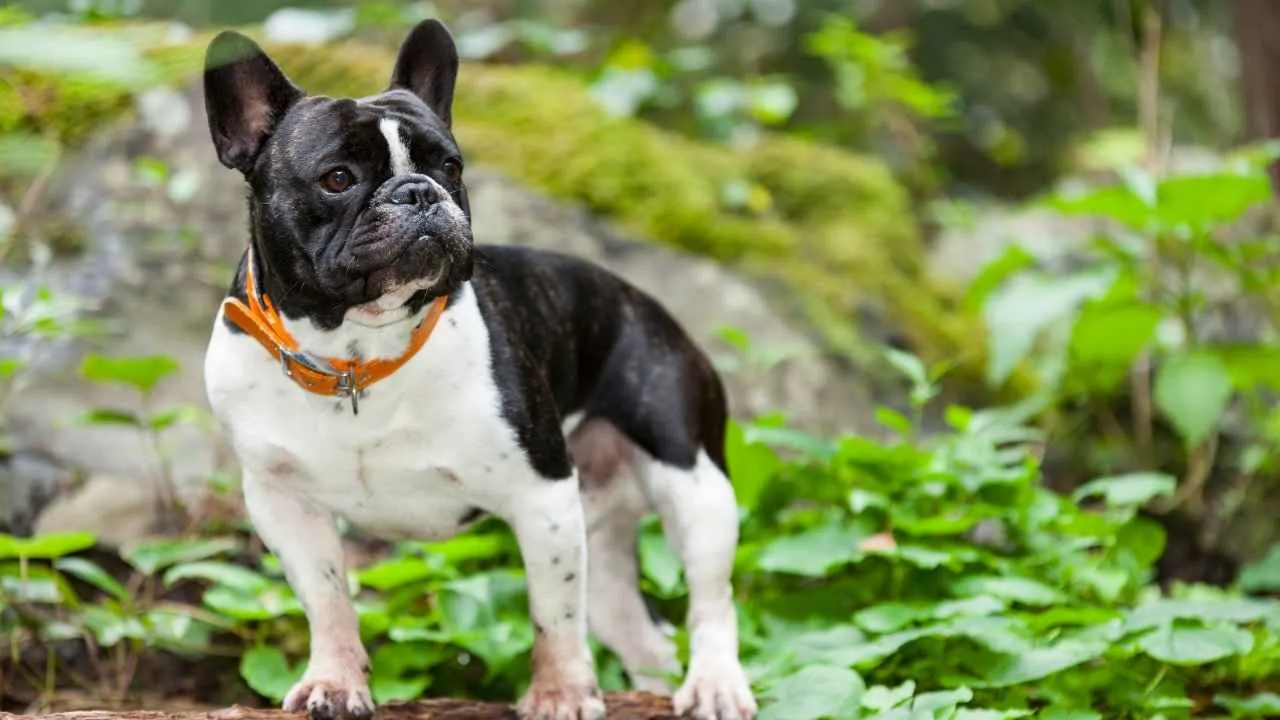
French Bulldogs prove that low-maintenance dogs can still be full of personality. Affectionate, quirky, and adaptable, they fit well into busy households with or without children.
Their short coats are easy to care for, requiring only a weekly brush to manage shedding. They rarely need professional grooming, though their facial folds and ears should be cleaned regularly to prevent irritation and infections.
French Bulldogs have moderate exercise needs. About an hour of daily activity, along with play and mental stimulation, is usually enough to keep them happy. They are generally quiet, don’t bark excessively, and can get along well with other pets when properly introduced, as per PetPlan.
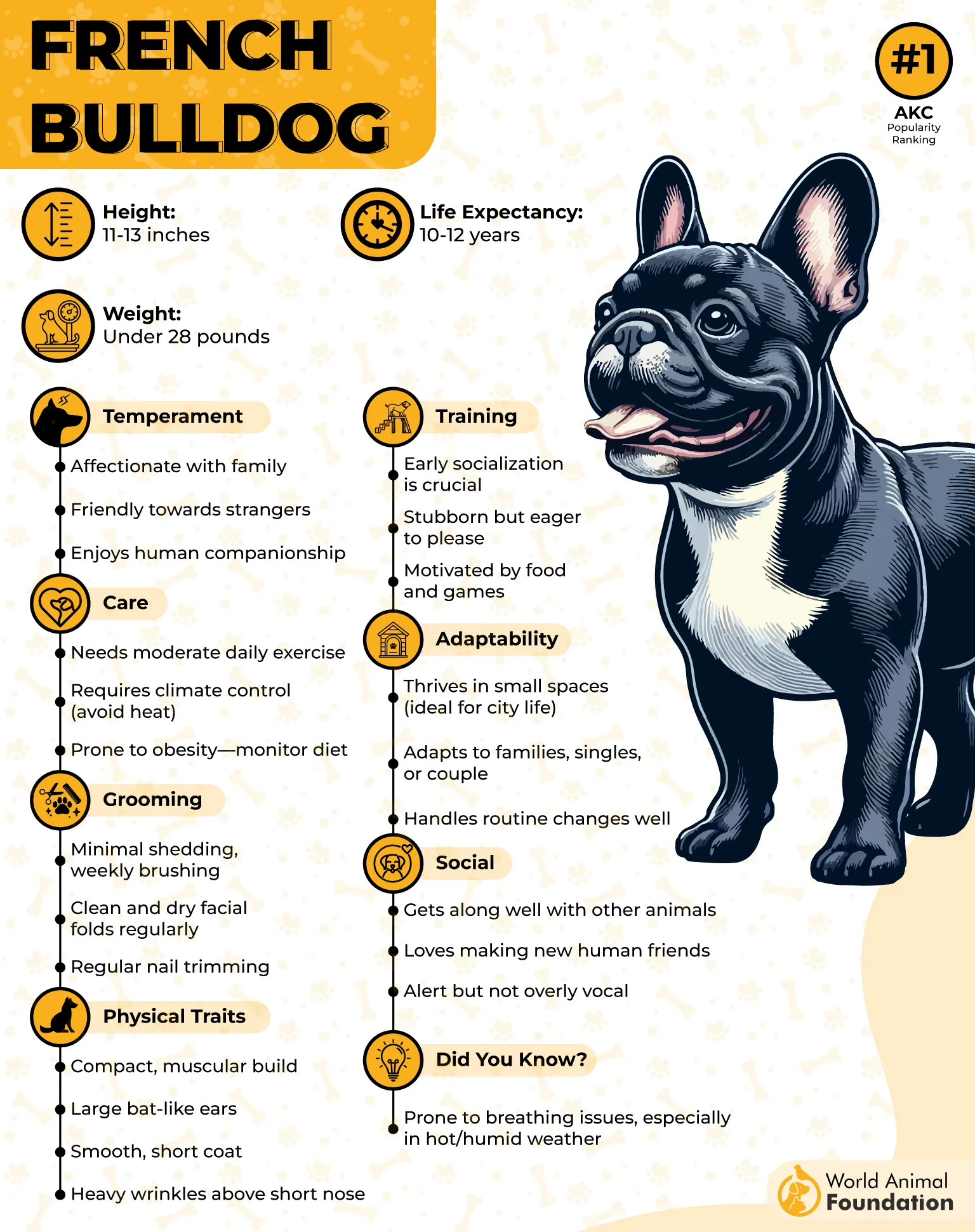
Because of their short muzzles, they struggle in extreme heat. Walks should be scheduled during cooler parts of the day to reduce the risk of overheating.
Remember this: French Bulldogs are low maintenance breeds in terms of grooming and exercise, but they crave companionship. They can develop separation anxiety if left alone too often, making them best suited to owners who spend plenty of time at home.
2. Chihuahua
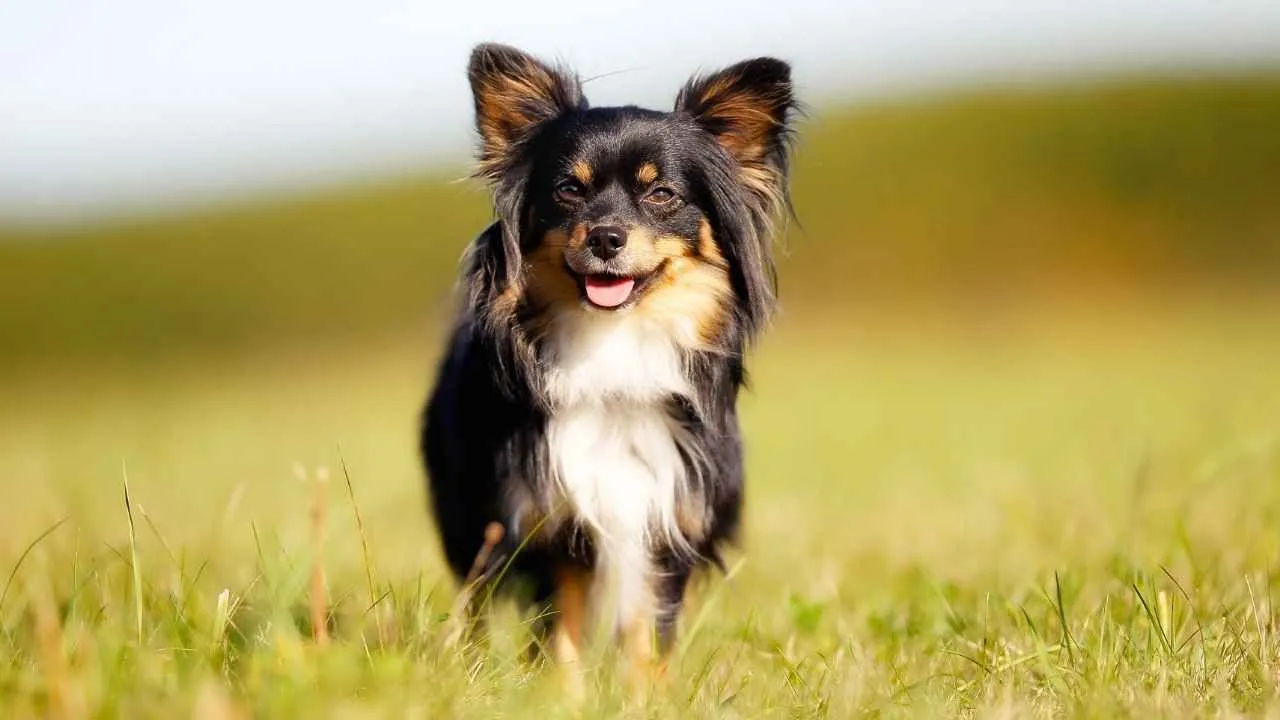
Tiny enough to fit comfortably in your lap but bold enough to believe they can take on the world, Chihuahuas bring plenty of personality in a pint-sized package. Their portability and small size make them a practical choice for apartment living, frequent travelers, and busy pet parents looking for low-maintenance pets.
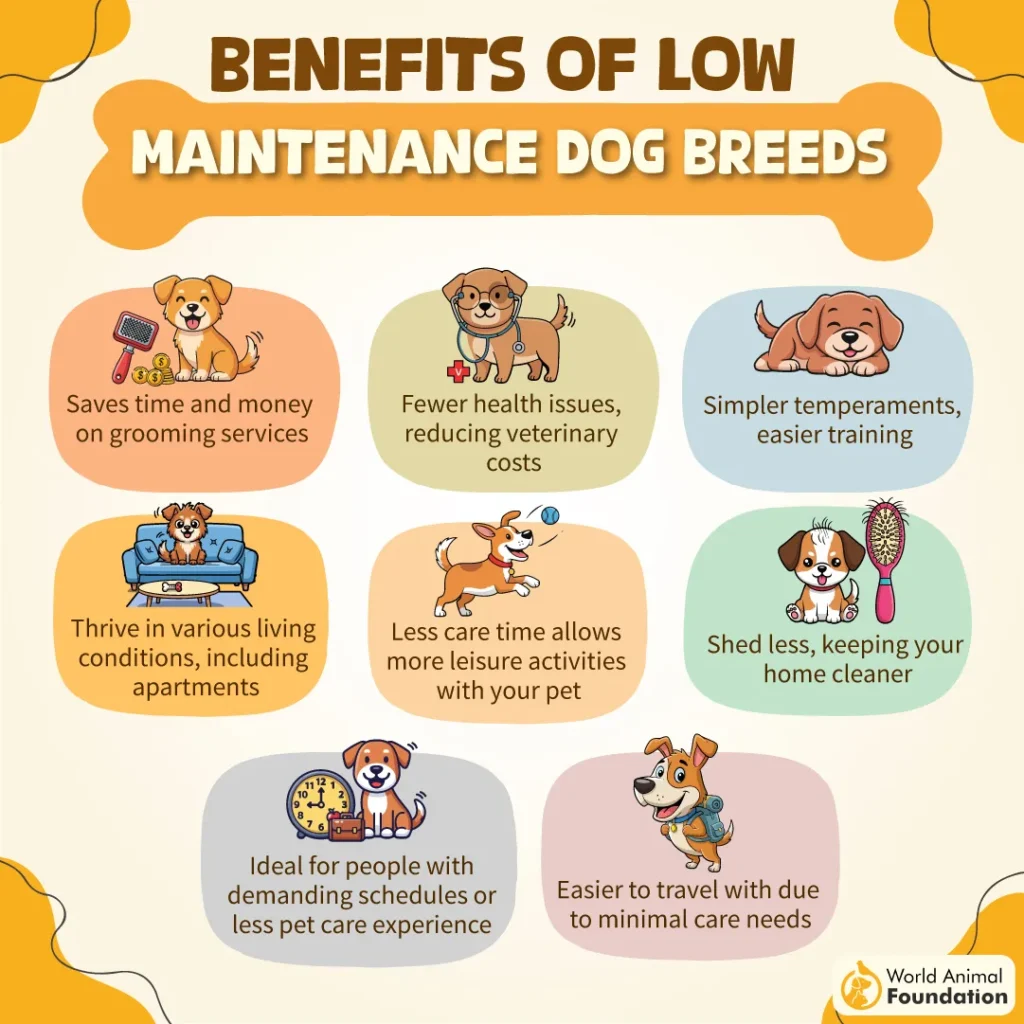
Unlike some other low maintenance dog breeds, Chihuahuas don’t need much exercise to stay happy. A few short walks, indoor zoomies, and play sessions usually meet their moderate exercise needs. They also enjoy mental stimulation through simple games and learning a few tricks.
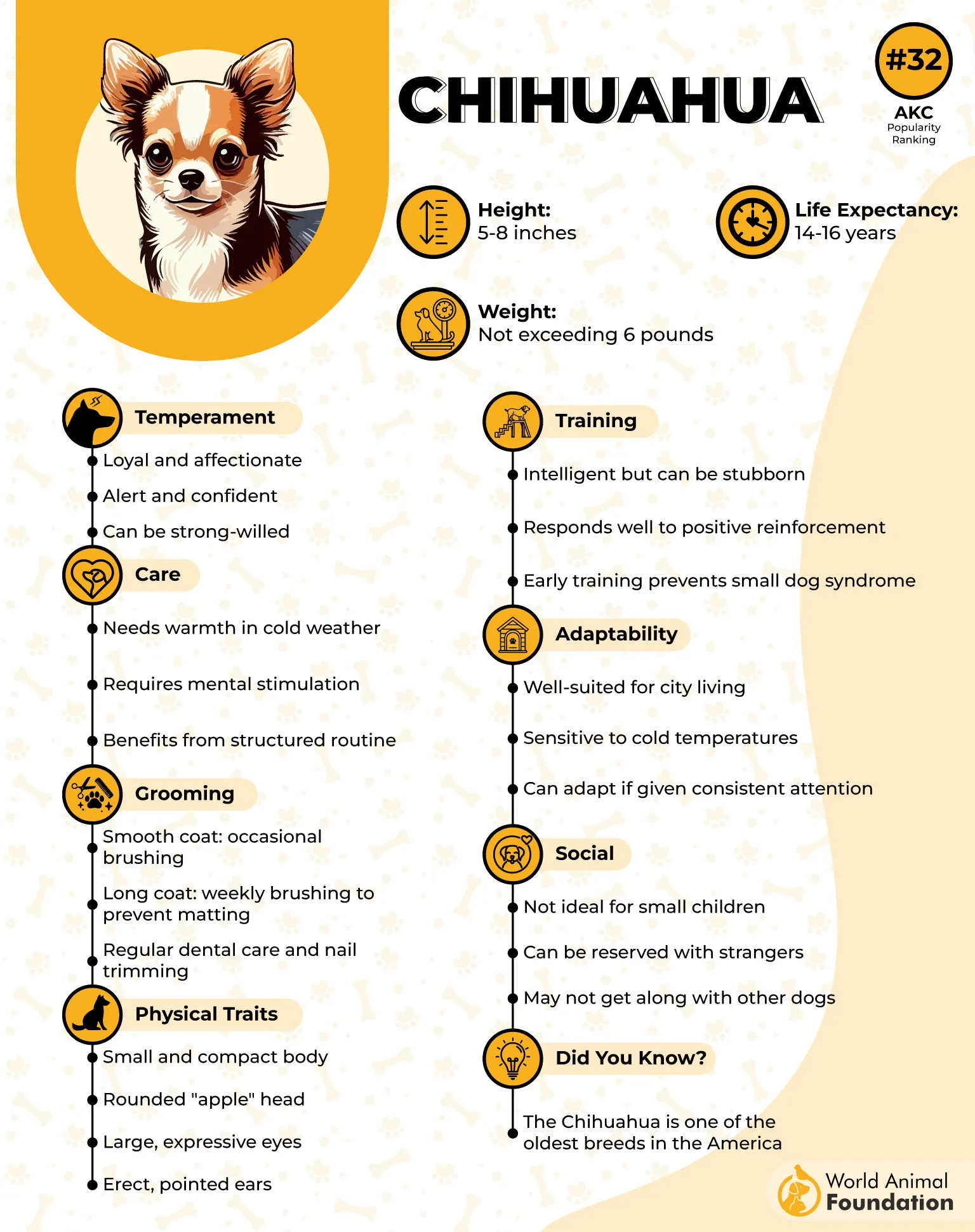
When it comes to grooming, short-coated Chihuahuas have the advantage. Their sleek coats only require occasional brushing, making their grooming needs refreshingly simple compared to breeds that require extensive grooming, as per WebMD.
Despite their tiny stature, these dogs form incredibly strong bonds with their owners and love being involved in everyday life.
Remember this: Chihuahuas may be small, but their confidence is enormous. Early socialization is important, as their fearless attitude can sometimes lead them to challenge much larger dogs.
3. Dachshund
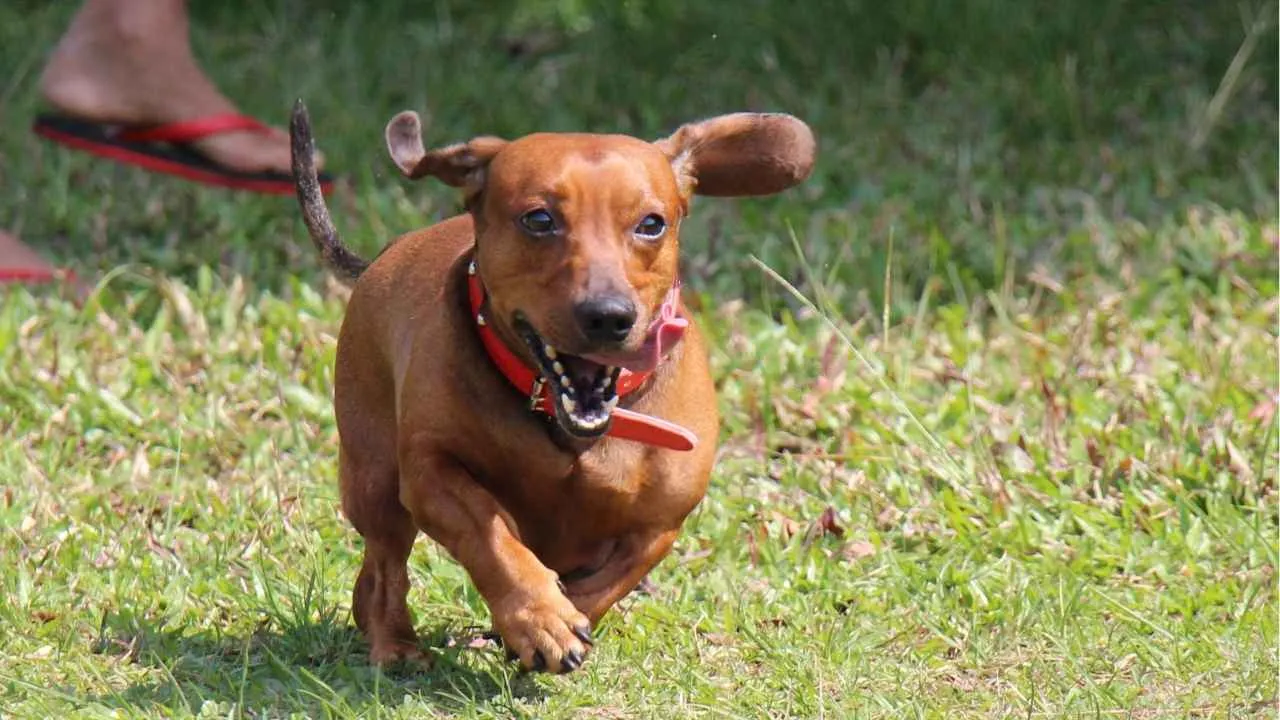
Dachshunds are the determined little adventurers of the group. Originally bred to chase badgers through underground tunnels, these dogs still carry a fearless, curious streak that makes everyday life feel like a treasure hunt.
Despite their hunting background, Dachshunds can be surprisingly low-maintenance. Smooth-coated varieties require only occasional brushing, while longhaired and wirehaired types need a bit more grooming, as per Britannica. For pet parents seeking the easiest upkeep, the smooth-coated Dachshund is the clear winner.
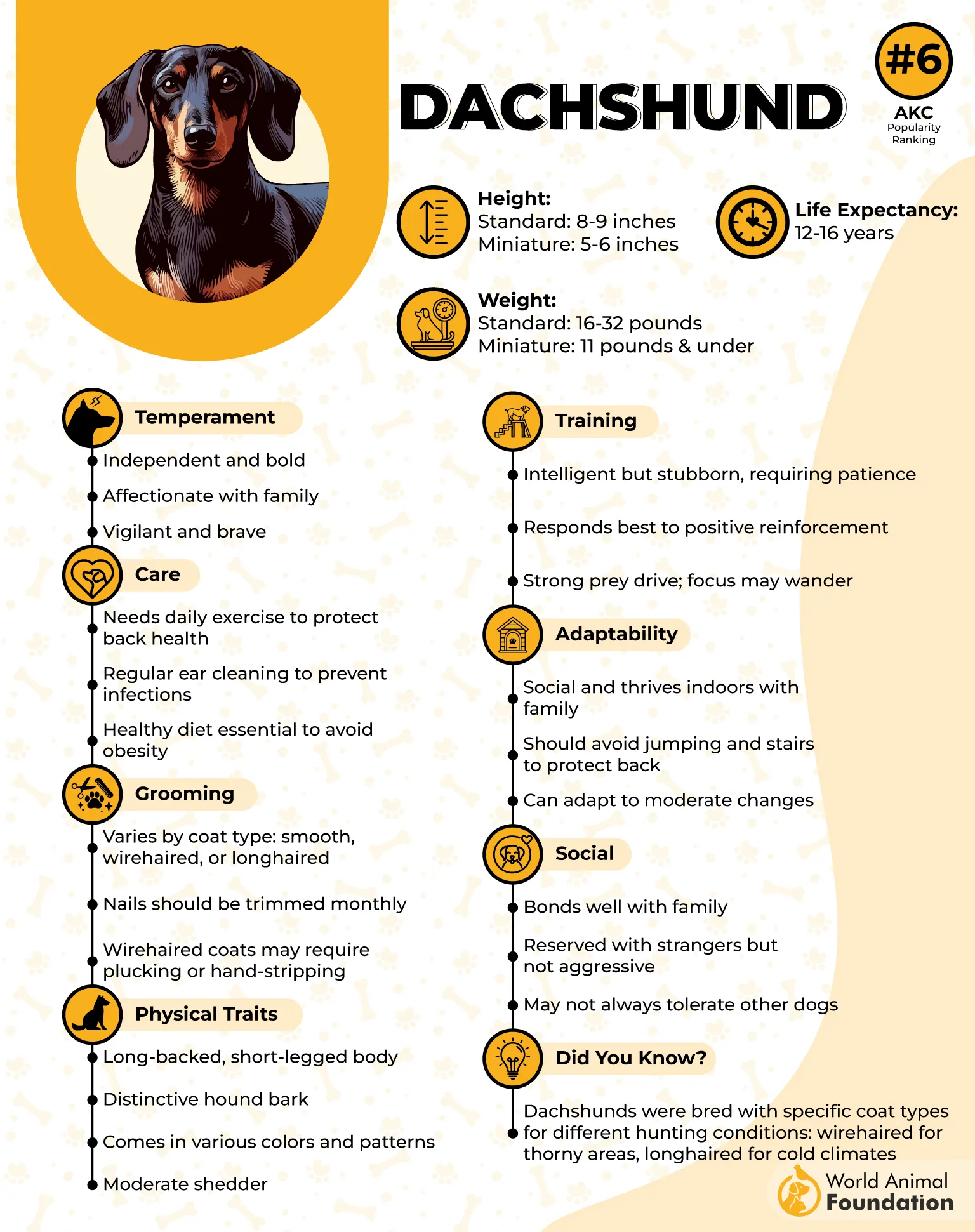
Their exercise needs fall into the moderate category. Daily walks, sniffing sessions, and interactive games are usually enough to satisfy both their bodies and busy minds. Given sufficient activity, they’re equally happy transforming into devoted sofa companions once back at home.
Remember this: Dachshunds may be small, but they think independently. Their strong instinct to follow scent trails means they shouldn’t be trusted off leash in unfenced areas. A secure space and a little patience go a long way with this brave, stubborn charmer.
4. Whippet
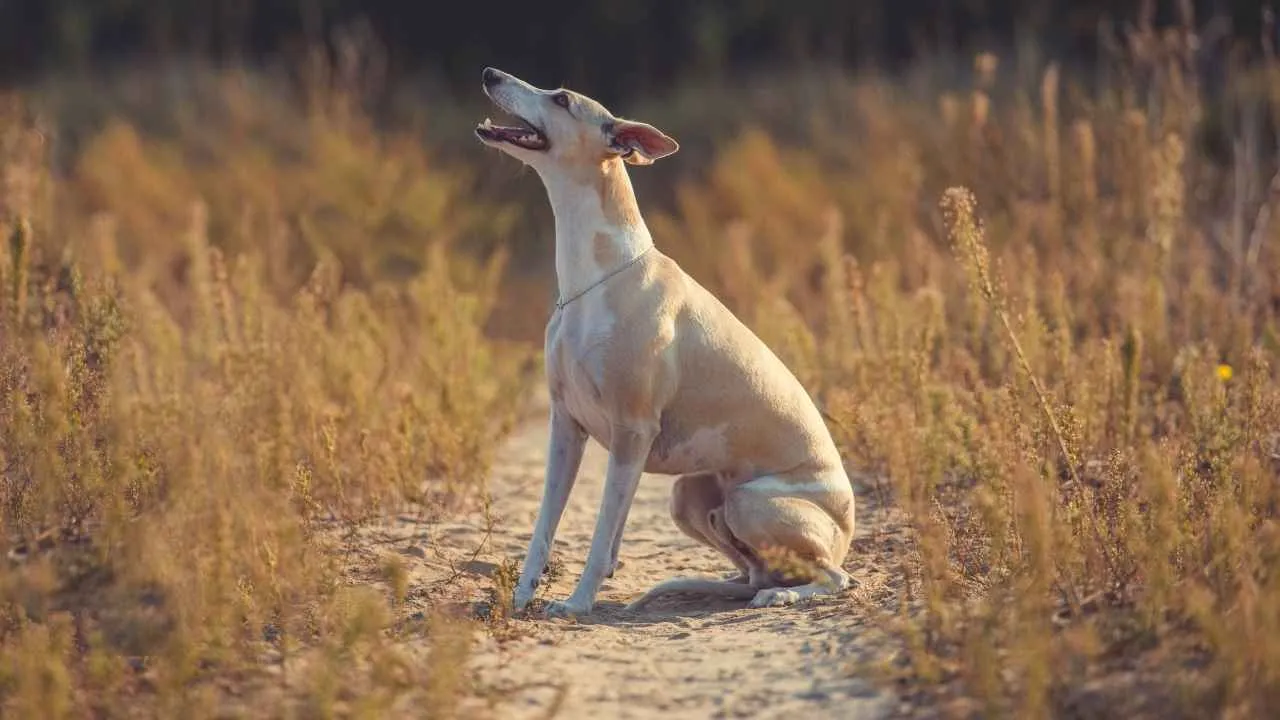
At first glance, Whippets look like athletes that would demand hours of intense exercise. The reality? They might be one of the biggest surprises among low maintenance dog breeds.
Often described as the “poor man’s racehorse,” Whippets are built for speed and can sprint with astonishing power. But here’s what makes them unique: once they’ve enjoyed a few short bursts of running or a brisk daily walk, they’re more than happy to spend the rest of the day curled up beside you, as per Wikipedia. Quiet, dignified, and incredibly gentle, they have a reputation for being champion couch potatoes indoors.
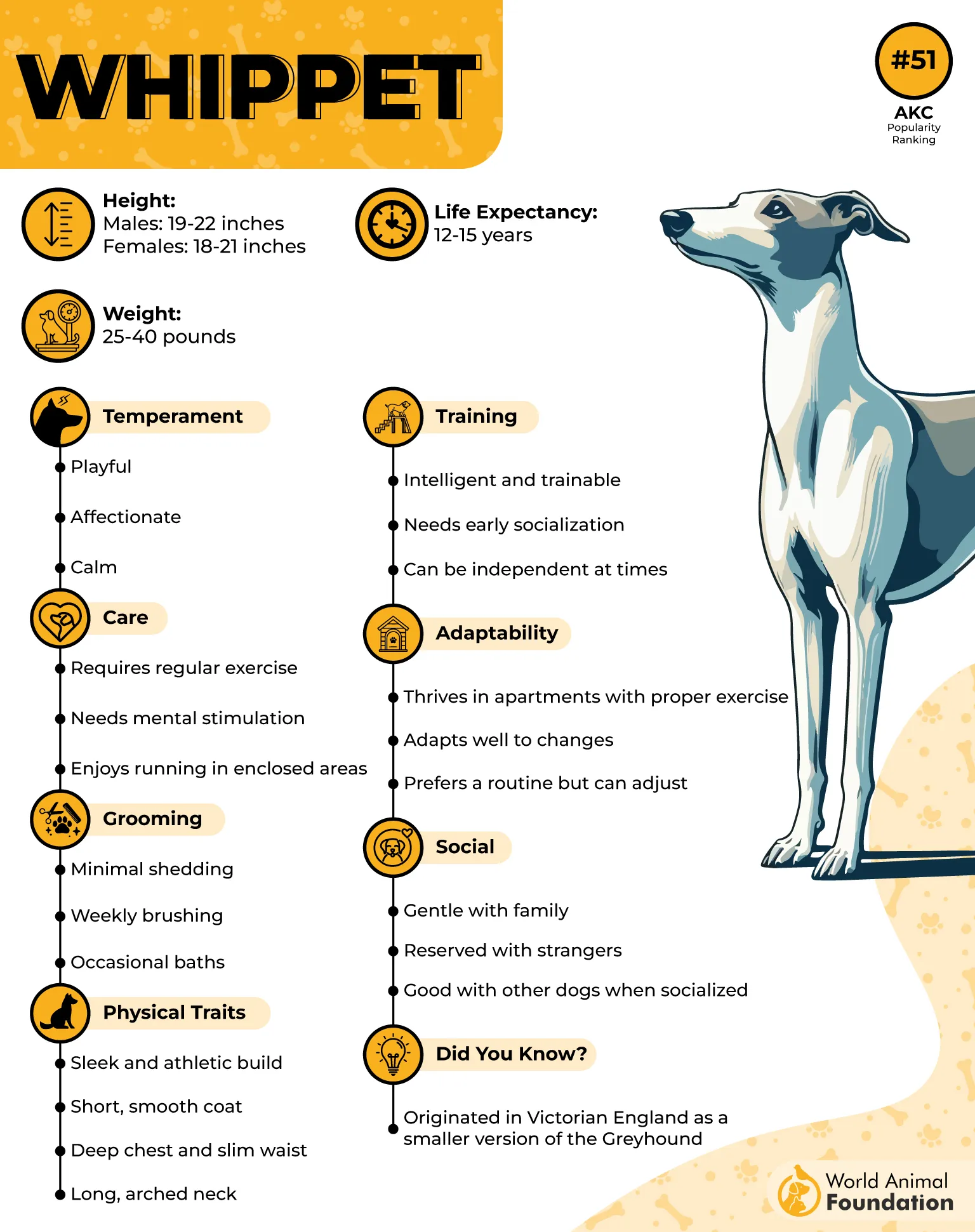
Their short, smooth coats are another reason they rank among the best low maintenance pets. With minimal shedding and no undercoat, grooming needs are refreshingly simple and usually require only occasional brushing.
Whippets are affectionate without being overly demanding and thrive in calm households where they can switch effortlessly between playful athlete and devoted nap companion.
Remember this: Their strong prey drive can kick in unexpectedly, so Whippets should stay on a leash or in securely fenced areas. Also, their lean bodies and thin coats make them sensitive to cold weather, so a cosy dog jacket during cooler months is often appreciated.
5. Pug
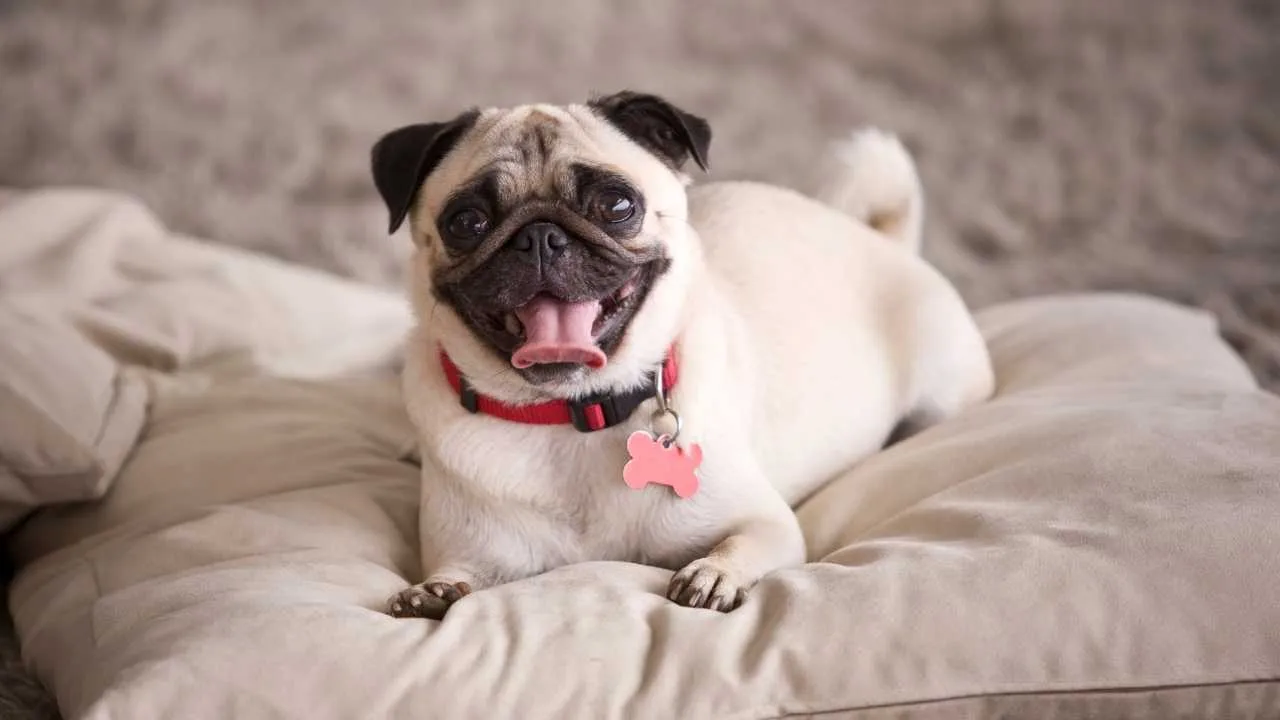
If there were awards for making people laugh without even trying, Pugs would probably take home the trophy. With their wrinkled faces, expressive eyes, and clownish personalities, these little entertainers bring endless charm to busy households.
Despite their reputation for being playful attention-seekers, Pugs are relatively low-maintenance when it comes to exercise. Around an hour of activity each day, split into several shorter walks and play sessions, is usually enough to keep them happy. They also enjoy brain games and simple training activities that provide mental stimulation without requiring intense exercise, as per PDSA.
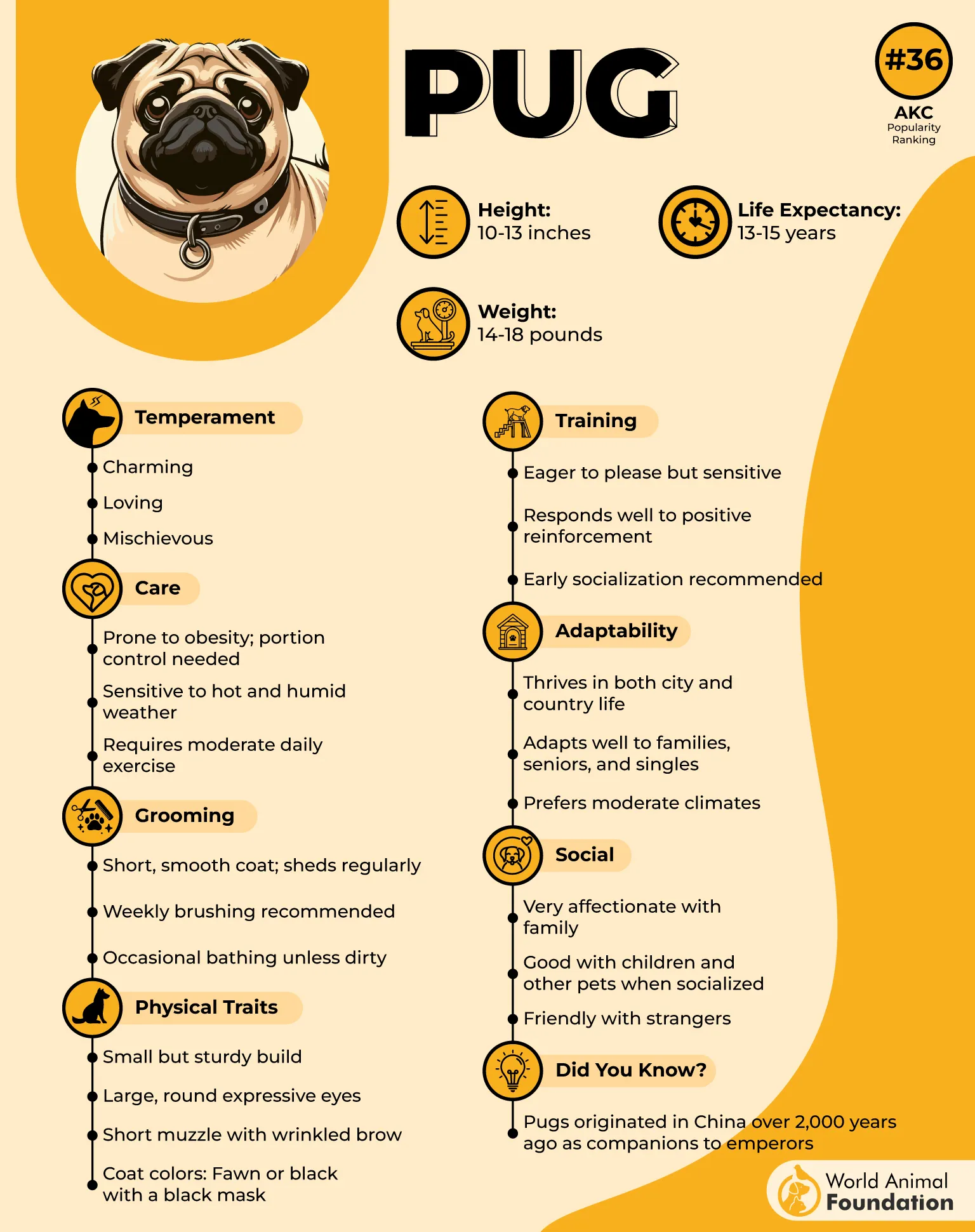
Their short coats don’t need professional grooming, but don’t let that fool you—they can shed more than expected. Weekly brushing and regular cleaning of their facial folds help keep their grooming needs manageable and prevent skin issues.
Pugs thrive on companionship and love being at the center of family life. They do best in homes where someone is around most of the day, so they’re less suited to households where they’re frequently left alone for long hours.
Remember this: Pugs don’t know when to slow down. Because of their flat faces, they can overheat and become short of breath quickly, so opt for shorter walks during cooler parts of the day and keep an eye on their weight to support their overall health and comfort.
6. Italian Greyhound
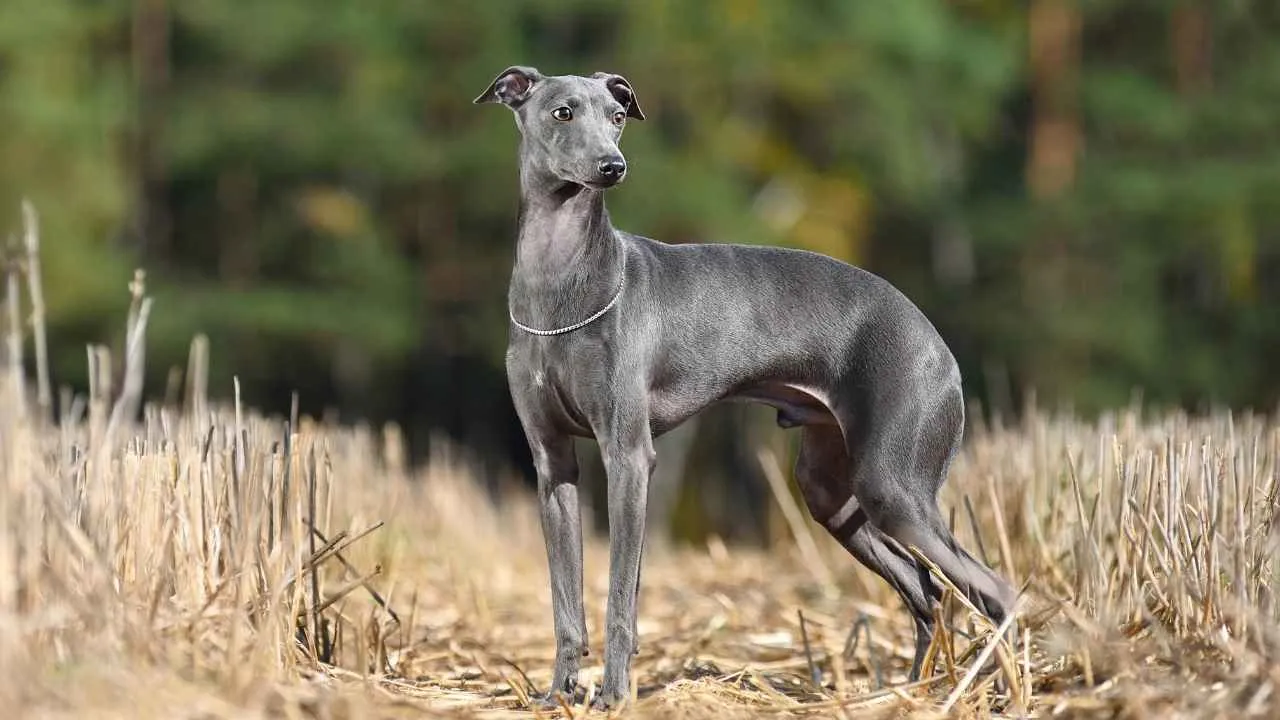
Think of Italian Greyhounds as Whippets’ elegant little cousins—equally graceful but wrapped in a much smaller package. These sleek companions have been winning hearts since ancient times, and it’s easy to see why. One minute they’re racing around the house at impressive speeds, and the next, they’re burrowed under a blanket, convinced your lap is the best seat in the world.
Italian Greyhound have playful bursts of energy throughout the day. They enjoy running, games, and interactive play, but they naturally balance activity with long stretches of rest and cuddles.
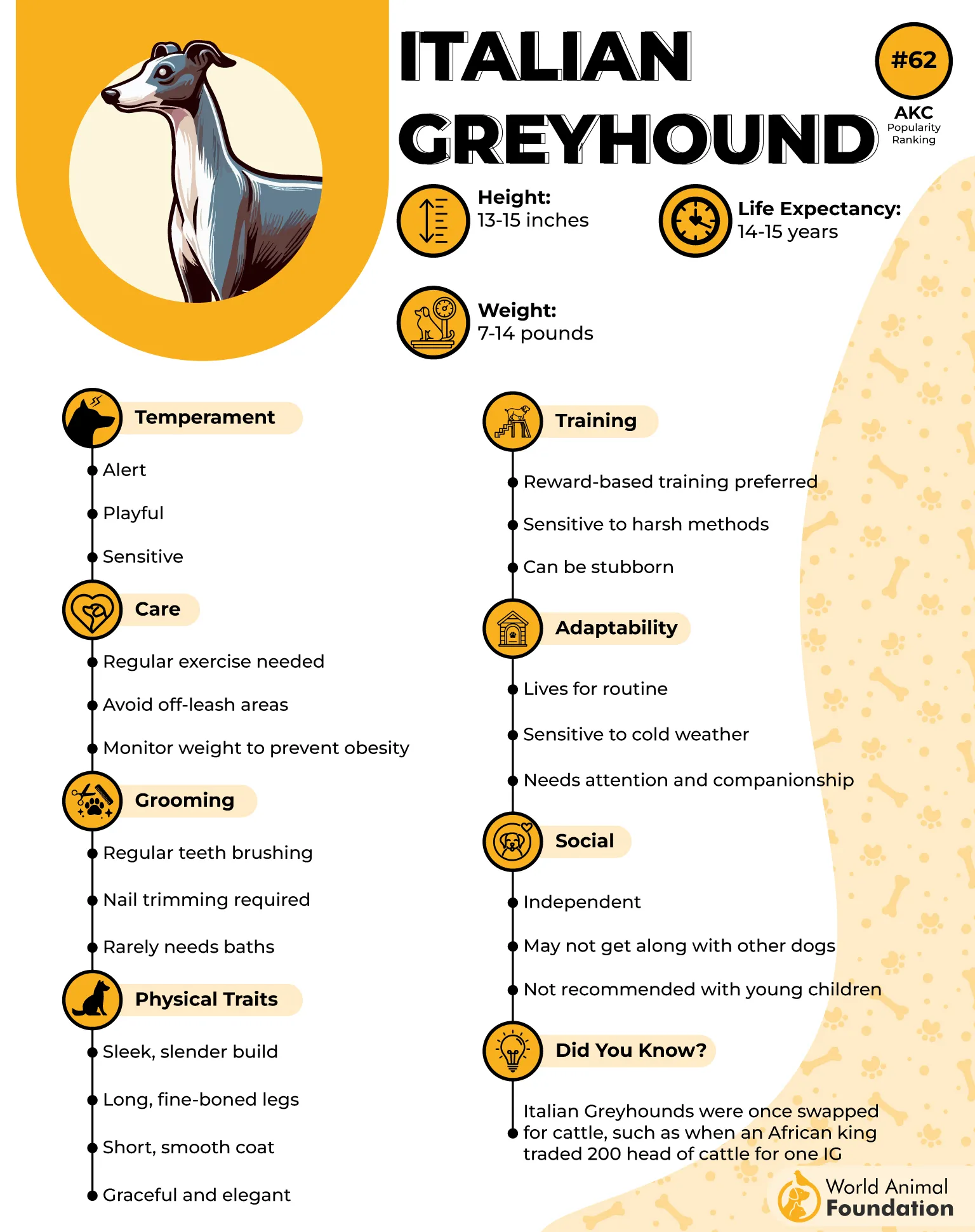
As per Orvis, their short, glossy coats are another advantage, requiring only occasional brushing and very little grooming to stay looking polished.
Italian Greyhound is deeply affectionate and thrives on close bonds with their families. However, they can be shy around strangers and respond best to patient, gentle training rather than harsh corrections.
Remember this: Their delicate build sets them apart from sturdier small breeds. While they’re athletic and lively, Italian Greyhound can be prone to injuries during rough play, so supervised activities and a softer approach to handling help keep these sensitive souls safe and happy.
7. Boston Terriers
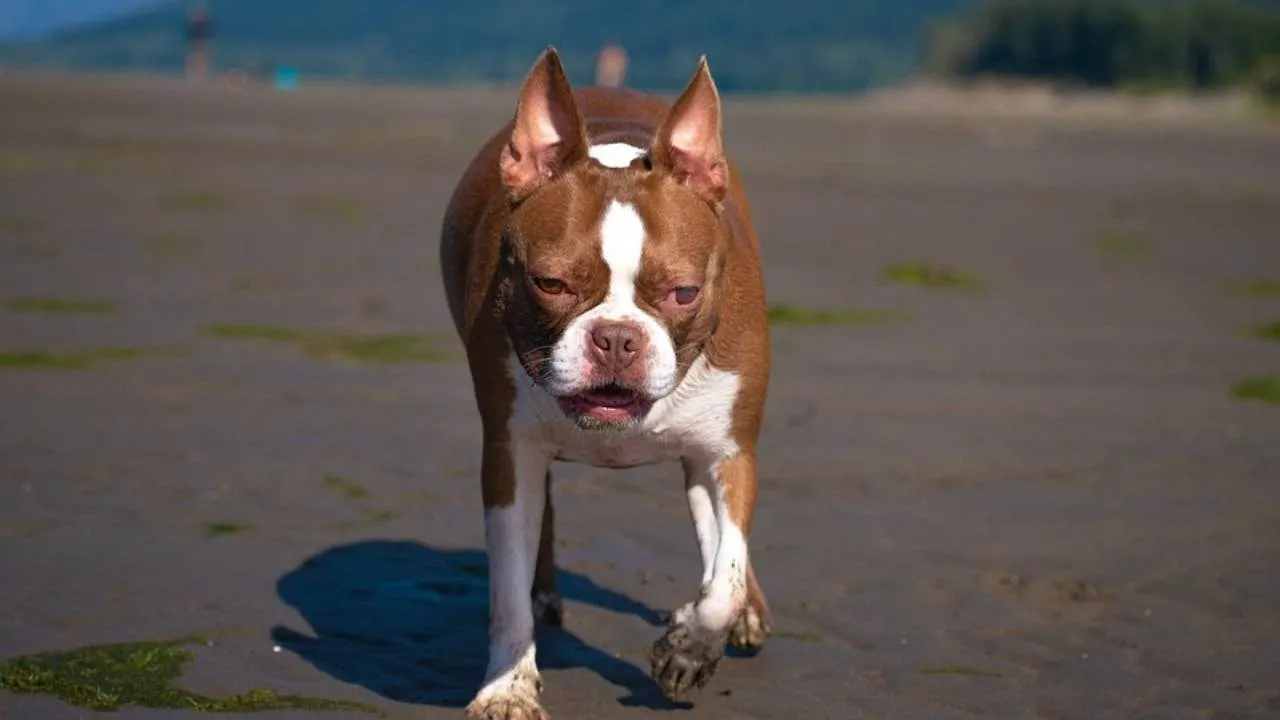
Boston Terriers, often called the “American Gentleman,” bring a mix of charm, energy, and easygoing companionship that makes them stand out among low maintenance breeds. With their signature tuxedo-like coats and expressive faces, they’re as stylish as they are affectionate.
These dogs are lively and love being involved in whatever their family is doing. Despite their playful energy, they don’t require intense exercise—moderate daily walks and short play sessions are usually enough to keep them content. This makes them a great fit for apartment living and busy households looking for adaptable companions.
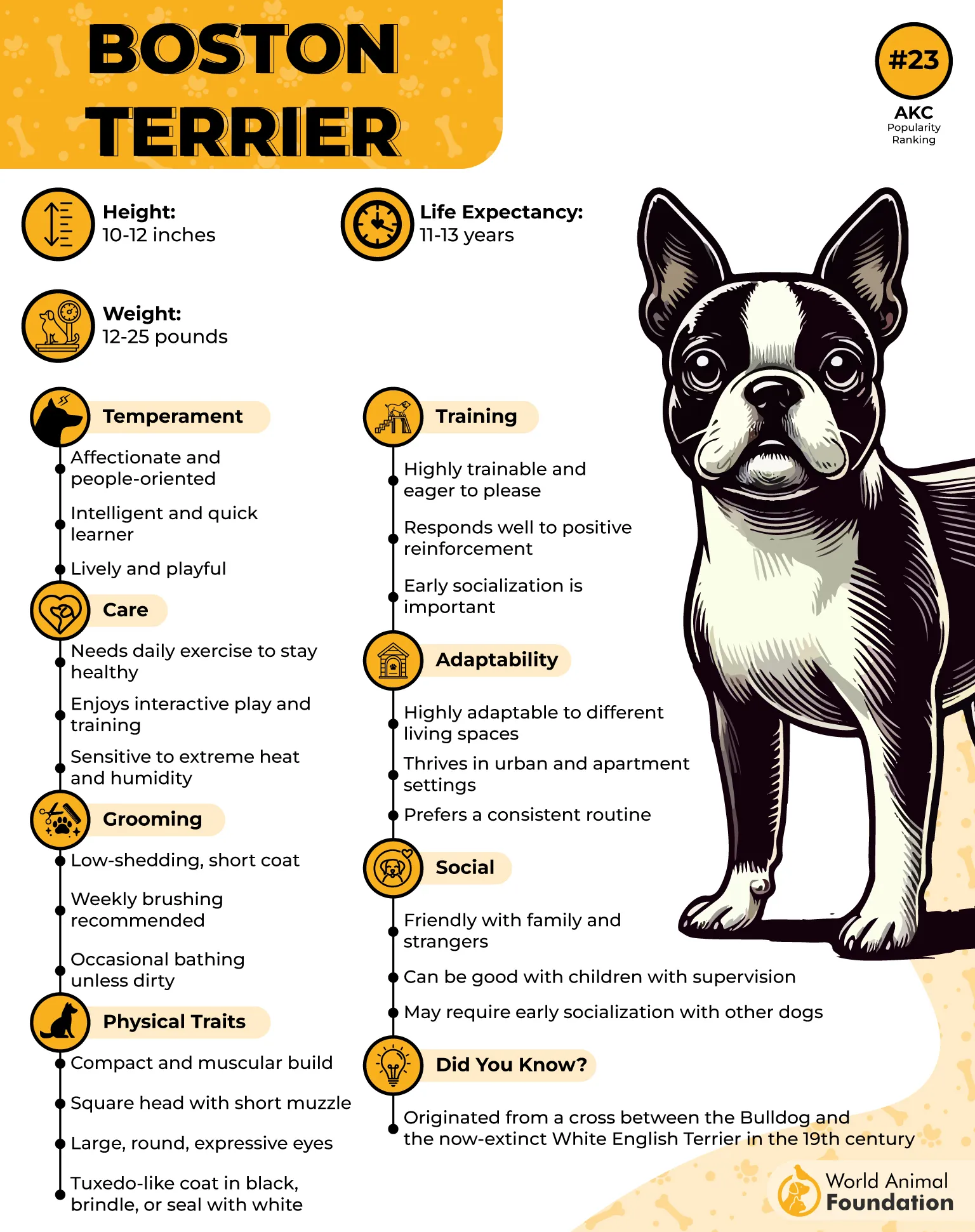
As per PetMD, their short, smooth coats are relatively easy to care for, needing only weekly brushing to manage moderate shedding. However, because they are brachycephalic (flat-faced), they can be sensitive to heat and may experience breathing difficulties if overexerted. Cooler walking times and careful monitoring during exercise are important.
Boston Terriers are intelligent and respond well to positive reinforcement training, though their playful stubborn streak means training works best when kept fun and engaging.
Remember this: Their low grooming needs make them relatively low maintenance, but their breathing sensitivity means owners must be mindful of exercise conditions—especially in warm weather.
Conclusion
Choosing the right companion isn’t just about picking the cutest face—it’s about finding a match that fits your lifestyle without turning daily care into a full-time job. The beauty of low-maintenance breeds is that they still offer love, loyalty, and personality, but with more manageable grooming needs, balanced exercise requirements, and adaptable temperaments.
From playful lap lovers to calm couch companions and surprisingly athletic yet easygoing breeds, there’s a low-maintenance dog out there for almost every type of pet parent. The key is understanding what “low maintenance” really means for your routine—less about doing nothing, and more about choosing a dog whose needs naturally fit into your day.
Before you decide, think honestly about your time, space, and energy. The right choice will not just simplify care—it will make companionship feel effortless, rewarding, and genuinely joyful.
Because at the end of the day, the best dog isn’t the one that changes your life completely… it’s the one that fits into it like they were always meant to be there.
