




Ever met a dog that looked like it was wrapped in velvet, covered in cotton candy, or fresh from a luxury salon appointment? Dog coats come in all kinds of textures, and that’s part of what makes our four-legged friends so fascinating. Some coats are silky and flowing, some are fluffy enough to disappear into, and others have a texture so distinctive you can spot them from across the dog park.
And while color often steals the spotlight, texture is the real secret behind many of the dog world’s most unforgettable looks. So if you’re ready to meet the dogs whose coats are every bit as unique as their personalities, keep reading.
Did you know?
A dog’s nose print is unique to that individual, much like a fingerprint is unique to a person. The patterns of ridges and tiny markings on a dog’s nose are different from every other dog’s, making each one truly one of a kind.
Top Dog Breeds Defined by Their Unique Coat Texture
1. Border Collie
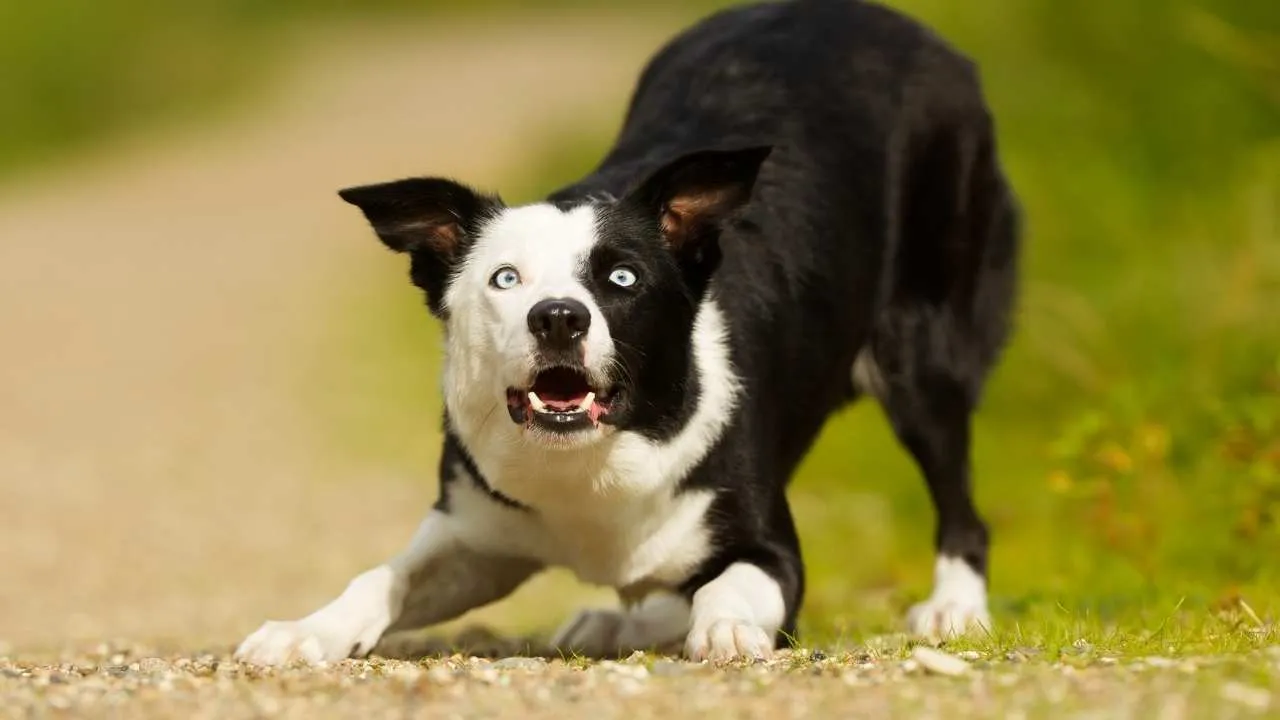
Border Collies bring a dramatic coat that says, “I have errands, sheep, and possibly a Frisbee appointment.” Their look feels sporty, practical, and full of movement, matching a breed built for sharp turns, busy brains, and serious working energy.
Their luxurious coat helps define that ready-for-action, bold personality without trying too hard. Border Collies often have medium-length, wavy double coats, though short-haired versions are common too, giving the breed either soft working-dog fluff or a sleeker field-ready finish.
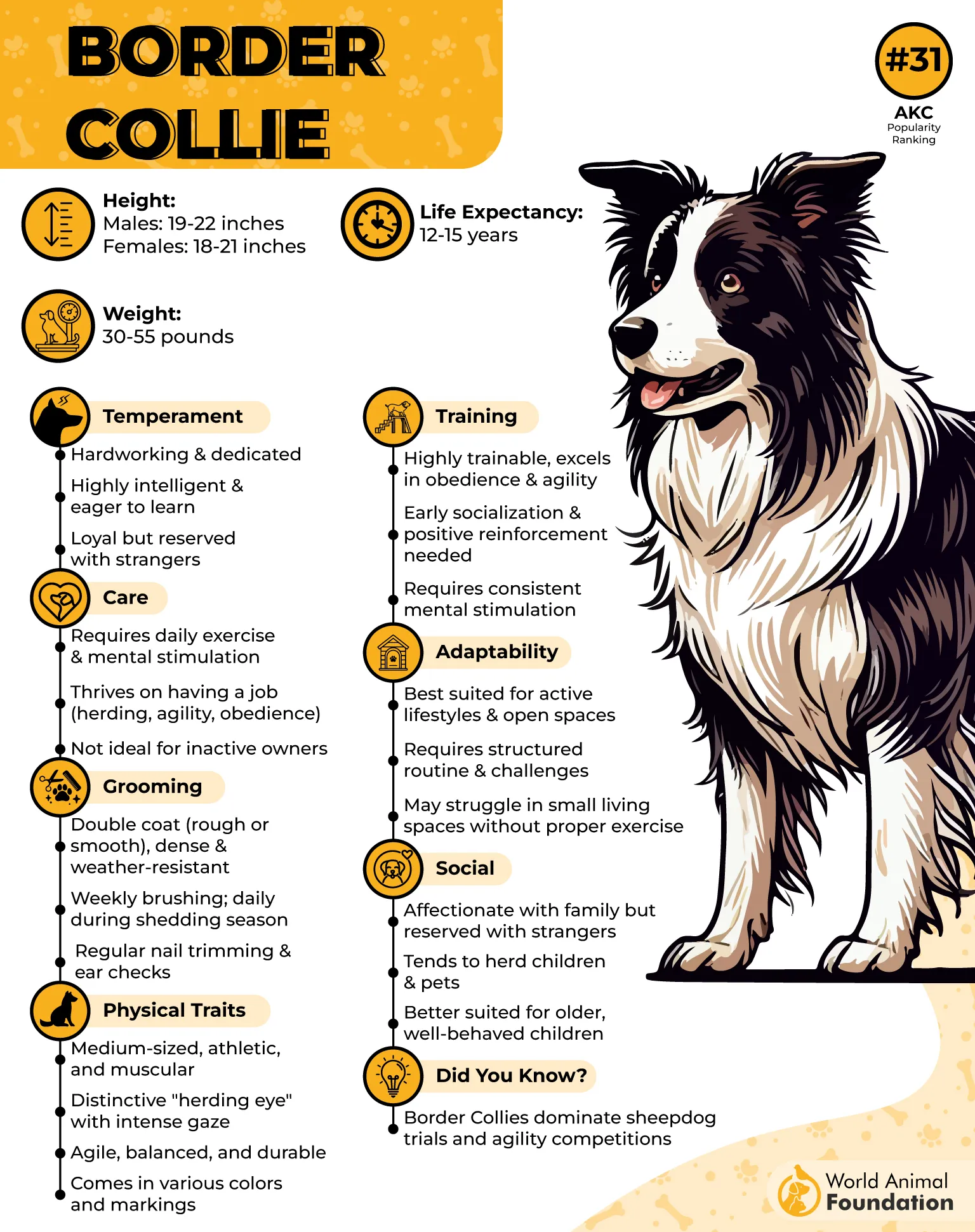
Their colors can include black and white, all-black, red, lilac, and blue. That thick double coat sheds year-round, so yes, the sofa may quietly collect evidence that a very active Border Collie lives there, even after a thorough cleaning session.
Grooming Tips For This Breed
Use a slicker brush several times a week.
Watch for mats, especially with medium-length coats.
2. Doberman Pinscher
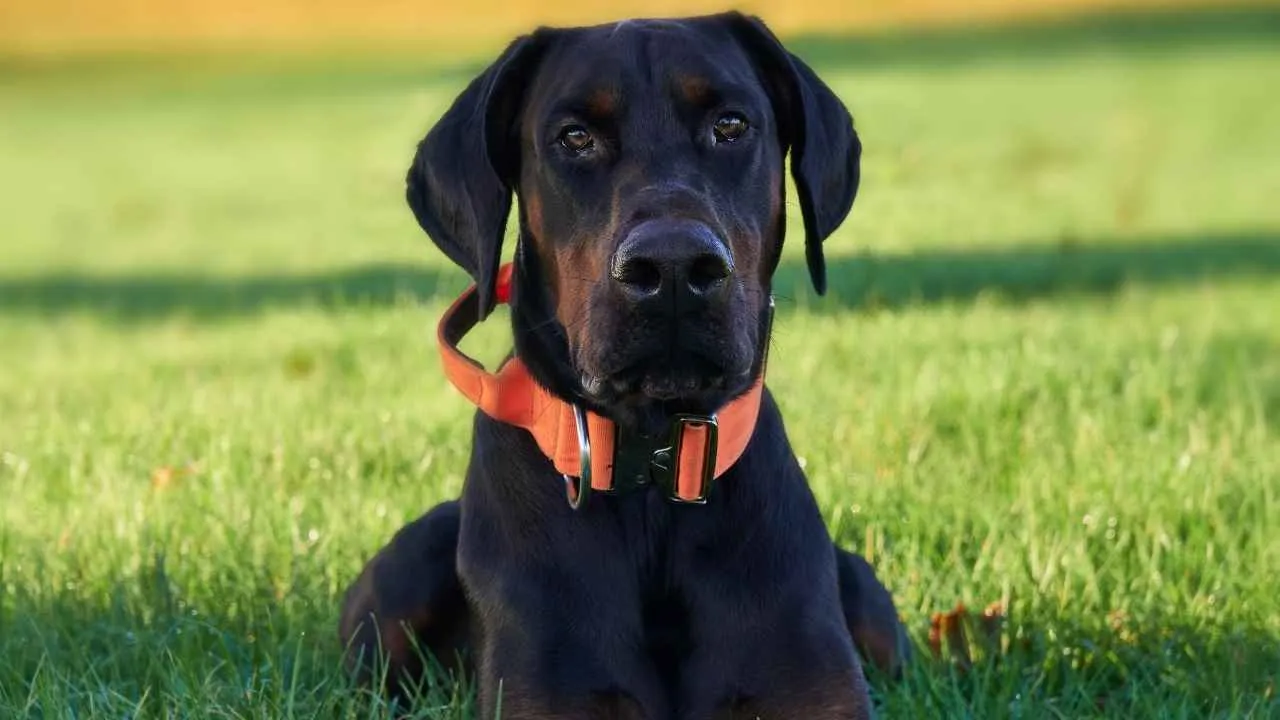
Dobermans walk into a room like they own the lighting setup. Their coat is not fluffy, fancy, or fussy. It is sleek, smooth, and polished enough to make the whole dog look sharp, athletic, and instantly recognizable.
Their short coat sits close to the body and highlights a proud, graceful outline. Common colors include black and rust, along with red, blue, and fawn with rust markings, giving the breed a clean, dramatic signature look.
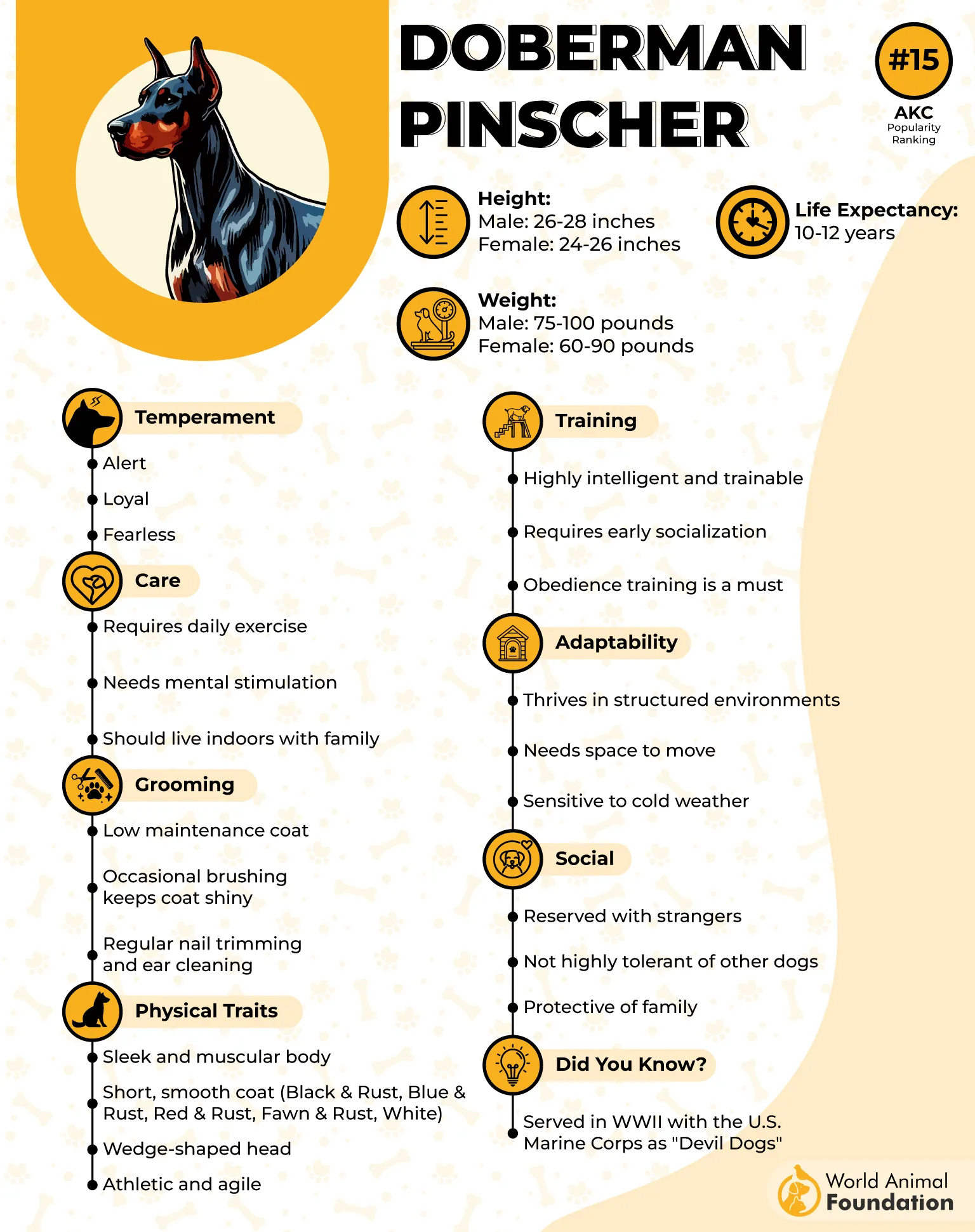
As noted by PetMD, Dobermans have short coats, but consistent brushing daily or a couple of times weekly helps manage shedding. Monthly or as-needed baths are usually enough, because this coat prefers low drama and simple upkeep.
Grooming Tips For This Breed
Frequent brushing may control moderate to heavy shedding.
Use monthly or as-needed baths rather than overbathing.
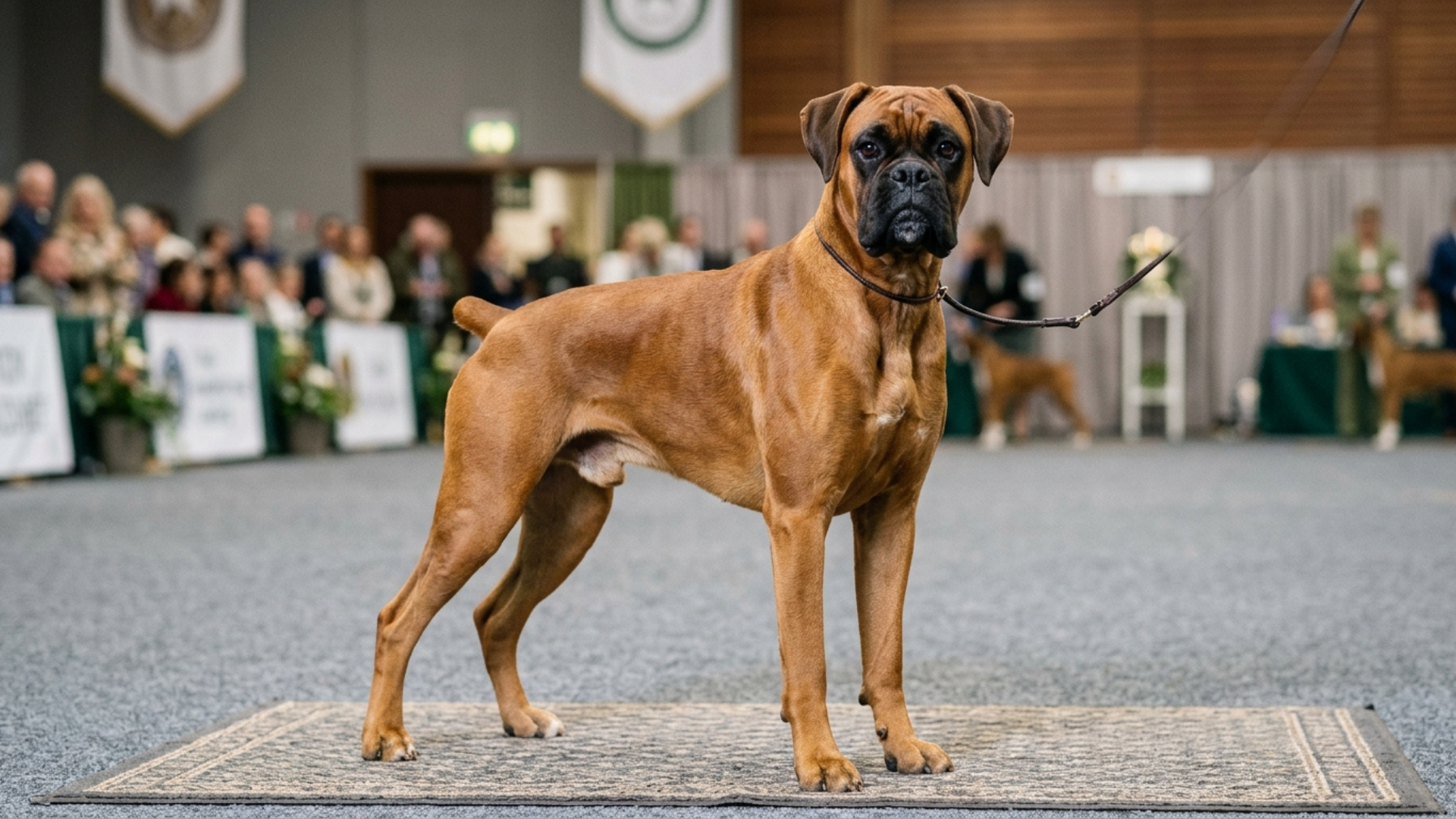
3. Boxer
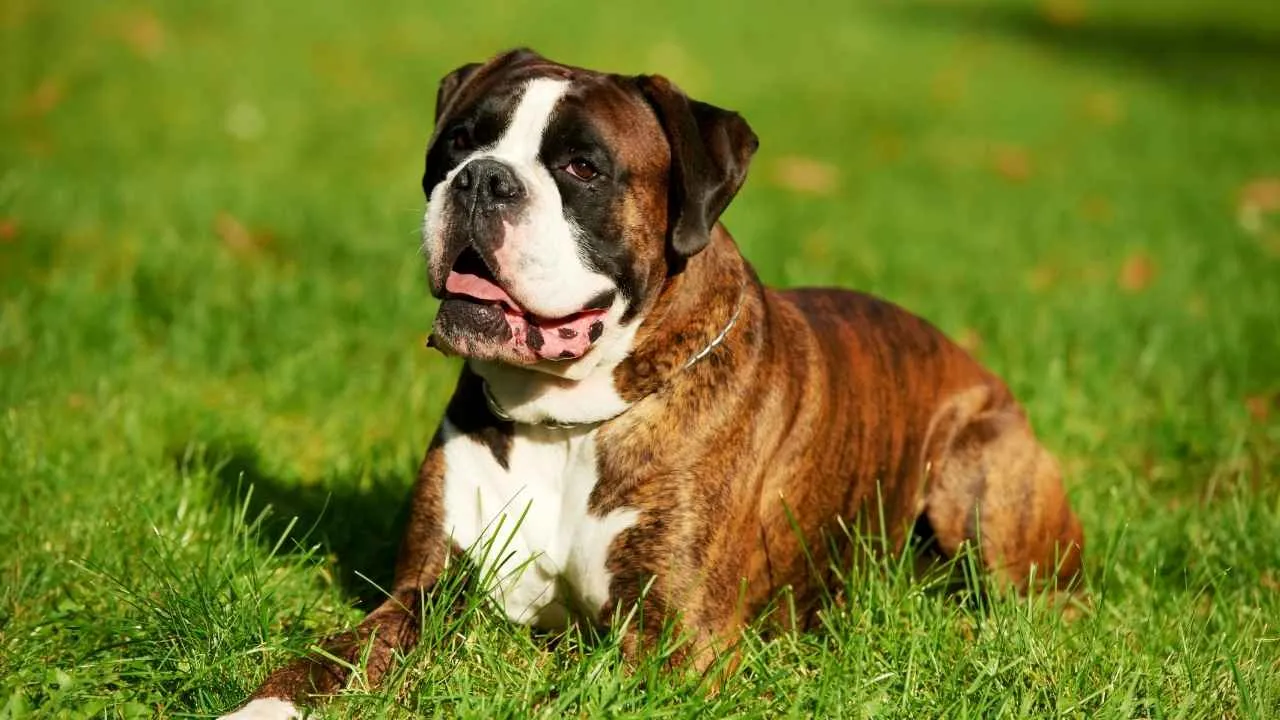
Boxers are the dogs that look serious for three seconds, then immediately act like the party started because someone blinked. Their short, smooth coat keeps the whole look clean, shiny, and wonderfully “goofy athlete in formalwear.”
Originally bred in Germany and used for hunting, Boxers still carry that active, spring-loaded energy. Their beautiful coat sits over a well-muscled body, making every run, jump, and full-body wiggle look extra animated and completely on brand.

Boxers are playful, loyal, affectionate, and famously silly. They can be sensitive too, so they do best when their people offer patience, activity, and plenty of love, preferably before the next round of zoomies begins.
Grooming Tips For This Breed
Brush once a week with a rubber curry brush.
Keep shedding lower with regular dead-hair removal.
4. Dachshund
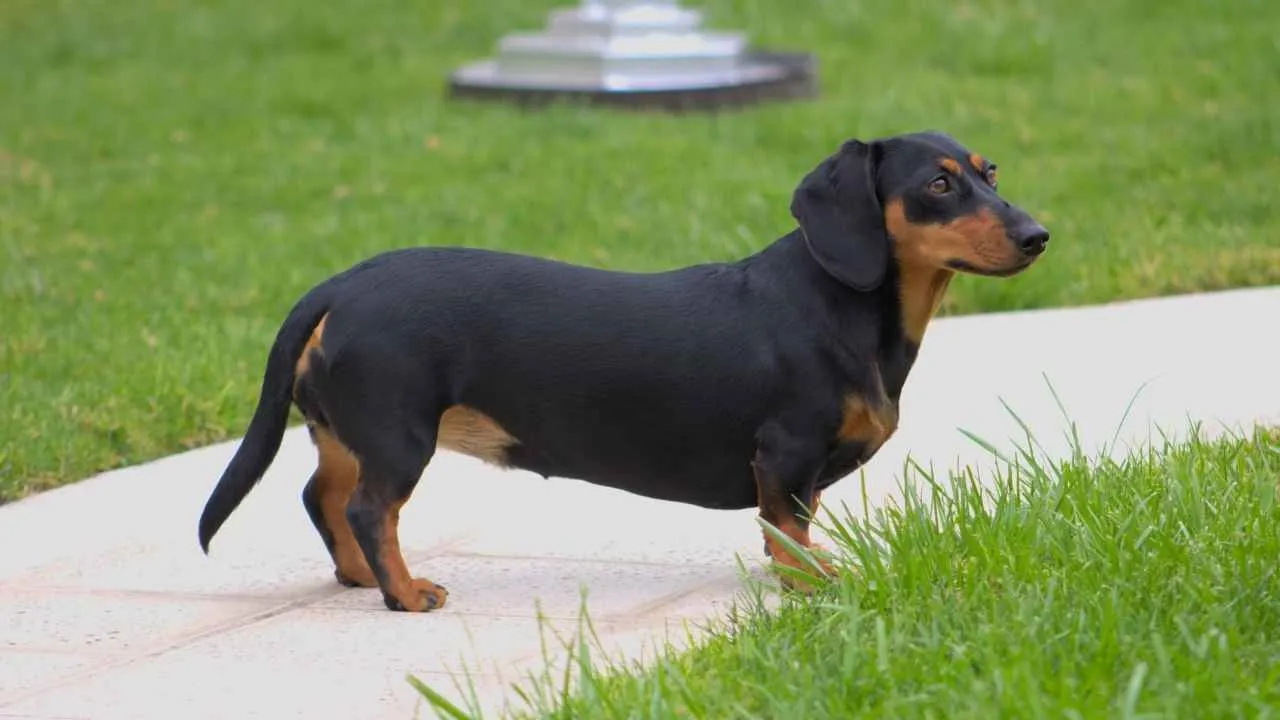
Dachshunds have the confidence of a detective, the shape of a snack, and coat options that refuse to be boring. Recognized by the AKC in 1885, these little icons know how to make texture memorable while turning heads wherever their short legs take them.
Their coat comes in three types: smooth, wirehaired, and longhaired. Smooth coats are sleek and easygoing, wirehaired coats add a scruffy little professor vibe, and long, flowing coats bring softer waves with a more elegant finish.
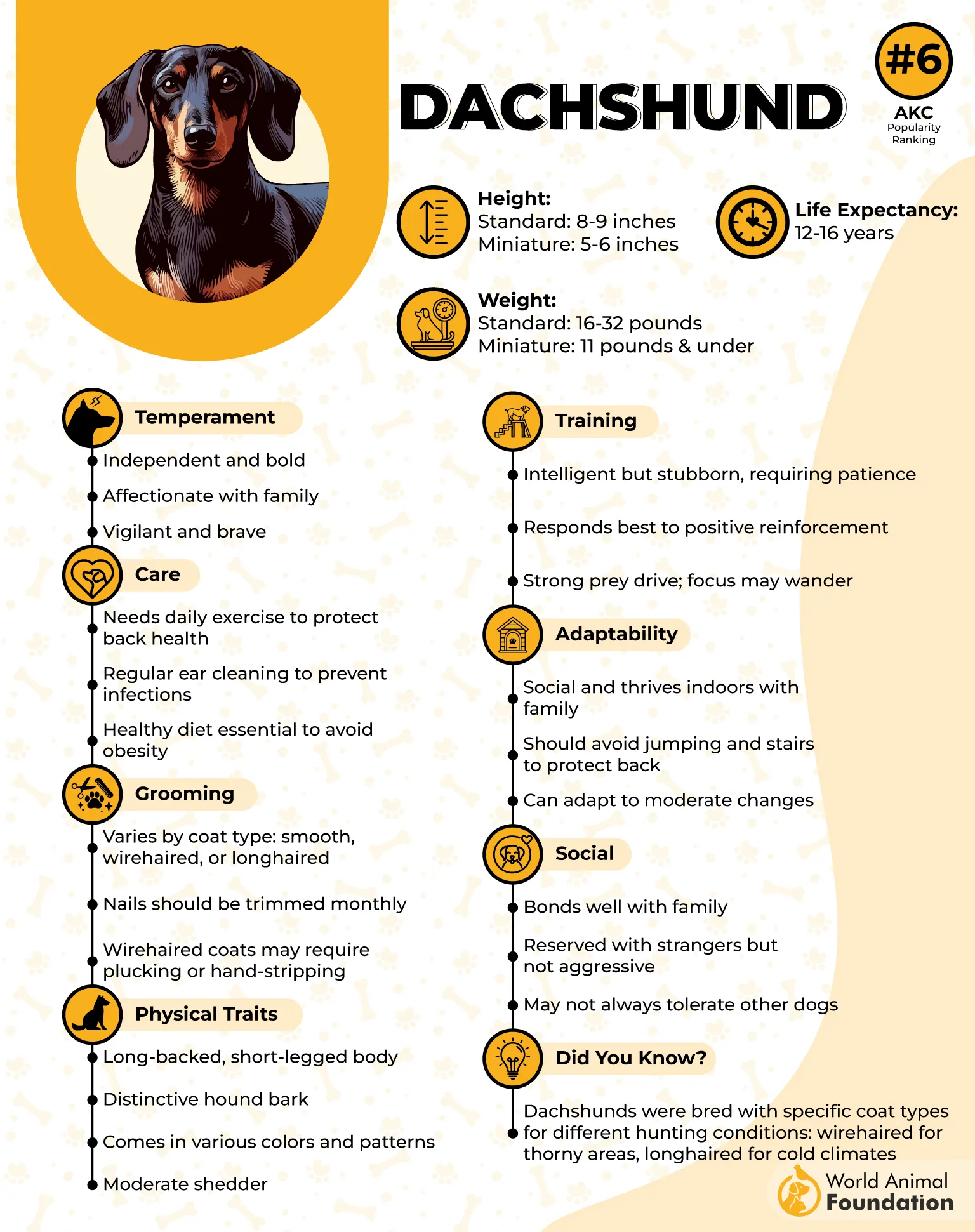
Dachshunds suit owners who enjoy affection, mental games, and calm handling. They need regular walks and play, but their long backs make jumping, rough play, and furniture acrobatics a bad idea, even if they strongly disagree.
Grooming Tips For This Breed
Smooth coats need simple wiping or occasional brushing.
Wirehaired coats can benefit from stripping and weekly combing.
5. German Shepherd
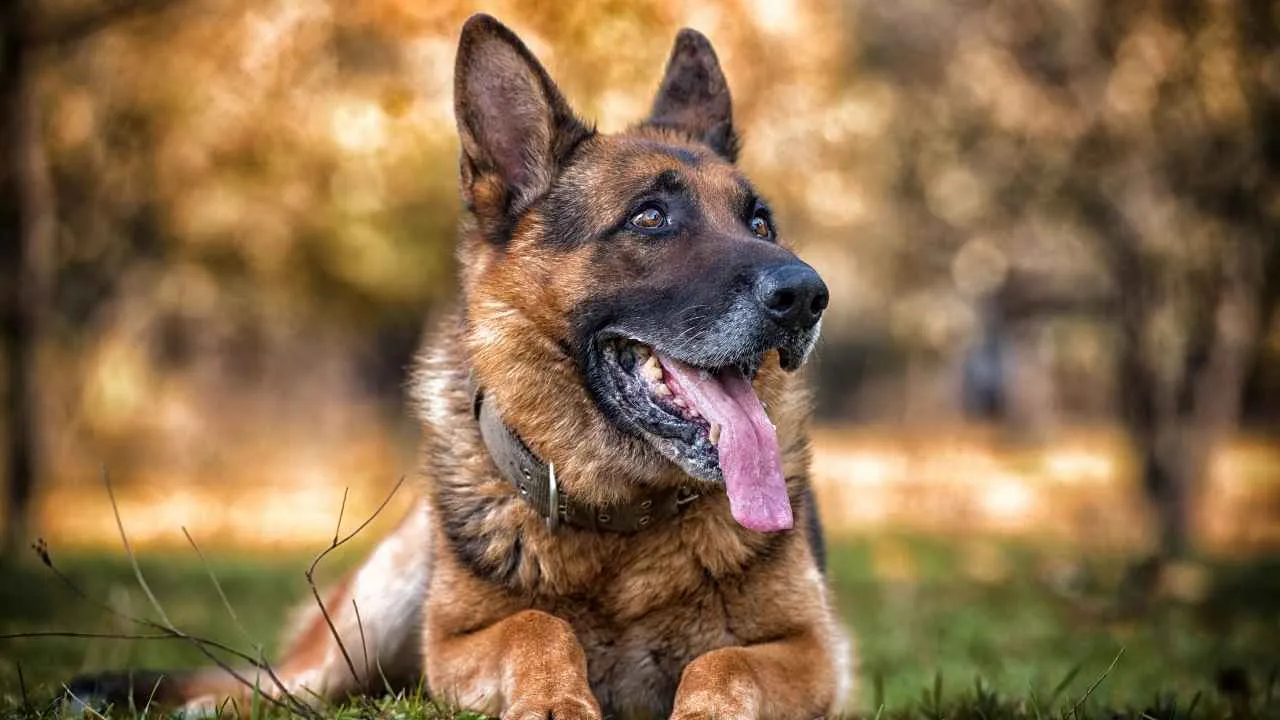
German Shepherds have that “official business, but also where is my toy?” energy. Their dense double coat adds to the whole heroic look, with a practical, sturdy texture that feels ready for outdoor adventures.
German Shepherds are popular because they are loyal, smart, brave, and highly trainable. Their working-dog background makes them a favorite for active homes, police work, search and rescue, and jobs that need focus.
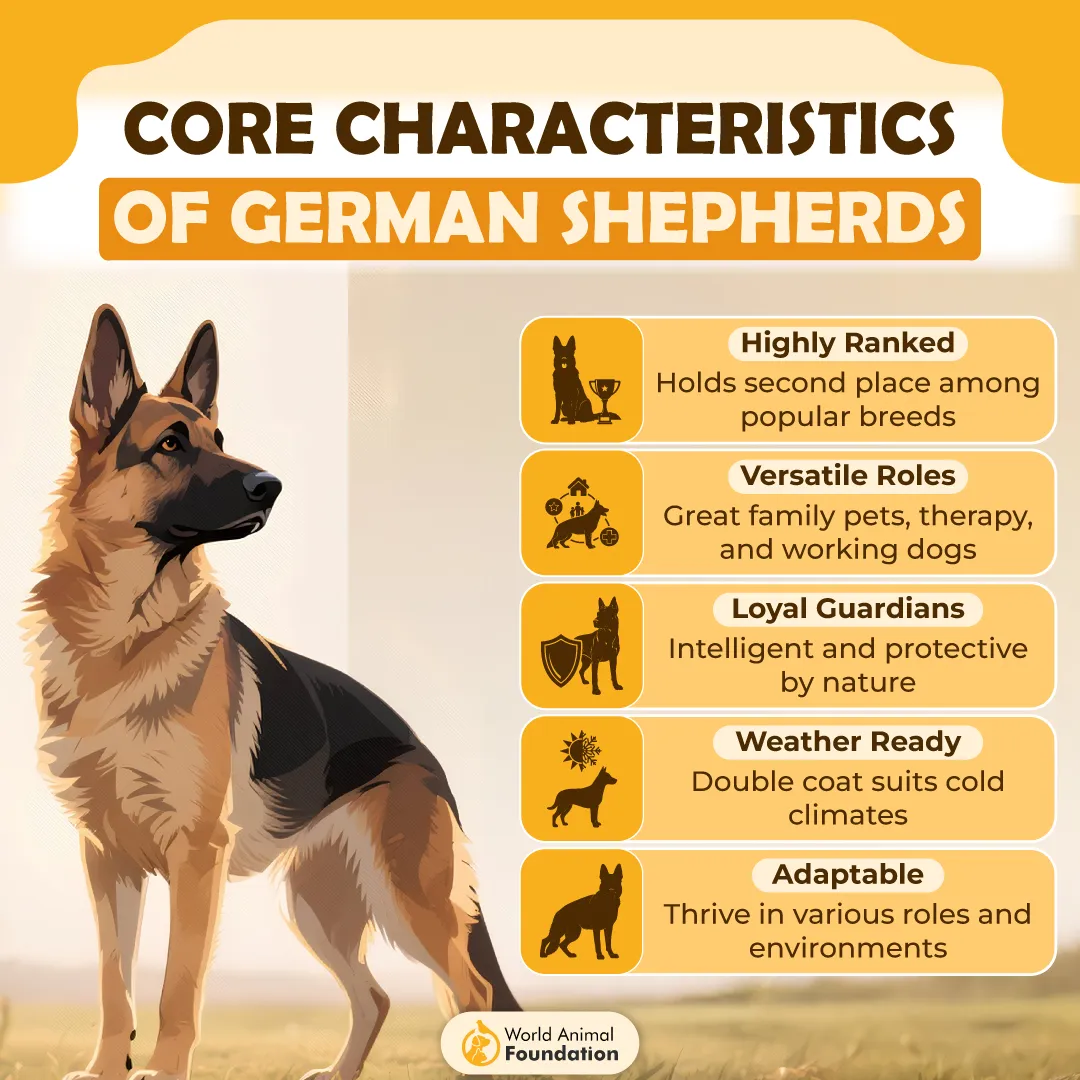
Their double coat sheds a lot, with heavier seasonal shedding. Colors include black and tan, black and cream, black and red, sable, gray, blue, liver, and more, making the texture hardworking and the wardrobe surprisingly varied.

Grooming Tips For This Breed
Brush often to manage heavy shedding.
Add extra grooming during spring and fall shedding.
6. Labrador Retriever
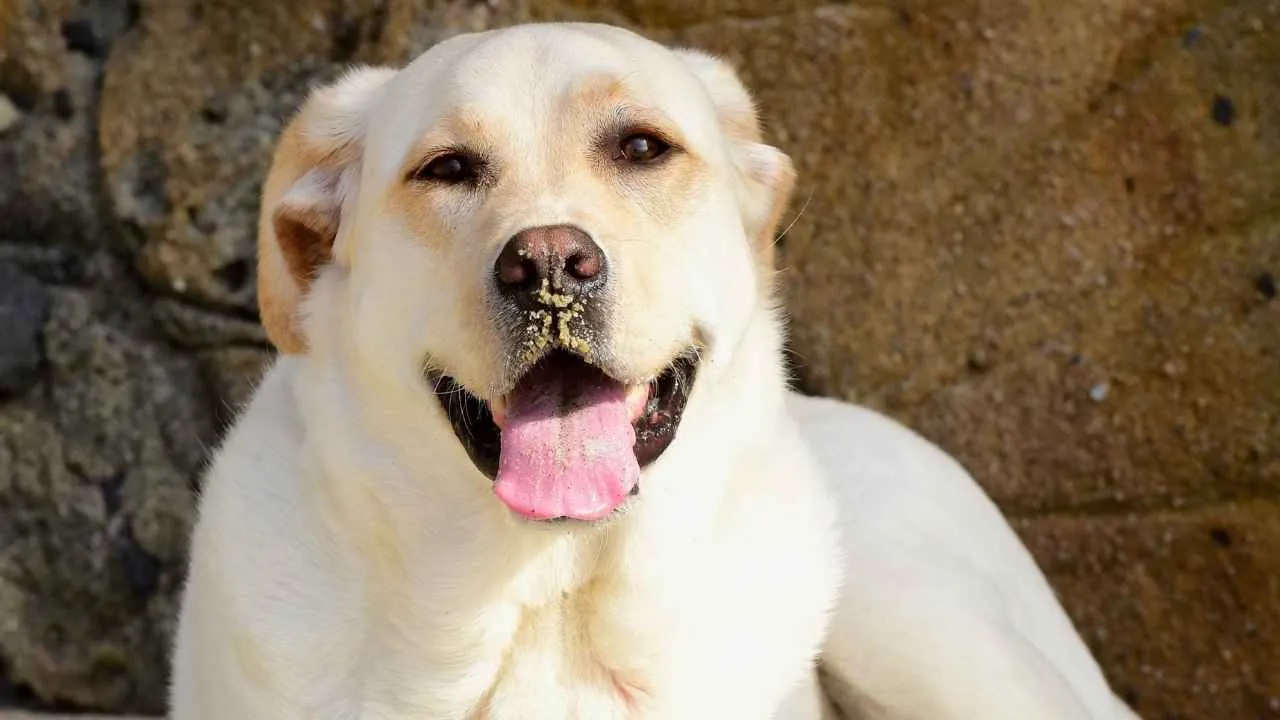
Labrador Retrievers arrive with the energy of a buddy who brought snacks, towels, and a ball to every event. Their short, dense coat keeps the look practical, outdoorsy, and ready for water-loving adventures without acting fancy.
Labrador Retrievers are friendly, loyal, playful, and famously eager to join the group. They are affectionate with people, usually social with other dogs, and carry the kind of cheerful personality that makes every backyard feel like a reunion.
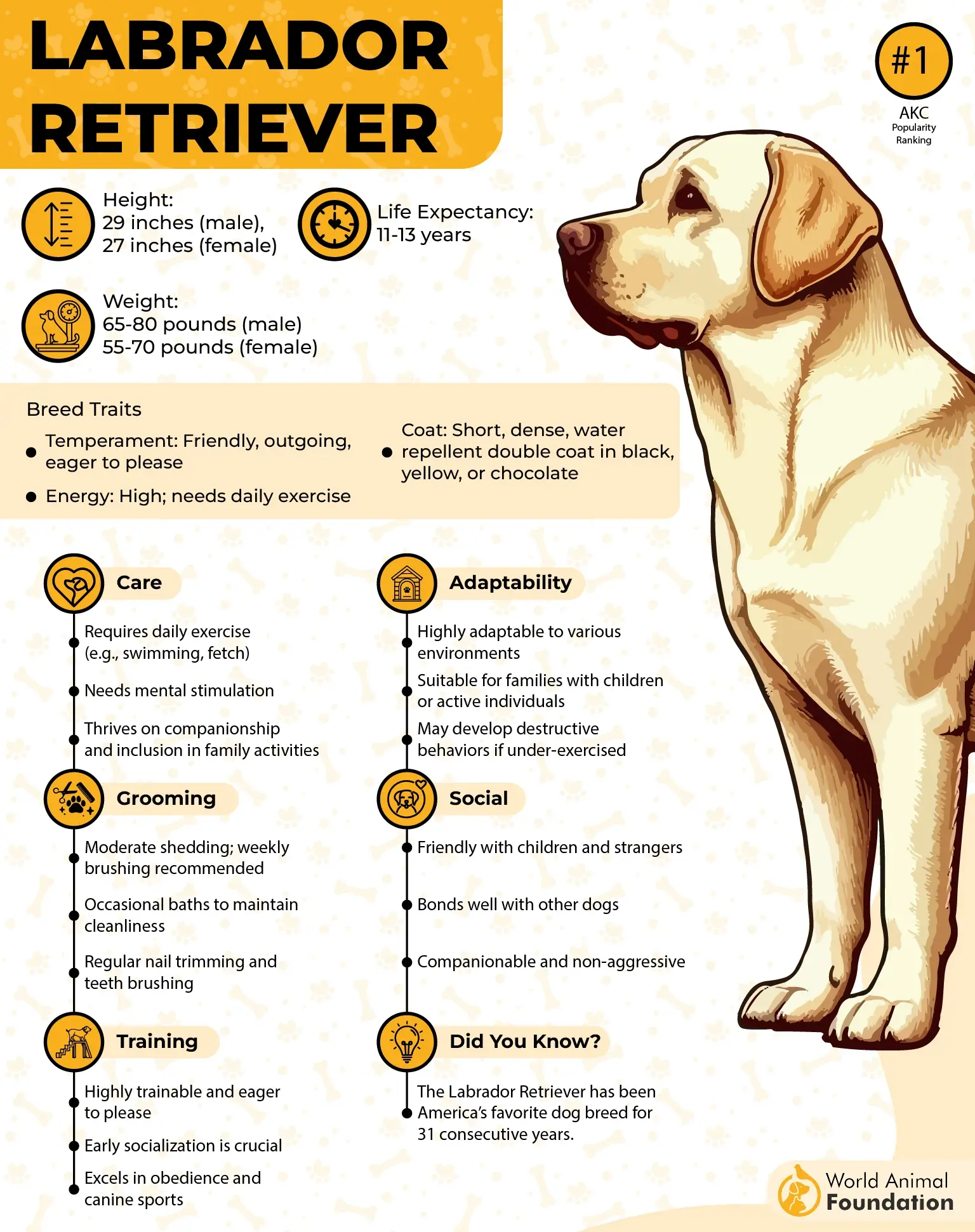
As mentioned by WebMD, Labradors have a waterproof coat that resists soil and dirt. An occasional bath helps them stay clean, while weekly combing or brushing supports coat health and manages the shedding that comes with this breed.
Grooming Tips For This Breed
Comb the coat weekly to help manage loose hair.
Brush regularly to support a neat, healthy appearance.
7. Great Dane
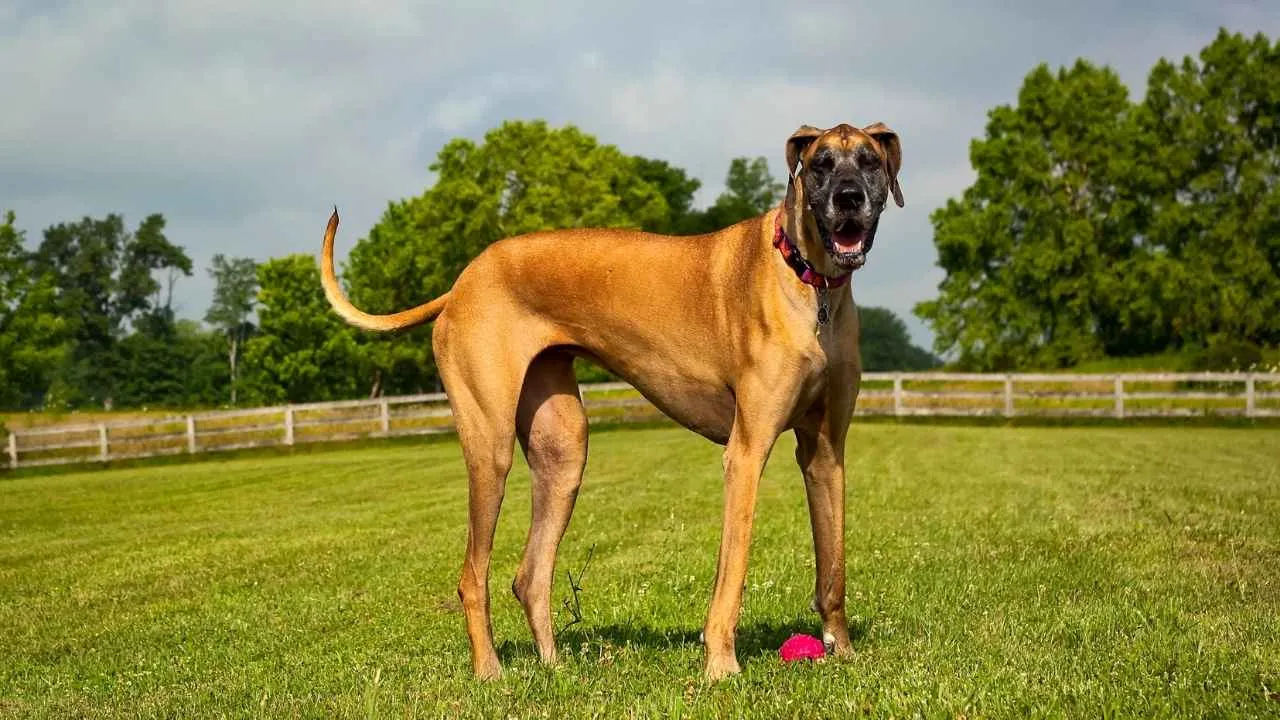
Great Danes do not enter a room quietly. Their short, smooth coat gives them a clean, regal outline, like a couch-sized royal guest who somehow still believes personal space is negotiable and affection should be immediate.
Great Danes were originally bred in Germany to hunt wild boar and deer, while also serving as estate guards. Over time, this powerful breed shifted into a companion role, keeping that confident presence without losing its gentle side.
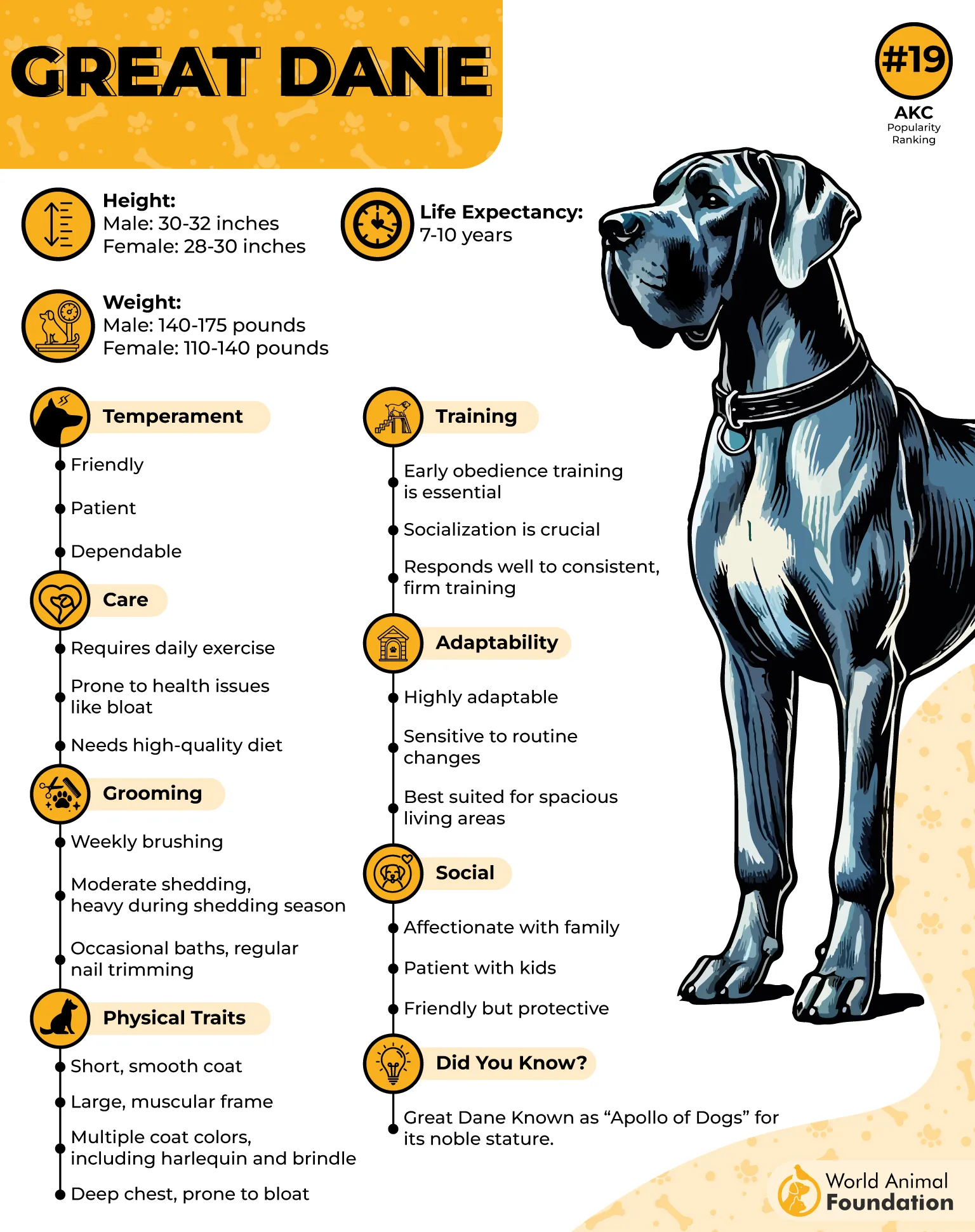
Room matters with these gentle giants because size is part of the whole package. They need space to move around comfortably, and city living means owners should be ready for more than one proper walk each day.
Grooming Tips For This Breed
Brush weekly to help keep shedding under control.
Trim nails regularly to support comfortable movement.
8. Irish Setter
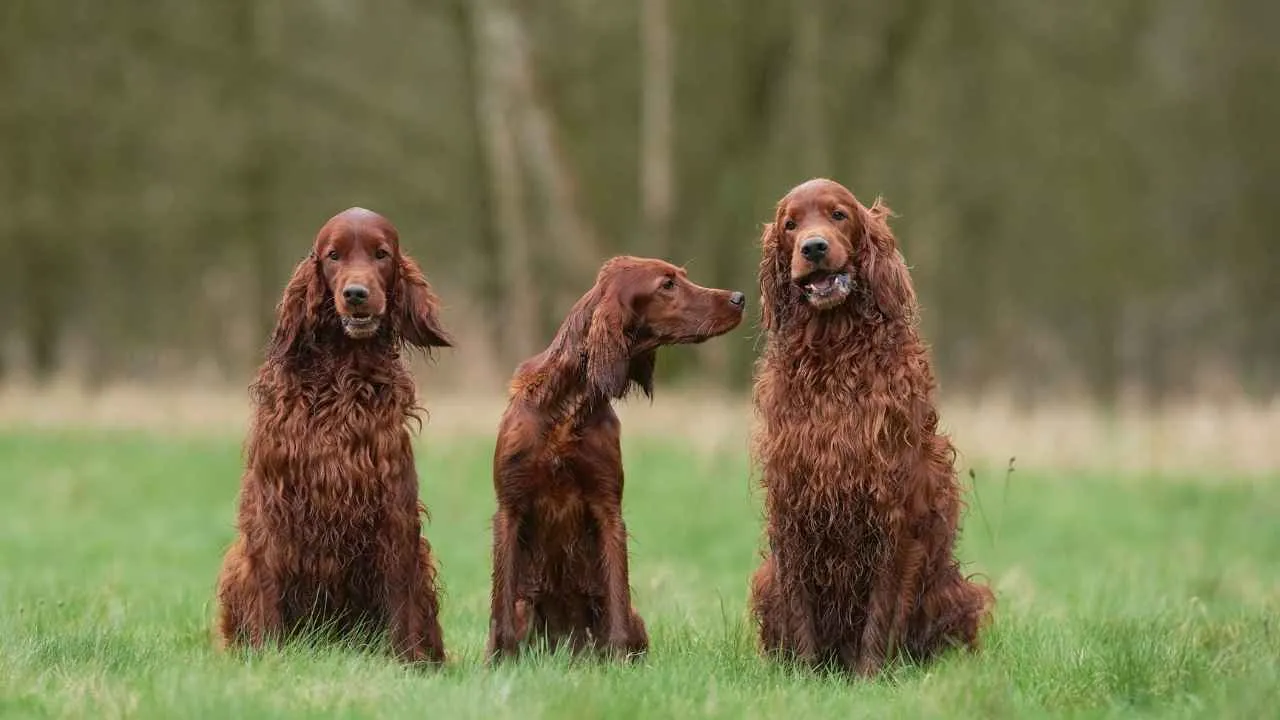
Irish Setters have the kind of silky coat that looks like it has its own spotlight and maybe a tiny fan machine. Their appearance is elegant, but their lively personality keeps things mischievous, energetic, and far from showroom-stiff.
The long coat ranges from deep mahogany to lighter red, with a flat, reasonably straight texture that may show a little wave. Longer hair appears on the legs, chest, tail, and ears, giving the breed that glamorous moving-in-slow-motion effect.
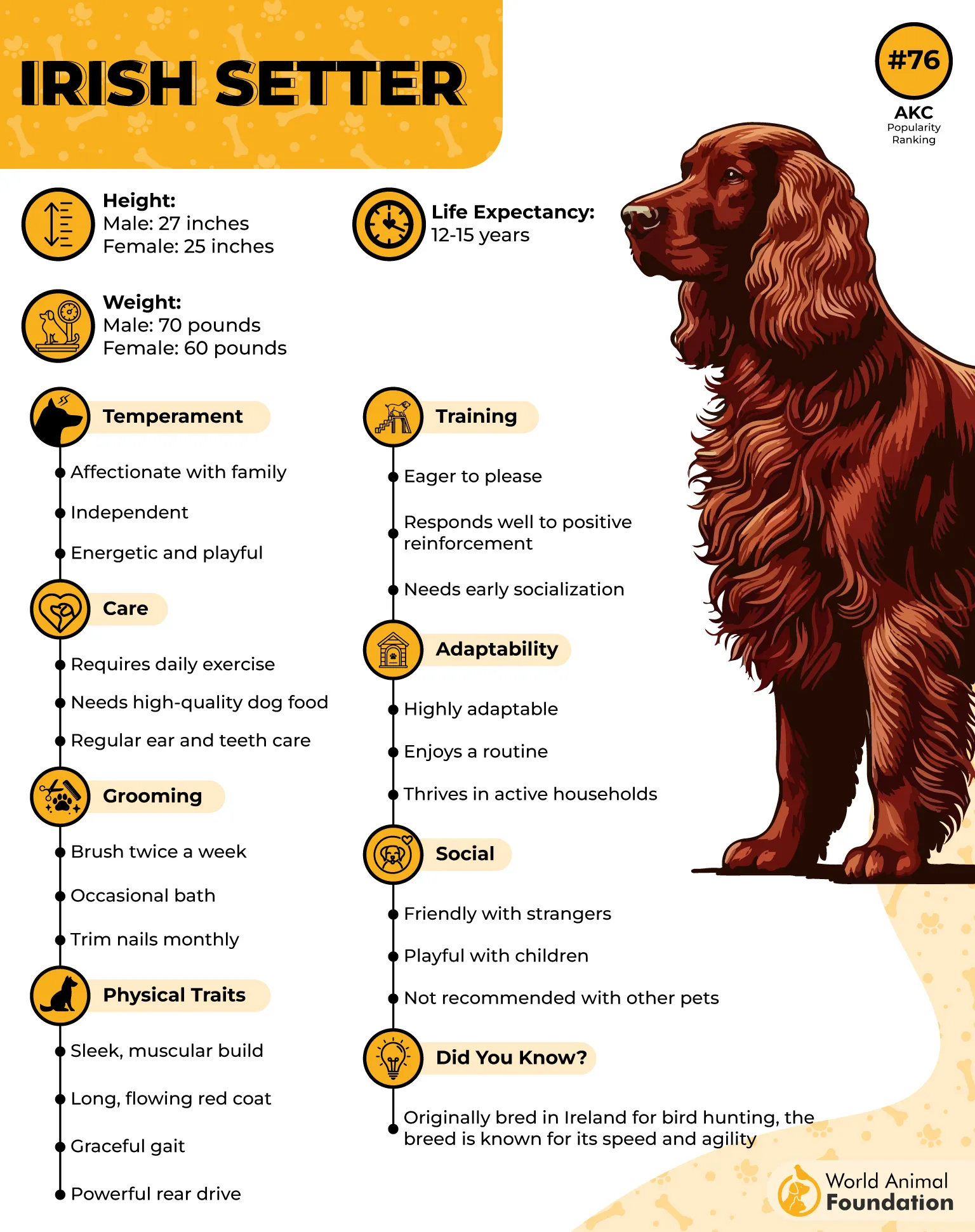
Their hunting roots still matter, so Irish Setters thrive with active owners as they need plenty of exercise to stay happy. Long runs, training, and active work suit them well, especially because these beautiful dogs enjoy having something useful to do.
Grooming Tips For This Breed
Check the coat daily for debris or foxtails.
Brush two or three times weekly.
9. Komondor
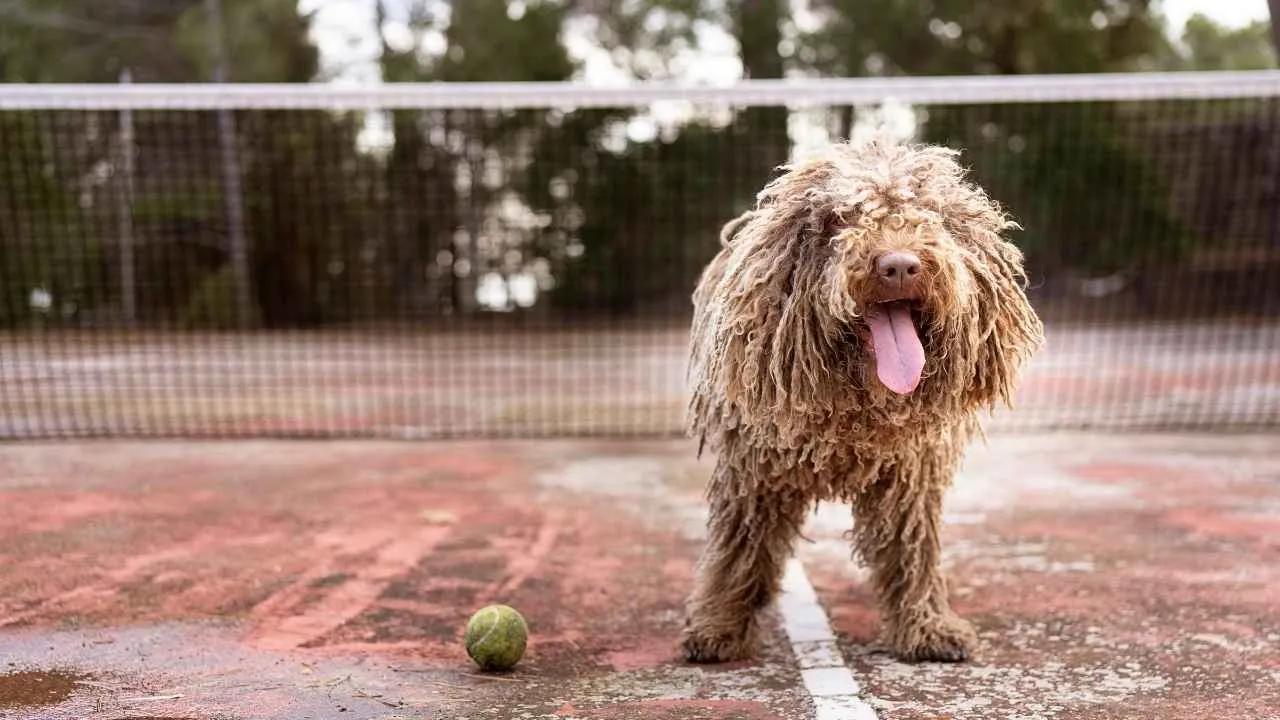
Komondors look like someone gave a guardian dog a floor-length disguise and said, “Perfect, nobody will notice.” Their corded coat is unforgettable, but behind all that dramatic texture sits a calm, watchful working breed.
Their coat is long, white, and formed into cords from head to tail. Those cords are more than a quirky fashion statement, since they helped Komondors blend with sheep and also offered protection from harsh weather and predators.
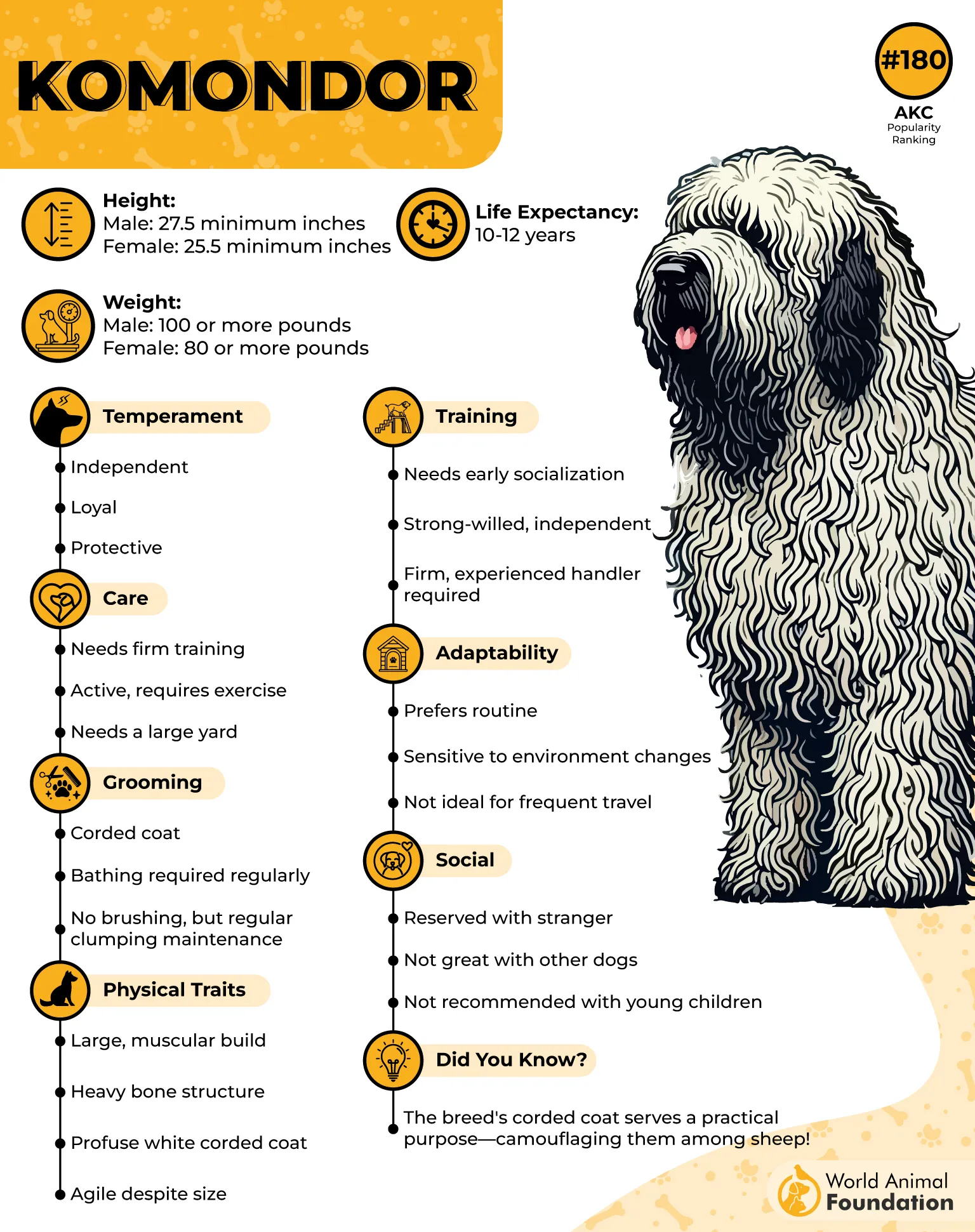
Komondors can be calm and quiet at home, while still protective when needed. They can suit family life with early socialisation, training, and an owner prepared to handle guarding instincts with patience and confidence.
Grooming Tips For This Breed
Separate cords regularly to prevent matting.
Keep the cords free of dirt and debris.
Conclusion
Coat texture can completely change the way a dog looks, feels, and even the impression it leaves behind. From sleek and smooth to fluffy, corded, or feathered, each breed brings its own charm. Take another look at your favorites and see which one truly fits your lifestyle.
The right dog is not always the one with the flashiest coat or the most eye-catching appearance. It is the dog whose personality, needs, and care requirements fit your home and lifestyle. If one of these wonderful breeds caught your attention, take the next step and learn more about them.
If you are further interested in such wonderful breeds, some other dogs you can look up include Cavalier King Charles Spaniel, Australian Shepherd, Afghan Hound, Siberian Husky, Bichon Frise, and Alaskan Malamute.
