




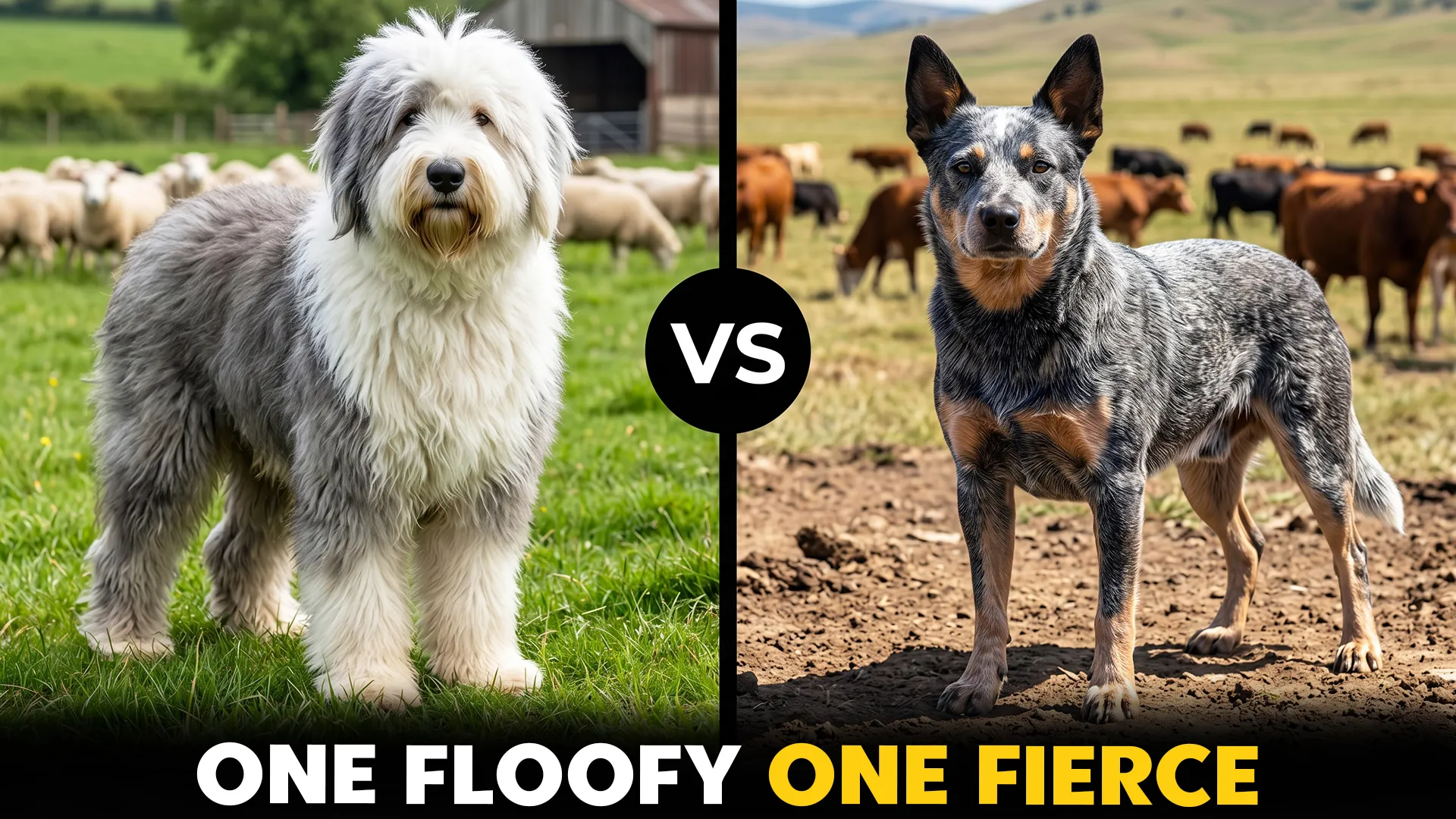
At first glance, these two working breeds seem to belong in completely different worlds. One is often associated with a thick coat and a steady presence, while the other is known for speed, focus, and endless determination.
Yet appearances reveal only a fraction of what makes each breed unique. The real differences emerge in everyday situations that most prospective owners rarely consider. How do they respond to training? Which one adapts better to family life? What happens when their exercise needs are not met?
These questions often have a greater impact than size or appearance alone. Many people assume they already know which breed would suit them better, only to discover that the reality is far different once they look deeper. The qualities that truly separate these dogs are not always the most obvious ones.
Keep reading to uncover the traits, strengths, and challenges that define each remarkable breed.
Key Takeaways
They both come from hardworking backgrounds, but living with them feels nothing alike once the front door closes.
Old English Sheepdog leans into a relaxed, family-centered pace, while Australian Cattle Dog thrives on structure, movement, and constant mental engagement.
Even simple things like grooming, social behavior, and energy levels highlight how differently Old English Sheepdog and Australian Cattle Dog fit into modern homes.
The deeper you go, the clearer it becomes why choosing between them depends less on looks and more on lifestyle match.
Old English Sheepdog vs. Australian Cattle Dog
Origins & Purpose
Old English Sheepdog Origins and Working Role
The Old English Sheepdog has a bit of mystery around its ancestry, with experts still debating which European herding breeds shaped it, though dogs like the Bearded Collie and Briard are often mentioned as possible influences. What is clear is that it took form in England during the 1800s, where farmers relied on it as a drover dog for moving livestock over long distances.
That working life demanded a dog with steady endurance rather than speed alone. These dogs didn’t just move sheep; they also helped pull carts and wagons, earning a reputation for stamina, courage, and reliability in rural trade routes and farm life.
Australian Cattle Dog Development and Purpose
Australian Cattle Dogs were created in 19th-century Australia when settlers needed a tougher herding dog for vast cattle stations and harsh open grasslands. Through careful breeding, including crosses between imported English dogs and native dingoes, ranchers developed a breed that could handle heat, distance, and constant pressure work.
As the breed became more established, it gained official recognition from the American Kennel Club in 1980, first entering the Working Group before moving into the Herding Group in 1983. This shift reflected its strong identity as a high-drive cattle herder built for demanding field control rather than casual farm work.
Size & Build
Old English Sheepdog Structure and Frame
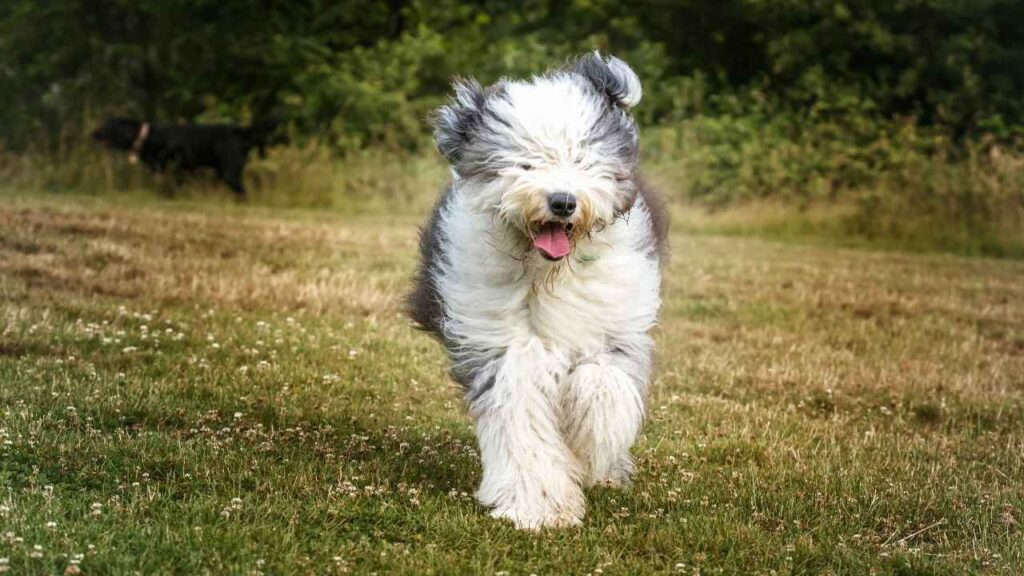
Old English Sheepdogs stand around 21 inches and up for females and 22 inches and above for males, usually reaching a weight range of 60 to 100 pounds. Their body has a thickset, square look that gives them a solid, grounded presence at first glance.
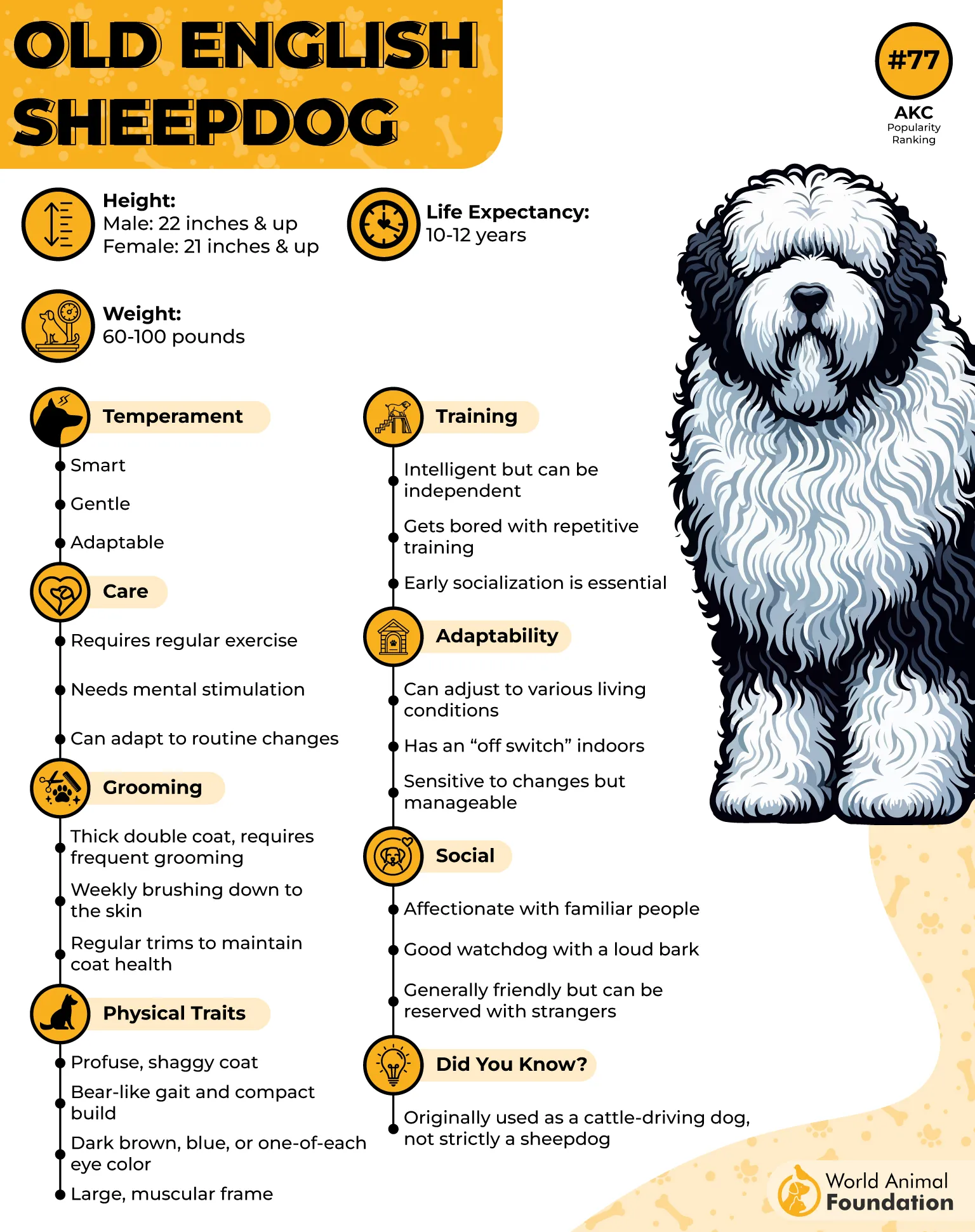
What makes them visually distinctive is the way the body is built with a slightly higher rear than the shoulders, creating a gentle slope that gives a pear-like outline when seen from above. This heavier structure supports steady movement rather than speed-focused bursts.
Australian Cattle Dog Compact Strength
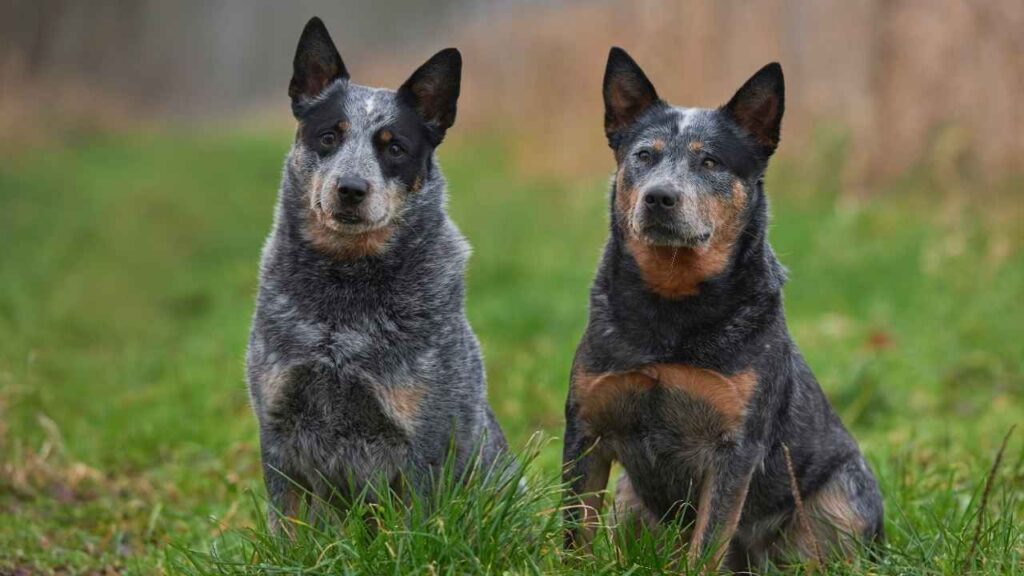
Australian Cattle Dogs are much smaller, standing about 17 to 20 inches tall and weighing between 35 and 50 pounds, but their build feels dense and tightly packed. The frame is slightly longer than tall, with a strong, solid structure designed for constant motion.
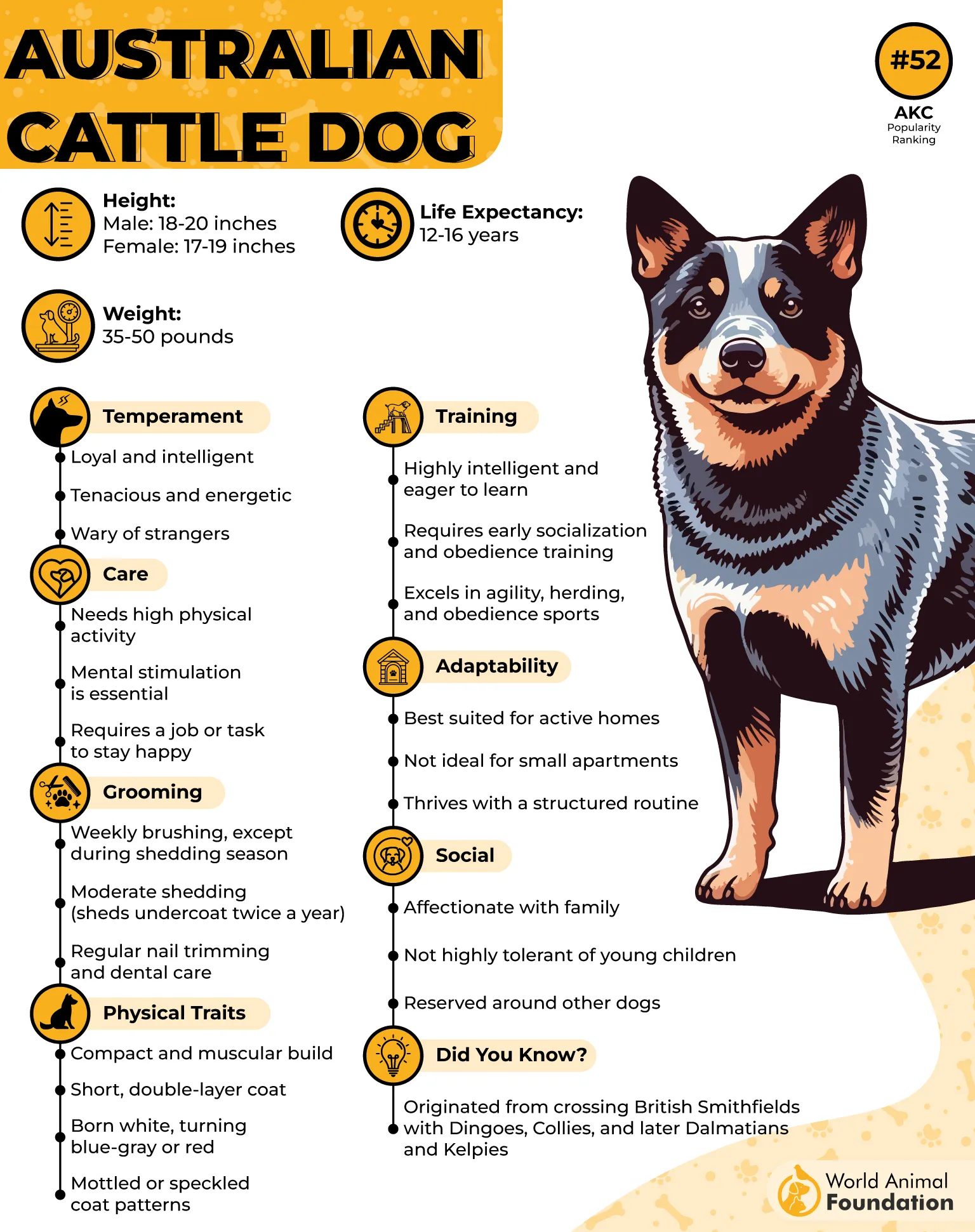
Their deep chest and powerful hindquarters support fast acceleration, endurance, and sharp directional changes. Combined with a weather-resistant double coat and speckled or mottled coloring, the overall impression is of a compact working athlete built for efficiency rather than bulk.
Pricing & Availability
Old English Sheepdog Pricing and Adoption Options
Old English Sheepdogs usually sit in the $1,000 to $2,000 range when purchased from reputable breeders listed through the American Kennel Club. That price often reflects health screening, temperament checks, and pedigree documentation that help ensure a more predictable start with the breed.
For those who prefer adoption, this breed does appear through rescue groups and sometimes local shelters, especially through Old English Sheepdog-focused rescues. Availability can vary, but it’s worth checking both rescue networks and nearby shelters since adults and younger dogs do occasionally become available.
Australian Cattle Dog Cost and Adoption Routes
Australian Cattle Dog puppies are generally more affordable, usually ranging between $600 and $1,000 from responsible breeders. Even within that range, choosing a breeder who focuses on health and temperament makes a noticeable difference in long-term behavior and stability.
Adoption is also a very realistic path with this breed, as many Australian Cattle Dogs enter rescue systems and are placed through organizations like the American Cattle Dog Rescue Association or local shelters. Availability tends to be more consistent compared to some rarer working breeds, so checking rescues regularly can lead to strong matches.
Temperament & Personality Style
Old English Sheepdog Temperament and Home Personality
Old English Sheepdogs usually come across as warm, easygoing companions once they settle into a home. They tend to form gentle bonds with family members of all ages and bring a playful, affectionate presence indoors, especially when they get enough daily movement and interaction to keep their minds engaged.
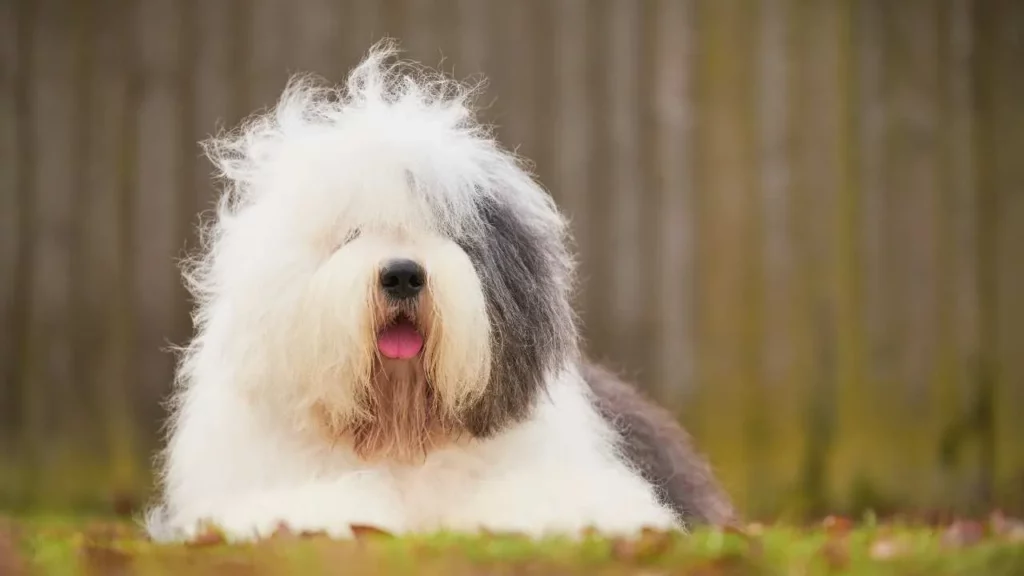
At the same time, they don’t instantly open up to unfamiliar people or animals and often take a little time before fully relaxing around them, as PetMD claims. Their size also adds a practical layer to their personality, meaning their friendly nature still needs mindful handling around small children during play.
Australian Cattle Dog Personality and Drive
Australian Cattle Dogs carry a very different kind of intensity, shaped by their working background and sharp intelligence. They tend to bond very strongly with one person, stay alert to their surroundings, and remain naturally cautious around strangers while still showing loyalty and eagerness toward their trusted handler, as noted by the AKC.
That strong mental drive can turn into unwanted behavior if they are left without enough activity or direction, sometimes showing restlessness or separation-related stress. Their loyalty runs deep, and once bonded, they can struggle with changes in ownership, which makes them more of a long-term commitment than a casual companion.
Exercise Needs & Energy Level
Old English Sheepdog Energy and Daily Activity
Old English Sheepdogs stay healthiest when their day includes steady movement and interaction, usually needing around 1 to 2 hours of activity. They enjoy walks, outdoor play in secure spaces, and simple games that keep both their body and mind engaged without overwhelming intensity.
Their puppy stage calls for a slower approach since their growing joints can be sensitive. Short play sessions and controlled movement work better than long walks or high-impact activities, with full physical maturity usually reached closer to 12 to 18 months.
Australian Cattle Dog Energy Demands and Drive
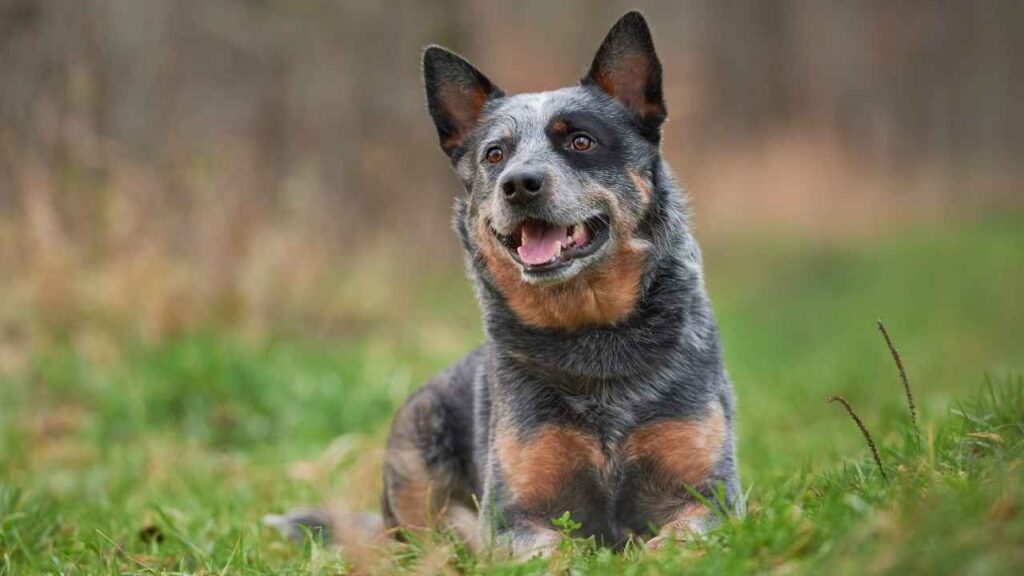
Australian Cattle Dogs sit on a much higher energy level, often requiring 90 to 120 minutes of strong physical activity each day just to stay balanced. Their routine usually needs more than casual walks, with running, fetch, frisbee, or structured training sessions fitting their working mindset better.
This level of drive also affects where they feel comfortable living, since they are not suited for small apartments or limited spaces. Without enough room and activity, their energy builds quickly and needs proper outlets to stay focused and controlled.
Trainability & Obedience
Old English Sheepdog Learning Style and Response to Training
Old English Sheepdogs usually pick things up quickly, especially because they are intelligent and naturally willing to work with their handler. Once they understand a command, it tends to stay with them for a long time, which makes them reliable learners when training is introduced clearly and consistently.
At the same time, they don’t enjoy doing the same drills over and over again. Repetitive routines can make them switch off, so training often works better when it feels varied and engaging rather than rigid, especially during early socialization when habits are still forming.
Australian Cattle Dog Obedience and Mental Sharpness
Australian Cattle Dogs bring a different kind of learning energy, driven by their strong problem-solving ability and quick thinking. They usually enjoy training that challenges their minds, and they respond well when new tasks or variations keep things interesting and active. WebMD mentions that they are quick and easy to train when training is started early.
Their intelligence also comes with a bit of independence, so early obedience work and social exposure matter a lot in shaping their behavior. They can show stubborn moments, but consistent, positive reinforcement tends to bring out their best responsiveness and control.
Grooming Needs & Shedding
Old English Sheepdog Coat Care and Maintenance
The Old English Sheepdog is instantly recognizable because of its dense, shaggy double coat, but that same coat also demands serious upkeep. It needs deep brushing right down to the skin at least once a week to stop tangles from forming and to keep the coat healthy and workable in everyday life.
Many owners keep the coat trimmed into a shorter “puppy cut” to make maintenance easier, but even then, regular brushing between grooming sessions is still part of the routine. Areas like the feet are often clipped short to keep things cleaner and more manageable at home, especially for dogs living indoors.
Australian Cattle Dog Shedding and Coat Care
Australian Cattle Dogs have a very different coat setup, with a short, dense double layer that naturally resists dirt and works well in outdoor conditions. This makes them fairly low-maintenance when it comes to bathing, since their coat doesn’t trap mud or debris easily.
Shedding, however, is where things change, as they lose hair steadily throughout the year and go through heavier seasonal “coat blows” where the undercoat comes out in large amounts. During those periods, daily brushing becomes important if you want to keep loose hair under control indoors.
Guarding Instincts & Alertness
Old English Sheepdog Gentle Guarding Style
Old English Sheepdogs are not built for aggression, but they are always aware of what’s happening around them. Their large frame and deep, ringing bark often act as enough of a warning, even before any real confrontation develops, giving them a quiet but noticeable guarding presence in the home.
What really defines them is their loyalty to their people, which extends to children and anyone they see as part of their “group.” That attachment often shows in subtle ways, like staying close or gently guiding family members if they drift too far, almost like carrying a leftover instinct from their driving past.
Australian Cattle Dog Watchful Control Behavior
Australian Cattle Dogs take a more intense and active approach to guarding, staying highly alert and constantly reading movement around them. They are naturally suspicious of strangers and quick to raise an alarm, often stepping into a protective role without needing any encouragement.
That same instinct blends directly with their herding background, which is why their guarding behavior can include actions like nipping at heels or trying to control how people and animals move. Instead of just watching from a distance, they tend to engage physically and stay closely involved with whatever they consider their responsibility.
Health & Lifespan
Old English Sheepdog Health Profile
Old English Sheepdogs benefit from thorough health screening because the breed has several inherited conditions that responsible breeders actively test for. Hip dysplasia, hereditary cataracts, progressive retinal atrophy (PRA), thyroid disease, heart conditions, and hereditary deafness are among the most important concerns to check before choosing a puppy.
Modern DNA testing has also made a real difference for this breed. Tests can identify carriers of serious conditions like cerebellar ataxia, primary ciliary dyskinesia, exercise-induced collapse, and drug sensitivity, helping breeders make informed breeding decisions and reduce the risk of passing these disorders to future generations.
Australian Cattle Dog Health Outlook
Australian Cattle Dogs are generally considered a hardy and long-lived breed, with an average lifespan of 12 to 16 years. Their strong working history has contributed to an overall healthy constitution, with relatively few widespread health concerns compared to many other herding breeds.
Even so, regular health checks still matter because the breed can be affected by inherited issues such as hip dysplasia, certain heart conditions, eye disorders, and deafness. Staying aware of these conditions helps preserve the breed’s active lifestyle and long-term well-being.
Old English Sheepdog vs. Australian Cattle Dog: Which One Is Right for You?
The Old English Sheepdog feels more relaxed in everyday living, often settling into a slower household rhythm where it still enjoys activity but doesn’t push for constant action. It tends to suit people who want a calmer herding breed presence that blends into family life without too much intensity.
The Australian Cattle Dog brings a very different pace, staying alert, reactive, and mentally engaged almost all the time, which can feel exciting but also demanding if your routine is more laid back. It naturally expects structure and purpose, even in simple daily situations.
The choice is really about lifestyle energy. The Sheepdog fits better when you want something steady and easygoing around the home, while the Cattle Dog makes more sense if you actually enjoy a sharper, more active dog that keeps you on your toes.
Conclusion
Some dogs fit comfortably into a slower household rhythm, while others seem happiest when every day includes a challenge to solve. Both breeds offer loyalty, intelligence, and a strong connection to their people, but they express those qualities in different ways. One may relax after exercise, while the other stays eager for activities such as dog sports.
Success depends on matching expectations with reality before bringing a dog home. When lifestyle and temperament align, the relationship becomes far more rewarding for both the dog owner and companion. That balance is often what helps these dogs become successful family pets over the years ahead.
