




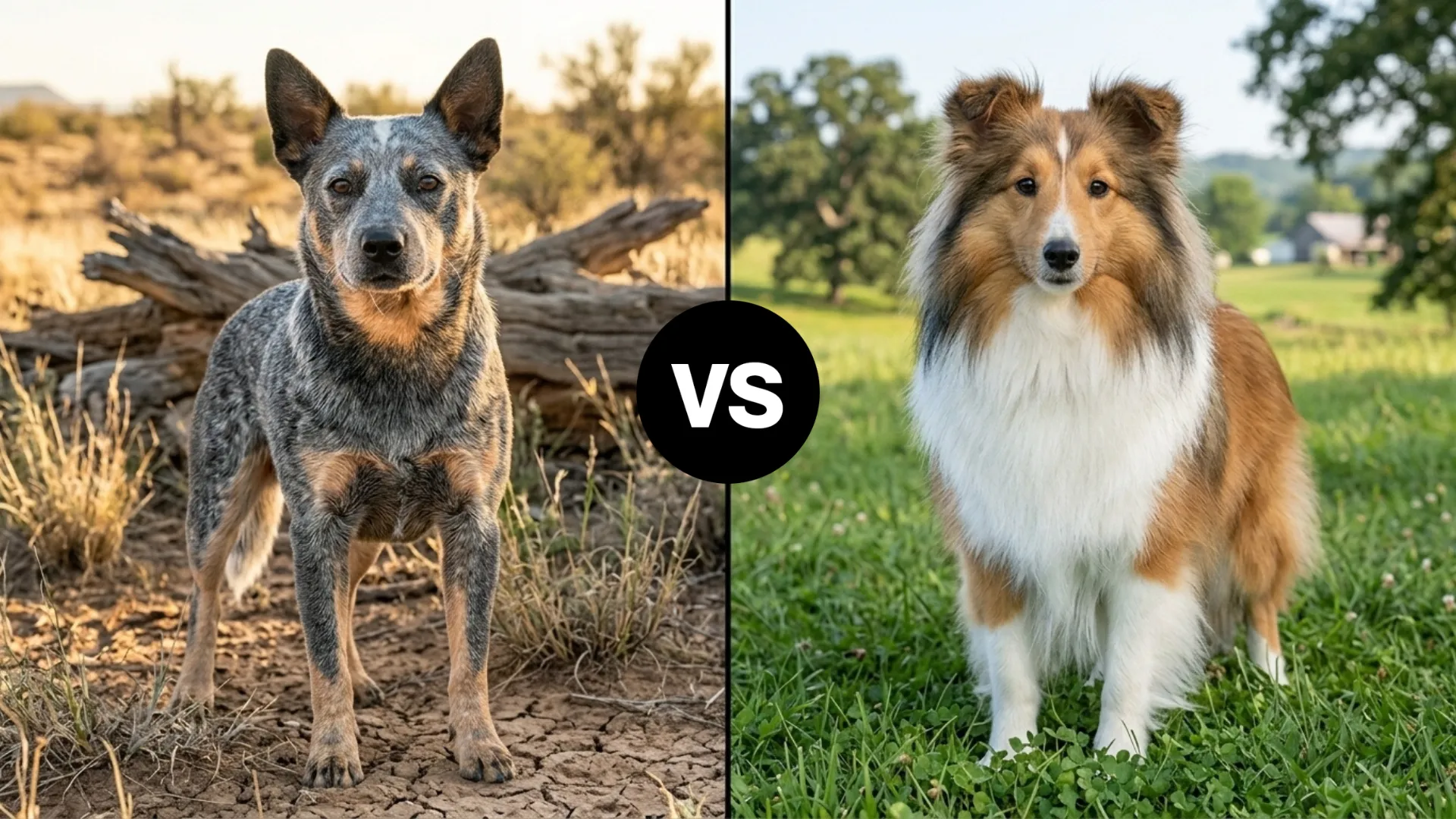
While Australian Cattle Dogs (ACDs) and Shetland Sheepdogs look quite different from each other, they share lots of similarities. Both are loyal, intelligent, and energetic working dogs.
Originating from Scotland’s Shetland Islands, the Shetland Sheepdog is a small yet agile herding breed known for its intelligence, loyalty, and graceful appearance. Affectionately known as the Shelties, these sweet dogs have a gentle nature and are loved by pet parents for their playfulness.
Shelties require moderate exercise and have frequent grooming needs. Often nicknamed ‘Blue Heelers’ or ‘Red Heelers,’ Australian Cattle Dogs are medium-sized working dogs with dense coats. They are valued for their incredible loyalty, friendliness, and eagerness to please.
Shelties and ACDs vary greatly in their temperaments, personality requirements, size, and maintenance requirements. This article highlights the main differences between the two breeds.
Australian Cattle Dog vs Shetland Sheepdog: Which Fits Your Lifestyle
Origins & Purpose
While Australian Cattle Dogs and Shetland Sheepdogs were bred for a similar purpose, both breeds have distinctive origins.
Australian Cattle Dogs were originally bred as herding dogs in the 19th century. They were meant to work alongside cattle in the rugged terrains of the Australian Outback.
The name ‘heeler’ comes from their instinct to herd cattle by nipping at their heels. Australian Cattle Dogs were developed from the Dingo, the famous wild dog of Australia.
Like ACDs, Shetland Sheepdogs are also herding dogs that were bred to control and move small sheep, poultry, and ponies in the Shetland Islands. They are likely derived from a variety of local working dogs and possibly Spitz dogs.
The breed was initially recognized as ‘Shetland Collie,’ but the name was later changed to Shetland Sheepdog.
Size & Physical Build
ACDs and Shetland Sheepdogs look quite different from each other. Australian Cattle Dogs are larger in size compared to Shetland Sheepdogs.
Australian Cattle Dogs are compact, medium-sized dogs with a muscular and robust build. They carry an intelligent expression in their eyes and possess alert, pricked ears. ACDs are deep-chested dogs with well-muscled hindquarters.
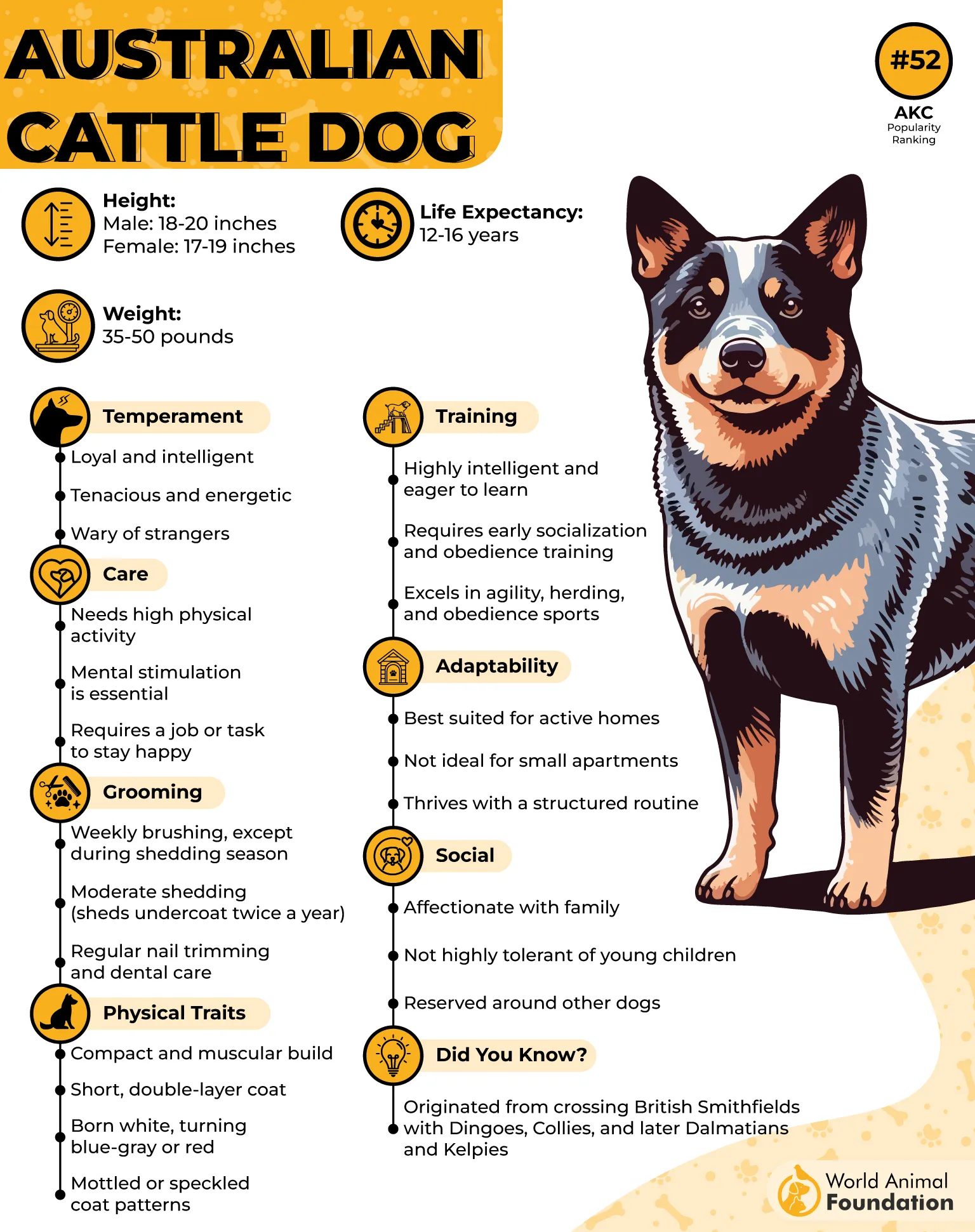
ACDs are strong and agile dogs, having lots of drive to work.
Shetland Sheepdogs, on the other hand, are small dogs with a dainty and neat appearance. Their small size is the response to Shetland Island’s cold, rocky, and harsh landscape, which did not produce sufficient vegetation, explains Britannica.
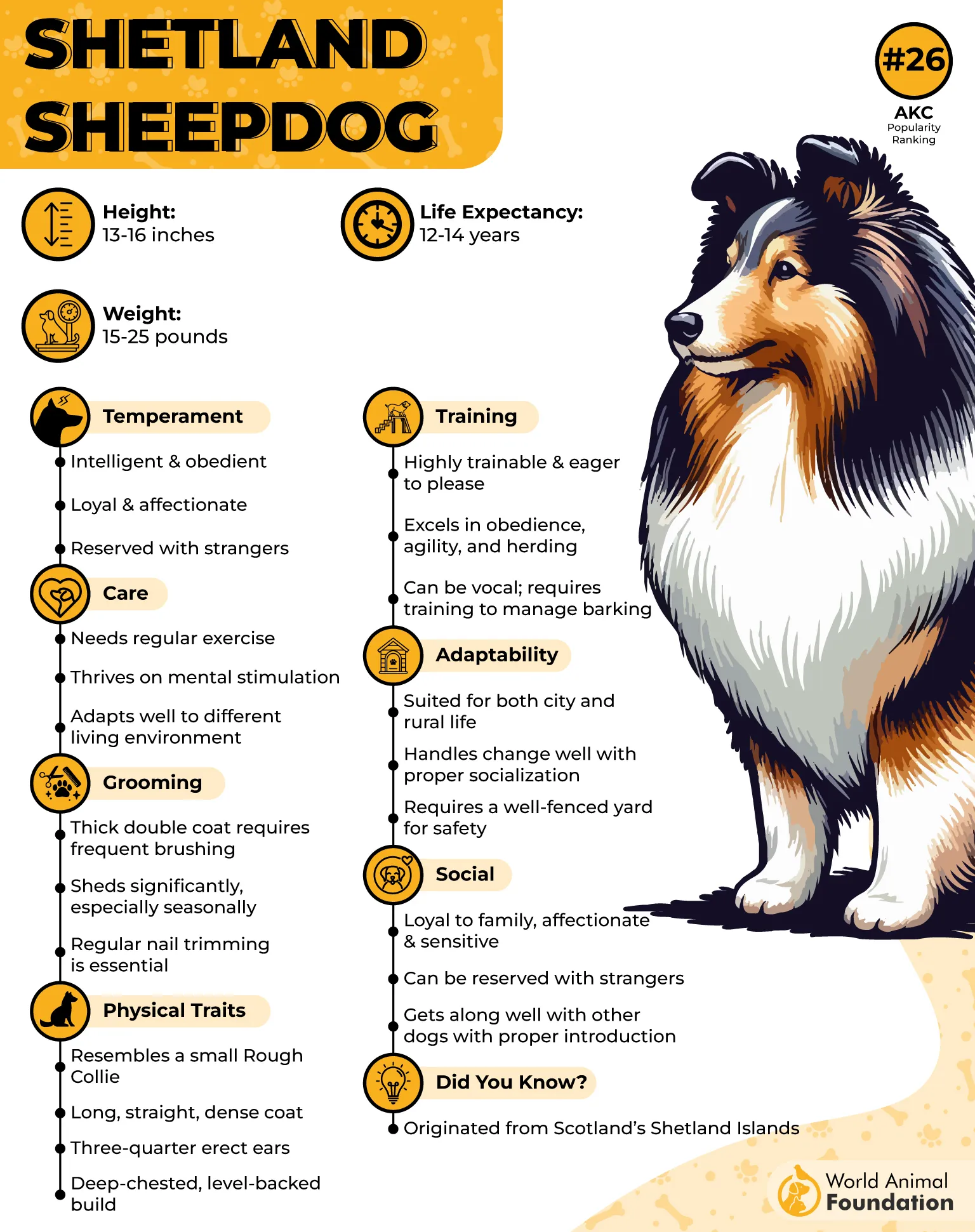
Shetland Sheepdogs are agile and sturdy dogs, having a symmetrical and well-proportioned body.
Temperament & Personality
Australian Cattle Dogs are highly loyal and devoted to their families. They form strong bonds with their owners and are known for their intelligence and protective instincts.
While they can be affectionate with people they trust, they are often reserved around strangers and may not be as openly friendly as some companion breeds. Thanks to their natural herding instincts, these dogs love chasing things, explains WebMD.
These pups get along nicely with kids, but are known for herding smaller children by nipping at their heels. Though proper training and socialization are a must for these dogs, strict supervision is needed around kids.
Australian Cattle Dogs are very protective of their property and make good watchdogs. They are generally quiet, but bark when they sense something unusual.
Shetland Sheepdogs are athletic dogs that love to play with their humans. Like Australian Cattle Dogs, Shelties are devoted pups that form strong bonds with their humans.
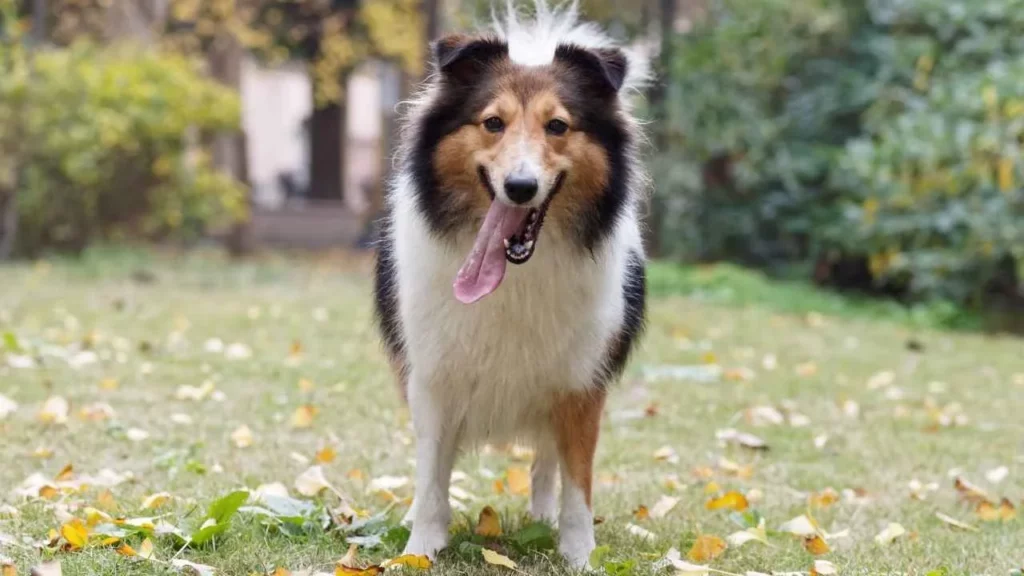
They love to stay by your side and do not like being alone for long periods. Shelties generally do well with all family members and friends of all ages.
Shelties are more friendly to strangers compared to ACDs, but make great watchdogs. They are known for barking excessively, unlike ACDs. Shelties also possess strong herding instincts. These adaptable dogs adjust well to various environments.
Exercise & Energy Levels
There are some key differences between the energy levels and exercise needs of both breeds. Australian Cattle Dogs (ACDs) and Shelties are energetic and active dogs. However, ACDs have higher energy levels compared to Shelties.
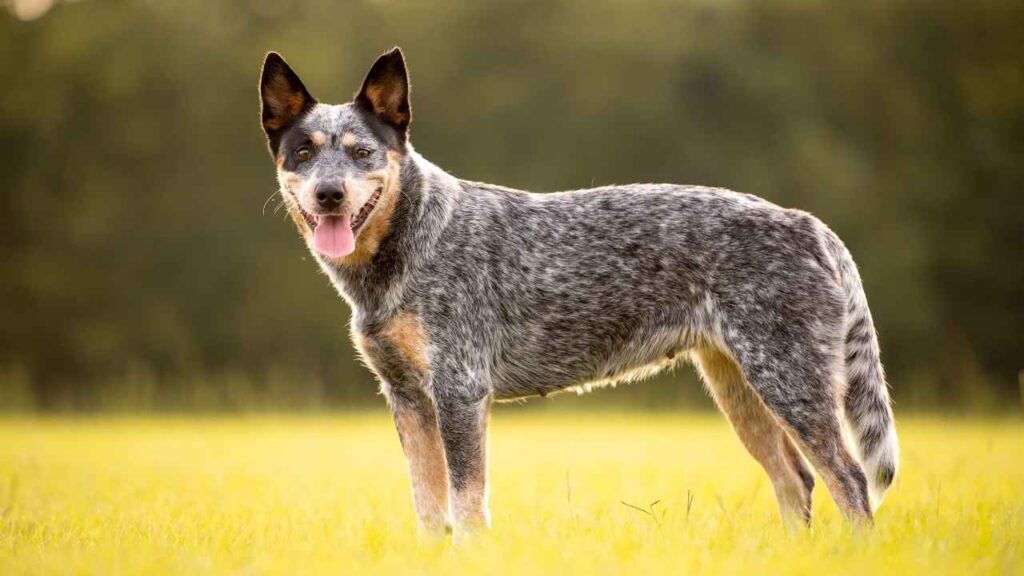
Australian Cattle Dogs are highly energetic and athletic. They require lots of exercise for physical and mental stimulation. ACDs don’t do well with only a few daily walks or playtime in the park.
They need 1.5 to 2 hours of real workout every day to stay healthy and content. Dog sports like agility and obedience training are great ways to exercise these dogs.
Shetland Sheepdogs have moderate to high energy levels. Purina recommends at least an hour of daily exercise for these athletic and active dogs. Like ACDs, they also like taking part and excel in a variety of canine sports like agility, obedience, and flyball.
Training & Intelligence
Both Australian Cattle Dogs (ACDs) and Shetland Sheepdogs are highly intelligent and trainable. However, Shelties tend to be a little smarter than Australian Cattle Dogs.
Australian Cattle Dogs (ACDs) are ranked 10th on the American Kennel Club’s list of the smartest dog breeds. Having an eager-to-please nature, ACDs are very intelligent dogs who can be trained very easily.
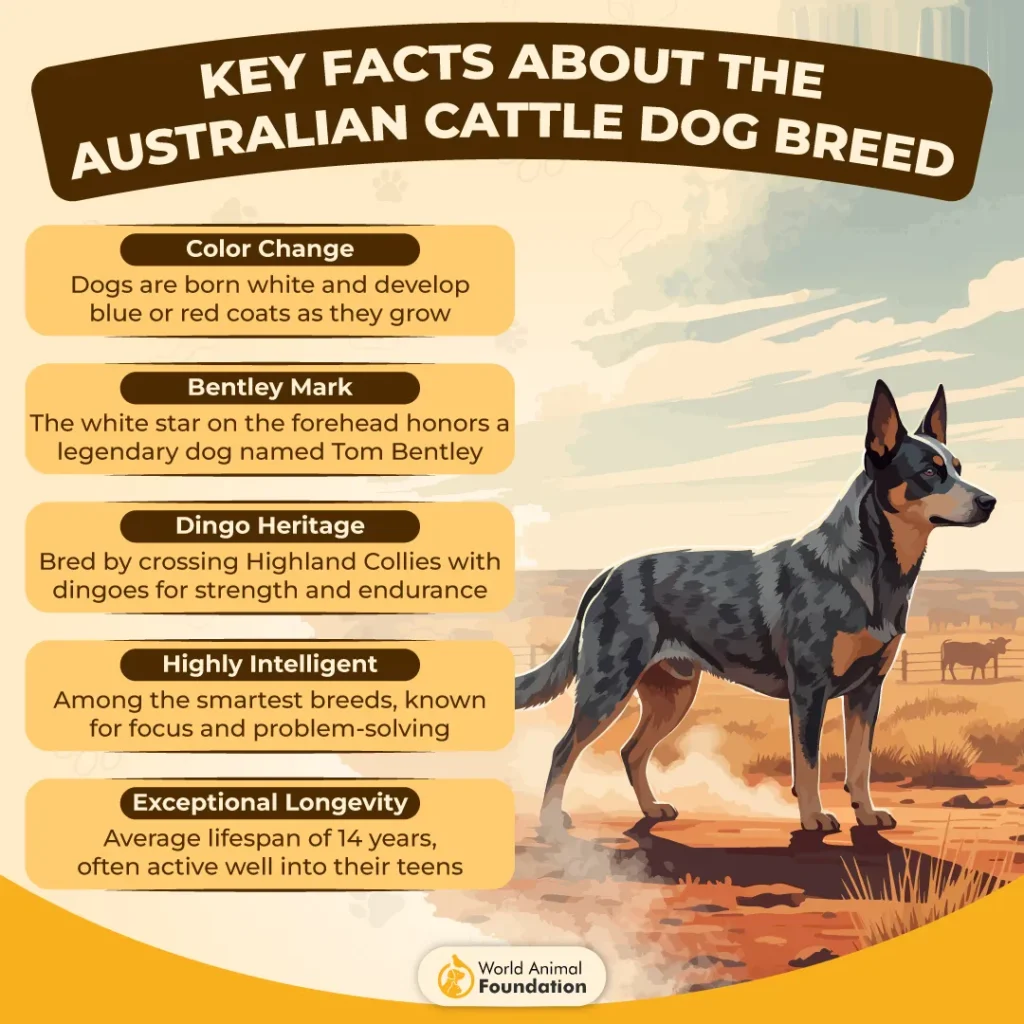
Early socialization and basic obedience training are important to turn them into well-mannered dogs. ACDs can exhibit destructive behaviors if they get bored.
Ranking 6th on the AKC’s list of intelligent canines, Shelties are one of the smartest and highly trainable dog breeds. Like Australian Cattle Dogs, they also have a strong desire to please their pet parents.
Coat Maintenance
Australian Cattle Dogs come in two colors, blue merle and red speckled, hence named ‘Blue’ or ‘Red’ Heelers. They possess a thick coat, which provides them with adequate insulation from cold and freezing temperatures.
The double coat comprises a short and dense undercoat and a straight outercoat. They shed moderately and blow their coat twice a year in shedding season (during spring and autumn). Weekly brushing and occasional baths help maintain a healthy coat.
Shetland Sheepdogs have a hard and straight coat that forms a profuse lion-like mane around their neck and luxurious feathering on legs and tail. Shelties have a fairly high-maintenance coat. The lustrous double coat comprises a long top coat and a short and fluffy undercoat.
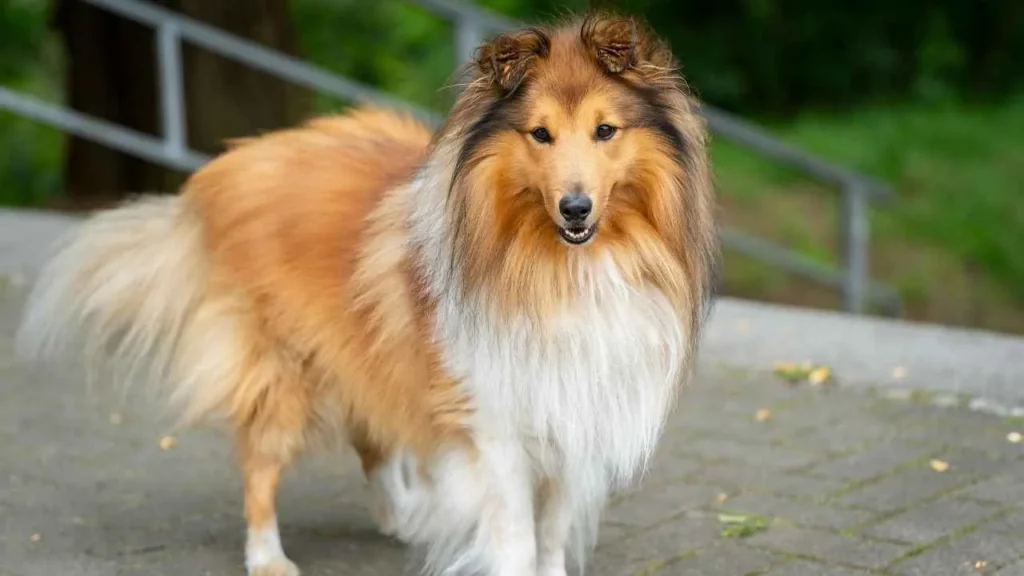
Their beautiful coats come in a variety of colors, including tri-color, blue merle, and sable. The coats require frequent brushing to keep looking dapper. Professional grooming from time to time also helps maintain a healthy coat.
Health & Lifespan
Australian Cattle Dogs and Shetland Sheepdogs are generally healthy dogs. However, both are susceptible to certain health issues like all other members of the dog world.
Australian Cattle Dogs have a life expectancy of 12 to 16 years. As they age, they become vulnerable to eye issues, deafness, and hip dysplasia.
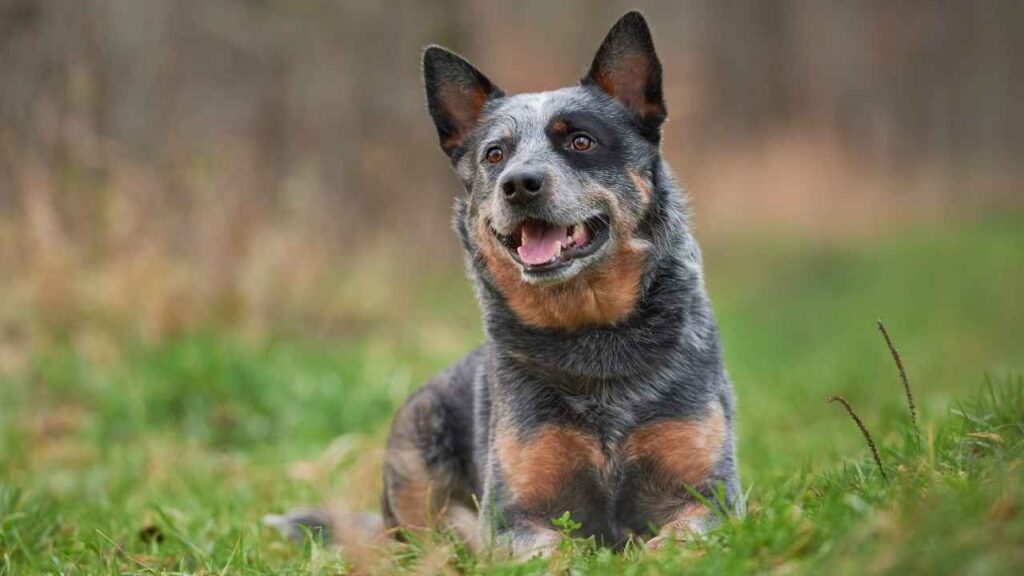
Shelties are also hearty and healthy dogs, having a lifespan of 12 to 14 years. However, they are prone to certain health problems like hip dysplasia, Collie eye anomaly, Sheltie skin syndrome, thyroid disease, von Willebrand’s disease, and epilepsy.
Purchasing the dog from a reputable breeder, routine vet checkups, regular exercise, and providing high-quality dog food can significantly help increase your dog’s lifespan.
Suitability as Family Pets vs. Guard Dogs
Both ACDs and Shetland Sheepdogs are known for their protective instincts. However, Australian Cattle Dogs make better watchdogs. Thanks to their friendly and eager-to-please nature, both breeds make wonderful family pets.
The best possible owners for ACDs are individuals who live rurally and spend most of their day walking or moving cattle. Shelties, on the other hand, are better suited for owners who are interested in dog grooming, showing, and sports like agility and obedience training.
Conclusion
Australian Cattle Dogs and Shetland Sheepdogs were both bred as herding dogs, but have a lot of behavioral and physical differences. ACDs are medium-sized dogs, while Shetland Sheepdogs tend to be smaller dogs.
Both are active, energetic, and athletic, but ACDs require more exercise due to their high energy levels. The two breeds are incredibly loyal to their owners and have an eager-to-please nature, but Shelties are more intelligent. Regardless of all differences, both Shelties and ACDs make wonderful family dogs.
The choice depends entirely on the owner’s lifestyle.
