




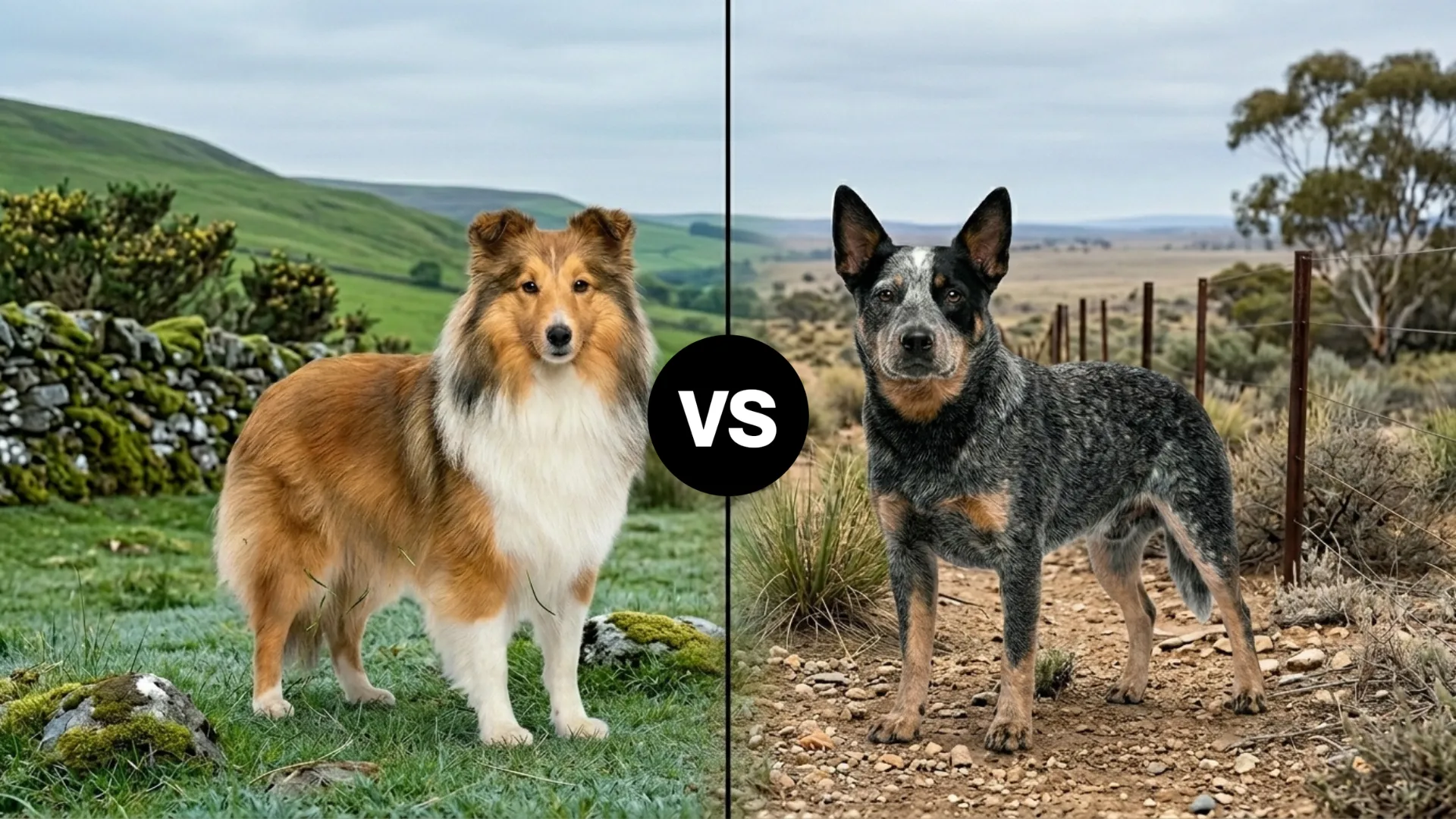
Choosing between a Sheltie and an Australian Cattle Dog is like having a competition between a brilliant high school student and a rugged, rough, and tough backbencher who takes a keen interest in sports. Both are playing their parts exceptionally, but there are certain attributes that make them different and unique.
This article is all about the similarities and differences of these stunning breeds.
When it comes to intelligent herding breeds, the Shetland Sheepdog and the Australian Cattle Dog stand out for very different reasons. The Sheltie is known for its elegance, devotion, and eagerness to please, while the Australian Cattle Dog is celebrated for its toughness, endurance, and unmatched work ethic.
Although both breeds share a herding background and exceptional intelligence, they differ significantly in energy levels, temperament, grooming needs, and lifestyle compatibility. Understanding these differences can help you determine which breed is the better fit for your home and daily routine.
So, let us dive in and find which one is better for you.
Shetland Sheepdog (Sheltie) vs. Australian Cattle Dog
Origins, History & Purpose
Both breeds were developed as herding dogs, but for entirely different climates, terrains, and livestock of their respective homelands.
Shetland Sheepdog: Originating in the Shetland Islands of Scotland, the Sheltie was developed to survive in the harsh and meager environment of its native land. This small breed is the descendant of the Scottish Collie and the King Charles Spaniel. It was primarily from the Spitz-type, but then crossed with the Rough Collie from Britain in the 21st century, establishing the modern-day breed, says Wikipedia.

Australian Cattle Dog: The traditional sheepdog from Britain went through a series of selective breeding as it lacked the stamina, heat tolerance, and tenacity required to handle large cattle. The primary goal of the Blue Heeler was to drive cattle across long distances. Today, it is widely used as a SAR dog, family companion, and in canine sports.
Size & Physical Build Differences
The Sheltie is a smaller breed, built for agility, while the Australian Cattle Dog is a large and densely boned dog.
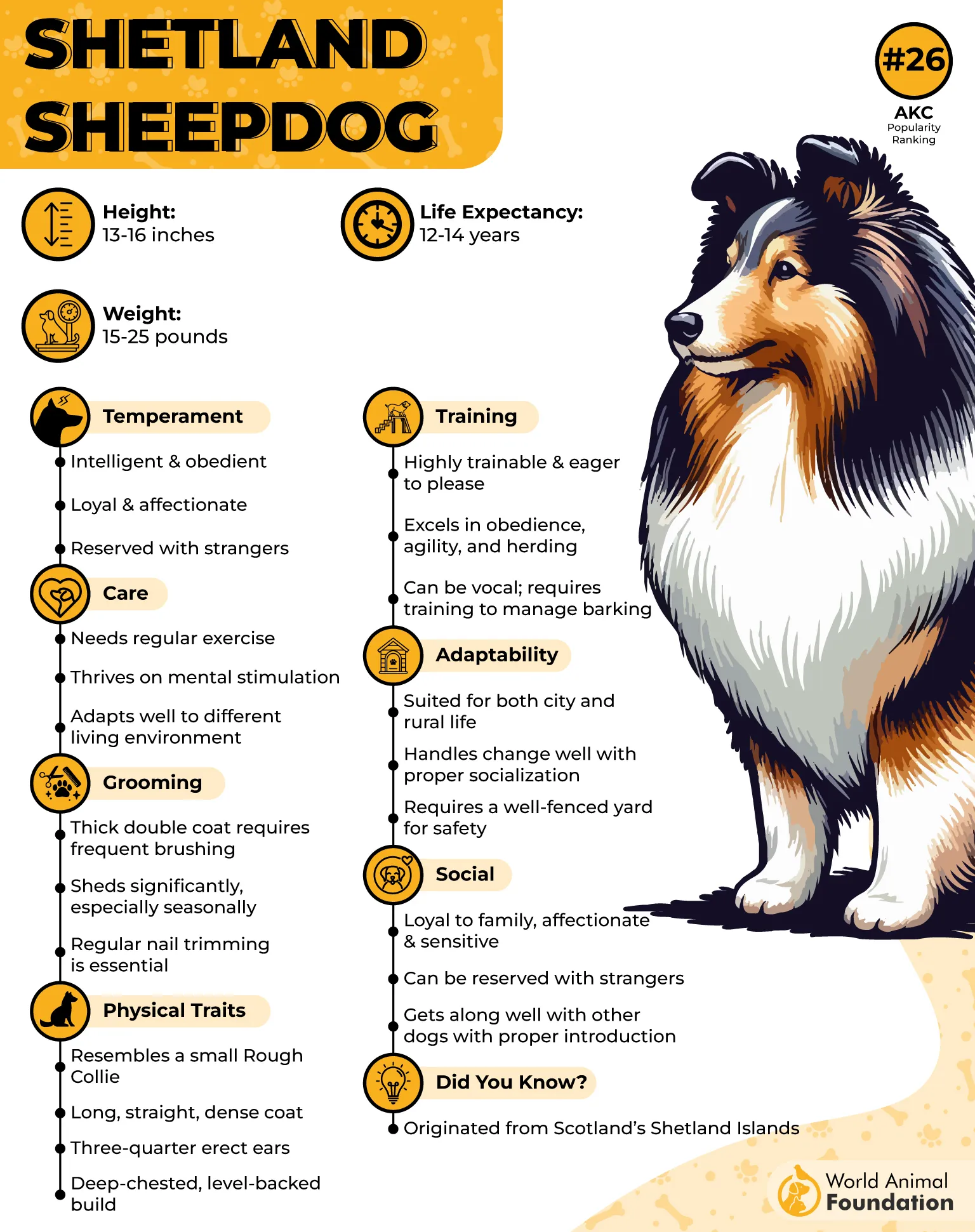
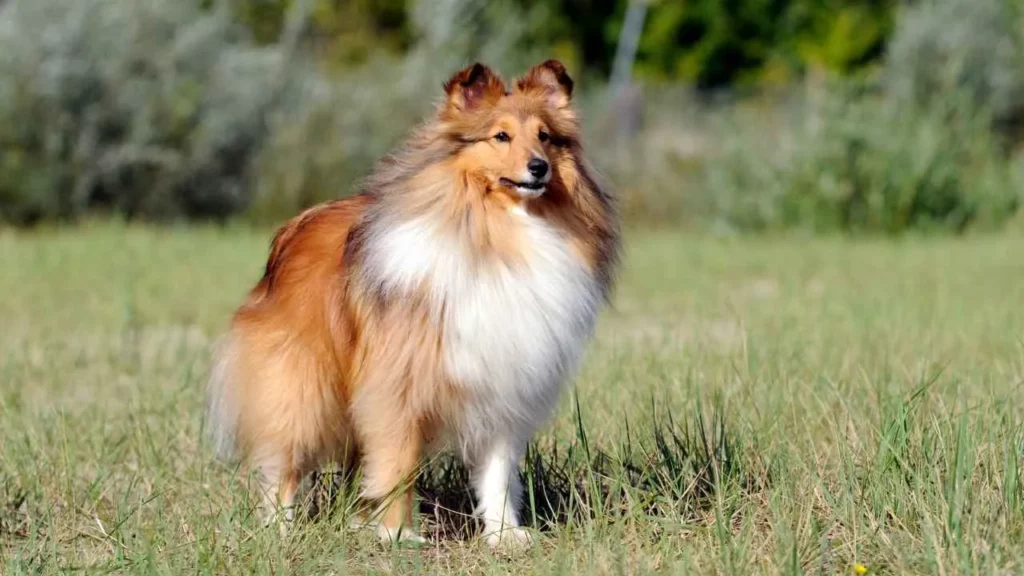
Shetland Sheepdog: This small-to-medium dog stands between 13 and 16 inches and weighs around 15 and 25 pounds. It has a rectangular body with a deep chest and muscular legs. With a wedge-shaped head, almond eyes (blue merle), and erect ears, it has a distinctive look from other dogs. The well-feathered tail is raised when the dog is alert.
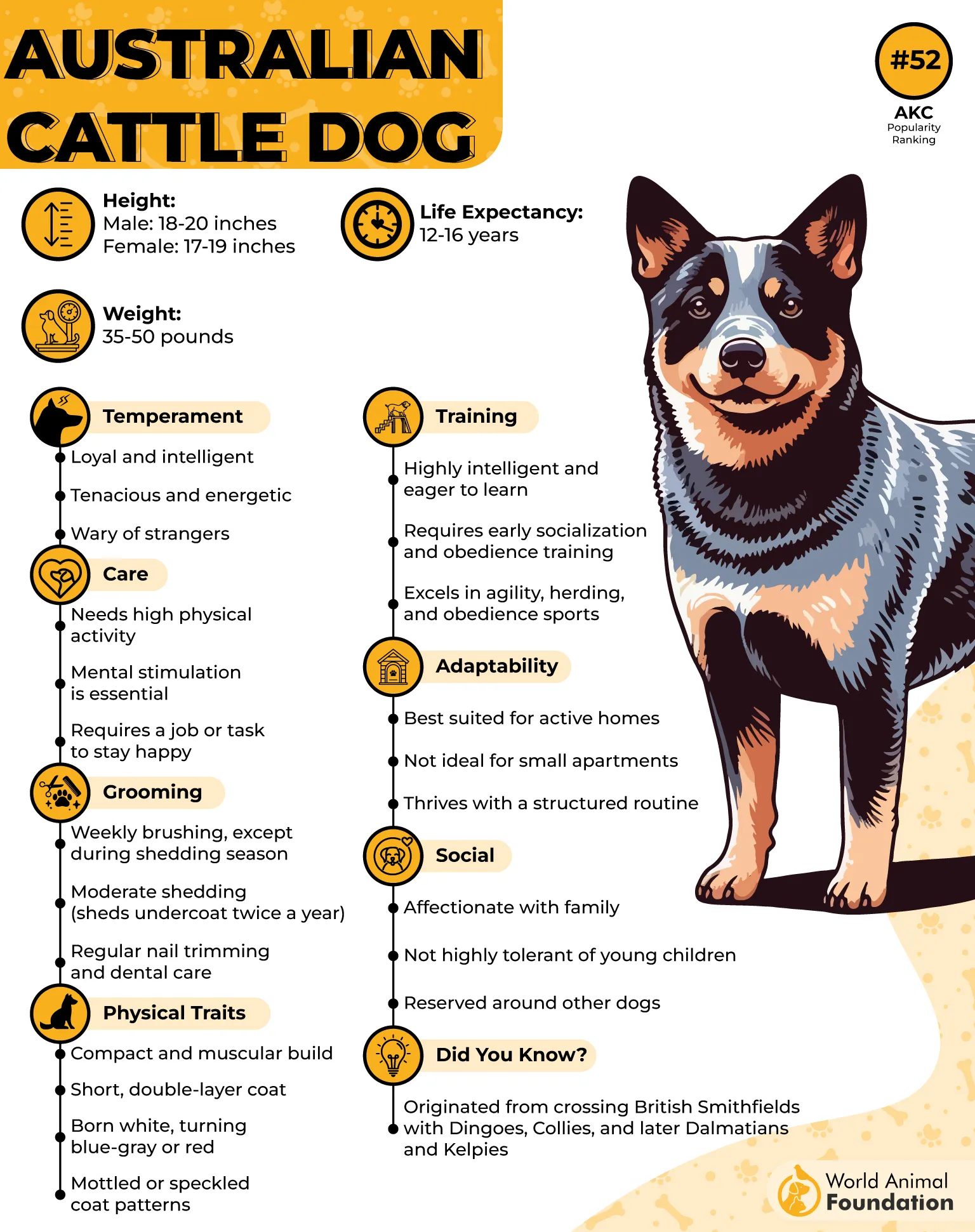
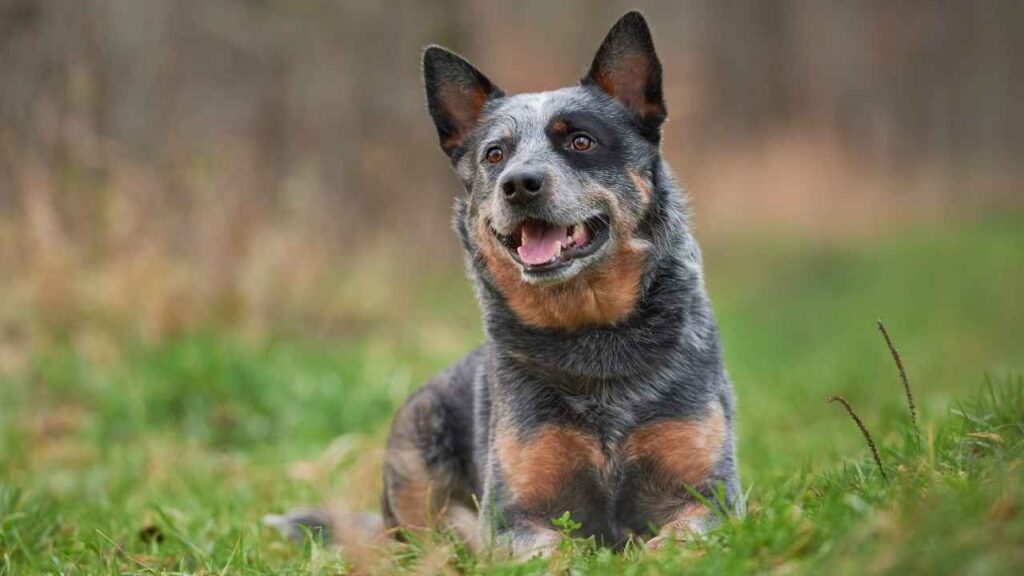
Australian Cattle Dog: The dog weighs between 35 and 50 pounds and stands 17 and 20 inches tall, and also has a rectangular stature. Since it has a lineage to the wild Dingo, it has a broad skull, muscular cheeks, and a powerful neck. The tail hangs in a slight curve at rest.
Coat Appearance & Maintenance
The Sheltie has a double coat that requires weekly brushing to prevent matting, while the Australian Cattle Dog has a weather-resistant coat that requires brushing 1-2 times a week.
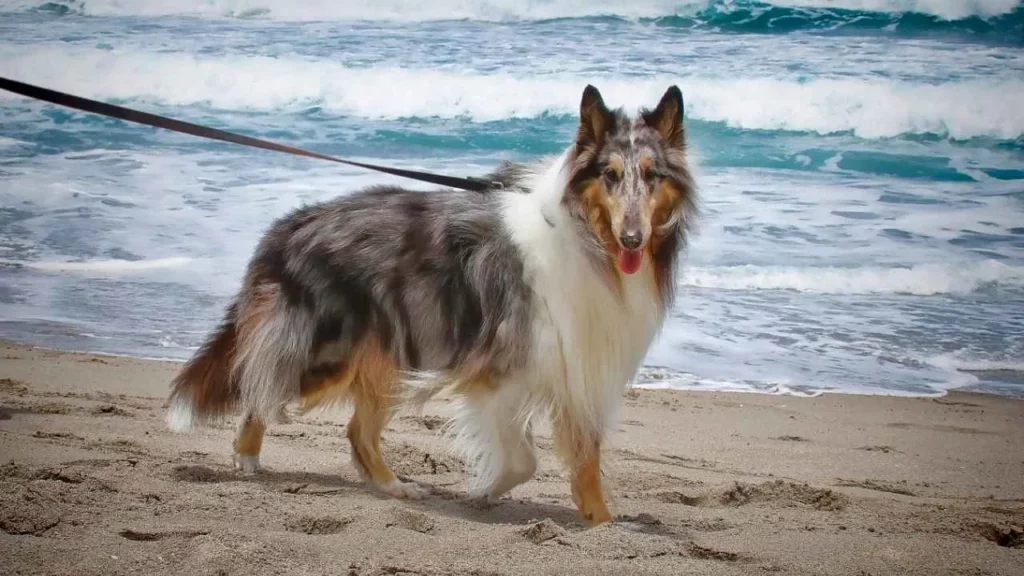
Shetland Sheepdog: It has a double coat, accompanied by an abundant neck mane and feathering on the legs and tail. The coat color comes in various patterns: sable, tricolor, and blue merle, accented with white band tan markings. Always dry brush the coat with a pin brush, an under-rake brush, and a slicker brush using the ‘line brushing’ technique.’
Australian Cattle Dog: The two recognized colors are blue and red, while the patterns come in an intermingling of colored hair (red/black with white hair). Puppies are born completely white. Always use a slicker or bristly brush to remove loose hair and evenly distribute natural oils.
Temperament & Personality Differences
The Sheltie is a vocal, family-oriented, and sensitive dog originally bred for herding and is ideal for companionship, while the Australian cattle dog is an independent and tireless worker that thrives in outdoor activities.
Shetland Sheepdog: Also known as the ‘psychic dog,’ the Sheltie can read human body language and facial expressions easily, as per Britannica. It is a velcro dog and forms strong bonds with the owner. Having strong guardian instincts, it is aloof from strangers, making it an excellent watchdog. It is famous for the ‘Sheltie Spin,’ where it spins around in circles when excited.
Australian Cattle Dog: This is an extremely intelligent dog and is deeply devoted to the family. Bred to handle vast terrain, it has an independent nature and tends to make decisions without the handler’s supervision. It nips at the heels of the stray herding sheep.
Intelligence, Trainability & Responsiveness
Both are highly intelligent breeds. The Sheltie is an eager-to-please companion, while the Australian Cattle Dog is an independent breed.
Shetland Sheepdog: Ranked in the top 10 smartest breeds, the Sheltie can learn a command within 5 repetitions. The breed responds best to positive reinforcement since it does not perform well with harsh training. Agility, flyball, obedience training, and reward training are highly recommended.
Australian Cattle Dog: Since this intelligent breed was developed to work independently on the rugged terrain, it is an excellent problem solver. Start with the basic obedience training and avoid strict and forceful methods. Short and non-repetitive training sessions are suggested to avoid boredom.
Energy Levels, Activity Needs & Work Drive
The Shelties are work-oriented with a high need for mental stimulation and tend to stay indoors. While the Australian Cattle Dogs have endless endurance and need endless physical tasks.
Shetland Sheepdog: The breed needs 1-2 hours of daily exercise. It has significantly high energy levels, but is generally calm and loves to spend time indoors with the owner. Dog sports, puzzle toys, hide-and-seek, and scent work are ideal workouts for this breed. Herding instincts enable it to have a desire to work with humans.
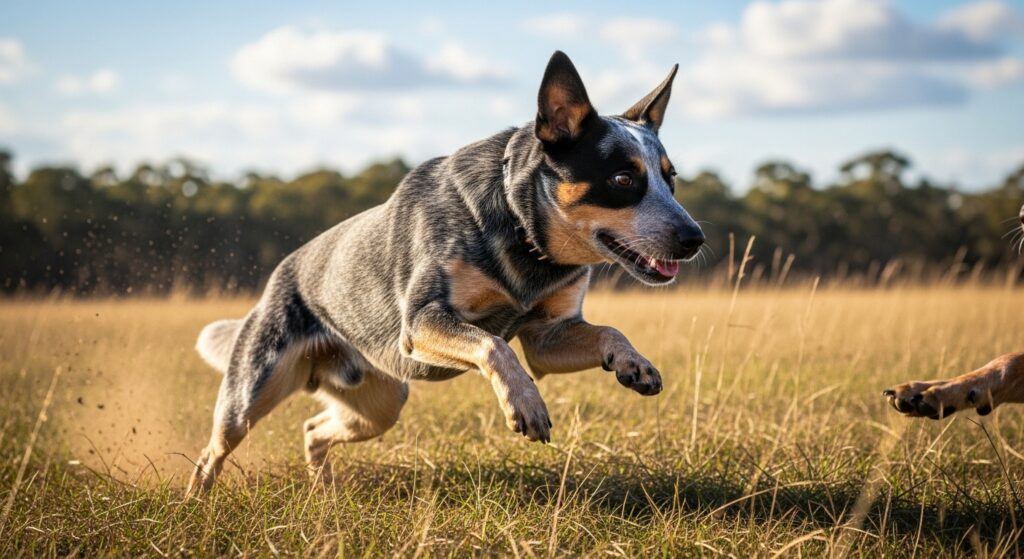
Australian Cattle Dog: The breed needs 1.5-2 hours of regular exercise. Being designed for all-day labor, the Aussie needs high-intensity workouts, such as running, walking, jogging, and dog sports. It is not an apartment-friendly breed and needs a constant job.
Durability, Health & Lifespan Expectations
Both are extremely smart and energetic, but the difference lies in the physical needs and hardiness. The Sheltie is a sensitive companion with more grooming needs, while the Australian Cattle Dog has high durability and lifespan.
Shetland Sheepdog: The breed lives up to 12-14 years. Proper nutrition, weight management, and proper exercise are the factors that highly impact the breed’s lifespan, says the Animal Clinic of Glasgow. While remaining healthy, it may face epilepsy, collie eye anomaly, bladder cancer, dental disease, and hypothyroidism.
Australian Cattle Dog: This dog has minimal health issues and lives up to 12-16 years. The breed holds the record of the oldest living dog (29.5 years). It has a few genetic and health-related concerns, including deafness, ophthalmic issues, and joint conditions.
Herding Instincts & Behavior Habits
Both breeds employ different herding styles and energy levels. Shelties are gentle, vocal, and the ‘loose-eyed’ herders, while the Australian Cattle Dogs are intense and forceful ‘heelers.’
Shetland Sheepdog: It tends to push the cattle from behind and uses its body to guide them. This herding instinct is so ingrained in the breed that it even tries to herd small children, pets, and moving objects. It emits a piercing alert bark and may use low leg nips.
Australian Cattle Dog: Being a driving dog, it gets behind the flock and tends to push them forward by nipping at their feet and barking. It has a strong desire to control and organize, and may aggressively corral running children by barking or circling them.
Suitability for Ideal Owners & Living Environments
Both breeds differ significantly in temperament, energy, and care needs. Here is what you need to know:
|
Features |
Shetland Sheepdog |
Australian Cattle Dog |
|
Ideal Owner |
First-time dog owners and active families who are committed to proper socialization. |
Experienced owners, hyperactive families, and confident handler that prevents it from nipping. |
|
Living Environment |
Secured space to run, adaptable to apartments or rural property, regular outdoor activity is important. |
Not suited for apartment living, demanding outdoor activities, and a constant job. |
Conclusion
The Shetland Sheepdog and Australian Cattle Dog are both outstanding herding breeds, but they serve different lifestyles. The Sheltie offers sensitivity, elegance, and a deep desire to cooperate. It thrives on connection and often becomes a devoted family shadow.
The Australian Cattle Dog brings toughness, independence, and an unmatched work ethic. It excels with active owners who can provide meaningful physical and mental challenges. Neither breed is objectively better.
The right choice depends entirely on your lifestyle, experience, and expectations. When that match happens, both the Sheltie and Australian Cattle Dog can become unforgettable companions for many years.
