




The wrong dog can turn a woodland hunt into an exhausting exercise in frustration. Dense forests leave very little room for mistakes, and weaknesses become obvious almost immediately. Thick cover conceals movement, scent trails become unpredictable, and game often uses the landscape to its advantage.
In these conditions, hunters need dogs capable of handling challenges that go far beyond basic obedience or enthusiasm. The best woodland hunting breeds possess traits that allow them to remain effective even when the terrain becomes difficult, and visibility nearly disappears.
They work through obstacles without hesitation and continue searching when conditions become demanding. These abilities often make the difference between a productive hunt and a disappointing day in the woods. Many dogs enjoy the outdoors, but only some consistently thrive in wooded environments.
The breeds ahead have built their reputation by thriving where forests create some of the toughest hunting conditions hunters regularly encounter.
Key Takeaways
Dense forests test every hunting dog in ways open fields never can, and only a handful keep performing when the trail becomes harder to read.
The Bluetick Coonhound and Bloodhound have built their reputation by following trails that most dogs would lose long before the chase is over.
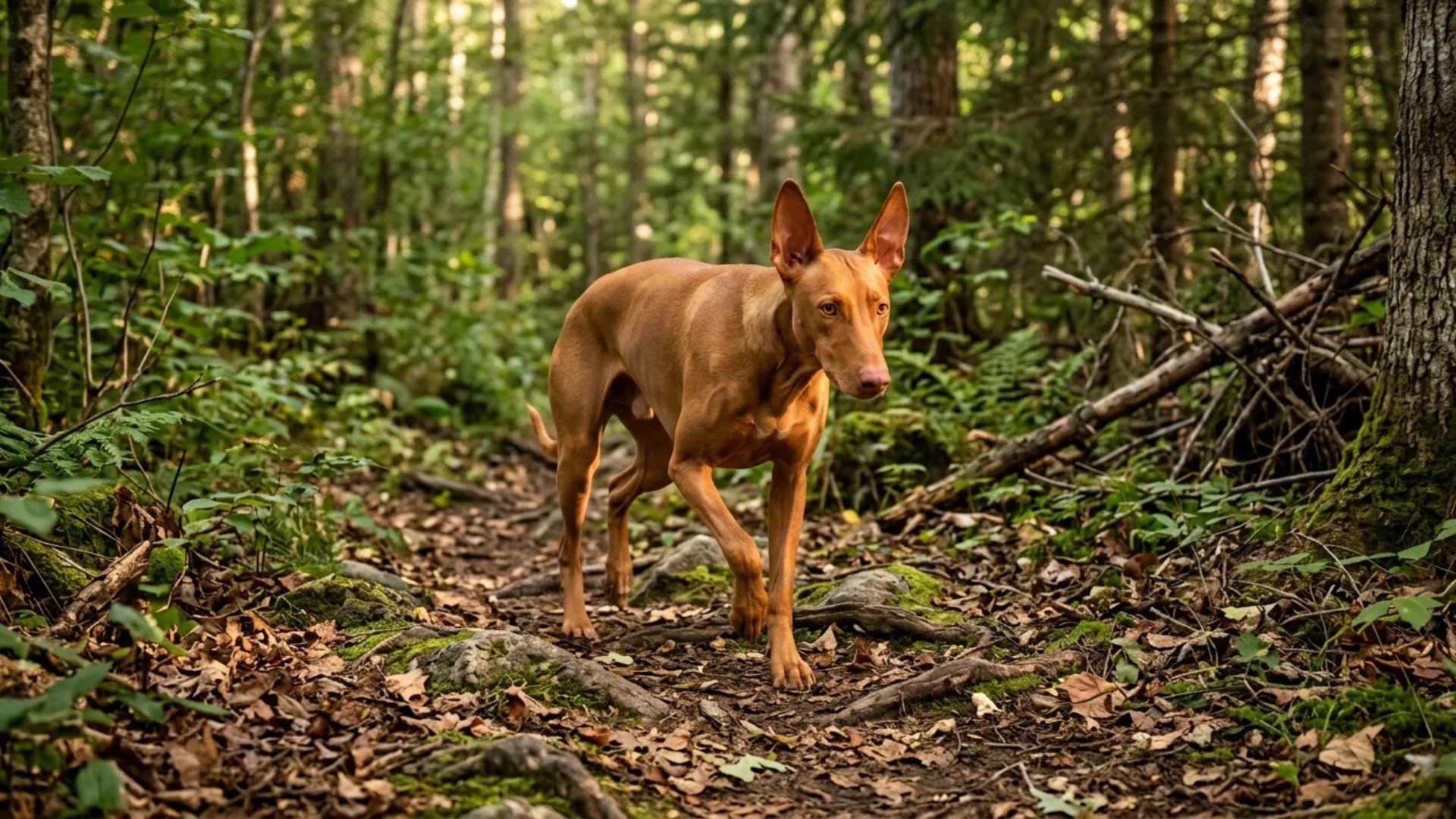
Then there is the Pharaoh Hound, a breed that can actually blush with excitement while relying on sight, scent, and hearing to track its target.
Keep going because the rest of the list reveals which breeds never seem to lose their way when the forest becomes the toughest part of the hunt.
Top Dog Breeds for Hunting in Dense Woodland Areas
1. Bluetick Coonhound
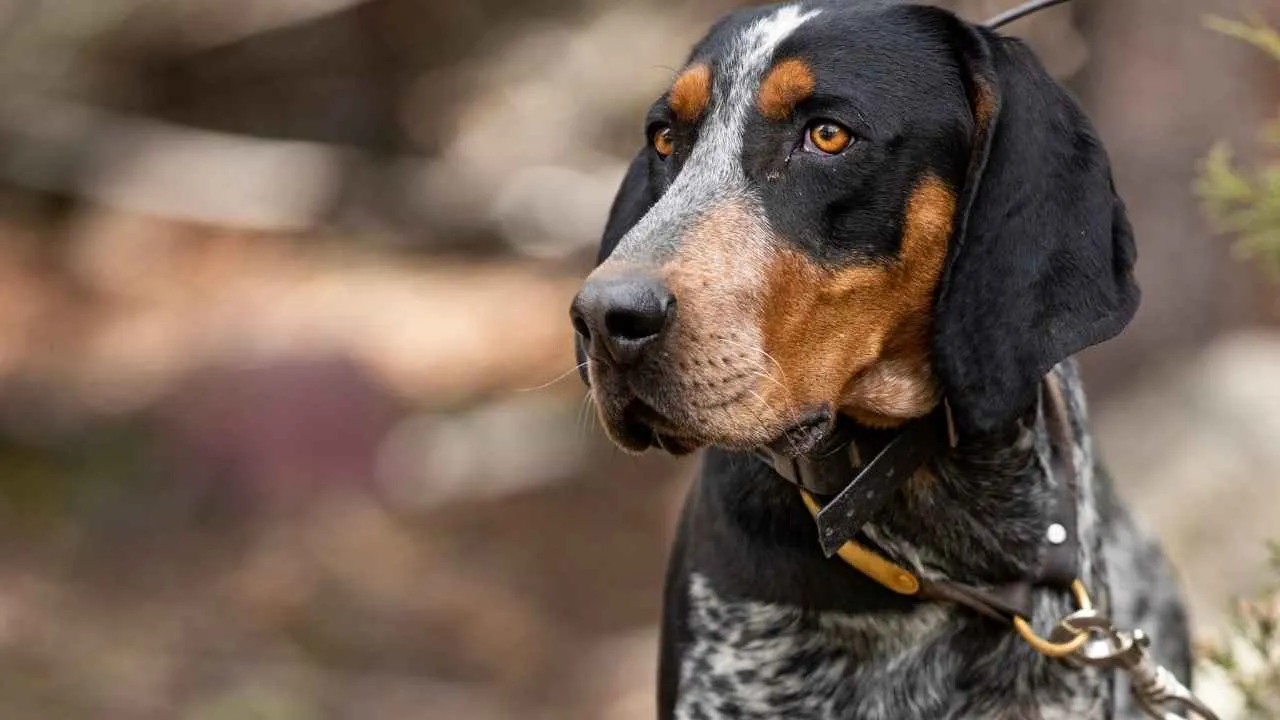
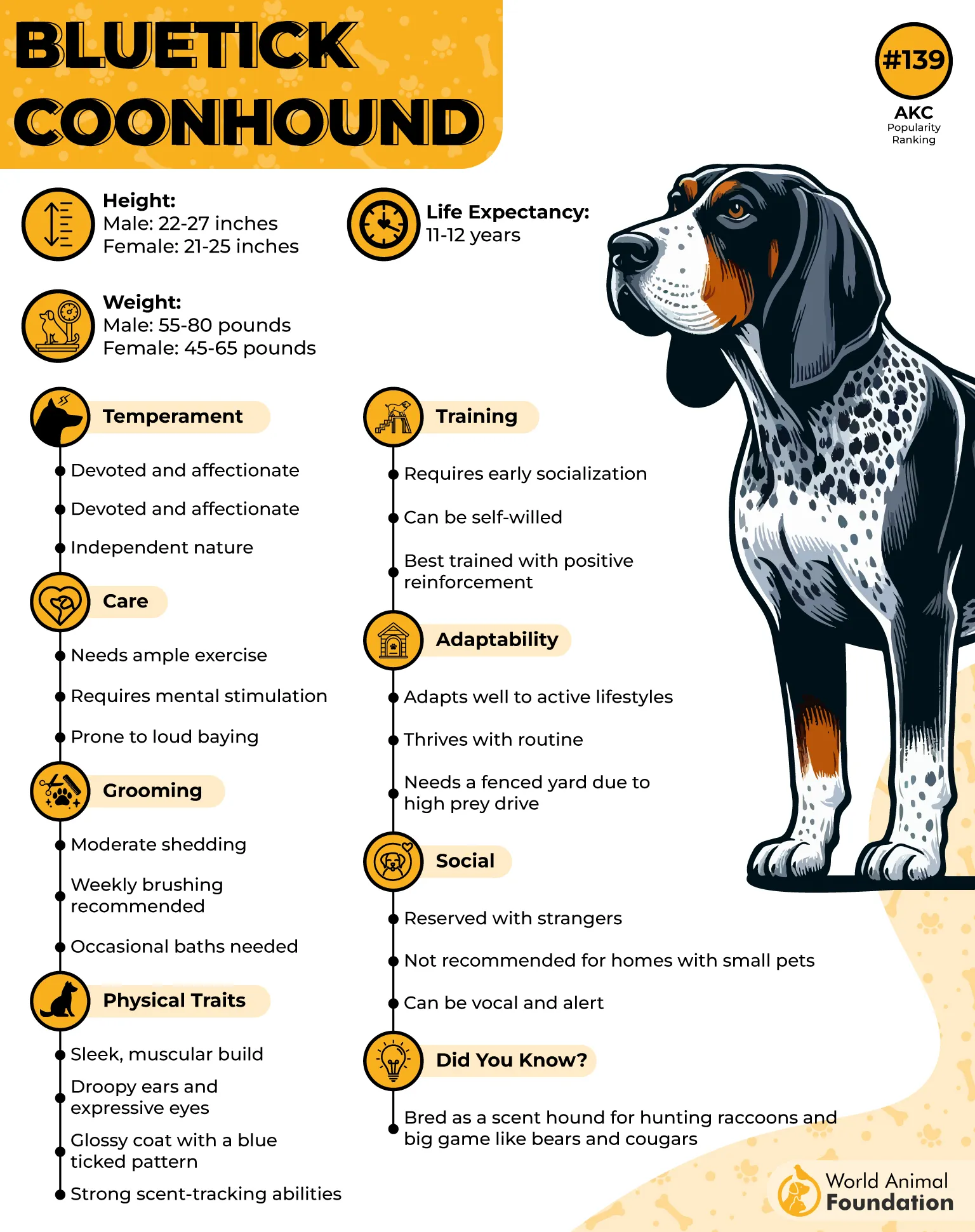
Bluetick Coonhound is renowned for its exceptional sense of smell, which once helped it track raccoons and larger quarry, including bears, wild boars, and cougars. That tracking ability made it particularly useful when following scent trails through thick cover and challenging terrain.
Roots in the Hunt
French staghounds gifted to George Washington by Marquis de Lafayette contributed to the ancestry of this determined hound, as PetMD writes. Endurance and scent-tracking skills were valued qualities from the beginning, helping these dogs work across long distances without losing focus.
A few details add extra character to the breed:
Brown eyes with a pleading expression
Long, floppy hound ears
Black-on-white ticking that appears blue
Energy With a Purpose
This hunting dog breed was bred to think while covering ground, which is why both physical activity and mental challenges play an important role in daily life. A lack of meaningful outlets can leave this intelligent hound searching for its own adventure.
2. Black And Tan Coonhound
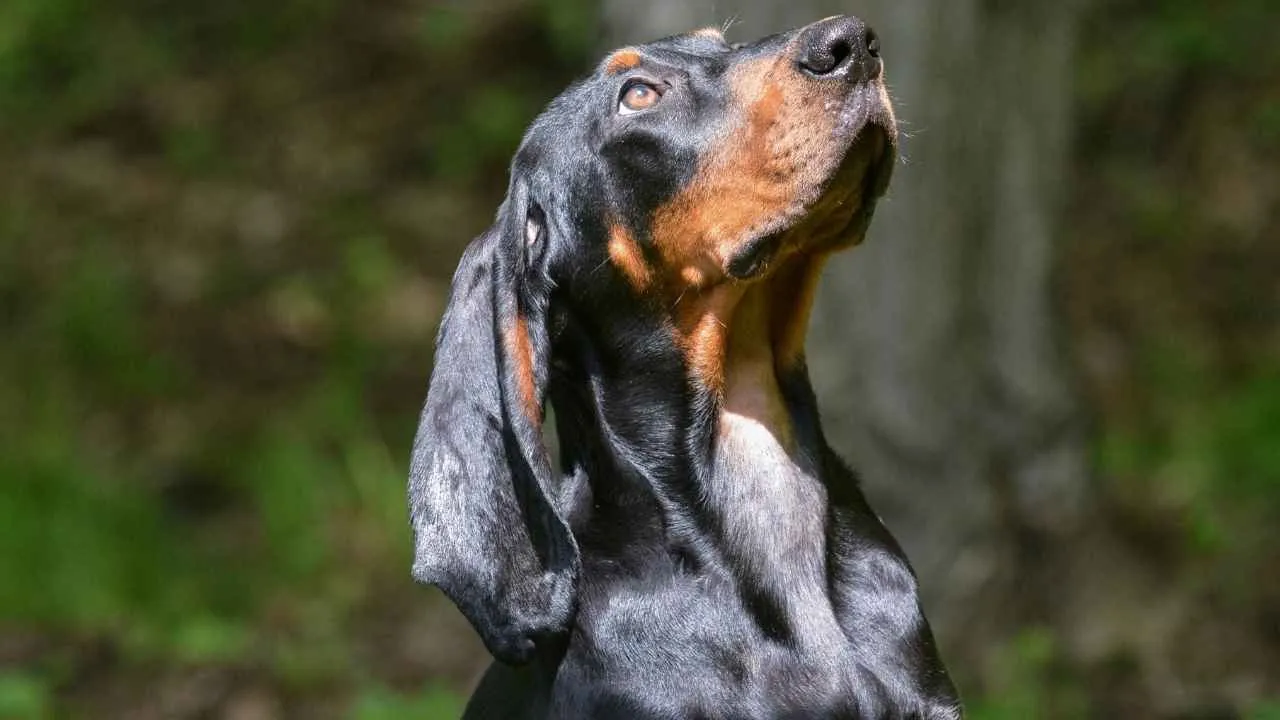
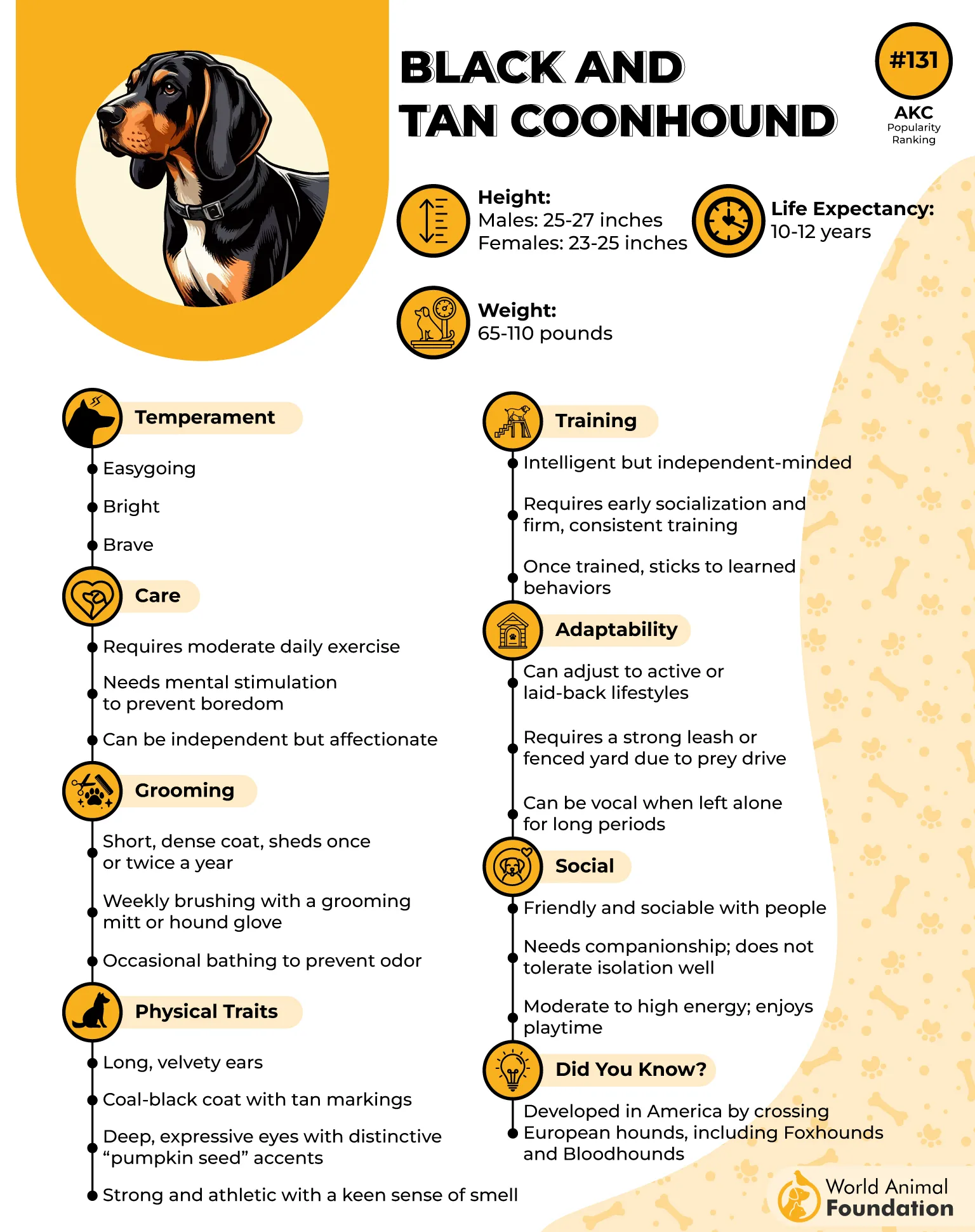
The Black and Tan Coonhound descends from Bloodhounds and Black and Tan Virginia Foxhounds, a combination that produced an exceptional scent-trailing specialist. This breed gained recognition for pursuing raccoons and bears across the southeastern United States with remarkable determination.
Built for the Trail
They follow scent trails with their nose close to the ground, much like their Bloodhound relatives, though at a quicker pace. Long-distance tracking remains one of the breed’s most valuable skills in challenging hunting terrain.
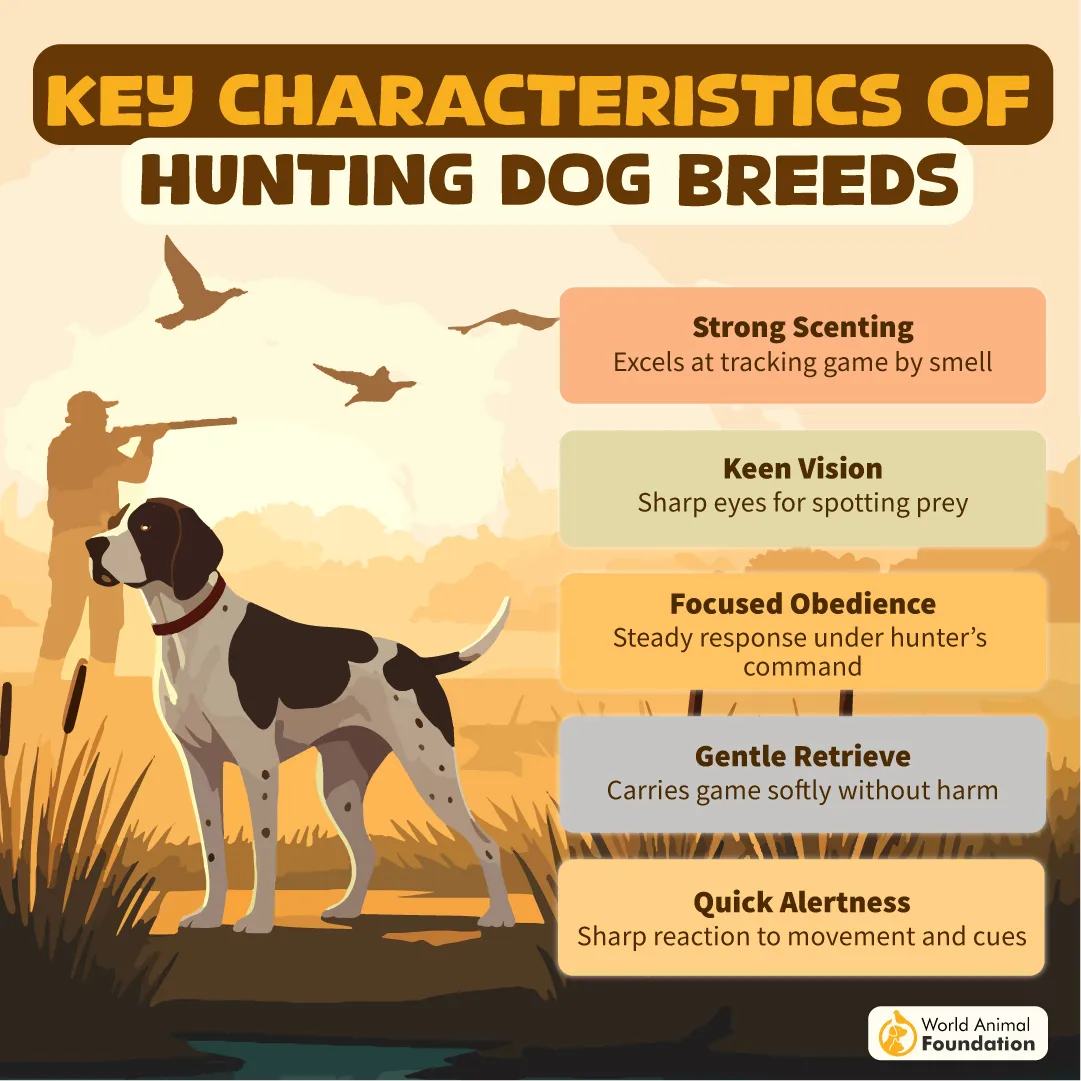
Here are a few notable facts:
Frequently used for raccoon hunts
Also worked on bear pursuits
Known for distinctive baying vocalizations
Calm Until a Scent Appears
The Black and Tan Coonhound is generally quiet and easygoing indoors, a trait that often surprises people familiar with its hunting reputation, as the AKC claims. Once an interesting scent drifts by, curiosity naturally takes over, and the dog may focus intensely on following the trail.
3. Pharaoh Hound
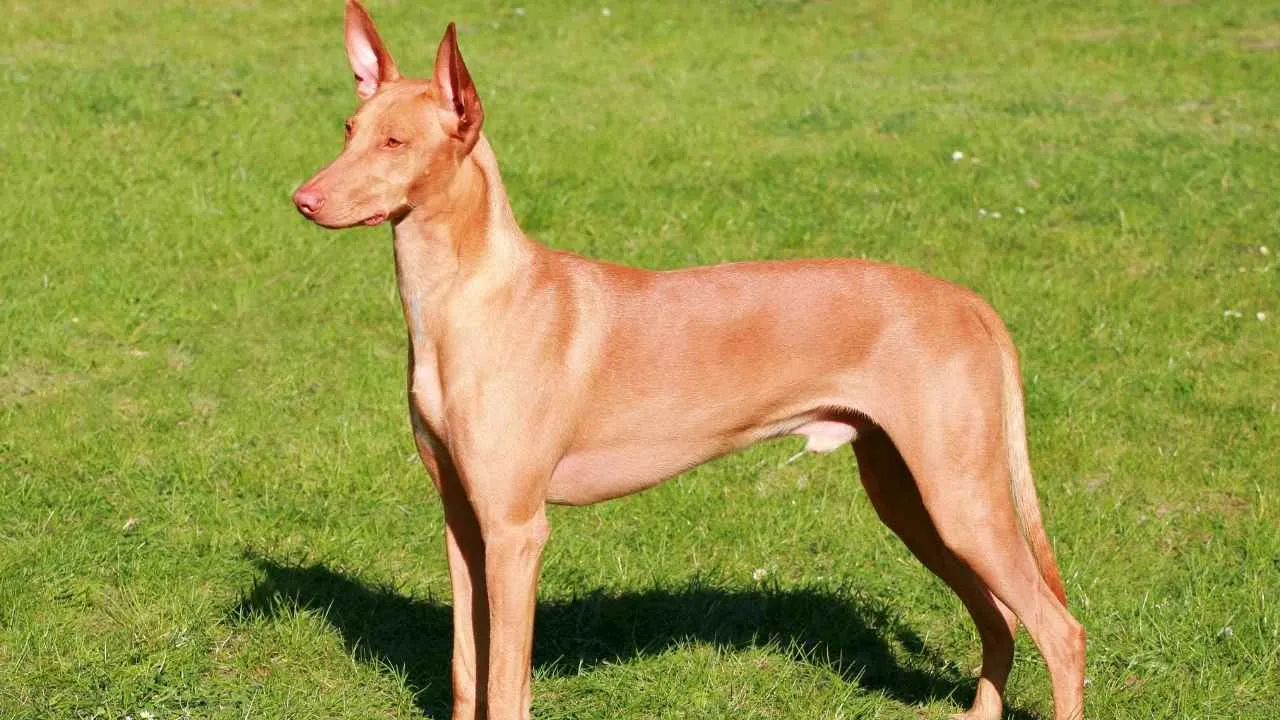
The Pharaoh Hound approaches the hunt differently from most dogs, relying on sight, scent, and hearing rather than focusing on a single sense. That combination helped this breed pursue rabbits across rough, rocky ground where quick decisions mattered, as stated by Omlet.
Built for the Chase
It combines athleticism with sharp awareness, qualities that prove useful when navigating dense cover and rapidly changing conditions. Its hunting style reflects generations of work that demanded both speed and adaptability.
These details make the breed even more fascinating:
Locally called Kelb tal-Fenek
Associated with the image of Anubis
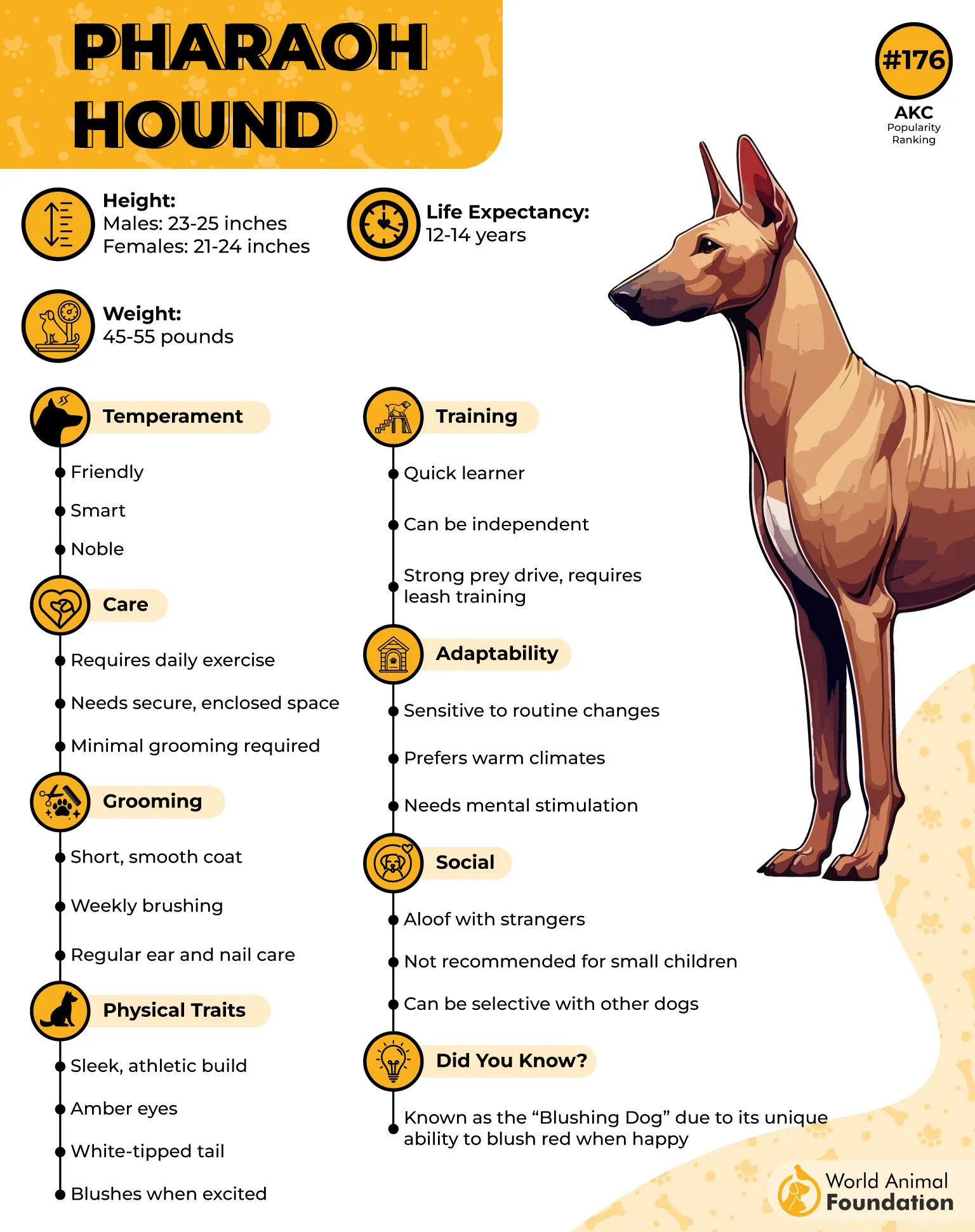
Can blush when excited
Energy With Purpose
The Pharaoh Hound enjoys activities that give its body and instincts something meaningful to do, including agility, nose work, dock diving, and frisbee. A passing squirrel can instantly redirect its attention, which says plenty about how closely this breed tracks the world around it.
4. Treeing Walker Coonhound
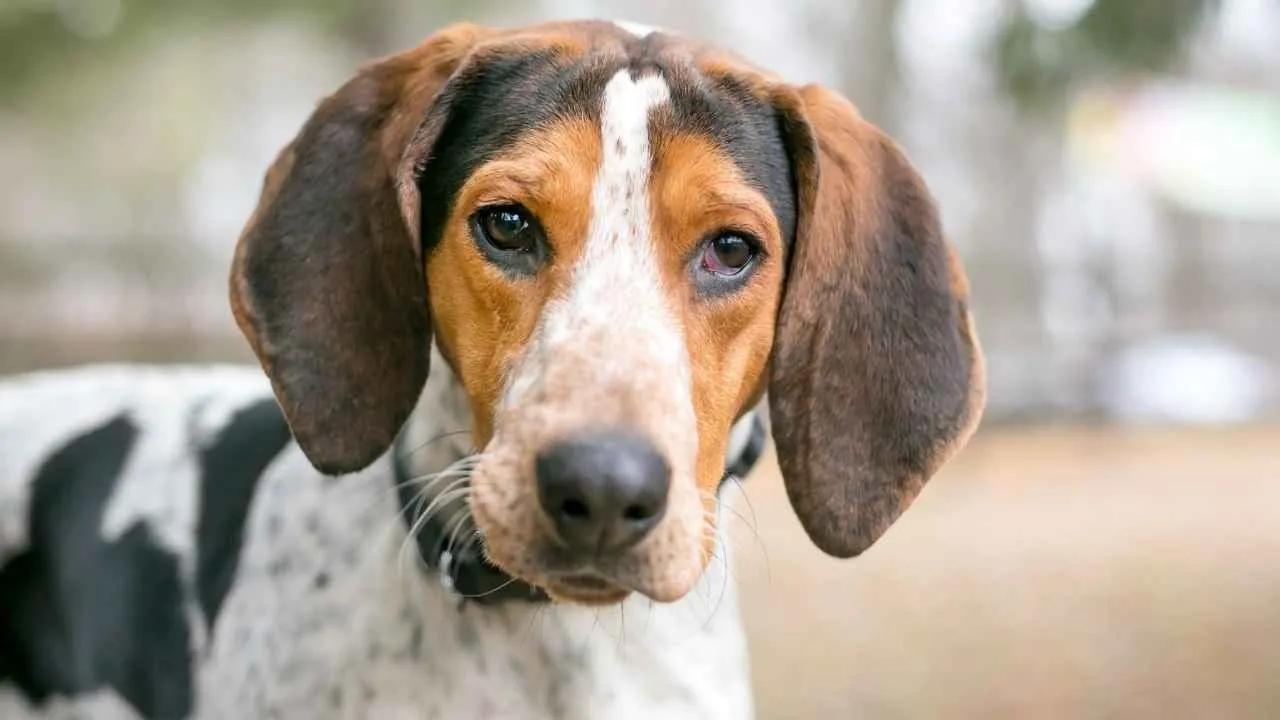
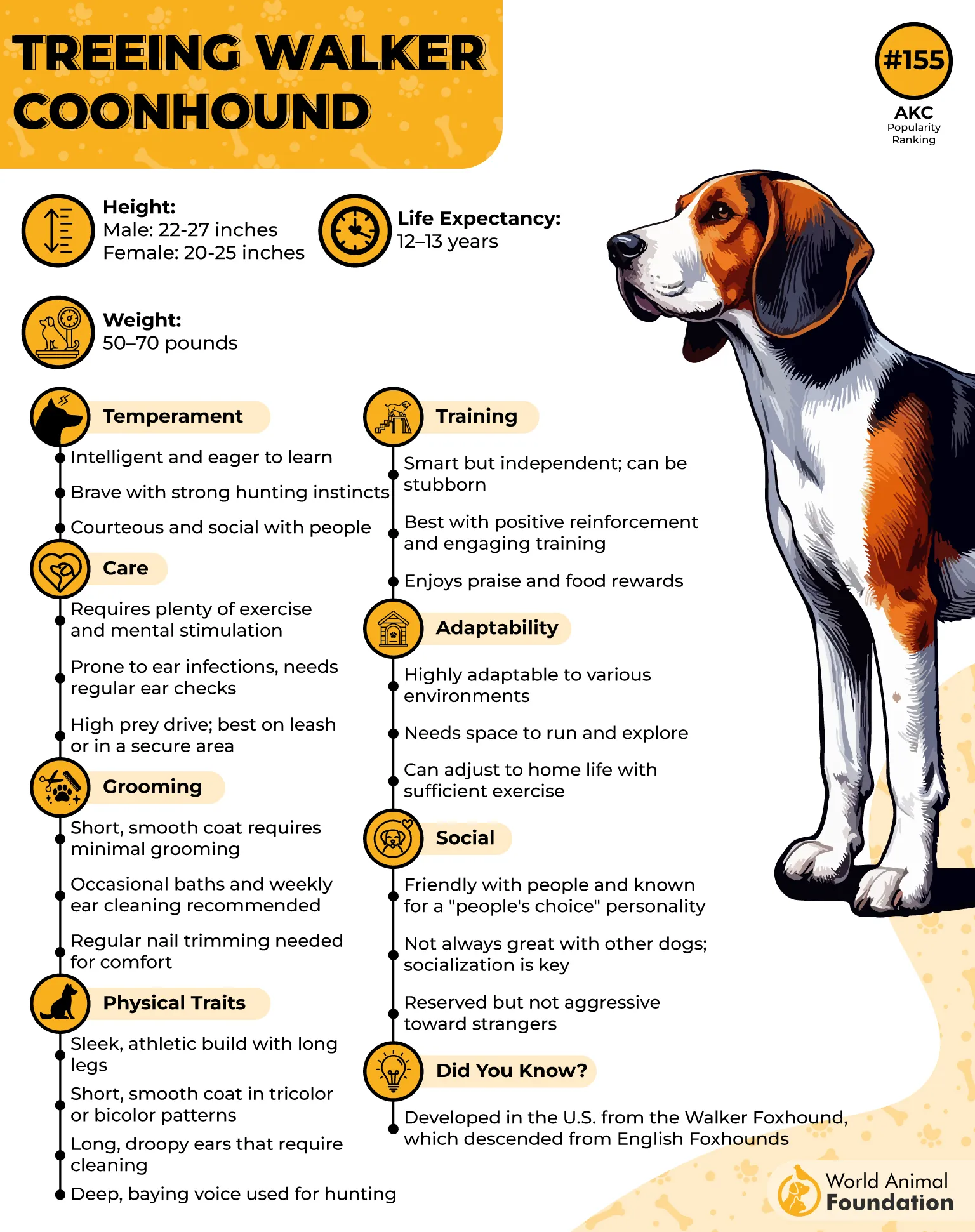
The Treeing Walker Coonhound built its reputation by tracking game through thick forests, where scent trails often wind through difficult and heavily covered ground. Its connection to the American Foxhound also contributed to the speed and determination that hunters value in this breed.
Nose First
It is often regarded as one of the leading scent hounds, relying on a keen nose to follow quarry over long distances. That combination of tracking ability and persistence has made it a frequent choice for both recreational and competitive night hunts.
Its working style is revealed in these points:
Distinctive baying voice
Popular in water races
Frequently entered in field trials
Energy for the Long Haul
This Coonhound handles demanding outings with ease and benefits from substantial daily activity beyond a brief walk. Running, hiking, agility work, and hunting-related events provide productive outlets for the endurance that helped this breed pursue raccoons across challenging terrain.
5. Redbone Coonhound
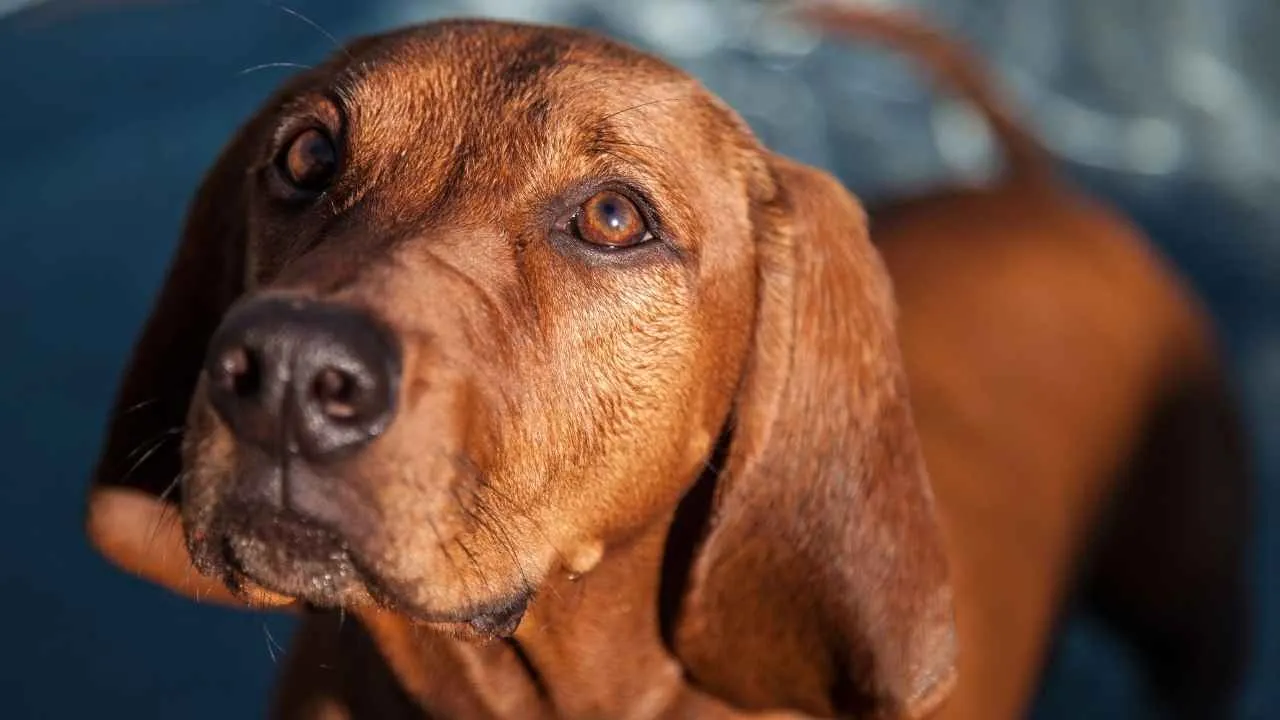
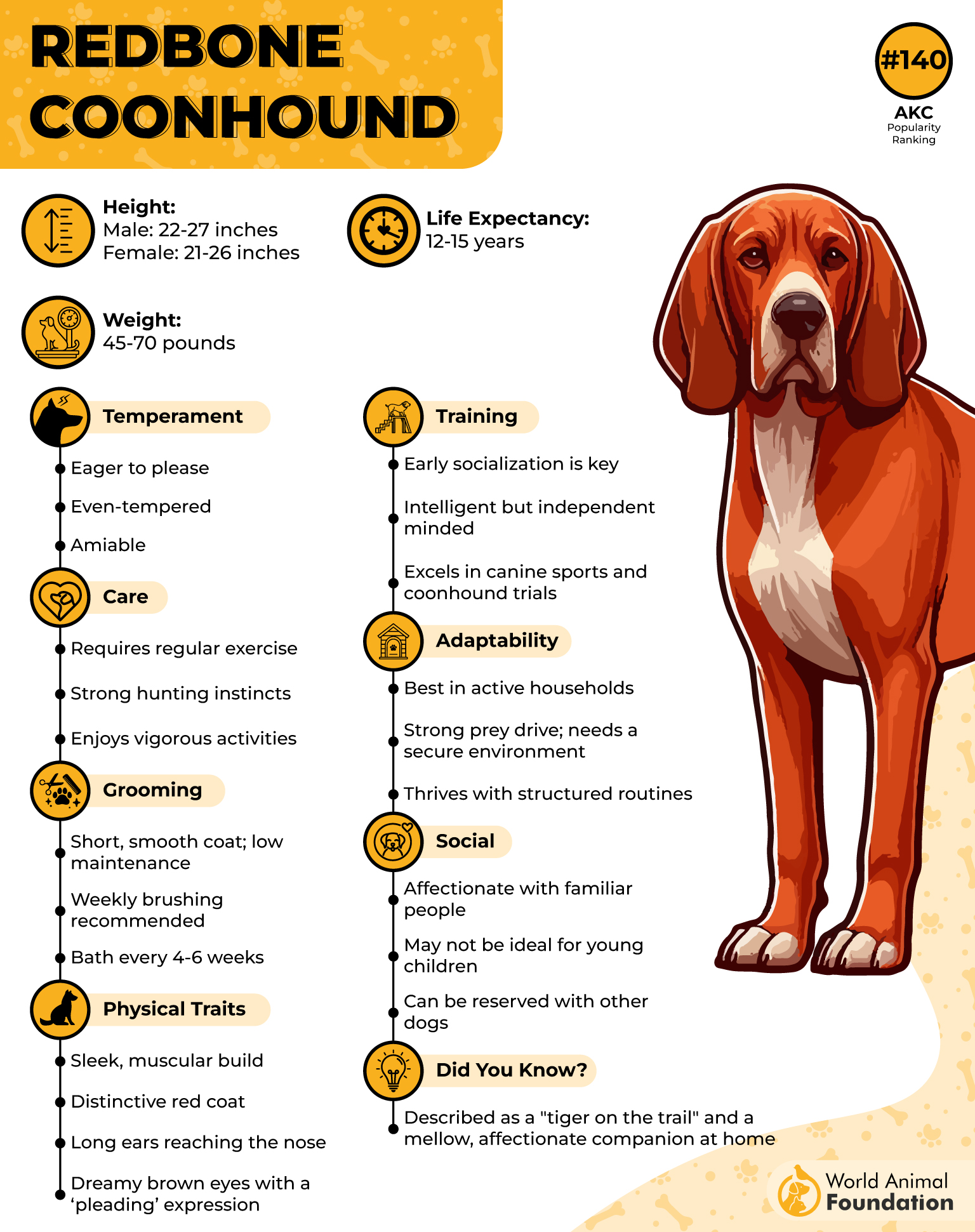
The Redbone Coonhound was originally bred by American hunters seeking a dog capable of working through dense swamps, steep hillsides, and other rough terrain. That versatility made it a reliable partner across a wide range of hunting environments where conditions could change quickly.
Deep Red and Ready
A rich red coat is one of the breed’s most recognizable features, giving it an easy-to-remember appearance long after the hunt is over. Beneath that striking look sits a dog with plenty of energy and a strong interest in outdoor activity.
A few details reveal more about its working roots:
Raccoons were the primary quarry
Emerged during the late 18th century
Excels in nose work activities
Scent Comes First
The Redbone Coonhound can quickly become absorbed in an interesting trail, which is why leashed walks and secure fencing are often recommended. This loyal family dog may also turn to barking or digging when daily activity falls short of what its active nature requires.
6. Beagle
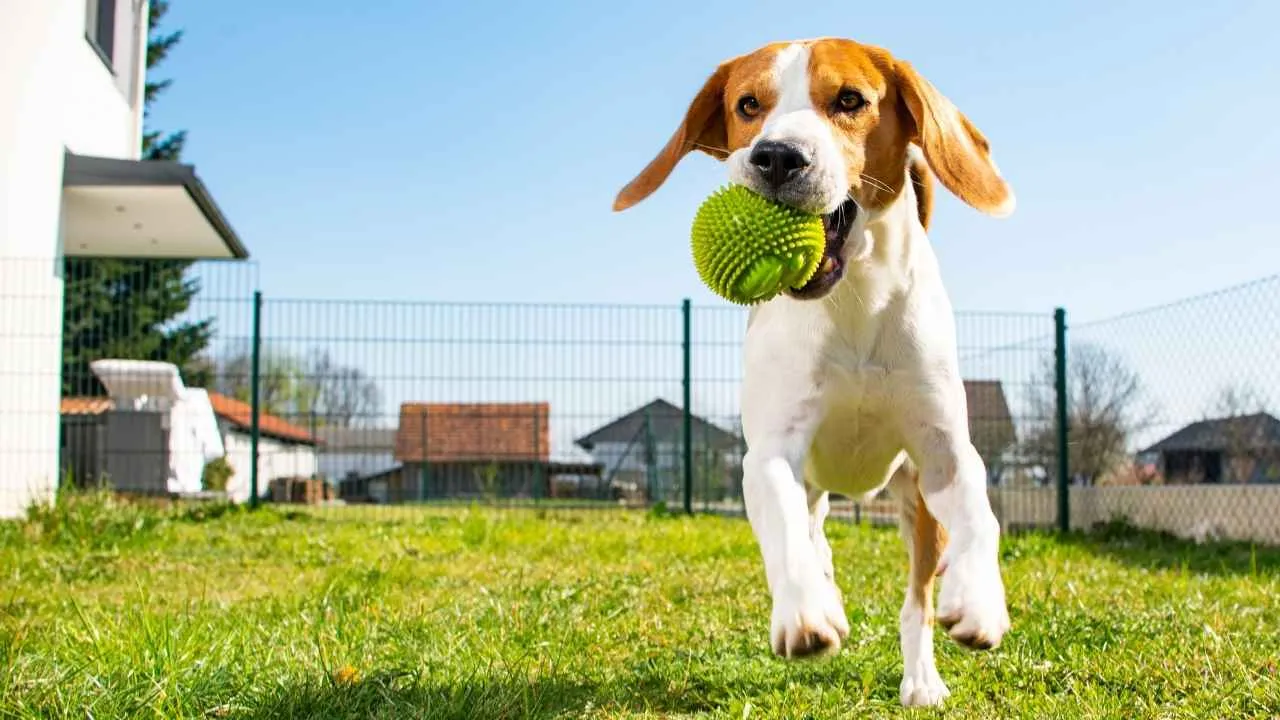
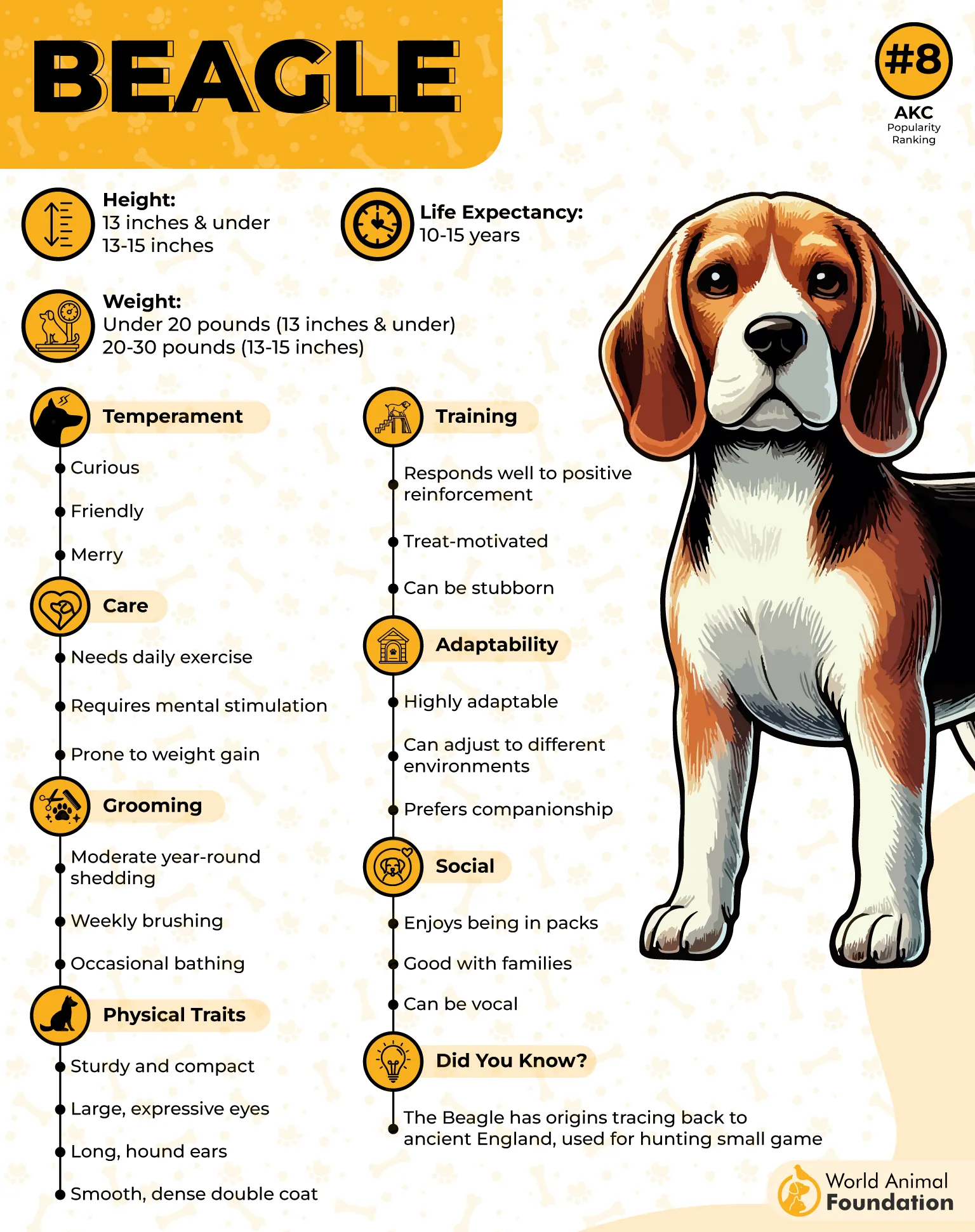
The Beagle has long been known for its scent work, with a nose capable of following an odor trail for remarkable distances. That keen nose helped make it one of the popular hunting dog breeds for tracking hare, rabbit, and fox across the English countryside.
Pack Tradition
For generations, these dogs worked in organized packs while hunters followed on horseback through open terrain and woodland routes. Their strong connection to group living still influences how they interact with people and canine companions today.
These facts tell you more:
Mock hunts still use Beagle packs
Fox hunting ended in the UK in 2005
Modern breed standards were formed by the late 1800s
Company Matters
Beagles enjoy close contact with family members and generally get along well with children, strangers, and other dogs. Extended periods alone can lead to unwanted behavior, while a fresh scent may trigger the distinctive baying sound for which this breed is widely recognized.
7. Irish Setter
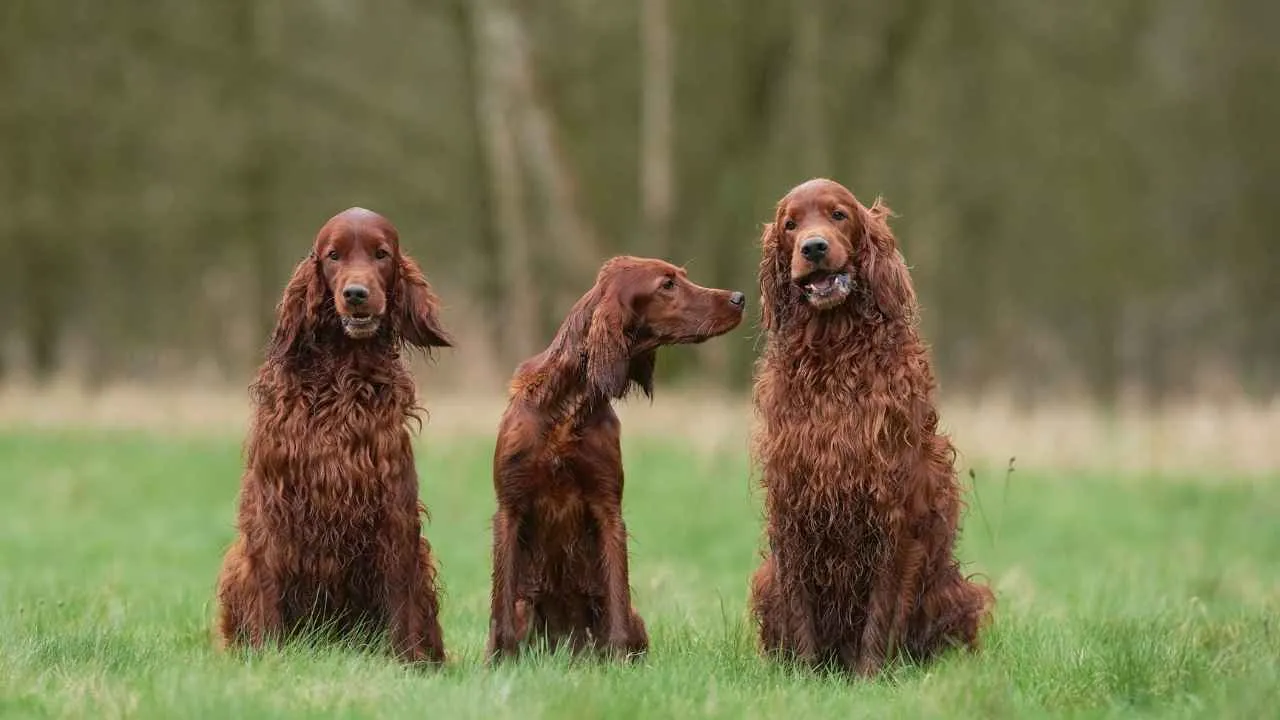
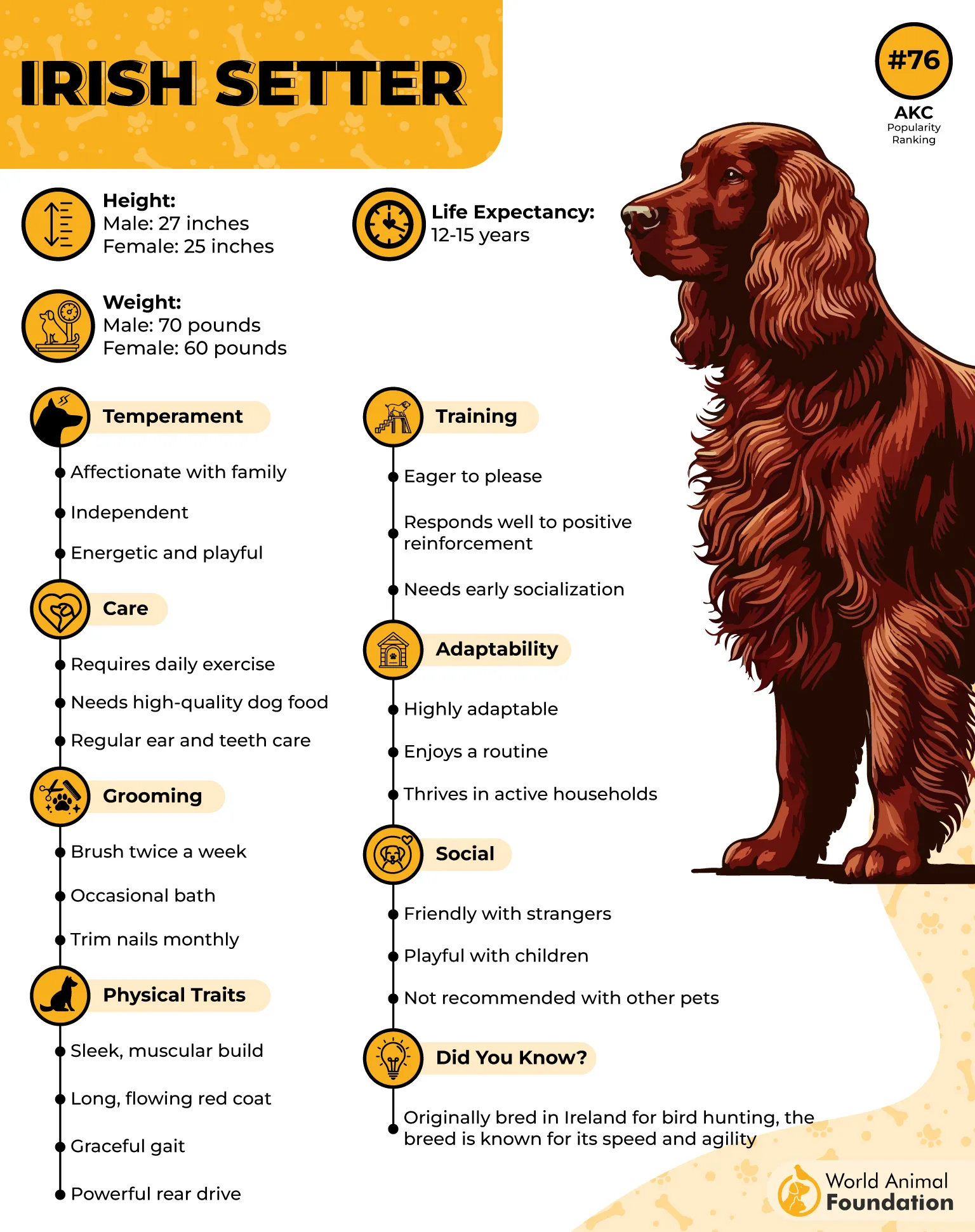
The Irish Setter excels at locating upland game through scent, then dropping into the classic “set” position that gave this type of hunting dog its name. Combined with impressive stamina, that ability allows it to work through dense cover for long periods without losing focus on the task ahead.
Always Looking Ahead
A keen nose and natural tracking ability allow this bird dog to work through challenging cover while searching for birds. Long days in the field suit a dog that was bred to keep going when lesser companions might tire.
Several details add to that working profile:
Usually barks only when necessary
Often succeeds in rally and agility events
Can work as a therapy dog
Energy With a Purpose
The Irish Setter brings plenty of enthusiasm to everyday life and benefits from activities that channel that energy constructively. Hiking, swimming, jogging, agility, lure coursing, dock diving, and a good game of fetch all provide great outlets that match its athletic nature.
8. American Foxhound
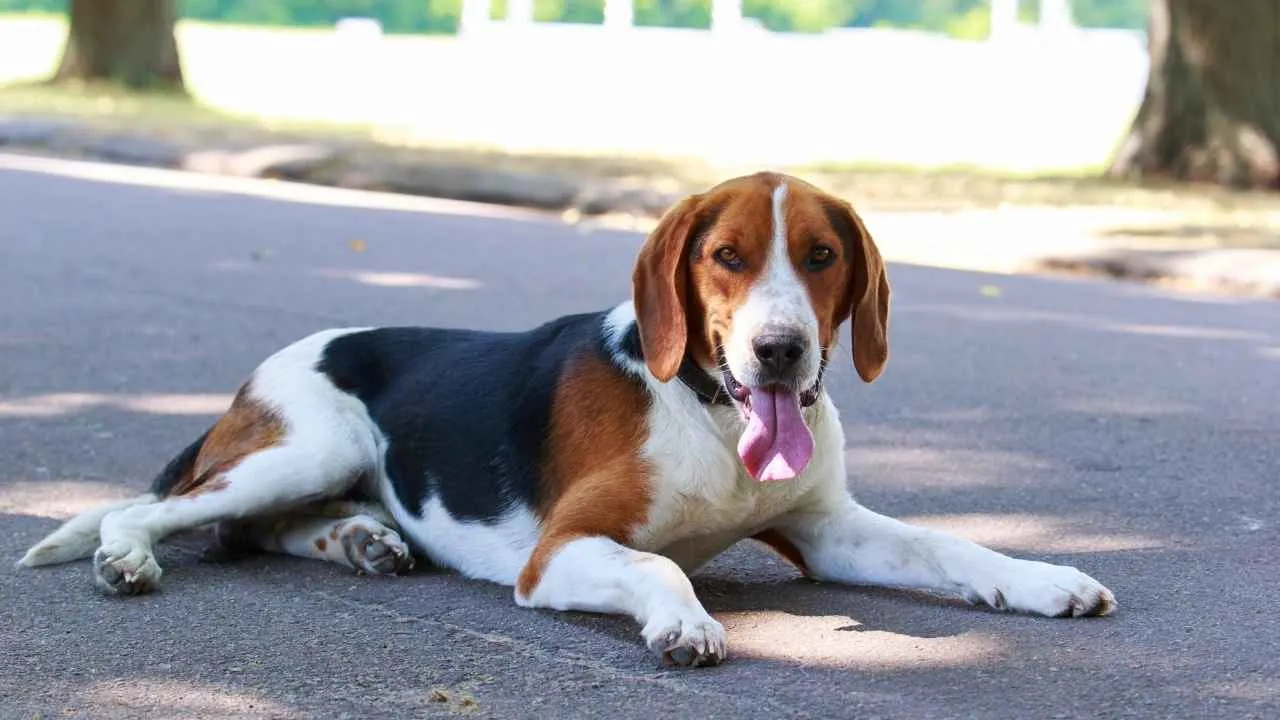
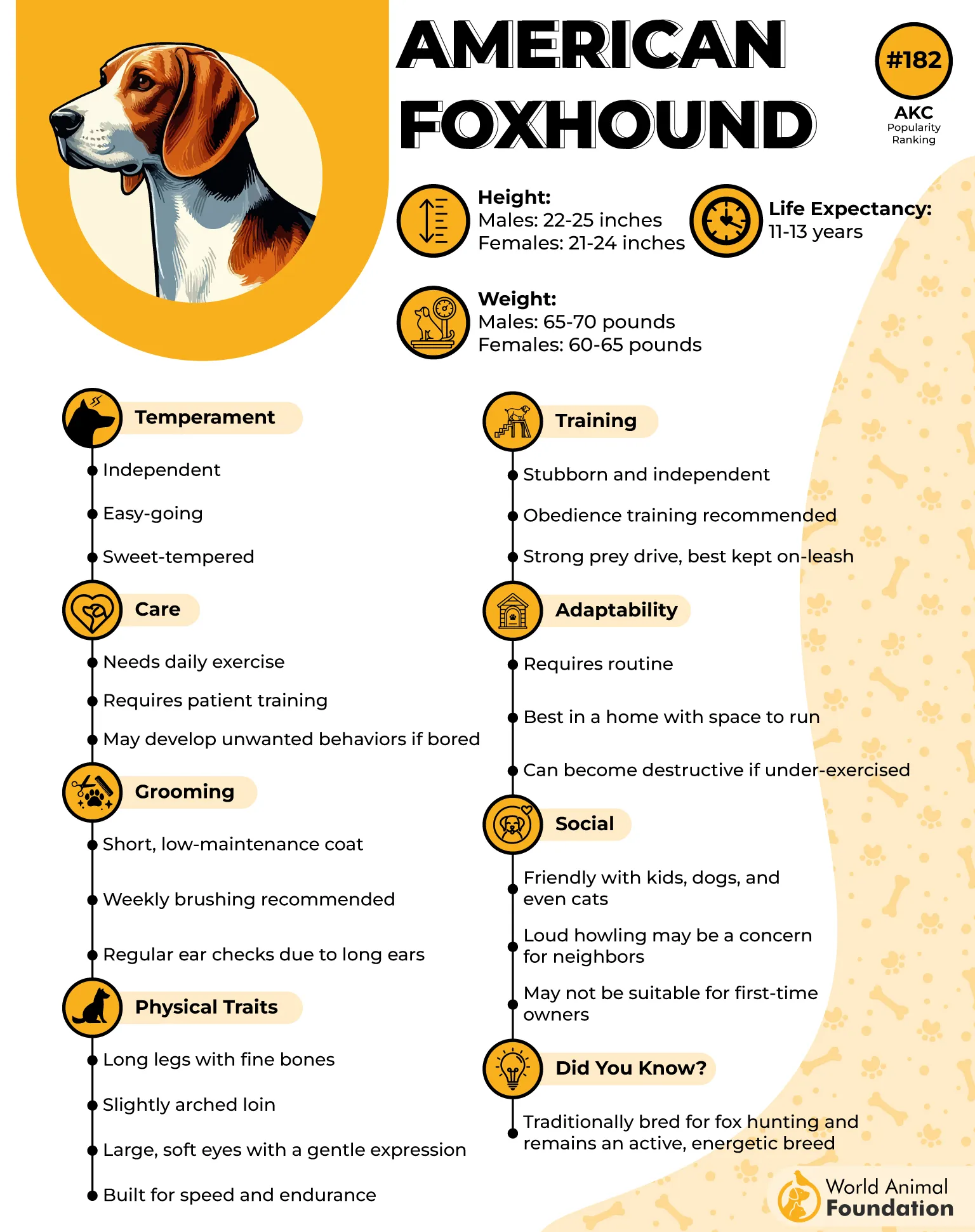
The American Foxhound arrived in America during the 1650s and later became closely associated with organized fox hunts that gained popularity in the 1700s. Selective breeding with Irish Foxhounds and American Coonhounds contributed to the leaner, faster dog recognized today.
Scent Comes First
They rely heavily on their nose and can pursue a scent trail for remarkable distances without losing focus. In woodland environments, that persistence helps this hunting companion work through thick cover where visibility is often limited.
Its history also includes:
Introduced to America by the English
Often hunted in large packs
Leaner than the English Foxhound
Easygoing Companion
The American Foxhound generally fits well into family life and is often described as gentle with children, other dogs, and household pets. New people may receive a reserved greeting at first, while long periods without human or canine company can be difficult for this social breed.
9. Bloodhound
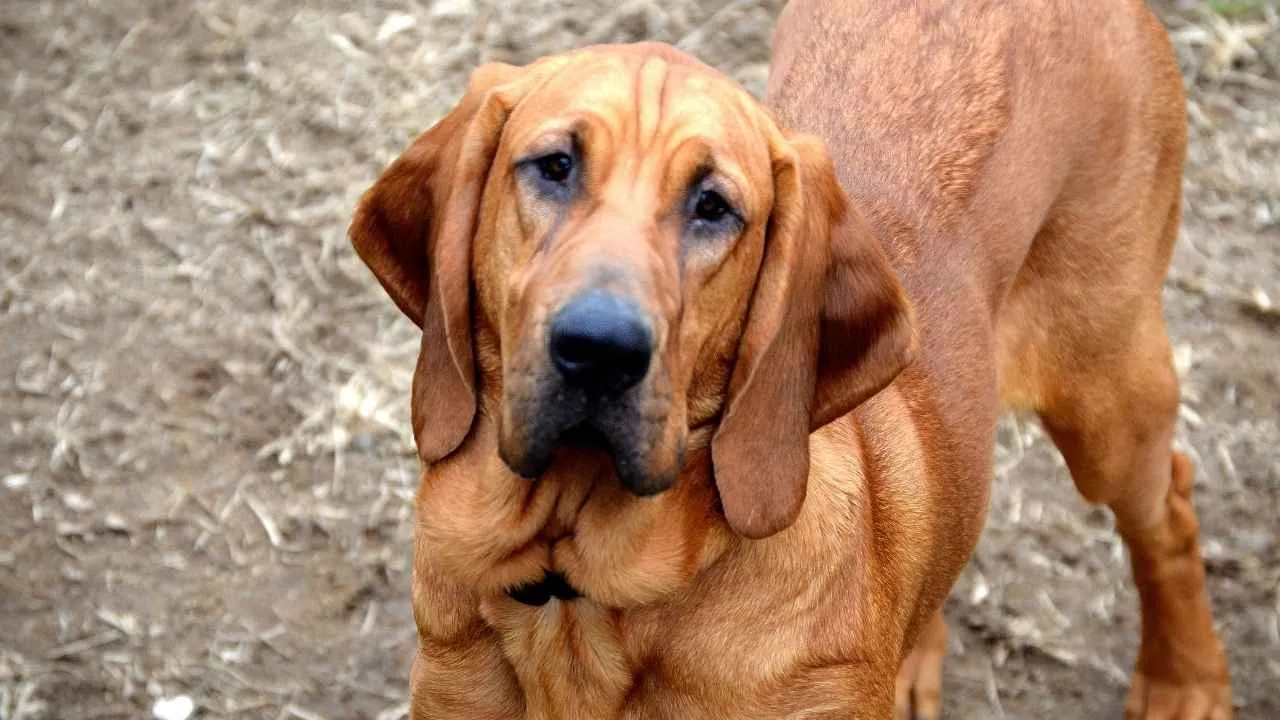
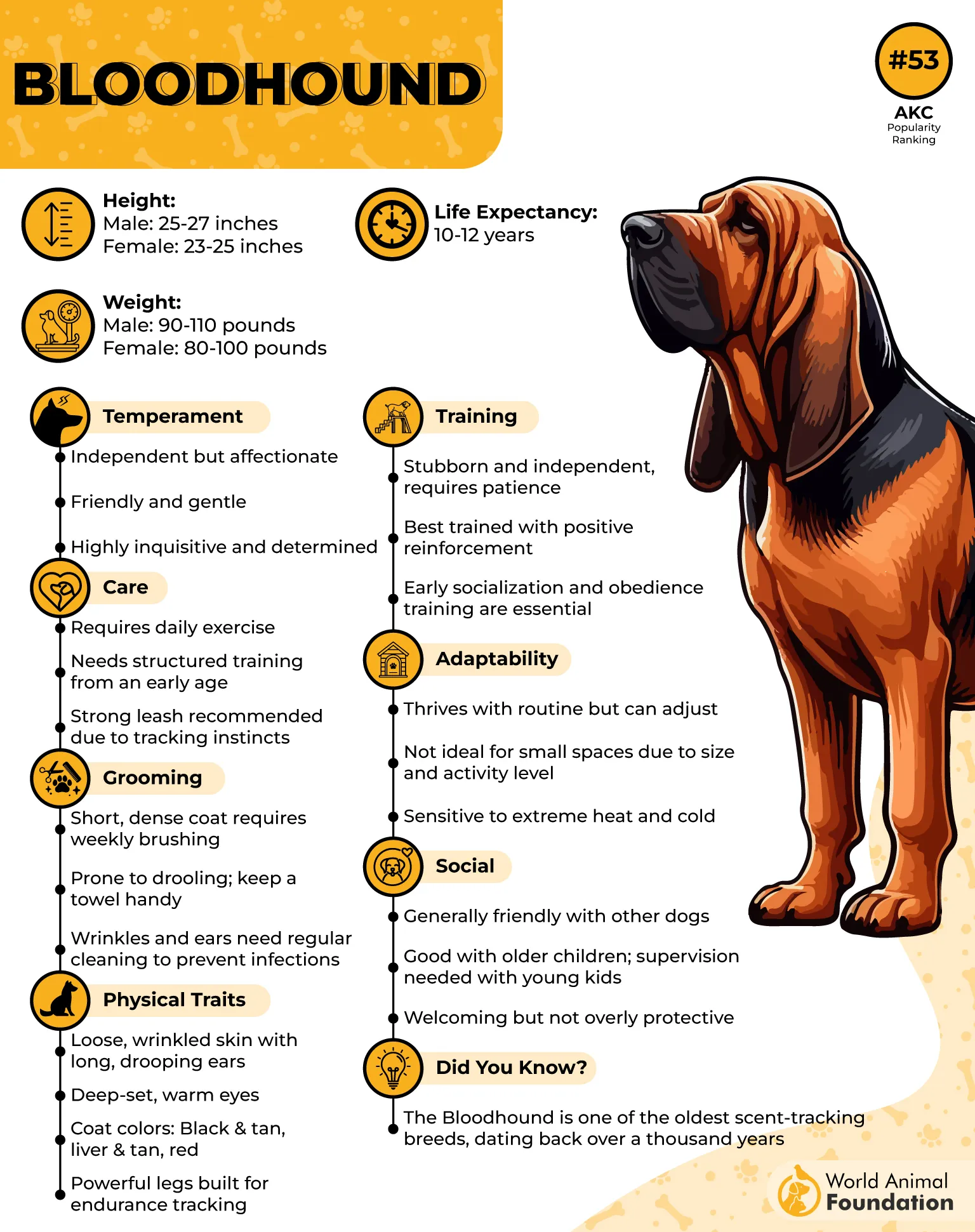
The Bloodhound built its reputation on a scenting ability that few breeds can match, capable of following odors that are several days old across remarkable distances. References to similar hounds reach back to around 1000 AD and connect them with monks at Saint-Hubert in Belgium.
Nose Before Everything
Once a Bloodhound locks onto a scent, that objective quickly becomes its entire focus, which explains its long association with tracking and hunting work. This determination can be especially valuable when navigating thick cover where visibility is limited.
There is more to know:
Scent trails can be days old
Recall often proves difficult
Lead training should begin early
Driven by Instinct
The Bloodhound rarely abandons a trail after finding one and may pull strongly while trying to follow an interesting scent. That powerful tracking drive often overrides distractions, making controlled leash manners an important skill from an early age.
Conclusion
Dense woodland hunting asks far more from a dog than most people realize. Thick cover, shifting scent trails, and limited visibility reward determination, patience, and hunting instincts refined through generations of purposeful work. A good hunting dog succeeds because it combines endurance with the ability to stay focused when conditions become difficult.
Some rely on extraordinary noses, while others balance scent, sight, and awareness to navigate challenging terrain. Their value is measured by consistent performance, whether locating downed birds, helping flush birds, or adapting skills used in waterfowl hunting. Many also prove to be a great family dog beyond the field.
