




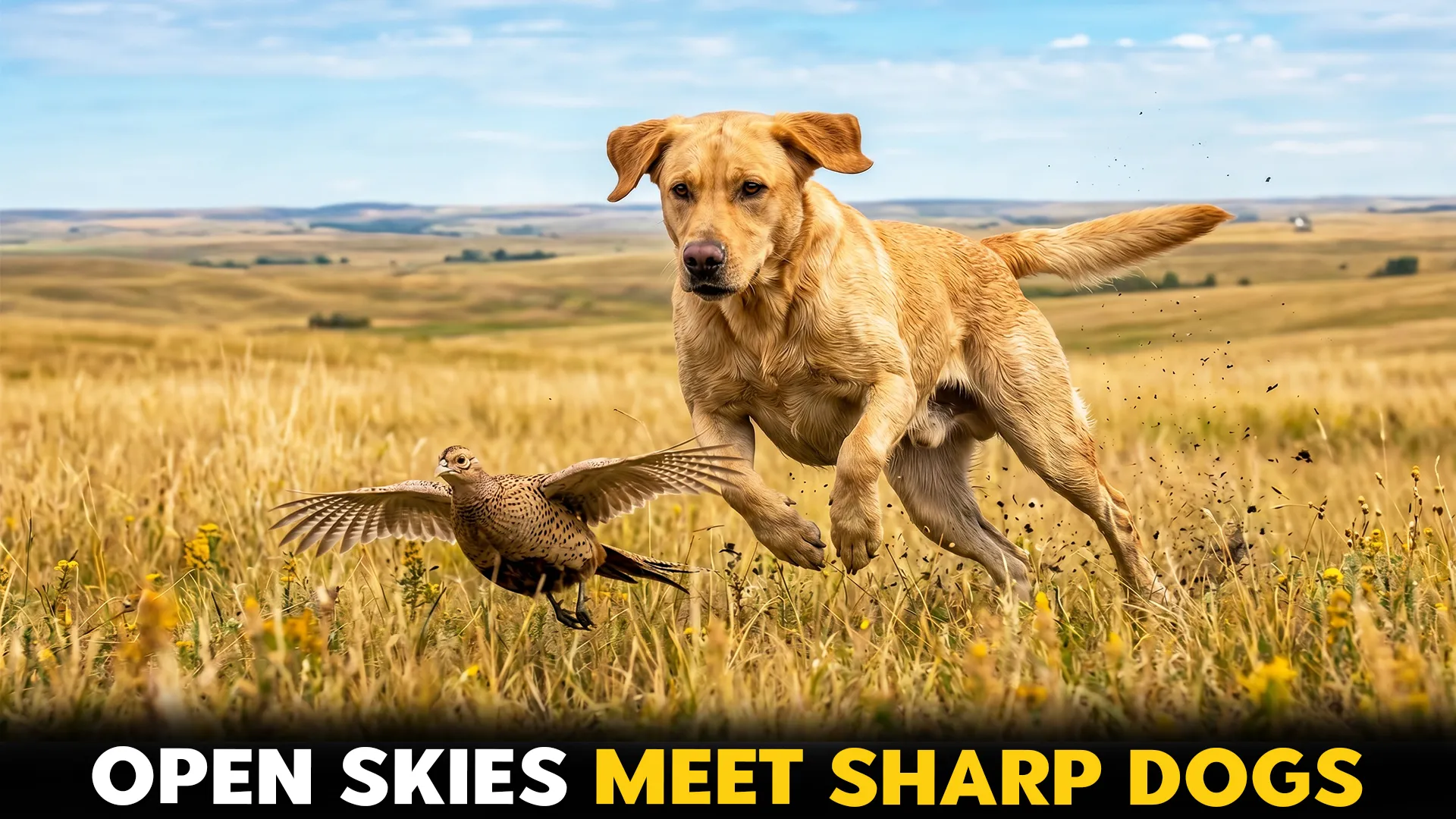
Spend enough time in open country, and a pattern begins to emerge. While many dogs enjoy exploring fields and trails, only a select group seems completely at home there.
These dogs move through the landscape with confidence, reacting naturally to scents, movement, and changing terrain. Their attention rarely drifts for long because they are constantly processing information around them. When birds enter the picture, those instincts become even more apparent.
What looks effortless to an observer is often the result of generations of breeding for a very specific purpose. The ability to cover large areas, maintain focus, and pursue birds effectively has been carefully preserved in certain breeds over time. That history continues to influence how they perform today.
If you have ever wondered which dogs are best suited for this kind of environment, the breeds ahead offer a fascinating look at canine talent shaped by wide spaces and winged quarry.
Key Takeaways
Long stretches of open land reveal which dogs are truly built for movement, scent, and constant awareness.
French Bulldogs lounge easily beside their humans, making even the busiest city weekend feel relaxed and stress-free.
Cavalier King Charles Spaniels and Shih Tzus follow your pace effortlessly, blending loyalty with curiosity so every stop becomes a shared adventure.
By the time you meet all seven breeds, you’ll see which dogs can turn a simple weekend getaway into an unforgettable experience.
Top Dog Breeds Tailored for Chasing Birds in Wide Open Spaces
1. English Setter
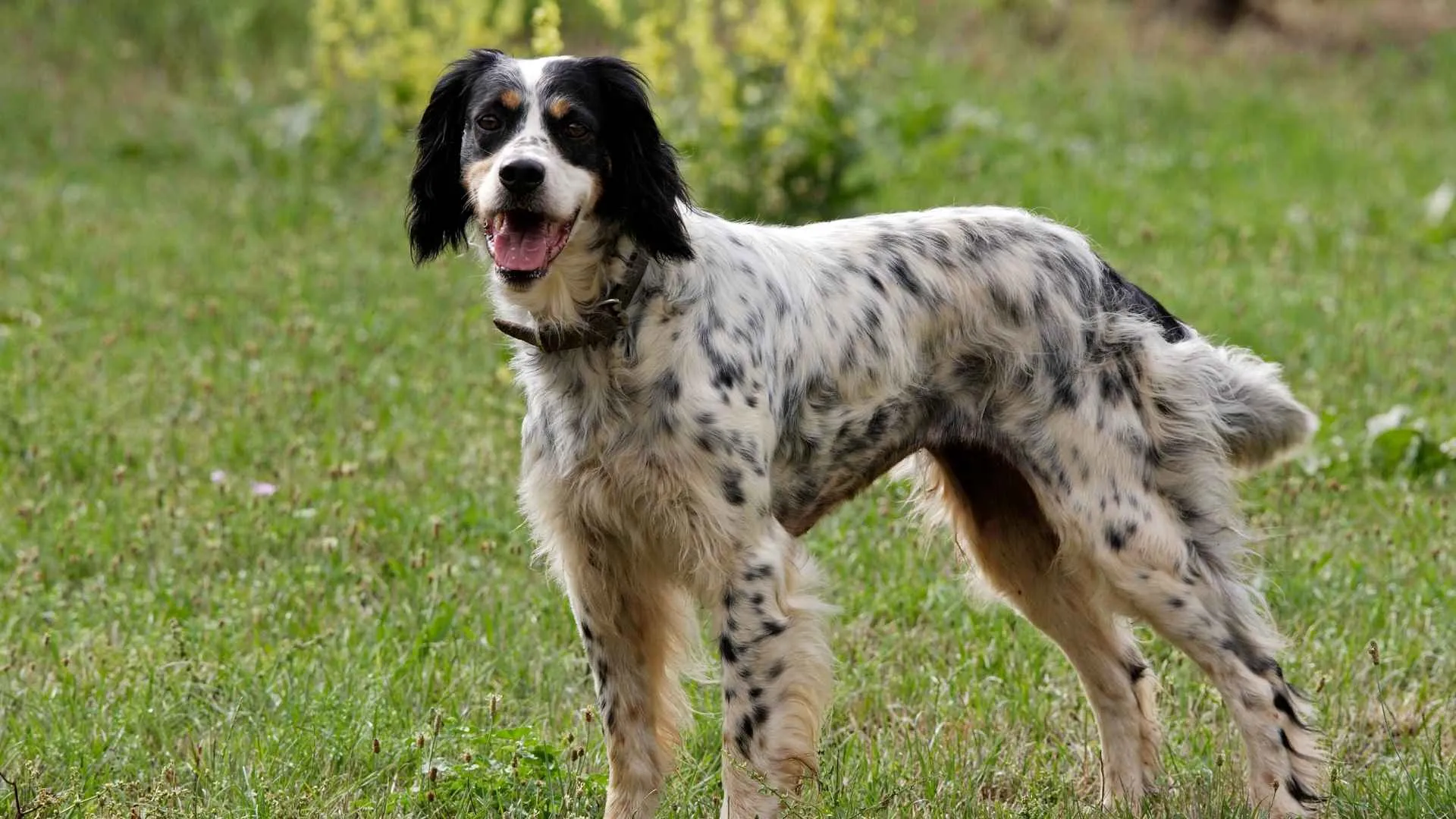
English Setters move with a calm elegance that hides a strong drive for tracking and locating birds across open ground.
The breed’s low crouching posture during pursuit reflects its original hunting method, known as “setting.” Its long, feathered coat adds a refined appearance shaped through generations of field work in England.
Field Skills and Drive
This bird dog breed works with steady focus in wide outdoor spaces where scent and movement guide its direction. The breed responds well to structured activity that involves covering distance and engaging instincts.
A closer look at its working strengths:
Strong scent-tracking instinct
Comfortable in open terrain
Responds well to active routines
Temperament in Daily Life
The English Setter shifts into a softer, more relaxed state indoors while remaining closely connected to people around it. Its friendly nature makes it comfortable in family environments where interaction is frequent. Gentle behavior often blends with curiosity during outdoor exposure.
2. German Shorthaired Pointer
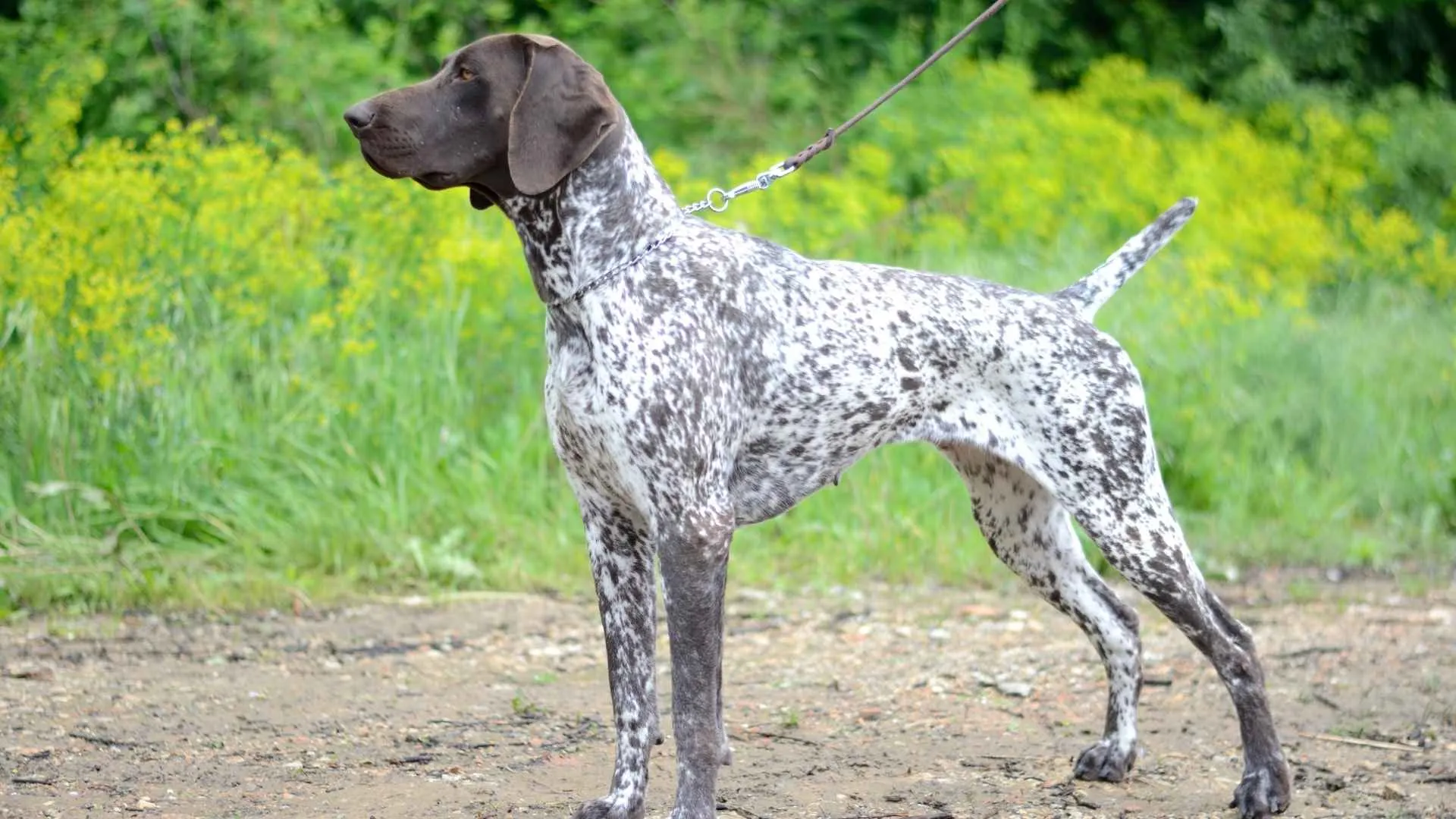
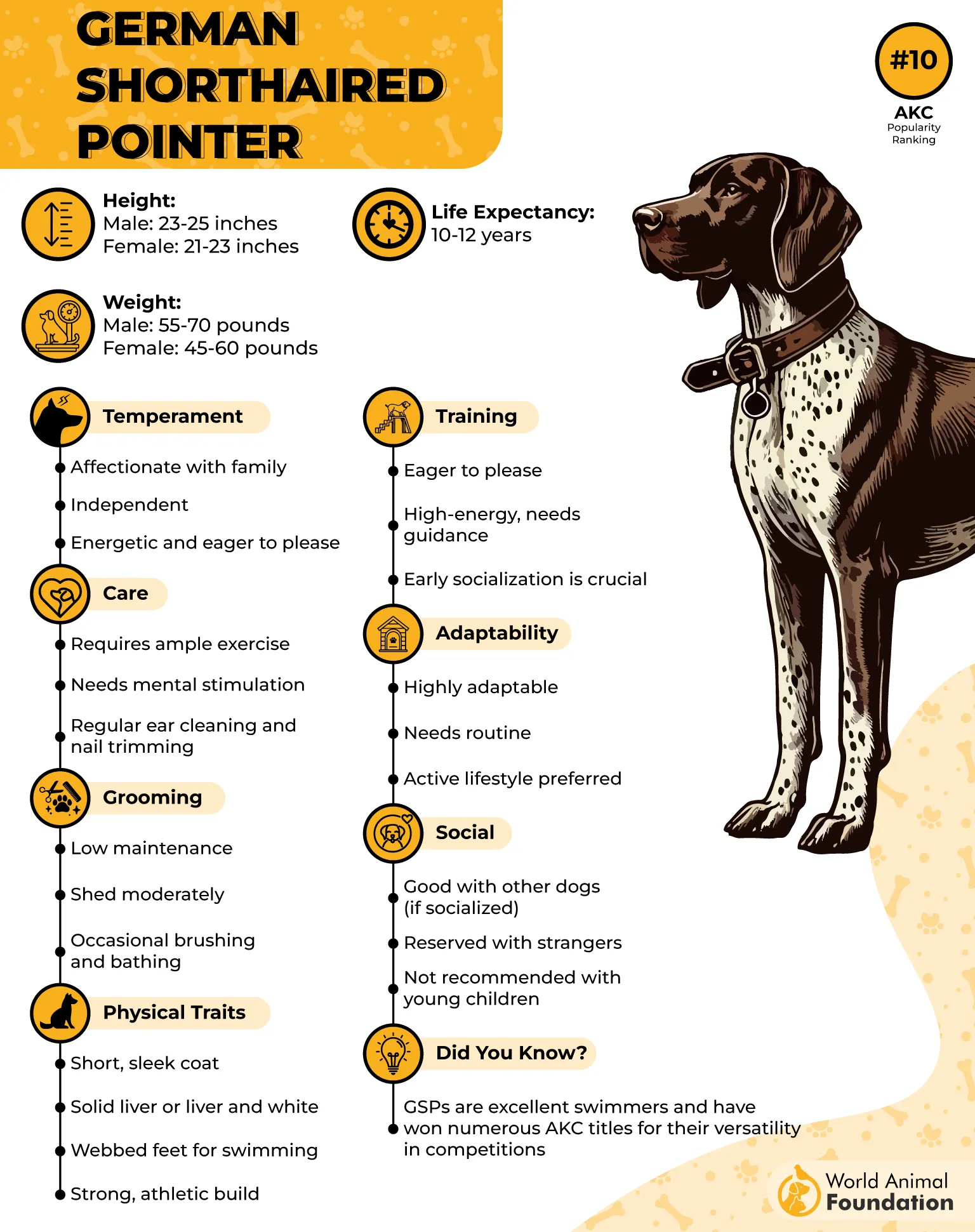
The German Shorthaired Pointer is recognized for its sharp athletic build that blends speed, agility, and stamina in a single frame. Its movement reflects a natural drive suited for covering wide ground with purpose. The breed’s reputation in bird work comes from its precise way of locking onto scent.
Field Performance and Drive
Its role in bird work centers on locating and signaling game birds by freezing in a focused pointing stance until guided further, as PetMD described. High energy levels make it suited for long hours of activity across open terrain.
A few defining field behaviors include:
Strong scent detection focus
Controlled pointing stance
High endurance over distance
Energy in Daily Life
The GSP brings that same field intensity into everyday routines, often seeking constant movement and engagement. Without structured activity, its energy builds quickly, needing outlets that match its pace. Interactive tasks help channel its alert and responsive nature.
3. English Pointer
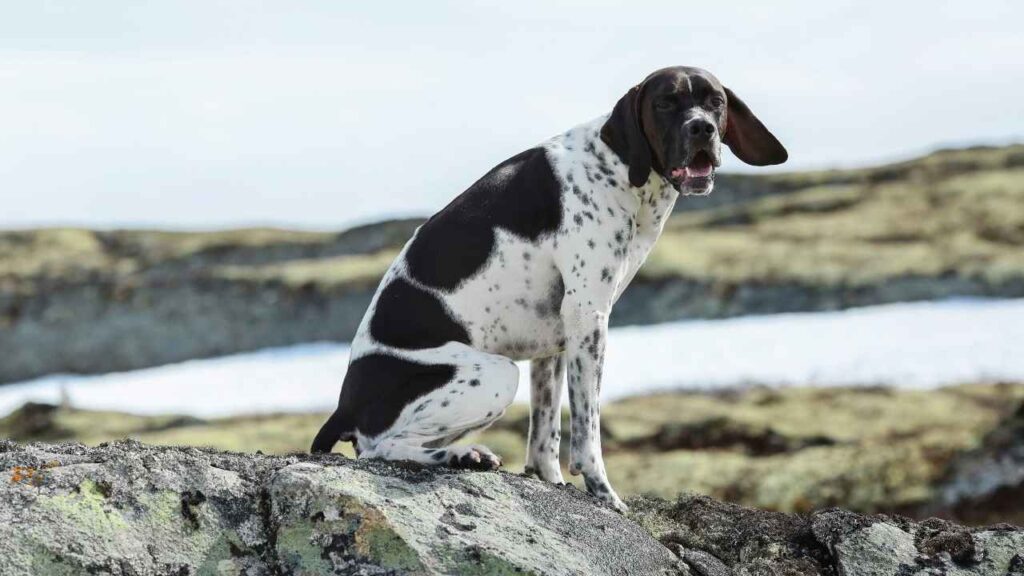
The English Pointer draws attention for its sharp focus and wide-ranging stamina, built for long hours across open ground. Its hunting role centers on locating game and freezing into a precise stance that directs attention forward. Agile movement and steady control define its working style.
Built for Field Performance
This pointing dog performs best in active settings where running and direction-based work shape its routine. It relies on consistent physical engagement to stay balanced and mentally tuned.
These field-driven traits highlight its working nature:
Strong endurance over long distances
Quick reaction to scent detection
Natural coordination in open terrain
Scent and Communication Style
A Pointer uses a distinctive pause-and-point behavior when it locks onto hidden game, communicating location through stillness instead of pursuit.
This controlled response separates it from other hunting companions. Around familiar people, it stays sociable and steady, especially during shared activity.
4. English Springer Spaniel
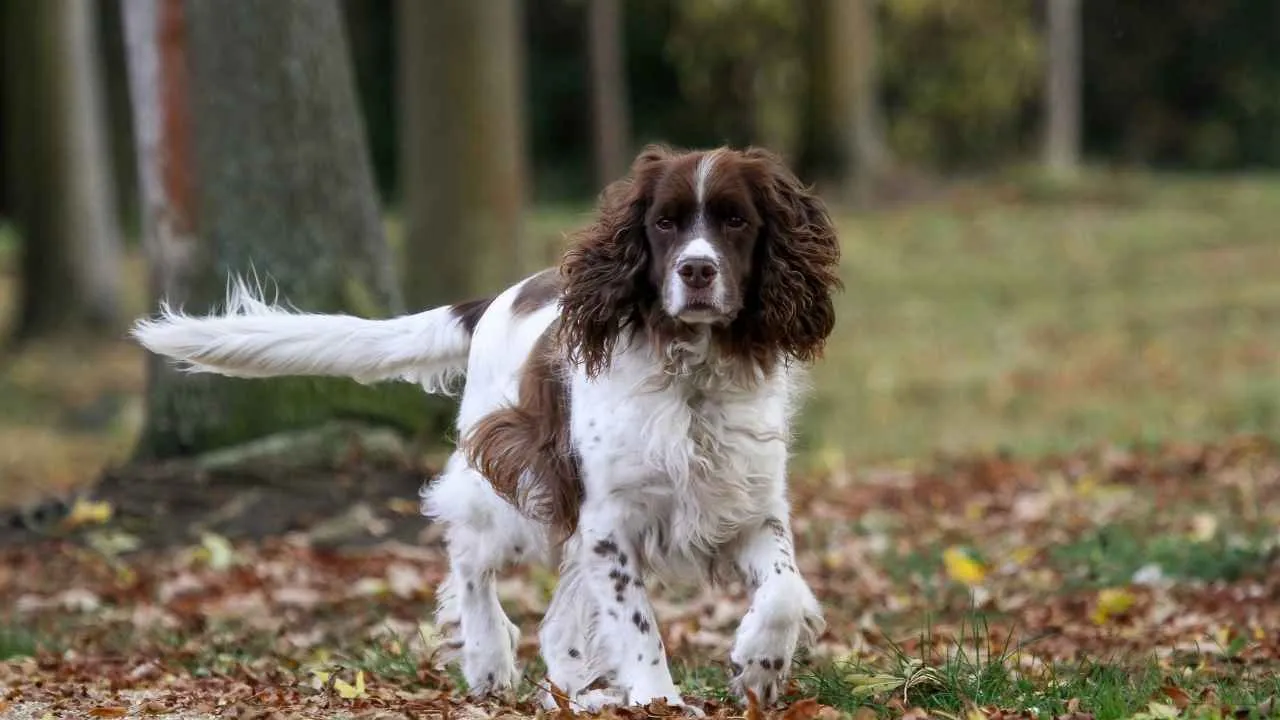
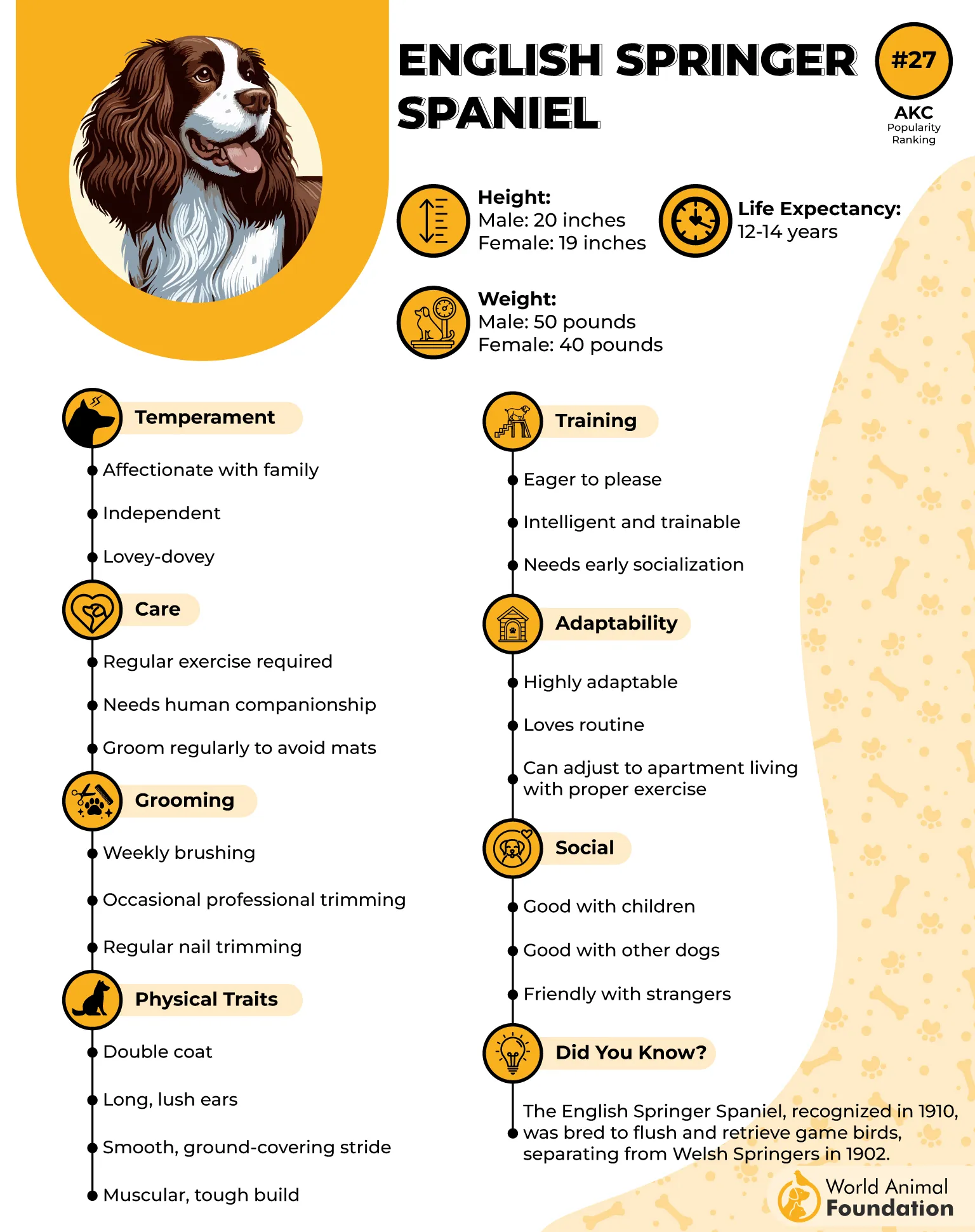
The English Springer Spaniel has a natural knack for flushing birds into the air, the very behavior that shaped its name “springer,” first noted in 1902.
Its wavy coat and soft ears match a lively, alert expression built for movement. Centuries of spaniel-type lineage shaped its working drive across field environments.
Energetic Field Partner
This gun dog responds strongly to activity that keeps both body and mind engaged, especially in open spaces suited for tracking and movement. A structured routine with training and outdoor access helps channel its quick reactions.
The following characteristics support their field performance:
Quick reaction to movement
Strong motivation for tasks
Comfortable in wide terrain
Social Working Style
The English Springer Spaniel interacts with people in an eager, cooperative manner, often staying close during shared activities, as Purina stated.
Its cheerful temperament and readiness to respond make it easy to include in active routines. Communication through barking often signals excitement or readiness for engagement.
5. Labrador Retriever
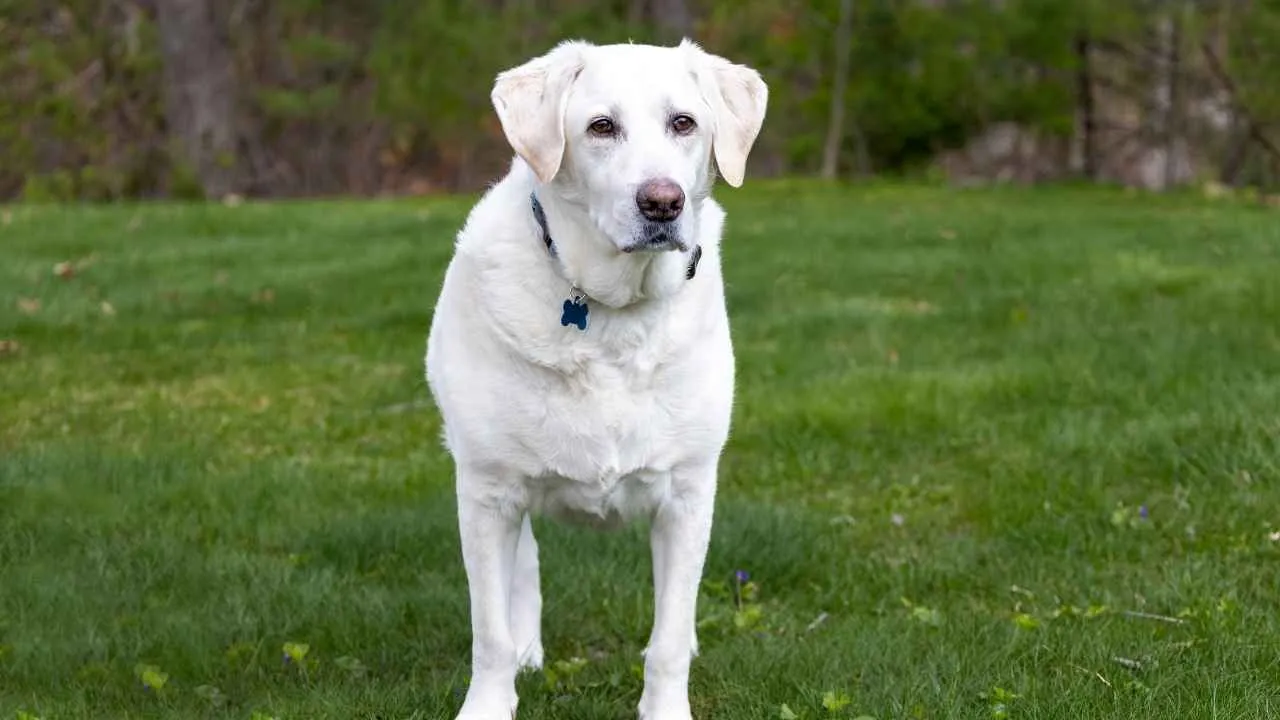
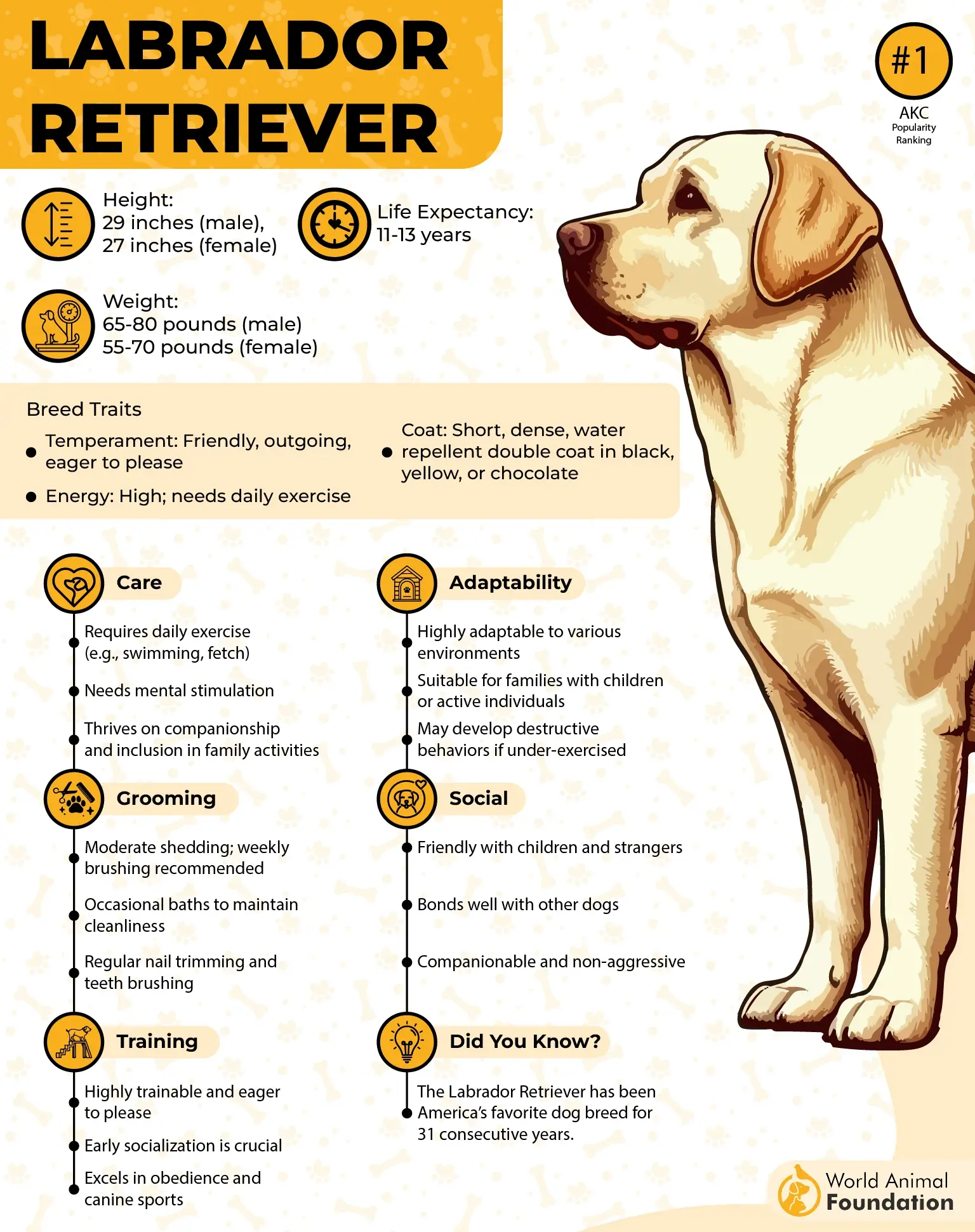
The Labrador Retriever is deeply tied to retrieving work, a habit formed while supporting hunters and fishermen in active, real-life tasks.
Its natural ease in water and land makes it comfortable across varied outdoor settings. A friendly and adaptable nature keeps it closely connected with people and activity.
Field Skills and Drive
This popular dog breed is better suited to open ground where steady movement and attention work together in active outdoor settings. Its energy responds well to structured activity and consistent engagement.
A few core behaviors shape its working rhythm:
Strong swimming ability
High food motivation
Quick response to cues
Energy and Outdoor Adaptability
Labrador Retrievers benefit from regular, sustained activity such as running, tracking, or water-based exercise. Its habits include exploring and engaging with surroundings, which suits open landscapes. Consistent movement keeps its focus aligned with structured outdoor work.
6. Gordon Setter
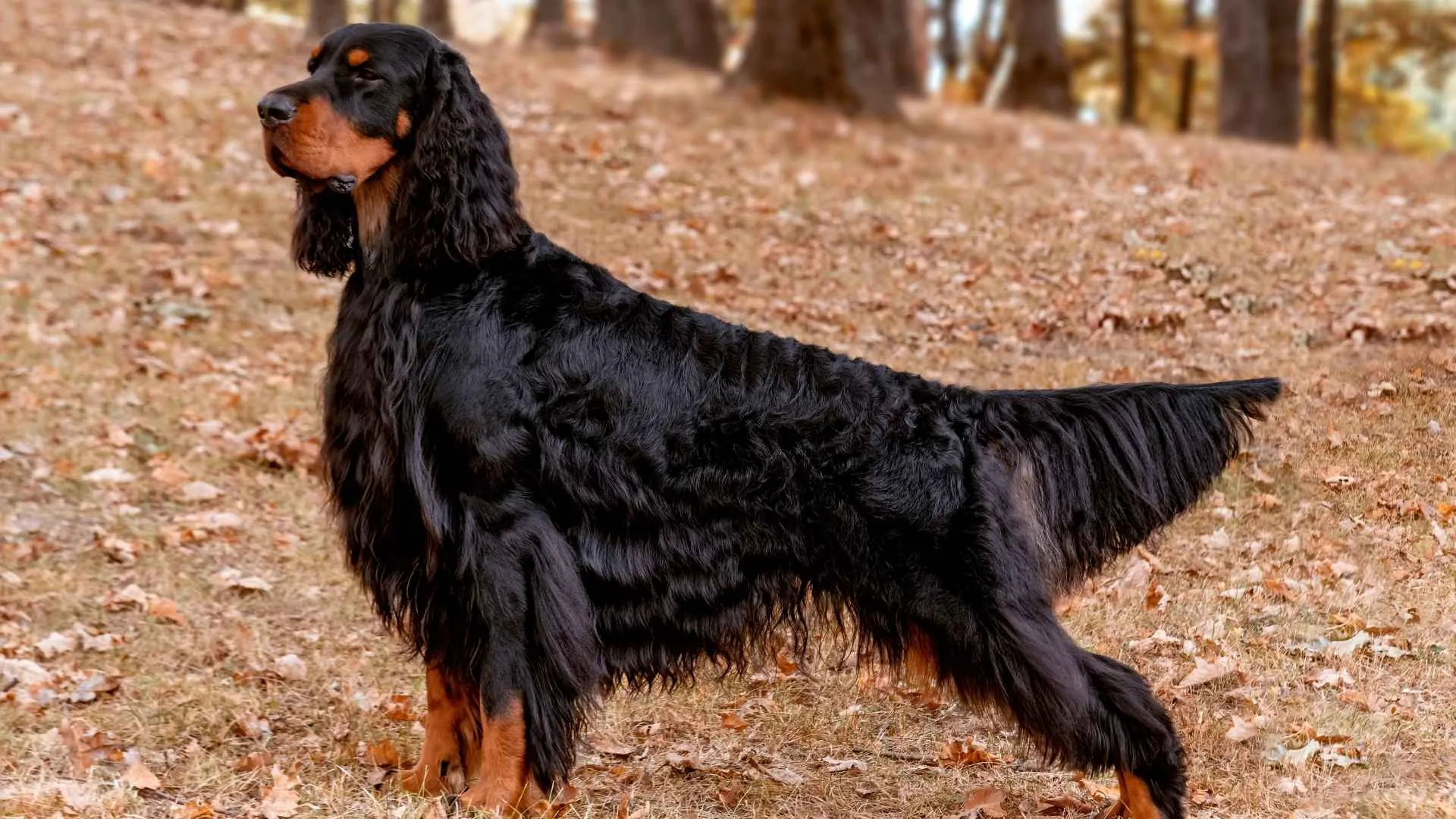
The Gordon Setter entered the sporting world through 1820s Scotland, where Duke Alexander Gordon favored these dogs for pursuing pheasants and quails across open ground. That heritage remains closely tied to the breed’s identity. Even today, its enthusiasm for covering territory is hard to miss.
Built for the Field
Long stretches of open land suit Gordon Setters because they combine energy, focus, and stamina in one package. Their hunting roots continue to influence how they approach outdoor activities.
The following qualities support their hunting ability:
Strong hunting instinct
Excellent endurance
Enjoys covering distance
Energy in Motion
This versatile dog rarely feels satisfied with a quick outing and benefits from activities that provide both movement and purpose. Running, hiking, long walks, and hunting align naturally with the breed’s active mindset. Obedience, agility, and flyball also give them productive outlets.
7. Brittany
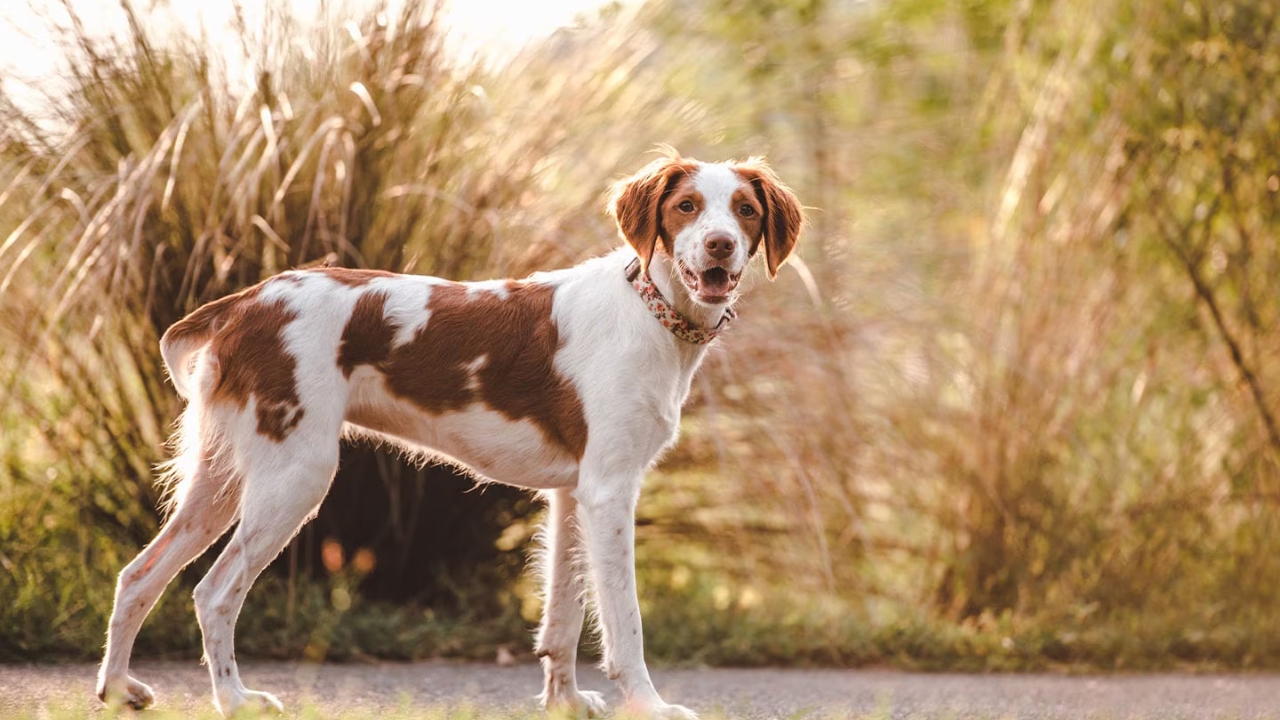
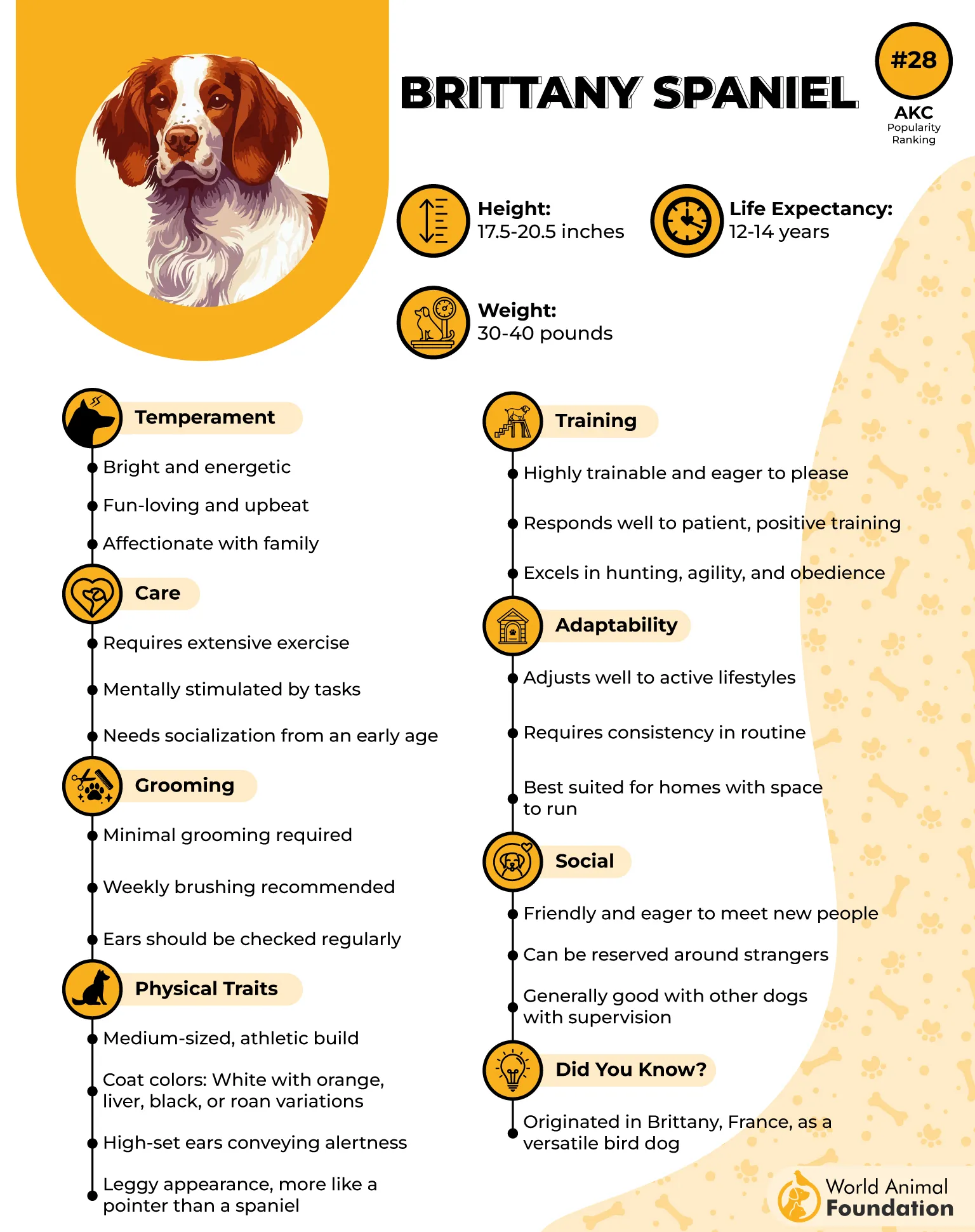
The Brittany rarely misses movement in the distance, a trait tied directly to its bird-hunting roots in France’s Brittany province. Quick reactions, athletic ability, and sharp focus made this breed a trusted field companion. That same enthusiasm still shapes its personality today.
Field-Ready Energy
Wide-open terrain suits a Brittany because it was bred to cover ground while pursuing game birds. Physical activity is more than entertainment for this breed and plays a central role in daily life.
These characteristics tell the story:
Strong prey drive
Excellent stamina
Eager to work
Beyond the Hunt
This hunting dog pairs athleticism with a gentle and sociable nature, making it enjoyable company between outdoor adventures. Early introductions to people and new situations help channel its enthusiasm productively. Its sensitive temperament responds best to positive interaction.
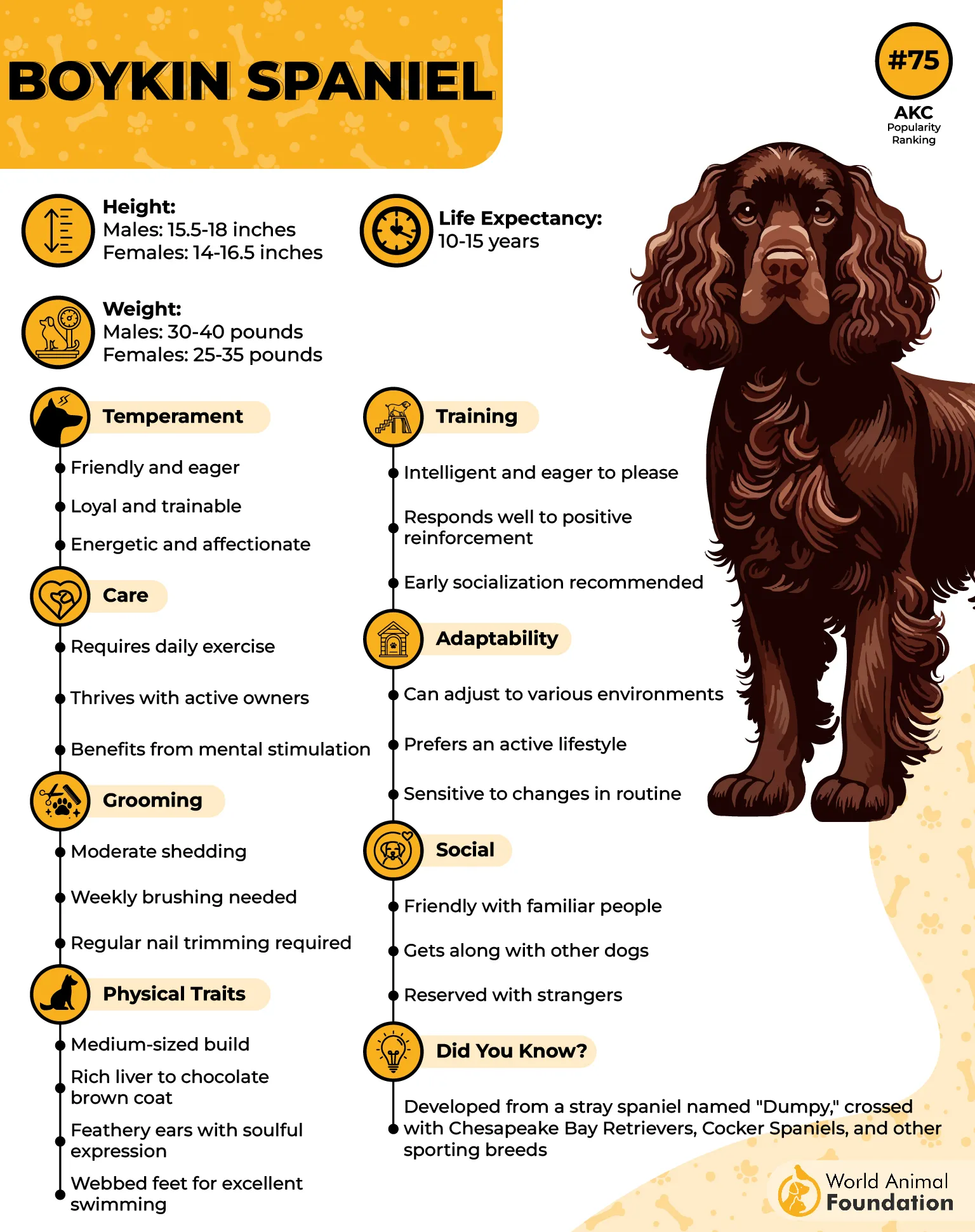
8. Boykin Spaniel
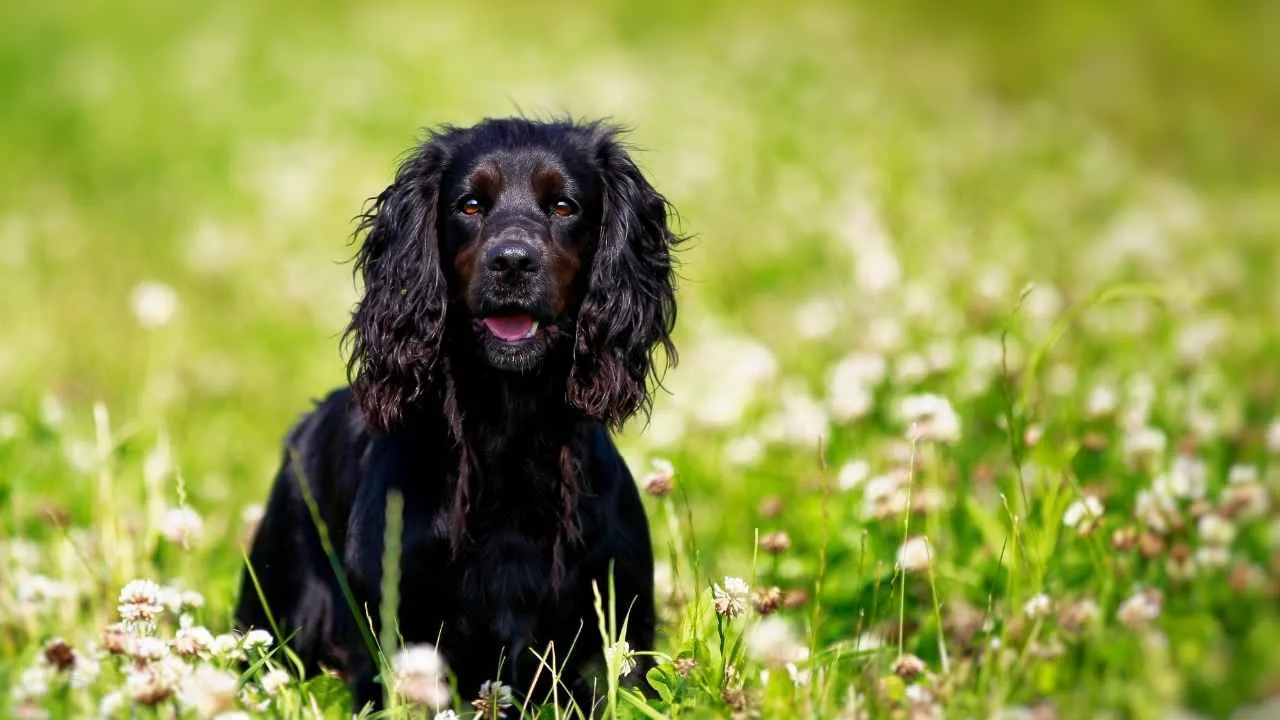
The Boykin Spaniel earned its reputation in the wetlands of South Carolina, where long days spent pursuing turkeys, ducks, and doves shaped its purpose. A friendly nature and eagerness to work helped transform a stray dog named Dumpy into the foundation of a respected sporting breed.
Built for the Pursuit
Wide-open fields and marshes demand a dog with stamina, responsiveness, and enthusiasm throughout the day. Boykins combines those qualities with a willingness to work closely alongside people.
Several traits contribute to that success:
Strong hunting stamina
Quick to learn tasks
Confident in water
Energy with Purpose
The Boykin Spaniel approaches activity with determination, making it well-suited for extended outings across varied terrain. Daily walks, hikes, and fieldwork help channel its natural drive into productive outlets. Even calmer individuals remain far more active than a typical companion dog.
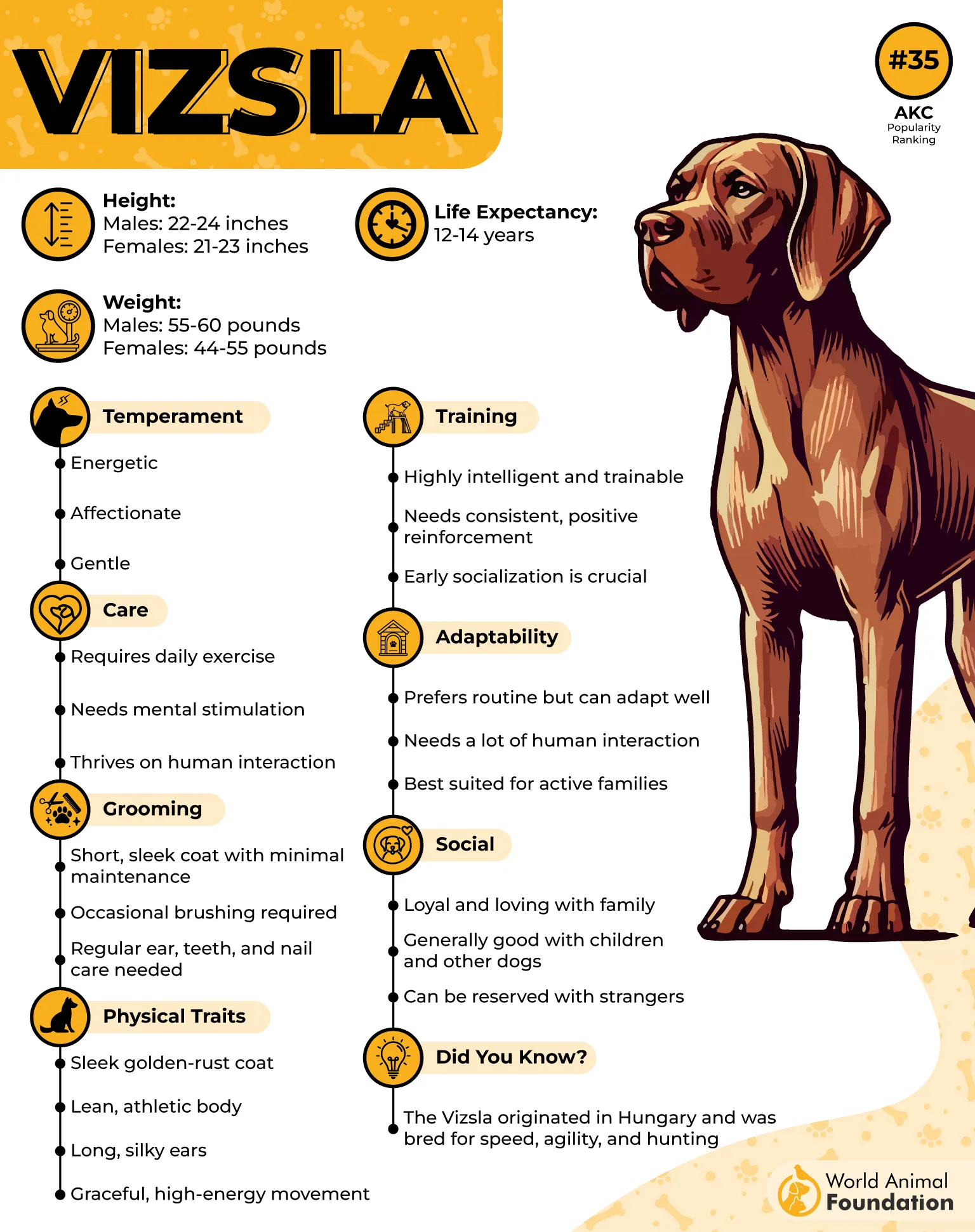
9. Vizsla
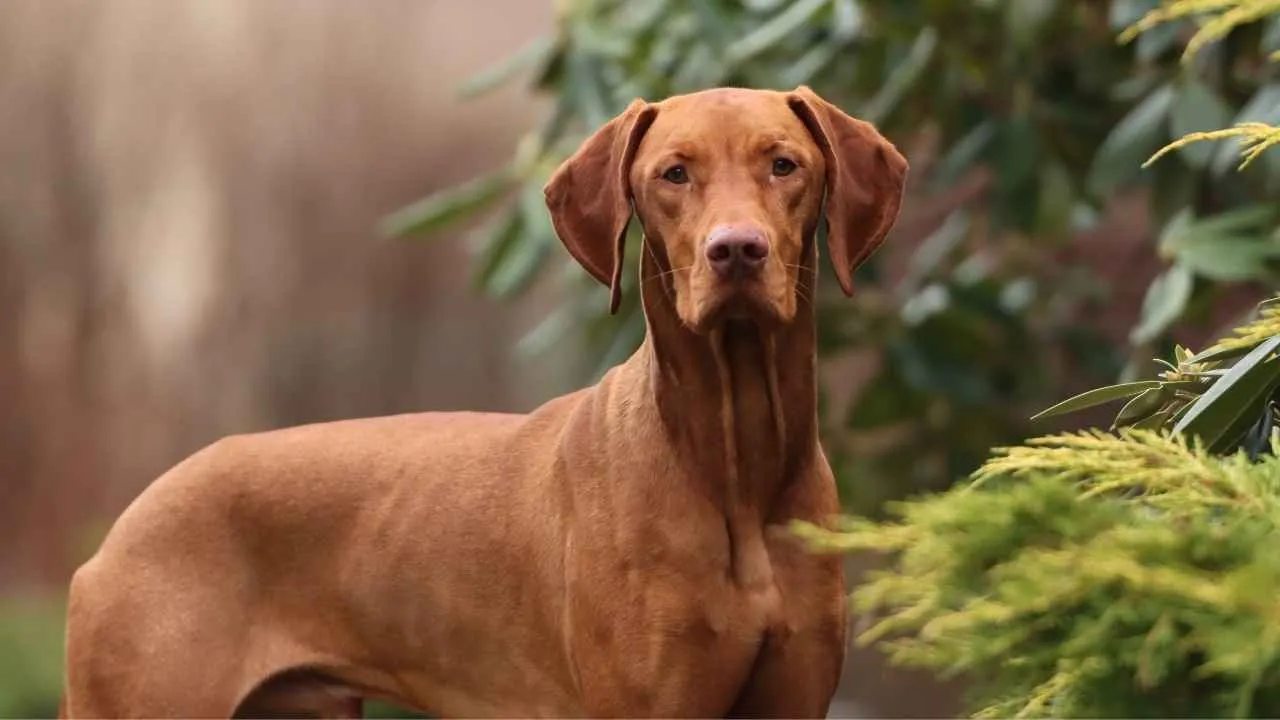
The Vizsla combines speed, stamina, and a strong desire to work alongside people, qualities that earned it recognition among Hungary’s prized hunting companions. Named after the Hungarian word for “pointer,” this athletic breed excels when covering large stretches of ground.
Made for Open Ground
Wide landscapes suit the Vizsla because it was bred to locate and pursue game with focus and efficiency. Physical challenges and mental engagement are part of what keep this pointing breed fulfilled.
A few qualities explain that natural fit:
Excellent endurance
Eager to work closely
Quick, athletic movement
Close Working Partner
The Vizsla forms strong bonds with people and enjoys being involved in family activities whenever possible. Its friendly nature often extends to children, other dogs, and even cats when socialization begins early. Ample room to roam and consistent training fit naturally into life with this breed.
10. Chesapeake Bay Retriever
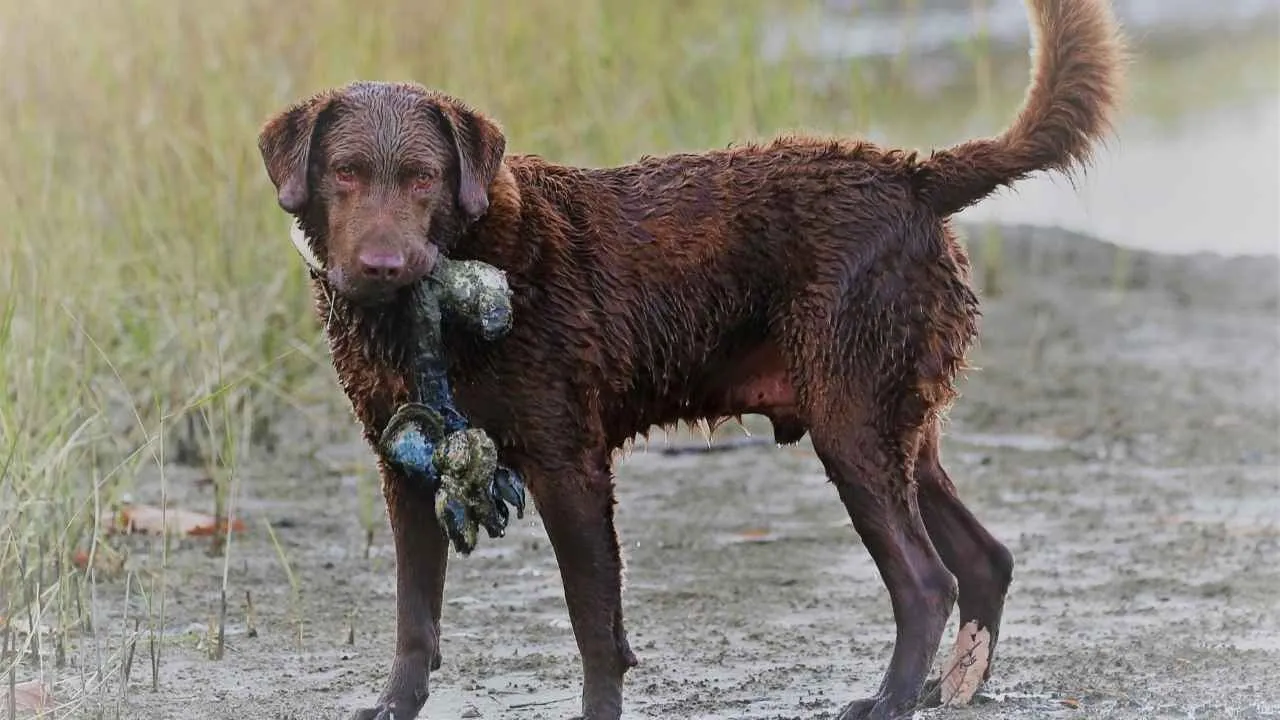
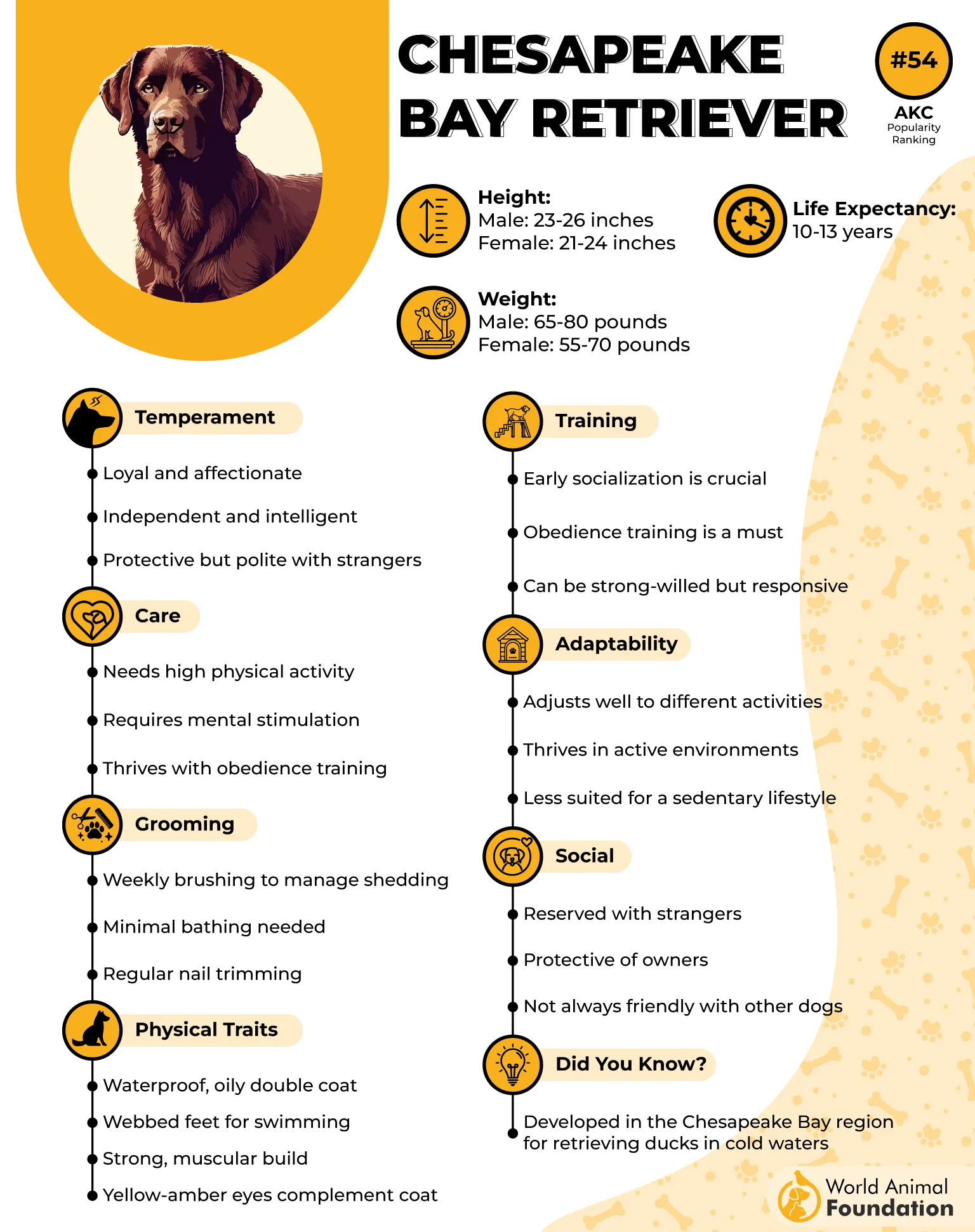
The Chesapeake Bay Retriever has a strong build and natural comfort in cold, rough waters, where waterfowl work demands stamina and focus. Its role along the Chesapeake region shaped a dog that handles long, demanding outdoor activity with steady drive, as noted by the AKC.
Driven Working Style
This best dog breed carries high energy and an independent mindset that suits long field sessions and constant movement. It responds best when kept mentally and physically engaged through structured activity.
A few working traits highlight its field suitability:
Strong endurance in cold water
Independent problem-solving mindset
High energy during long activity
Training and Engagement Needs
It responds well to consistent training that channels its intelligence into purposeful tasks like retrieving and search work.
Without regular engagement, energy levels can turn into restlessness indoors. Activities like swimming, running, and field retrieval keep its focus aligned with its working instincts.
Conclusion
There is something remarkable about watching a dog move through open country with confidence and purpose. Generations of selective breeding created companions capable of covering large distances, staying attentive to subtle cues, and maintaining focus during upland bird hunting or waterfowl hunting. Their hunting style reflects instincts refined over generations.
Those instincts continue to shape their behavior long after the hunt itself has changed. Life with a dog like this is rarely passive because curiosity, energy, and awareness remain close to the surface. Owners who provide room to explore often discover excellent companions that thrive outdoors and bring enthusiasm to nearly every shared experience.
