




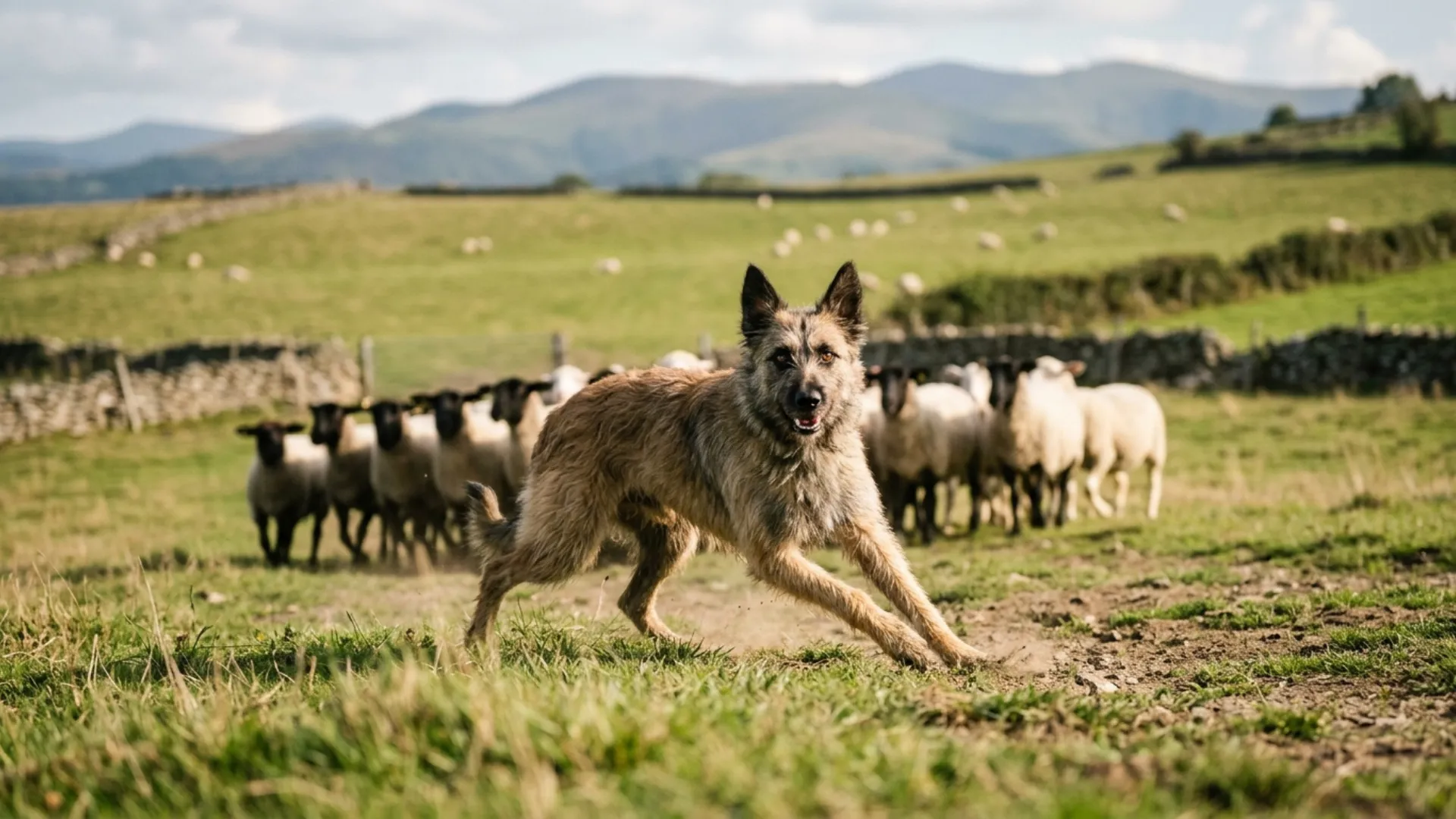
Imagine having a dog that’s equally happy lounging on the sofa with you and working alongside you on the farm. Farming is a demanding profession, and the right canine partner can make a real difference, helping manage livestock, organize the herd, and stand guard, all in exchange for love and proper care.
Many herding breeds were developed specifically to control livestock across large areas while responding to complex commands. That combination of stamina and intelligence makes them some of the most capable working dogs in the world.
If you’ve ever spent time around a herding dog, you already know they rarely have an “off switch.” Let’s take a closer look at some of the most energetic and driven breeds that continue to excel in herding roles today.
Energetic Dog Breeds That Thrive in Herding Roles
1. Border Collie
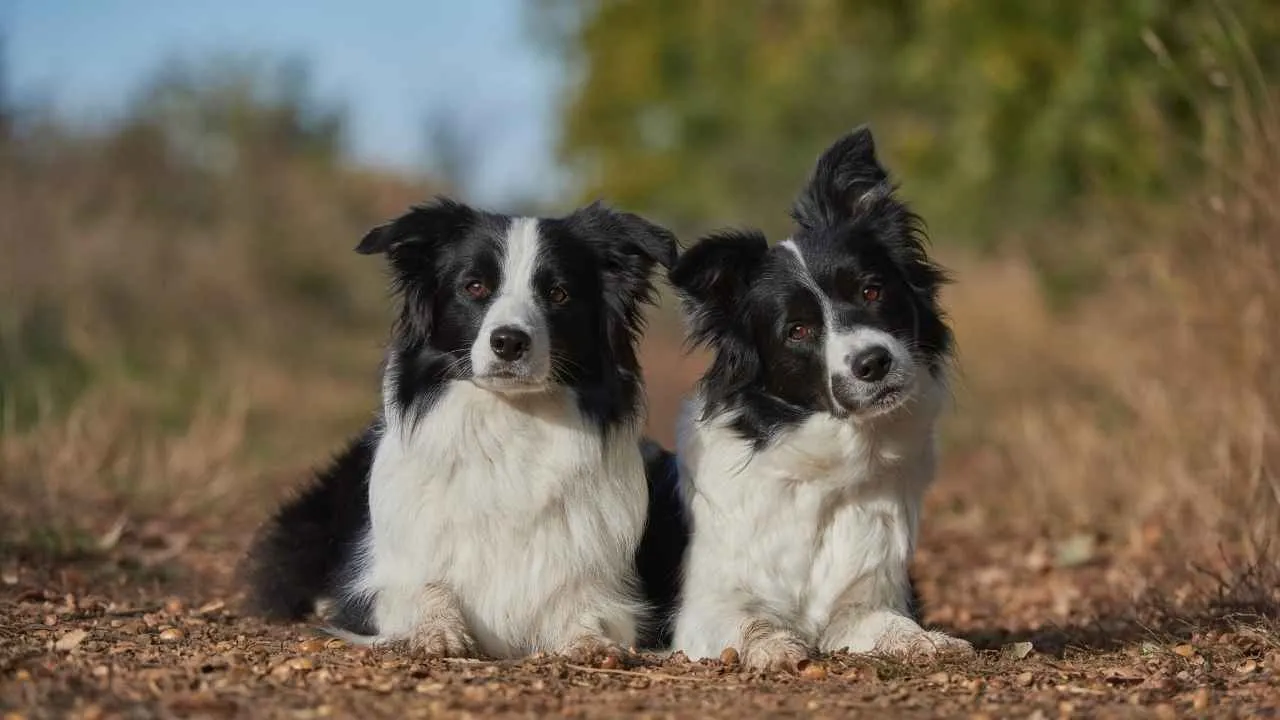
Originally bred in Britain as a herding dog, the Border Collie holds the title of the most intelligent dog breed in existence; a reputation it has more than earned. A descendant of traditional sheepdogs, it remains one of the finest sheep-herding dogs in the world today, as Wikipedia notes, while also thriving as a companion for the right owner.
What makes the Border Collie’s herding style so remarkable is how selectively it was shaped over generations. The hunting sequence was deliberately altered to eliminate the bite-to-kill phase while intensifying the eyeing and stalking phases, both of which trigger a natural dopamine rush, making the work genuinely self-rewarding for the dog.
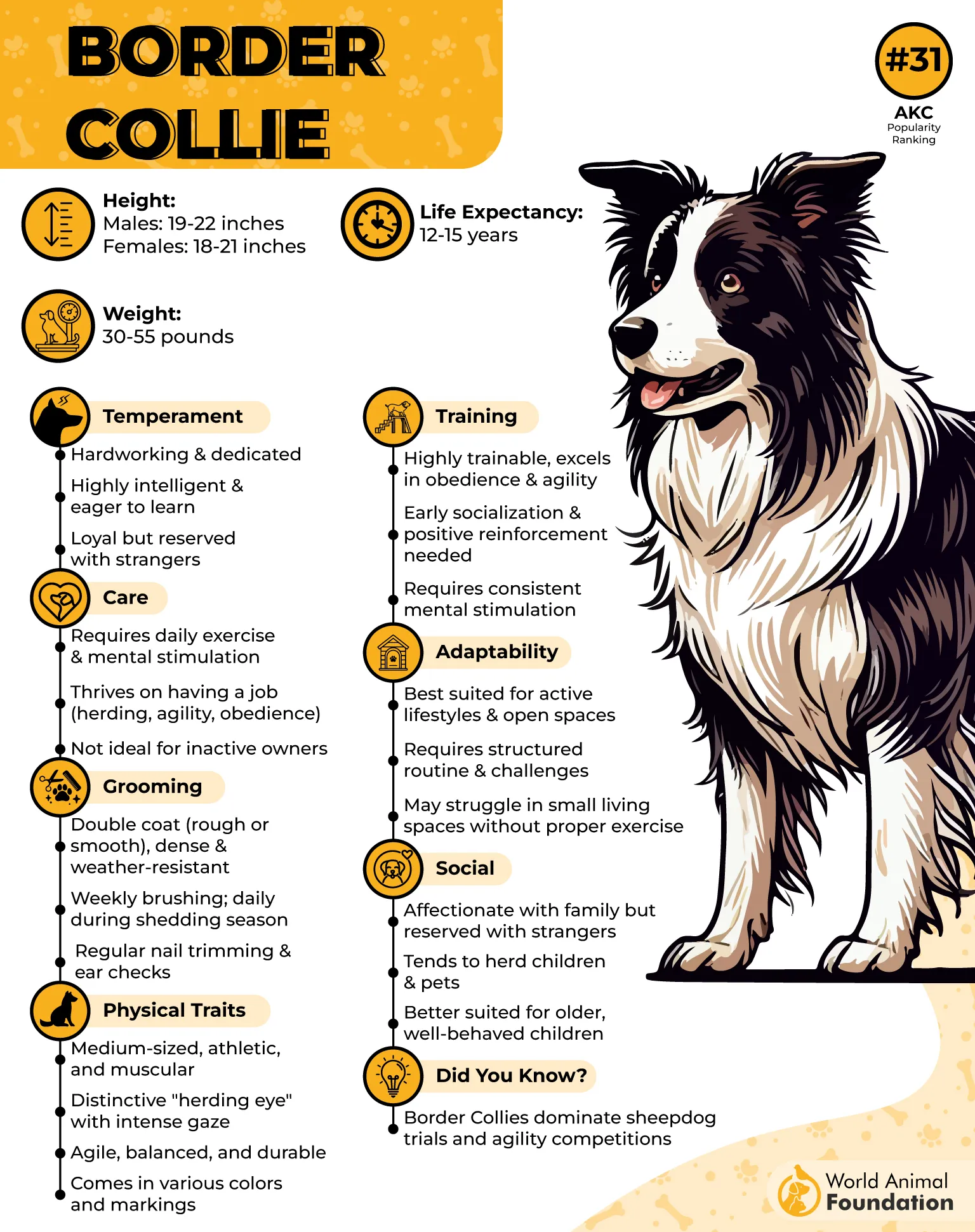
Their wide visual field allows them to detect even the most subtle shifts in flock movement, giving them an almost uncanny awareness of what’s happening around them.
In practice, a Border Collie herds by running in a sweeping arc around the flock, positioning itself at the head of the livestock and then moving behind the animals to push them forward; a precise, instinct-driven choreography that requires little human direction once mastered.
To stay balanced and out of trouble, they need 1.5 to 2 hours of vigorous daily activity to meet both their physical and mental needs.
2. Australian Shepherd
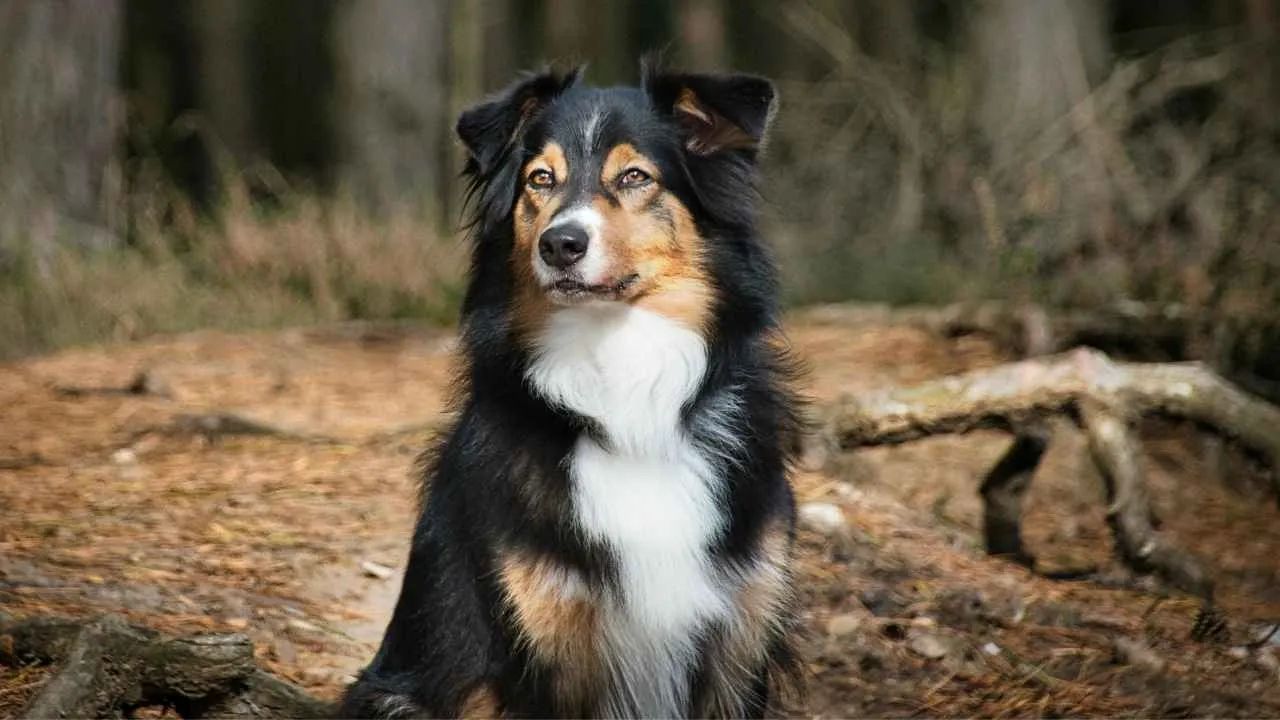
Despite its name, the Australian Shepherd actually has its roots in the sheepdogs of Spain and the collies of Australia and New Zealand, before being developed as a cattle herding breed in the United States. Their weather-resistant double coat does double duty: regulating body temperature while the outer guard hair shields them from intense sunlight, allowing them to work for hours without overheating.
Physically, they’re built for the demands of rough terrain. A low center of gravity gives them exceptional balance against uneven ground and unpredictable livestock, while their ground-covering stride, with front and back legs crossing over, enables both high speed and instant directional changes.
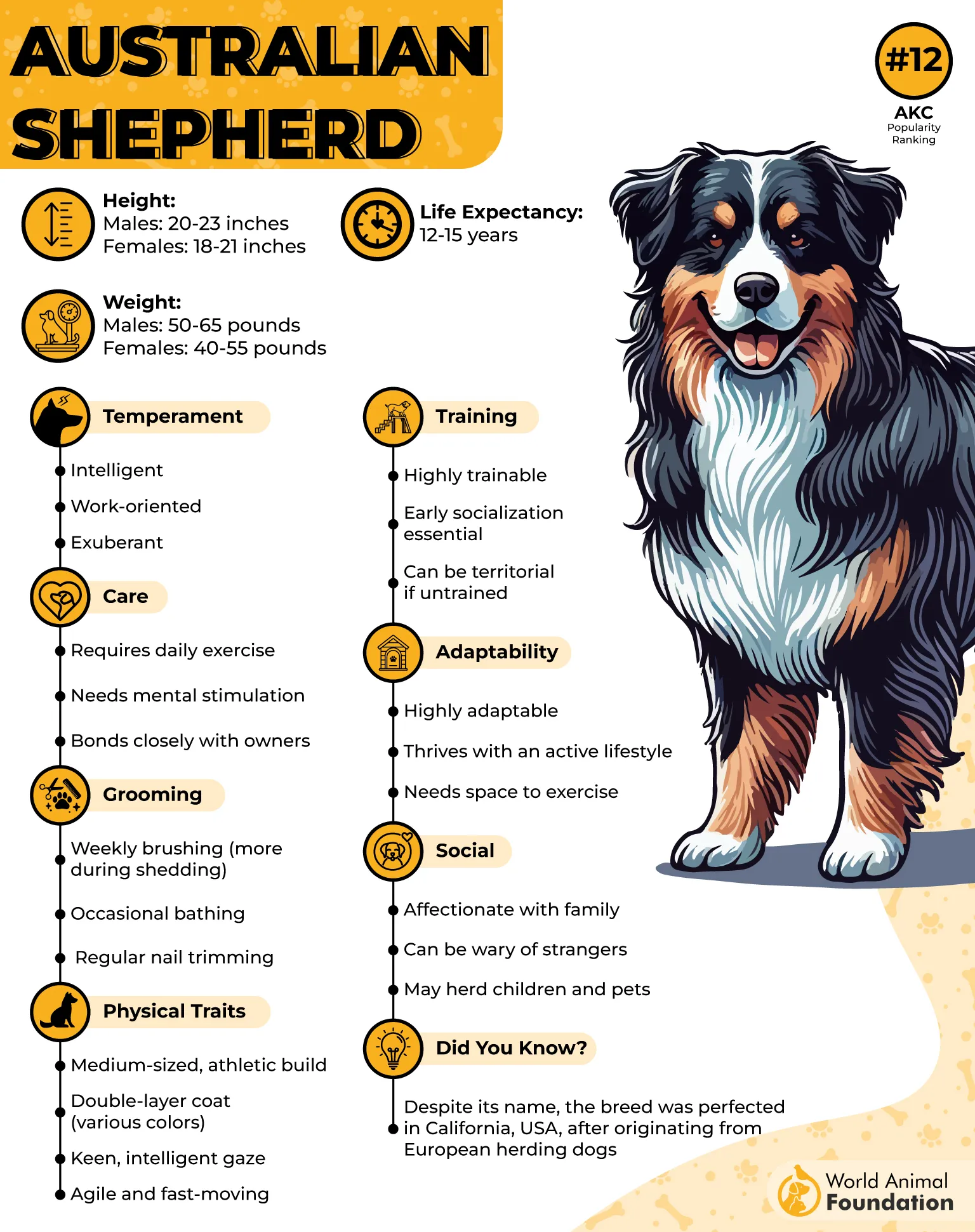
They’re also independent thinkers, capable of making their own decisions in the field without waiting for the handler’s input.
Beyond standard herding, the Australian Shepherd brings a full toolkit to the job. They heel, using controlled nipping at the heels of stubborn cattle to keep them moving, and employ what’s known as a “loose eye” strategy, positioning themselves at a vantage point to monitor the entire herd at once rather than fixating on individual animals.
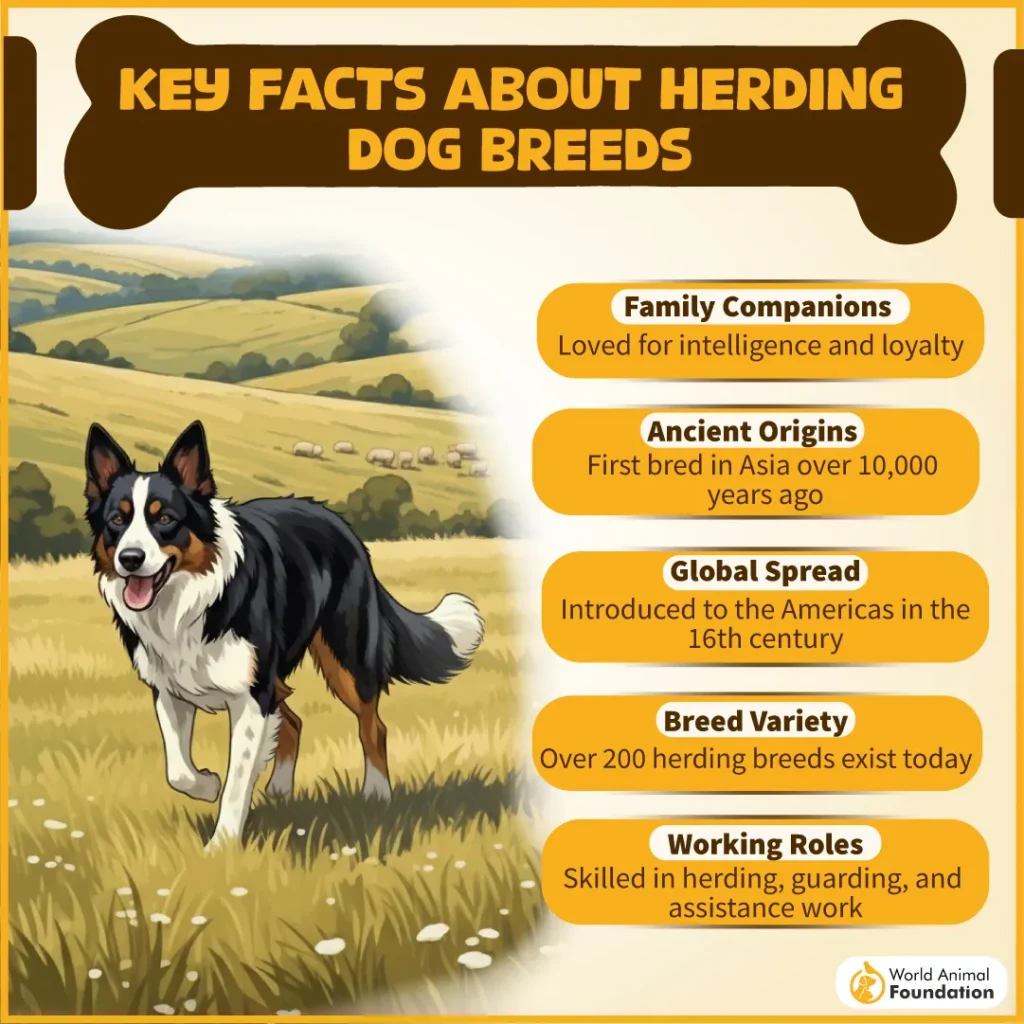
It’s a level of situational awareness that makes them one of the most well-rounded herding dogs working today.
3. Australian Cattle Dog
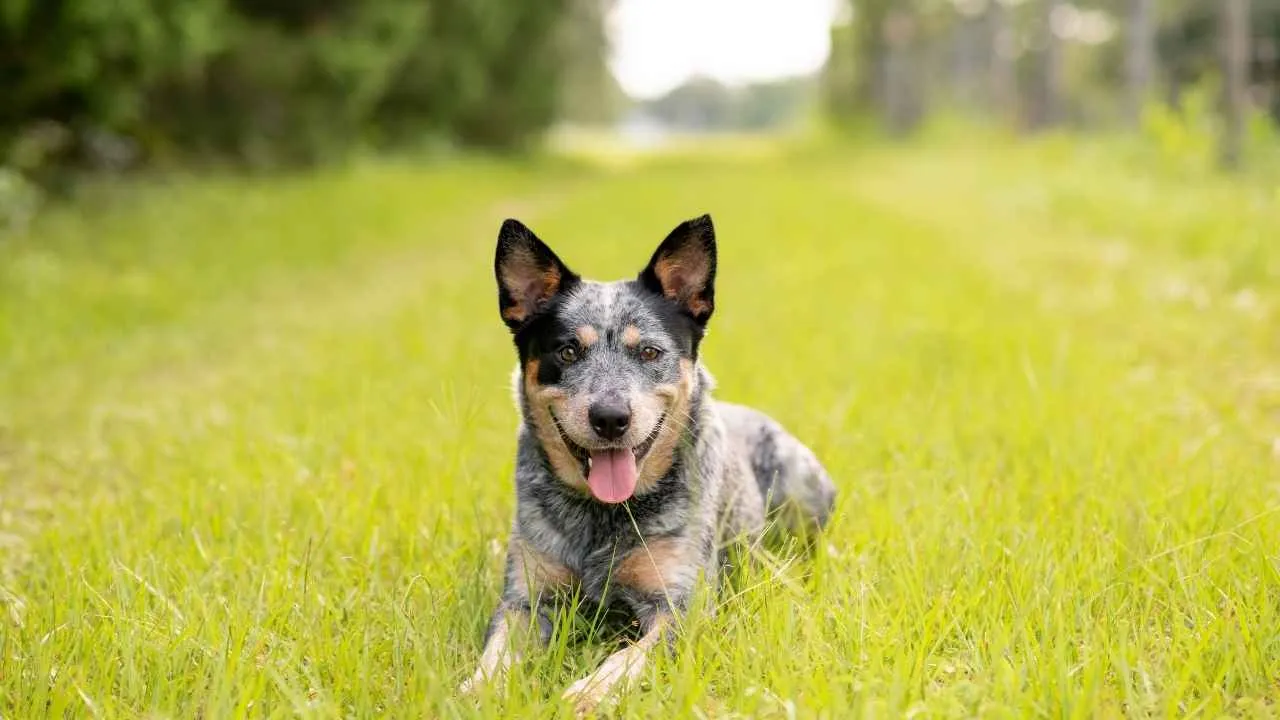
Developed in Australia for herding livestock across long distances and rugged terrain, the Australian Cattle Dog was bred by crossing British herding dogs with the Dingo; a pairing that gave it the intense drive and desire to control cattle that defines the breed today. That independent streak, however, means early and consistent training is essential to prevent stubbornness from taking hold.
What makes the ACD physically remarkable is its endurance. An incredible lung capacity and circulatory system allow it to work for extended periods while maintaining a heart rate between 120 and 237 bpm. They can also sweat through their paw pads, an adaptation that helps them endure hot climates without overheating.
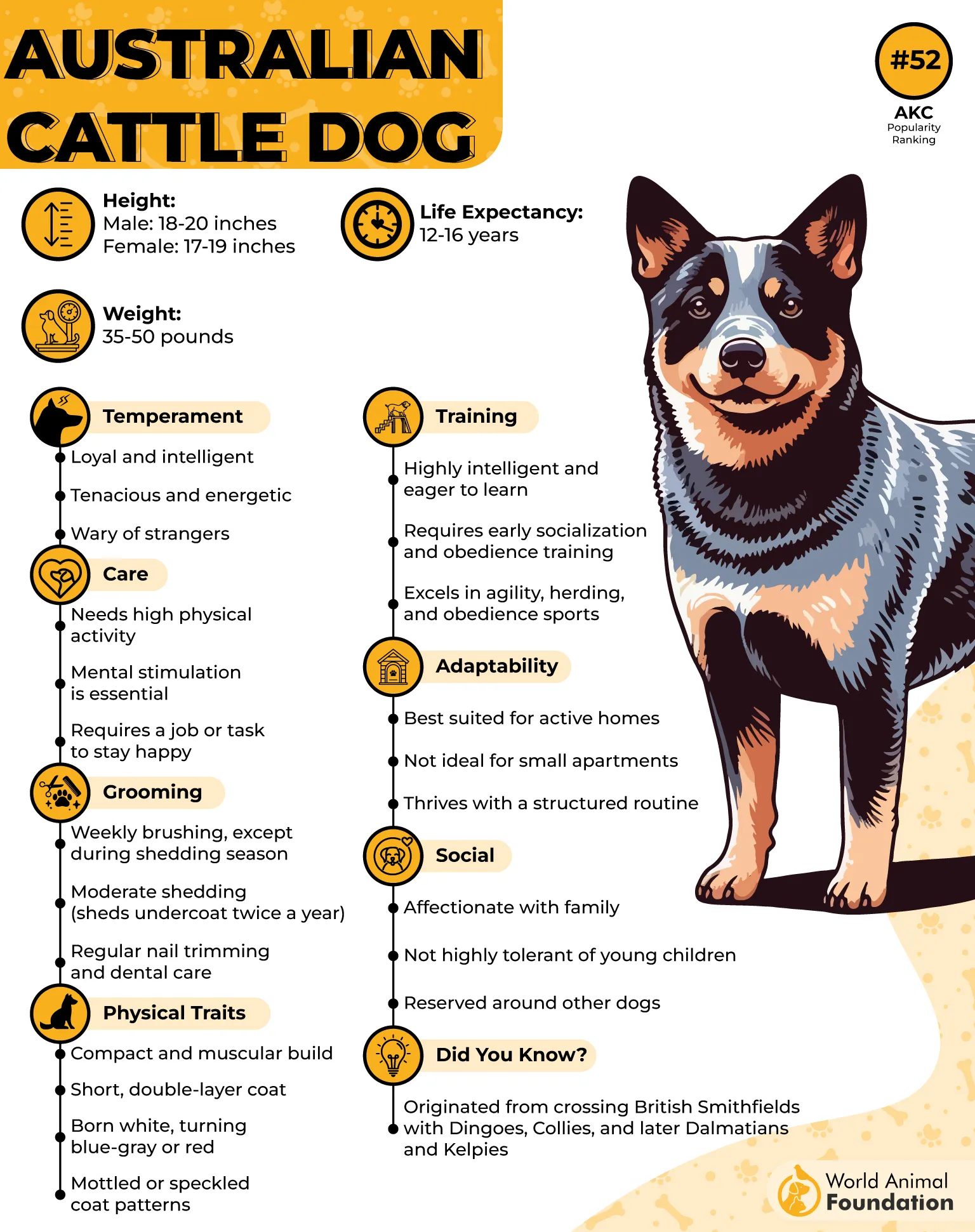
Nicknamed the “Blue Heeler” or “Red Heeler” for their signature nipping style, they keep livestock moving with targeted heel nips rather than the crouching and staring approach used by other herding breeds. That upright posture also gives them a better view of the stock’s body language, allowing for quicker, more informed reactions.
Beyond herding, the ACD thrives in canine sports and property patrolling; a high-energy breed that genuinely needs a job to feel fulfilled.
4. Pyrenean Shepherd
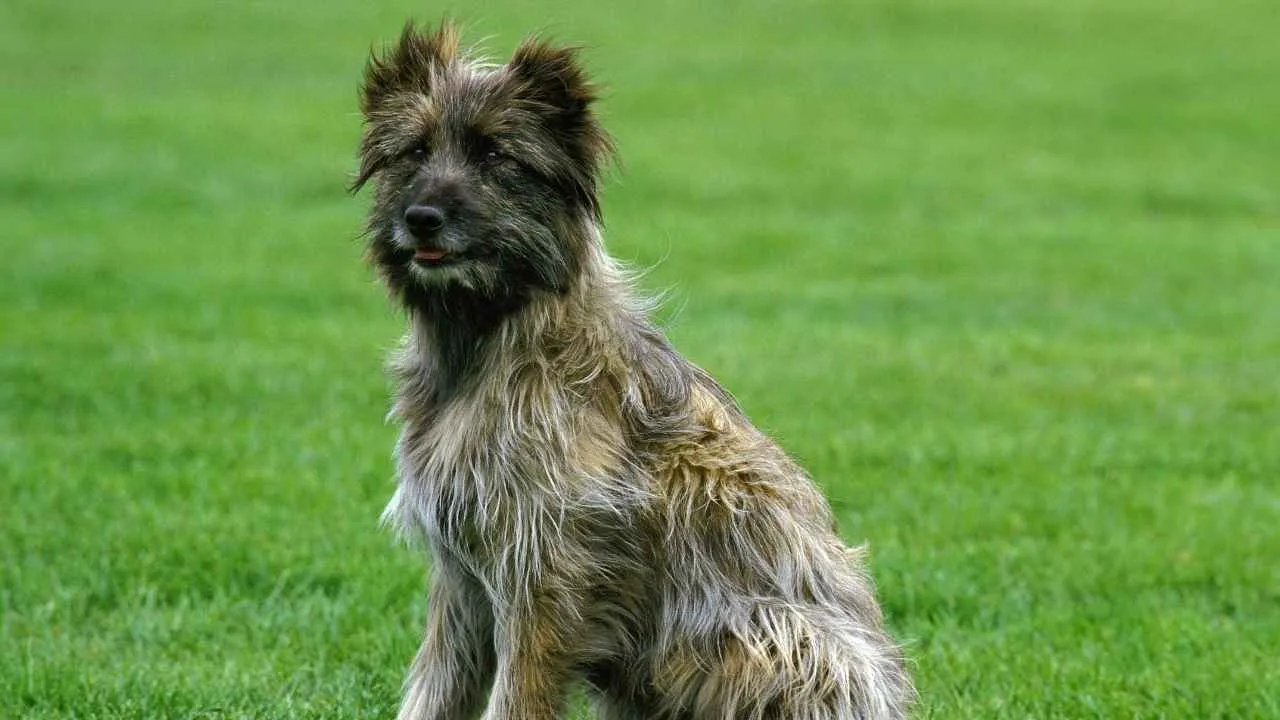
Developed in the Pyrenees Mountains between France and Spain, the Pyrenean Shepherd has been actively bred since medieval times, with one primary purpose: protecting and managing livestock, particularly sheep. Despite their working compatibility with children, their high prey drive makes them a poor fit for households with other small pets.
What this breed lacks in size it more than makes up for in endurance. The Pyrenean Shepherd can cover 20 to 25 miles a day over rugged terrain without tiring, thanks in part to its distinctive “Saved-Earth” gait, staying close to the ground to maintain a constant, energy-efficient trot across long distances.
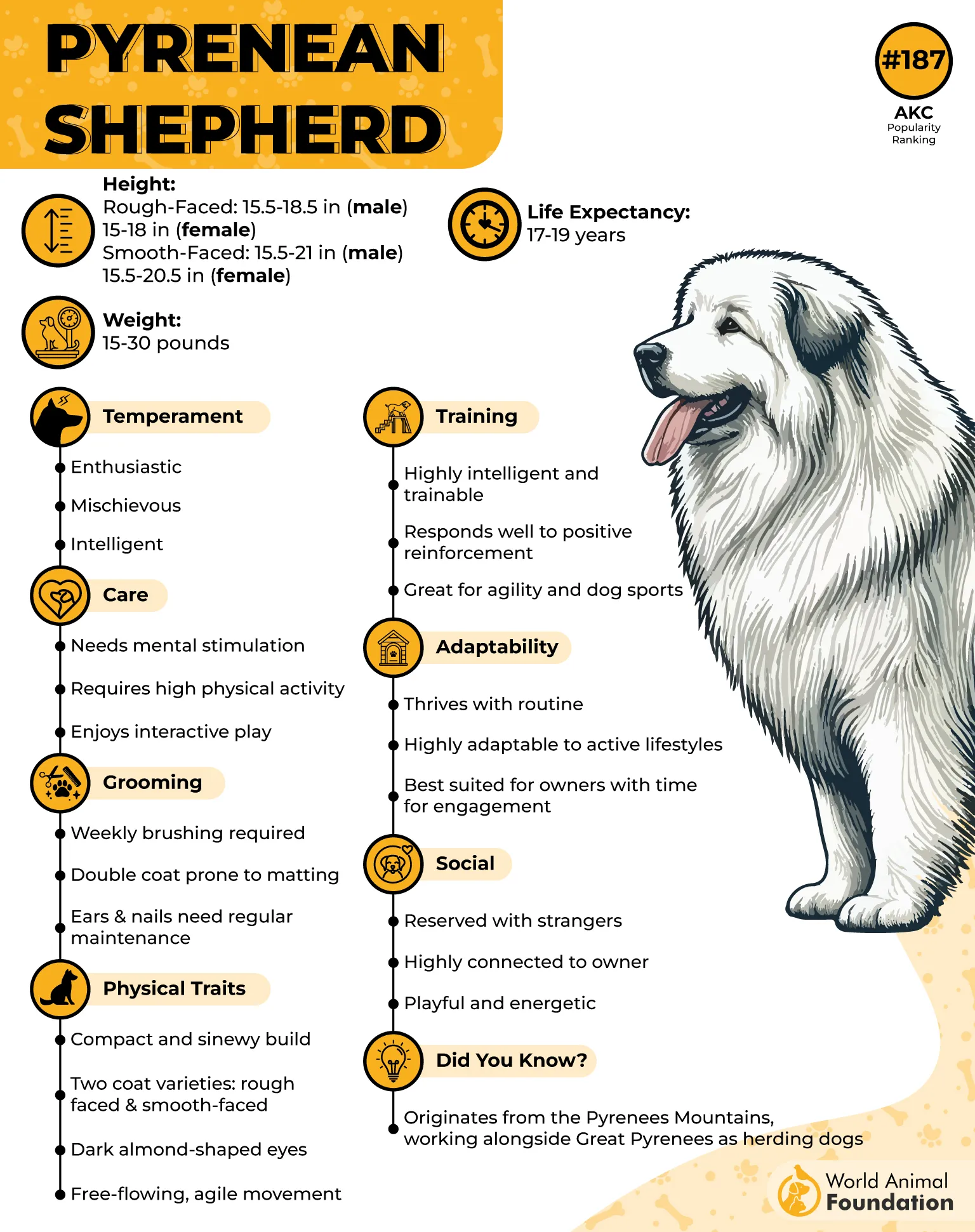
In the barn, they work closely alongside the shepherd to separate individual sheep for milking, shearing, and medical treatment with impressive precision.
Their wide field of vision and sharp, alert bark make them excellent watchdogs as well. In traditional herding setups, the Pyrenean Shepherd is typically paired with a Livestock Guardian Dog; a natural division of labor where the Pyr Shep navigates and manages the flock’s movement while the LGD stands guard against predators. It’s a partnership that has worked seamlessly for centuries.
5. German Shepherd Dog
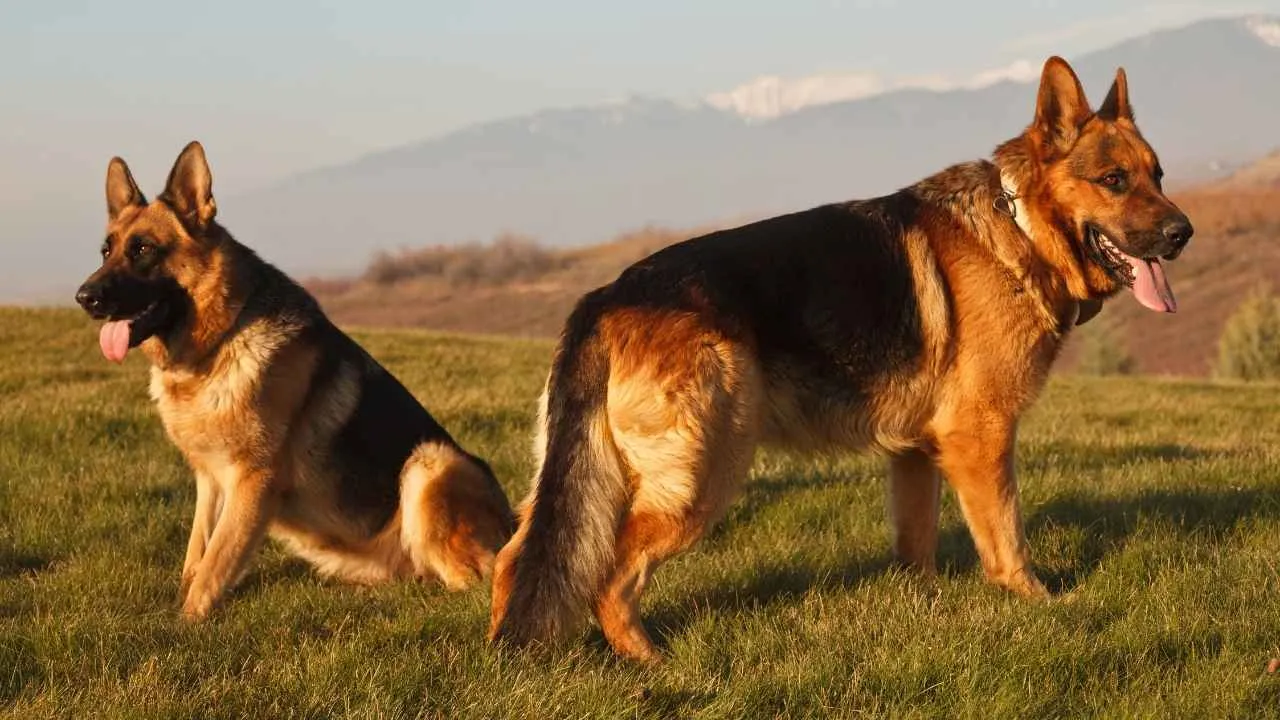
Originally developed in Germany by Max von Stephanitz in 1899 as a herding dog, the German Shepherd has since grown into one of the most versatile working breeds in the world.
Ranked as the third most intelligent dog breed, its ability to process and cope with traumatic events has made it a top choice for protection and guard work, ultimately surpassing even the Labrador Retriever in many working roles.
Their physical design is purpose-built for endurance and agility. The German Shepherd’s long, low-reaching trot, where the hind legs extend far under the body, acts like a coil spring, absorbing shock and maintaining efficiency across uneven terrain.
An optimal balance of slow-twitch and fast-twitch muscle fibers gives them the rare ability to sustain long periods of endurance while still producing sudden bursts of speed when needed.

In a herding context, they patrol the grazing zone, make independent decisions to protect the pack, and will physically grip stray cattle to guide them back to the herd. To stay physically and mentally balanced, German Shepherds need 1.5 to 2 hours of daily exercise; a mix of brisk walks, running, hiking, fetching, scent games, and obedience training keeps them at their best.
6. Belgian Malinois
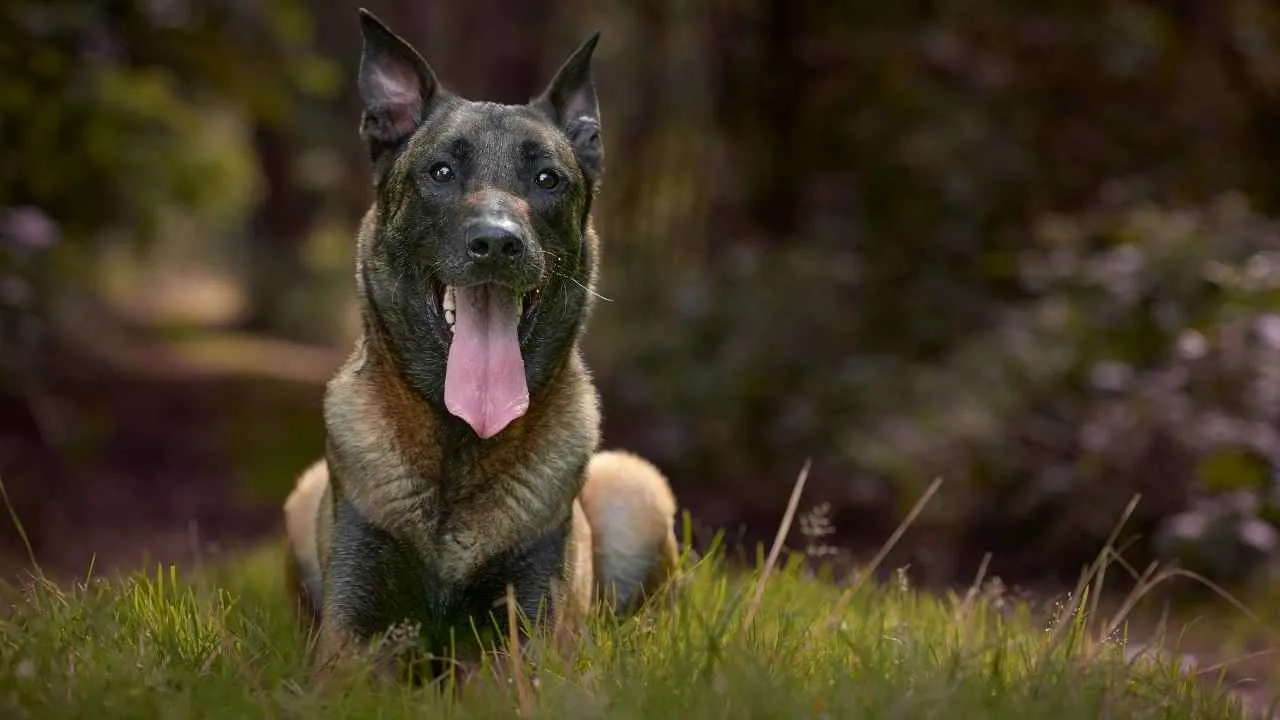
Known since the Middle Ages, the Belgian Malinois was formally distinguished from the other three Belgian Shepherd varieties in the 1890s by a professor at the Belgian School of Veterinary Sciences, based on coat type. As Purina UK notes, it holds the distinction of being the first dog breed used in military and police roles, a legacy that continues to this day.
Physically, every aspect of the Malinois is built for efficiency. A firm back, sloping shoulders, and angled hindquarters work together to produce a stride that maximizes energy output over long distances. Their dichromatic sight, perceiving the world in blue and yellow, gives them a distinct advantage in tracking fast-moving objects in low-light conditions.
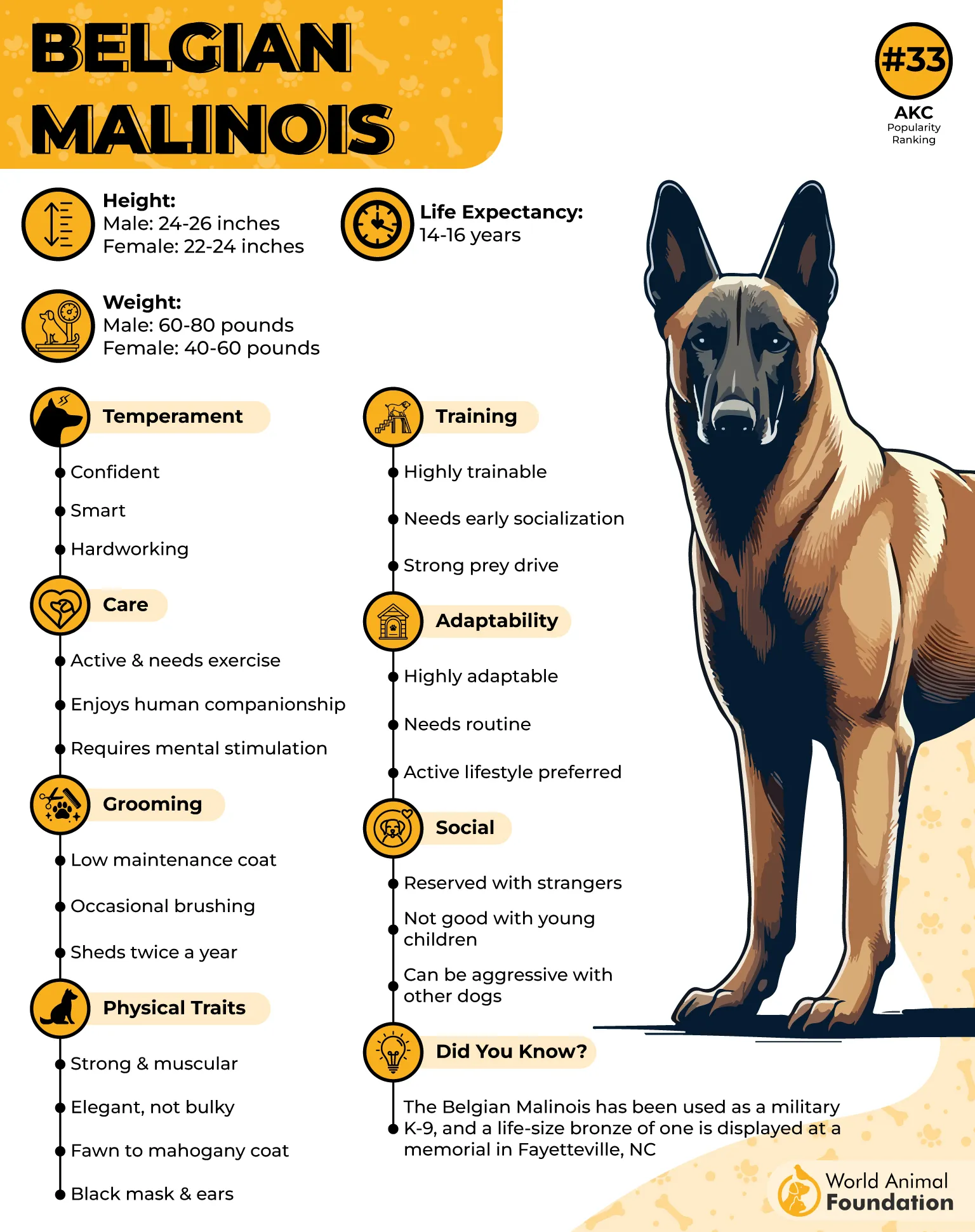
Unlike breeds that use intense “eyeing” to control livestock, the Malinois takes a more physical approach, circling continuously around the herd to keep them in check through constant motion.
To stay balanced and focused, they need 1 to 2 hours of vigorous daily exercise: scent work, puzzle toys, running, biking, and hiking all fit the bill. Grooming is refreshingly low-maintenance: daily brushing during shedding season and monthly bathing is all they need.
7. Entlebucher Mountain Dog
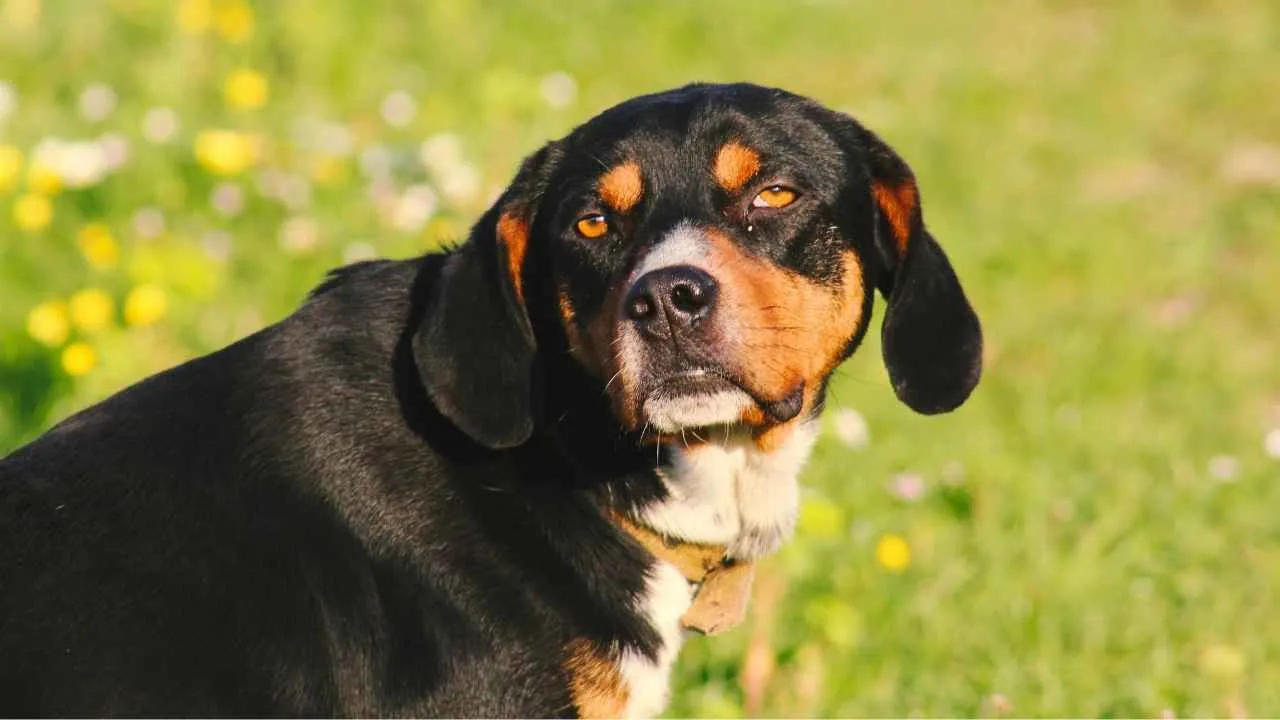
The smallest of the four regional Sennenhund breeds, a group of Swiss Alpine herders, the Appenzeller Sennenhund packs a remarkable amount of capability into a medium-sized frame. Its rectangular body provides a low center of gravity that enables sudden acceleration, sharp pivoting, and precise stopping control, all essential qualities for managing livestock across unpredictable terrain.
Their double coat is equally well-engineered; a short outer coat shields them from rough brush and harsh conditions, while a long, dense undercoat provides insulation against the cold Alpine climate.
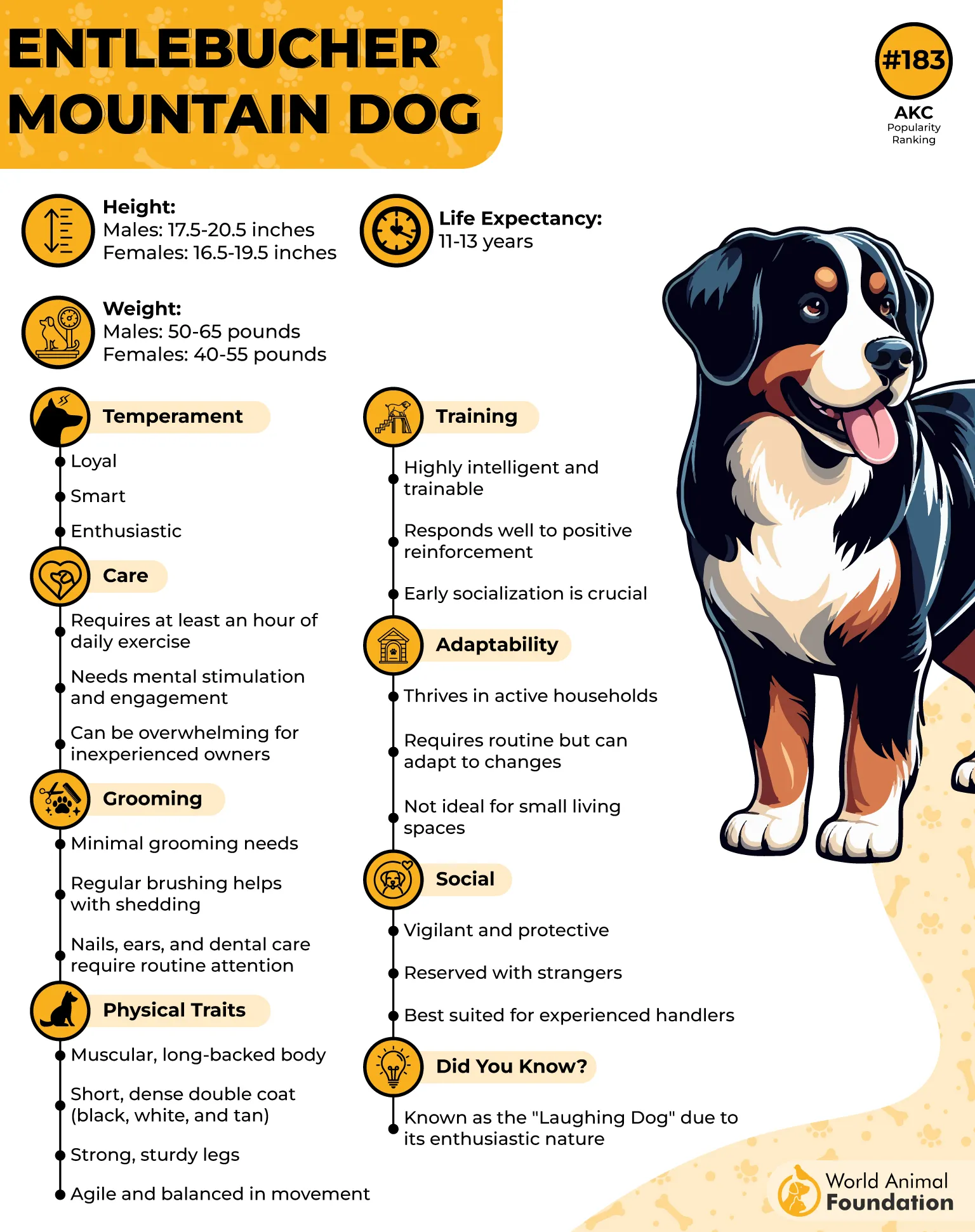
Unlike some herding breeds that bond broadly, the Appenzeller forms a selective bond with its handler, which is what makes genuine teamwork in the field possible. Their high prey drive is fueled by purposeful movement rather than aggression; a distinction that makes them highly effective and controlled workers.
Beyond herding sheep, they serve as versatile farm helpers, rounding up and managing horses and hogs with equal confidence, and competing in trial herding events. Exercise needs are moderate at 60 to 90 minutes daily: jogging, hiking, flyball, tracking, and mental stimulation all keep this driven little breed satisfied.
8. Pembroke Welsh Corgi
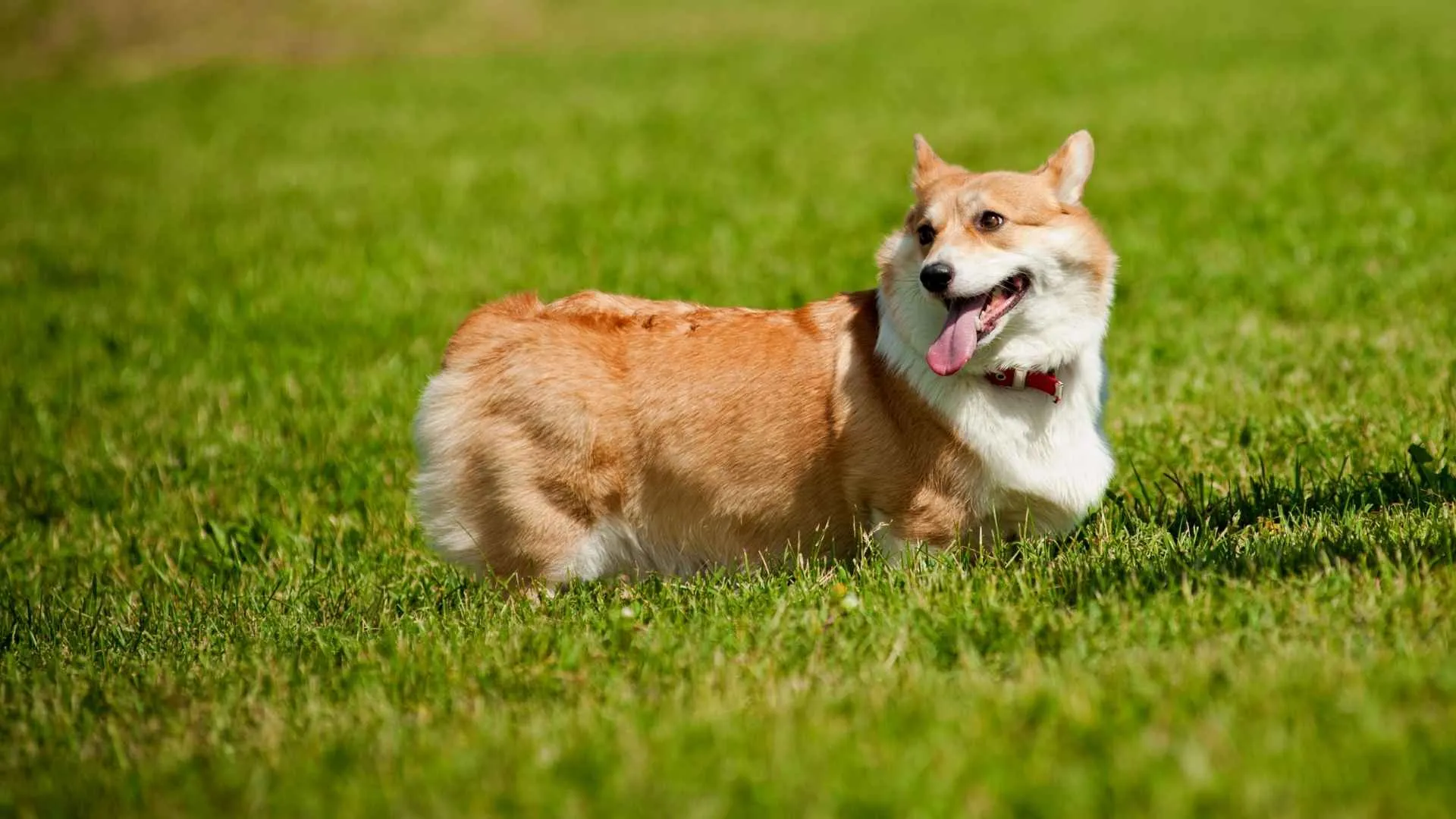
Developed in Pembrokeshire, Wales, the Pembroke Welsh Corgi’s name reflects its stature: “Welsh” literally translates to “dwarf,” a nod to its Spitz family lineage and characteristically short legs. Perhaps most famously, it was the preferred breed of Queen Elizabeth II, who owned at least 30 Corgis throughout her lifetime.
Those short legs are far from a limitation; they’re actually a clever evolutionary advantage. By staying low beneath the cattle zone, a Corgi naturally avoids backward kicks from cattle, with hooves passing safely over their heads.
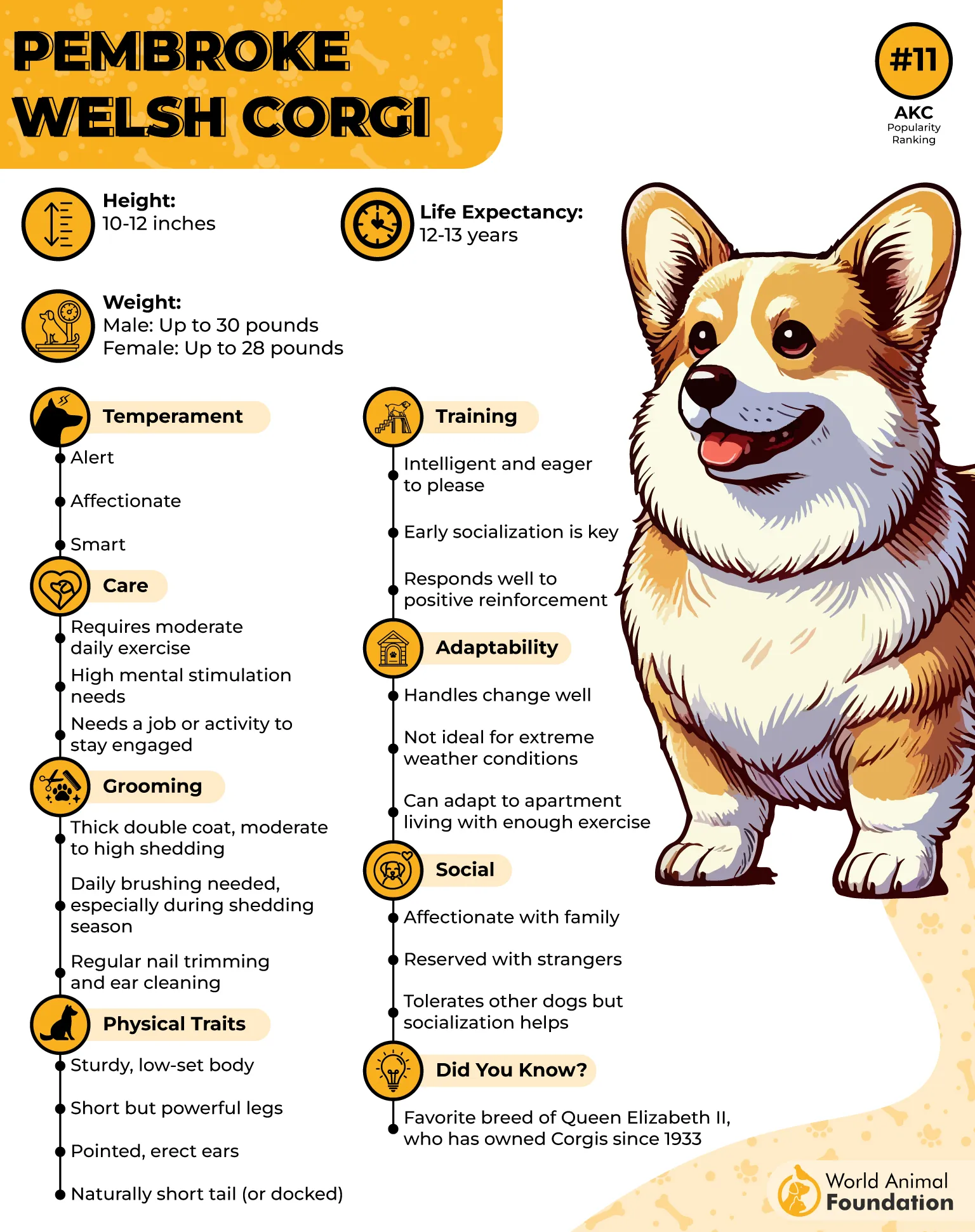
Despite their compact build, they rely heavily on upper-body strength to reach a top running speed of 25 mph, moving back and forth in a semicircle behind the herd to keep them bunched together. Notably, they work in near silence; no barking, just efficient, purposeful movement.
Historically, they also played a role in protecting livestock from vermin by hunting them. That instinct to control movement doesn’t disappear indoors either; without proper outlets, a Corgi will happily start herding furniture, objects, and small children around the house. Early training and socialization are genuinely non-negotiable with this breed.
9. Belgian Sheepdog
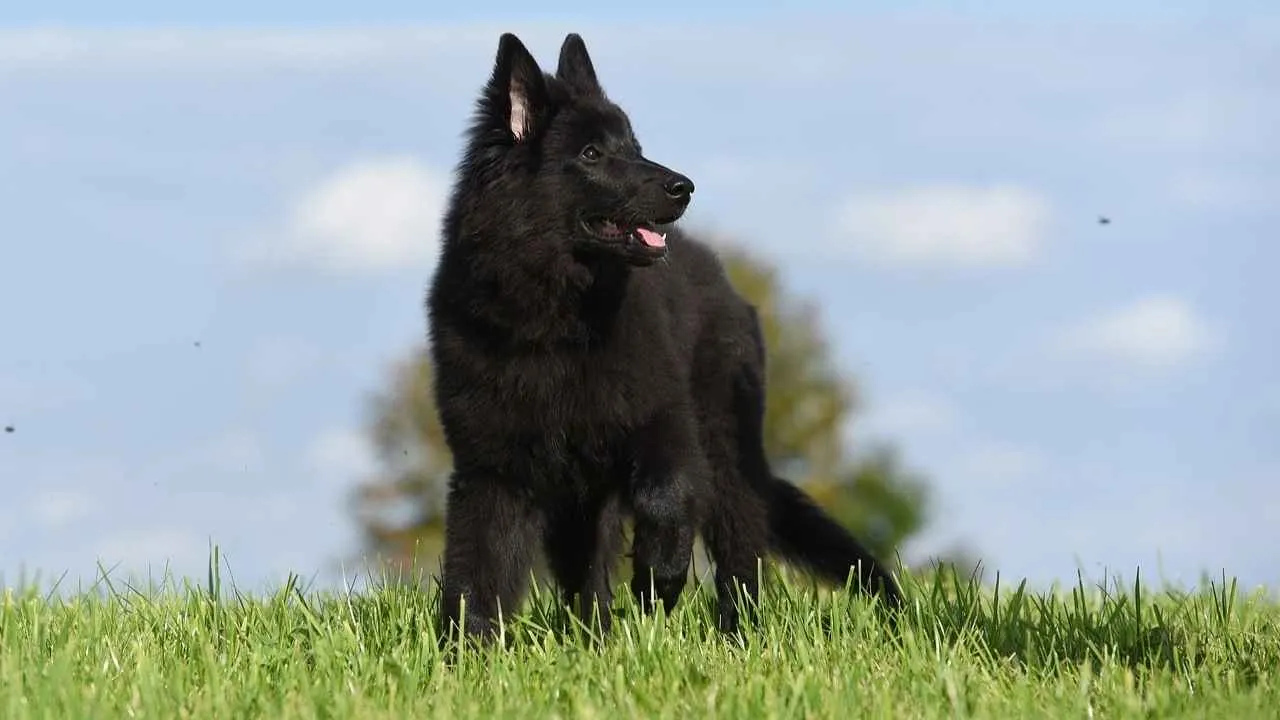
Also known as the Groenendael, the Belgian Sheepdog is instantly recognizable by its striking all-black long coat. As Orvis notes, this breed has a distinguished working history: serving in both World Wars to transfer messages, pull carts, and assist in police work across the United States and Europe.
Their pricked, mobile ears enable rapid environmental scanning, while an exceptional ability to read human body language and verbal cues makes them highly responsive working partners in the field. When herding, they focus on keeping the flock contained within a designated area and moving them as a single cohesive unit; a controlled, methodical approach that reflects their intelligence and trainability.
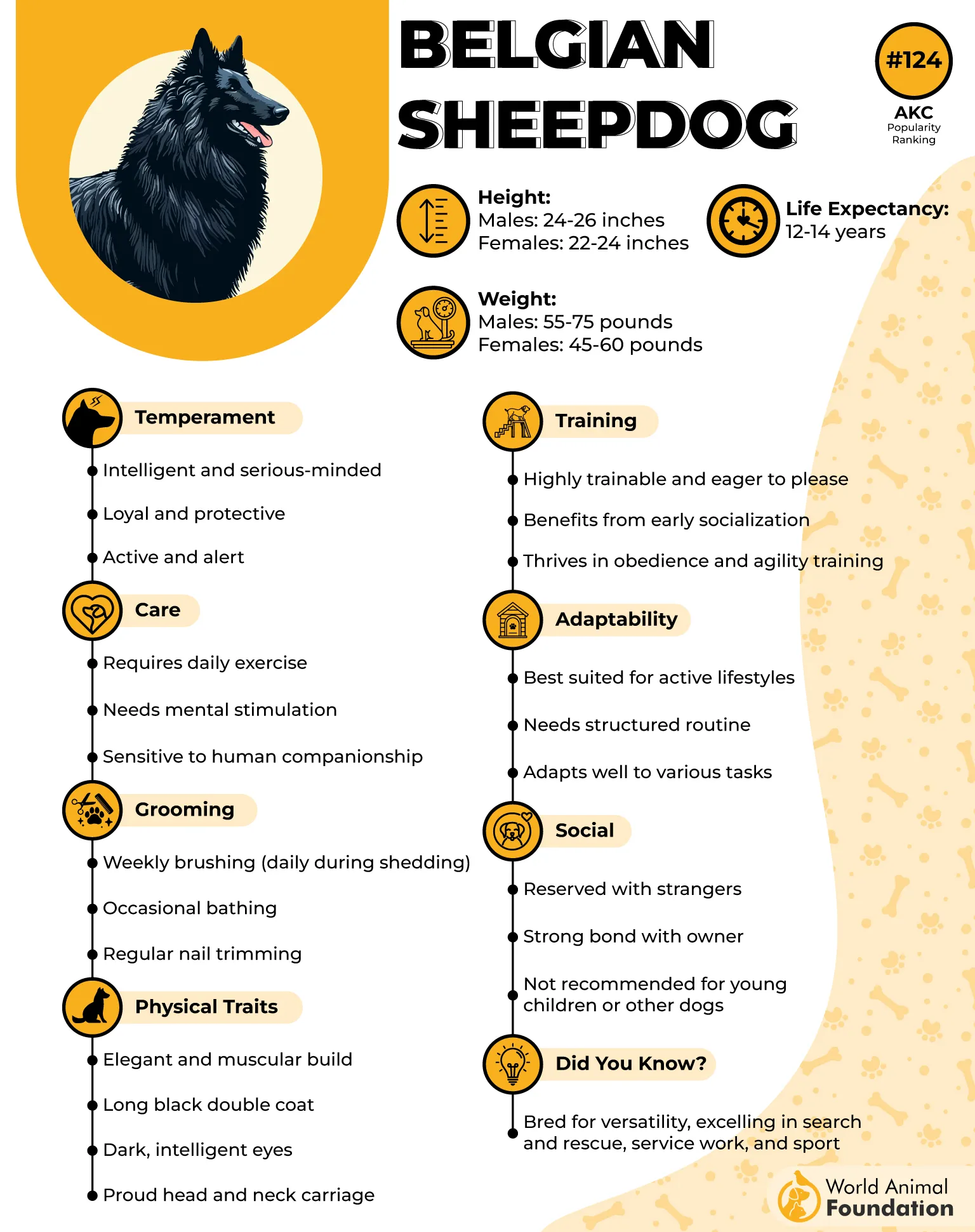
To build that essential working relationship, Belgian Sheepdogs are typically introduced to the herd at a young age, forming bonds with the animals and treating them as part of their own family. Exercise needs are substantial: 1.5 to 2 hours of daily activity, including walks, hiking, puzzle games, and agility training, keeps them physically and mentally balanced.
Their long coat requires brushing one to two times per week using an undercoat rake and pin brush to stay tangle-free and healthy.
Conclusion
The popular herding dog breeds are far more than hardworking livestock managers. They are intelligent partners who thrive when given purpose, structure, and meaningful activity. From the laser-focused Border Collie to the determined Australian Cattle Dog and the versatile German Shepherd Dog, each breed brings unique strengths to the field.
Choosing one of these dogs means embracing a lifestyle filled with movement and learning adventures. They are not couch ornaments. They are born workers with big hearts and endless enthusiasm. For the right owner, that energy becomes one of the most rewarding qualities a dog can offer.
