




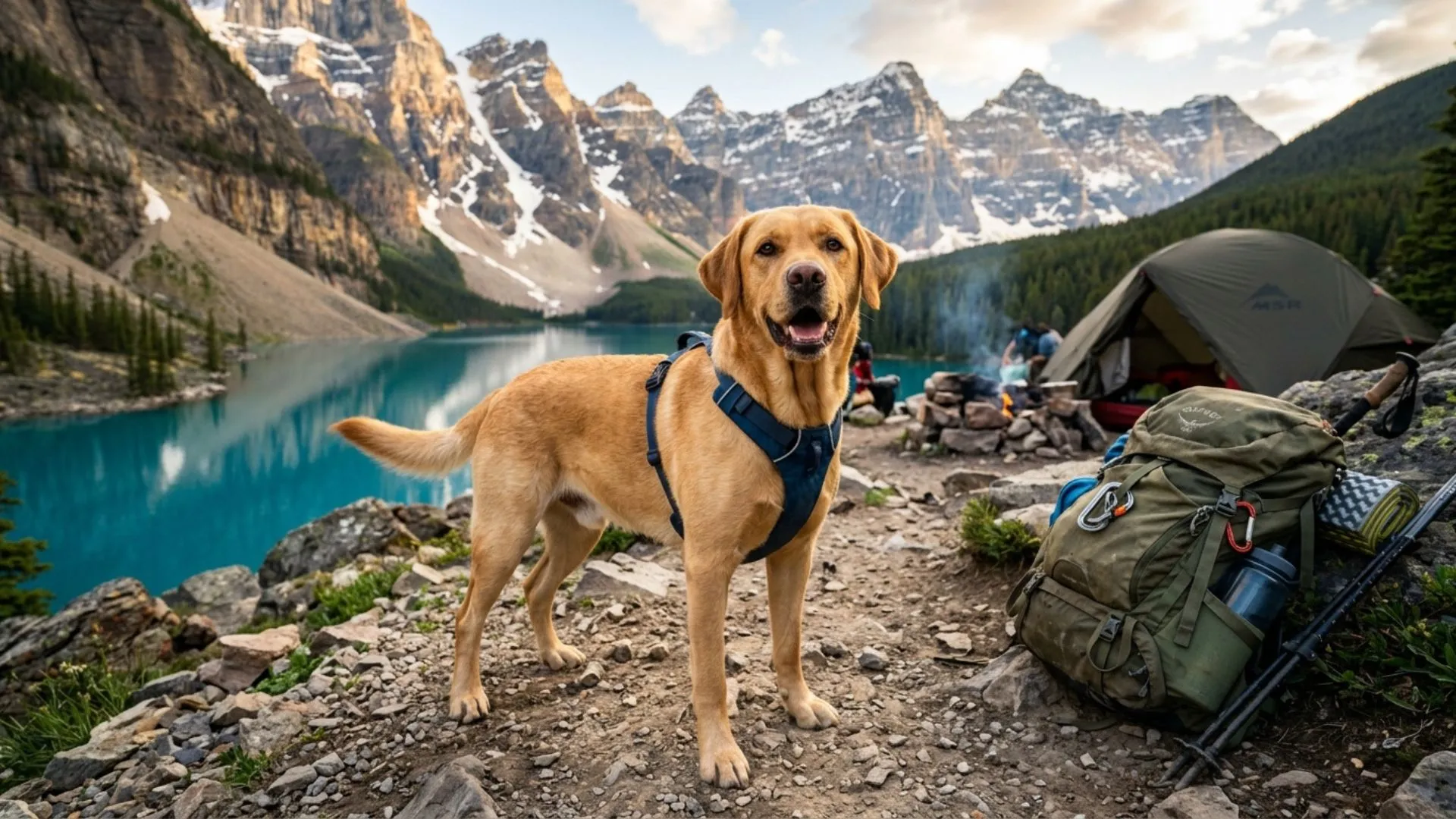
Some dogs are professional couch potatoes, while others wake up every morning ready to audition for an ultramarathon. Many of these breeds were developed to herd livestock, pull sleds, retrieve game, or work alongside humans for hours without tiring. That history translates into incredible stamina and a genuine love for outdoor exploration.
Camping and trail running provide more than exercise. New environments, changing scents, uneven terrain, and wildlife encounters offer valuable mental stimulation that helps prevent boredom-related behaviors and strengthens the bond between dogs and their owners.
If you’re searching for a four-legged bestie who thinks climbing mountains sounds more exciting than binge-watching TV, these top energetic dog breeds that love camping and trail running should be at the top of your list.
Top Energetic Dog Breeds That Love Camping and Trail Running
1. Border Collie
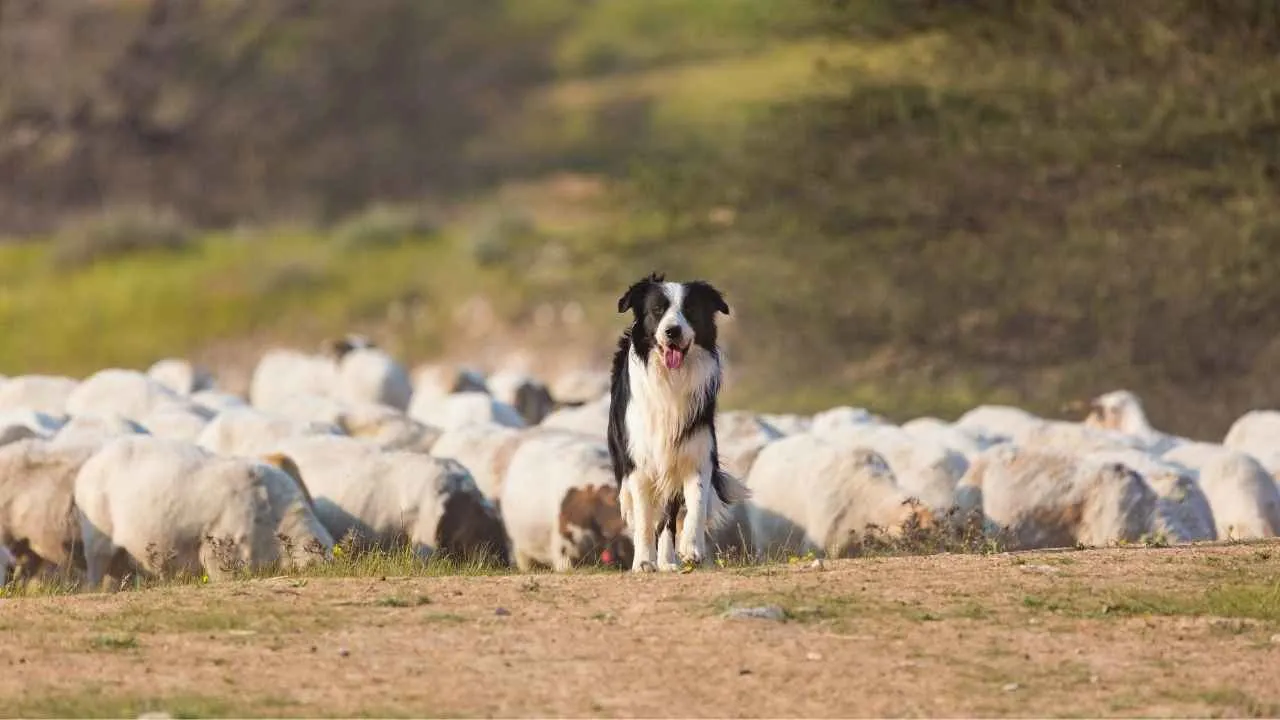
The Border Collie doesn’t merely enjoy exercise—it practically files complaints when it doesn’t get enough. Originally bred for herding sheep across rugged landscapes, this breed combines lightning-fast reflexes with problem-solving skills that often leave humans wondering who’s actually in charge.
If dogs had LinkedIn profiles, the Border Collie would have “Workaholic” listed under skills.
Trail running is almost tailor-made for these athletic dynamos. Long distances, changing terrain, and constant engagement satisfy both their physical stamina and brilliant minds. Many owners report that after a 10-mile hike, their Border Collie is still eager for another activity.
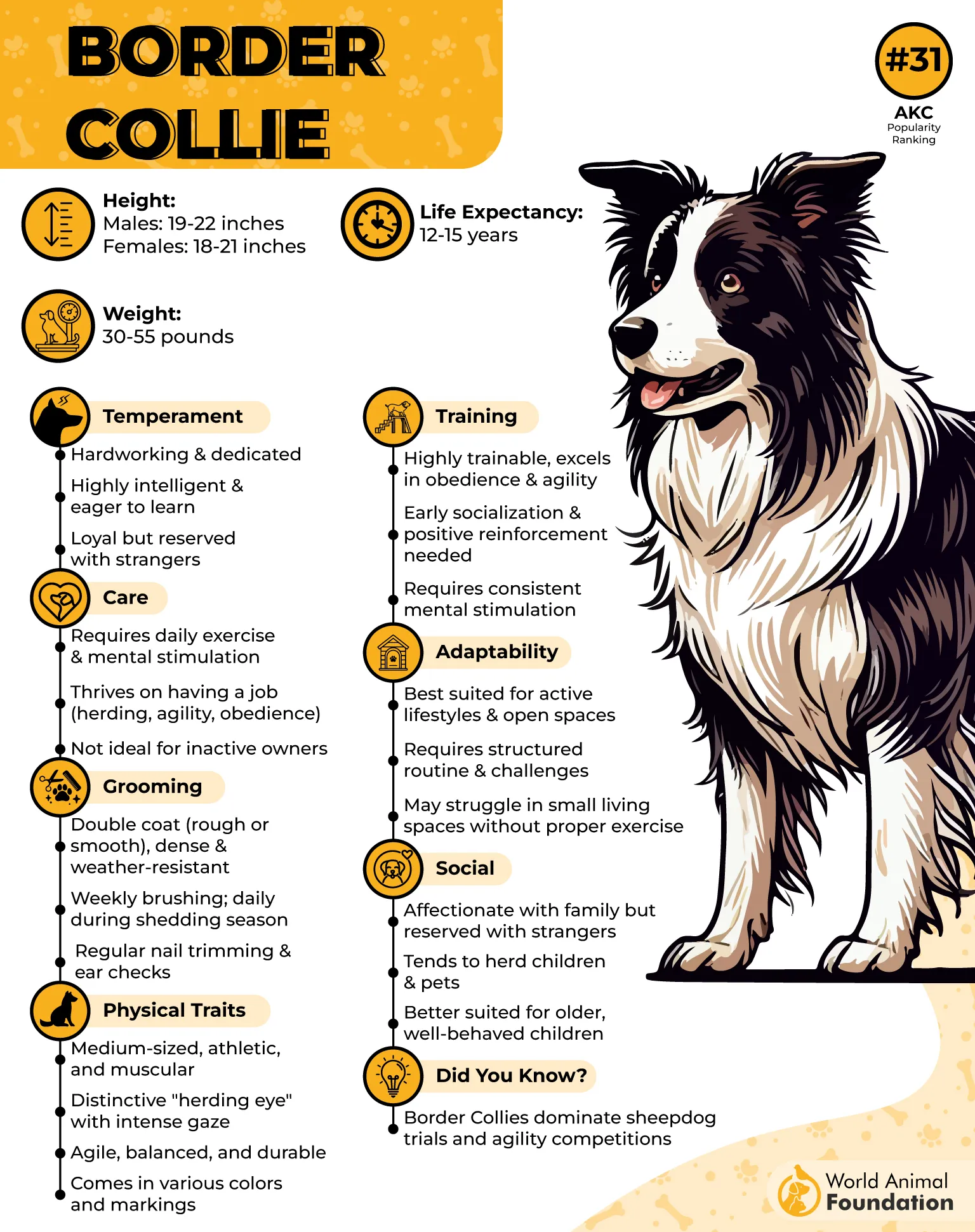
Intelligence is one of this breed’s defining characteristics. Border Collies consistently rank among the smartest dogs in canine cognition studies, learning commands quickly and reading subtle body language with astonishing accuracy.
Camping introduces exciting opportunities for exploration, but regular breaks remain important during road trips and long outings. Stretching their legs every couple of hours, practicing obedience games at rest stops, or playing frisbee at dog-friendly parks helps channel their seemingly endless energy into productive fun.
3 Camping And Trail Running Tips For This Breed
Incorporate training games during rest breaks to keep their mind as active as their body.
Plan routes with safe open spaces where controlled fetch sessions can burn additional energy.
Carry extra water because these dogs often stay active long after other breeds would be fatigued.
2. German Shepherd
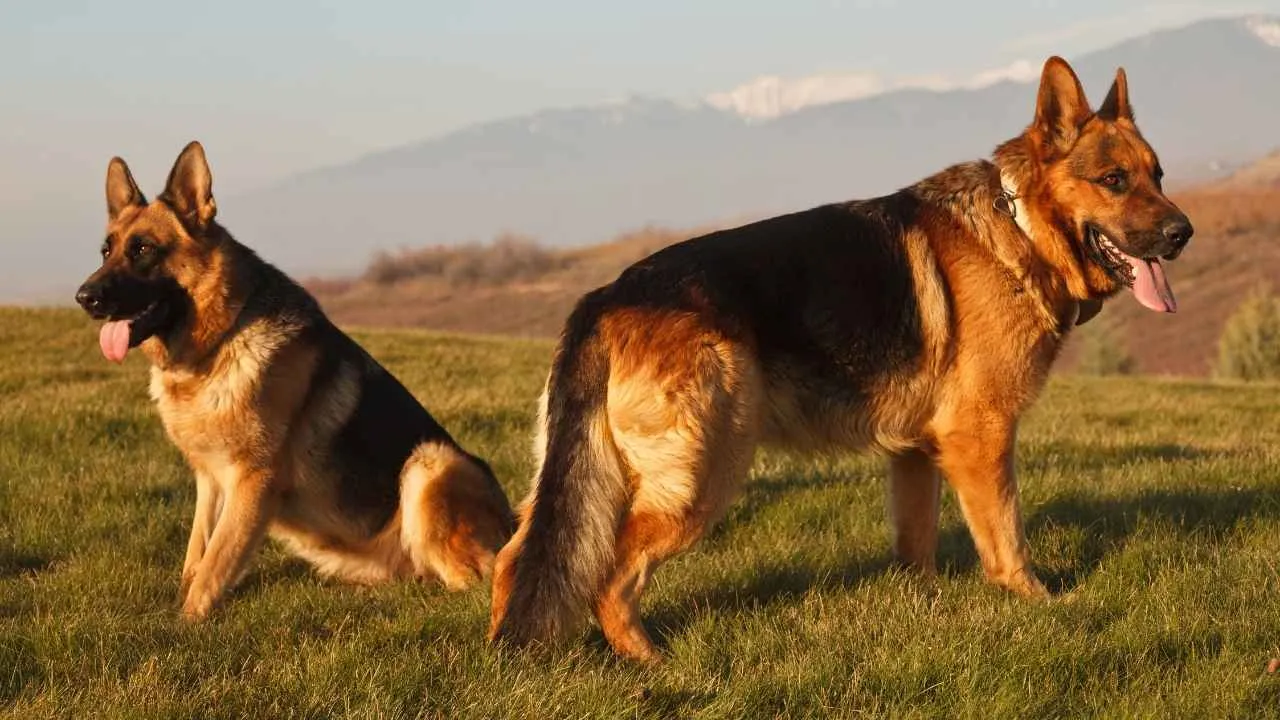
German Shepherds bring athleticism, intelligence, and loyalty to every outdoor adventure. Originally developed as versatile working dogs, they excel in demanding environments that require endurance, confidence, and quick decision-making.
Their physical build supports sustained activity across challenging terrain. Strong hindquarters, muscular frames, and remarkable stamina allow them to tackle steep climbs, rocky switchbacks, and lengthy backpacking routes with impressive resilience. They often remain alert to changes in their surroundings throughout the journey.
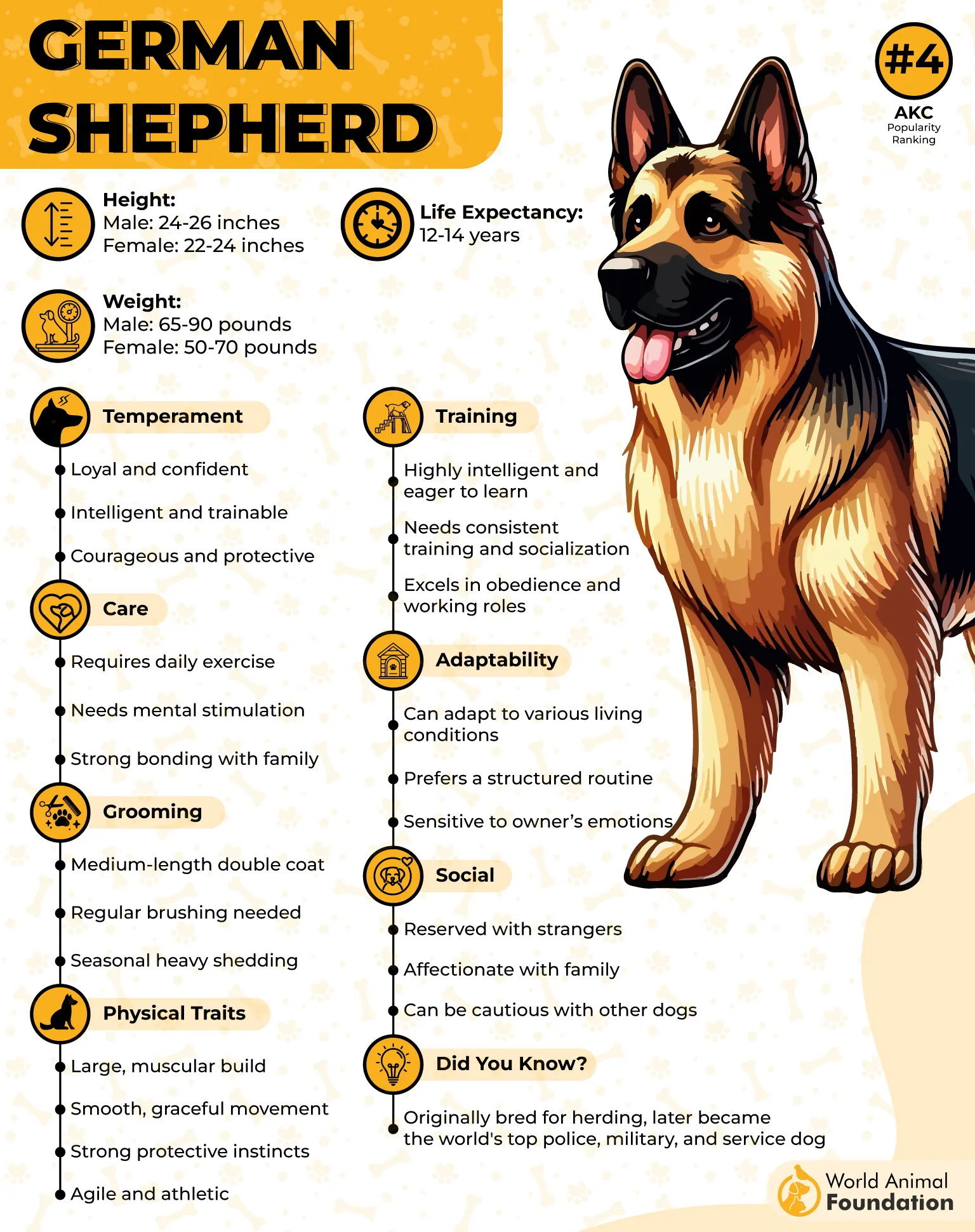
One fascinating trait is their instinctive tendency to monitor and protect their family group. Experienced owners frequently observe German Shepherds positioning themselves strategically on trails or scanning the environment for potential hazards without displaying unnecessary aggression.
Preparation matters before attempting ambitious hikes. Veterinarians and trainers commonly recommend gradually increasing mileage while monitoring joint health, especially in younger dogs whose skeletal systems are still developing.
Essential trail gear includes a secure harness, collapsible water bowl, first-aid supplies, and paw protection for rough surfaces. With thoughtful planning and positive reinforcement, German Shepherds become exceptional companions capable of sharing years of memorable backcountry adventures.
3 Camping And Trail Running Tips For This Breed
Prioritize recall and leash manners before exploring wildlife-rich areas.
Build endurance progressively instead of jumping into difficult mountain trails.
Inspect paws carefully after hikes involving gravel, hot surfaces, or sharp rocks.
3. Alaskan Malamute
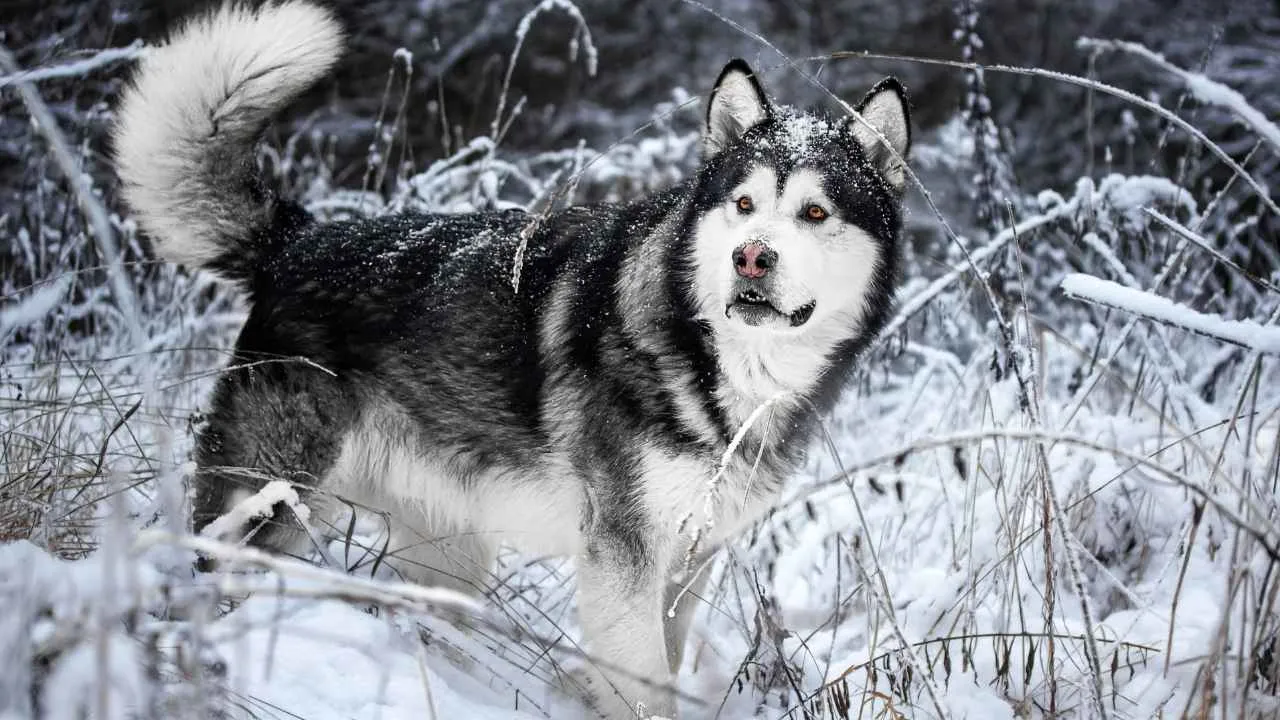
The Alaskan Malamute was practically engineered for epic expeditions.
For centuries, they were among the best dog breeds that hauled heavy loads across frozen landscapes, where strength, persistence, and teamwork meant survival. Modern camping trips may not involve sleds, but their adventurous spirit remains fully intact.
Unlike sprint-oriented breeds, Malamutes specialize in endurance. They are happiest maintaining a steady pace over long distances while carrying themselves with calm confidence and determination. Watching one tackle challenging terrain feels like witnessing a canine version of an experienced mountaineer.
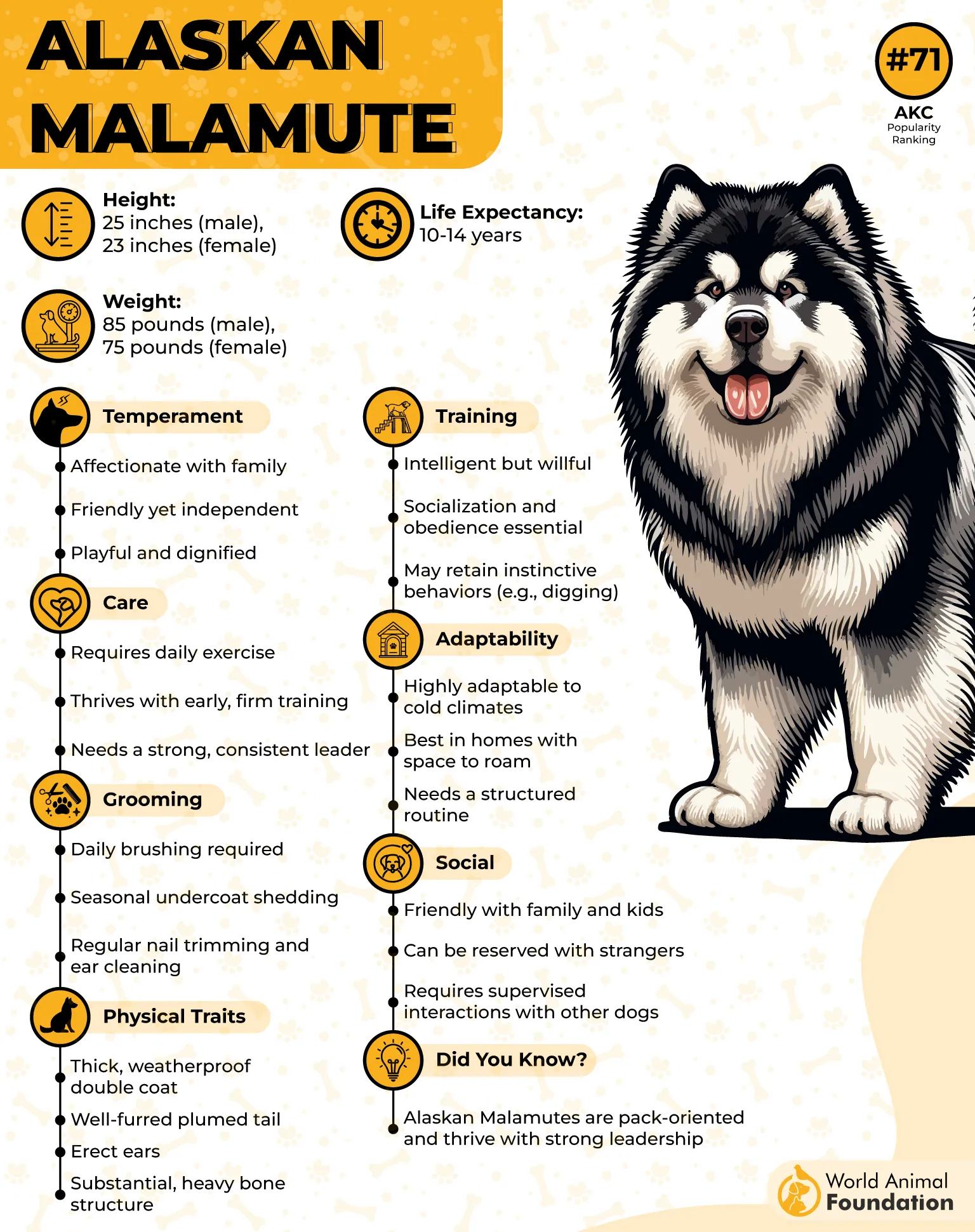
Their thick double coat provides excellent insulation in cold climates but creates challenges during warm-weather adventures. Heat exhaustion can develop surprisingly quickly, making early morning hikes, shaded routes, and abundant hydration essential during summer outings. Responsible owners constantly monitor environmental conditions before setting off.
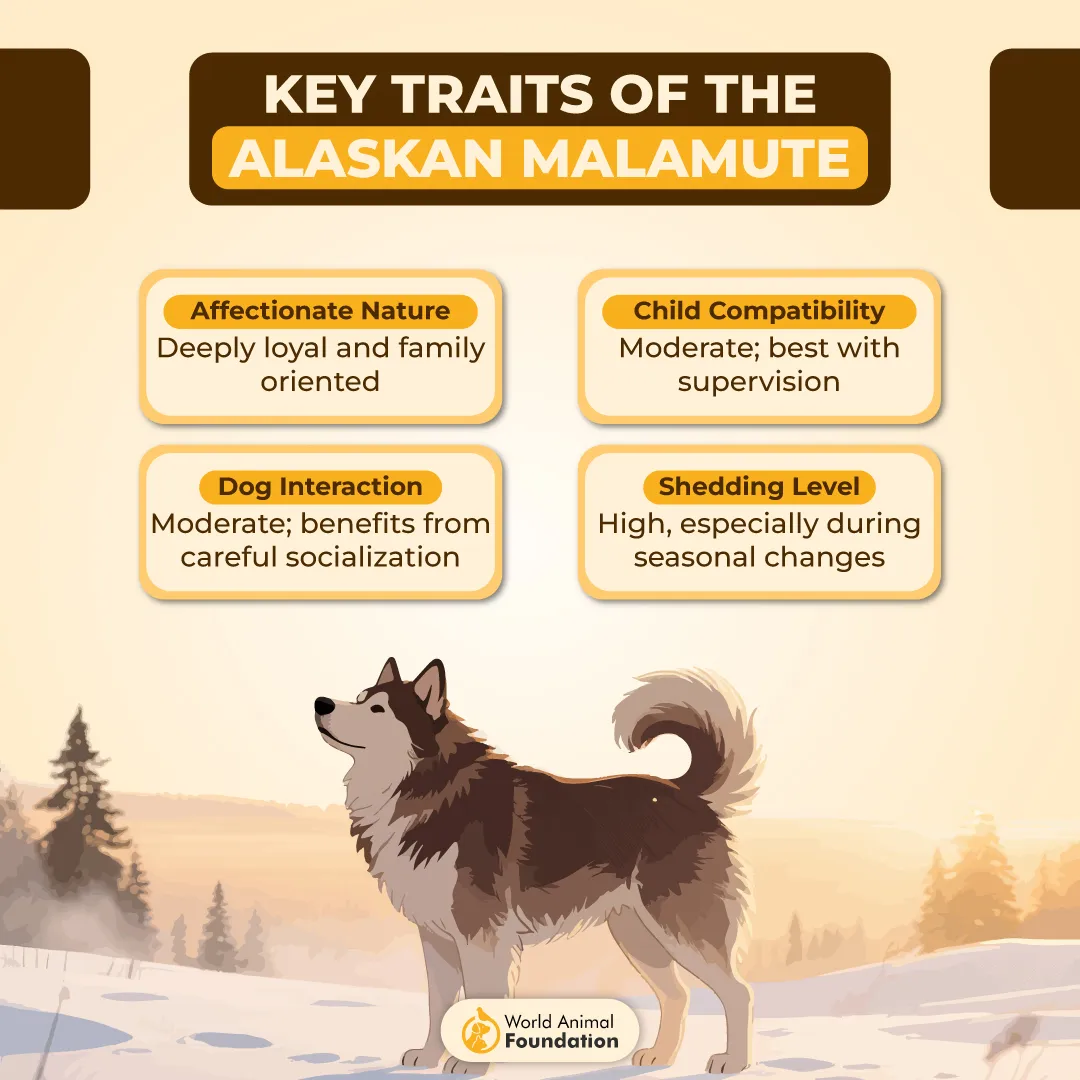
Malamutes are highly intelligent but possess an independent streak that can surprise first-time handlers. Positive, consistent leadership established through early training helps build trust and cooperation, especially when navigating unfamiliar trails or busy campgrounds. Socialization also reduces unwanted interactions with strangers and other dogs.
3 Camping And Trail Running Tips For This Breed
Schedule strenuous exercise during cooler hours to minimize the risk of overheating.
Match trail difficulty to weather conditions as much as to physical fitness.
Keep a canine first-aid kit handy and know the warning signs of dehydration or heat stress.
4. Labrador Retriever
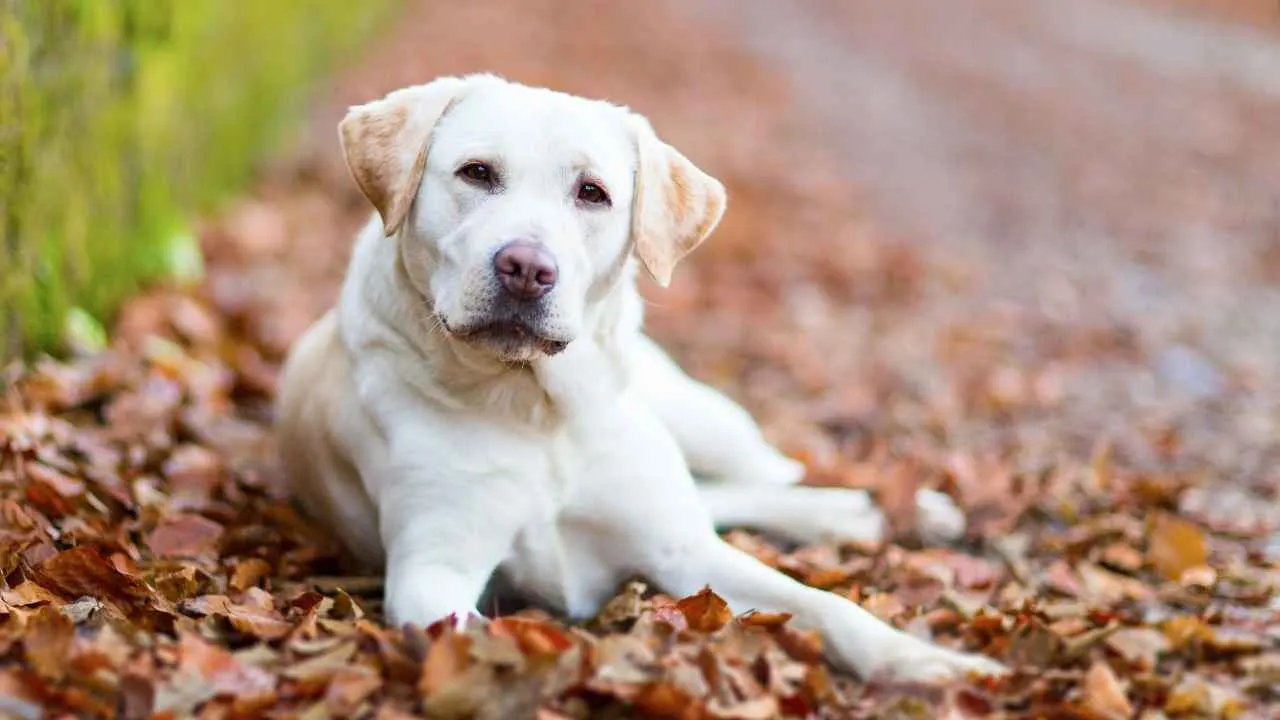
The Labrador Retriever is the definition of a “yes dog.” Ask them if they want to go camping, trail running, kayaking, swimming, or wander through the woods for three hours, and the answer is almost guaranteed to be an enthusiastic tail wag. Their cheerful personality and boundless energy have helped them remain one of the world’s most popular family dogs for decades.
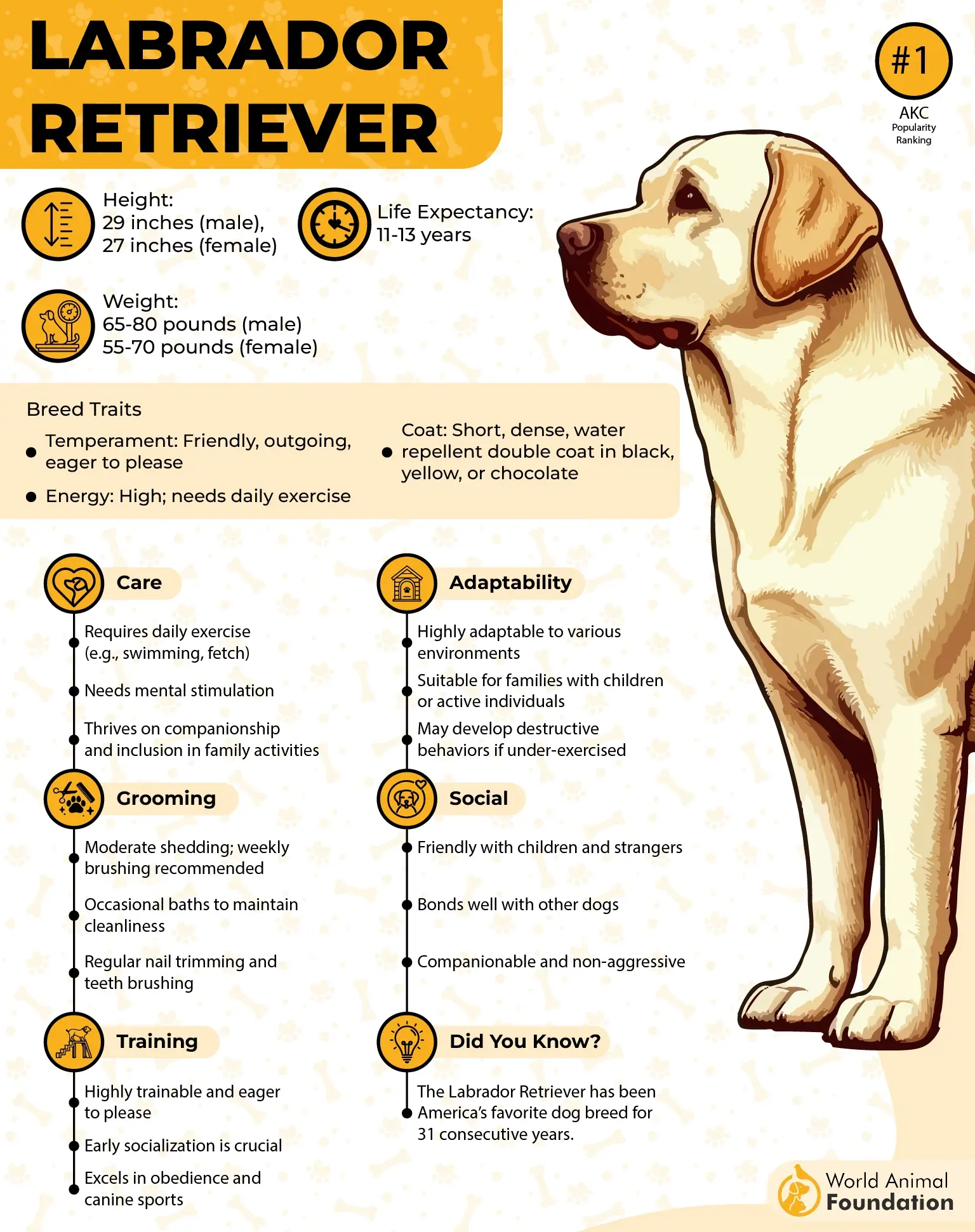
Originally bred to retrieve fishing nets and waterfowl, Labs possess incredible stamina and a natural love of outdoor work. They excel on trails that include streams, lakes, or rivers because water is practically their second home.
Exercise is not optional for this breed. Veterinary professionals generally recommend at least an hour of vigorous activity each day for healthy adult Labs, with additional mental stimulation to prevent boredom-related behaviors such as chewing or digging. A challenging hike or trail run is often the perfect outlet for their enthusiasm.
Despite their athleticism, pacing matters—especially for puppies. Growing Labrador joints are still developing, so repetitive long-distance running should be introduced gradually under veterinary guidance. As adults, however, many Labs happily accompany owners on extended hikes and moderate-distance trail runs.
3 Camping And Trail Running Tips For This Breed
Bring extra drinking water even on routes with streams, as natural water sources may contain harmful parasites or bacteria.
Include swimming breaks only where conditions are safe, and currents are gentle.
Monitor younger dogs carefully and avoid excessive mileage until their growth plates have matured.
5. Rhodesian Ridgeback
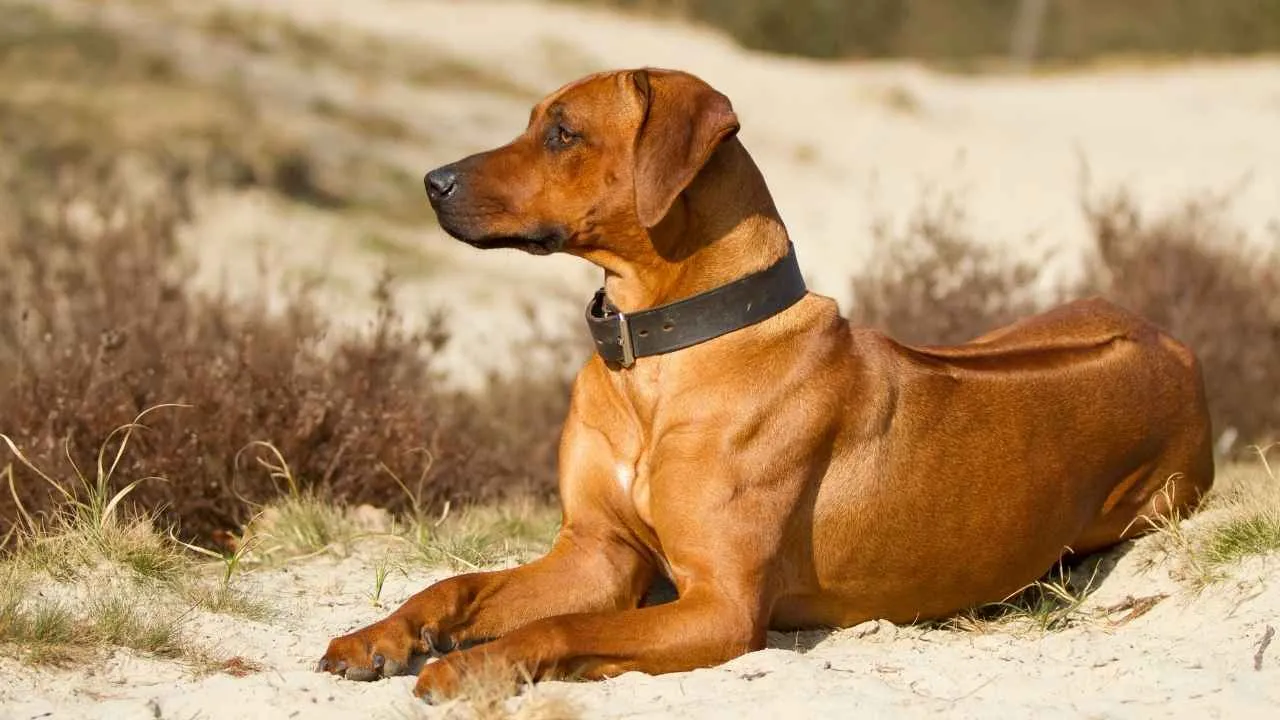
Rhodesian Ridgebacks are powerful and athletic dogs with remarkable endurance and confidence, making them outstanding partners for long-distance hiking and navigating challenging terrain. Their iconic ridge of backward-growing hair only adds to their already unforgettable appearance.
Unlike breeds that rely on explosive bursts of speed, Ridgebacks excel through efficient movement and sustained stamina. Rocky inclines, uneven trails, and winding backcountry routes play to their natural strengths. Their balanced build allows them to cover impressive distances without appearing easily fatigued.
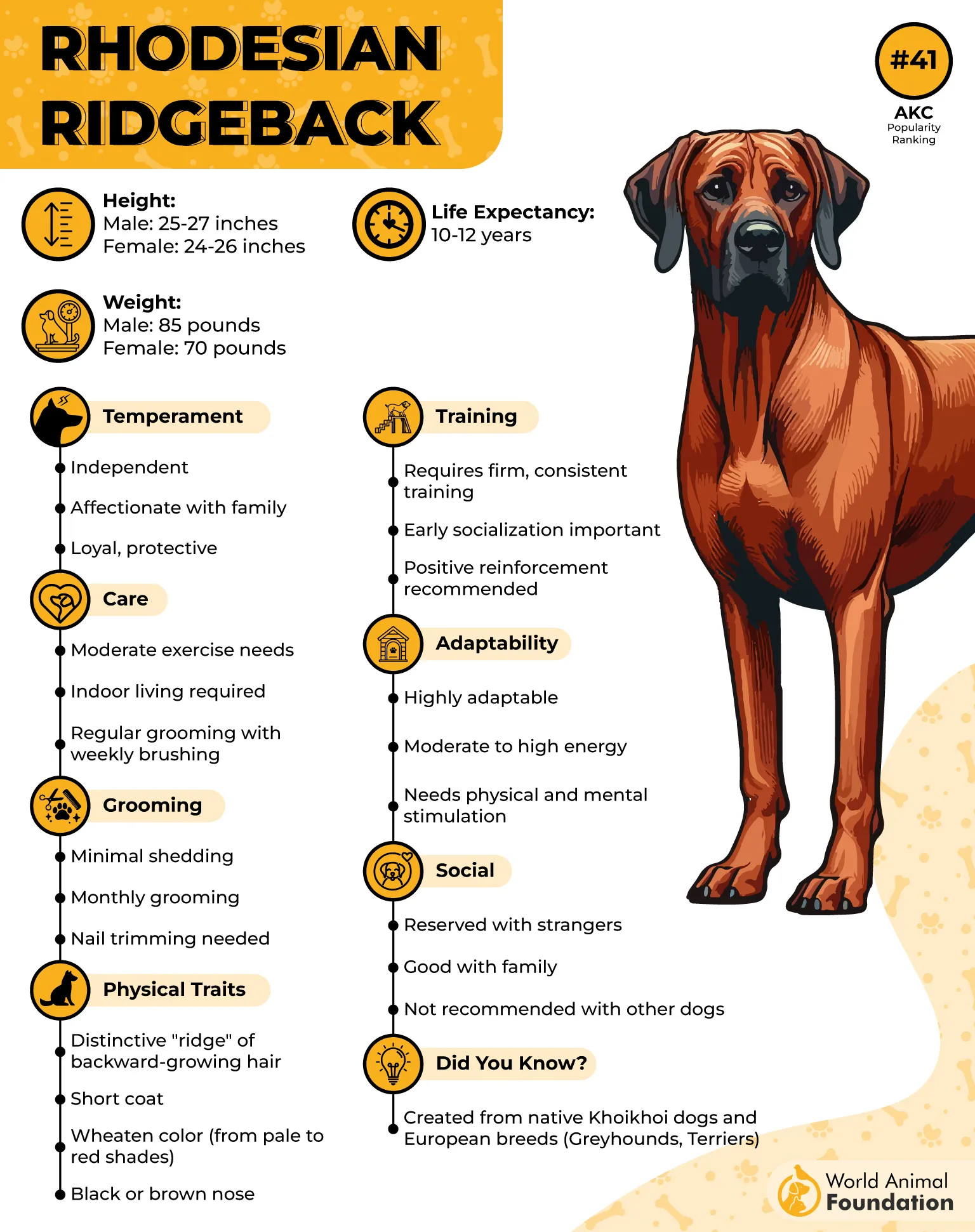
The Royal Kennel Club says hiking also satisfies the Ridgeback’s curious and intelligent nature. New scents, changing landscapes, and opportunities to explore provide valuable mental enrichment that complements their physical exercise needs. Owners often notice these dogs becoming deeply engaged with their surroundings while remaining attentive to their human companions.
Although resilient, preparation remains essential. Puppies should avoid strenuous hikes while their skeletal systems develop, and senior dogs may benefit from shorter, less demanding routes. Weather conditions deserve equal consideration, as extreme heat can challenge even highly athletic breeds.
3 Camping And Trail Running Tips For This Breed
Select dog-friendly trails with varied terrain to keep both body and mind engaged.
Carry high-value treats to reinforce recall and responsiveness during outdoor adventures.
Pack lightweight energy snacks for especially long hikes where additional calories may be beneficial.
6. Golden Retriever
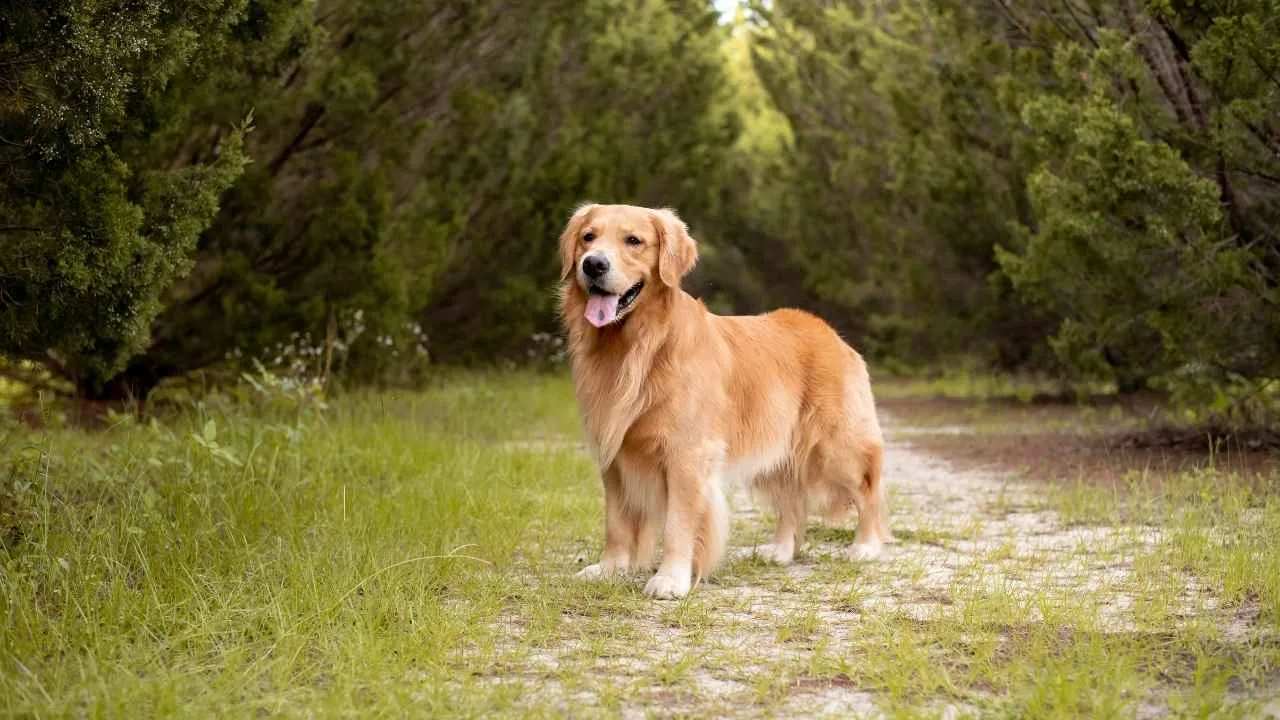
Golden Retrievers somehow manage to combine elite athletic ability with the personality of everyone’s favorite neighbor. Friendly, eager to please, and endlessly enthusiastic, they approach camping trips as though every outing is the greatest day of their lives.
Their optimism is almost contagious, making them wonderful companions for families exploring the outdoors.
Beneath that fluffy golden coat lies a capable working dog. Originally bred to retrieve game across fields and wetlands, Goldens possess excellent endurance and surprising speed while maintaining exceptional trainability. They enjoy covering miles on hiking trails as long as opportunities for rest and hydration are available.
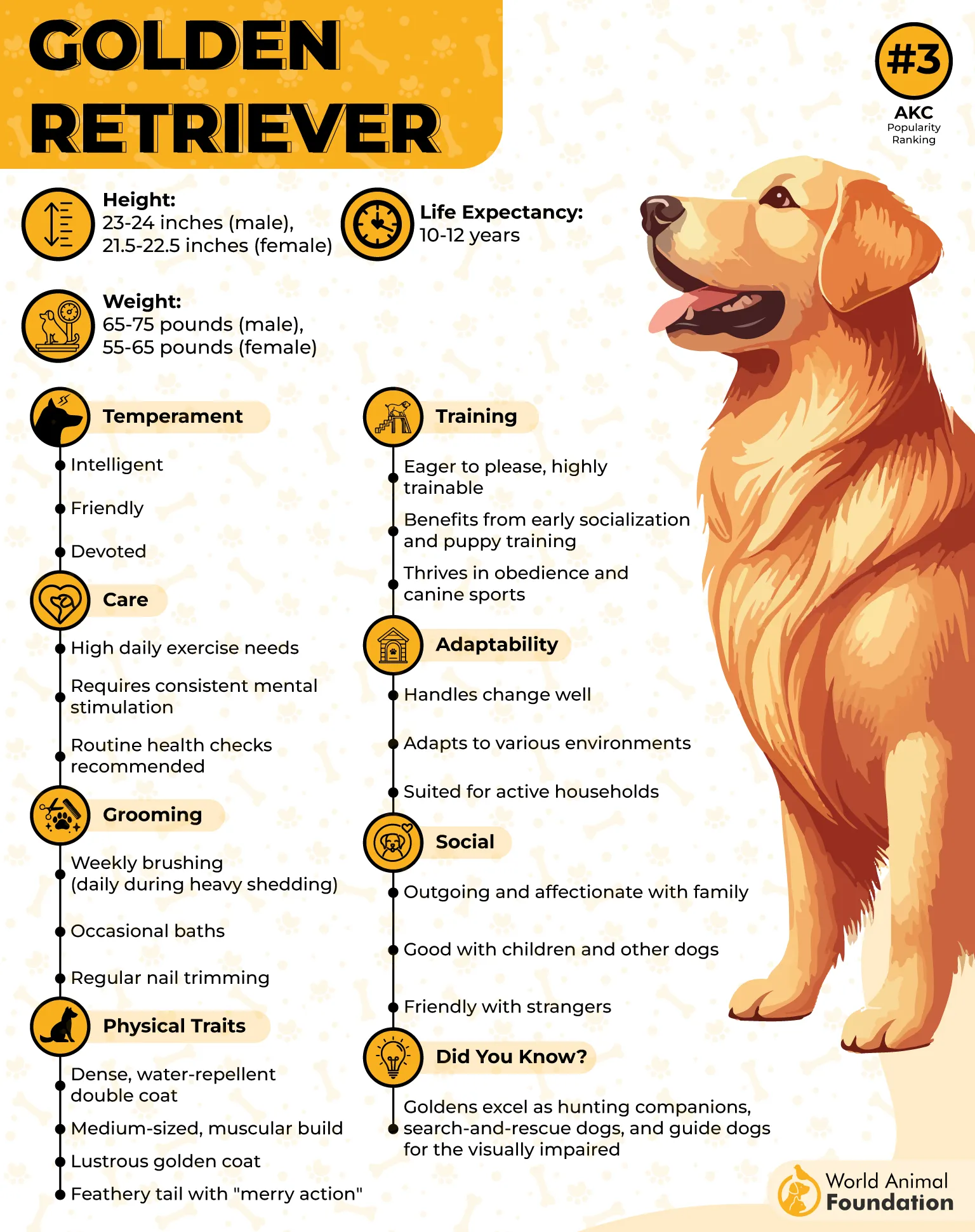
Water features deserve special mention because many Golden Retrievers absolutely adore them. Rivers, lakes, ponds, and even muddy puddles often become irresistible attractions during hikes. Countless owners have stories of perfectly clean Goldens transforming into mud-covered explorers within seconds of spotting water.
Their cooperative temperament also makes them relatively easy to prepare for trail adventures. Consistent obedience training, leash manners, and recall exercises help ensure safe encounters with wildlife, livestock, and fellow hikers. Because they are eager learners, many quickly master campsite routines and outdoor etiquette.
3 Camping And Trail Running Tips For This Breed
Check paws frequently after rocky routes and consider protective boots for extended treks.
Use a well-fitted harness when navigating crowded campsites or difficult terrain.
Balance energetic play with scheduled rest periods to avoid unnecessary fatigue during full-day adventures.
7. Vizsla
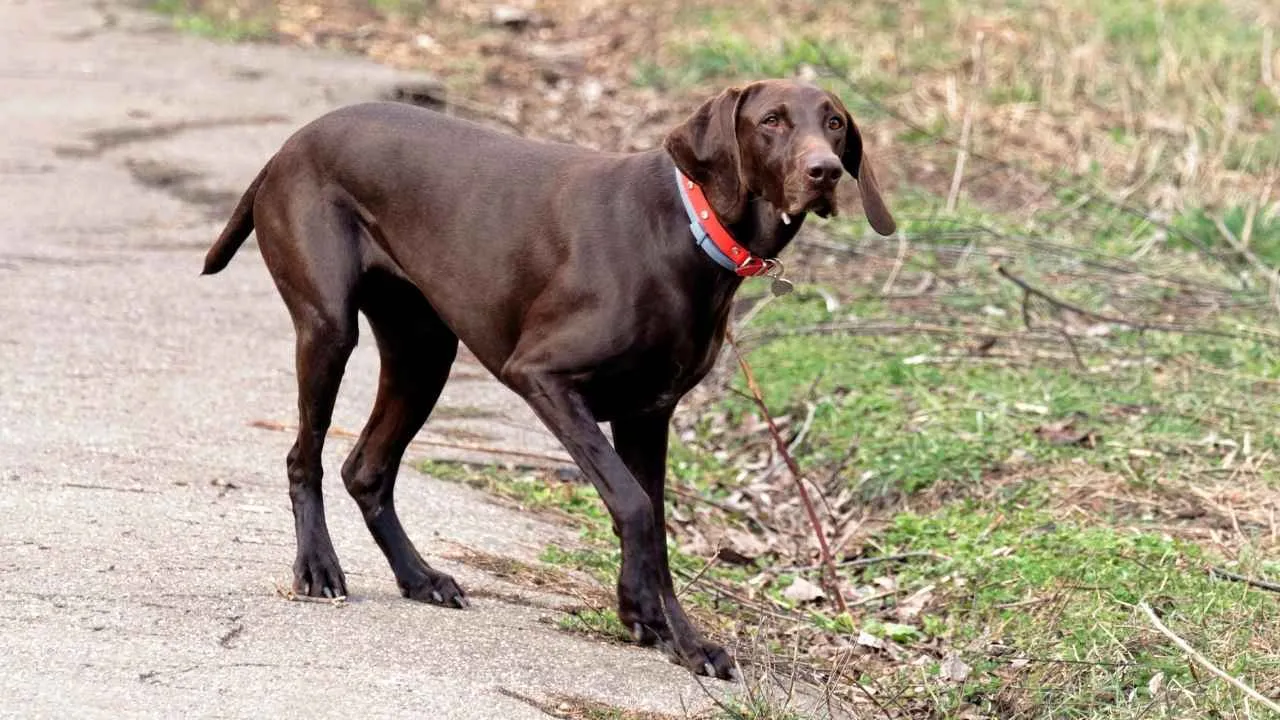
If there were an Olympic event for canine endurance, the Vizsla would be a serious medal contender. Originally bred in Hungary as a hunting companion, this sleek athlete combines speed, stamina, and intelligence into one incredibly affectionate package. They are often nicknamed “Velcro dogs” because they love sticking close to their favorite humans.
Trail runners adore Vizslas because they naturally settle into a steady pace over long distances. Once fully mature and properly conditioned, many can accompany experienced runners for miles while still looking ready for round two. Their lean frame and efficient gait make them seem almost effortless in motion.
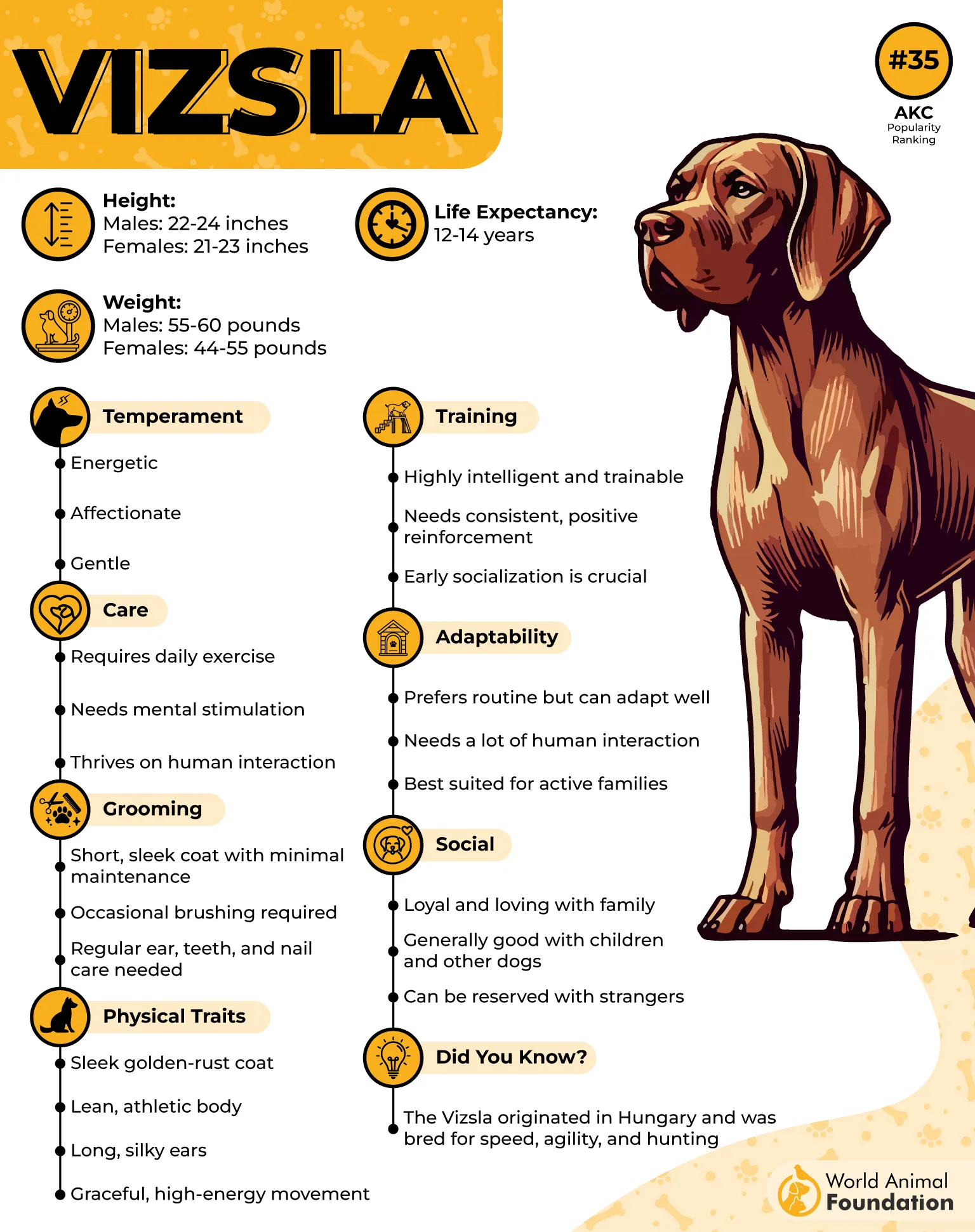
Mental stimulation is just as important as physical exercise for this breed, says Purina. Exploring new trails, practicing recall drills, and navigating changing terrain keep their curious minds engaged while preventing boredom. Owners who skip enrichment often discover a Vizsla inventing its own entertainment at home.
Young Vizslas deserve extra care because their joints and muscles continue developing well into adolescence. Experts generally recommend waiting until around 18 months before introducing repetitive long-distance running on leash, allowing healthy skeletal development first.
Before that age, free play and varied movement patterns are healthier choices.
3 Camping And Trail Running Tips For This Breed
Gradually increase mileage instead of jumping into marathon-length outings.
Include frequent training exercises to channel their intelligence productively.
Pack insulating layers for chilly evenings because their short coat offers limited protection.
8. Siberian Husky
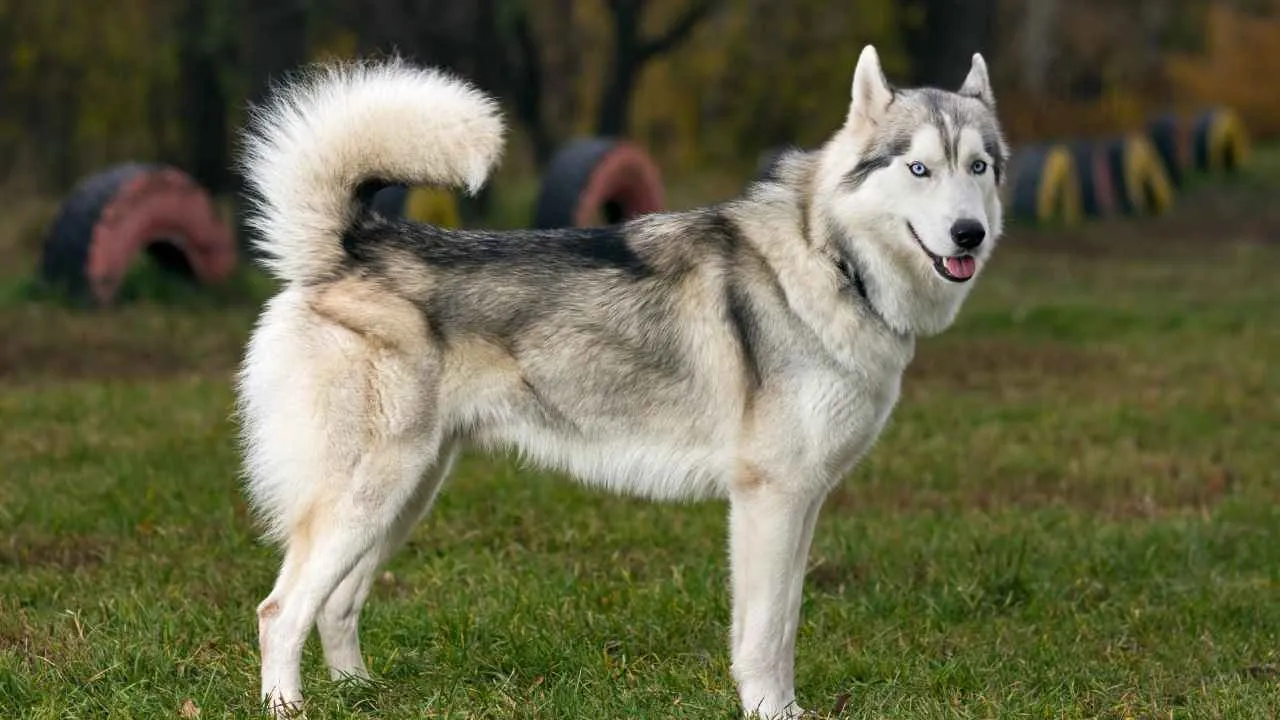
The Siberian Husky was born for epic journeys. Developed by the Chukchi people of northeastern Asia to pull sleds across frozen landscapes, these dogs evolved extraordinary endurance and resilience that still define the breed today. Adventure practically runs through their DNA.
Watching a healthy Husky cover ground is genuinely impressive. They maintain efficient movement over long distances and often appear energized long after other breeds have begun to slow down. Their enthusiasm for exploration means every hike becomes an exciting mission rather than a routine exercise.
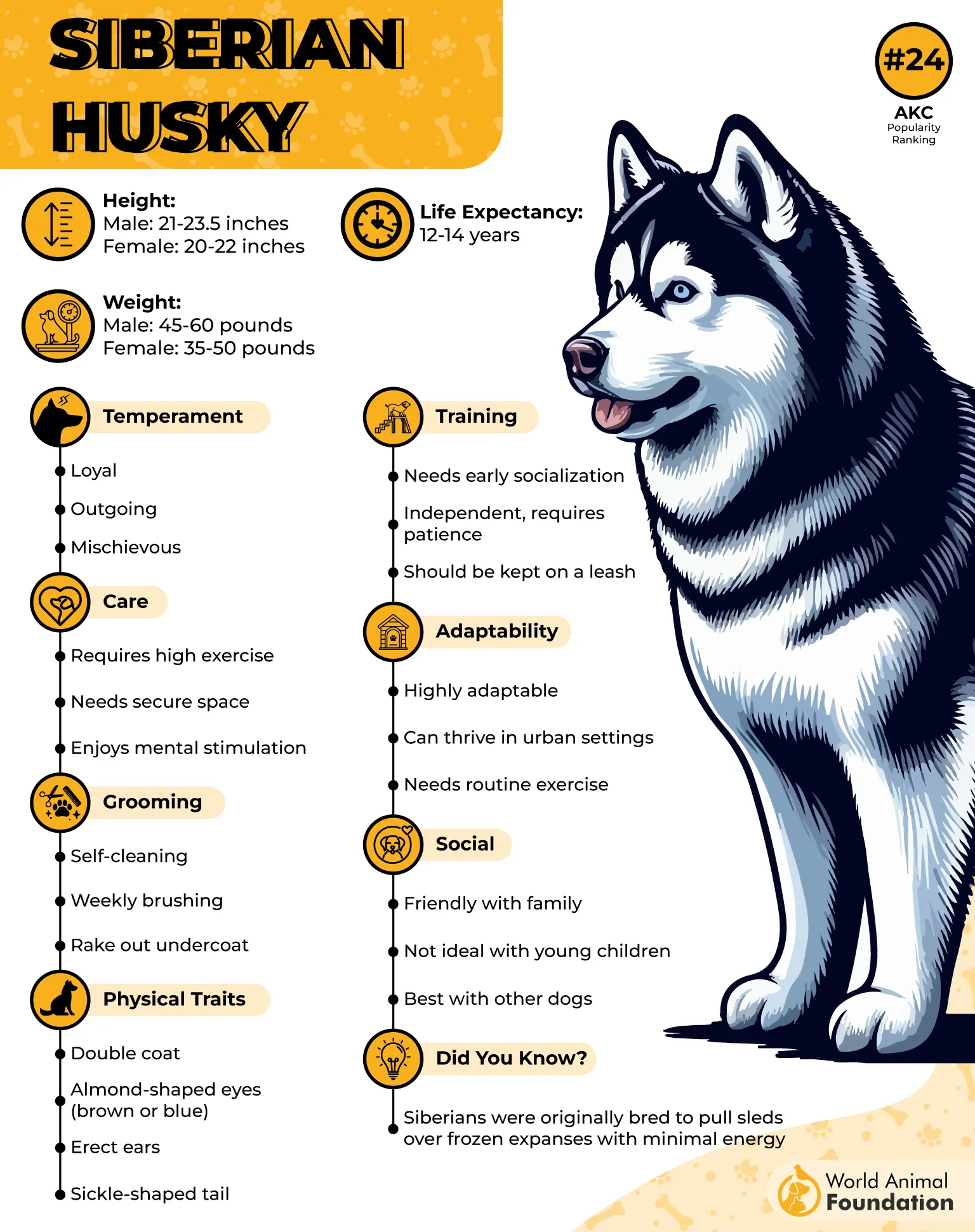
Cold weather is where Huskies truly shine, as per Britannica. Snow-covered trails, crisp mountain mornings, and winter camping trips allow them to perform thanks to their dense double coat. Hot climates, however, require significant caution because overheating can occur much faster than many owners expect.
Training deserves special attention with this independent breed. Huskies are intelligent but also notorious escape artists who may chase wildlife or investigate distant scents if given the opportunity. Reliable recall and secure leashing are essential for safe outdoor recreation.
Camping with a Husky often means embracing their playful personality as well. Digging, vocalizing, zooming around camp, and enthusiastically greeting fellow adventurers are all part of the experience.
3 Camping And Trail Running Tips For This Breed
Choose cooler times of day for strenuous exercise, especially in the winter months.
Never assume off-leash reliability in unfenced wilderness areas without exceptional recall training.
Bring engaging activities for downtime at camp to prevent boredom-driven mischief.
9. Australian Shepherd
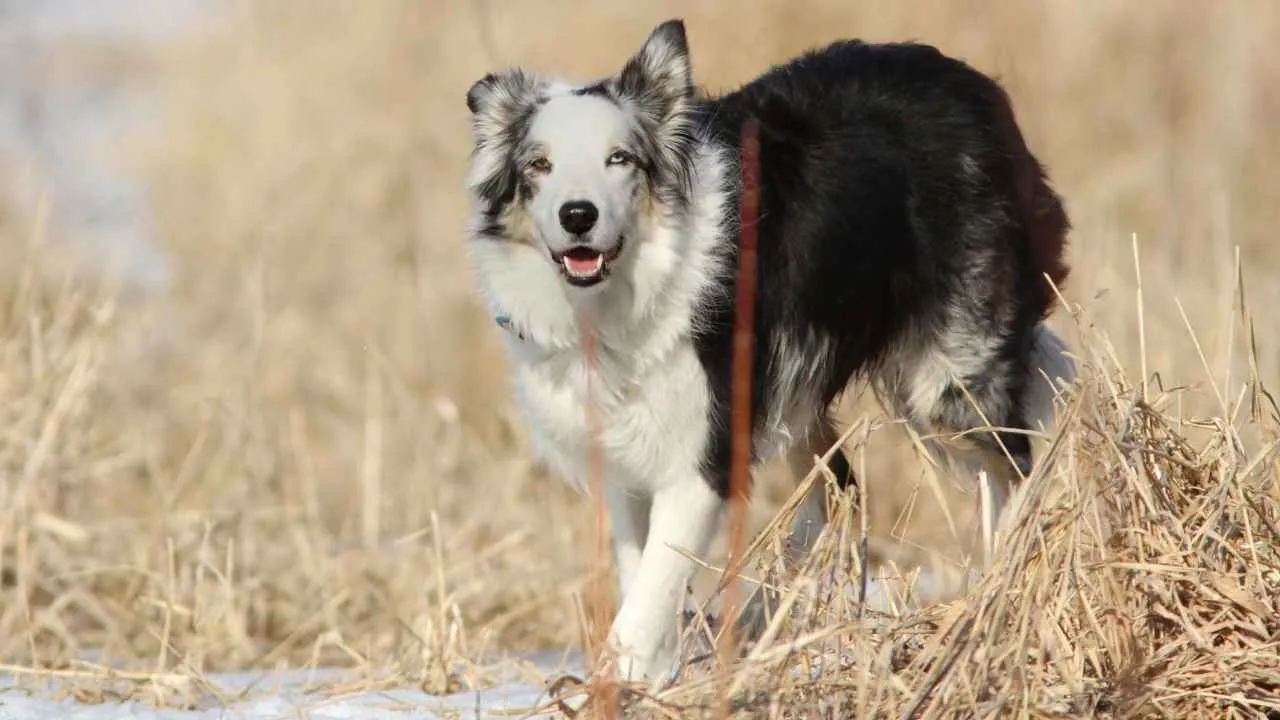
Despite the name, the Australian Shepherd was largely developed as a ranch and herding dog in the western United States. These energetic canines, who thrive on movement, learning, and teamwork, make exceptional companions for campers and trail runners who love staying active.
Australian Shepherds combine athletic ability with remarkable intelligence. They excel at navigating technical trails, adapting quickly to changing terrain, and responding to commands even in distracting environments. Their eagerness to work alongside people makes them highly trainable adventure partners.
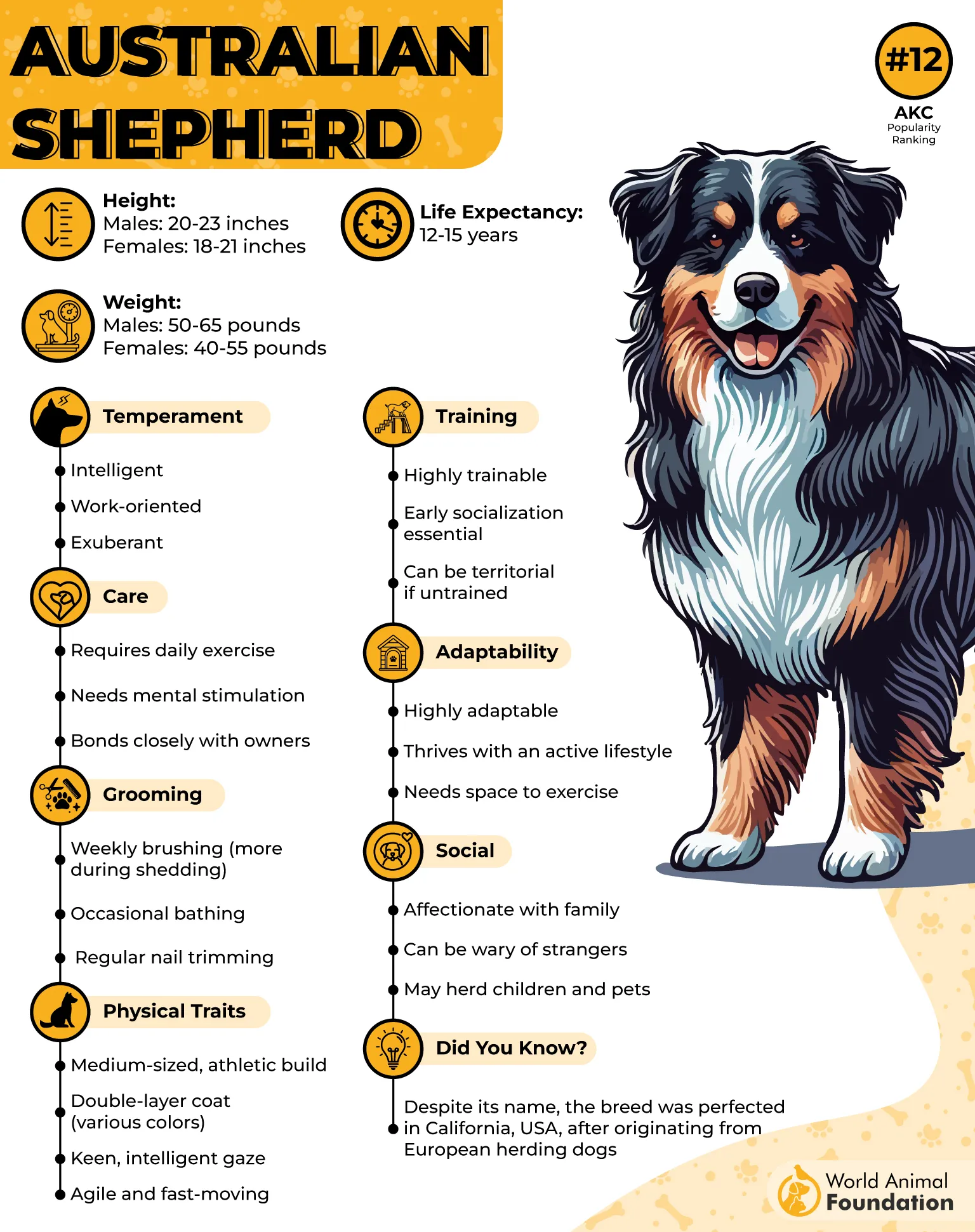
Physical exercise alone is rarely enough for this breed. Puzzle games at camp, advanced obedience drills, and opportunities to practice agility-like movements help satisfy their active minds. Without sufficient engagement, they may invent jobs that humans never intended.
Their medium-length double coat protects from brush and moderate weather conditions, but benefits from routine maintenance after outdoor excursions. Burrs, seeds, and debris can become trapped in the fur after hikes through dense vegetation. A quick grooming session at camp helps keep the coat healthy and comfortable.
Owners who invest time in training and socialization often discover an incredibly versatile outdoor companion. Whether crossing streams, climbing switchbacks, or spending evenings relaxing under the stars, Australian Shepherds embrace adventure with boundless enthusiasm and unwavering loyalty.
3 Camping And Trail Running Tips For This Breed
Add mental challenges, such as obedience games, during trail breaks to complement physical exercise.
Brush the coat after hikes to remove seeds, burrs, and tangled vegetation.
Rotate between running, hiking, and fetch sessions to keep routines stimulating.
Conclusion
Camping and trail running become even more rewarding when shared with a dog that genuinely enjoys the journey.
That said, enthusiasm alone is not enough to guarantee success on the trail. Building fitness gradually, monitoring weather conditions, carrying enough water, and protecting paws from rough terrain all contribute to safer, more enjoyable experiences.
So pack the tent, grab the leash, lace up your boots, and hit the path together. The campfire stories will be better, the miles will feel shorter, and your four-legged trail buddy will almost certainly be ready for the next adventure before you are.
