




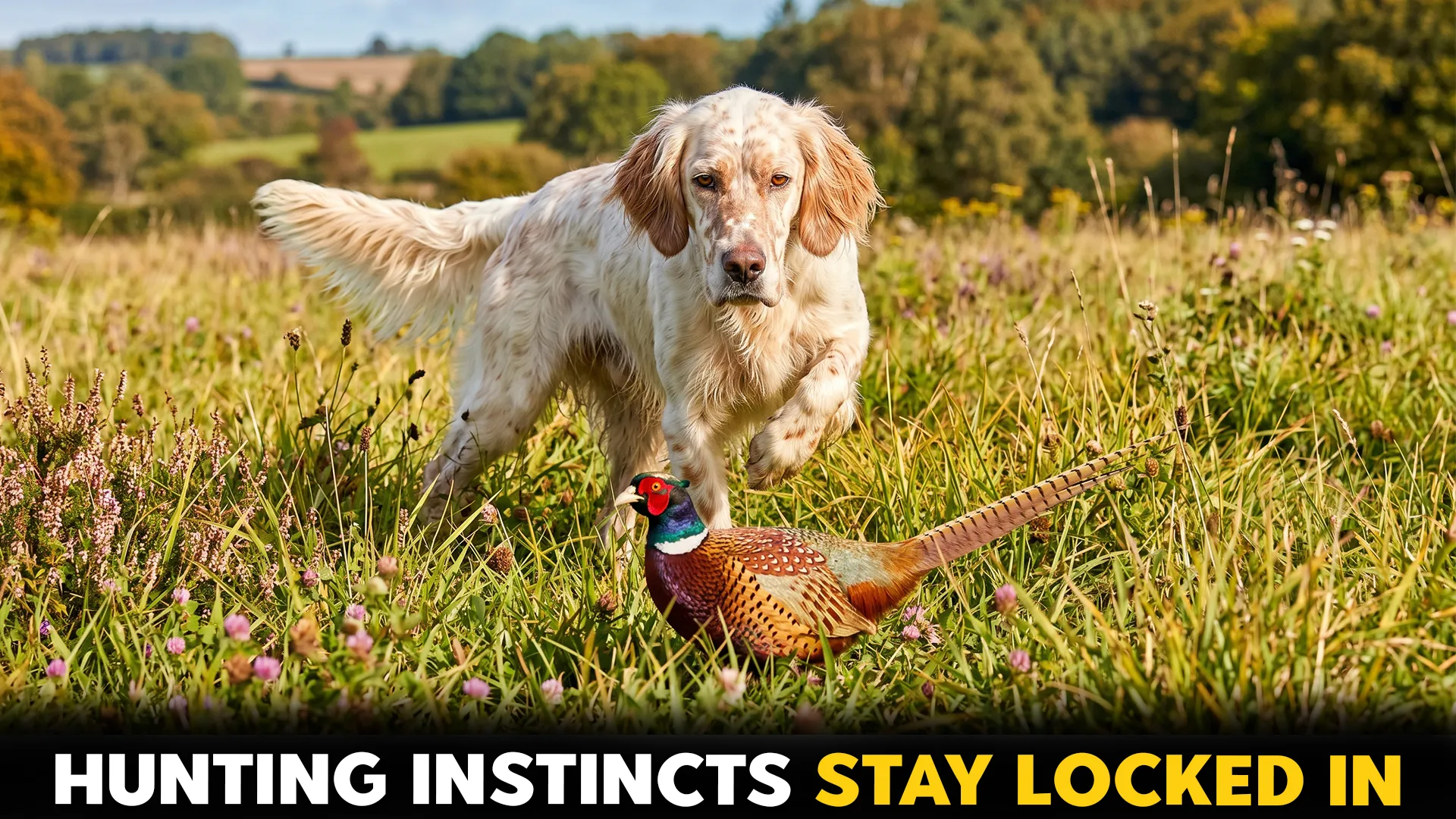
Hunting is almost incomplete without a dog by your side: one that can track, point, and retrieve while you focus on the shot. A good hunting dog does more than half the work, and that adrenaline rush of watching your dog lock onto a target and point is a feeling that’s hard to match.
But not just any dog belongs in the field. Hunting demands stamina, a sharp nose, and the intelligence to work with you rather than against you. You need a teammate that stays as focused on the goal as you are, and genuinely loves the chase.
We’ve covered seven dogs that are built for exactly that. Some are well-rounded hunters, while others excel specifically at pointing, crouching, or retrieving. The right choice really comes down to your hunting style and what you need most in the field.
Along the way, we’ve also covered their temperament, training and exercise needs, and shedding and grooming basics, so you have a clear picture of the commitment involved before making your choice.
Outstanding Dog Breeds for Hunting and Tracking
1. Bloodhound
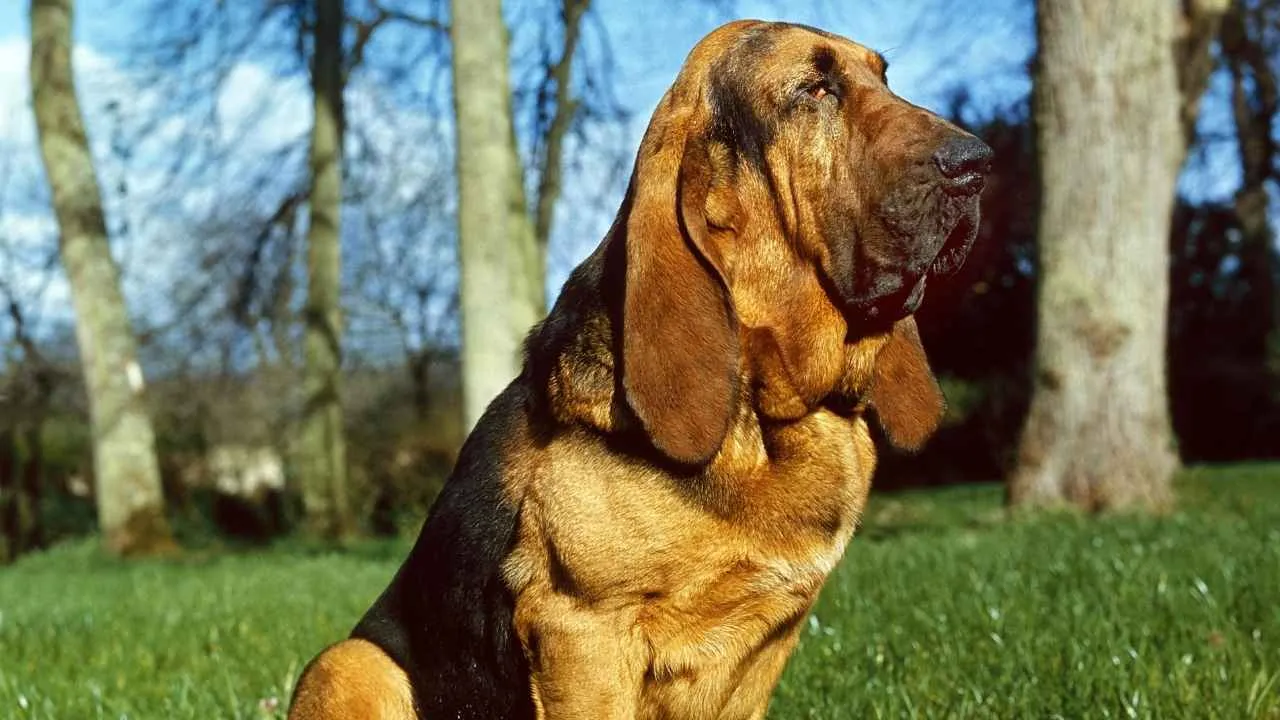
Gentle, patient, and mild-mannered at home, the Bloodhound transforms into a determined, single-minded tracker the moment they hit the field. Originally bred to track large game, they’ve also played a significant role in police search and rescue missions, and for good reason.
Their scenting abilities are in a league of their own. As PetMD notes, Bloodhounds possess around 300 million olfactory receptors compared to roughly 5 million in humans. Their tracking evidence is so reliable that courts have accepted their trail findings as legal evidence; a level of credibility no other breed has matched.
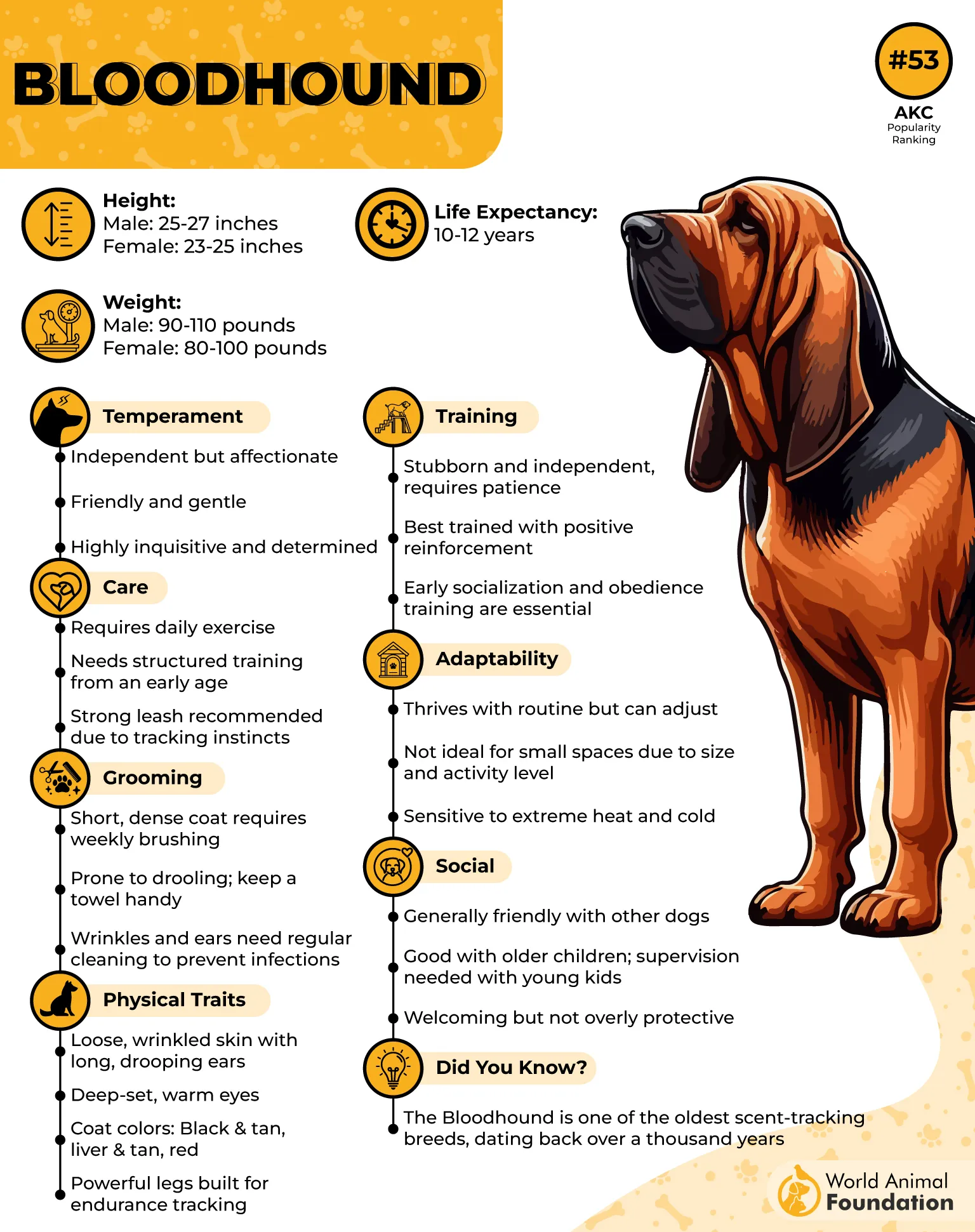
Those long, heavy ears and wrinkled skin aren’t just for looks either; they actively sweep scent particles toward the nose, amplifying an already extraordinary ability.
That said, Bloodhounds are best suited to experienced handlers. Their independent nature combined with high exercise needs makes them a handful without the right guidance. Grooming-wise, they have a short coat that sheds moderately and needs weekly brushing, along with regular cleaning of those iconic facial wrinkles.
2. English Setter
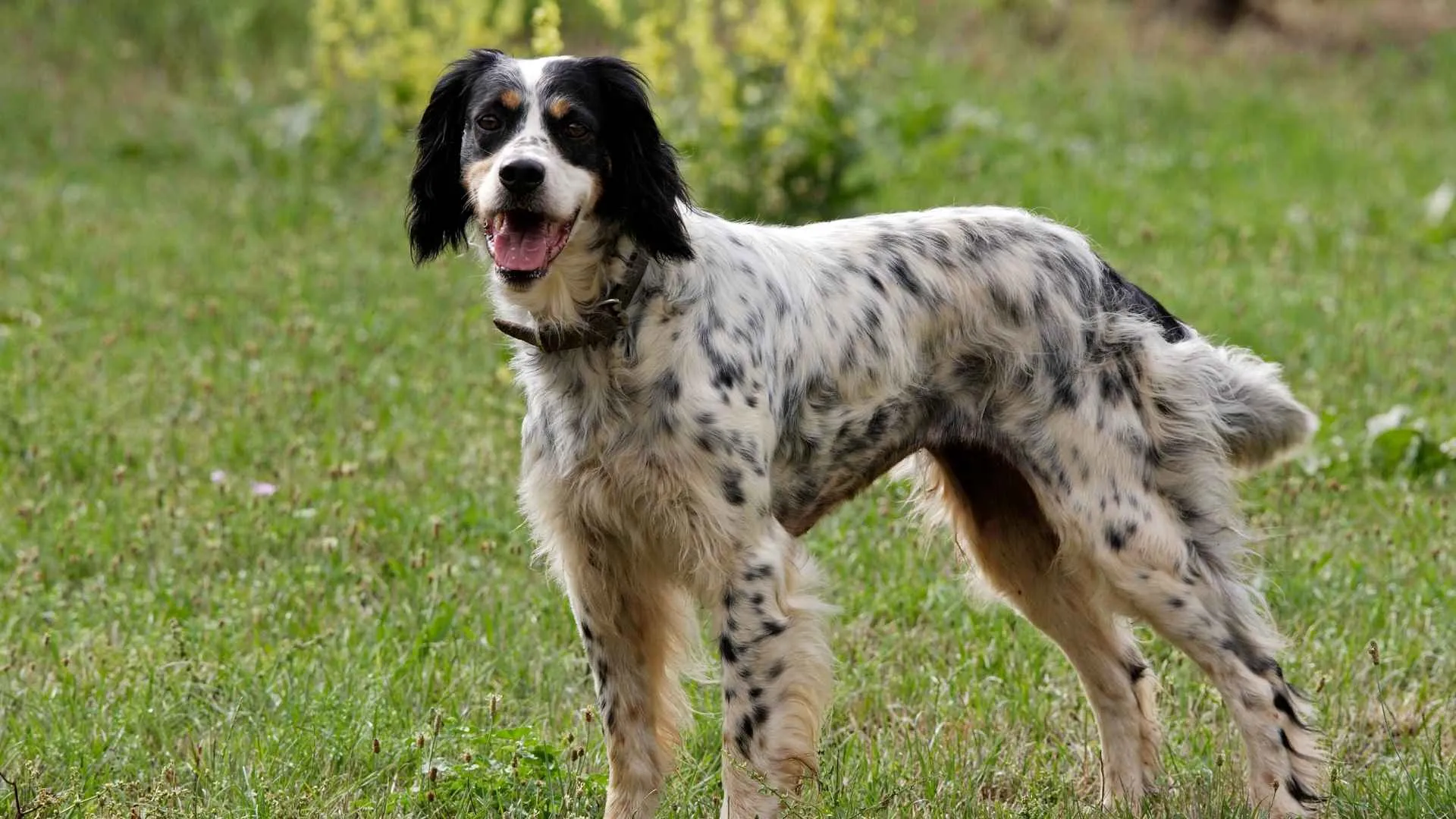
Often called the “gentleman of the dog world,” the English Setter lives up to that reputation with a sweet, gentle nature that makes them as pleasant to live with as they are effective in the field. Originally bred to hunt upland game birds like grouse, quail, and pheasant, they’ve evolved into versatile gundogs capable of locating and pointing with impressive precision.
What sets English Setters apart is their air-scenting ability; rather than keeping their nose to the ground, they hold their head high to catch scent carried on the wind. Once they lock onto a bird, they track it down and freeze entirely, signaling the hunter to the exact hiding spot. The Royal Kennel Club states that they also crouch low to flush birds out of cover, giving the hunter a clean shot.
English Setters are best suited to experienced owners who can provide consistent training and regular exercise to keep them mentally stimulated. Their beautiful flat double coat with feathering sheds moderately and requires routine brushing to stay tangle-free and looking its best.
3. German Shorthaired Pointer
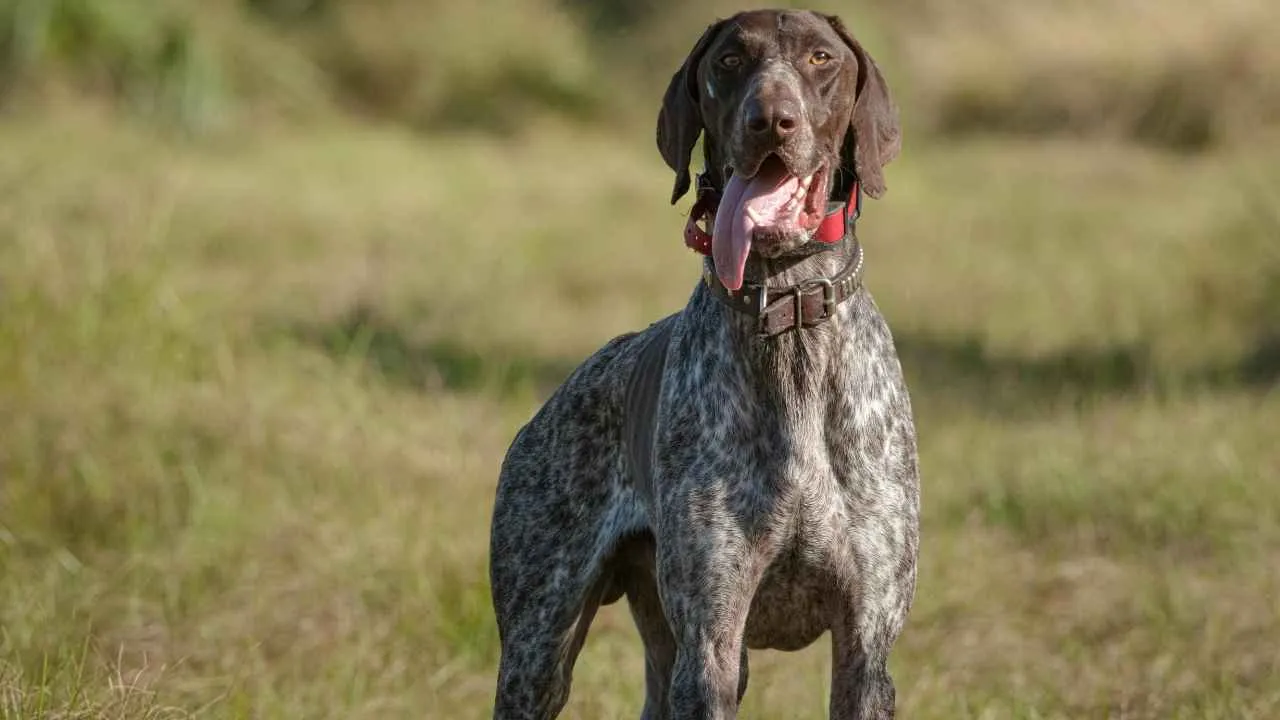
When it comes to versatility in the field, the German Shorthaired Pointer is in a class of its own. These all-rounders can track, point, flush, and retrieve game on land and in water, making them one of the most complete hunting dogs ever developed.
Their physical build backs up that versatility perfectly. Webbed feet and a muscular frame make them strong swimmers capable of retrieving ducks, while their speed and stamina make them equally effective sprinting after quail on open ground. They also possess both air-scenting and ground-tracking abilities; a combination that’s rare even among dedicated hunting breeds.
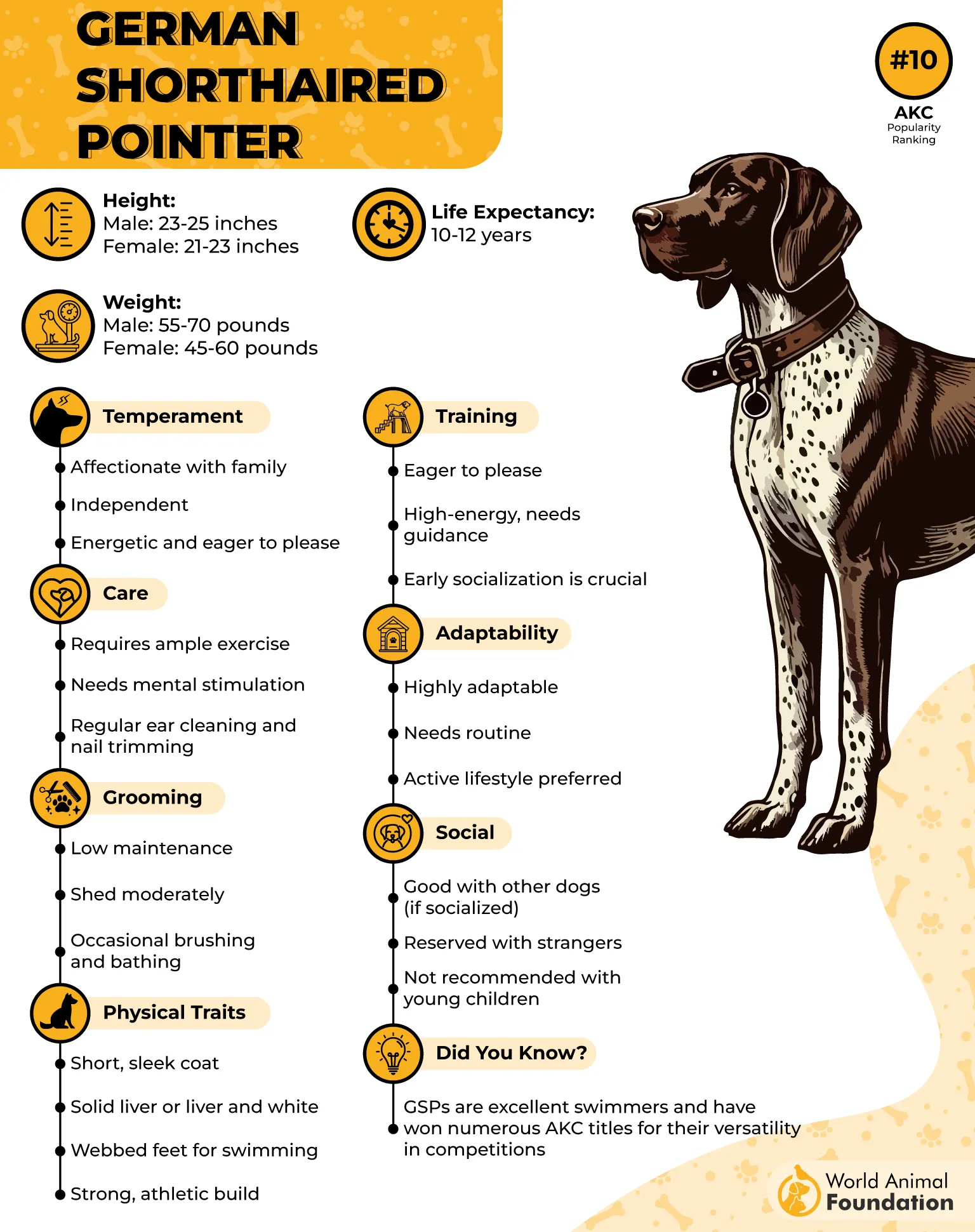
Beyond the field, GSPs are energetic, brilliant, and genuinely happy-go-lucky dogs to be around. That said, their high energy levels and strong prey drive mean they’re best handled by experienced owners who can match their intensity with proper training and structure.
Grooming is refreshingly simple: a short, water-resistant single coat that sheds moderately year-round and only needs a weekly brush to stay in good shape.
4. Vizsla
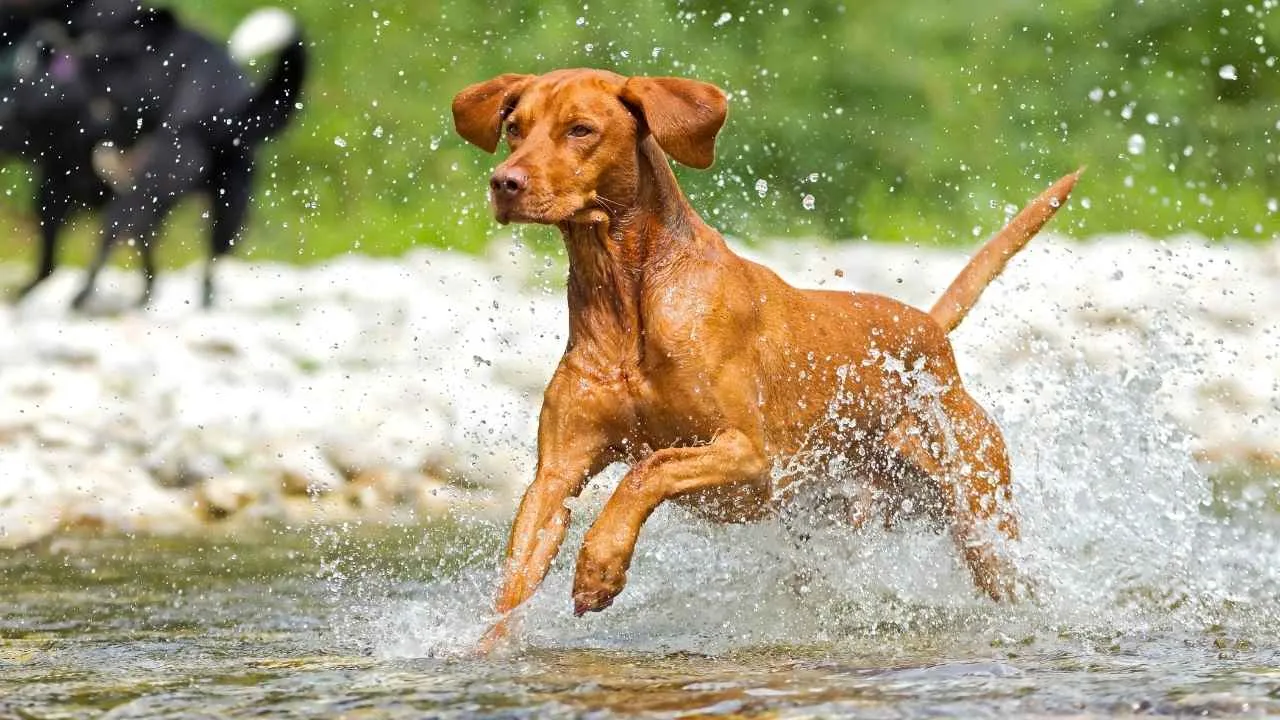
Also known as Hungarian Pointers, Vizslas are affectionate, lively, and sensitive dogs with a shadow-like bond with their owners; true Velcro dogs through and through. In the field, they excel at quartering, which means running in a zigzag pattern ahead of the hunter to systematically cover ground and locate birds.
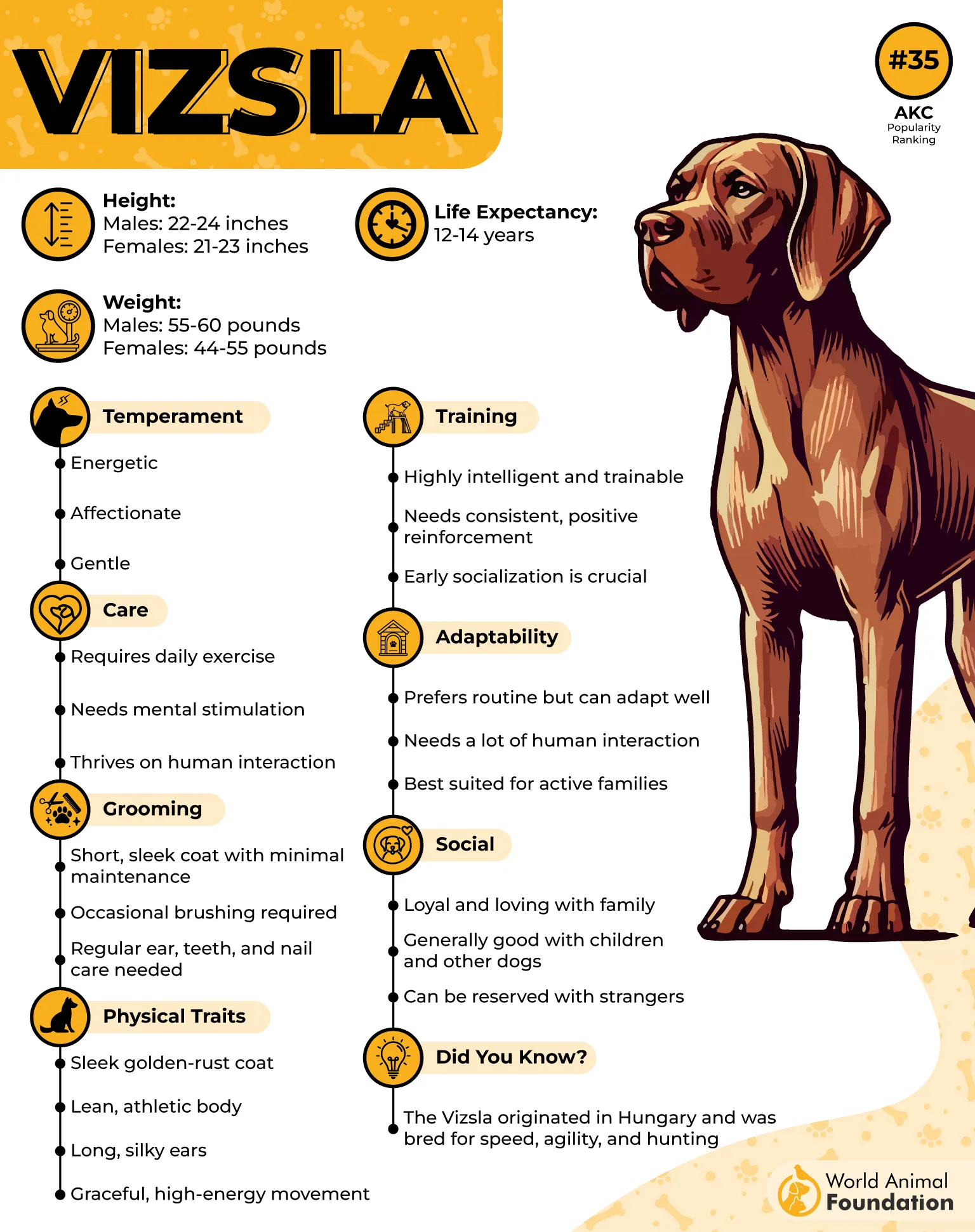
What makes them particularly valuable as hunting partners is their natural awareness of the handler. They consistently check back in and stay within comfortable gun range, making them genuinely easy to work with in the field. Their light-footed gait and soft mouth allow them to retrieve downed birds from wetlands gently and without causing damage.
Their eager-to-please nature means they pick up field training and obedience commands quickly and effectively. Outside of hunting, Vizslas love running, swimming, and even keeping pace alongside a mountain bike.
Their short single coat sheds at a low to moderate level and just needs regular brushing to manage loose hairs; straightforward grooming for an otherwise high-energy breed.
5. Bluetick Coonhound
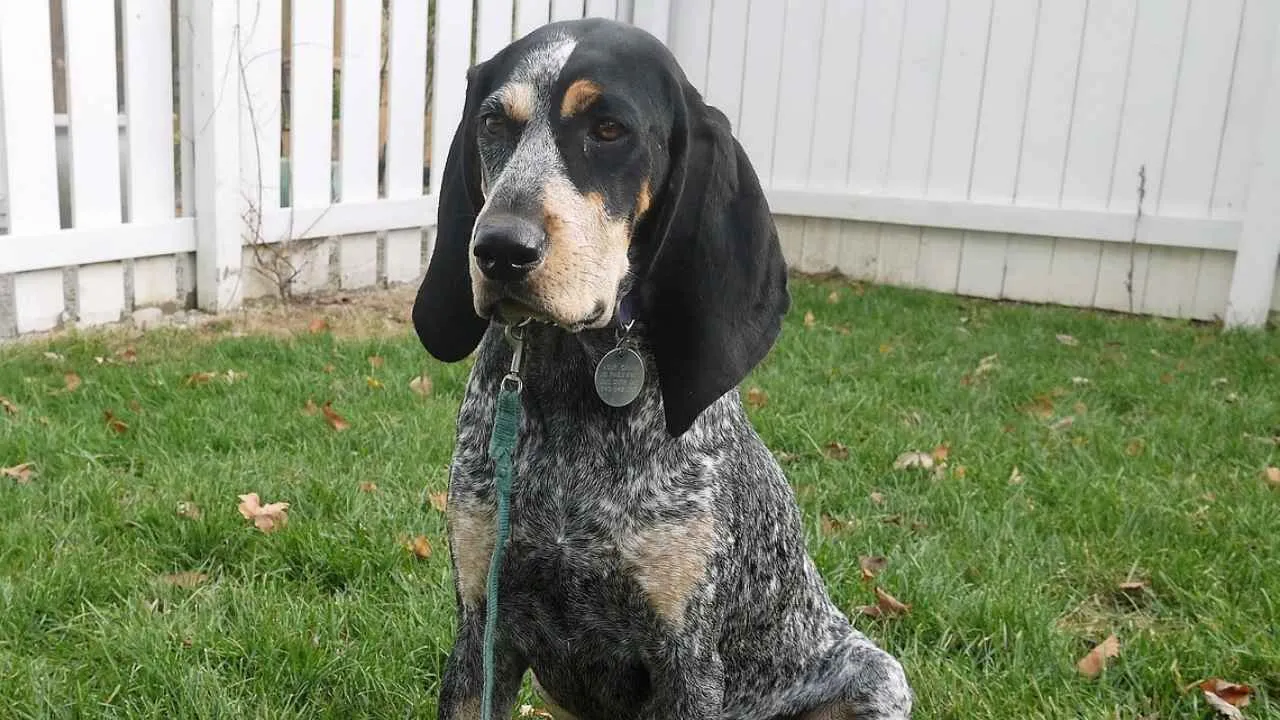
The Bluetick Coonhound gets its name from its striking mottled black and blue coat, booming voice, and exceptional cold-scent tracking ability. Bred in the United States, they’re affectionate, laid-back, and highly social dogs, but put them on a trail and that easygoing nature gives way to intense, focused determination.
Their “cold nose” is what makes them stand out; they can detect and follow a scent trail that has almost completely faded, picking up where other dogs would simply give up. On the track, their distinctive baying voice serves a practical purpose too, telling the hunter exactly where they are in a dark forest and how fresh the scent is.
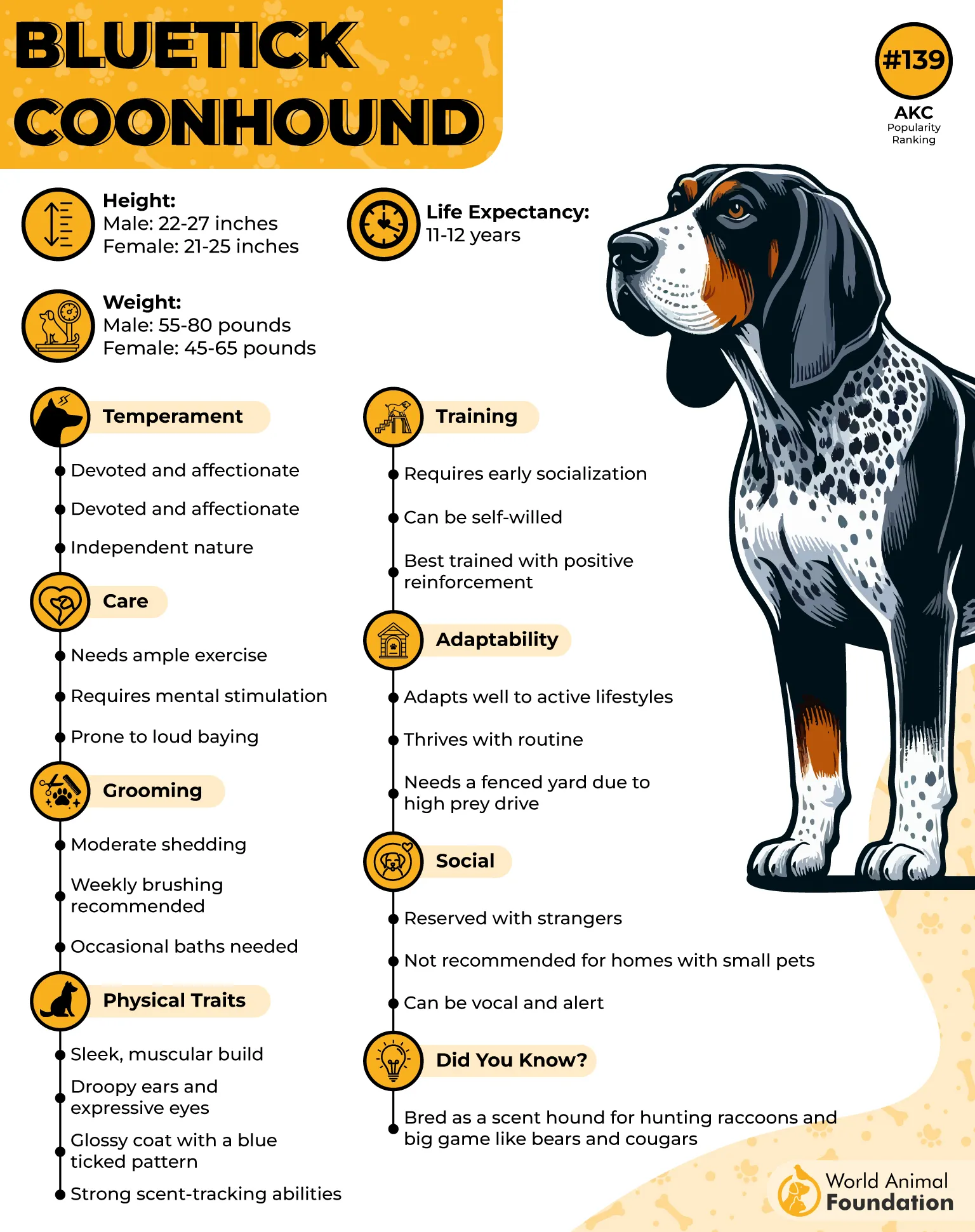
That said, Bluetick Coonhounds are independent thinkers and aren’t built for blind obedience. Training requires patience, consistency, and positive reinforcement rather than heavy-handed methods. Exercise needs are high: long brisk walks or jogs are necessary to satisfy their athletic nature.
Grooming, on the other hand, is simple: their short, glossy single coat sheds a little and only needs a weekly brush to stay in good shape.
6. Weimaraner
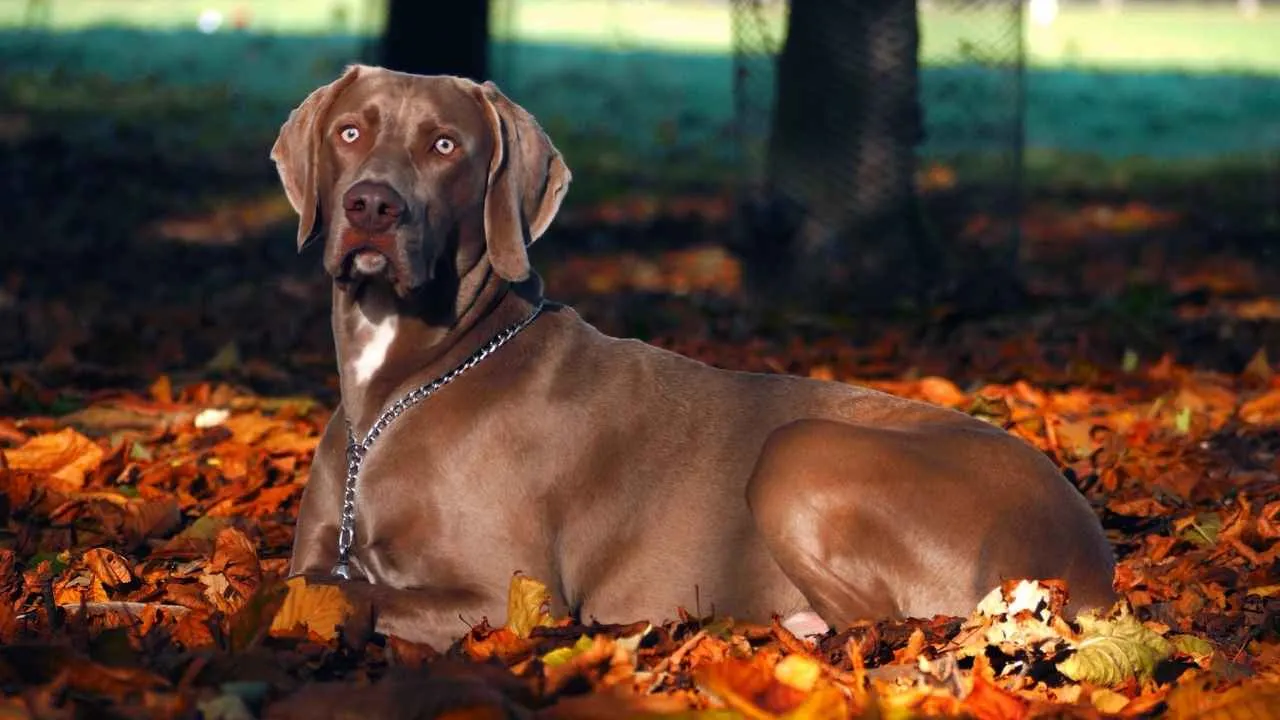
Known as “Gray Ghosts” for their distinctive silver-gray or blue-gray coat, Weimaraners are loyal, brave, and highly alert dogs, as the AKC notes. Originally bred to hunt large game, they naturally transitioned into versatile gundogs as big game populations declined over time.
Built for both power and speed, their long snouts and keen sense of smell make them highly effective at picking up bird scent in the air or following ground tracks to locate wounded game. Once they lock onto a target, they point and retrieve with precision.
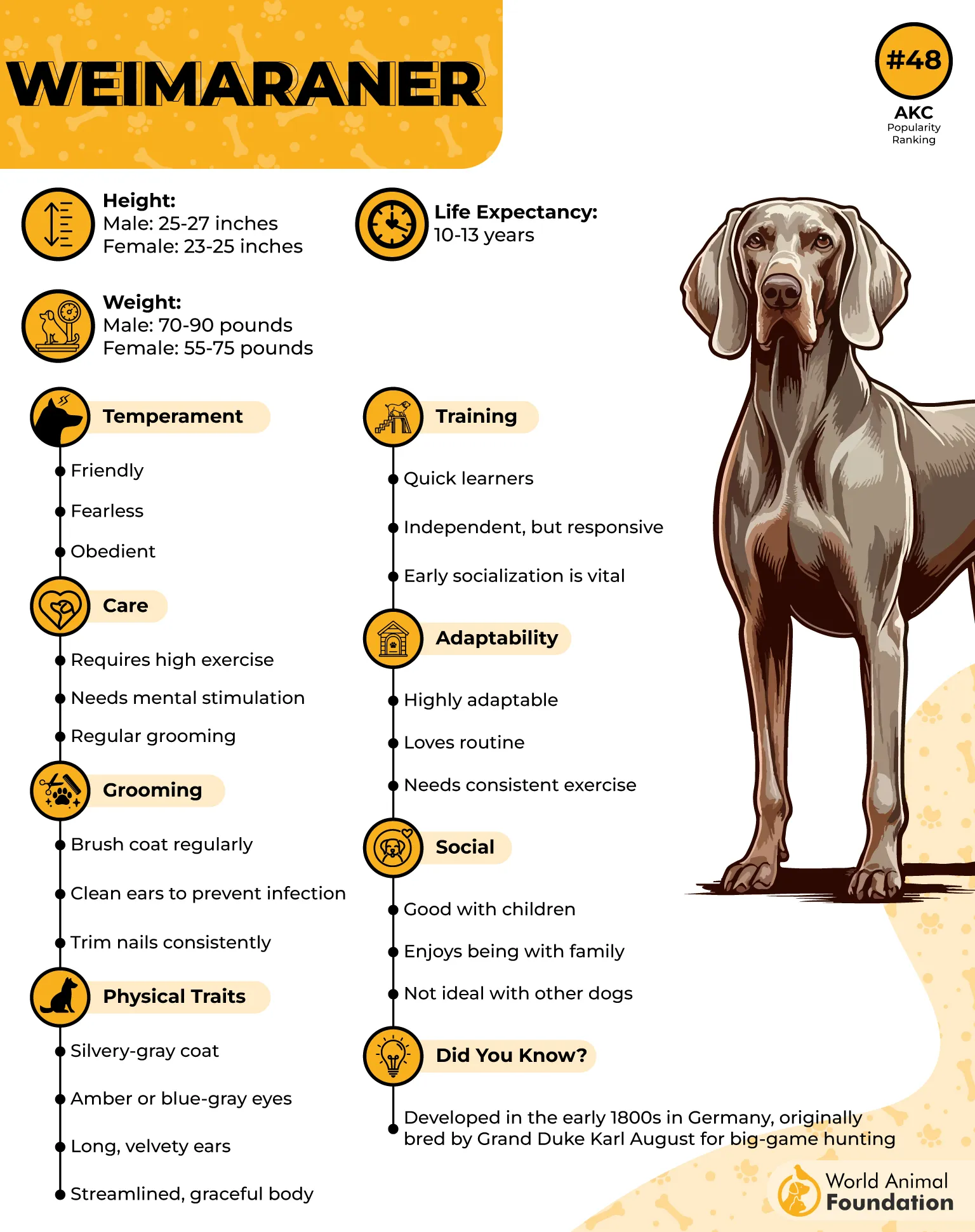
Strong-willed by nature, Weimaraners respond best to experienced owners who can provide consistent and firm training. Despite their bold hunting presence, they’re deeply attached to their people, which means they can suffer from separation anxiety if left alone for too long.
It’s a reminder that beneath all that drive and athleticism is a dog that genuinely needs human connection to thrive.
7. American Foxhound
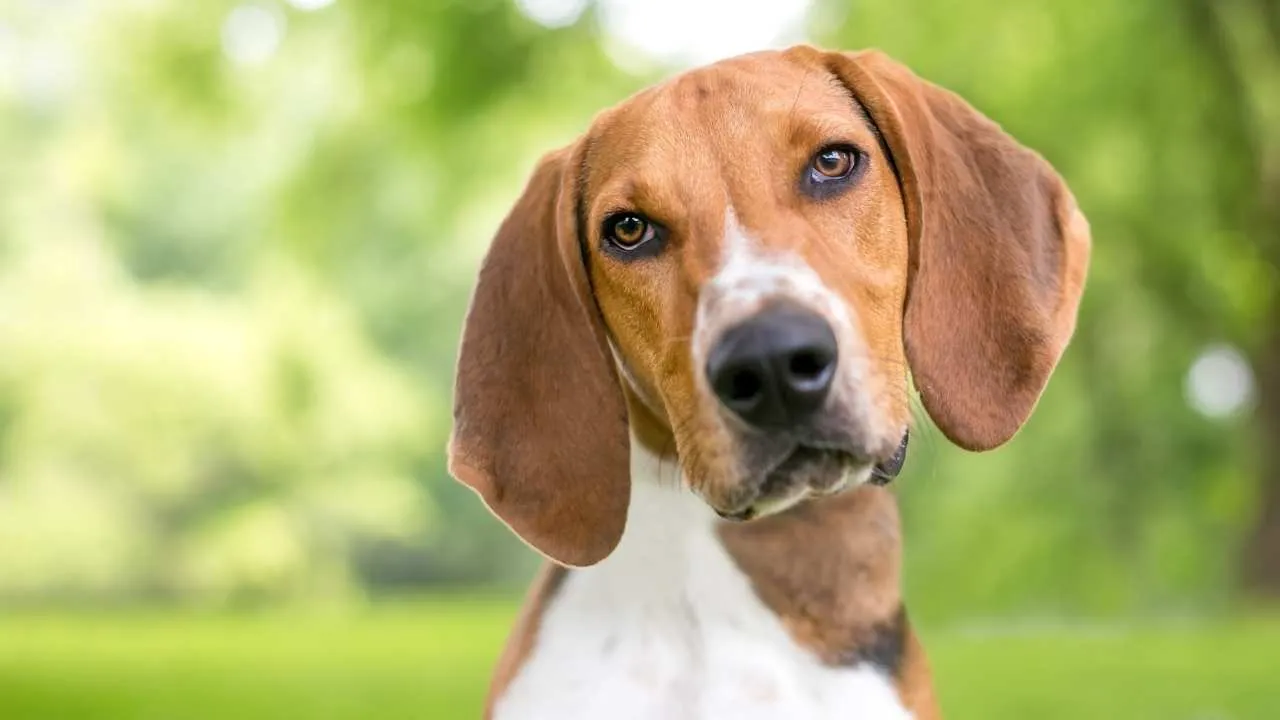
American Foxhounds are easygoing, sweet-tempered, and independent dogs originally bred to be faster and leaner than their hound ancestors. As dedicated hunting and tracking dogs, they’re what’s known as “hot-nosed” runners, meaning they catch a fresh scent and pursue it relentlessly until they find their game.
In the field, they communicate with hunters and other dogs through a distinctive musical, bell-like vocalization known as a “cry,” a sound that’s both practical and surprisingly melodic. Once locked onto a trail, they drop their heads and run hard, fully committed to the chase.
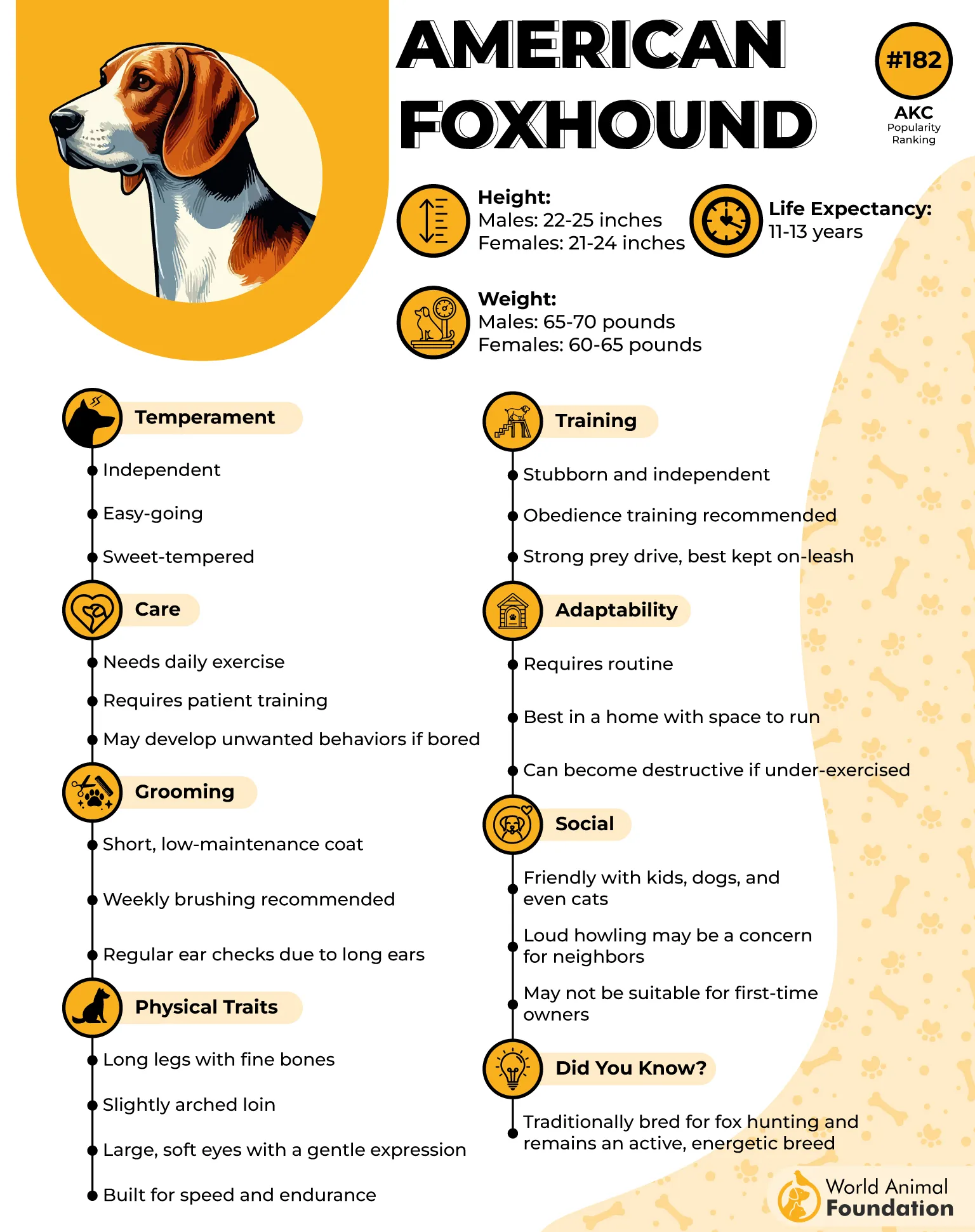
Daily vigorous exercise is a non-negotiable for this breed; without it, that pent-up energy becomes a problem. Grooming is refreshingly low-key by comparison: their short single coat sheds moderately and just needs brushing a few times a week to stay clean and distribute their natural skin oils.
Conclusion
The seven hunting dog breeds covered above are purpose-built for tracking and hunting, each bringing the stamina, scenting ability, and drive needed to find, follow, and retrieve game in the field.
German Shorthaired Pointers stand out as the true all-rounders, though they shine brightest when pointing, while English Setters are in a class of their own when it comes to that signature low crouch flush. Every breed on this list brings something slightly different to the hunt.
Grooming routines and shedding levels vary across the group too, so it’s worth weighing those practical day-to-day factors alongside hunting performance when making your choice. The best hunting dog isn’t just the one with the sharpest nose; it’s the one that fits your lifestyle, living space, and the time you have to invest in their care and training.
