





People think they can bring any dog home, and it will adjust to the living situation. Sadly, this is one of the biggest mistakes owners make. Like human beings, every dog has its own independent nature, and they thrive only in the right homes.
While it is understood that barking is a medium of communication between the owner and the dog, whether you live in an apartment or work from home, it is important that you choose the breed based on your lifestyle.
For owners seeking a quiet dog that won’t bark excessively and disturb neighbors or disrupt the peaceful atmosphere at home. we have listed some of the amazing dog breeds. The dog breeds we have listed are suitable because of their loyalty, low energy, and preference for a peaceful indoor environment.
So, mark the qualities of a breed that align with your needs.
Dog Breeds That Bark Least
1. Pug
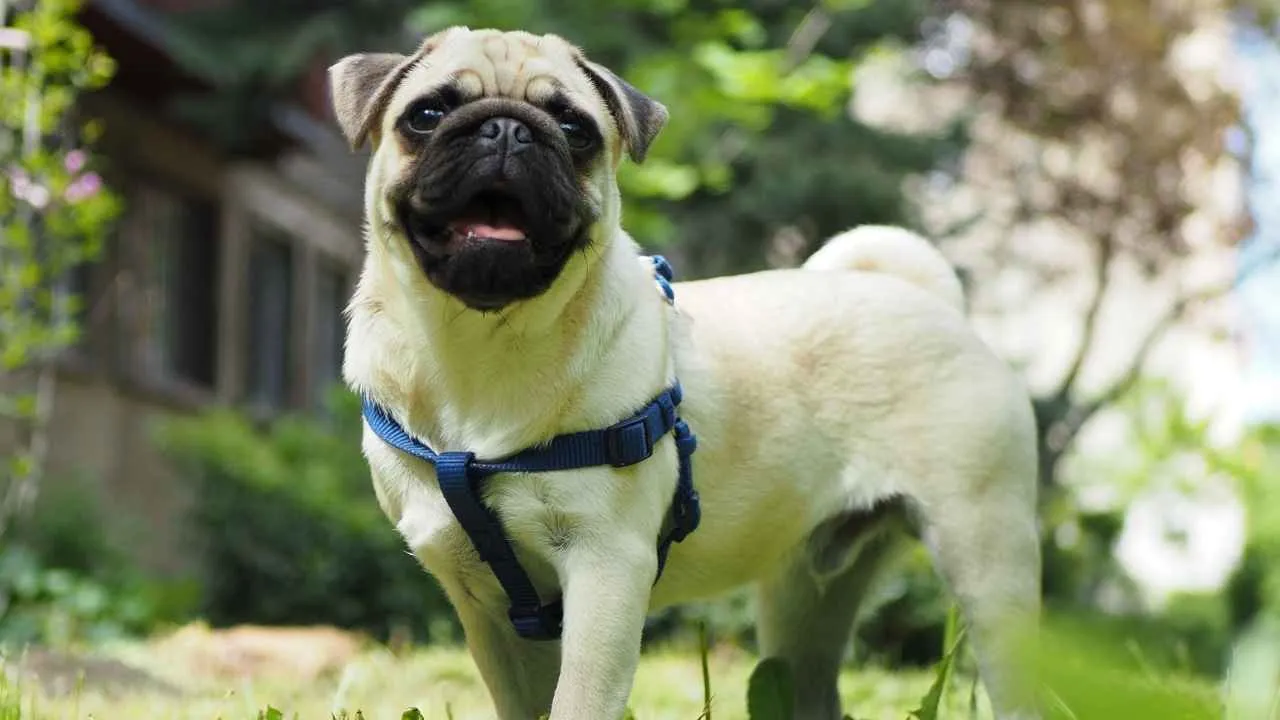
Pugs are charming, loving, and mischievous dogs that have stocky builds and goofy personalities. This breed avoids barking as it prefers keeping its owners happy. These eager-to-please dogs are sensitive, so they require early socialization as they can get hurt easily.
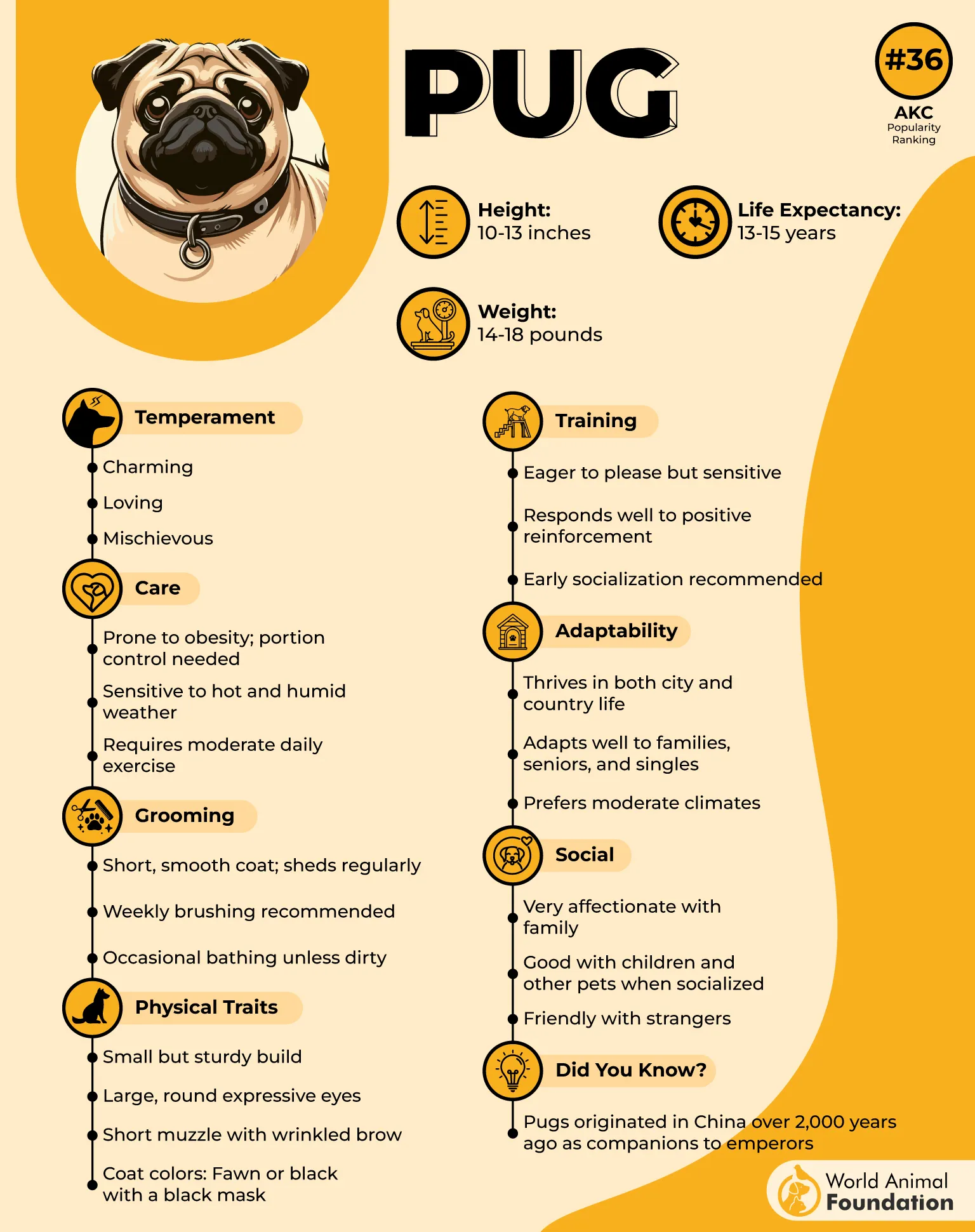
Pugs do not have high energy levels; they do well with 15-20 minutes of exercise every day. They prefer casual walks and games of fetch, etc., which helps prevent weight gain. You will usually find them snoring.
Considering their grooming, they have minimal requirements, but their wrinkled skin demands cleaning regularly to avoid skin infections. Their minimal barking, adaptability, and moderate exercise requirements make them a quiet companion that every owner wishes to have.
2. Bolognese
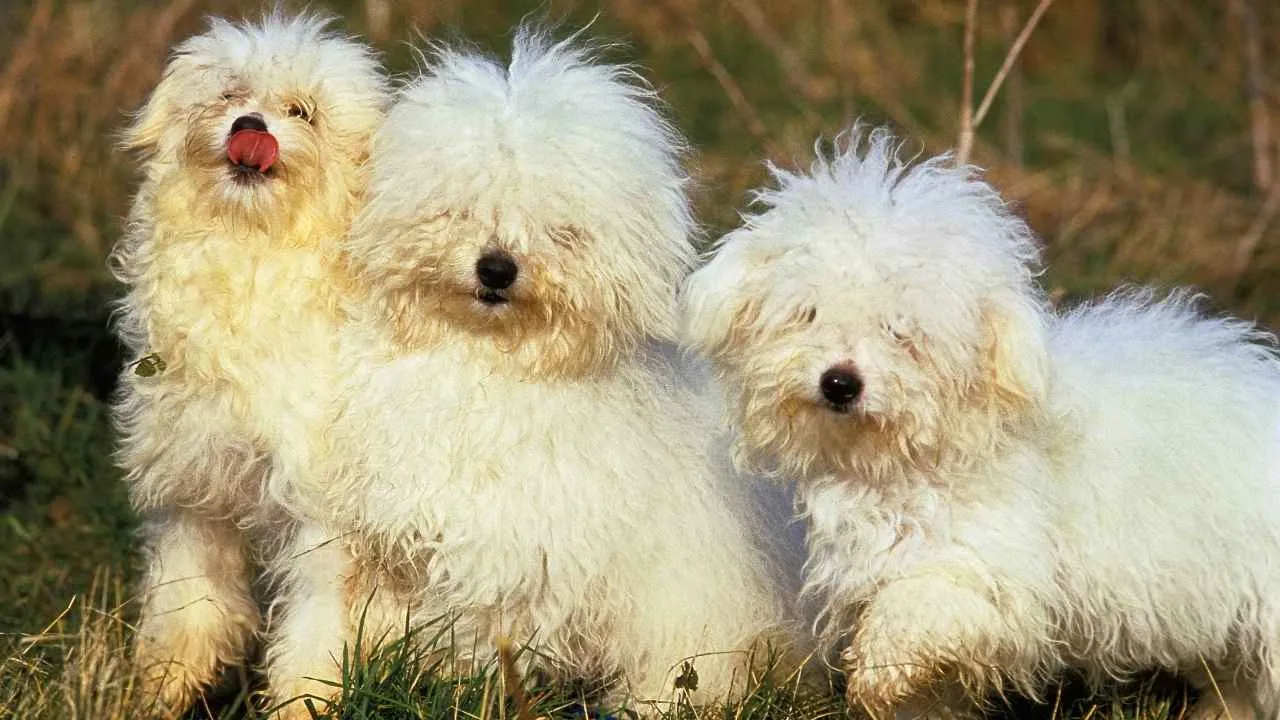
Bolognese is a gentle toy breed with a playful, easygoing, and devoted nature. These fluffy dogs rarely bark unless they have to alert the owner. For centuries, this breed has been bred for companionship; even today, it makes an excellent companion for indoor living and seniors.
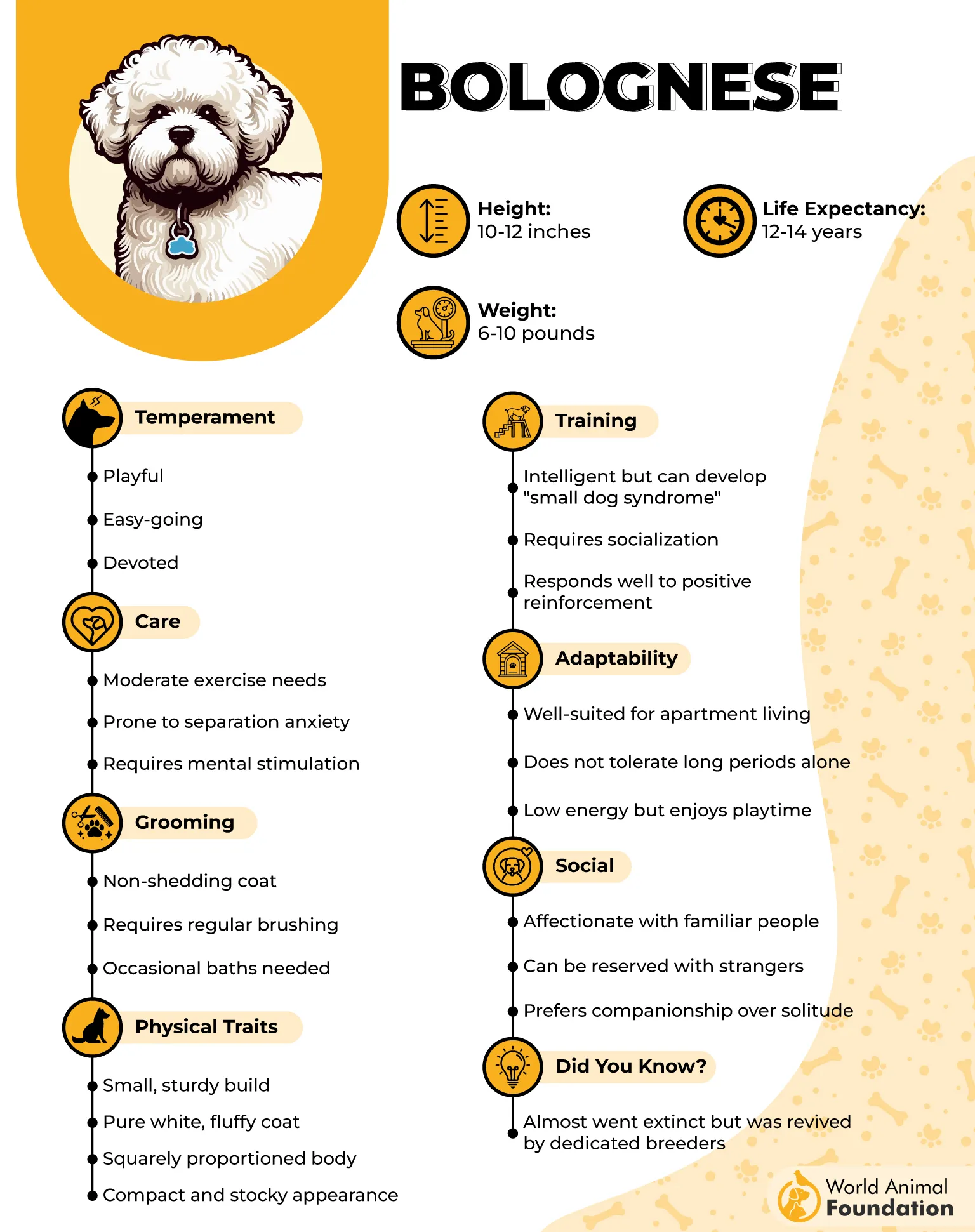
They have a soft and wavy coat that requires regular brushing to prevent matting. They respond well to positive reinforcement training and potential trick training. You will find this breed always happy in giving and receiving affection from its owners.
They do not have high exercise demands, but they still benefit from regular walks, puzzle toys, and enrichment activities that keep their minds engaged. The breed’s relaxed demeanor and naturally calm temperament are among the many qualities that make it an appealing addition to the home.
3. Pekingese

The Pekingese is a quiet but very dignified breed. It is a loyal, affectionate, and independent dog that makes an excellent match for a quiet household. They were bred by the royal classes of China, and today they make affectionate and loyal companions that alert their owners when necessary.

They remain slightly reserved with strangers. Omlet writes about these little dogs that they are not excessive barkers and qualify as watchdogs. Because of their bravery, they do not fear facing larger dogs. They require moderate exercise, followed by walks.
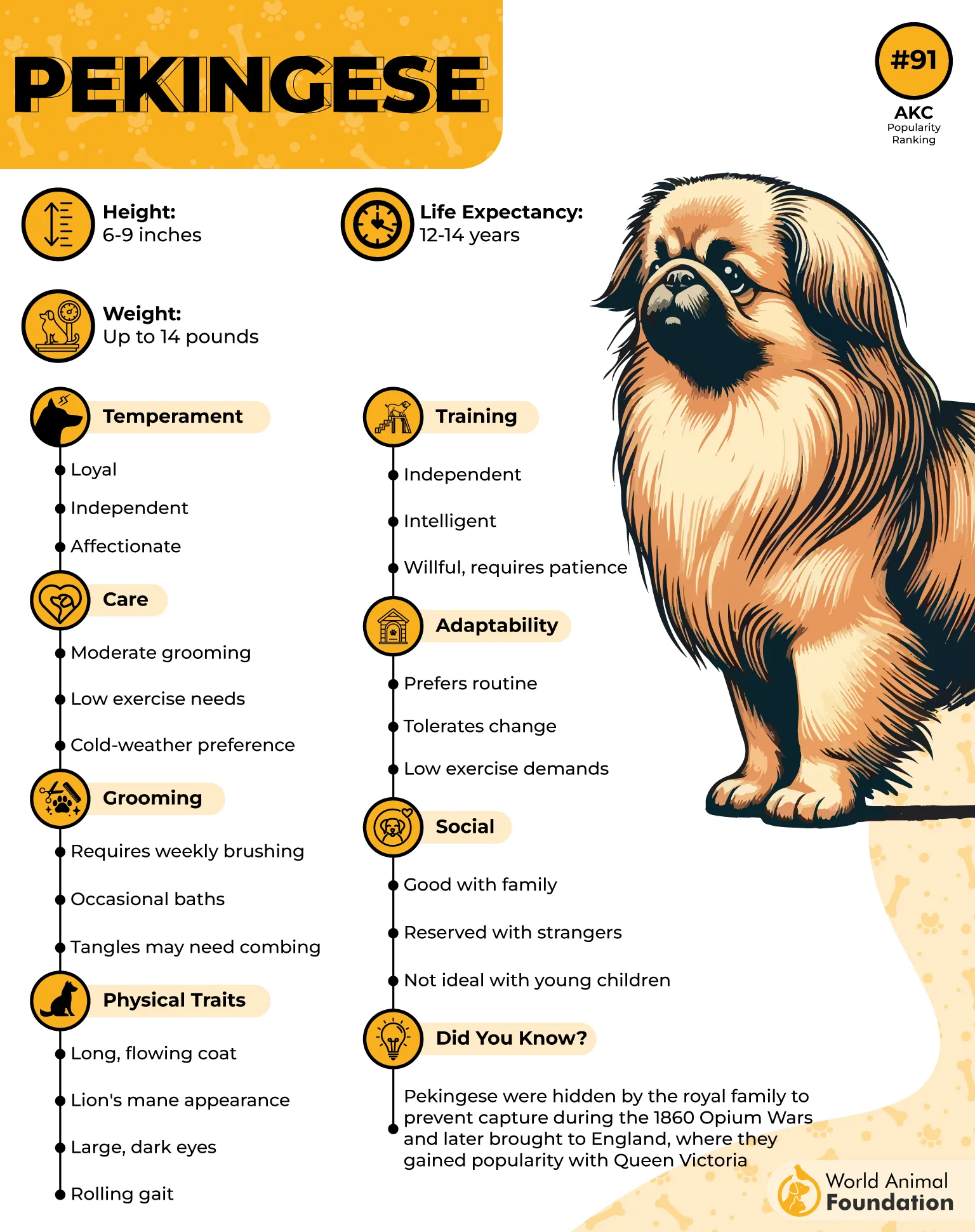
Whether it is about training them or exercising, looking after their overheating problem is important, as they struggle because of their nose structure. They have a thick and shiny coat that requires extensive attention daily.
4. French Bulldog
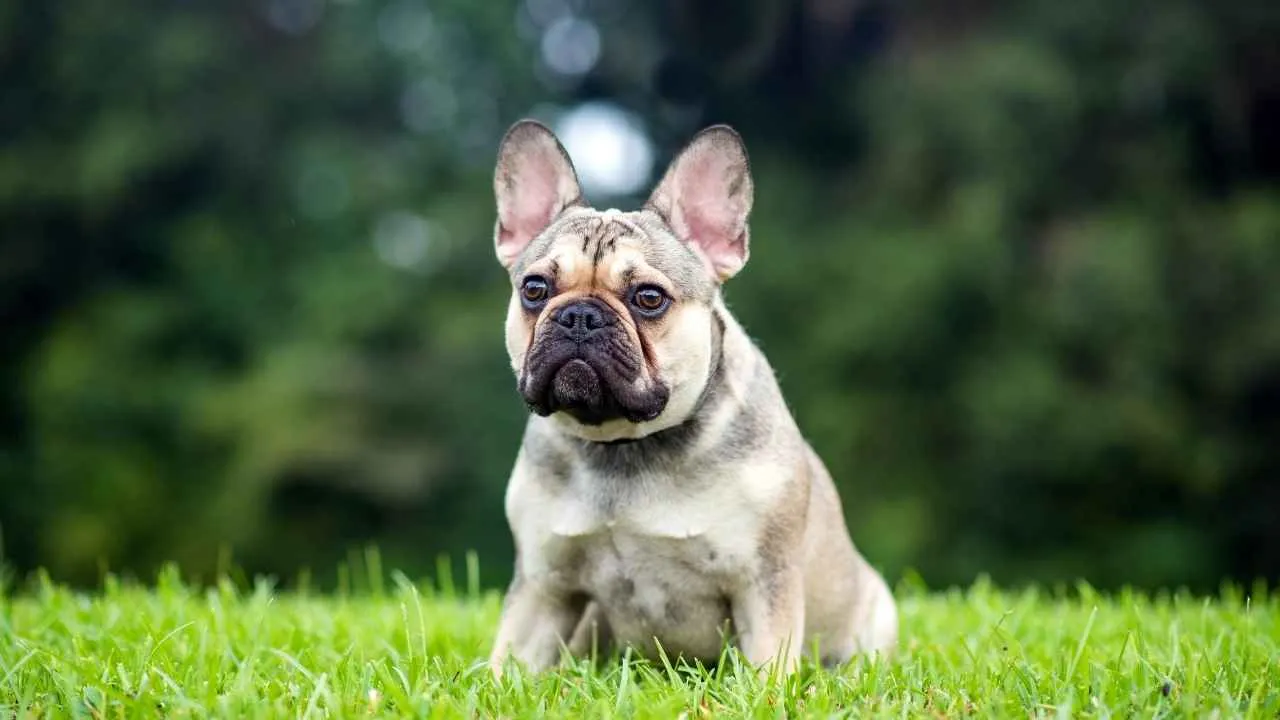
The French Bulldog is a lovable and excellent quiet dog breed that is playful, smart, and adaptable. Originating from England, the breed has gained its popularity because of its temperament and grumpy appearance. This quiet dog rarely barks, only when it has a reason.
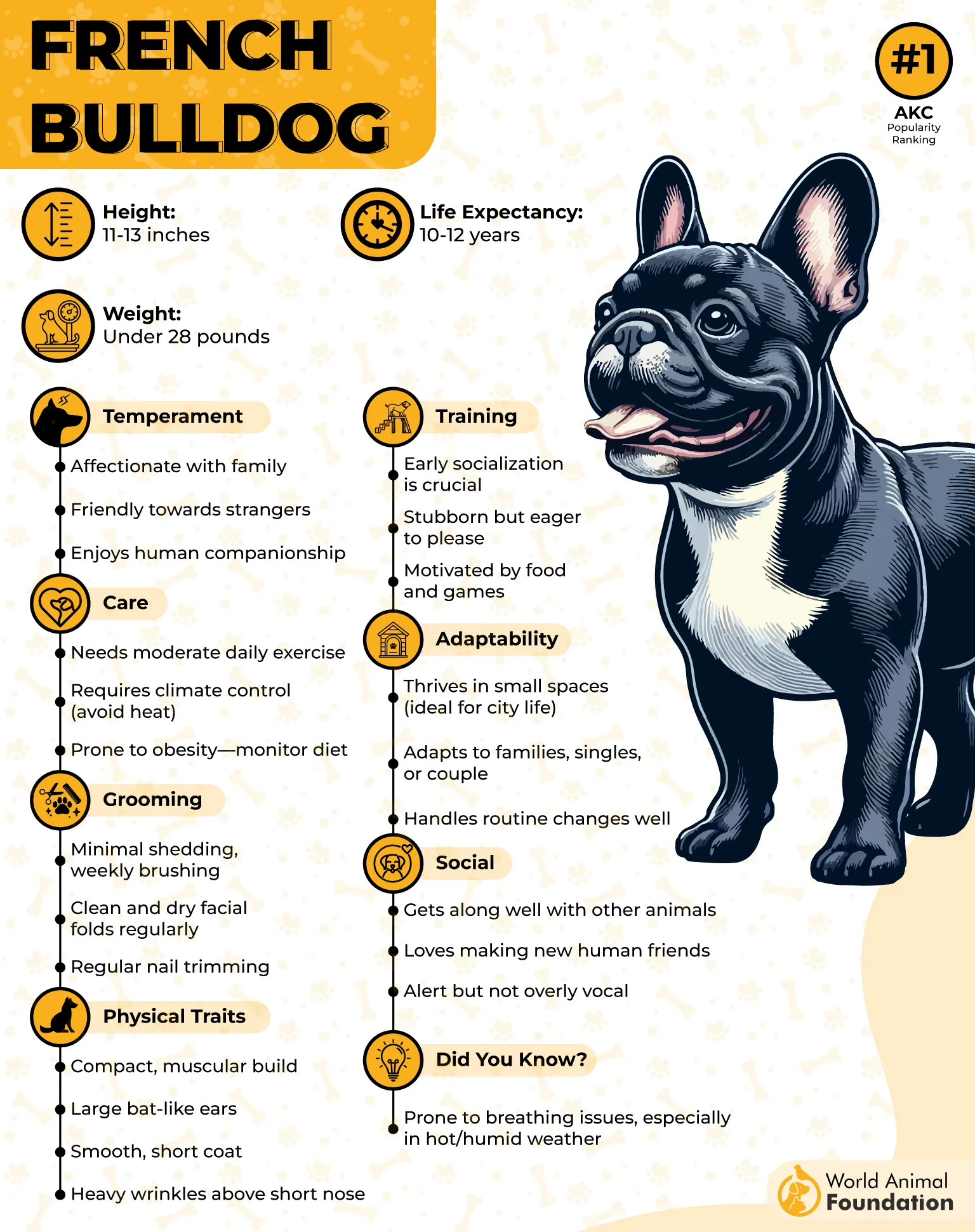
They may alert the owners when they see a stranger or hear any unusual noise. These muscular dogs are affectionate toward their family members and do not prefer being left alone for a long time. Their small size, temperament, and minimal barking habit qualify them for apartment living.
While they were bred to be companion dogs, you will notice them focusing on human interaction. They enjoy short mentally stimulating activities and respond best to short, positive training sessions.
5. Coton de Tulear

The Coton de Tulear is a cheerful but noisy breed that is charming, bright, and adaptive. It adjusts well to most living situations, while making a great apartment dog. This fluffy dog is known for its clownish personality. Throughout history, they were bred to be friendly companions, and till now, they are fulfilling the role.
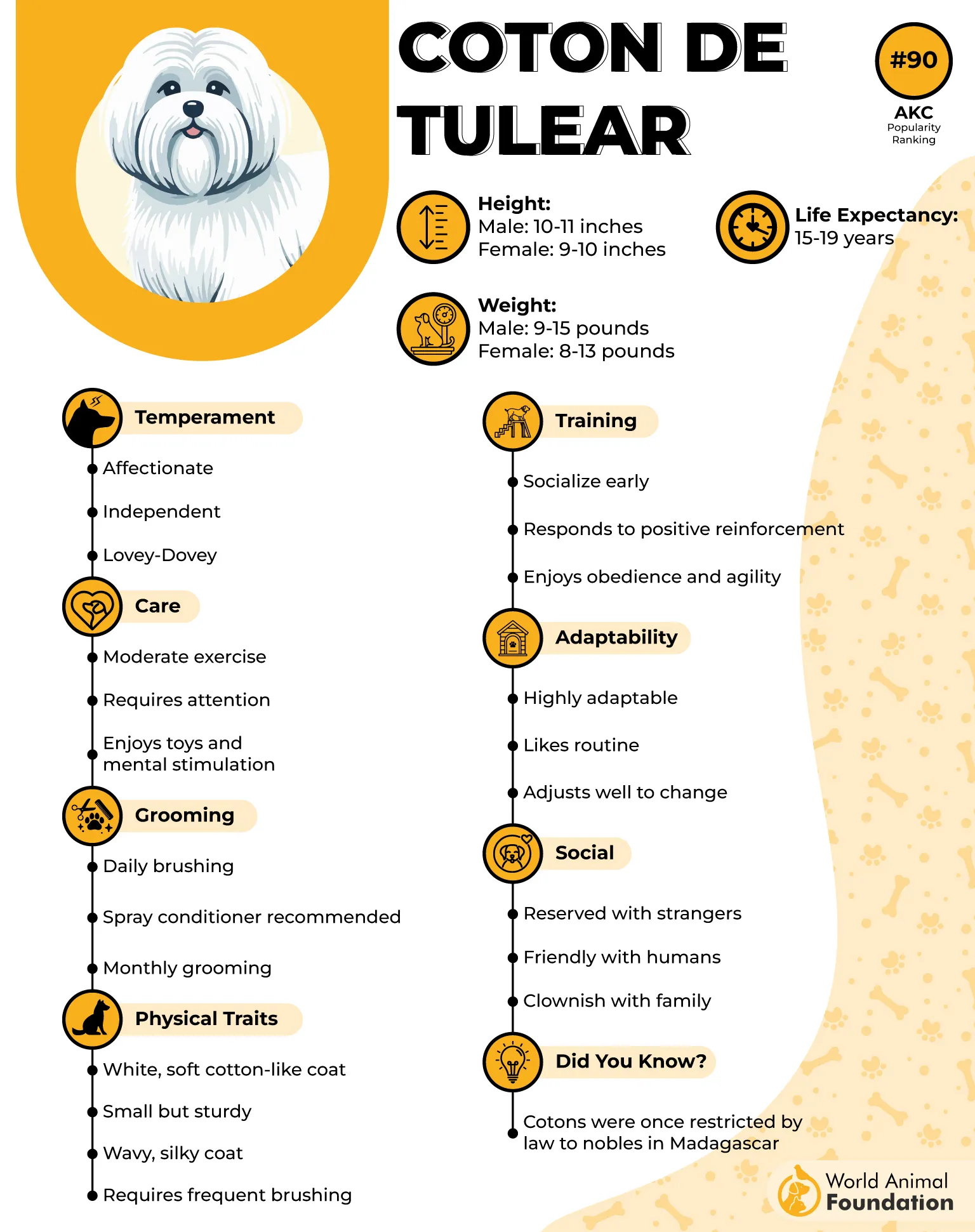
These dogs thrive with constant entertainment, and they form strong bonds with their owners. For this reason, they must not be left alone for a long time. Their training and socialization must start from an early age. But training sessions must be short and interactive.
These dogs bark only when they are excited or want to alert their owners about intruders, etc. Having a Coton means you get to enjoy its companionship at home, and while traveling, too.
6. Japanese Chin
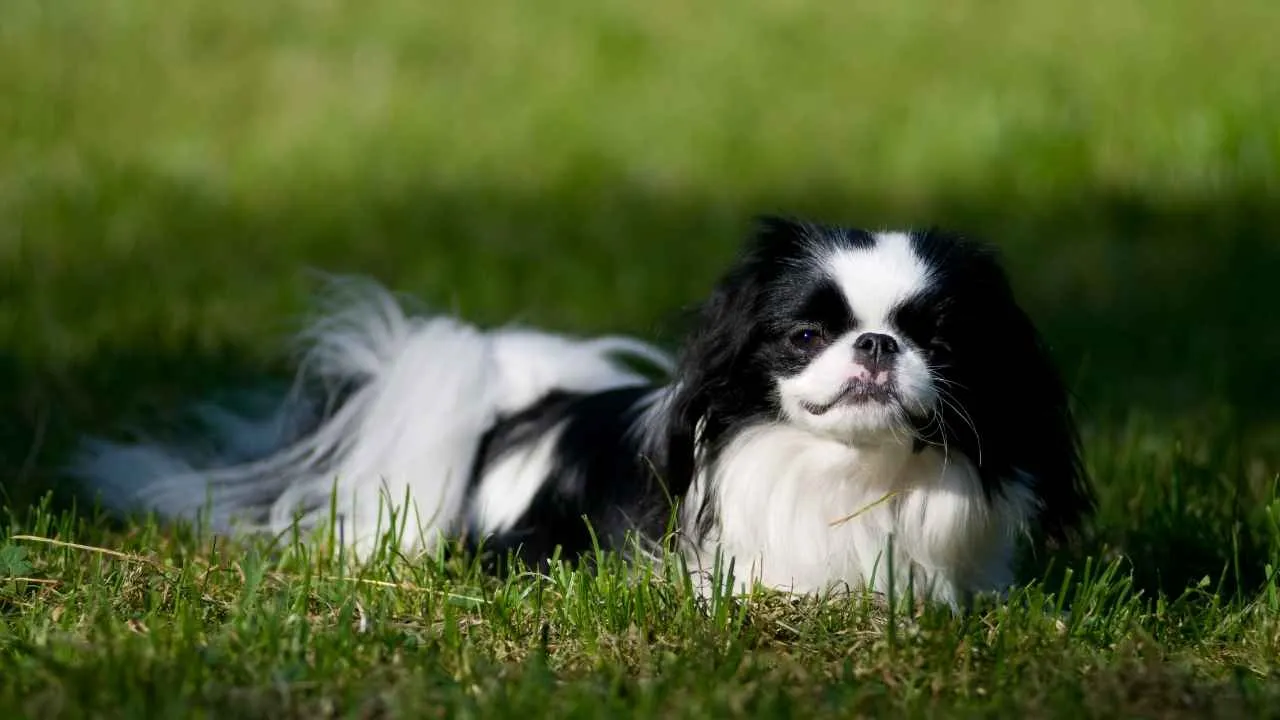
Like many other small dogs, the Japanese Chin is also not prone to barking. It is known for its graceful and cat-like quietness. It is a charming, loving, and noble breed that is sweet and gentle. Originally bred in China, it was once the favorite of Japanese royals.
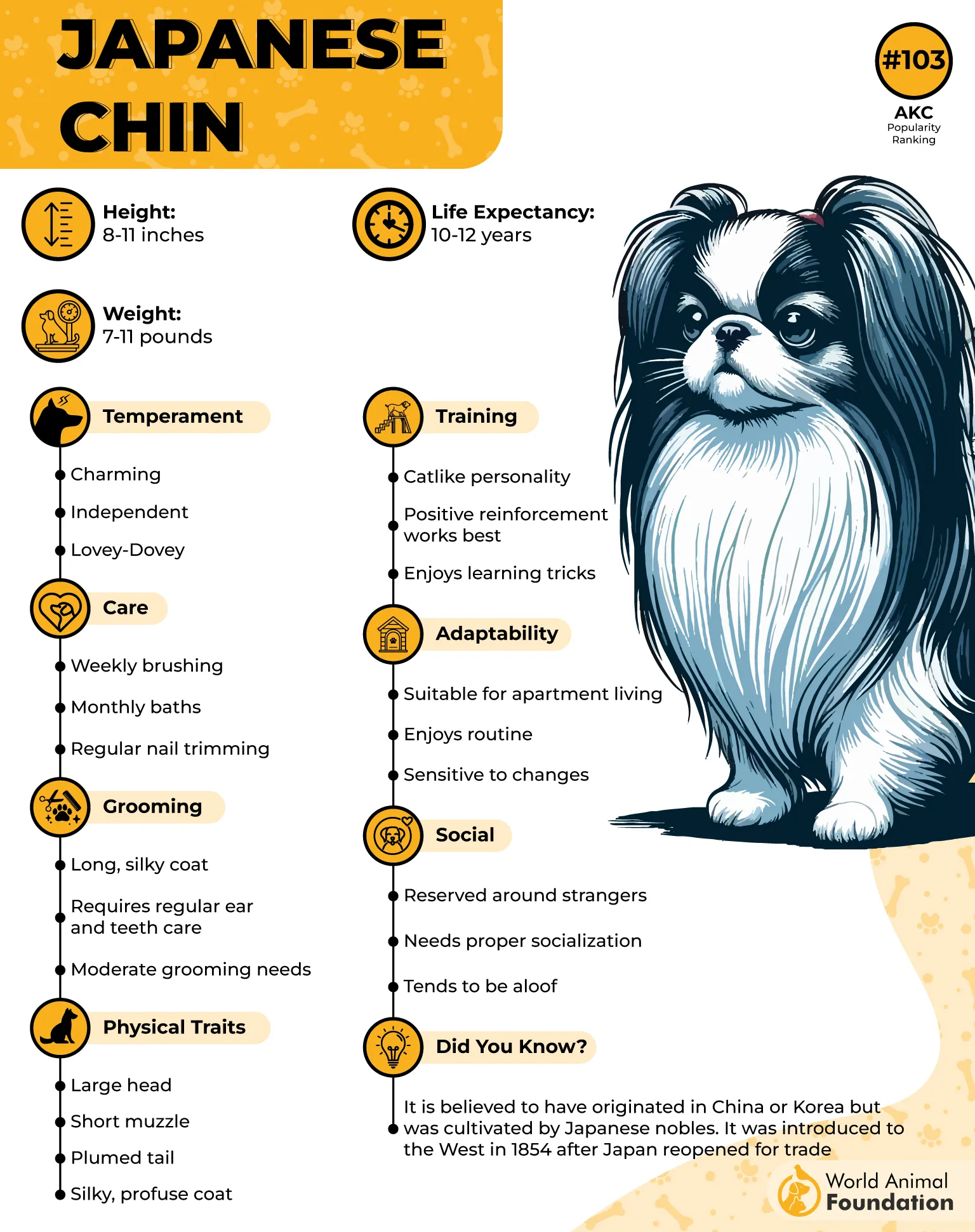
They do not bark a lot and prefer calm indoor environments. They only bark when they sense anything unusual in their surroundings. With proper training and socialization, they get along with children, cats, and other dogs, which makes them an ideal family choice.
Just like cats, they have a self-cleaning habit, which means it is a low-maintenance breed that requires bathing monthly when it looks untidy. However, they may develop separation anxiety when left alone for a long time, so owners must be careful and must not leave them.
7. Basenji
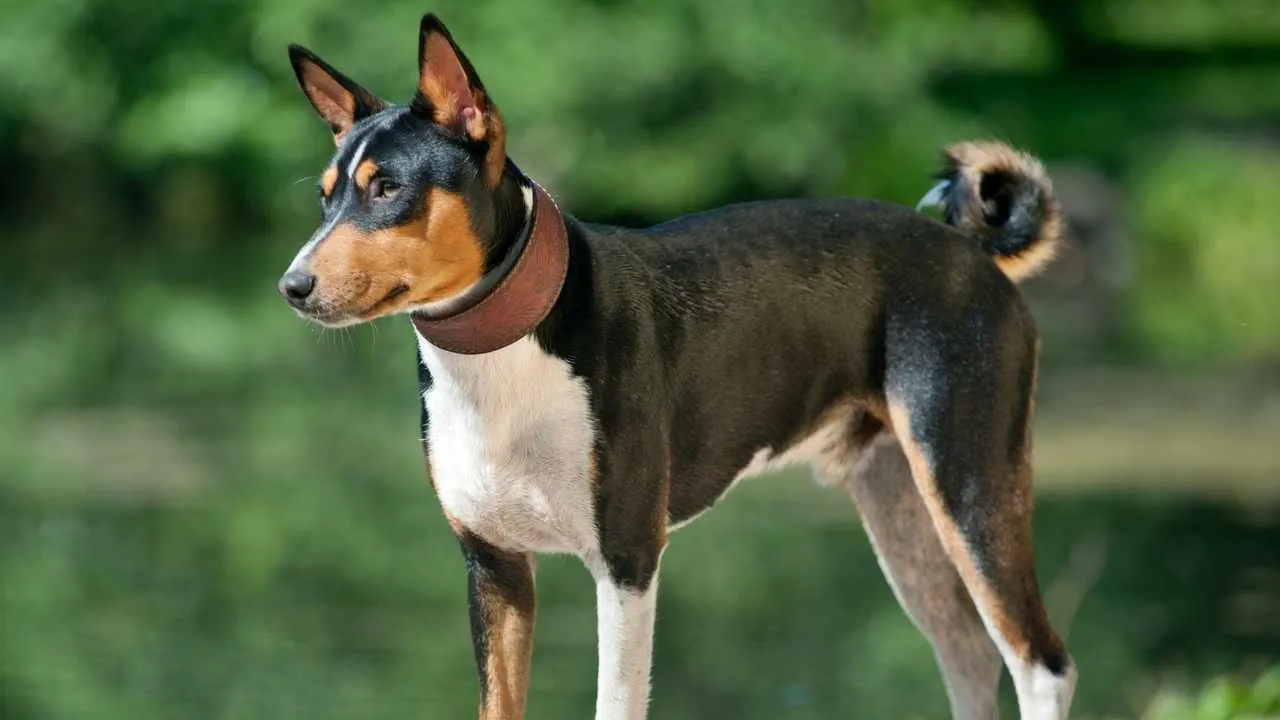
Basenjis are famous as “barkless dogs” that actually make howling sounds that are similar to yodels. It is an independent, poised, and smart breed. These quiet dogs are full of energy and demand enough exercise and involvement in activities that keep them mentally busy.
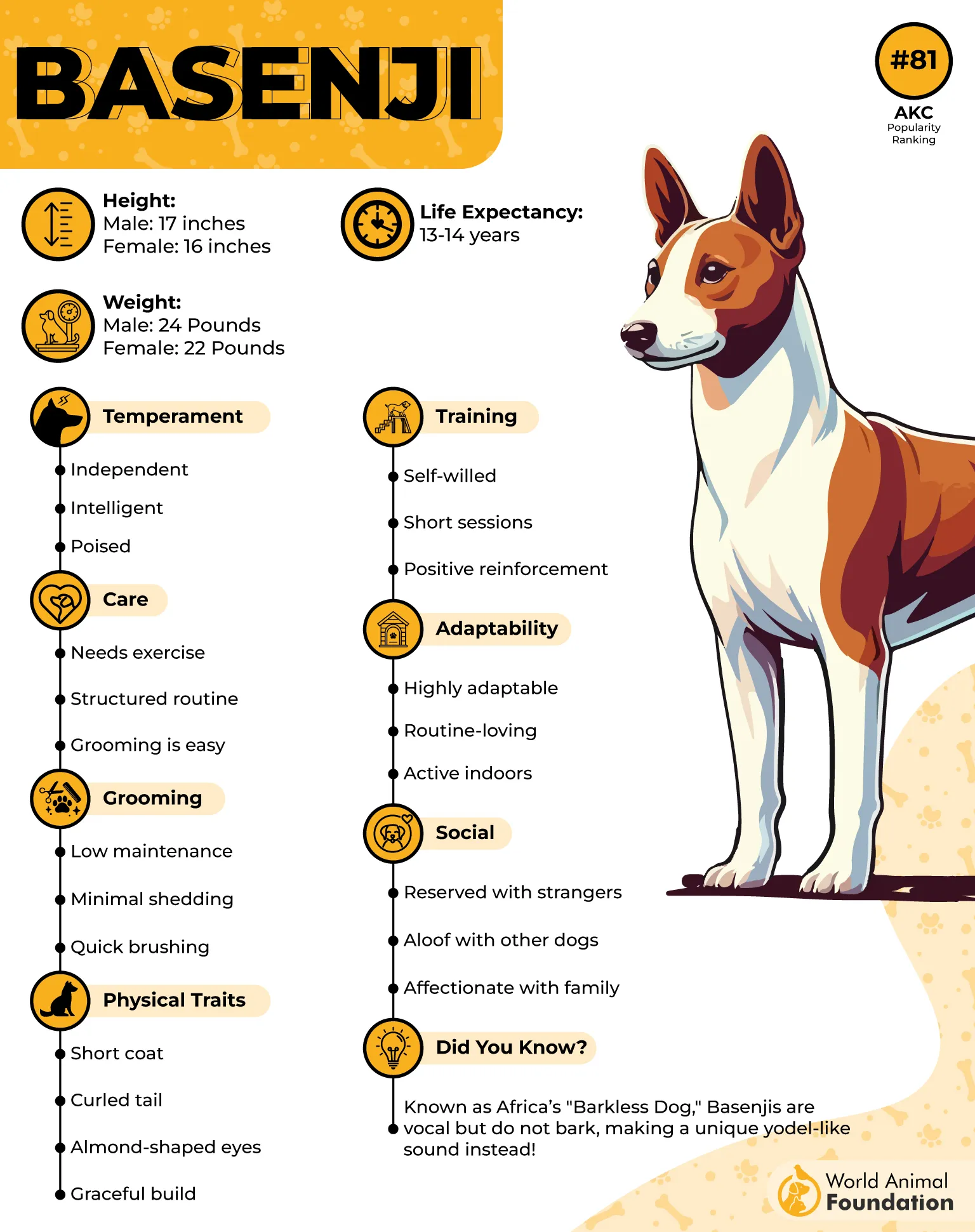
Earlier, they were bred as hunting dogs, and today they make good family dogs that prefer active owners who can provide them with consistent training and socialization. They have minimal grooming requirements because of the short and smooth coat. As it does not shed heavily, nor does it have any odor.
So, they qualify as an ideal choice for apartment dwellers, as well. Their history of hunting explains their high prey drive to chase small animals, so while taking them outside, keep them on a leash or in a securely fenced area.
8. Whippet

Whippets are gentle, playful, and affectionate dogs that rarely make their presence known by barking. They are ideal for peaceful homes and enjoy strong bonds with their family members because of their calm and peaceful personality. You will find them athletic outside, as WebMD says, they require daily exercise and space to run.
But at home, they are content to spend their time as a “couch potato”, followed by some cuddling time with their owners. They are extremely quiet indoors, and since they rarely bark, they make a good choice for apartment life. These medium-sized dogs have a short and smooth coat that requires light brushing.

While training, owners must remain cautious, as they can get distracted easily. They choose to be reserved around strangers, but channelize their energy around their favorite people.
9. Newfoundland
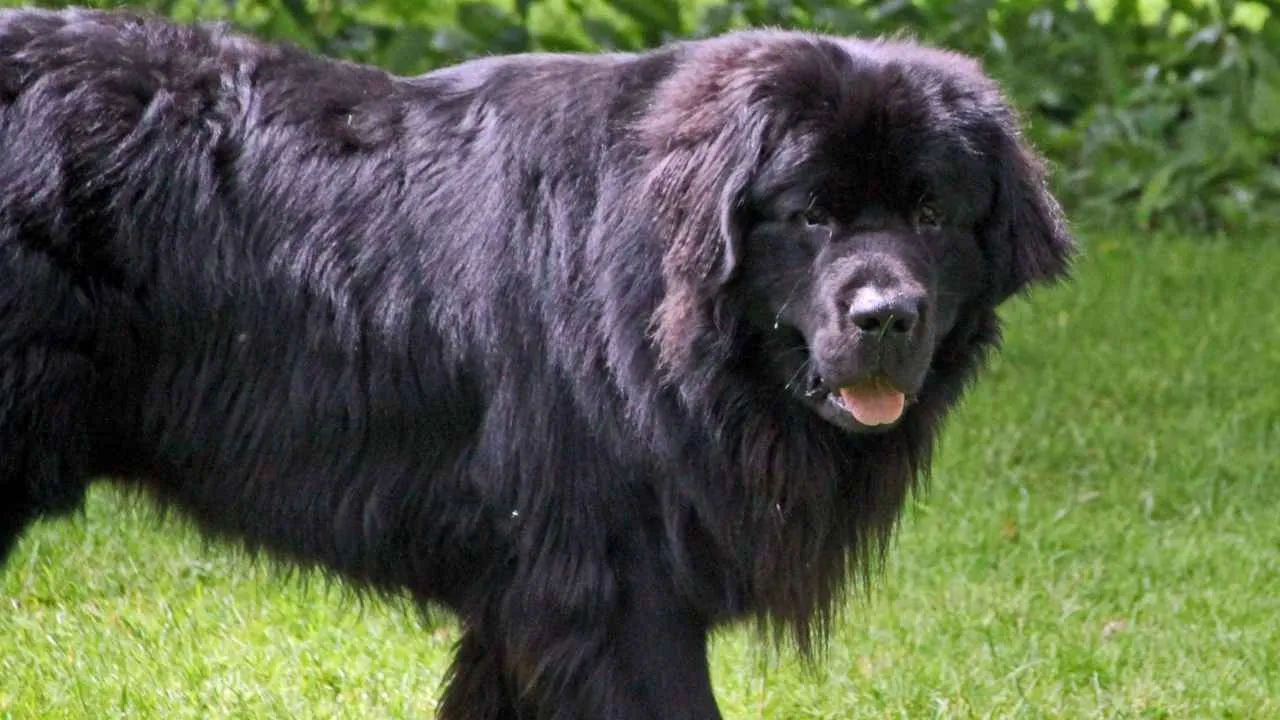
The Newfoundland is a gentle giant with a calm temperament. It is an independent, sweet, and affectionate dog that is famous for its size, thick fur, and loyalty towards its owners. They are minimal barkers and patient dogs that have won the title of “nanny dogs”.
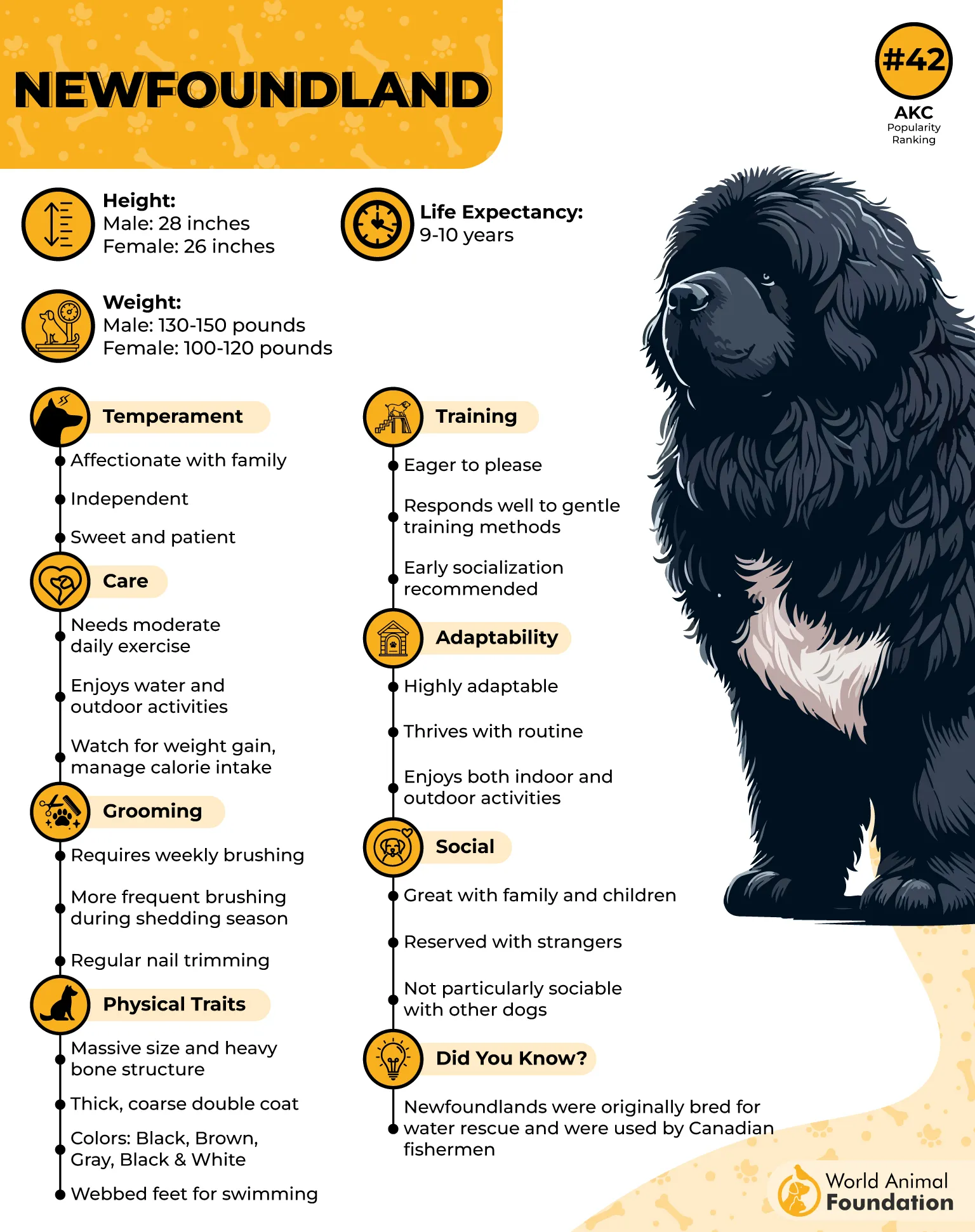
Britannica says that, in large dogs, everything is costly, from grooming to health necessities. So, the best way to keep them healthy and fit is to look after their grooming and health requirements. While they do not have any extensive grooming requirements, they must exercise daily, followed by walks or short play sessions.
They only bark to deter the intruders, while they watch over homes and kids. Separation anxiety is a serious problem in these gentle giants that must not be overlooked. With proper socialization and training, you get a well-mannered and sweet dog that enjoys being indoors peacefully.
Conclusion
By having a deeper insight into these nine quiet dog breeds, you must have a clear image of which breed suits you the best. Also, having a quiet dog breed or a minimal barking dog does not mean they are boring, or that they won’t alert the owner. Protecting and guarding humans is in their blood, so they will alert their people about every unusual thing.
These breeds make an ideal choice because they offer loving companionship, enjoy human company without constant barking and are perfect for apartment life. Lastly, owners must remember that every dog breed thrives when its necessities are met with love and care.
