




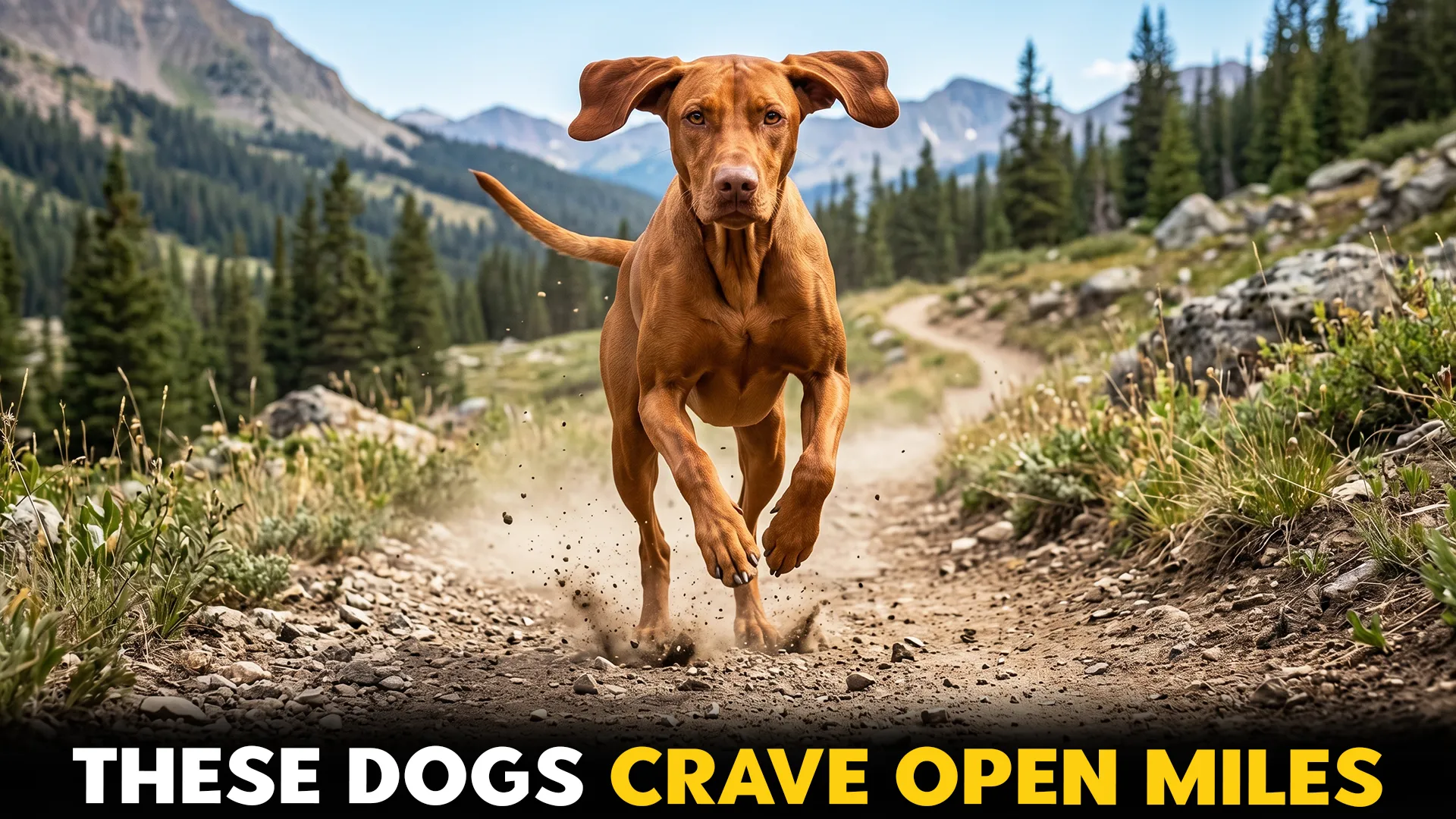
Ever wonder what kind of dog doesn’t just go outside… but actually belongs there?
Not the backyard type.
Not the “quick walk around the block and I’m done” type.
We’re talking about dogs that feel alive when the trail gets steep… when the wind picks up… when the ground turns uneven and wild.
THAT kind of dog.
Here’s the bold truth most people miss…
A rugged outdoor life doesn’t need a bigger leash. Or more gear. Or perfect weather.
It needs the right companion.
Because while some dogs were made for soft carpets and quiet afternoons… others were built for dust, dirt, rain, and long horizons. They don’t just tolerate adventure—they crave it.
But here’s the twist…
Not every strong-looking dog can handle real wilderness. And not every gentle face means low endurance.
Expectation vs. reality? Completely different story.
Some of the most capable outdoor companions are surprisingly agile. Surprisingly smart. And sometimes… surprisingly calm when everything around them is chaos.
So, if you’ve ever imagined a life beyond sidewalks… beyond routine… beyond “just another walk”…
You’re in the right place.
Let’s step into the world of amazing dog breeds for a rugged outdoor life…
Amazing Dog Breeds for a Rugged Outdoor Life
1. Bernese Mountain Dog
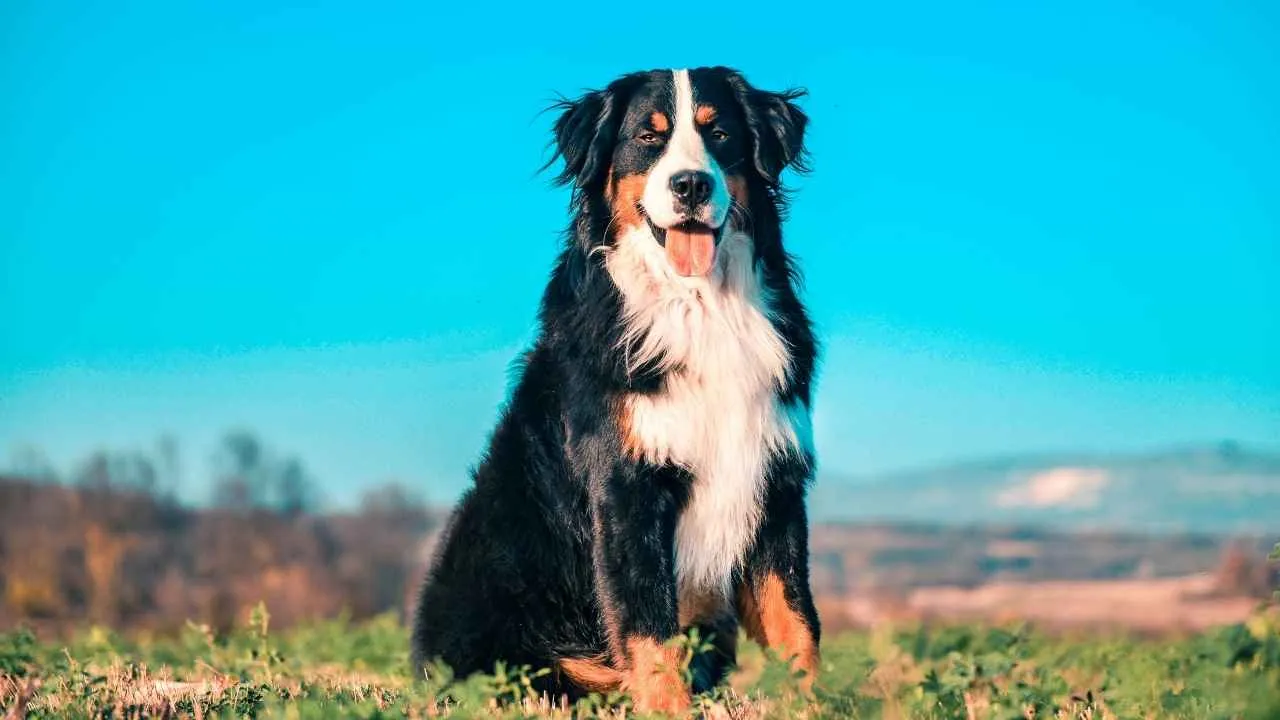
The Bernese Mountain Dog often looks like it was built for nonstop mountain adventures, but its real nature is more balanced and companion-focused. It enjoys outdoor time, fresh air, and gentle activity, yet it is not meant to stay outside for long hours without company.
The Bernese Mountain Dog, originally bred in the Swiss Alps, is known for its strength and endurance, making it a great companion for hiking and outdoor adventures.
Many people assume it can handle extreme rugged endurance, but that expectation doesn’t fully match reality. This breed is far more comfortable in cold climates, while heat and humidity can quickly lead to overheating and exhaustion, as noted by Orvis.
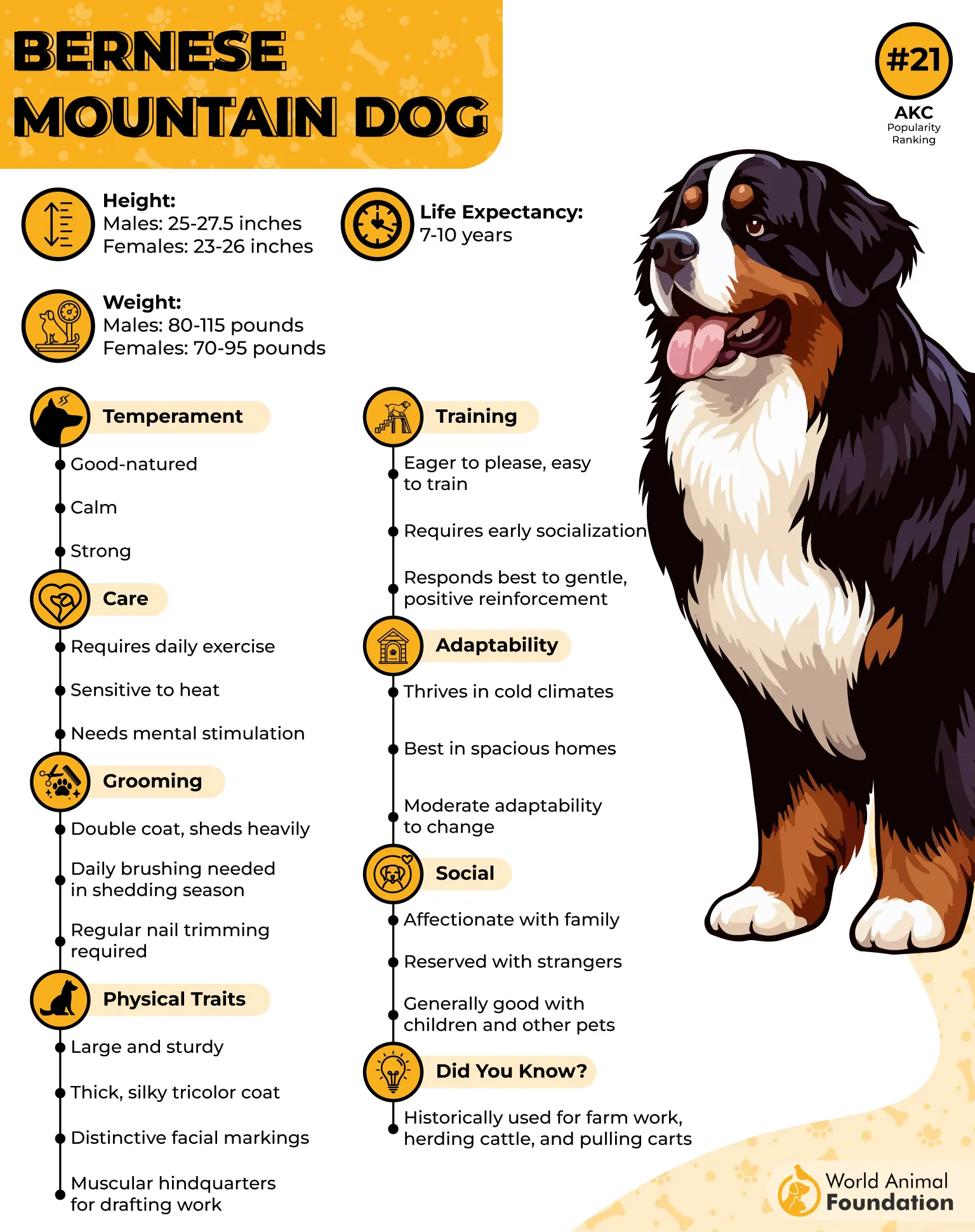
Instead of long, intense sessions, the Bernese Mountain Dog does best with shorter outdoor activities spread across the day.
In cool weather, a healthy and fully grown dog may manage up to four miles of running, though early heavy exercise should be avoided to protect developing joints and ligaments.
On hikes, it can cover around ten miles in mild conditions, but it needs steady breaks and careful pacing.
It is strong and willing, yet naturally suited to moderate endurance rather than continuous high-output activity, thriving best when exercise stays balanced and climate-aware.
2. Great Pyrenees
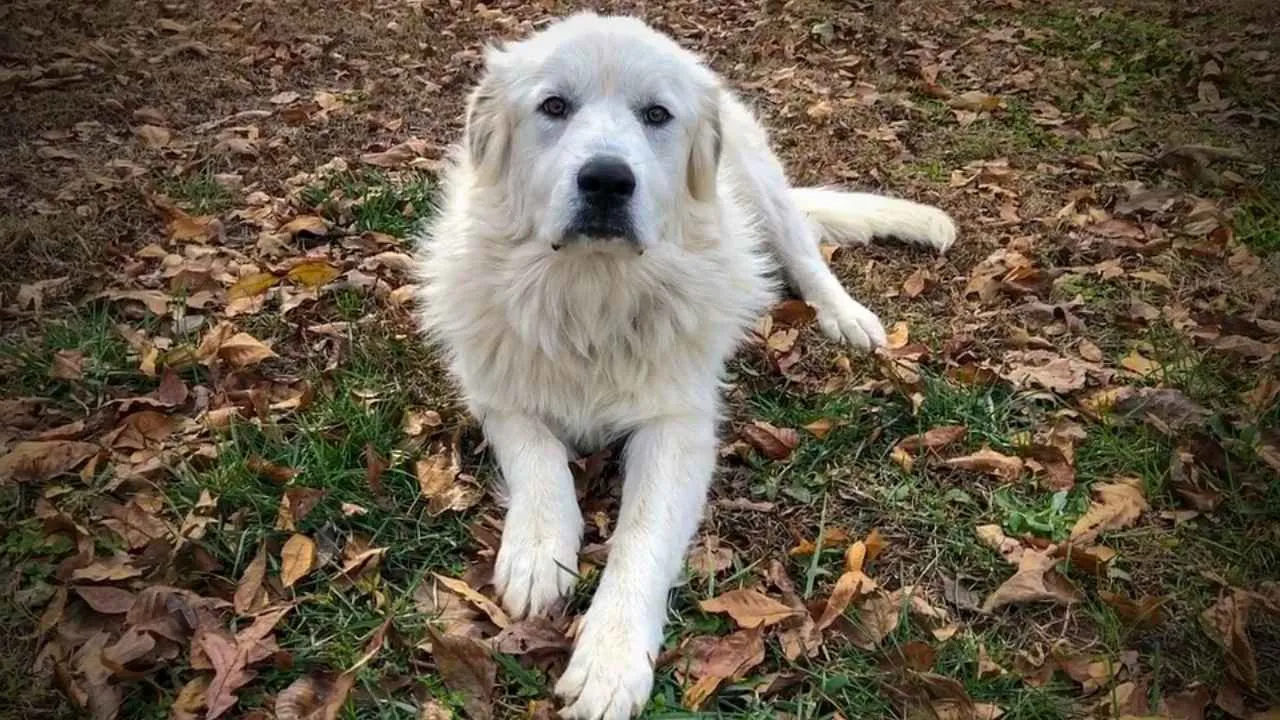
The Great Pyrenees is a guardian breed developed to herd livestock in mountainous regions, characterized by its thick coat and calm temperament, making it ideal for outdoor activities.
Compared to lighter, faster outdoor dogs that chase adventure through speed and stamina, this breed relies more on calm presence and controlled strength.
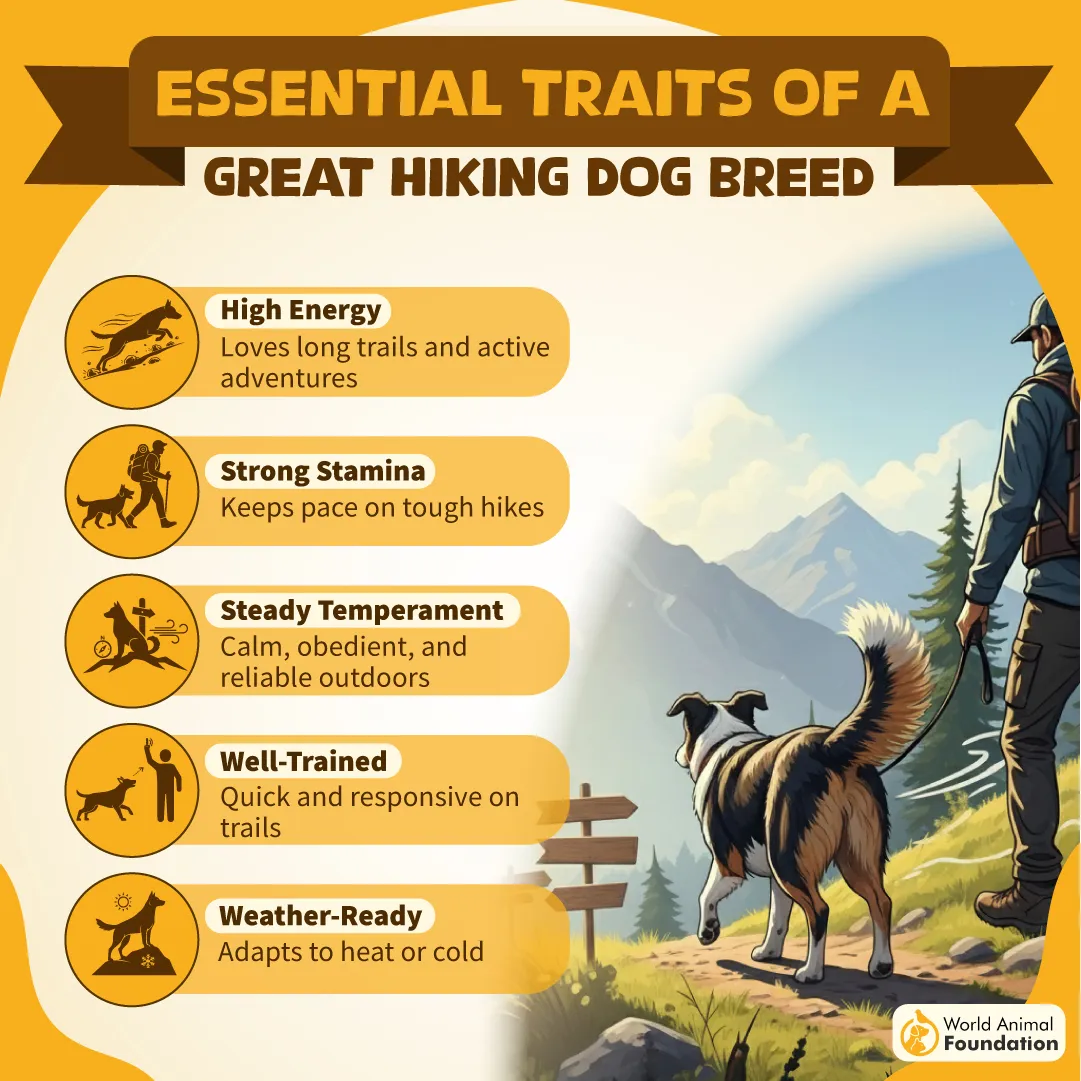
It is not built for constant running or high-intensity activity, but for steady watchfulness over wide, open ground. Today, it is often seen as a calm household protector, yet that same quiet confidence still reflects its working roots.
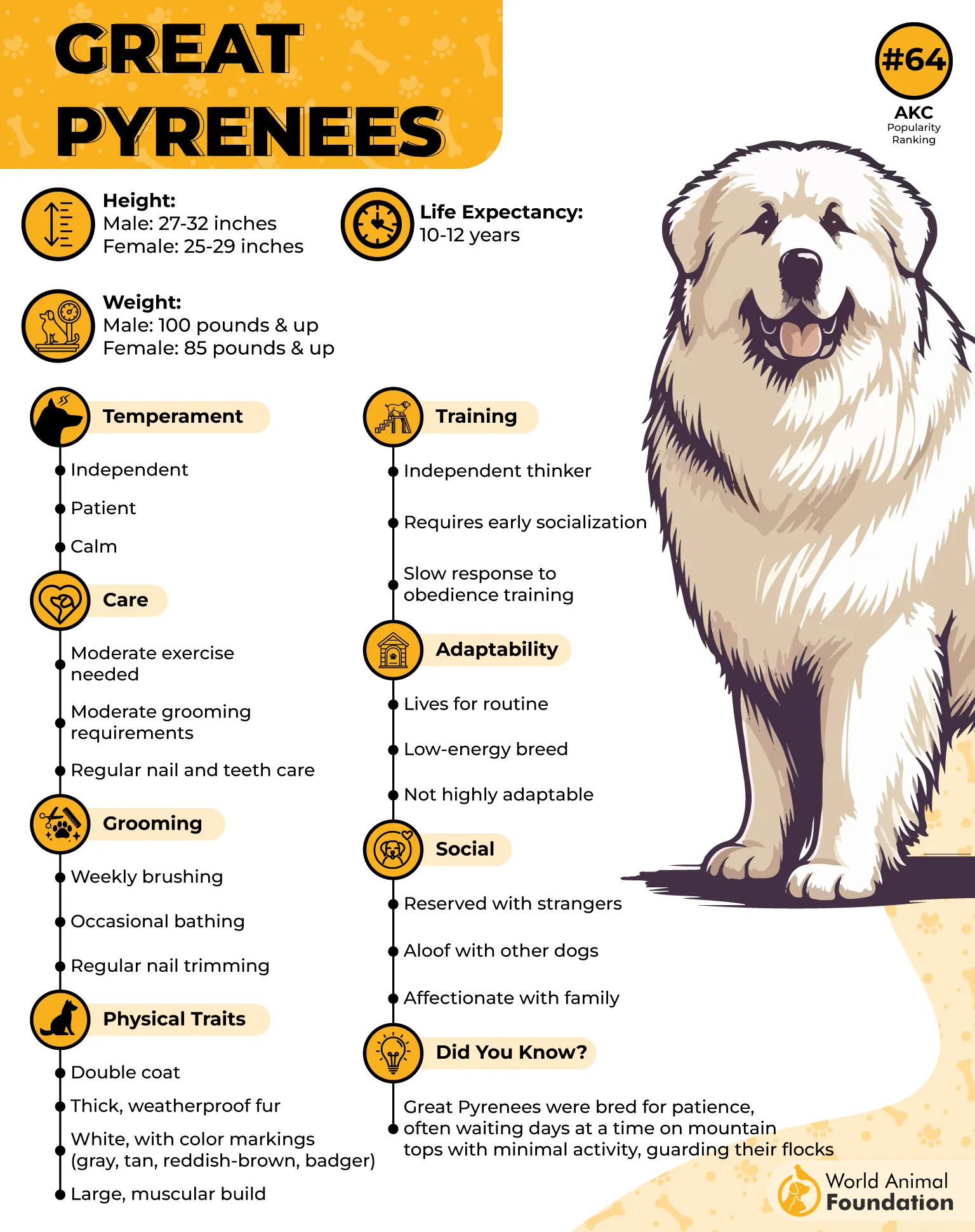
Instead of reacting quickly to every movement, the Great Pyrenees tends to observe first, holding a composed, almost still posture before deciding whether action is needed. When it does move, it can shift from complete stillness to purposeful speed in seconds.
Its heavy double coat, which naturally repels snow and resists harsh wind, allows it to stay outdoors in cold conditions far longer than many companion dogs, while warm weather requires extra caution and shade.
Unlike highly energetic trekking breeds, it prefers slow patrol-like movement rather than long-distance exertion, making it better suited for steady outdoor supervision than continuous endurance activity.
3. Vizsla
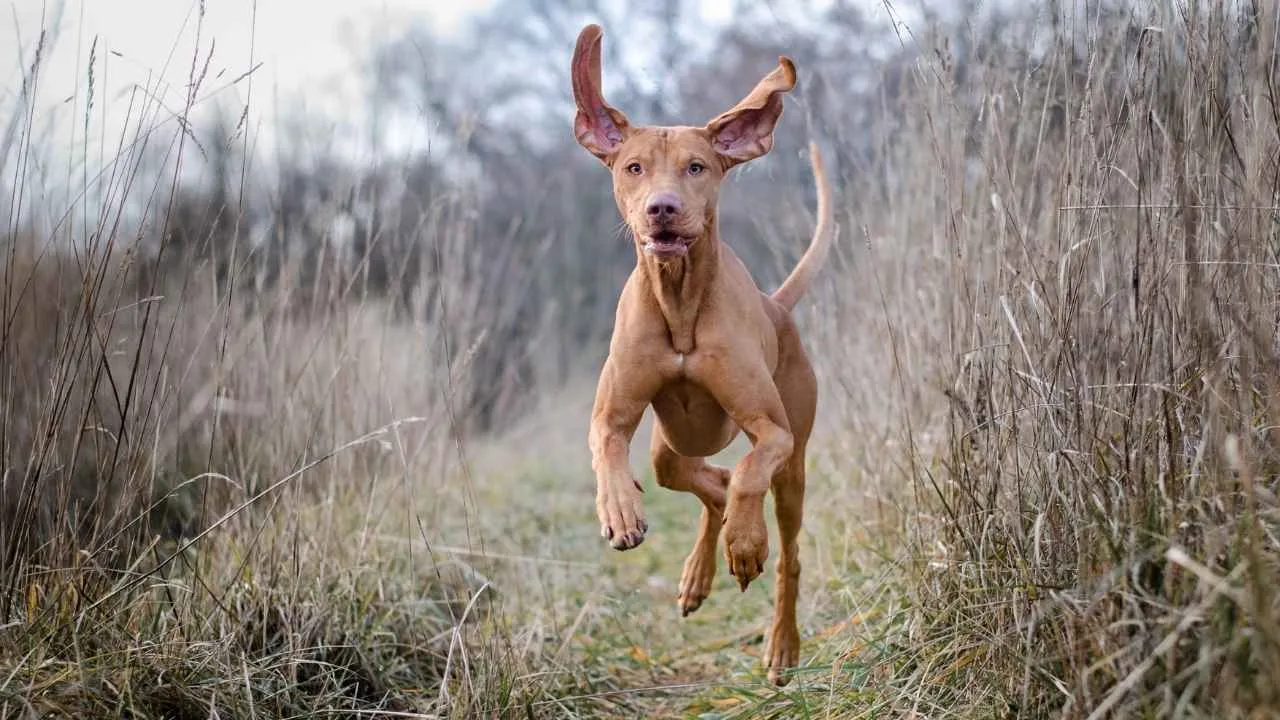
The Vizsla is a lean, red-coated gundog built for long hours of active field work, but unlike heavier, rugged breeds, it relies on speed and close teamwork rather than brute strength or cold-weather endurance.
It moves with a light, flowing stride that covers ground efficiently, especially in open outdoor spaces where constant motion matters more than power. While many outdoor dogs are independent explorers, this one is designed to stay tuned to a human partner throughout the activity.
Vizslas possess incredible stamina for hiking and are often referred to as the ‘Ironman triathlete’ of dogs.
Compared to self-reliant working breeds that range far ahead, the Vizsla stays unusually close, often checking back as if it is reading every change in direction.
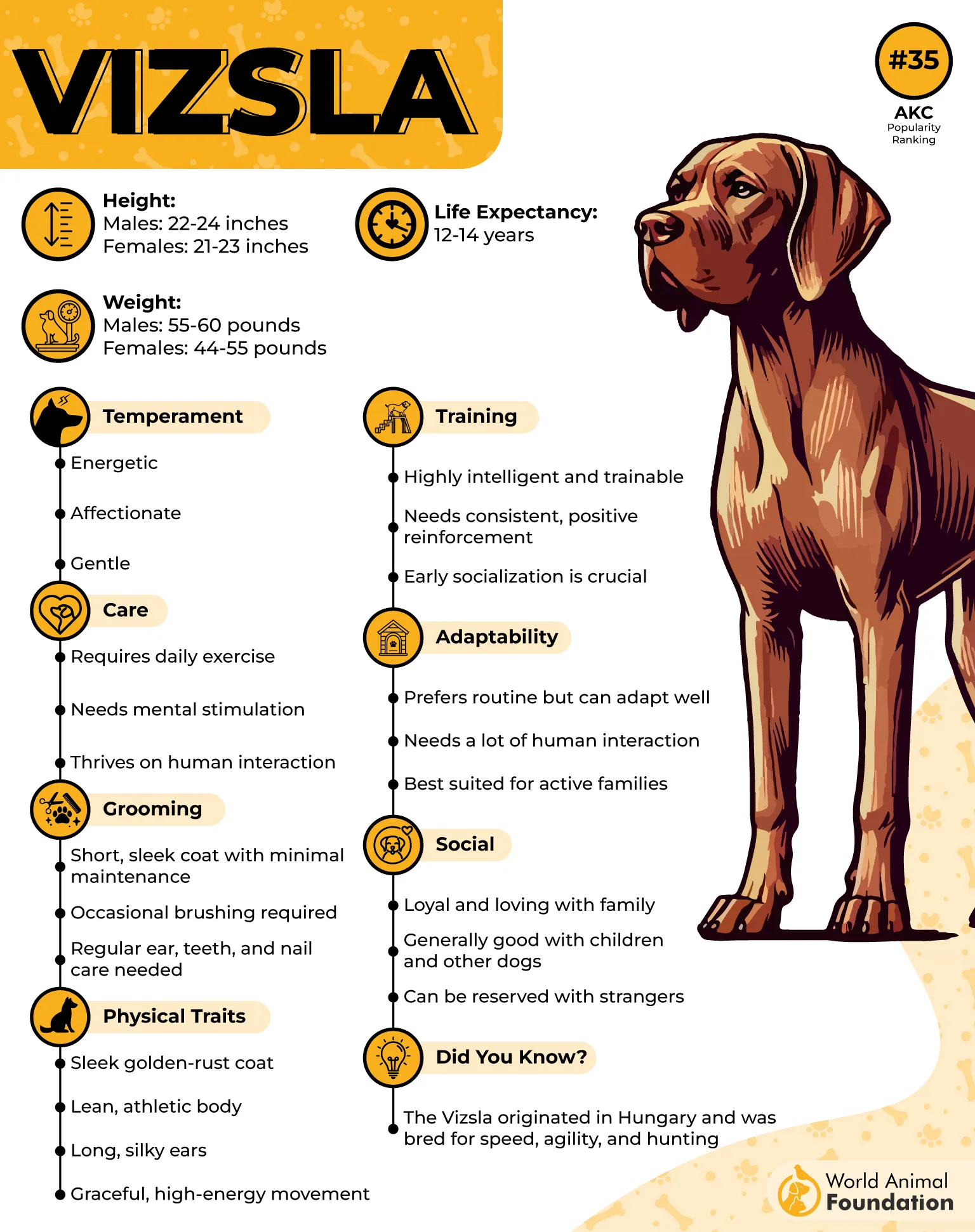
This tight connection sets it apart from dogs that prefer working alone in wide, tough terrain. It can handle long runs, cycling, and extended outdoor sessions, but it does not cope well with isolation or inactivity for long periods.
In outdoor life, the Vizsla performs best when movement has purpose and guidance, not just free roaming. Its silky ears and expressive face reflect a mix of gentle home behavior and intense focus during activity.
It thrives with owners who share an active routine, making it more of a moving partner than a distant trail explorer.
4. Weimaraner
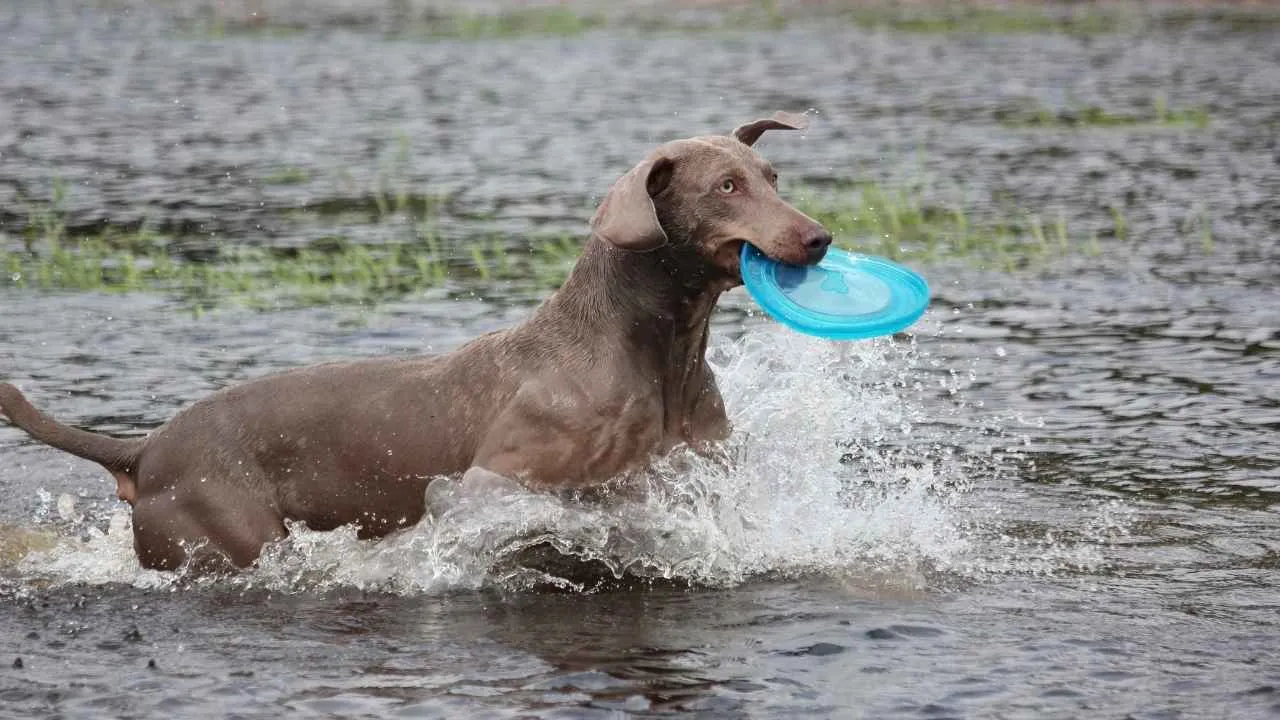
According to PetMD, the Weimaraner is an athletic, silver-coated sporting dog built for intense daily activity and long outdoor sessions.
Compared to slower companion breeds that enjoy short walks, it demands structured exercise and constant movement to stay balanced and calm. Without enough activity, it quickly becomes restless, showing energy through chewing or digging.
Unlike many outdoor dogs that adapt easily to small spaces, the Weimaraner struggles in confined environments and prefers wide, open areas.
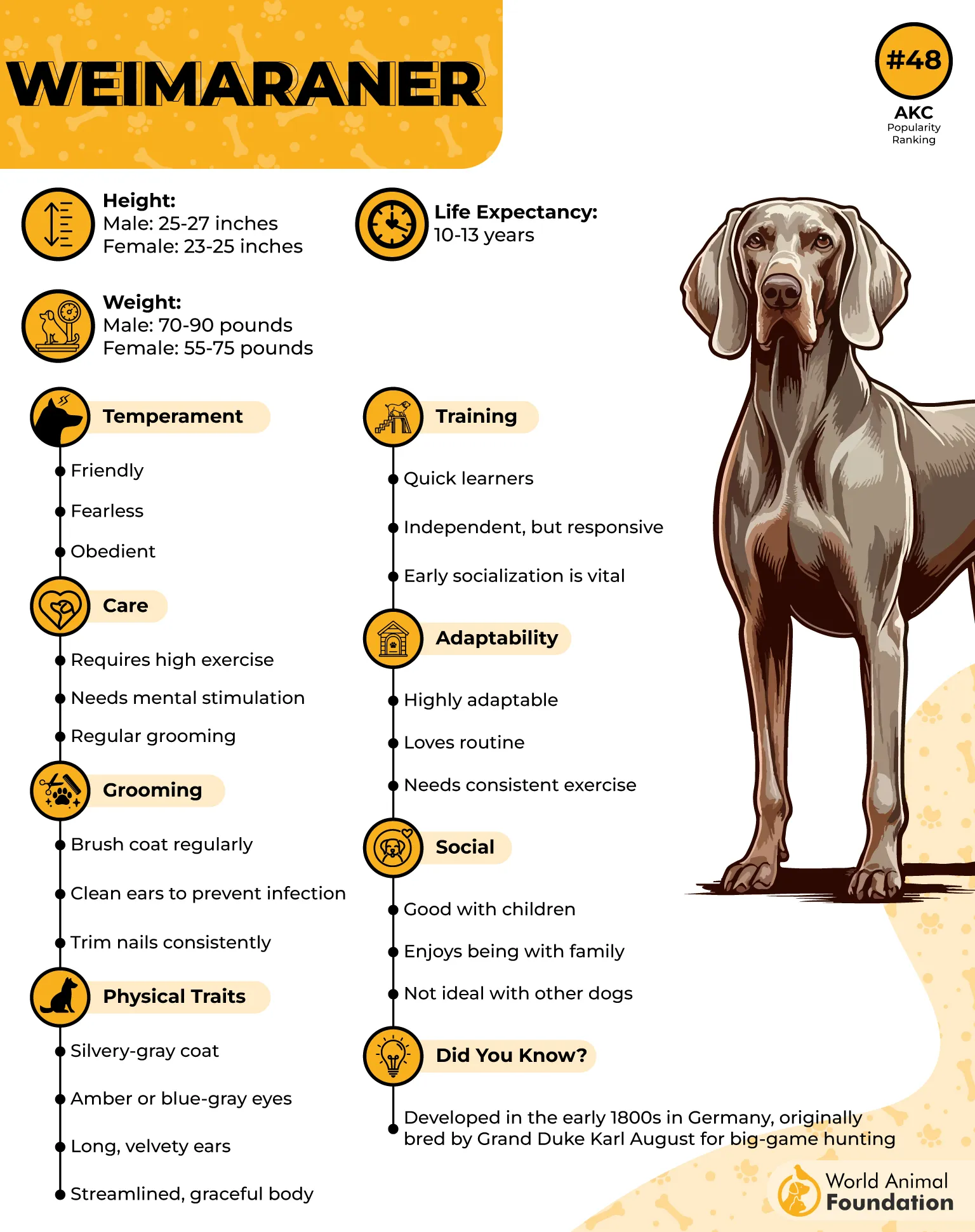
It is best suited for homes with secure, fenced spaces where it can move freely without wandering.
Its hunting background also gives it a strong chase instinct, making smaller animals difficult to keep alongside it safely.
In outdoor life, the Weimaraner performs best during hiking, running, and long active routines with its owner. It can sustain hours of physical work when guided properly, but it is not built for idle living or low-stimulation days.
Compared to laid-back family breeds, it requires a lifestyle that matches its high drive and alert, always-ready mindset.
5. Alaskan Malamute
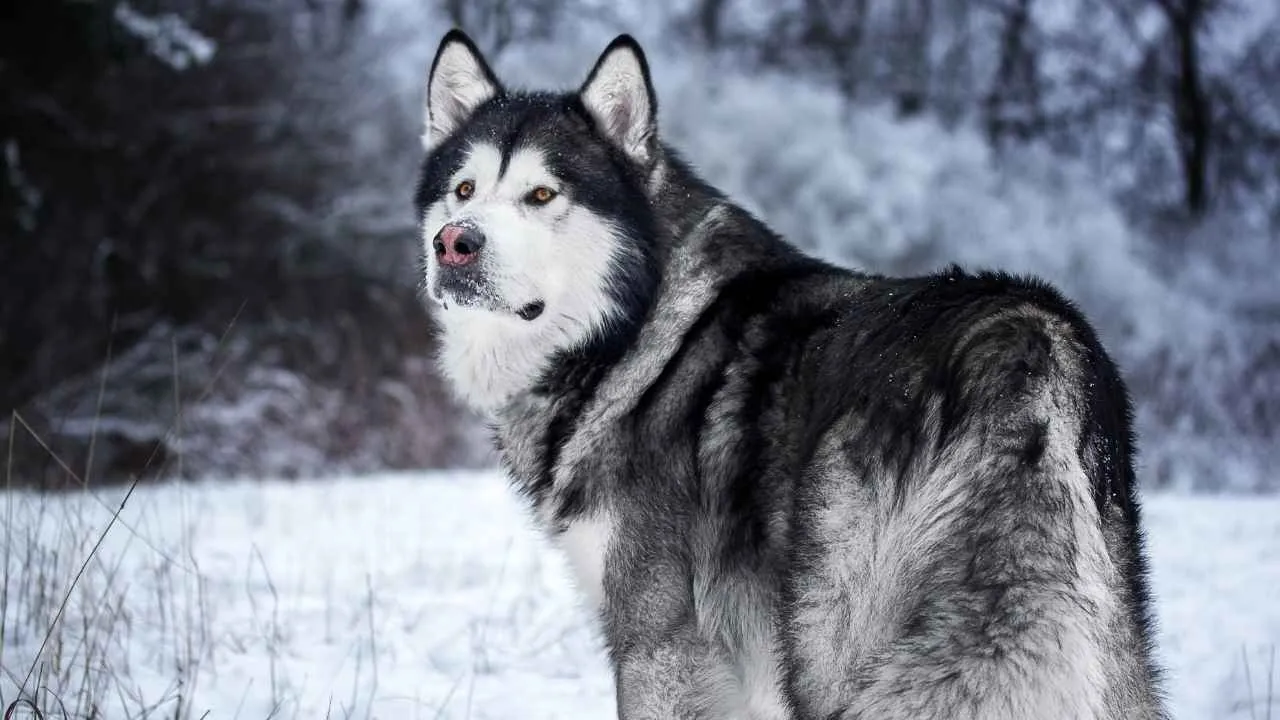
The Alaskan Malamute was originally bred to haul heavy loads across Arctic landscapes, showcasing its strength, endurance, and cold-weather resilience.
Compared to lighter outdoor breeds that focus on quick movement, it works in steady, grinding power, covering distance with patience rather than rushing.
The Alaskan Malamute is known for its strength and endurance, making it an ideal partner for winter hikes and rugged mountain paths.
Its thick, snow-ready coat and deep chest reflect a life shaped by cold conditions and demanding physical work.
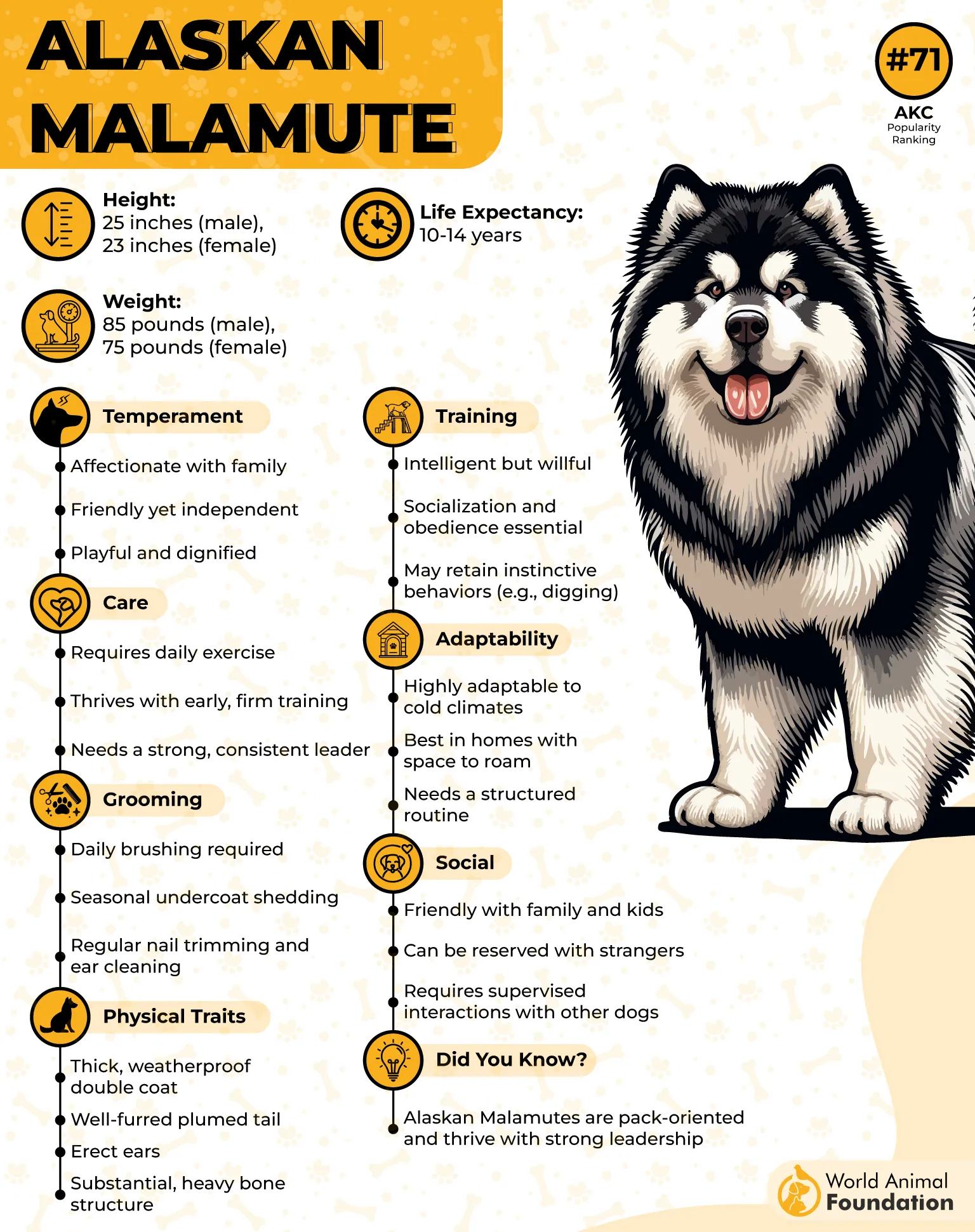
Unlike many companion-oriented outdoor dogs that rely heavily on constant human approval, the Alaskan Malamute carries a strong pack mindset and naturally expects structure in its social group.
This can make it more independent in decision-making during outdoor activity compared to closely following breeds. At the same time, it often shifts from hard-working energy to a surprisingly relaxed, affectionate state once activity is over.
In rugged outdoor life, it performs best in cold-weather tasks like pulling, trekking, and long-distance movement in snow or open terrain. It needs firm guidance and early training, especially because its strength can easily override unclear handling.
Compared to smaller working dogs that focus on agility, it stands out for sustained pulling power and a calm but dominant presence in active environments.
6. Siberian Husky
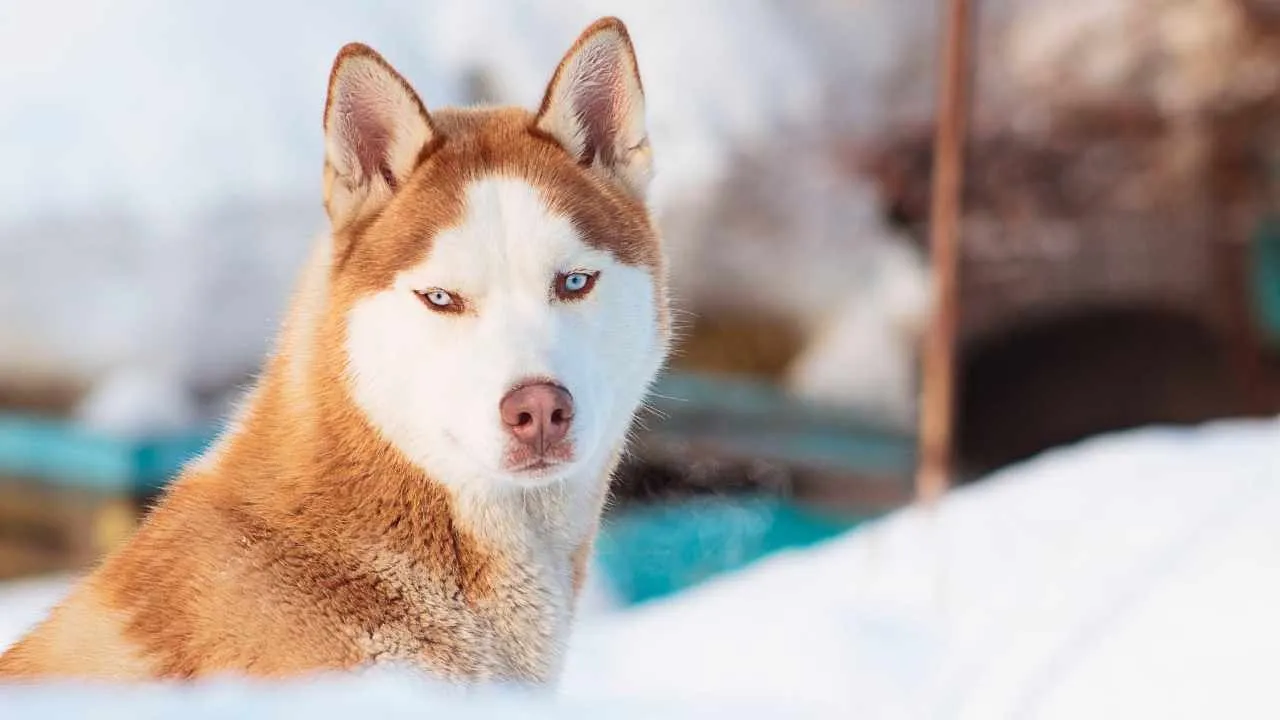
According to Britannica, the Siberian Husky is a sleek, endurance-driven sled dog originally developed in Siberia for pulling teams across frozen land where speed, stamina, and teamwork mattered more than size or brute force.
Compared to heavy pulling breeds that rely on sheer power, it moves with light, efficient strides that conserve energy over long distances in cold environments.
Its dense double coat and balanced frame are built for continuous motion rather than short bursts of strength.
Unlike many rugged outdoor dogs that focus on guarding or dominance, Siberian Huskies work in a cooperative team style, often performing best when running with other dogs rather than alone.
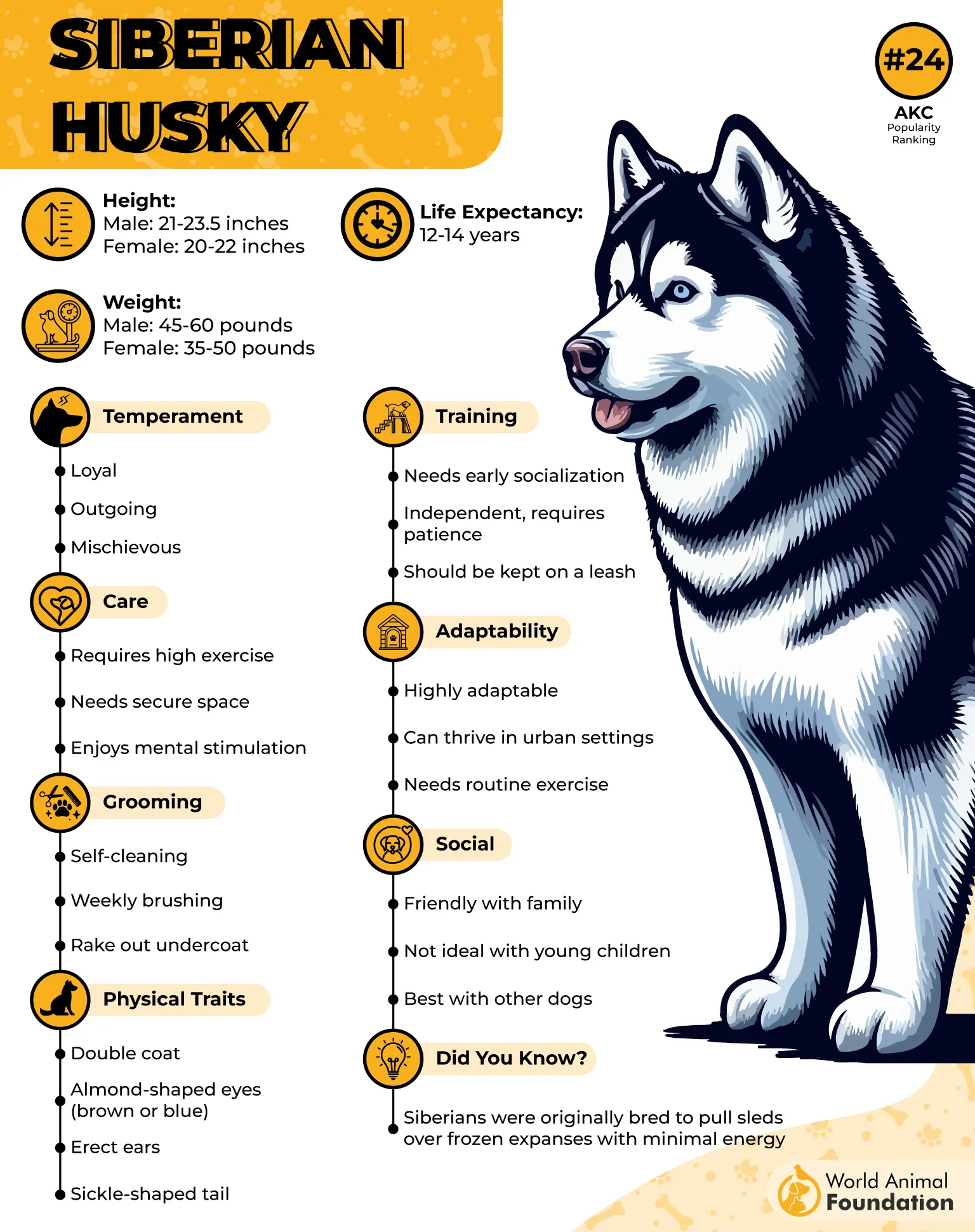
In comparison to more obedient companion breeds, it shows a strong independent streak and may choose its own path if not properly guided outdoors. This makes secure space and controlled activity essential during outdoor adventures.
In active outdoor life, it excels in sledding-style work, long runs, skijoring, and pulling-based activities where sustained movement matters more than precision obedience.
It is famously expressive, using howls, “talking” sounds, and vocal chirps instead of simple barking, which sets it apart from quieter working breeds.
Compared to guard-oriented outdoor dogs, it is friendly with strangers and focuses more on movement and exploration than on protection duties.
7. Treeing Walker Coonhound
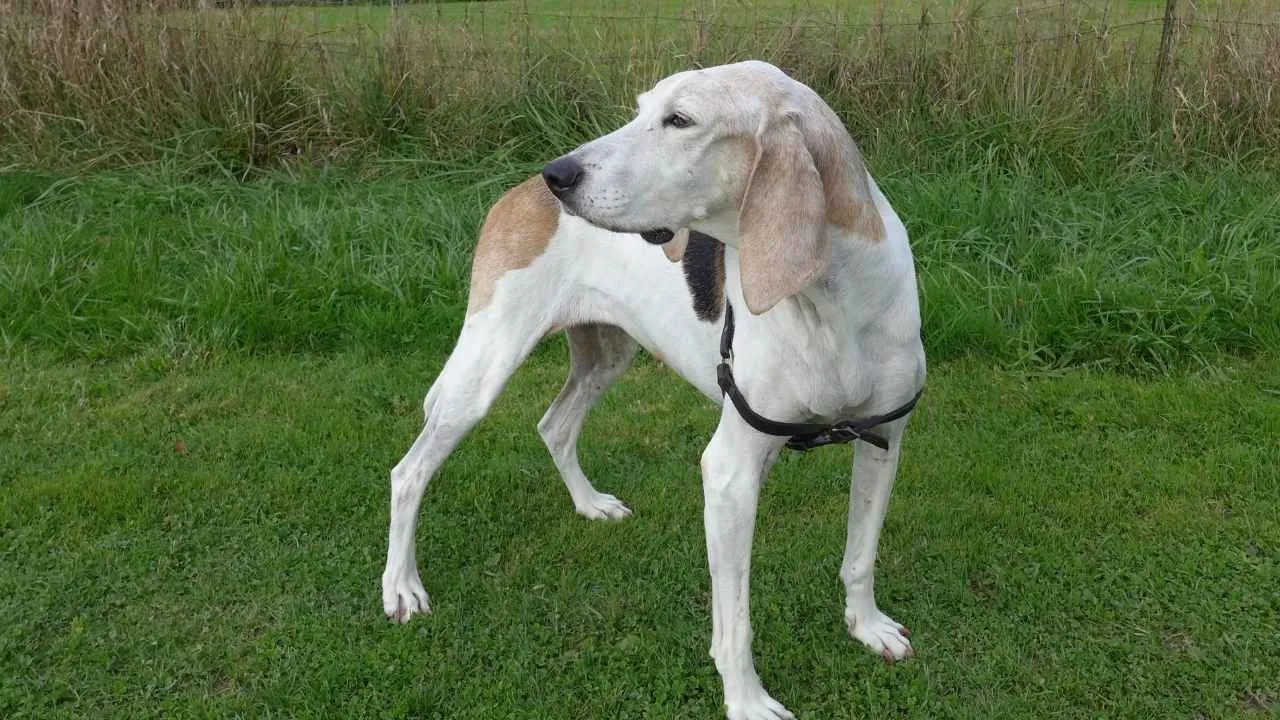
Treeing Walker Coonhound is a fast, endurance-focused hound built for long hours of tracking and chasing in dense outdoor terrain, especially where scent work matters more than visibility or speed bursts.
Compared to many rugged outdoor breeds that rely on strength or cold resistance, it depends on relentless movement and sharp tracking ability over extended distances.
Its light, athletic build supports sustained pursuit rather than heavy pulling or guarding work.
Unlike many outdoor companions that prefer steady human direction, Treeing Walker Coonhound can switch between following cues and independently problem-solving while on a trail.
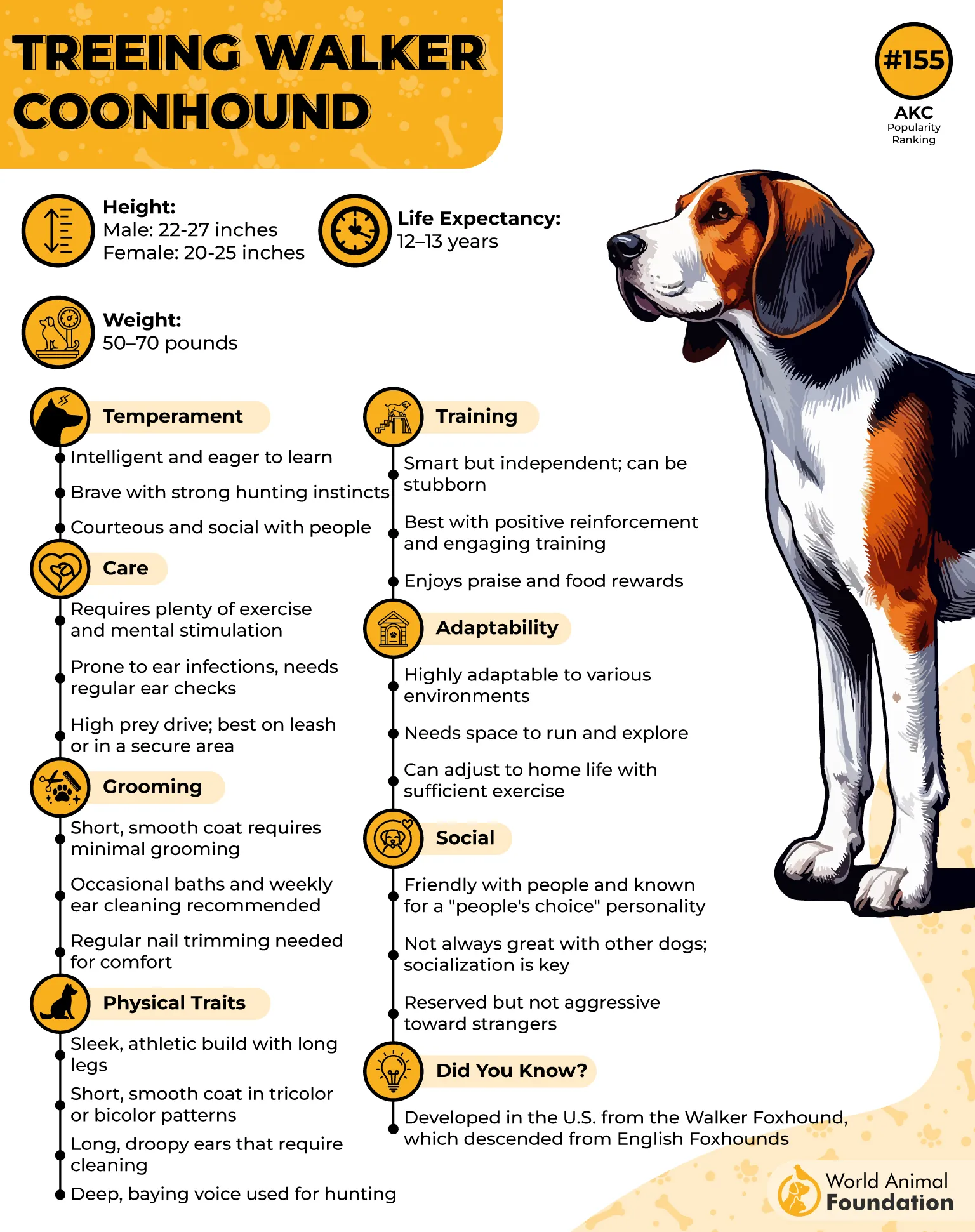
This balance makes it different from strictly obedient working breeds that wait for constant instruction.
It performs especially well in long tracking situations where focus and persistence matter more than immediate control.
In active outdoor life, it thrives during hunting-style activities, long hikes, and wide-area exploration, where endurance is constantly tested. It is highly social with family and playful when not working, which contrasts with its serious focus during scent tracking.
Compared to more protective outdoor dogs, it is driven by pursuit and stamina rather than guarding territory, making it a specialist in long-distance scent work.
Conclusion
Not every outdoor companion is built for the same kind of adventure. Some thrive in cold, pulling with steady power across frozen ground, while others depend on speed, scent, or close teamwork with a human partner.
A few are calm watchers, conserving energy until action is needed, while others demand constant movement to stay balanced.
The key is matching energy, climate tolerance, and working style to your lifestyle. When that balance clicks, outdoor life becomes smoother, safer, and far more rewarding for both sides of the partnership.
