




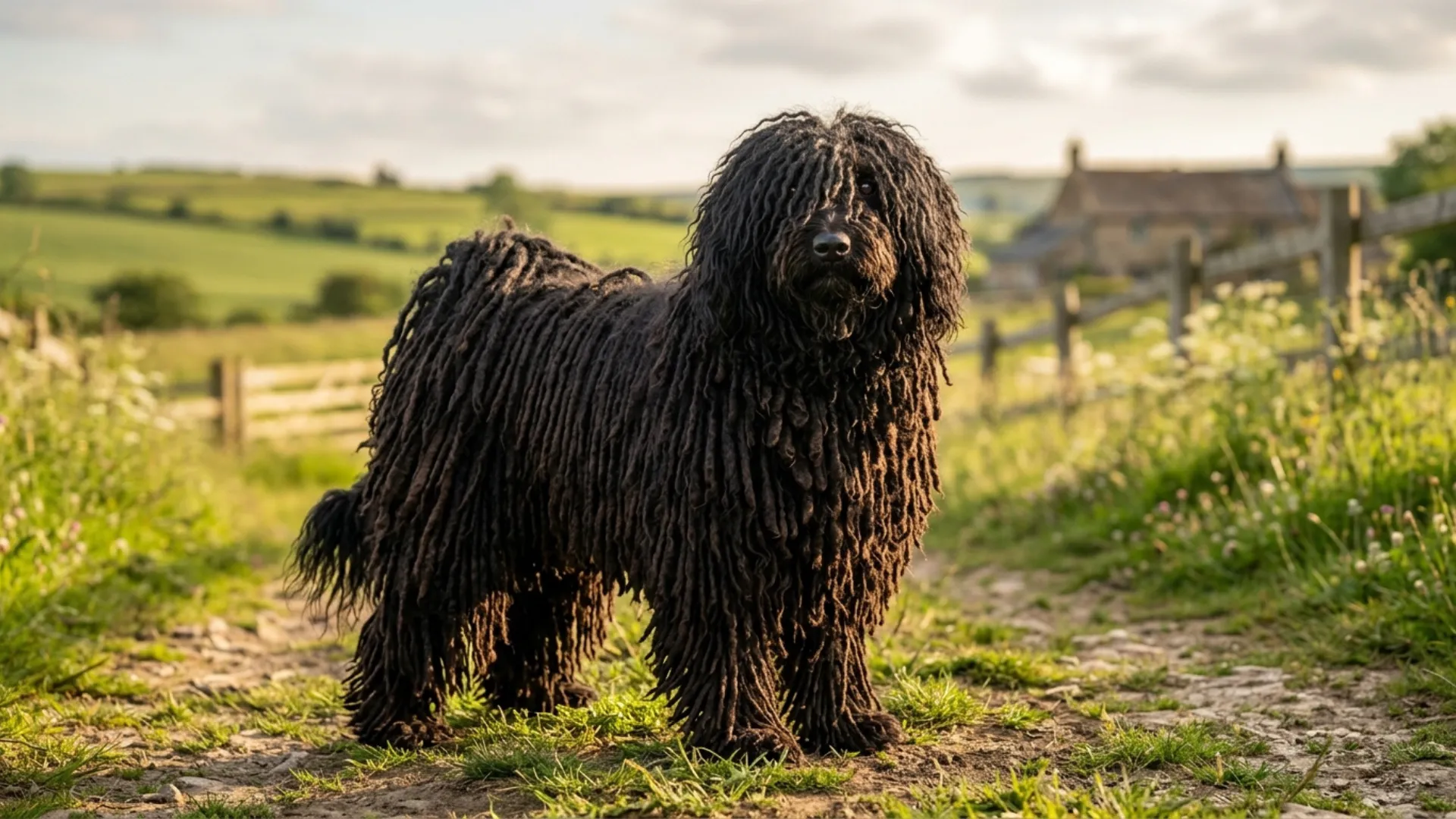
If dogs had their own fashion show, these breeds would be stealing the spotlight every single time.
From floor-length dreadlocks and fluffy flocks to silky skin that barely has any hair at all, some dogs look so unique that people stop mid-walk to ask, “What breed is that?” And honestly, we get it—these pups are walking masterpieces.
But here’s the cool part: these unusual coats weren’t created to look Instagram-worthy. Many of these textures developed over hundreds or even thousands of years to help dogs perform important jobs. In some cases, a dog’s coat is so distinctive that it becomes impossible to mistake them for any other breed.
In this guide, we’re diving into some of the most extraordinary coat textures in the canine world. From Hungarian flock guardians that resemble giant mops to elegant toy dogs with barely any hair at all, these breeds prove that when it comes to canine fashion, Mother Nature has an incredible imagination.
Amazing Dog Breeds Displaying Unique Coat Textures
1. Komondor
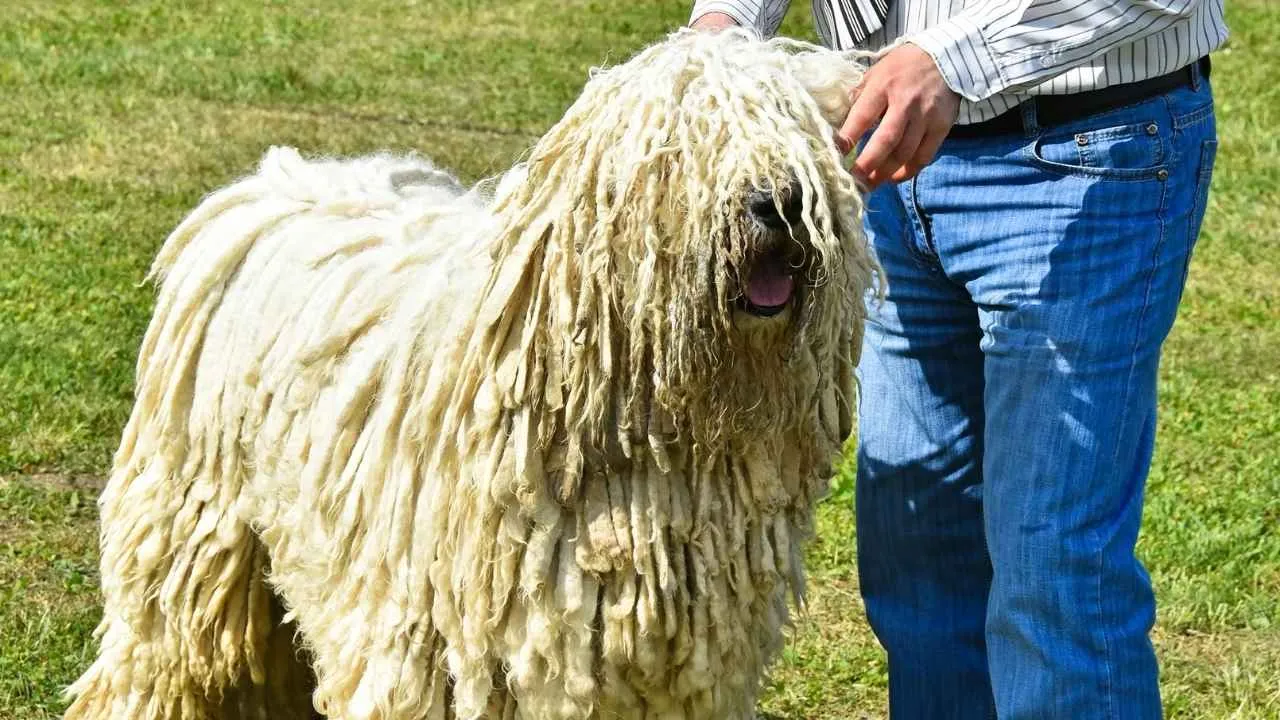
Developed in Hungary to guard livestock, this giant protector used its iconic white corded coat to blend seamlessly into flocks of sheep. Predators often didn’t realize a powerful guardian was nearby until it was far too late.
What makes the Komondor’s coat so fascinating is that it isn’t simply long hair. The soft undercoat and coarser outer coat naturally intertwine over time, creating thick, rope-like cords that resemble dreadlocks. These cords function as natural armor, helping shield the dog from bites during confrontations with wolves and other predators.
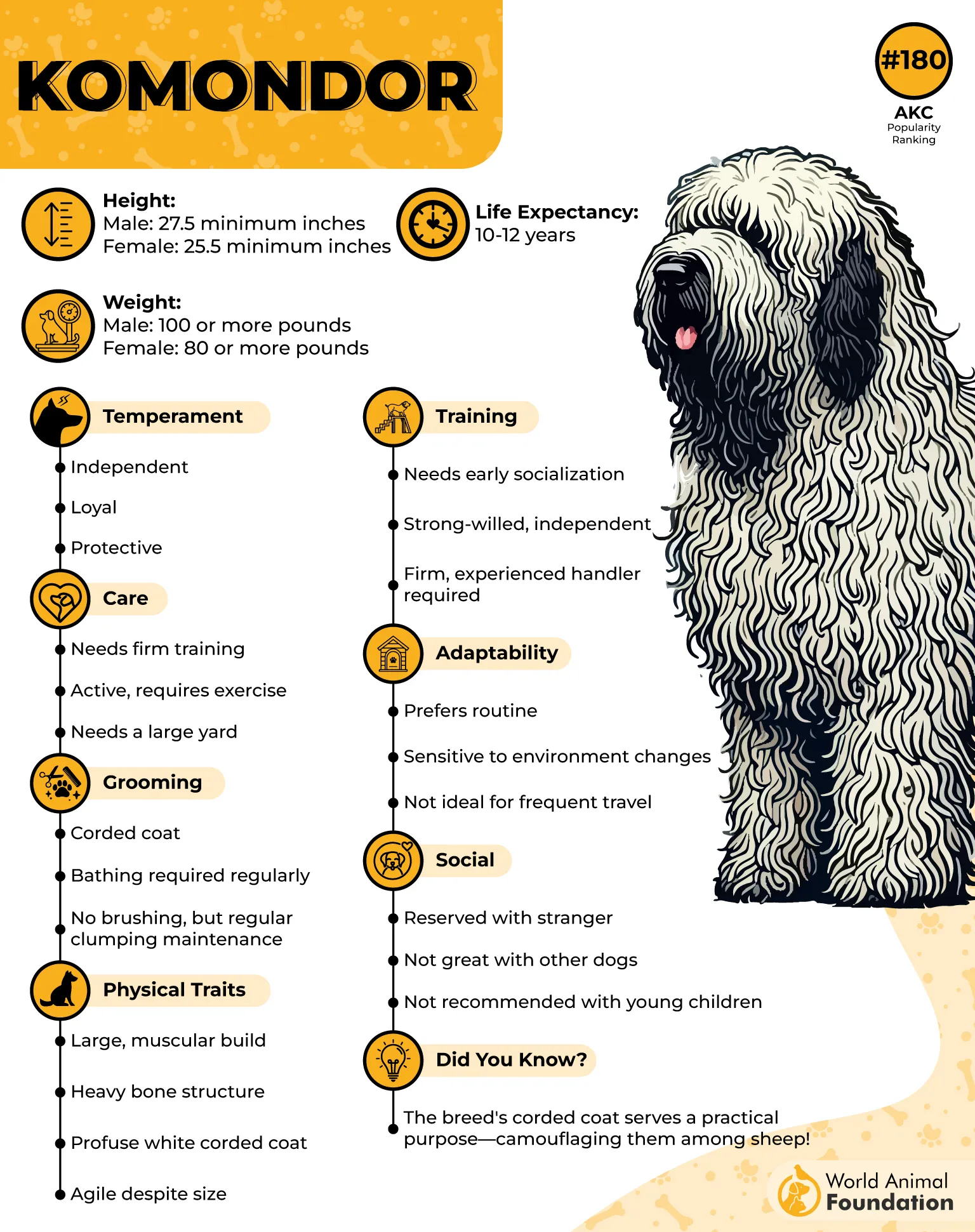
Behind all that dramatic hair is an exceptionally intelligent working dog. They are independent thinkers because they were bred to make decisions without constant human guidance while protecting livestock.
The breed’s intelligence can sometimes surprise first-time owners, as per Purina. Unlike dogs that constantly seek direction, a Komondor often evaluates whether a command makes sense within the current situation. This level of independent reasoning is one reason why proper training and early socialization are essential.
Despite looking like oversized walking mops, they are surprisingly agile and athletic. Their powerful bodies allow them to move quickly when necessary, and many owners report that their dogs remain highly aware of everything happening around them.
How To Manage This Dog’s Coat
Separate developing cords by hand every few weeks to prevent them from fusing into massive mats.
Dry the coat thoroughly after bathing, as trapped moisture can cause unpleasant odors and mildew.
Check the cords regularly for debris such as leaves, twigs, and grass that can become hidden deep within the coat.
2. Puli
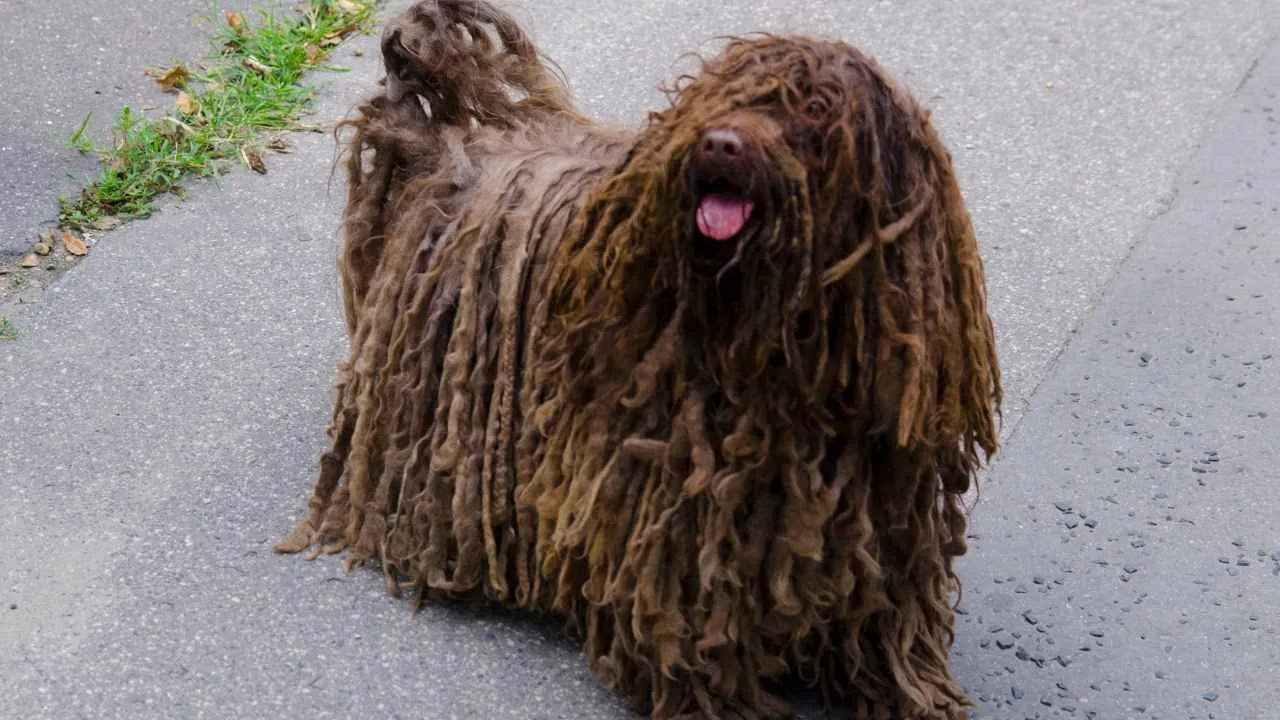
Originally developed as a Hungarian herding dog, this medium-sized breed used its speed, intelligence, and remarkable coat to excel in demanding farm environments. Watching a Puli move across a field is like watching a furry athlete in fast-forward.
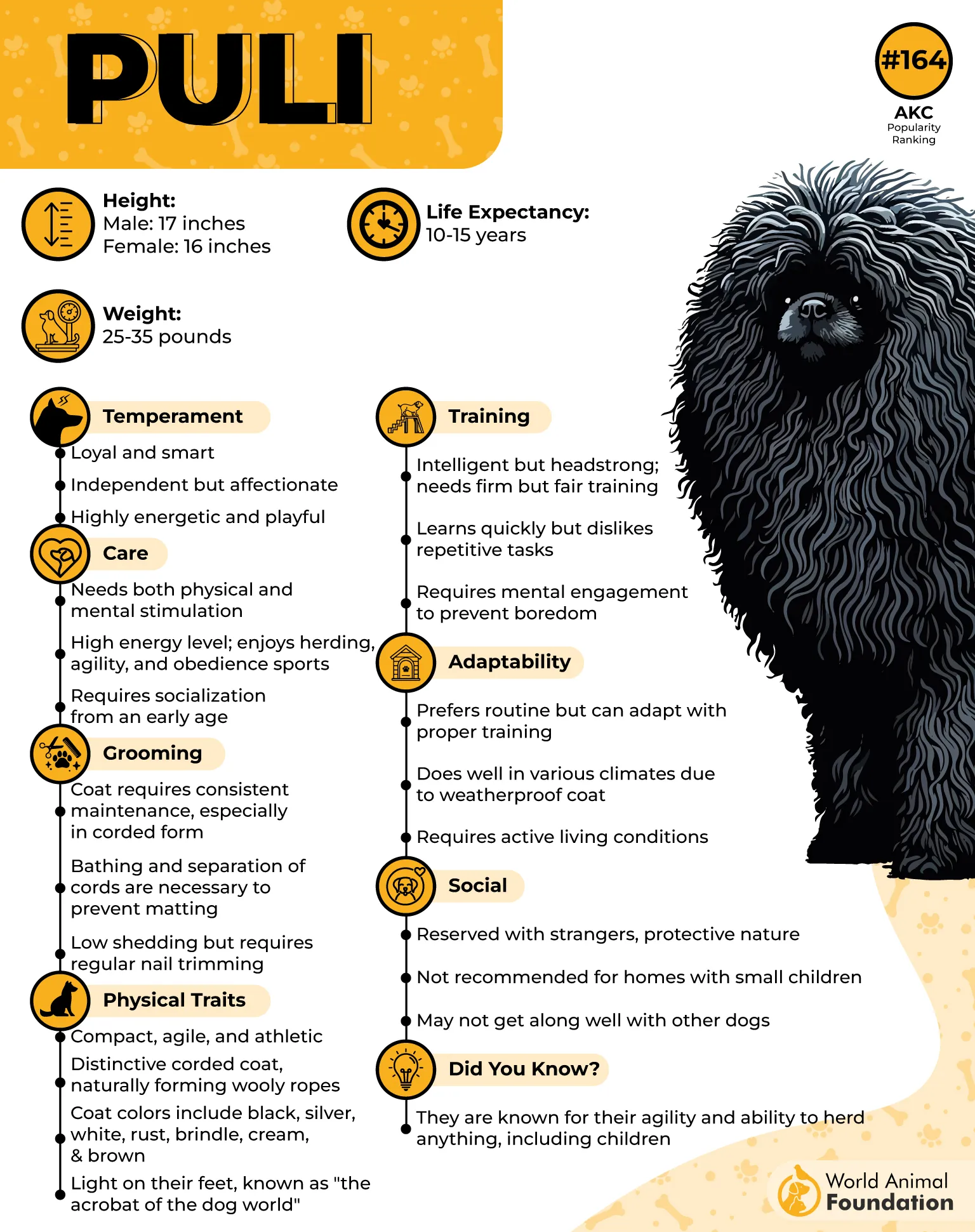
The breed’s famous cords form naturally as the dog matures. Around nine to twelve months of age, the dense undercoat begins combining with the outer coat, gradually creating the signature rope-like appearance. A fully corded adult can look as though it’s wearing an elaborate coat made entirely of moving tassels.
They are widely regarded as some of the smartest herding dogs in Europe. They excel in obedience, agility, scent work, and problem-solving tasks because they learn quickly and enjoy having a job to do.
Unlike many watchdog breeds that rely on intimidation, Hill’s Pet says this dog relies on awareness and communication. They are naturally alert and often notice unusual activity long before their owners do. Their sharp instincts made them valuable partners for shepherds who depended on quick reactions to protect livestock.
Although the coat eventually reaches impressive lengths, it serves a practical purpose. The weather-resistant cords help protect the dog from harsh environmental conditions while allowing it to work comfortably outdoors.
How To Manage This Dog’s Coat
Guide cord development early by gently separating mats down to the skin during adolescence.
Schedule regular inspections because cords can hide moisture, dirt, and plant material.
Work with a breeder or groomer familiar with corded breeds if you’re raising your first Puli.
3. Bergamasco Sheepdog
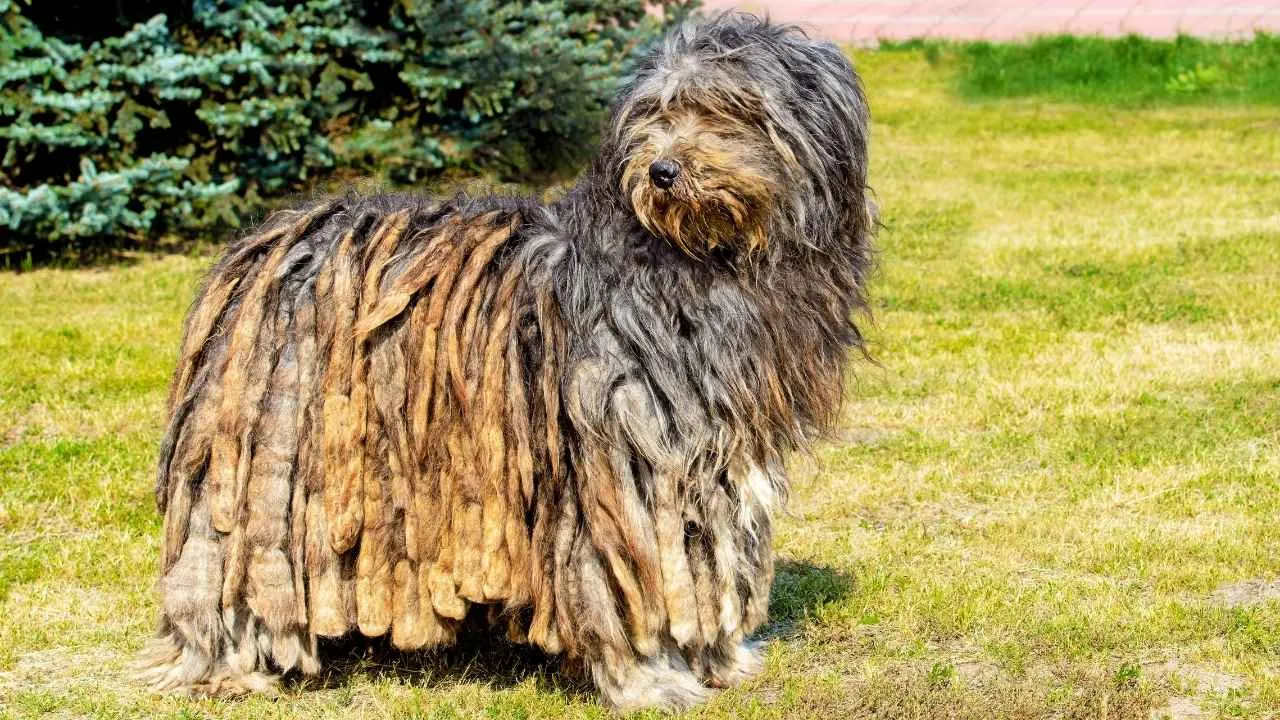
Bergamascos are hardworking herding dogs with a unique coat structure that helps them survive extreme weather conditions while protecting livestock. The result is one of the most distinctive appearances in the entire canine world.
Unlike corded breeds that form rope-like strands, the Bergamasco develops flat mats known as flocks. These flocks form from three different hair types working together: a dense undercoat, coarse goat hair, and fine woolly hair.
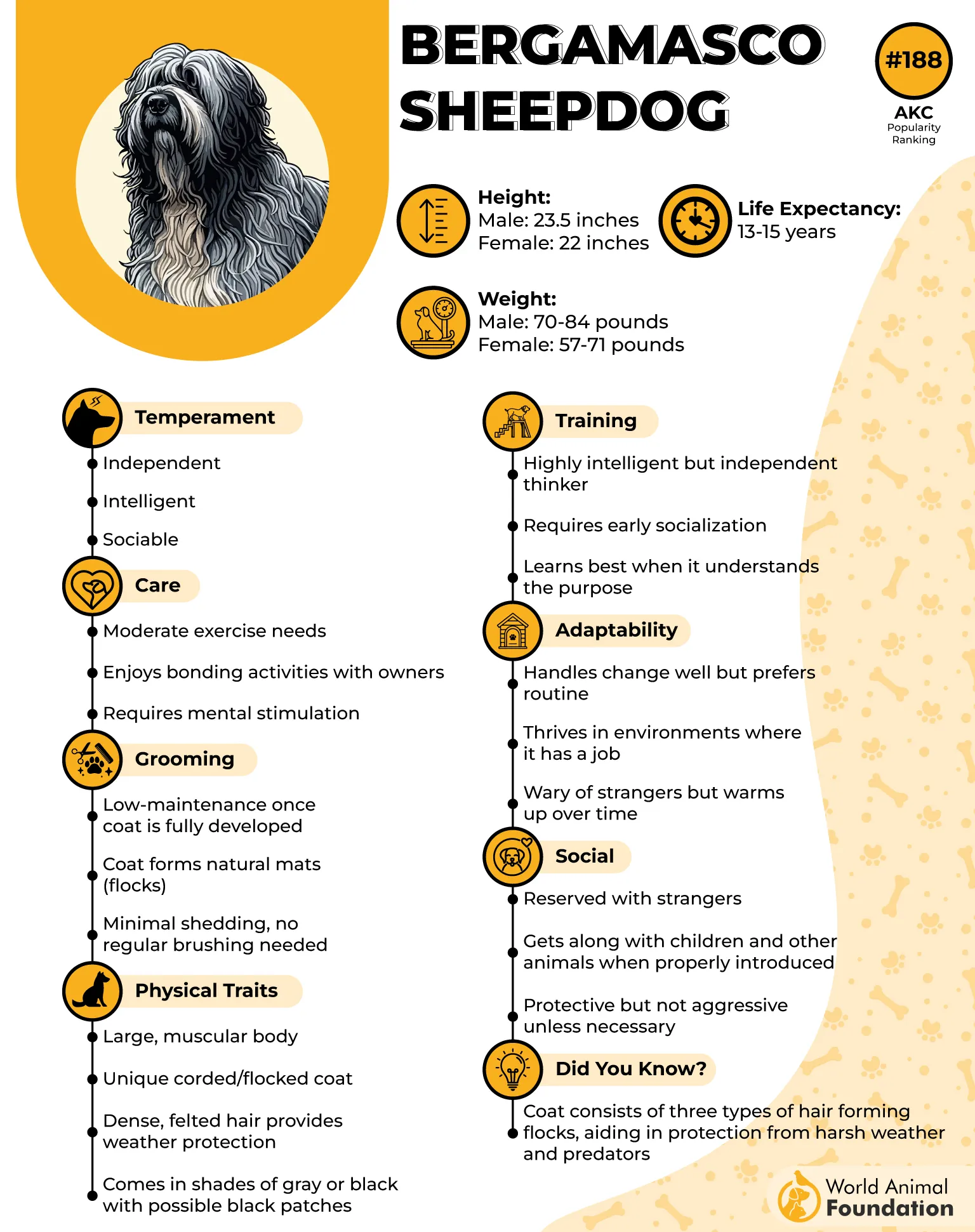
Bergamascos are known for their remarkable intelligence and problem-solving abilities, as noted by the AKC. Shepherds historically relied on them to make independent decisions when managing livestock in remote mountain regions. Modern owners often describe them as thoughtful dogs that carefully observe situations before acting.
One reason this breed has developed a loyal following is its balanced temperament. Bergamascos are affectionate with family members while remaining calm and confident in unfamiliar situations. Their ability to think independently without becoming stubborn makes them particularly appealing to experienced dog enthusiasts.
The coat’s development is a fascinating process that can take up to five years to mature fully. During this period, owners actively help separate and guide the forming flocks until the characteristic appearance emerges.
How To Manage This Dog’s Coat
Assist flock formation during adolescence by gently separating developing mats into natural sections.
Perform regular inspections of the beard, paws, and coat after outdoor adventures to remove any trapped debris.
Be patient during bathing sessions, as dense flocks can take many hours to dry completely.
4. Chinese Crested
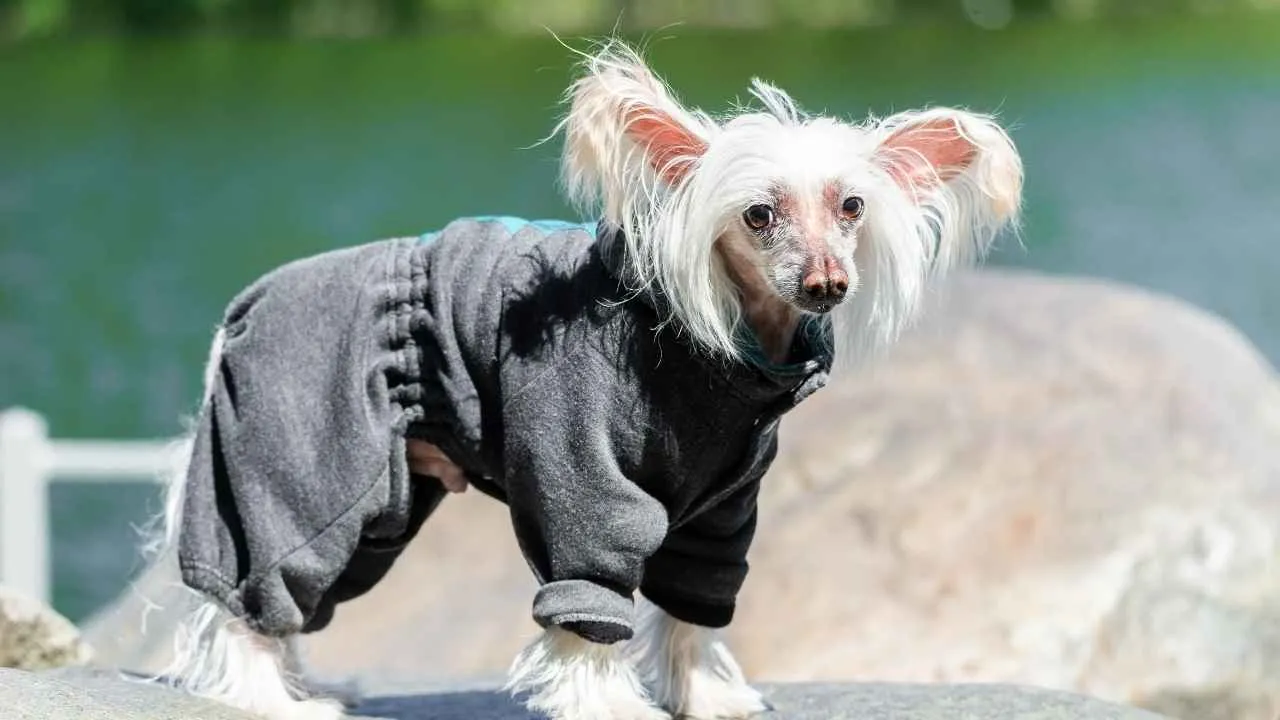
With its hairless body, flowing crest, fluffy socks, and elegant tail plume, the Chinese Crested looks like a living work of art. It’s one of those dogs that makes strangers stop and ask, “Wait, what breed is that?”
These Chinese dogs come in two coat varieties: Hairless and Powderpuff.
Interestingly, both varieties can appear in the same litter due to the breed’s genetics. While the Hairless variety gets most of the attention, the Powderpuff’s silky double coat is equally stunning and unique.
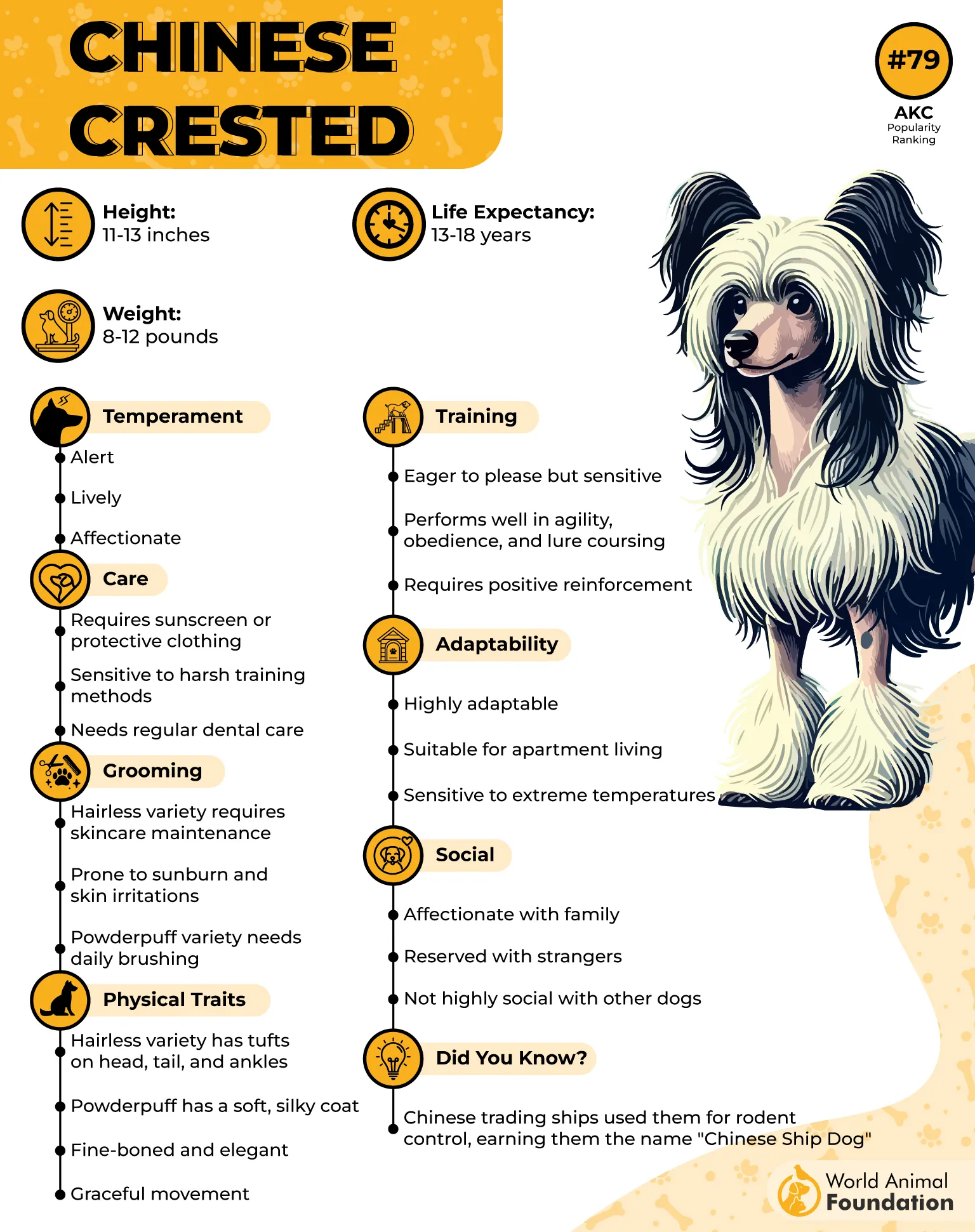
Despite their delicate appearance, these Chinese dogs are surprisingly intelligent and emotionally aware. Owners frequently describe them as little shadows because they closely monitor everything happening around the home. Their ability to read human emotions makes them excellent companions for people seeking an attentive and affectionate pet.
The Hairless variety requires specialized skin care that resembles a human skincare routine more than traditional dog grooming. Regular moisturizing, bathing, and sun protection are recommended to help prevent dryness, irritation, and sunburn.
They often excel in obedience, trick training, and canine sports because they genuinely enjoy interacting with their humans. Their intelligence combines with a playful sense of humor that keeps families entertained.
How To Manage This Dog’s Coat
Hairless Cresteds need regular moisturizing and dog-safe sunscreen to keep their skin healthy and protected.
Powderpuff coats benefit from daily brushing to prevent tangles and maintain their silky texture.
Frequent skin inspections help identify irritation or dryness before they become larger issues.
5. Bedlington Terrier
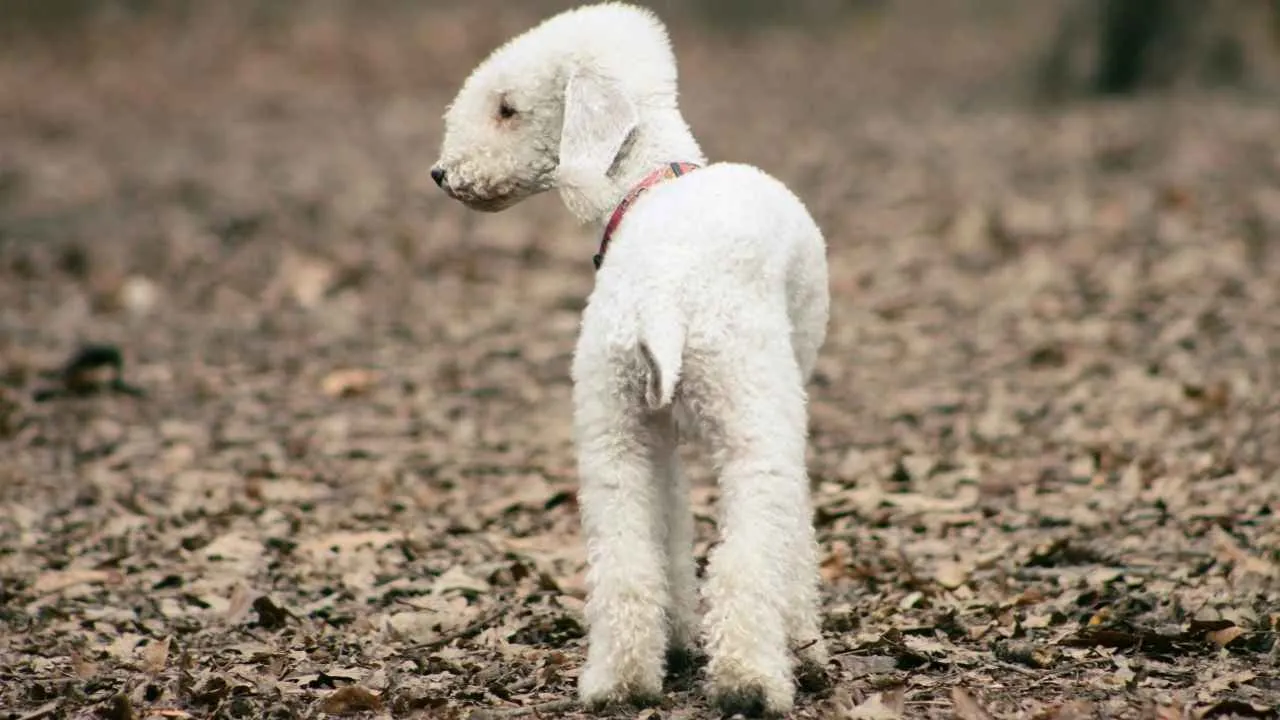
The Bedlington Terrier might be the only dog that regularly gets mistaken for a sheep.
With its curly coat, arched back, and signature topknot, this hunting dog possesses one of the most distinctive silhouettes in the canine world. Its appearance is so unusual that many people are shocked to learn it was originally bred as a working terrier.
Beneath that gorgeous coat lies an athletic and determined dog with remarkable speed and agility. Historically, Bedlington Terriers were used for hunting vermin and competing in racing events. Their graceful appearance often hides an energetic personality that enjoys activity and mental challenges.
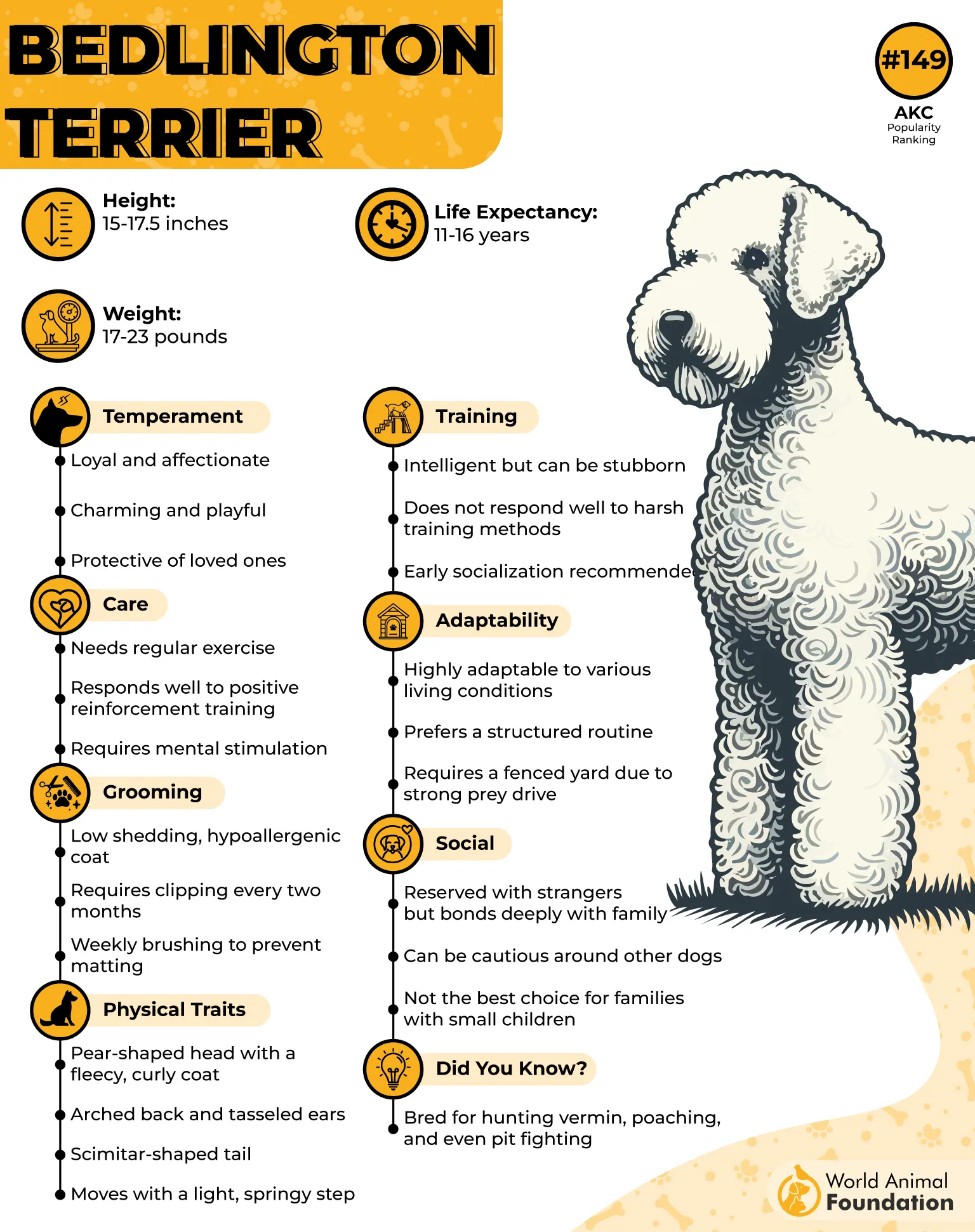
Its stunning coat is unlike that of almost any other breed. A mixture of soft and harsher hairs creates a crisp, springy texture that feels similar to lamb’s wool. This unusual coat grows continuously and requires regular grooming to maintain its trademark shape.
One reason many dog lovers are attracted to Bedlington Terriers is their minimal shedding. Although no dog is completely hypoallergenic, the breed is often considered a better option for individuals with mild allergies. However, reduced shedding comes with the trade-off of consistent coat maintenance.
How To Manage This Dog’s Coat
Professional grooming every six to eight weeks helps preserve the breed’s iconic lamb-like appearance.
Weekly combing prevents curls from becoming tightly matted near the skin.
Pay special attention to the coat around the ears and legs, where tangles commonly develop.
6. Portuguese Water Dog
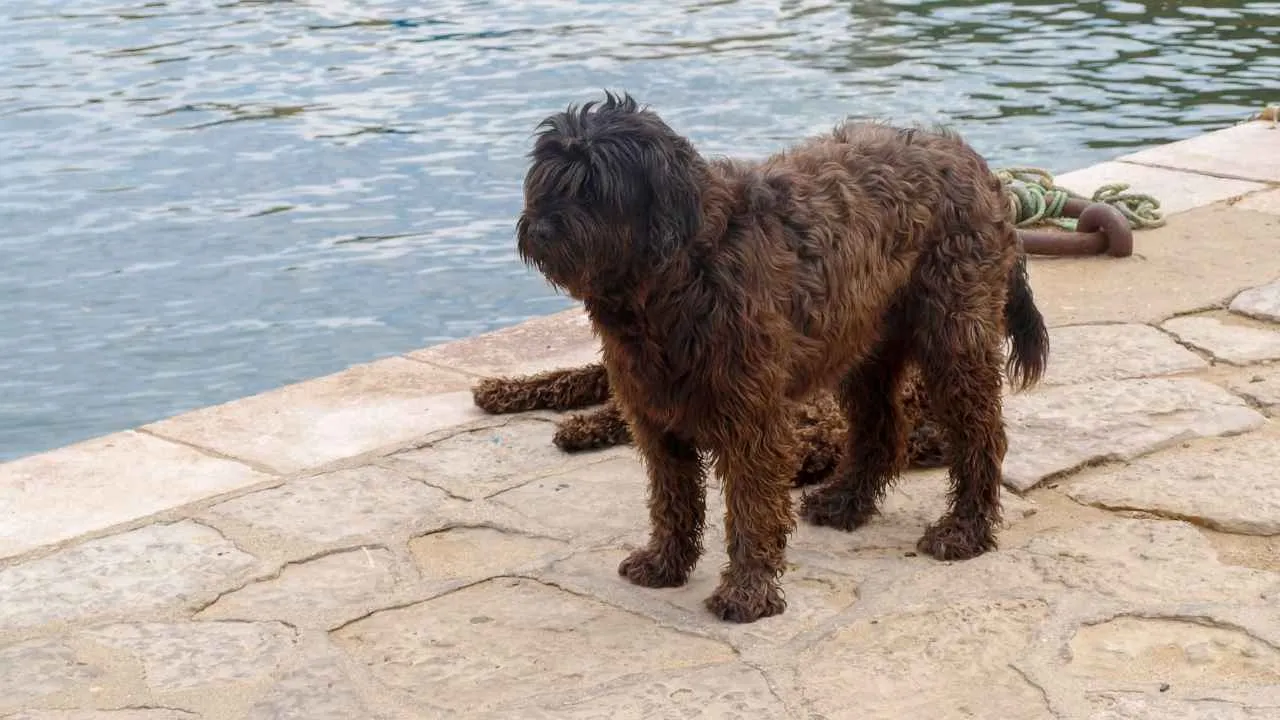
Long before becoming beloved family pets, Portuguese Water Dogs worked alongside fishermen along Portugal’s coastline. They retrieved equipment, carried messages between boats, and helped guide fish into nets. Their remarkable coat evolved specifically to handle the challenges of life in cold, rough water.
The breed features either a curly or wavy single-layer coat. Unlike many double-coated breeds, Portuguese Water Dogs lack an undercoat, which contributes to their lower shedding levels. Their dense texture acts as natural insulation while allowing flexibility and movement in aquatic environments.
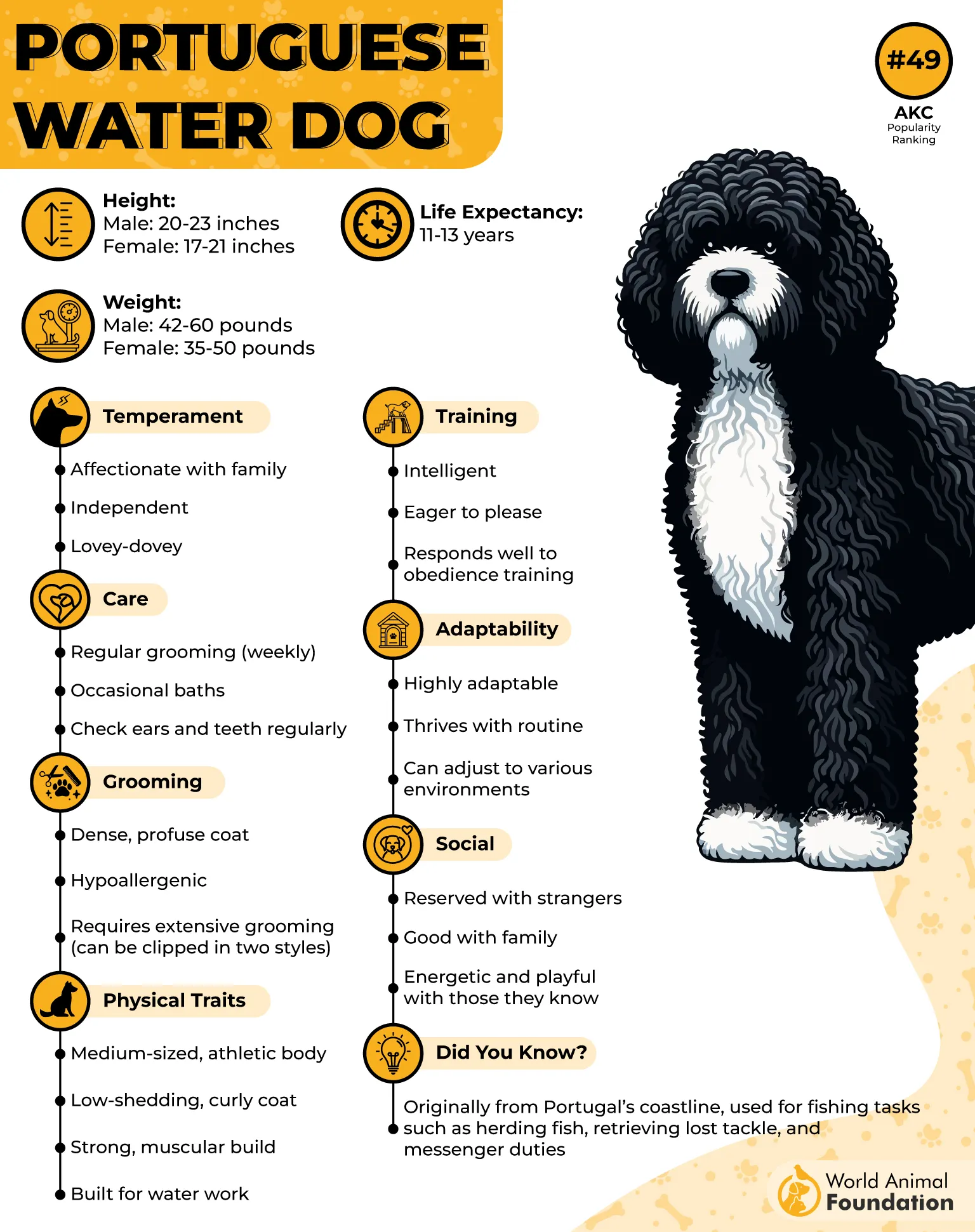
Many modern owners appreciate the breed’s coat because it produces less loose hair around the home. While this characteristic has earned them a reputation as a more allergy-friendly breed, regular grooming remains essential. Without routine maintenance, their coat can quickly develop tangles and mats.
Smartness is another hallmark of the Portuguese Water Dog. These dogs consistently perform well in obedience competitions, agility events, dock diving, and water rescue exercises. Their eagerness to learn makes them highly trainable, but it also means they require regular mental stimulation.
Families often describe them as enthusiastic problem-solvers with seemingly endless energy. They thrive when given tasks, challenges, and opportunities to interact with their people.
How To Manage This Dog’s Coat
Brush the coat thoroughly once or twice per week to prevent hidden mats from forming.
Schedule professional clipping every few months to keep the coat manageable and healthy.
Dry the coat completely after swimming sessions to support skin health and maintain coat quality.
7. Xoloitzcuintli
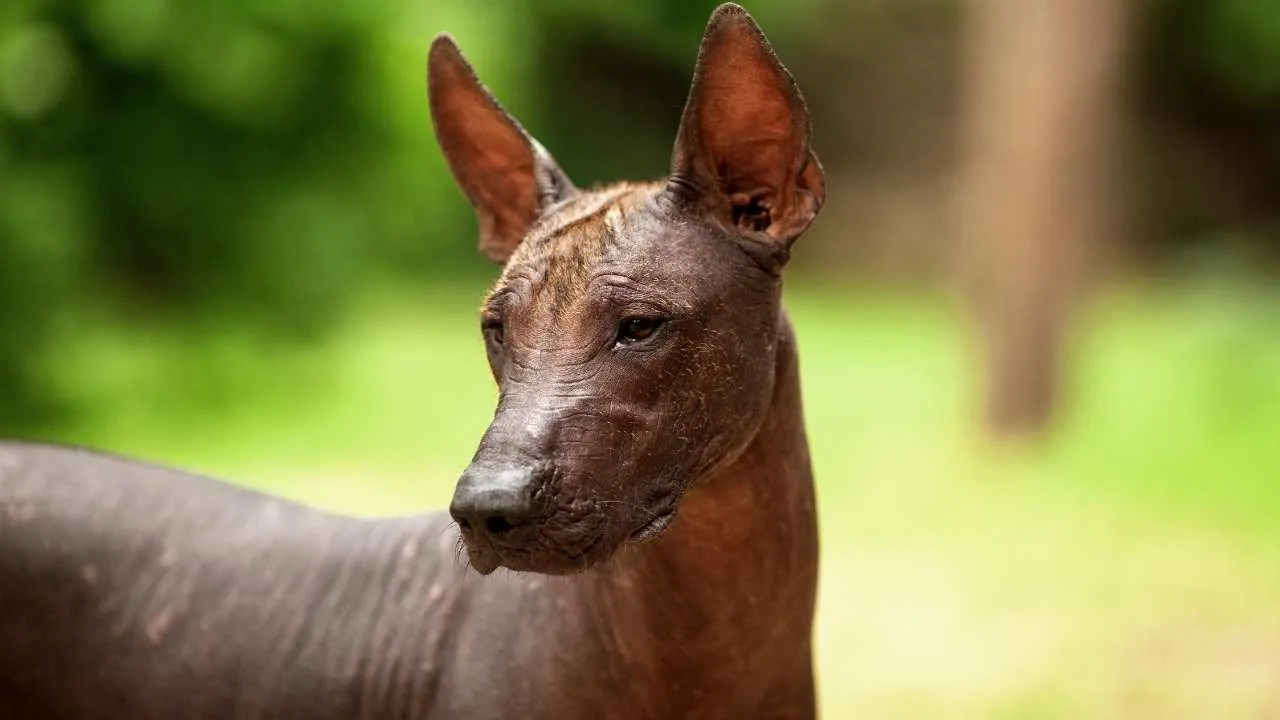
Commonly known as the Mexican Hairless Dog, this ancient breed dates back more than 3,000 years and was revered by the Aztecs, Toltecs, and Maya. Their unique appearance instantly makes them one of the most recognizable dogs on the planet.
It features smooth, tough skin with occasional tufts of hair on the head, feet, and tail. There is also a coated variety, which sports a short, sleek coat that lies flat against the body. Both versions share the same elegant build, athletic movement, and highly intelligent personality.
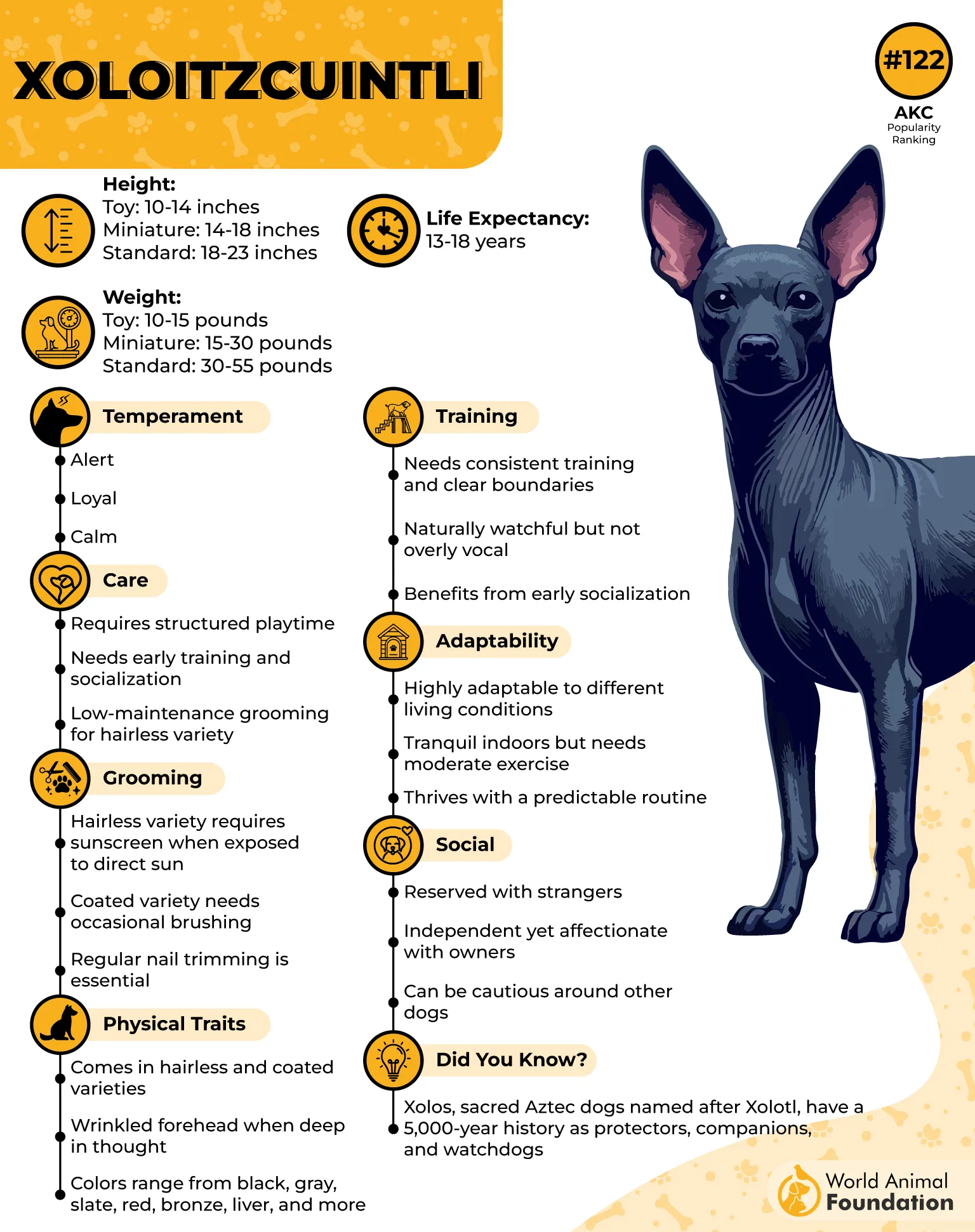
One of the most remarkable things about the Xolo’s skin is its resiliency.
Breed experts often compare it to soft leather because it is durable enough to withstand everyday scrapes yet surprisingly smooth to the touch. Owners frequently notice that their Xolo’s skin darkens slightly with sun exposure, much like human skin tanning naturally.
Because hairless Xolos lack the protection of a traditional coat, skincare becomes a central part of ownership. Regular baths help remove excess oil, while moisturizers help prevent the skin from becoming dry or flaky. Sunscreen is also essential during outdoor adventures, especially in hot and sunny climates.
Beyond their appearance, they are incredibly intelligent and emotionally intuitive dogs. They tend to form deep bonds with their families and are often described as calm, thoughtful companions.
How To Manage This Dog’s Coat
Hairless Xolos require routine skin care, including moisturizing and protection from prolonged sun exposure.
Bathe regularly to manage natural skin oils and help prevent acne-related issues.
Coated Xolos only need weekly brushing to keep their short fur healthy and sleek.
Conclusion
Let’s be honest: Some dogs wear coats, and some dogs turn their coats into a full-blown personality trait. From the mop-like cords of the Komondor and Puli to the flocked masterpiece of the Bergamasco Sheepdog, these breeds prove that canine fashion has no limits.
Every texture tells a story about the breed’s history, purpose, and adaptation to its environment. The Peruvian Inca Orchid and Poodles are the other two dogs with stunning coats!
At the end of the day, these dogs remind us why the canine world is so endlessly fascinating. Some look like walking dreadlocks, others resemble tiny sheep, and a few barely have any fur at all. But every one of them proves that, when it comes to dogs, being different is often exactly what makes them unforgettable.
