




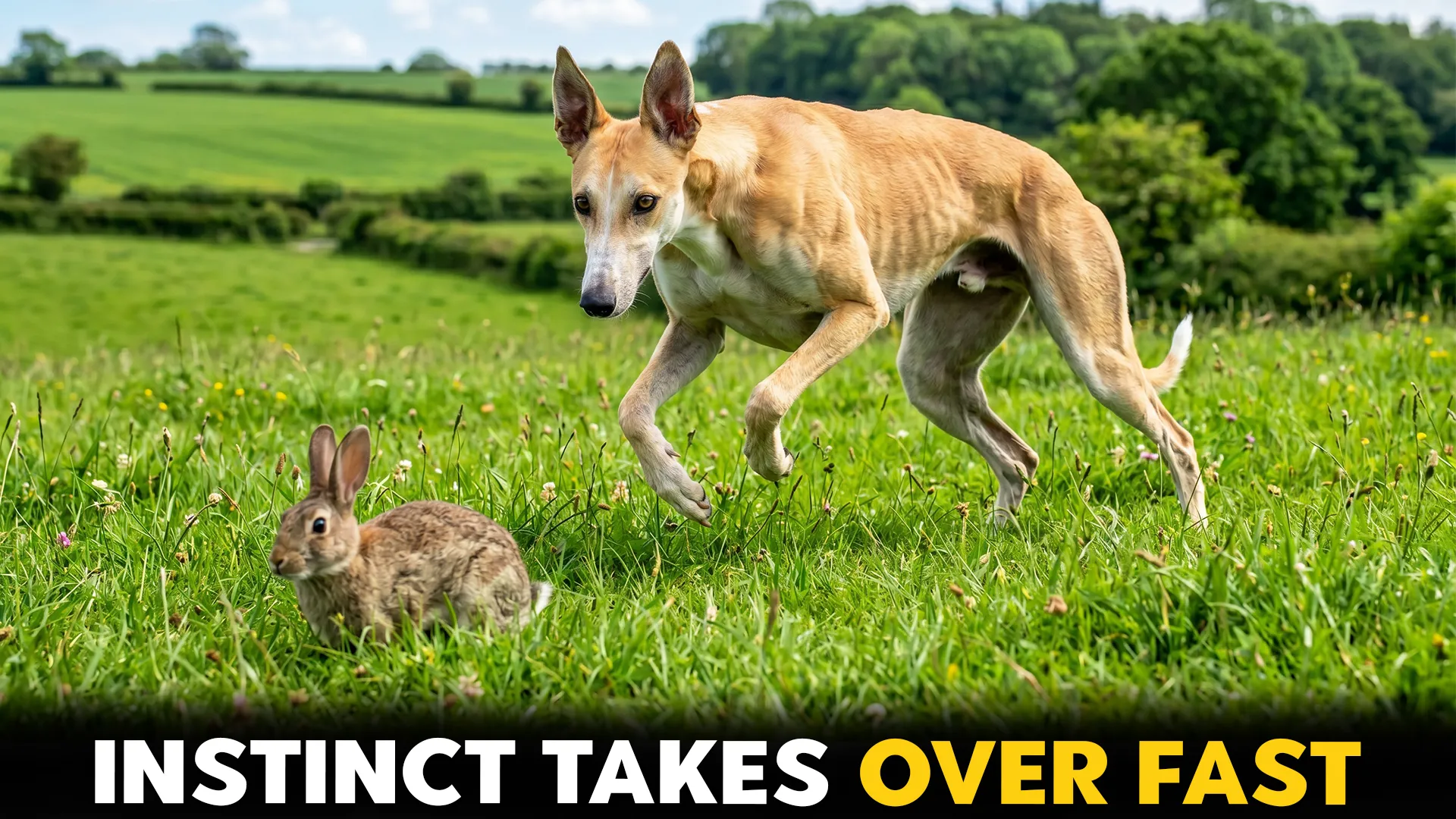
Dogs with strong prey drive possess some of the most fascinating instincts in the canine world. Prey drive refers to a dog’s natural desire to chase, track, capture, or retrieve moving animals, a trait developed through generations of selective breeding. While these instincts once served important hunting and working purposes, they continue to influence the behavior of many modern breeds today.
From skilled scent hounds and bird dogs to agile retrievers and determined trackers, high prey drive breeds are known for their focus, speed, endurance, and unwavering determination.
Watching these dogs follow a scent trail or react to movement offers a glimpse into the ancient partnership between humans and canines that has existed for thousands of years. Their natural talents make them exceptional workers, athletes, and outdoor companions.
However, a strong dog’s prey drive is not suitable for every household. These energetic dogs often require consistent training, mental stimulation, and plenty of exercise to thrive.
Understanding their instincts, needs, and temperament can help you decide whether a high prey drive breed is the right match for your lifestyle and experience level.
Exploring Dog Breeds with Notable Prey Drive Traits
1. Greyhound
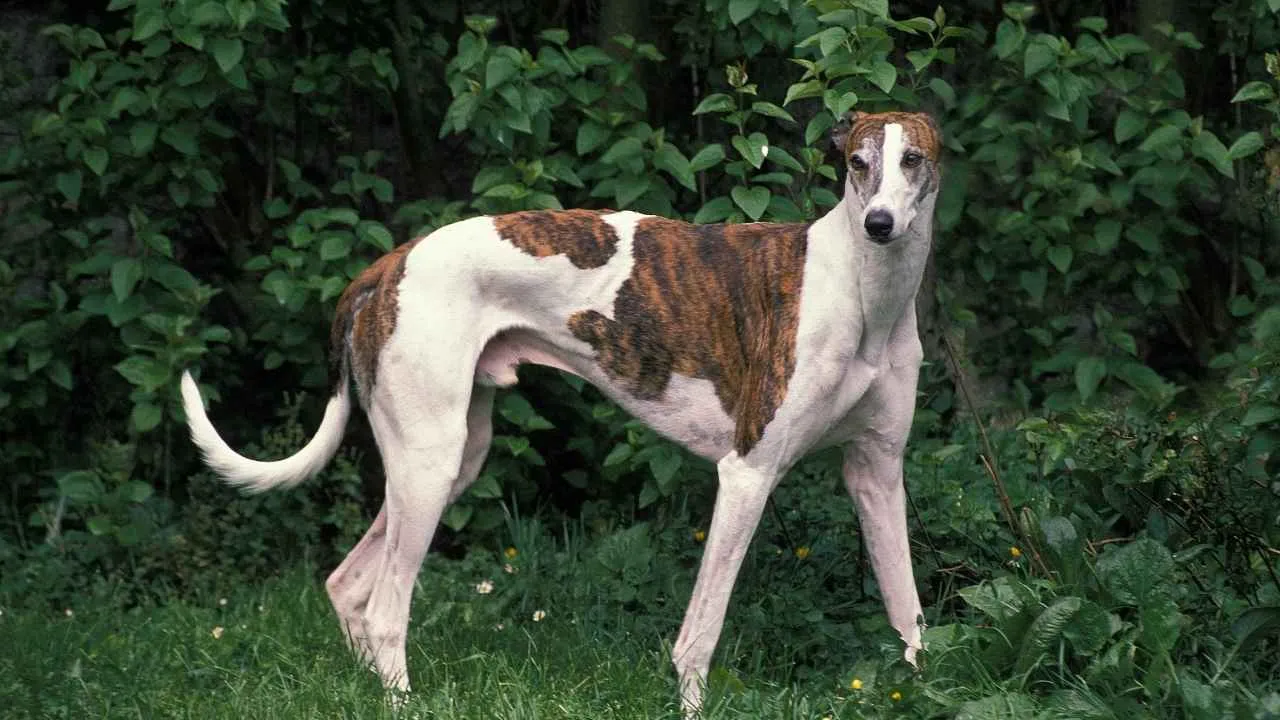
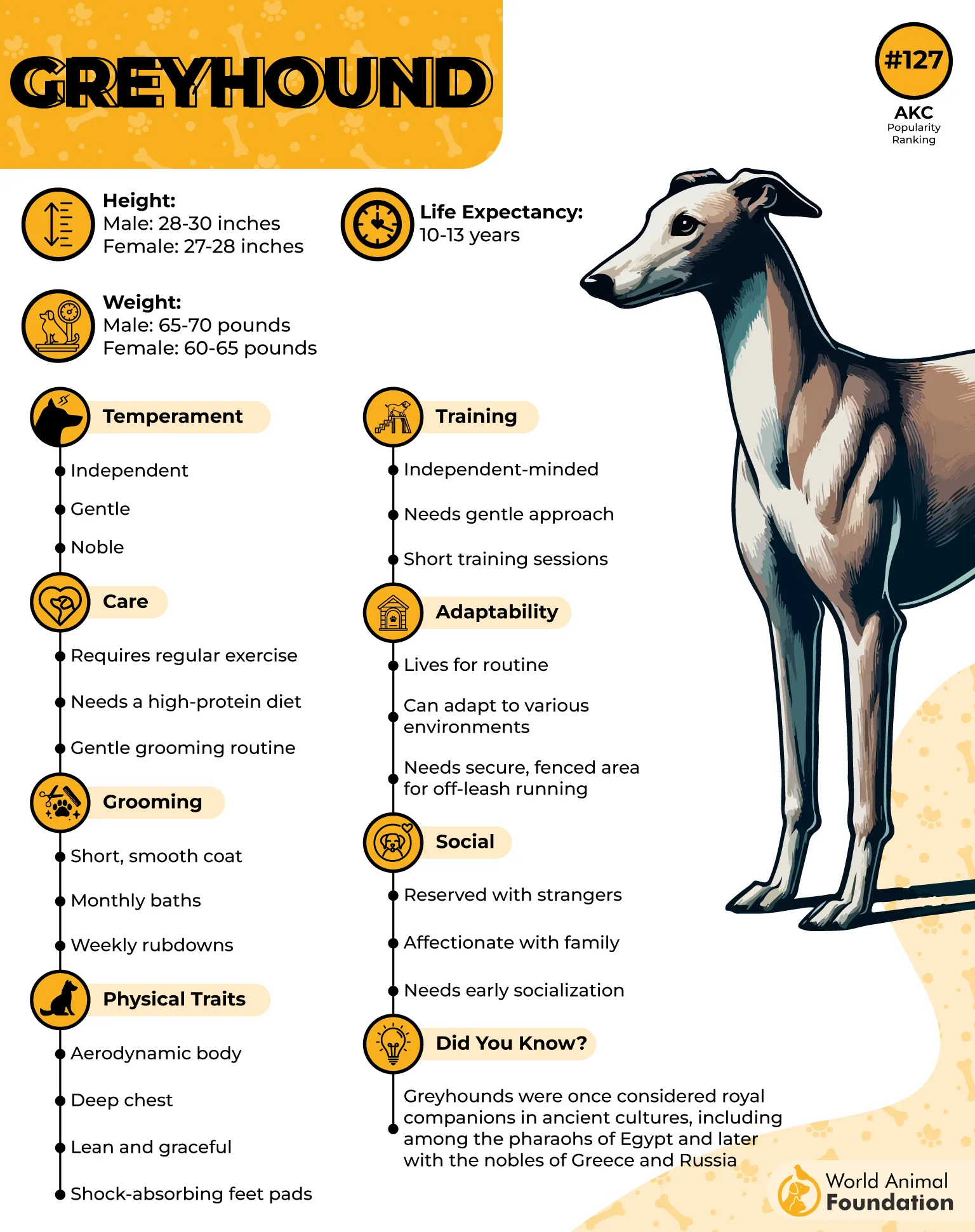
The Greyhound, often called the king of sprinters, is a sleek sighthound recognized for its slim build, smooth coat, and extraordinary speed.
According to Purina, Greyhound dogs are exceptionally fast, graceful, and elegant companions. Famous for racing and coursing, this breed also possesses a calm and affectionate personality when relaxing at home with its family.
The Natural Hunter Known for Chase and Tracking Instincts
Few breeds demonstrate prey drive as clearly as the Greyhound. It reacts instinctively to the movement of small, fast animals and is often compelled to give chase the moment something catches its attention.
This powerful hunting instinct is deeply embedded in the breed’s DNA and can vary in intensity from one dog to another. While training may improve control and responsiveness, the desire to pursue moving targets can never be completely erased.
Because of this trait, Greyhounds generally require secure environments and careful supervision around smaller pets.
Fact: Greyhounds were selectively bred for hunting, coursing, and racing, helping create one of the strongest prey drives found in domestic dogs.
2. Jack Russell Terrier

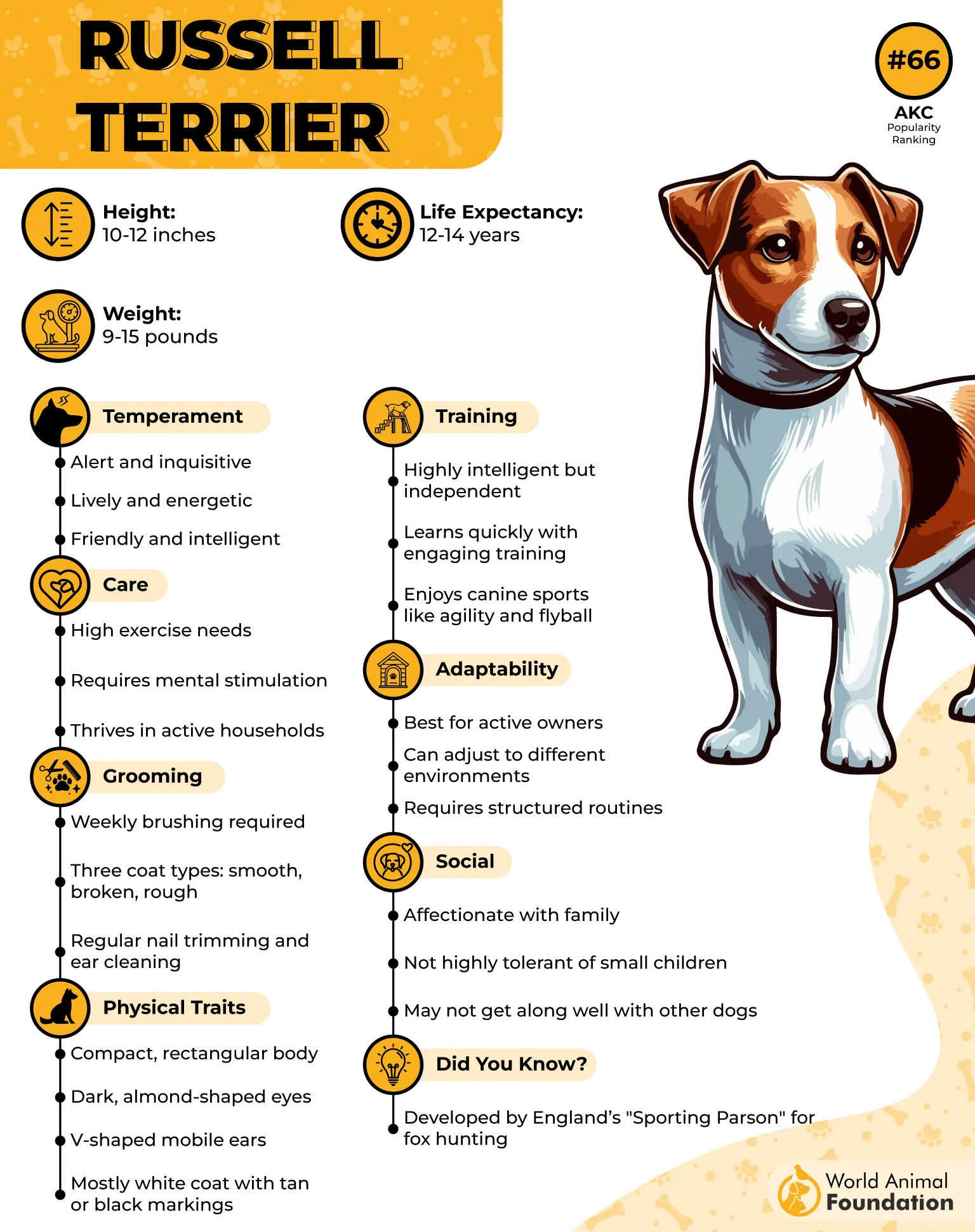
The Jack Russell Terrier is a compact hunting breed developed in England by John “Jack” Russell. Recognized for its alert expression, upright tail, and boundless enthusiasm, it was originally bred to assist in fox and rabbit hunts.
According to UKC, Parson Russell Terrier dogs are highly energetic companions that can thrive in active families when properly socialized.
A Fast and Focused Breed with Remarkable Pursuit Drive
The breed’s hunting heritage remains evident today through its exceptionally strong prey drive. Jack Russells instinctively pursue birds, squirrels, rabbits, or other small animals with remarkable determination and speed.
Unlike many dogs that tire after extended activity, these terriers recover quickly and are always ready for the next adventure. Their sharp minds and natural curiosity make them highly effective hunters, but they also require consistent mental stimulation to prevent boredom-driven behaviors.
Training can be challenging because of their intelligence and independent nature. Positive reinforcement, engaging activities, and early socialization help channel their energy productively, though their instinct to chase is deeply ingrained.
Fact: Jack Russell Terriers were specifically bred to flush foxes from dens and control vermin, contributing to their famously intense prey drive.
3. Whippet
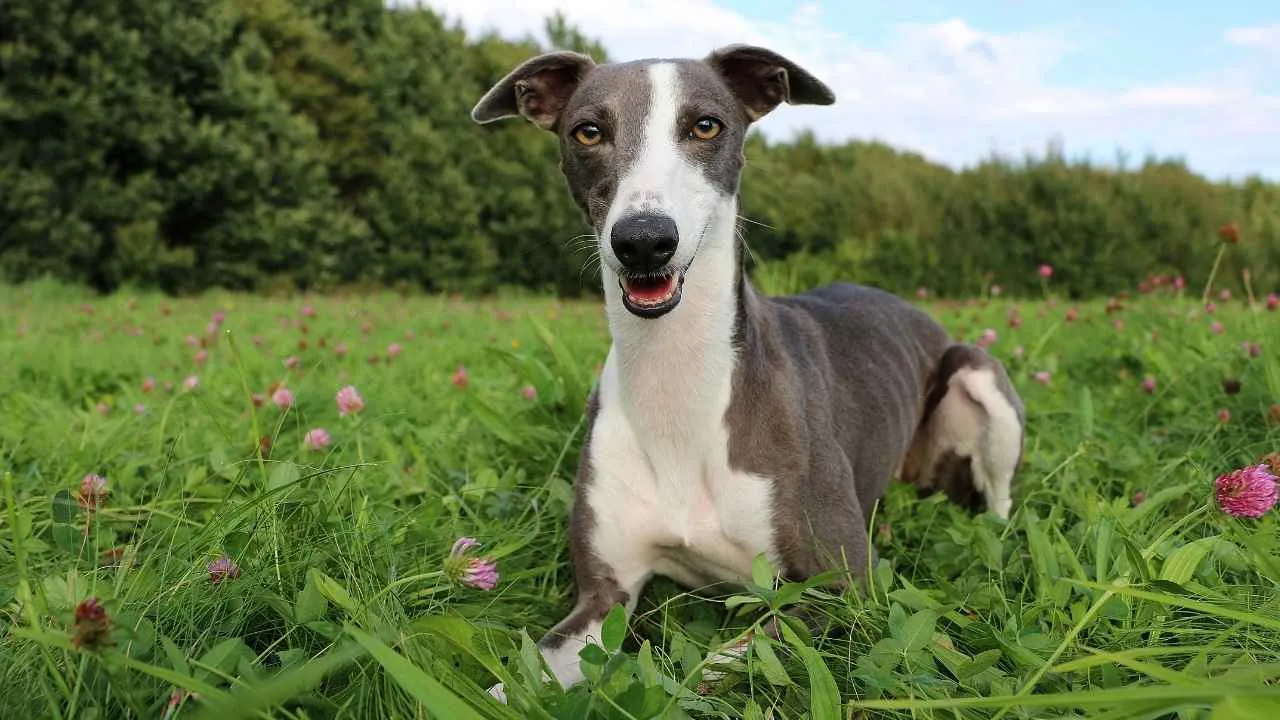
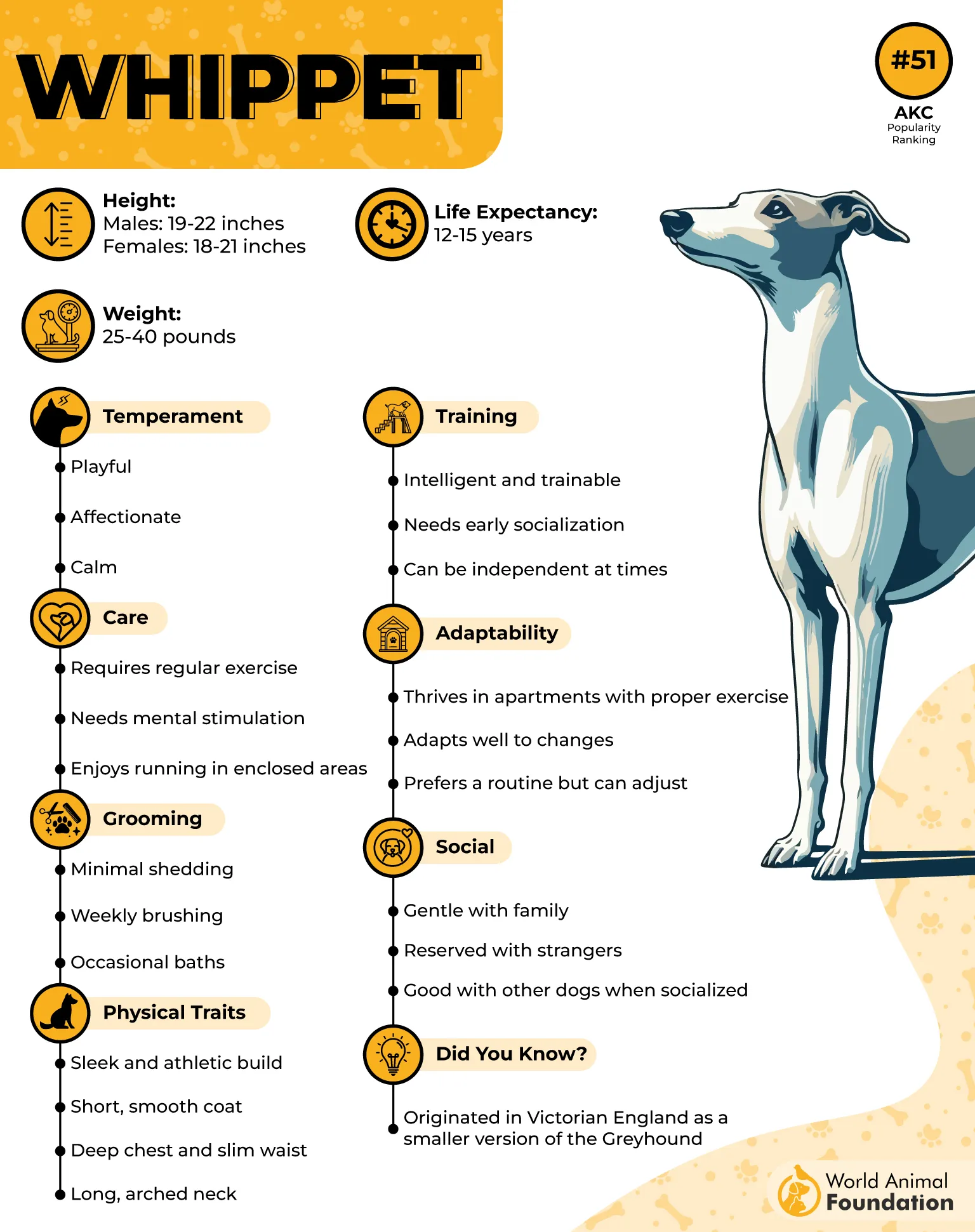
The Whippet, often called a miniature Greyhound, is a sleek English sighthound developed from Greyhound and terrier ancestry. Originally bred for hunting small game and coursing, this gentle yet athletic breed is admired for its speed, affectionate nature, and elegant appearance.
According to WebMD, Whippet dogs are energetic companions that enjoy outdoor activities and thrive when given opportunities to run and explore.
The Determined Working Dog That Thrives on Scent and Movement
Centuries of pursuing fast-moving prey have given the Whippet a powerful chase instinct. Even today, sudden movement can quickly capture its attention, making it one of the breeds most strongly influenced by prey drive.
Although calm and relaxed indoors, Whippets transform into focused athletes when outdoors. Their natural desire to pursue moving targets means secure fencing, supervised exercise, and early training are important for managing their hunting instincts safely.
This breed combines sensitivity with determination, responding best to patient, reward-based training. While socialization can improve behavior around other animals, many Whippets retain a strong urge to chase smaller pets throughout their lives.
Fact: The Whippet was originally developed in England as a hunting and coursing dog and was often described in early breed standards as “a Greyhound in miniature.”
4. Pharaoh Hound
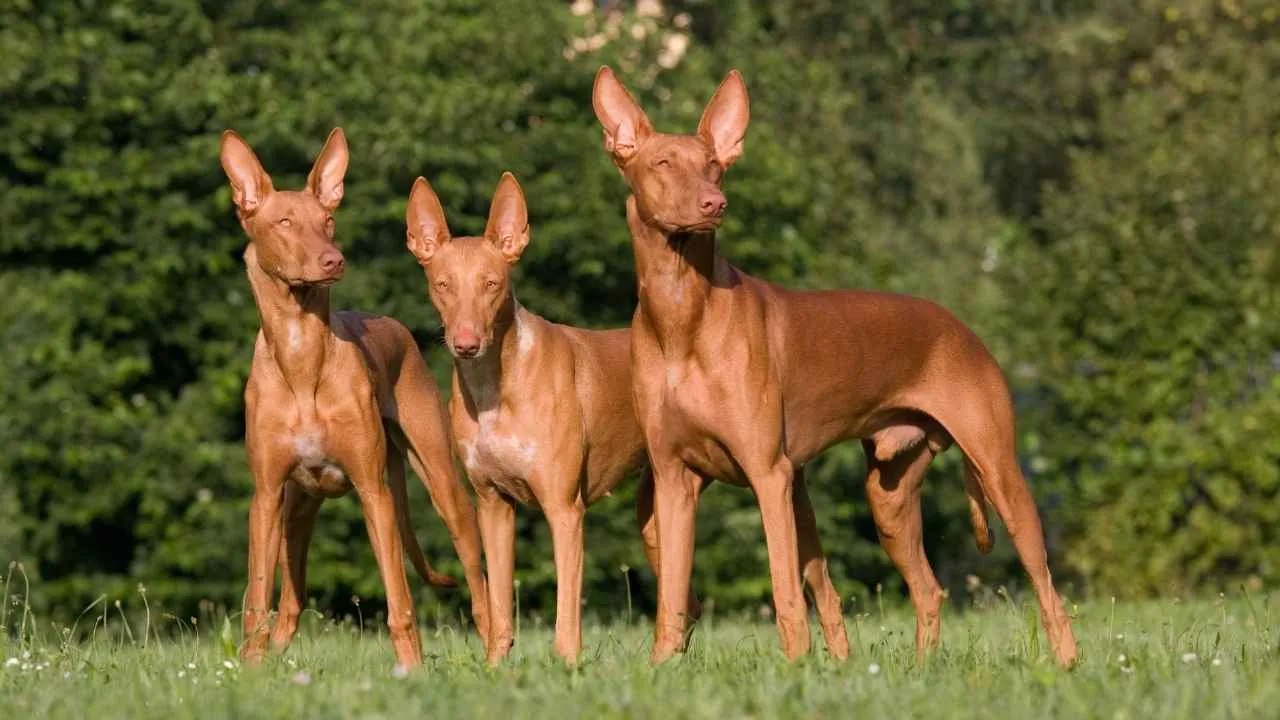
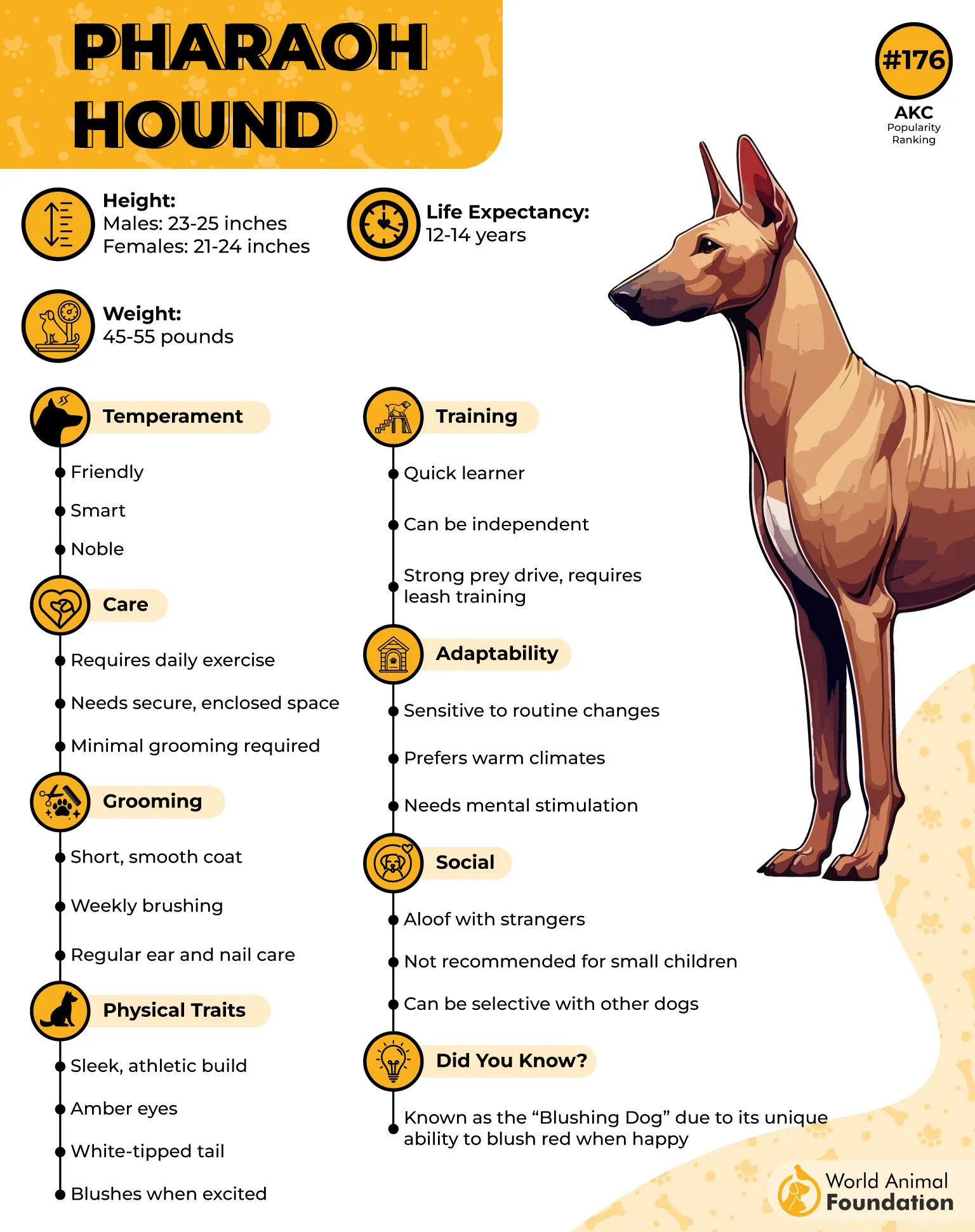
The Pharaoh Hound, often known as the “Blushing Dog” of Malta, is an ancient sighthound recognized for its sleek frame, athletic build, and unique tendency to blush when excited.
Originally linked to ancient Egypt and later preserved in Malta, this elegant breed was developed to hunt rabbits and other small game across challenging terrain.
An Athletic Breed Renowned for Strong Hunting Heritage
They were bred to pursue prey by sight rather than scent. Fast-moving animals can instantly capture its attention, causing it to focus intensely on the pursuit.
Its hunting background is reflected in its explosive speed, endurance, and ability to cover long distances with ease. Even today, this breed excels in activities that mimic traditional hunting tasks, including lure coursing and sprint-based sports that satisfy its natural instincts.
Although affectionate and relaxed around family members, Pharaoh Hounds are independent thinkers during training. Once prey drive takes over, recall can become unreliable, making secure fencing and supervised exercise essential for managing this breed’s strong hunting tendencies.
Fact: The Pharaoh Hound has been used in Malta for more than two thousand years to hunt rabbits and remains the national hound of the country.
5. Rhodesian Ridgeback
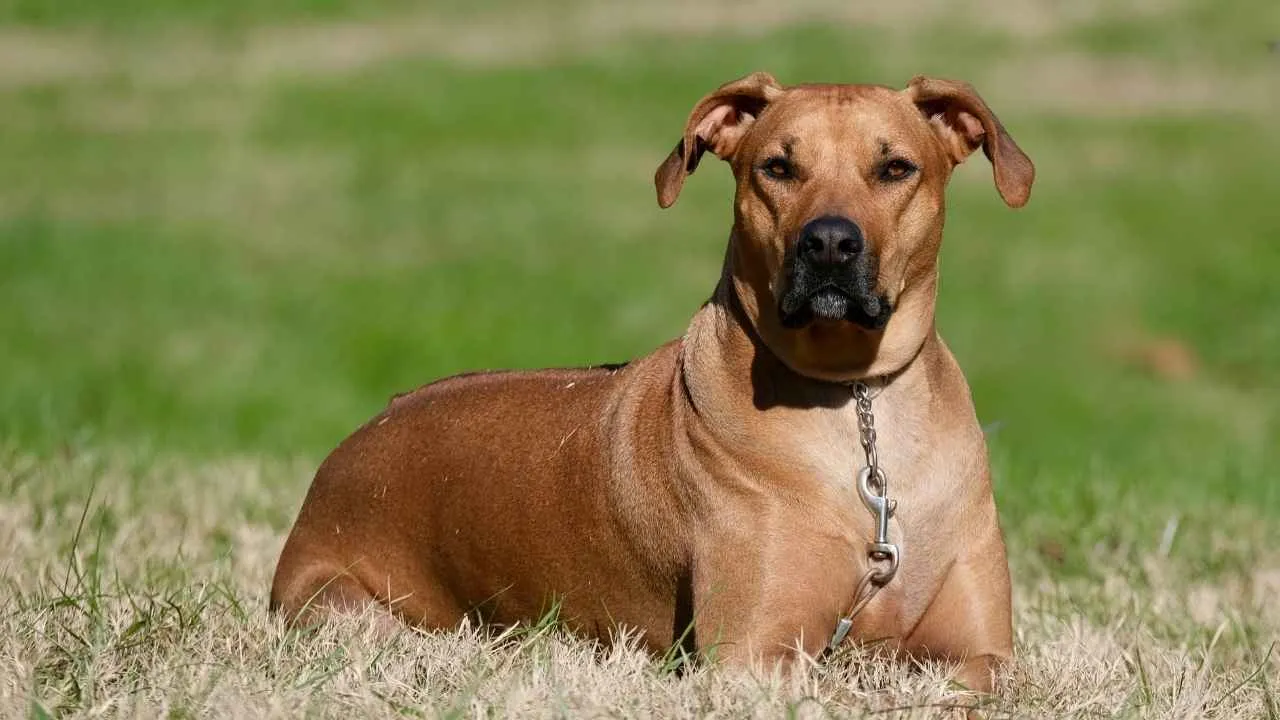
The Rhodesian Ridgeback, also known as the African Lion Dog, is a powerful hunting breed developed in Southern Africa.
Recognized by the distinctive ridge of hair running along its back, this intelligent and athletic dog was originally bred to track and hold large game.
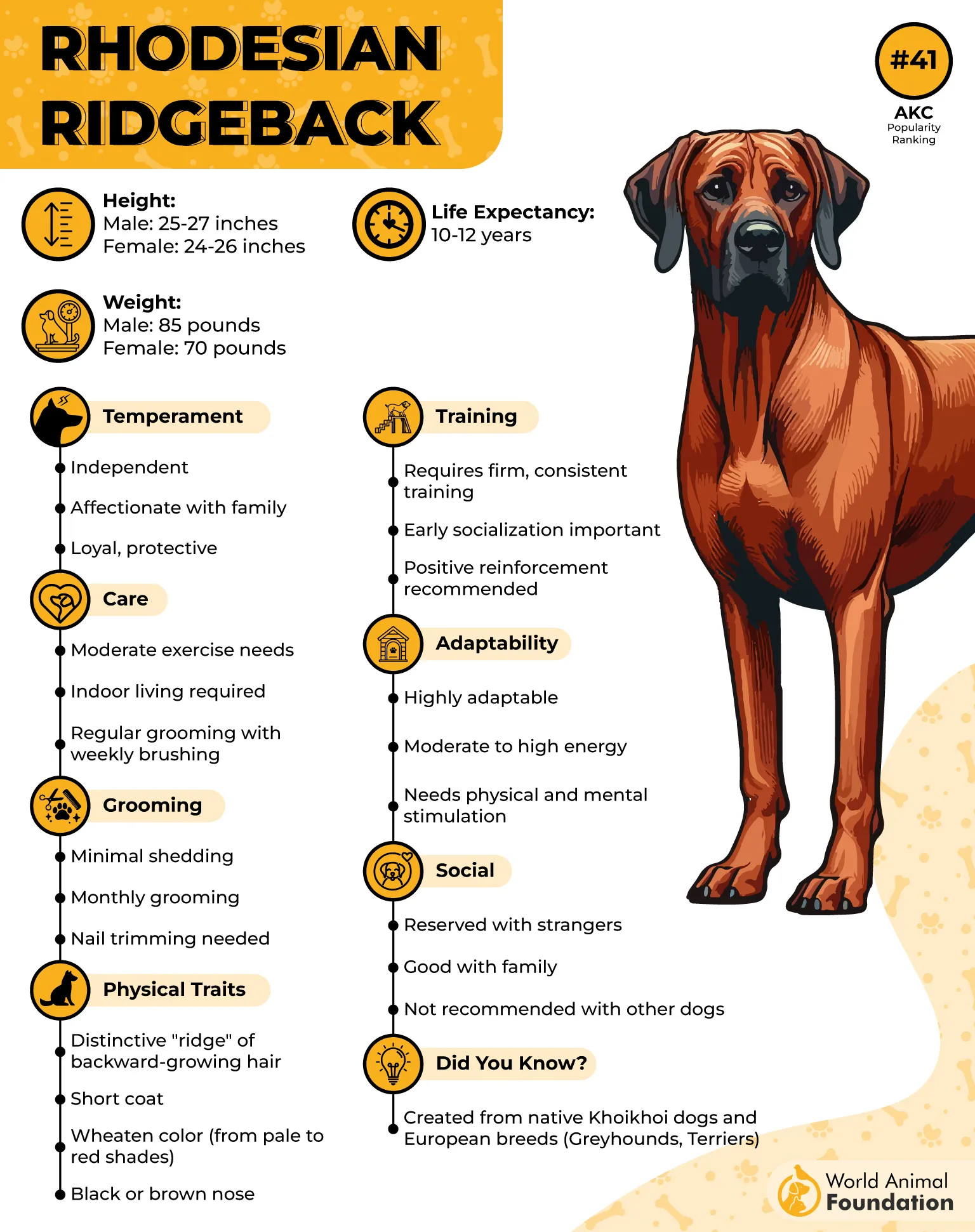
The Intelligent Canine That Channels Prey Drive into Purposeful Work
The Rhodesian Ridgeback combines prey drive with remarkable problem-solving ability. Its history as a hunter required it to track, pursue, and strategically contain prey across vast and challenging terrain, making it both determined and thoughtful in the field.
This breed thrives when given meaningful activities that engage both body and mind. Tracking exercises, agility work, hiking, lure coursing, and obedience training help direct its natural hunting instincts into productive outlets while preventing boredom and destructive behaviors.
Because Ridgebacks are independent thinkers, training requires patience, consistency, and positive reinforcement. Early socialization is equally important, as their protective nature and strong prey drive can make them cautious around strangers and smaller animals.
Fact: The Rhodesian Ridgeback was originally developed in Southern Africa to help hunters track and hold lions until people arrived.
6. Weimaraner
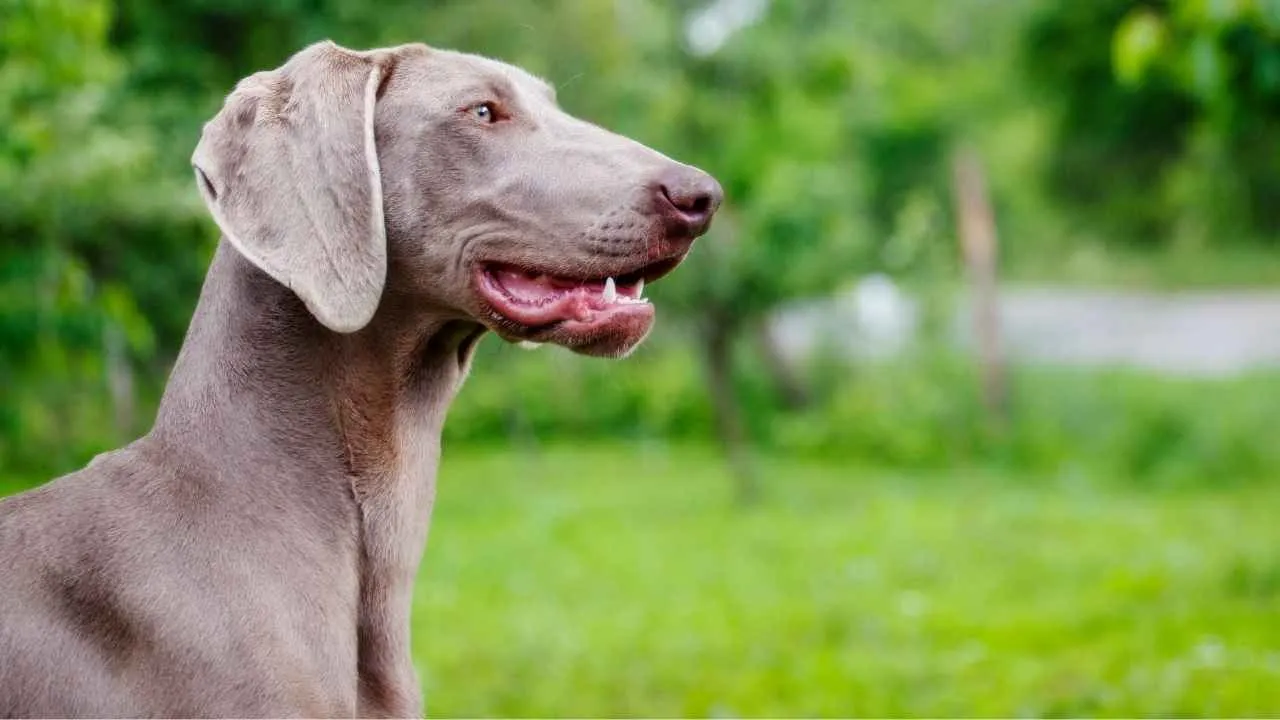
The Weimaraner, often nicknamed the “Grey Ghost,” is a German hunting breed recognized for its sleek silver-gray coat, athletic build, and remarkable intelligence.
Originally developed in Germany during the nineteenth century, this breed was created to track and hunt large game before becoming a skilled gun dog.
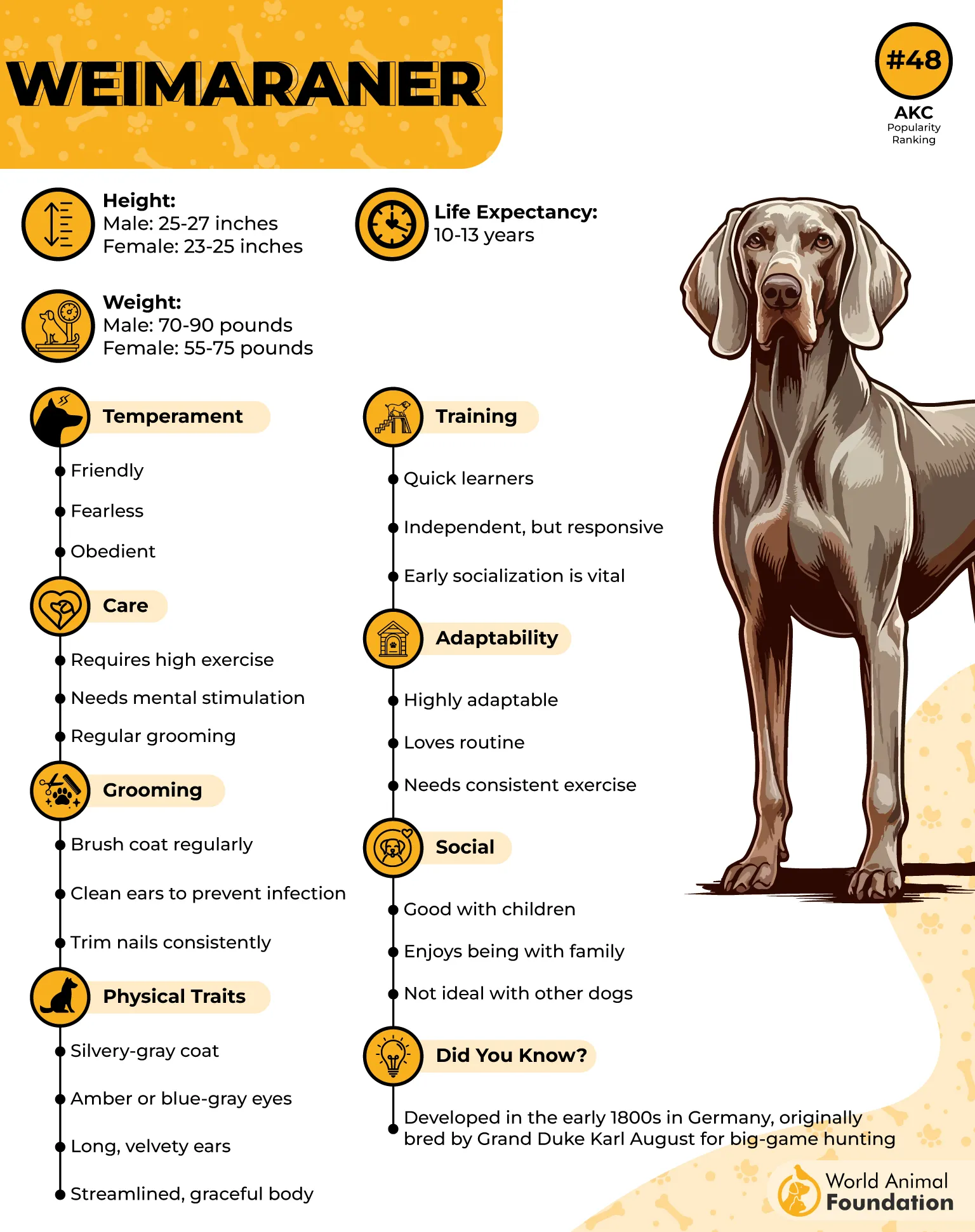
A High-Energy Breed with Exceptional Focus on Moving Targets
They are highly focused. Small animals and wildlife can quickly capture their focus, making secure environments essential during off-leash activities.
Built for endurance and action, this breed thrives on vigorous daily exercise and mental challenges. Long runs, hikes, retrieving games, and outdoor adventures help satisfy the energy and focus that once made the Weimaraner a prized sporting companion.
Highly intelligent and eager to work, Weimaraners excel when given a purpose. However, their strong instinct to chase means consistent training and early socialization are important, especially around smaller pets.
Fact: These smart dogs are often called “Velcro Dogs” because of their exceptionally strong attachment to their favorite people.
7. Saluki
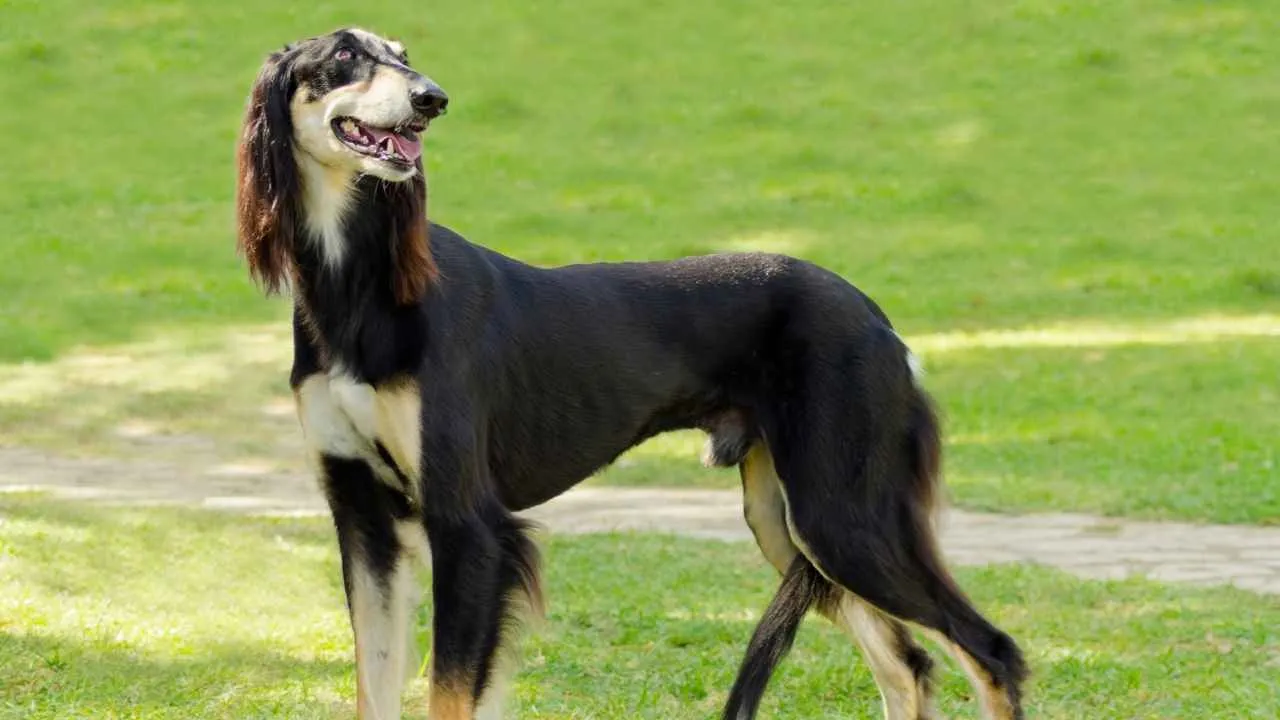
The Saluki is one of the oldest known dog breeds. Revered for its sleek build, graceful appearance, and remarkable speed, this ancient sighthound has been a valued hunting companion for thousands of years.
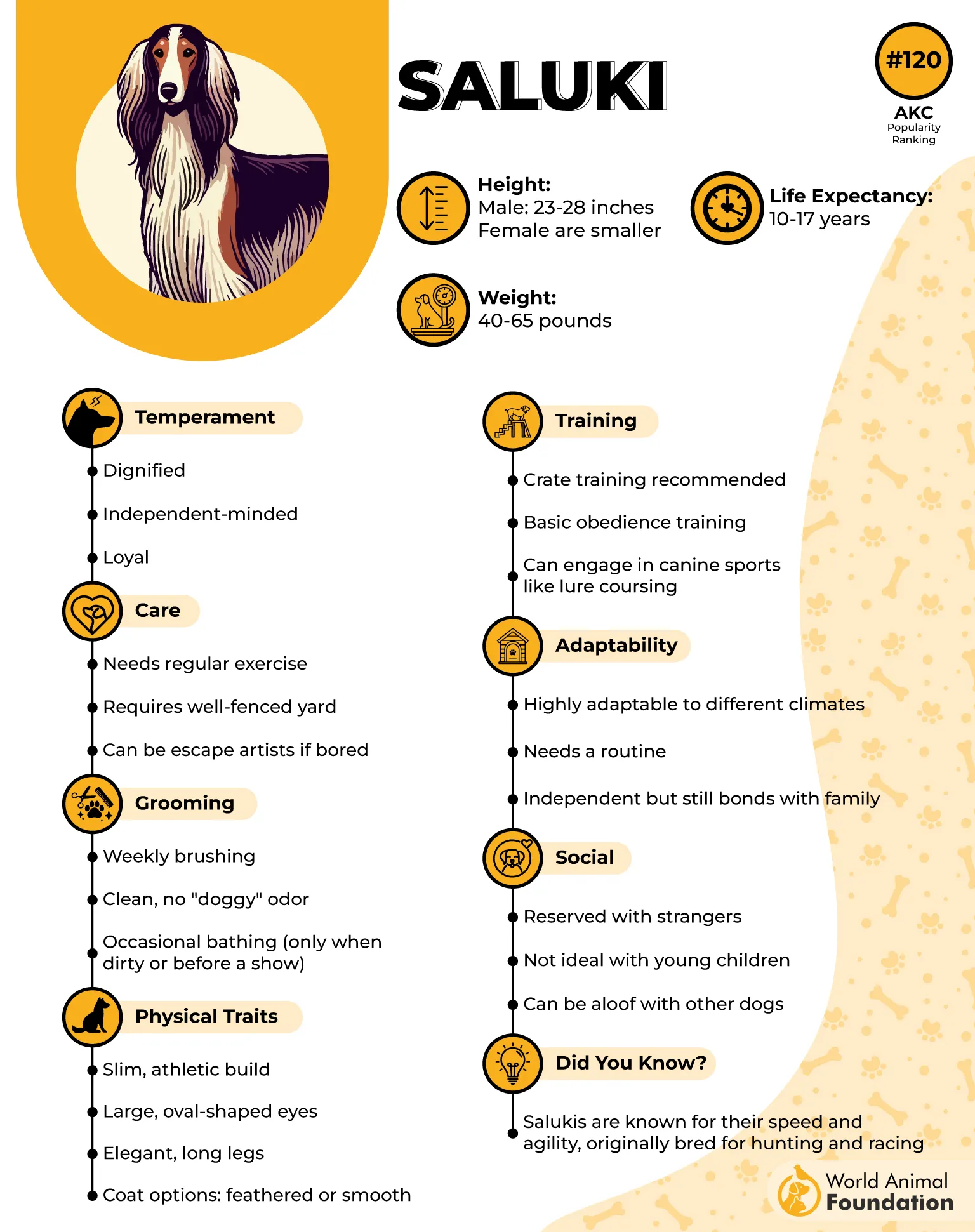
The Ultimate Pursuit Specialist with Powerful Natural Hunting Instincts
Bred to track and pursue fast-moving game across vast landscapes, these dogs instinctively react to movement and can quickly sprint after wildlife, small animals, or anything that resembles prey.
Their hunting heritage remains evident today through their need for regular exercise and opportunities to run. Even well-trained Salukis may ignore commands when their chase instinct takes over, making secure fencing and leash control especially important.
While affectionate with their families and calm indoors, Salukis retain the independence of ancient hunters. They often prefer making their own decisions and require patient, positive training to channel their natural instincts appropriately.
Fact: These affectionate dogs were so highly valued in ancient Egypt that they were often mummified alongside pharaohs and were considered royal hunting dogs.
Conclusion
Dogs with strong prey drive are fascinating companions whose instincts reflect generations of hunting, tracking, and pursuing moving targets. These natural behaviors remain deeply rooted, shaping how they interact with the world around them every day.
Breeds with notable prey drive often thrive when given appropriate outlets for their energy and instincts. Regular exercise, mental stimulation, structured training, and secure environments help them stay balanced while reducing unwanted chasing behaviors.
Although many of these dogs are affectionate family companions indoors, their desire to pursue fast-moving animals can remain powerful. Early socialization, patience, and consistent guidance are essential for helping them succeed in modern households.
Choosing one of these breeds means appreciating both their remarkable abilities and their unique challenges. With responsible ownership and an understanding of their natural instincts, these athletic and intelligent dogs can become loyal, rewarding companions while still honoring the traits that made them exceptional hunters throughout history.
