




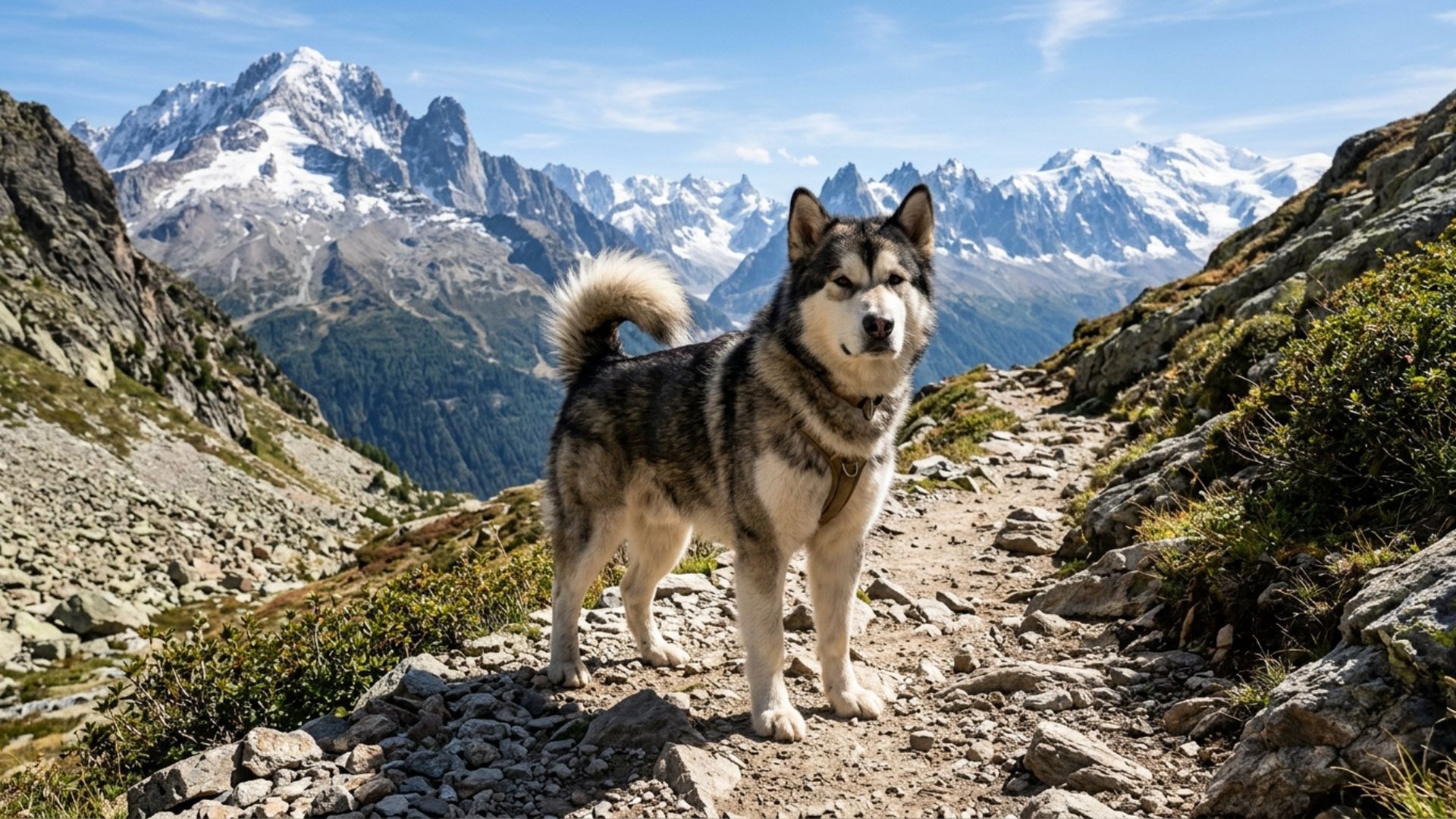
Ever packed snacks, laced up your hiking boots, and thought, “This is going to be relaxing,” only to realize your four-legged sidekick has enough energy to summit three mountains before you’ve finished adjusting your backpack?
Some dogs weren’t made for lazy afternoons and quick walks around the block. They crave the outdoors, thrive on challenges, and somehow treat steep climbs, muddy trails, and long hikes like a casual warm-up. For them, adventures aren’t occasional weekend plans—they’re a lifestyle.
If your idea of quality time involves fresh air, rugged paths, and exploring places where the Wi-Fi signal gives up before you do, finding the right dog matters. The best trail companions bring loyalty, endurance, and plenty of personality to every journey.
These rugged dog breeds don’t just keep up with your adventures—they make the whole experience a lot more unforgettable.
Top Rugged Dog Breeds That Thrive on Trail and Terrain
1. Siberian Husky
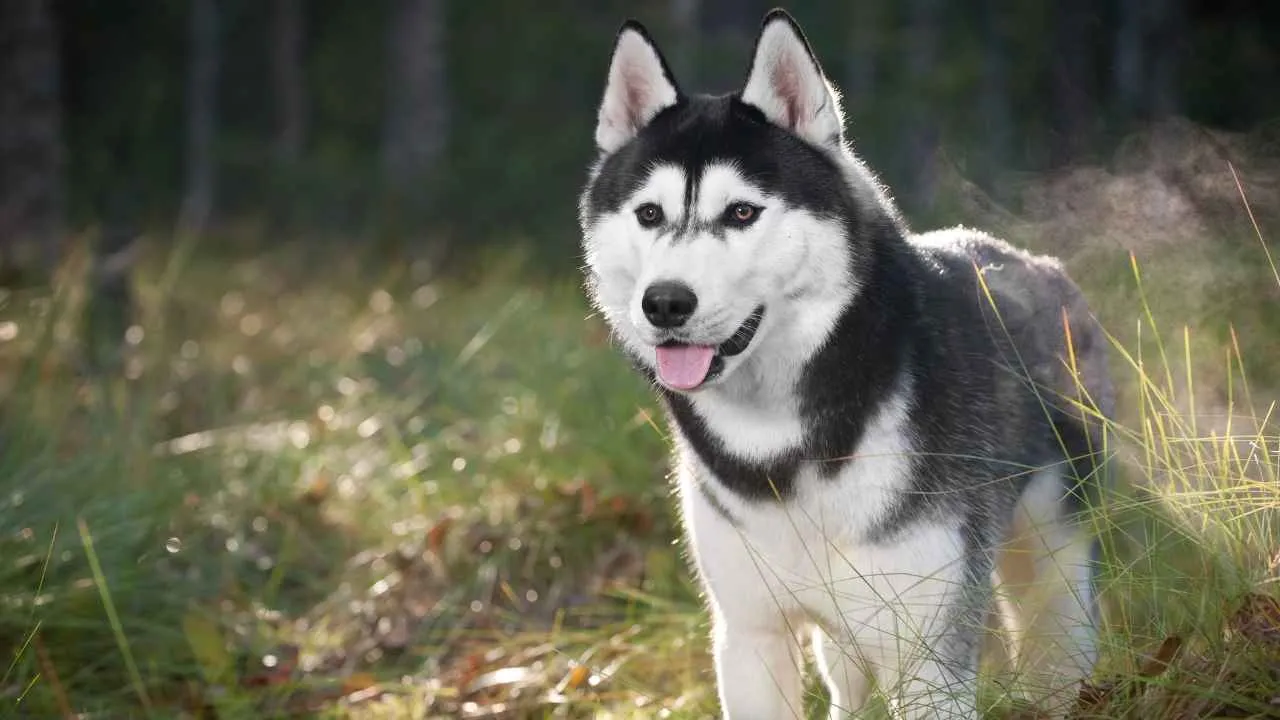
Bred by the Chukchi people of Siberia to pull sleds across vast, frozen landscapes, the Siberian Husky is one of the most rugged canine companions for outdoor enthusiasts. With a thick double coat, exceptional endurance, and an innate drive to work, this athletic breed thrives in cold climates, snowy trails, and mountainous terrain, as per Britannica.
Their resilience and stamina make them well-suited for adventurers who enjoy challenging hikes and extended excursions in the wilderness.
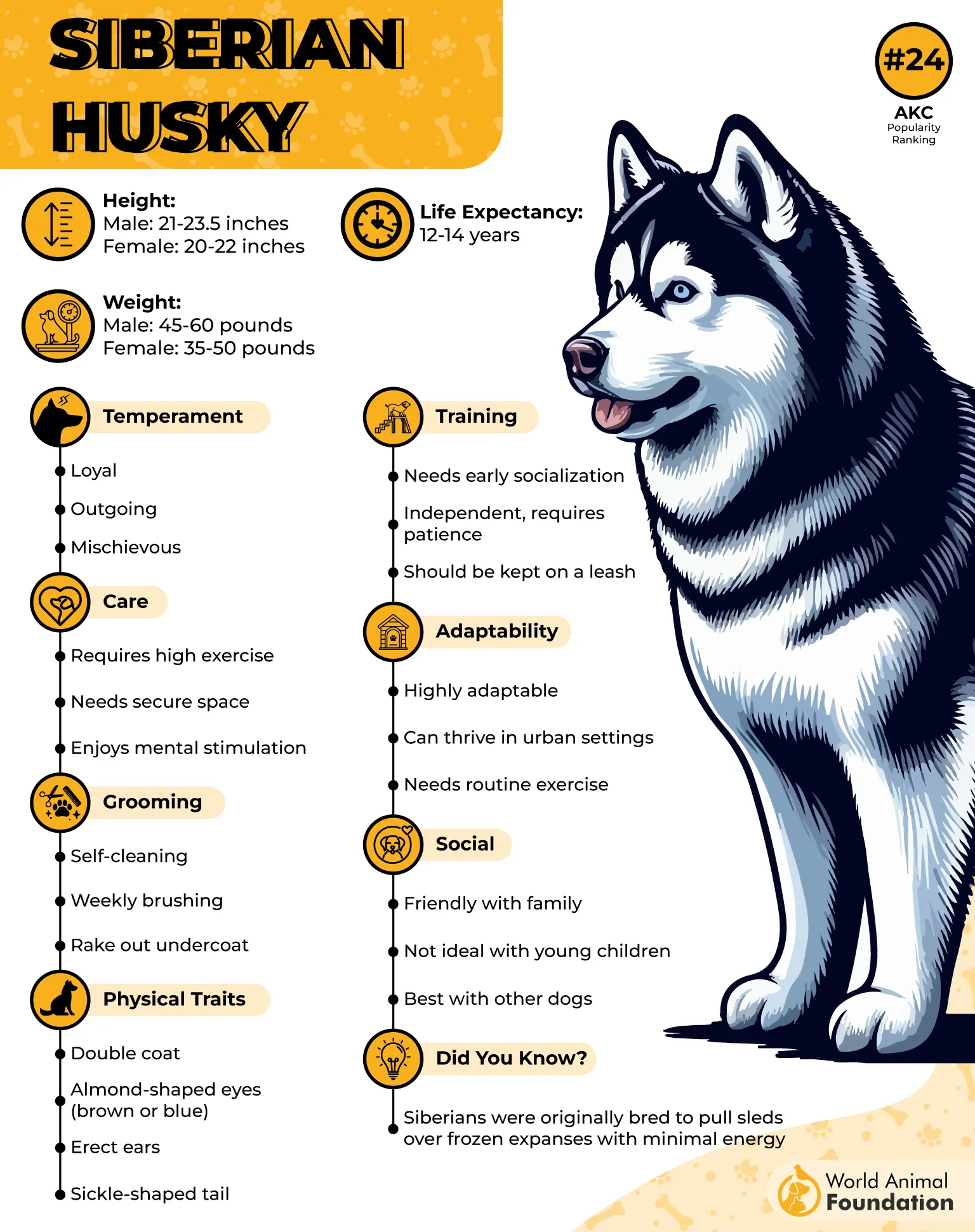
Why They’re Built for the Trail
Siberian Huskies were developed to travel long distances over tough terrain while conserving energy, giving them remarkable endurance and toughness. They excel on demanding trails and in cold-weather conditions where many breeds struggle.
Intelligent and energetic, they require plenty of physical activity and mental stimulation to stay happy and balanced. While their independent nature can make training a challenge, their adventurous spirit makes them enthusiastic trail companions.
Tip: Huskies have a strong instinct to roam and may not have reliable off-leash recall. Keep them on a secure leash or hike only in safely enclosed areas to prevent unexpected escapes.
2. Bernese Mountain Dog
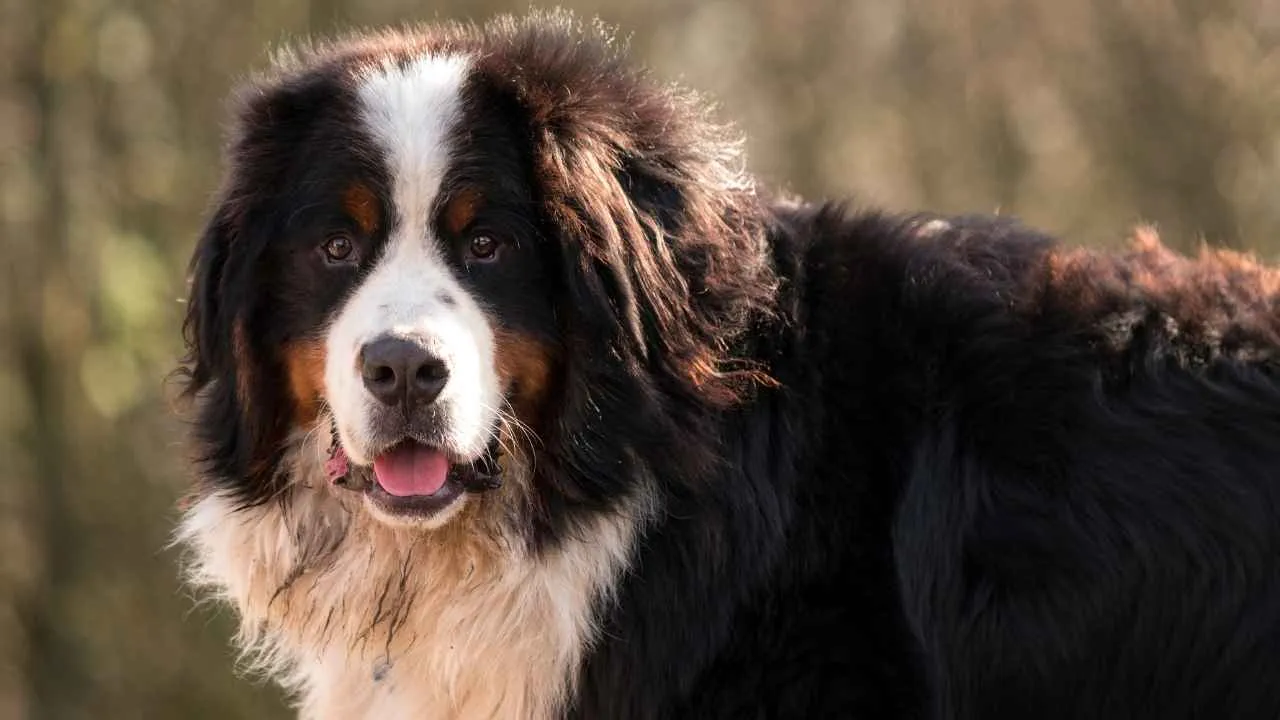
Originally bred in the Swiss Alps, the Bernese Mountain Dog is a hardy dog that combines strength, endurance, and a gentle temperament. Historically used for pulling carts, driving cattle, and assisting farmers through long hours of work, this mountain dog is no stranger to demanding conditions, as per the AKC breed standards.
Its thick coat provides protection in cold weather, making it especially suited for hiking through mountains and cooler climates. Despite their impressive size, Berners are affectionate, loyal, and happiest when sharing outdoor adventures with their families.
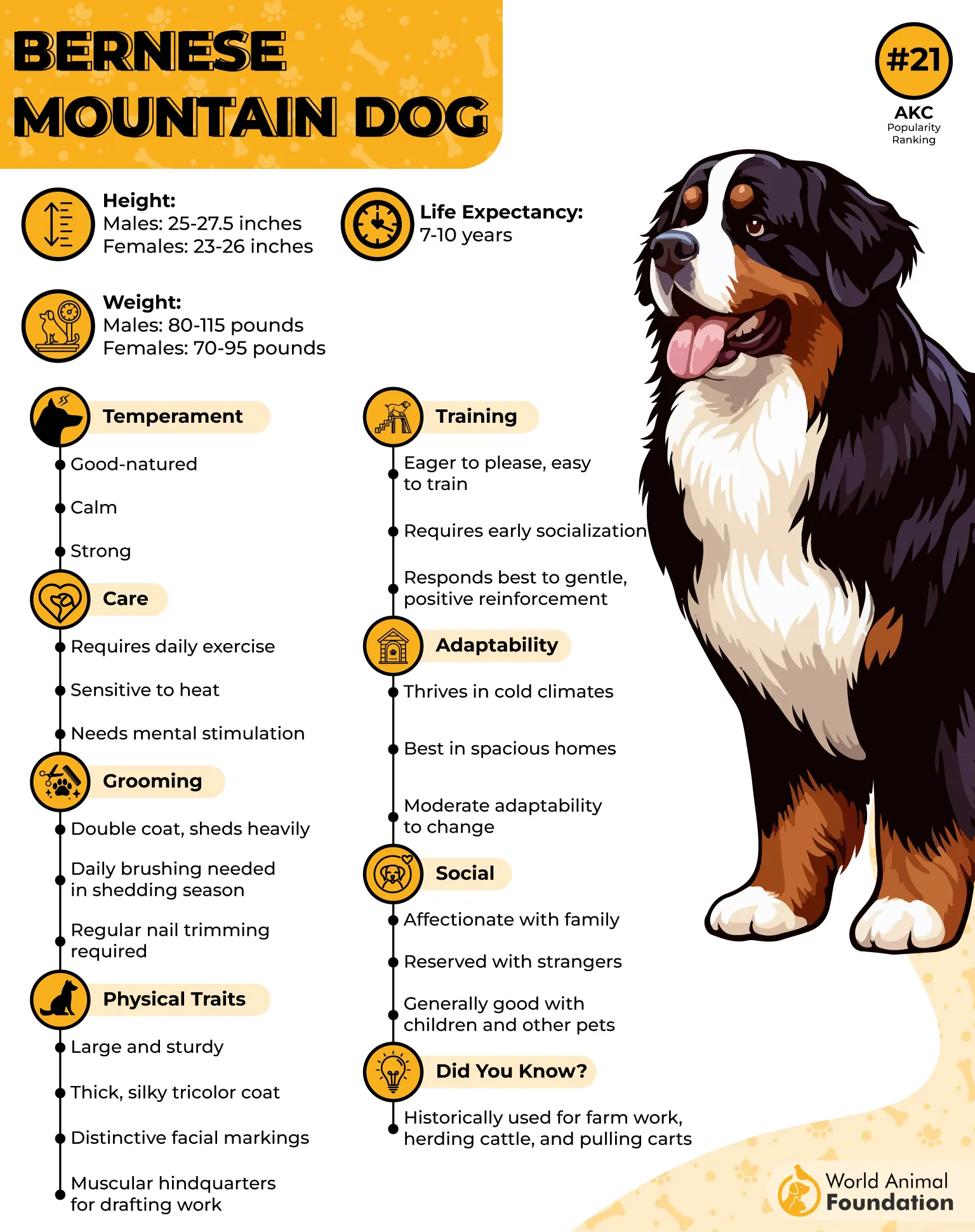
Why They’re Built for the Trail
Don’t mistake their calm demeanor for laziness. Bernese Mountain Dogs have the stamina for long hikes and thrive when given regular exercise alongside their favorite humans. They’re steady-footed, eager to please, and well-suited for peaceful trail adventures rather than high-speed pursuits.
With gradual conditioning, they become dependable companions on uneven terrain and camping trips alike.
Tip: Berners can struggle in heat due to their thick coat. Plan hikes during cooler hours, bring plenty of water, and watch for signs of overheating on the trail.
3. Alaskan Malamute
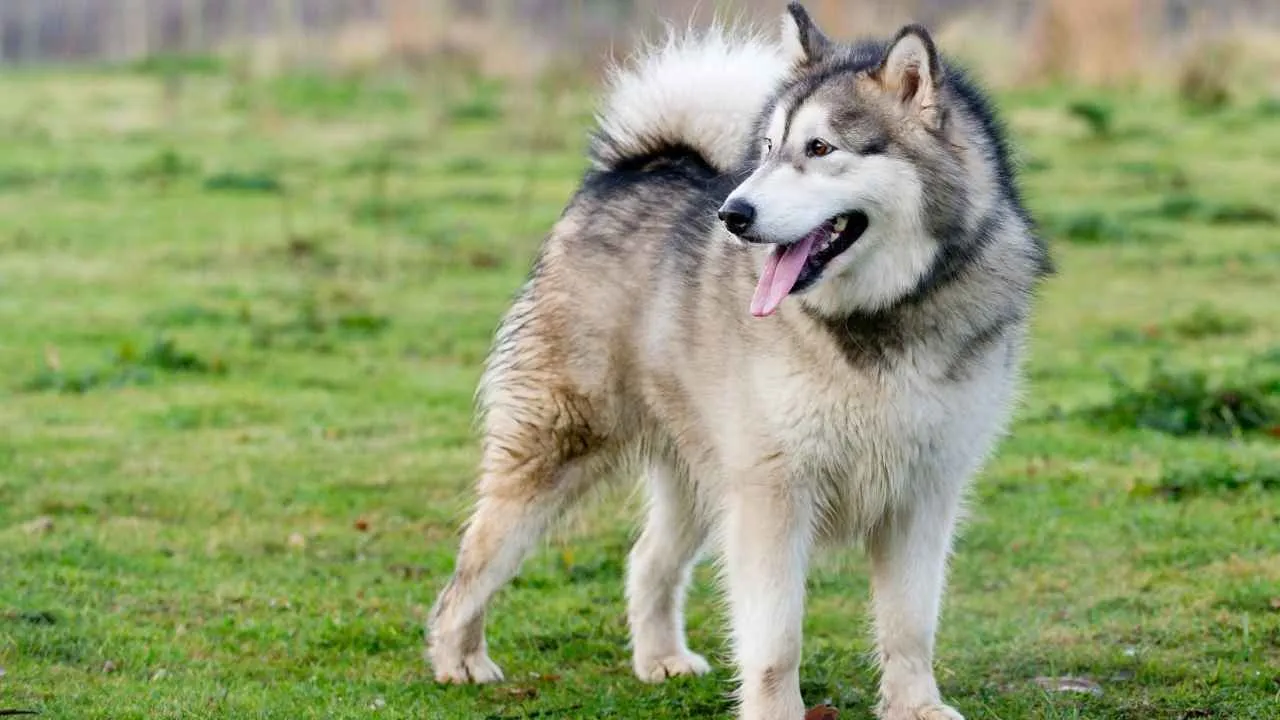
If rugged mountain trails had a mascot, the Alaskan Malamute would be a serious contender. Originally bred by the Mahlemiut people of Alaska to pull heavy sleds and transport supplies across unforgiving Arctic landscapes, this powerful mountain dog was built for endurance.
As per WebMD, with heavy bones, a deep chest, and a thick double coat that thrives in cold weather, the Malamute combines strength with surprising affection. Loyal, playful, and confident, this breed forms strong bonds with its families while bringing an unmistakable sense of adventure to the outdoors.
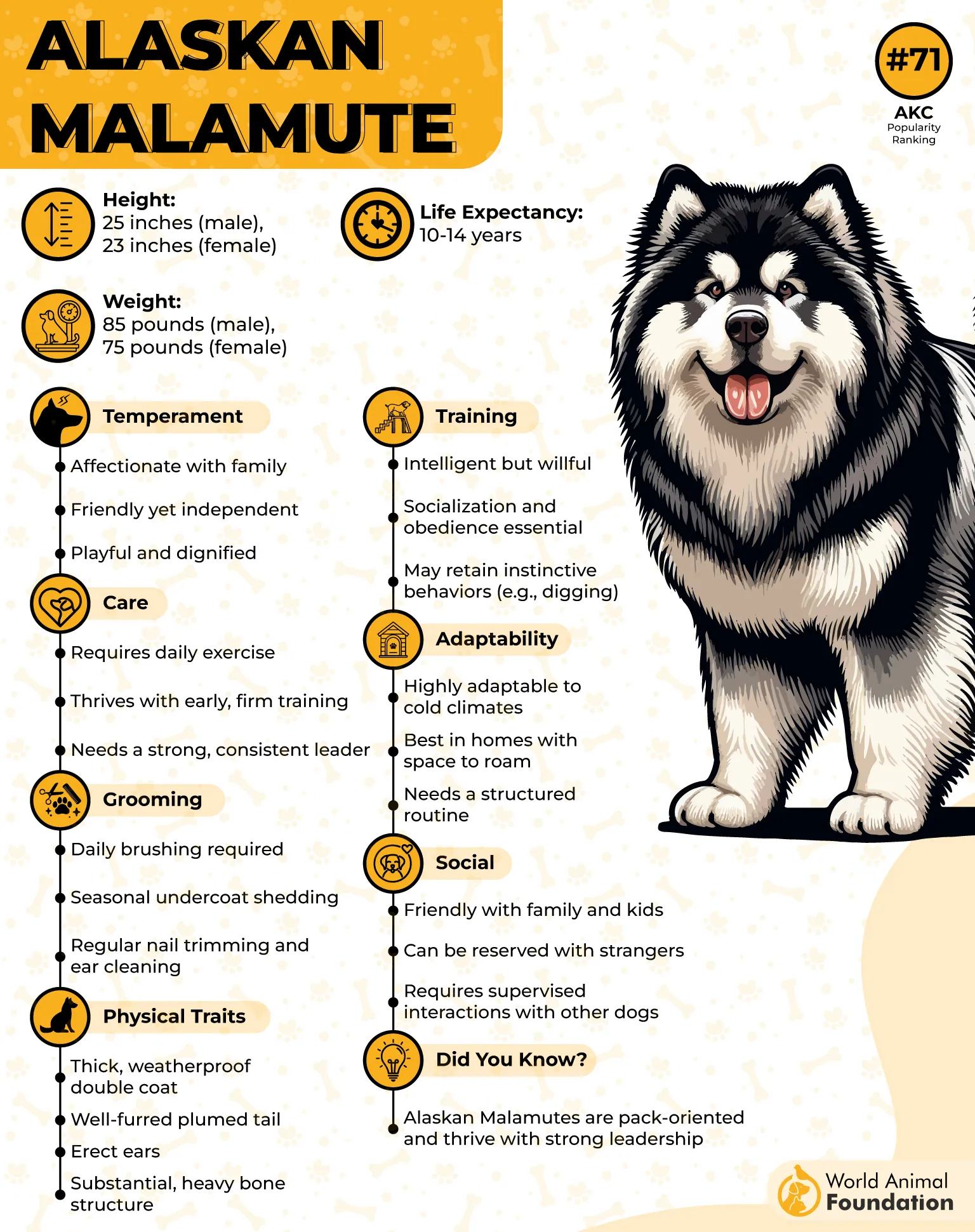
Why They’re Built for the Trail
Alaskan Malamutes excel on long hikes where steady stamina matters more than speed. Developed to haul loads over long distances, they naturally enjoy hiking, backpacking, and physically demanding activities that give them purpose.
Their impressive endurance makes them well-suited for tough terrain, especially in cooler climates. However… this independent breed needs consistent training, exercise, and structure to stay balanced.
Tip: Avoid strenuous hikes in hot weather. Their thick coat can make them prone to overheating, so choose cooler trail times and always pack extra water.
4. Newfoundland
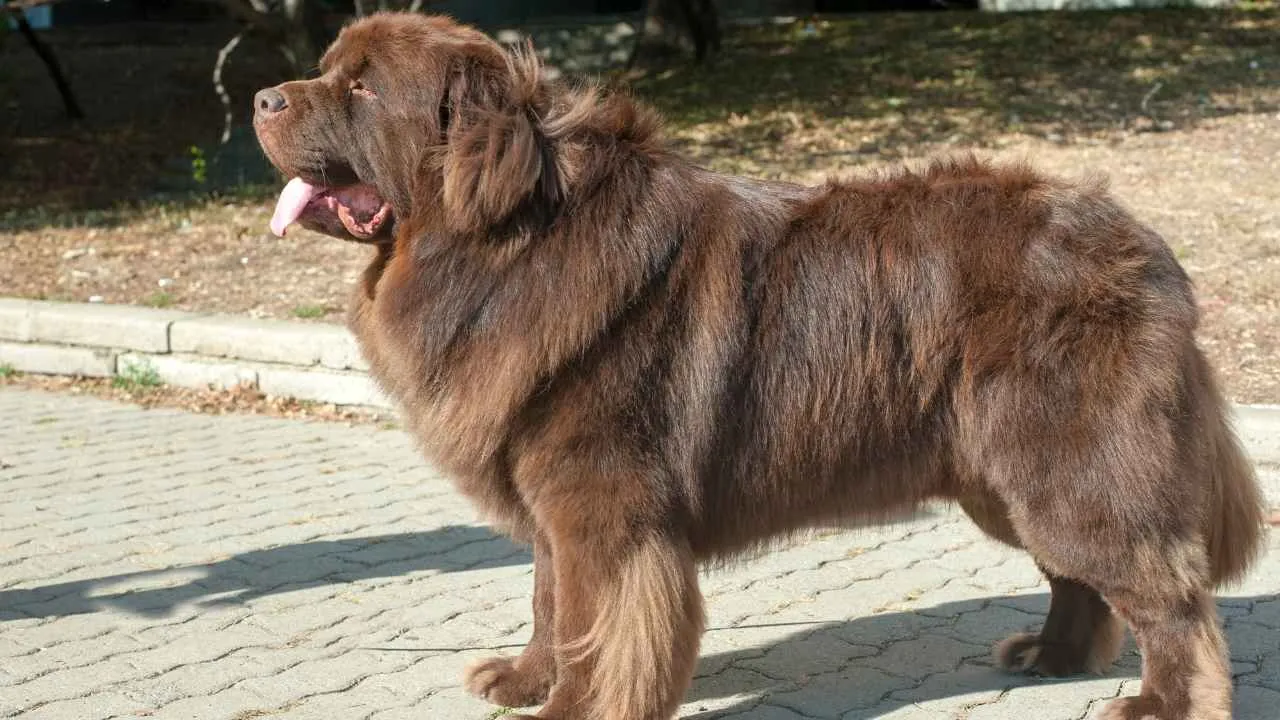
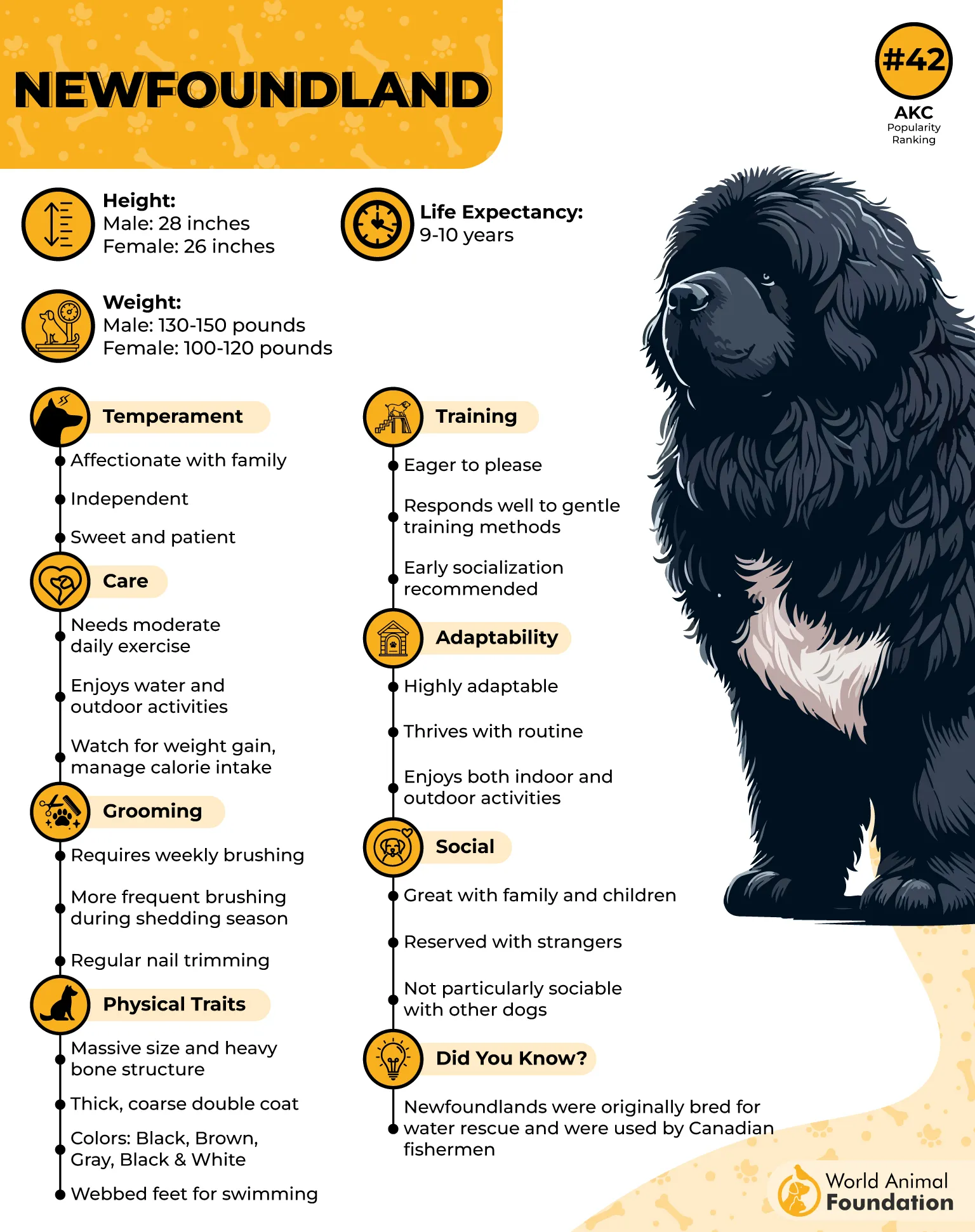
The Newfoundland proves that rugged trail companions don’t always come wrapped in a lean, high-speed package. Originally developed along Canada’s icy coastline, this gentle giant hauled heavy loads, towed ship lines through choppy waters, and earned admiration for its instinctive rescue abilities.
Beneath that thick double coat is a powerful, muscular dog built for hard work and long hours in demanding conditions. Despite their imposing size, Newfies are affectionate, loyal, and famously patient with families, making them both dependable adventure partners and loving companions at home, as per Orvis.
Why They’re Built for the Trail
Newfoundlands have the endurance to tackle moderate long hikes, especially in cold weather where their dense, water-resistant coat becomes an advantage.
Their strength, steady pace, and calm temperament make them well-suited for peaceful outdoor adventures rather than fast-paced treks. They thrive when sharing activities with their owners and enjoy having a purpose along the way.
Tip: Let your Newfoundland carry a properly fitted dog backpack with light gear on cooler hikes. Having a job to do taps into their working-dog instincts and can make the experience more engaging and rewarding—just be sure not to overload them and avoid strenuous activity in warm weather.
5. Rhodesian Ridgeback
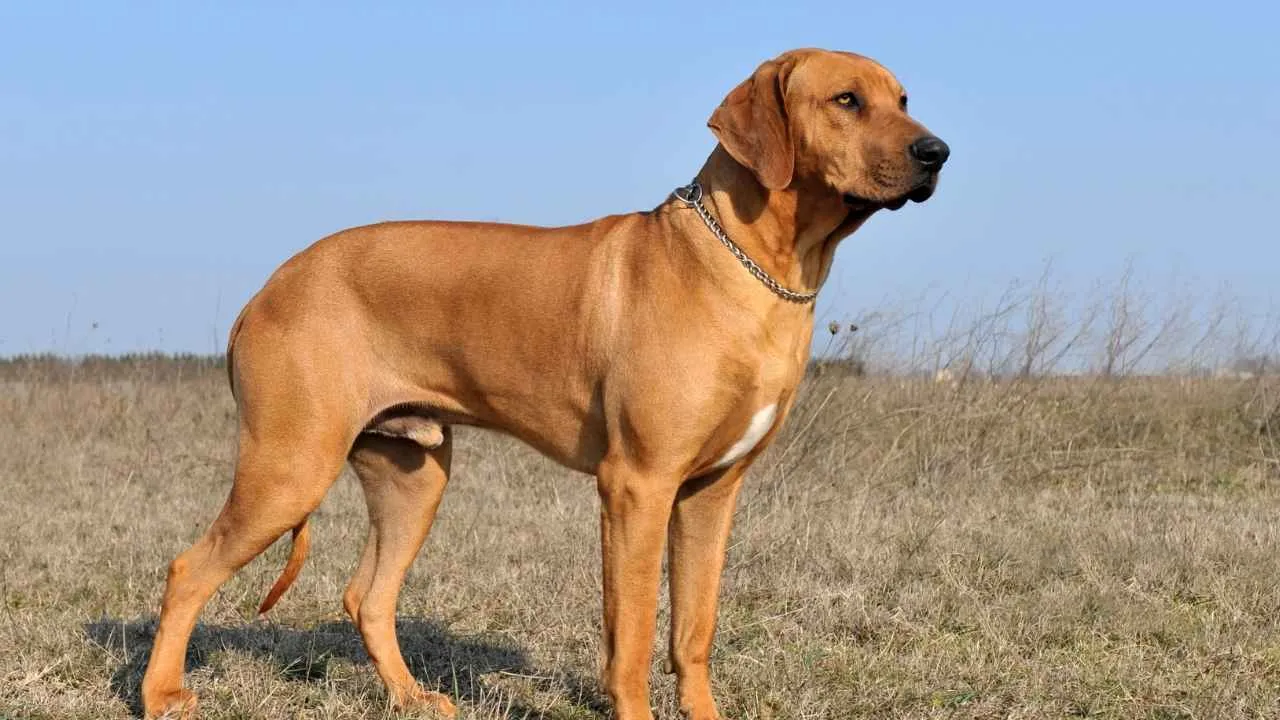
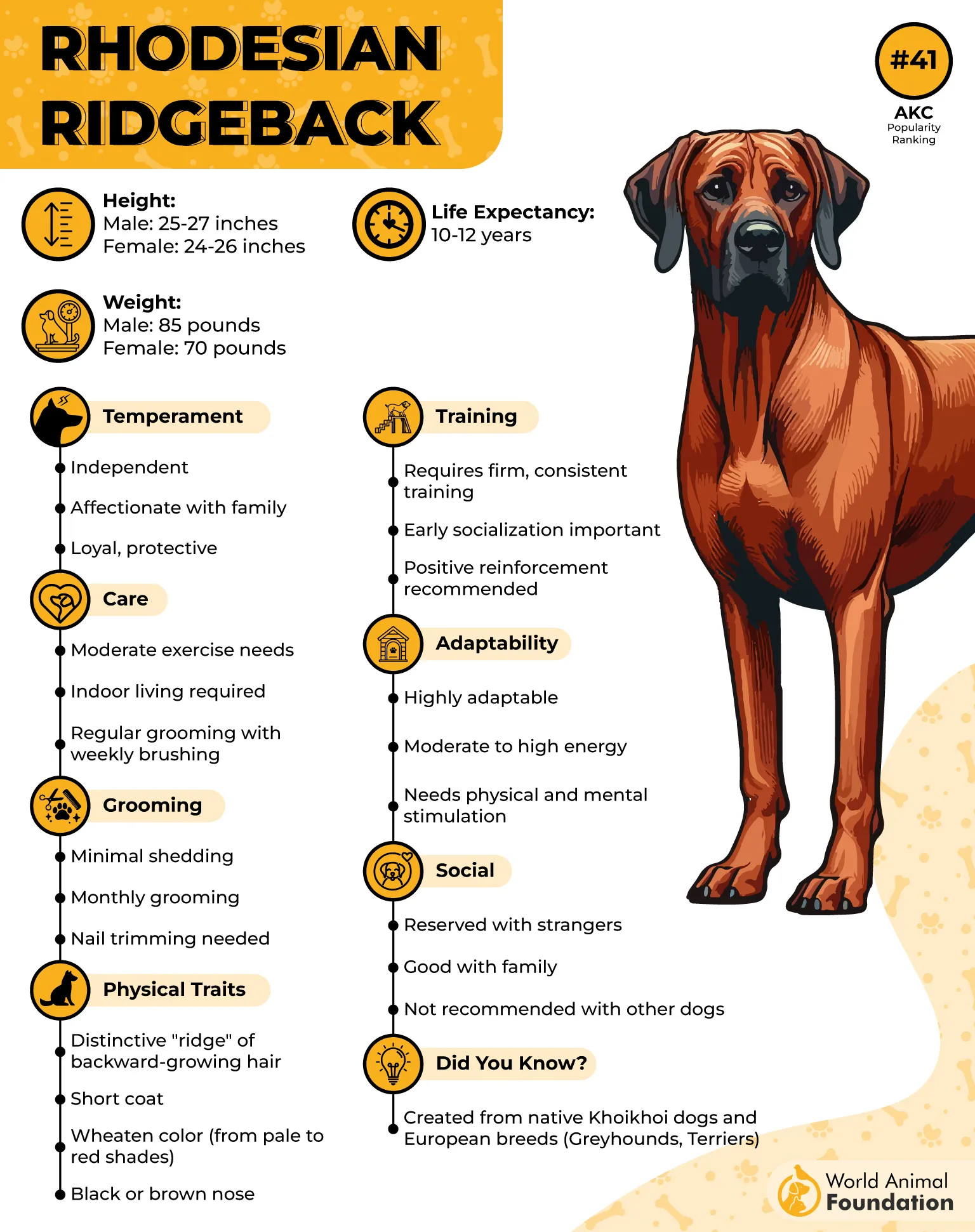
Developed in southern Africa to track and corner large game, the Rhodesian Ridgeback is a rugged breed built for endurance and confidence. Created by crossing native hunting dogs with European breeds, including greyhounds, these athletic dogs were expected to work independently across rough landscapes for long hours.
That heritage lives on today. With a lean, muscular build, impressive stamina, and an intelligent mind, the Rhodesian Ridgeback thrives on outdoor adventures and challenging hikes where resilience truly matters.
Why They’re Built for the Trail
Rhodesian Ridgebacks excel at covering long distances without losing momentum. Their strong legs, deep chests, and agile bodies help them navigate uneven ground, steep inclines, and rocky paths with ease. Naturally protective and loyal, they can also provide reassurance for owners exploring remote trails.
However… their independent nature and strong hunting instincts mean consistent training is essential. Early socialization and obedience work help them remain calm around strangers, other dogs, and unexpected trail distractions.
Tip: Ridgebacks have a high prey drive and may chase wildlife without warning. Keep them leashed in busy hiking areas and pack extra layers if venturing into cold weather, as their short coats offer limited insulation.
6. Great Pyrenees
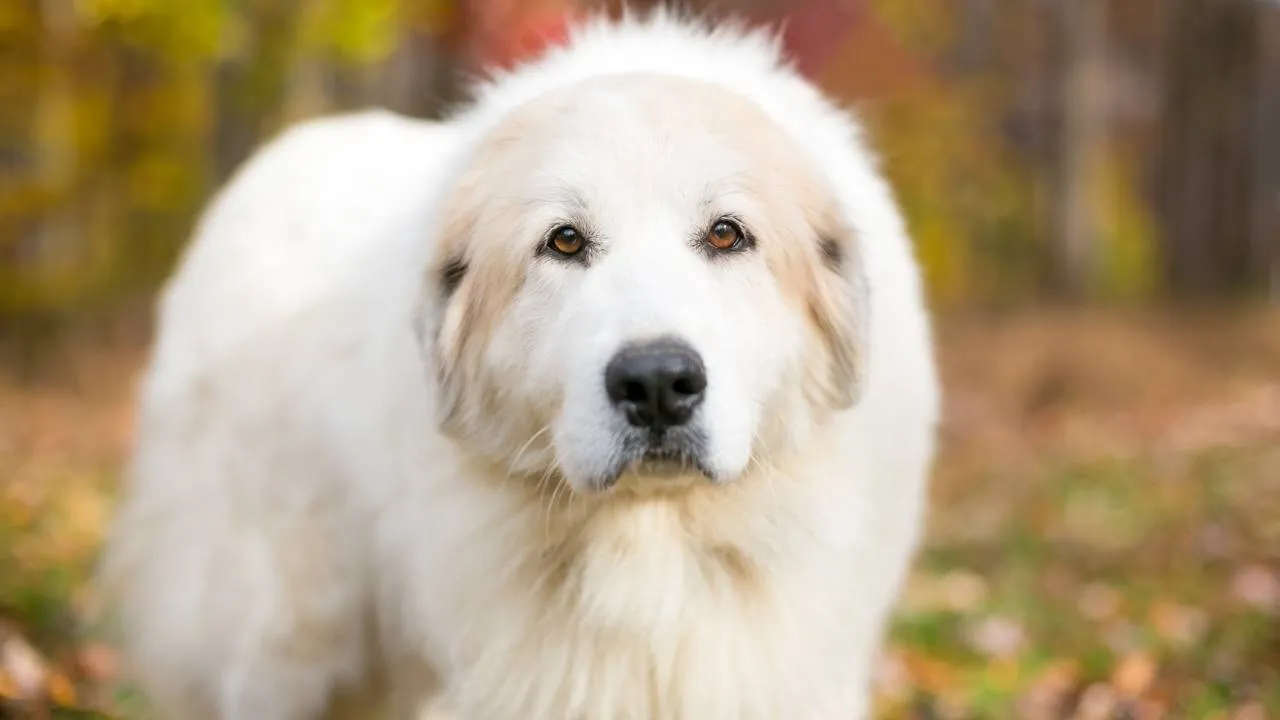
Originally bred to guard livestock high in the Pyrenees mountains between France and Spain, the Great Pyrenees is a mountain dog that combines quiet strength with unwavering loyalty. Developed to protect sheep from predators like wolves and bears, this breed spent long hours navigating rugged landscapes while remaining alert to potential threats.
Beneath that magnificent white coat is a hardy dog with remarkable composure, a naturally protective nature, and a deep devotion to its family. They’re not flashy trail companions… but they’re dependable ones.
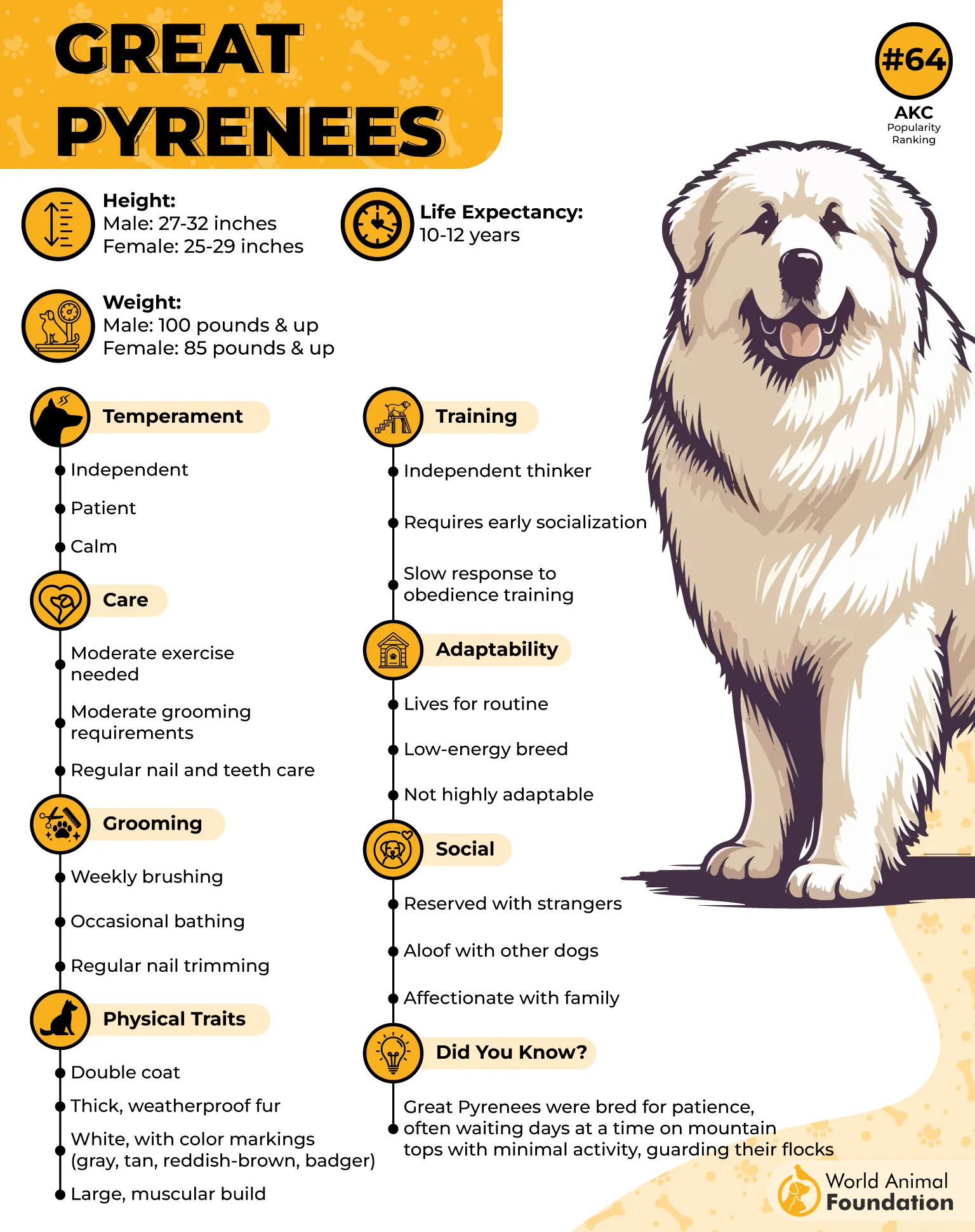
Why They’re Built for the Trail
The Great Pyrenees has the stamina and steady temperament for long hikes through mountains and cooler climates. Their thick, weatherproof double coat helps them handle cold weather, while their calm confidence allows them to tackle outdoor adventures without becoming overly excitable.
Affectionate with families yet naturally independent, they thrive with owners who value a thoughtful, unhurried hiking companion rather than a high-speed athlete.
Tip: Start obedience training and socialization early. Their protective instincts can make them wary of strangers and other pets, so consistent guidance helps ensure peaceful and enjoyable trail experiences.
7. German Shorthaired Pointer
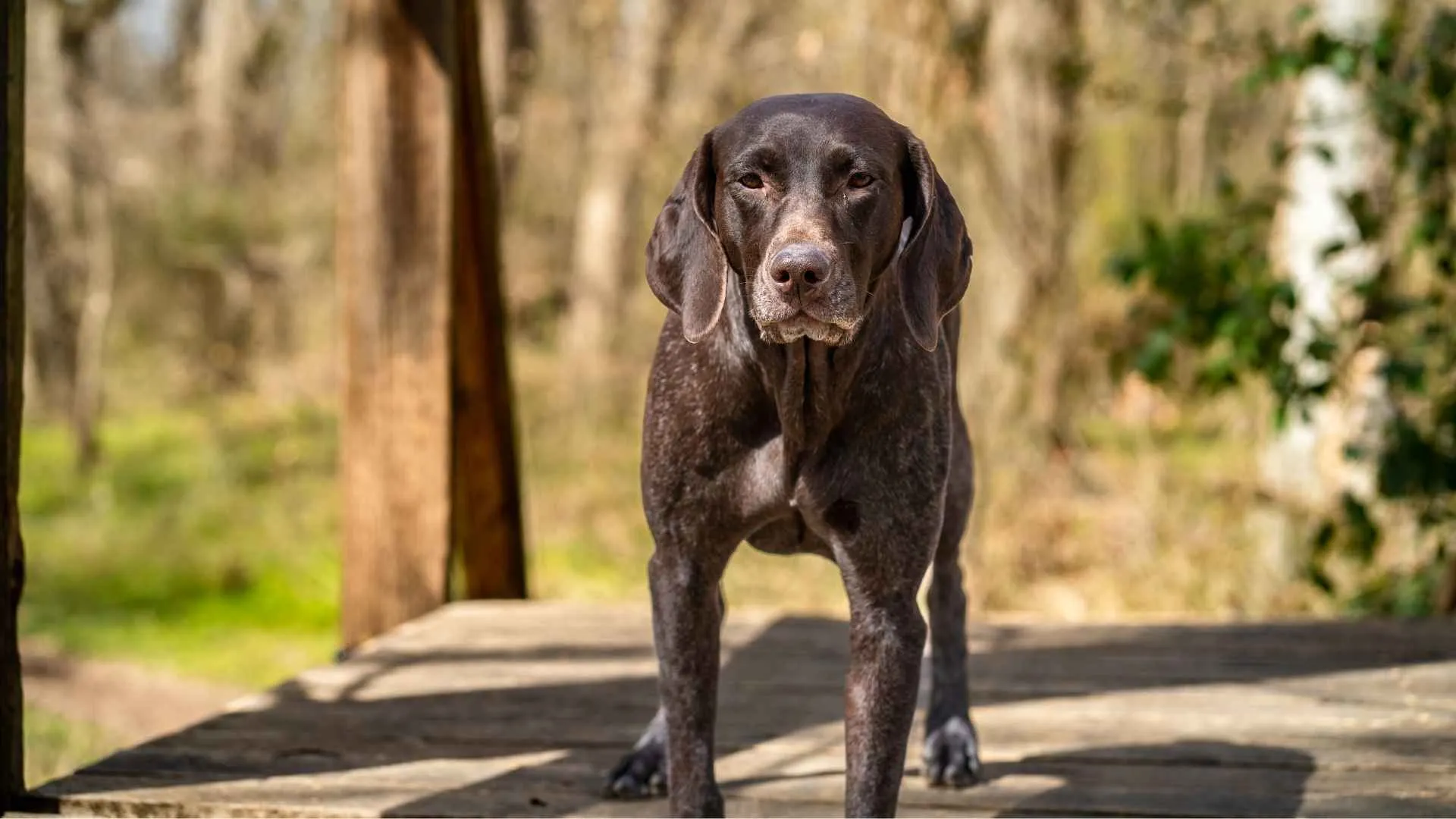
If your idea of hiking involves covering serious miles rather than stopping every five minutes for scenic photos, the German Shorthaired Pointer might be your perfect match. Originally bred as versatile hunting dogs, these athletic dogs were developed to track, point, retrieve, and work tirelessly across fields, forests, and wetlands.
Fast, intelligent, and endlessly energetic, they thrive on action and love having a job to do. Add in their affectionate nature and loyal personality, and you have a faithful companion that’s just as happy exploring rugged trails as it is curling up with the family afterward.
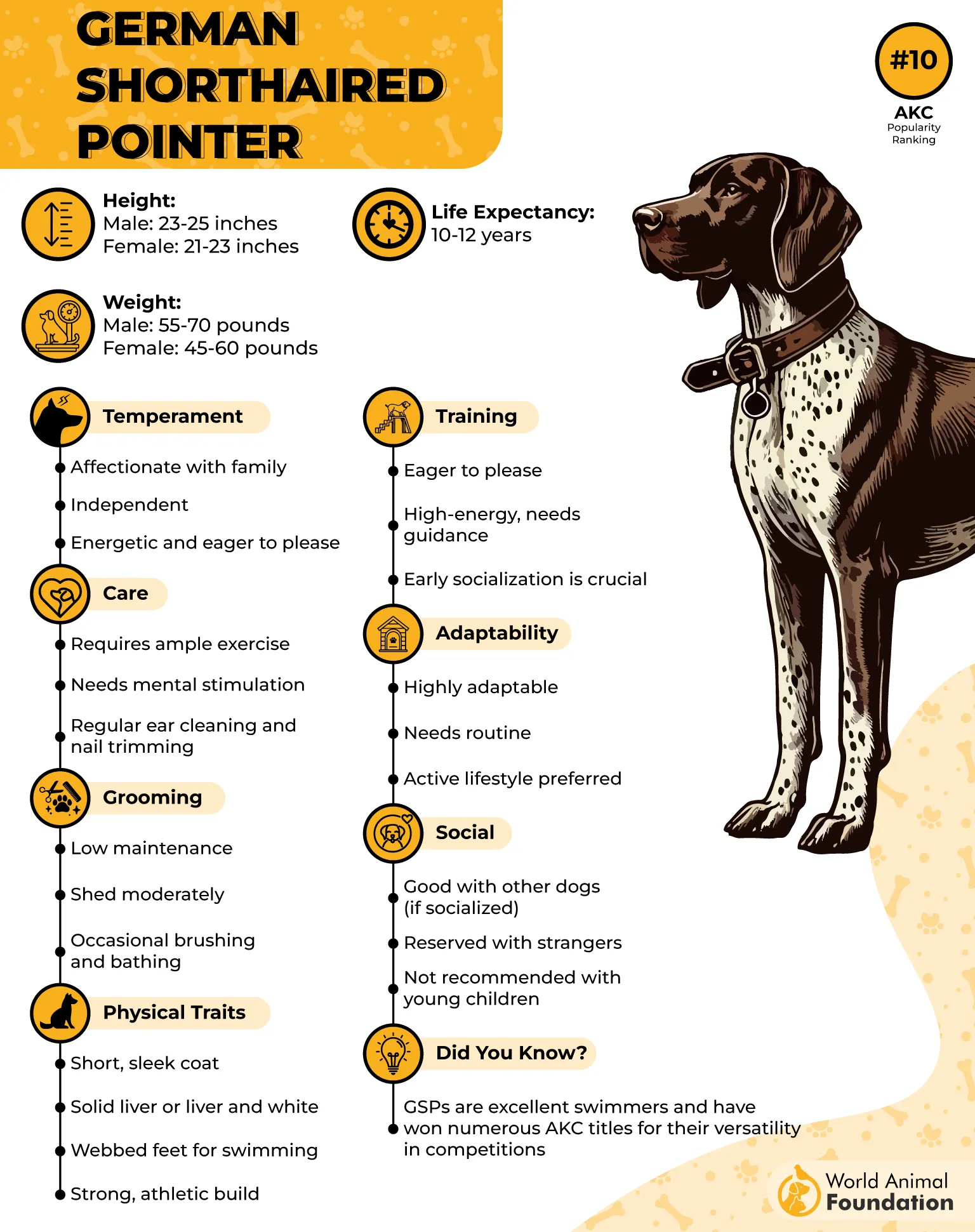
Why They’re Built for the Trail
German Shorthaired Pointers excel on long hikes thanks to their exceptional endurance, agility, and speed. They can navigate a variety of terrains, swim with enthusiasm, and tackle outdoor adventures with seemingly endless energy.
Their intelligent minds also make them quick learners, especially when training is consistent and engaging. However… these energetic dogs need plenty of exercise and mental stimulation to stay balanced. Without it, boredom can quickly turn into destructive behavior.
Tip: Teach a reliable recall early and use caution around wildlife. Their strong prey drive may tempt them to chase smaller animals, especially when hiking off-leash in unfamiliar areas.
Conclusion
The best hiking dog isn’t necessarily the fastest, the biggest, or the toughest-looking breed—it’s the one whose energy, temperament, and needs align with your lifestyle and the adventures you love most. From mountain dogs bred to work in cold weather to athletic dogs built for speed, endurance, and rough terrain, these rugged companions prove that the journey is often better when shared with a loyal dog by your side.
Before hitting the trail, take the time to understand your chosen breed’s exercise requirements, training needs, and environmental limitations. A little preparation goes a long way in keeping both you and your faithful companion safe and happy outdoors.
After all, dogs don’t remember how many miles they covered or how high the mountain was. They remember the excitement in your voice, the shared moments along the trail, and the simple joy of exploring the world together. Choose wisely, pack the essentials, and let your next adventure leave pawprints on your heart as much as on the path behind you.
