




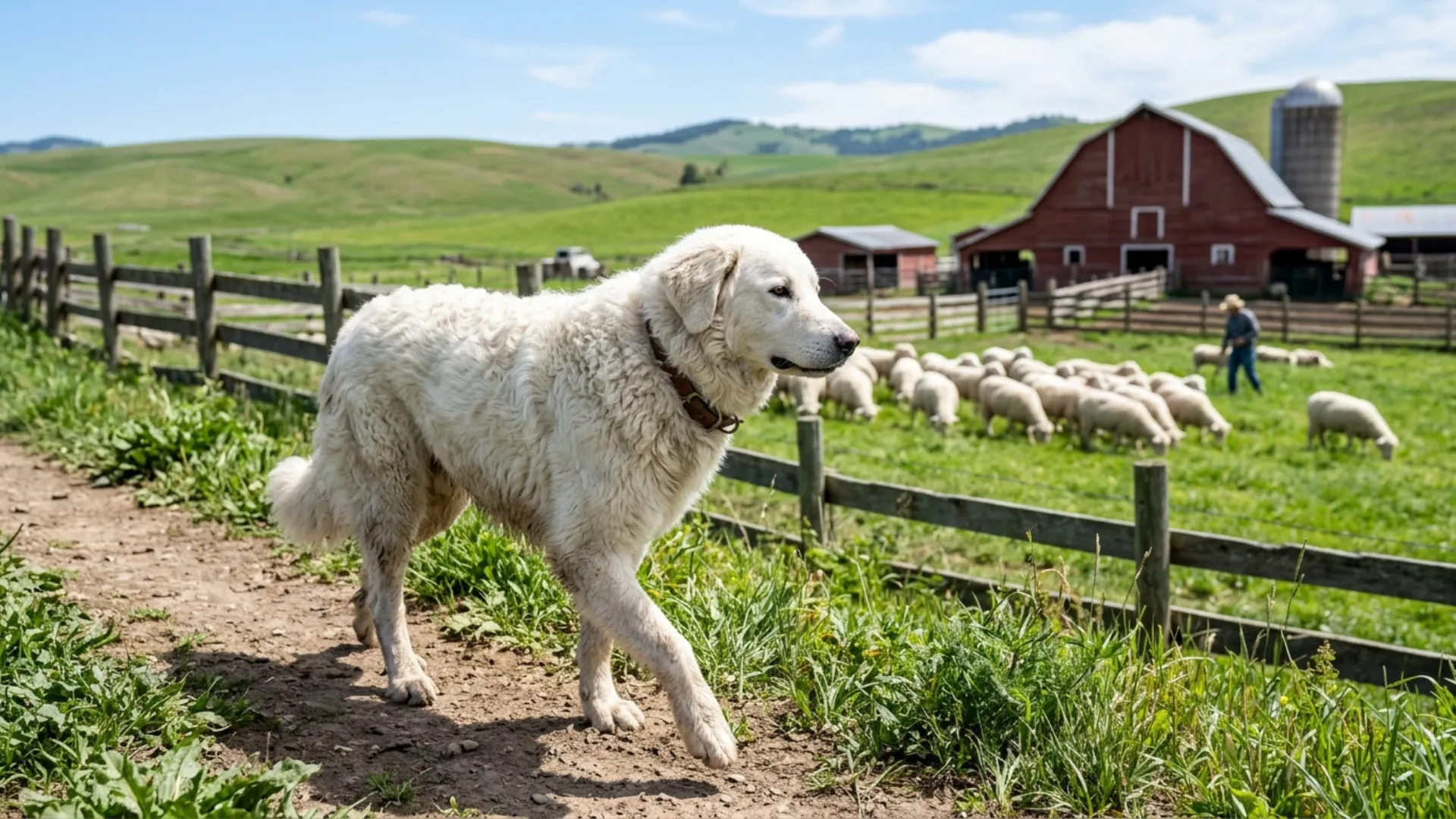
One of the most overlooked realities of ranch and farming life is how much it depends on reliable help. Daily responsibilities rarely arrive one at a time.
Livestock need attention, property boundaries require monitoring, and unexpected situations often appear without warning. Over the years, many ranchers have discovered that the right dog can make those demands far more manageable. The most successful working dogs bring far more than physical strength to the job.
They combine endurance, awareness, adaptability, and a natural willingness to stay engaged throughout the day. These traits allow them to assist with tasks that require both persistence and sound judgment. Their contribution becomes especially noticeable when workloads increase, and conditions become challenging.
Ahead, you’ll learn about the best dog breeds that have developed exactly those qualities through generations of purposeful work.
Key Takeaways
Life on a ranch moves fast, and only certain dogs can match the pace while staying alert through every changing task.
Pyrenean Shepherd shows how agility turns into real farm value, while the Kuvasz brings steady protection across wide open land.
Puli and Anatolian Shepherd Dog add another layer, blending herding instinct with strong guarding behavior shaped over generations of work.
As you go further, each breed reveals a different kind of toughness that still defines how real farm life runs today.
Rugged Dog Breeds Ideal for Ranch and Farming Tasks
1. Pyrenean Shepherd
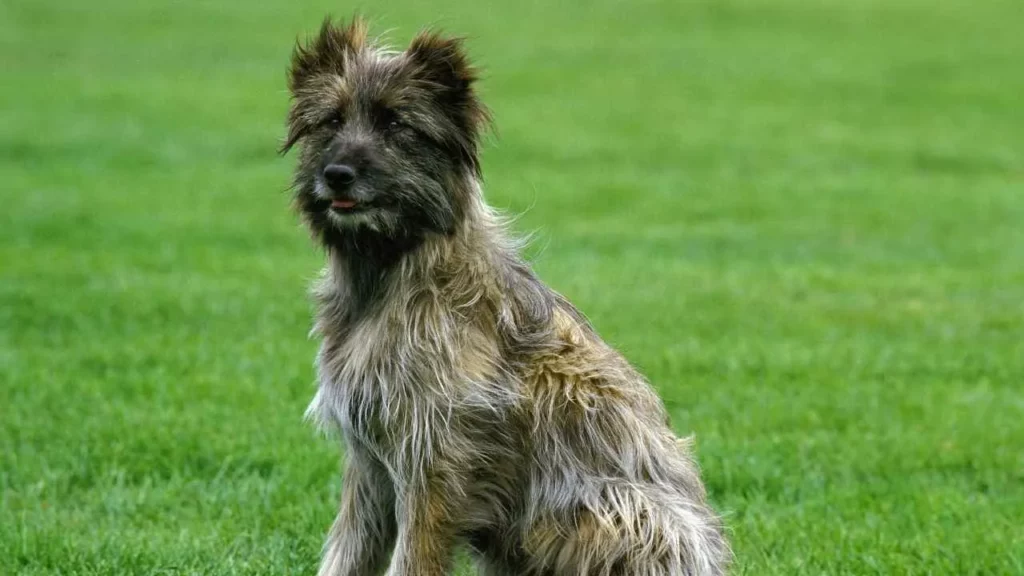
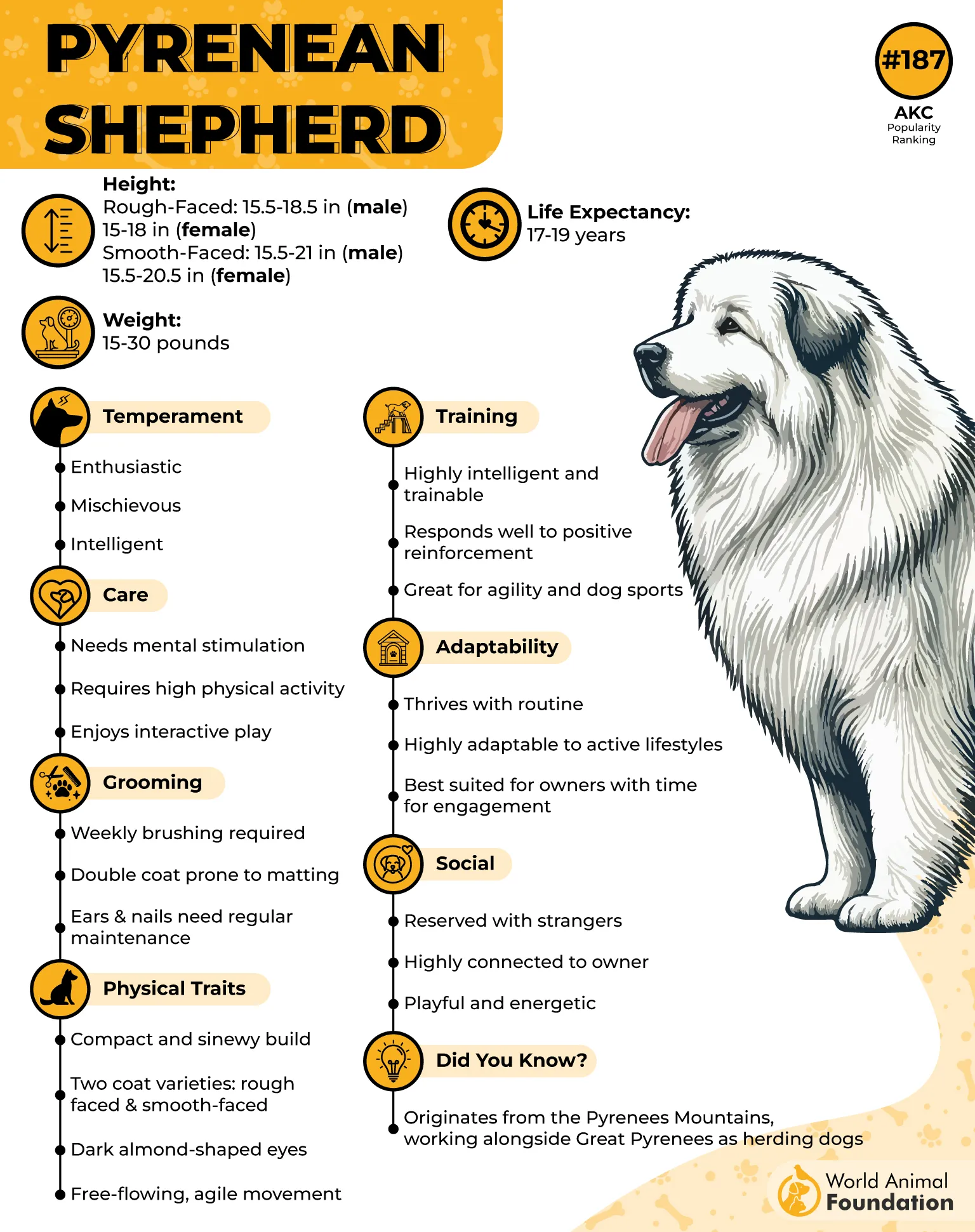
Pyrenean Shepherd is known for its quick movement and sharp awareness, shaped in the Pyrenees Mountains of France, where constant work demanded focus and speed.
Its lean, athletic frame supports long hours of activity without slowing down. Intelligence and alert responsiveness define its working nature.
Built for Constant Activity
This farm dog breed handles long-distance herding tasks with ease, often covering extensive ground alongside shepherds during the day, as per the AKC. Its energy level requires meaningful engagement to stay balanced and attentive.
A closer look highlights what fuels its working rhythm:
Covers long distances during herding work
Excels in agility-based tasks and sports
Learns quickly through active engagement
Work Drive in Action
Pyrenean Shepherd stays mentally active even outside structured work, often seeking tasks that keep its focus engaged. Its role in historical duties like courier work and search assistance reflects a strong ability to adapt under pressure. Without direction, that energy shifts into constant motion.
2. Kuvasz
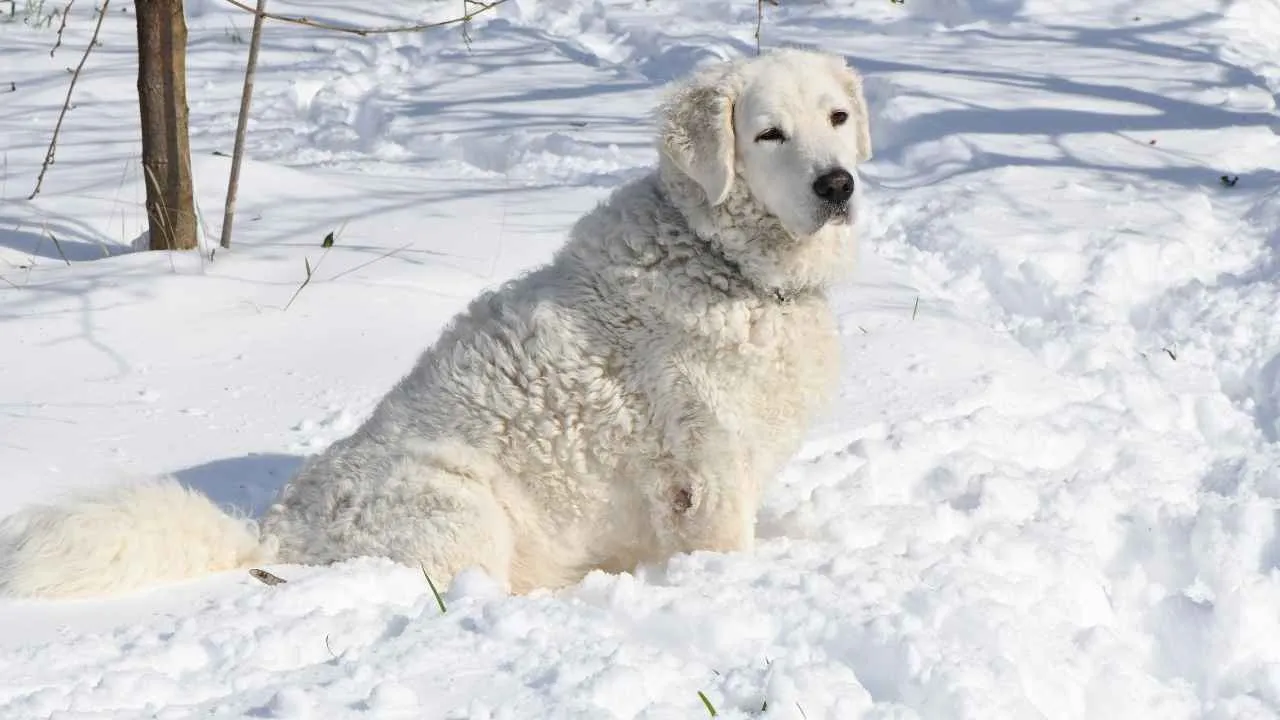
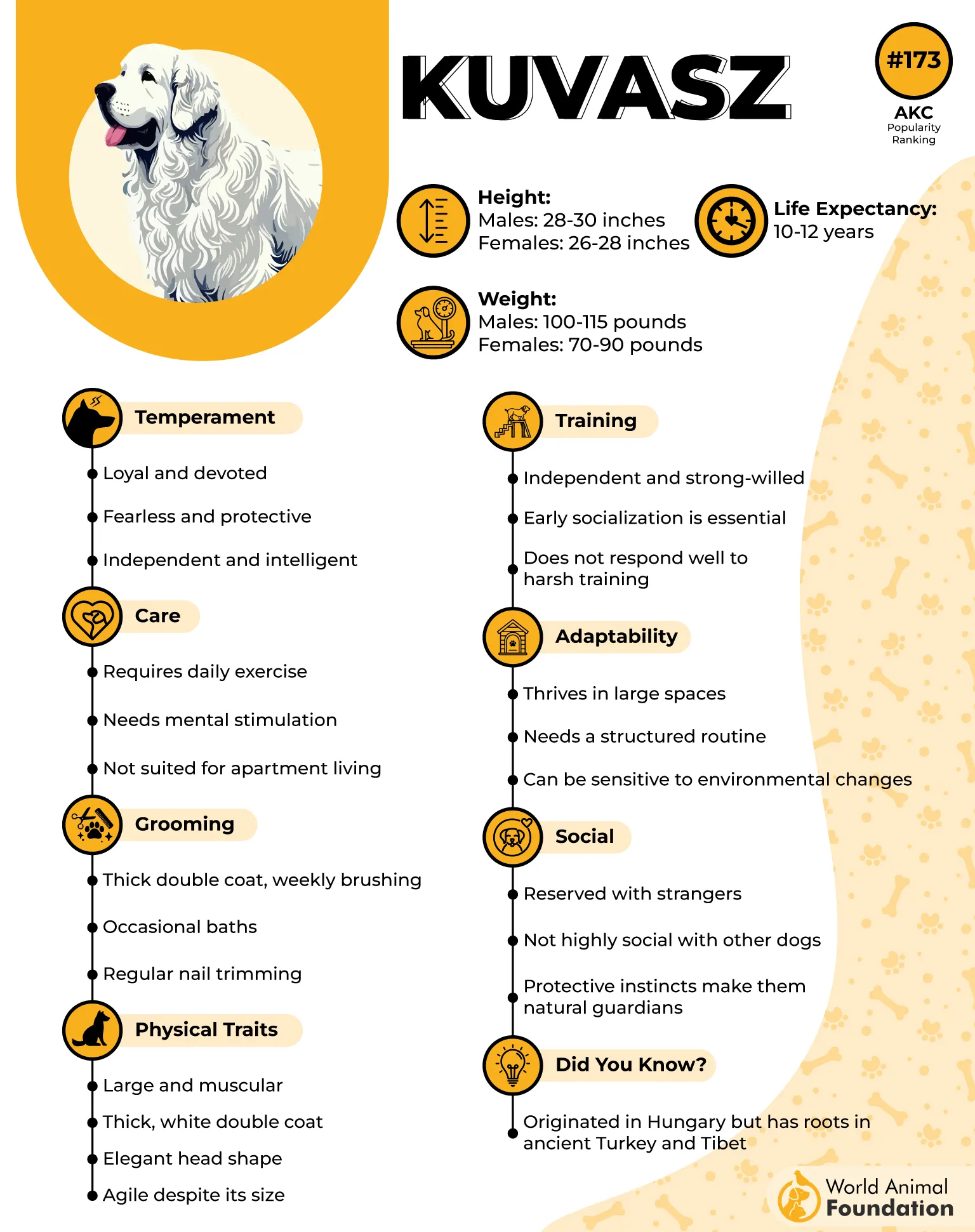
Kuvasz is a large white livestock guardian with roots linked to early migration routes between Siberia and the Hungarian plains. Its thick coat and strong bone structure shaped its ability to watch over herds in open land. Its role has long centered on protection rather than constant human direction.
Working Instincts in Action
This intelligent dog responds best when given purpose, especially tasks that engage both mind and body in structured activity. Its alert nature keeps it attentive to its surroundings while maintaining steady control in open environments.
These qualities highlight this working mindset:
Strong livestock guarding drive
Comfortable with structured work routines
Naturally watchful in open spaces
Temperament Around Familiar Spaces
Kuvasz develops a calm and composed presence when properly trained, especially around household members and known animals, as PetMD noted. Gentle behavior can appear in familiar settings, though caution remains around unfamiliar people. This balance shapes how it handles daily environments.
3. Puli
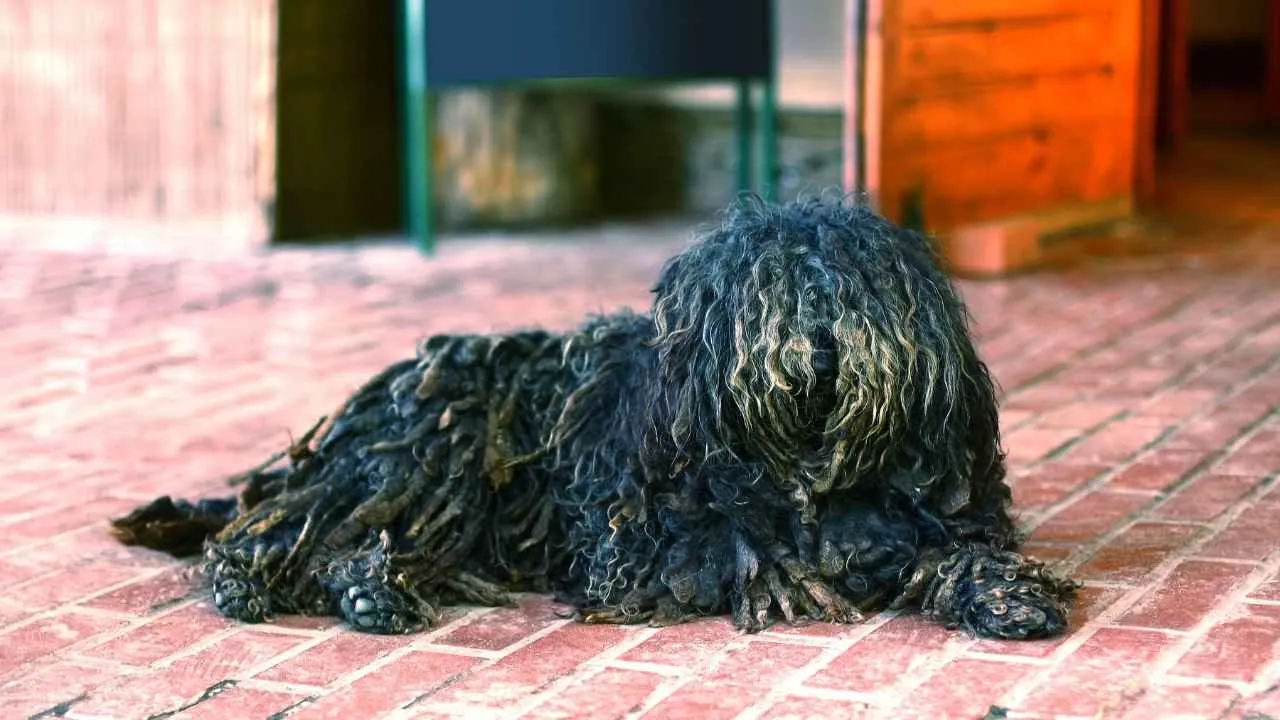
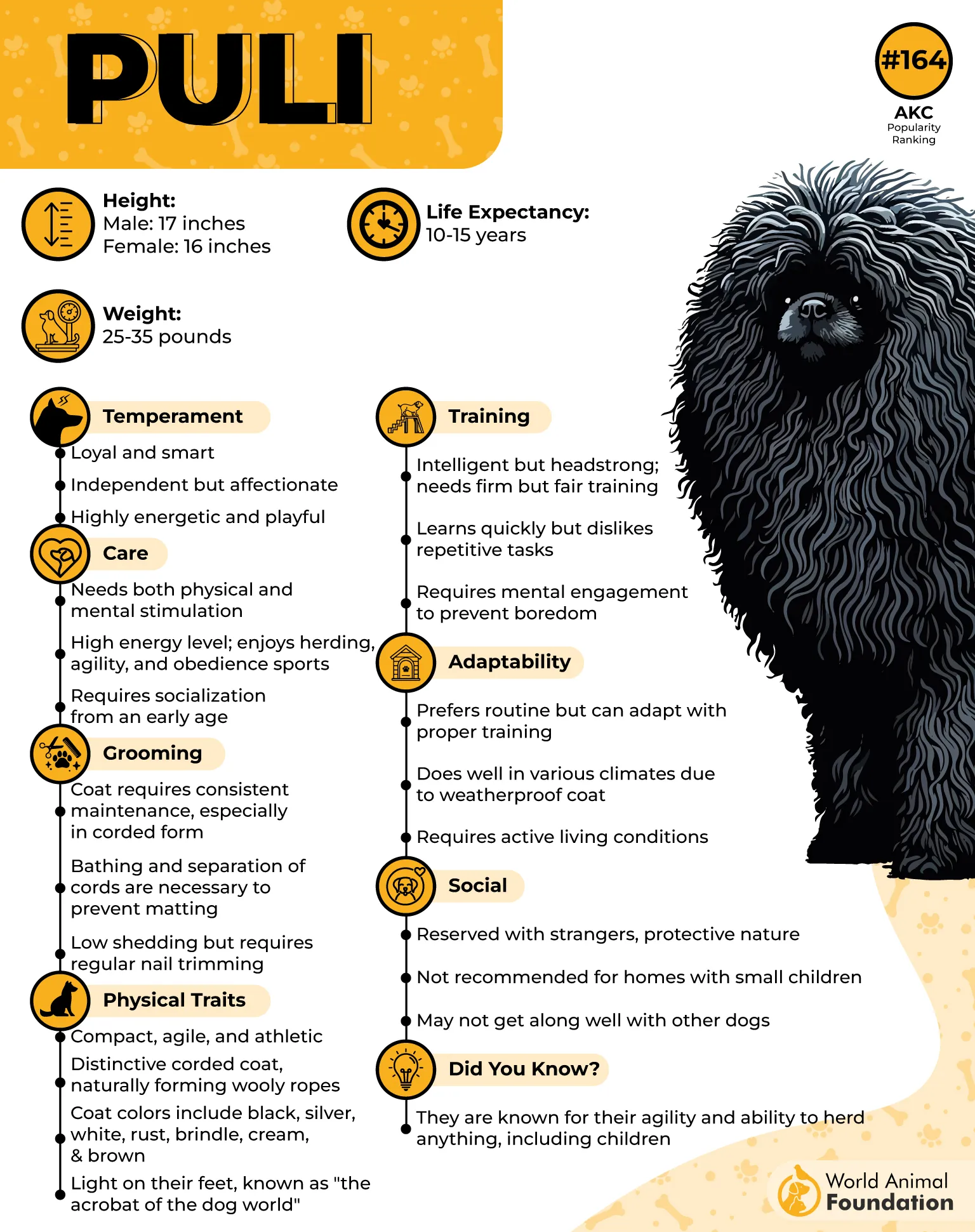
Puli draws immediate attention with its long, corded coat, which forms one of the most distinctive silhouettes among herding dogs, as noted by WebMD.
Originating from Hungary, its lineage is linked to Tibetan Terriers brought into the region centuries ago. Built for working life, it drew on its intelligence and agility to shape its role on farms.
Farm-Ready Intelligence
Puli functions best when movement and mental tasks are part of a daily routine, reflecting its herding background. Without direction, its energy often turns into vocal alertness, making structured activity essential.
A closer look highlights what supports its working rhythm:
Requires consistent daily activity
Responds well to training games
Learns quickly through reward-based cues
Herding Instinct and Behavior
This herding breed carries a strong farm-guardian mindset shaped through generations of livestock work. Early social exposure influences how confidently it interacts beyond familiar surroundings. This working drive aligns closely with its alert, responsive nature in active environments.
4. Anatolian Shepherd Dog
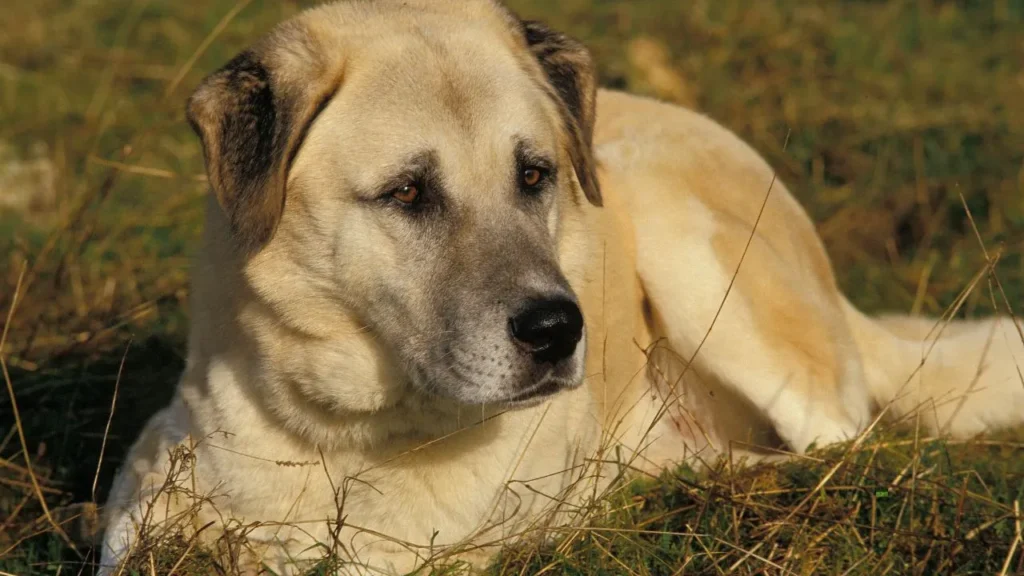
Anatolian Shepherd Dog worked across harsh landscapes where predators, rough terrain, and livestock demanded constant vigilance.
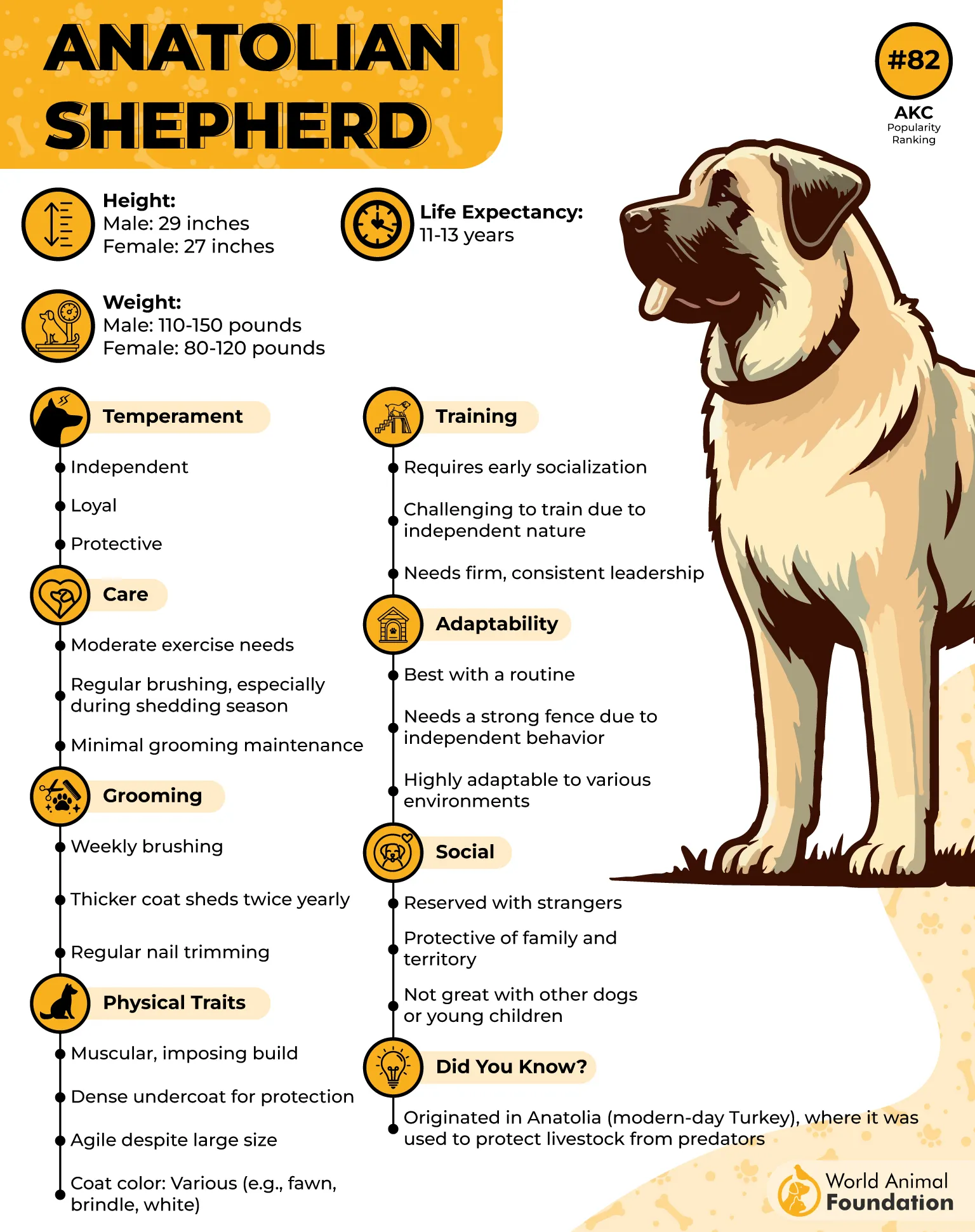
Its imposing build combines with remarkable agility, creating a guardian capable of covering ground efficiently. Ancient bloodlines add a sense of continuity rarely found in modern working breeds.
Working Purpose
This guardian breed excels in environments where independent decision-making matters as much as physical strength. Their protective instincts extend beyond livestock to children, smaller dogs, and other animals within their circle.
These qualities highlight their value in farm protection:
Confident territorial guardian
Patient and responsive worker
Adaptable in demanding conditions
Daily Management
Anatolian Shepherd Dog requires leadership from someone capable of guiding a powerful and self-assured breed. Moderate exercise, secure fencing, and controlled outings suit its practical needs well. Reliable leash use remains important whenever the dog leaves its property.
5. Bouvier Des Flandres
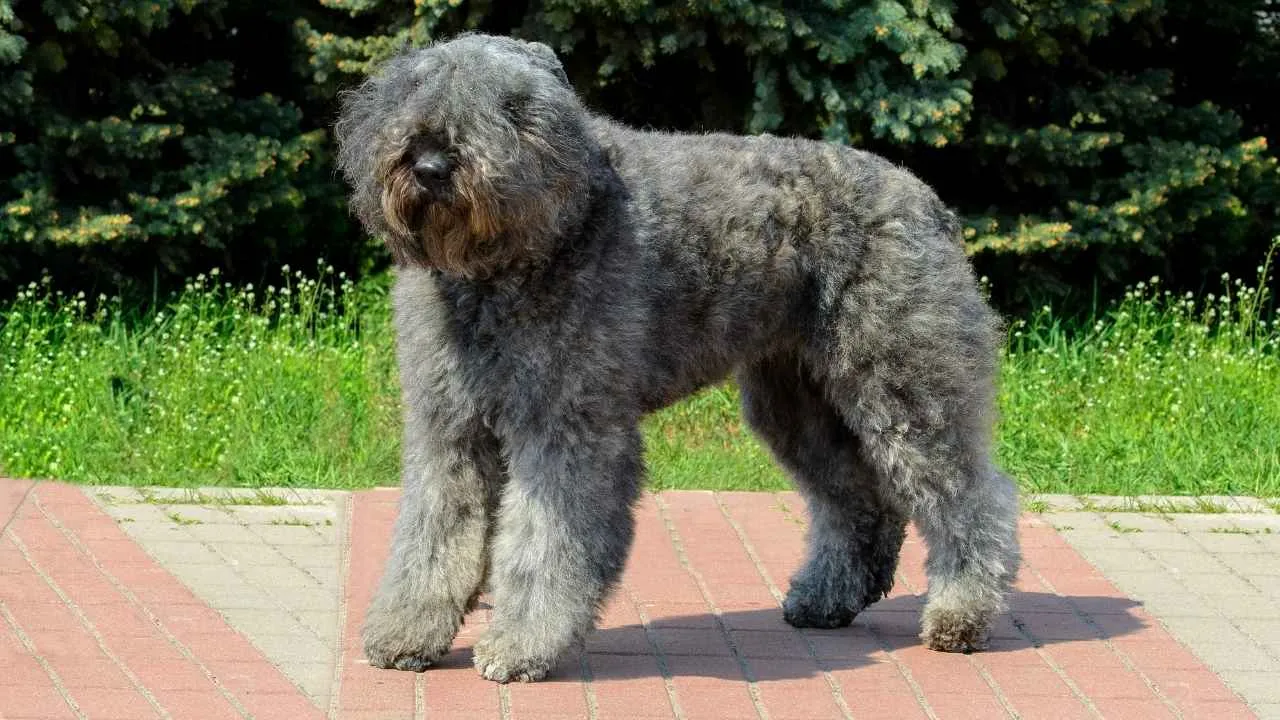
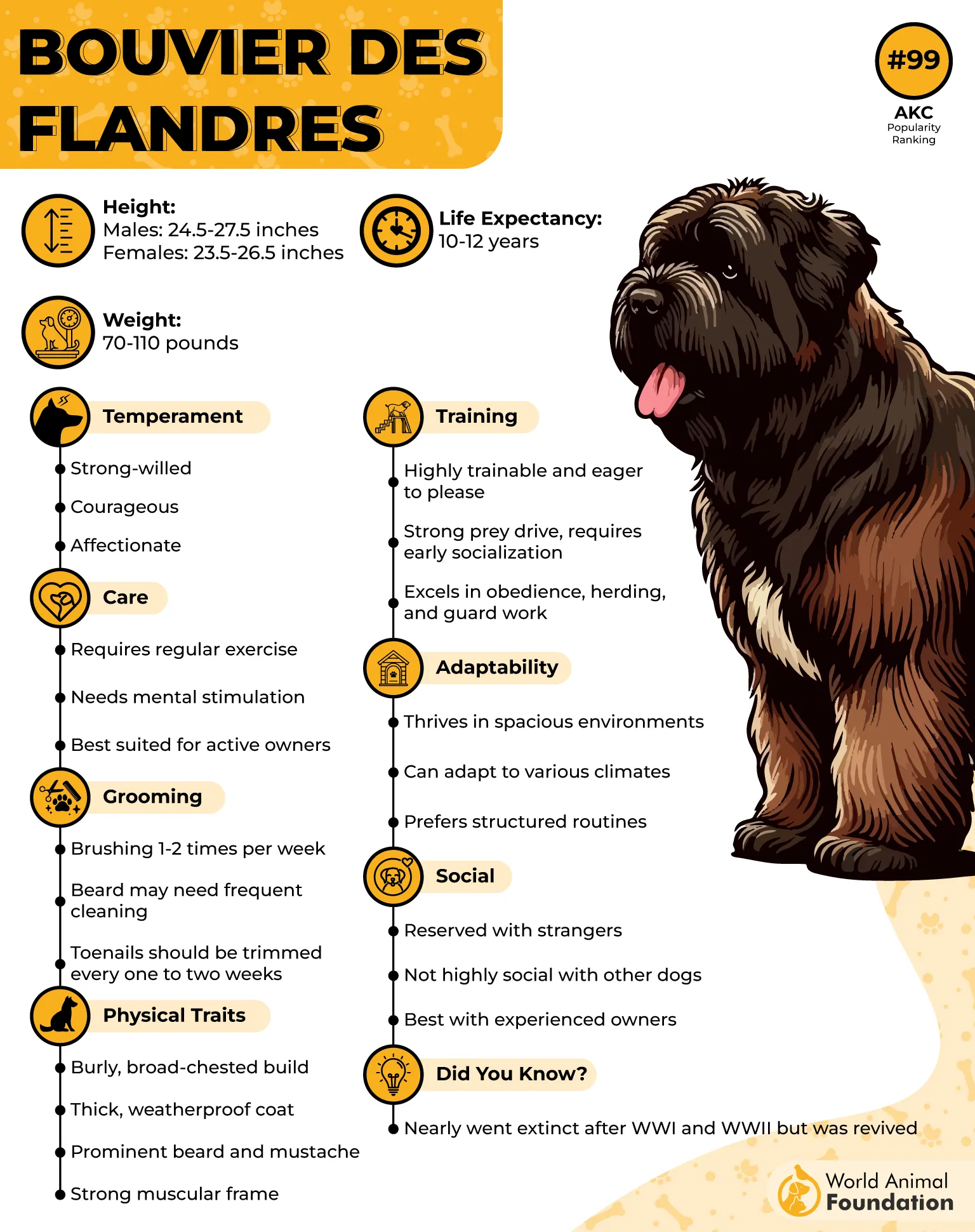
Bouvier Des Flandres comes from an era when one dog was expected to handle nearly every job around a farm. Beneath its weatherproof coat are powerful muscles, heavy bones, and the determination to tackle demanding daily work. The beard and mustache amplify its strong presence.
Work Comes Naturally
This athletic canine fits agricultural life completely, with abilities that extend from guarding property to herding livestock. Versatility remains one of its greatest strengths.
A quick look highlights why it earned such trust
Dependable protective instincts
Strong all-purpose worker
Excels in dog sports and ranch tasks
Space and Guidance
This large livestock-protecting breed benefits from room to roam, play, and engage with people, children, or other dogs. Proper training helps channel its strong-willed nature into productive activities and cooperative behavior. Hiking, jogging, and similar pursuits fit naturally into its daily routine.
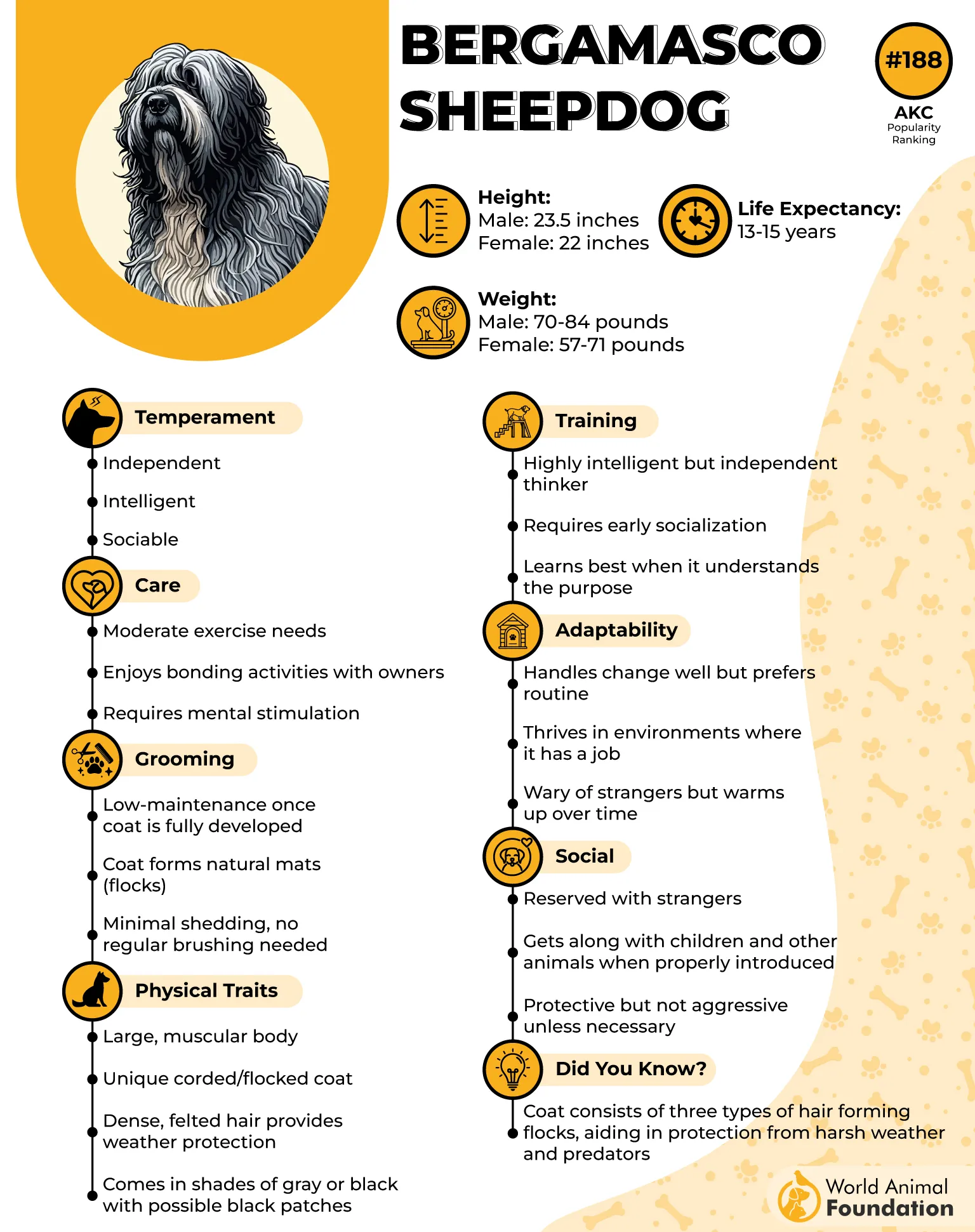
6. Bergamasco Sheepdog
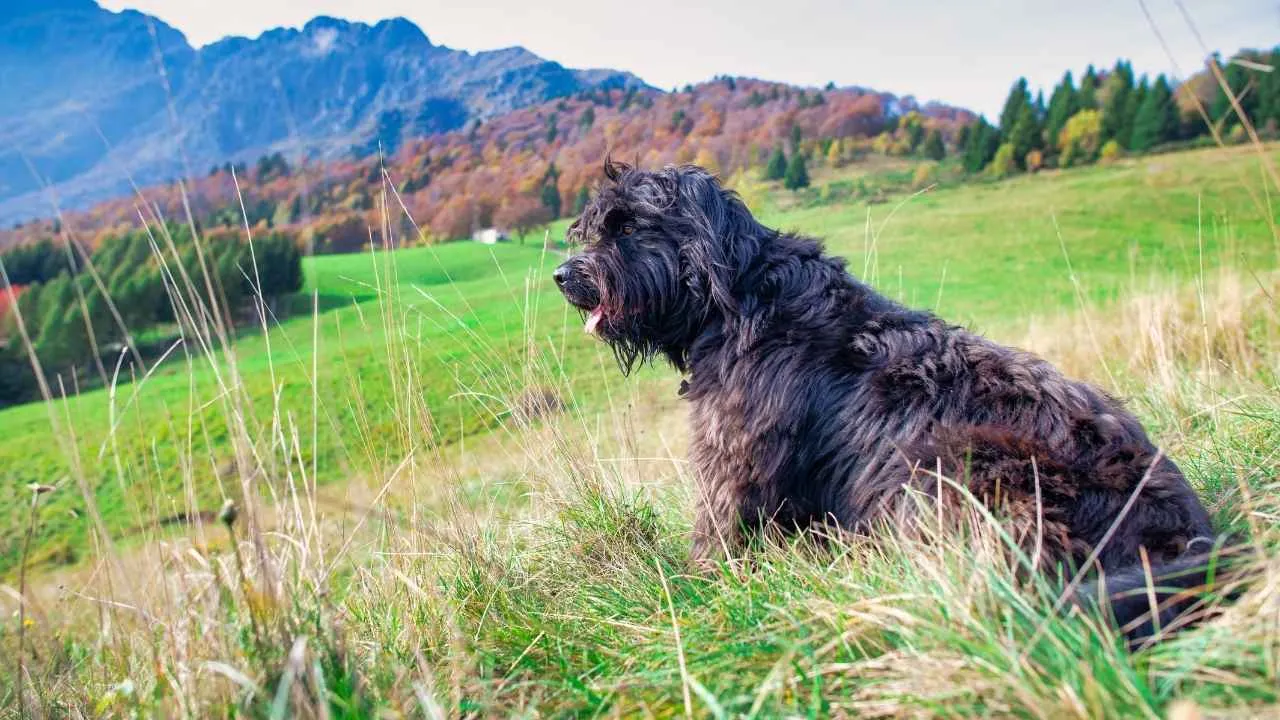
Bouvier des Flandres earned its reputation on farms where herding cattle and hauling heavy milk jugs were part of daily work. A broad frame, muscular build, and willingness to work made it valuable across demanding agricultural settings. Its roots remain closely tied to practical farm duties.
Built for Daily Tasks
Long hours and physically demanding jobs require a dog with energy, strength, and focus. Bouviers fit naturally into active farm environments where meaningful work is part of the routine.
Several qualities contribute to that capability.
Strong herding instinct
High physical stamina
Quick problem-solving ability
Family and Livestock Guardian
This sturdy dog forms close bonds with family members and is often patient around children. It generally enjoys the company of other large dogs, though smaller animals require careful introductions due to a notable prey drive. Time spent alongside people remains an important part of its routine.
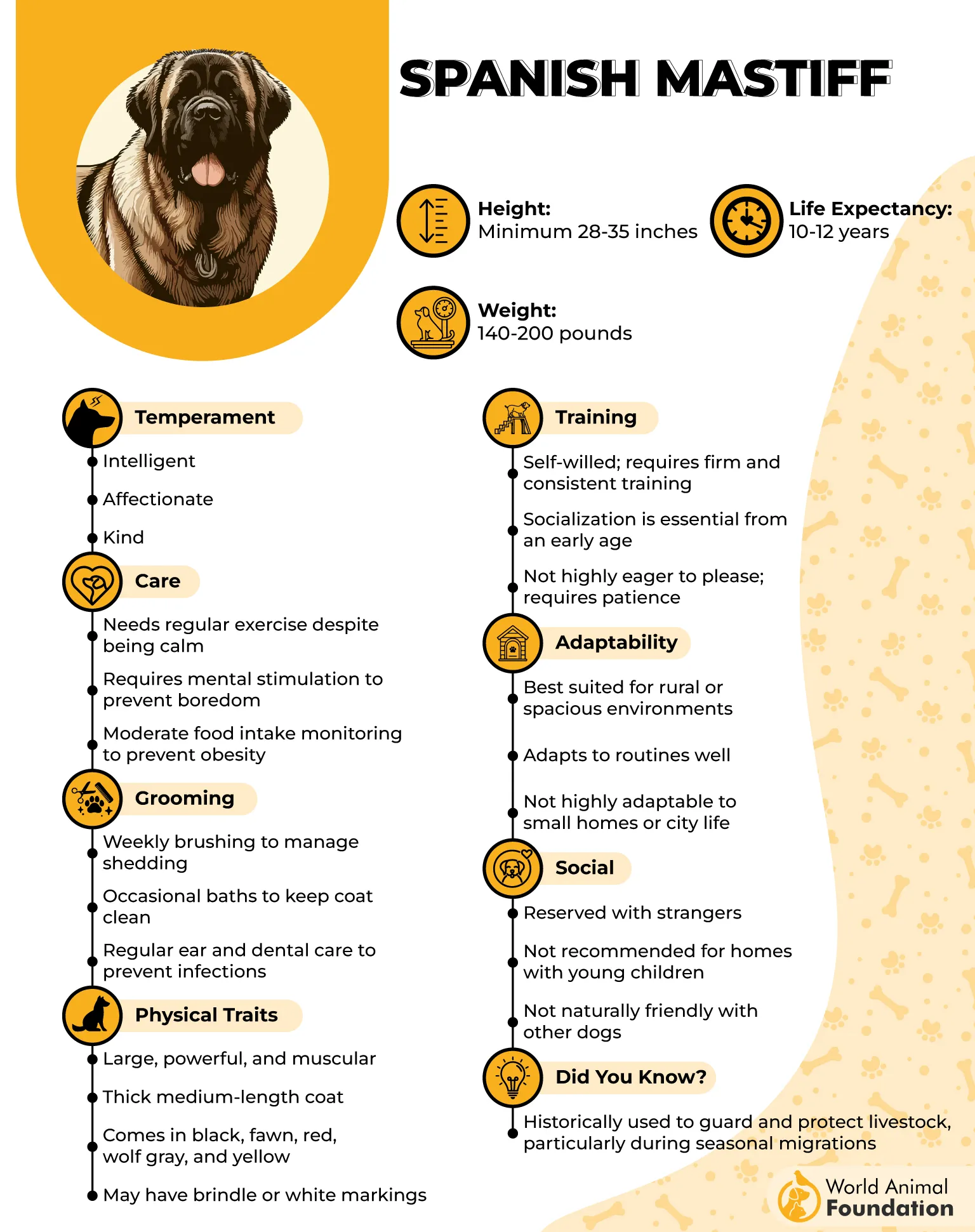
7. Spanish Mastiff
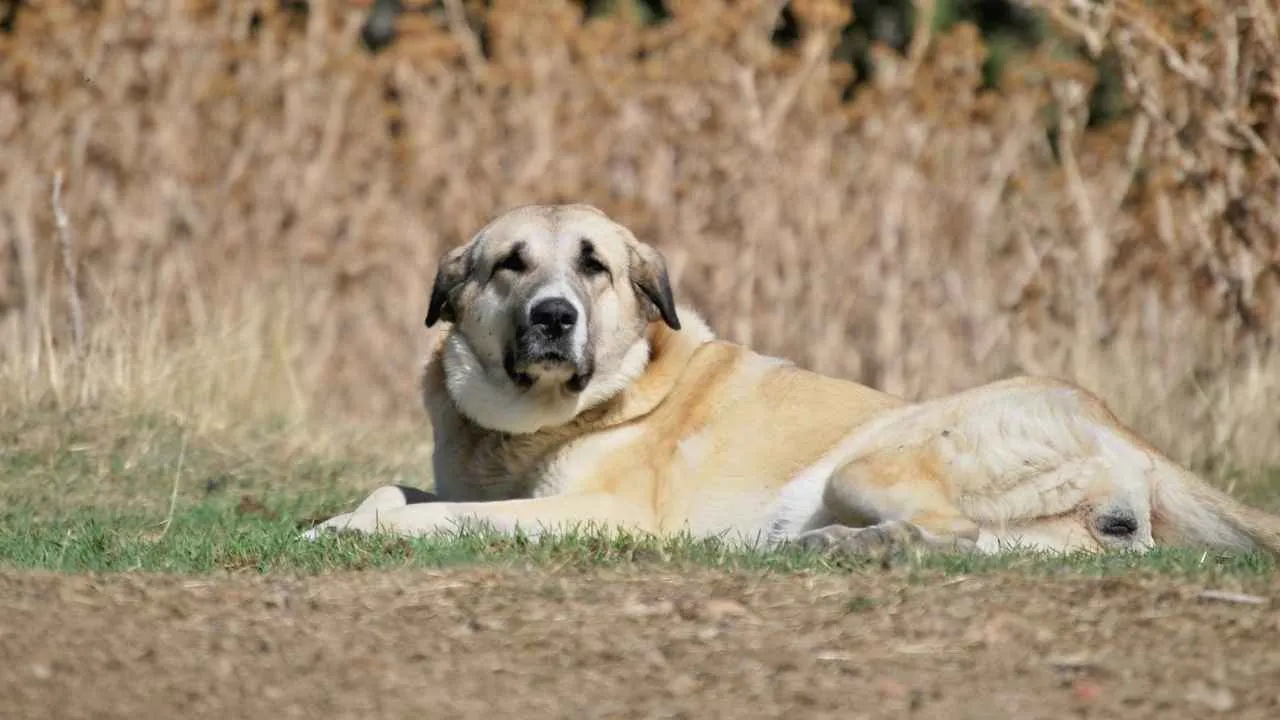
The Spanish Mastiff was originally developed alongside traveling Merino flocks, accompanying seasonal livestock journeys across Spain.
They face wolves and other predators independently and with confidence. That responsibility shaped a breed known for intelligence, courage, and unwavering commitment to its duty.
Built for Farm Work
Protecting livestock and property requires more than size, and this best dog combines physical power with sound judgment. Its calm nature allows it to assess situations carefully before reacting.
These qualities explain its long association with working lands:
Confident around threats
Reliable livestock guardian
Strong decision-making ability
Practical Strength
Whether accompanying roaming herds or watching over settled farms, the breed performs its responsibilities with the same consistency.
Regular walks or fenced-yard activity help channel its energy while supporting overall condition. Its combination of steadiness and strong protective instinct suits demanding agricultural settings.
8. Maremma Sheepdog
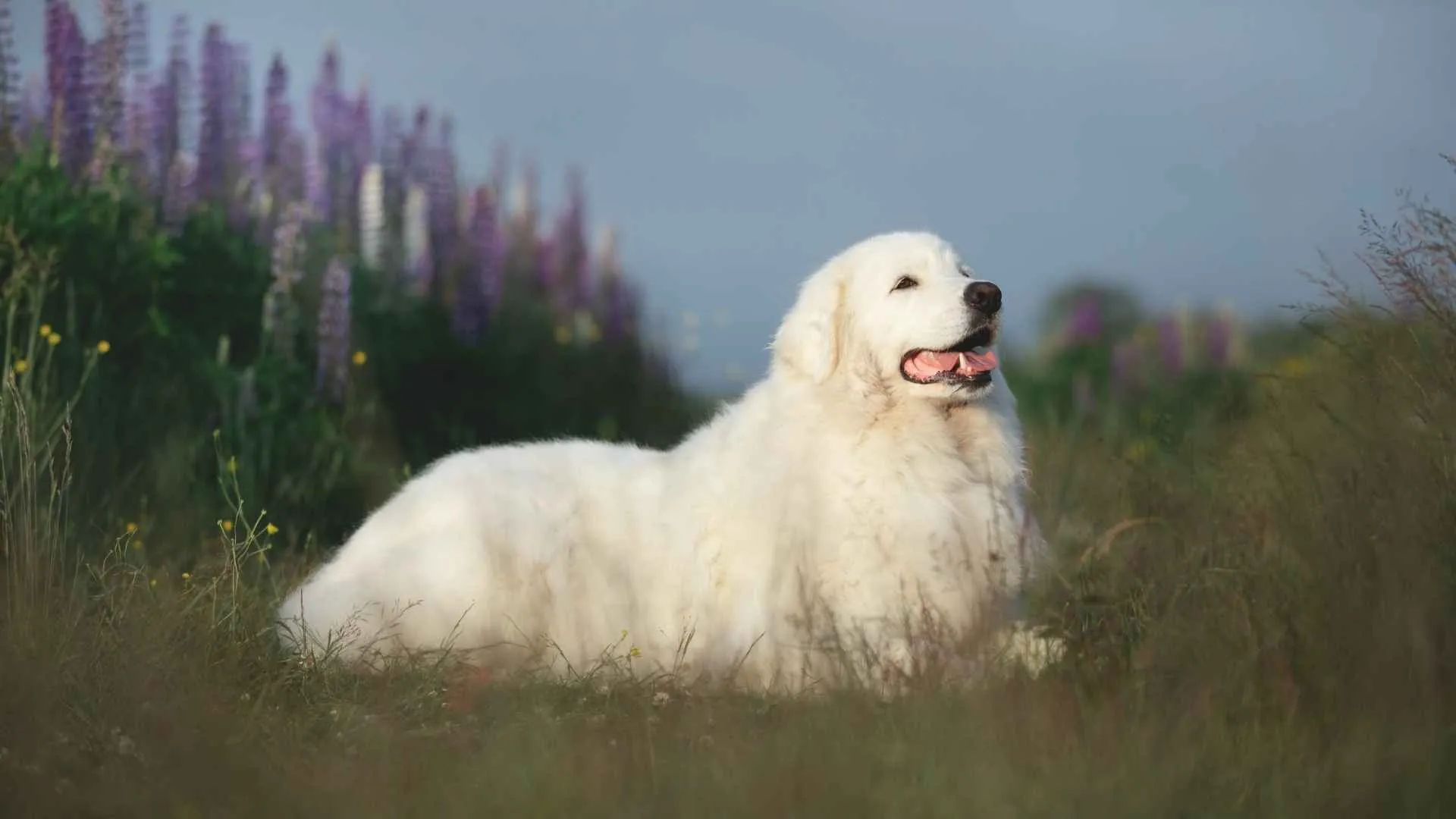
Maremma Sheepdog is known for a steady guarding instinct that works quietly across open land and livestock areas in Italy. For centuries, it has watched over sheep, cattle, and goats, often operating with minimal human direction. Its calm presence hides a constant awareness of surroundings.
Farm Protection Traits
Life around working farms highlights how this breed manages a wide territory while staying alert to movement and disturbance. Its decision-making often feels independent, as it evaluates situations before responding.
These working traits show its reliability in rural settings:
Strong livestock guarding focus
Independent judgment in open spaces
Alert to unfamiliar movement
Territorial Intelligence
A natural tendency to monitor space leads the breed to react with a warning bark when something feels unusual. It prefers evaluating situations rather than reacting instantly to commands. This thoughtful behavior supports its role in managing farms where awareness matters more than speed.
9. Icelandic Sheepdog
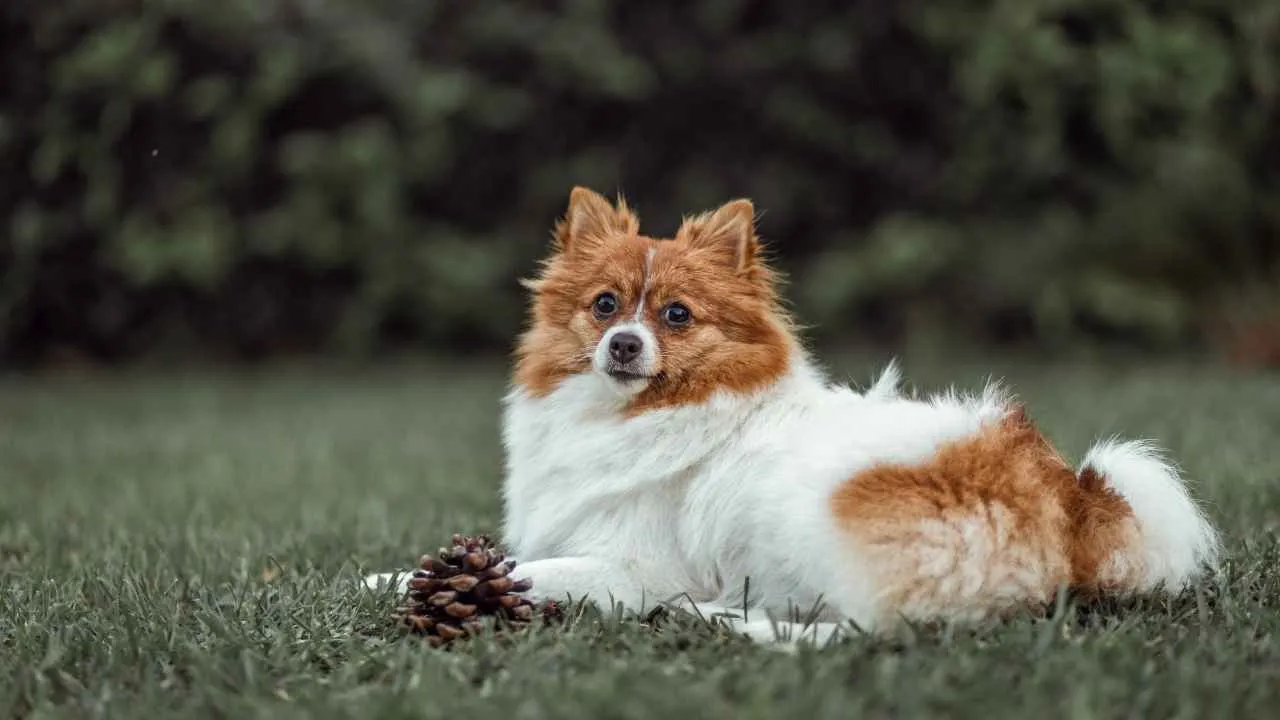
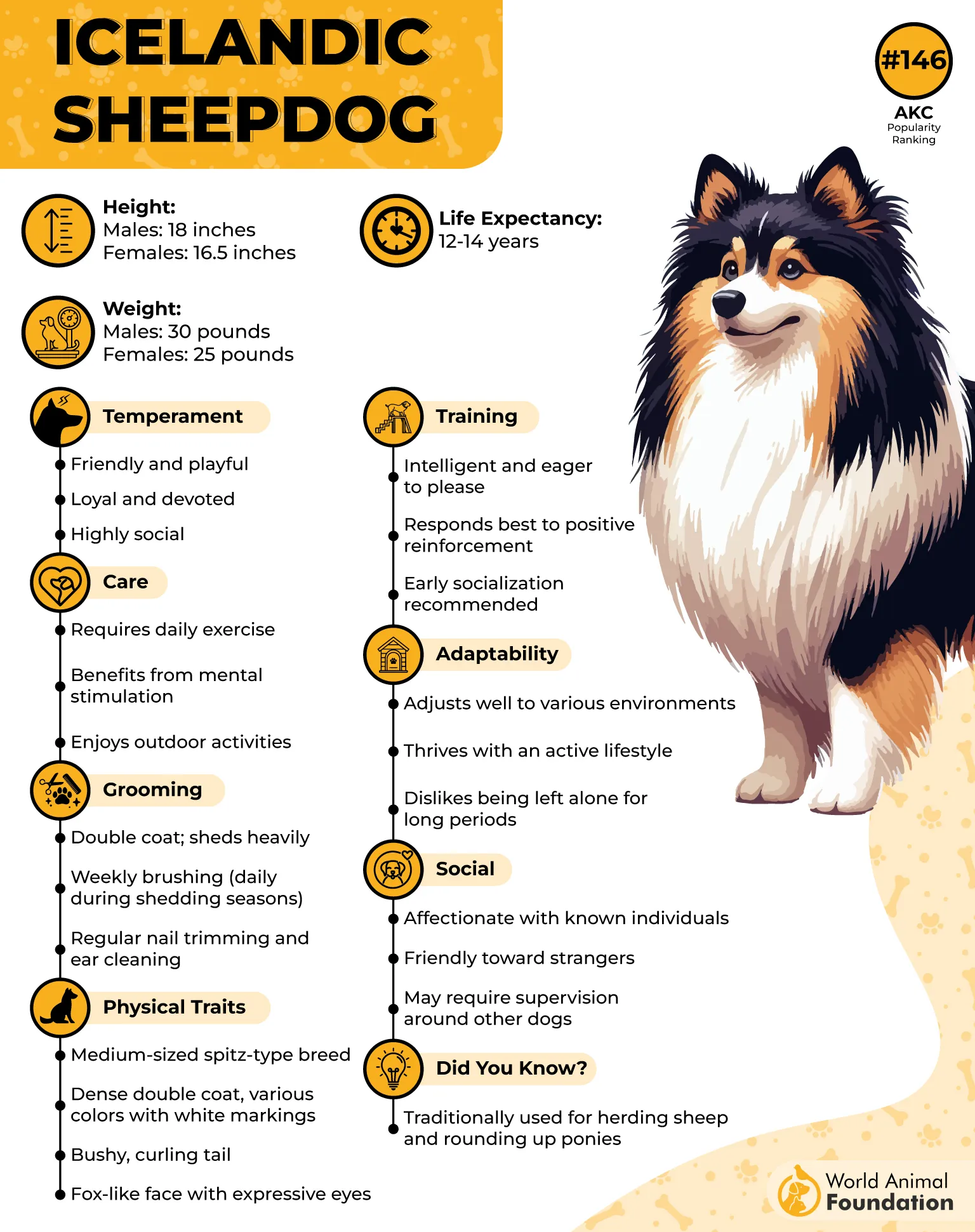
Icelandic Sheepdog is the only native dog of Iceland, shaped by centuries of herding work brought in by Viking settlers. Its energy and alertness reflect a life spent guiding horses, cattle, and sheep across rugged terrain. Strong family loyalty remains central to its nature.
Active Herding Drive
This breed responds quickly to training and enjoys tasks that keep both mind and body engaged in motion. Its herding instincts still influence daily behavior, especially around movement and outdoor activity.
This is what reflects their working mindset clearly:
Quick to learn commands
Strong herding instinct
High energy for activity
Training and Control Needs
Early guidance plays a key role in shaping behavior, especially since chasing movement and wildlife remains part of instinct. Fenced spaces or leash control help manage its quick reactions outdoors. Consistent engagement supports a balanced and manageable routine.
Conclusion
Not every dog is built for long days, changing conditions, and responsibilities that never seem to end. The top dog breeds featured here continue to stand out because their abilities extend beyond physical toughness. They stay engaged, adjust to different tasks, and carry instincts shaped through generations of purposeful work.
Whether the goal is managing movement, protecting animals, or supporting daily routines, their presence often becomes part of how the entire operation functions. The best farm dog breed depends on workload, environment, and expectations, but a capable working companion can change the pace of farm life completely.
