




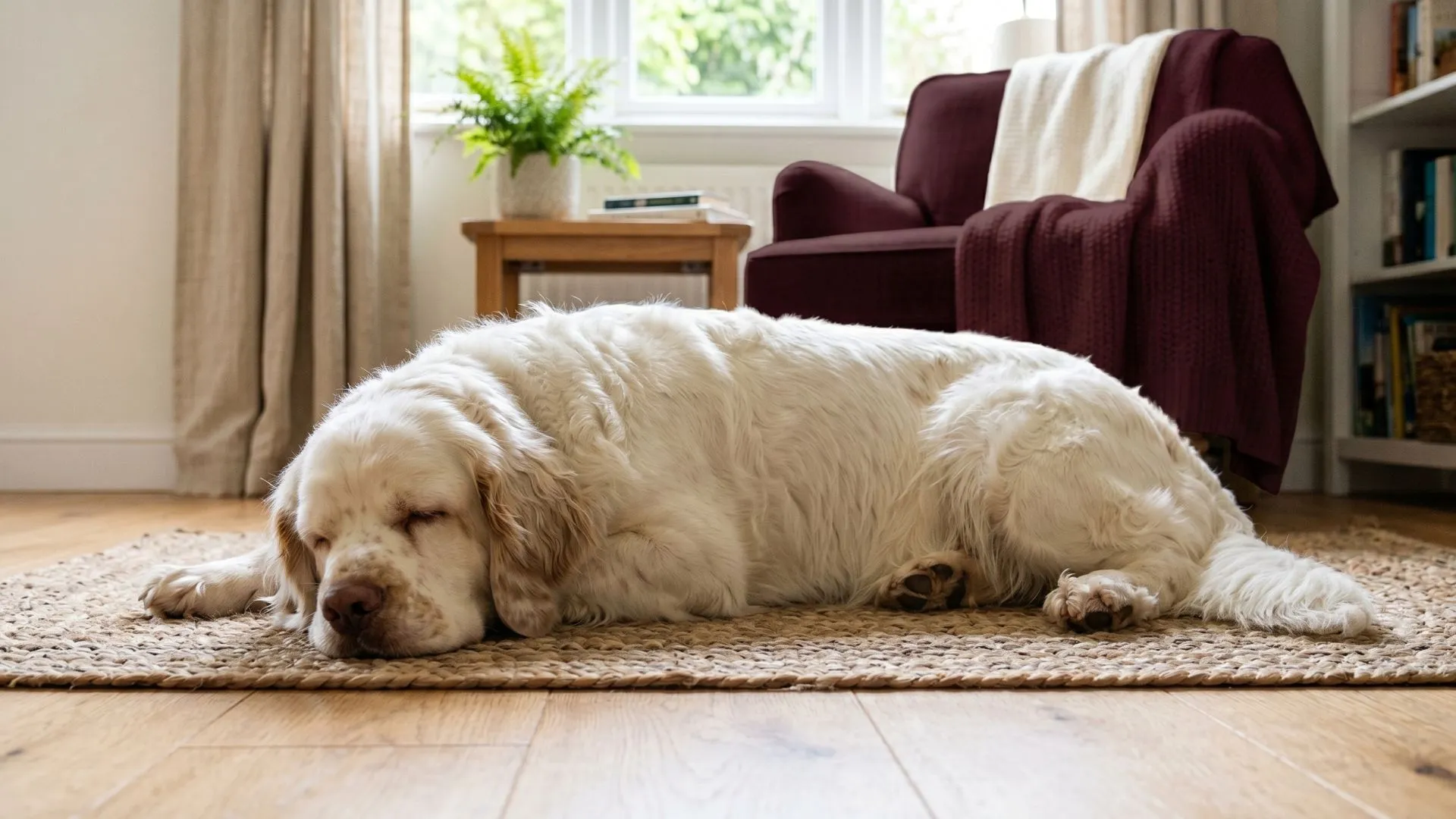
Not everyone wants a dog that treats 6:00 AM like a CrossFit session. Some of us want a furry companion who is perfectly fine with Netflix, naps, and the occasional short walk.
According to the latest survey by the American Pet Products Association, nearly 95 million U.S. households own a pet, and their reasons vary widely. Some keep dogs for protection, some for therapy, and some simply for companionship.
A growing number of owners are actively seeking calmer, low-energy breeds. If your ideal Saturday involves coffee, quiet evenings, and a dog that matches your pace, this list is for you. Here are seven breeds with a genuine zen attitude, built for people who like their mornings slow and their dogs even slower.
Dog Breeds With a Zen Attitude: Perfect for the Relaxed Lifestyle
1. Cavalier King Charles Spaniel
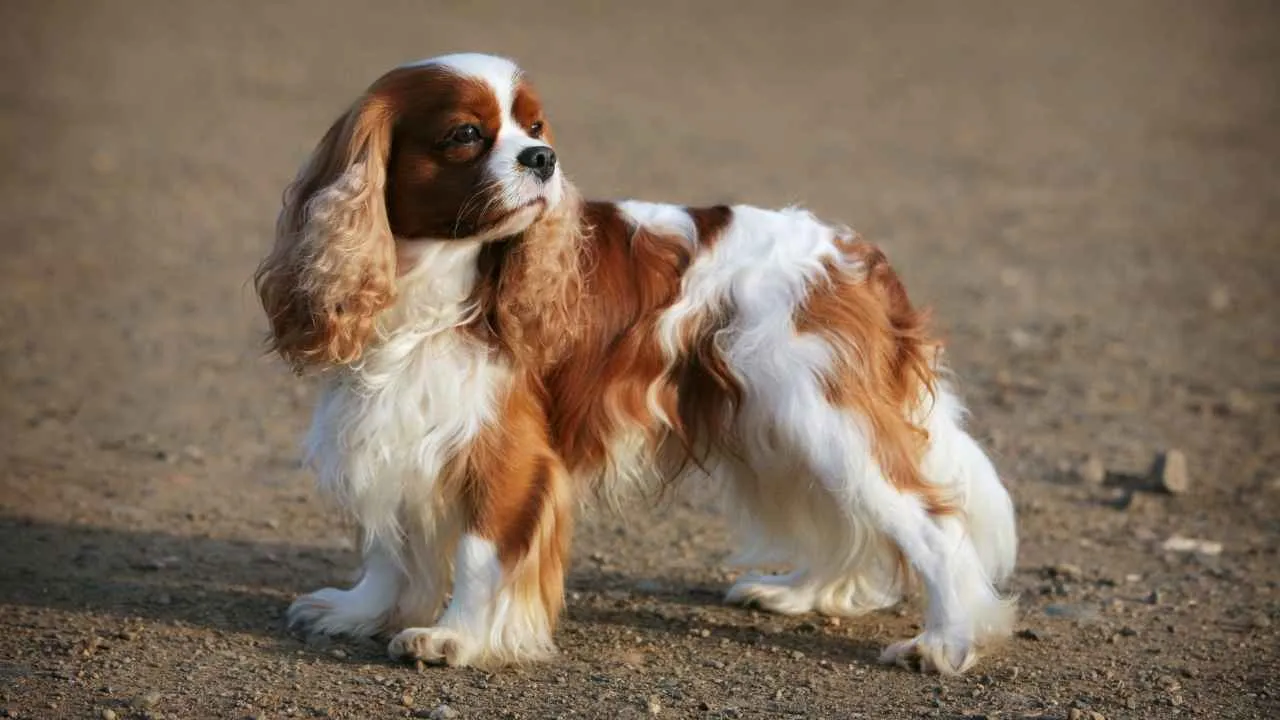
The Cavalier King Charles Spaniel has been a fixture among European aristocracy since the 1500s, appearing in paintings and poetry across the continent. It was later named after King Charles I and his son King Charles II, both of whom adored the breed and were known to bring them along to court, according to Purina UK.
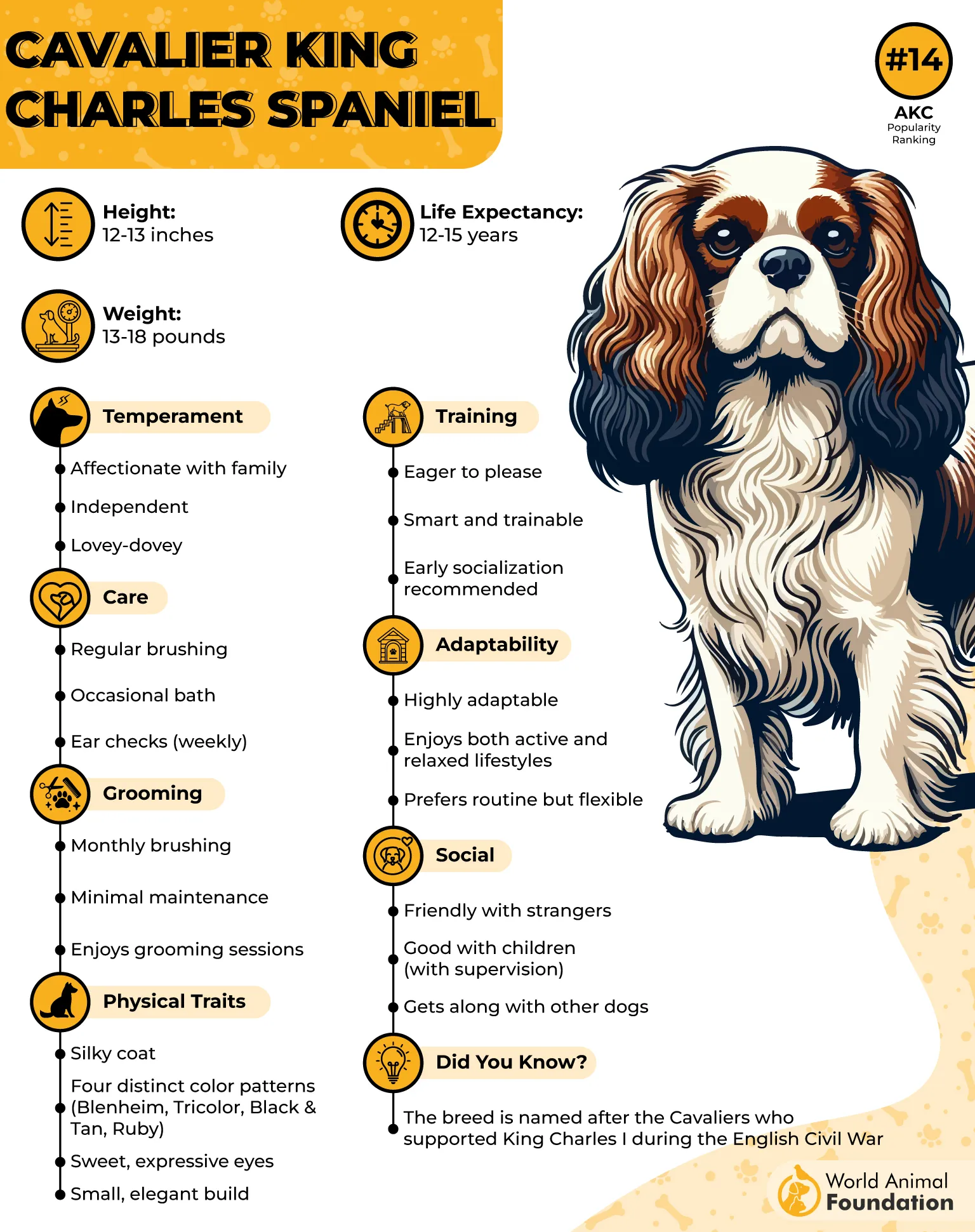
As a brachycephalic breed, its flat face and narrowed airways can lead to breathing difficulties, particularly during outdoor activity in hot weather. It also has a naturally weak mitral valve, which forces the heart to work harder to circulate blood, making a relaxed and gentle daily routine essential for long-term health.
This calm companion forms deep bonds with its owner and can develop separation anxiety if left alone for extended periods. Weighing between 13 and 18 pounds, it has small, delicate joints that benefit from moderate exercise of 40 to 60 minutes daily, ideally split into two shorter walks and supplemented with puzzle toys and light obedience training.
2. Pekingese
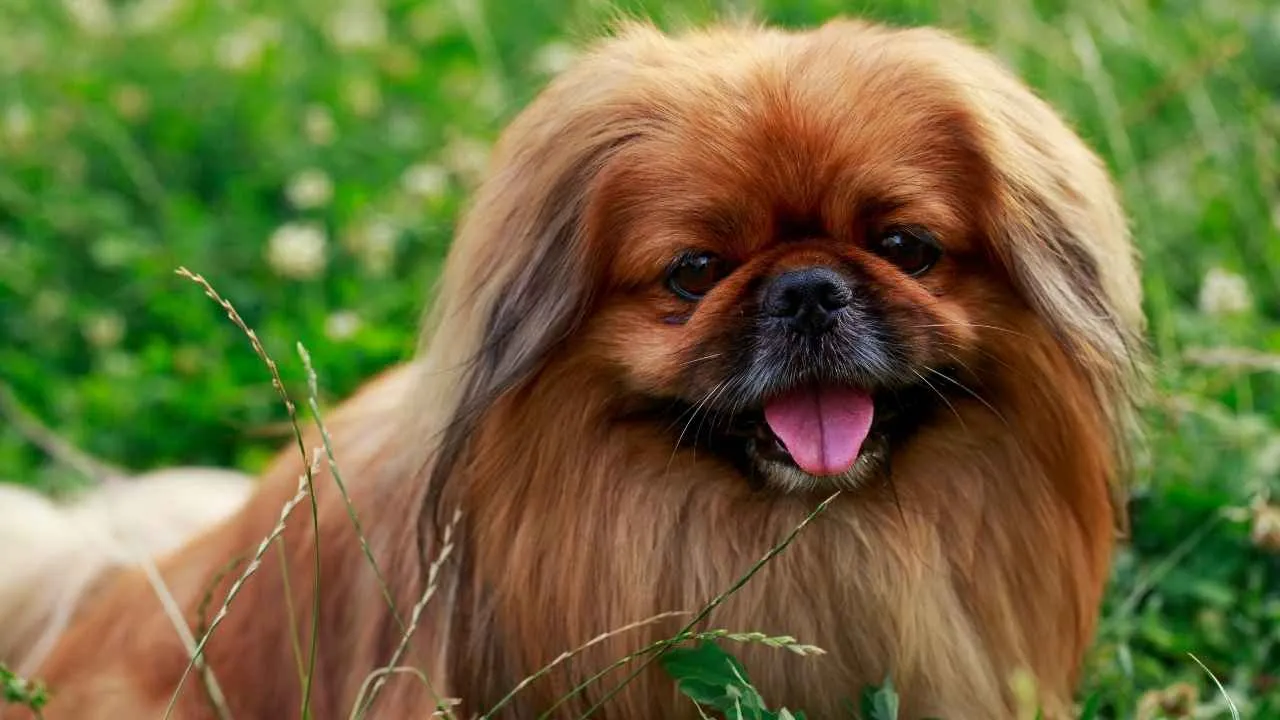
The Pekingese is one of the oldest dog breeds in existence, with roots stretching back 2,000 years to the Tang Dynasty of imperial China. Since the lion held sacred significance in Chinese culture, monks developed a breed designed to resemble one, and the Pekingese was the result.
Ownership was strictly reserved for royalty, and anyone outside the imperial family found keeping one could face the death penalty.
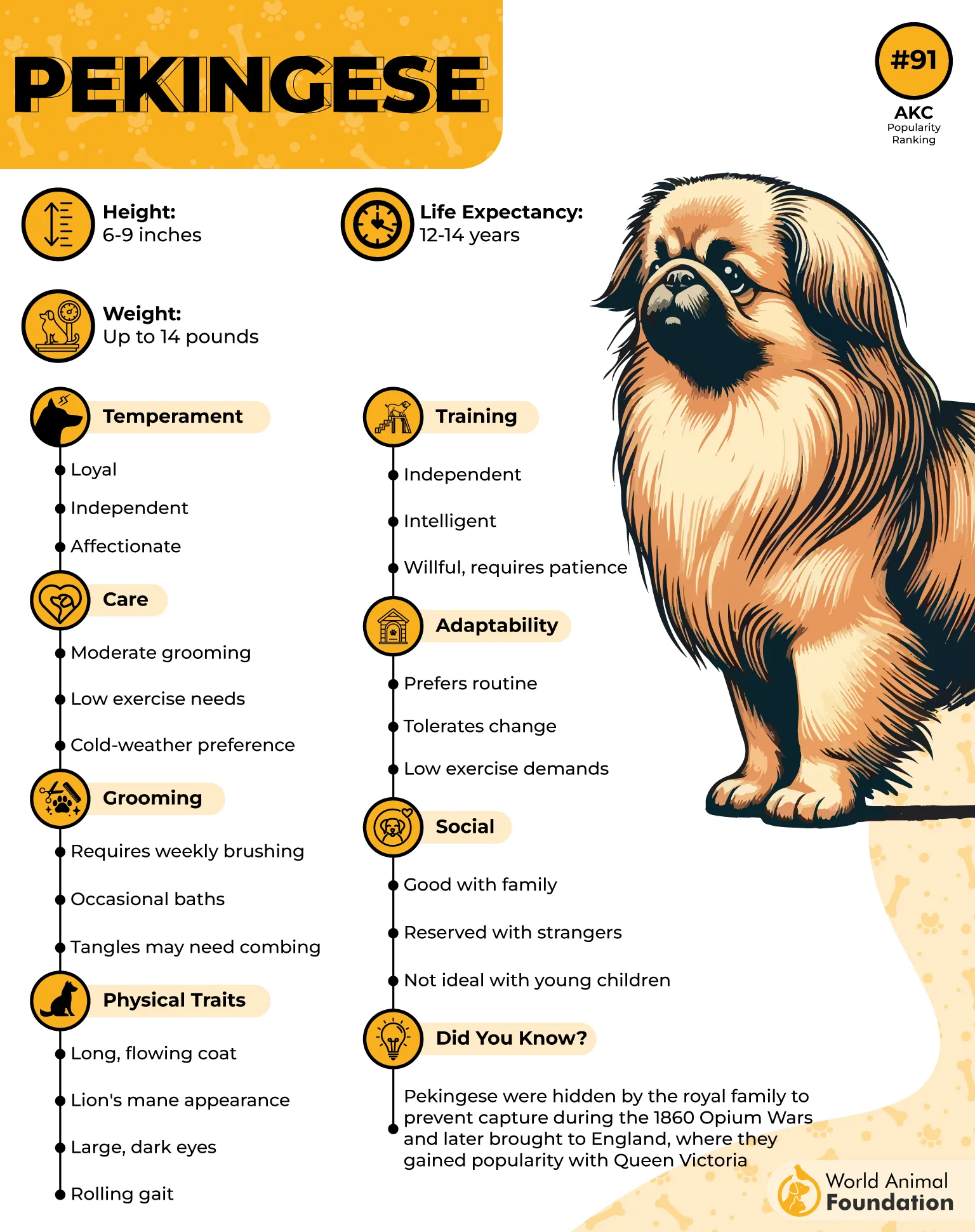
As a brachycephalic breed, it is prone to heatstroke since panting alone is not sufficient to regulate its body temperature in warm conditions. Its short legs, a result of chondrodysplasia, combined with a long back, also make it susceptible to spinal injuries such as intervertebral disc disease (IVDD).
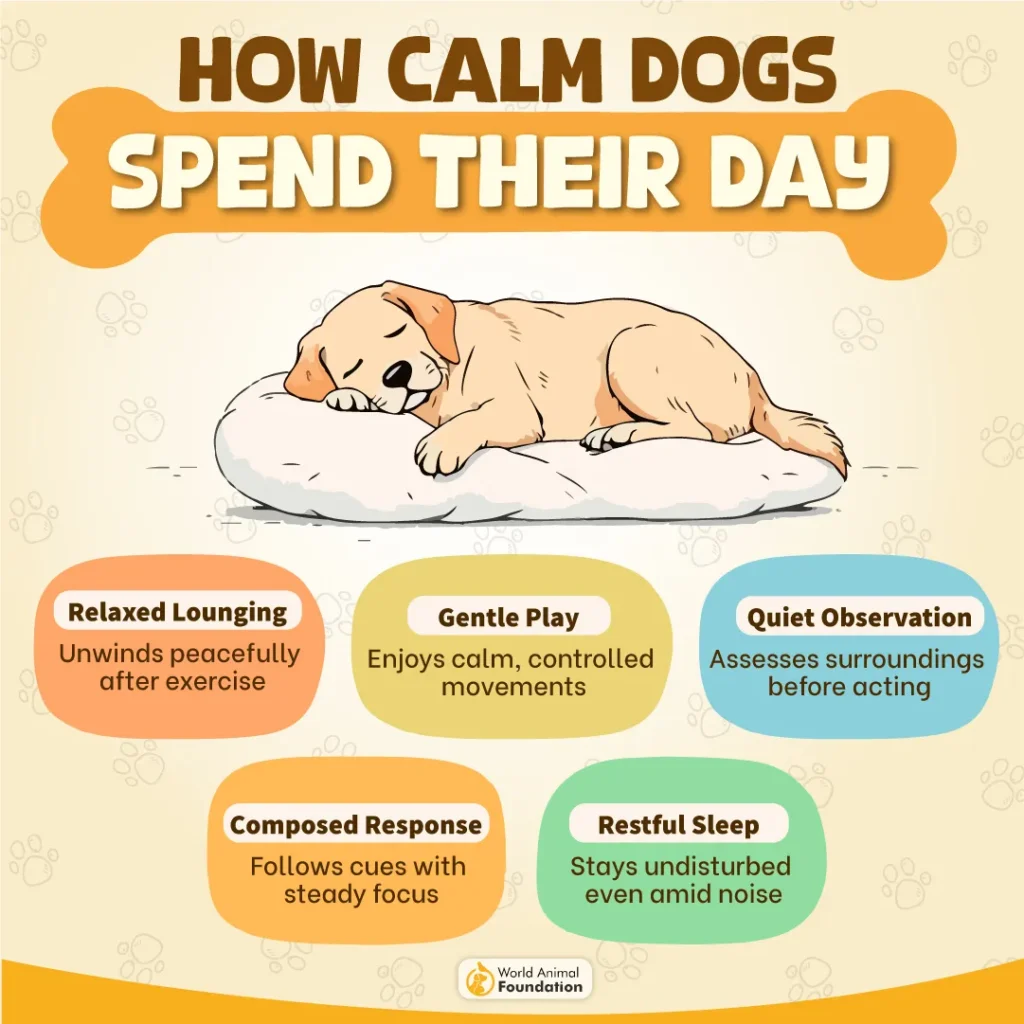
Bred purely for companionship, the Pekingese has a naturally calm demeanor and tends to form deep bonds with one or two people. It requires just 20 to 30 minutes of daily exercise, preferring leisurely short-distance walks and indoor play over anything strenuous. Its independent streak means training requires considerable patience and consistent positive reinforcement.
3. Basset Hound
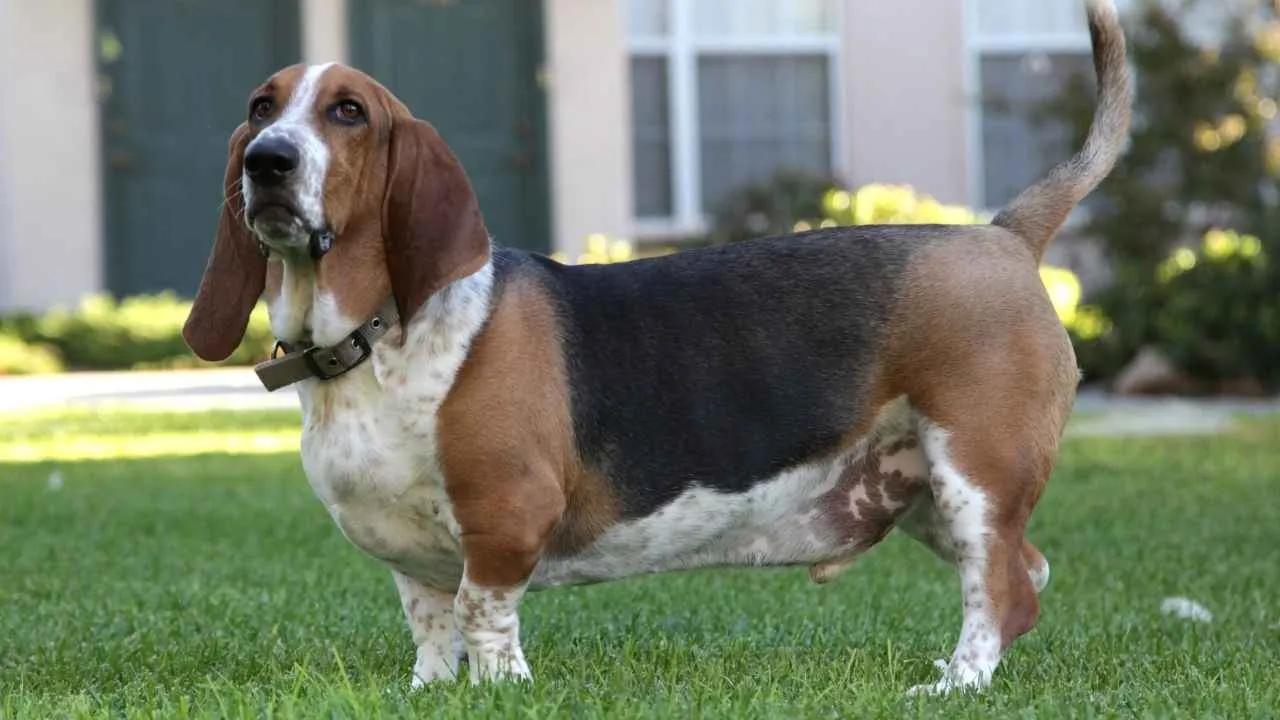
Developed in Great Britain from various French Basset breeds, the Basset Hound is a short-legged scent hound equipped with around 220 million olfactory receptors. It is recognized as having the second strongest sense of smell of any breed, surpassed only by the Bloodhound, according to Wikipedia.
The name “basset” comes from the French word meaning “low,” a fitting description for its slow-slung body, short legs, and heavy bone structure. This build can predispose it to achondroplasia and other joint issues, so high-impact activities such as jumping and jogging should be avoided.
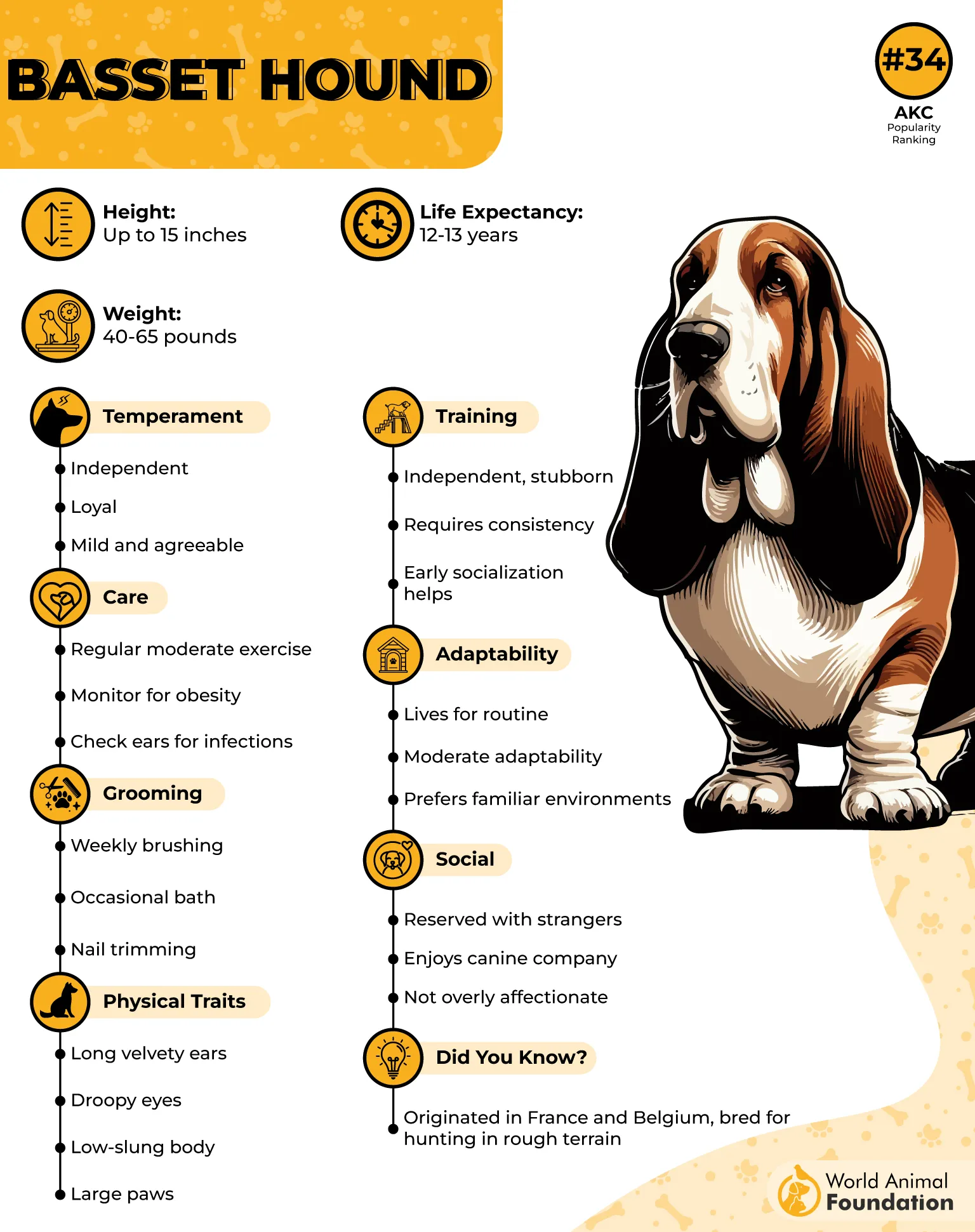
As a dedicated sniffer, it is far more interested in tracking scents along the ground than breaking a sweat with intense cardio.
Its bones account for nearly 25 percent of its total body weight, giving it a naturally low center of gravity that contributes to its famously laid-back disposition. Energy levels are low, and 30 to 60 minutes of daily exercise is sufficient.
While its temperament is generally calm and easygoing, it should always be kept on a leash outdoors, as its strong prey drive can quickly send it chasing a scent with little regard for boundaries.
4. Pug
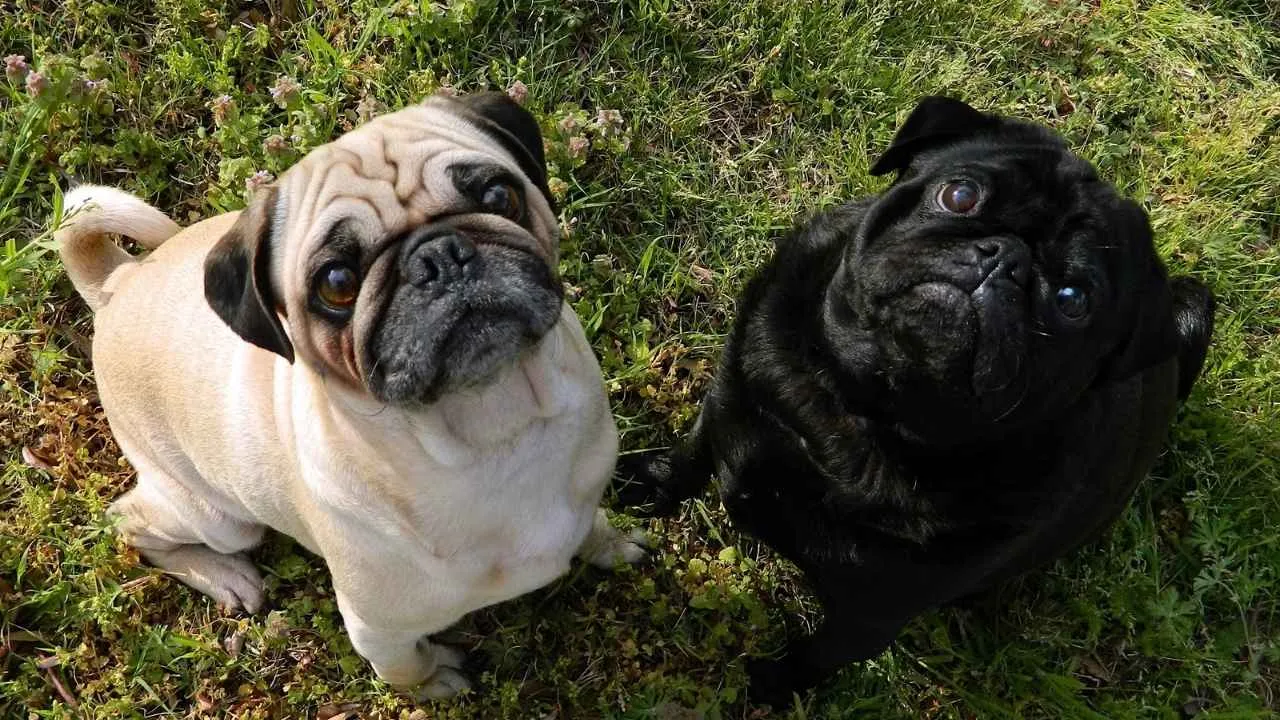
This sweet and affectionate little dog originated in China around 2,000 years ago, bred solely to sit in the laps of royal families. It later became a celebrated figure in Dutch history after a Pug reportedly saved the life of William I of Orange by barking to warn him of an approaching threat, earning the breed a lasting place of honor in the royal House of Orange.
With its “Multum in Parvo” temperament, meaning a lot of dog in a small package, the Pug is exceptionally well suited to apartment living. It stands 10 to 13 inches tall and weighs between 14 and 18 pounds. Its velcro nature means it loves staying close to its owner, and studies suggest that patting a Pug can actively reduce stress hormones like cortisol.
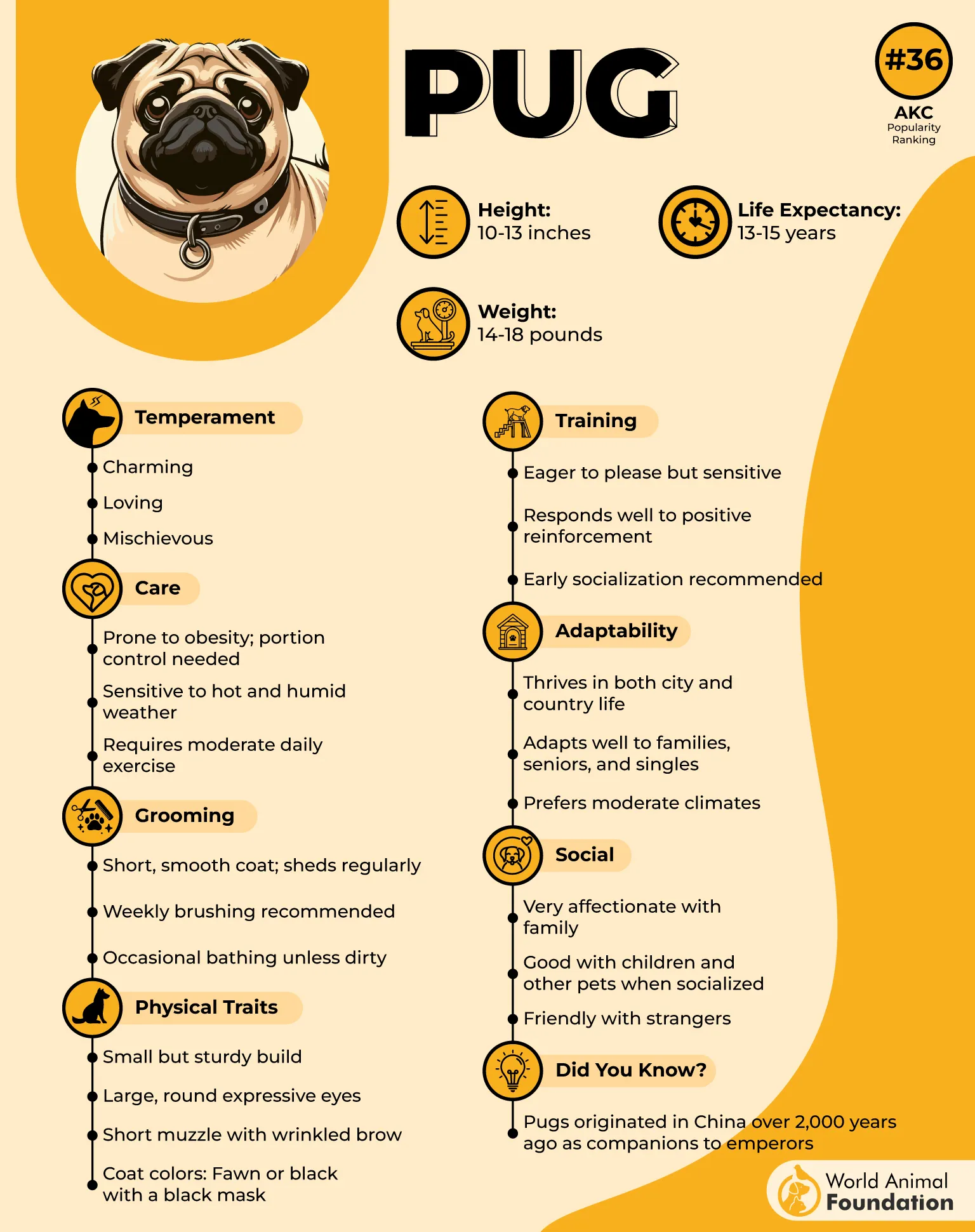
The breed sleeps at least 12 to 14 hours a day, making it an ideal companion for calmer households. Its high emotional intelligence allows it to read body language and facial expressions with remarkable accuracy.
Daily exercise needs sit at 30 to 60 minutes, best divided into two or three shorter sessions. Swimming should be avoided due to its brachycephalic build, and a life jacket is essential if it is ever near water.
5. Tibetan Spaniel
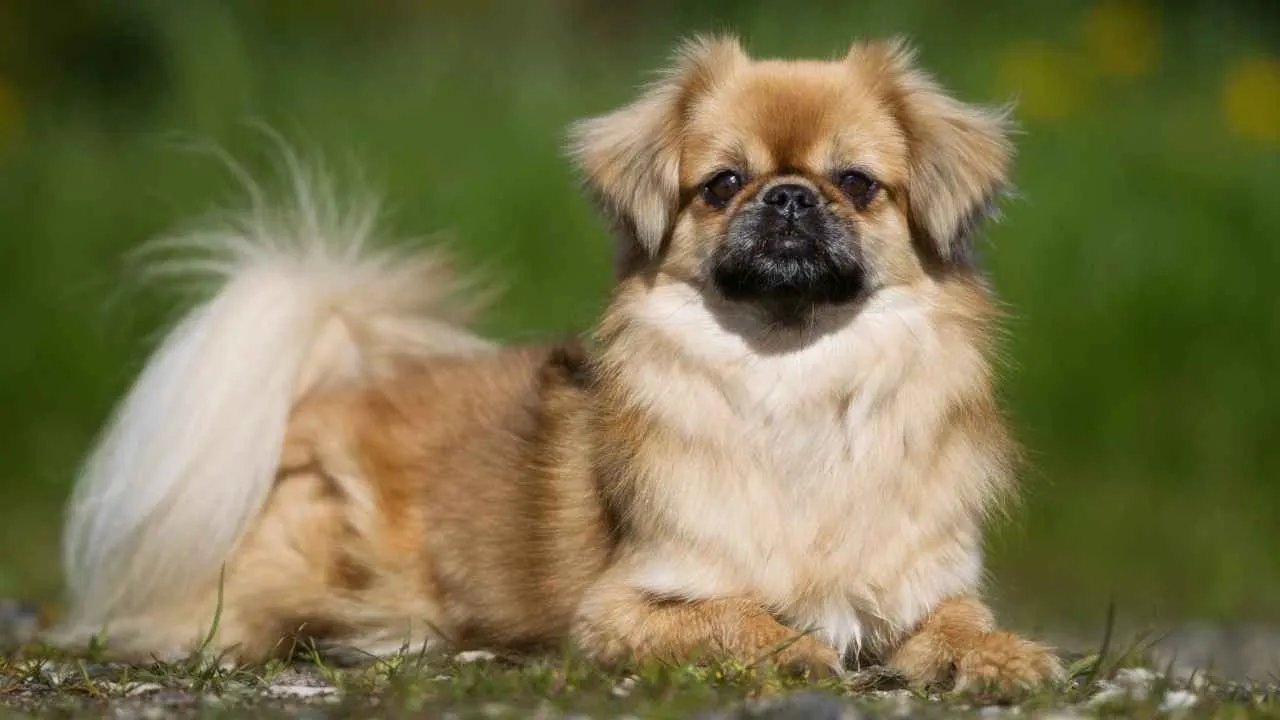
Originating in the Himalayan Mountains of Tibet some 2,000 years ago, the Tibetan Spaniel was bred to perch on monastery walls and alert monks to approaching predators such as bears and wolves, according to PetMD. Weighing between 9 and 15 pounds and standing 10 inches tall, it is a natural fit for a small and quiet home.
Its soft bone structure makes it prone to patellar luxation, so soft surfaces such as carpeted floors and rugs are strongly recommended. The breed carries a distinctly cat-like personality: it self-cleans by licking its paws and coat, gravitates toward elevated spots to survey its surroundings, and values its independence. Early socialization is important to prevent stubbornness from taking hold.
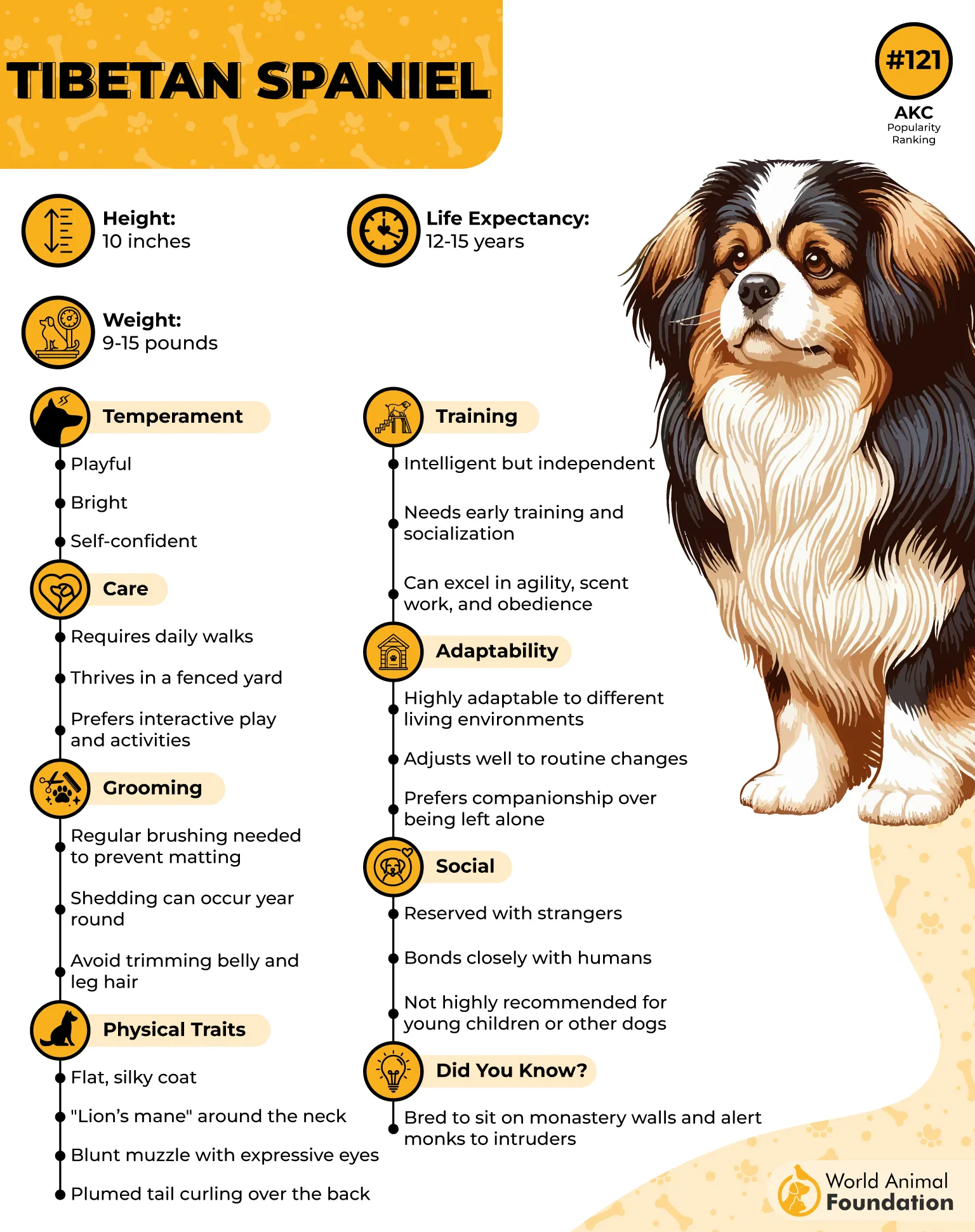
Unlike most spaniel-type breeds, the Tibetan Spaniel has a low prey drive and shows little interest in chasing squirrels or rabbits around the yard. It needs around 30 to 60 minutes of daily activity, and given its nature as a sniffer, scent-based activities, gentle mental challenges, and relaxed walks are far better suited to it than high-energy exercise.
6. Clumber Spaniel
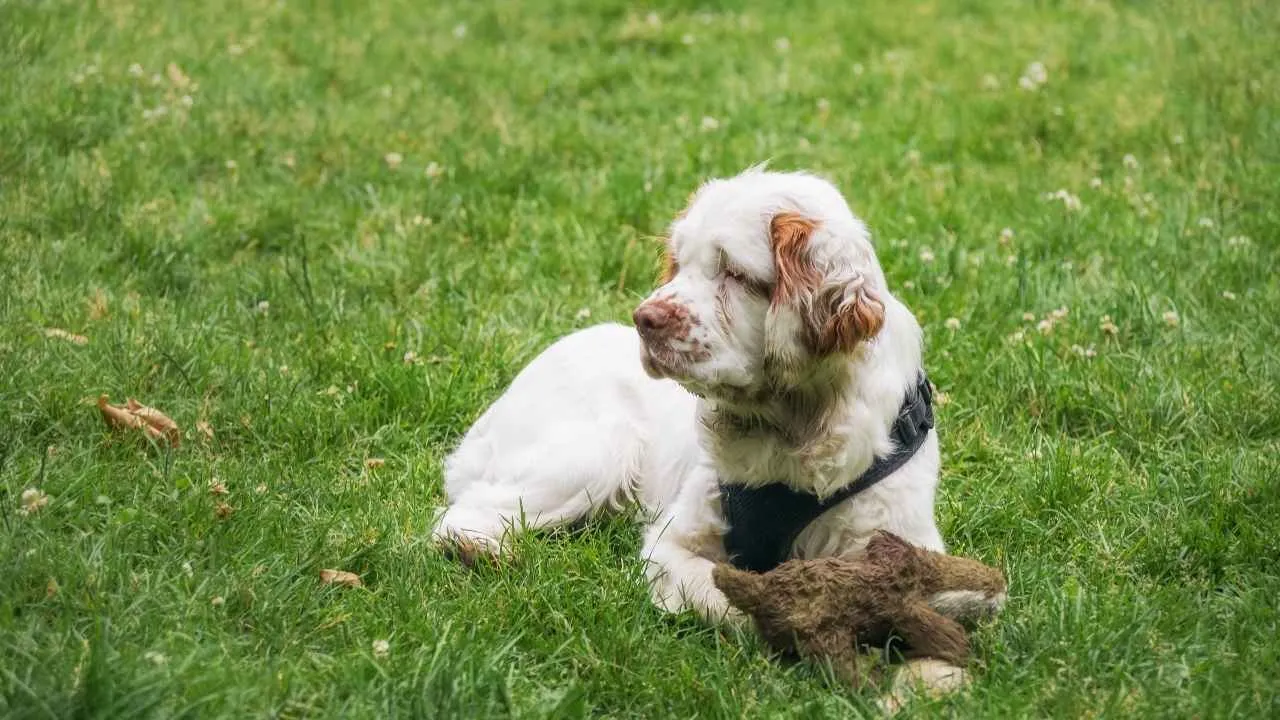
The Clumber Spaniel is the largest of all Spaniel breeds and originated in the United Kingdom, where it was primarily used as a gundog for hunting in heavy cover. Naturally reserved around strangers, it is deeply loyal and affectionate with family members, children, and other pets.
The breed has a distinguished history among royalty, with notable admirers including Prince Albert and King George V.
Its short legs, massive head, heavy bones, and long double coat give it an unmistakable appearance. The dense coat offers excellent protection in cold weather but makes the breed highly sensitive to heat.
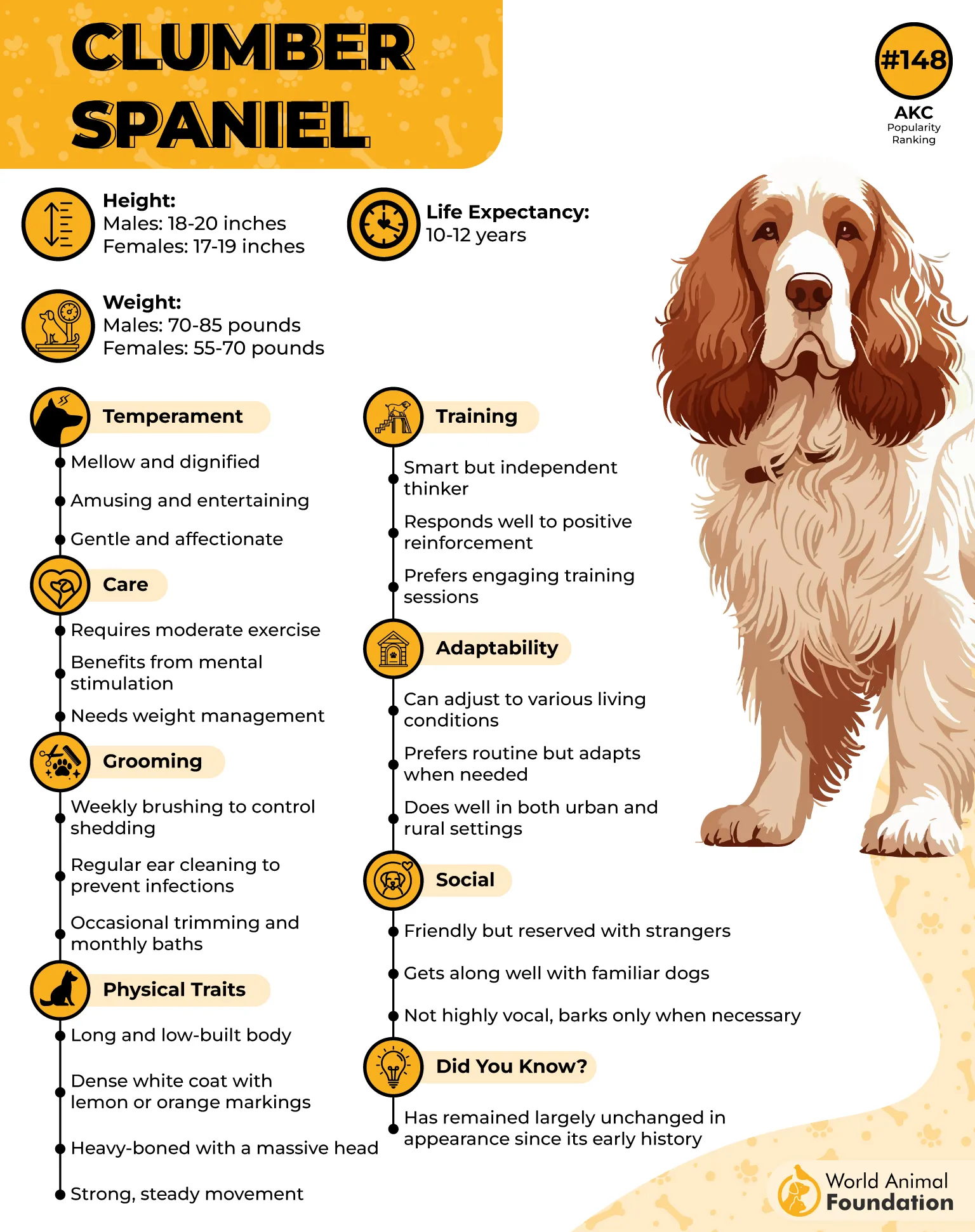
Its heavy build can also predispose it to joint and spinal issues, so activity should be managed thoughtfully. True to its hunting heritage, it has a charming habit of carrying objects in its mouth, whether shoes, toys, or anything else within reach, a quirk that brings plenty of quiet amusement to calmer households.
Rather than relying on speed, the Clumber moves deliberately through dense terrain, using its stamina to flush out game. Exercise needs are moderate to high at 60 to 90 minutes daily, with swimming, indoor play, and brisk walks all being excellent outlets. Because the breed is prone to obesity, a controlled diet and careful management of treats are strongly recommended.
7. Saint Bernard
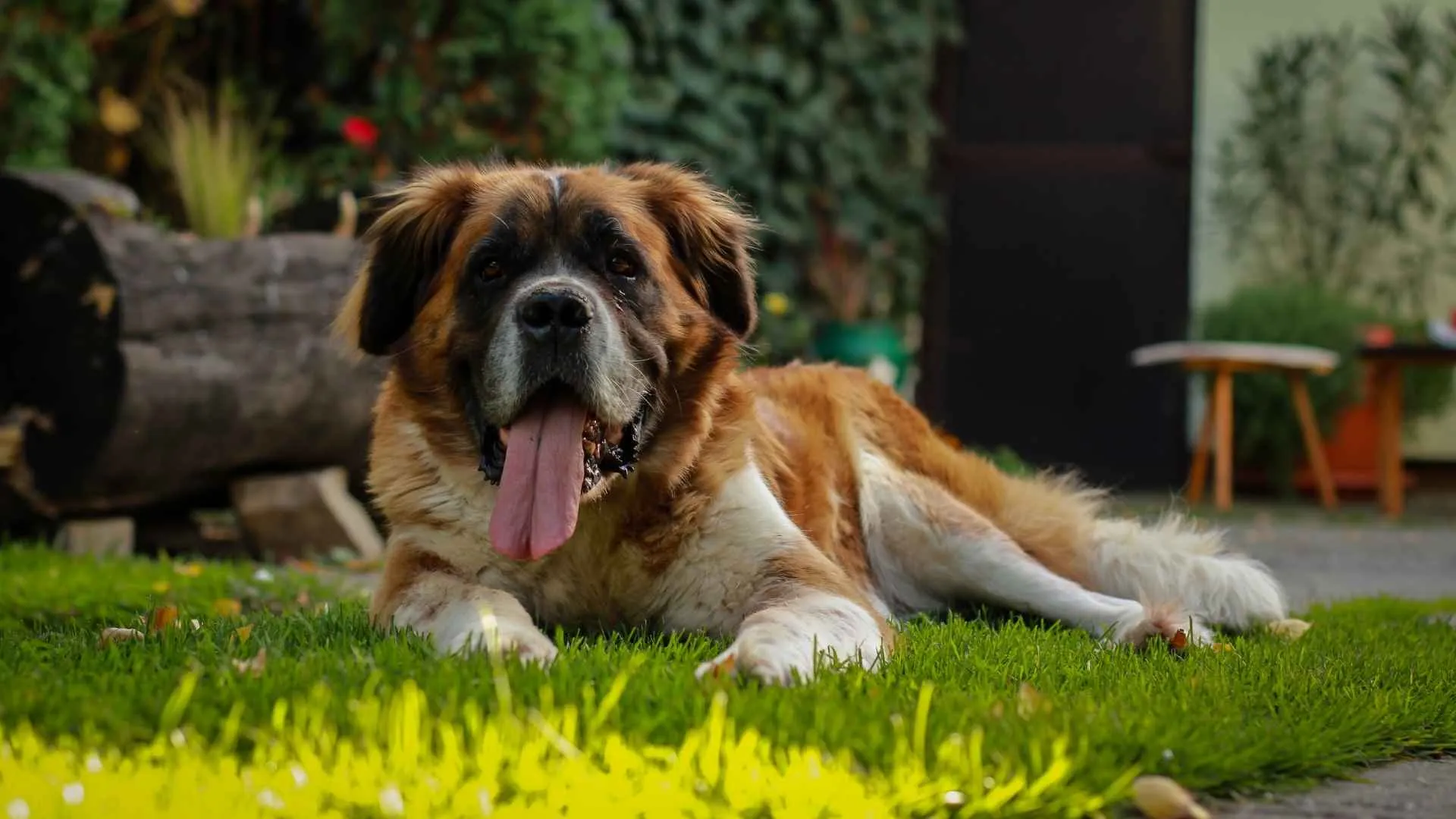
Developed and trained by monks in the Swiss Alps during the 1600s, the Saint Bernard was bred to search for and rescue travelers trapped in snow. It would drag victims to safety, lick their faces to keep them conscious, and wrap its massive body around them to share warmth. Weighing between 120 and 180 pounds, it is a true gentle giant in every sense.
Despite its imposing size, the Saint Bernard has a calm and gentle temperament paired with a low anaerobic threshold, meaning it tires more easily than its frame might suggest.
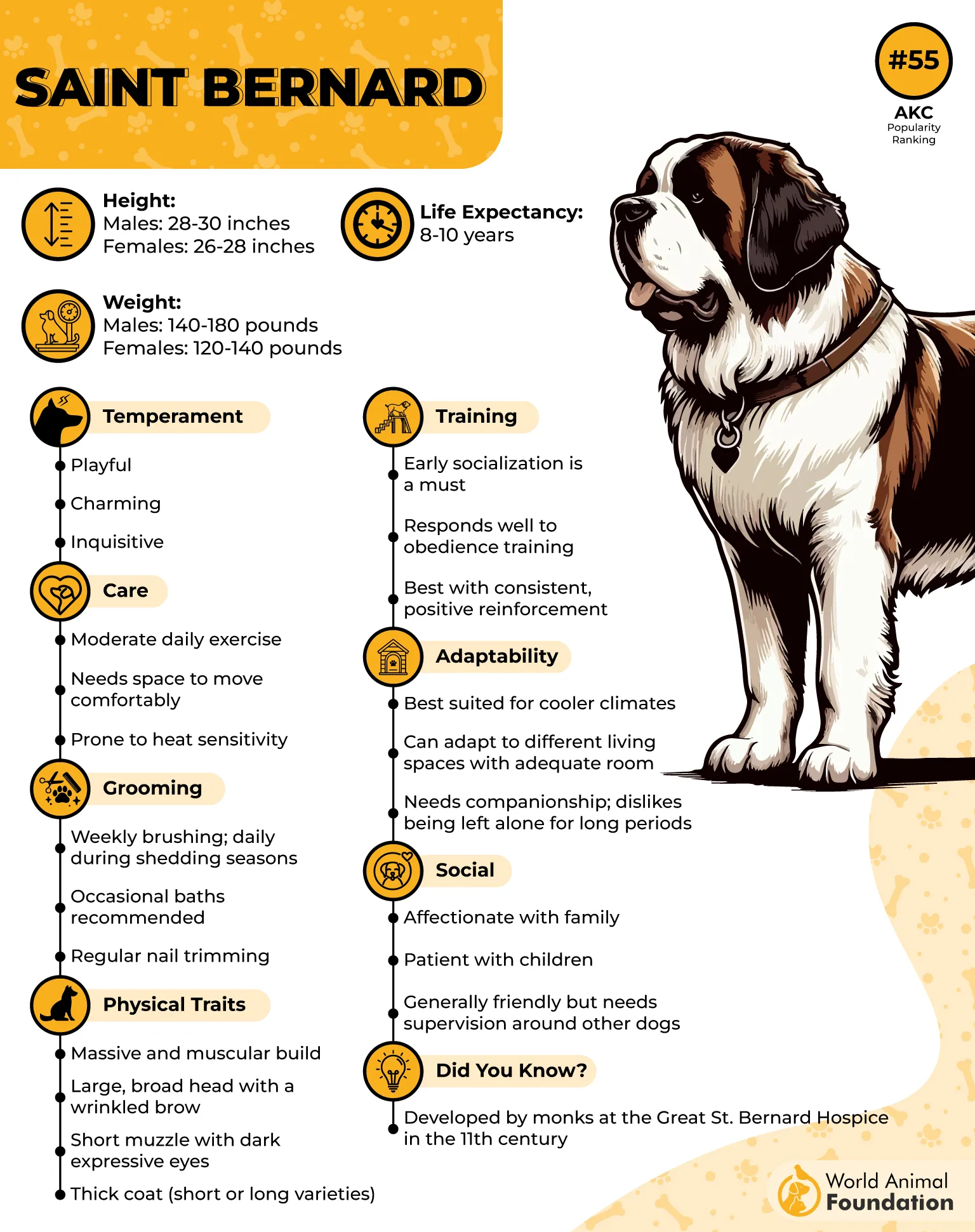
This mismatch between size and stamina makes it perfectly content lounging on the couch rather than causing chaos around the house. A slower metabolic rate further contributes to its naturally unhurried approach to daily life.
Bred specifically for rescue rather than pursuit, it has a low prey drive and undemanding nature. Just 30 to 60 minutes of daily exercise is sufficient, ideally through gentle play sessions, off-leash time in a garden, and long walks at a relaxed pace.
Conclusion
People with a relaxed lifestyle always need someone by their side to cuddle. Not everyone wants a dancing and yappy breed that turns your home upside down. Whether you are a busy person who wants to have a cuddly friend after a hectic and tiring day or a loner looking for someone to help you with stress and anxiety, this guide is for you.
Be it a steady, angelic nature of a Saint Bernard or the sharp protective instincts of a Basset Hound, there is always a breed perfect for your lifestyle, mood, and needs. By giving required attention, regular grooming, and a structured routine, you can have a perfect partner for life.
