




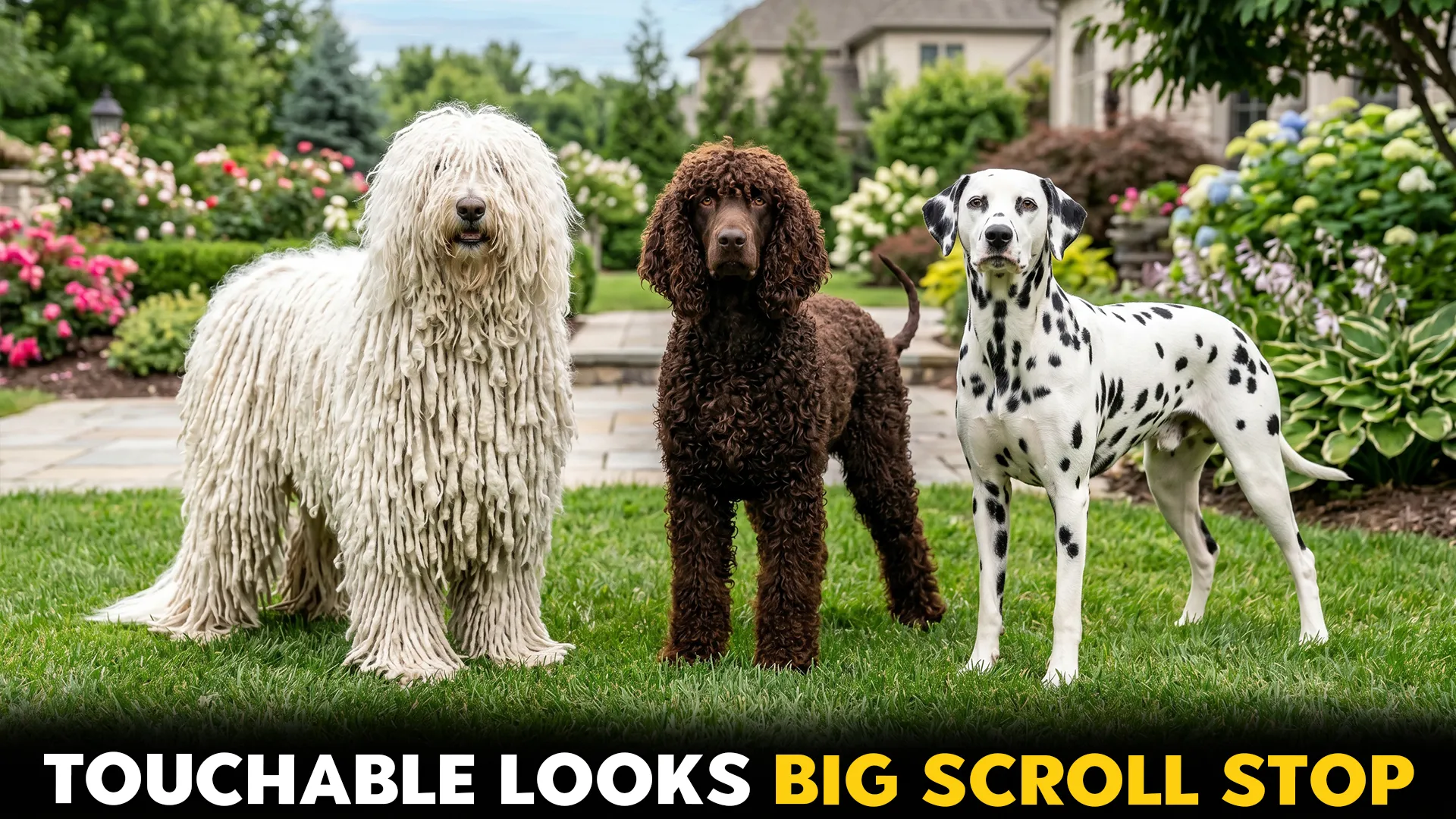
Some dogs have fur. These dogs have statements.
Because there is a massive difference between a standard, run-of-the-mill dog coat and the kind of coat that makes strangers stop mid-stride, tilt their head sideways, and genuinely ask, “WAIT. What is that?”
The canine world is full of coat types.
Smooth coats. Double coats. Long coats. Curly coats. Wire coats.
And then there is a completely separate category for the breeds on this list.
Where the coat is so unusual, so visually distinct, so texturally wild that it defines the entire breed identity.
We are talking corded ropes that reach the floor.
Ringlets so tight they look sculpted.
Wiry, almost crunchy outer coats that somehow feel intentional.
Silky waterfalls of hair that move like fabric.
And every single one of them comes with grooming needs that range from “consistent effort” to “please budget for a professional groomer.”
Beautiful and unique things require work. That is just the arrangement.
These are some amazing dog breeds with unique coat textures.
Amazing Dog Breeds with Unique Coat Textures
1. Komondor
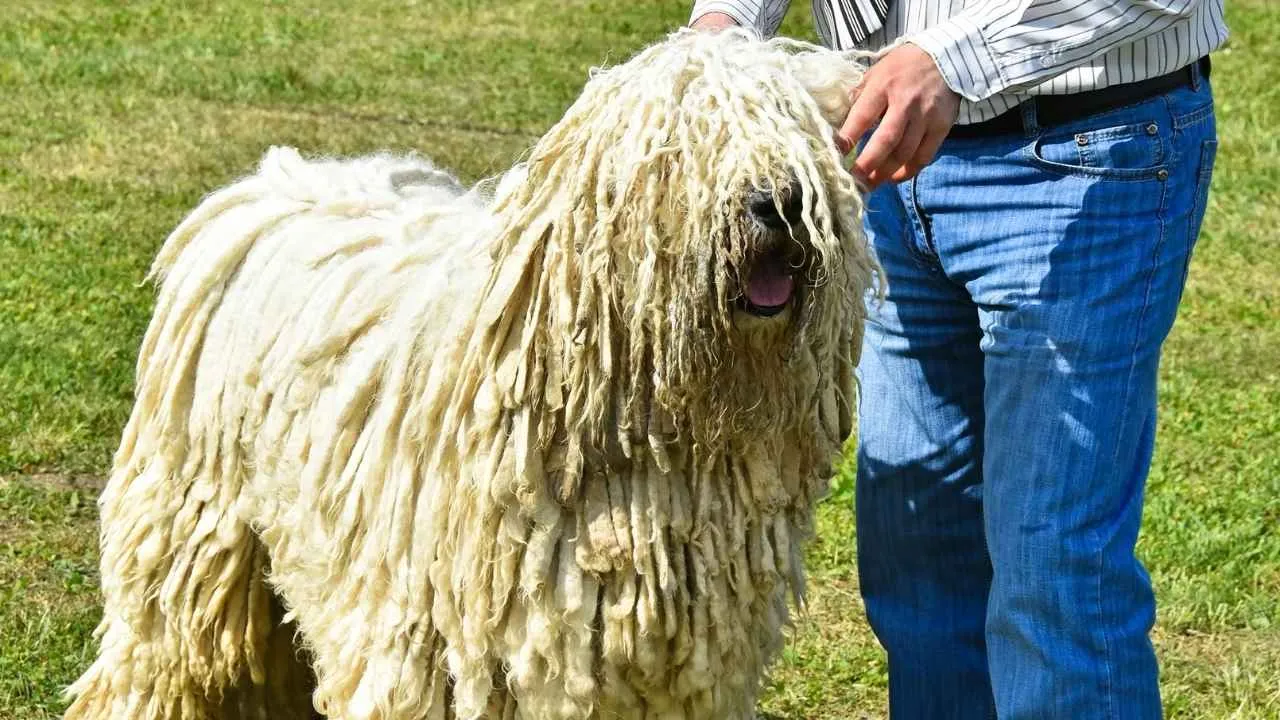
Those long, thick, rope-like cords covering the Komondor from head to tail…
One of the most dramatic and instantly recognizable coat types in the canine world. There is nothing else like it.
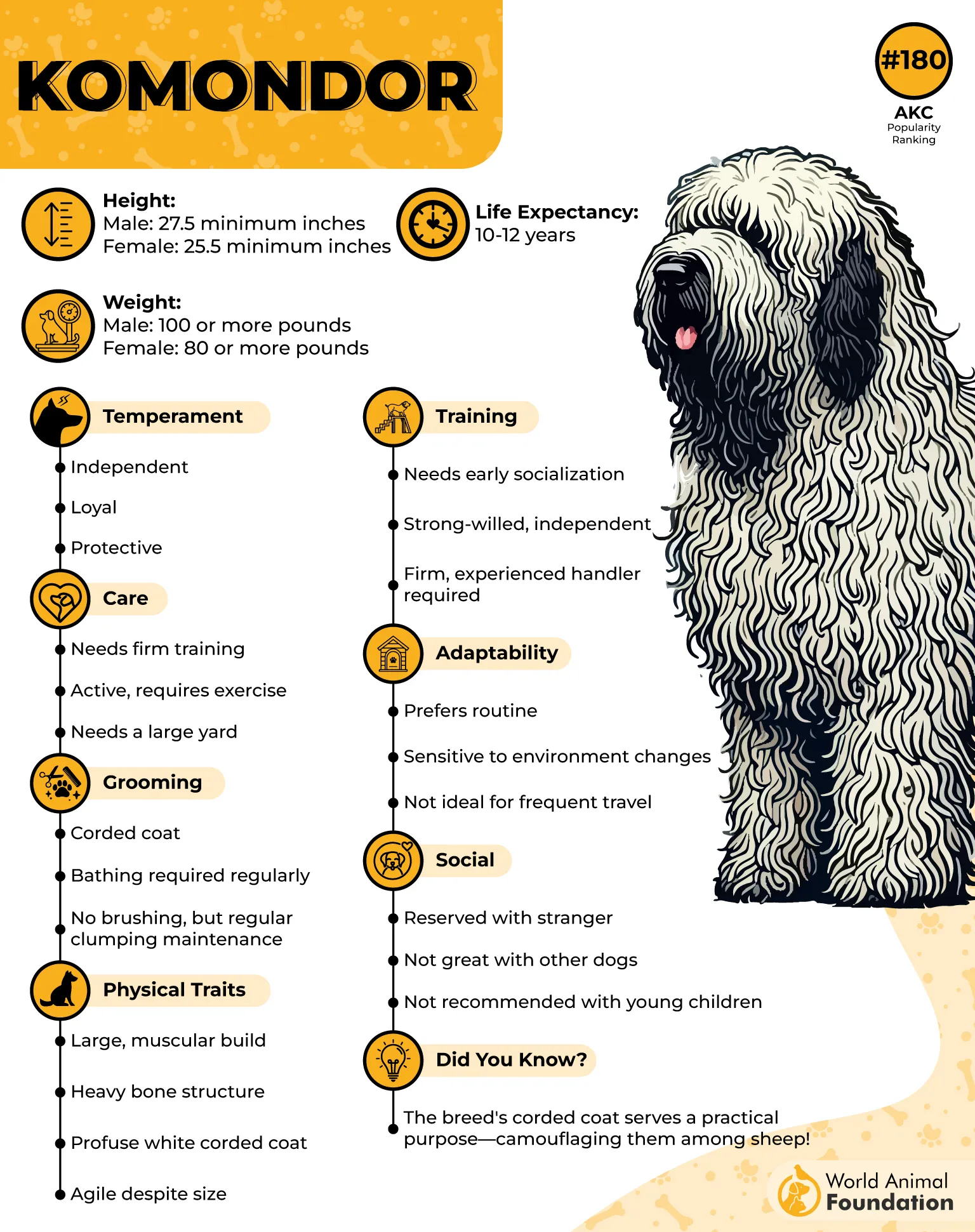
These cords are formed from the dog’s dense undercoat and outer coat, naturally tangling together over time. But human help separates each cord individually during development.
Left completely unmanaged, the coat mats into solid sheets rather than distinct ropes.
So, yes, the work is real and annoying.
What those cords actually do (beyond looking stunning) is protect. The Komondor was originally bred to be a livestock guardian dog in Hungary. Their job was to guard the livestock, and that thick, corded coat protected them from wolf bites and harsh cold weather.
Adult cords can reach floor length and weigh a significant amount. Purina suggests never giving them regular brushing, but regular bathing is the way to go with this dog.
Bathing a fully corded Komondor takes time and a thorough drying to prevent mildew deep inside the coat.
Regular grooming with this corded dog is not a casual weekend task.
But when you maintain the coat properly, and those cords swing as the dog goes by, nothing compares to that.
2. Irish Water Spaniel
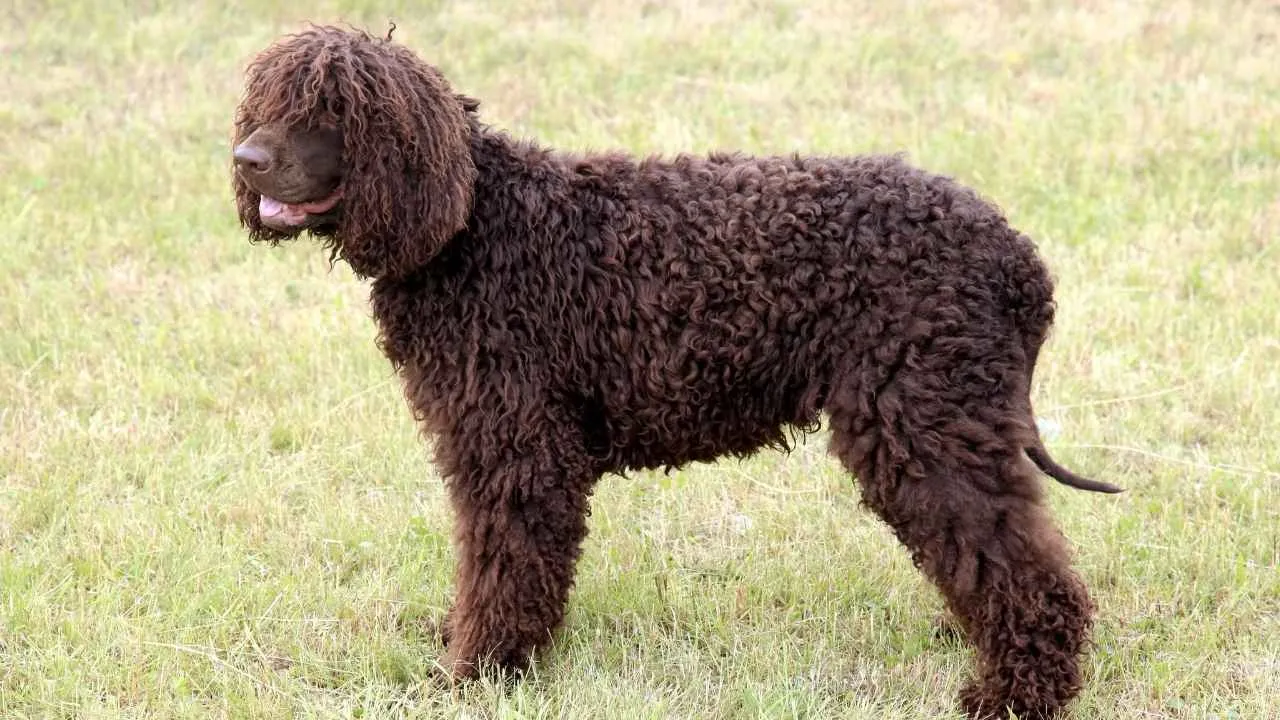
The Irish Water Spaniel has one of the most stunning curly-coated textures in the dog world.
It comes with a topknot of loose curls on the head that gives this curly-coated dog breed a tousled, just-rolled-out-of-bed look.
The coat is dense, tightly curled, and has an oily quality. That makes its coat water-resistant.
This water dog breed was developed for water retrieval, so the coat type is purely functional. The natural oils in the coat repel water rather than absorbing it, and keep the dog insulated even after repeated water entries.
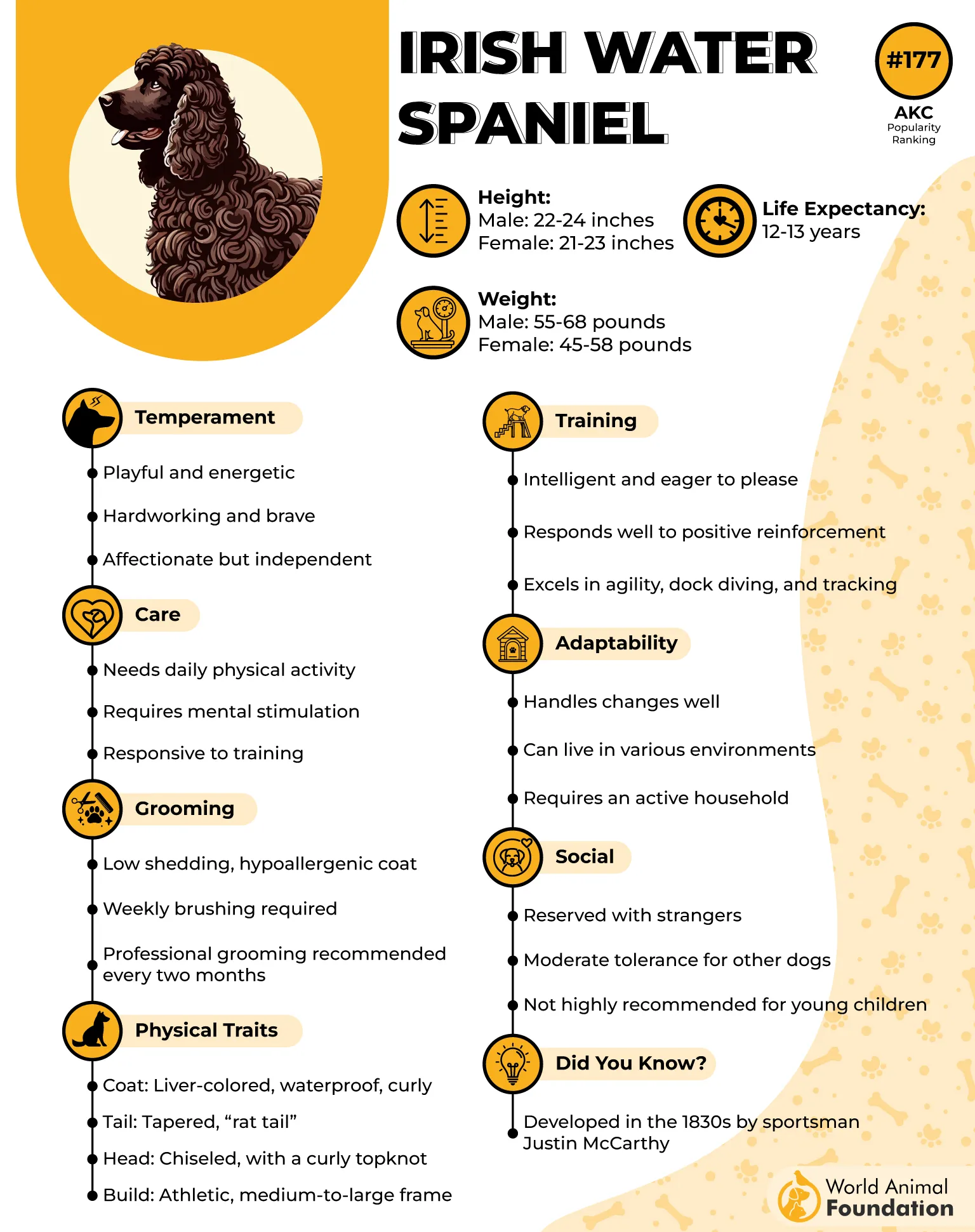
The curly coat covers the body except the face and a distinctive “smooth-coated” tail, which is one of this breed’s features, other than those tight ringlets.
Regular grooming is important here. Those curls need consistent attention to remove dead hair and prevent mats from forming deep in the coat.
A professional groomer familiar with curly-coated dogs is worth having on SPEED DIAL!
Overbathing strips the natural oils. Frequency is important, but so is the technique with the Irish Water Spaniel.
3. Coton de Tulear
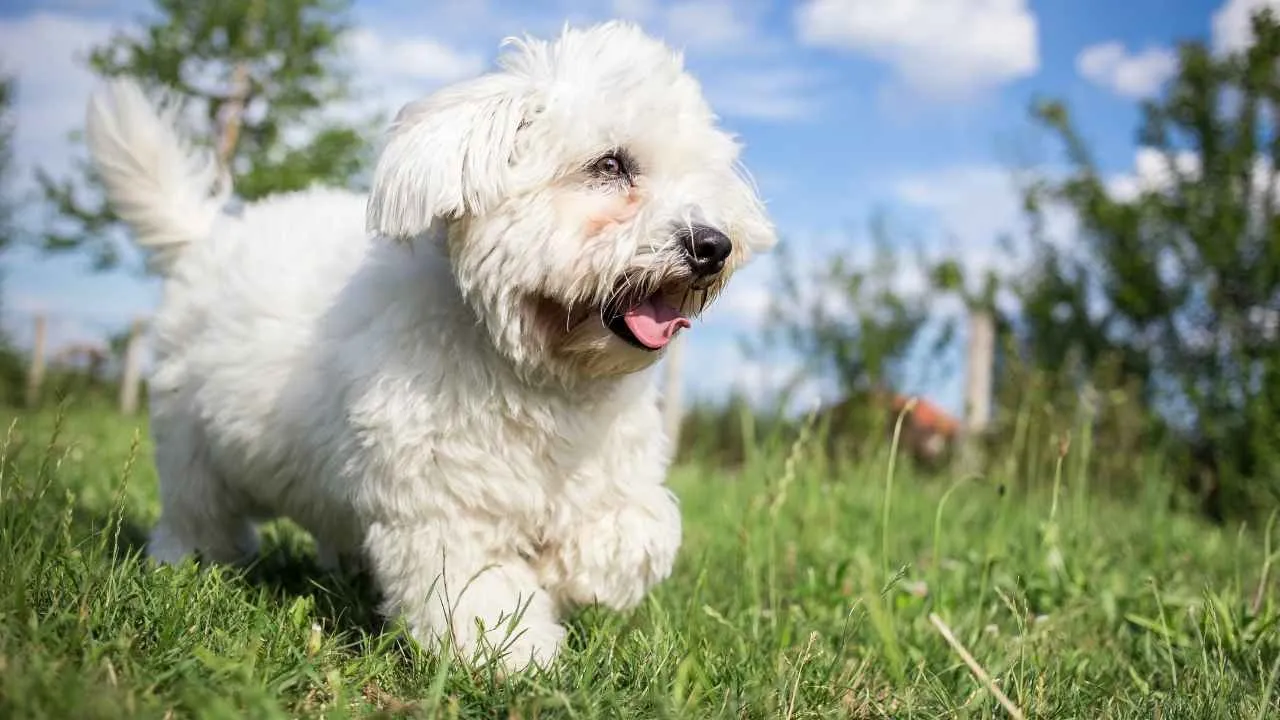
The Coton de Tulear has a coat that feels exactly like its name sounds.
Cotton. Soft, fluffy, impossibly tight cotton.
That coat has a unique texture that sits somewhere between silky hair and plush cloud. It moves with the dog in a way that makes every step look slightly floaty.
Unlike many long-haired dogs, this dog’s coat is unique. It is a single coat rather than a double coat. That means it behaves differently from most fluffy dog breeds.
It does not have a dense undercoat that causes heavy seasonal shedding in double-coated dogs. Instead, it grows continuously and needs regular grooming to stay tangle-free.
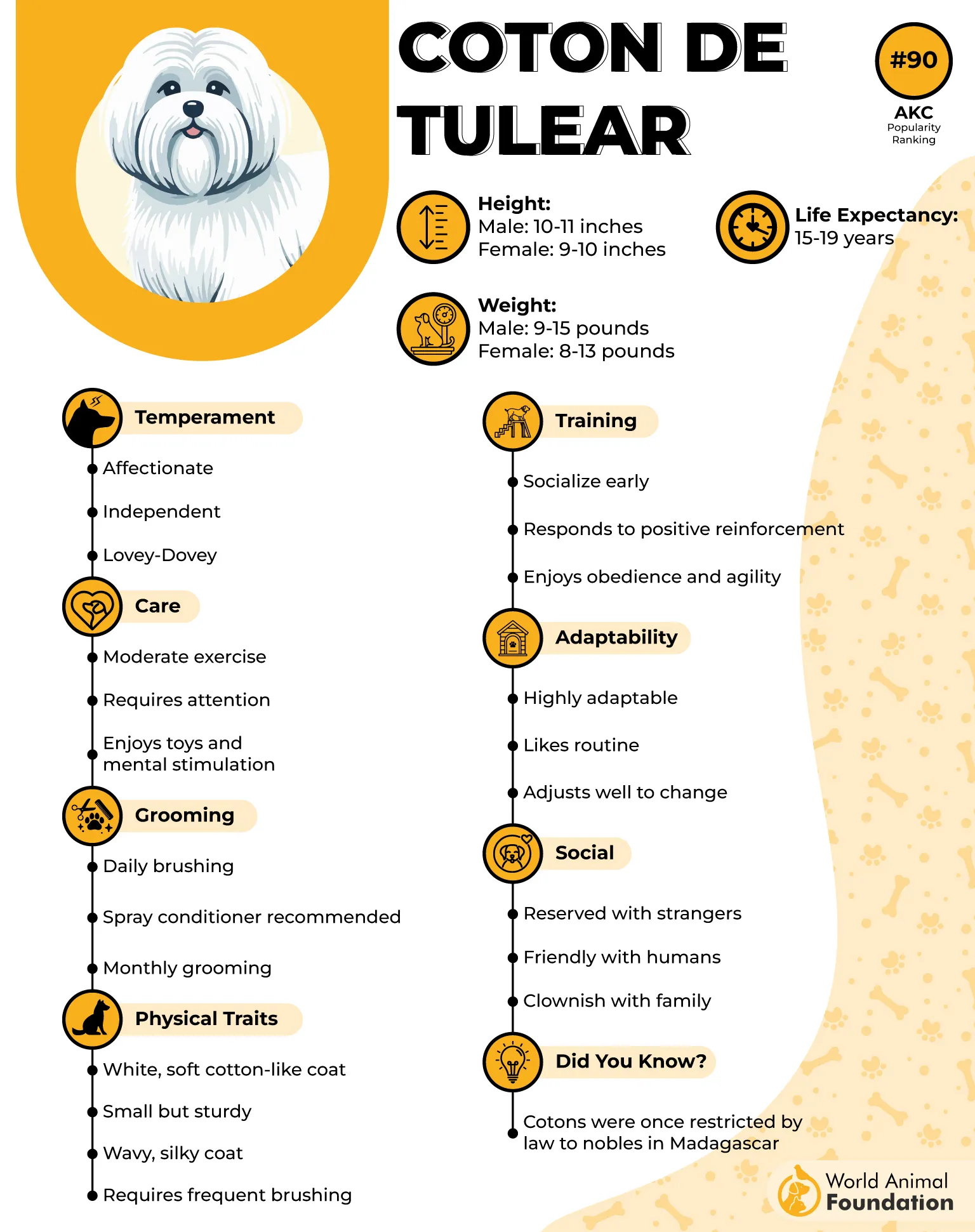
Daily brushing is a MUST. That soft, fine coat catches knots, and skipping brushing sessions leads to mats that are difficult to remove. A slicker brush and a gentle detangler are your best friends with this dog breed. Omlet recommends taking them for professional grooming twice a year.
Small dog, big coat personality, and a unique texture.
4. Wirehaired Pointing Griffon
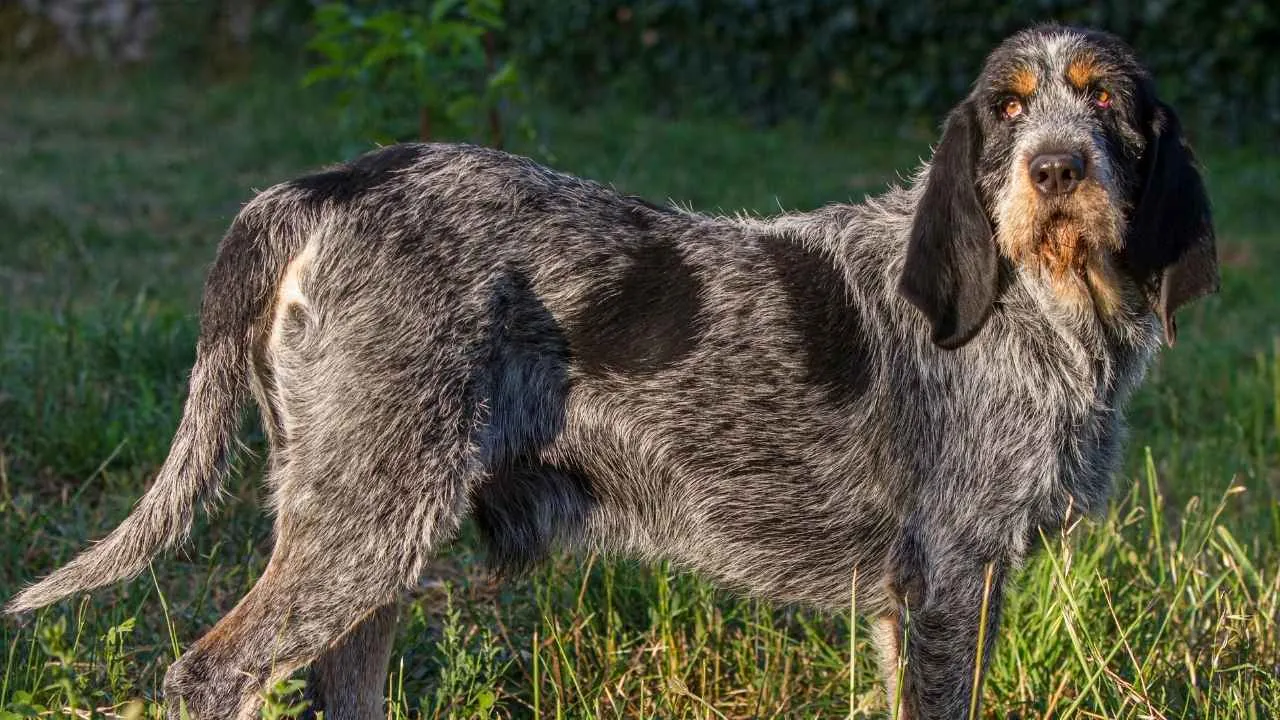
The Wirehaired Pointing Griffon has the most interesting coat in terms of texture.
The outer coat is harsh, wiry, and almost coarse to the touch. It has a rough coat texture, as if the dog were designed for durability rather than softness.
Underneath, a dense undercoat provides insulation and protection to this hunting dog. The combination creates a double coat system that stands out.
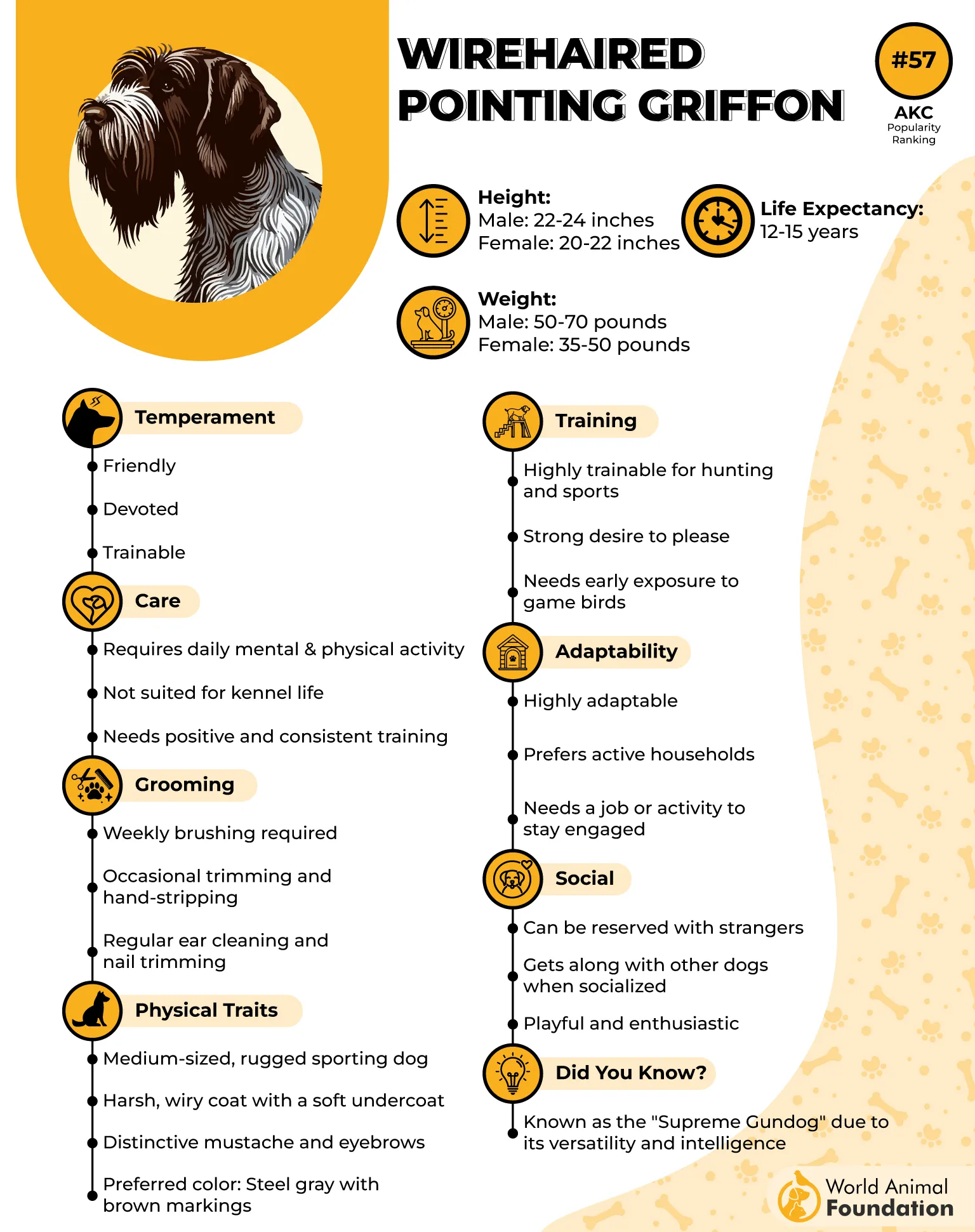
These wire-coated dogs are not hyped for looks, but their wire coat was developed to protect the Griffons from dense brush, thorns, cold water, and rough terrain during hunting work. An “all-weather” coat, says Orvis.
The coarse texture deflects debris rather than collecting it, which makes this one of the most practical dog coat types.
The face is where the coat gets really interesting. That wiry outer coat length grows into a distinctive beard and eyebrows that give the Griffon an expressive, human face.
Hand stripping is the traditional grooming method to maintain that proper wiry texture.
Clipping can soften the coarse texture over time. It also changes the coat’s character and reduces its natural protective qualities.
Trips to dog groomers can keep the coat healthy, remove dirt and old hair, and maintain that rough coat texture.
5. Afghan Hound
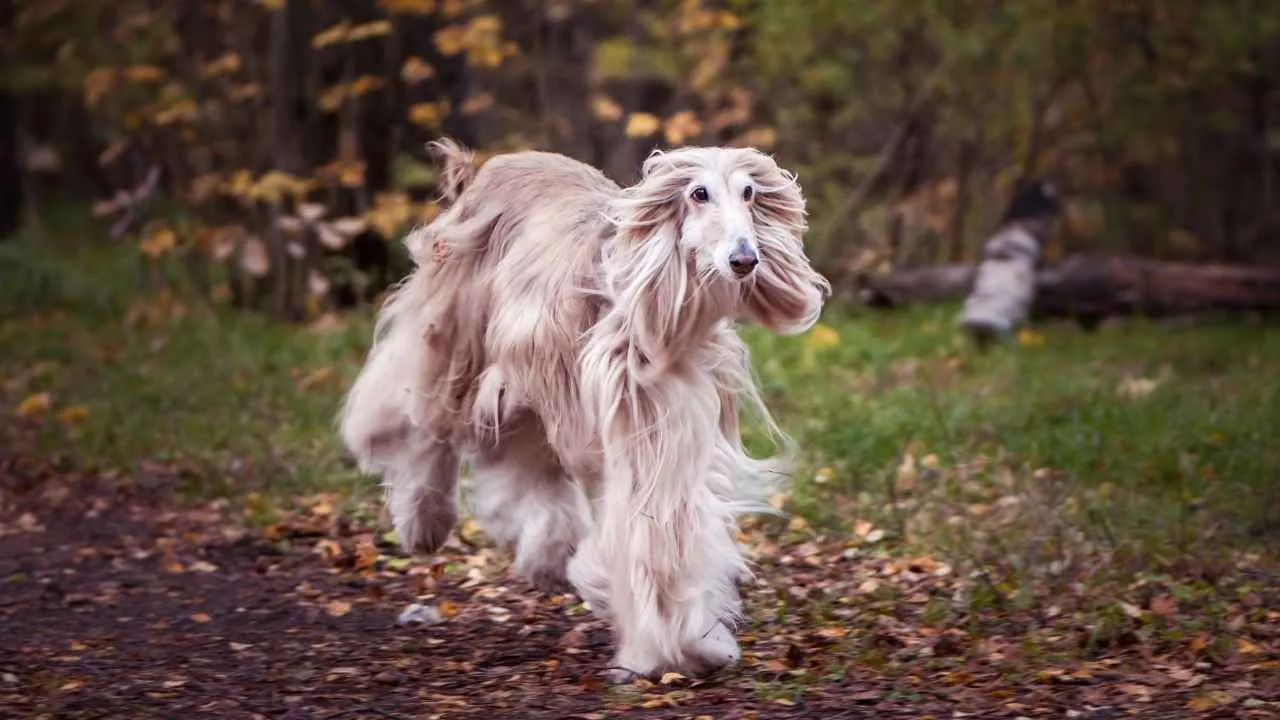
The dogs with such beautiful, silky coats. Yep!
That is the Afghan Hound.
Long, silky-coated dogs. No other breed can quite replicate that. The Afghan’s coat flows with every movement in thick, heavy curtains of dog hair. The texture is fine, almost human-like in its silkiness, and the coat length on a fully grown Afghan Hound is extraordinary.
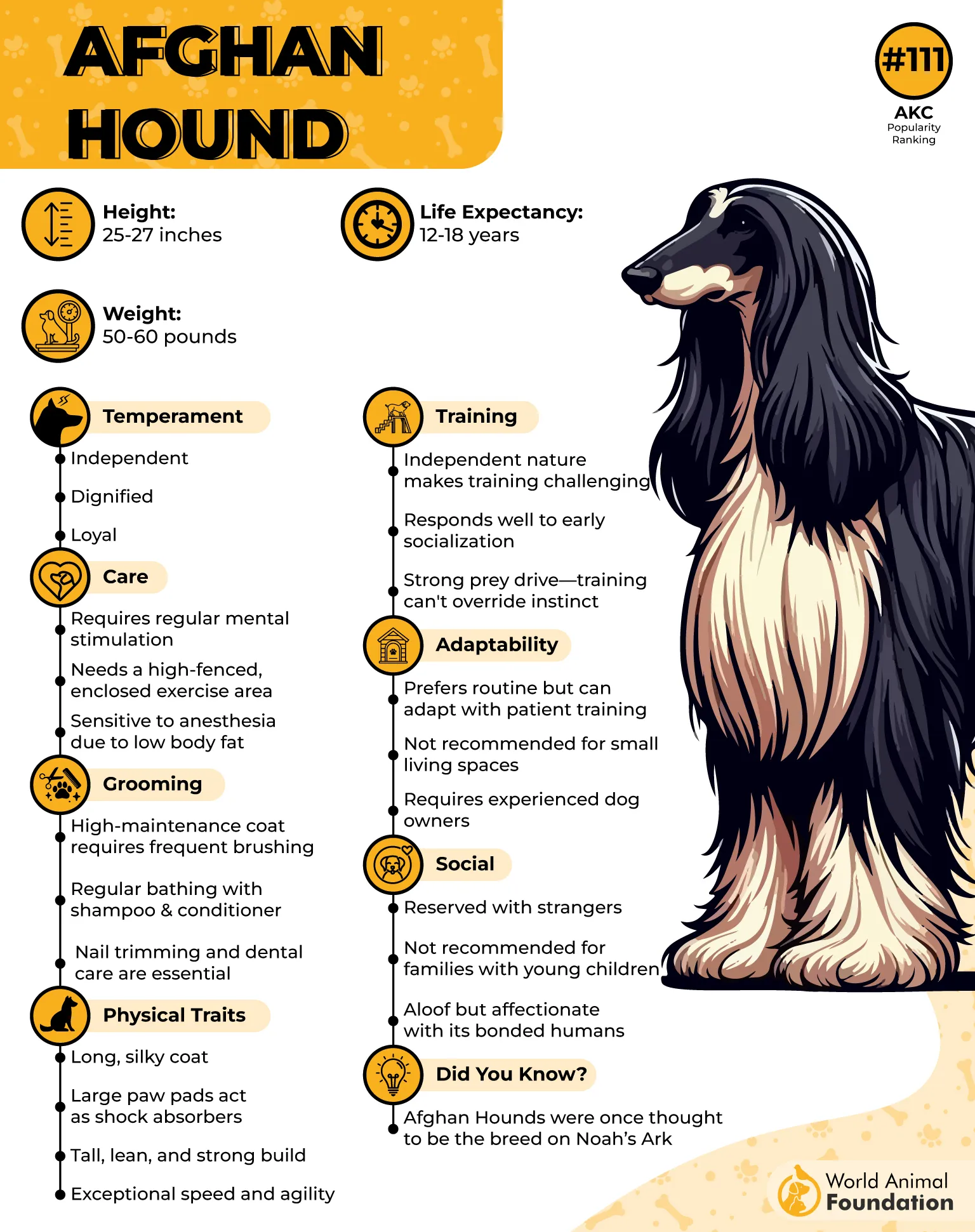
The silky hair covers the whole body except the saddle area on the back, where the coat length is short. It creates a striking visual contrast with the flowing long coats on the legs and sides. Britannica calls that appearance “aristocratic but farseeing”.
That mix of long and short sections gives the Afghan Hound a silhouette unlike any other long-haired dog breed.
Maintaining the coat is a serious undertaking.
Daily brushing is important for this dog’s well-being and to prevent mats in that fine, silky hair. The natural oils in the coat help with the texture. It means overbathing and extra grooming are damaging to the coat’s quality.
Dog groomers with this Hound dog breed recommend shaving and bathing only when necessary, and always following up with proper conditioning.
6. Pyrenean Shepherd
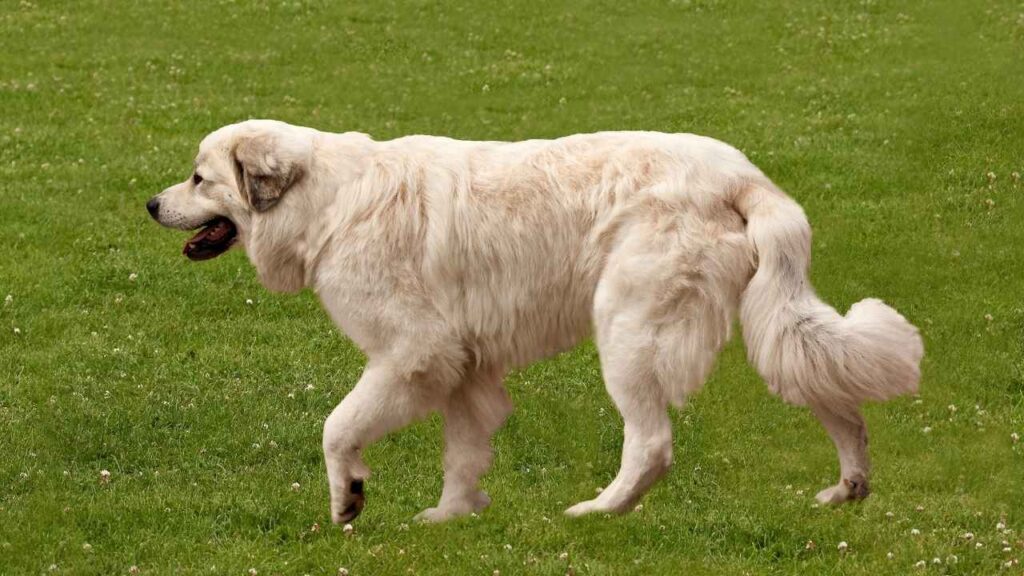
According to the American Kennel Club, the Pyrenean Shepherd comes in two coat varieties.
Both of them are interesting for completely different coat textures.
The rough-faced variety has a long, coarse outer coat that can develop a naturally wavy or slightly corded texture with minimal intervention. It gives the double-coated breed a rugged, windswept appearance that reflects its mountain herding origins.
The smooth-coated dog has a short, dense coat type with a fine texture that lies flat against the body.
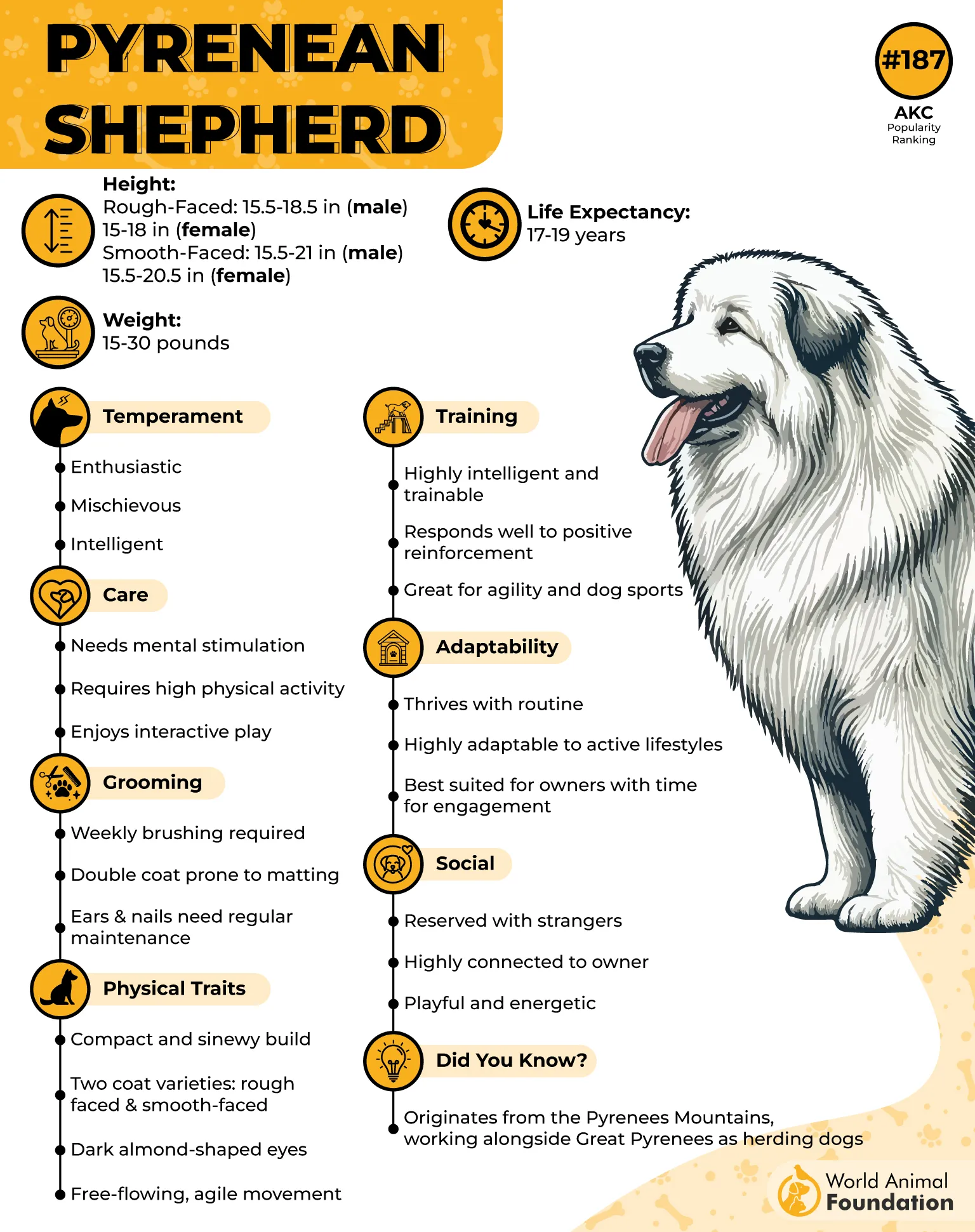
The rough coat type is the more dramatic of the two, with longer hair on the face, body, and legs. This gives the dog a wild, untamed look that suits its energetic personality.
That coat texture is coarser than it looks, with a rougher outer coat over a protective undercoat rake.
Regular brushing prevents the rough coat from developing unintentional mats behind the ears and on the legs, where the longer coat is most prone to tangling.
All in all, frequent brushing during shedding seasons manages loose hair for this Shepherd dog breed.
7. Dalmatian
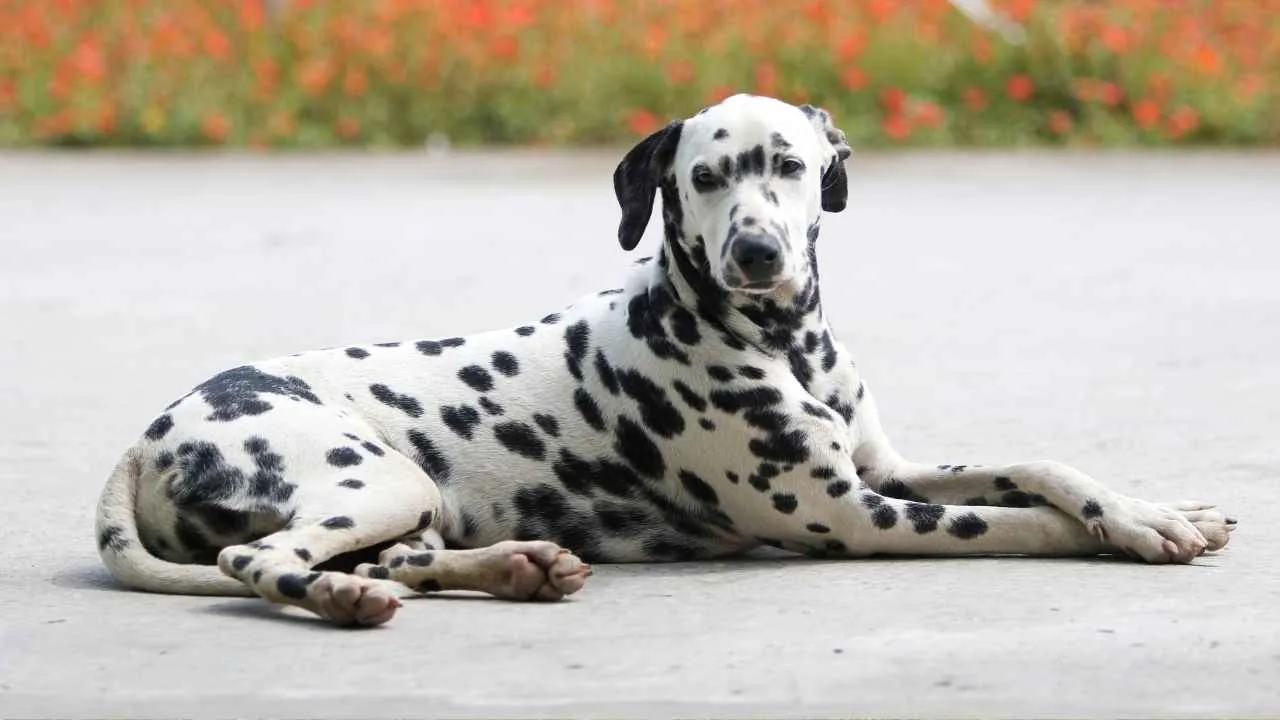
The Dalmatian closes this list as the smooth coat representative. It earns its place here because the smooth-coated breeds are misunderstood for their coat uniqueness.
The Dalmatian’s short, dense, smooth coat has a velvet-like texture. Firm, close-lying, and has a natural sheen that makes iconic spots even more defined and crisp against the white base.
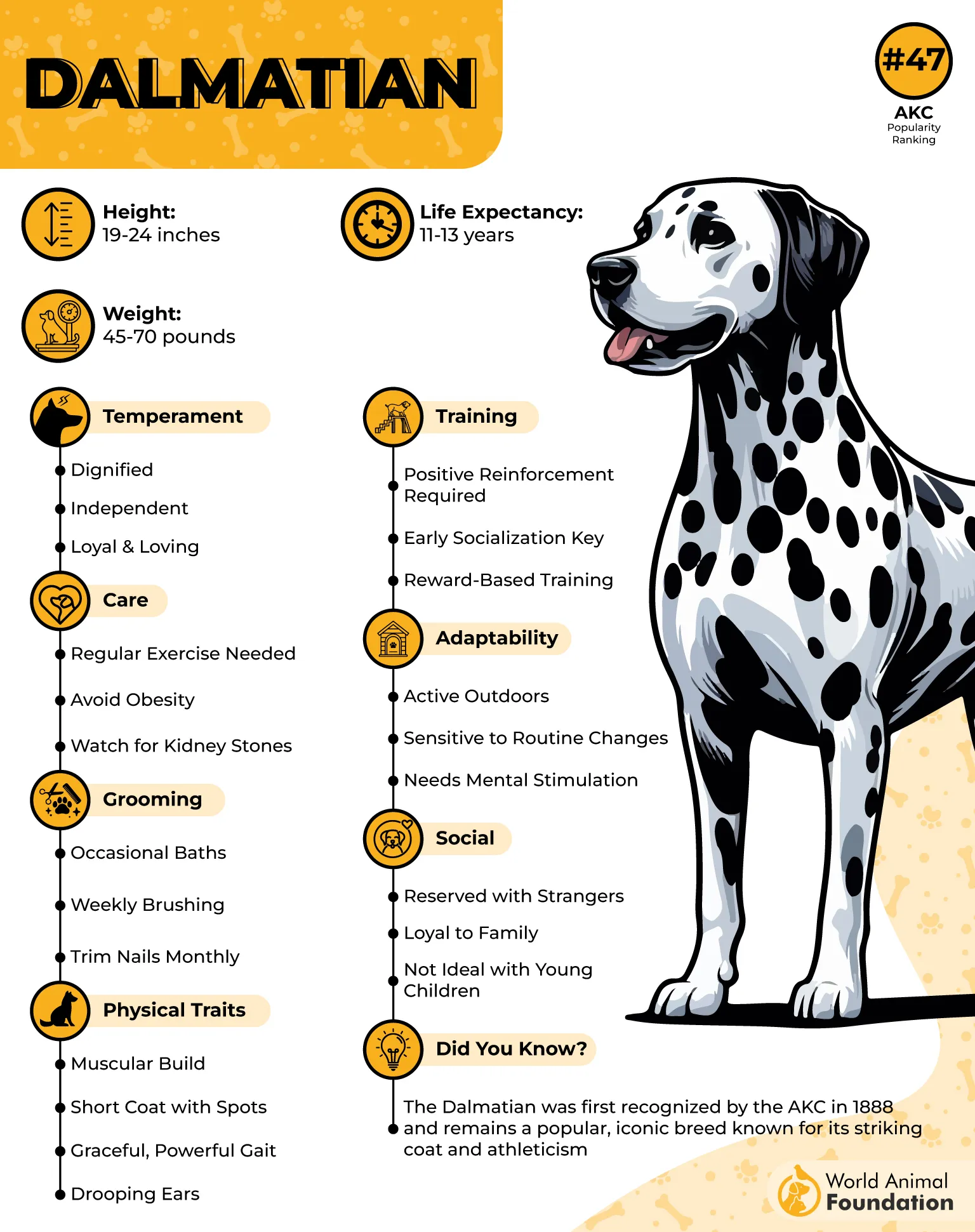
The smooth coat has short hair and is low-maintenance compared to most breeds on this list. No mats or complex grooming rituals or professional groomer appointments every six weeks.
Regular brushing with a slicker brush removes dead hair and keeps the coat healthy and shiny.
The short coats show off the body’s musculature and spot pattern more clearly than any long coat could.
The texture is what makes the visual so clean and so striking for this spotted dog breed.
One thing smooth-coated dogs like Dalmatians need that long-coated dogs don’t…
Sun protection for your dog’s skin.
A short coat means less natural protection from UV exposure in areas with less pigmentation.
Applying dog-safe sunscreen on exposed areas is a GENUINE recommendation from vets. Do this, and your dog’s health stays consistent.
Conclusion
Coat texture is one of the most fascinating and varied things about four-legged friends.
DOG OWNERS!! Understand your dog’s coat type to understand proper care, right grooming tools, bathing frequency, and when to call a professional groomer before a small tangle becomes a serious mat situation.
Care is important even with the hairless dog breeds, such as the American Hairless Terrier and Chinese Crested.
So, how can you ignore triple coats and medium-length coats?
NAH!
Educate yourself first, and then get a dog from this list. Every single one of them is worth it when your dog walks past a mirror and has no idea how spectacular they look.
