




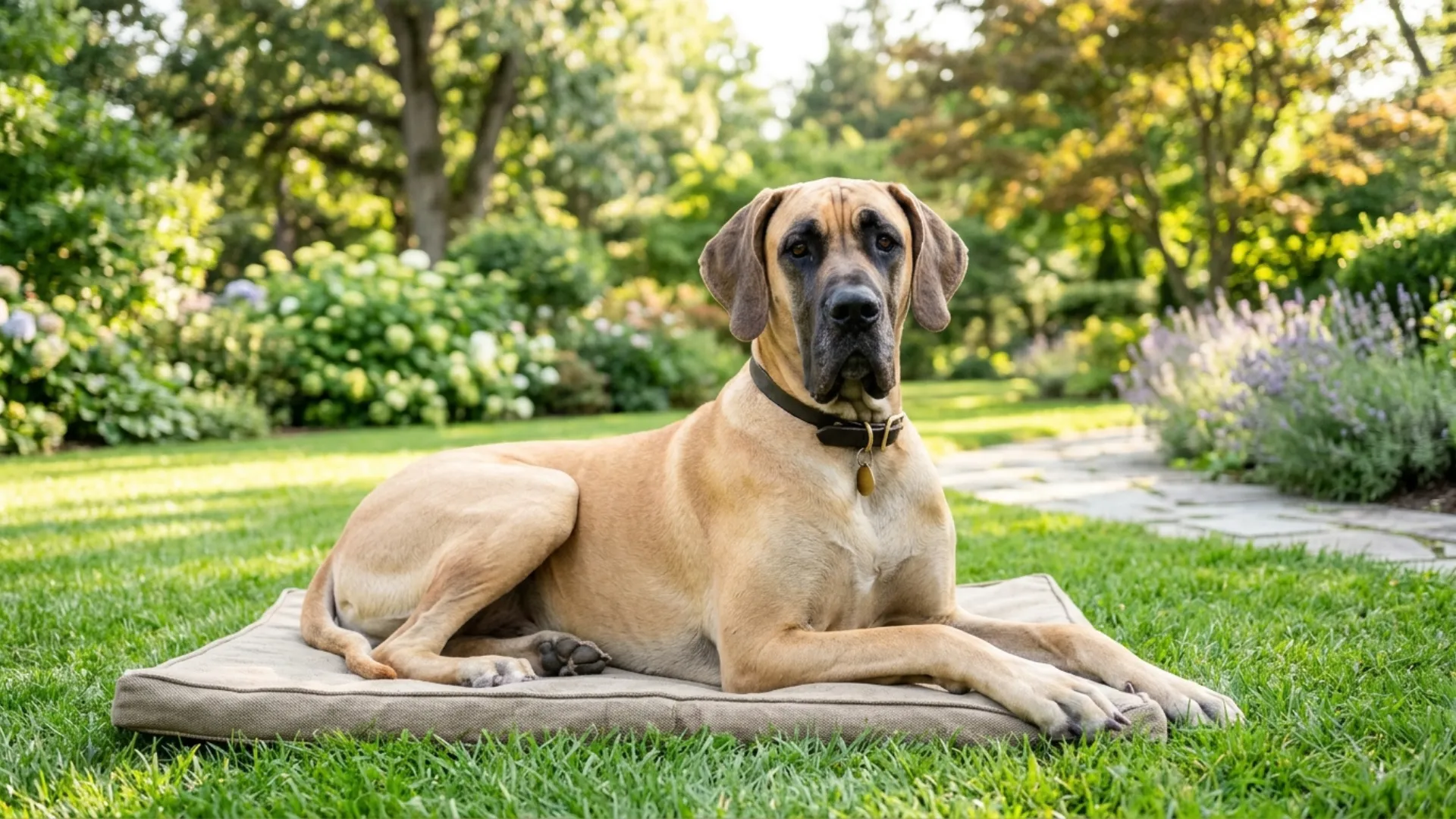
Most people assume protective dogs come with a full-time job; nonstop barking, endless training, and the energy you can barely keep up with.
Spoiler: Not always.
Some of the world’s best guard dogs are basically the “unbothered kings” of the dog world. They watch. They protect. Then they go back to napping as if nothing had happened.
According to the American Kennel Club, large breeds with proper early socialization consistently rank among the most family-compatible dogs across the country. As legendary dog trainer Cesar Millan once said, “No matter what emotion a dog shows, it comes from either a calm or instinctual state.”
These 10 breeds live in that calm state permanently, and they will have your back without draining yours.
Top Low-Maintenance Protective Dog Breeds with Calm Vibes
1. Bullmastiff
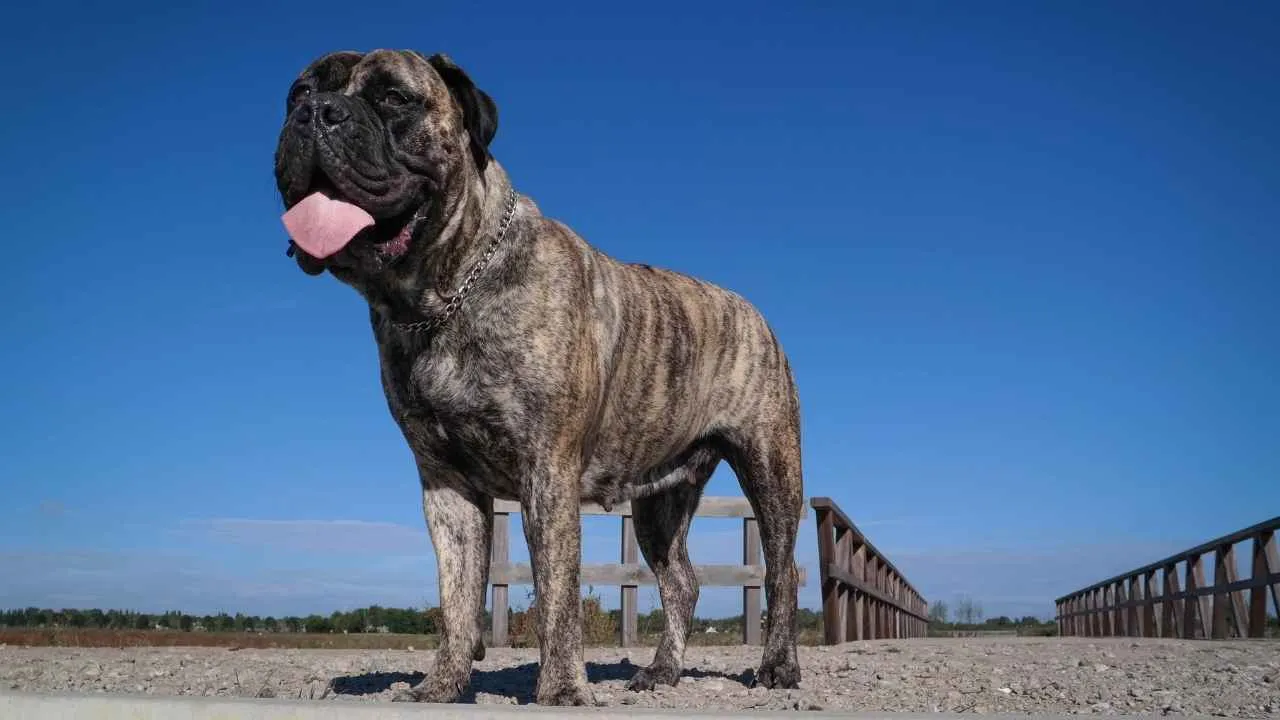
This loyal companion was originally bred in Britain by crossing the Bulldog and the Mastiff, and is also known as the ‘Gamekeeper’s Night Dog.’ The breed’s primary goal was to catch poachers at night, since poaching was considered a grave crime back then, according to Purina.
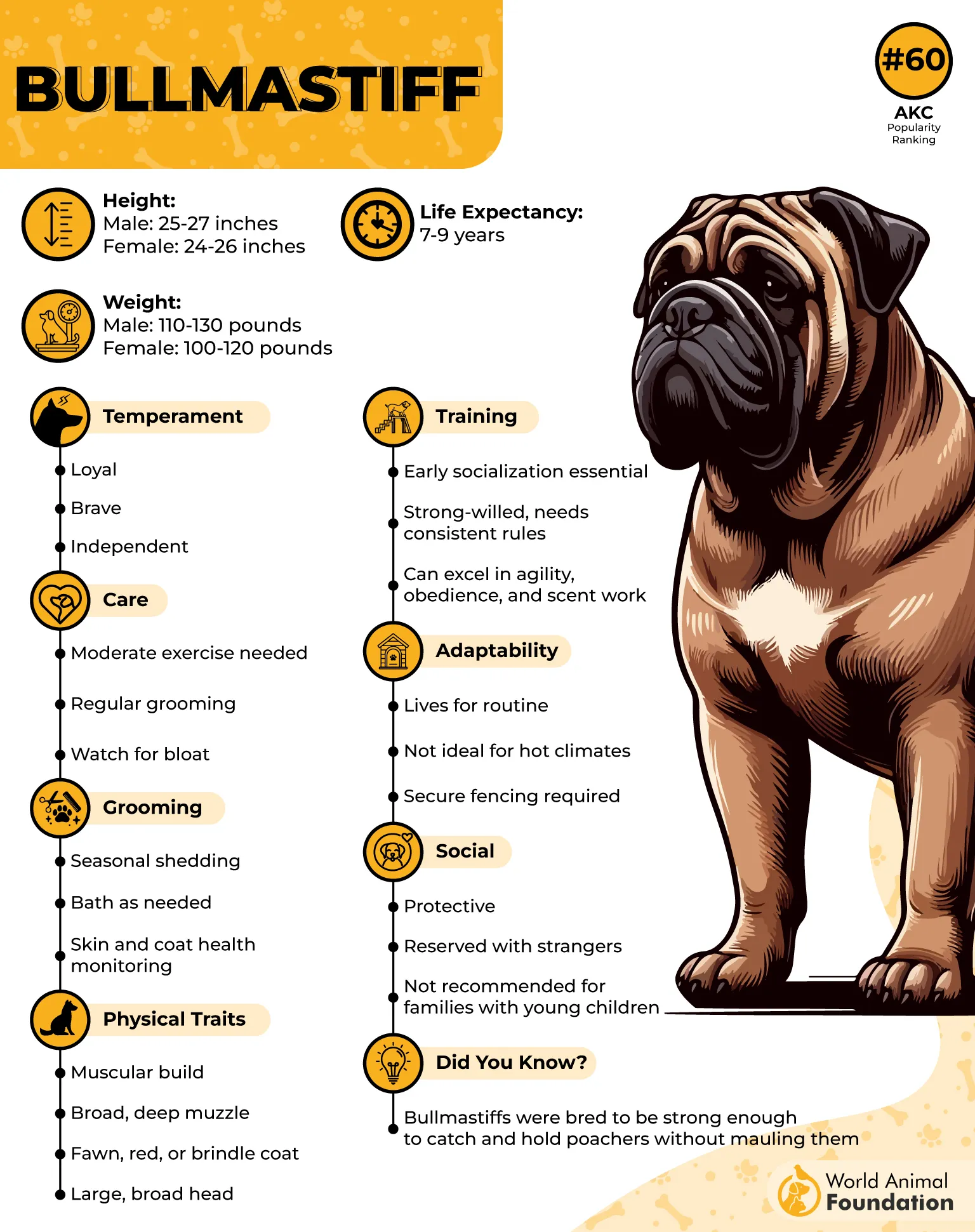
This guard dog breed has a heavily muscled body bred for quick and short bursts of movement. It has a weatherproof, short, and a non-shedding coat that requires minimal grooming. Since it used to silently follow the target, the breed has a low-barking tendency. Unlike other working breeds, the Bullmastiff has a low prey drive, making training easier.
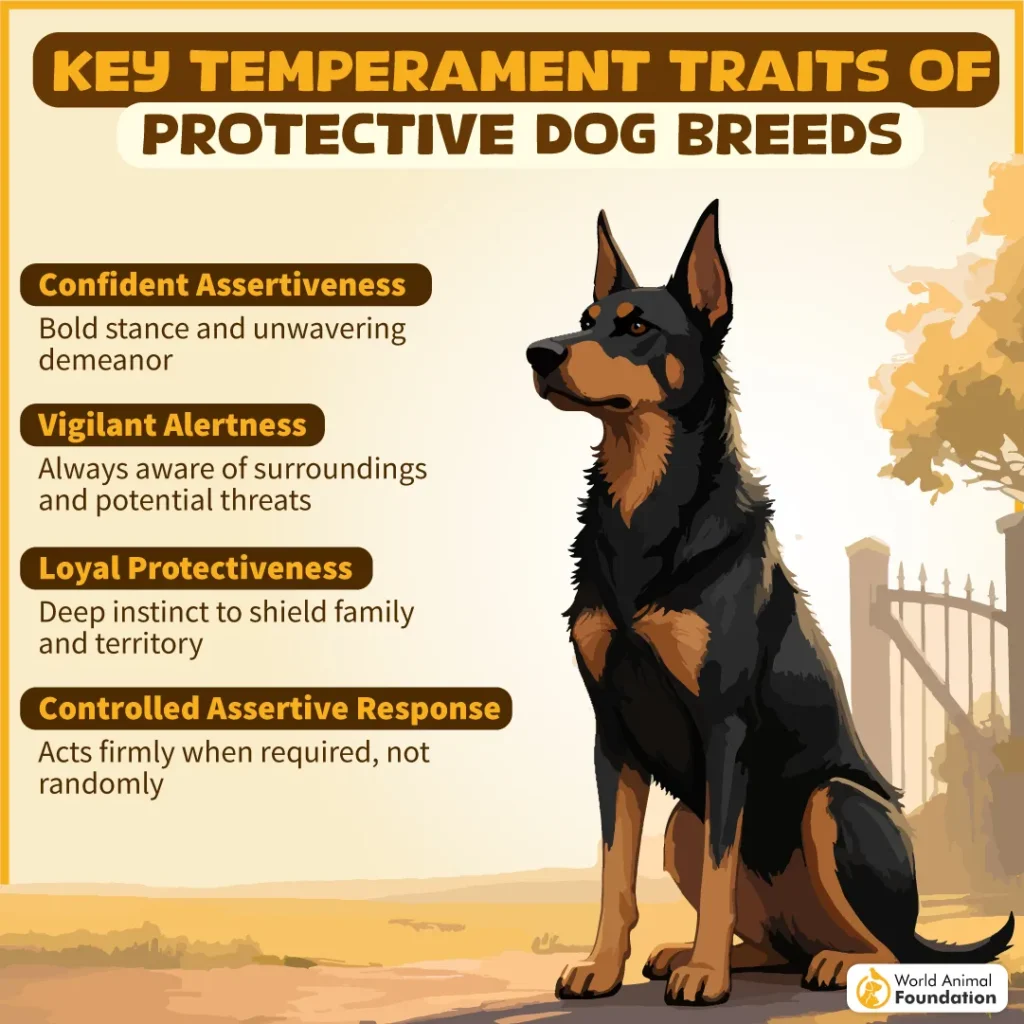
This gentle giant has a ‘switch-off’ mode that makes it stay on the couch in stress-free situations and turns on its protective instincts in threatening situations. Daily exercise for 30-60 minutes is enough for physical and mental stimulation. Weekly brushing using a soft-bristle brush and an undercoat rake is recommended.
2. Rhodesian Ridgeback
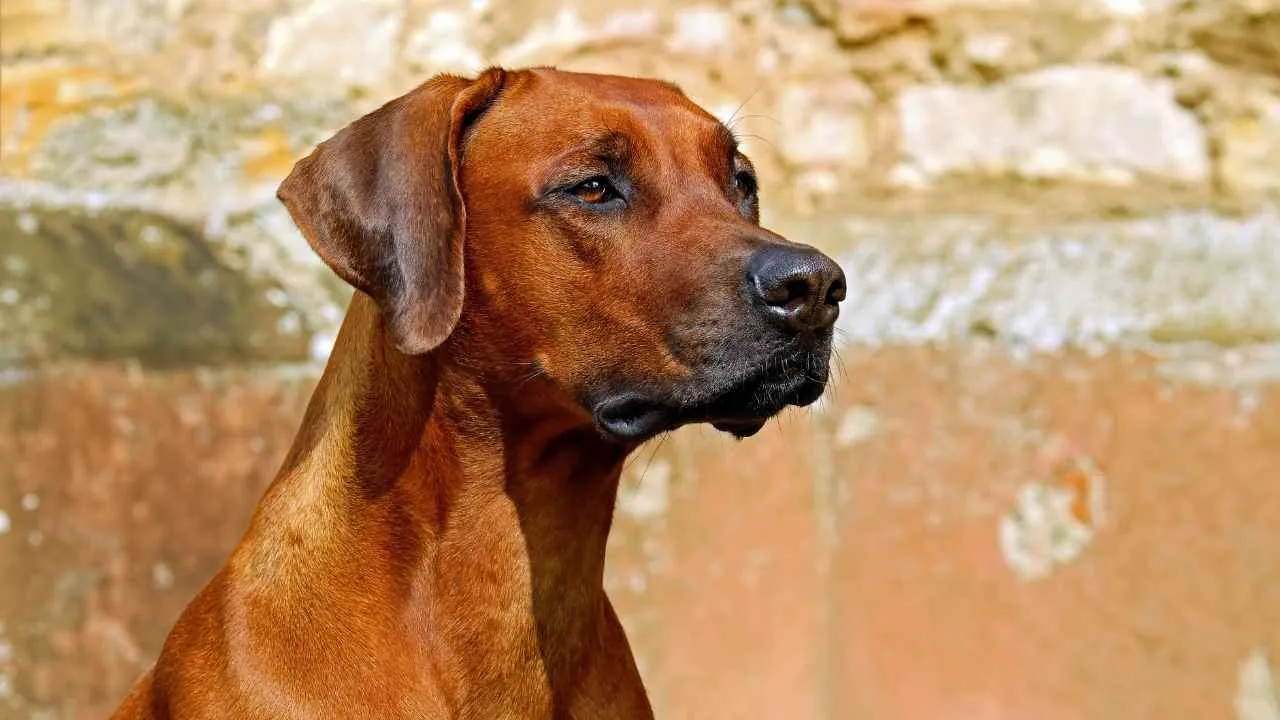
Named after the ridge of hair growing down the center of the back, the Rhodesian Ridgeback is a powerful and intelligent dog weighing 70-85 pounds and standing 24-27 inches tall. It was bred as a hunting dog to track and flush large predators, such as lions.
Also known as the African lion hunting hound, this fierce protector has well-defined knees, acting as a coiled spring. This allows the breed to anchor itself firmly to the ground while confronting large game. It has a short coat with minimal dog odor that requires weekly brushing to remove loose hair and evenly distribute natural oils.
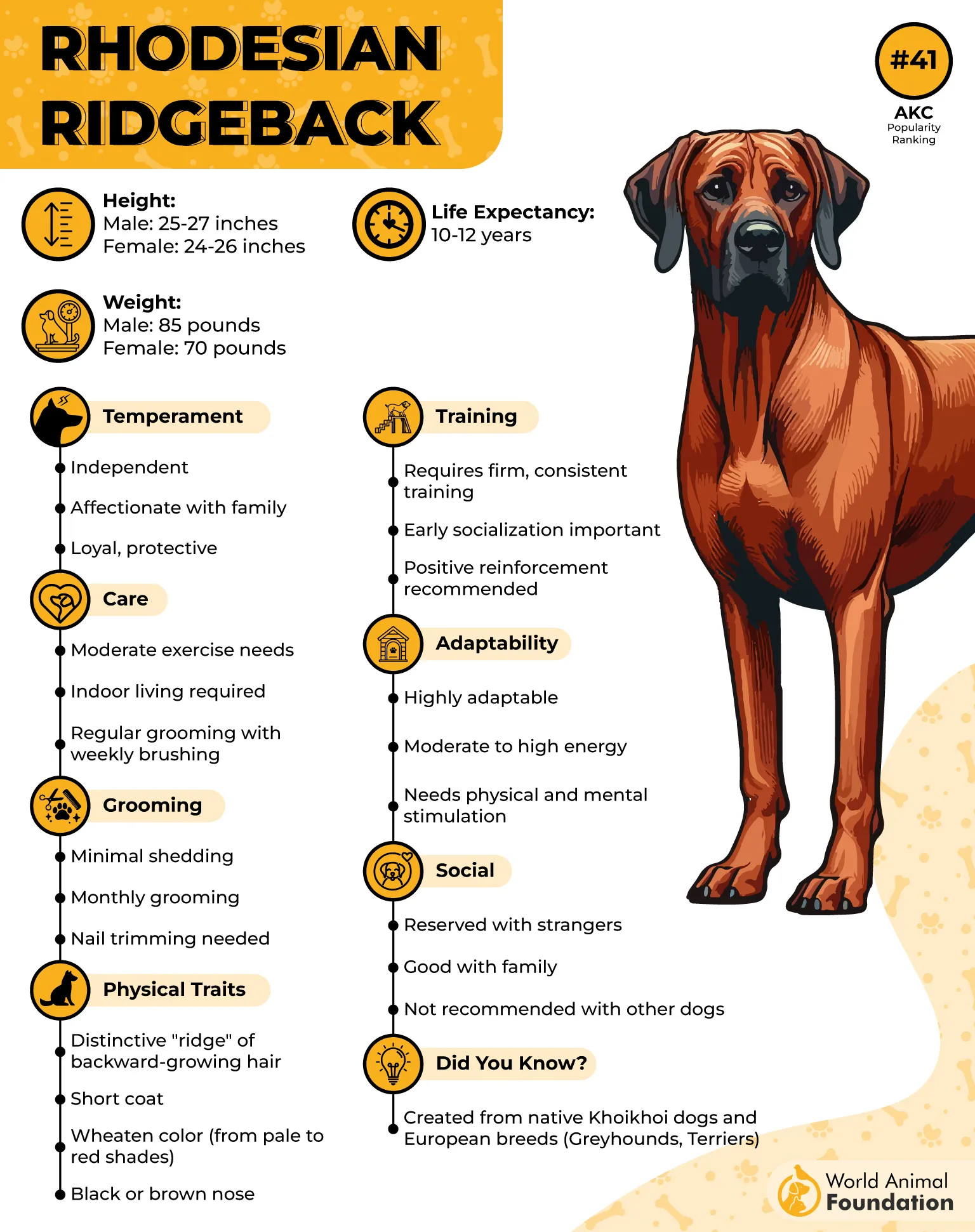
With the bite force of 224 PSI, the Rhodesian Ridgeback can catch, hold, and pull down large animals. It is a high-energy breed that needs 1-2 hours of high-impact exercise: hiking, jogging, brisk walks, and controlled play sessions. Since it has a strong instinct to chase small animals, early socialization and proper training are non-negotiable.
3. Boerboel
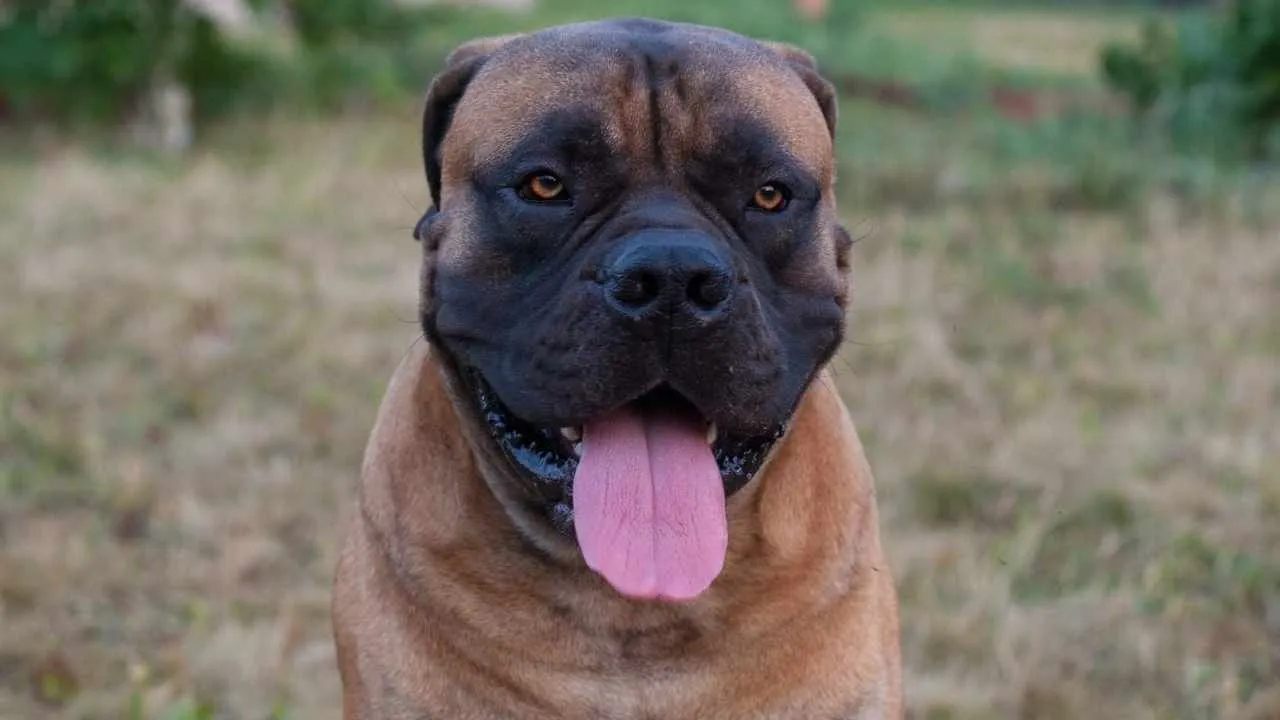
It was developed in South Africa by the Dutch and other European settlers in the 1600s. The Boerboel was bred as a protection dog for their homes, as noted by the AKC. It is a cross of mastiff-type, bulldog-type, and other breeds, and can knock out wild animals, such as lions, baboons, and leopards.
With the crushing bite force of 400-700 PSI, it can easily neutralize the threat and movement of the large predator. It has low cortisol levels, keeping its panic mode threshold relatively higher. Since it is an independent breed, it tends to make decisions without a handler.
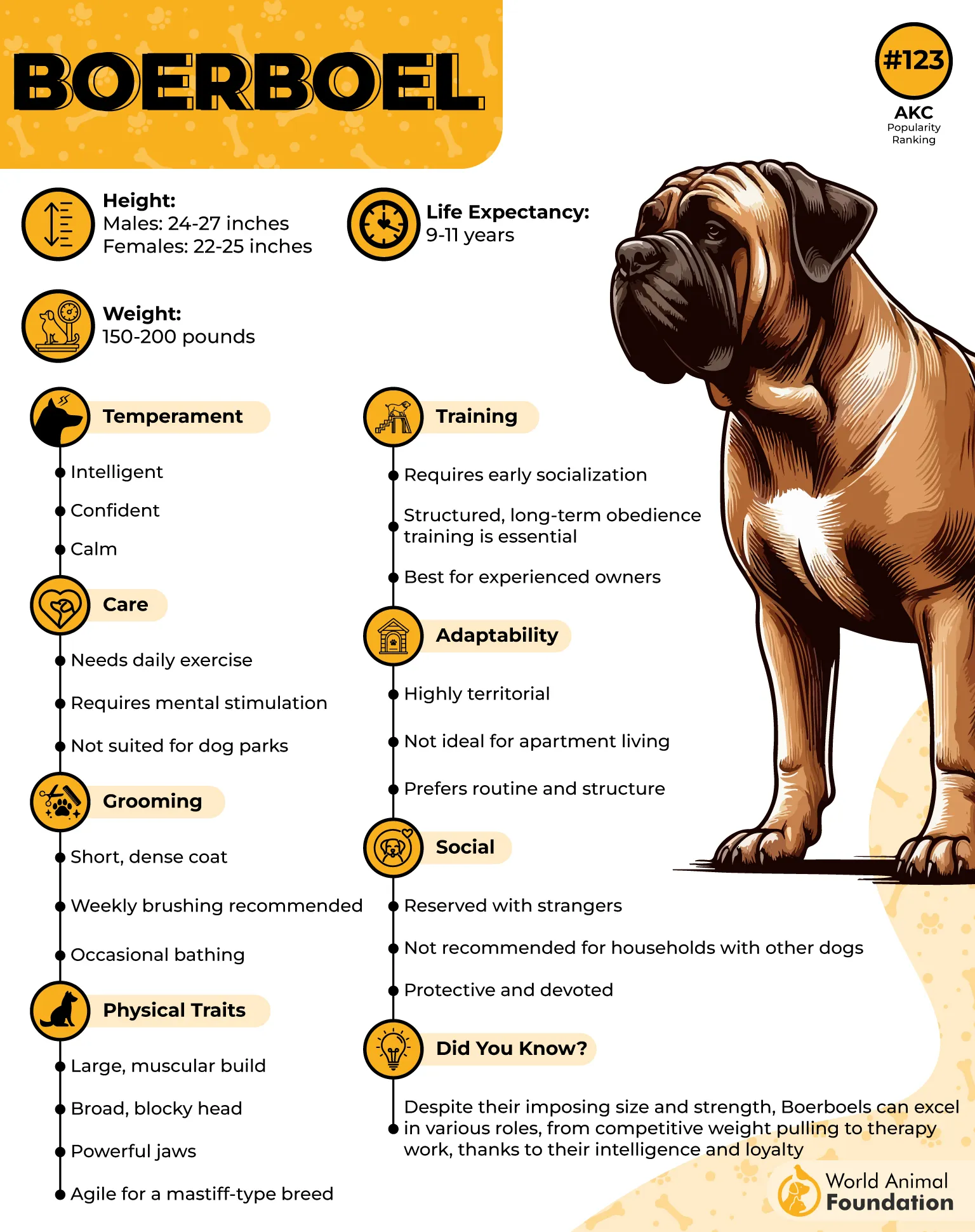
The adult breed needs 1.5-2 hours of daily exercise: long walks, hiking, jogging, and mind-challenging games. However, puppies under 16 months need low-impact exercise because they have delicate and developing joints. It is a low-maintenance breed because of the short coat: weekly brushing is enough. During the seasonal blow, the coat sheds heavily and needs daily brushing.
4. Mastiff
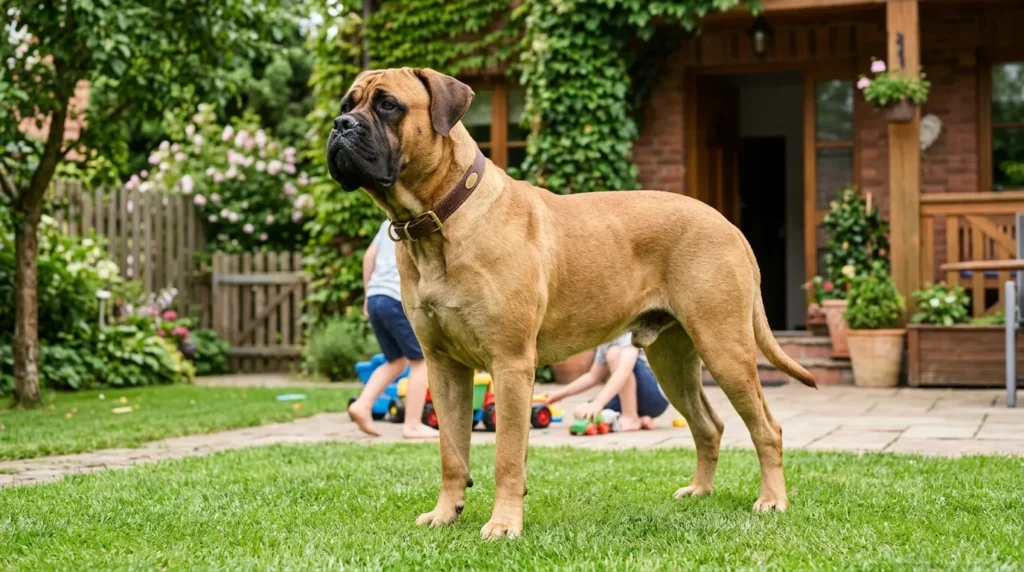
One of the largest dog breeds, the Mastiff has a history dating back 3,000 years, where it was used as a show dog in European and Asian countries. Besides, it has also been used as a guardian breed, hunting dog, war dog, bull baiter, and in blood sports. With the sheer size of 230 pounds, this excellent guard dog has an intimidating impression to deter intruders.
This is a brachycephalic breed (has a flat face and narrowed airways), which causes difficulty in breathing. Thus, high-impact exercise, especially on a hot summer day, is not recommended. Because of the short muzzle, the jaws exert a ‘hydraulic press’ force of 550 PSI.
Because of the high load-carrying capacity coupled with a deep chest and low center of gravity, the Mastiff can lift weights up to 1.5-3 times its weight (300-600 pounds).
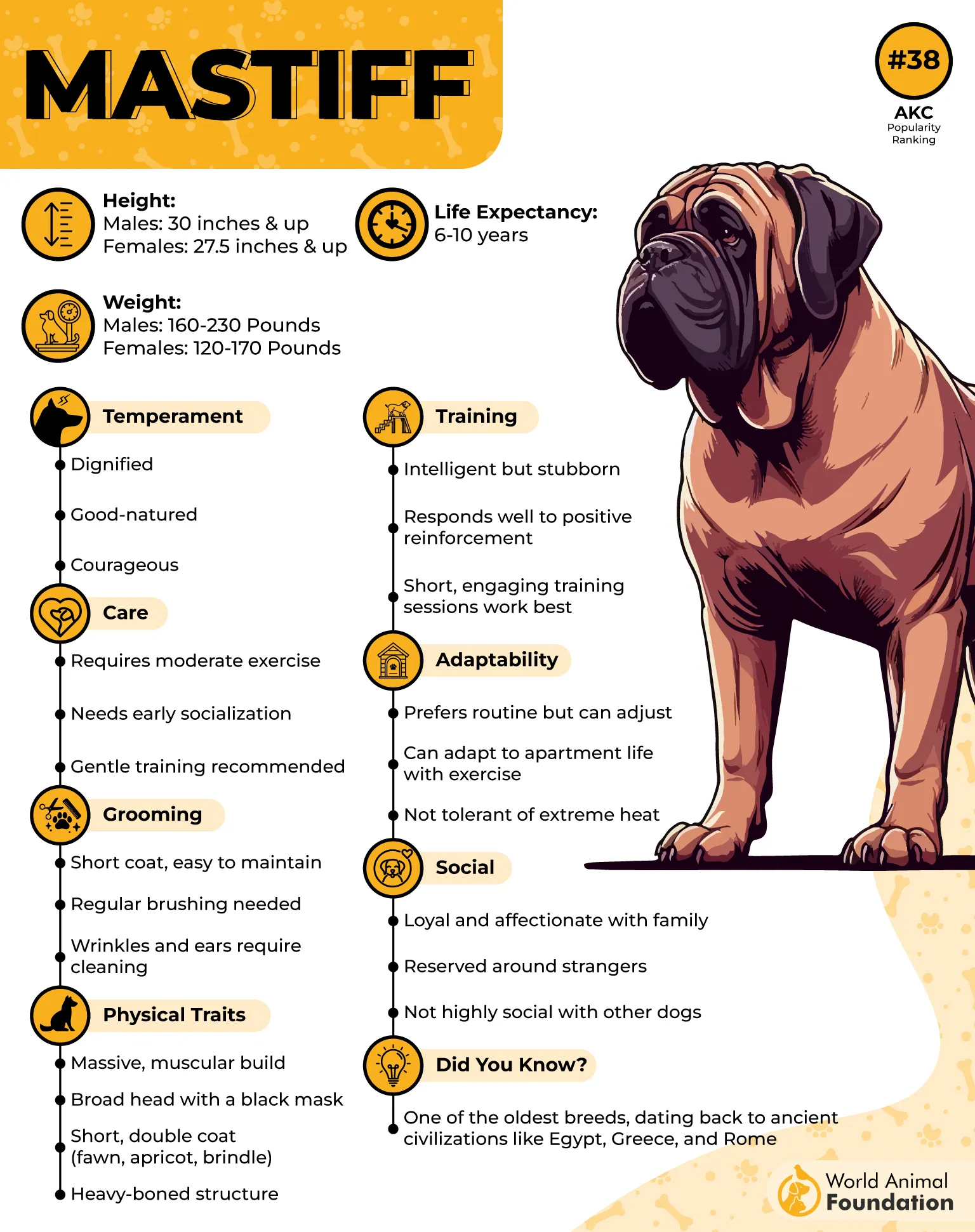
The breed is incredibly loyal and has excellent watchdog instincts, and positions itself between the owner and the attacker as the first mode of protection. It has moderate exercise needs and plops down when it gets tired or overheated
5. Great Dane
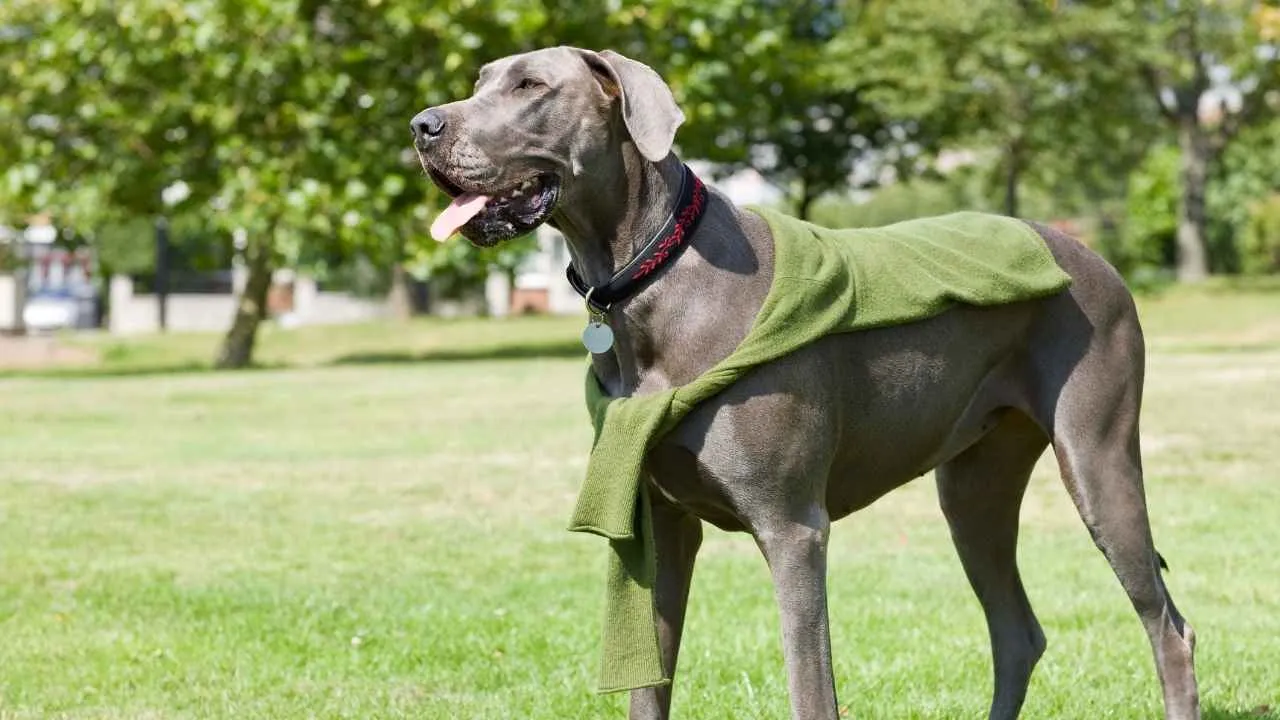
Originally bred in Germany in the 1800s as a hunting breed, this highly intelligent dog is one of the largest breeds, with the recorded history of a Great Dane named Zeus who stood 44 inches tall. It is a great guard dog and a family dog that weighs 110-175 pounds. It lives not more than 10 years, but proves to be a perfect calm companion, says PetMD.
The long bones enable large ground-covering and a high stride. It is a low-energy breed and tends to conserve energy since the large heart has to work hard to regulate blood flow. It has an affectionate nature and makes strong bonds with the owner; thus, it is used as a therapy dog in schools and nursing homes.
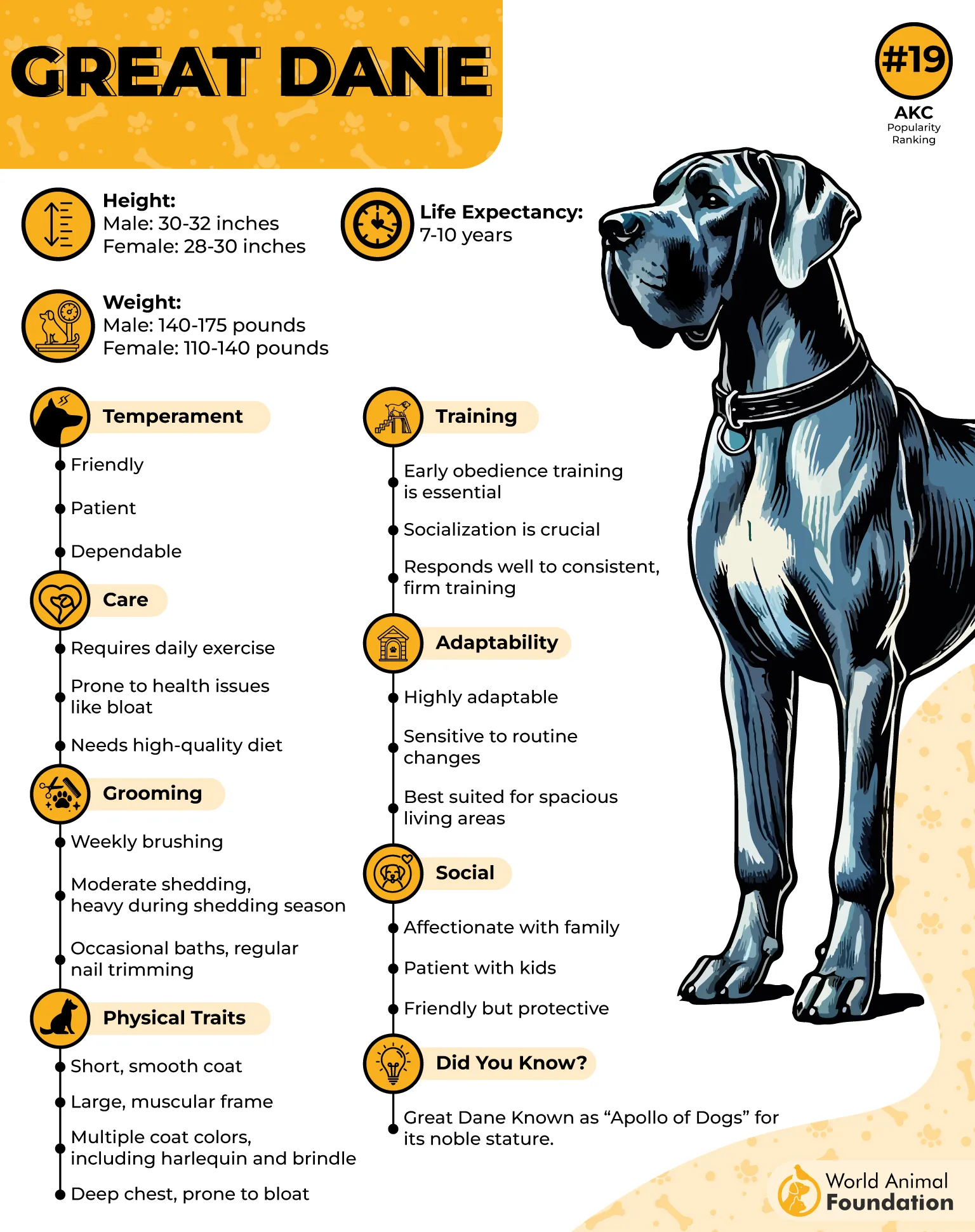
The breed has low to moderate exercise needs (1-2 hours daily): leisurely walks, off-leash play in secured areas, and hiking. The breed needs weekly brushing and monthly bathing. Longer nails can cause mobility issues; thus, they need to be trimmed after 2-3 weeks.
6. Broholmer
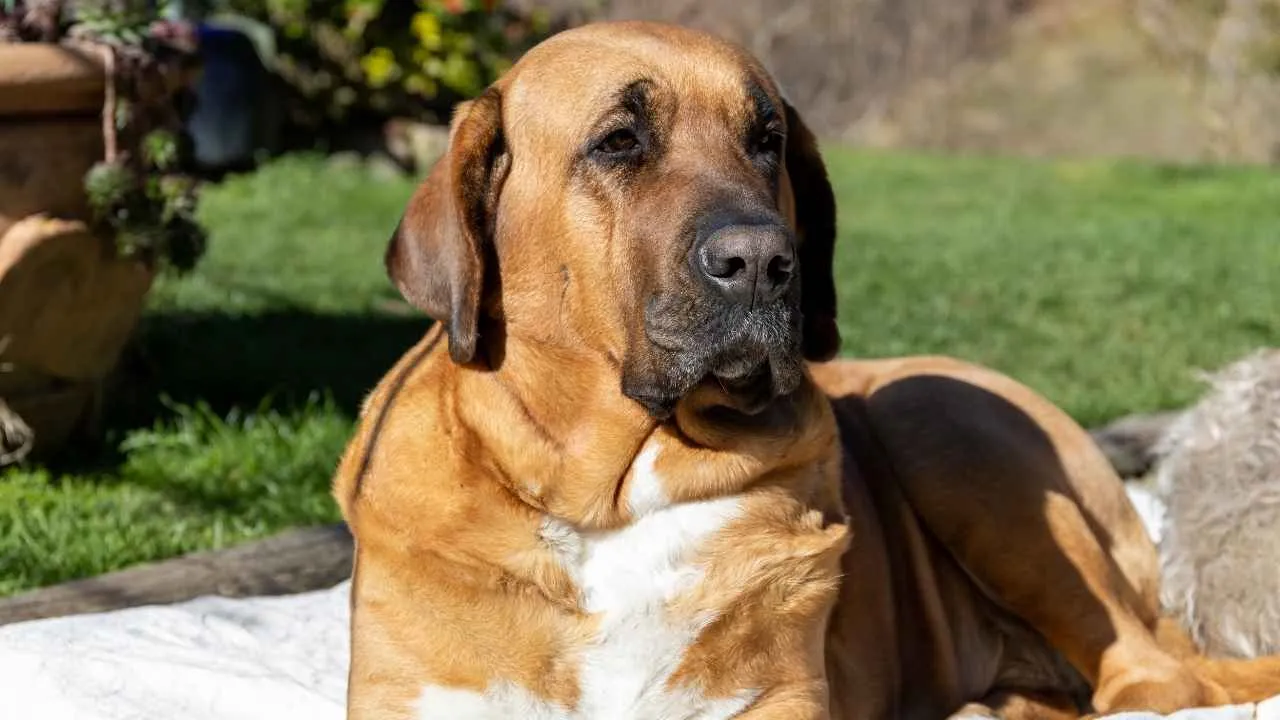
The breed was developed by crossing the local German dogs and the English Mastiffs. The number of the breed declined exponentially after World War II, but revived in the 1970s. Its primary job was to protect the homes of the wealthy people. Today, it is used as a guarding breed and a companion dog.
The neck region has loose skin and heavy musculature that help the breed to move heavy objects and neutralize the movement of large predators. Because of its even temperament, it is used in therapy work, watchfulness, and hunting. It weighs around 170 pounds, contributing to a low center of gravity.
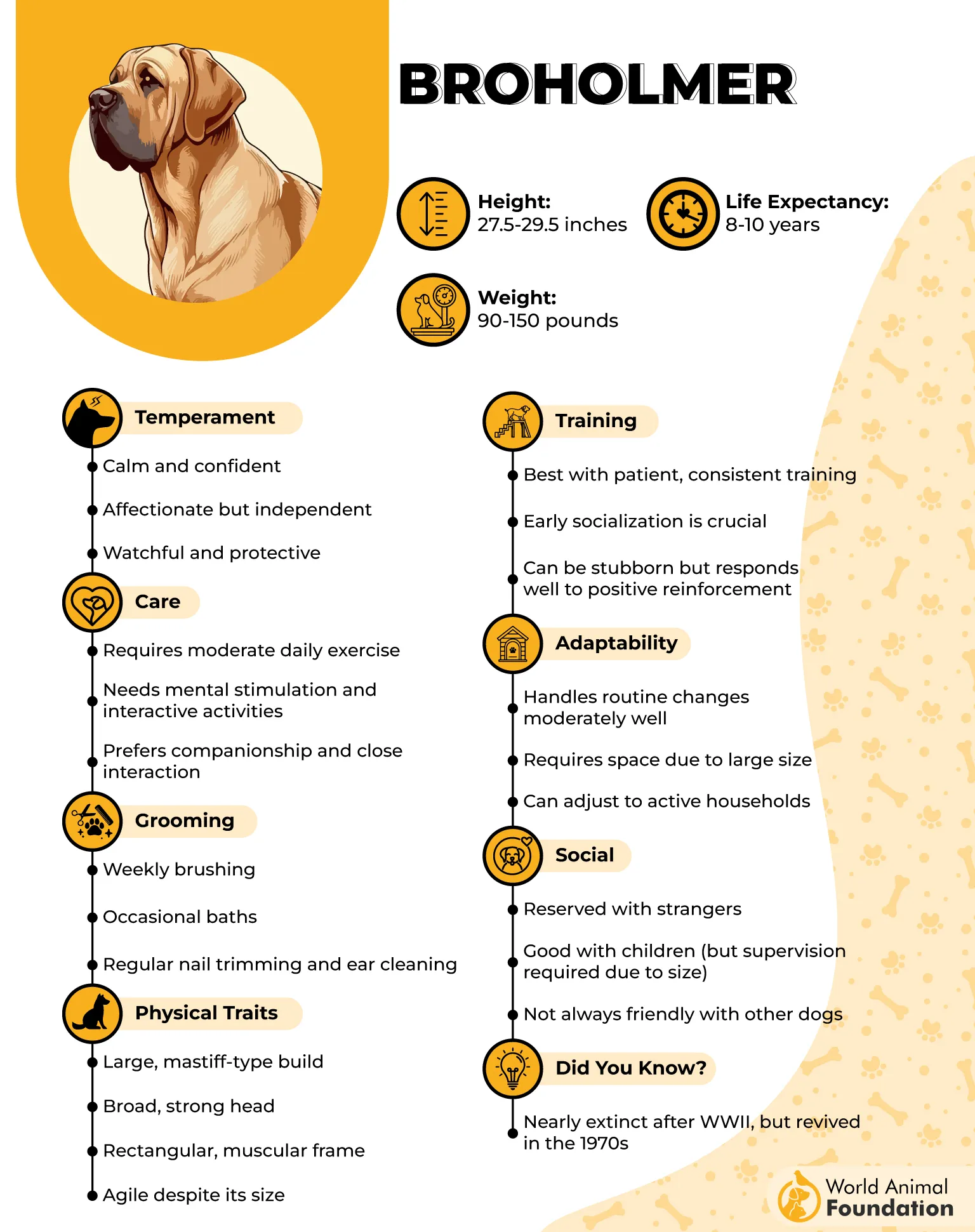
The massive build has moderate exercise needs (30-45 minutes a day). Obedience training with proper socialization and positive reinforcement is important. It has a short outer coat and a thick undercoat that sheds very little. Weekly brushing using a slicker brush is enough.
7. Newfoundland
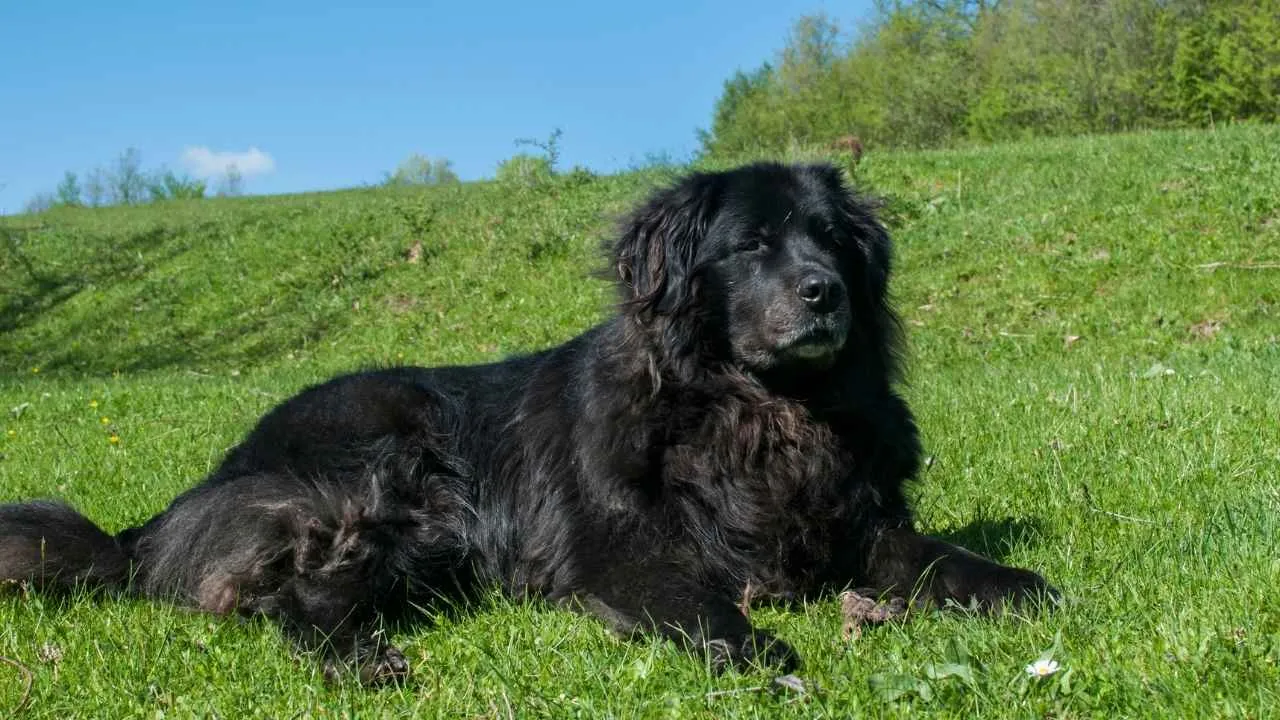
This large working dog was bred in the region of Newfoundland and comes in brown, gray, black, or black and white colors. It was originally developed for the fishermen to rescue drowning people. Since it has a thick double coat, it traps in air, creating a buoyancy effect that helps in swimming.
The large bones and heavy musculature allow it to face rough ocean waves and powerful tides, and a huge lung capacity makes it travel long distances for life-saving adventures. It adopts ‘doggy paddle’ by moving fore limbs and hind limbs to generate a continuous and rhythmic power, saving energy.
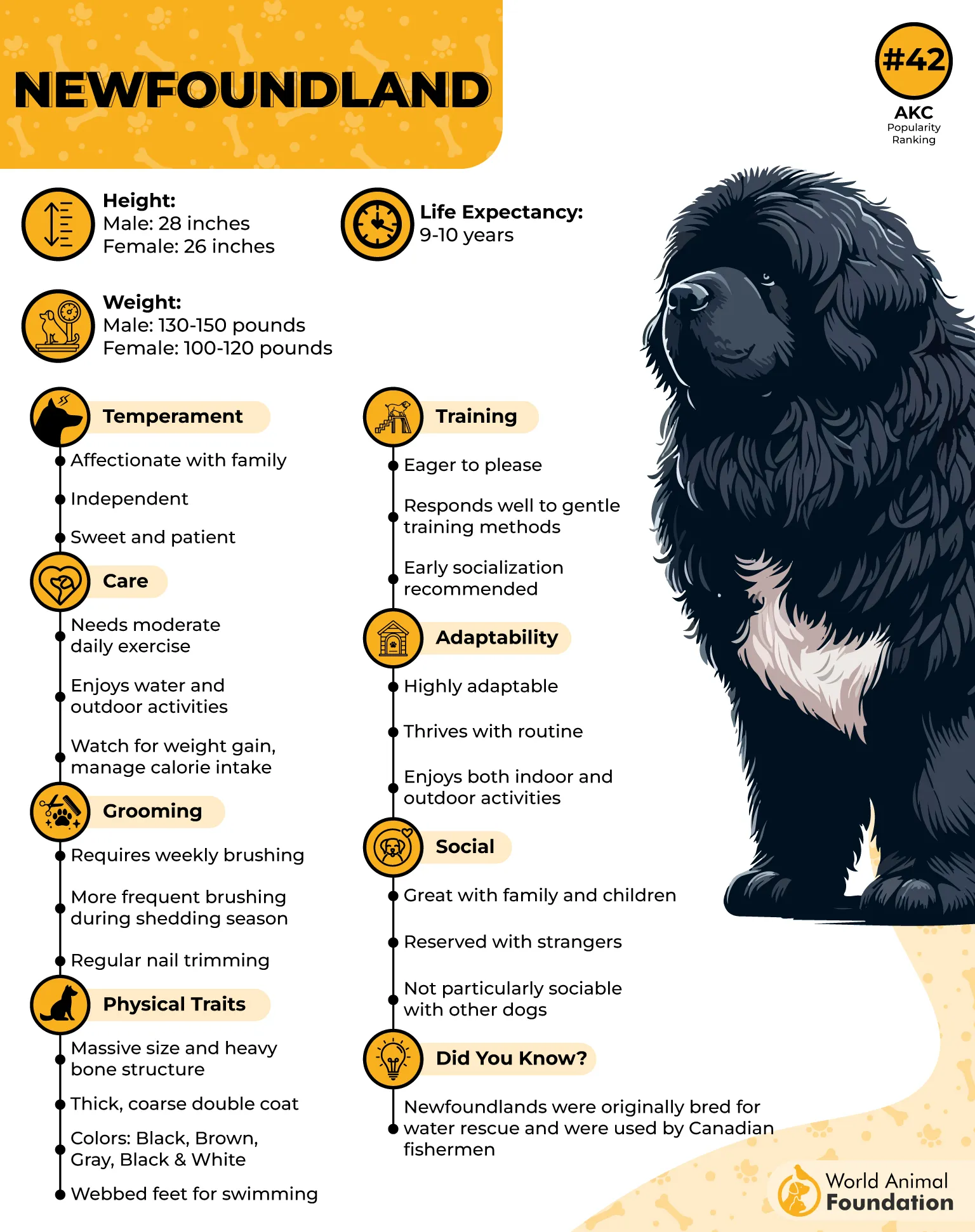
The oar-like tail acts as a rudder, which helps it balance and counterbalance tides. Low-impact exercise is suggested for 1 hour daily. Pups between the ages of 2 and 6 months should have regular exercise for 30 minutes, divided into multiple sessions. ‘Sniffari’ walks and gentle play are recommended for senior dogs (7+ years).
8. Saint Bernard
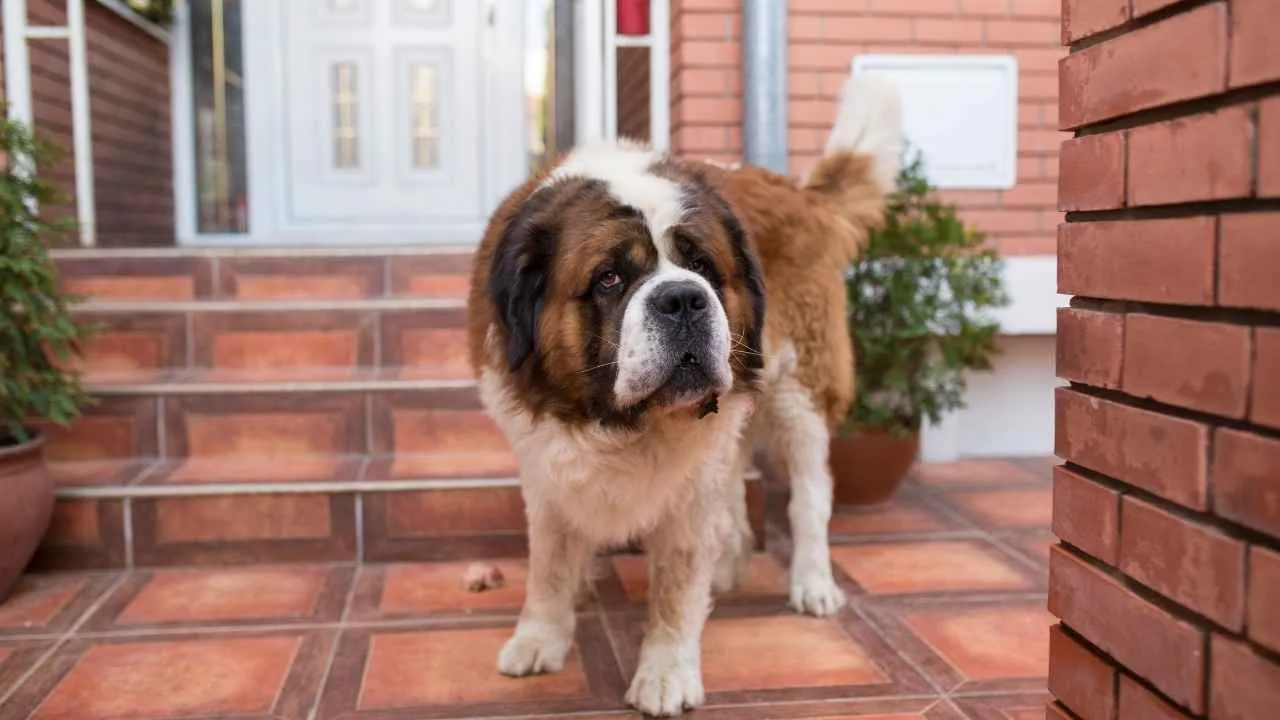
This dog was bred on the Swiss-Italian border by the hospice of the Great St Bernard Pass between 1660 and 1670. It was named after the monk who developed it, Saint Bernard of Menthon. Its primary goal was to rescue travelers trapped in the snow.
This gentle giant used to travel long distances to find any trapped person, take them out, lick their faces to keep them awake, and wrap its double-coated body around them to provide warmth. The double coat comes in two varieties: longhaired and shorthaired. The large paws act as snowshoes and excel in swimming.
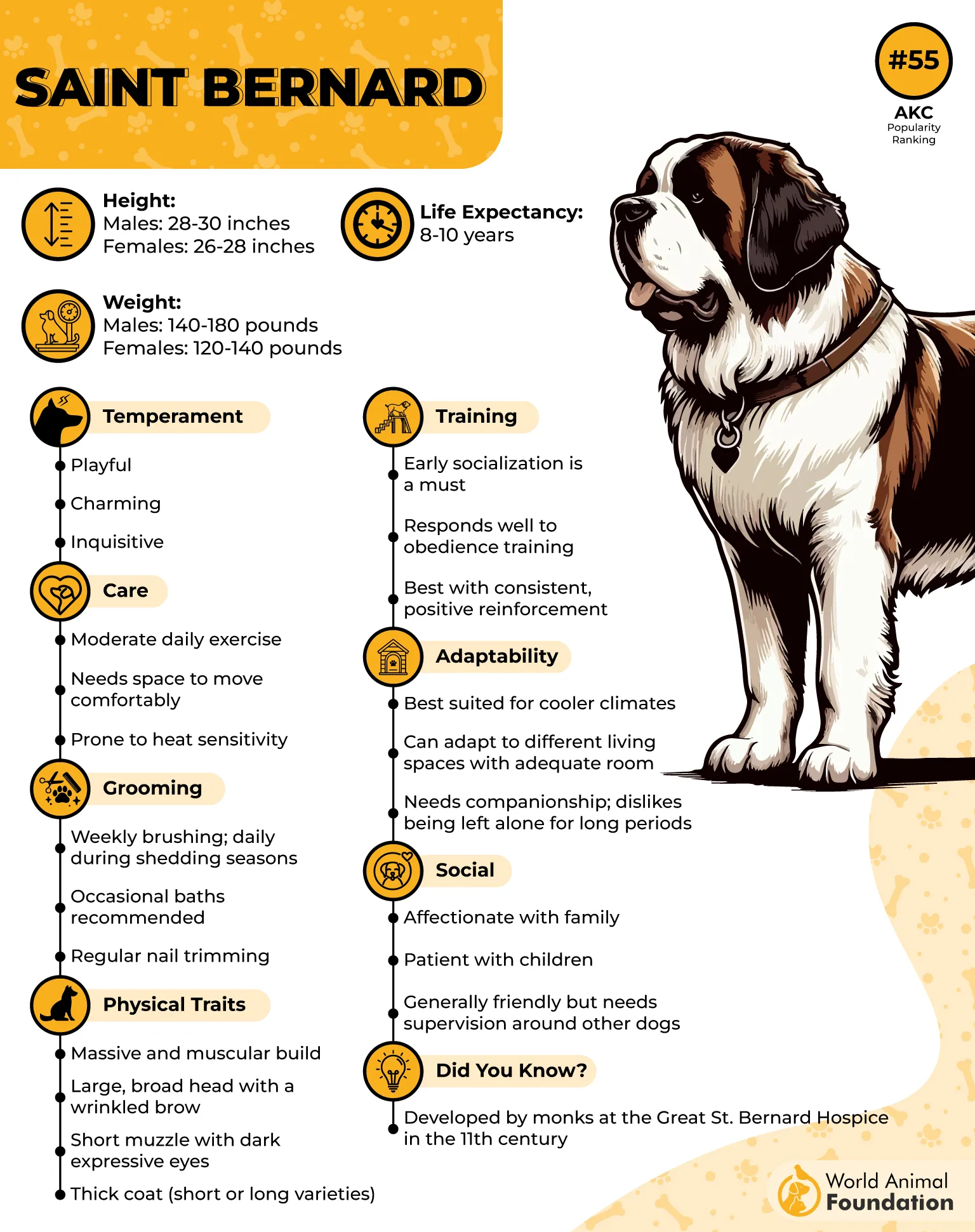
It has a laid-back nature and does not react till it realizes a threat. The bones need 2-3 years to fully grow, so high-impact exercise must be avoided. The floppy ears and skin folds need to be cleaned regularly using gentle wipes. Brushing is required after every 2-3 days using an undercoat rake and a slicker brush.
9. Great Pyrenees
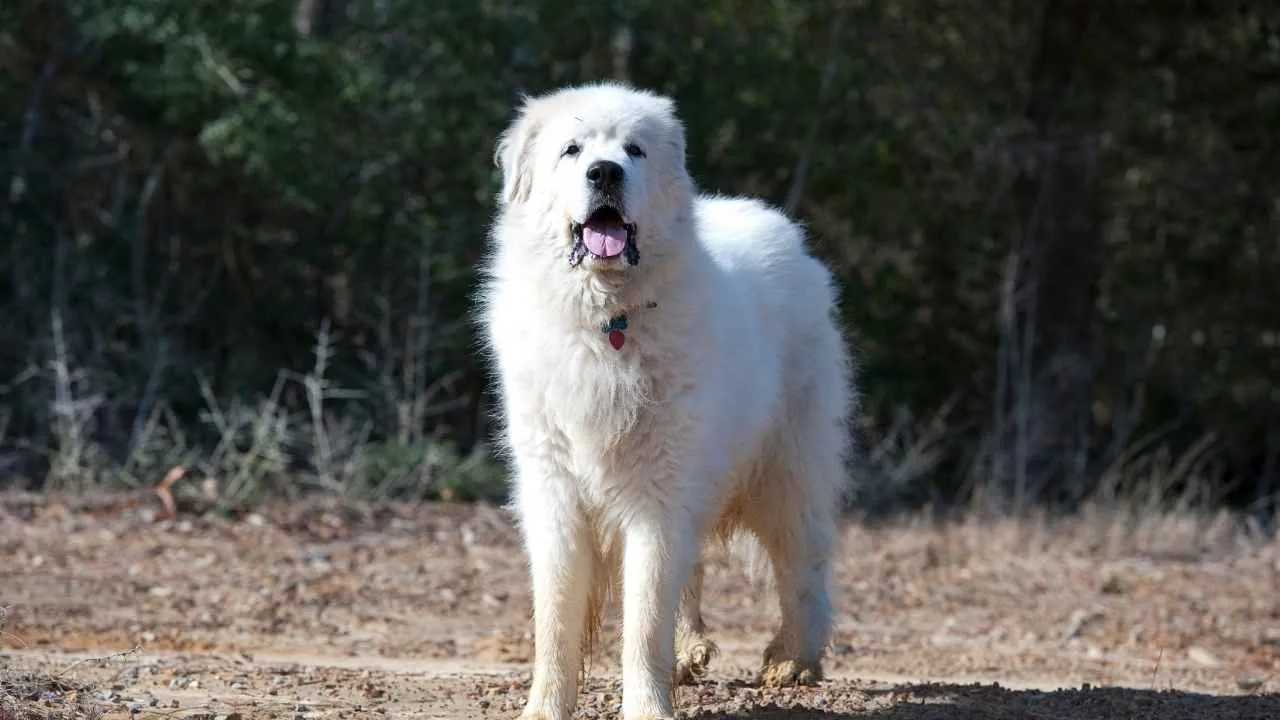
Originally bred in France as a livestock guardian, the Great Pyrenees was used to protect the livestock from wild predators, such as wild boars and bears. It was usually fitted with a huge iron collar studded with long nails to protect the breed from predators during a fight.
With a bite force of 400-500 PSI, the breed has a high force capacity. It runs at a speed of up to 35 mph because of explosive torque. Despite being massive, it is deeply devoted and has an instinct to protect family members, small children, and other pets.
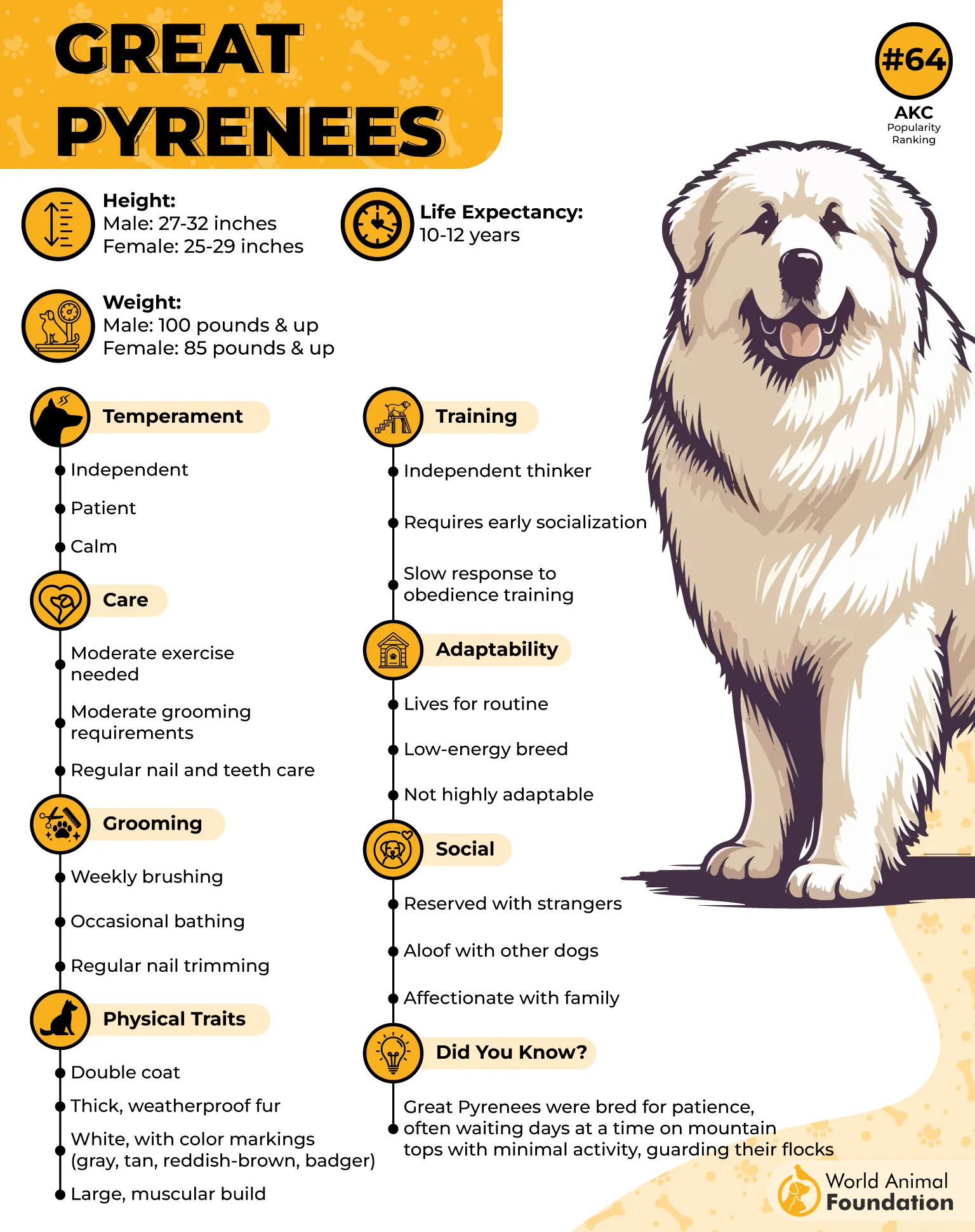
The breed has high intelligence and can get easily bored with repetitive and long training sessions. Keep the tasks short (5-10 minutes each) and always leash the breed outdoors. Never shave the coat entirely, as the breed is prone to developing Alopecia X.
10. Rafeiro do Alentejo
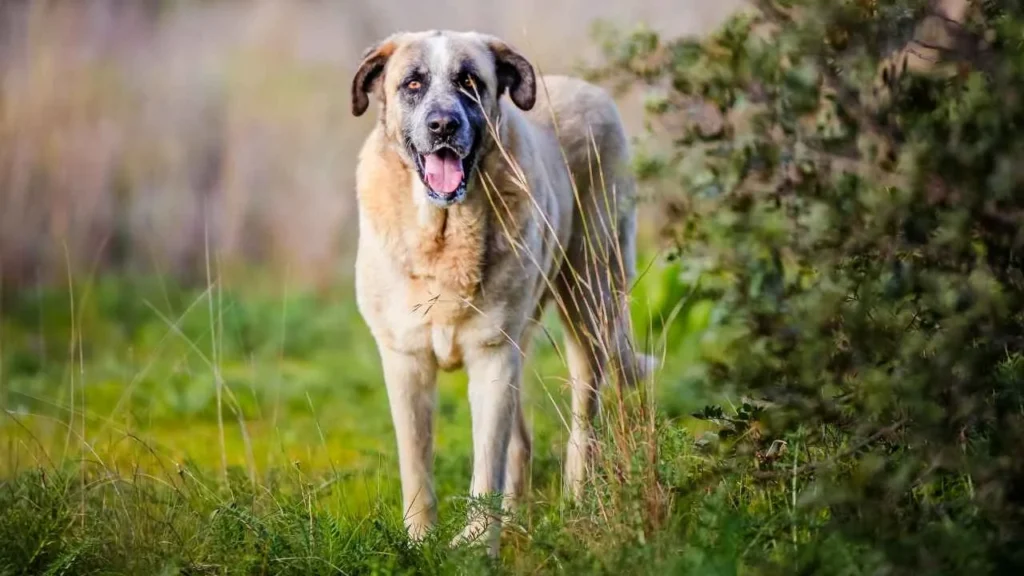
Originating from the molosser dogs from the Middle East, the Rafeiro do Alentejo’s primary role was to be used as a hunting dog. It has strong nocturnal instincts and works efficiently at night. Later, the hunting role disappeared, and it was used for livestock protection.
The Rafeiro do Alentejo has heavily pendulous lips, preventing it from tearing during physical combats. It also allows heavy breathing while holding a grip. A well-defined dewlap acts as a defensive armor. It weighs around 75-130 pounds and stands 25-29 inches tall.
It needs 1-1.5 hours of daily exercise. Plan for a steady stroll in an area where the dog can monitor its territory. Off-leash training in a large and secure area is important. It is a low-maintenance breed that requires weekly brushing. The coat blows in summer and spring, and needs daily brushing to prevent tangles.
Conclusion
Big dogs with calm energy are not rare finds; they are just underappreciated. These 10 breeds prove that real protection does not require constant noise, nervous behavior, or a packed training calendar. from the mastiff with its 3000 -year history carved in stone to the rare and regal Rafeiro do Alentejo guarding rural plains in Portugal, every breed is perfect for its admirer.
Each breed on this list brings something authentic, quiet loyalty, natural confidence, and that “I have got you without making a scene” energy that no security system can replicate. Find the one that actually fits your lifestyle, and you will have a protector and a genuine companion for the long haul.
