




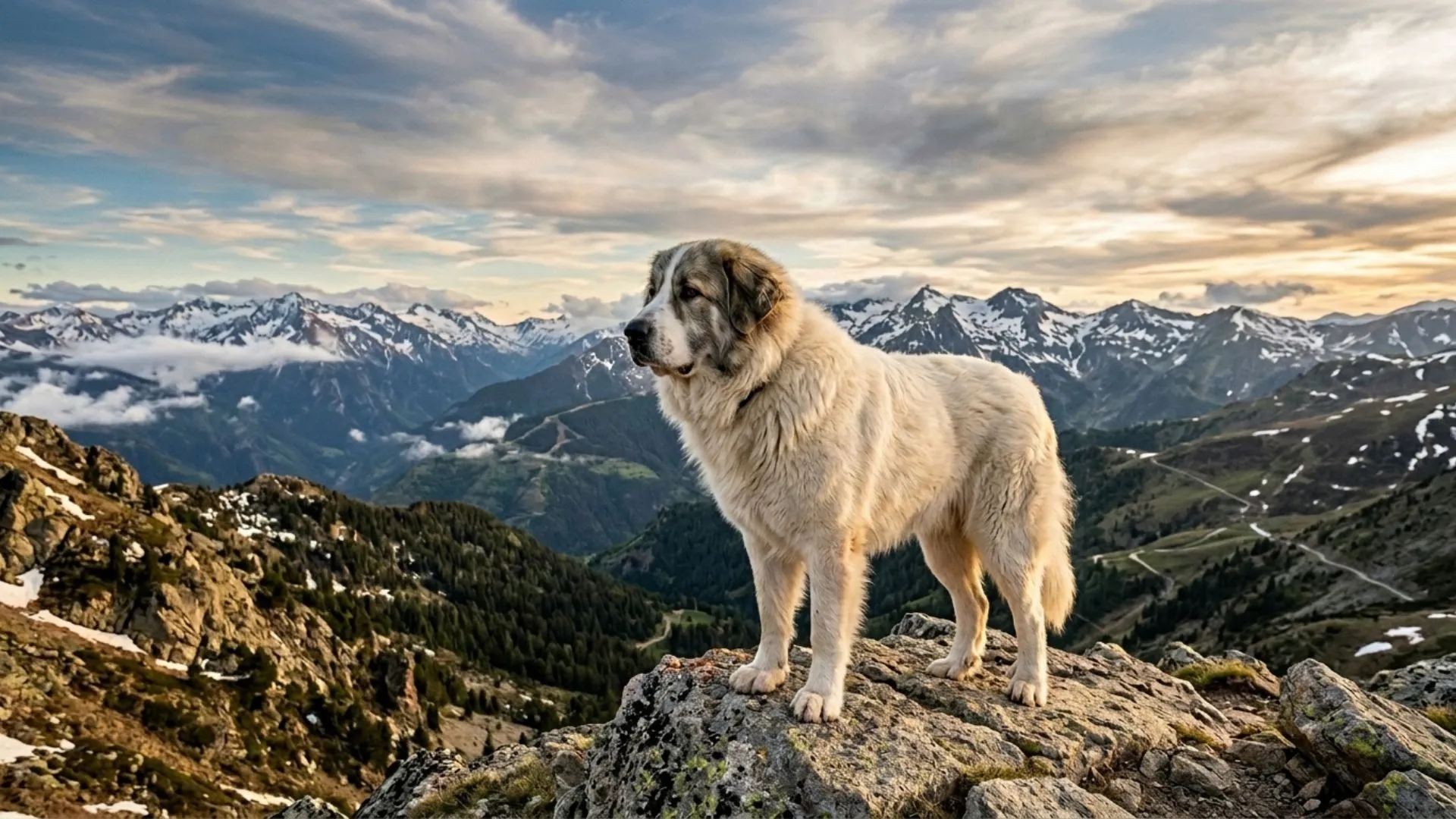
Big dogs can have even bigger personalities, and not all of them are the clingy, follow-you-everywhere type. Some giant dogs are loyal and affectionate, but also confident enough to enjoy their own space.
They may be perfectly happy relaxing in a quiet corner, keeping watch from a distance, or simply doing their own thing after their daily needs are met.
That independent nature can be a great match for owners who want a steady, self-assured companion rather than a constant lap dog.
However, strong-willed giant dogs still need structure, training, exercise, mental stimulation, and plenty of human connection. Their independence should never be mistaken for being low-effort or okay with being left alone all day.
If you love large dogs with calm confidence, protective instincts, and a little “I’ll do it my way” attitude, these breeds may be worth learning about.
They can thrive with some alone time, but they do best with owners who respect their independence while still giving them the care, attention, and guidance they deserve.
Key Takeaways
Great Danes and Great Pyrenees can be calm, loyal, and happy with quiet time.
Akitas and Tibetan Mastiffs are independent, protective, and best suited for confident owners.
Alaskan Malamutes and Komondorok need exercise, structure, and early training.
Anatolian Shepherds, Pyrenean Mastiffs, and Romanian Carpathian Shepherds thrive with space, purpose, and steady guidance.
Strong‑Willed Giant Dog Breeds That Thrive Alone
1. Great Dane
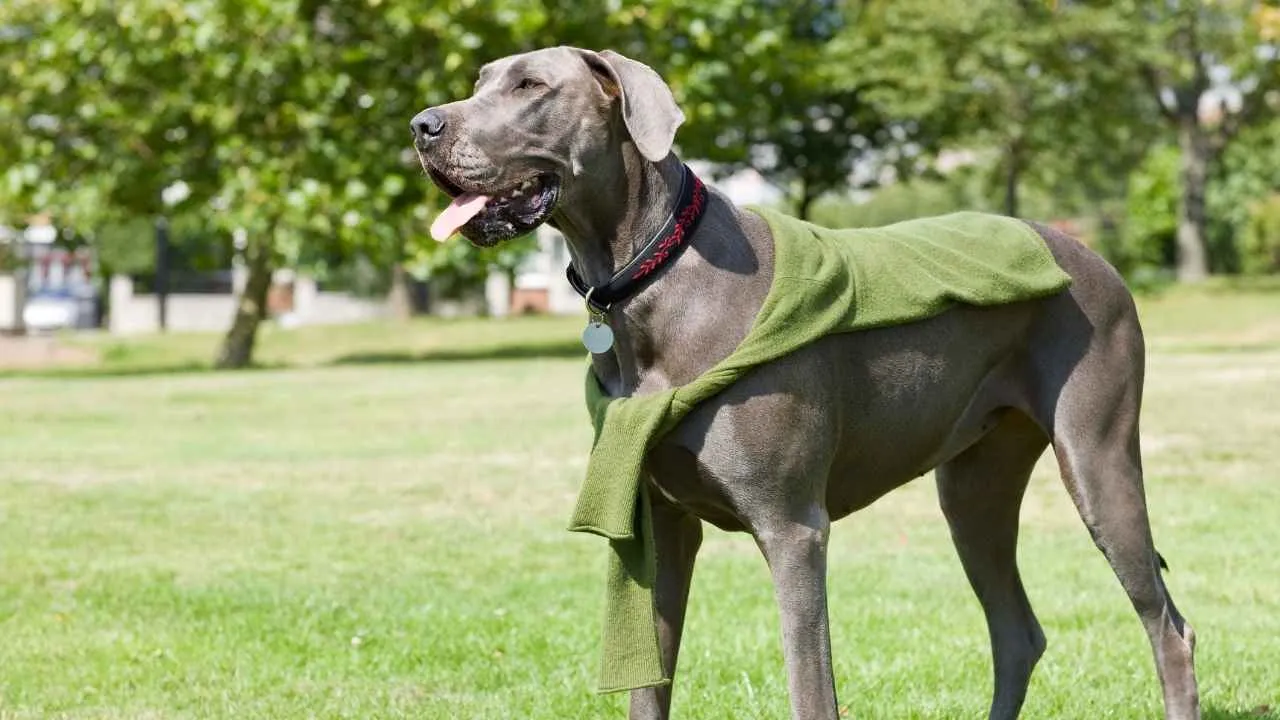
Great Danes may look like gentle giants, but they also have a calm, strong-willed side. They were originally bred to hunt large game and guard estates, so they are naturally confident, alert, and watchful, as noted by Britannica.
These dogs can enjoy quiet time on their own, especially after they have had enough exercise, attention, and mental stimulation.
They are loving family dogs, but they are not always clingy or overly needy. Many Great Danes are happy to relax nearby instead of sitting right on top of you.
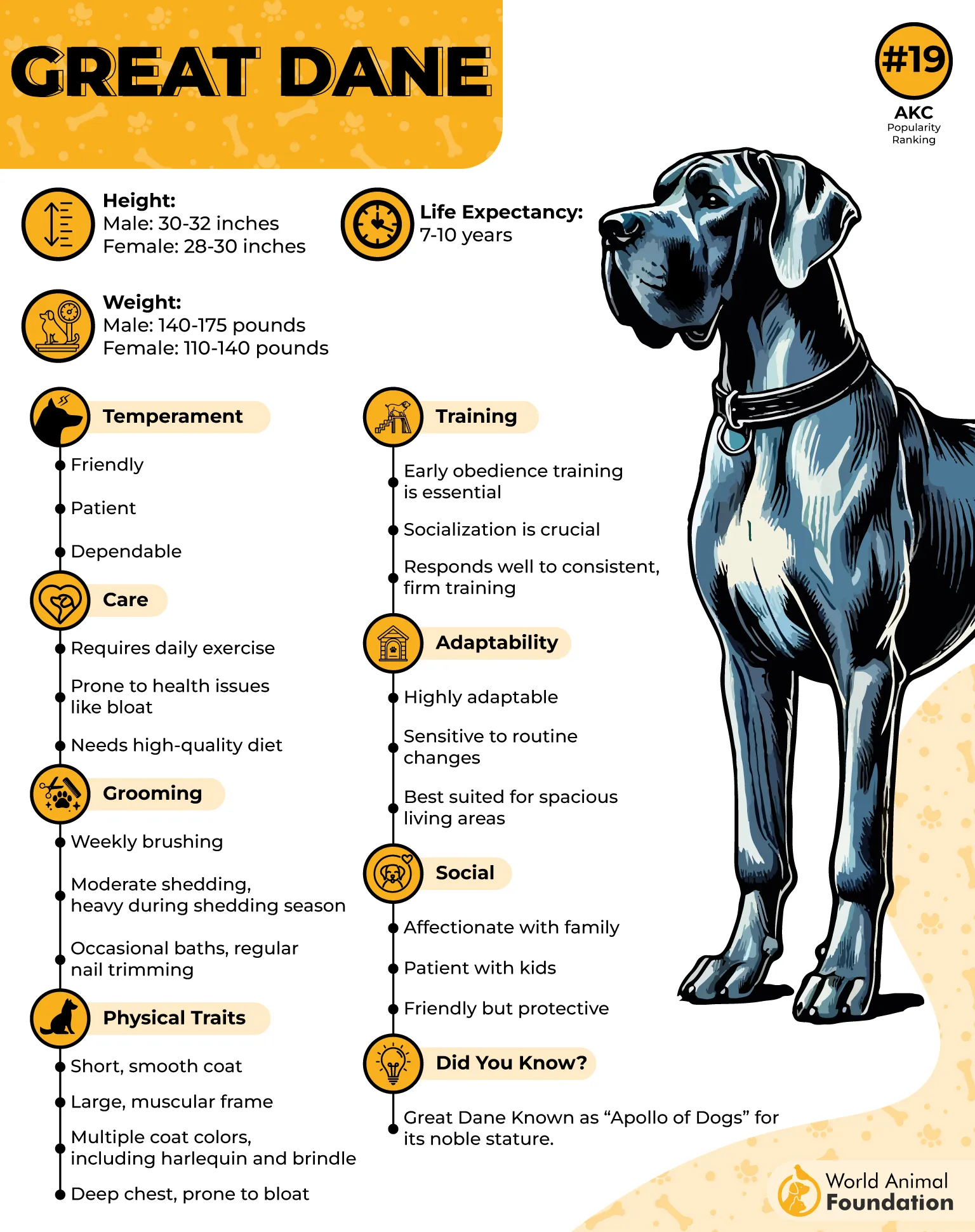
They may quietly watch the home, rest in their favorite spot, or stay close without demanding constant attention. Still, their independence does not mean they should be left alone for long hours.
Easygoing and calm at home
Loyal and protective of their family
Friendly with children and other pets when raised well
Needs early training and socialization
Requires daily walks and human contact
A short coat needs regular brushing
Because of their size and strength, Great Danes need clear rules from an early age. Obedience training is very important, as these dogs can become difficult to manage without guidance.
They also need daily walks, regular grooming, affection, and safe social experiences. With steady care, Great Danes can grow into gentle, loyal, and independent giant companions.
2. Alaskan Malamute
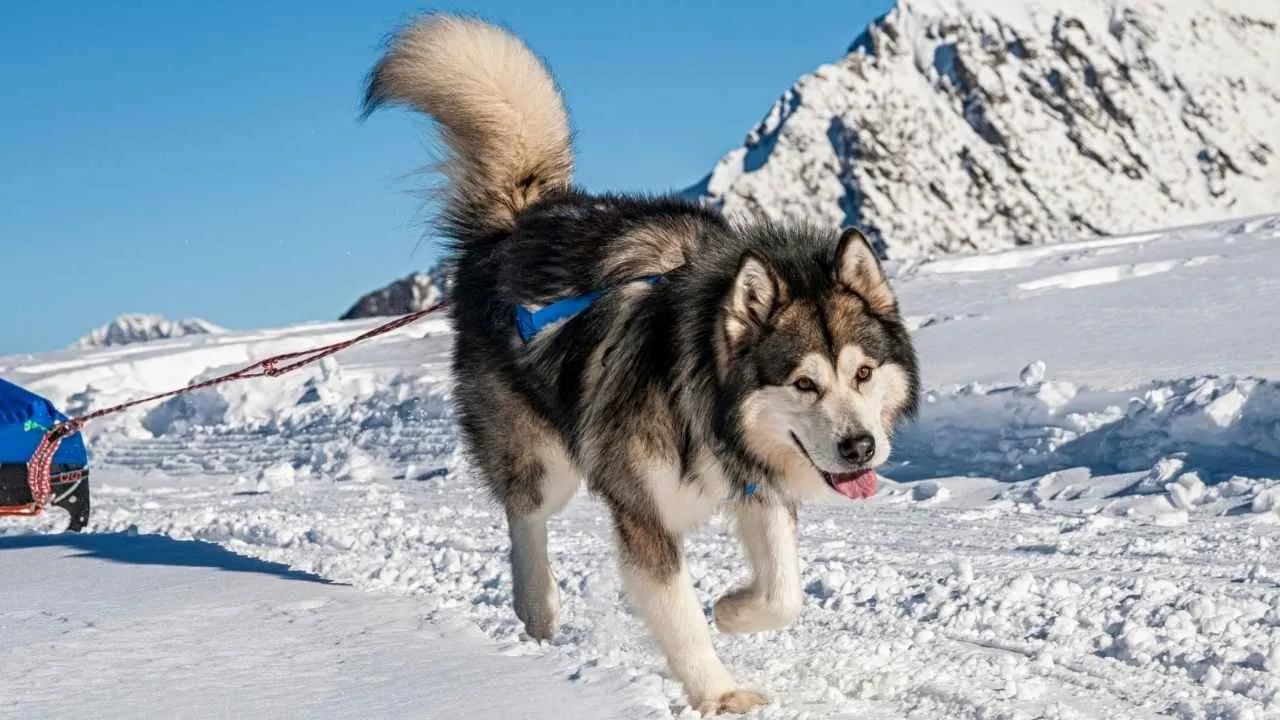
Alaskan Malamutes are powerful, strong-willed, giant dogs with a long history as Arctic workers. They were bred to pull heavy loads across snowy land, so they are built for strength, stamina, and hard work, as noted by the AKC. These dogs are loyal, playful, and affectionate, but they also have an independent mind.
They can spend time on their own, especially when they have had enough exercise and mental stimulation.
They are friendly with people and often loving with their family, but they are not the easiest dogs for first-time owners. Alaskan Malamutes need a confident owner who can lead with patience and clear rules. If they do not respect their handler, they may become stubborn, pushy, or difficult to manage.
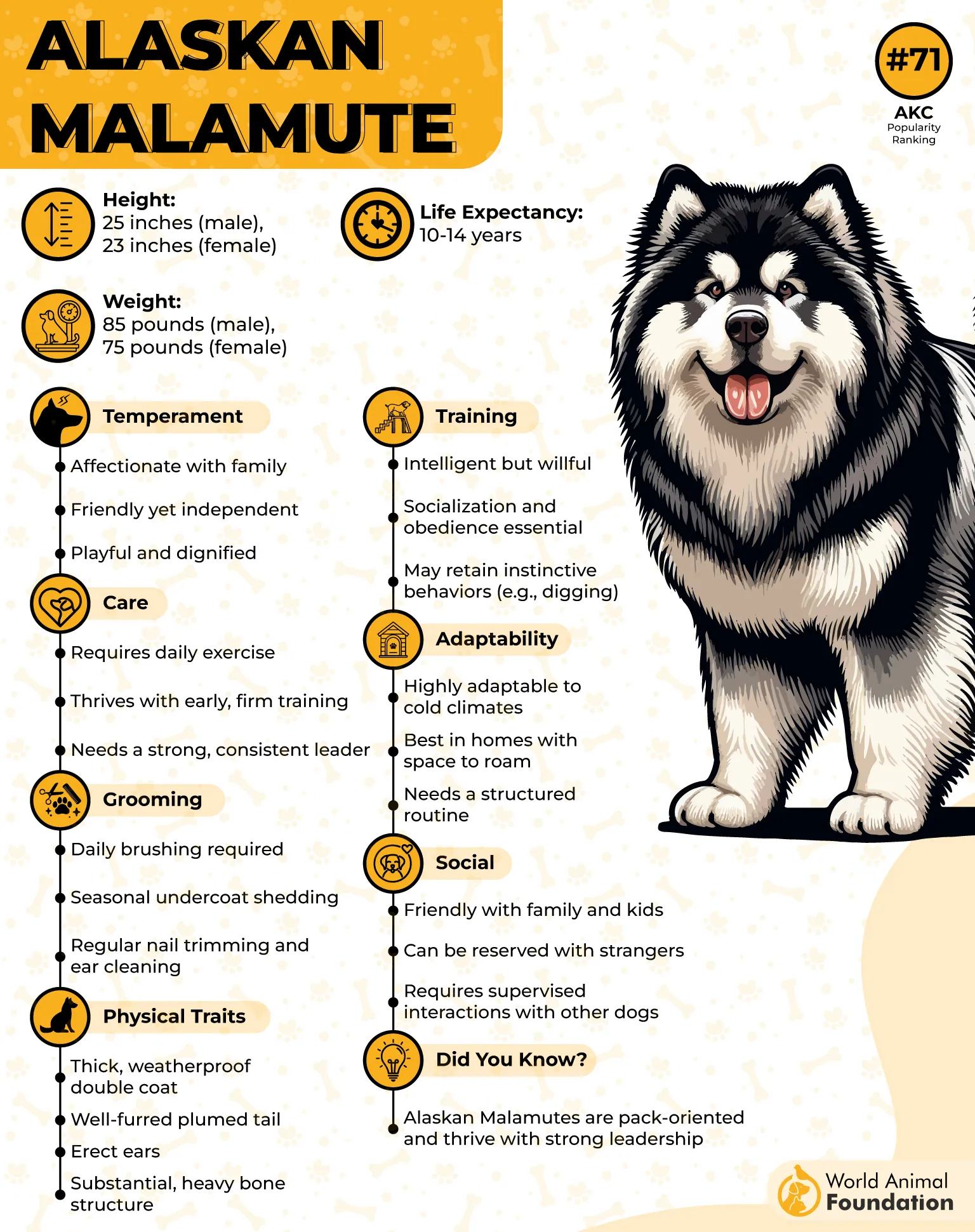
They are also social dogs, so their alone time should be balanced with attention, training, and family contact.
Loyal, playful, and affectionate with family
Needs firm training from puppyhood
Requires daily exercise and mental stimulation
Thick double coat needs regular brushing
May dig, howl, roam, or become destructive when bored
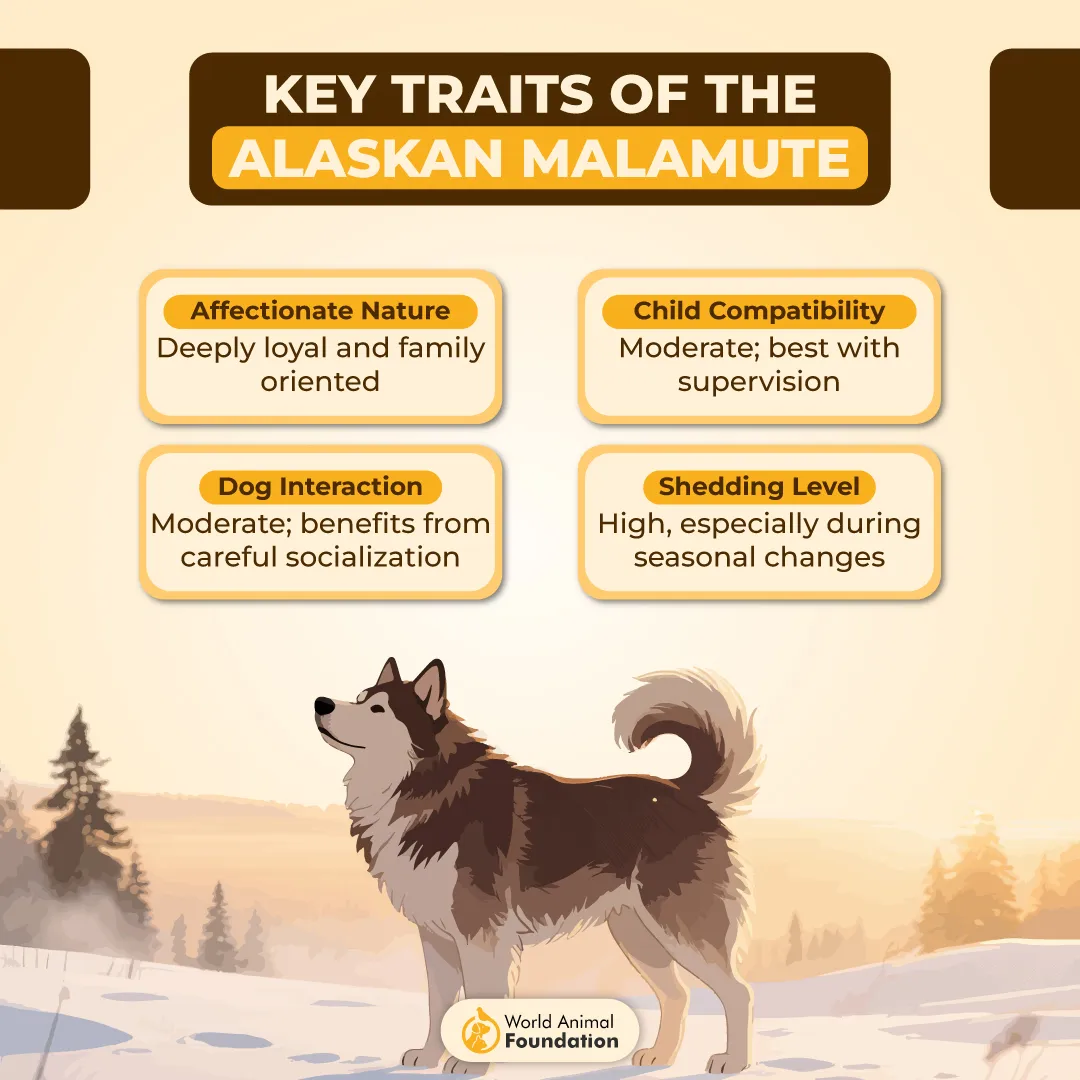
Because they were bred to work, Alaskan Malamutes need an active lifestyle. They enjoy running, hiking, swimming, pulling activities, and playing in a secure yard.
They are not ideal for small spaces or inactive homes. With fair training, daily exercise, and steady grooming, these dogs can become devoted, confident, and independent companions.
3. Romanian Carpathian Shepherd
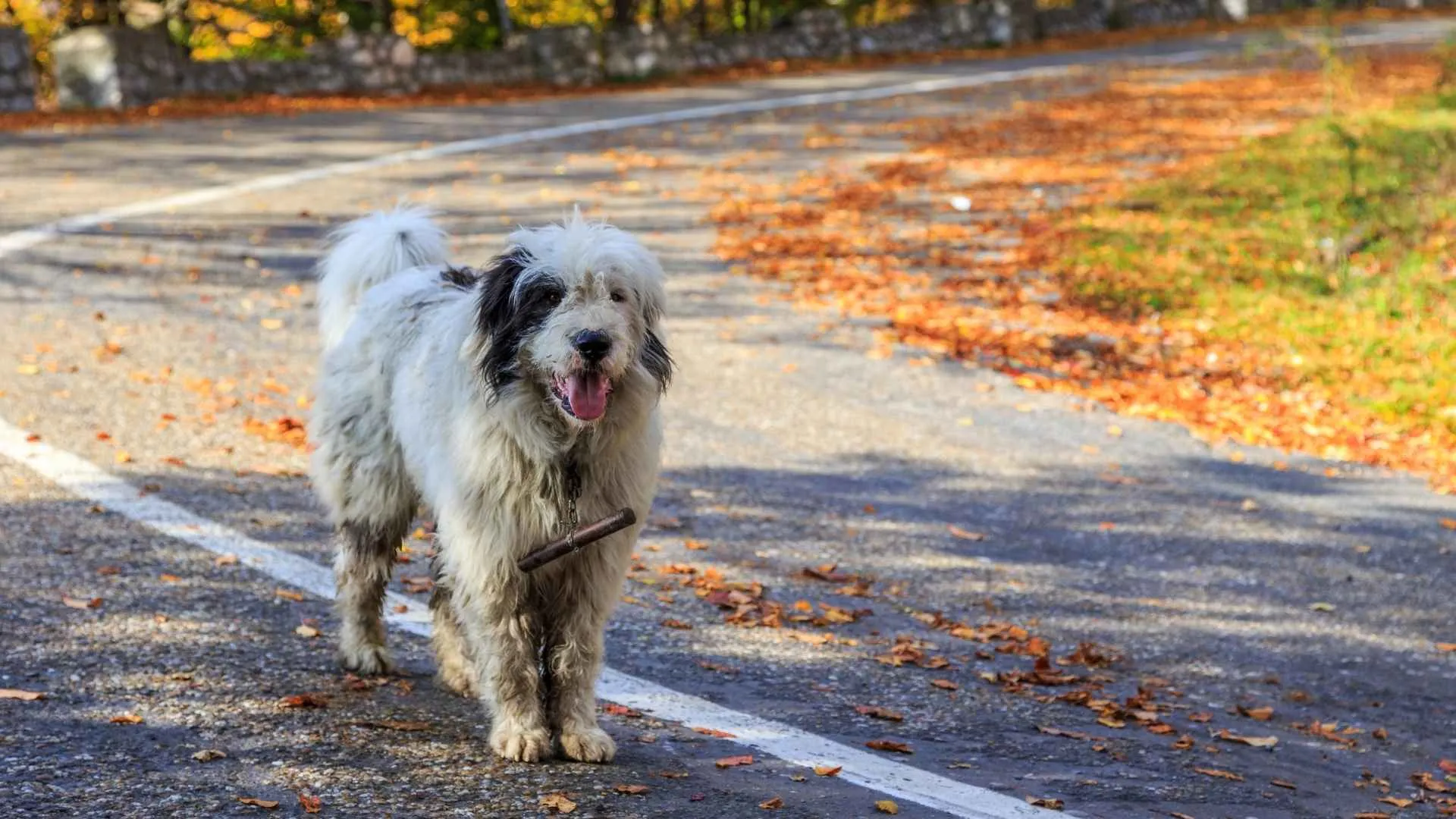
Romanian Carpathian Shepherds are powerful guardian dogs with a calm but fearless nature. They were bred in the Carpathian Mountains to protect flocks from wolves, bears, and other predators.
This background makes them brave, alert, and very independent. They can work with little human guidance and are comfortable making decisions on their own.
These dogs are deeply loyal to their family, but they usually choose one main person to follow most closely. They are dignified, proud, and balanced, yet they can act fast when they sense real danger.
Because of their strong guarding instincts, they need an experienced owner who can lead with calm confidence and consistent rules.
Natural guardians with strong protective instincts
Loyal, brave, intelligent, and proud
Needs early socialization and firm guidance
Requires daily walks, play, nose work, or puzzles
Dense double coat needs regular brushing
Best with a fenced yard because they may roam
Romanian Carpathian Shepherds are not casual pets for every home. They need space, structure, and a handler who understands guardian breeds.
If they do not have animals or property to watch, they still need daily activity and mental challenges. With the right care, they can become devoted, strong-willed, and reliable giant companions.
4. Pyrenean Mastiff
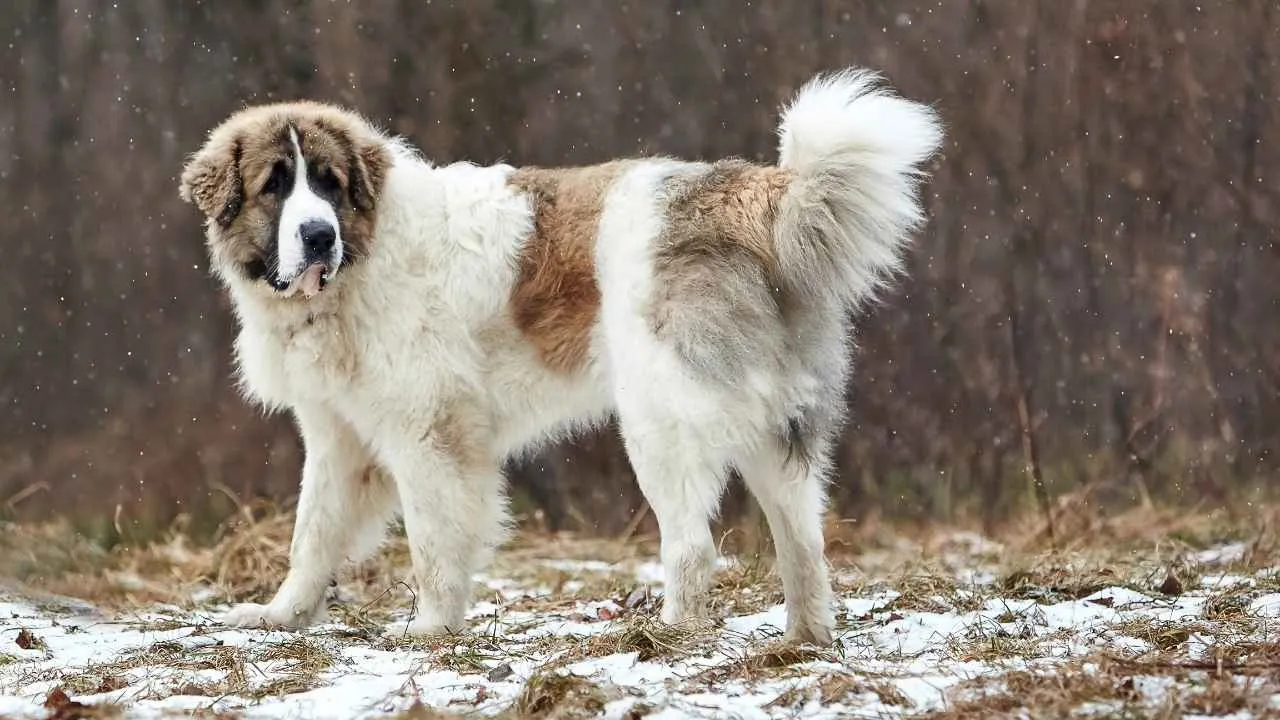
Pyrenean Mastiffs are gentle giant guardians with a calm but strong-minded nature. They were originally bred in the Pyrenees Mountains of Spain to protect flocks from wolves, bears, and thieves.
Because of this history, they are brave, watchful, and confident around strangers. They are not usually loud for no reason, but they will bark when something unusual comes near.
PetMD notes that these dogs are loving and social with their family, but they are also independent thinkers. They like having a job and can enjoy quiet time, especially when they feel their home or people are safe.
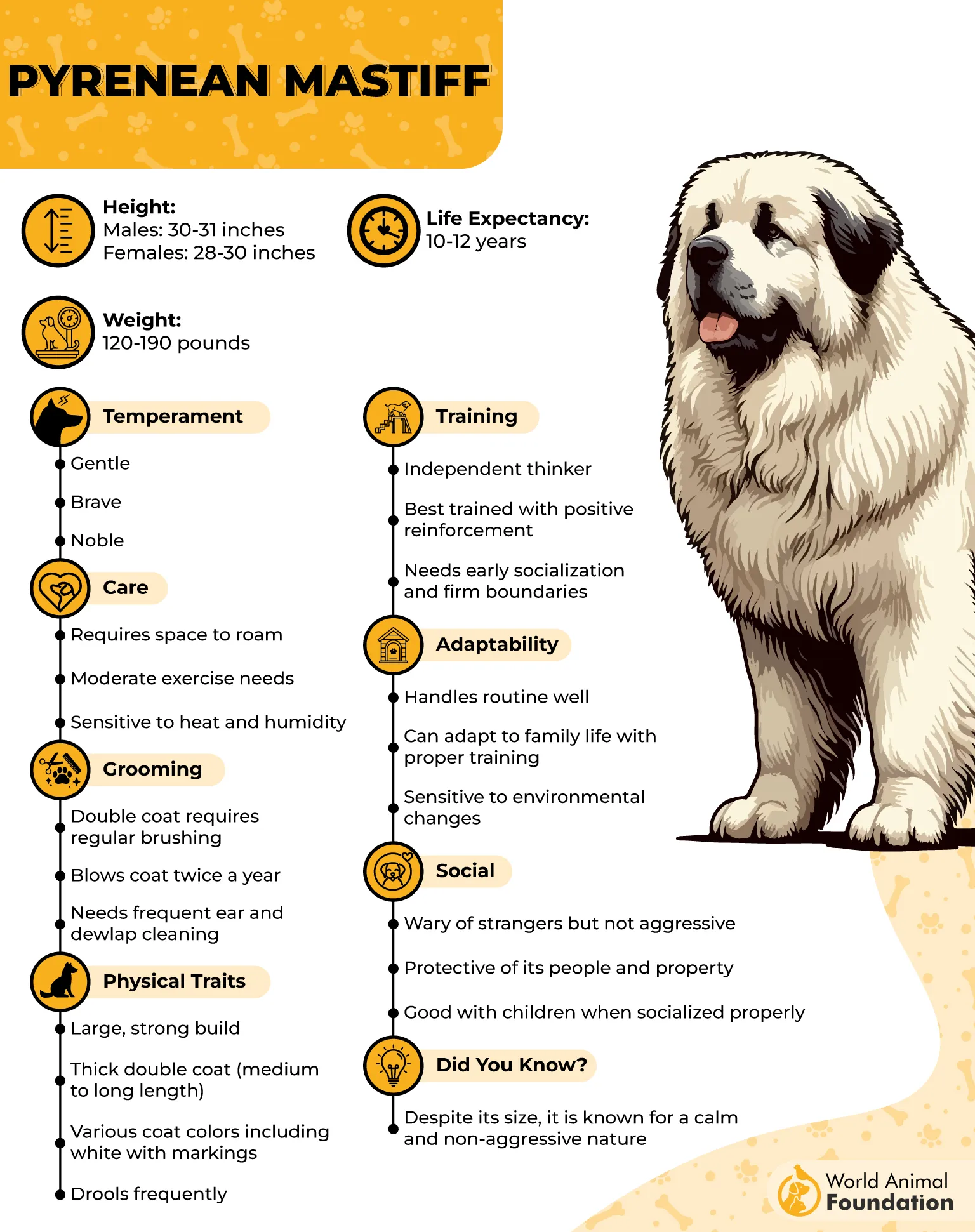
Pyrenean Mastiffs are usually gentle with children and protective of animals, but they still need early socialization, training, and firm boundaries. Without guidance, they may try to get their own way.
Calm, noble, and intelligent
Gentle and loving with family
Enjoys walks, hikes, and fenced-yard play
A double coat needs regular brushing
May drool and shed heavily during coat-blowing seasons
Pyrenean Mastiffs are not extremely high-energy dogs, but they still need daily activity to stay healthy and balanced. Leisure walks, light hikes, obedience training, and time in a secure yard can suit them well.
Their thick coat needs brushing, especially during shedding seasons, and their ears, nails, and drool-prone areas need regular care. With patient training and steady attention, these dogs can become loyal, calm, and independent giant companions.
5. Akita
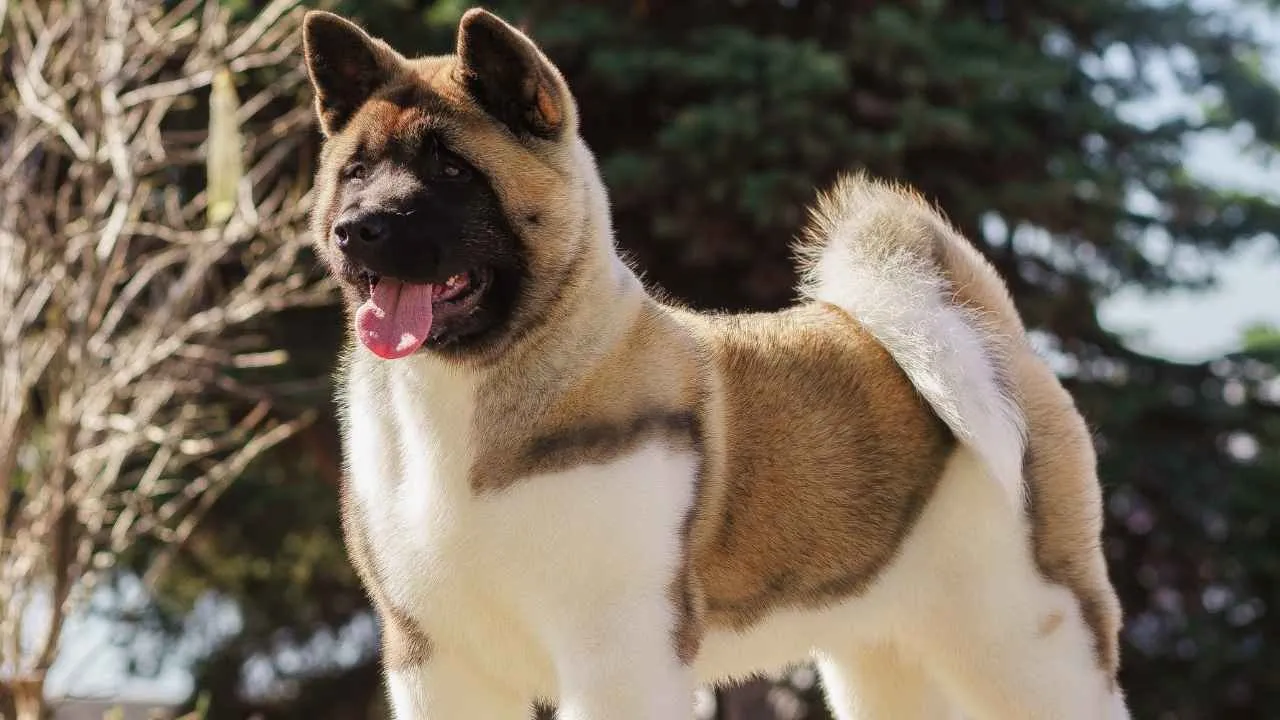
Akitas are strong, dignified dogs with a bold and independent nature. They come from an ancient Japanese line and were valued as loyal family protectors.
These dogs are quiet, brave, and deeply devoted to the people they love. They are not usually social butterflies, and many prefer calm homes, quiet routines, and time with their trusted family.
They can handle some alone time better than many clingy breeds, but they still thrive on human companionship.
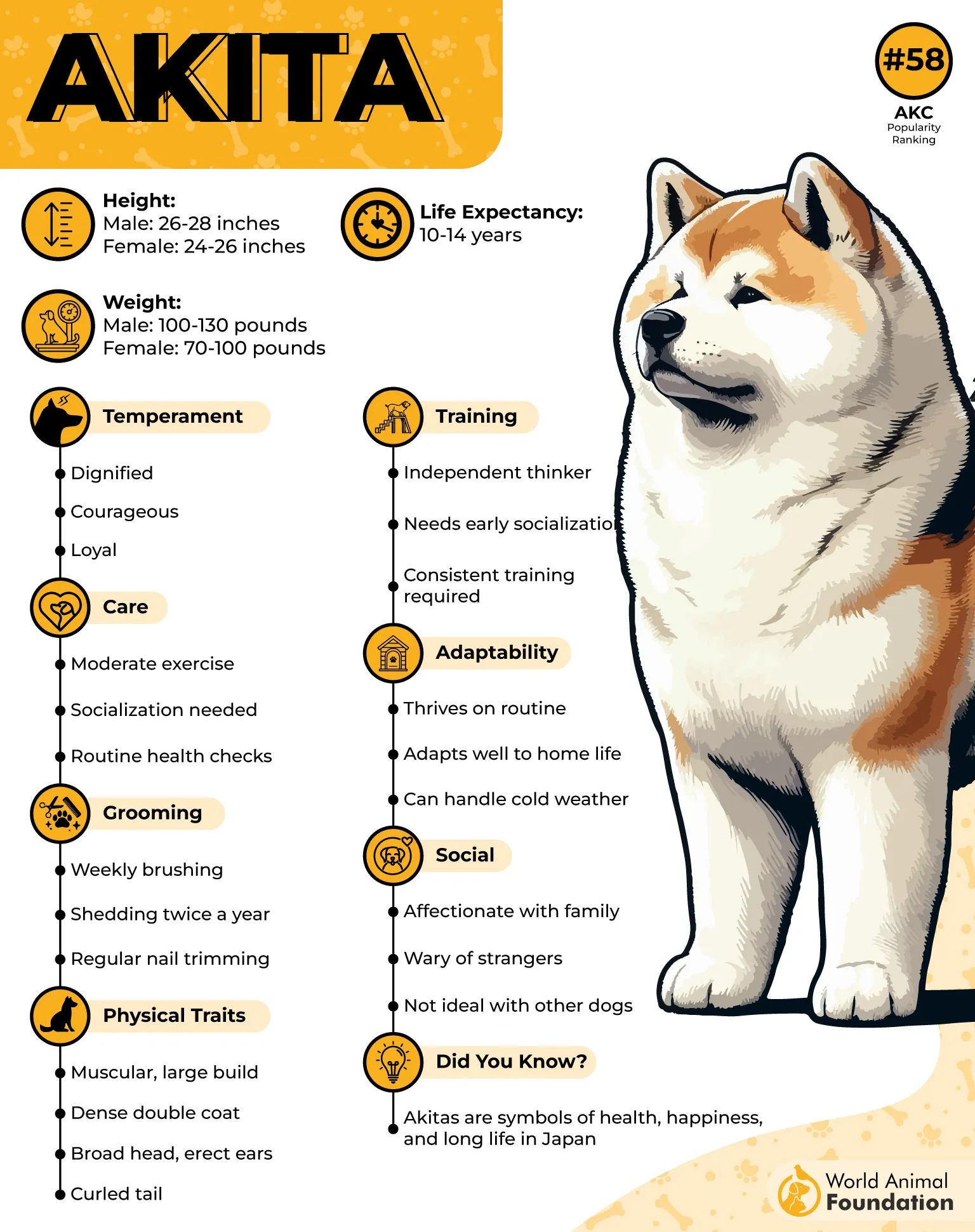
Akitas are intelligent and protective, yet they can also be headstrong. They need early socialization, so they learn that strangers and other animals are not always a threat. Because of their power and strong prey drive, they should not be off-leash in unsecured areas.
Wary of strangers
May not tolerate other dogs well
Needs early training and socialization
Requires moderate daily exercise
Thick double coat needs weekly brushing
Akitas are not the right fit for every owner. They need clear rules, steady training, and careful handling around other pets. A brisk walk, playtime, and mental challenges can help keep them balanced. With the right owner, Akitas can become calm, loyal, and independent companions who protect their home with quiet confidence.
6. Great Pyrenees
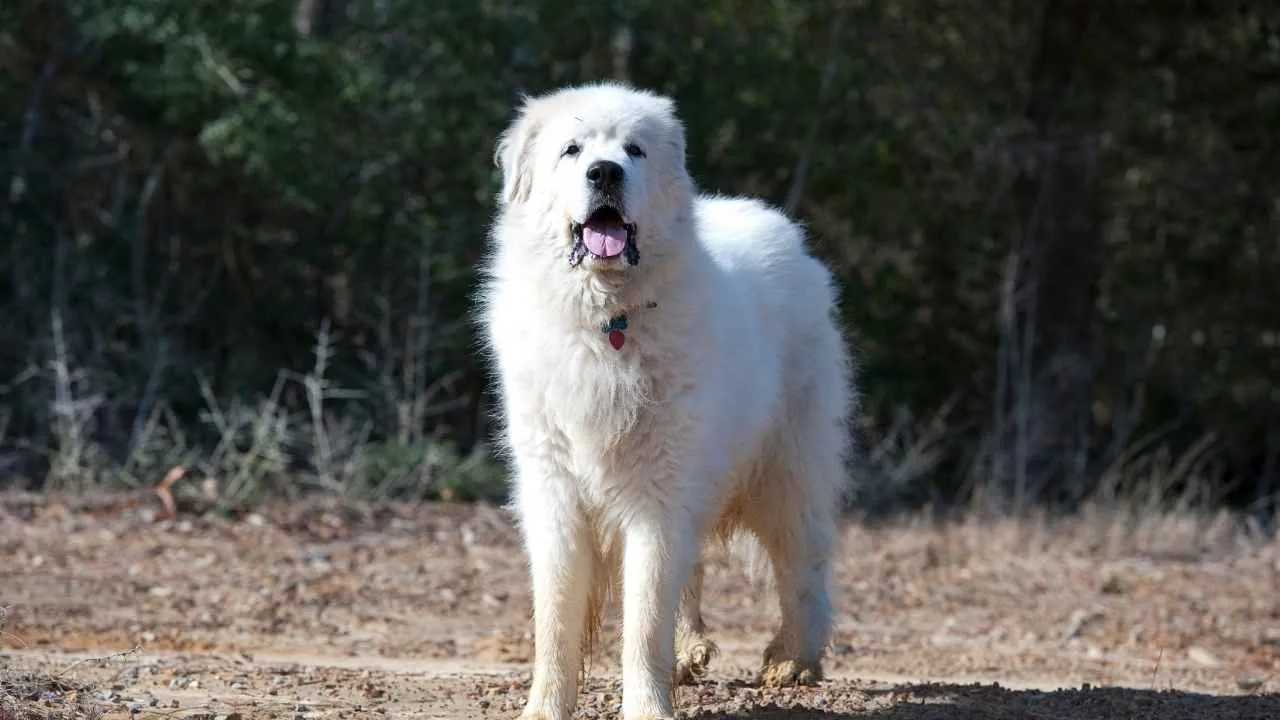
Great Pyrenees are majestic, giant dogs with a calm, watchful nature. They were originally bred in the Pyrenees Mountains to guard sheep from wolves, bears, and other threats.
This job required them to think for themselves, patrol their space, and protect without constant direction. That is why they are often independent, strong-willed, and comfortable spending quiet time on their own.
At home, they are usually gentle, affectionate, and relaxed with their family. They are not overly active dogs, but they do enjoy roaming outside and keeping an eye on their surroundings.
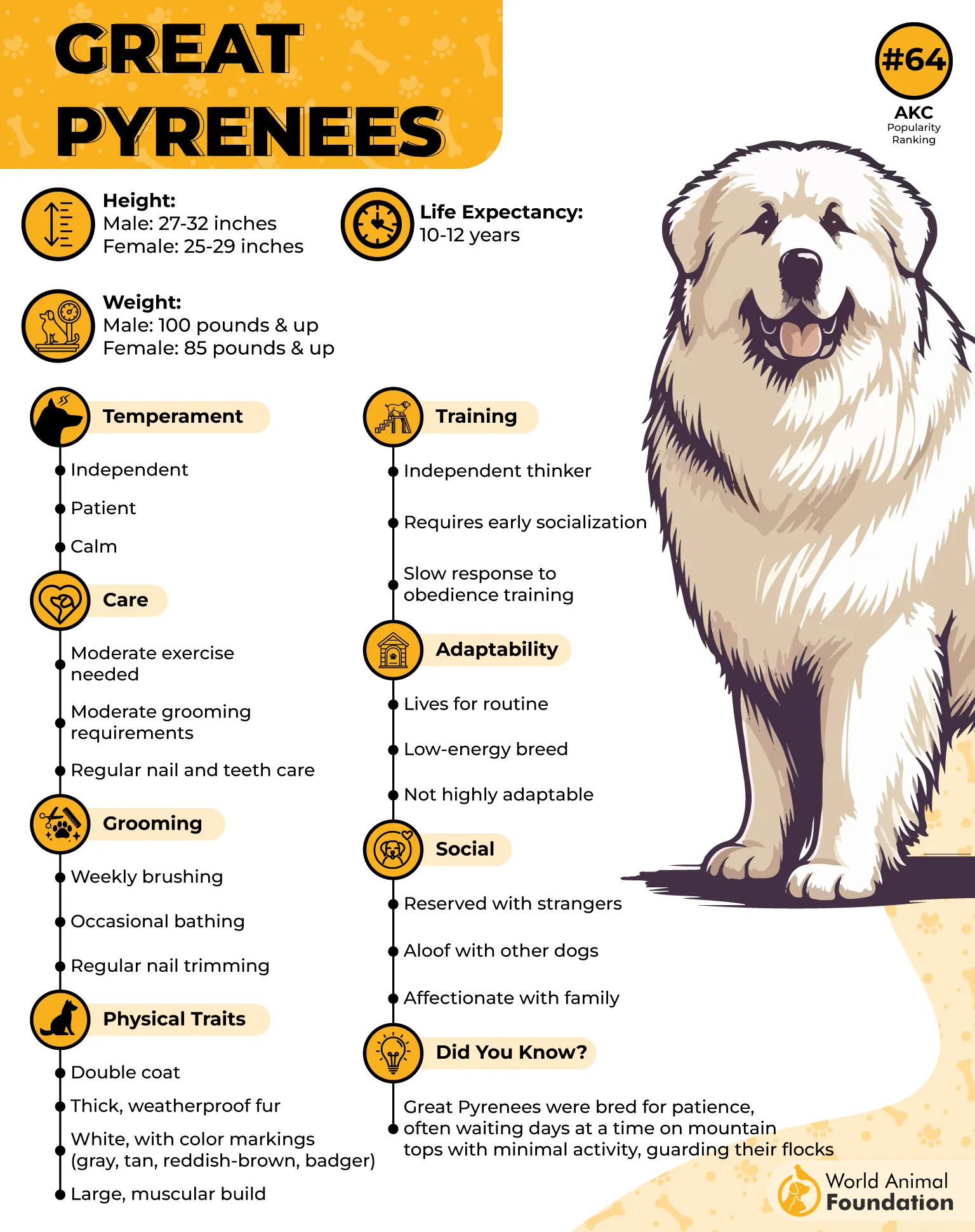
Great Pyrenees can live well with children and other pets when raised properly, but they still need early socialization, clear rules, and a safe place to retreat when they want alone time.
Alert and protective around the home
May bark when something seems unusual
Needs patient training and socialization
Enjoys walks, hikes, and fenced-yard time
The thick white coat needs weekly brushing
Heavy shedder, especially during coat-blowing seasons
Great Pyrenees do not need intense exercise, but they still need daily walks and mental stimulation to stay healthy. A sturdy fenced yard is important because they may roam if given the chance. Training can take patience, as they may not always see the point of repeated commands.
With steady care, grooming, and gentle guidance, these dogs can become calm, reliable, and independent giant companions.
7. Anatolian Shepherd Dog
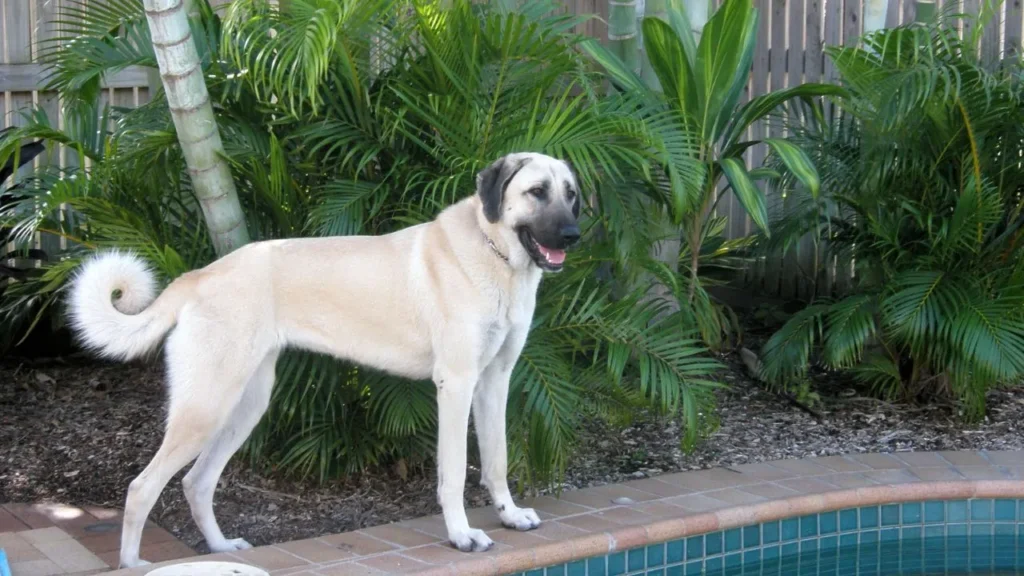
Anatolian Shepherds are powerful guardian dogs with a calm but serious nature. They were bred in Turkey to protect sheep, goats, and cattle from predators.
Because they often worked without constant human direction, they learned to think for themselves. This makes them independent, strong-willed, and confident when watching over their home or family.
These dogs are loyal and friendly with the people they know, but they can be suspicious of strangers. They are not usually cuddly or overly needy, and many are happy with some quiet time after their needs are met.
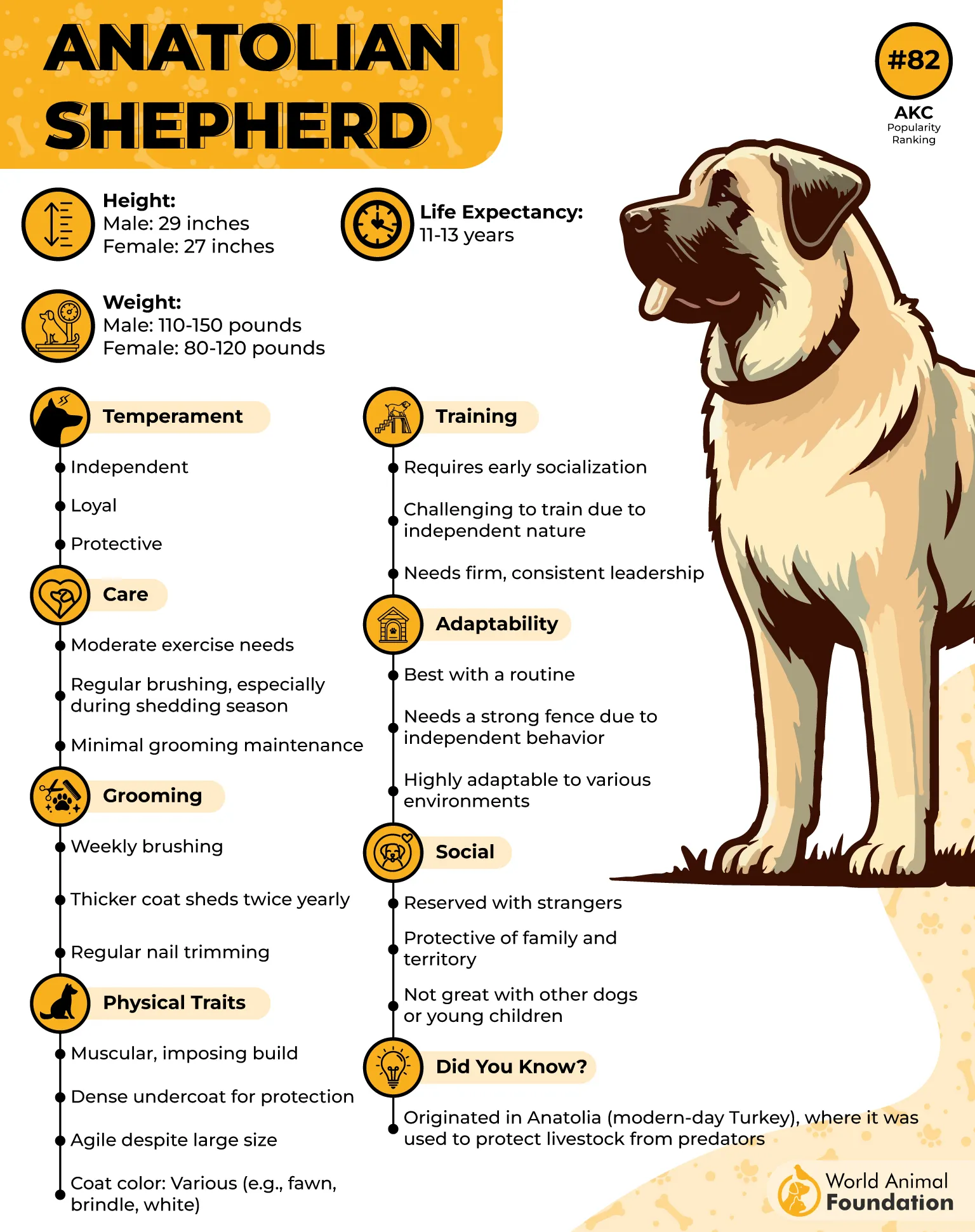
Still, Anatolian Shepherds need early socialization, steady training, and a strong owner who can manage their protective instincts with care.
Calm but quick to react to threats
Wary of strangers and visitors
Requires daily walks and secure yard time
Should stay on leash outside the home
The short coat needs weekly brushing
Anatolian Shepherds are not ideal for small homes or first-time owners. They need space, structure, and a tall, strong fence with a locked gate.
Their exercise needs are moderate, but they still need long walks and mental stimulation. With firm guidance and proper care, these dogs can become steady, loyal, and independent giant companions.
8. Tibetan Mastiff
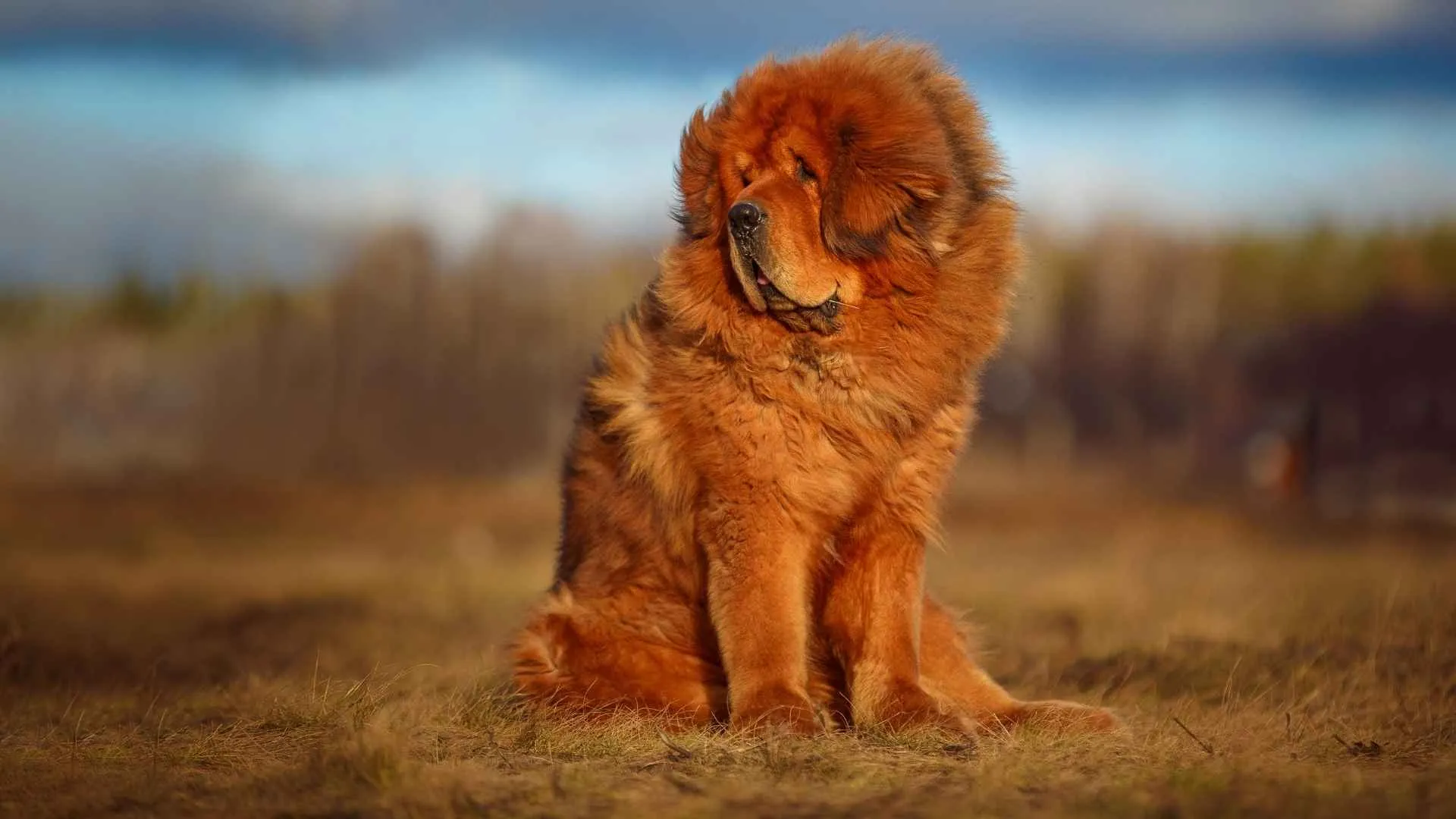
Tibetan Mastiffs are ancient guardian dogs with a serious, independent nature. They were bred to protect homes, families, monasteries, and livestock in Tibet and nearby Himalayan regions.
These dogs are calm and mellow around the house, but they become alert and territorial when strangers come near. Their strong instincts make them confident protectors who often prefer to judge situations for themselves.
They are deeply loyal to their family, but they are not easy dogs for every owner. Tibetan Mastiffs are intelligent and quick to learn, yet they may ignore commands if they do not see the point.
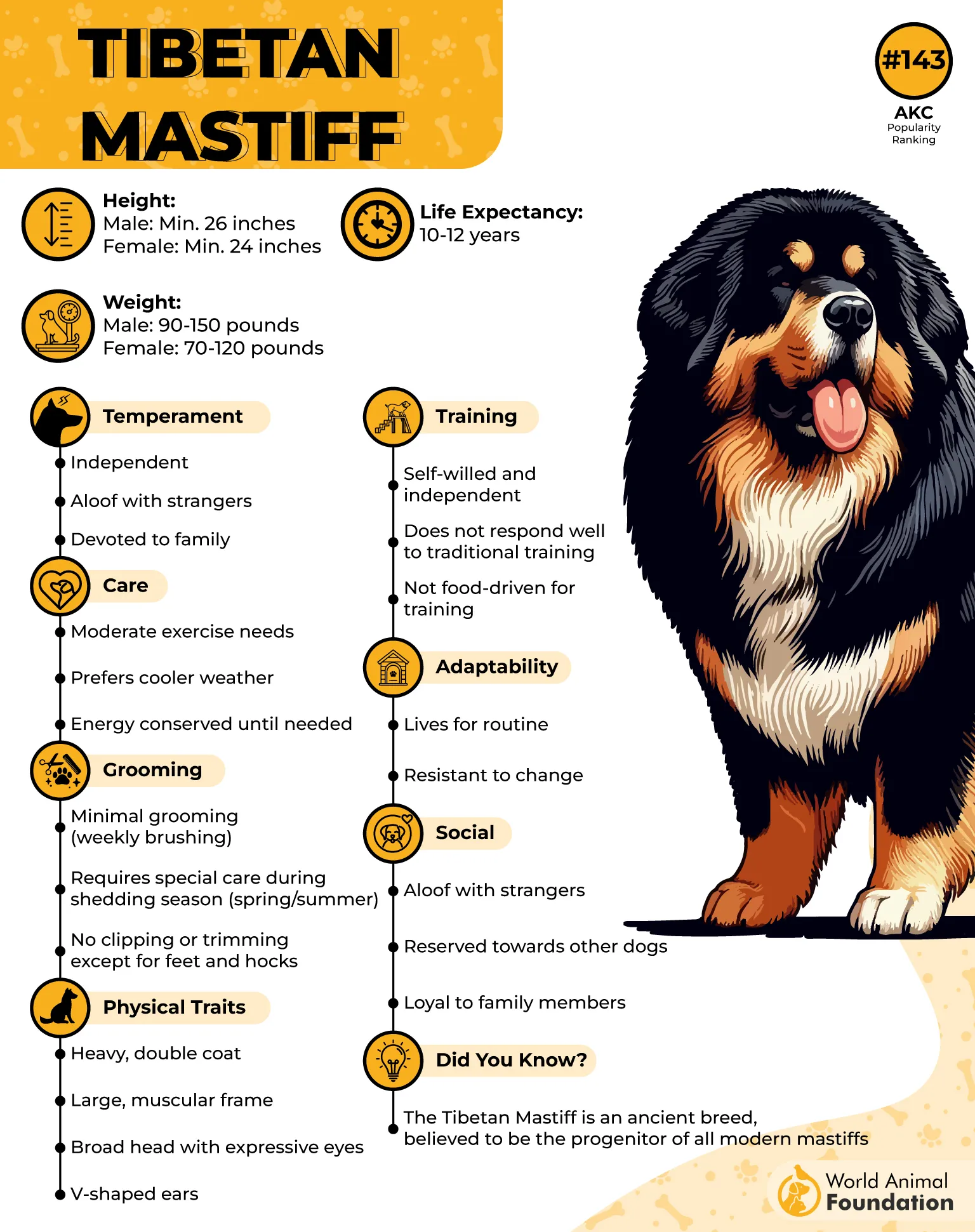
They need trust, respect, and early socialization from a young age. They should also stay on leash outside secure areas, as their recall is not reliable.
Territorial around strangers
Prefers patrolling over structured play
Requires moderate daily exercise
Thick double coat needs weekly brushing
Tibetan Mastiffs do best with confident owners who understand guardian breeds. They enjoy a secure yard where they can roam and patrol, but the fencing must be strong because some can escape.
Their coat is easy to manage most of the year, though they shed heavily once a year. With patient guidance, space, and clear boundaries, these dogs can become devoted, calm, and independent giant companions.
9. Komondor
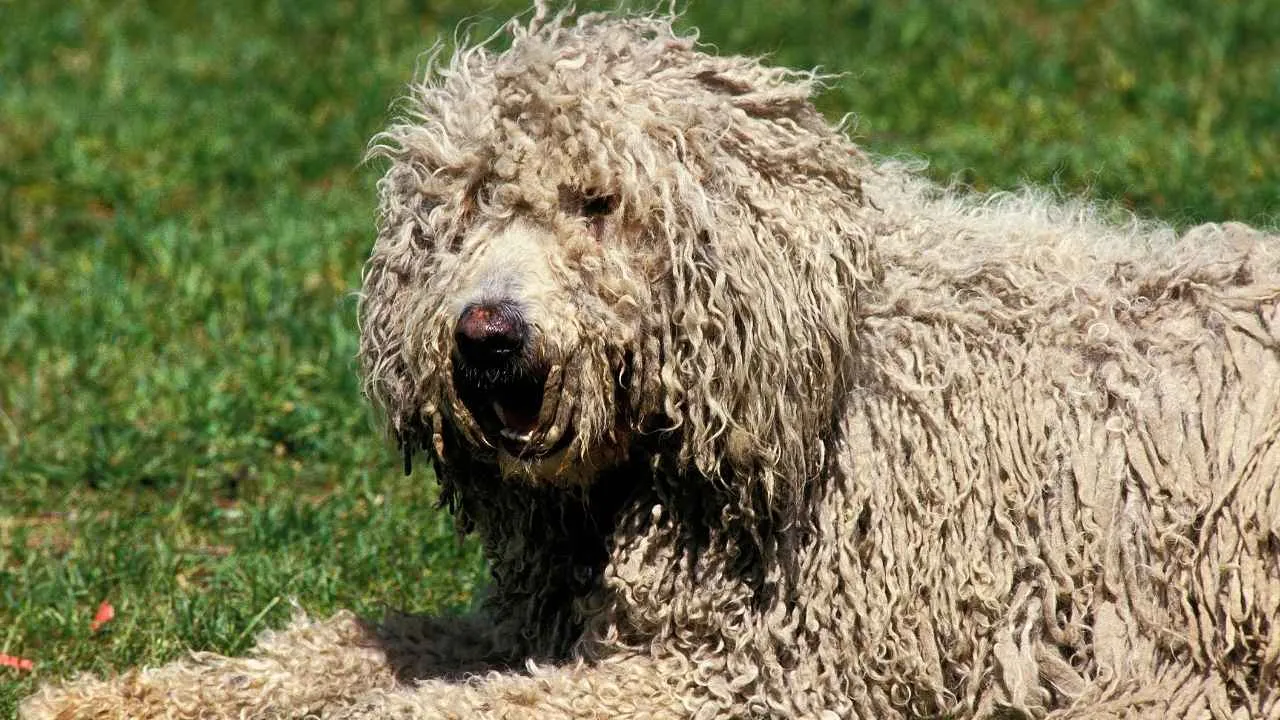
Komondorok are strong Hungarian flock guardians with a bold and independent nature. They were bred to protect sheep, not herd them, so they learned to watch, decide, and act on their own.
Their thick white cords helped them blend in with flocks and gave them protection in harsh weather. At home, they can be calm and affectionate, but they stay alert when they sense danger.
These dogs are loyal to their family, but they need a firm and experienced owner. Komondorok can become overly protective if they are not trained and socialized early.
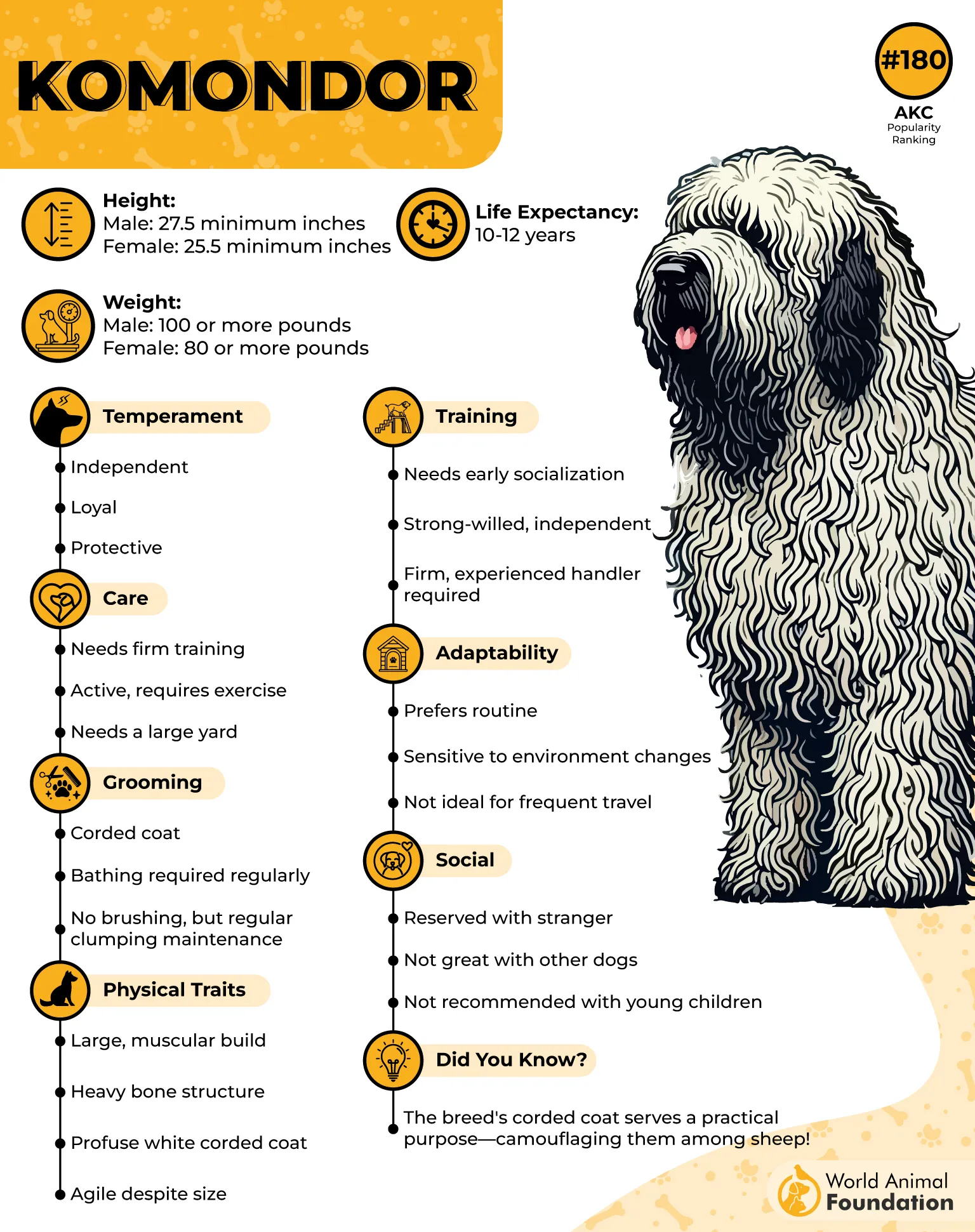
They must learn clear rules while they are young, because their size, strength, and guarding instincts can be difficult to manage later. Dog parks are often not a good fit, as loose, strange dogs may trigger their protective side.
Requires confident, experienced handling
Enjoys walks and secure-yard exercise
Corded coat needs special care
May bark or react to strangers
Komondorok need daily exercise to stay healthy and balanced. Free-running in a large fenced yard, walking, and playing with trusted household dogs can suit them well.
Their coat should not be brushed, but it does need regular washing, cord separation, and careful drying to prevent odor. With strong leadership, patient training, and proper grooming, Komondorok can become devoted, watchful, and independent giant companions.
Conclusion
Strong-willed giant dogs can be calm, loyal, and wonderfully independent, but they are never “hands-off” pets.
Most of these breeds were shaped by serious jobs, from guarding flocks to protecting homes, so they need clear rules, early socialization, steady training, and owners who understand their instincts.
If one of these powerful dogs feels like the right fit, take time to learn about the breed beyond its size and appearance. The best match is not just the biggest or most impressive dog, but the one whose needs, temperament, and lifestyle truly fit your home.
With the right care and respect, an independent giant can become a steady, devoted companion who gives you space but never stops watching over you.
