




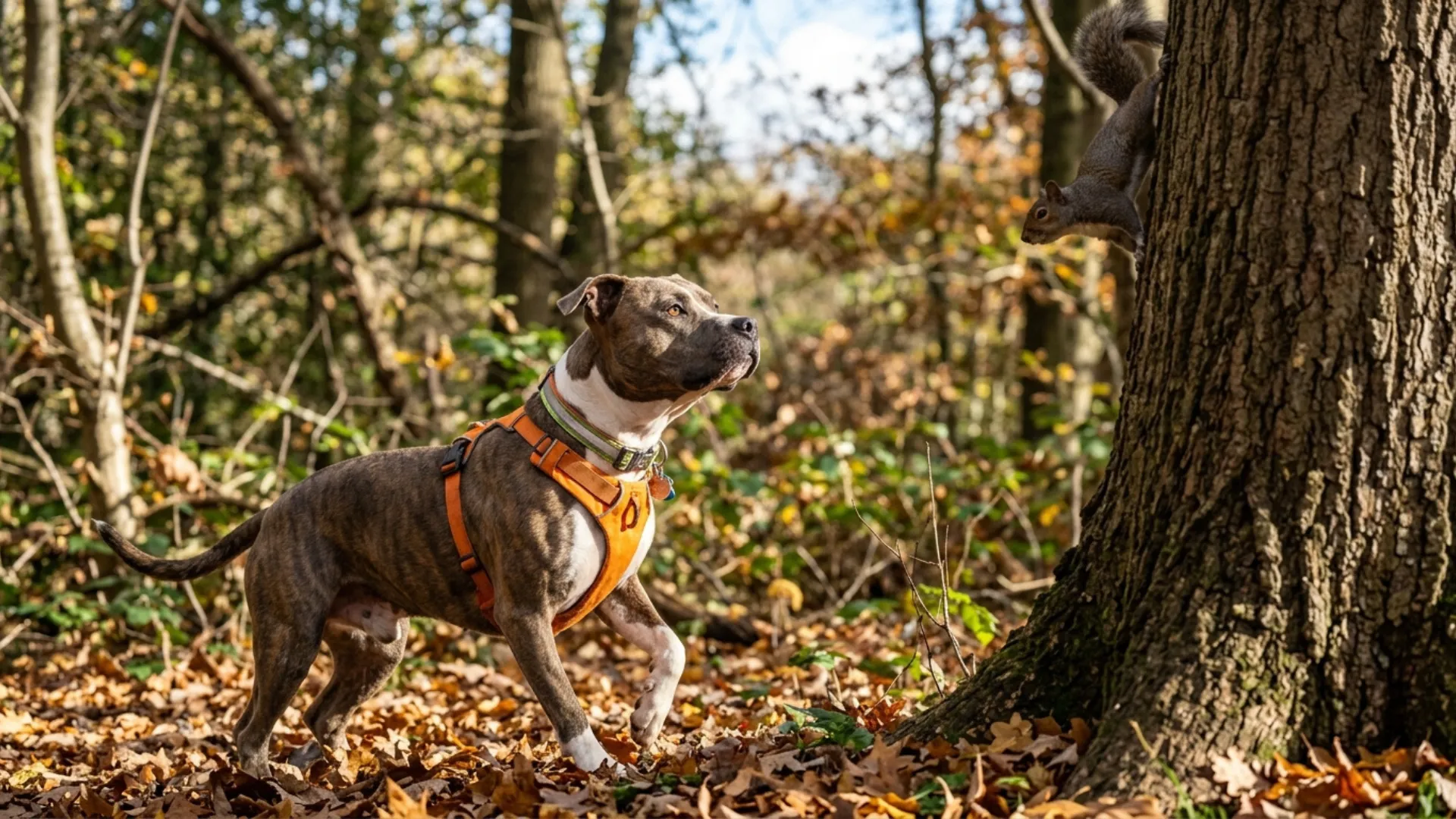
Squirrel hunting with dogs is basically the original open-world survival game. You’re not just walking through the woods—you’re tracking movement, reading scent trails, and relying on a four-legged teammate who literally has a built-in “radar system” in its nose.
But here’s the thing most beginners miss: not every hunting dog is built for squirrels. Some dogs are marathon trackers. Some are explosive sprinters. And some are elite “tree-and-hold” specialists who basically say, “yeah bro, the squirrel is RIGHT THERE.”
So this guide breaks down real squirrel-hunting-capable breeds from your list—not as “perfect fantasy builds,” but as actual working dogs with strengths, weaknesses, and very different playstyles in the field.
Think of it like a squad loadout in a survival game; some are scouts, some are trackers, some are fighters, and a few are just chaotic all-rounders
Let’s check out which dogs can really hunt squirrels!
Top Dog Breeds for Squirrel Hunting Adventures
1. American Leopard Hound
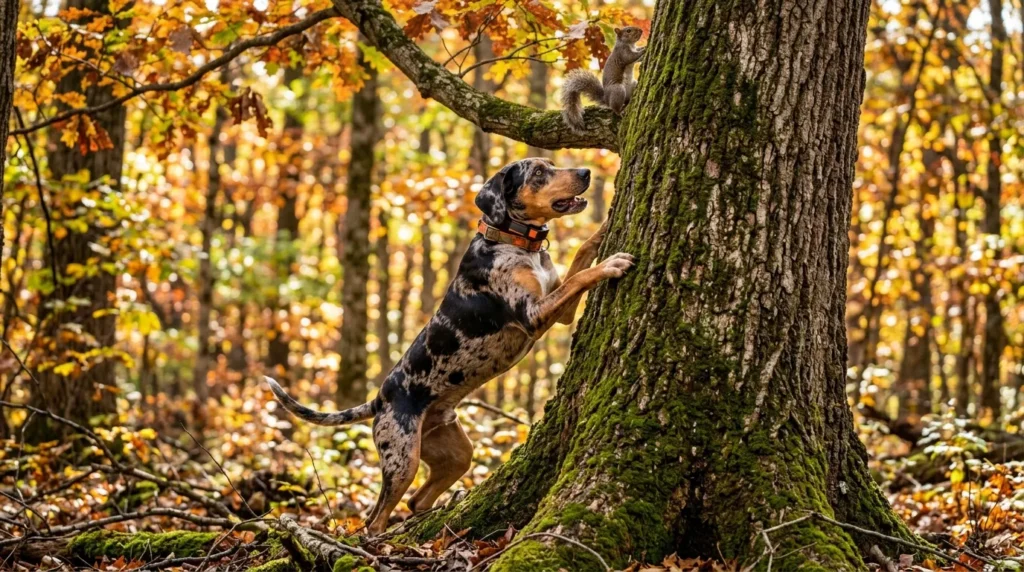
The American Leopard Hound is one of the more balanced picks for squirrel hunting on your list. It’s basically the “versatile scout class” of tree dogs—fast, athletic, and surprisingly adaptable in different terrain.
This breed is known for its strong scent drive and natural treeing instincts to attack upland game birds, which is exactly what squirrel hunters want. Once it picks up a trail, it doesn’t just follow it—it works it, circles it, and tries to push it into a tree position.
In real hunting environments, Leopard Hounds are appreciated for being less “wide-ranging wanderers” than traditional foxhounds. That means they stay more engaged in the immediate hunting zone instead of disappearing across half the map like they’re speedrunning side quests.
These good dogs also tend to handle rough terrain well—fallen logs, thick brush, and uneven forest floors don’t slow them down much. That agility matters a lot when squirrels are constantly switching trees like they’re dodging attacks in a stealth game.
Owners often describe them as “focused but independent,” which is a good balance for squirrel hunting: they think for themselves yet remain mission-oriented.
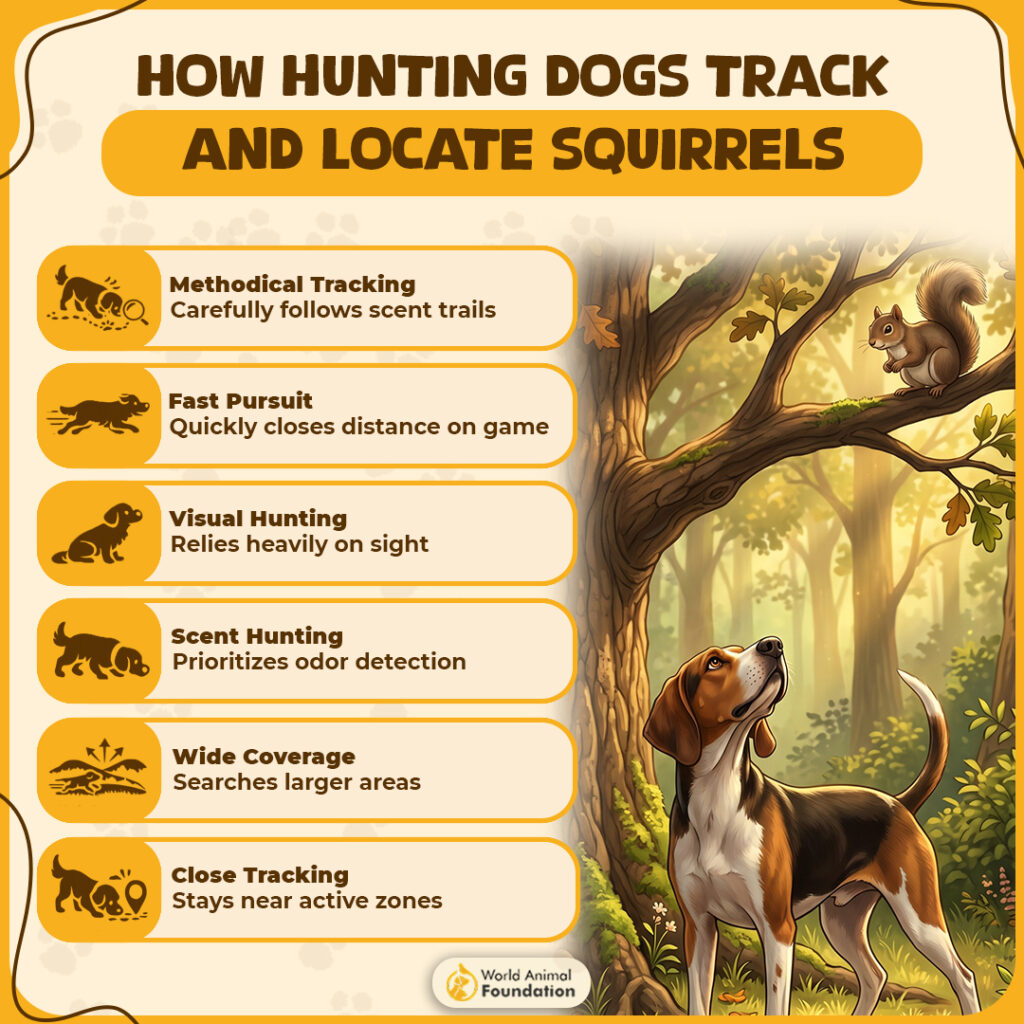
The Squirrel Hunting Steps
Locks onto fresh squirrel scent in wooded areas
Tracks movement through underbrush and tree bases
Circles area to confirm location
Pushes the squirrel upward into a tree
🎧 Dogcast
Episode 37 — Why Dogs Stay Close without Touching
If you don’t hear sound, tap the button above to enable audio.
2. American Foxhound
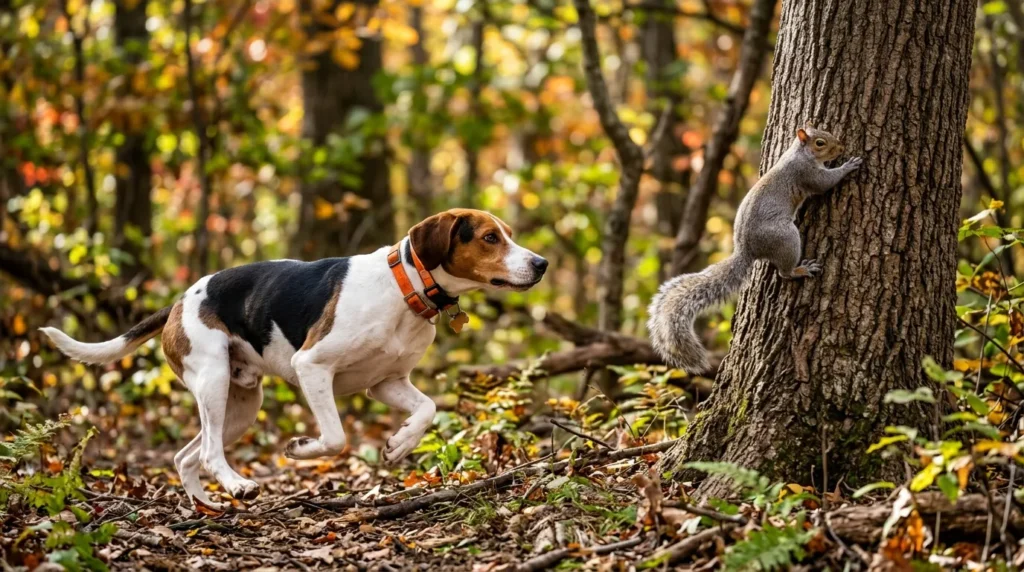
The American Foxhound is basically the long-distance marathon runner of this entire list.
It was bred for endurance tracking, says the AKC, not precision tree hunting. So in squirrel hunting terms, it’s like bringing a long-range explorer into a close-quarters stealth mission.
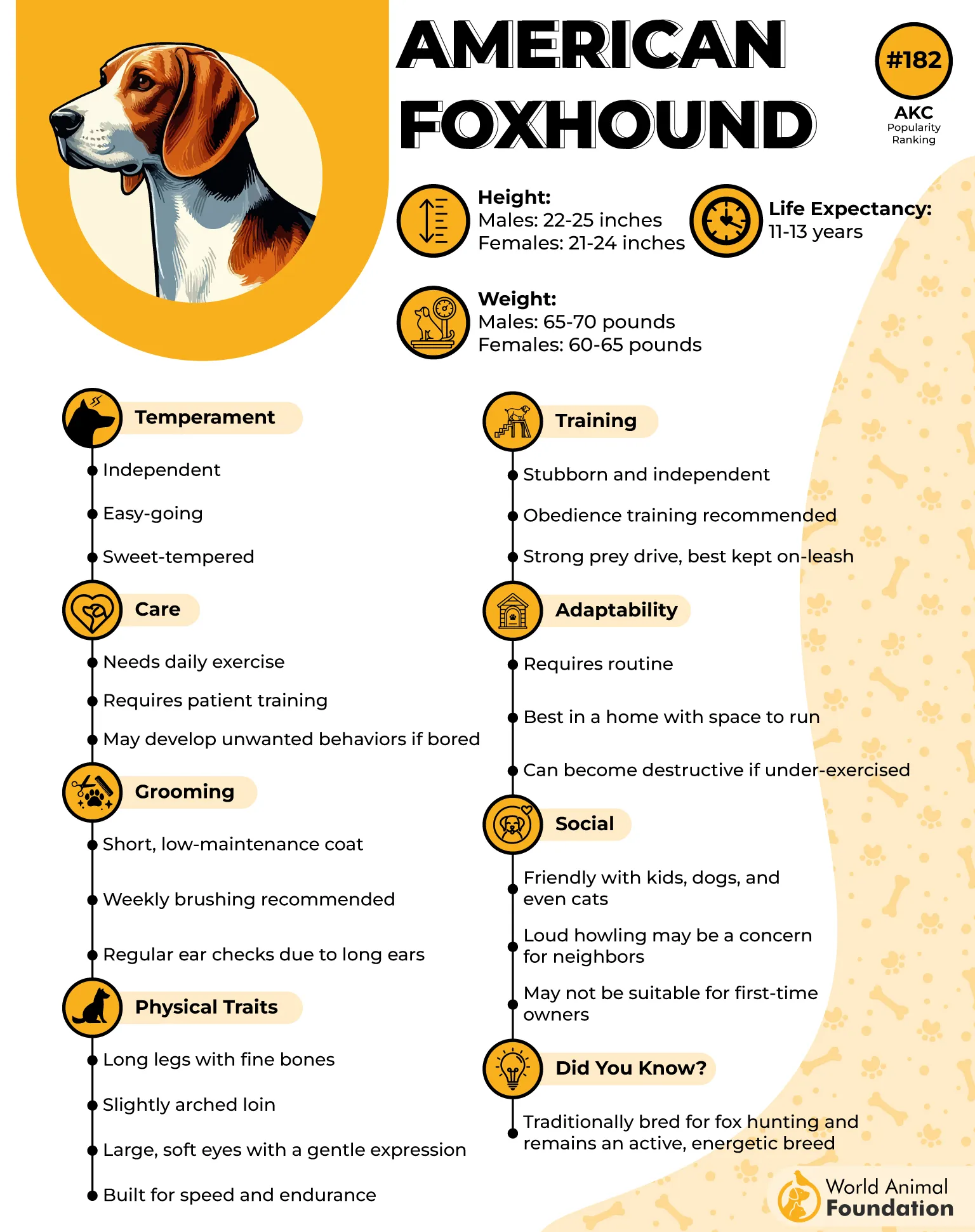
Its nose is elite—capable of following faint scent trails across massive distances. But the issue is focus: foxhounds are designed to keep moving, not necessarily stop and lock onto a single tree target quickly.
So yes, it can absolutely find squirrels. But sometimes it treats the forest like a “main quest + 47 side quests + random detours.”
Where it shines is terrain coverage. If you’re hunting large wooded areas, this dog will give you maximum map visibility. It just might take its time resolving the final “tree and hold” moment.
The Squirrel Hunting Steps
Detects old or fresh squirrel scent trail
Follows ground scent across long distances
Loops through multiple forest sections
Occasionally intersects squirrel movement zones
3. American Staffordshire Terrier
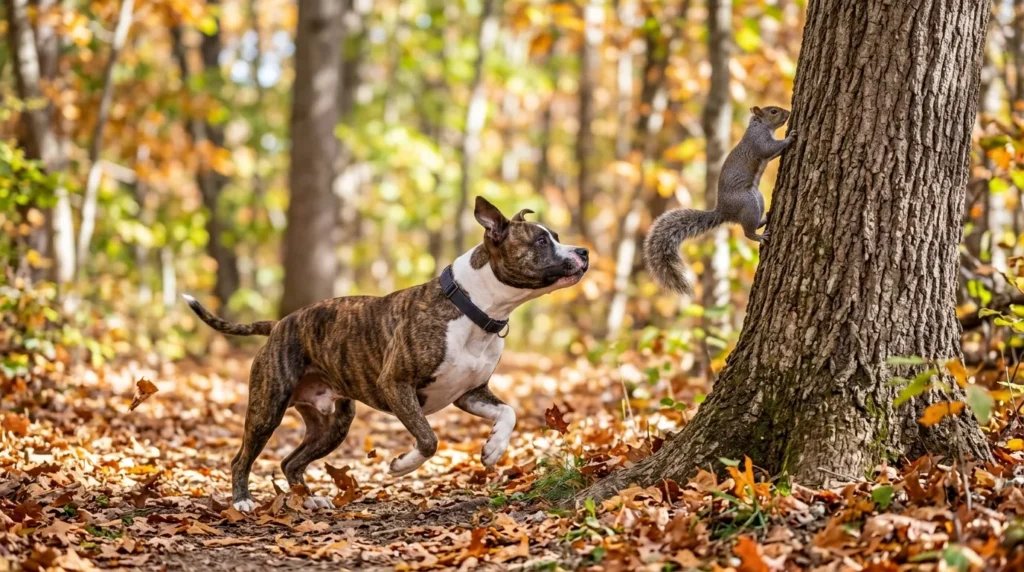
The American Staffordshire Terrier is where things get interesting.
This breed is not a traditional scent hound or tree dog, says PetMD. It’s more of a power-and-drive terrier type, meaning it was originally bred for strength, courage, and close-quarters work rather than long scent tracking.
In squirrel hunting terms, this dog is pure “reactive energy.” If it sees a squirrel move, it will likely chase it instantly—but it does not naturally specialize in tracking, locating, and holding squirrels in trees.
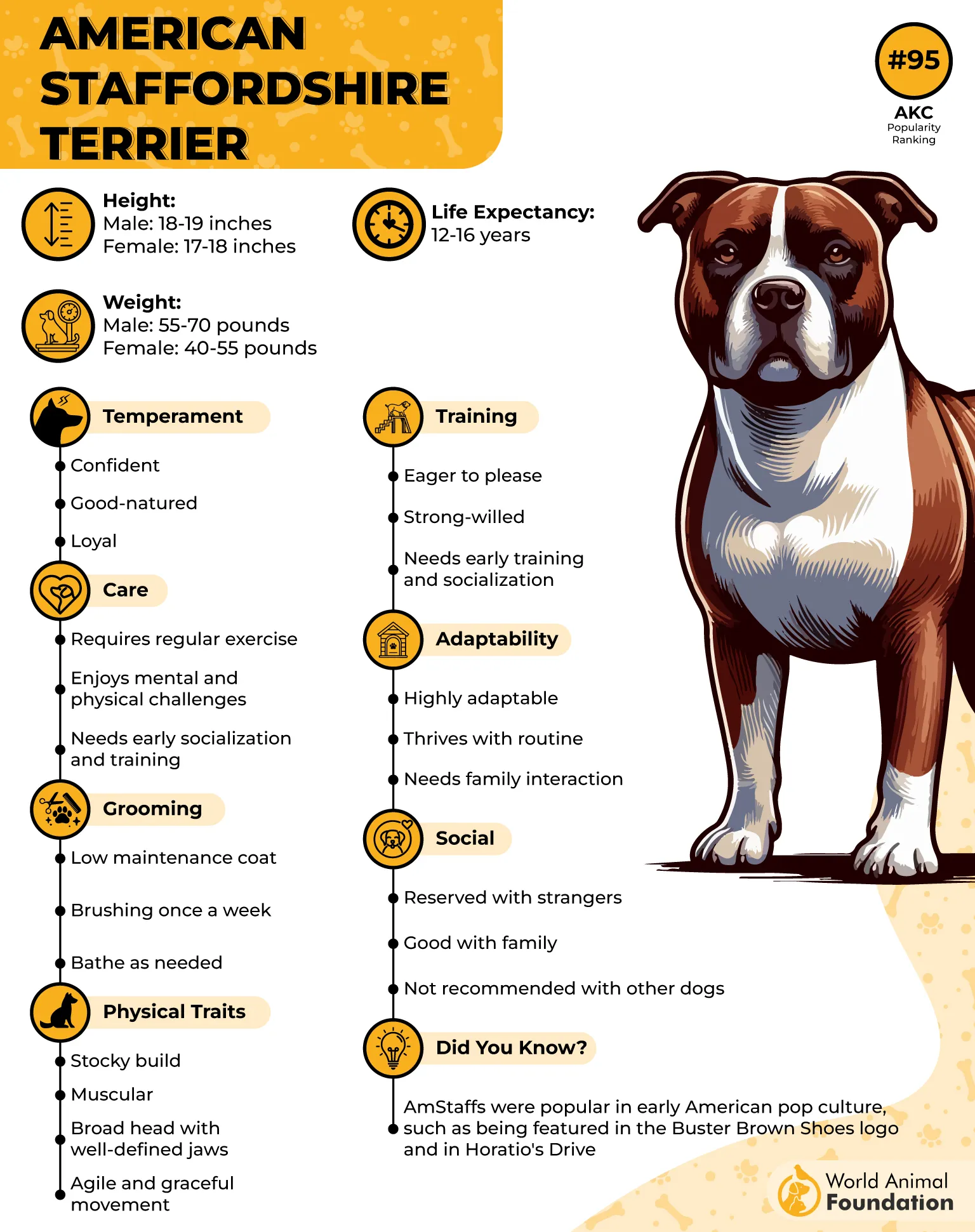
It’s more sight-driven than scent-driven compared to coonhounds or tree dogs. So instead of methodical tracking, you get fast bursts of action followed by high-intensity engagement.
Think of it like a PvP melee character—it dominates close encounters but doesn’t specialize in long tracking missions.
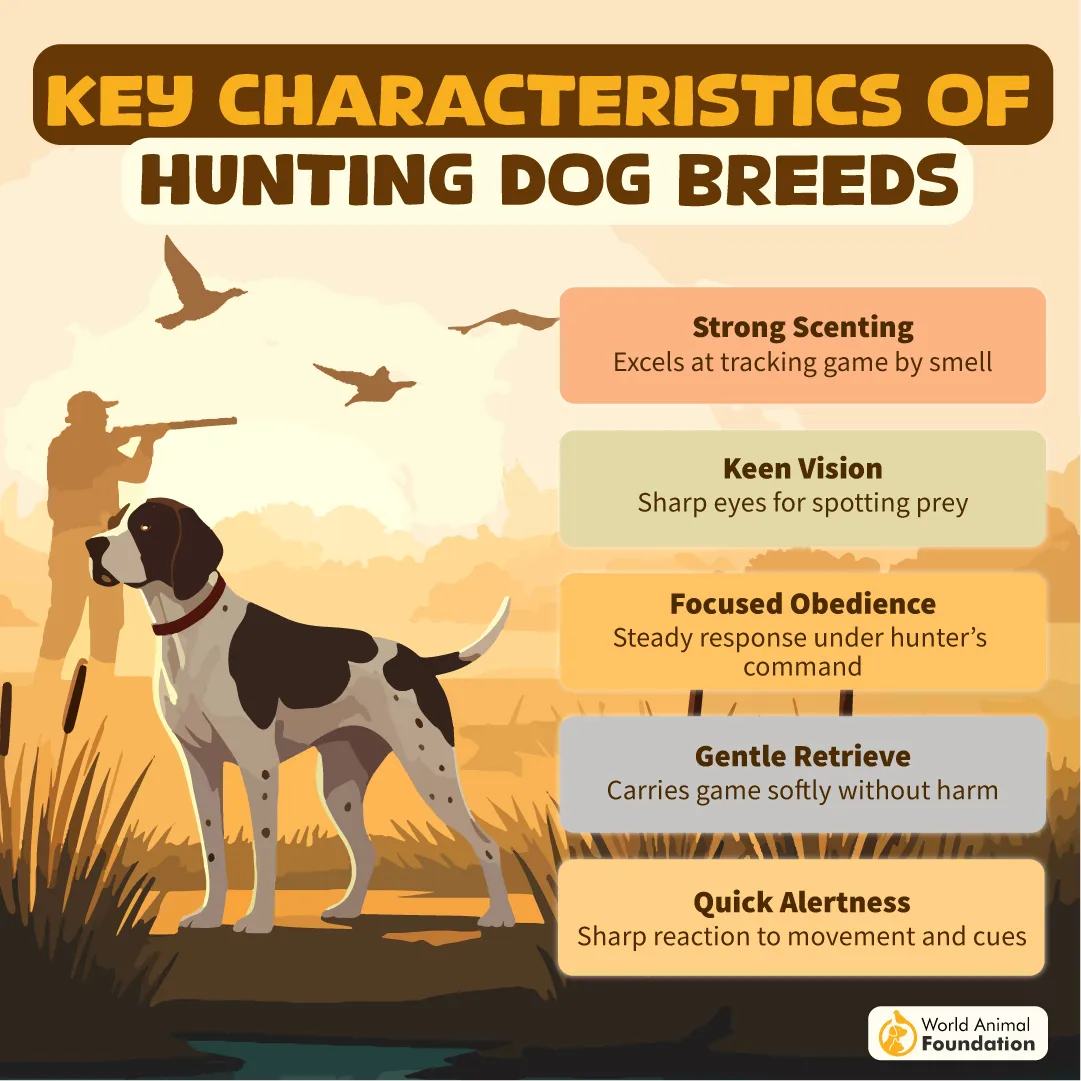
That said, with training, some AmStaffs can enjoy wooded hikes and even participate in casual hunting-style scent games. But they are not a standard pick for serious squirrel hunters.
The Squirrel Hunting Steps
Spots squirrel visually rather than tracking scent
Immediate chase response triggered
Short pursuit through terrain
High-energy engagement if the squirrel is low or exposed
4. Black and Tan Coonhound
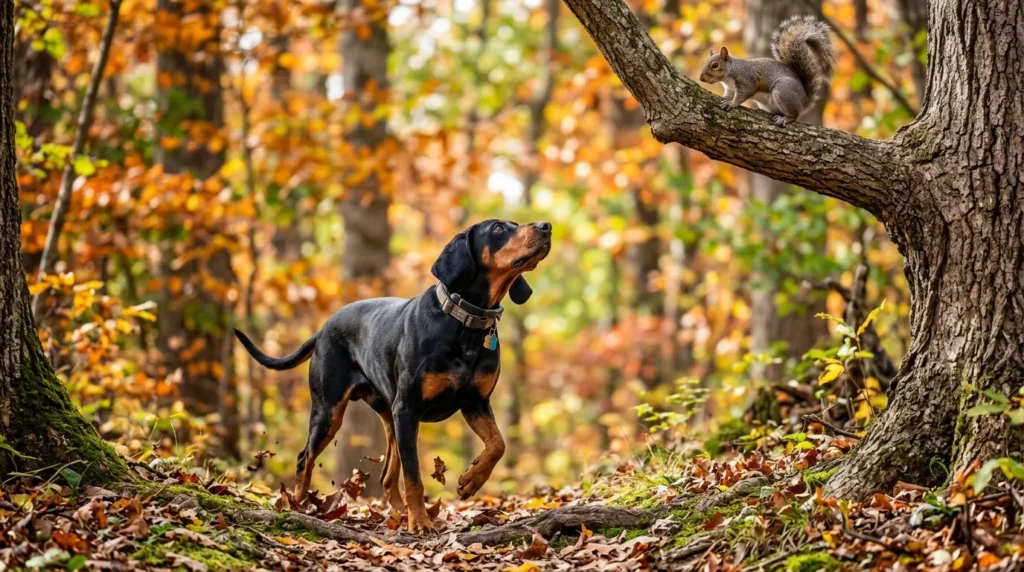
The Black and Tan Coonhound is a classic scent-tracking machine.
This breed is built for deep forest work and long-distance trailing. It’s slower and more methodical than foxhounds, but extremely persistent once it locks onto a scent.
For squirrel hunting, this means it is very capable of finding squirrel trails, especially in dense wooded environments where scent lingers.
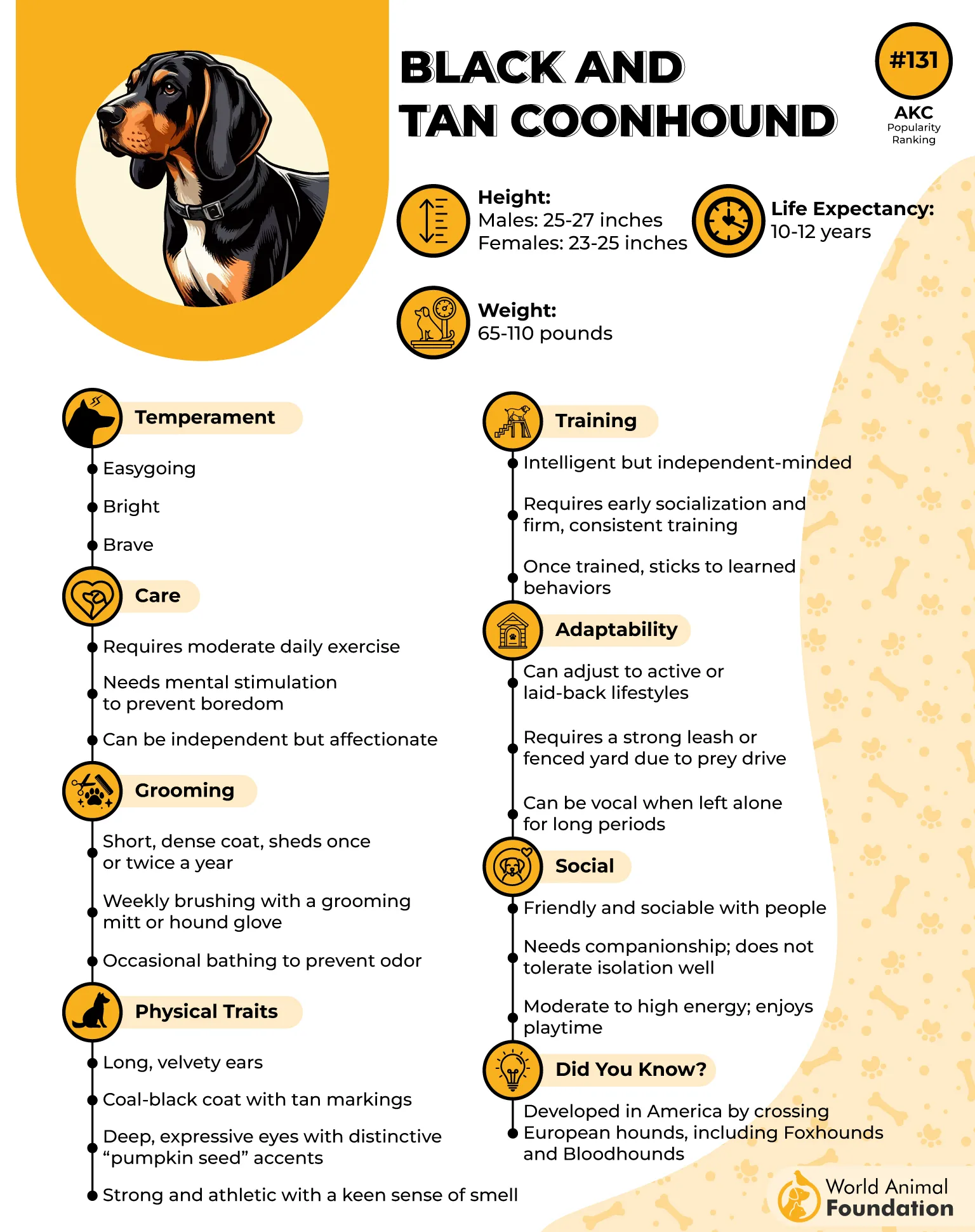
However, like most coonhounds, it was originally bred for raccoons—not squirrels—so its instinct is to follow trails over long distances rather than quickly isolate and tree small, fast-moving game.
These puppies can tree squirrels, but it’s more of a “gradual pressure tracker” than a rapid tree dog.
Think of it like a stealth character who slowly reveals the entire map—but takes time to complete each objective.
The Squirrel Hunting Steps
Picks up strong or faint squirrel scent trail
Follows scent slowly and consistently
Works large wooded sections thoroughly
Builds scent pressure near tree zones
5. Bluetick Coonhound
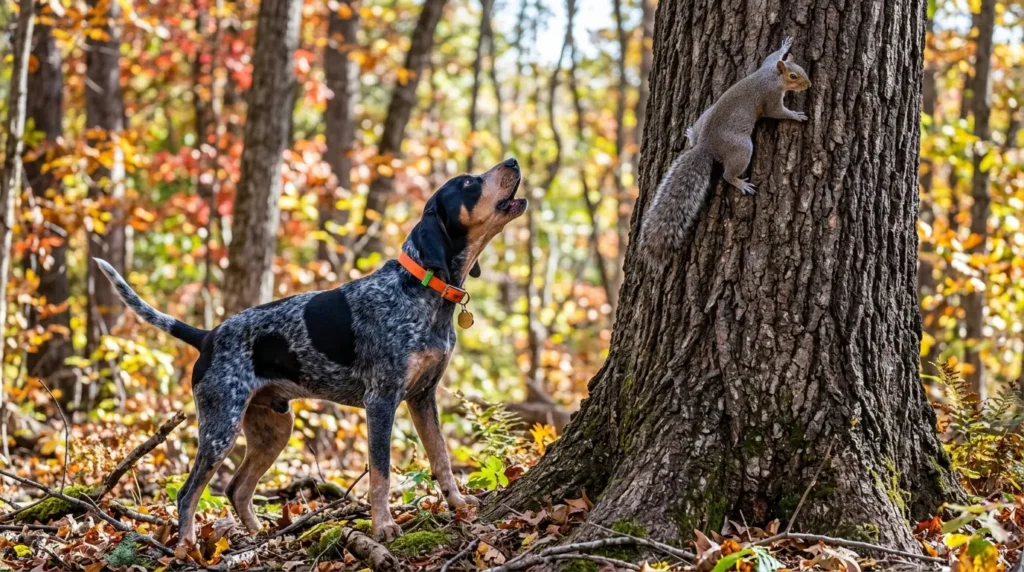
The Bluetick Coonhound is basically the “cold case investigator” of hunting dogs.
This breed is famous for its “cold nose,” meaning it can follow very old scent trails that other dogs would ignore. That makes it extremely useful in squirrel hunting environments where animals constantly move and leave layered scent patterns.
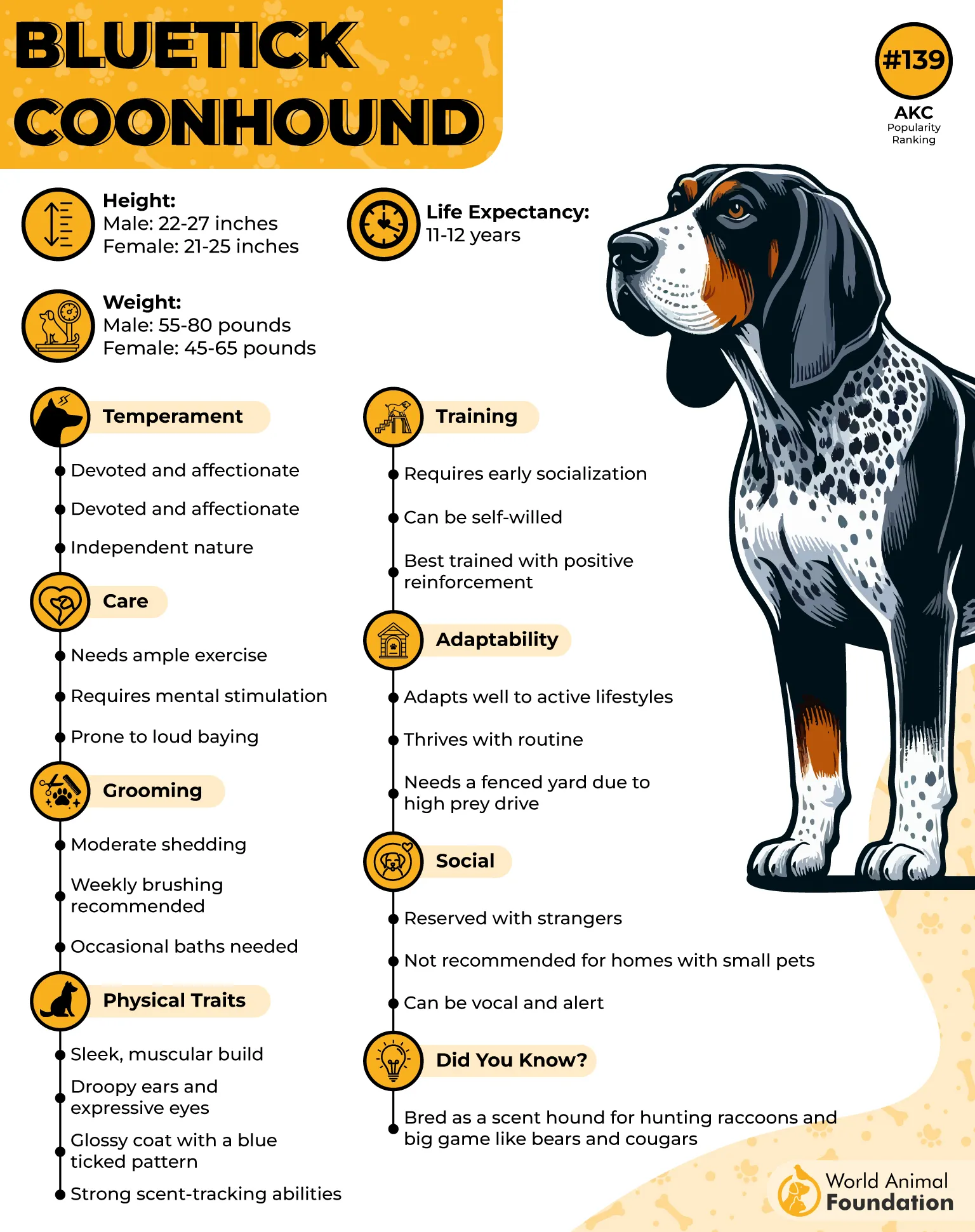
Blueticks are highly intelligent trackers, as per WebMD, but they are also independent thinkers. They don’t rush—they analyze. That can be amazing for tracking, but sometimes slow for fast squirrel encounters.
In squirrel hunting, they perform best in large wooded areas where they can methodically work scent trails until they locate a tree zone.
They are not the fastest tree dogs, but they are among the most reliable long-range trackers in the hound category.
The Squirrel Hunting Steps
Detects old or fresh squirrel scent layer
Carefully tracks scent across terrain
Revisits scent intersections for confirmation
Works large forest patterns methodically
6. Treeing Walker Coonhound
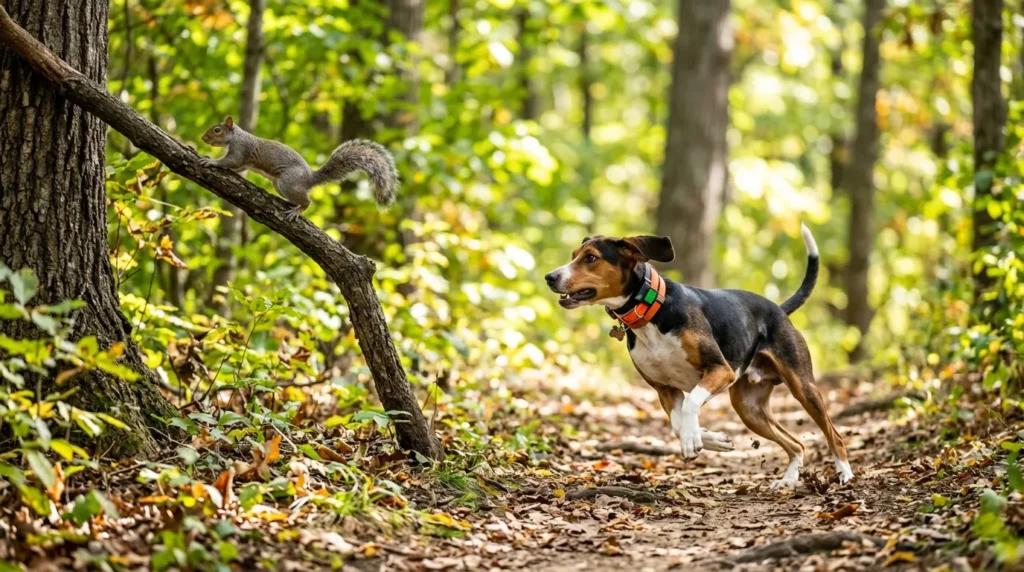
The Treeing Walker Coonhound is one of the closest things to a “meta build” for squirrel-style hunting in the coonhound world.
Unlike general tracking hounds, this breed was specifically developed to track and tree game. That “treeing instinct” is the key difference.
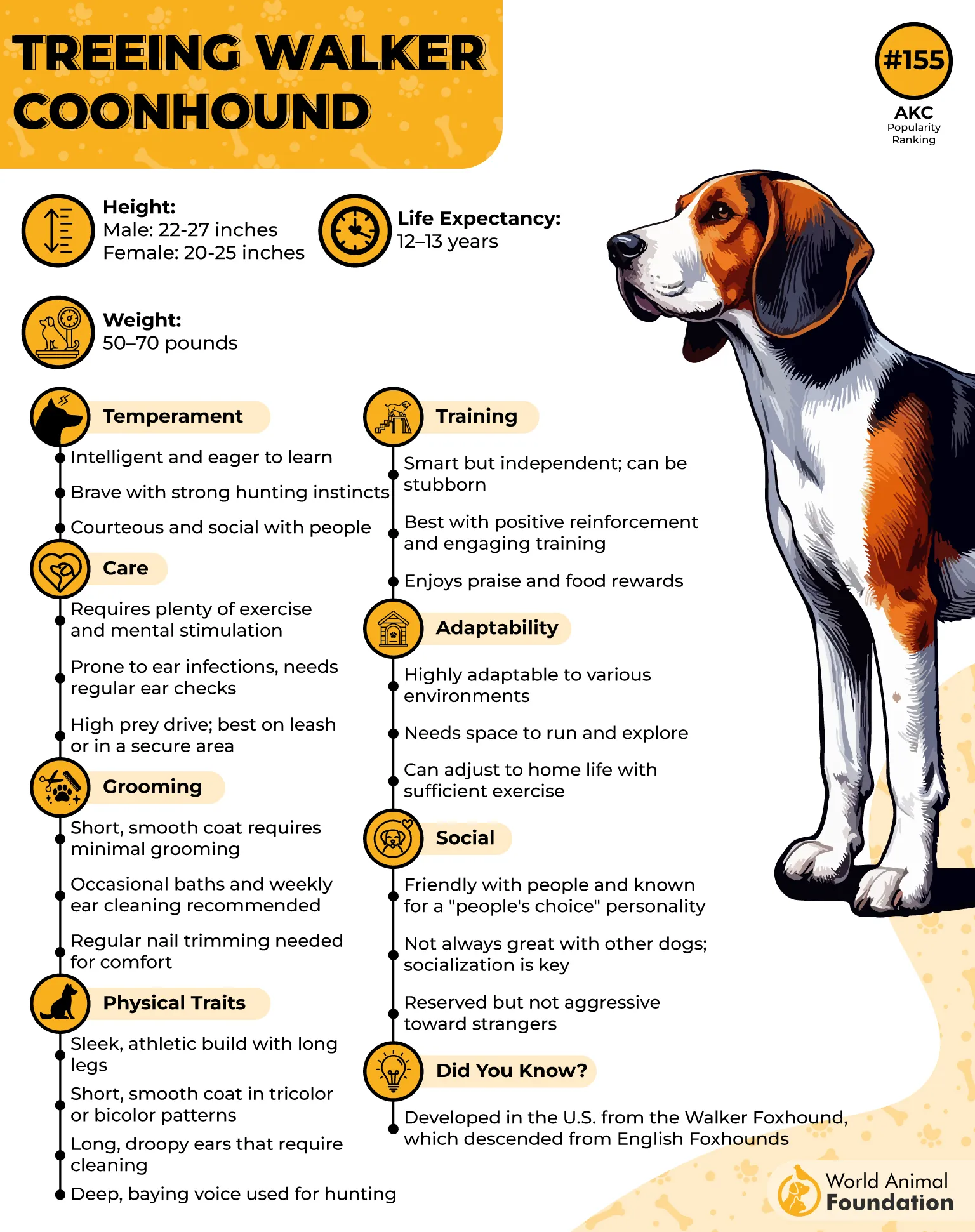
It moves fast, covers ground efficiently, and, when it locks onto a squirrel, it tends to push the animal into a tree and stay there, barking, until the hunter arrives.
Compared to Blueticks or Black and Tans, VCA hospitals says Treeing Walkers are more direct. Less wandering. More “objective-focused gameplay.”
However, they still have that coonhound independence, so training and recall are important.
The Squirrel Hunting Steps
Detects squirrel scent quickly
Pursues the trail at high speed
Drives the squirrel toward the tree escape
Identifies tree location rapidly
7. Pharaoh Hound
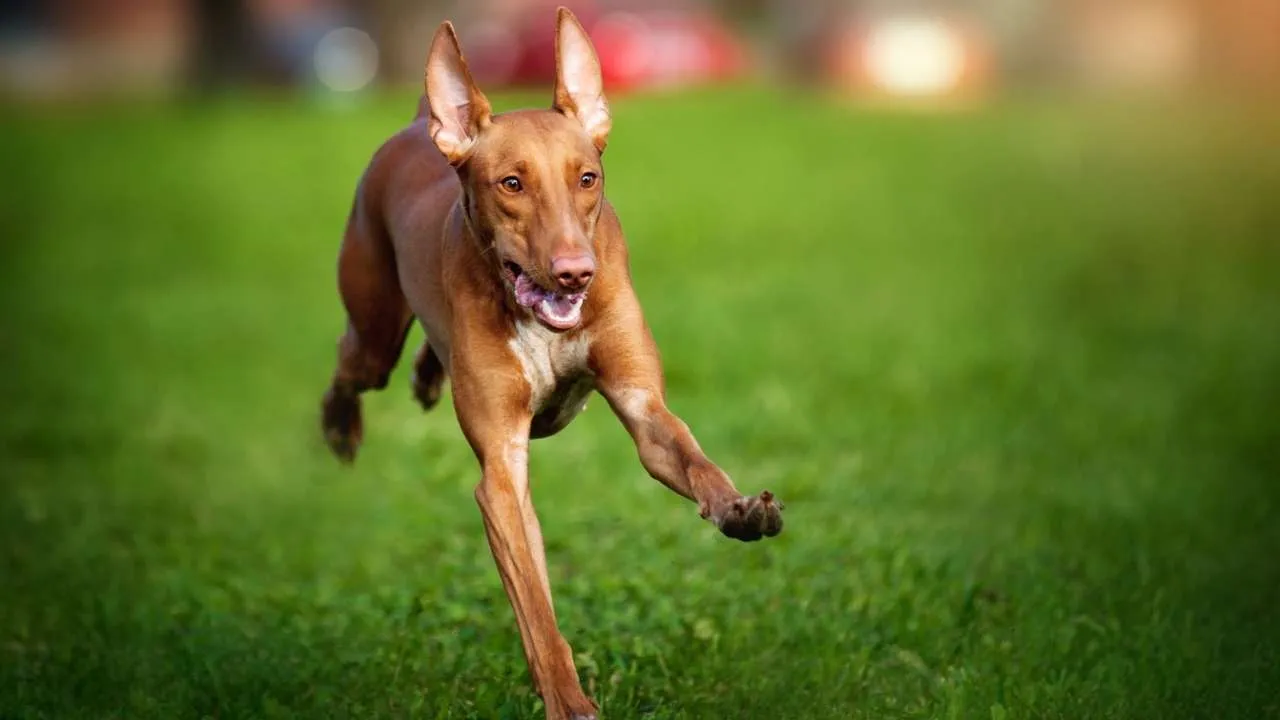
The Pharaoh Hound is the most unique pick on this list.
Unlike the others, it’s not a traditional American treeing or coonhound breed. It’s a sight-and-scent hunting dog originally developed for chasing small game in open terrain.
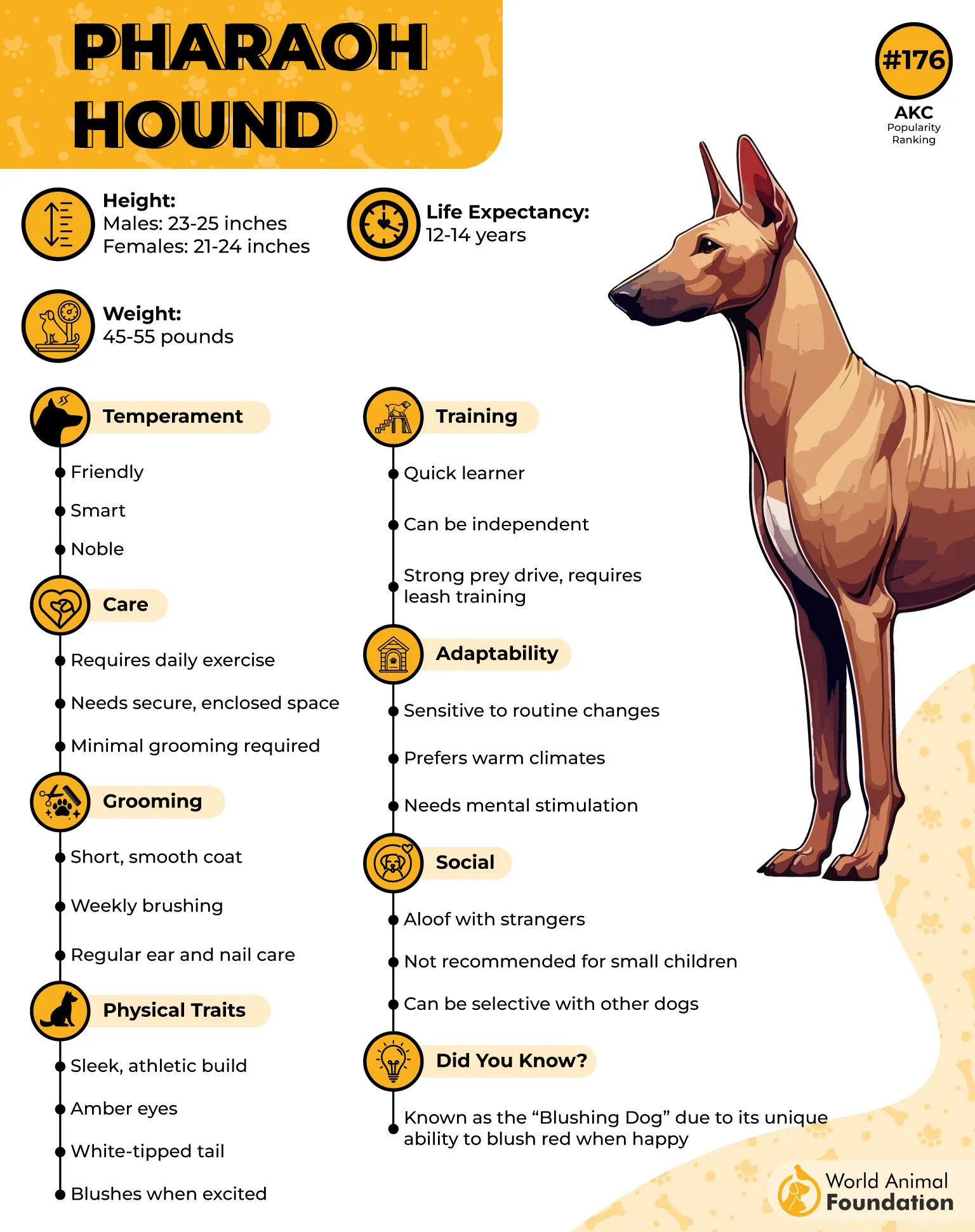
For squirrel hunting, this means it performs better on open woodland edges or in lighter terrain rather than in dense forests.
This hound dog relies heavily on vision combined with scent tracking, making it fast and reactive—but not as methodical as dedicated treeing hounds.
It can absolutely chase squirrels and other various game, thanks to its high drive, but it’s more of a “spot and sprint” style hunter rather than a structured tracker.
Think of it like a speedrunner build: fast, flashy, but not always consistent in complex forest maps.
The Squirrel Hunting Steps
Spots movement visually
Uses scent to confirm direction
Rapid chase through open terrain
Short pursuit bursts
Conclusion
When you look at good squirrel dogs as a system, it becomes clear that not all breeds are built for the same role. Some are precision tree dogs, some are long-range scent trackers, and some are high-energy reactive hunters.
If squirrel hunting is your main goal, the most effective dogs are usually the ones with strong treeing instincts—fast decision-making, tight forest tracking, and reliable “hold the tree” behavior.
Breeds like Treeing Walker Coonhounds and American Leopard Hounds sit closer to that ideal balance. Meanwhile, Foxhounds and Coonhounds like Blueticks and Black and Tans excel at covering terrain and following scent trails but take longer to finish the “tree phase.”
Black Mouth Cur, Mountain Cur, and West Siberian Laika are also amazing pups known to attack squirrels and rabbits efficiently.
And then you have outliers like the American Staffordshire Terrier and Pharaoh Hound, which can absolutely participate in hunting-style experiences, but operate on different instincts entirely.
