




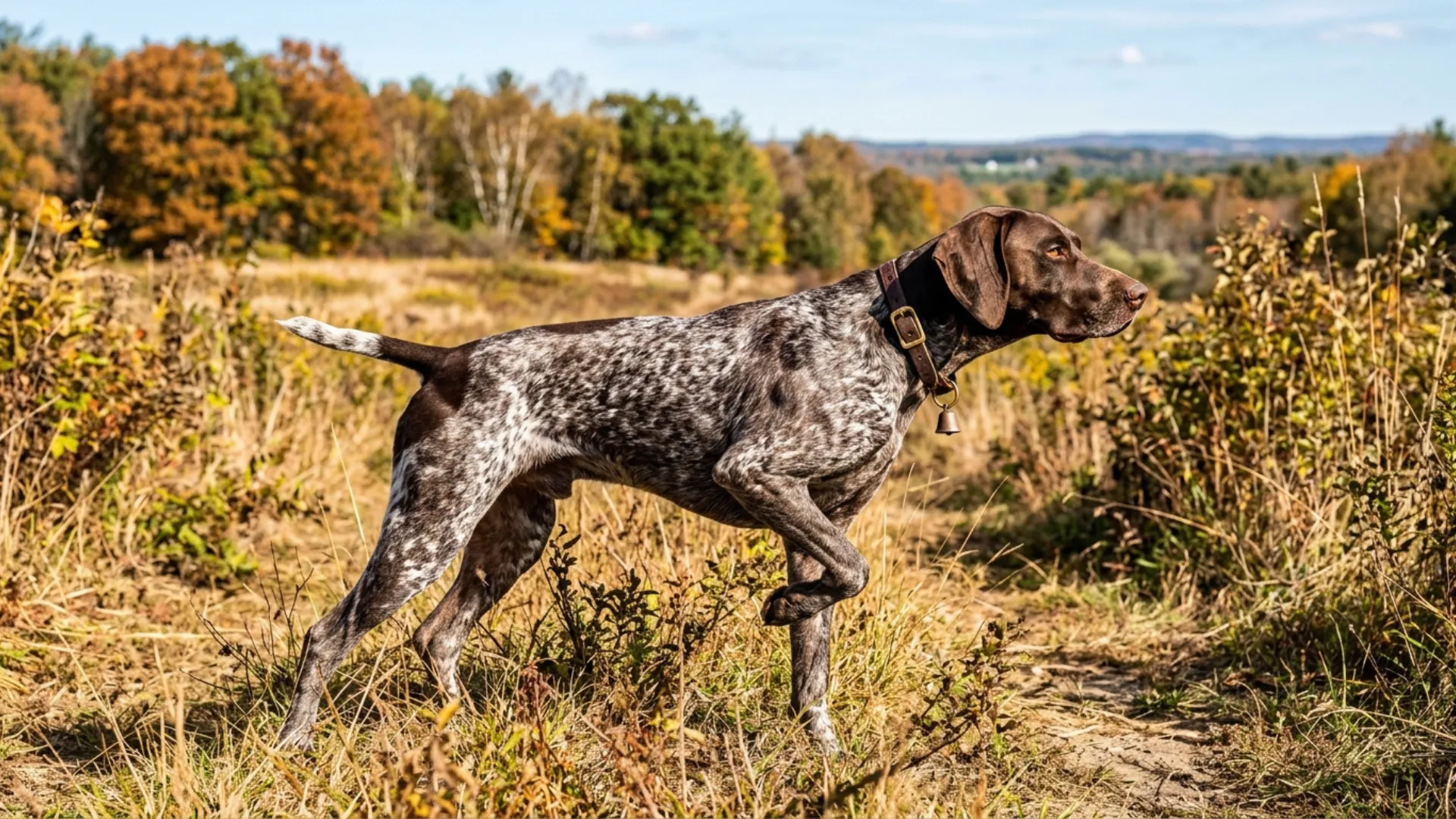
Sometimes it only takes one moment, a sudden freeze in the grass, a locked stare, then the explosive burst into a chase, to remind us that dogs are still deeply tied to their ancient hunting roots.
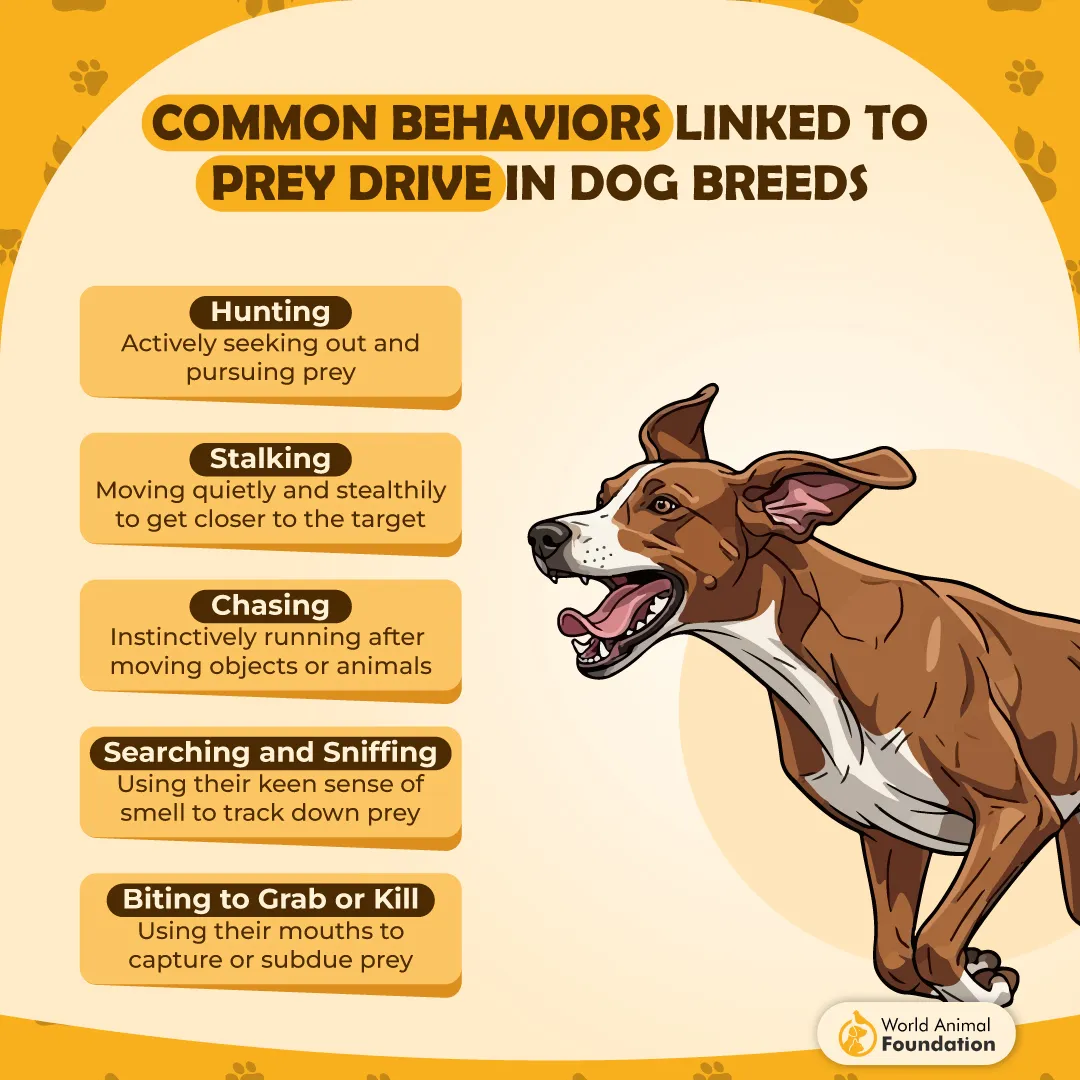
That force behind the behavior is called prey drive, and it’s not something taught, but something inherited. It’s the same instinct that makes a dog follow a rustling bush, a darting squirrel, or even a rolling toy as if the world depends on catching it.
For some breeds, this drive sits quietly beneath the surface. For others, it’s constant, powerful, and impossible to ignore. These dogs don’t just notice movement, they respond to it with focus, intensity, and purpose that can feel almost wild.
Understanding this instinct is key to understanding certain breeds built for hunting. It explains their energy, their obsession with motion, and their need for structure.
In the right hands, that same drive becomes something incredible: precision, teamwork, and purpose shaped by instinct rather than suppressed by it.
Key Takeaways
Hunting dog breeds are defined by a strong prey drive and instinctive tracking ability.
Many of these breeds were developed for specific hunting roles like pointing, flushing, or trailing scents.
Their intelligence is closely tied to their working background and need for mental stimulation.
High energy levels mean they require daily, consistent physical exercise.
Without proper outlets, their natural drive can lead to restlessness or destructive behavior.
Dog Breeds Built for the Hunt – High Prey Drive
1. Weimaraner
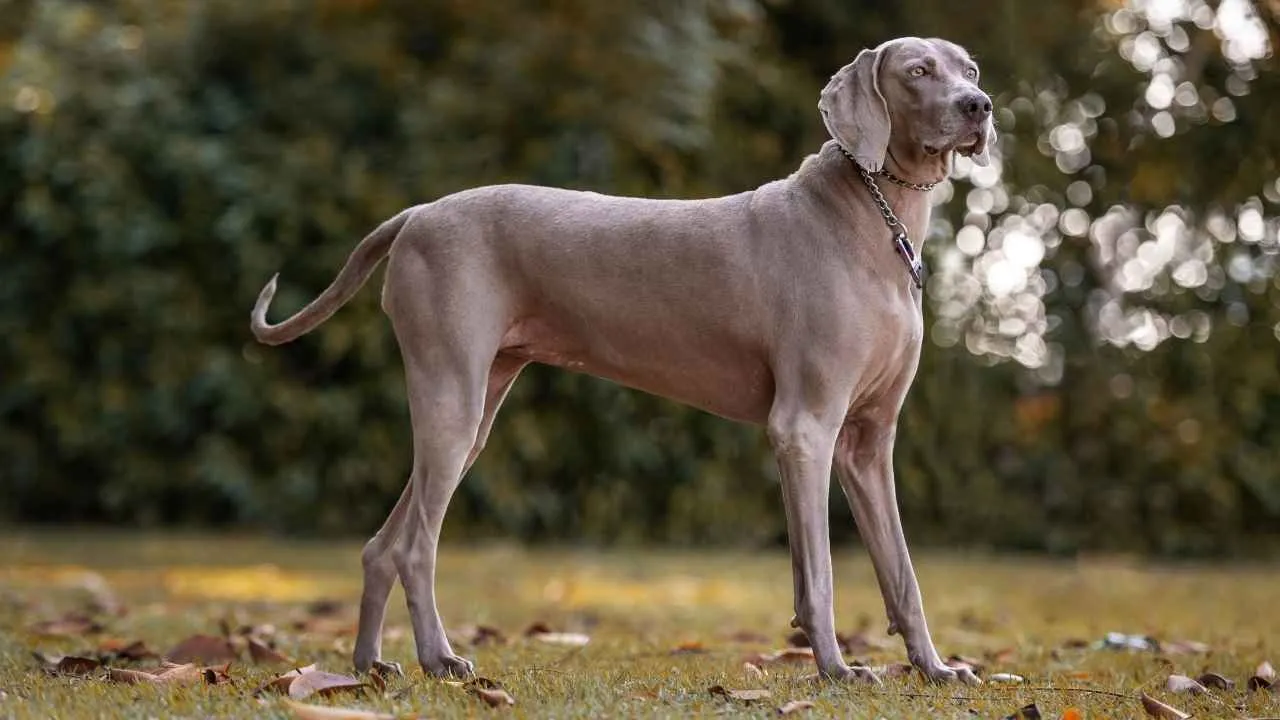
The Weimaraner, often called Germany’s “Gray Ghost,” is a striking blend of speed, elegance, and hunting instinct.
With its smooth silvery coat and piercing eyes, this breed was built to move, think, and track with purpose.
Males and females both carry a sleek, athletic frame made for endurance in the field. Beyond their beauty, Weimaraners are deeply people-oriented dogs that thrive on companionship and constant interaction with their families, according to the American Kennel Club.
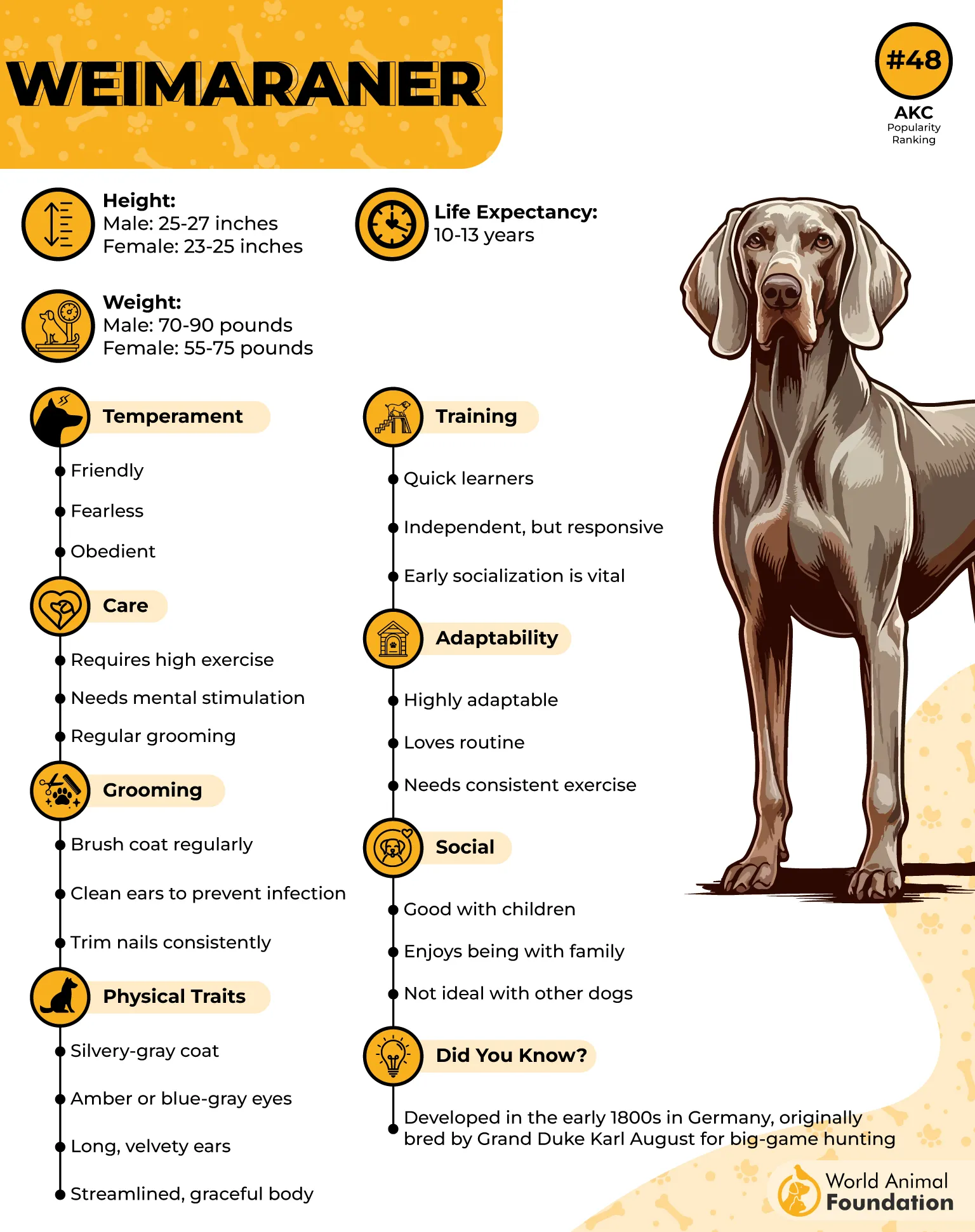
Beneath their graceful appearance lies a highly active, intelligent mind paired with a strong prey drive. They require serious daily exercise; simple walks aren’t enough; they crave full-speed runs and purposeful activity. Without it, their energy finds other outlets.
Training is essential, as they learn quickly and remember everything, both good and bad.
With proper care, early socialization, and consistent stimulation, the Weimaraner becomes a loyal, driven companion that balances affection at home with instinct in the field.
2. Pointer
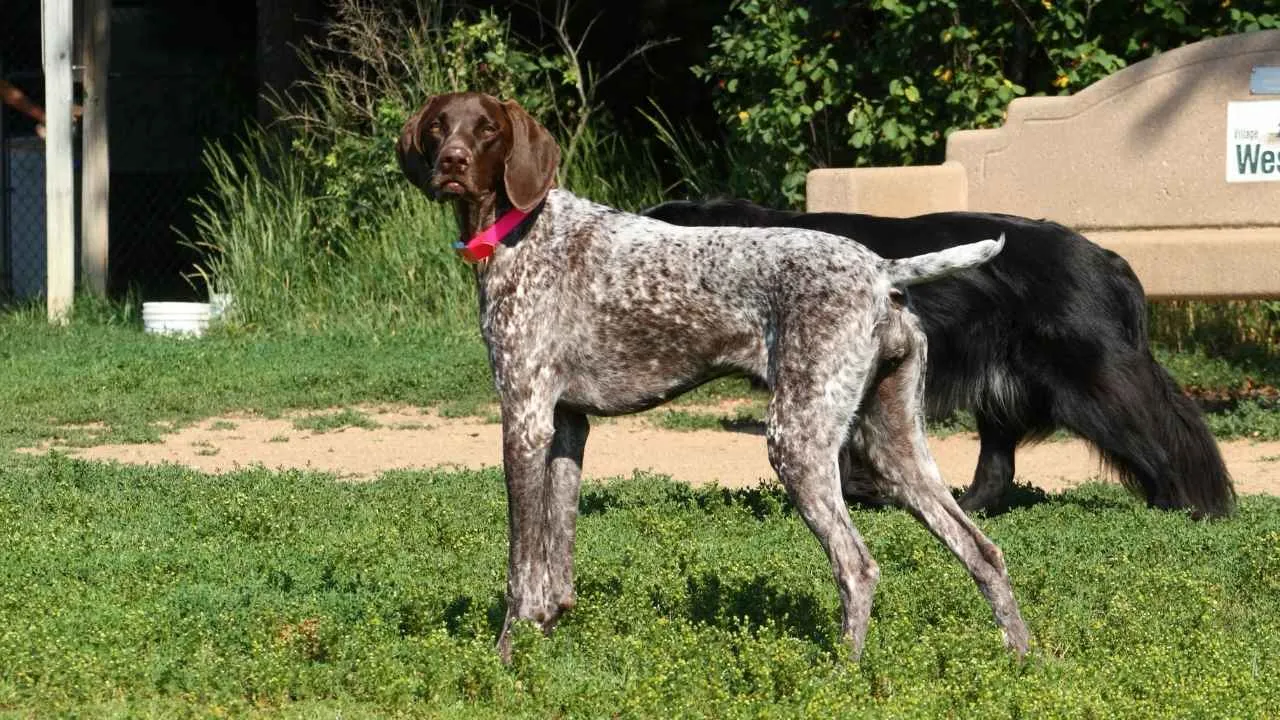
Pointers are built for the thrill of the chase, athletic, sharp-eyed, and driven by an instinct that runs deep in their blood. Known as classic “gun dogs” or “bird dogs,” they don’t just hunt; they communicate.
When a Pointer catches a scent, everything freezes, the body stiff, nose locked forward, signaling the exact direction of hidden game with almost poetic precision.
It’s a quiet, focused moment that reveals their true purpose.
Sleek and powerful, carrying a lean frame designed for speed and endurance. Their coats, often white with striking patches of color, only add to their clean, purposeful look.
Beyond the field, Pointers are deeply social and thrive when included in family life. But their energy isn’t casual—it demands space, movement, and daily challenge. Without it, their natural drive builds restlessly. In the right hands, though, they become loyal, intelligent companions shaped equally by instinct and affection.
3. German Shorthaired Pointer
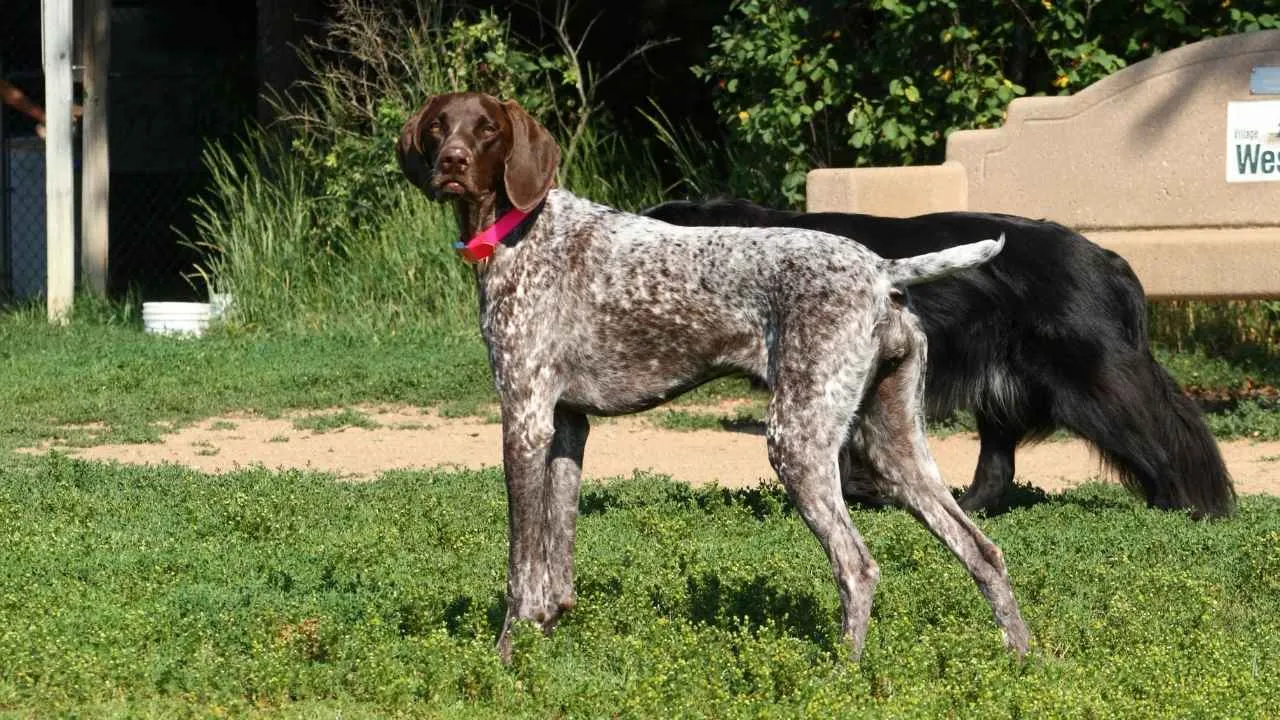
The German Shorthaired Pointer is a striking blend of loyalty, intelligence, and relentless drive, making it one of the most versatile hunting breeds in the sporting group.
Built for endurance and adaptability, this medium-sized dog carries an athletic, streamlined frame designed for speed and precision in the field.
Males typically stand tall, with females slightly smaller, and their balanced build allows them to move effortlessly across land and water alike.
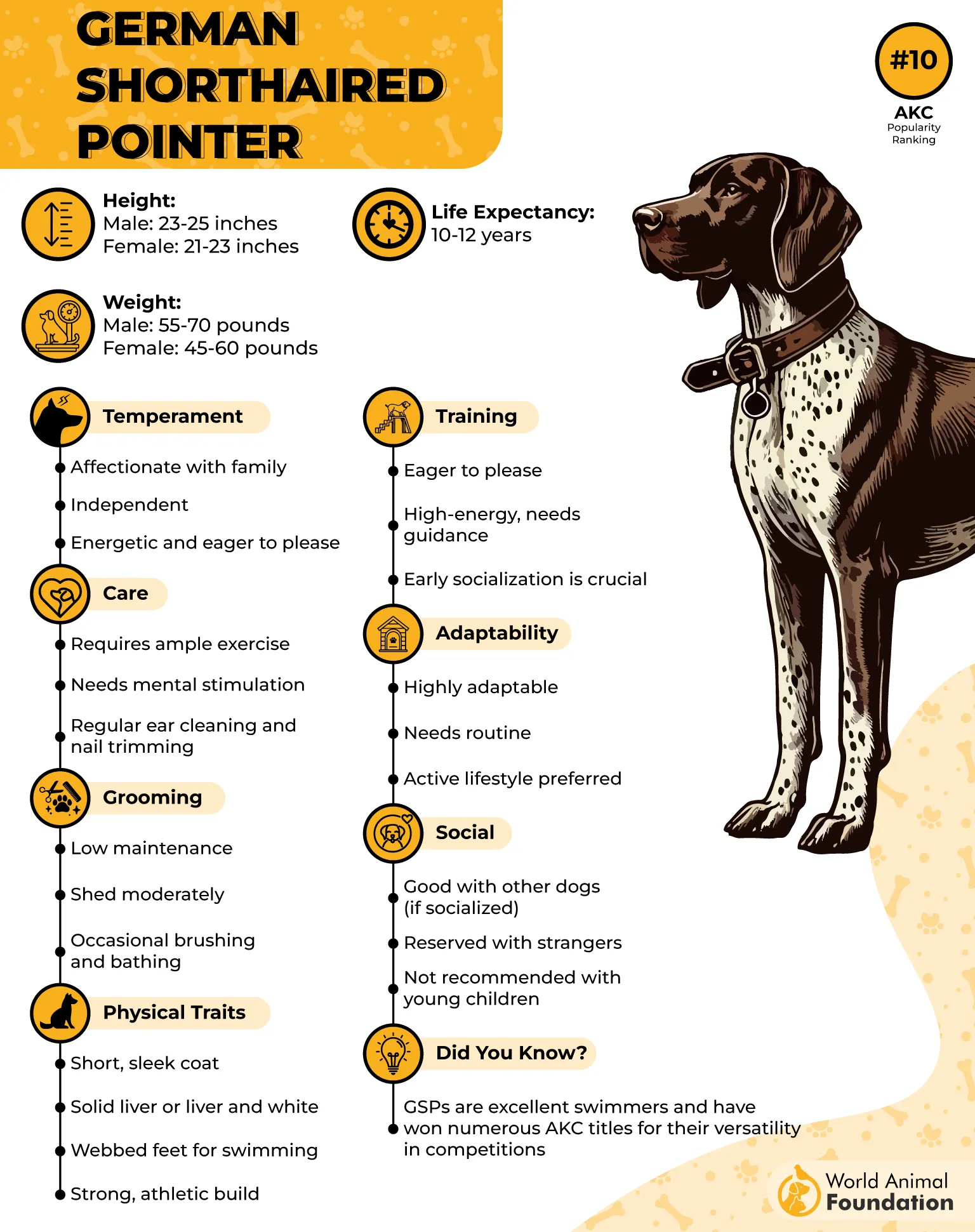
But behind their polished, elegant appearance lies a working heart that refuses stillness. These dogs are wired for action, alert, curious, and constantly scanning the world with intent.
Their high energy and sharp mind mean they thrive only when given purpose, whether through hunting, running, swimming, or structured activity.
Deeply loyal and eager to bond, they fit well into family life, but only when their physical and mental needs are fully met. Without that outlet, their natural drive can quickly turn into restlessness and mischief.
4. American Foxhound
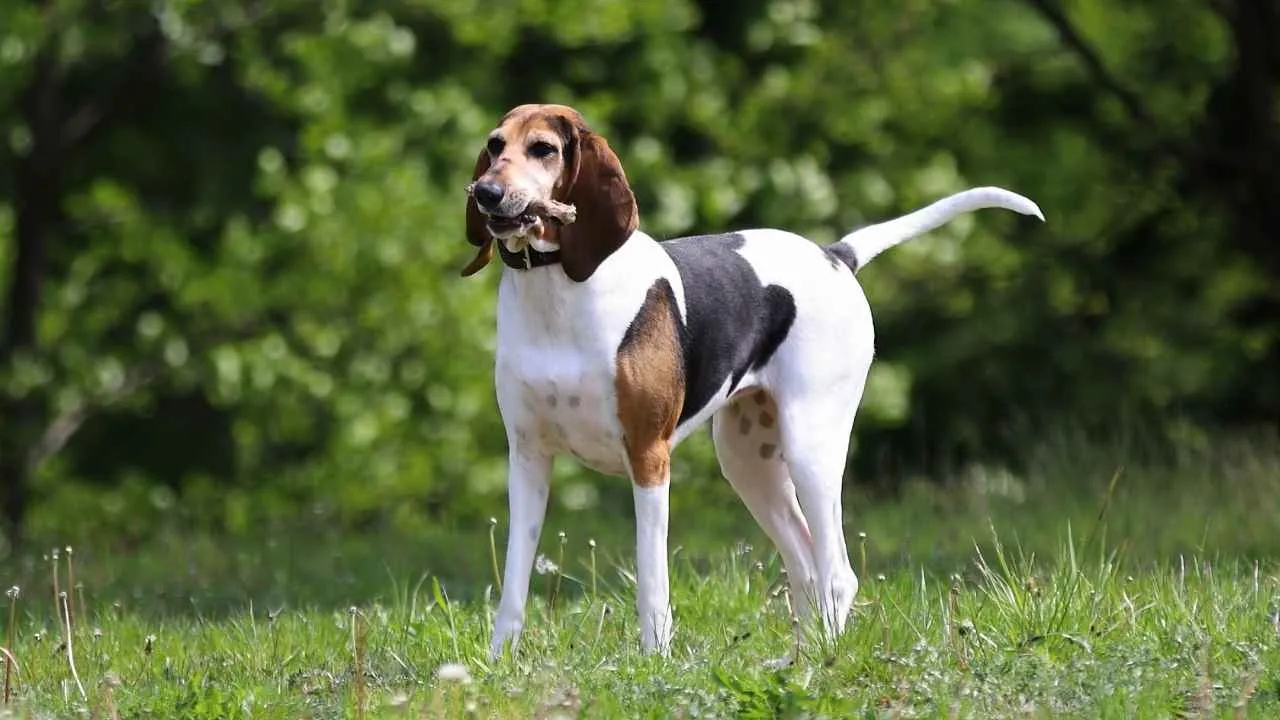
The American Foxhound carries an effortless charm, gentle eyes, long drooping ears, and a calm, friendly presence that can easily win over families, children, and even first-time dog lovers.
But beneath that soft exterior lies a true endurance hunter, shaped for miles of relentless pursuit rather than idle companionship.
Bred for long-distance tracking, this is a dog that doesn’t just run—it was designed to keep going when others tire.
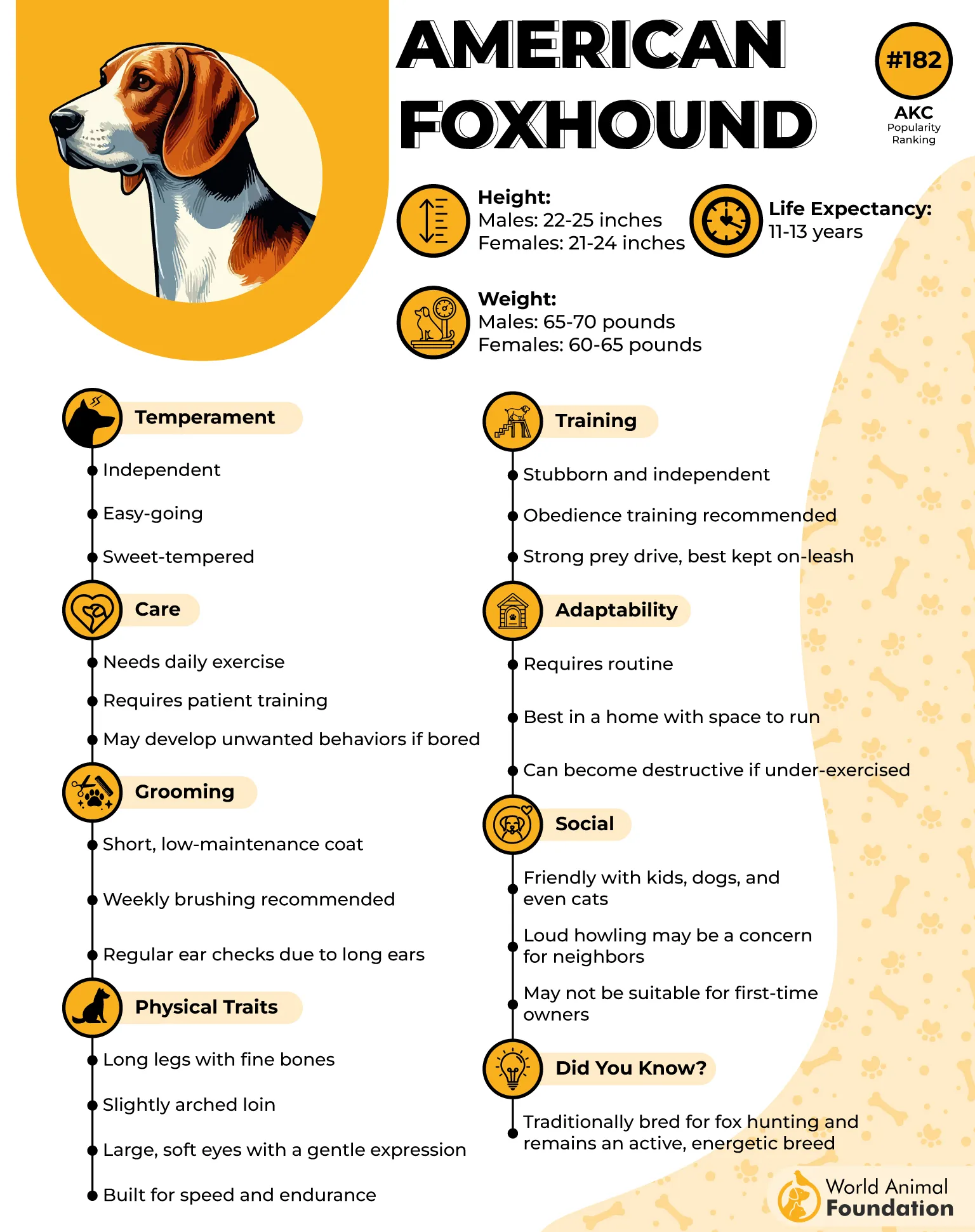
Lean, muscular, and built with a deep chest for powerful lungs, the American Foxhound is a natural athlete. Its body tells the story of purpose: speed, stamina, and a drive that was refined through centuries of hunting heritage.
Yet this same heritage gives it a strong independent streak. It follows scents with unwavering focus, often tuning out everything else once the chase begins.
Friendly and sociable in nature, it thrives in packs and enjoys company, but its instincts remain powerful. Without space to run and purpose to engage its energy, this determined hunter quickly becomes restless, always ready for the next trail.
5. English Springer Spaniel
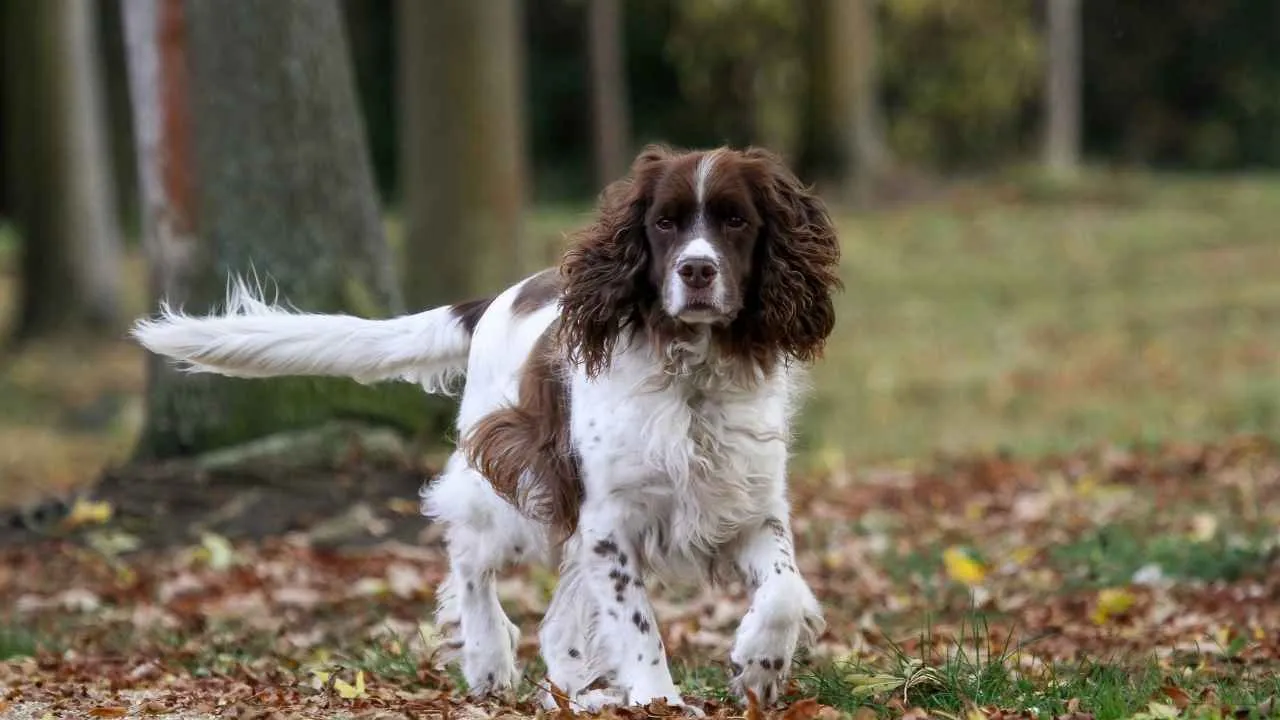
The English Springer Spaniel may not always get the loudest praise among hunting breeds, but in the field, it earns respect in the quietest, most unforgettable ways.
Compact, driven, and full of heart, this is a dog built for close work in thick cover, where instinct matters as much as training.
I learned that quickly with my own spaniel, whose energy never faded no matter how rough the ground or cold the water became.
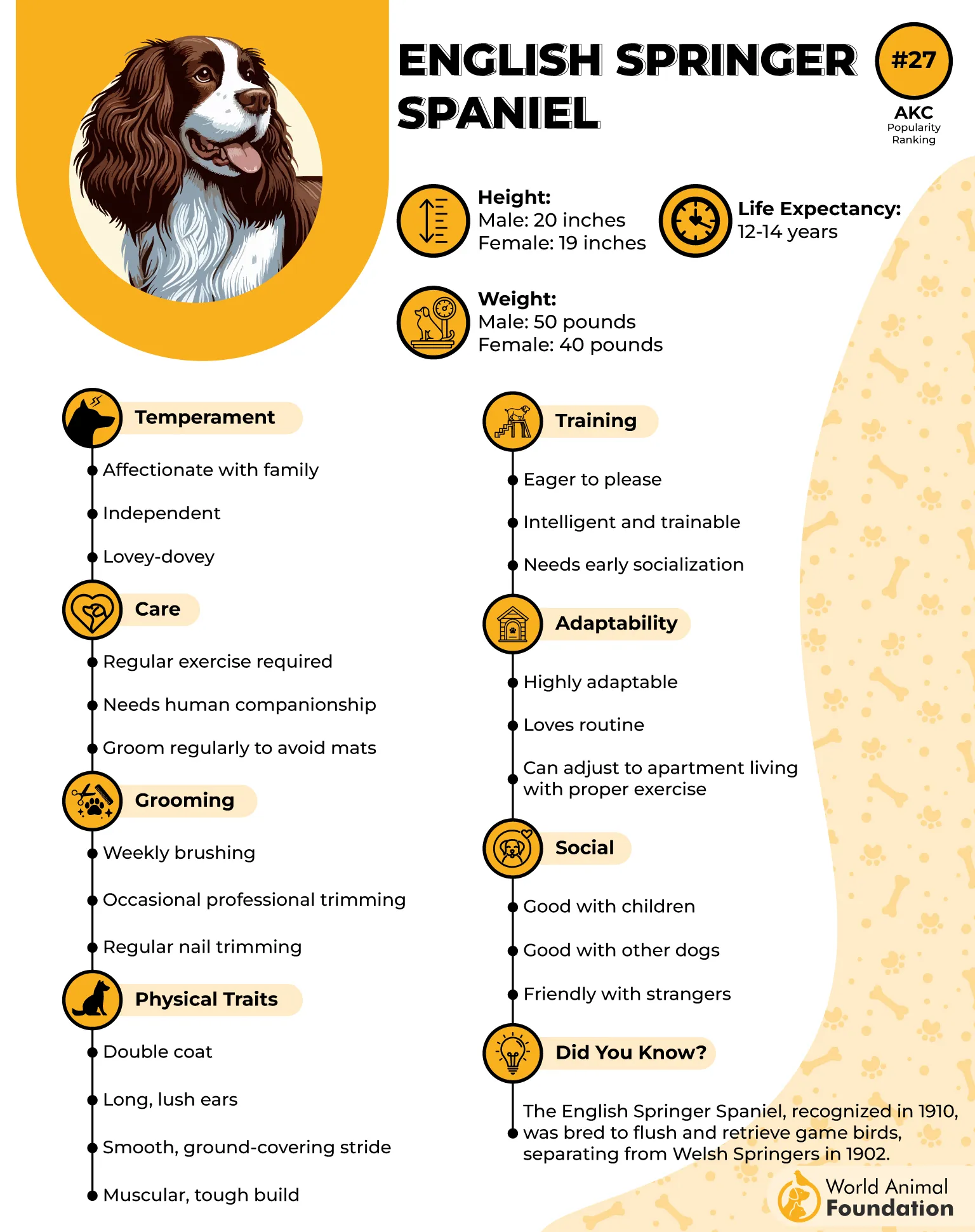
There’s something remarkable about the way a good Springer works a scent, focused, determined, almost reading the land like a map only it can see, as explained by Gundogmag. It doesn’t hesitate when the trail tightens, or the cover turns brutal. It pushes forward with a kind of steady confidence that feels instinctive, not taught.
What makes them special isn’t just their retrieving ability, but their intensity in doing it right. In the chaos of a flushed bird and breaking cover, they stay locked in, committed to the task until the job is finished.
Behind all that drive, though, is a surprisingly gentle, eager-to-please companion—one that switches from relentless hunter to loyal house dog without losing its easy, happy spirit.
6. Beagle
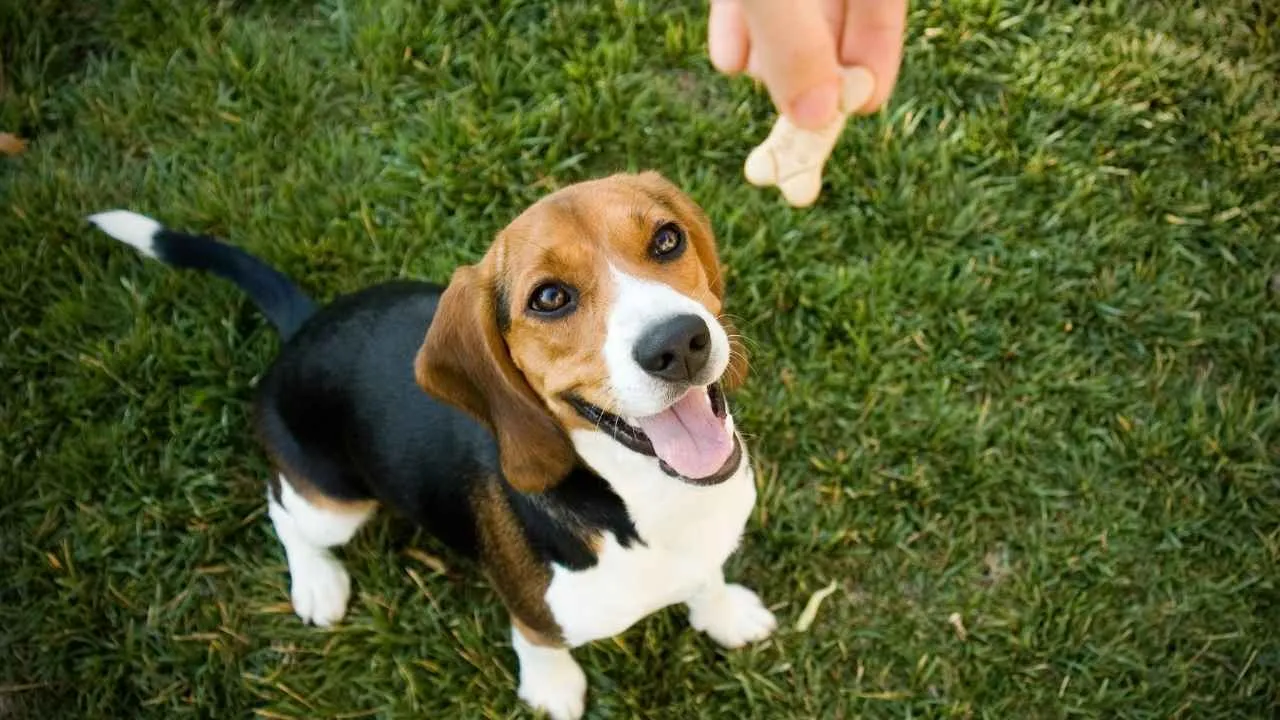
The Beagle is a small yet sturdy scent hound, built for tracking and driven by an instinct that has been sharpened over centuries.
Originally developed in England in the 1830s, this compact hunter was bred from several hound dogs, all selected for one defining trait: an extraordinary sense of smell. That legacy still lives in every Beagle today, guiding it forward with unwavering curiosity whenever a scent trail appears.
Despite their working roots, Beagles are widely loved as family companions thanks to their cheerful, gentle nature.
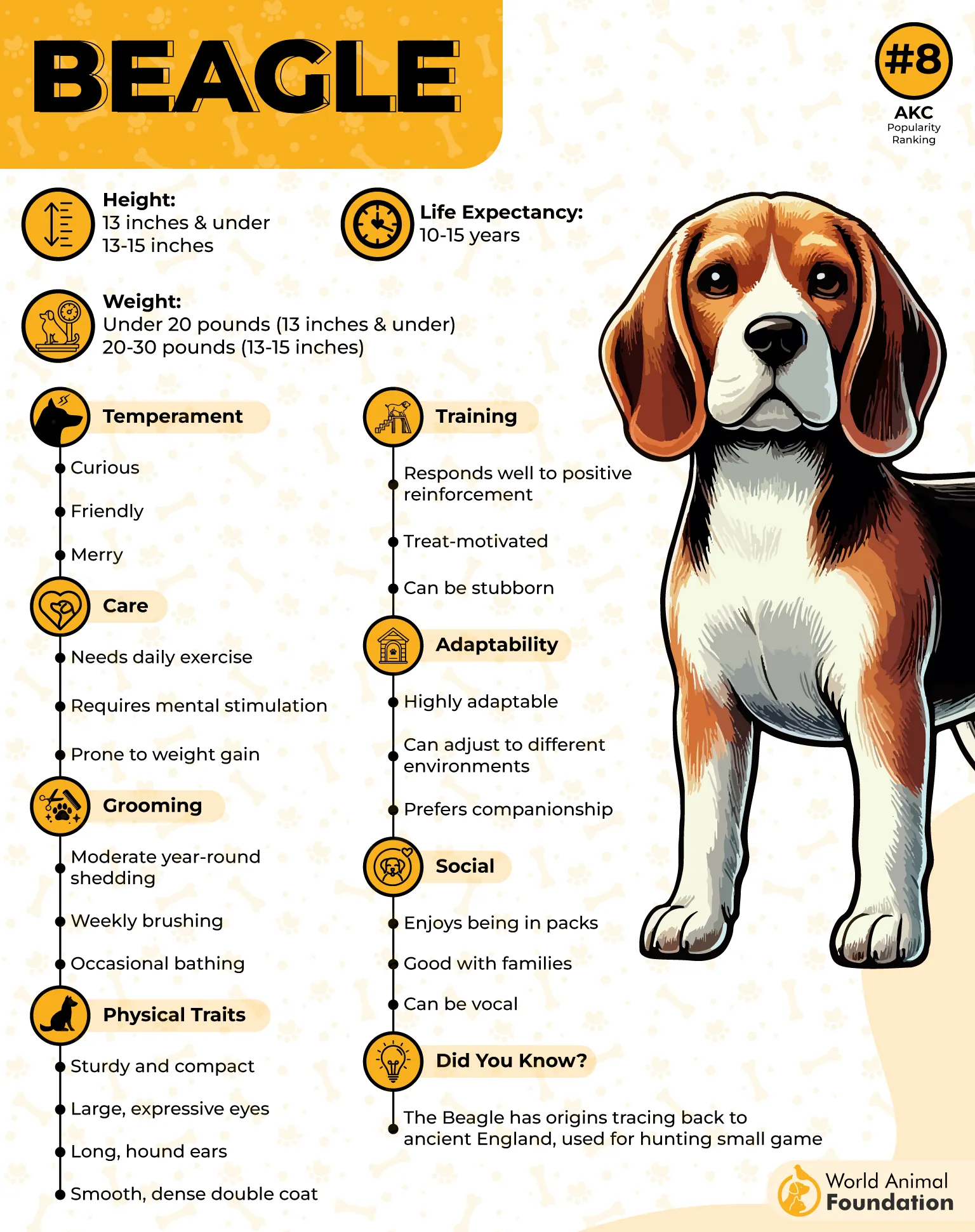
They are sociable dogs that enjoy company and fit easily into busy households, forming strong bonds with people of all ages. But beneath that friendly expression is a determined mind that can become single-focused when following a scent.
Their small, athletic build gives them both agility and resilience. However, that same energy requires balance; without proper exercise and structure, their natural drive can turn into mischief.
In the right environment, though, the Beagle becomes a joyful mix of affection, curiosity, and instinctive hunting brilliance.
7. Black And Tan Coonhound
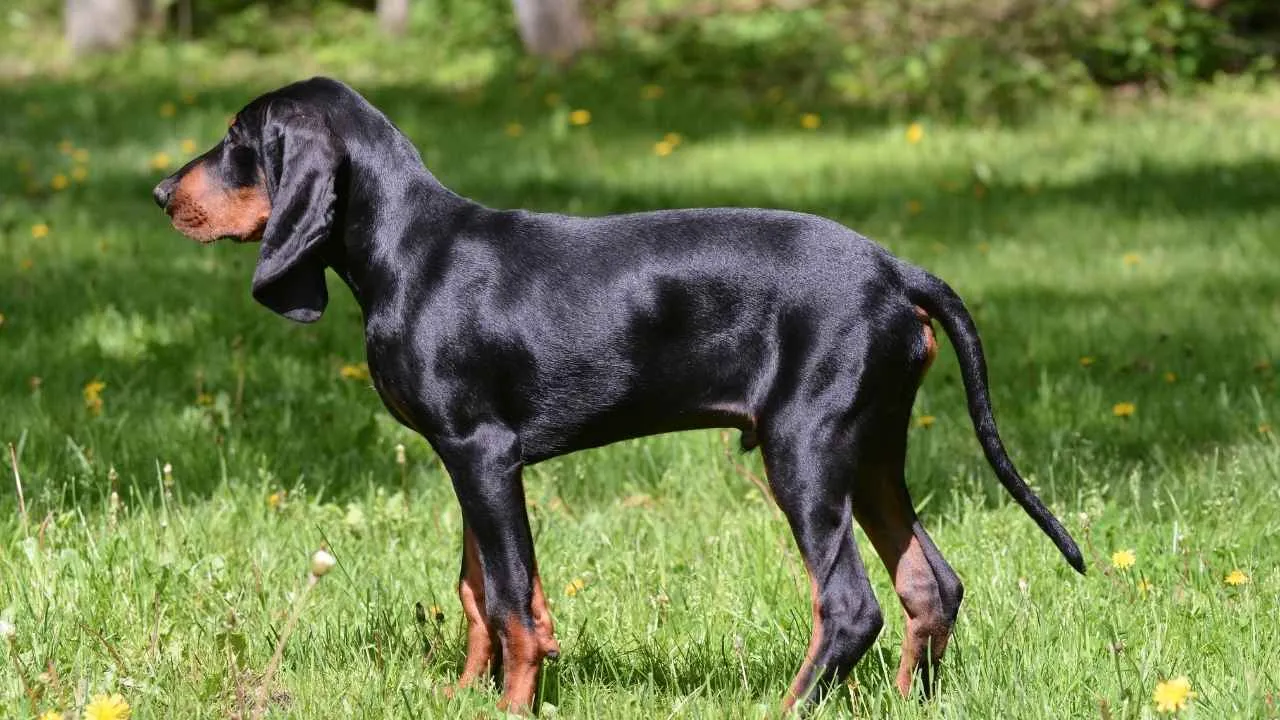
The Black and Tan Coonhound is a true American scent hound, shaped by one purpose above all else: following a trail with unwavering determination.
Bred for raccoon hunting, it relies on an extraordinary nose that can lock onto a scent and pursue it with steady, methodical focus until the job is done. In the field, that drive becomes almost unstoppable, a blend of patience, precision, and instinct passed down through generations.
Despite this intense working background, the breed carries a calm, even-tempered nature at home.
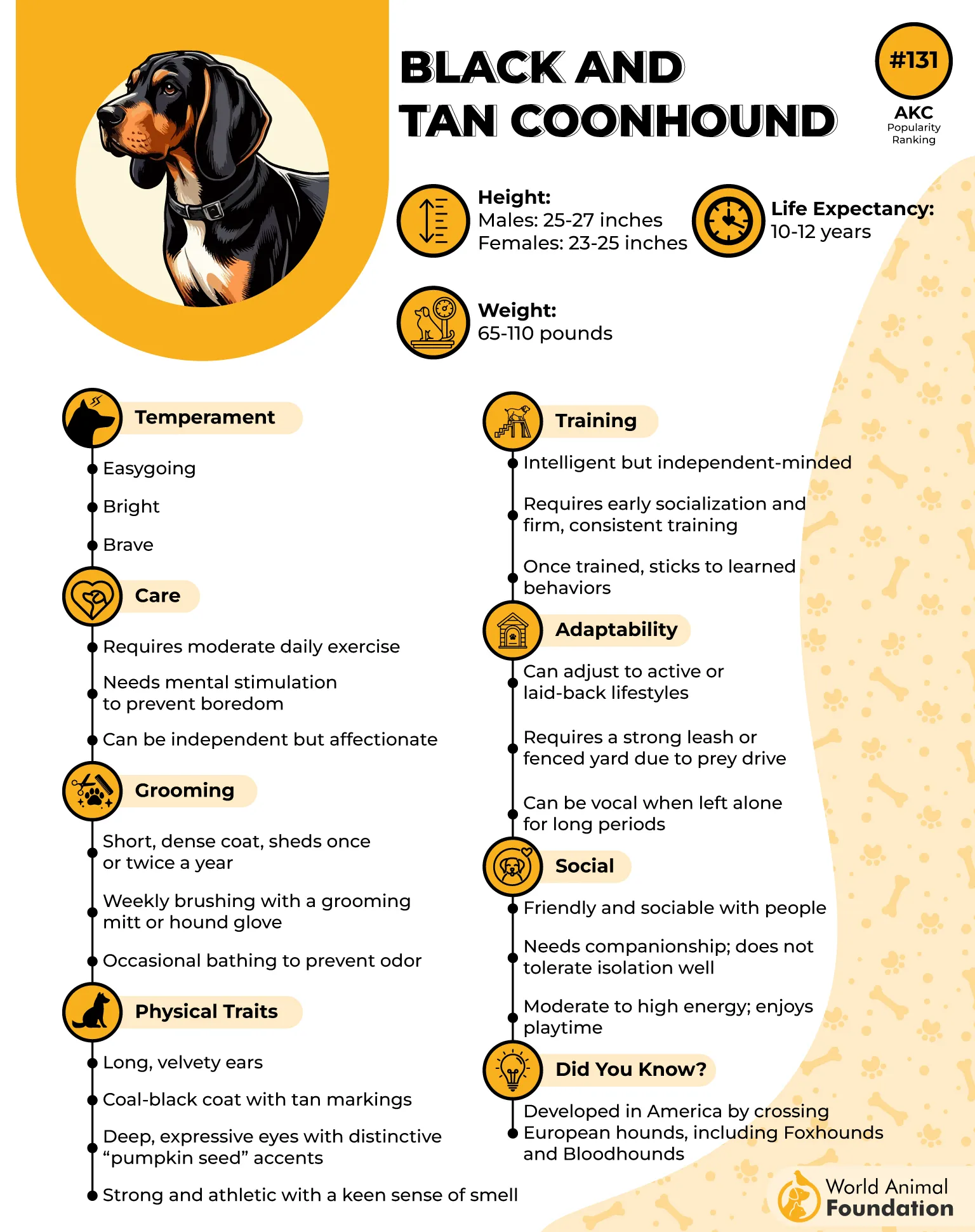
It is sociable, people-oriented, and generally easygoing with other dogs, often preferring companionship over solitude. But that same need for connection means it does not cope well with long hours alone, and boredom can quickly turn into restless behavior, according to Zooplus.
Physically, the Coonhound is powerful yet elegant, built for endurance with a deep chest, long ears, and a smooth black coat marked with rich tan points. Every feature reflects its history as a long-distance tracker designed to work through night, terrain, and time without losing focus on the trail.
Conclusion
From the focused intensity of pointing breeds to the relentless tracking instinct of scent hounds, dogs built for the hunt share a common thread, an ancient drive that still shapes every step they take today.
Their energy, intelligence, and determination are not traits to be switched off, but understood and guided. In the right environment, with space, structure, and purpose, these dogs become extraordinary partners, blending loyalty with instinct in a way few other animals can match.
But without proper outlets, that same drive can turn overwhelming, reminding us that these breeds were never meant for idle living.
Choosing a high prey drive dog is not just about admiration for their beauty or history; it is a commitment to meet their needs every single day. When respected and properly directed, their instinct does not fade; it transforms into something remarkable: a partnership built on motion, trust, purpose, and shared understanding.
