




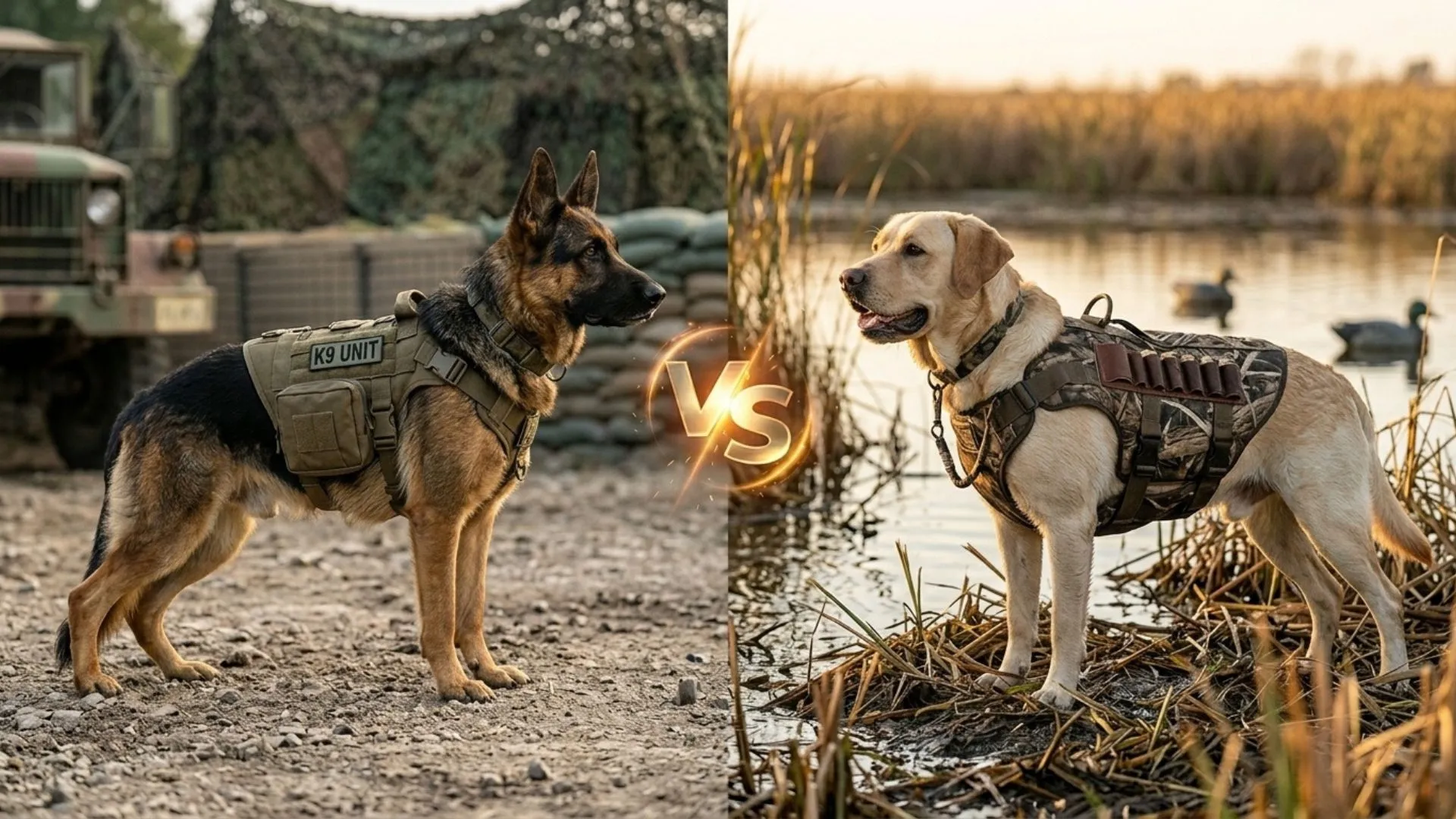
German Shepherds and Labrador Retrievers are two popular dog breeds, celebrated for their intelligence, versatility, and strong bond with humans.
While both breeds excel as great family dogs, they possess distinct characteristics that make them suitable for different lifestyles and owner preferences. Understanding these differences is essential for choosing the breed that best aligns with your household, activity level, and long-term expectations.
German Shepherds are renowned for their exceptional loyalty, protective instincts, and advanced trainability. Originally developed as herding and working dogs in Germany, they are frequently employed in police, military, and service roles.
Labrador Retrievers, on the other hand, were bred as retrieving dogs in Canada and are widely recognized for their friendly temperament, sociable nature, and adaptability.
Expert insights into these key differences can help prospective owners make an informed decision and find the breed that best complements their lifestyle.
Key Takeaways
German Shepherds are protective, loyal dogs, while Labradors are friendly and family-oriented.
Both breeds are intelligent and easy to train, but Labradors are often better for first-time owners.
German Shepherds generally require more training, mental stimulation, and grooming.
The best choice depends on your lifestyle, activity level, and what you want in a canine companion.
German Shepherd Dog Breeds vs. Labrador Retrievers: Expert Insights
History & Purpose
German Shepherd
The German Shepherd Dog was developed in Germany during the late 1800s by former cavalry officer Max von Stephanitz. His goal was to create the ideal herding dog by selectively breeding intelligent, athletic, and hardworking sheepdogs from different regions of Germany.
In 1899, von Stephanitz founded the first German Shepherd Dog club and registered a dog named Horand von Grafrath, according to the American Kennel Club.
Originally bred to herd and protect livestock, German Shepherds quickly gained recognition for their intelligence, loyalty, and trainability. Their versatility led to roles beyond herding, including police work, military service, search-and-rescue operations, and guide dog assistance.
Primary Purpose:
Herding and guarding livestock
Police and military work
Service and guide dog roles
Family protection and companionship
Labrador Retriever
The Labrador Retriever traces its roots to Newfoundland, Canada, where it was developed from St. John’s Water Dogs and early Newfoundland breeds. Fishermen relied on these dogs to retrieve fishing nets, ropes, and fish from icy waters, making strong swimming ability an essential trait.
The breed was later brought to England in the 1800s, where it was refined into the modern Labrador Retriever. Known for their friendly nature, intelligence, and eagerness to please, Labradors became exceptional sporting dogs and eventually one of the world’s most popular family dogs.
Primary Purpose:
Retrieving game and fishing equipment
Water-based hunting assistance
Therapy and service work
Family companionship
Size & Physical Build
German Shepherd
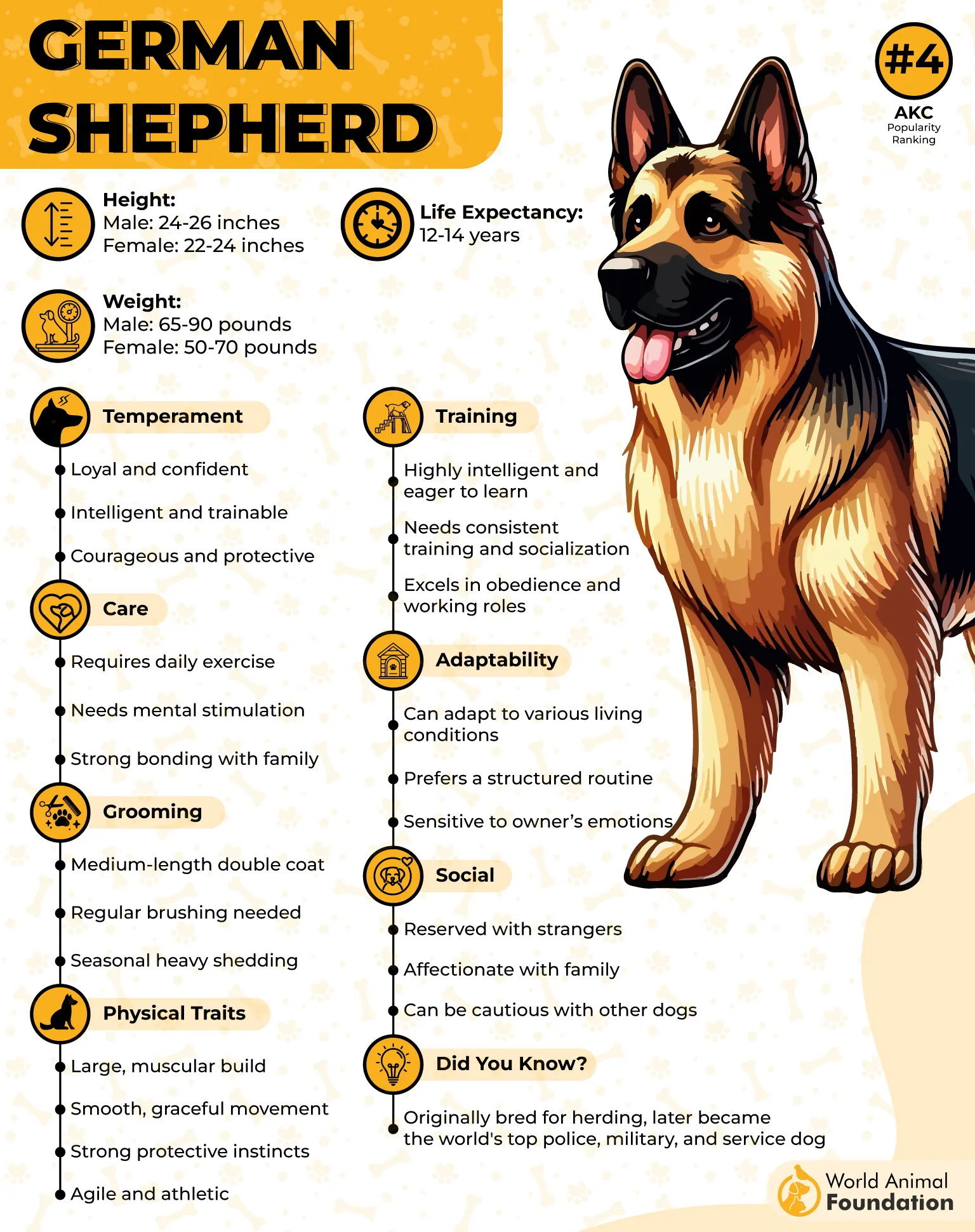
German Shepherds have a lean, athletic, and well-muscled build designed for endurance and agility. They feature a slightly longer body, a deep chest, and a distinctive sloping back. Their erect ears, long muzzle, and alert expression contribute to their confident and commanding appearance.
Physical Traits:
Height: 22–26 inches
Weight: 50–90 pounds
Athletic, agile frame
Erect ears and an elongated muzzle
Dense double coat
Labrador Retriever
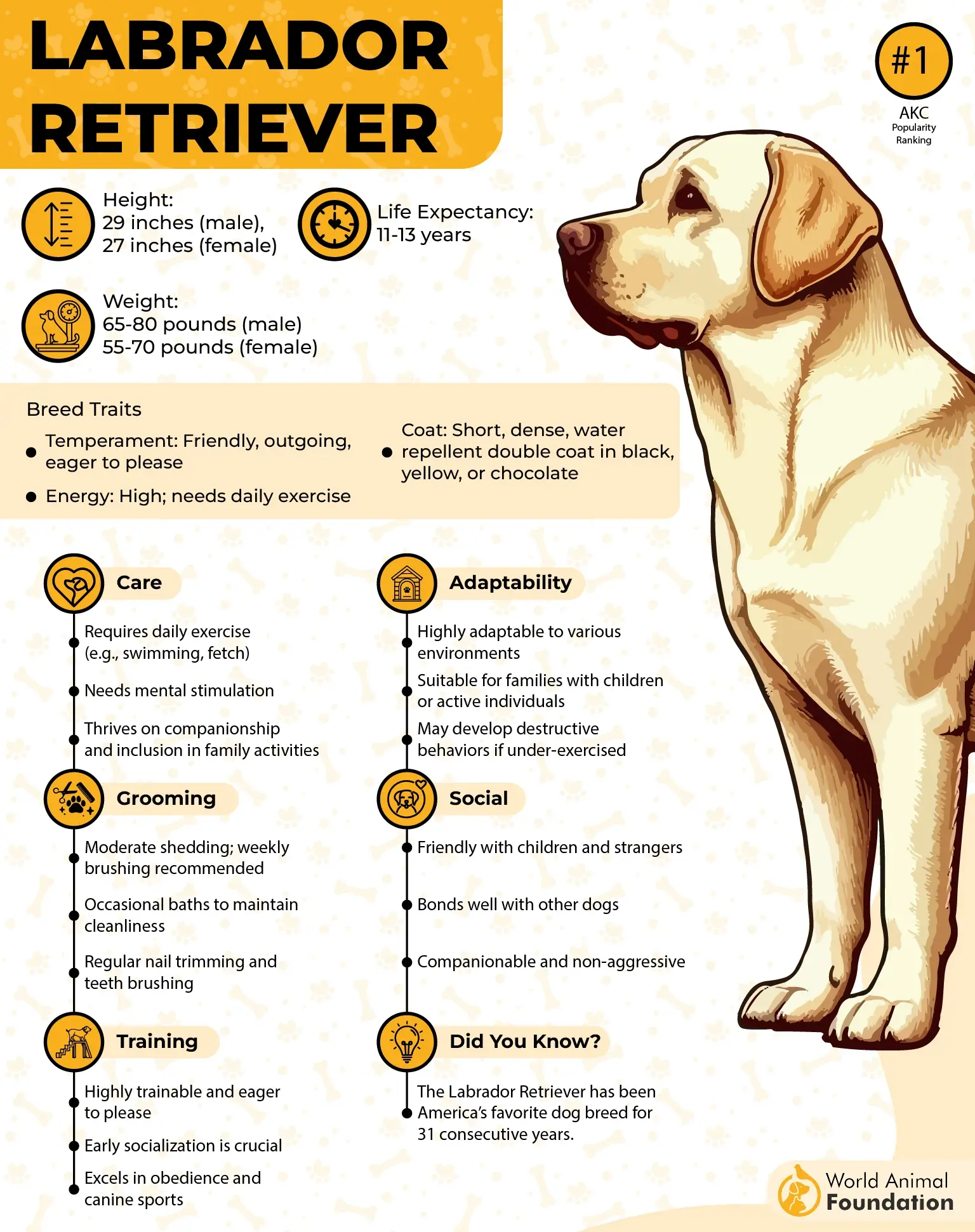
Labrador Retrievers have a sturdier and more balanced build. They possess a broad chest, strong legs, and a thick “otter” tail that helps them swim efficiently. Their friendly face, floppy ears, and solid body structure reflect their history as hardworking retrievers and water dogs.
Physical Traits:
Height: 21.5–24.5 inches
Weight: 55–80 pounds
Strong, compact body
Floppy ears and a broad head
Short, water-resistant double coat
Temperament & Personality
German Shepherd
German Shepherds form strong bonds with their owners and often take on a protective role within the home. Their loyalty and alert nature make them excellent watchdogs, service dogs, police dogs, and military dogs.
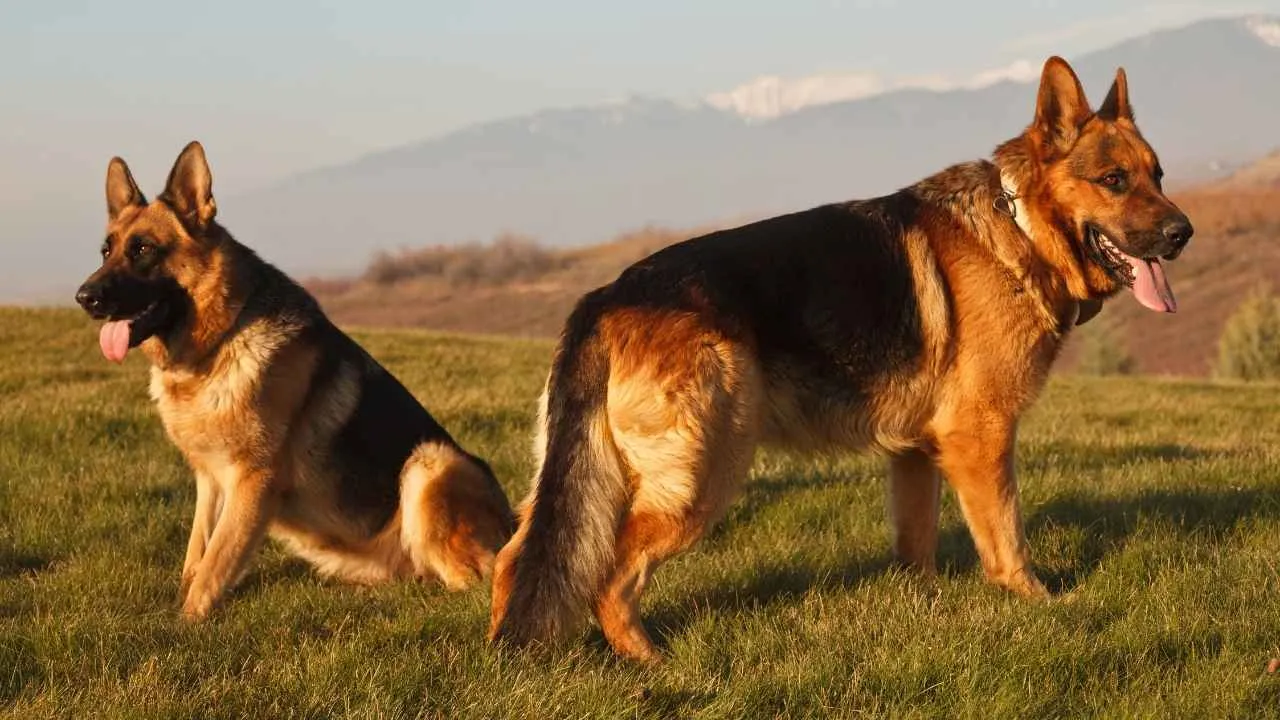
However, because they can be reserved around strangers, they need socialization and consistent training from a young age to prevent overprotective or territorial behavior.
Common Traits:
Loyal and protective
Confident and courageous
Highly intelligent
Alert and obedient
Best for experienced or active owners
Labrador Retriever
Labrador Retrievers are known for their gentle, playful, and people-loving nature. They usually get along well with children, strangers, and other pets, making them one of the best choices for families and first-time dog owners.
While they are not natural guard dogs, their friendliness, patience, and eagerness to please make them good family dogs and excellent therapy and service dogs.
Common Traits:
Friendly and outgoing
Playful and affectionate
Patient with children
Sociable with people and pets
Great for families and beginners
Exercise & Energy Levels
German Shepherd
German Shepherds are highly active working dogs that thrive on both physical exercise and mental challenges. Most require 1–2 hours of daily activity, including walks, runs, training sessions, and interactive games.
Because of their intelligence, physical exercise alone is not enough—mental stimulation is equally important to prevent boredom and destructive behavior.
Best Activities:
Long walks, jogging, and hiking
Obedience and advanced training
Agility courses
Fetch and frisbee
Puzzle toys and scent work
Labrador Retriever
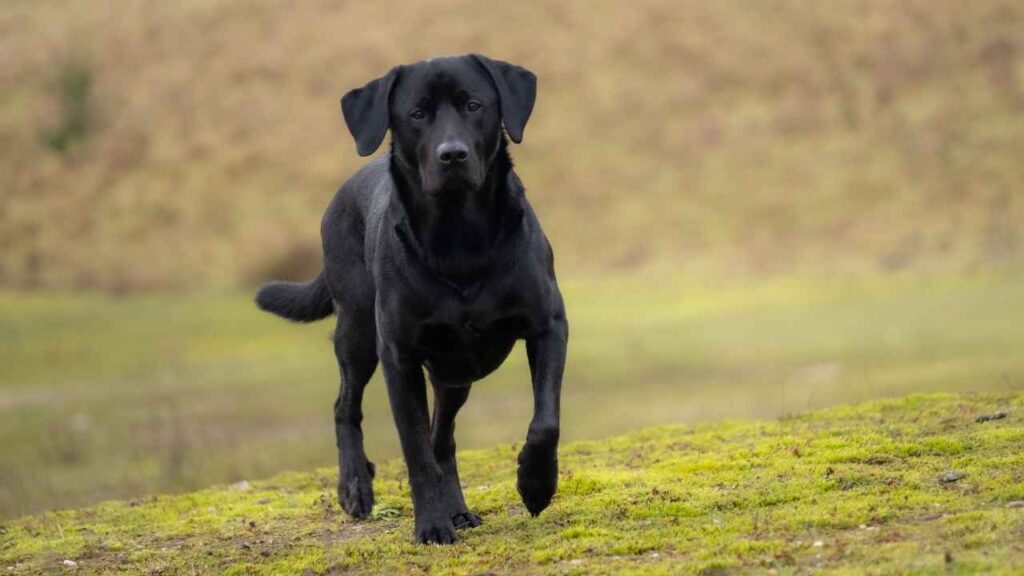
PetMD mentions that Labradors are energetic dogs and typically need at least an hour of exercise per day. They are playful, social, and enjoy activities that involve interaction with people or other dogs. Labradors are especially known for their love of water and often excel in swimming and retrieving games.
Best Activities:
Fetch and retrieval games
Swimming and water sports
Daily walks and runs
Dog park playtime
Interactive family activities
Training & Intelligence
German Shepherd
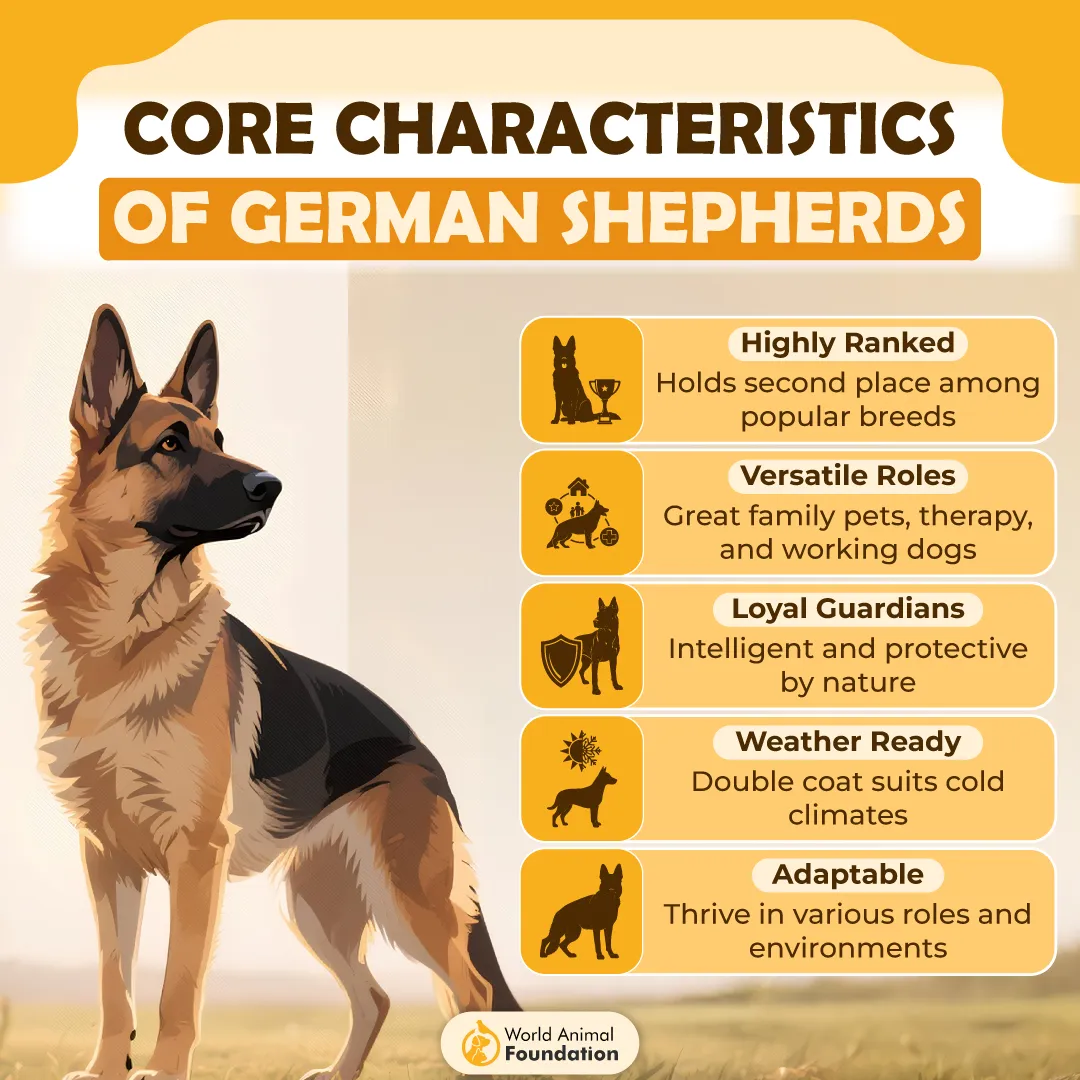
German Shepherds rank among the smartest dog breeds and are known for their ability to learn commands quickly.
Their intelligence, discipline, and strong work ethic make them a preferred choice for police work, military service, search-and-rescue operations, and assistance roles. They thrive in structured training environments and enjoy tasks that challenge both their minds and bodies.
Training Strengths:
Highly intelligent and focused
Quick to learn advanced commands
Excels in obedience and working roles
Strong problem-solving abilities
Responds well to consistent training
Labrador Retriever
Labradors are also exceptionally intelligent, but are often easier for beginners to train. Their friendly nature and eagerness to please make them highly responsive to positive reinforcement methods.
Labradors are commonly used as guide dogs, therapy dogs, and service animals because of their reliability, patience, and adaptability.
Training Strengths:
Eager to please and highly motivated
Learns quickly through rewards and praise
Friendly and cooperative temperament
Excellent service and therapy dog
Well-suited for first-time owners
Grooming Frequency
German Shepherd
German Shepherds usually need more frequent grooming because their coats are thicker and they shed heavily, especially in spring and fall. Brushing 2–3 times per week is recommended during normal periods, while daily brushing may be needed during heavy shedding seasons.
Grooming Needs:
Brush 2–3 times weekly
Brush more often during seasonal shedding
Use an undercoat rake or de-shedding brush
Bathe only when needed
Clean ears and trim nails regularly
Labrador Retriever
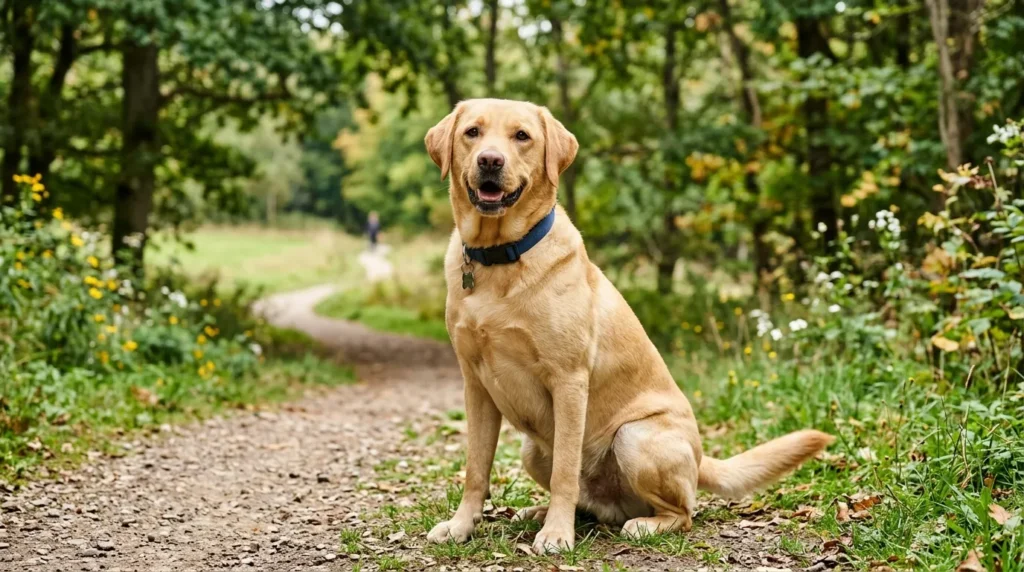
Labradors have shorter, dense coats that are easier to maintain, but they still shed and need routine care. Brushing 1–3 times per week is usually enough, though extra brushing may help during seasonal shedding. Since Labradors love water, they should be dried properly after swimming to avoid skin irritation.
Grooming Needs:
Brush 1–3 times weekly
Increase brushing during shedding seasons
Bathe when dirty or as needed
Dry thoroughly after swimming
Maintain nails, ears, and teeth regularly
Lifespan Expectancy
German Shepherd
German Shepherds have an average lifespan of 7–10 years. While they are strong and athletic dogs, they are more susceptible to certain inherited health problems, particularly those affecting the joints and spine.
Common Health Concerns:
Elbow and hip dysplasia
Bloat (gastric dilatation-volvulus)
Degenerative disc disease
Epilepsy
Diabetes
Cataracts and progressive retinal atrophy (PRA)
Labrador Retriever
Labrador Retrievers typically enjoy a longer lifespan of 10–12 years. Although generally robust, they are prone to weight-related issues and certain joint and eye conditions.
Common Health Issues:
Obesity
Hip and elbow dysplasia
Osteochondritis dissecans (OCD)
Eye disorders, including PRA
Epilepsy
Bloat
Cancer and tumors
Suitability as Family Pets vs. Guard Dogs
German Shepherd
German Shepherds are among the best guard dog breeds in the world. Their loyalty, intelligence, and strong protective instincts make them highly effective at safeguarding their families and property.
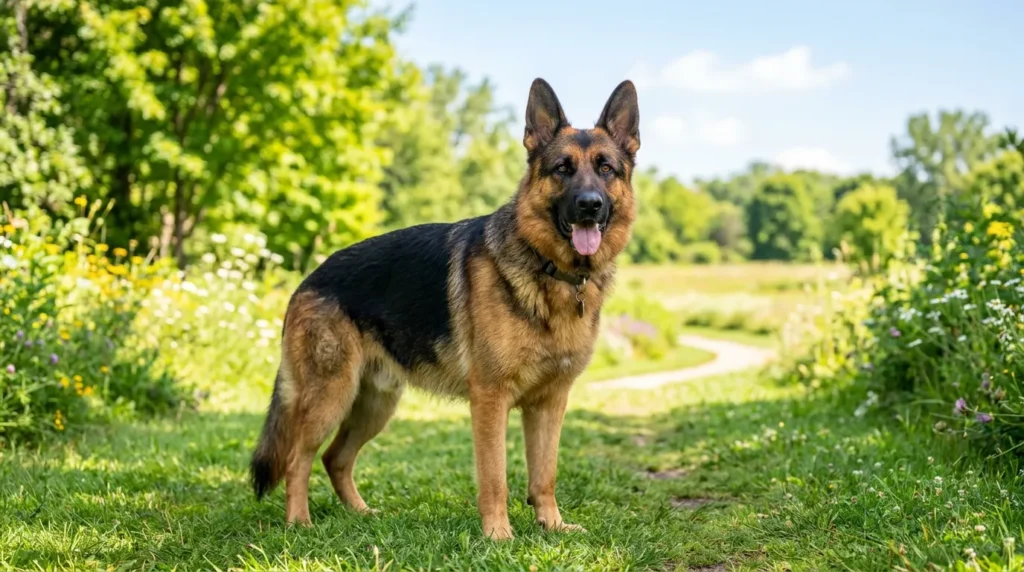
German Shepherds tend to be naturally alert around strangers and are quick to respond when they sense a potential threat.
Best Suited For:
Home and property protection
Experienced owners
Active households
Families seeking a loyal watchdog
Labrador Retriever
Labrador Retrievers are renowned for their affectionate and sociable nature. They typically get along well with children, guests, and other pets, making them one of the most popular breeds worldwide.
While they may bark to alert their owners, their friendly disposition means they are not naturally suited for guard duties, as mentioned by WebMD.
Best Suited For:
Families with children
First-time dog owners
Multi-pet households
Therapy and companion roles
Conclusion
German Shepherds and Labrador Retrievers are both intelligent, loyal, and energetic breeds, but they fit different types of owners.
German Shepherds are best for those who want a protective, focused, and highly trainable working dog, while Labradors are ideal for families seeking a friendly, playful, and easygoing companion.
Before choosing between the two breeds, think honestly about your lifestyle, training commitment, activity level, and home environment. The right dog is not just the most popular one—it is the one whose personality, needs, and purpose match your life best.
