




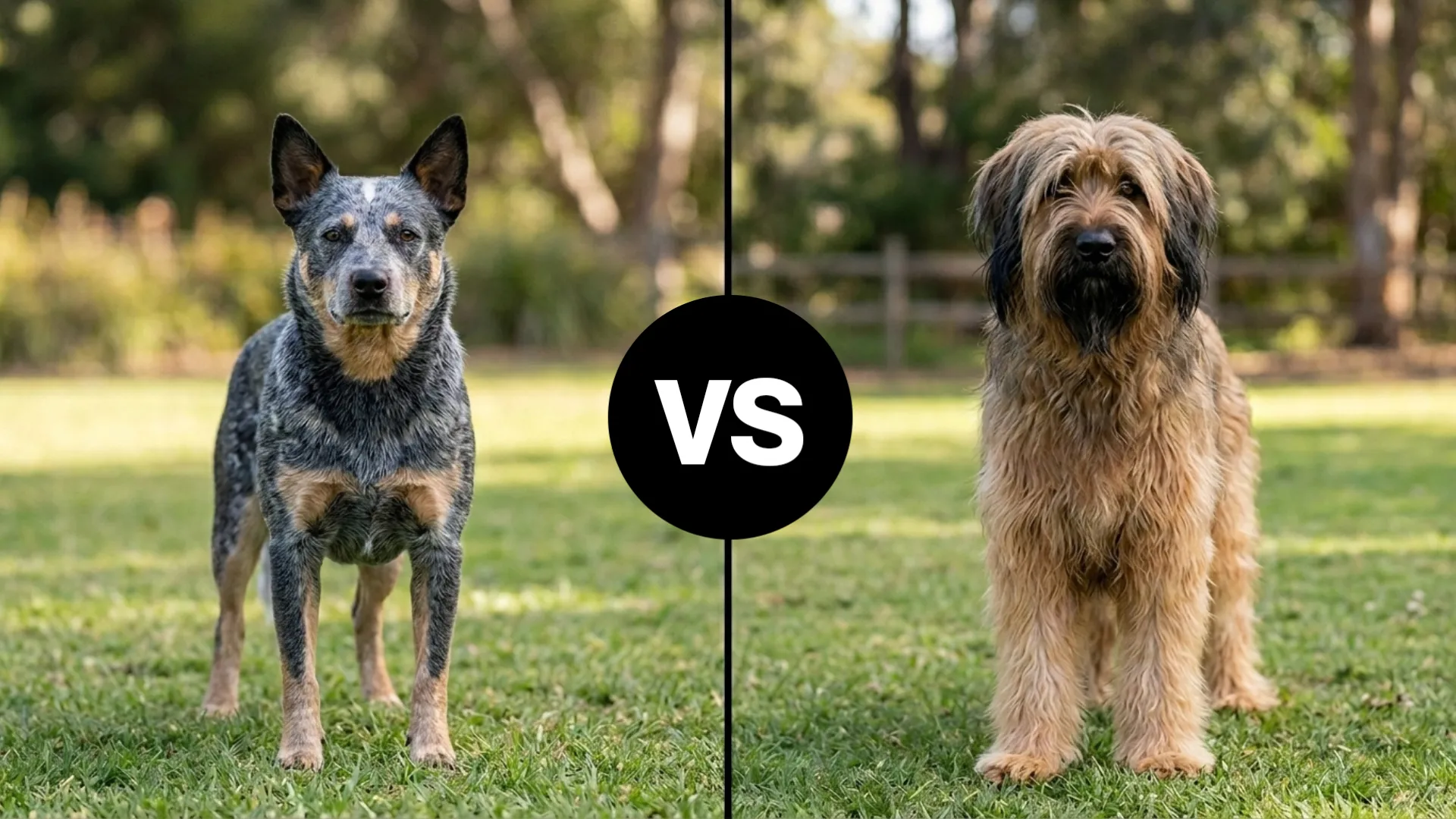
Many people assume that two herding breeds with strong working backgrounds will behave in roughly the same way. It sounds logical, but the reality is often very different. Shared origins do not automatically translate into shared personalities, care requirements, or daily habits.
In fact, some of the biggest surprises appear after owners bring one home, expecting similarities that simply are not there. Differences in energy levels, social behavior, trainability, and maintenance needs can have a significant impact on everyday life.
This is why broad labels such as “working dog” or “herding breed” rarely tell the full story. Looking deeper reveals characteristics that influence everything from exercise routines to family compatibility. Knowing those details is far more valuable than relying on assumptions.
Coming up, you’ll explore how these two respected breeds compare across temperament, intelligence, grooming, activity requirements, and suitability for different types of owners.
Key Takeaways
Two herding breeds often get grouped, but their daily behavior and handling needs feel very different once you see them in real life.
Australian Cattle Dog brings sharp intensity and nonstop drive, while Briard shows a calmer, more measured kind of working focus that feels easier to settle into home life.
One surprises people with how demanding its energy levels can be, while the other leans into steady companionship without losing its guarding instincts.
Keep reading to see how two working dogs with similar roots end up leading such different lives in modern homes.
Australian Cattle Dog vs. Briard: Why One Stands Out More
Size and Strength
Australian Cattle Dog Strength in a Compact Frame
Australian Cattle Dogs stand around 17 to 20 inches tall and usually weigh between 35 and 50 pounds, but the size doesn’t really reflect how much power sits inside that frame. They are dense, hard-muscled dogs with a build designed for speed, control, and nonstop movement across rough ground.
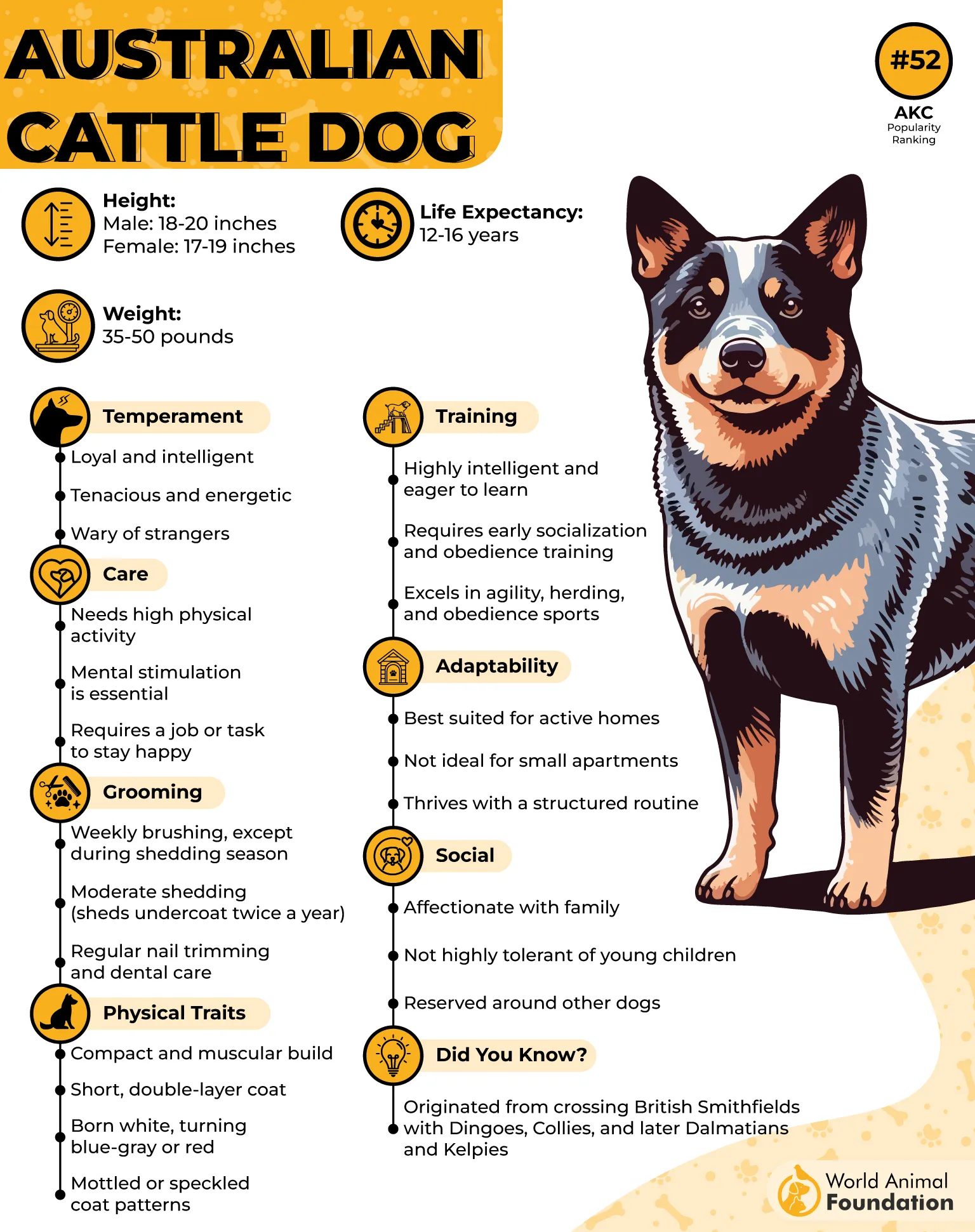
Their structure feels compact but extremely functional, with sturdy bones that help them stay stable on uneven terrain without slowing down quick direction changes. Everything about their body is shaped for endurance work, where balance and agility matter more than bulk.
Briard Power with Flowing Structure
Briards are noticeably larger, with males reaching 23 to 27 inches and weighing anywhere between 55 and 100 pounds, giving them a much more commanding physical presence. Their build carries more length through the body, slightly longer than their shoulder height, which adds to their flowing and athletic outline.
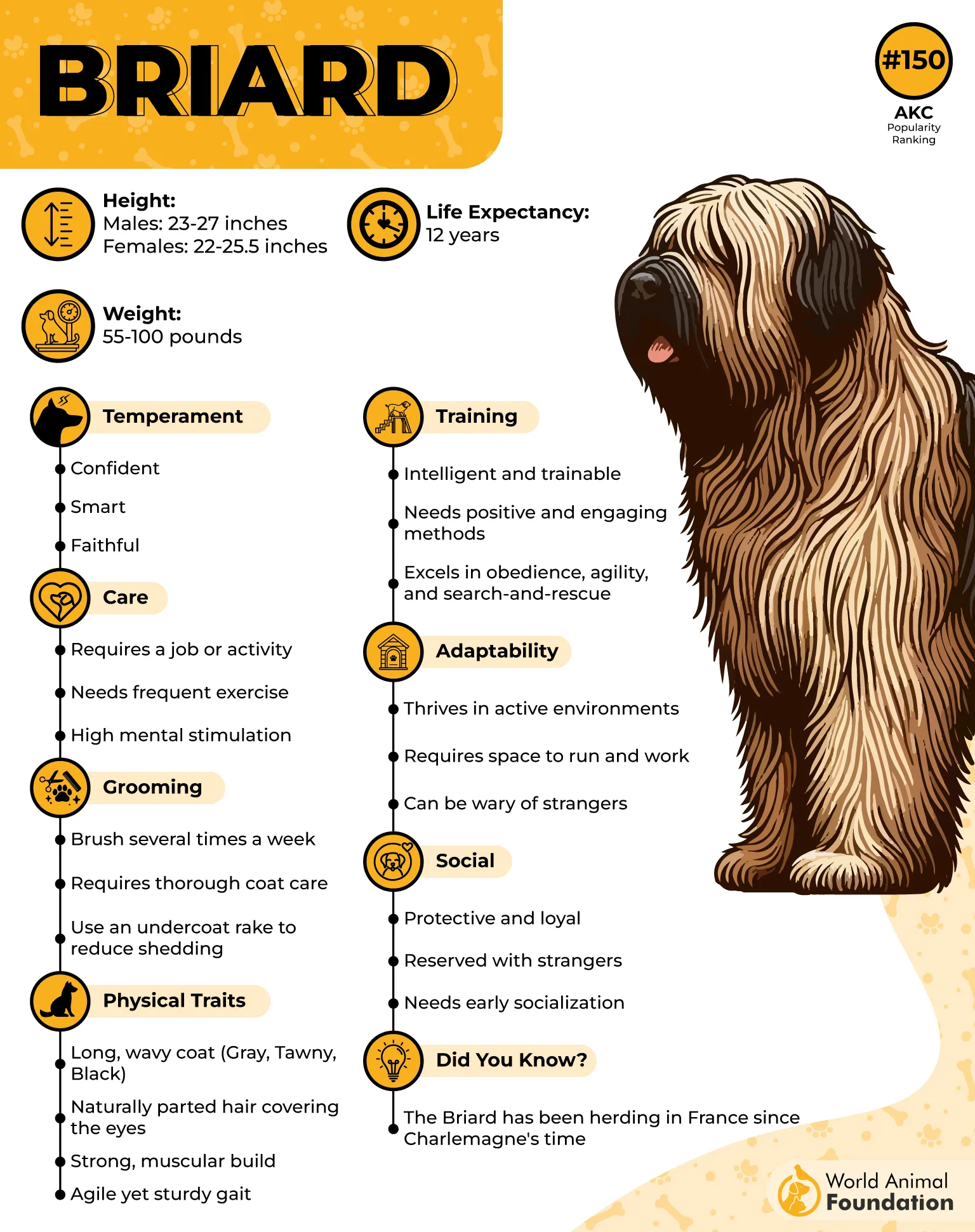
Despite the heavier frame, they move with a smooth, controlled gait that feels surprisingly effortless for their size. The strength here is less compact pressure and more sustained power, supported by muscle mass and functional structure that helps them handle long hours of field work.
Temperament and Personality
Australian Cattle Dog Mindset and Behavior
Australian Cattle Dogs carry a sharp, work-focused intelligence that shows up in how seriously they take their surroundings. As per PetMD, they bond closely with one person and tend to stay cautious around unfamiliar people, often observing first rather than reacting instantly, which gives them a naturally protective edge in daily life.
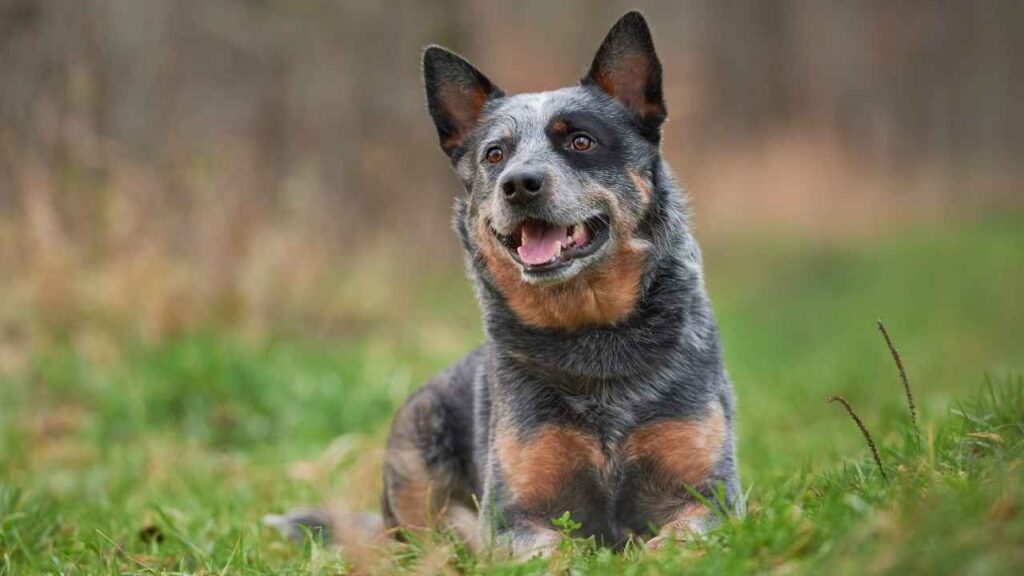
Their personality can shift quickly when they feel pressure or threat, moving from calm observation to firm resistance. This is also a breed known for strong instincts like nipping during control work, a habit rooted in herding behavior that often needs clear direction and early training to stay balanced in a home setting.
Briard Temperament and Social Nature
Briards feel more emotionally tuned into family life, often staying close to their people and showing a steady, affectionate presence inside the home. They tend to form strong attachments with children and can become quite protective of them, sometimes reacting strongly even in normal disciplinary moments.
With strangers, they stay guarded and territorial, though their behavior inside the household stays generally stable when they are properly engaged, as Hills Pet mentioned. They respond best to consistent activity and guidance, which helps prevent boredom from turning into stubborn or restless behavior.
Health and Lifespan
Australian Cattle Dog Longevity & Health Focus
Australian Cattle Dogs generally live around 12 to 16 years, which reflects their naturally tough and active build. Their long working history has also shaped the need for careful screening, especially for conditions like deafness, hip dysplasia, and progressive retinal atrophy that can affect vision over time.
Routine care usually stays quite practical, with regular ear checks to prevent wax buildup or trapped debris, along with consistent dental cleaning to maintain overall health. Breed-focused screening often includes hip and elbow evaluation, BAER hearing tests, and DNA testing for conditions like PLL and PRA-prcd.
Briard Health Profile & Lifespan
Briards typically have a lifespan of around 12 years and are generally considered a healthy working breed, though they can be prone to a wider list of hereditary conditions if not carefully screened. These may include hip dysplasia, eye-related issues like cataracts or retinal problems, thyroid imbalance, and certain immune or kidney concerns.
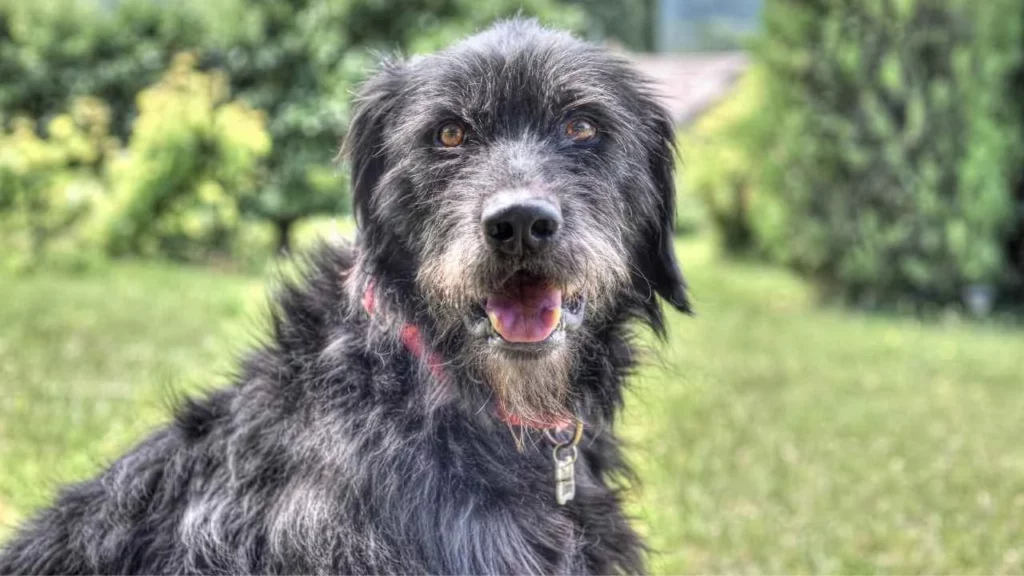
Health monitoring in this breed often focuses on early detection through structured testing such as hip evaluation, ophthalmologist exams, and DNA screening for congenital stationary night blindness, helping maintain long-term stability in a large, active body, as the American Kennel Club (AKC) describes.
Training and Exercise
Australian Cattle Dog Training Drive
Australian Cattle Dogs don’t do well with idle routines, since their mindset is built around constant purpose rather than casual activity. A simple walk or yard play usually isn’t enough, and they respond far better when daily life includes structure, direction, or tasks that engage both body and mind.
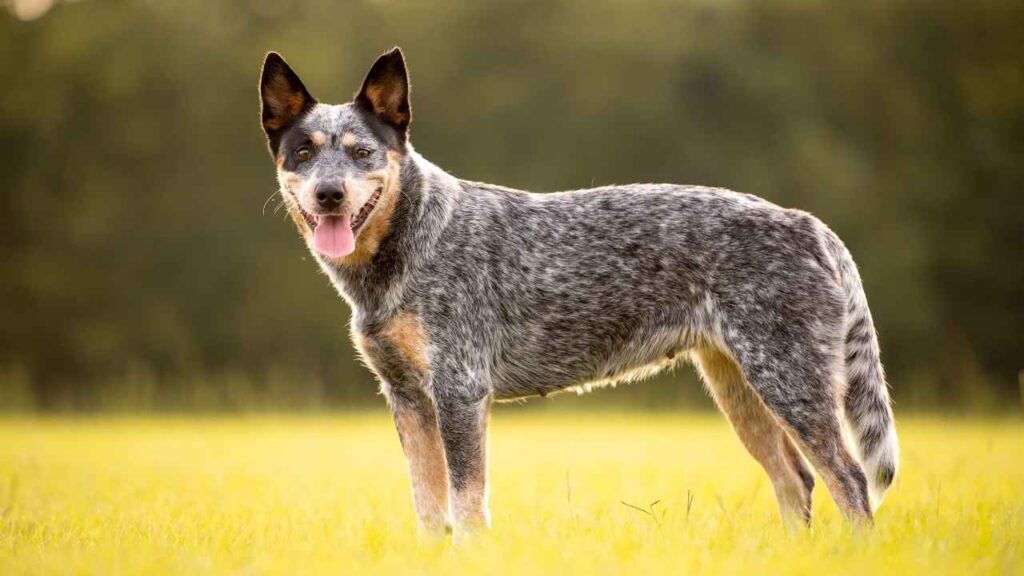
That working mindset carries into how they handle training and structured activities. They pick up obedience and agility work quickly, but only stay satisfied when those lessons feel active and meaningful, often showing their best side in herding work or sports that keep them mentally switched on.
Briard Learning Style and Work Needs
This herding dog breed also prefers having a purpose, especially one that involves movement and engagement, since they were bred for long hours of active field work. Activities like hiking, jogging, or structured play in open space suit them well, as they enjoy both physical effort and close interaction with their handler.
Training a Briard can feel a bit different because of their habit of making independent decisions in the field, but they respond well when sessions stay upbeat and consistent. They learn fast, remember instructions for a long time, and tend to perform well in dog sports and activities like obedience, agility, or even search-style work when introduced early and regularly.
Grooming Needs
Australian Cattle Dog Coat Care Made Simple
Australian Cattle Dogs have a practical, weather-resistant double coat that suits long hours outdoors without needing constant attention. Since the coat is naturally low-odor and not oily, routine upkeep usually stays light, with a simple weekly brushing being enough to keep things tidy.
Shedding becomes more noticeable during seasonal coat changes, when the undercoat loosens and needs a bit more attention every few days. A quick but thorough brushing during this period helps clear dead hair and keeps the coat functioning the way it’s meant to in outdoor conditions.
Briard Coat Care with Long-Term Commitment
Briards need a very different grooming rhythm, starting early so they get comfortable with the process as they grow. Their long, dense coat reaches the skin layers, so brushing a few times a week is needed to prevent tangles and keep the structure clean and manageable.
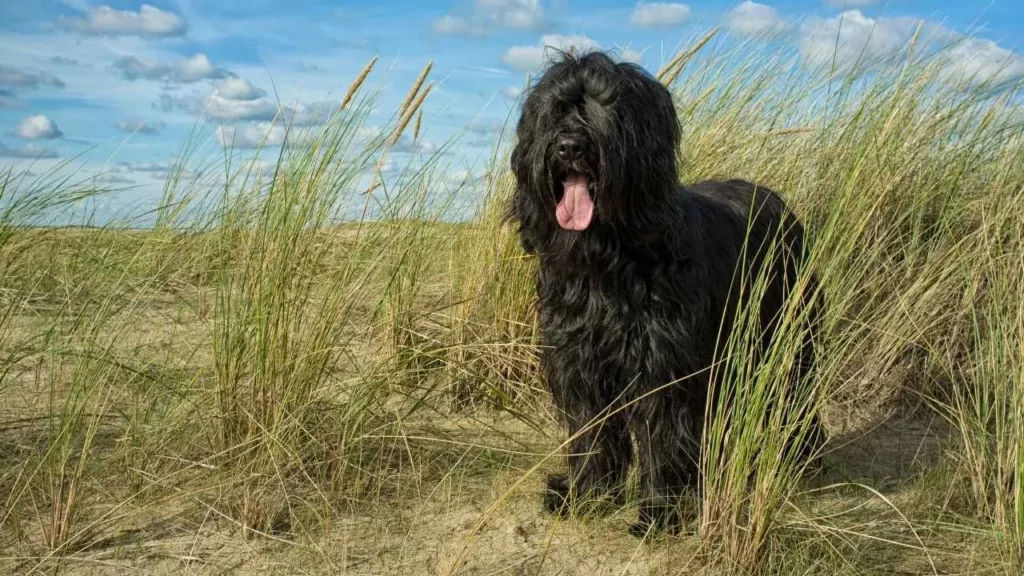
Bathing depends heavily on lifestyle, since active outdoor time can mean more frequent cleaning, while a quieter routine allows longer gaps between washes. Tools like a pin brush and undercoat rake play a key role in managing loose hair and maintaining coat health over time.
Energy Level
Australian Cattle Dog Intensity in Motion
Australian Cattle Dogs run on a very high energy level that feels almost nonstop, shaped by years of demanding work in open Australian ranch lands. They usually need more than two hours of active movement each day, and anything less tends to leave them restless rather than relaxed.
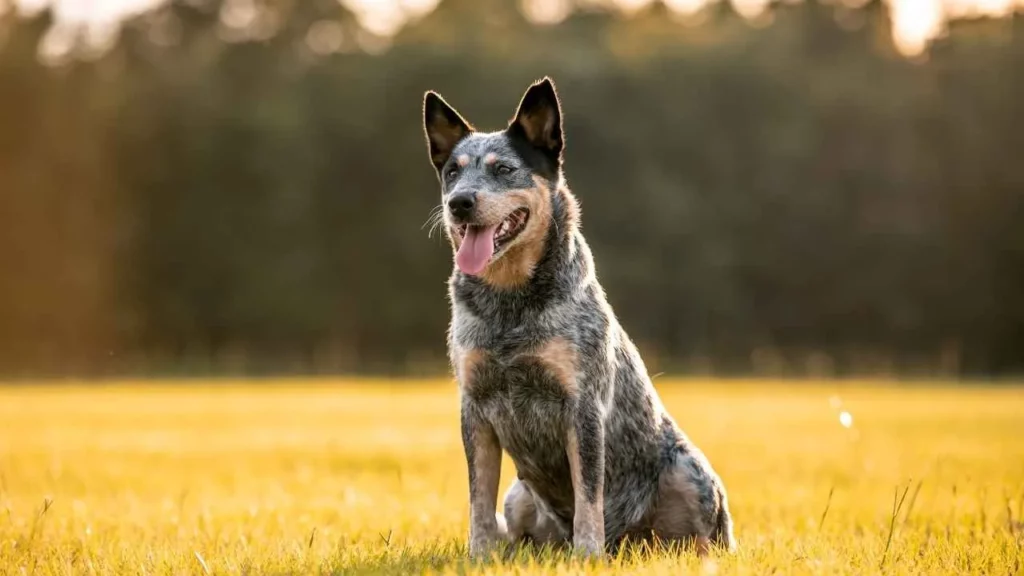
Their energy is not just physical but mental as well, which is why they often stay alert and ready for action even after exercise. A calm, inactive home environment rarely suits them well since they are built for constant engagement and purpose-driven activity.
Briard Drive and Controlled Energy
Briards also carry strong working energy, but it comes through in a more measured way compared to the sharper intensity of the Cattle Dog. They generally need around 60 to 90 minutes of daily activity combined with mental tasks to stay balanced and satisfied.
Their working nature shows up when they are left without structure, as they prefer having something to focus on rather than long idle periods. With proper activity, their energy feels steady and controlled rather than constantly restless.
Natural Guard Instincts
Australian Cattle Dog Watchful Nature
Australian Cattle Dogs stay highly aware of everything happening around their space, often acting like they are keeping track of movement, sound, and routine patterns in the home. This constant alertness comes from their working background, where staying tuned in to changes was part of daily herding life rather than guarding alone.
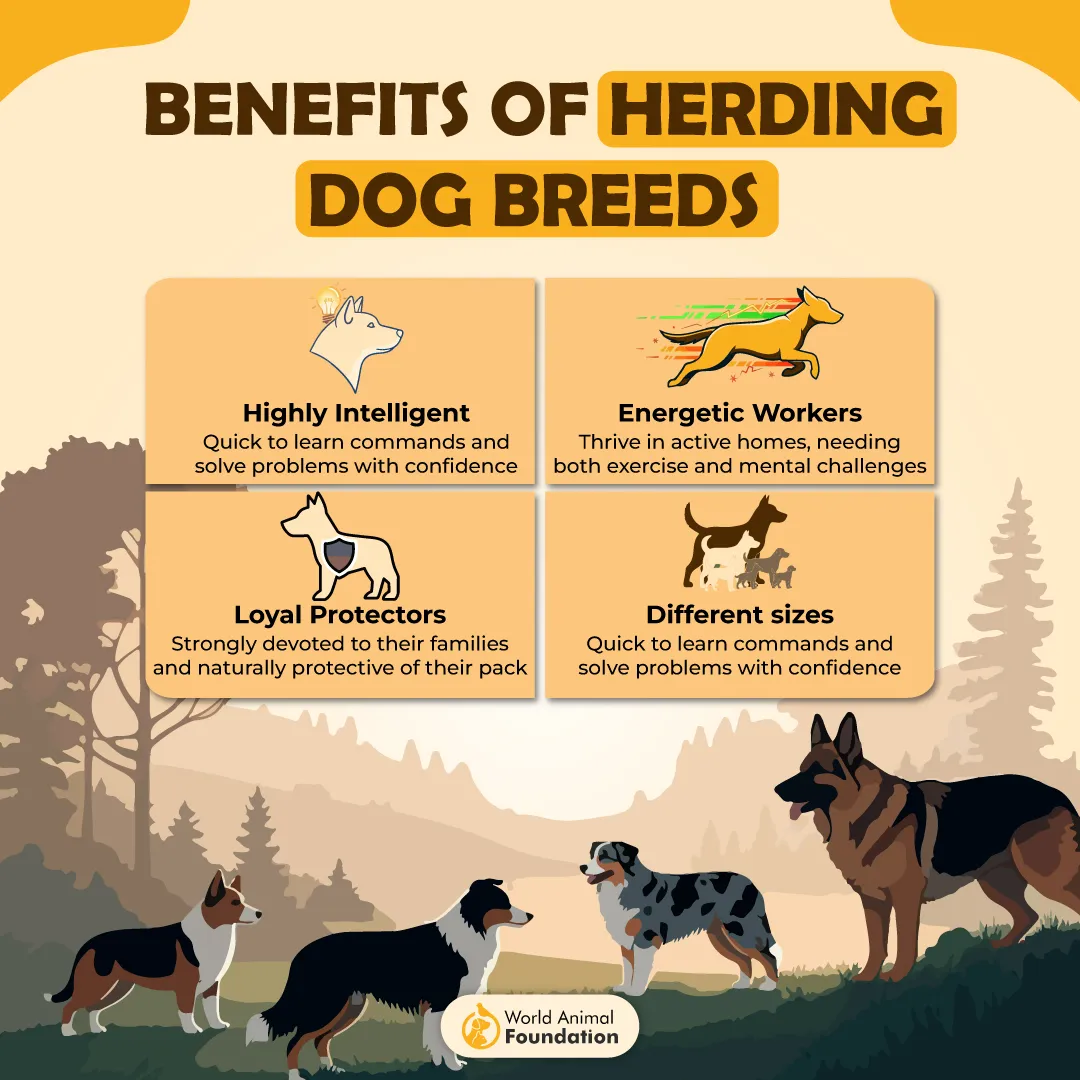
Briard Protective Awareness
Briards naturally hold a steady sense of responsibility toward their surroundings, shaped by their long history of watching over flocks in open land.
That instinct shows up today as calm vigilance, where they quietly monitor their environment and treat their family group as something worth staying consistently aware of without being overly reactive.
Protective Temperament
Australian Cattle Dog Protective Temperament
Australian Cattle Dogs take a more active, controlled approach to protection, where awareness and quick reaction come naturally from their herding background. They tend to stay closely tuned to their people and surroundings, stepping in only when something feels genuinely out of place rather than reacting to every small disturbance.
Briard Protective Temperament
Briards show a calmer, more watchful form of protection that feels steady rather than reactive. Their guarding style is rooted in long-term responsibility, where they quietly position themselves between their family and anything unfamiliar, responding with measured confidence instead of sudden bursts of action.
Conclusion
Many people begin this comparison expecting small differences and end up discovering two very distinct companions. While both share a history of hard work and dedication, their approach to daily life feels noticeably different. One often relies on strong herding instincts, problem-solving, and a need for both physical challenges and mental challenges.
The other settles more comfortably into family routines while still maintaining its working instincts. Those differences influence everything from exercise habits to household dynamics. As a distinct breed, each benefits from early socialization and consistent training. The best match usually comes down to which personality fits naturally into the life waiting for it.
