




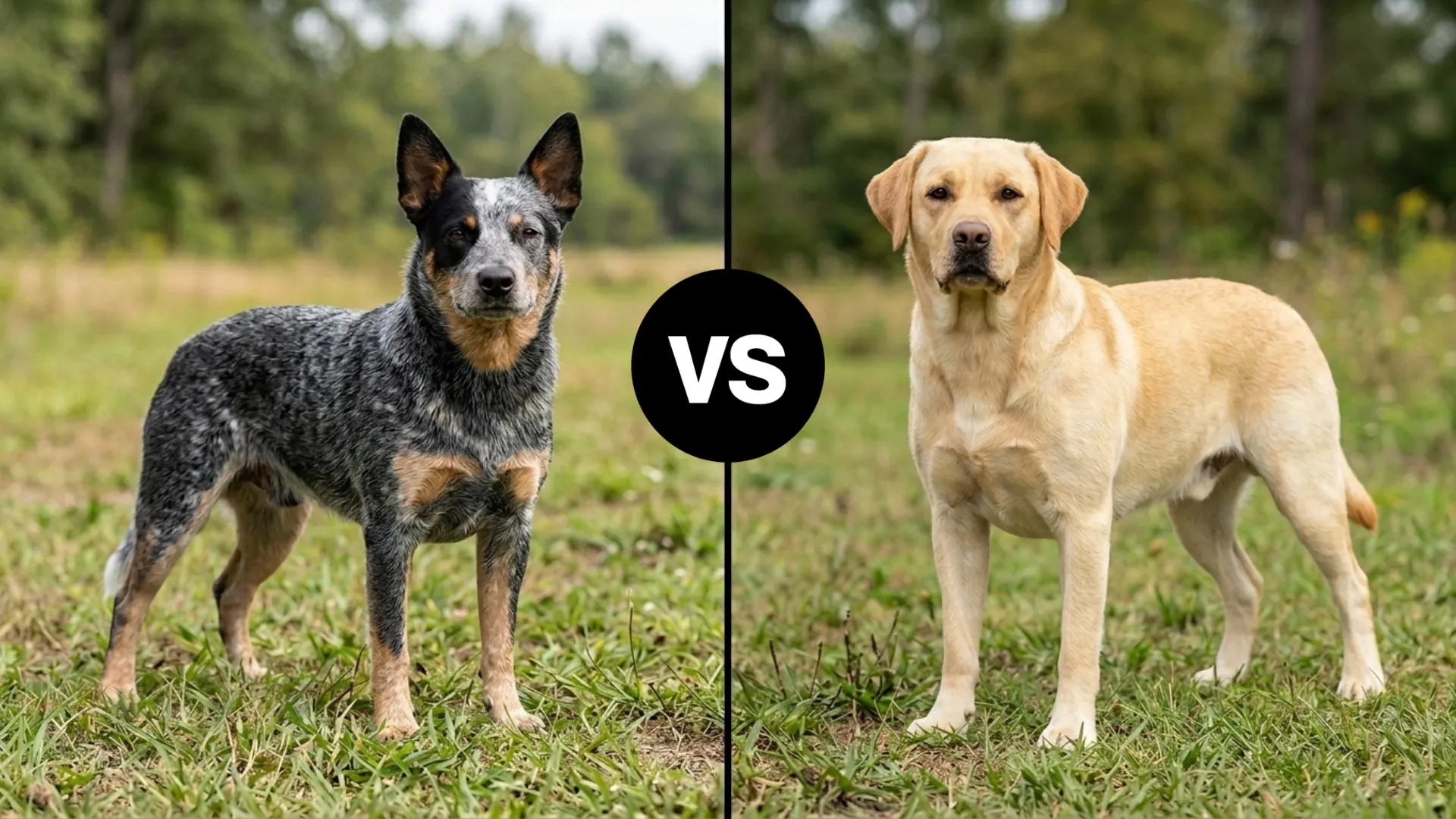
Two incredible dogs. Two very different personalities. And one big question — which one is actually the right fit for your home?
The Australian Cattle Dog and the Labrador Retriever are both loyal, intelligent, and genuinely loved by families worldwide. But beyond those similarities, these two breeds live, behave, and thrive in surprisingly different ways.
One is a tireless working dog with a sharp mind and an unstoppable drive. The other is a warm, easygoing companion that gets along with practically everyone it meets.
Choosing between them isn’t just about looks or popularity. It’s about matching the right energy, temperament, and care needs to your actual lifestyle — because the wrong match for either breed can make life harder than it needs to be.
So whether you’re an active outdoor enthusiast or a family simply looking for a devoted daily companion, understanding what truly sets these two breeds apart could save you a lot of guesswork.
Let’s break it down.
Key Takeaways
Two active breeds often get compared, yet their everyday behavior tells a very different story once they enter real homes.
The Australian Cattle Dog brings intense focus and constant alertness, while the Labrador Retriever shows a more relaxed and socially easygoing nature that blends into family routines.
From exercise needs to how they respond to training, each one shapes a completely different pace of life for their owners.
The real contrast only becomes clear when you look deeper into how each dog fits into daily living and long-term commitment.
Australian Cattle Dog vs. Labrador Retriever: Key Differences Explained
Coming up, you’ll see where these two remarkable breeds overlap, where they differ, and which lifestyle each naturally complements.
Origins & Purpose
Australian Cattle Dog Working Roots in the Outback
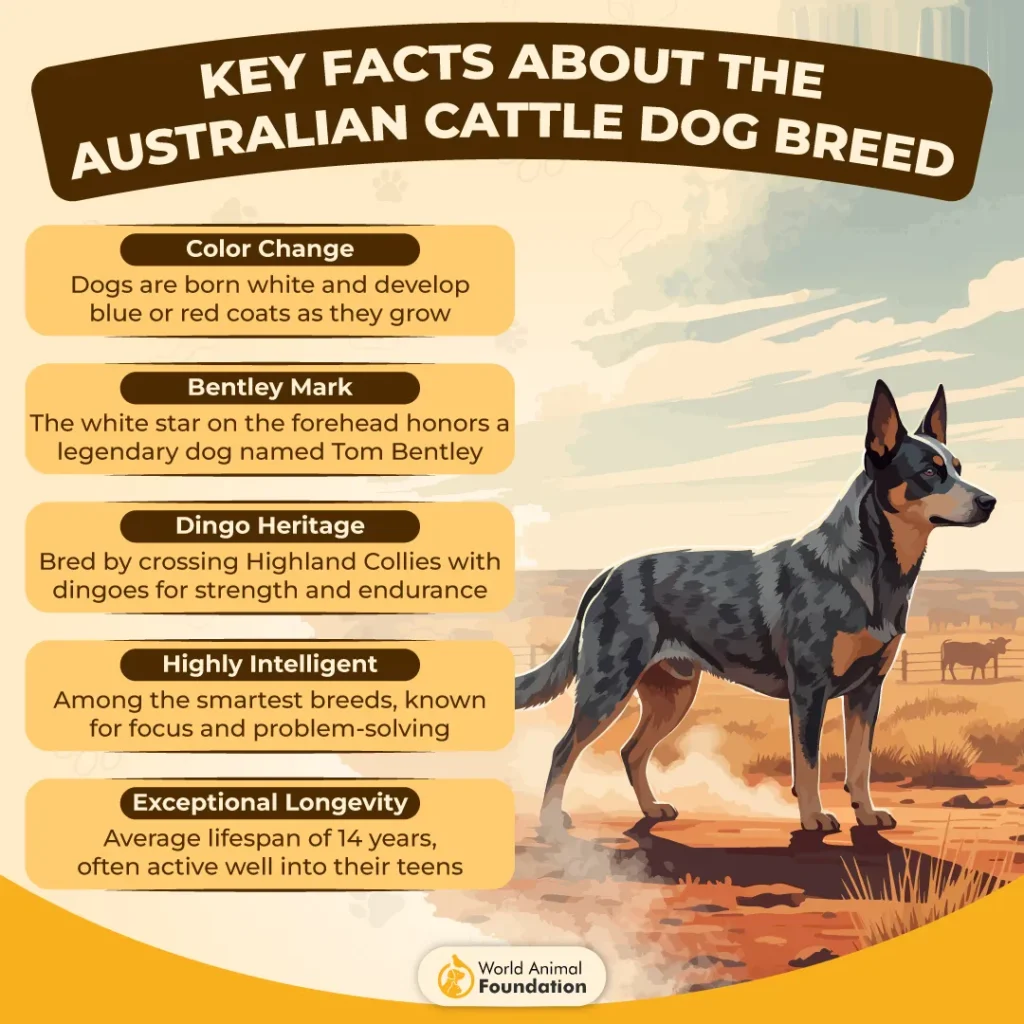
Australian Cattle Dogs were shaped in the 19th century when settlers needed a tougher herding dog for vast cattle stations across Australia’s harsh grasslands. Early breeders crossed imported British herding dogs with native dingoes to create a tougher, more resilient working type that could handle heat, distance, and pressure without breaking down.
That practical purpose stayed central as the breed evolved into the modern Blue Heeler. By 1980, the AKC officially recognized the Australian Cattle Dog, and within a few years, it shifted from the Working Group into the Herding Group as its role became more clearly defined in structured livestock control.
Labrador Retriever Fishing and Field Heritage
Labrador Retrievers actually trace back to Newfoundland’s St. John’s water dogs, where they worked closely with fishermen in the early 1800s. These dogs were valued for their steady temperament in cold water and their ability to retrieve nets and fish while staying cooperative on busy fishing boats.
British visitors later brought them to England, refining their abilities into reliable gun dogs used for retrieving waterfowl during hunts. The breed was officially recognized by the American Kennel Club in 1917, and over time, Labradors became widely known for their working versatility, service roles, and long-standing popularity across families and working fields.
Size & Build
Australian Cattle Dog Compact Strength & Agility
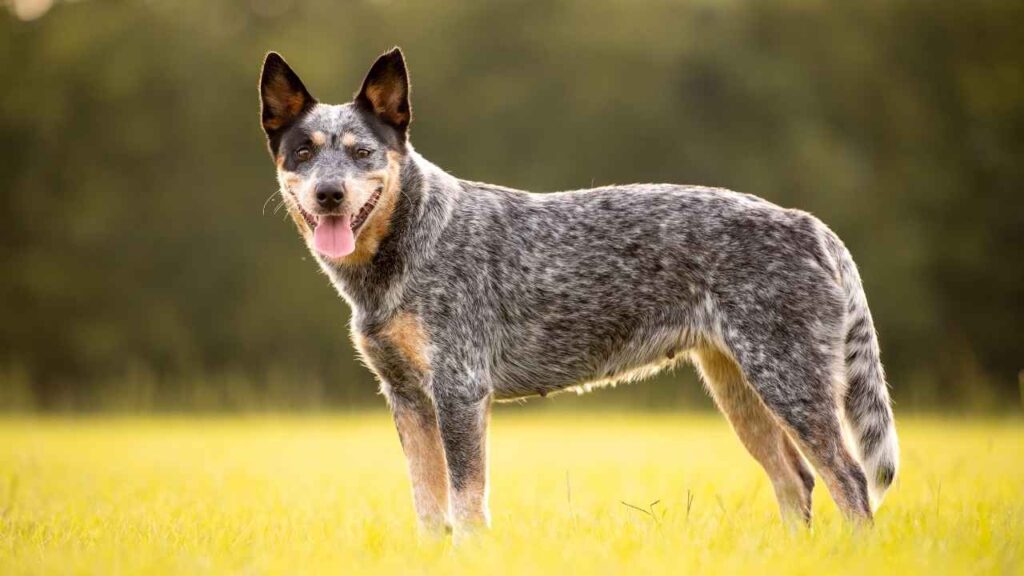
Australian Cattle Dogs stand about 17 to 20 inches tall, with a weight range of 35 to 50 pounds, giving them a noticeably compact frame built for efficiency rather than bulk.
Despite the smaller size, the body feels dense and tightly packed with muscle designed for stamina and quick directional control across rough working terrain.
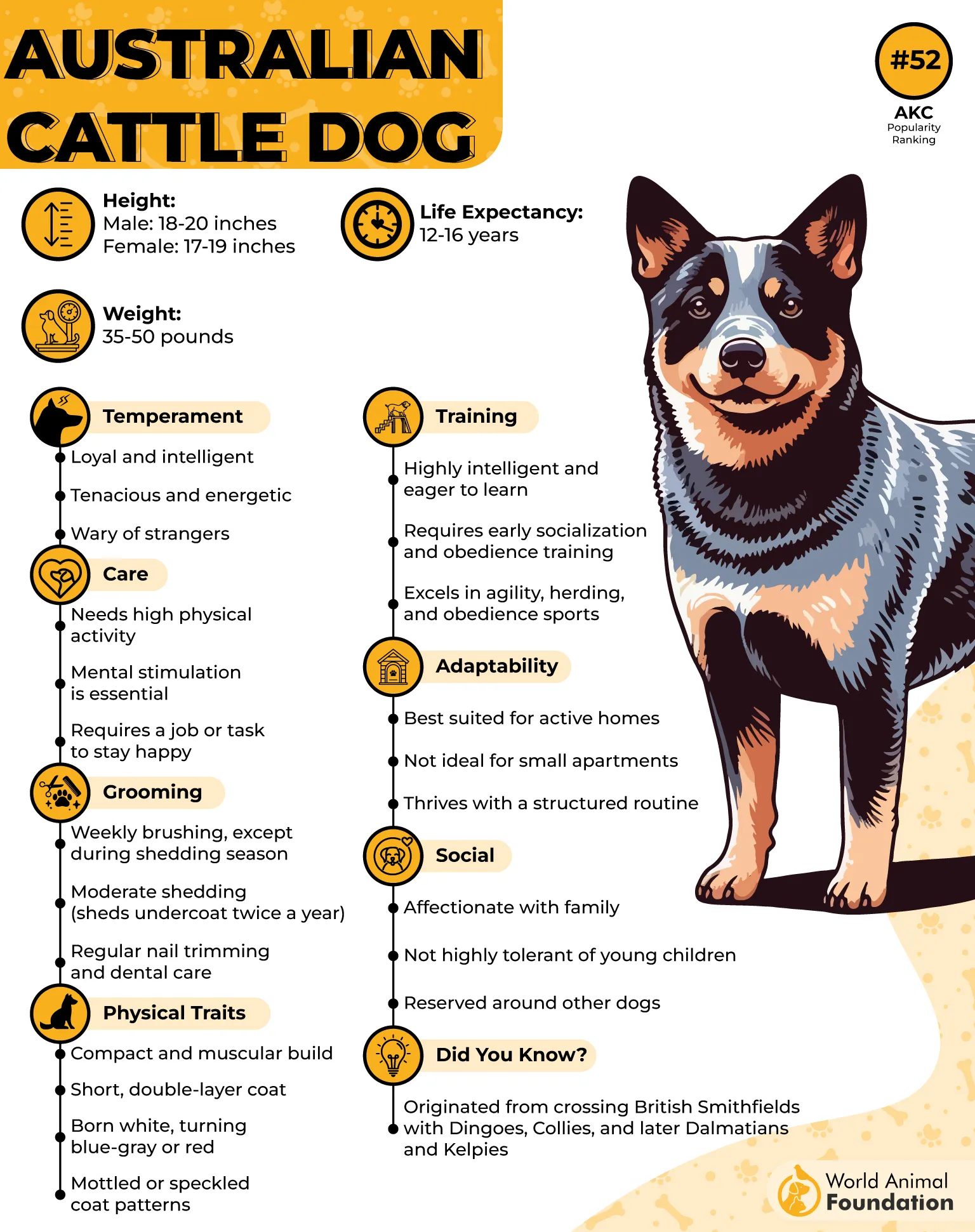
That structure keeps them light on their feet while still grounded enough for demanding physical work. Every part of their build supports endurance herding, where agility, balance, and fast response matter more than sheer size or visual presence.
Labrador Retriever Athletic Power & Structure
Labrador Retrievers are larger, standing around 21.5 to 24.5 inches tall, with males weighing up to 80 pounds and females generally between 55 and 70 pounds, as per the AKC. Their bodies are built with a broad skull, deep chest, and overall muscular frame that gives them a solid and athletic appearance.
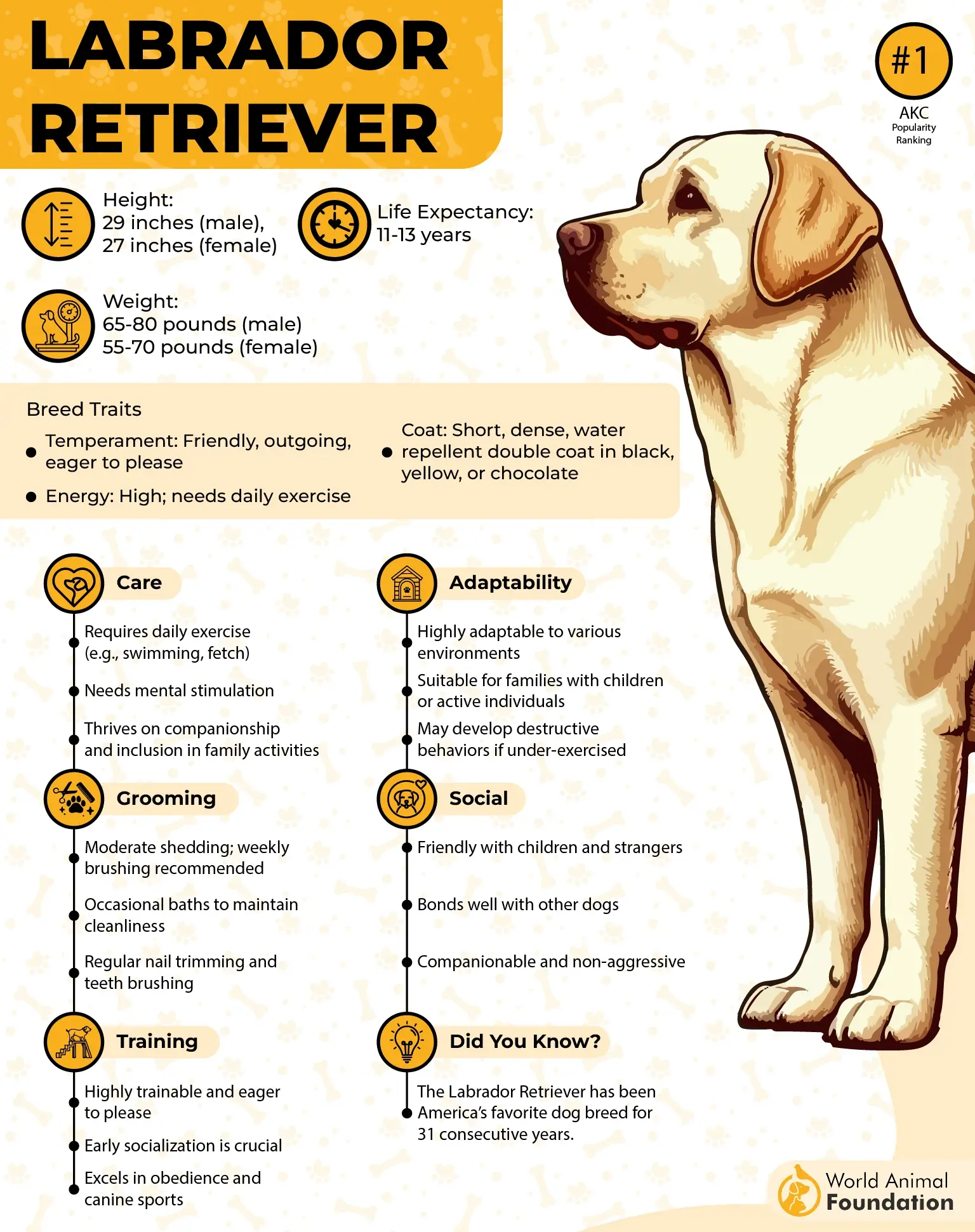
That structure supports steady endurance rather than quick bursts, with a smoother, more grounded movement style. The Labrador’s build reflects a working dog designed for strength, swimming ability, and long hours of physical activity without losing balance or control.
Pricing & Availability
Australian Cattle Dog Pricing & Finding One
Australian Cattle Dog puppies usually fall in the range of $600 to $1,000, depending on breeder quality, lineage, and early care practices. The lower cost often reflects more general breeding, while responsible breeders who focus on health and temperament screening may sit toward the higher end of that range.
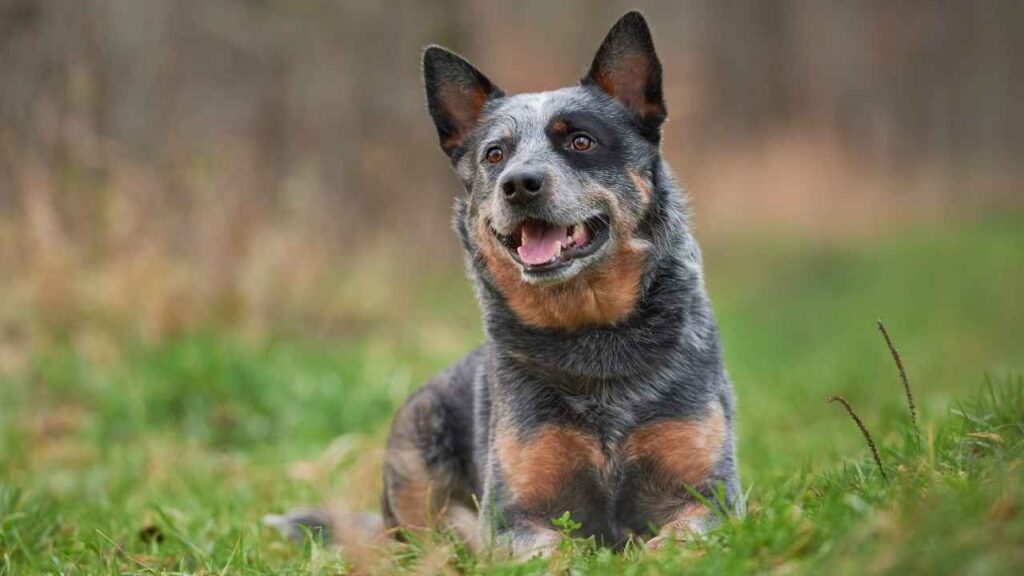
For those open to adoption, this breed is also commonly found in rescue networks and shelters, where working dogs or surrendered pets often wait for new homes. Groups like Australian Cattle Dog rescues and local shelters can be a practical route for finding one without going through breeders.
Labrador Retriever Pricing & Availability
Labrador Retriever puppies from standard breeding sources generally range between $800 and $1,500, especially when raised as family companions with typical lineage documentation. These are often bred for pet homes rather than specialized working or show lines.
Higher-end Labradors from well-established breeders with strong pedigree records and health testing can reach around $2,500 to $4,000, especially for show-quality or carefully selected bloodlines. Their wide popularity also makes them easier to find compared to many other breeds, both through breeders and adoption channels.
Temperament & Personality
Australian Cattle Dog Availability and Commitment Level
Australian Cattle Dogs are not the easiest dogs to rehome because they form strong, lasting bonds with their people and tend to stay closely attached once they settle in. That loyalty also makes them sensitive to change, so switching owners later in life can be a real challenge for them.
Their personality comes with clear responsibility needs in daily life. Without enough mental or physical engagement, they may show stubborn or disruptive behavior, and their herding instinct can extend toward children or moving people, which requires steady supervision and direction.
Labrador Retriever Availability and Everyday Suitability
Labrador Retrievers are widely available and remain one of the most commonly chosen family dogs, largely because of their friendly and adaptable nature. They usually adjust well to new people, children, and other dogs, which makes them easier to integrate into different households.
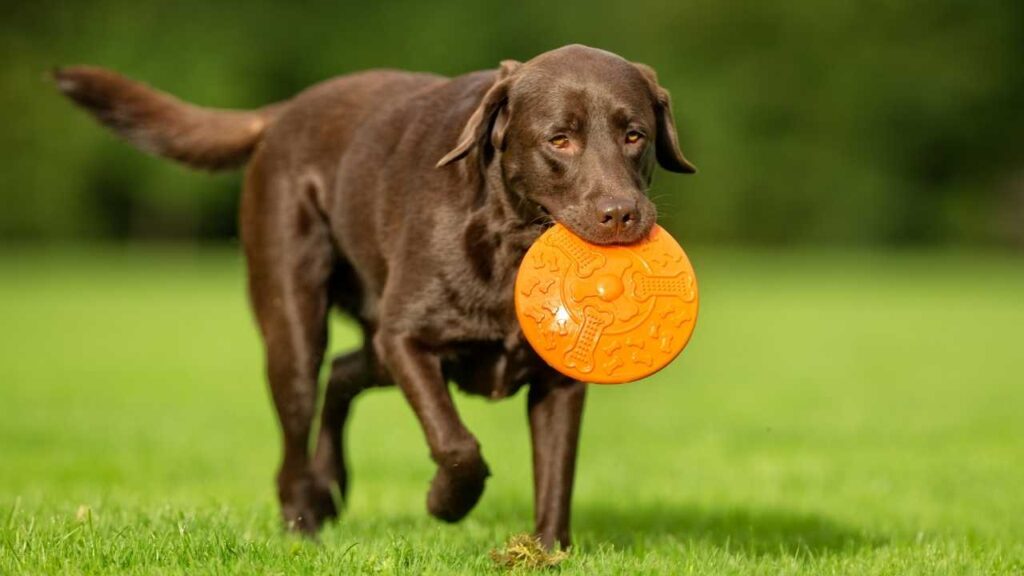
Their early behavior, especially as puppies, needs attention since they are known for chewing and exploring everything with their mouth, from shoes to furniture and even trash.
According to PetMD, with consistent guidance and enough activity, they grow into steady, playful companions who fit comfortably into active family life.
Exercise Needs & Energy Level
Australian Cattle Dog Energy Demands in Action
An Australian Cattle Dog typically needs around 90 to 120 minutes of strong physical activity each day, and a simple walk rarely satisfies that demand. This breed works best when movement has purpose, since it was shaped for constant herding work across large, open land.
Without meaningful engagement, the energy often builds into restlessness, which is why steady activity throughout the day matters more than short bursts. Running, herding tasks, or structured field-style activities tend to match its natural drive far better than casual play alone.
Labrador Retriever Daily Activity Rhythm
Labrador Retrievers usually need about 1 to 2 hours of moderate to high activity every day to stay balanced and content. Their energy feels more playful and steady compared to intense bursts, which makes them easier to manage in varied home environments when their needs are met.
They especially enjoy retrieving games and swimming, often staying active through repeated play rather than structured work. When that energy is not used properly, it can turn into restlessness, so consistent outdoor activity helps keep their behavior grounded and relaxed indoors.
Trainability & Intelligence
Australian Cattle Dog Intelligence and Mental Drive
Australian Cattle Dogs pick up routines and tasks quickly, but their intelligence is tightly linked with staying active and mentally engaged. Early social exposure and consistent guidance help shape their focus, since this breed naturally looks for something to work on rather than sitting idle.
Their sharp minds show up most clearly when they are given structured roles like herding, agility, or obedience-based activities. Without enough direction, that same intelligence can turn into restlessness, which often shows through unwanted behaviors when they feel under-stimulated or ignored.
Labrador Learning Style and Early Development
Labrador Retrievers respond strongly to early exposure, especially during the first few months, when they adapt quickly to people, places, and everyday situations. This early phase plays a big role in shaping their balanced temperament and helps them grow into steady, easy-to-manage adults.
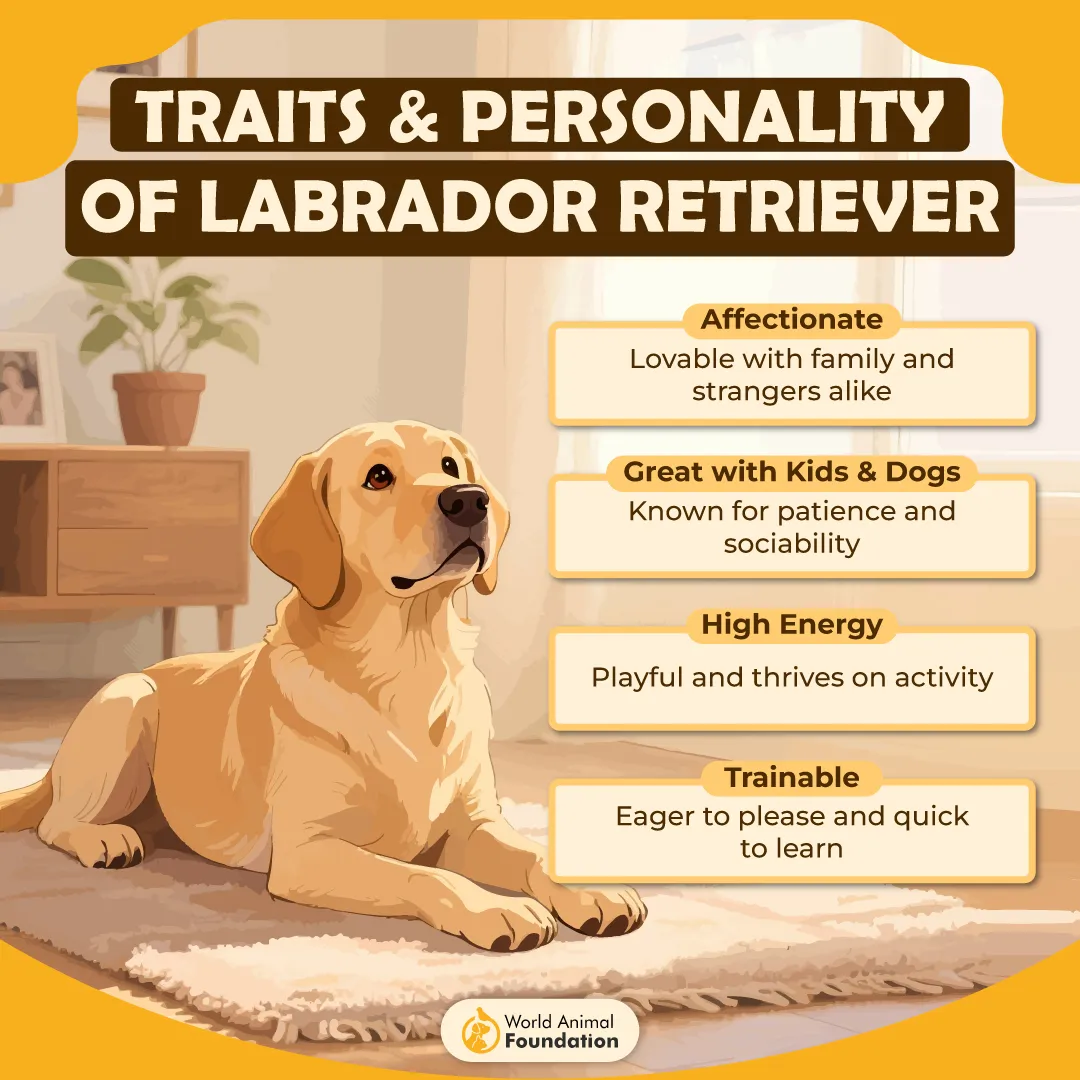
Their intelligence is more cooperative than intense, making them quick to learn through consistent, gentle guidance. They tend to do well in family environments where training feels like part of daily interaction, strengthening both behavior and their natural desire to stay involved with people.
Grooming Needs & Shedding
Australian Cattle Dog Coat Care & Shedding Rhythm
Australian Cattle Dogs have a smooth double coat built for outdoor work, designed to handle rough weather without holding odor or excess oil. This makes routine upkeep fairly simple, with a light weekly brushing usually enough to keep the coat in good condition.
The shedding pattern becomes more noticeable during seasonal coat changes when the undercoat loosens twice a year heavily. During these phases, more frequent brushing is needed to clear out dead hair and maintain skin comfort, along with regular nail trimming to support overall paw health.
Labrador Retriever Coat & Shedding Load
Labrador Retrievers have a dense, water-resistant double coat that stays active throughout the year in terms of shedding. The short outer layer feels firm to the touch, while the soft insulating undercoat is responsible for most of the heavy shedding seen around the home.
Shedding increases significantly during spring and fall when they “blow” their undercoat to adjust to temperature changes. These seasonal cycles make regular grooming and home maintenance more demanding compared to lighter-coated breeds, especially during peak shedding periods.
Watchfulness & Loyalty
Australian Cattle Dog Watchfulness & Loyalty
Australian Cattle Dogs stay constantly alert, with a mindset built around responsibility rather than relaxation. Their loyalty is tightly focused on their owner, and they tend to observe strangers with caution instead of quick acceptance.
That sense of duty often turns into firm protectiveness when they feel something is out of place. While they are not known for frequent barking, their reactions are deliberate, and their strong herding instincts can sometimes show up in how they interact with children or other dogs.
Labrador Retriever Watchfulness & Loyalty
Labrador Retrievers show loyalty in a much more open and social way, staying closely connected to their families without the same level of suspicion toward outsiders. Their friendly nature makes them easy to approach, even in unfamiliar situations.
Still, they remain attentive to their surroundings and will react if they sense something unusual. Instead of guarding through intimidation, their watchfulness comes through alertness, closeness to their people, and a strong instinct to stay near and protect when it truly matters.
Health & Lifespan
Australian Cattle Dog Health Outlook
Australian Cattle Dogs typically live around 12 to 16 years, showing strong overall resilience when bred responsibly and kept active. Their compact, athletic build supports long-term mobility, but like many working breeds, they can develop issues tied to joints, vision, and hearing over time.
Health screening in responsible breeding lines often focuses on conditions such as hip and elbow structure, progressive retinal atrophy, and deafness, along with DNA testing for inherited eye disorders. Regular care like ear cleaning and dental hygiene also plays a steady role in maintaining their long-term condition and comfort.
Labrador Retriever Health Profile
Labrador Retrievers generally live between 11 and 13 years and are considered a generally healthy breed, though they are still prone to several inherited and structural conditions. Hip and elbow dysplasia, heart concerns, eye disorders, and muscle-related issues like hereditary myopathy are commonly monitored in responsible breeding programs.
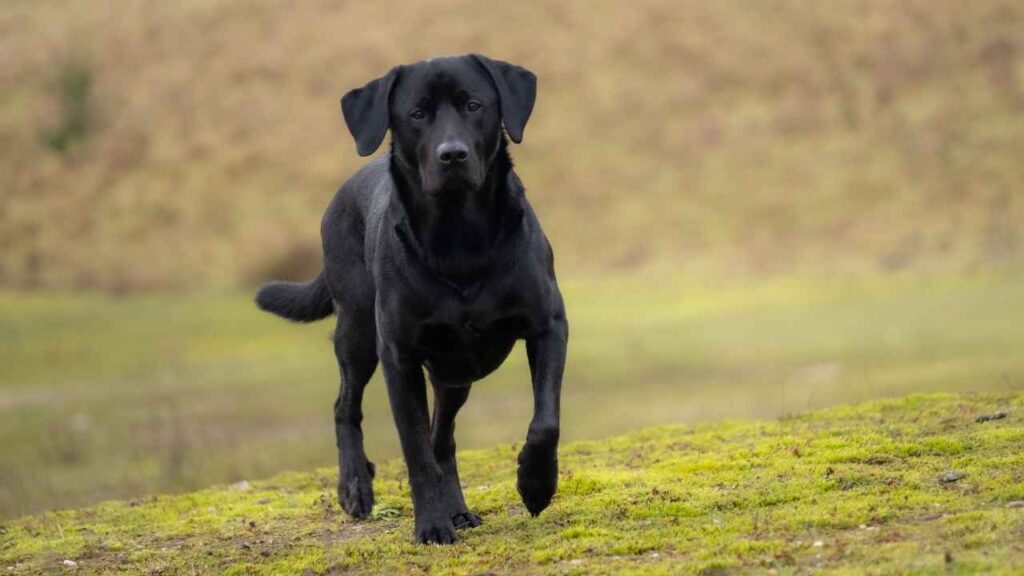
Another condition seen in some Labradors is exercise-induced collapse, which can be identified early through DNA testing. They are also at risk of bloat due to their deep-chested structure, making awareness of symptoms and quick response an important part of everyday care for owners.
Australian Cattle Dog vs. Labrador Retriever: Which Active Companion Fits Your Lifestyle?
If you’re looking at these two, the first thing you’ll notice is how differently they handle everyday energy. The Australian Cattle Dog feels like it’s always “on duty,” reading the room, reacting fast, and wanting something to do that has a clear purpose rather than just a casual activity.
The Labrador Retriever feels a lot less intense in comparison. It’s active and enjoys exercise, but it doesn’t carry that same constant alertness, so it settles into home life more easily without needing everything to feel like a task or mission.
Honestly, it comes down to this simple contrast in daily experience. The Cattle Dog suits someone who actually enjoys a sharper, more driven dog that stays engaged with everything, while the Labrador makes more sense if you want an active companion that still knows how to relax and just be easy around people.
Conclusion
What stands out most is how differently two active dogs can shape daily life. One prefers a routine filled with challenges, responsibilities, and constant mental stimulation, while the other adapts more easily to a wider range of households and schedules. Neither approach is better, but each creates a distinct experience for the owner.
Energy level, training style, social behavior, and long-term expectations all influence which companion feels like the better fit. With early socialization, both can become excellent pets. Looking beyond popularity and focusing on everyday compatibility often leads to the best outcome.
