




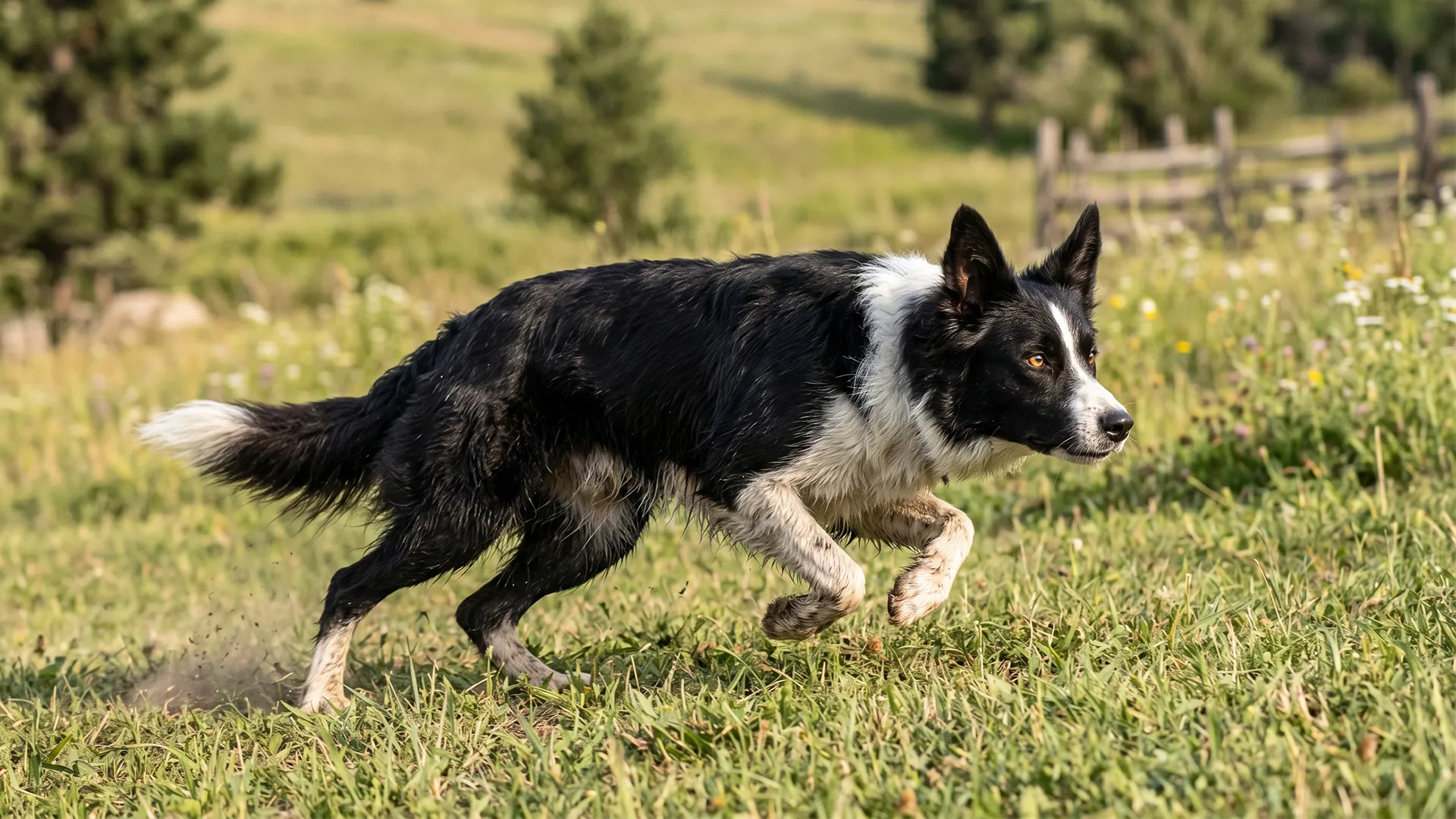
Ever notice some dogs can’t resist chasing a fluttering leaf, a bouncing ball, or even a squirrel dashing across the yard? That unstoppable instinct is called prey drive, a natural trait inherited from their wild ancestors.
It’s what turns a simple game of fetch into a full-blown sprint and makes certain pups so laser-focused on moving things that nothing else seems to exist in that moment. Prey drive isn’t just about energy—it’s a combination of intelligence, curiosity, and instinct.
In this article, we’ll dive into excellent dog breeds with a notable prey drive, how to understand their behavior, and smart ways to keep them happy, stimulated, and safe.
Whether you’re dreaming of long runs, thrilling games, or simply want to understand why your pup suddenly bolts after a bird, this guide has you covered.
Excellent Dog Breeds with a Notable Prey Drive
1. Irish Setter
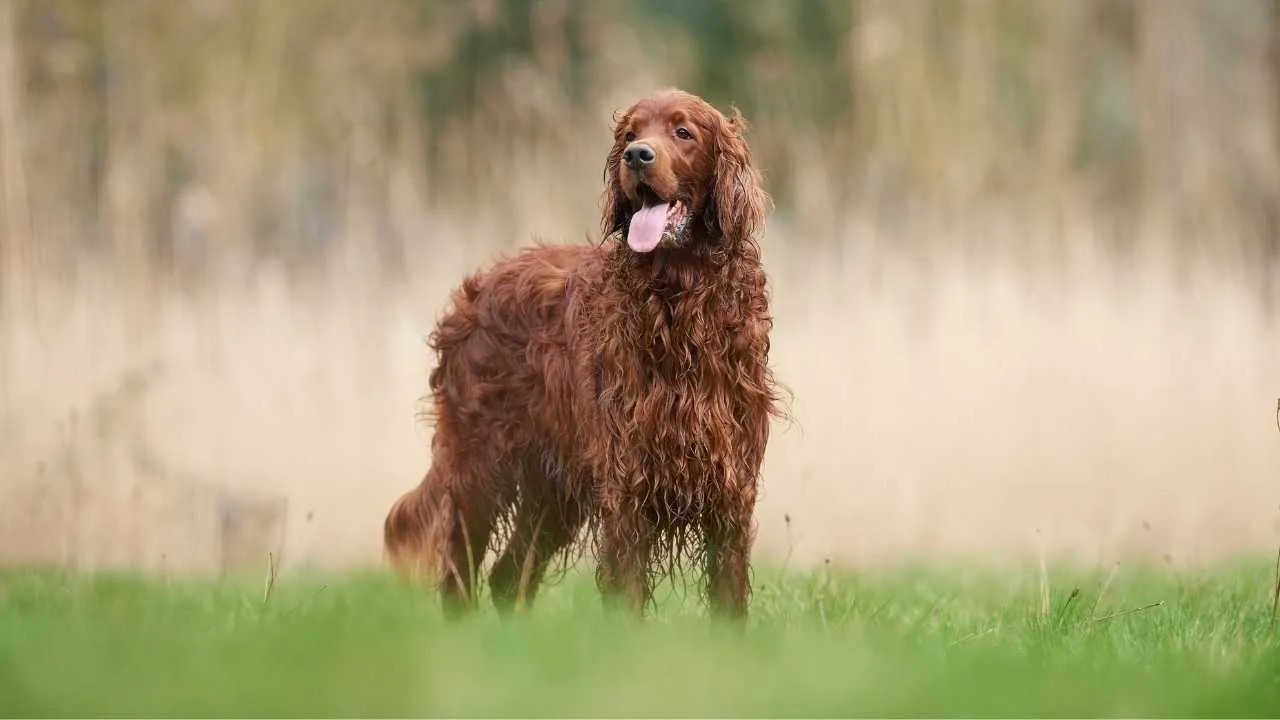
Irish Setters are auburn-coated dogs with a lively, playful personality. They are outgoing, goofy, and love to be the center of attention. These dogs have a high prey drive, which makes them excellent for active families who enjoy running, playing fetch, or outdoor adventures.
Beneath their fun-loving exterior, Irish Setters are sensitive and loyal. They thrive on human interaction and need plenty of love and attention throughout the day.
Personality and Temperament
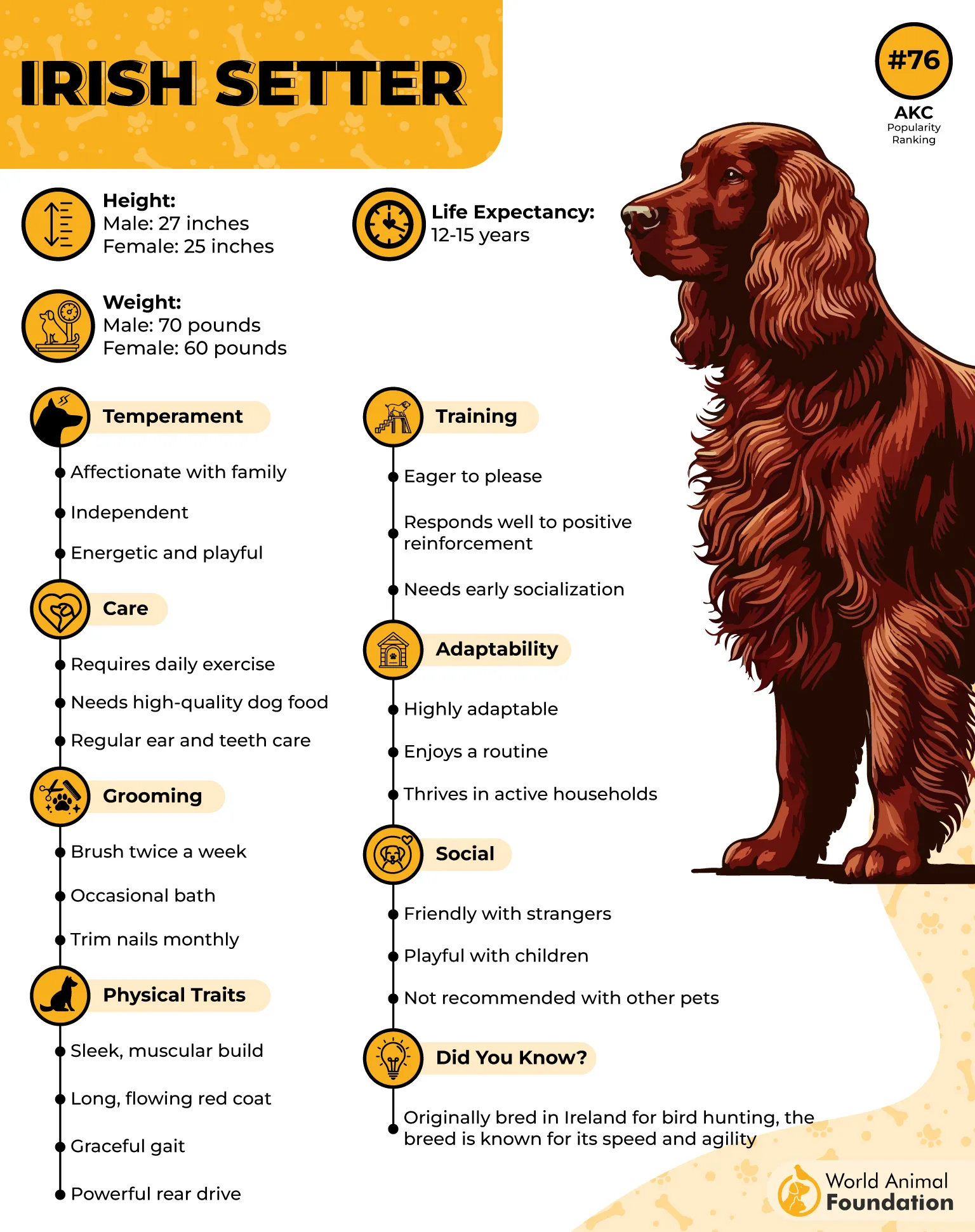
These dogs are friendly and get along well with kids and other animals. They are bold, adventurous, and often described as happy-go-lucky.
Irish Setters love to make friends and are eager to please, responding best to patient, positive training. Their playful and gentle nature also makes them great candidates for therapy work. Key traits include:
Sweet-tempered and affectionate
Mischievous and playful, especially with children
Bold hunting instincts and high energy levels
Crave human interaction and companionship
Care and Exercise Needs
Irish Setters are field dogs at heart. They require lots of exercise to stay happy and healthy, whether through running, play, or structured outdoor activities. Their beautiful red coats need daily brushing to prevent matting and remove burrs.
These dogs do best with families who can spend time with them inside the home as well as outside. PetMD mentions that they are not dogs to be left alone in a backyard—they need love, attention, and active engagement to thrive.
2. Border Collie
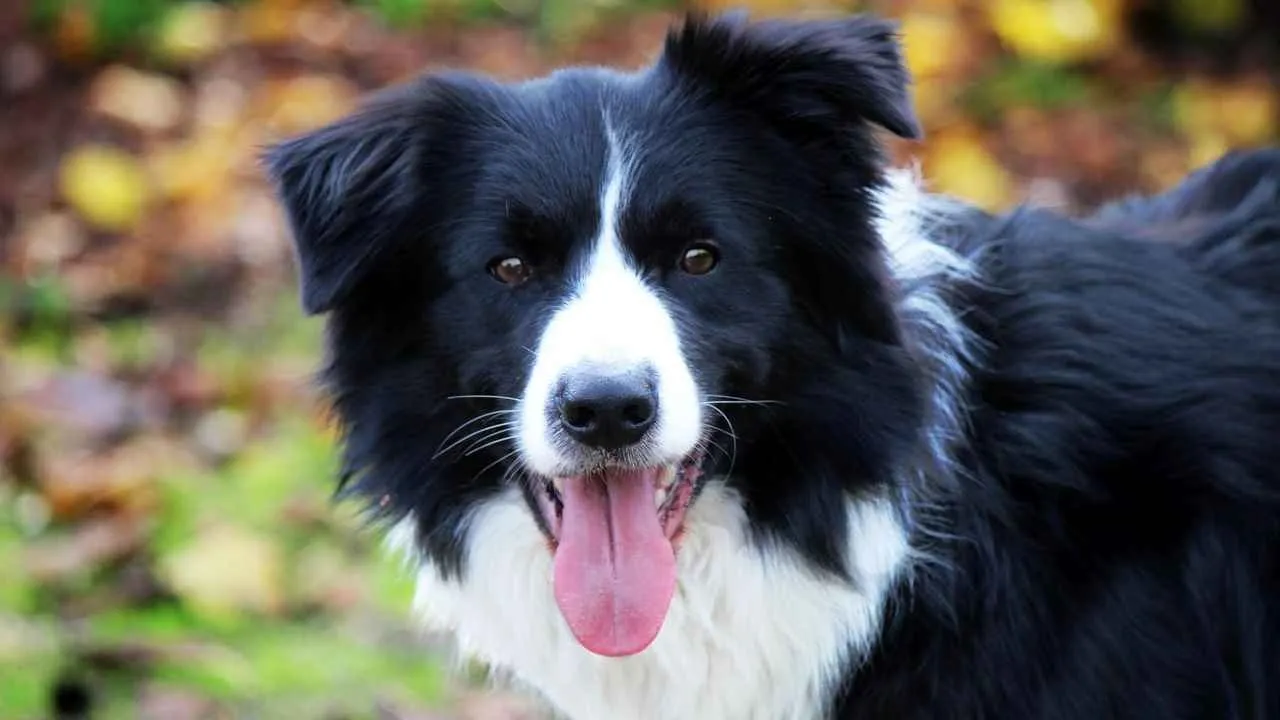
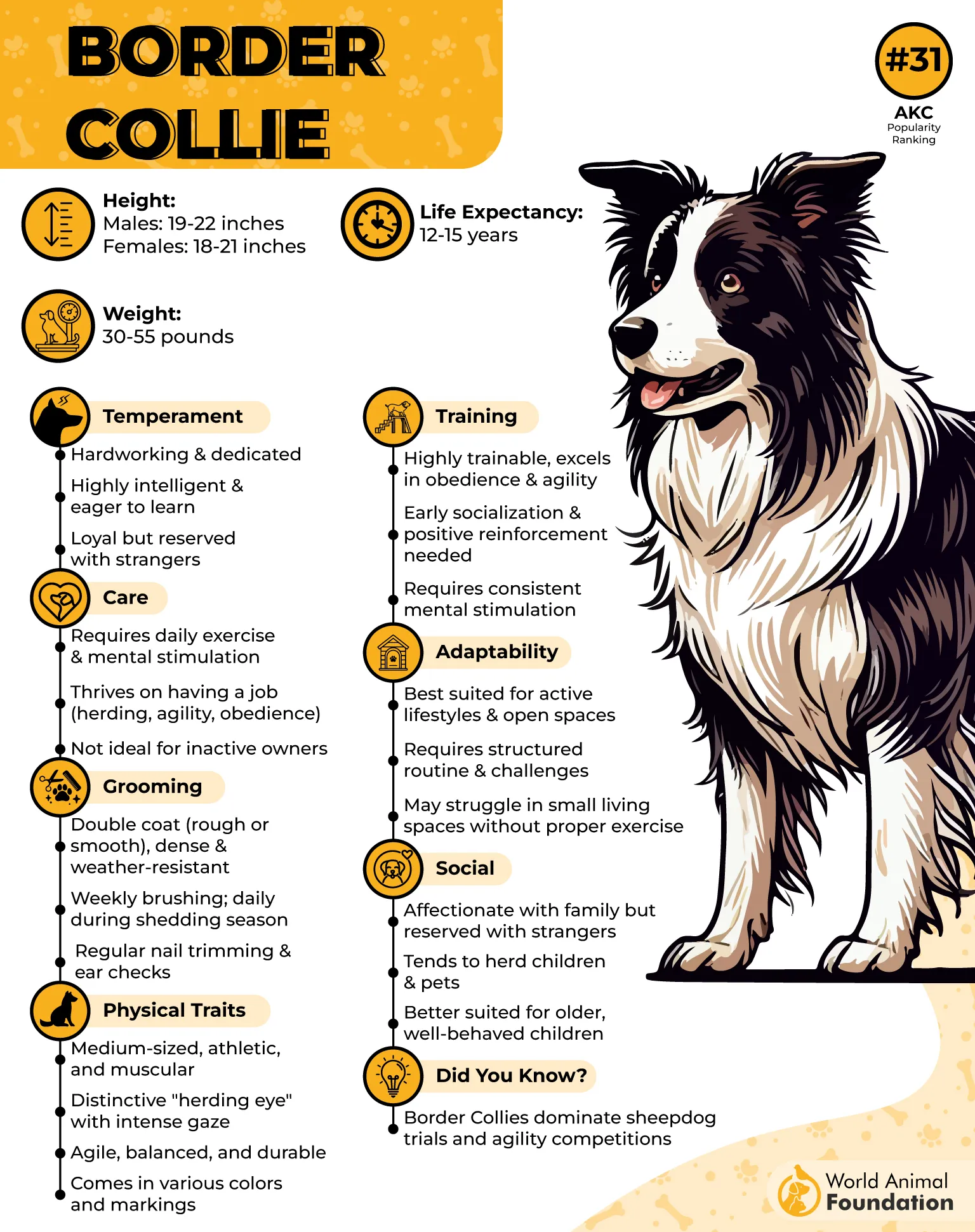
Border Collies are high-energy, intelligent dogs originally bred to herd livestock along the England-Scotland border. They are fast, agile, and built for sharp, precise movements.
These dogs have a strong prey drive and instinct to chase and control movement, which makes them perfect for active families or working environments. Border Collies thrive when given tasks, whether it’s herding, agility games, or interactive play.
Personality and Temperament
These dogs are loyal, hardworking, and eager to please. They bond closely with fully engaged owners and are happiest when they have something to do. Border Collies are also sensitive and alert, noticing even small changes in their environment. Key traits include:
Highly intelligent and trainable
Energetic and playful, perfect for active families
Strong herding and chasing instincts
Alert to movement and sensitive to sudden noises
Care and Exercise Needs
Border Collies require lots of mental and physical stimulation. Without productive outlets, they may turn to destructive behaviors like chewing or digging.
They do best in homes with space to run, fenced yards, or farms, and excel in agility or obedience activities. Regular engagement, exercise, and structured play are essential to keep these energetic dogs happy, healthy, and balanced.
3. Greyhound
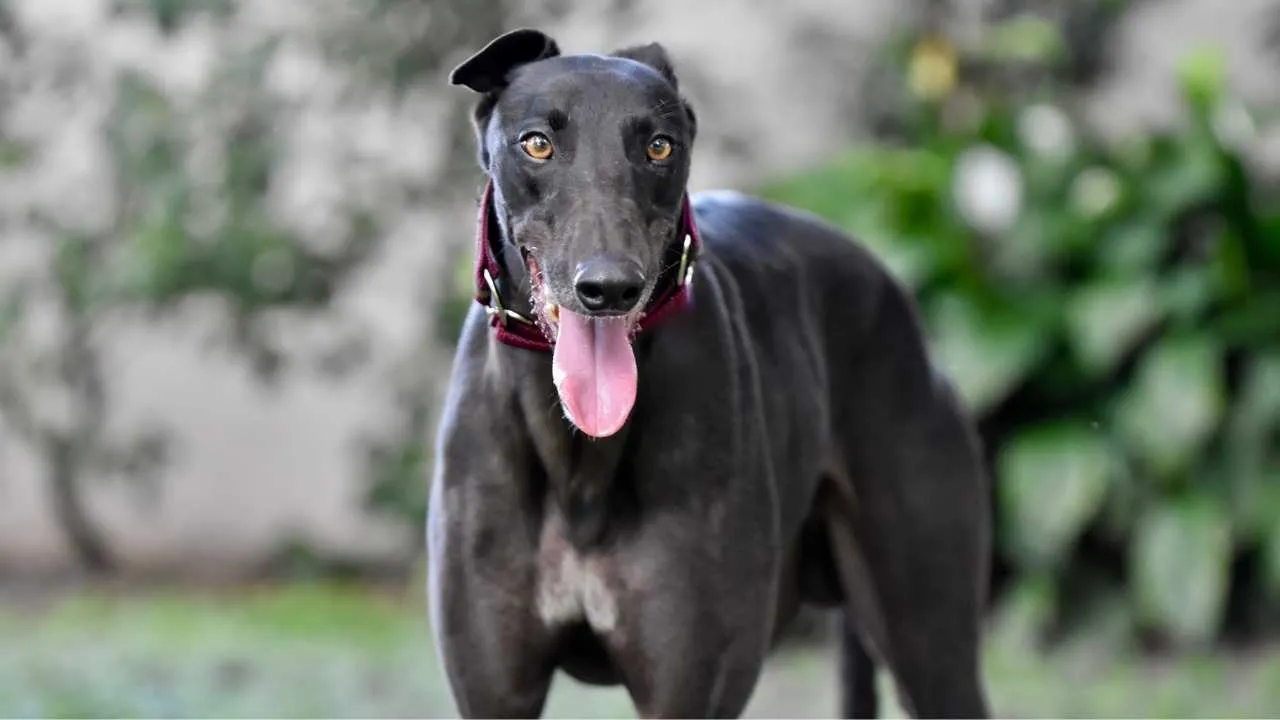
Greyhounds are graceful, streamlined dogs built for speed. Known as the “champion sprinters” of the dog world, as per AKC, they can reach incredible bursts of velocity thanks to their lean bodies and strong hindquarters.
These dogs have a strong prey drive, which comes from their history as sight hounds chasing game. Despite this, they are gentle, quiet, and friendly companions who can adapt well to family life.
Personality and Temperament
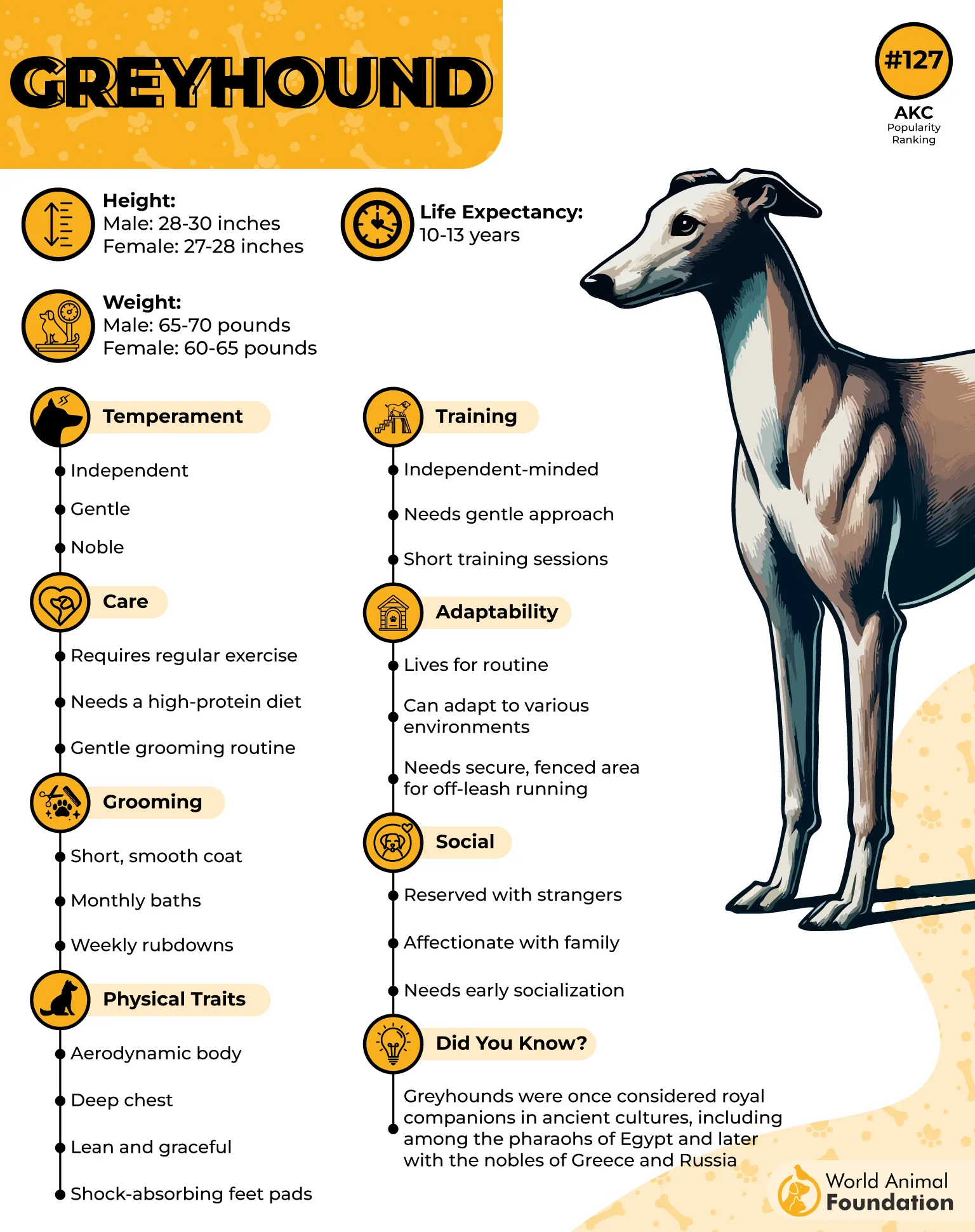
Greyhounds are calm, affectionate, and surprisingly low-maintenance for such athletic dogs. They are tolerant of children and usually non-aggressive toward other dogs. Key traits include:
Gentle and friendly with family members
High prey drive—may chase small animals without supervision
Independent yet loyal, forming strong bonds with owners
Low endurance for exercise; enjoy short sprints but love long rest periods
Care and Exercise Needs
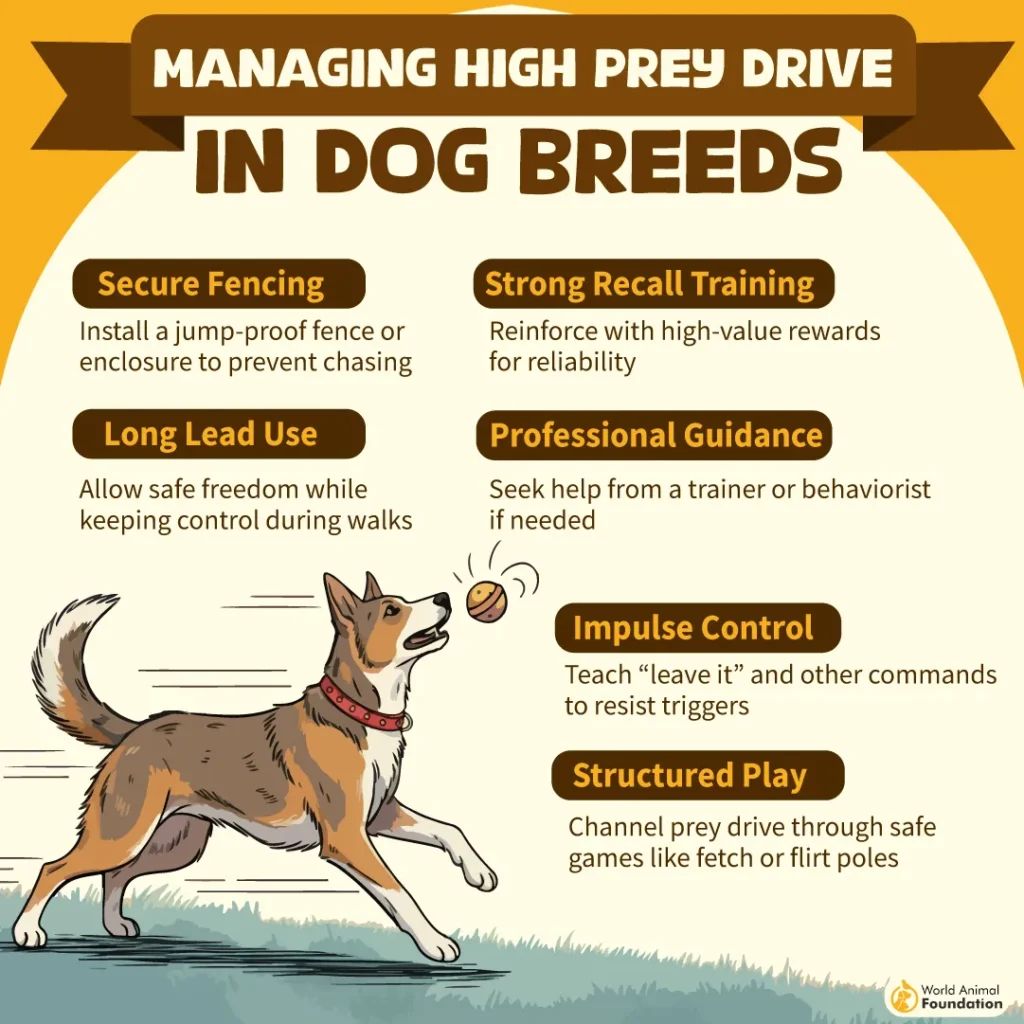
Greyhounds are low-maintenance when it comes to grooming, thanks to their short, smooth coat. While they enjoy running, they do not require extensive daily exercise.
A safe, enclosed space for sprints is ideal, followed by plenty of relaxation time. These dogs thrive in households that provide gentle guidance, socialization, and love, making them the perfect mix of athleticism and couch-friendly companionship.
4. Bluetick Coonhound
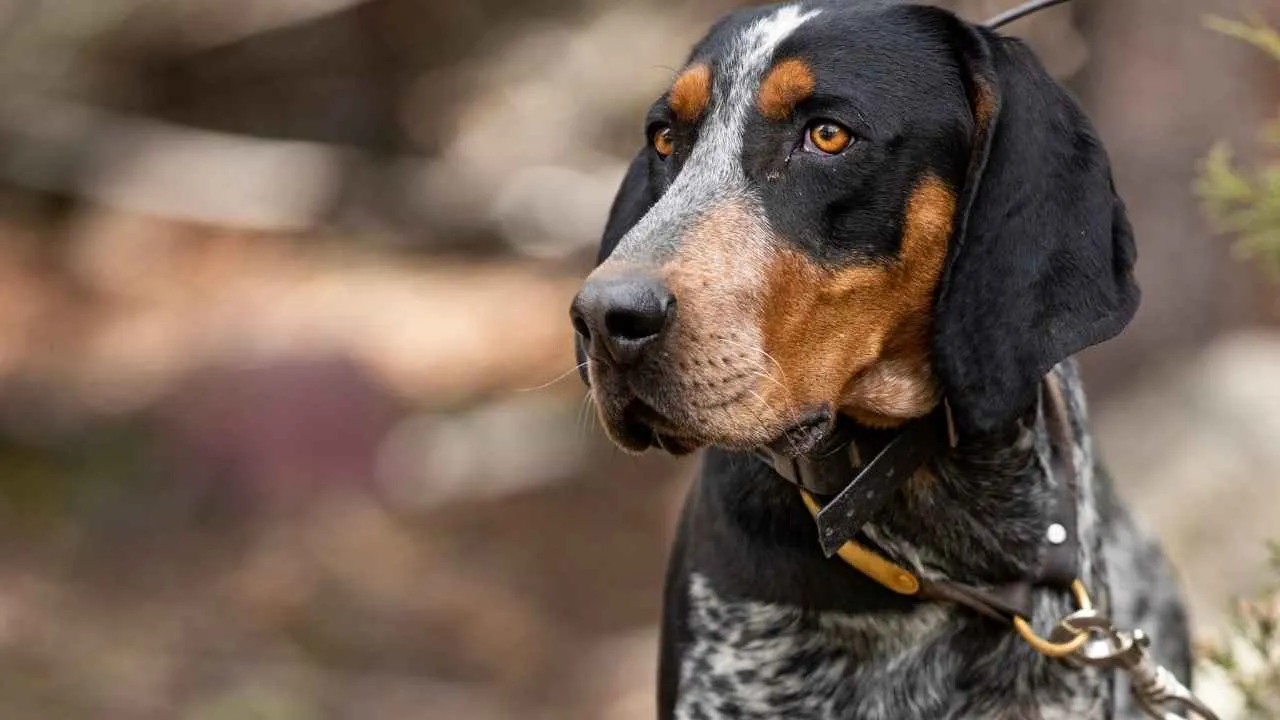
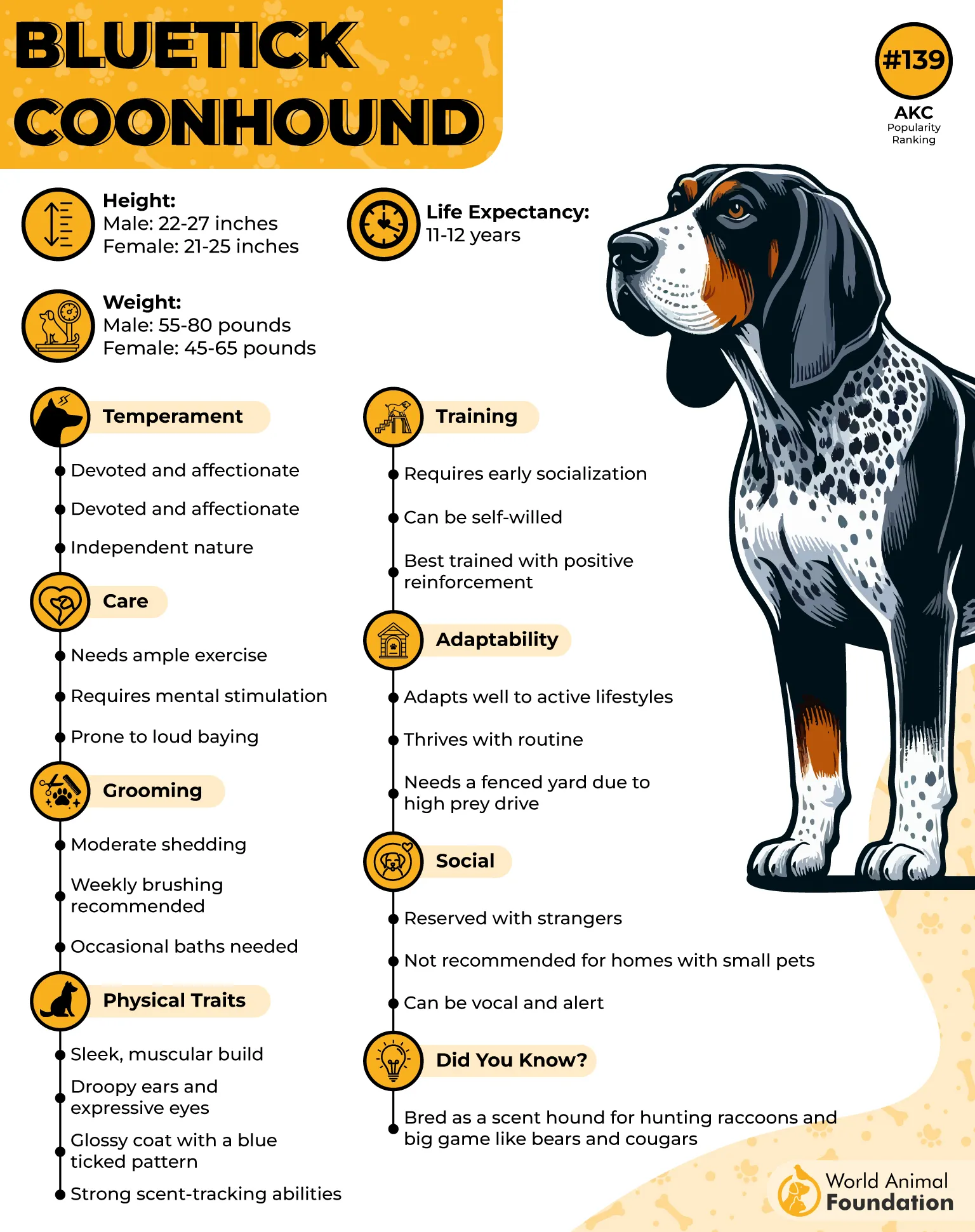
Bluetick Coonhounds are sleek, muscular dogs built for tracking and hunting. They have a high prey drive and are relentless in pursuit of quarry, whether raccoons, wild game, or even the occasional squirrel in the backyard.
Despite their hunting instincts, Blueticks are affectionate and deeply devoted to their families, craving attention and companionship.
Personality and Temperament
These dogs are bold, energetic, and courageous, with a friendly and loyal disposition. They are intelligent and need mental stimulation to stay happy. Key traits include:
Sweet-tempered and devoted to their humans
High prey drive—may chase other pets if unsupervised
Energetic and persistent hunters
Vocal and expressive, often baying or howling
Care and Exercise Needs
Blueticks need lots of exercise and space to roam safely. Daily physical activity and mental challenges are essential to prevent boredom and destructive behaviors.
Training can help manage their vocal tendencies, but these dogs are best suited for active households with a secure yard or frequent outdoor adventures. They thrive when given structure, attention, and a companion to share their boundless energy.
5. Rhodesian Ridgeback
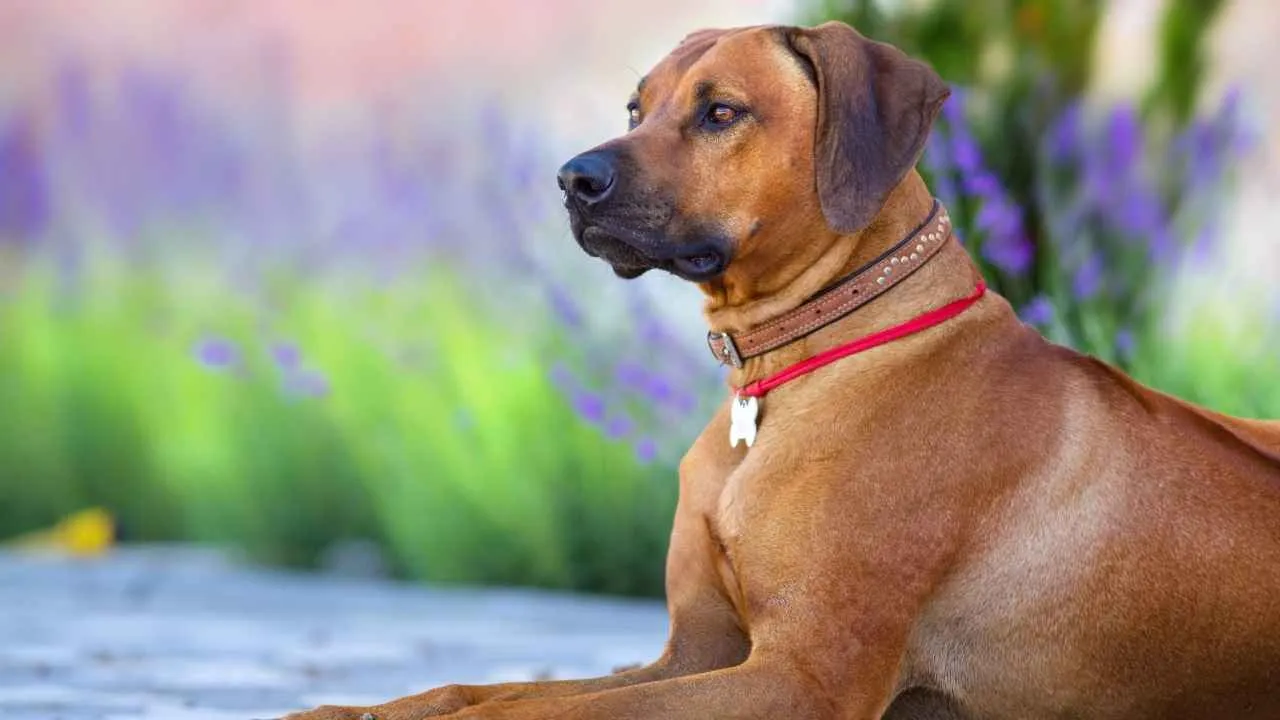
Rhodesian Ridgebacks are athletic, intelligent dogs with a striking ridge of backward-growing hair along their backs. Known as African Lion Hounds, they were originally bred as hunting dogs to track and bay large game, including lions.
This history gives them a high prey drive, making them strong, focused, and independent dogs. Despite their hunting instincts, they can be loyal and affectionate family companions for the right owners.
Personality and Temperament
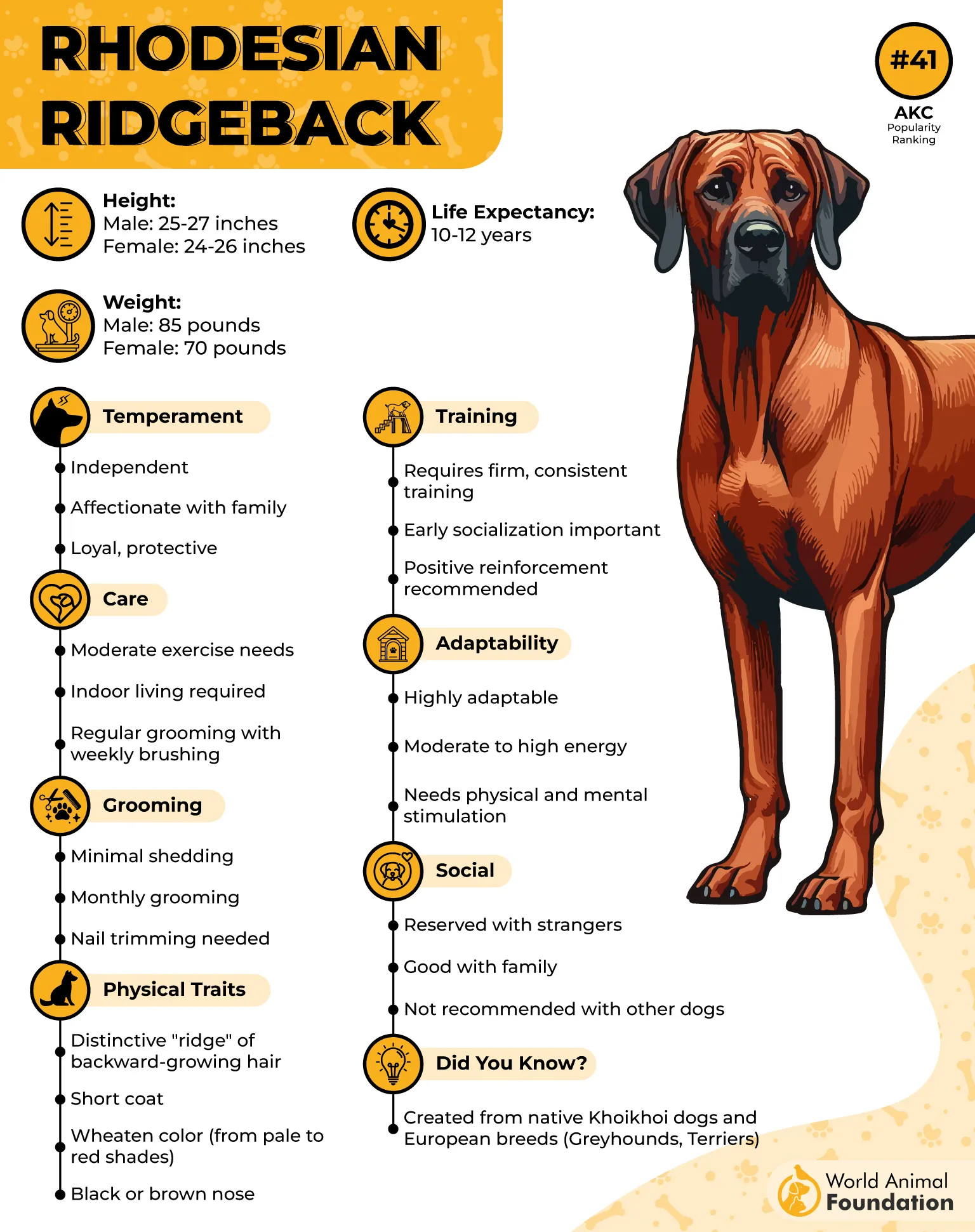
Ridgebacks are gentle with family members, including children, but can be aloof with strangers. They are independent, strong-willed, and require firm but fair guidance from puppyhood. Key traits include:
High prey drive and hunting instincts
Loyal, protective, and affectionate with trusted family
Intelligent and independent, needing proper training
Moderate energy but athletic and enduring
Care and Exercise Needs
These dogs need daily physical exercise and mental stimulation to stay happy and healthy. Short, smooth coats are low-maintenance, but Ridgebacks thrive in homes where they get structured activity and engagement.
Their independence and hunting instincts mean they are best suited for experienced owners who can provide firm training, early socialization, and ample space to explore safely.
6. Weimaraner

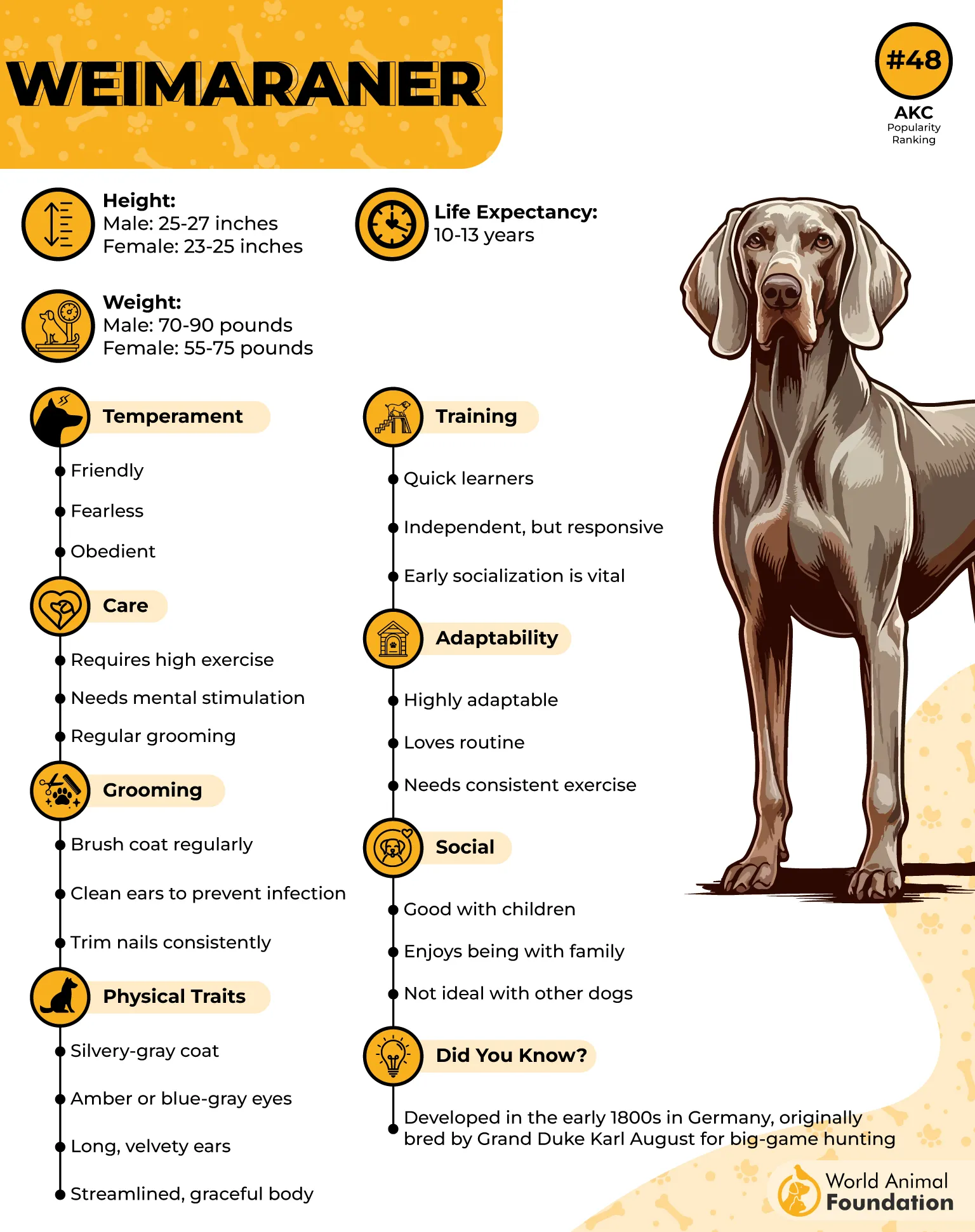
Weimaraners are friendly, fearless, and highly attached to their families. Known as the “Gray Ghost” for their sleek silver-gray coat, they love to be involved in everything their humans do.
These dogs have a strong prey drive and hunting instincts, so they may see smaller pets as quarry if unsupervised. They are not suited for owners who are away for long hours, as neglect can lead to destructive or hyperactive behavior.
Personality and Temperament
Weimaraners are loyal, intelligent, and obedient, forming close bonds with family members. Key traits include:
High prey drive and hunting instincts
Friendly, affectionate, and devoted “velcro” dogs
Fearless and obedient, eager to please
Can become destructive without sufficient exercise or attention
Care and Exercise Needs
These dogs need vigorous daily exercise, including running, hiking, or active games like fetch and swimming. Mental stimulation is equally important to keep them happy and balanced.
Weimaraners thrive in active households where owners are committed to providing both attention and structured activity. Their short coats are low-maintenance, but supervision is needed to prevent counter-surfing or chasing small pets.
7. Siberian Husky
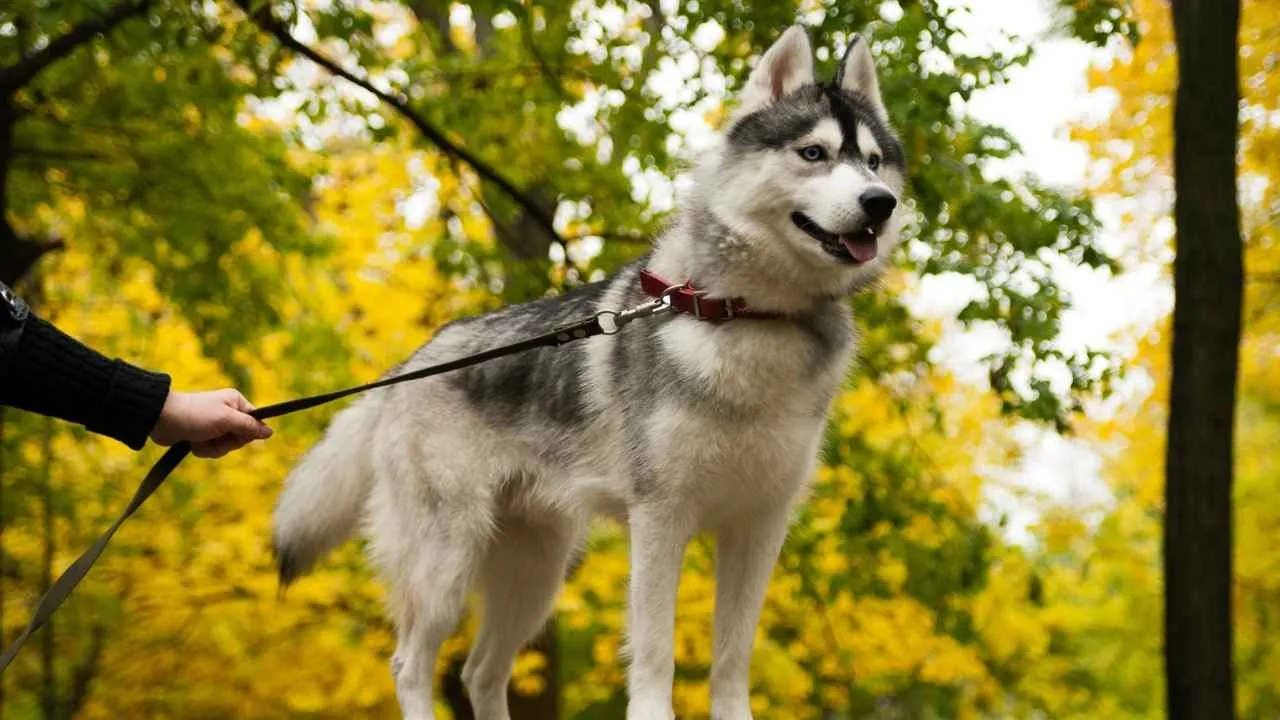
Siberian Huskies are strong, graceful, and friendly working dogs with a rich history as sled dogs in Siberia. They are energetic, intelligent, and built for endurance, with a high prey drive that can make them chase small animals if unsupervised.
Huskies thrive in active households where they get plenty of exercise and mental stimulation. Despite their energy, they are gentle and sociable, making them excellent family companions for experienced owners.
Personality and Temperament
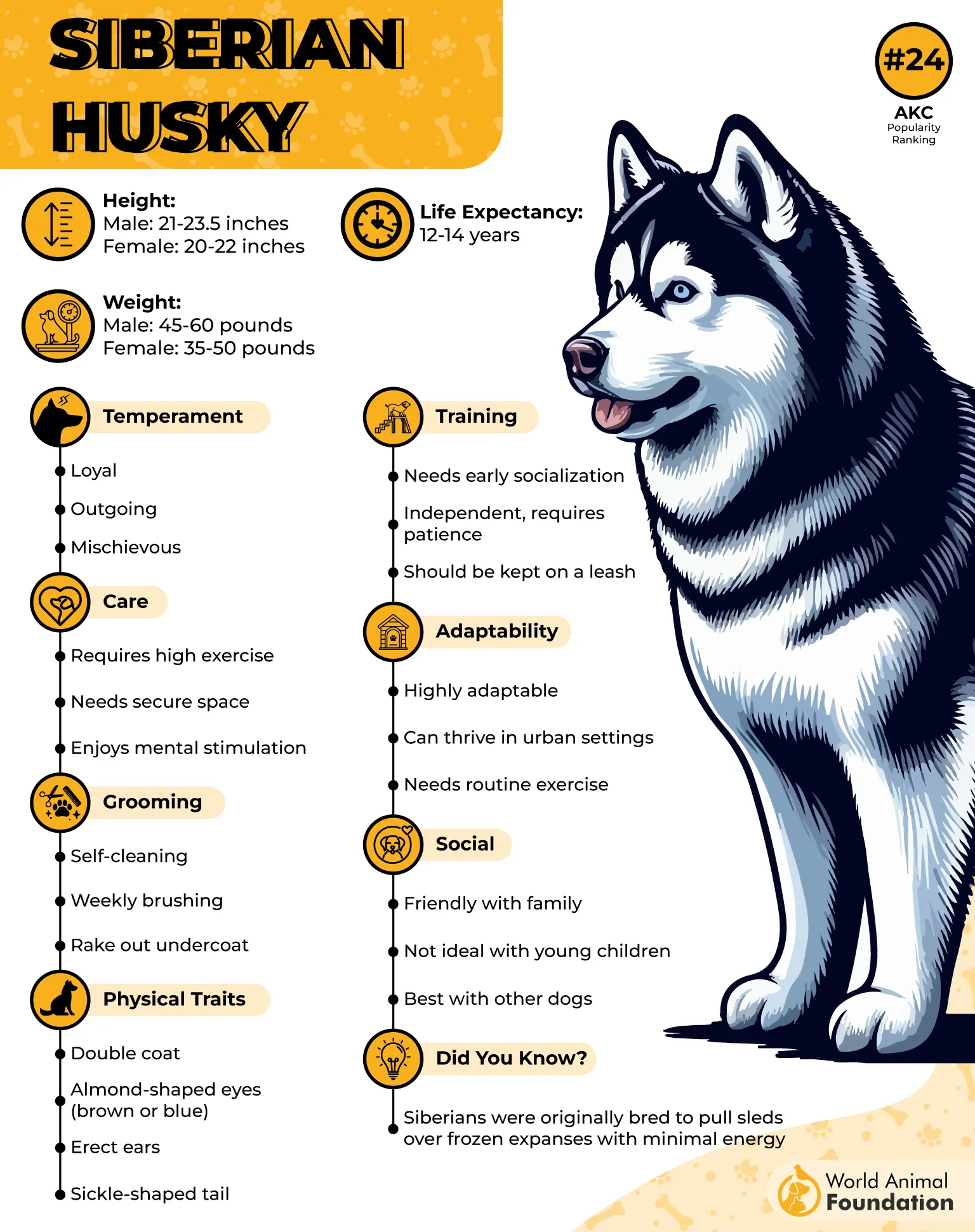
Huskies are friendly, pack-oriented, and love being part of the family. Key traits include:
High prey drive and instinct to chase small animals
Social, playful, and affectionate with family members
Independent yet intelligent, needing early training and socialization
Vocal and expressive, known for howling, “talking,” and singing
Care and Exercise Needs
According to Britannica, Siberian Huskies need at least one to two hours of daily exercise, preferably in safe, enclosed areas or on-leash activities like sledding, biking, or running. They are clever escape artists, so secure yards are essential.
Mental stimulation, consistent training, and socialization are key to keeping these active dogs happy. With proper care, Huskies are loyal, playful, and enduring companions that bring energy and joy to their families.
Conclusion
Understanding a dog’s prey drive is key to choosing the right companion and keeping both you and your pet happy. From energetic herders to swift sprinters and relentless trackers, each breed brings unique instincts, energy levels, and personality traits to the table.
By knowing what to expect, you can provide the exercise, mental stimulation, and guidance these dogs need to thrive. Whether you’re adopting your first high-energy dog or adding a new member to your family, remember that these pups shine when given structure, attention, and love.
Embrace their natural instincts, channel their energy into fun and productive activities, and you’ll discover a loyal, intelligent, and endlessly entertaining companion who makes every day an adventure.
