




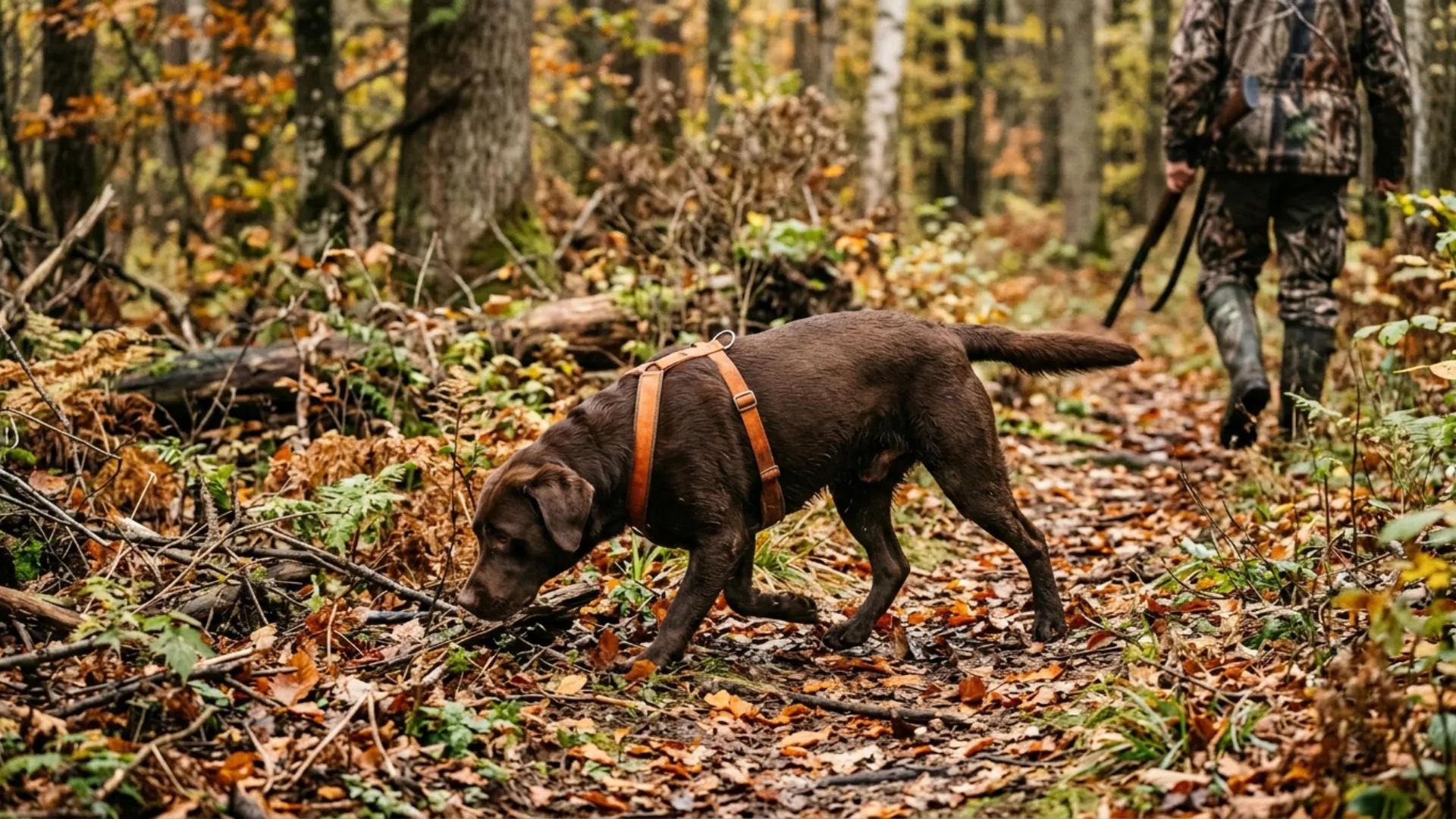
Tracking wounded game takes more than speed and strength; it requires patience, intelligence, sharp instincts, and an extraordinary sense of smell. Fortunately, certain dog breeds are naturally equipped with these traits.
For centuries, hunters have relied on these loyal companions to follow scents, navigate rugged terrain, and assist during challenging hunting seasons. Whether tracking deer through dense forests or flushing birds across open fields, these dogs showcase unmatched focus, stamina, and determination.
Different breeds excel at different hunting tasks: some specialize in scent tracking, while others shine at pointing, retrieving, or flushing game from cover. Their dedication and close teamwork make them indispensable partners for any outdoor adventure.
Let’s explore the top hunting dog breeds renowned for their extraordinary game-tracking abilities.
Best Hunting Dog Breeds For Tracking Wild Game
1. German Shorthaired Pointer
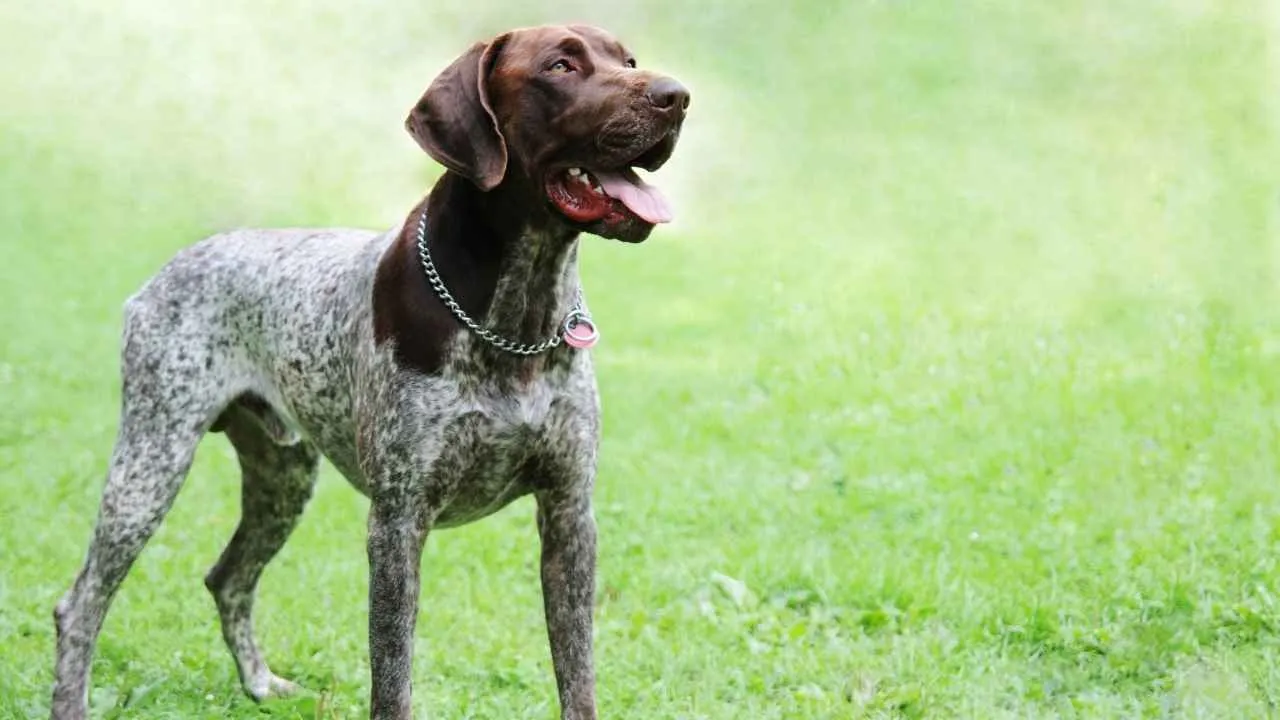
German Shorthaired Pointers (GSPs) are versatile hunting dogs, excelling at retrieving, pointing, and flushing game such as wild boar, foxes, deer, and even feral cats. Beyond their strong prey drive, they boast muscular bodies and powerful legs, built for endurance in rugged terrain.
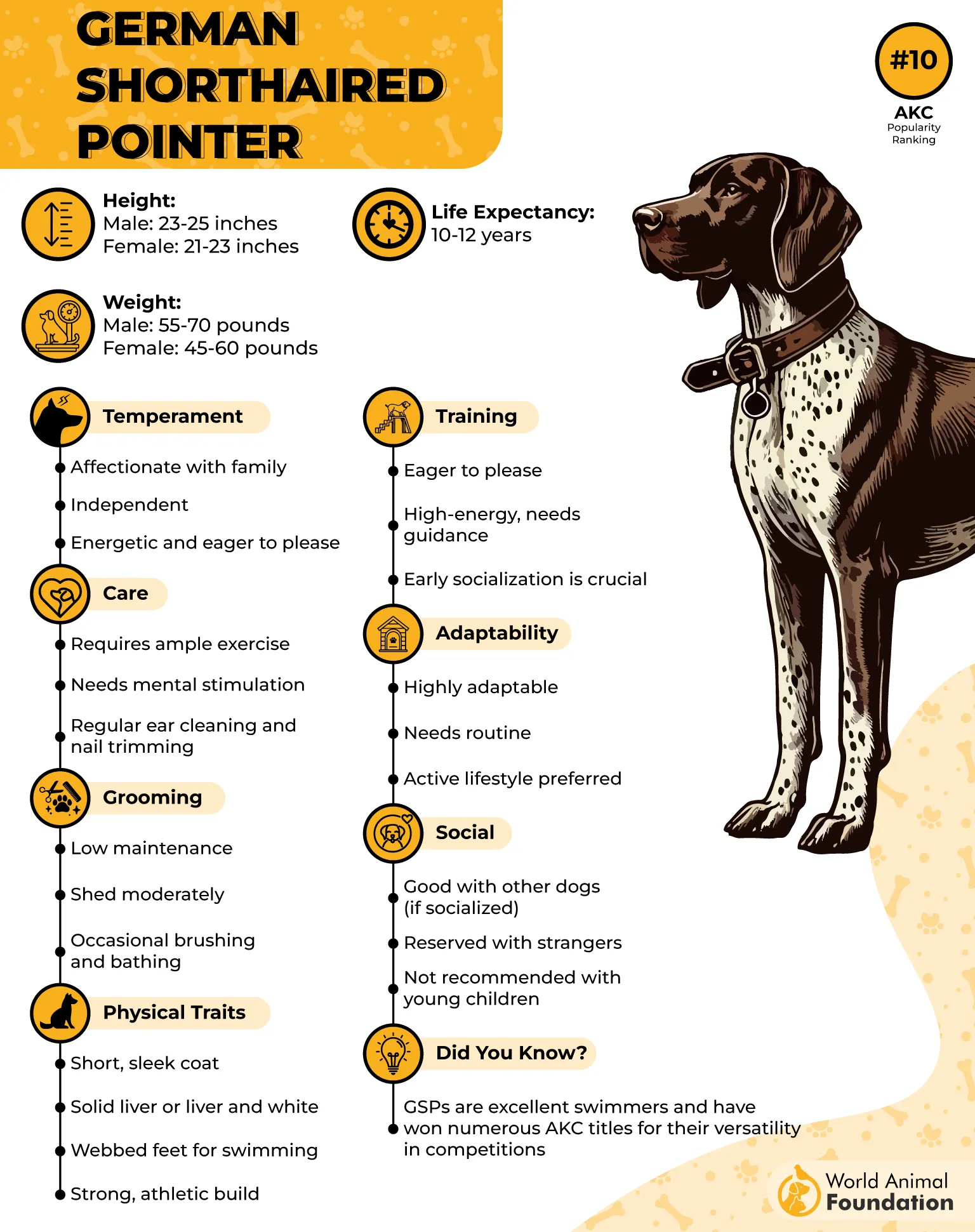
Widely available through reputable breeders, GSPs are among the most popular hunting breeds. When properly trained and socialized, they offer both companionship and protective instincts. Their short, dense coats and webbed feet make them excellent swimmers, allowing them to retrieve game effortlessly from icy waters.
Known for their adaptability, German Shorthaired Pointers thrive when given plenty of physical exercise and mental stimulation. Once their high energy needs are met, they enjoy lounging at home with their families. Intelligent and eager to please, GSPs are highly trainable and make loyal, dependable hunting partners.
2. Bluetick Coonhound
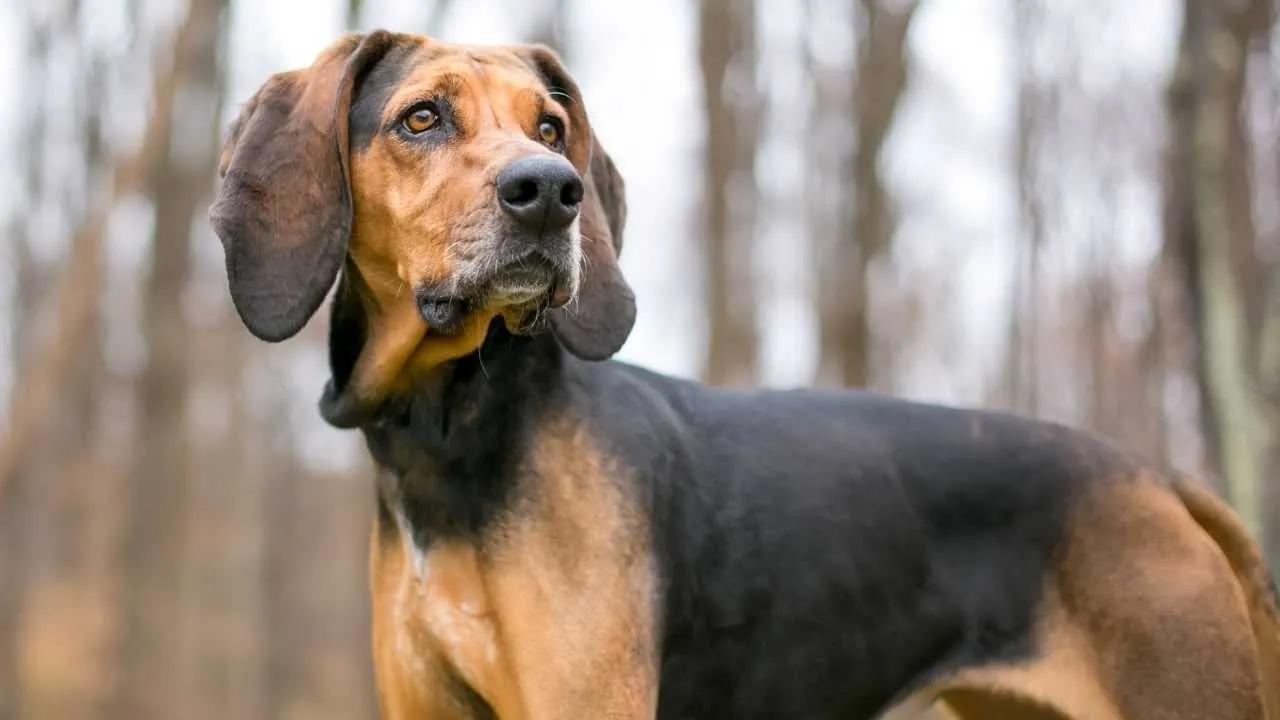
Bluetick Coonhounds were originally bred to track wounded game such as raccoons, wild boars, and cougars, showcasing both their fearless nature and extraordinary sense of smell. Known for their stamina and endurance, these dogs can cover long distances across challenging terrain, making them exceptional tracking companions.
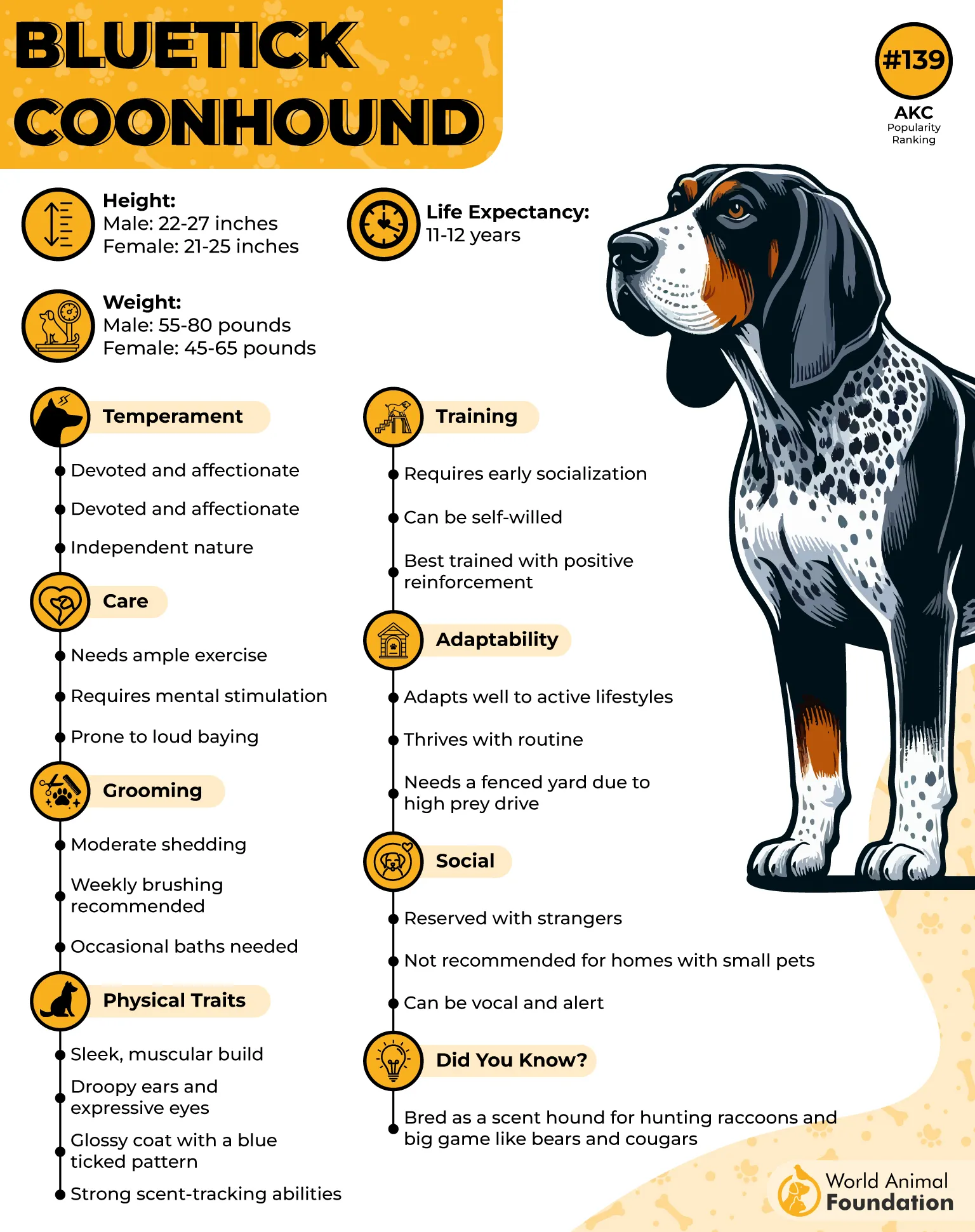
Energetic and highly driven, Bluetick Coonhounds require regular physical exercise and mental stimulation. Early socialization and training are crucial to manage their determination and occasional stubbornness. Positive reinforcement techniques work best to harness their natural abilities and ensure obedience.
While not ideal for first-time dog owners or apartment living due to their high energy needs, Bluetick Coonhounds are loving and loyal family dogs at home. When given proper guidance and activity, they form strong bonds with their humans and shine as dependable outdoor hunting partners.
3. Bloodhound
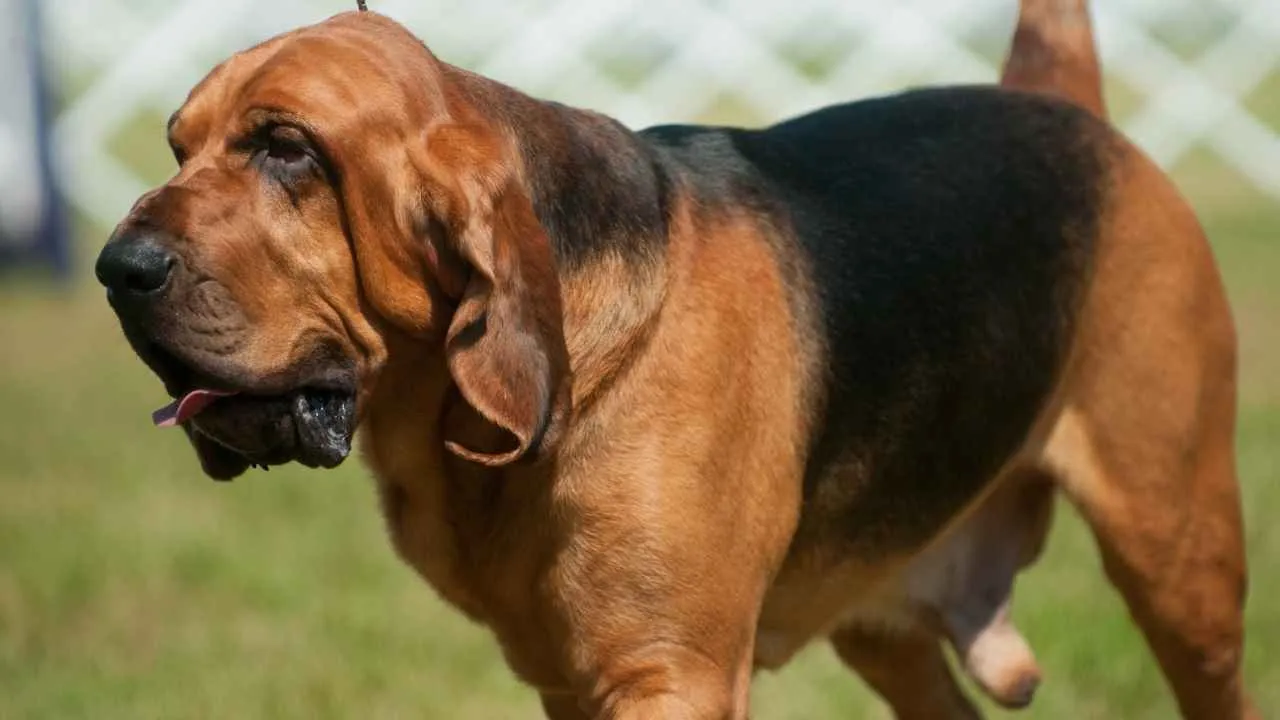
Bloodhounds are legendary for their extraordinary noses, outmatching most other dog breeds when it comes to tracking. Originally developed in French monasteries, they were prized for hunting wounded game such as deer, wild boar, and other forest animals.
Nicknamed the “dogs with a nose,” Bloodhounds are so skilled that many countries recognize their ability to follow blood trails as legal evidence in court. Their olfactory power is astonishing; they can track scents up to 12 days old and possess roughly forty times more scent receptors than humans.
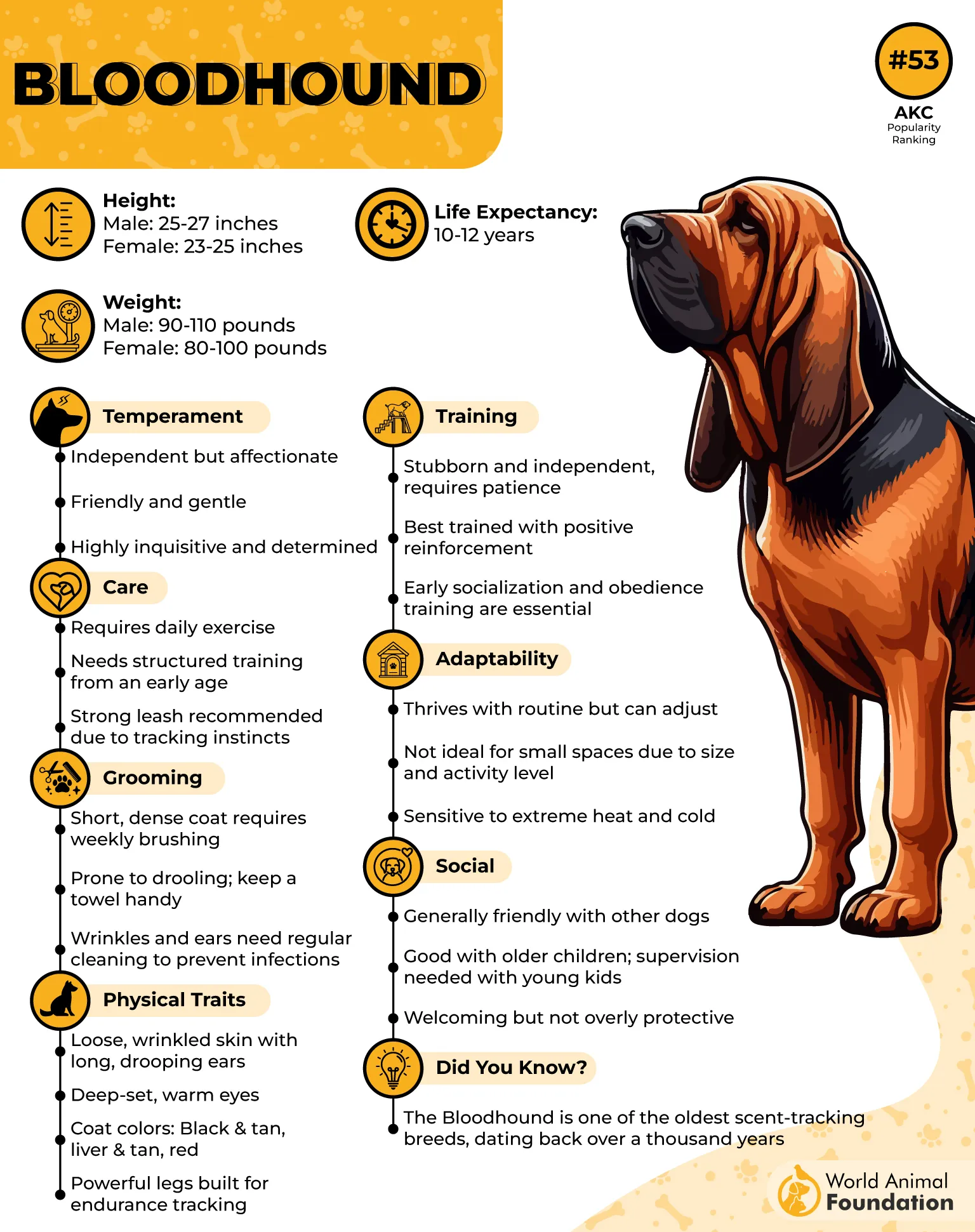
Beyond hunting, Bloodhounds excel in search-and-rescue missions, able to follow the trail of missing people with unmatched determination. Their relentless focus and strong-willed nature mean that early obedience training is essential.
Starting in puppyhood, consistent guidance and positive reinforcement ensure they grow into disciplined, reliable, and affectionate companions.
4. Redbone Coonhound
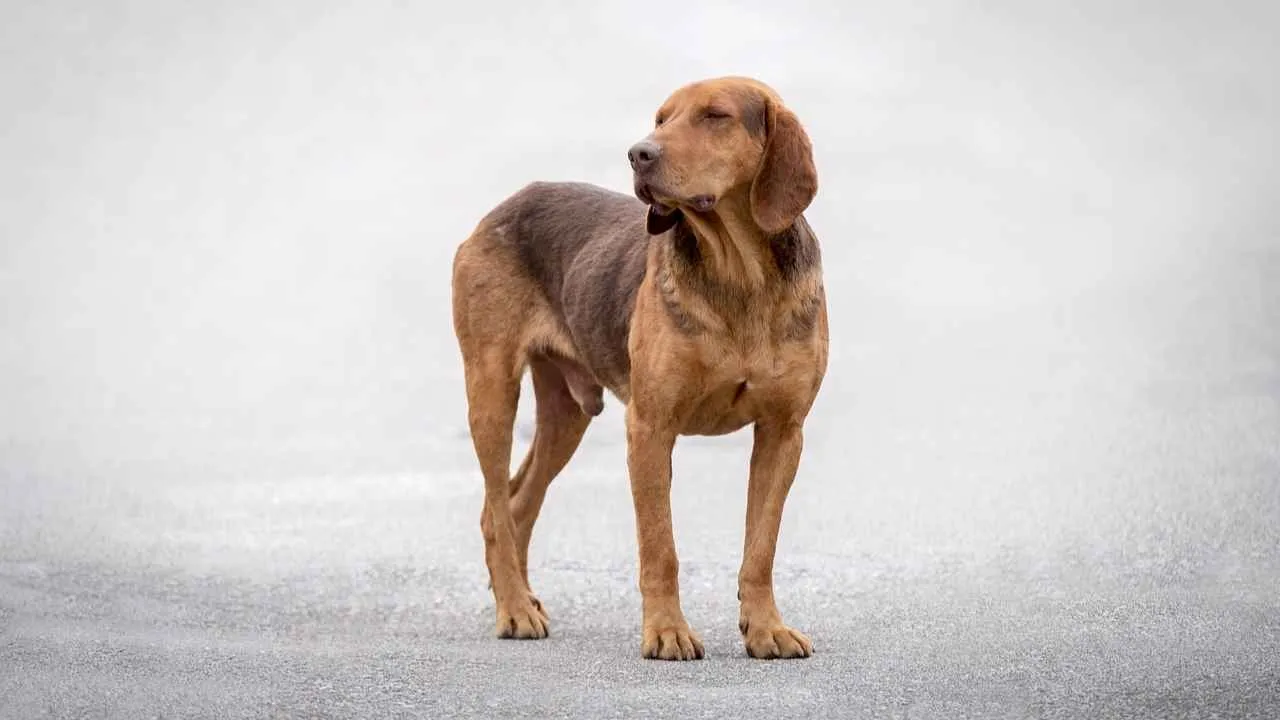
For families looking to enjoy a sporting breed that excels in the field yet brings a gentle, balanced temperament at home, the Redbone Coonhound is an ideal choice. With proper care, love, and training, these dogs shine both as hunting partners and family companions.
Built for rugged terrains, cold water, and long nights of tracking, Redbone Coonhounds maintain focus and stamina throughout. Their iconic floppy ears require regular cleaning to prevent infections, but overall, they are relatively low-maintenance in terms of grooming.
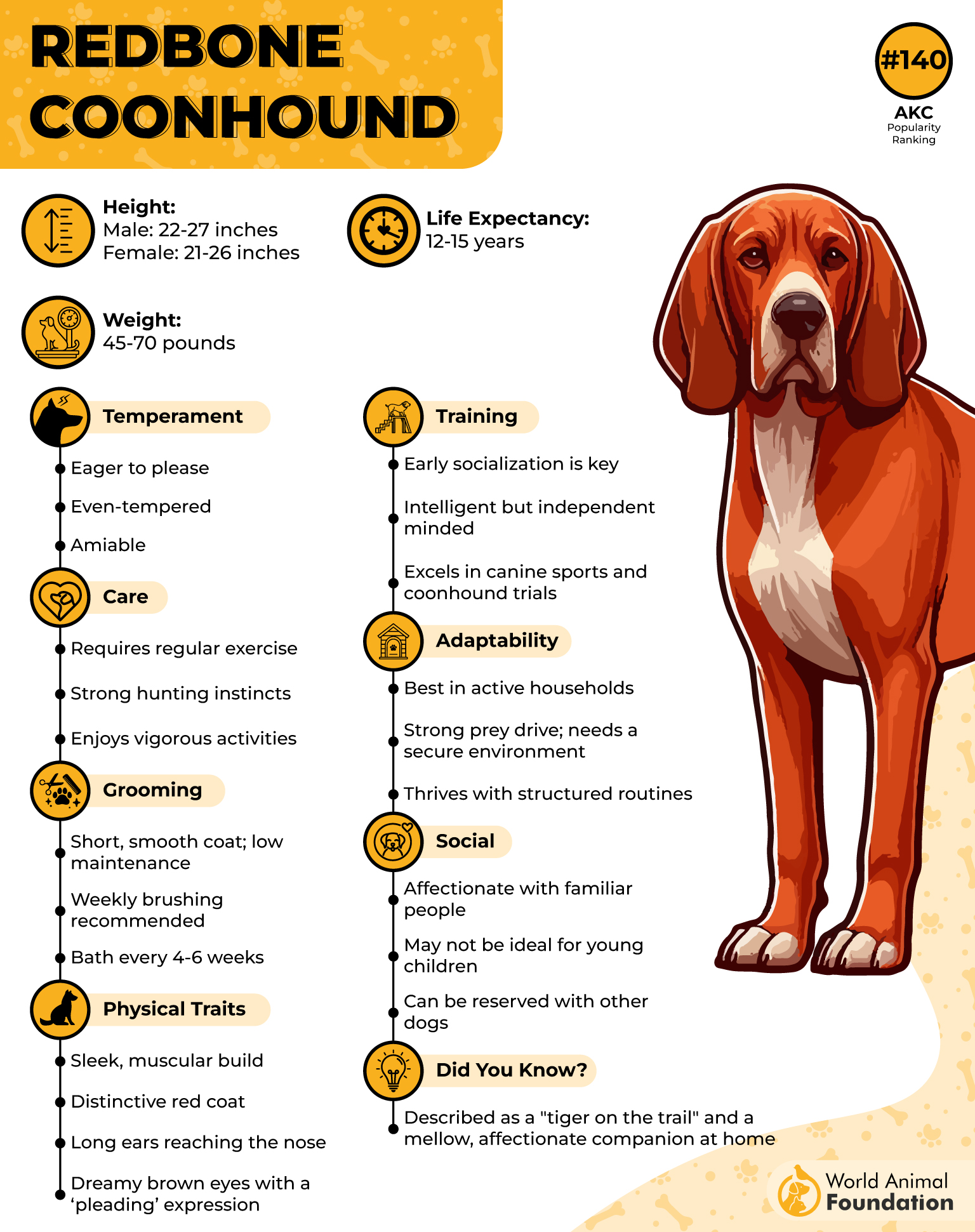
Redbones are friendly and sociable, though not naturally protective, so they are not the best choice for a guard dog. They do, however, love to bark, or “bay” to signal people or alert you when they’ve found their target. Physically and mentally active, they benefit from at least 60 minutes of daily exercise and mental stimulation to stay happy and healthy.
5. Labrador Retriever
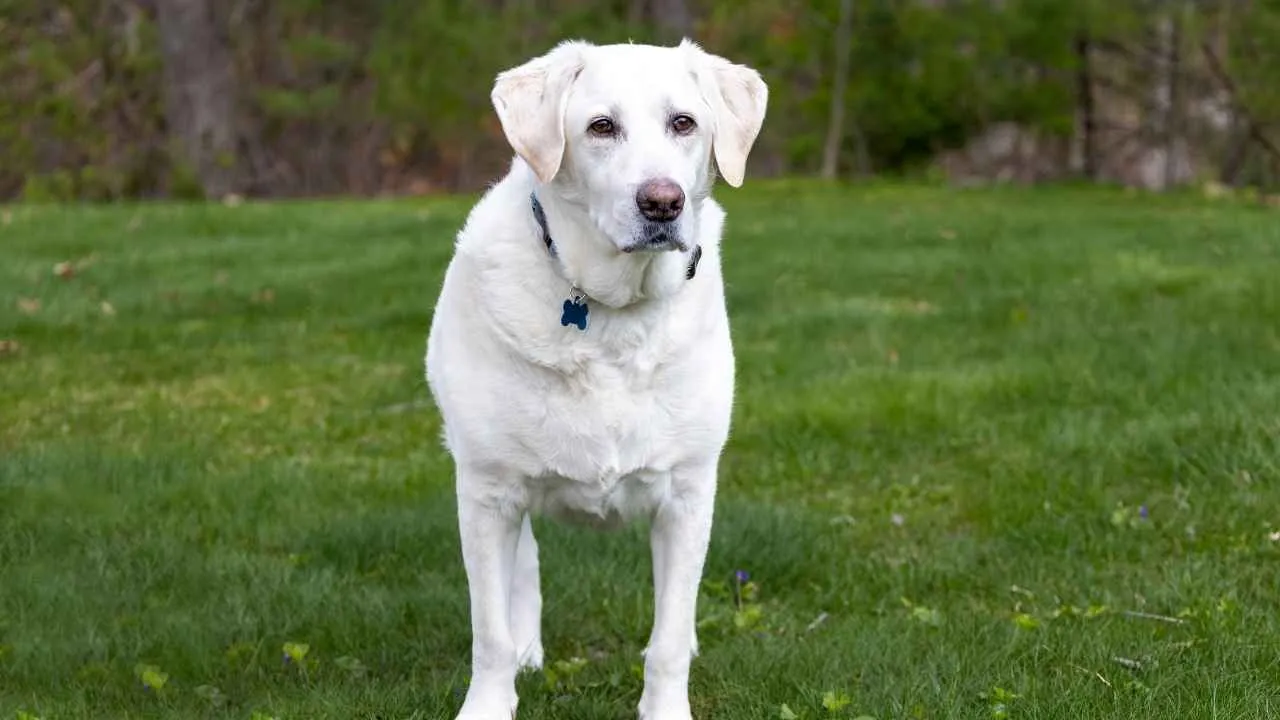
Originating from Newfoundland, Labrador Retrievers were initially bred as bird dogs, assisting hunters in retrieving ducks and helping fishermen haul nets from the water. Their intelligence, keen senses, and eagerness to please make them exceptional tracking dogs both on land and in water.
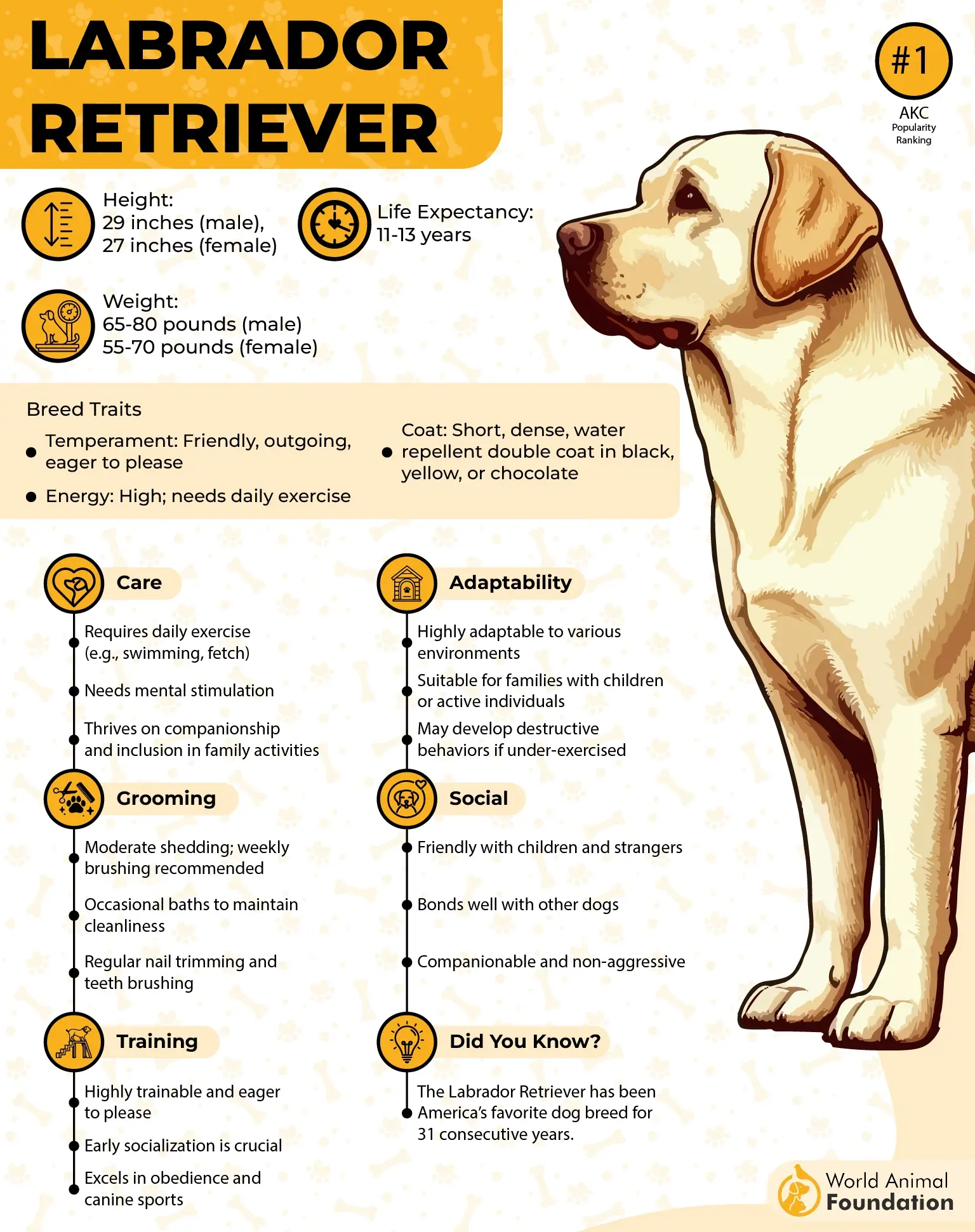
Labradors are built for endurance and resilience, capable of working long hours without losing focus. Beyond upland birds, they can be trained to track wounded deer and other game, making them versatile hunting partners. Their dense, water-resistant double coat shields them from harsh weather, allowing them to brave cold lakes or wet forests with ease.
These friendly and loyal dogs form strong bonds with their families and usually get along well with other pets. Full of energy, they thrive in active households where outdoor adventures are a regular part of life.
With their easy-to-train nature, Labrador Retrievers are ideal companions for both seasoned hunters and novice dog owners alike, according to PetMD.
6. Weimaraner
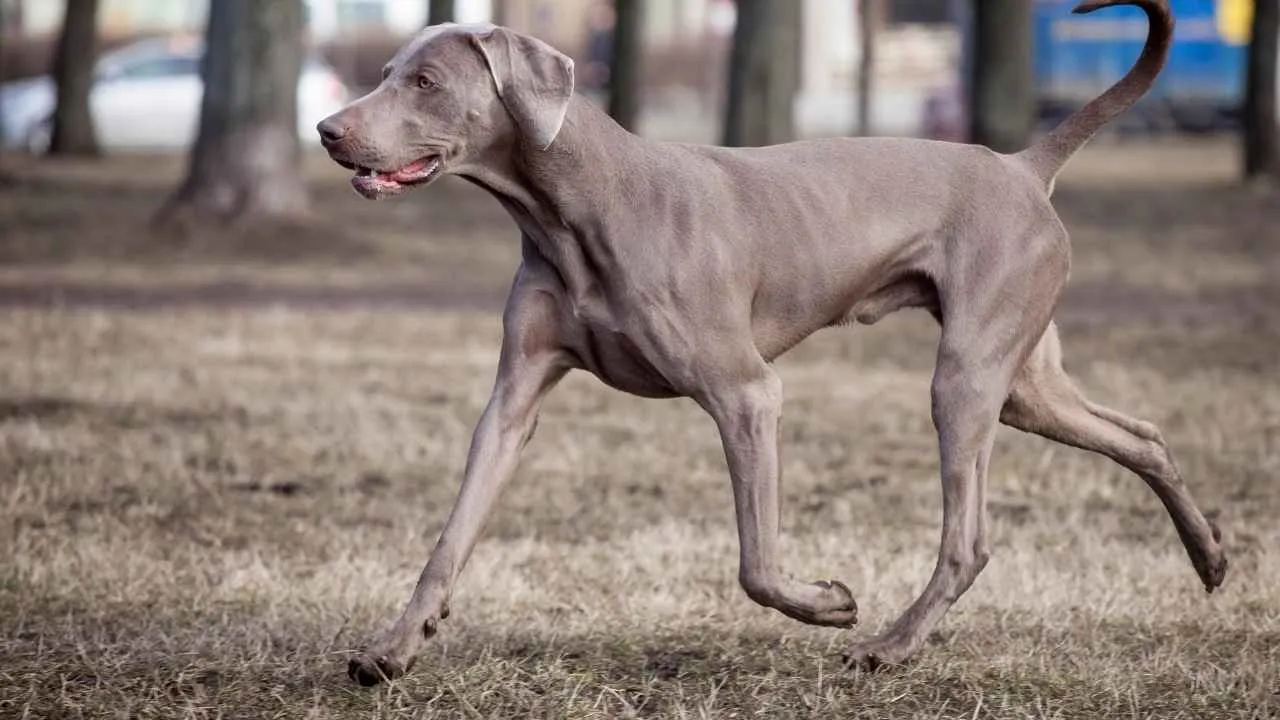
Weimaraners, often nicknamed the “Gray Ghosts,” are instantly recognizable by their sleek silver-gray coats and striking light-colored eyes. Bred in Germany as elite tracking dogs, they were originally tasked with trailing wounded deer, wolves, and even bears, according to Gundogmag.
Today, Weimaraners remain versatile hunters, excelling at pointing and retrieving game, including small birds. They are deeply loyal and affectionate with their families, yet naturally aloof around strangers, making early socialization essential.
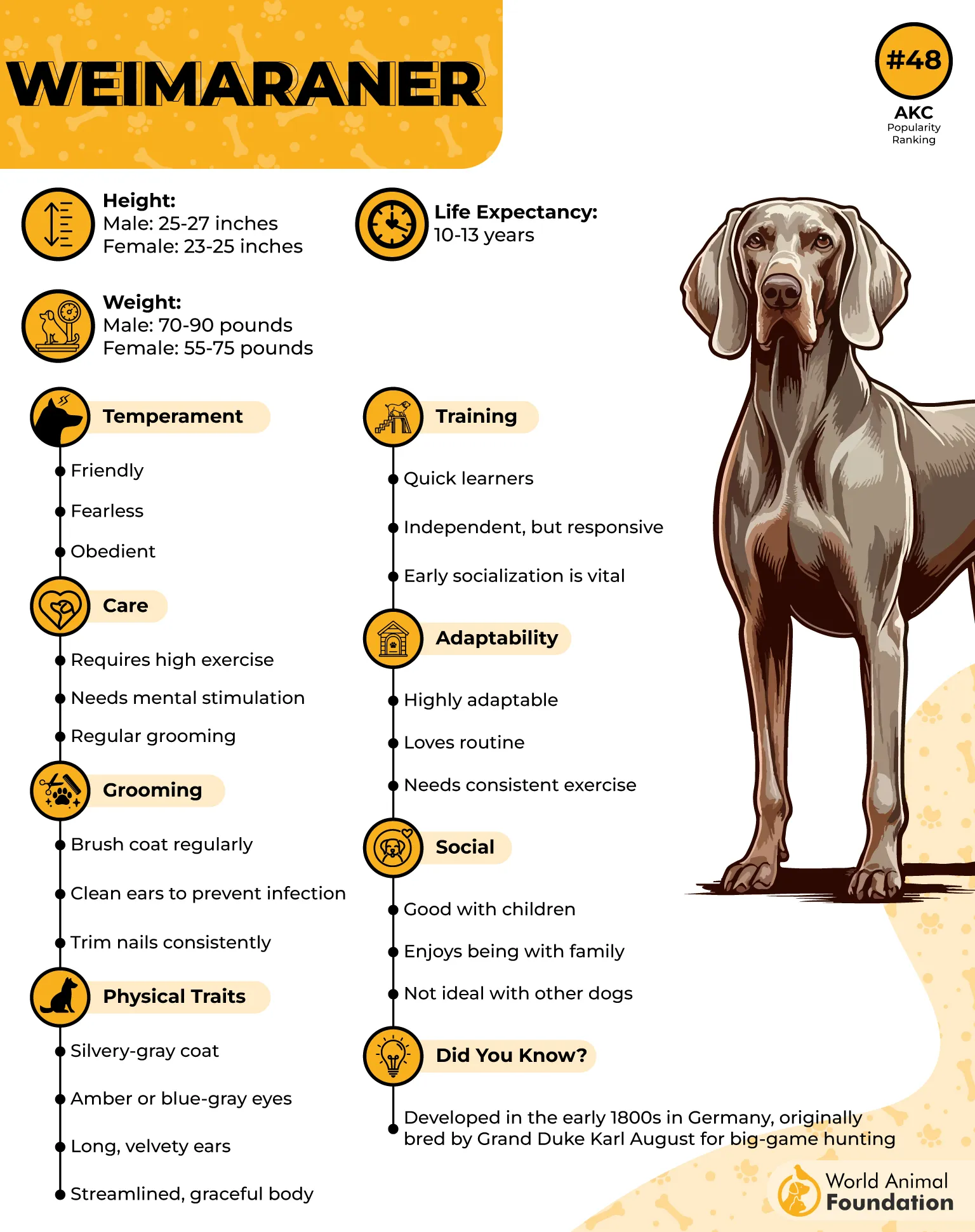
Their short coats require only occasional brushing, but regular ear checks are important to prevent infections. With a strong prey drive, Weimaraners may not be ideal for multi-pet households, although early exposure can help them coexist peacefully with other animals.
Energetic, intelligent, and fiercely devoted, these striking dogs are perfect for active hunters seeking a loyal and capable companion.
7. Vizsla
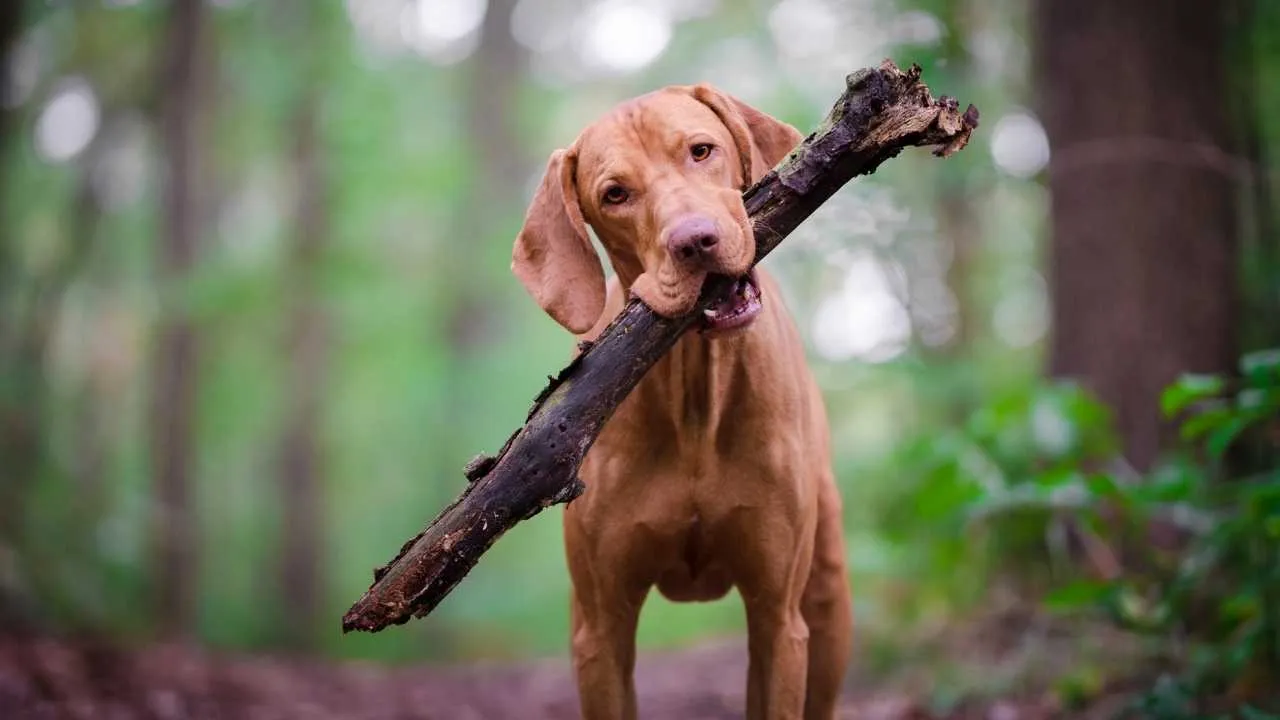
Vizslas are celebrated as one of the best all-rounder gun dogs, admired for their energetic yet gentle personalities. With sleek, athletic bodies and remarkable speed, they excel at trailing and retrieving game, even in tight or challenging terrain.
According to the American Kennel Club (AKC), Vizslas thrive when given demanding tasks that let them use their natural hunting instincts. Beyond hunting, they make excellent companions for outdoor adventures such as hiking, biking, and jogging.
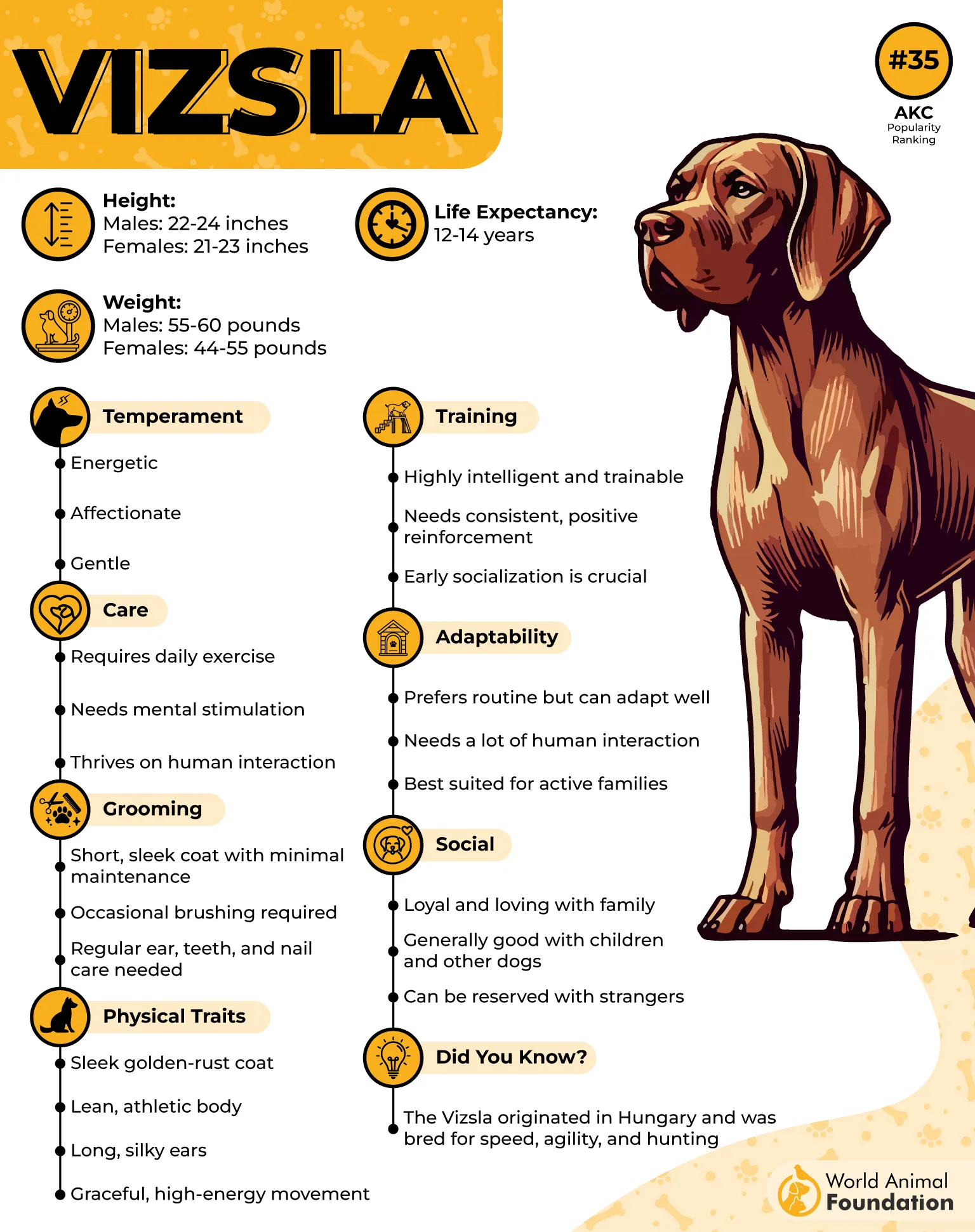
Known as “Velcro dogs,” Vizslas form deep bonds with their humans and can develop separation anxiety if left alone for long periods. They are highly adaptable, comfortable in environments ranging from rugged fields to dense forests.
With strong swimming abilities and superior physical traits, these versatile dogs are a perfect mix of athleticism, loyalty, and intelligence, making them invaluable hunting partners and loving family pets alike.
Conclusion
Whether tracking deer through dense forests, flushing birds from wetlands, or following intricate scent trails across rugged terrain, these skilled hunting companions demonstrate exactly why they remain trusted partners for hunters around the world. Their expertise goes beyond raw instinct or natural ability, these dogs combine intelligence, endurance, and remarkable focus to excel in the field.
Choosing the right hunting dog is about far more than just talent. It’s about dedication, discipline, and the unspoken bond that forms between handler and dog. A successful hunting partnership relies on mutual trust, clear communication, and a shared understanding of timing and technique. When the right dog meets the right handler, the result is seamless teamwork, precision, and a partnership that elevates the hunt into an art form.
