




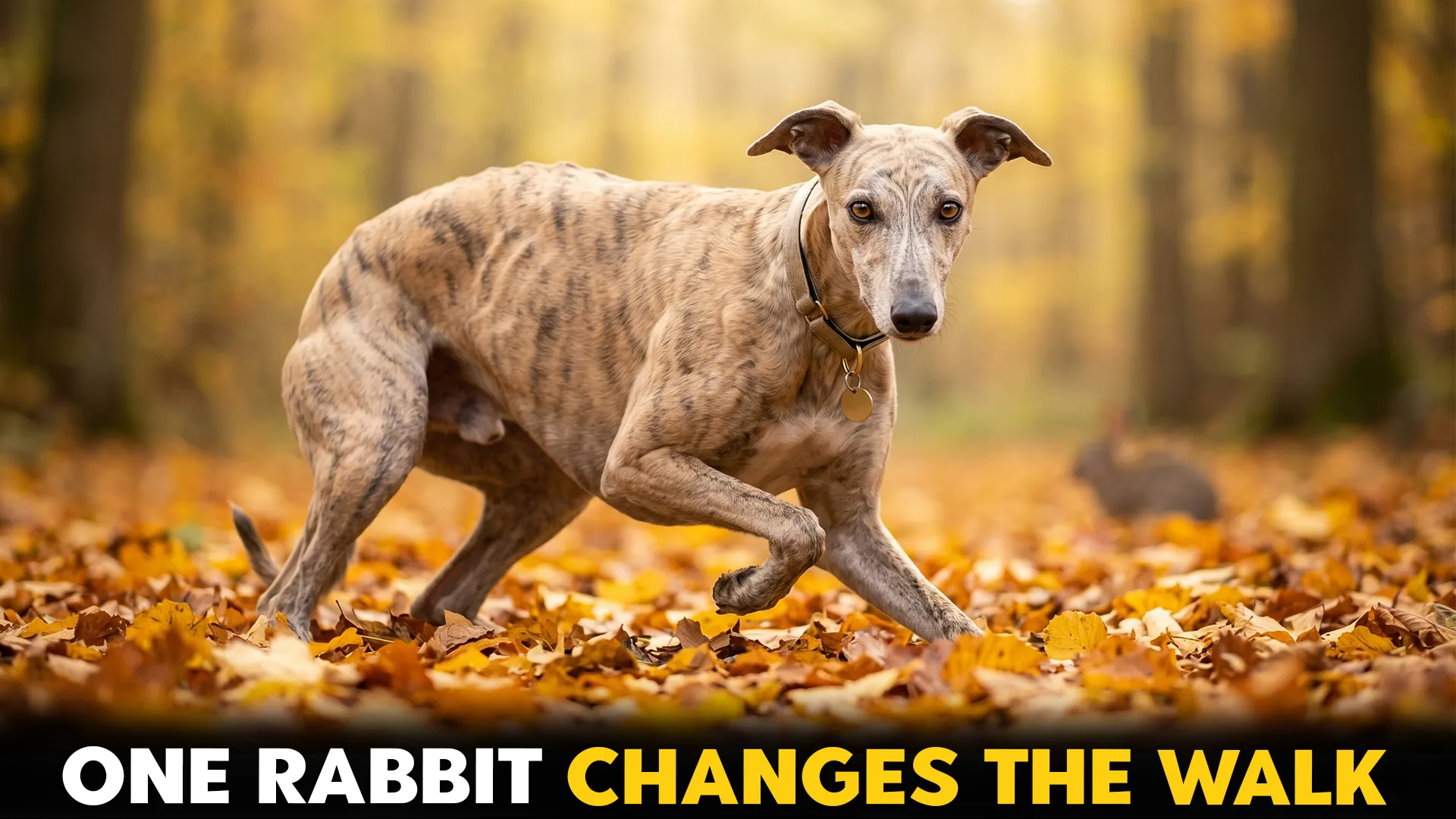
Some dogs can watch a moving object with such intense concentration that everything else around them seems to disappear.
A fluttering bird, a running rabbit, or even a fast-moving toy can trigger an immediate response that appears almost automatic. What causes that level of focus has fascinated dog owners for generations. The answer lies in prey drive, one of the strongest instinctive traits found in certain breeds.
While many people recognize the behavior, far fewer understand where it comes from or why it remains so powerful even in modern family pets. These instincts were shaped long before fenced yards, city parks, and comfortable living rooms became part of a dog’s life. Today, they continue to influence behavior in ways that can surprise even experienced owners.
Continue reading to uncover the dog breeds most strongly connected to prey drive and the characteristics that make them stand out from the rest.
Key Takeaways
One sudden movement is all it takes for certain dogs to switch into full focus, reacting so quickly that their instincts seem impossible to ignore.
Greyhounds and Whippets can explode into a sprint within seconds, while Salukis once chased gazelles across open desert with breathtaking speed and focus.
Then come breeds like the Jack Russell Terrier and Border Collie that turn even everyday movement into something worth tracking, chasing, or controlling.
By the time you reach the final breed, you’ll understand why these instincts still shape modern dogs in ways most owners never expect.
Exploring Dog Breeds with High Prey Drive Traits
1. Greyhound
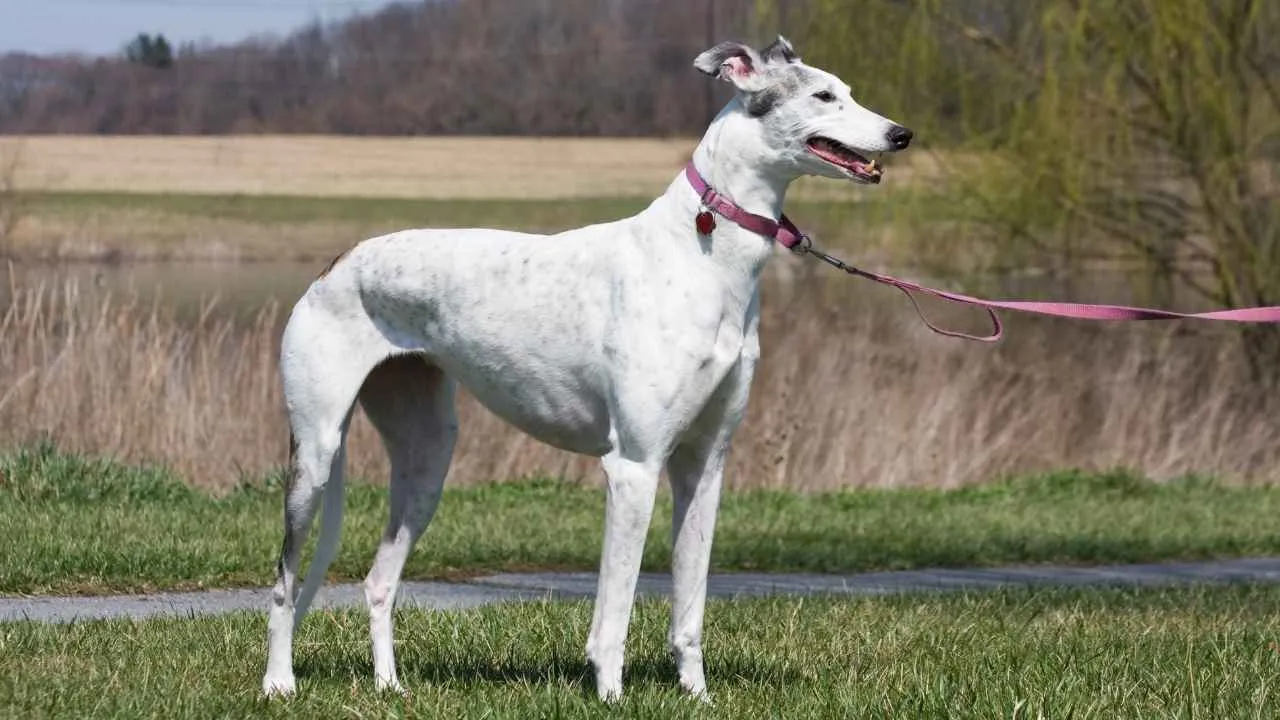
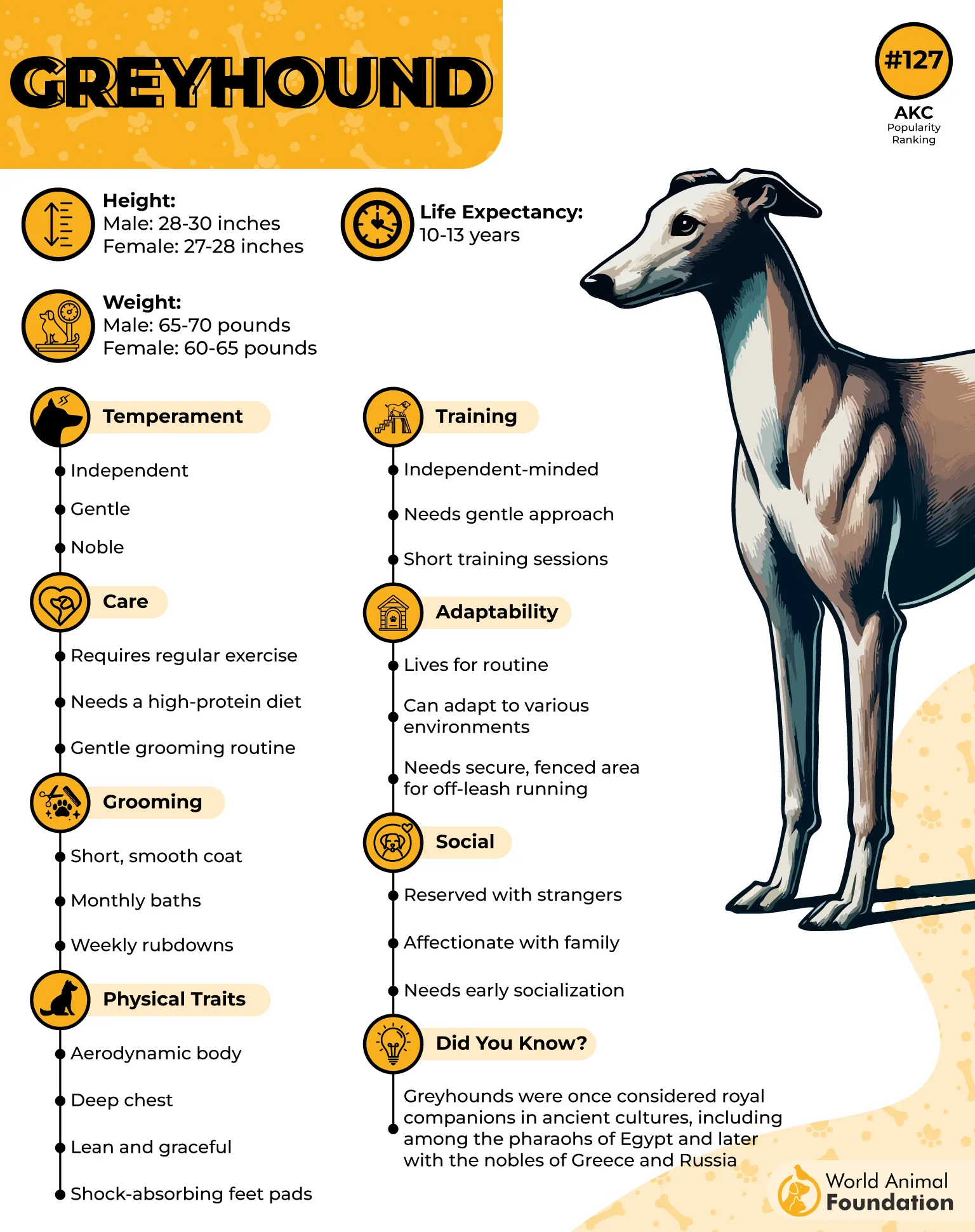
Greyhounds rely on sharp eyesight and explosive acceleration to pursue fast-moving prey across open ground. The breed’s narrow waist, deep chest, and long legs create the classic curved outline admired for centuries by artists and nobility. Calm indoors, they often settle quietly once their daily outlet is satisfied.
Sight Before Scent
English hunters valued Greyhounds for their ability to detect motion instantly rather than trailing scent for hours. Their reactions are quick, especially around smaller animals or when there is sudden movement.
A few traits shape that instinct clearly:
Exceptional visual tracking ability
Lean frame built for sprinting
Fast response to moving targets
Gentle Yet Driven
Greyhounds form close bonds with people and usually behave with surprising softness inside the home. That gentle nature can shift outdoors once instinct takes over, which is why enclosed spaces and leash control matter around cats or wildlife. Early social exposure helps channel excitement more appropriately.
2. Whippet
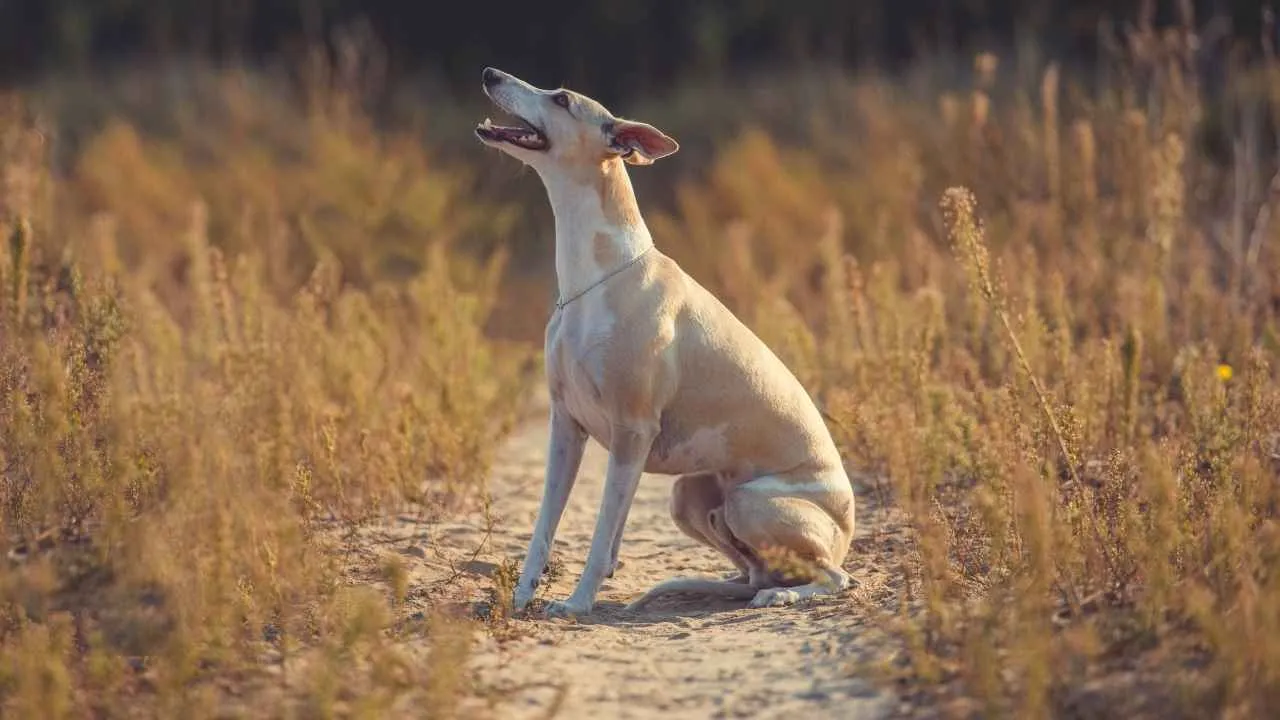
Whippet combines the narrow waist, deep chest, and long-legged outline of a sighthound with the quick reactions of smaller terriers once used in its lineage.
That blend created a fast hunter capable of sharp turns while tracking fleeing prey. Even its relaxed posture hints at explosive speed waiting to unfold.
Speed With Precision
According to PetMD, Whippets can hit remarkable sprinting speeds, though their hunting style depends just as much on eyesight and sudden direction changes.
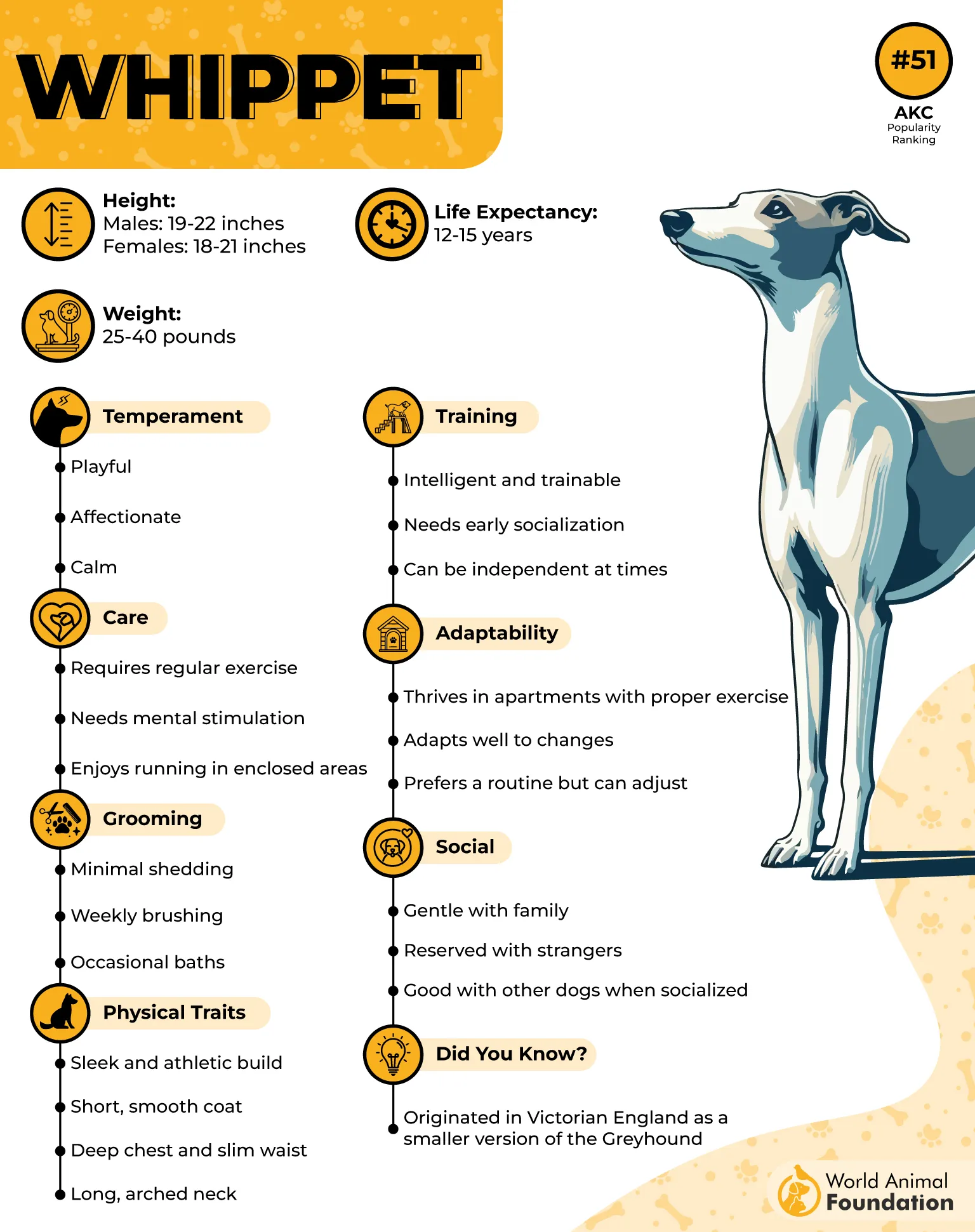
Certain traits make that ability especially effective:
Rapid acceleration across open ground
Sharp visual focus on fast targets
Flexible body suited for tight turns
Calm Until Triggered
Whippet settles quietly indoors once its need for running and exploration has been satisfied, often curling beside people for long stretches of rest.
Outdoors, the same dog can instantly lock onto squirrels or small pets and chase with full concentration. Secure fencing and leash control matter because instinct can override recall in seconds.
3. Saluki
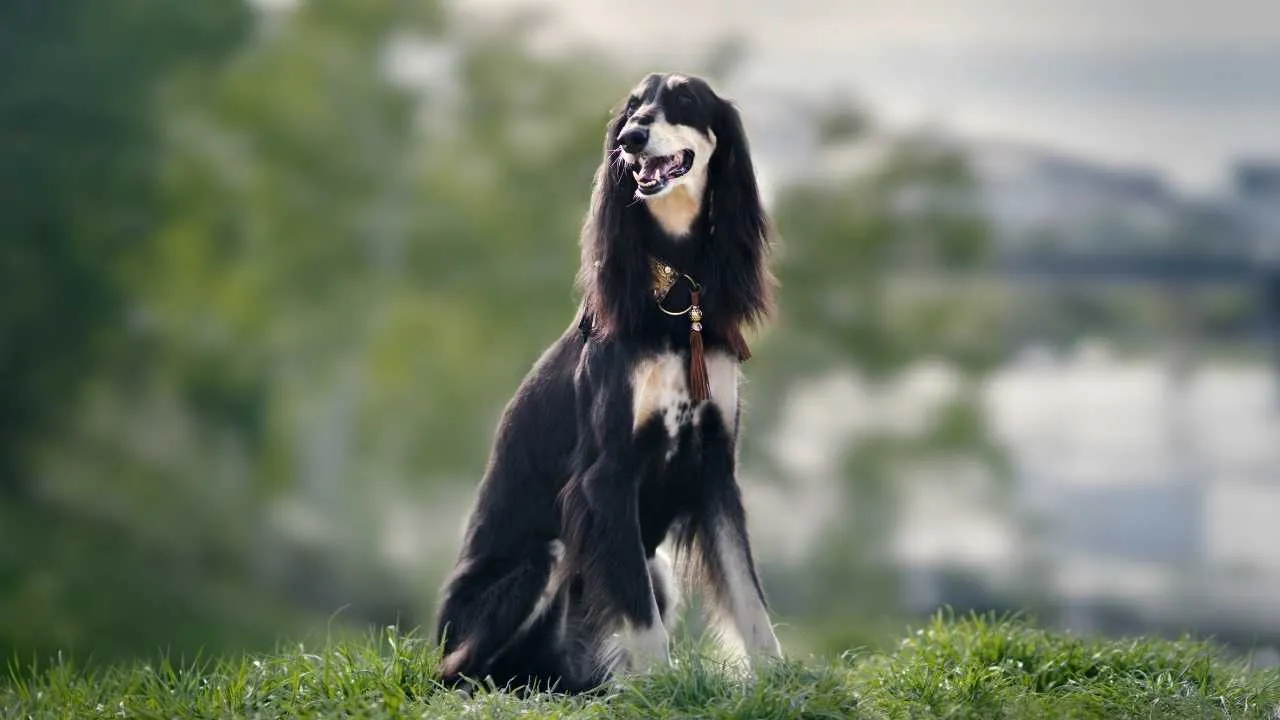
Salukis hunted beside nomadic tribes centuries before many modern breeds even existed, valued for the speed and endurance needed to chase gazelles across open desert land. Egyptian royalty treasured these elegant sighthounds so deeply that some were preserved alongside pharaohs after death.
Built for the Chase
This energetic dog can reach nearly 43 miles per hour, giving this ancient hunter the explosive acceleration once needed for fast-moving prey. Life with this breed feels very different from calmer companion dogs.
A few traits shape that experience:
Powerful instinct to pursue fast movement
Strong preference for open running space
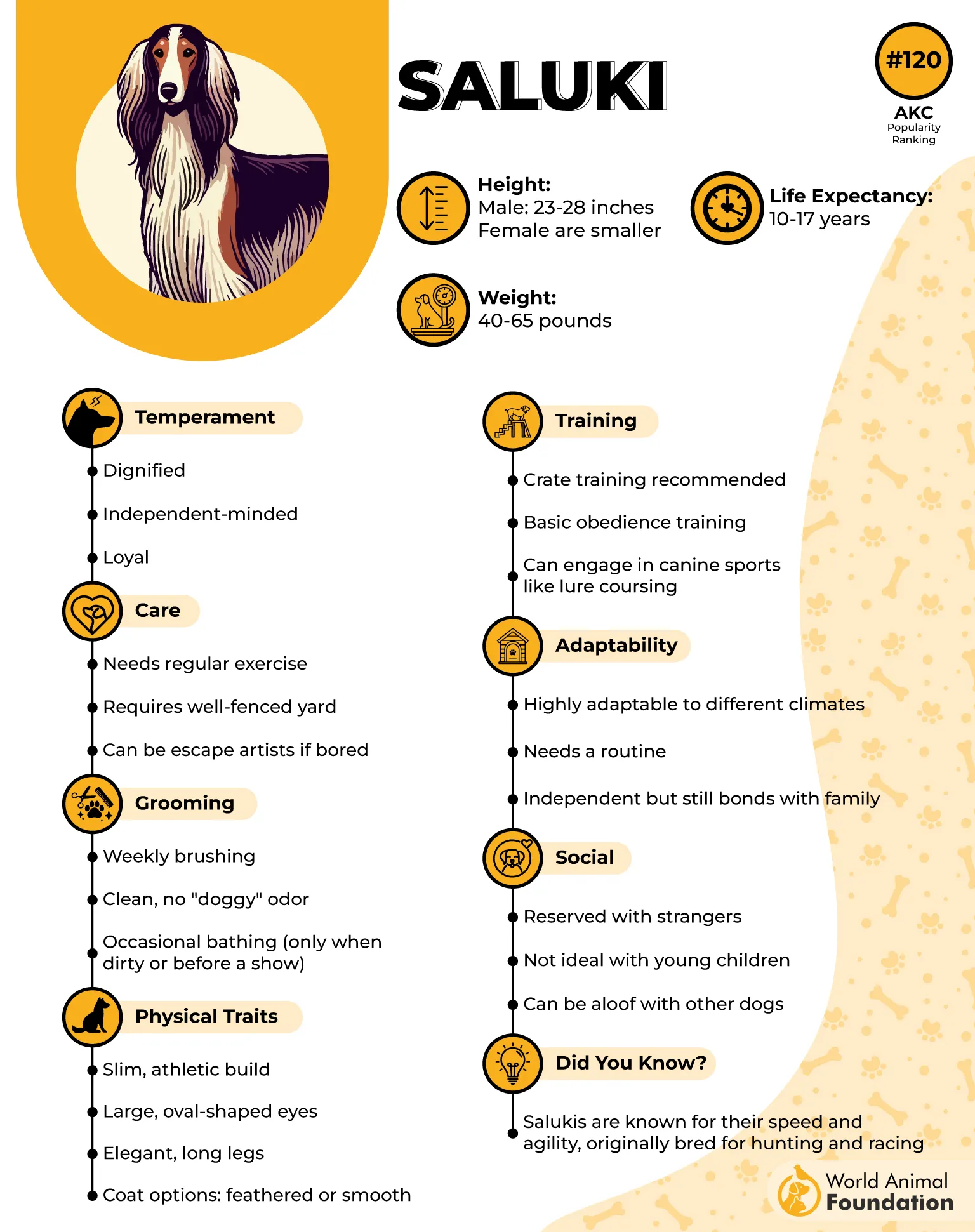
Sensitive and independent temperament
Independence With Intensity
Salukis respond best to patient guidance instead of repetitive correction, especially because this breed tends to think independently during training.
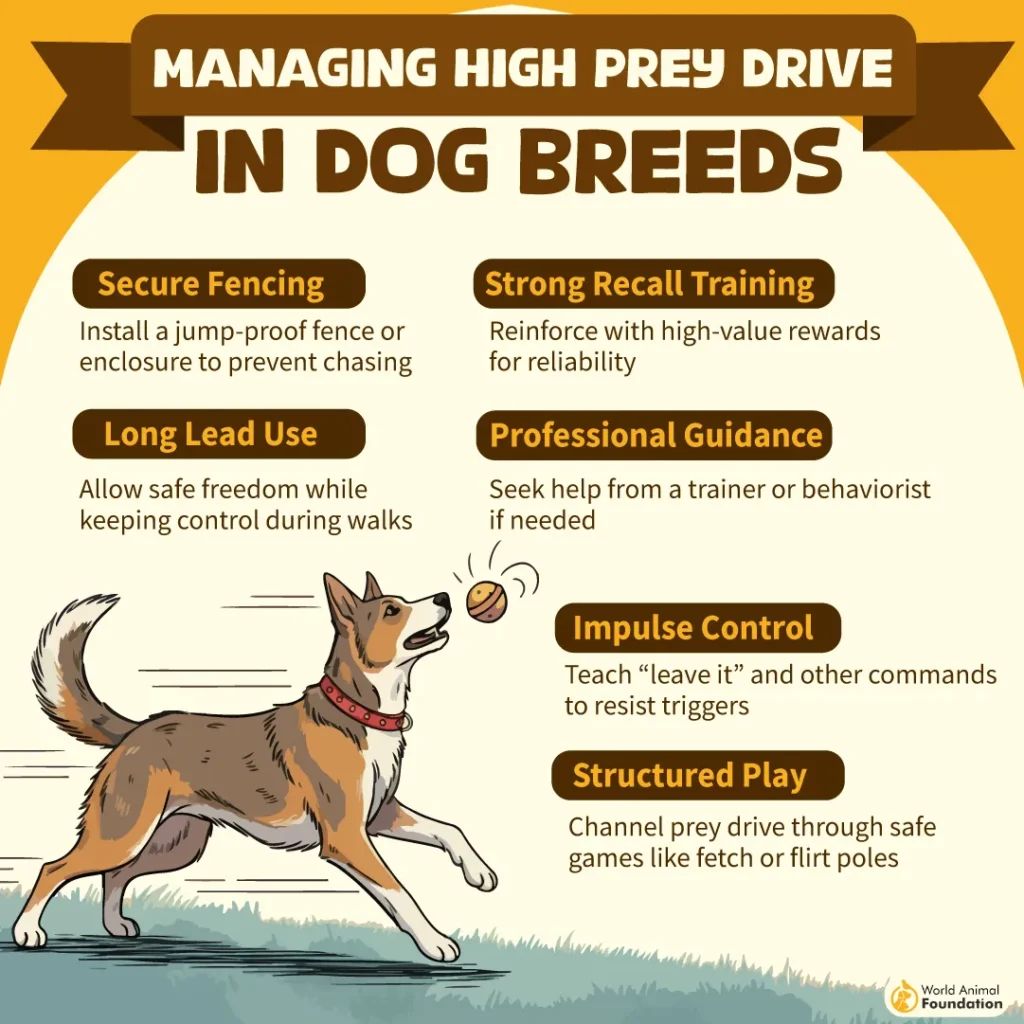
Among high prey drive dogs, this one requires careful management around other animals, particularly smaller pets that may trigger chasing instincts, as Omlet reports.
4. Weimaraner
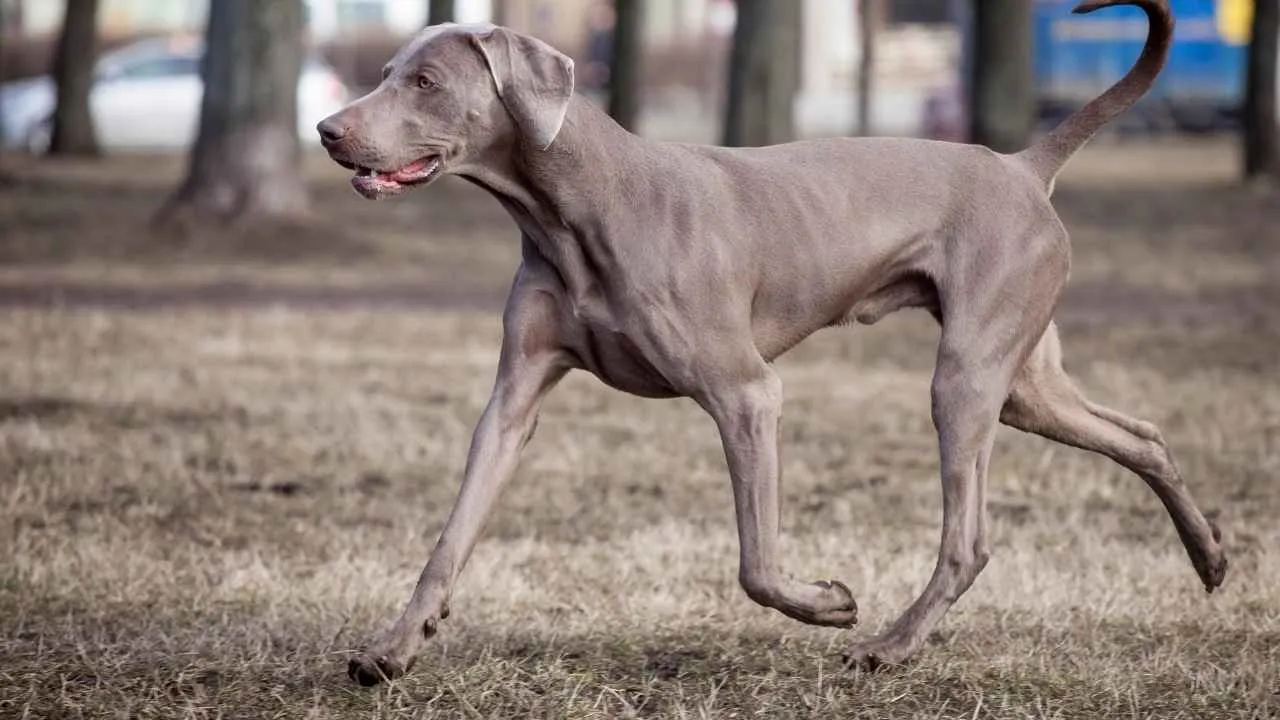
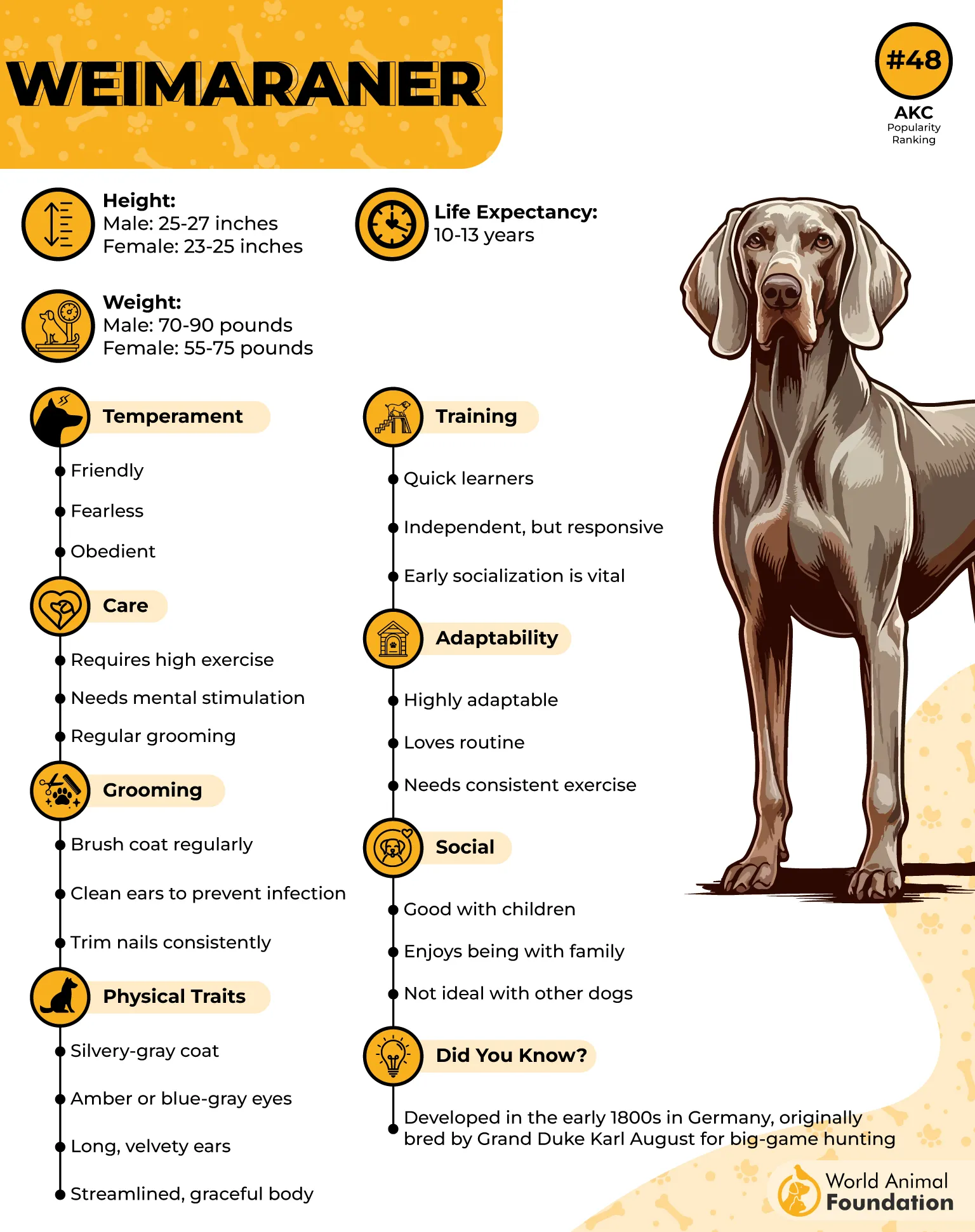
Weimaraner earned the nickname “Gray Ghost” through its silver-gray coat, swift athletic form, and striking gaze framed by long velvety ears.
Hunters valued the breed for precision and responsiveness in the field. Its streamlined structure reflects a dog shaped around speed, balance, and pursuit.
Instinct Guided by Pursuit
This hunting breed reacts strongly to fast movement and animal scent, which can create tension around smaller household pets. A focused Weimaraner in hunting posture becomes intensely fixed on its target rather than distracted by surrounding activity.
That instinct appears through recognizable patterns:
Locks attention onto moving animals quickly
Tracks scent trails with sustained focus
Holds a rigid pointing posture during pursuit
Attachment Beyond the Field
Weimaraner seeks close involvement with people and prefers active participation in daily routines instead of isolation. Its affectionate nature blends easily into family life, especially in homes where interaction happens regularly. The breed connects companionship with physical involvement and shared activity.
5. Beagle
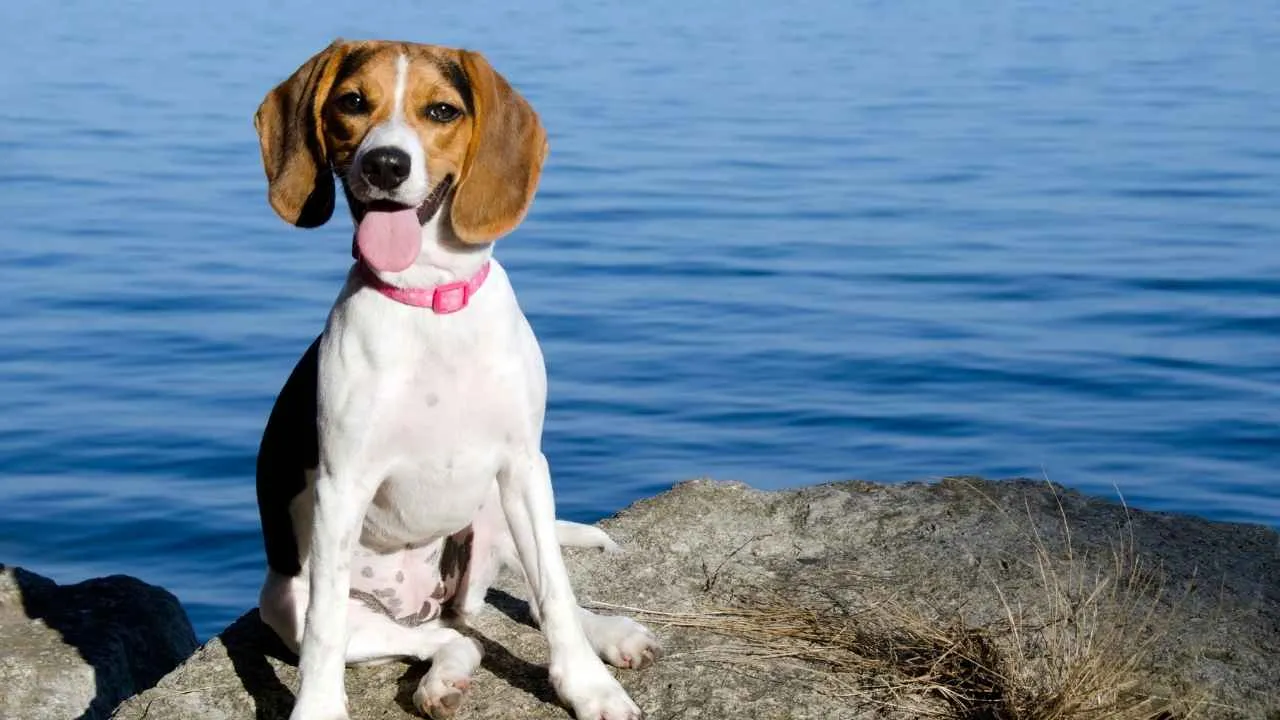
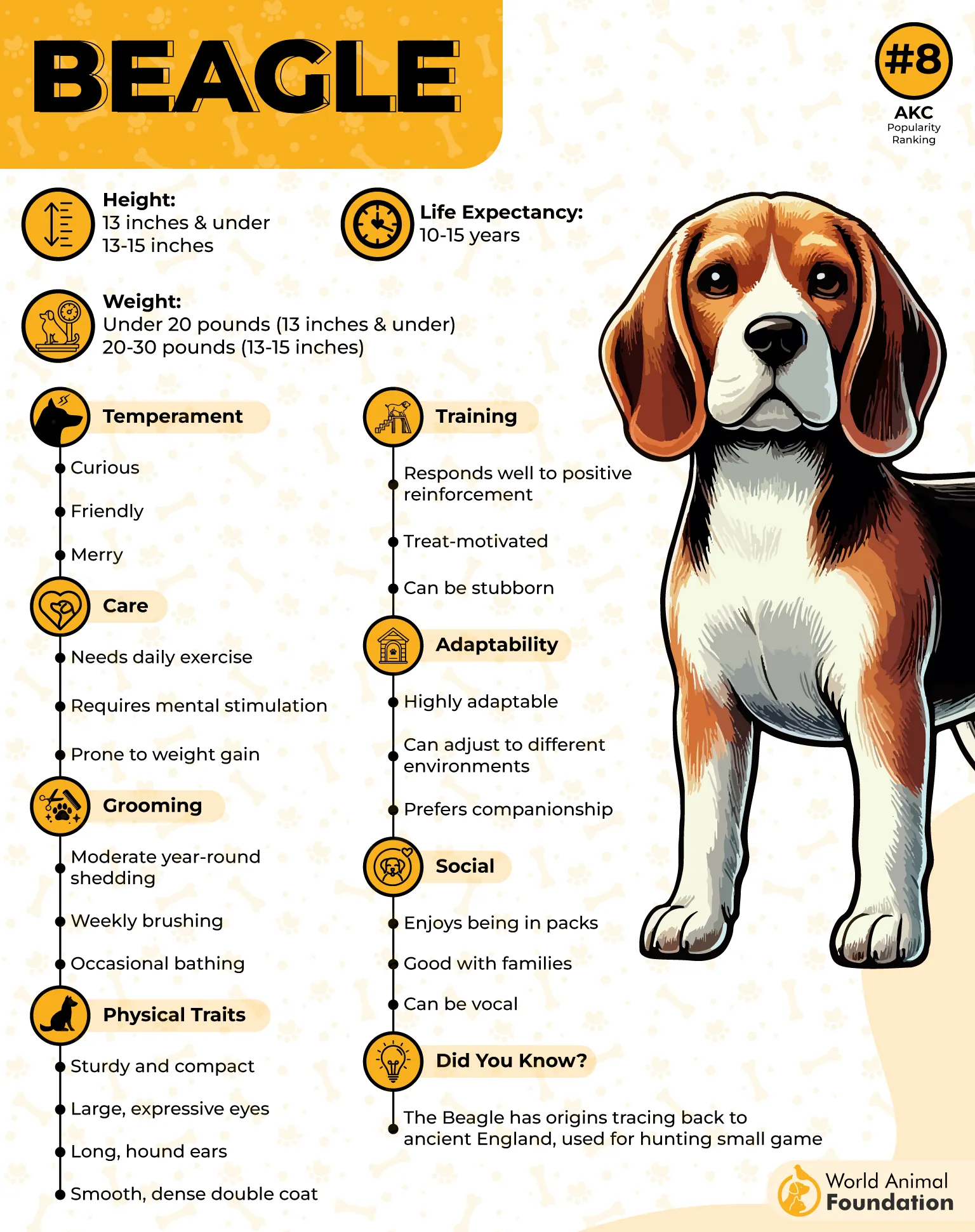
Beagles gained attention in England through their scent-focused nature and highly social temperament. Its curiosity appears almost nonstop, often leading it toward unfamiliar smells, hidden corners, and new activity around the home. This instinctive investigation closely connects with its strong prey-focused behavior.
Exploration Through Scent
They approach the world nose-first, reacting quickly to trails, movement, and unfamiliar scents in everyday surroundings. Its attention easily shifts toward tracking opportunities, especially outdoors, where distractions become more intense.
That instinct appears through recognizable habits:
Follows scent trails with determination
Attempts to chase small animals outdoors
Examines unfamiliar objects immediately
Social But Highly Vocal
Beagles form easy connections with children, cats, and other dogs when introductions begin early and remain consistent. Long periods alone often trigger howling or restless behavior due to its people-oriented temperament. Interaction and activity play a major role in emotional balance.
6. Rhodesian Ridgeback
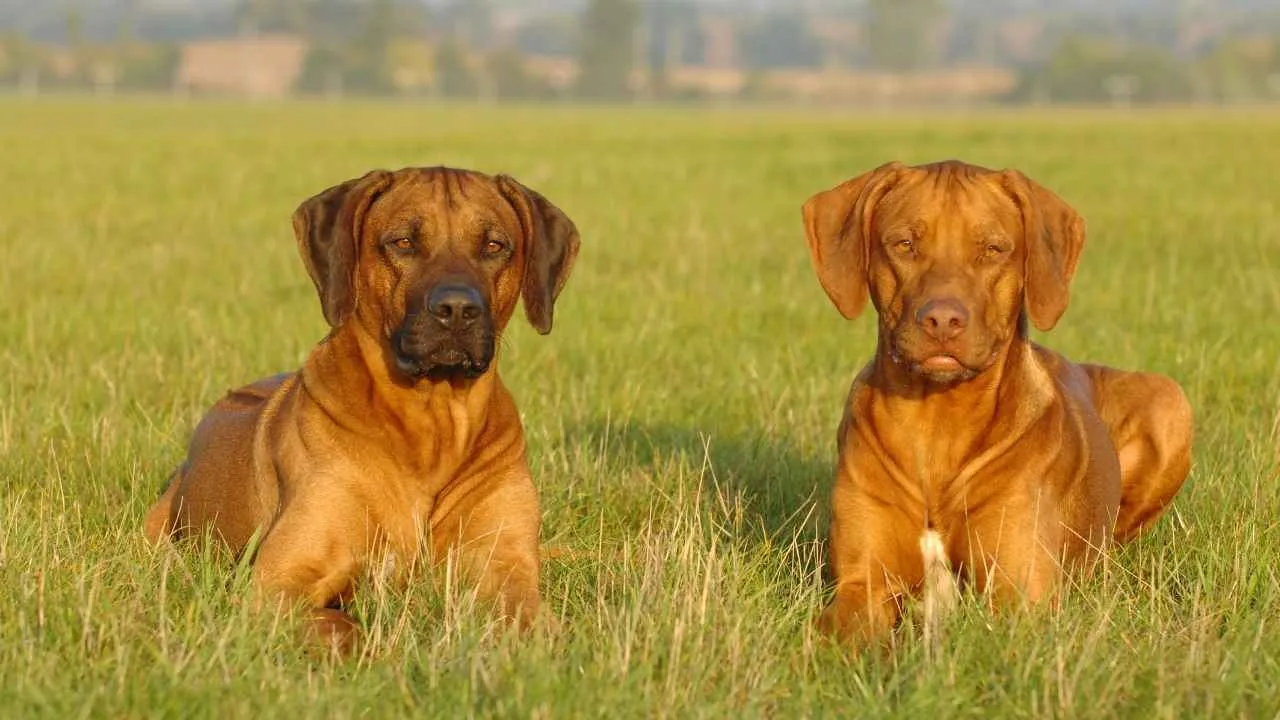
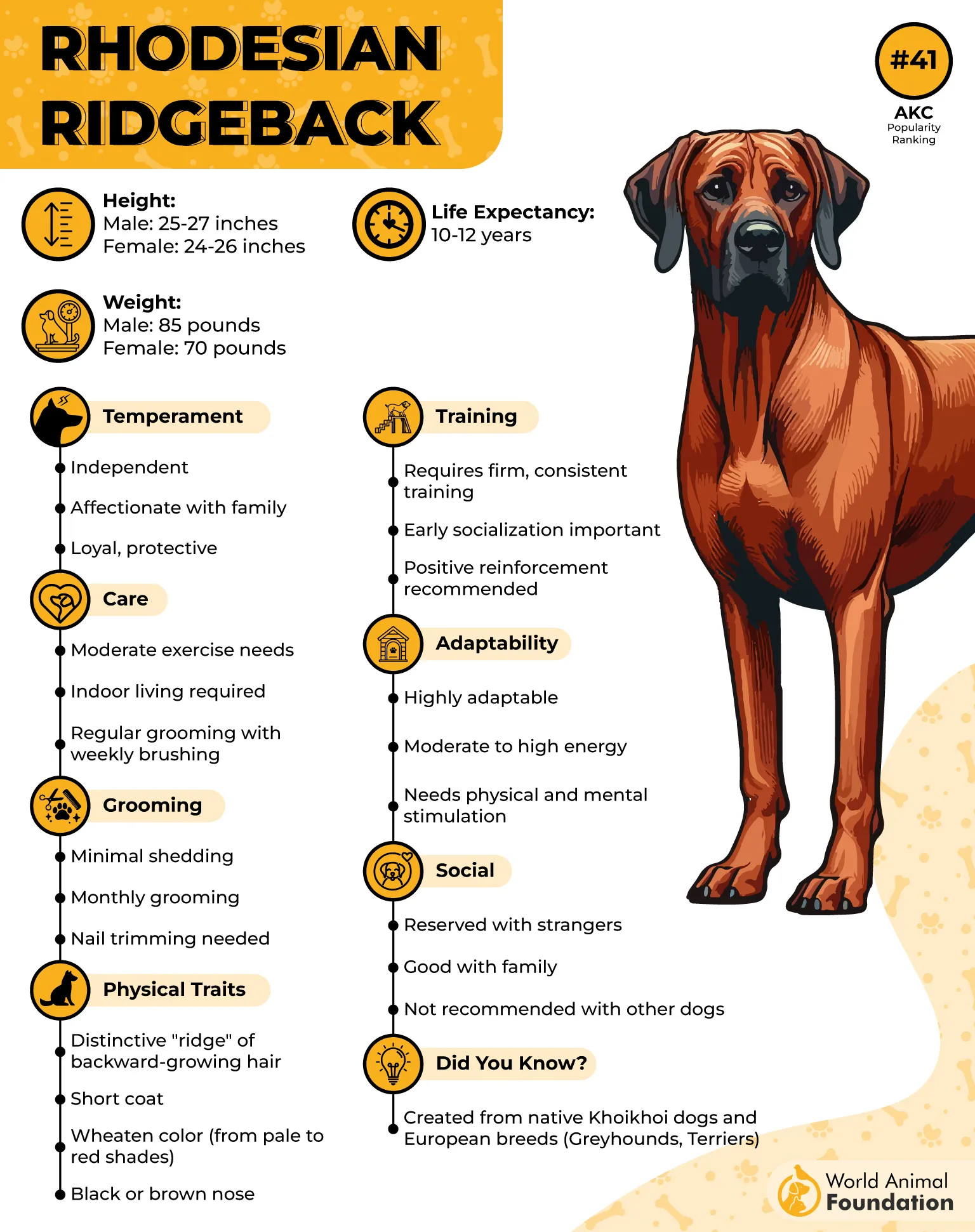
Rhodesian Ridgeback takes its name from the narrow strip of backward-growing hair running along the spine, a feature tied closely to the breed’s identity. In southern Africa, these athletic hounds worked alongside hunters to track and corner dangerous game, including lions.
Driven in the Field
They were valued for tracking ability and physical stamina, covering rough terrain for long periods without losing concentration. Their hound instincts remain deeply rooted, especially around fast-moving animals.
Their reputation is clearly defined by these traits:
Strong prey-focused instincts
Excellent endurance outdoors
Confident and independent thinker
Loyal at Home
Rhodesian Ridgebacks form deep attachments with their household and often stay physically close to the people they trust most, as mentioned by the AKC. Around strangers, the breed tends to remain reserved rather than openly social, which changes the atmosphere of introductions.
7. Australian Cattle Dog
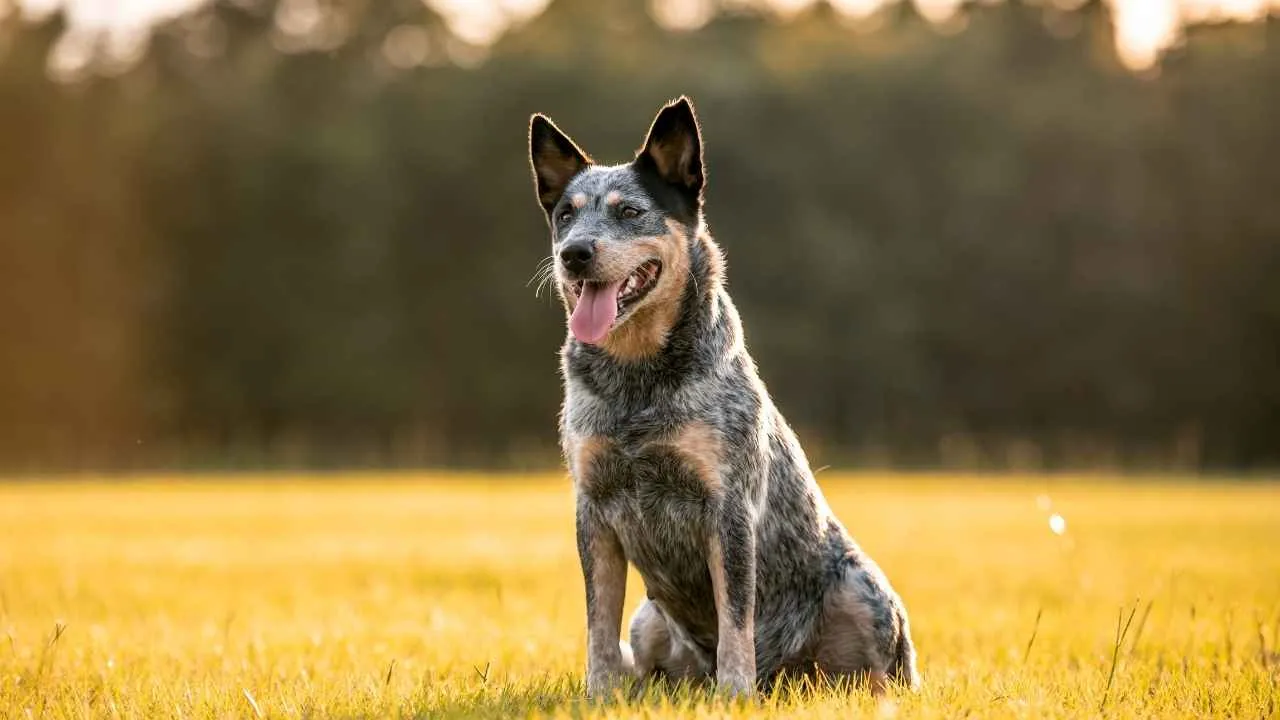
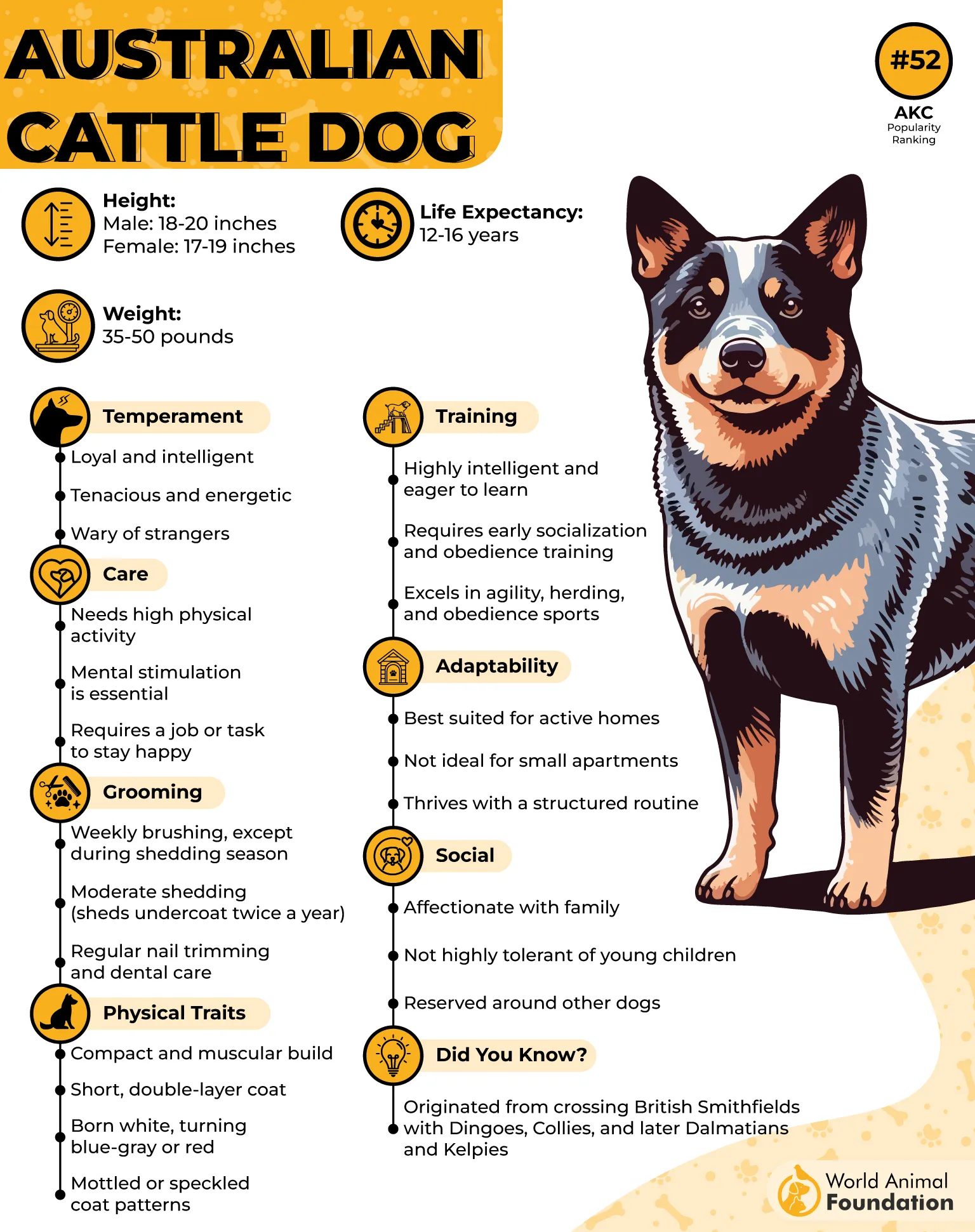
Australian Cattle Dog from dingo lineage blended with herding stock, shaping a dog wired for pressure-driven livestock work.
Its blue or red speckled coat connects directly to the well-known “Heeler” nickname earned through heel-nipping control tactics. Courage appears early, especially around larger animals.
Herding Instinct with Sharp Reactions
ACD takes on fast movement with immediate focus, often reacting before hesitation has time to settle in. That instinct ties closely to livestock handling, where quick decisions mattered during rough cattle work.
The pattern becomes obvious through key behaviors:
Nips at the heels during herding response
Challenges animals, much larger in size
Forms friendships selectively rather than openly
Built for Relentless Output
Australian Cattle Dog relies on a stocky, muscular frame suited for endurance-heavy activity across large spaces. Long-running sessions, agility drills, frisbee work, and repeated fetch routines fit naturally into its daily rhythm. Smaller living areas often create frustration and destructive behavior.
8. Border Collie
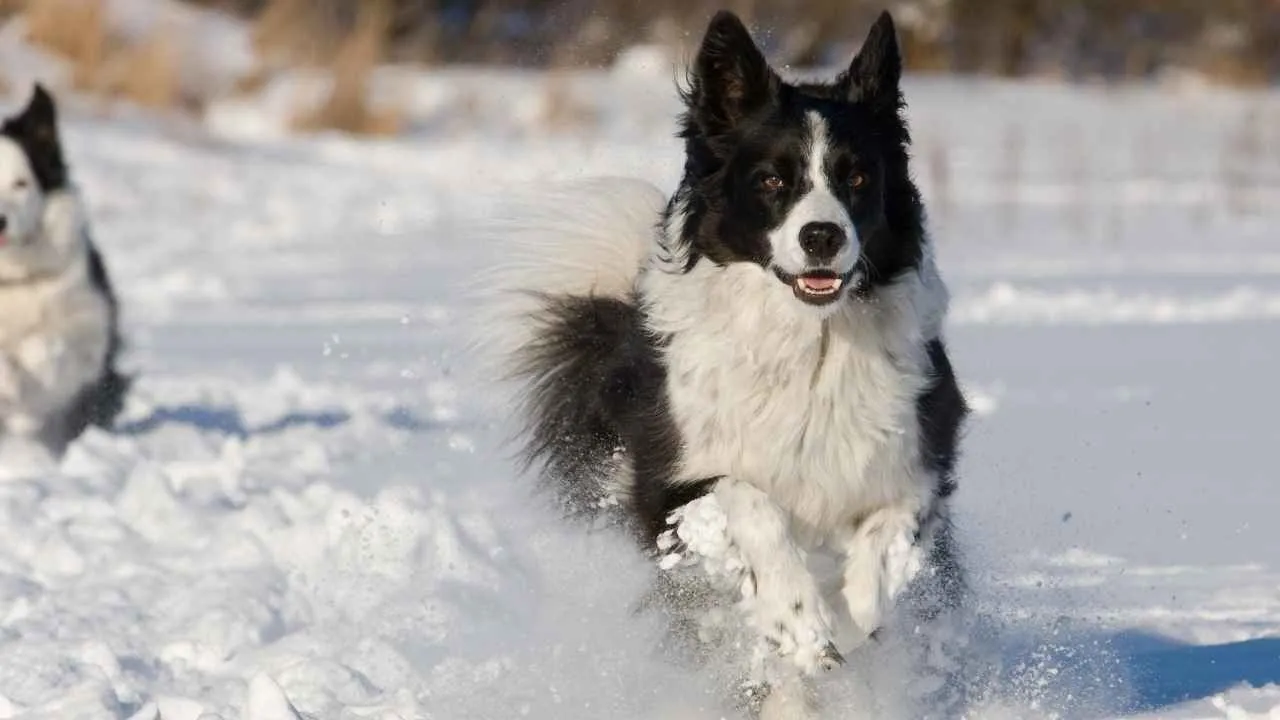
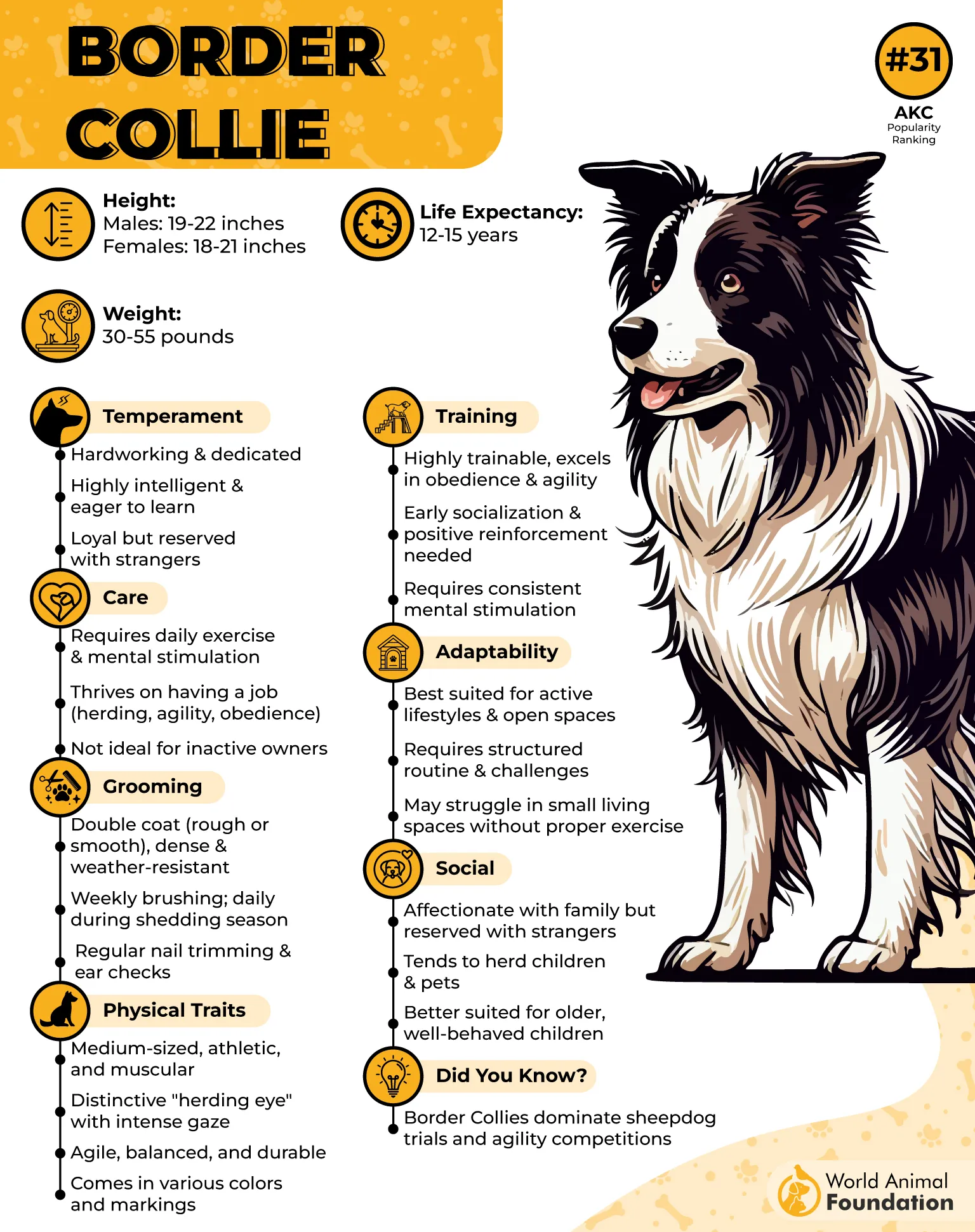
Border Collie reads motion almost instantly, a trait shaped through generations of gathering livestock across the farms of Great Britain.
The breed reacts with quick turns, focused eye contact, and restless awareness during outdoor activity. Even inside the home, many still attempt to herd children, cats, or other pets during play.
Energy With Direction
They need mental stimulation far beyond basic walks, often searching for tasks, patterns, or fast-paced interaction throughout the day. Their athletic build supports sudden bursts of speed and sharp directional changes.
A few traits explain this clearly:
Fast reflexes during running games
Strong instinct to control movement
High focus during training activities
Built Around Activity
Border Collies fit best with people who genuinely enjoy active routines, since boredom quickly shifts their attention toward chewing, digging, or restless pacing. Frisbee sessions, agility work, hiking trails, and flyball provide useful outlets for their intense drive.
9. Jack Russell Terrier
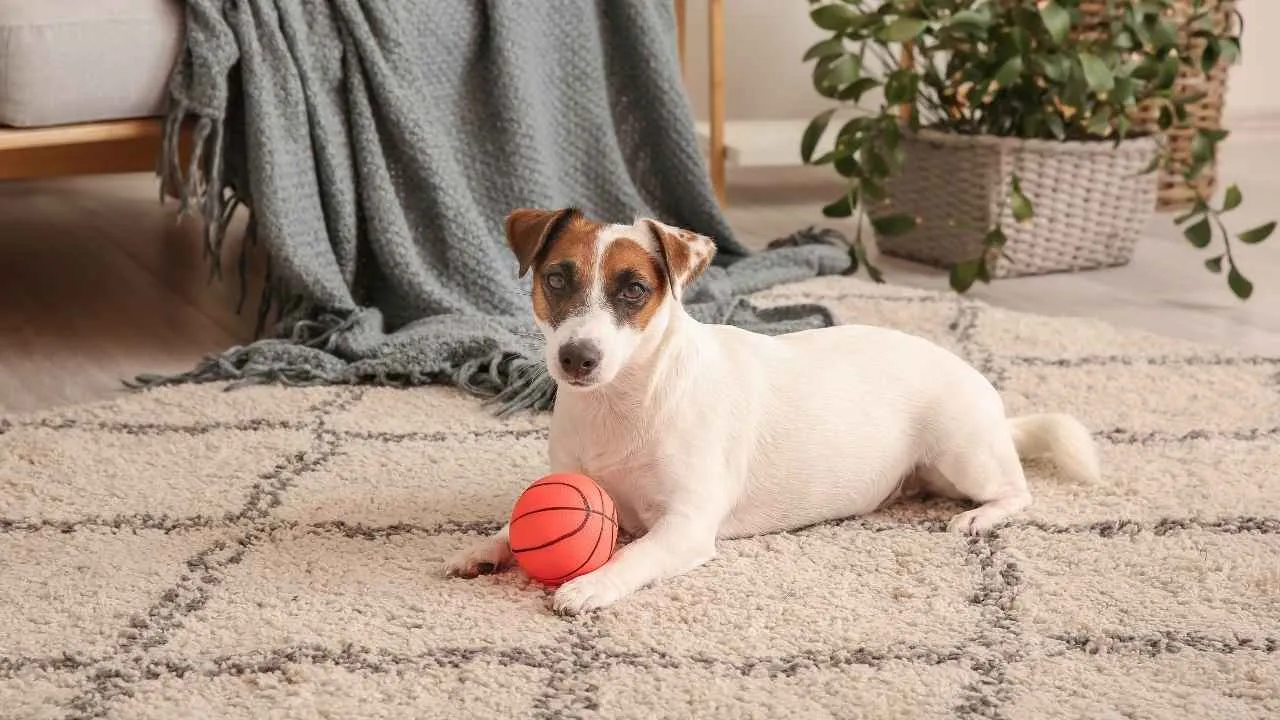
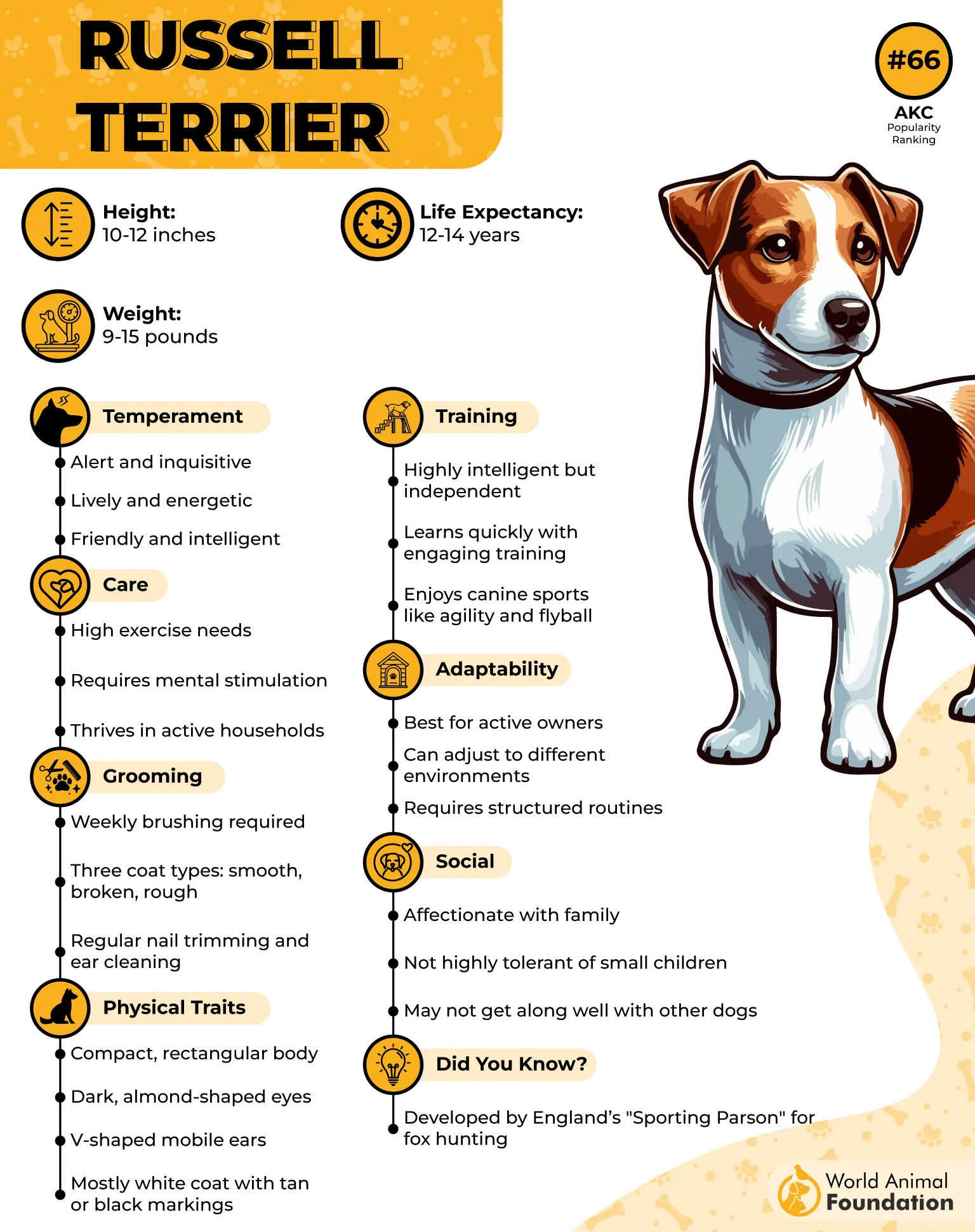
Jack Russell Terriers burst out of 1800s England with a purpose tied directly to fox hunting, using speed, digging instinct, and persistence to corner prey underground. The breed later earned equal respect as a fearless rat catcher. Even indoors, their sharp focus and restless curiosity rarely switch off.
Always Looking for Action
Jack Russell Terriers recharge quickly after long outings and often return ready for another adventure within minutes. Their active minds constantly search for something to investigate.
Their natural intensity is shown in these traits:
Fast reaction to movement
Strong digging instinct
Constant scent investigation
Clever With a Stubborn Edge
They learn quickly, though they often test boundaries once they understand routines and commands. Firm guidance matters because this breed can easily turn intelligence into mischief. Escaping under fences, diving into holes, and chasing scents all connect directly to their hunting instincts.
Conclusion
The breeds featured here may differ in size, appearance, and personality, but they share one important characteristic. Each carries instincts that were developed for pursuing, tracking, controlling, or reacting to movement with remarkable intensity. Those qualities continue to influence behavior long after the original jobs disappeared.
For owners, success often comes from understanding those instincts instead of fighting against them. Activities that encourage focus, exercise, and mental engagement help transform natural drive into something productive. When given the right balance of guidance and opportunity, these dogs often reveal the intelligence, dedication, and enthusiasm that made them exceptional working partners.
