




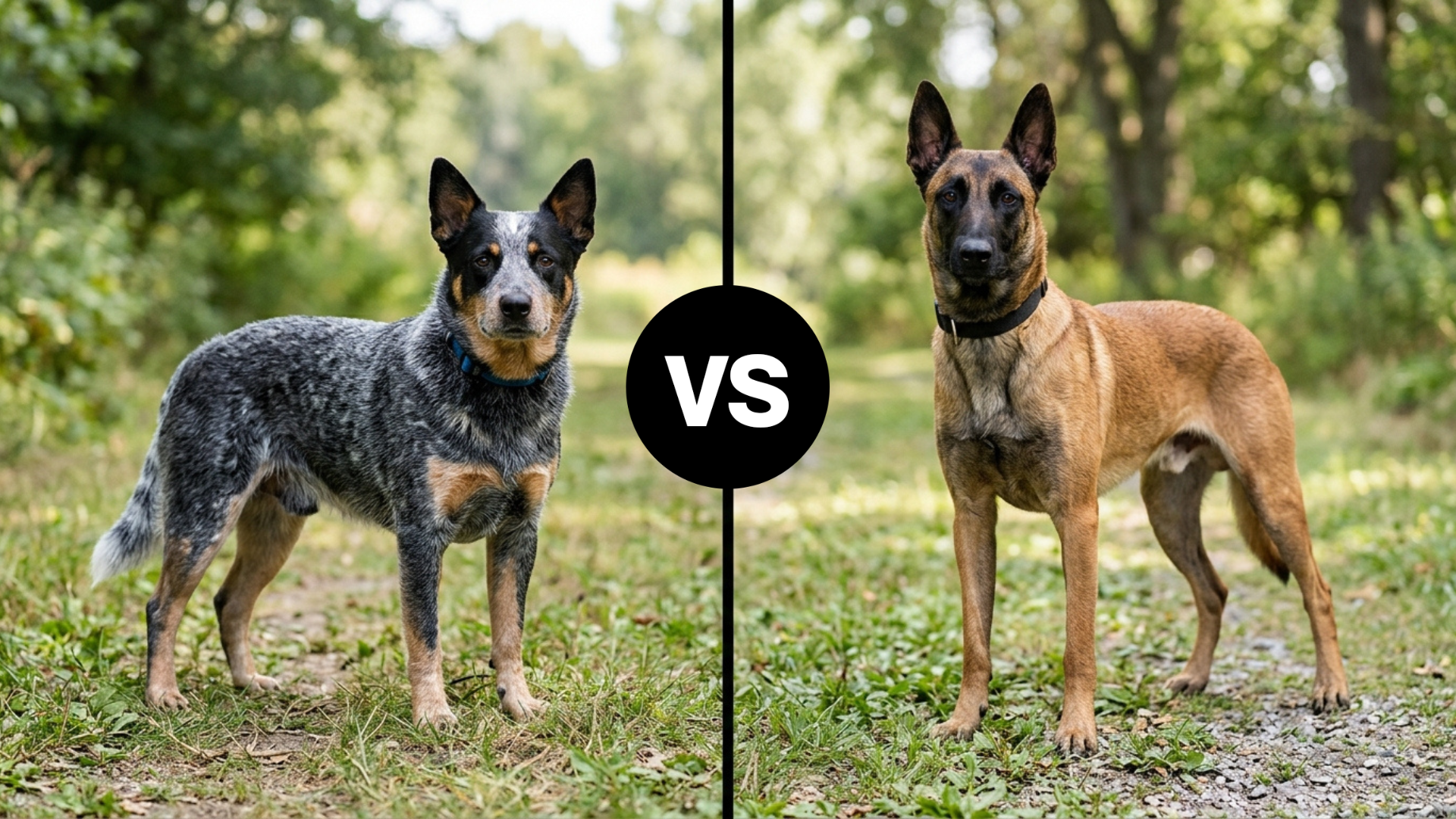
Originally bred as herding dogs, both Australian Cattle Dogs and Belgian Malinois share some physical and behavioral similarities. However, some major differences set the two breeds apart. Both lie in different or sometimes overlapping corners of dog ownership.
Australian Cattle Dogs, also known as Queensland Heelers or Blue Heelers, were developed in the 19th century to work with cattle in demanding conditions. These dogs resulted from the cross between wild dingos and domestic herding dogs.
Belgian Malinois were primarily bred in and named after the city of Mechelen (pronounced as ‘Malines’ in France) in the 19th century. They are one of the four types of Belgian Shepherds, the other three being Belgian Tervuren, Belgian Laekenois, and Groenendael.
Let’s learn some other differences between Australian Cattle Dogs vs. Belgian Malinois, the hardest-working dog breeds.
Australian Cattle Dog vs. Belgian Malinois: Hardest Working Dog Breeds
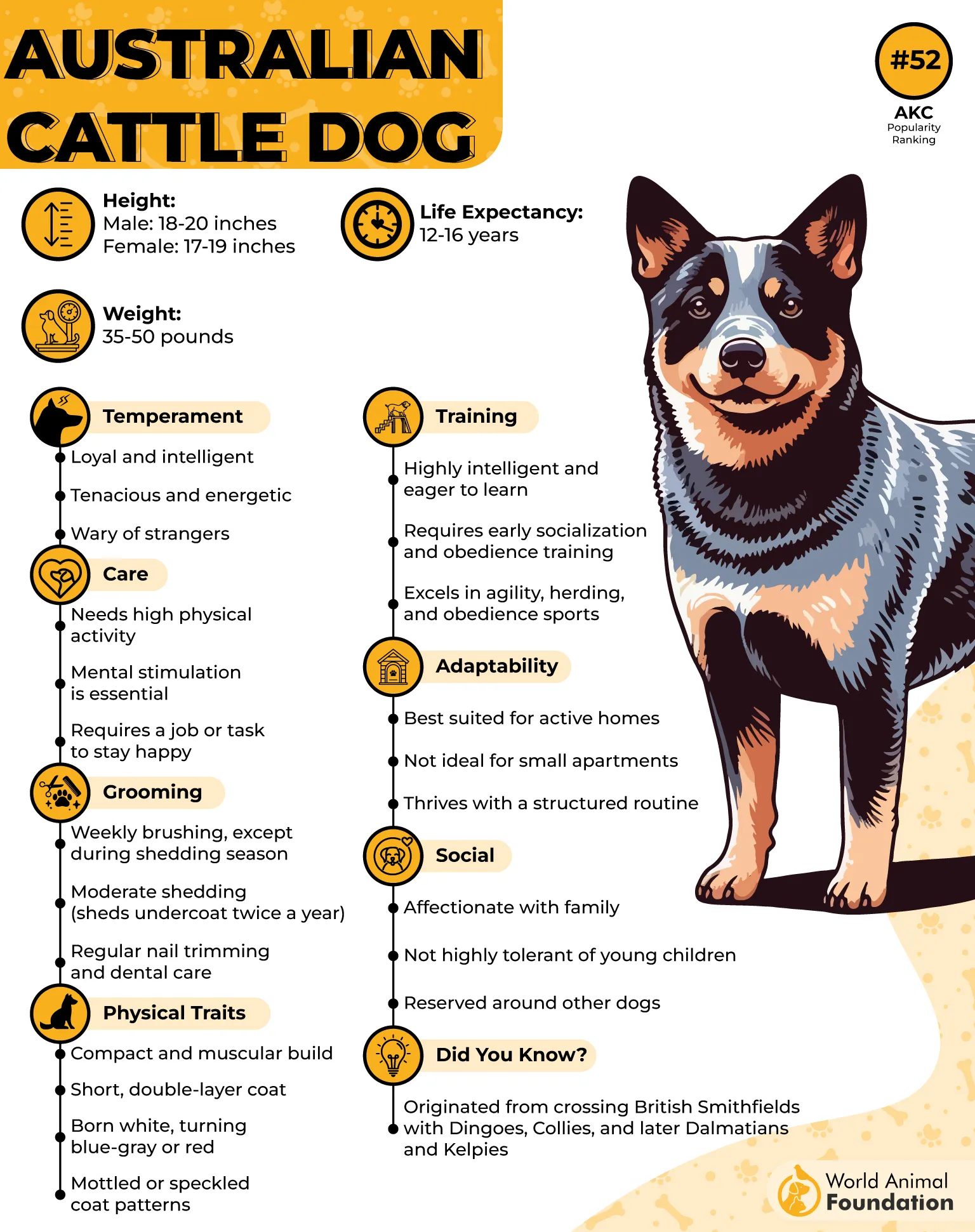
Size & Build Differences
Both Australian Cattle Dogs and Belgian Malinois are well-muscled and athletic. However, there are some significant differences between their size and build.
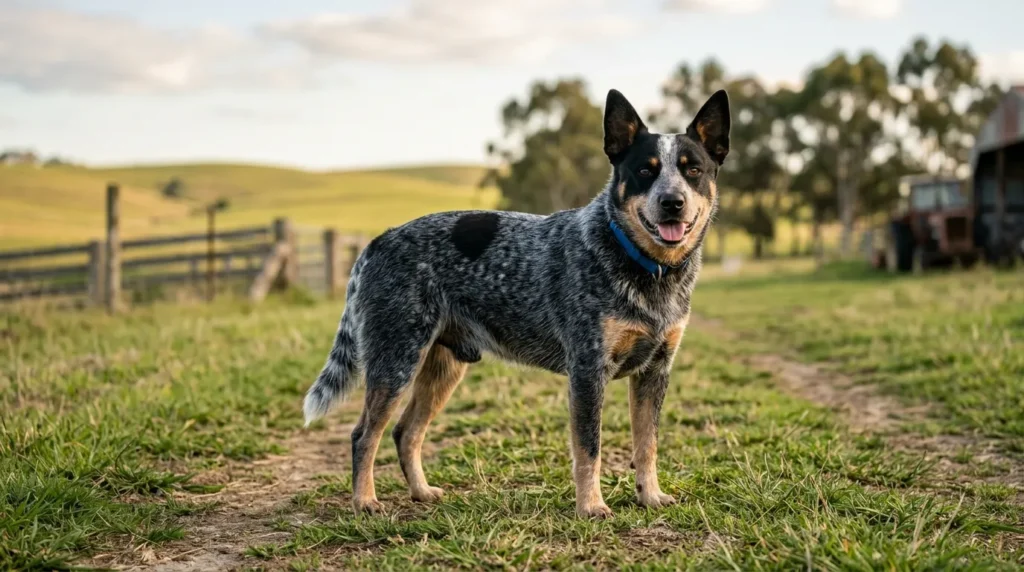
Australian Cattle Dogs are compact and muscular, medium-sized dogs with a distinctive appearance. Their endurance and agility are strongly reflected in their stocky and robust bodies. They carry an intelligent expression in their eyes and possess alert and pricked ears.
Belgian Malinois, on the other hand, are muscular, athletic, and lean dogs with powerful forelegs and hind limbs. Their agility and athleticism are reflected in their well-muscled bodies. Mals possess pointed and alert ears and a long tail.
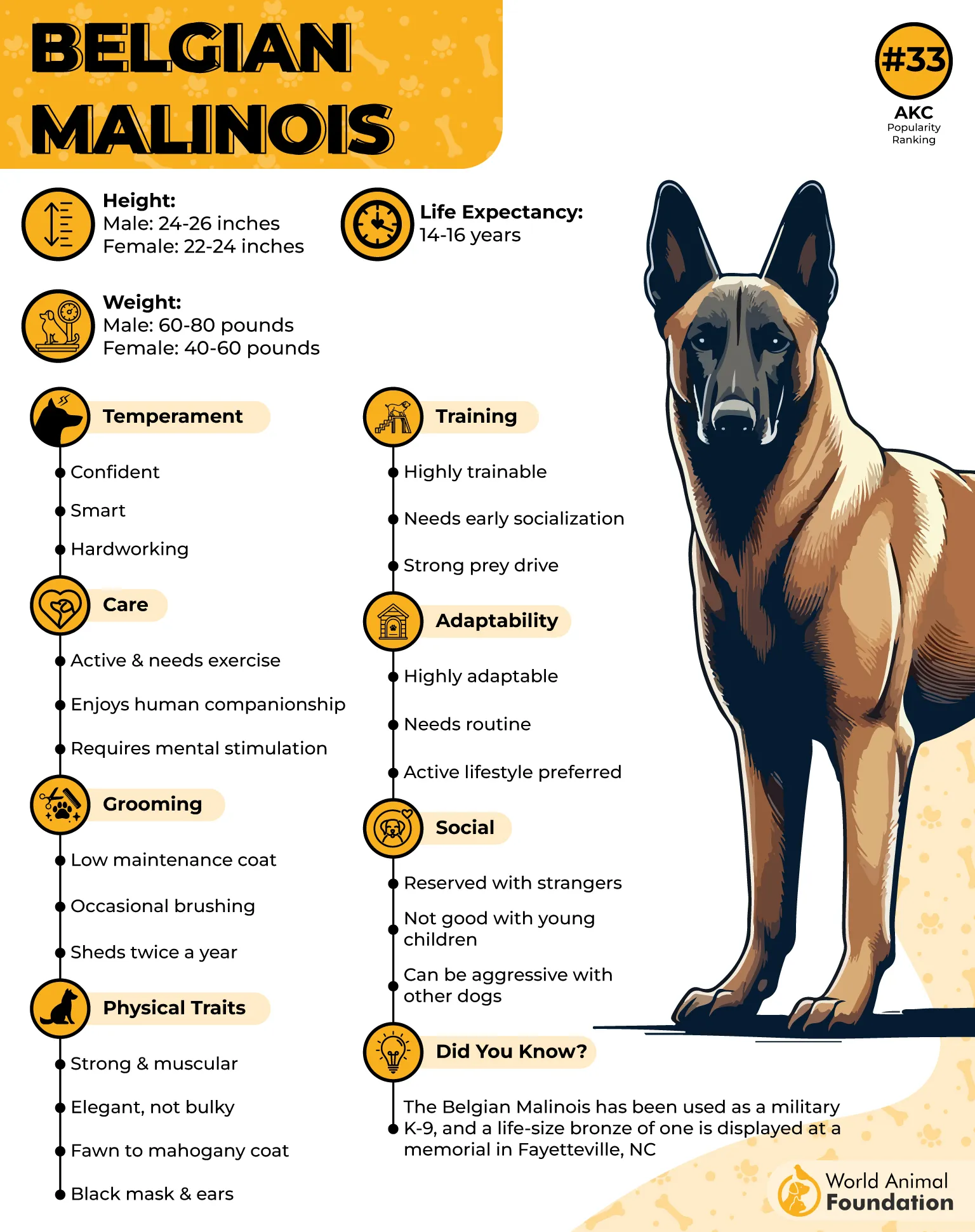
Do you Know? Belgian Malinois share a close resemblance with German Shepherds, but are slightly shorter and lighter than GSDs.
Coat & Maintenance
Australian Cattle Dogs and Belgian Malinois both breeds have a weather-resistant and waterproof double coat. Their coats keep them warm even in freezing temperatures. However, the two breeds sport different coat colors and textures.
The two-layered coat of Australian Cattle Dogs comprises a short and dense undercoat and a straight outercoat. Typically, there are two color variations: blue and red speckled.
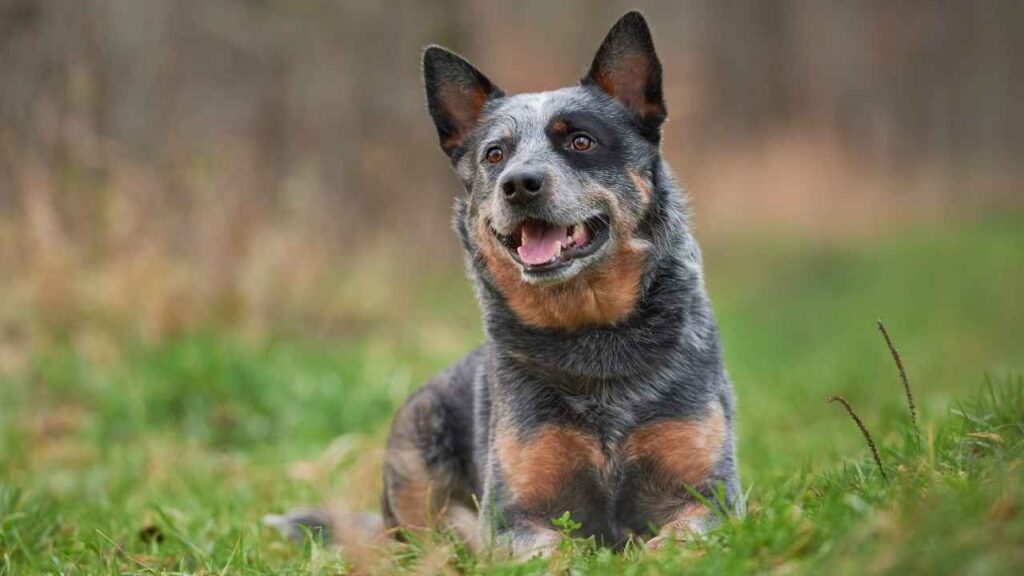
Fun Fact: ACD puppies are born with an all-white coat. The fur gets its distinct color as the dog reaches the age of 4 to 6 weeks.
Australian Cattle Dogs are naturally clean with negligible doggy odor. They require only weekly brushing and occasional baths to keep looking good. However, the American Kennel Club recommends frequent brushing during shedding season to get rid of loose hair.
Like Australian Cattle Dogs, Belgian Malinois also have a short coat. Coat color can be fawn or mahogany. Their coat is very easy to maintain. Only weekly brushing, using a medium bristle brush or a hound glove, is required to keep it looking its best.
Brushing helps distribute natural oils and remove dead hair. Mals do shed twice a year. A daily session with a slicker brush is helpful during shedding season.
Energy Levels & Activity Needs
Australian Cattle Dogs and Belgian Malinois are both active, athletic, and high-energy dogs. However, Mals are slightly more energetic.
Australian Cattle Dogs require a high degree of aerobic exercise to burn off excess energy. They do best with sessions of running, jogging, frisbee, or fetch. PDSA recommends two hours of daily exercise for their physical and mental stimulation.
Australian Cattle Dogs also excel at a variety of dog sports like obedience training and agility courses. While working on a farm, they use their energy to herd cattle.
Having bundles of energy, Belgian Malinois are not the dogs for couch potatoes. Only a few daily walks would not suffice for them. A high degree of aerobic exercise, such as a five-mile run every morning, would provide them with adequate physical and mental enrichment.
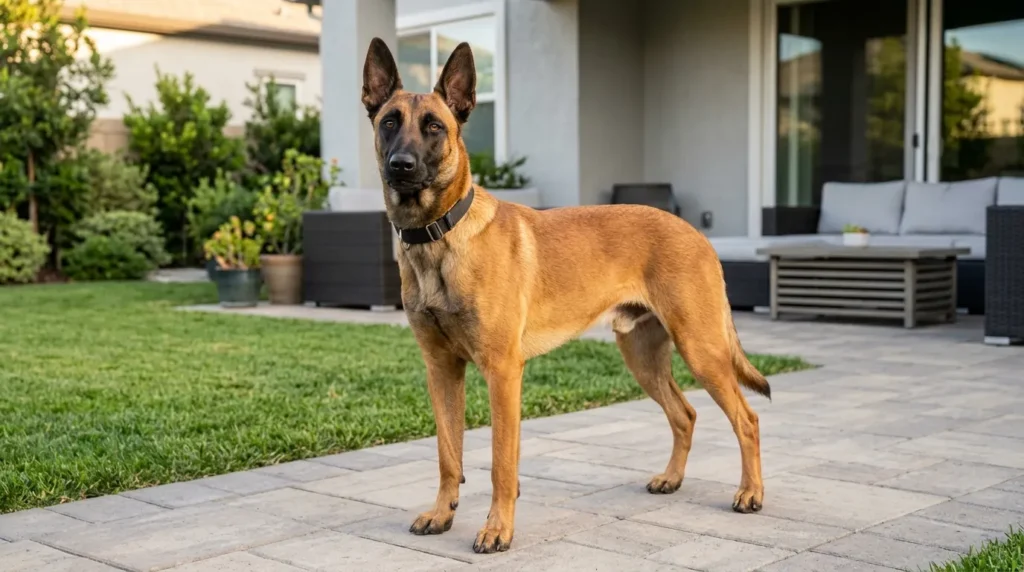
Mals require more than two hours of vigorous physical activity, which can be split into various sessions. They make excellent running, hiking, and biking companions. Mals also excel at a variety of dog sports like agility, herding, tracking, and obedience.
Temperament & Personality
Both Australian Cattle Dogs and Belgian Malinois are intensely loyal dogs with an alert nature. Since both were bred as herding dogs, they do have some behavioral traits in common. However, some major differences set the two breeds apart.
Australian Cattle Dogs are tremendously intelligent and hardworking dogs. They form strong bonds with their humans, but tend to be wary of strangers. Australian Cattle Dogs are generally friendly and have an eager-to-please nature, according to PetMD.
These courageous dogs are strong-willed and selective while making new friends. ACDs are more family-oriented and kid-friendly compared to Malinois.
They are called ‘heelers’ because they nip at the heels of animals and small children, a trait highly reflective of their herding origin. It makes them unsuitable for homes with smaller kids.
Belgian Malinois are also unwaveringly loyal and highly devoted to their people. They form strong bonds preferably with one person in the family.
They are not the type of dogs that can be left alone in the backyard to entertain themselves. Mals love spending time with their humans. However, they are not as friendly as Australian Cattle Dogs.
Intelligence & Trainability
Having a high degree of intelligence, Australian Cattle Dogs are the real problem-solvers. They were bred to make independent decisions without human help, and this independence is still reflected in their behavior.
Australian Cattle Dogs are very intelligent dogs with an eager-to-please nature. They love learning new tricks. They are highly trainable, but have a stubborn personality. That is why they may require a firm and consistent trainer.
Belgian Malinois also ranks in the top tier of canine intelligence. Their sharp minds enable them to learn new commands in only 5 to 15 repetitions. It means that Mals are also highly trainable, like ACDs.
Like most herding dogs, Mals are highly interested in chasing moving objects. Proper training is required to turn Mals into well-mannered family pets. Belgian Malinois possess strong protective instincts, so a lack of proper socialization can sometimes lead to aggressive behavior.
Health & Lifespan
Australian Cattle Dogs and Belgian Malinois are typically healthy dogs, but they have different life spans. Both breeds are also prone to certain health problems.
Australian Cattle Dogs have an average life expectancy of 12 to 16 years. These generally hardy pups are predisposed to certain health issues in life. ACDs may develop eye problems, deafness, and orthopedic issues like hip dysplasia.
Belgian Malinois also have a lifespan of around 14 to 16 years. Compared to many other breeds, they are not prone to many health problems. However, Mals can suffer from hip and elbow dysplasia, progressive retinal atrophy, and cataracts.
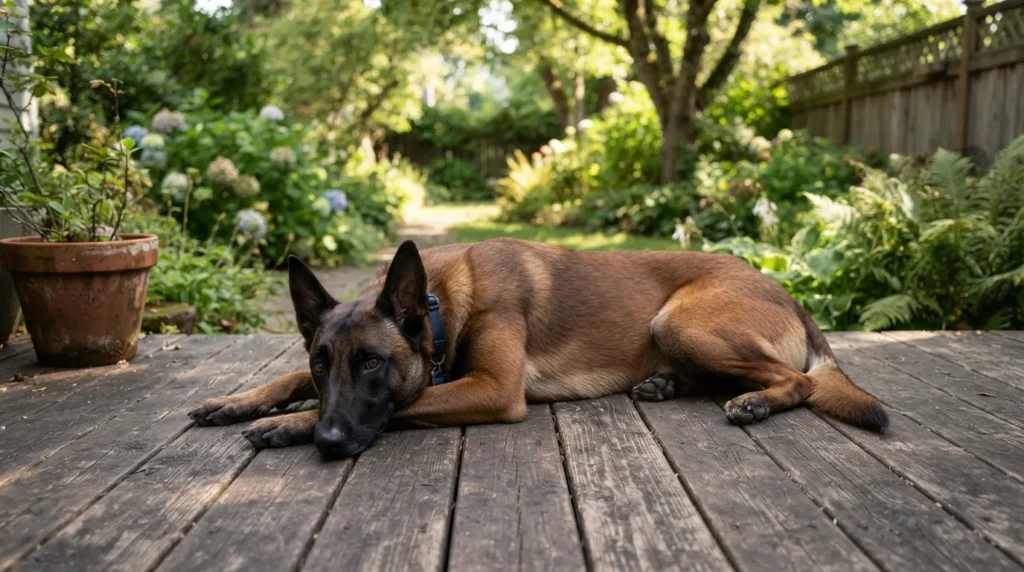
Purchasing the dog from a reputable breeder can significantly reduce the risk of such problems. Regular exercise and a healthy lifestyle can also increase your dog’s life expectancy.
Work Drive & Purpose
Both Australian Cattle Dogs and Belgian Malinois love having a job. However, Belgian Malinois have a relatively stronger work drive.
Australian Cattle Dogs primarily focus on moving and herding targets. Their higher endurance enables them to herd cattle tirelessly for long hours. On the other hand, Mals are known for their stronger protective instincts. They are more powerful than Australian Cattle Dogs and excel as guard dogs.
Working Roles & Lifestyle Fit
Given the difference in their working drive, both breeds are better suited for different tasks. Australian Cattle Dogs excel at herding, chasing, and moving cattle. They have stronger herding instincts compared to the Belgian Malinois. ACDs make good service dogs as well.
These versatile dogs make excellent farm and ranch dogs. So, they are well-suited for owners who live in rural areas or prefer country life.
Belgian Malinois, on the other hand, are better suited for protection roles. Thanks to their strong protective instincts and territorial nature, they make excellent guard dogs. Their keen senses and sharp minds enable them to excel as police dogs, military dogs, and search-and-rescue dogs.
Conclusion
Australian Cattle Dogs and Belgian Malinois, both were originally bred as herding dogs. They are highly intelligent, energetic, and athletic dogs. Mals are slightly larger in size than ACDs and can be fawn or mahogany in color. ACDs can have red or blue coats.
Mals require relatively more exercise than Australian Cattle Dogs. Both breeds are generally healthy, having a lifespan of up to 16 years. If you are looking for a better farm dog, adopt an ACD, and if you want an outclass guard dog, bring a Belgian Malinois home.
