




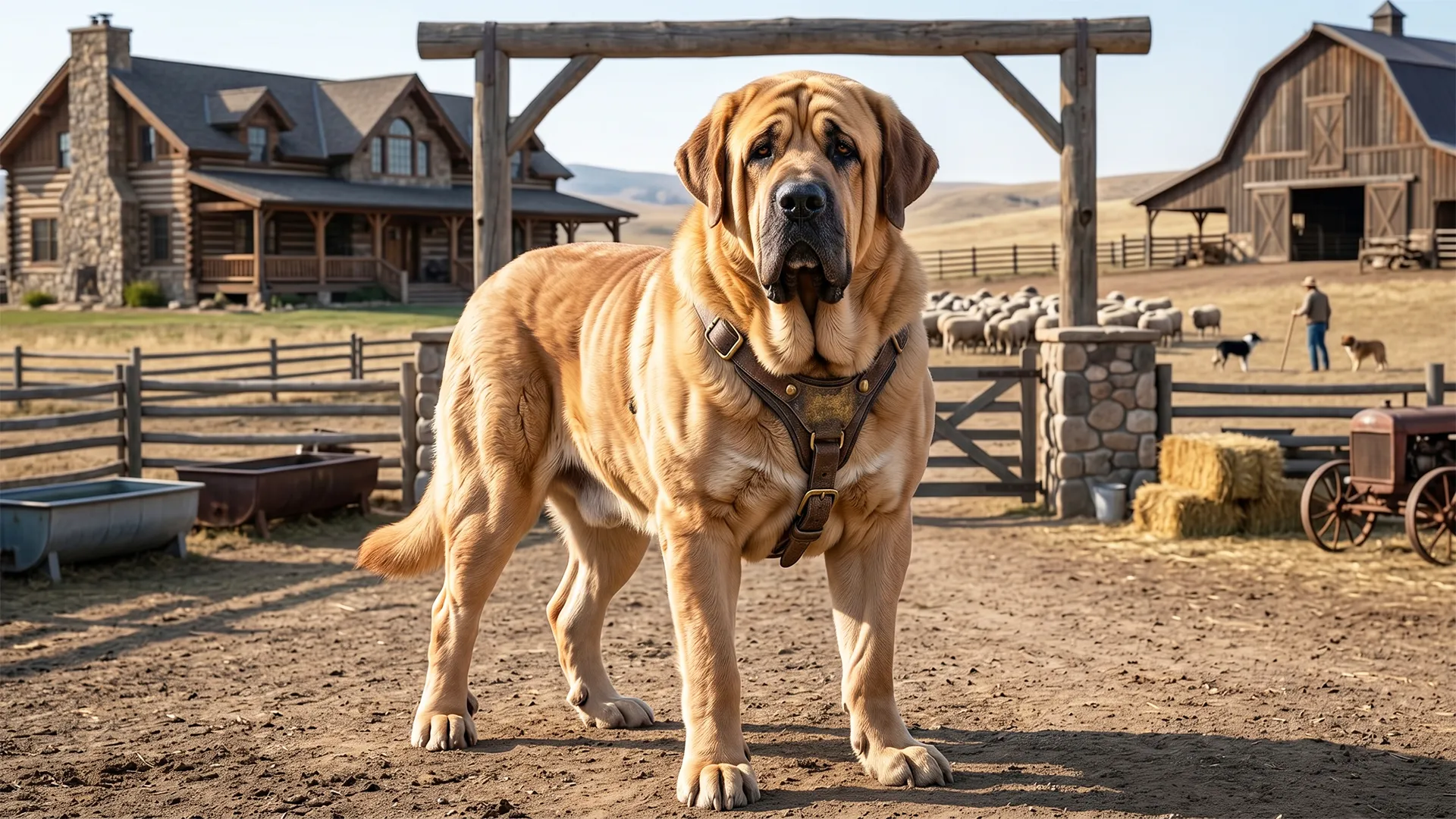
What if the strongest working dogs… aren’t the biggest ones on the ranch?
Sounds strange.
Because when people think of ranch dogs, they picture pure muscle.
Huge bodies.
Loud barks.
Wild energy.
But real ranch work?
It’s not just about strength.
It’s about endurance.
Focus.
Instinct.
A truly great herding dog can move stubborn cattle with just a stare…
Protect livestock without panic…
And work for HOURS without slowing down.
That’s the difference.
Some dogs look powerful.
Others are built for the job.
The best ranch and herding dogs don’t just chase animals around fields.
They protect.
Guide.
Think.
And sometimes… they make impossible jobs look easy.
In this article, we’ll explore the Top 9 Robust Dog Breeds for Ranch and Herding Duties — hardworking breeds known for their intelligence, stamina, loyalty, and unmatched work ethic.
Top Robust Dog Breeds for Ranch and Herding Duties
1. Anatolian Shepherd Dog
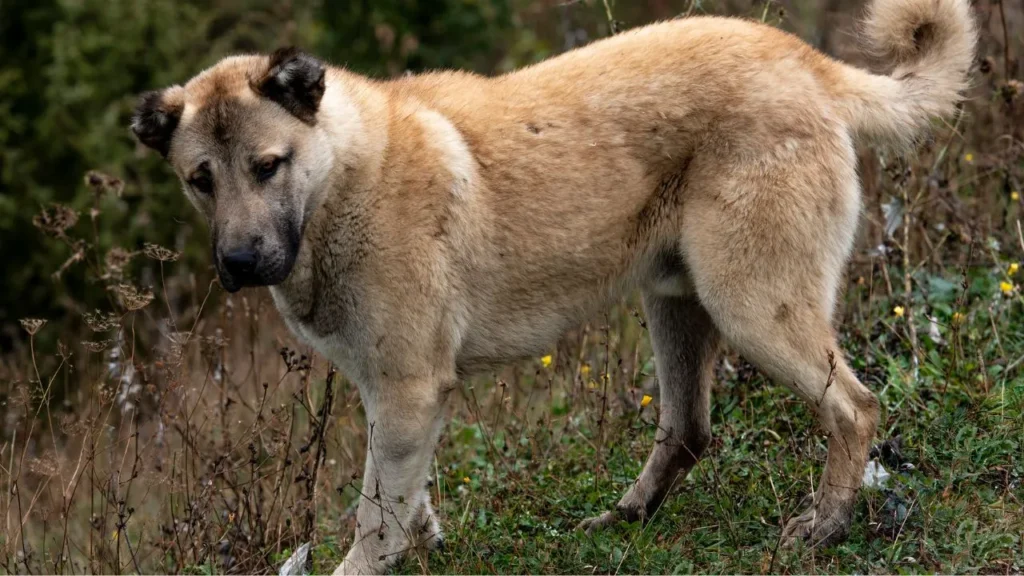
The Anatolian Shepherd Dog was built for one of the toughest jobs on any ranch: standing alone against predators, as mentioned by the AKC.
Originally developed thousands of years ago in the harsh regions of Turkey, this powerful livestock protector is known for herding sheep and goats from wolves, jackals, and even bears without waiting for human direction.
Its massive frame, muscular build, and incredible endurance allow it to patrol large properties for hours across rough terrain and extreme weather conditions.
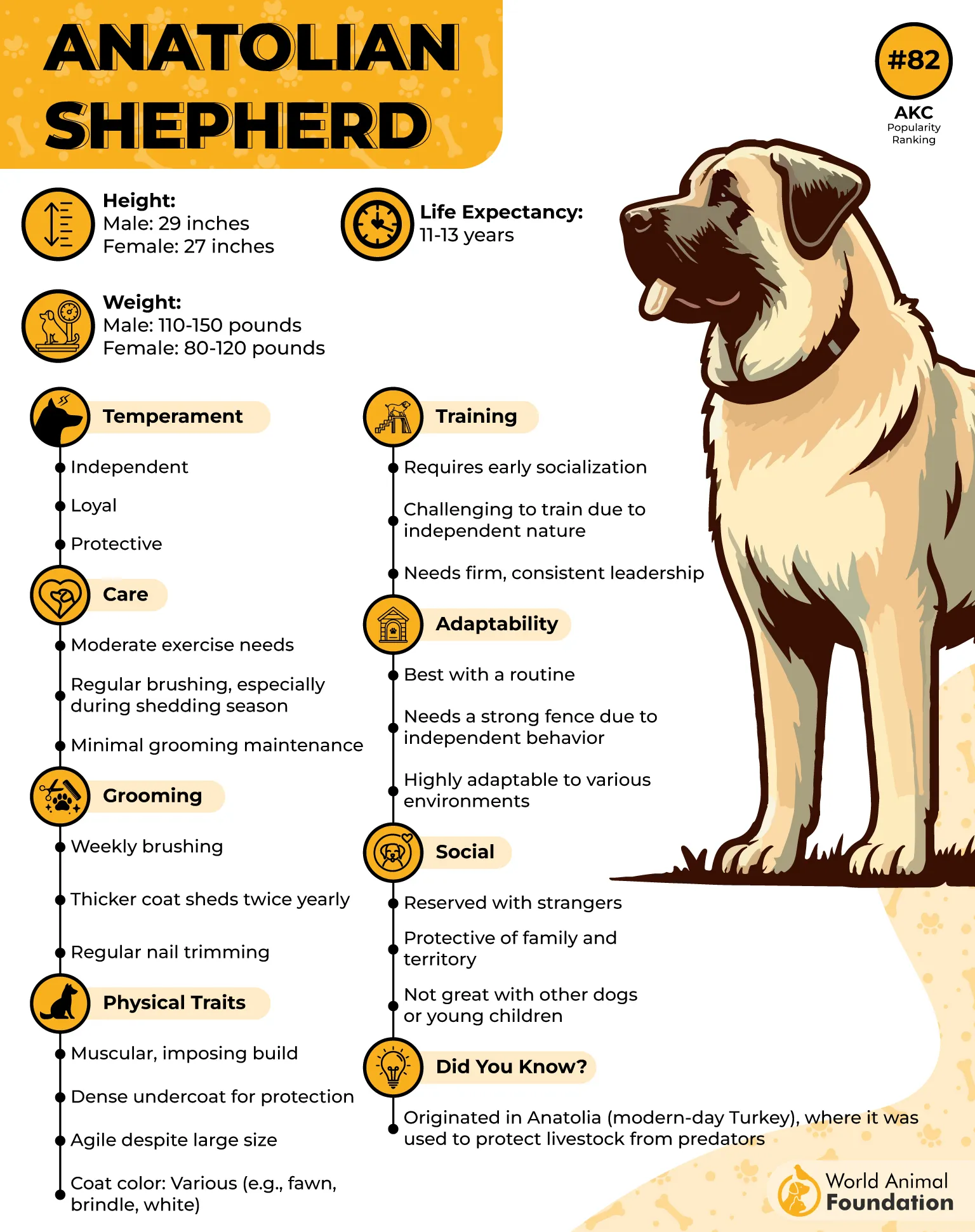
Unlike fast-moving herding breeds that constantly guide livestock, the Anatolian watches quietly from a distance, stepping in only when danger appears.
Anatolian Shepherds are known for their independent nature and exceptional ability to manage livestock, making them perfect farm dogs and effective guardians against predators.
Ranchers value this calm decision-making because the breed does not waste energy or react without reason.
One remarkable ability of the Anatolian is its habit of forming deep bonds with the exact animals it protects, often sleeping among the flock and treating them like family.
Loyal and highly alert, this breed thrives with experienced owners who can handle its strong protective instincts and independent nature.
2. Bouvier Des Flandres
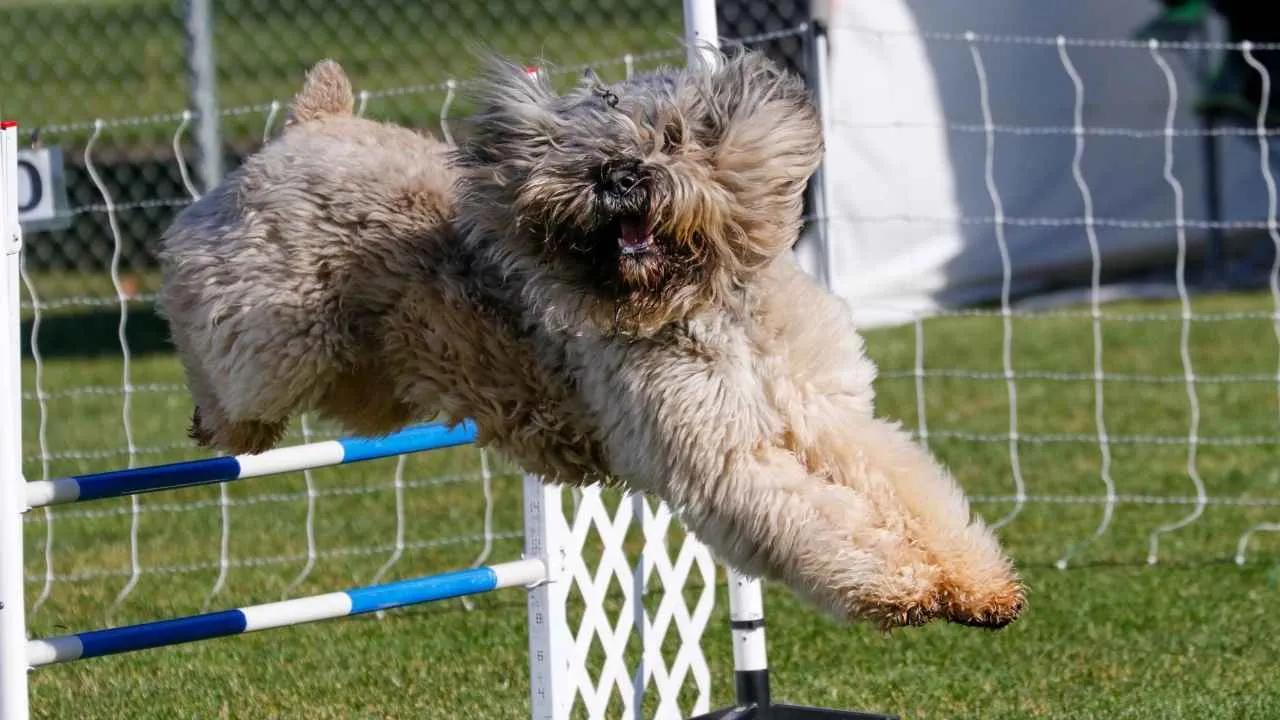
The Bouvier des Flandres earned its reputation on the farms of Belgium, where it handled some of the hardest daily ranch work.
This sturdy herding breed was originally used to herd cattle through muddy fields and pull heavy carts loaded with milk cans between farms and markets.
Its powerful frame, thick muscles, and steady temperament made it dependable during long workdays in rough weather. One thing that sets the Bouvier apart is its ability to switch from calm family companion to serious working dog the moment livestock starts moving.
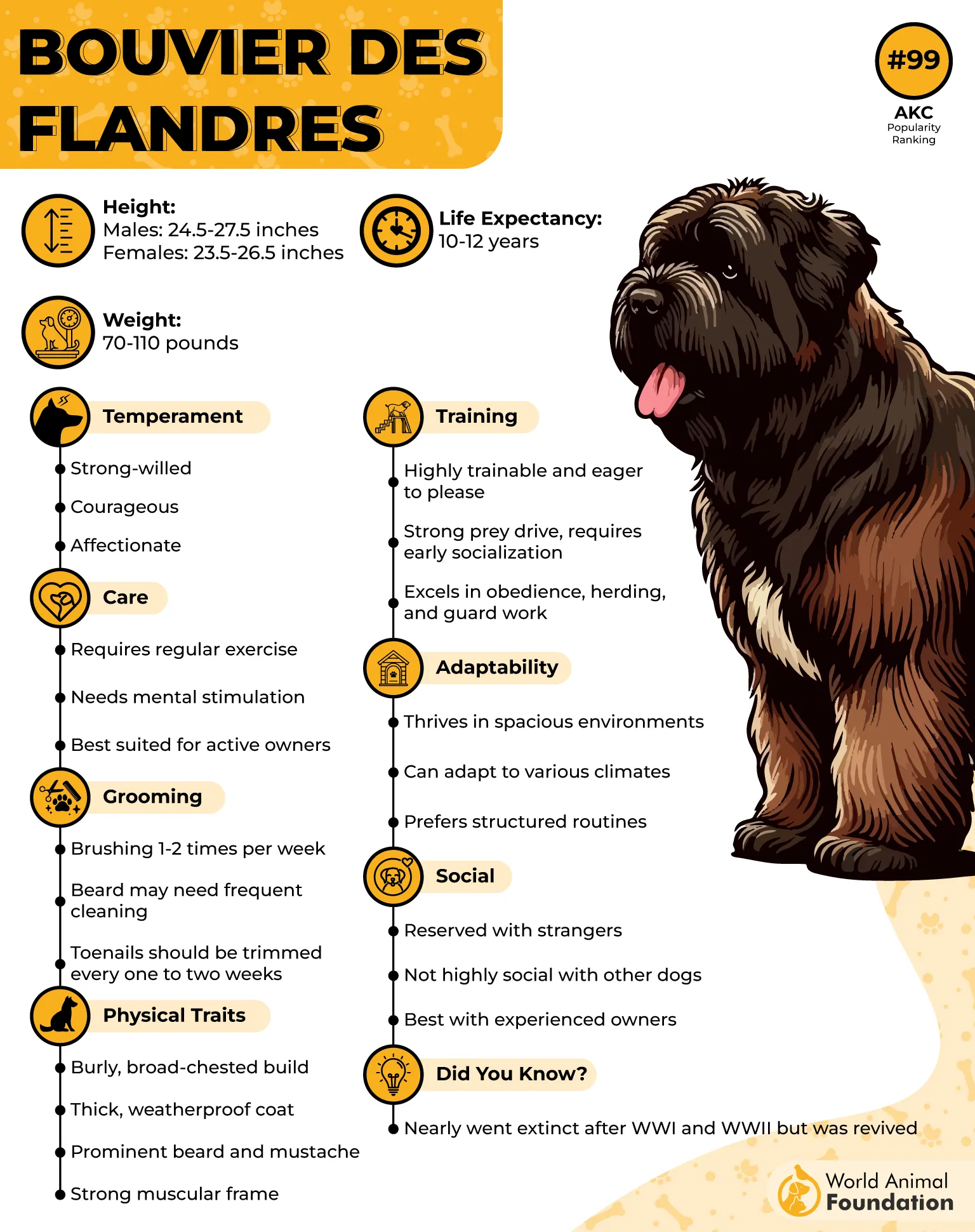
Ranchers appreciate how confidently this breed controls stubborn cattle without unnecessary aggression.
The Bouvier’s rough double coat also provides strong protection against rain, wind, and cold conditions, allowing it to stay active outdoors for hours.
Because of its sharp mind and natural problem-solving skills, this farm dog breed performs best when given structured tasks instead of idle time.
Daily exercise and consistent training are essential, especially on active farms where the dog is expected to herd, patrol property, and stay focused around larger animals.
3. Bergamasco Sheepdog
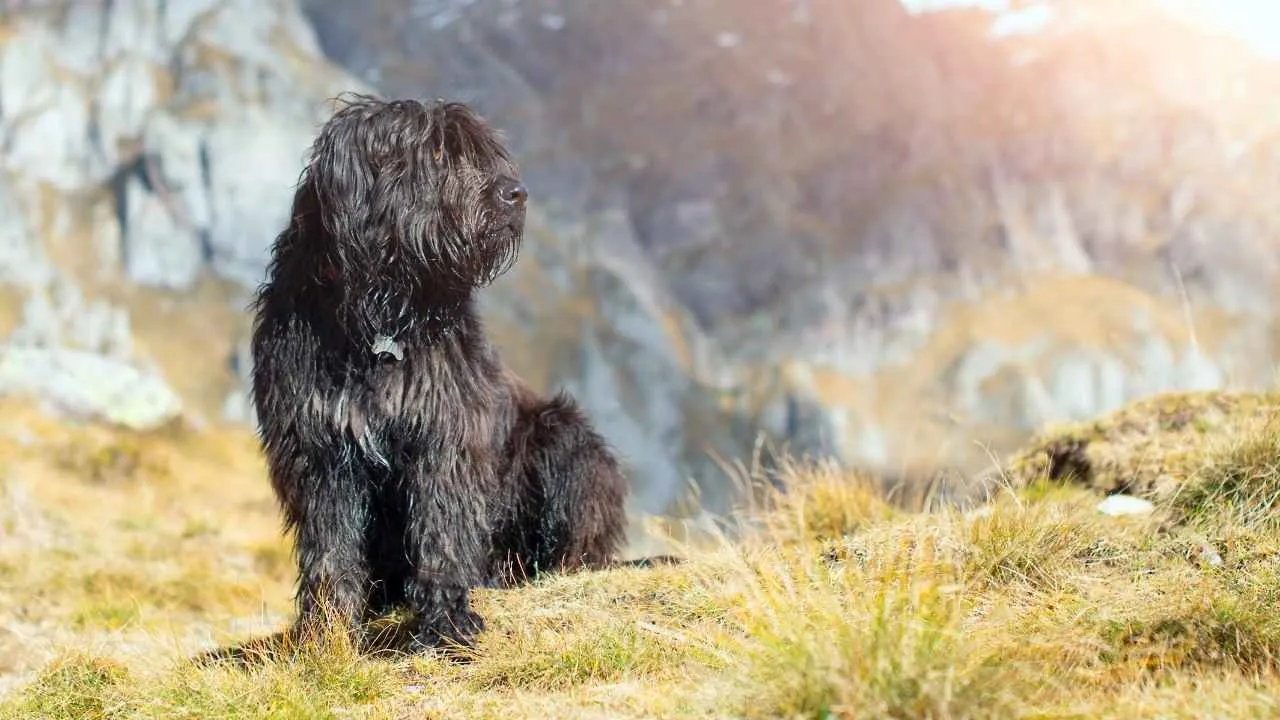
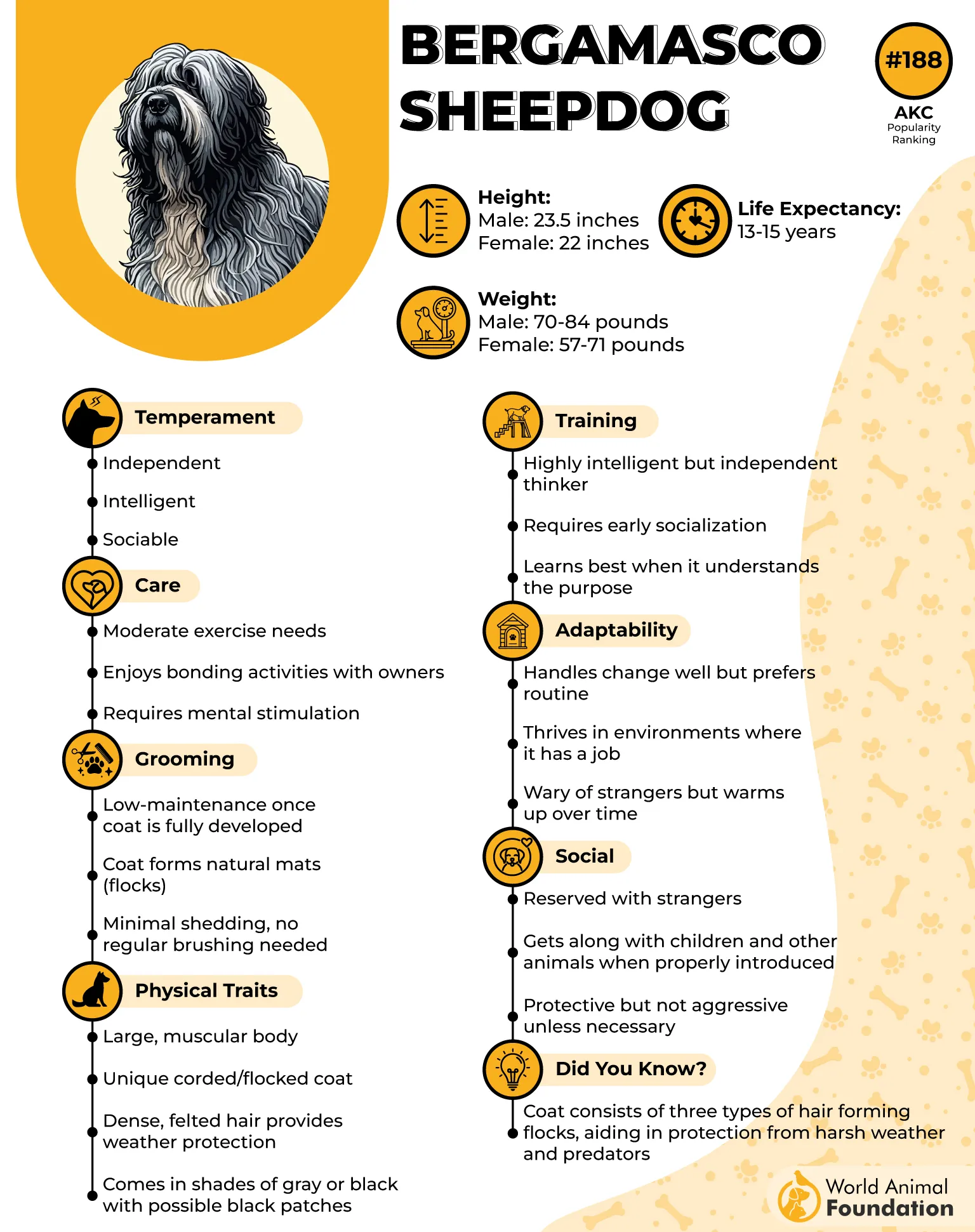
The Bergamasco Sheepdog is a hardworking mountain herder developed in the Italian Alps, where farmers relied on it to manage sheep across rocky terrain and freezing weather.
This breed is best known for its unusual coat made of naturally formed mats called flocks, which act like built-in insulation against snow, rain, and sharp mountain winds.
Unlike many herding dogs that constantly circle livestock, the Bergamasco works with a calm and thoughtful approach, carefully watching the flock and reacting only when needed.
Shepherds valued this steady temperament because it reduced stress among animals during long grazing days.
The breed’s strong memory and problem-solving ability also allowed it to work independently in remote areas without constant commands.
Around farms, Bergamascos are patient with children and highly devoted to the people and animals under their care. They are naturally cautious with strangers, making them reliable property guardians without being unnecessarily aggressive.
Their rare coat requires surprisingly little maintenance once mature, and it also helps protect them from predator bites while working in isolated mountain pastures.
4. Spanish Mastiff
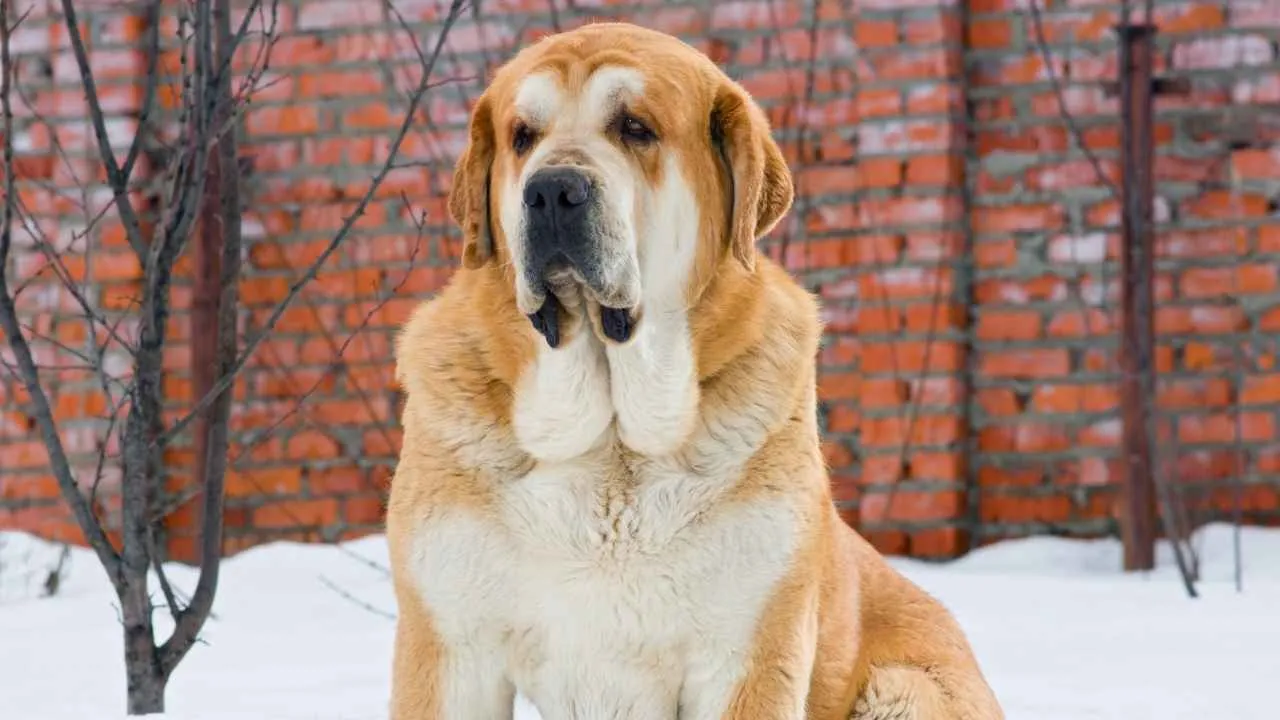
The Spanish Mastiff has guarded livestock across the open countryside of Spain for centuries, earning a reputation as one of the most dependable flock protectors in Europe.
Bred to travel alongside migrating sheep, this massive dog was trusted to defend entire herds from wolves during long seasonal journeys through isolated mountain routes.
Its enormous size, heavy bone structure, and calm confidence allowed it to confront predators without panic.
One fully grown Spanish Mastiff was often capable of watching over dozens of sheep alone, making it especially valuable to shepherds managing large flocks.
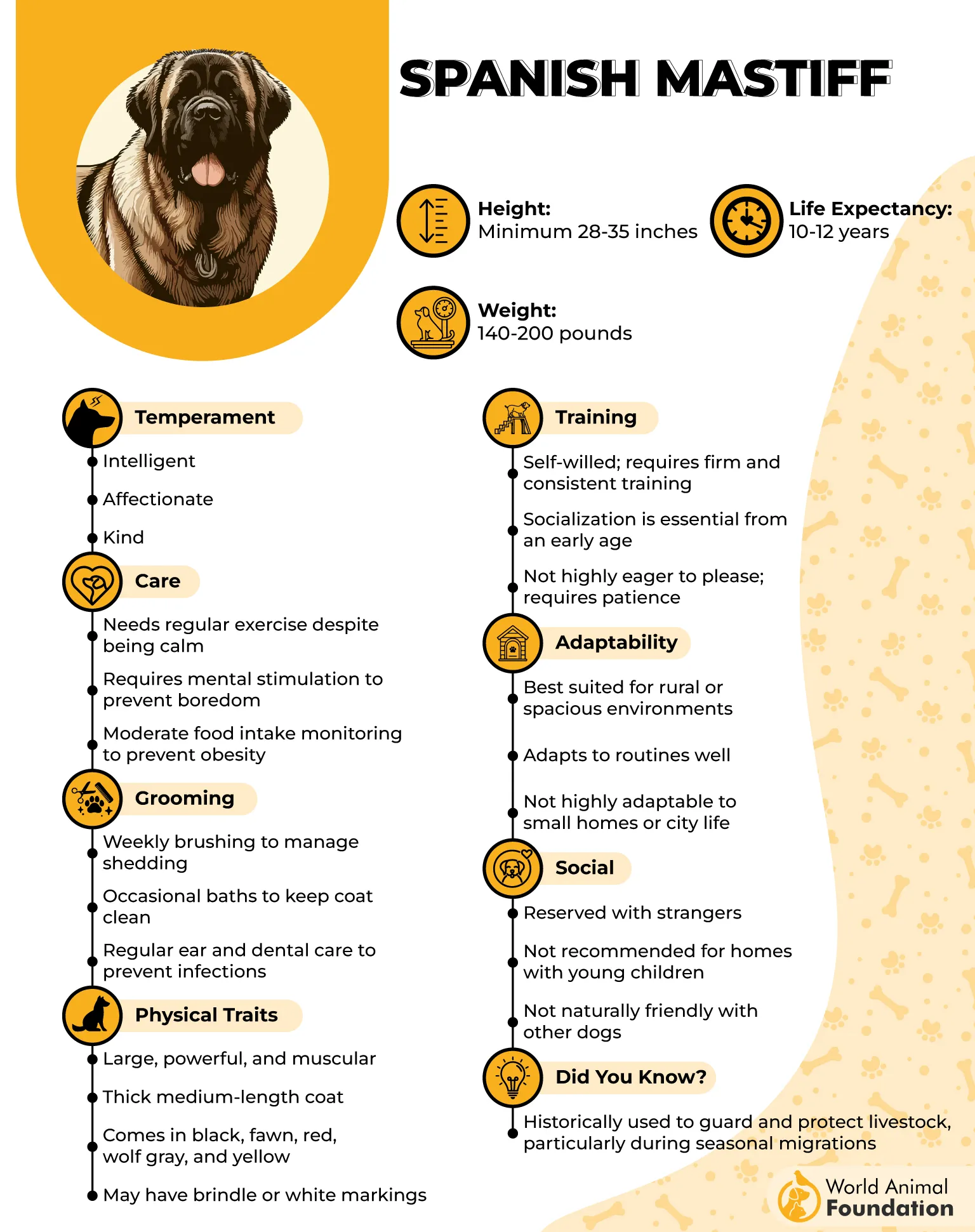
Unlike fast-moving herding breeds that constantly direct animals, this dog patrols quietly and reacts only when it senses genuine danger nearby. Its deep, booming bark can carry across wide grazing fields, warning both predators and strangers to stay away.
Around family members and familiar animals, the breed is typically patient and a gentle giant, but early training is important because of its strong independent nature.
Even with its calm personality, the Spanish Mastiff remains alert at all times, especially during nighttime livestock duty.
5. Maremma Sheepdog
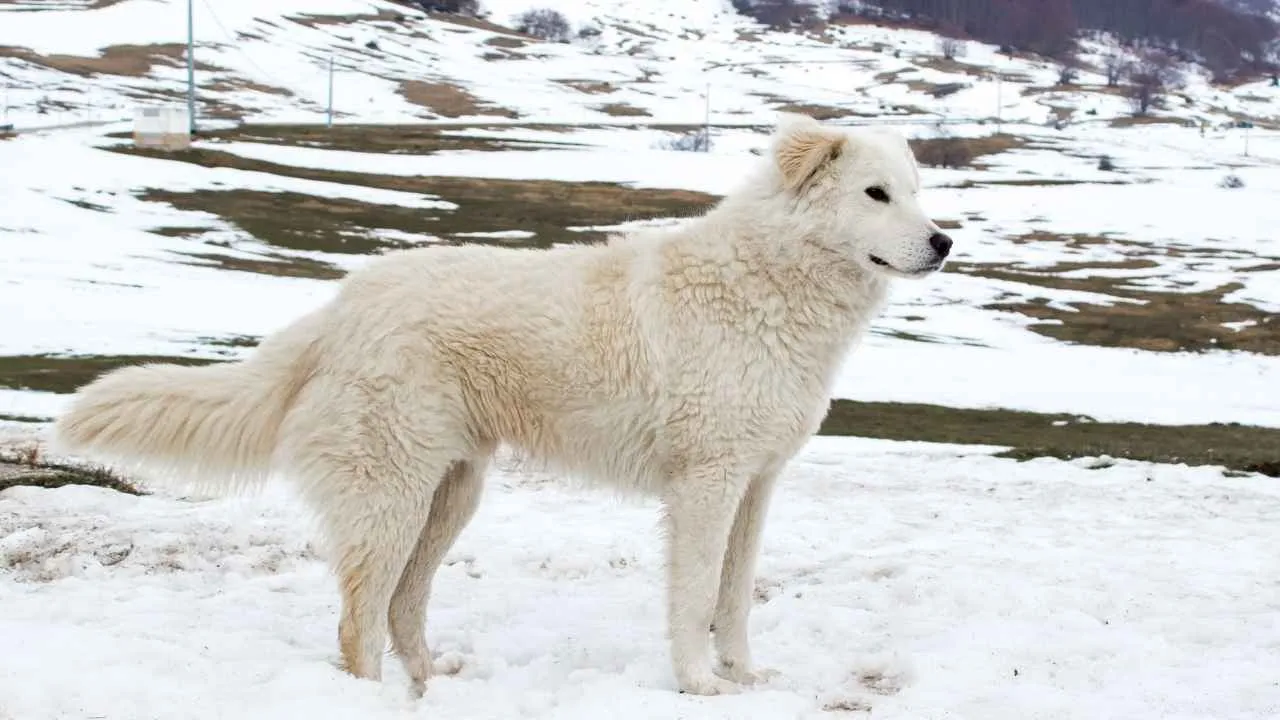
The Maremma Sheepdog is an ancient Italian livestock guardian developed to protect sheep in the rugged hills and open pastures of central Italy, as noted by Hills Pets.
For centuries, shepherds relied on this fearless breed to stand between their flocks and predators such as wolves, often during overnight grazing far from human settlements.
The Maremma is known for its calm confidence and strong protective and herding instincts, making it highly dependable around vulnerable farm animals.
Unlike many working dogs that wait for commands, this breed constantly surveys its surroundings and makes decisions on its own when trouble appears.
Farmers still use Maremmas today to guard not only sheep, but also chickens, goats, geese, and even llamas.
One remarkable quality of the breed is its ability to bond closely with whichever animals it grows up protecting, treating them as members of its own group. Its thick white coat helps it blend naturally with sheep while also protecting against harsh weather.
Though not overly energetic, the Maremma needs meaningful work and open space, as boredom can quickly lead to stubborn and restless behavior.
6. Icelandic Sheepdog
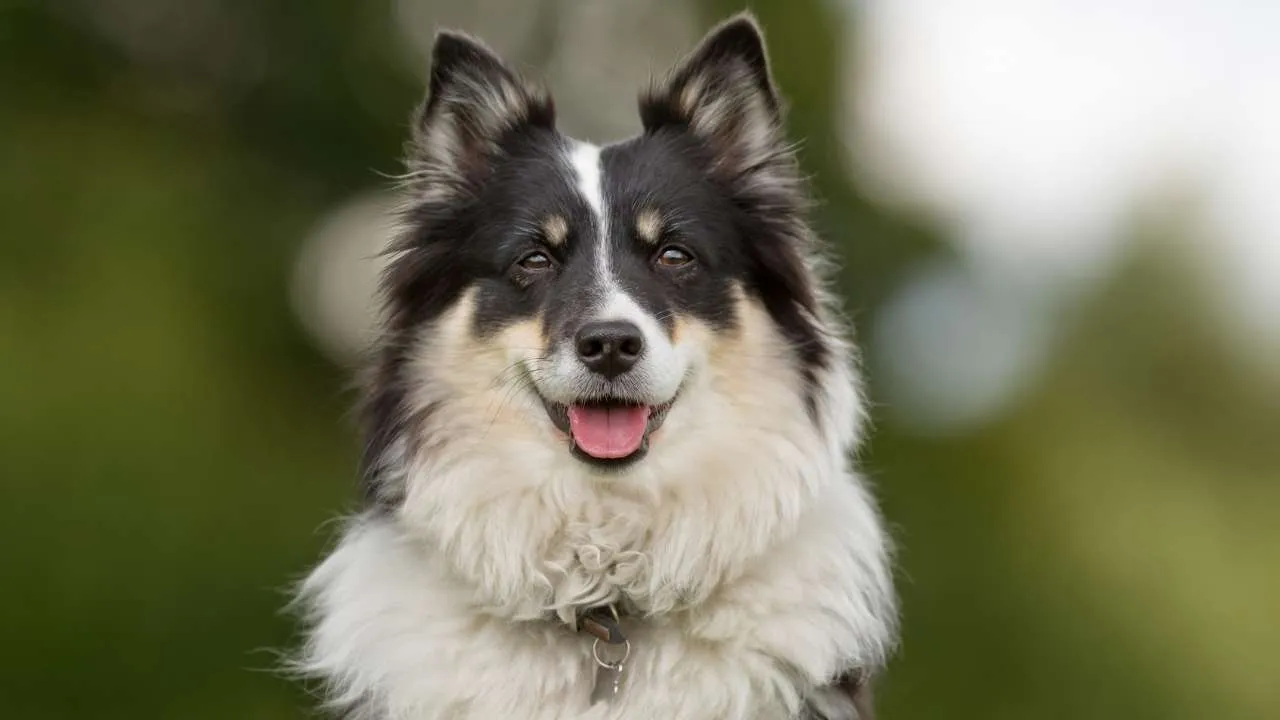
The Icelandic Sheepdog may be smaller than many ranch breeds, but it has been an essential farm helper in Iceland for centuries.
Developed by Viking settlers, this hardy herding dog was used to gather sheep across steep volcanic landscapes, rocky hills, and freezing weather conditions where larger dogs often struggled to move quickly.
Its thick double coat protects it from cold winds and heavy rain, allowing it to work comfortably outdoors for long hours.
Farmers valued the breed for its agility and cheerful attitude, especially when moving stubborn sheep through narrow mountain paths.
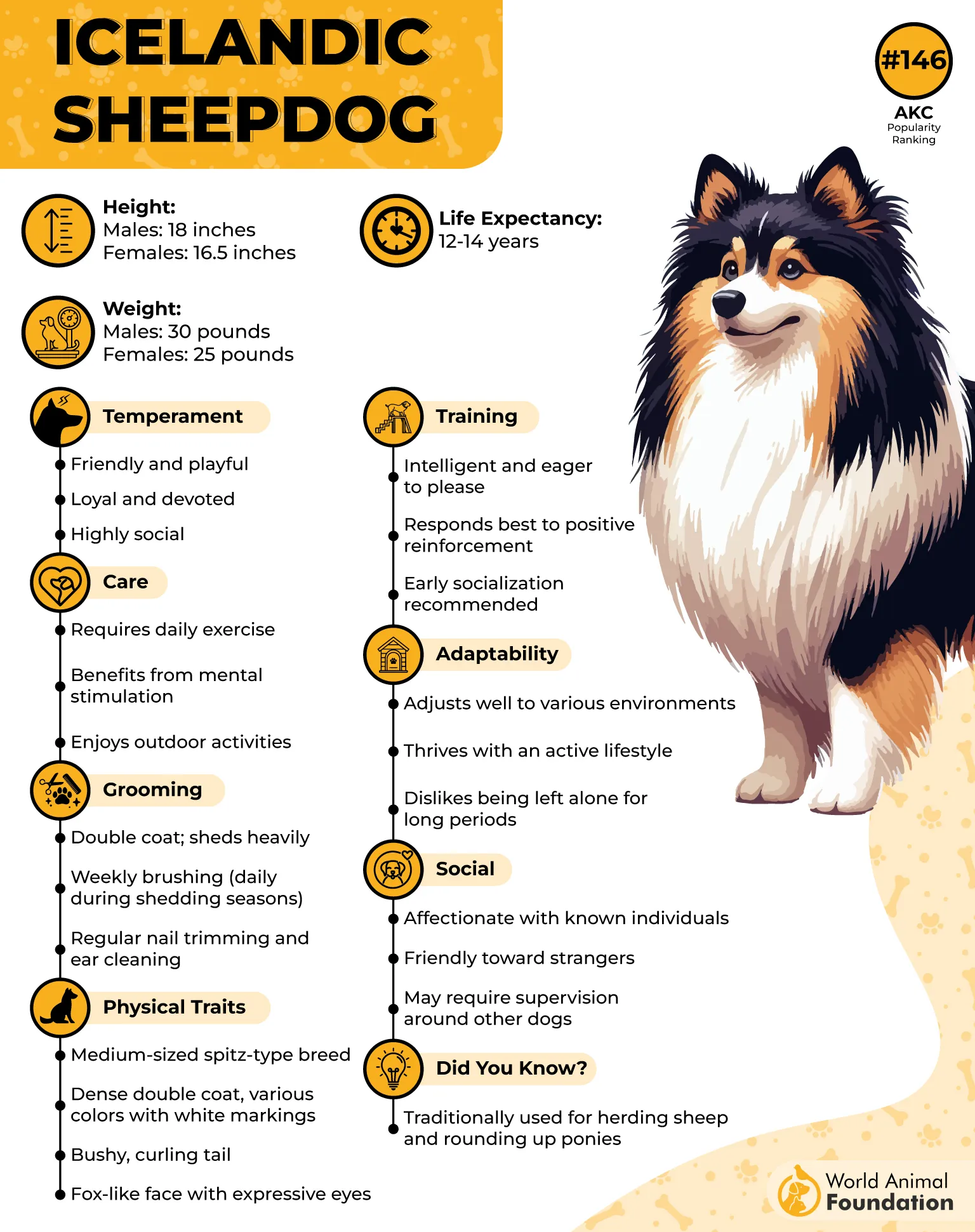
One unusual habit of the Icelandic Sheepdog is its tendency to bark while herding, helping shepherds locate livestock even in foggy or low-visibility conditions.
Unlike more independent guardian breeds, this dog prefers working closely with people and responds eagerly to guidance during daily farm tasks.
Intelligent and quick to learn, it adapts well to herding, property patrol, and general livestock management.
Despite its energetic nature, the breed is affectionate with families and thrives when included in regular activity instead of being left alone for long periods.
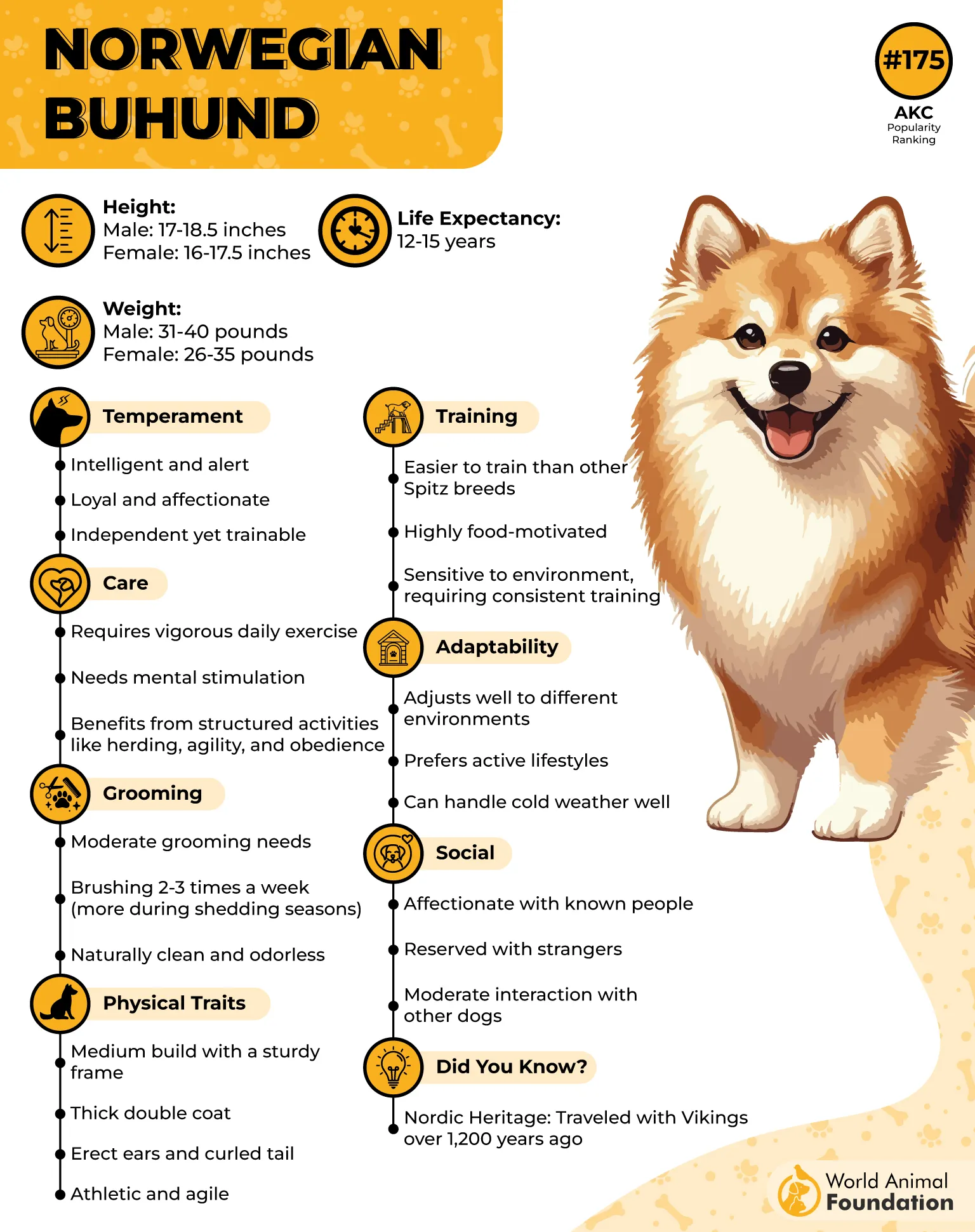
7. Norwegian Buhund
The Norwegian Buhund is a tough and energetic farm dog that has worked alongside Scandinavian farmers since the time of the Vikings, as noted by Purina.
Originally used to herd livestock, guard homesteads, and help manage daily farm chores, this compact spitz breed earned a reputation for being reliable in harsh northern climates.
Archaeological discoveries from Viking burial sites even uncovered spitz-type dogs closely resembling today’s Buhund, showing how deeply connected the breed is to rural Nordic life.
Its thick weather-resistant coat protects it during cold winters, while its lightweight body allows it to move quickly across uneven ground and narrow pasture trails.
Farmers appreciate the Buhund’s sharp intelligence and ability to solve problems without constant supervision.
One behavior that stands out is how quickly the breed notices unusual movement or sounds around property lines, often alerting owners long before other animals react.
The Buhund thrives when given structured work such as moving sheep, monitoring barns, or accompanying handlers during long outdoor tasks.
Because of its high energy and active mind, this breed needs proper training, regular exercise, and space to stay balanced and focused.
8. Pyrenean Shepherd
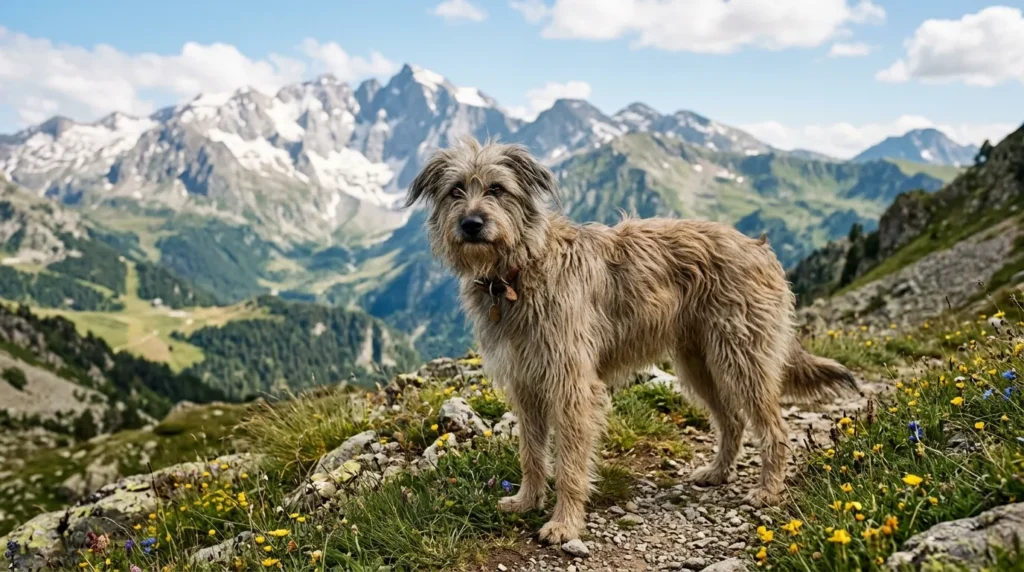
The Pyrenean Shepherd is a fast-moving herding dog developed in the rugged Pyrenees Mountains between France and Spain, where shepherds depended on it to control sheep across steep slopes and narrow mountain passes.
Small in size but incredibly tough, this breed is known for its nonstop energy, sharp reflexes, and ability to react instantly to changing livestock movement.
Unlike many herding breeds that rely heavily on intense staring, the Pyrenean Shepherd often uses quick body movements and physical pressure to guide stubborn animals in the right direction.
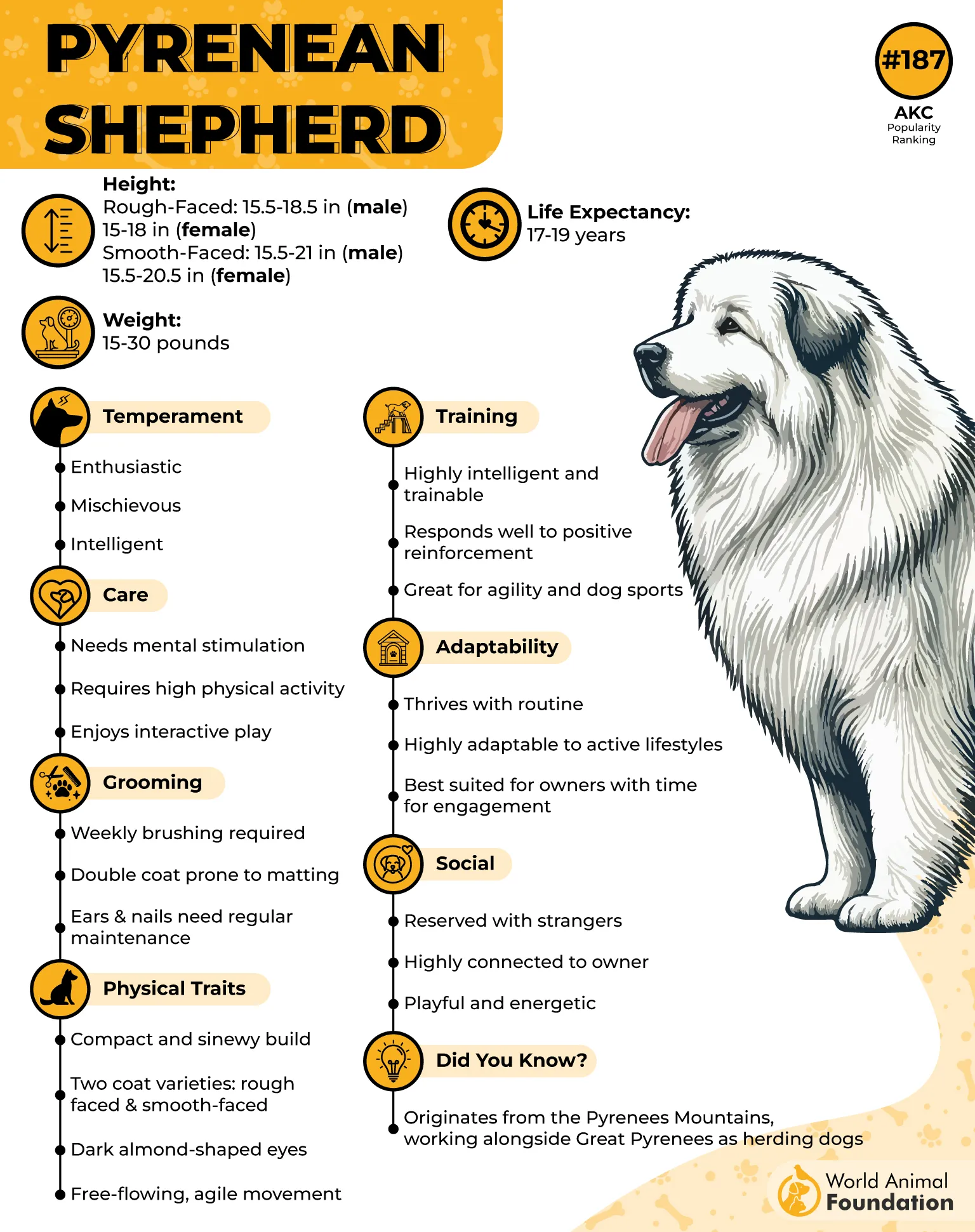
Farmers valued this hands-on herding style when managing restless flocks in difficult terrain. The breed’s lightweight build also allows it to cover large distances without tiring, making it highly efficient during long days outdoors.
Pyrenean Shepherds form extremely close bonds with their handlers and often seem to anticipate commands before they are spoken.
Their alert mind and eagerness to work make them excellent partners for active ranch duties, especially where speed and quick decision-making are important.
Without enough activity or mental challenges, however, this intelligent dog breed can become restless and overly mischievous indoors.
9. Kuvasz
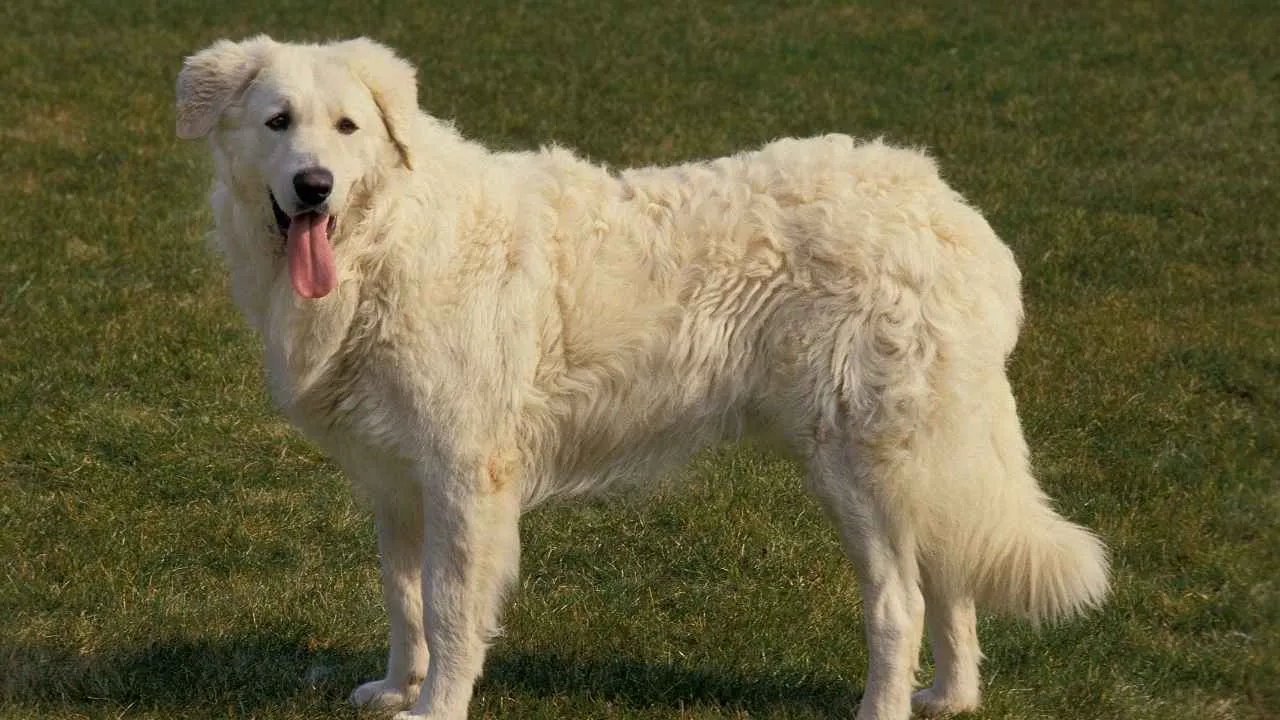
The Kuvasz is a powerful livestock guardian from Hungary, originally bred to protect sheep and cattle across large rural estates.
For generations, farmers relied on this fearless white-coated breed to patrol fields, guard valuable animals, and react quickly to predators without waiting for instructions.
Its strong protective instincts, combined with calm confidence, made it especially effective during nighttime guarding when shepherds could not constantly monitor the flock.
One remarkable advantage of the Kuvasz is its bright white coat, which allows herders to easily distinguish the dog from predators in the dark while also helping it blend naturally among sheep.
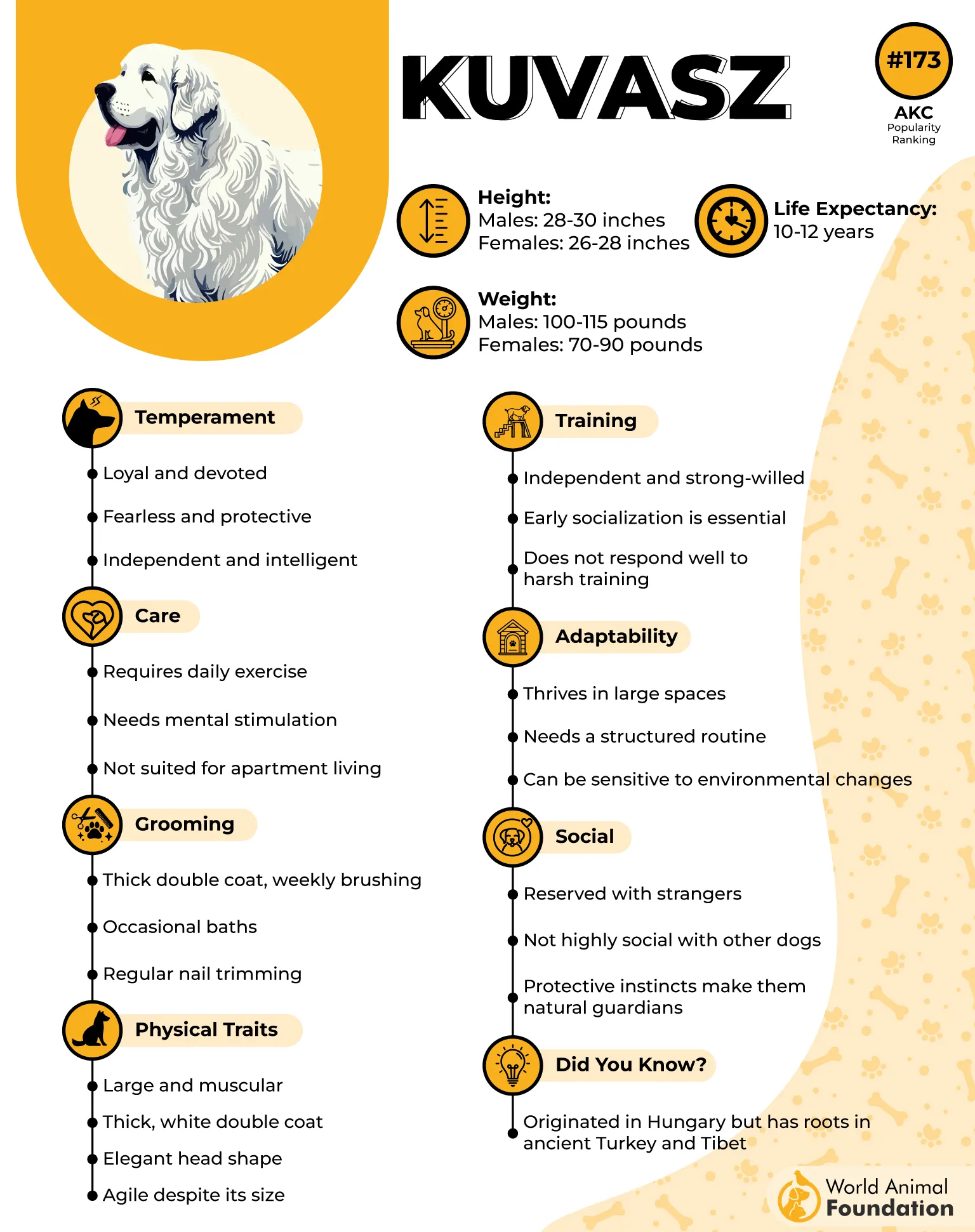
Unlike high-energy herding breeds that constantly move livestock, the Kuvasz prefers to quietly observe its surroundings and step in only when necessary. This independent thinking helped the breed handle large properties with minimal supervision.
Though serious during work, the Kuvasz is often gentle and patient with familiar people and farm animals when properly socialized from an early age.
Because it was bred for demanding outdoor responsibilities, this breed needs regular activity, open space, and meaningful tasks to stay mentally balanced and physically healthy.
Conclusion
These hardworking dogs prove that successful ranch work depends on far more than size or strength alone.
From guarding livestock through freezing nights to guiding stubborn herds across rough terrain, each breed was developed for a specific purpose and environment.
Their intelligence, endurance, loyalty, and instincts make them invaluable partners on farms and ranches around the world. Some excel at protection, others at fast-paced herding, but all share an unmatched dedication to their work.
Choosing the right working dog ultimately depends on the type of livestock, land conditions, and daily responsibilities involved in ranch life.
