




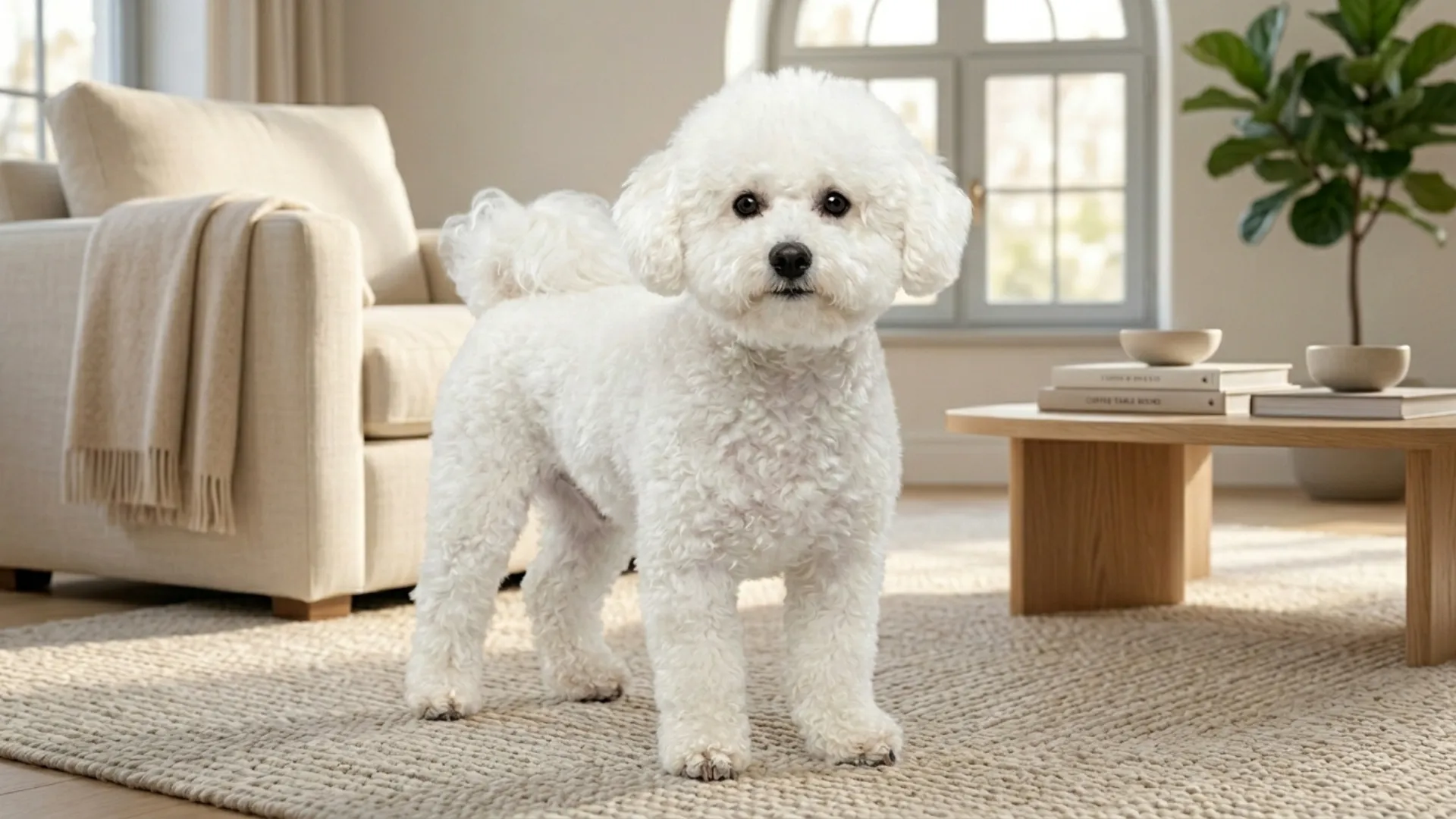
Becoming a new pet parent is often compared to raising a child, but dog ownership comes with its own unique learning curve. Unlike a baby, where trial and error is part of the process, bringing a dog into your home requires careful preparation and understanding from day one.
Owning a dog isn’t just about playtime and cuddles. It comes with responsibilities, challenges, and long-term commitments that every new dog parent should be aware of. Without proper planning, even well-intentioned owners can face frustration, behavioral issues, or mismatched expectations.
Every dog breed has its own personality, energy levels, and care requirements. Choosing the wrong breed, or underestimating its needs, can lead to stress for both the dog and the owner.
In this guide, we provide a realistic overview for first-time dog owners, explore popular breeds in detail, and highlight crucial insights that are often overlooked but essential for a smooth and happy start to life with your new furry companion.
Wonderful Dog Breeds Ideal for First-Time Dog Owners
1. Cavalier King Charles Spaniel
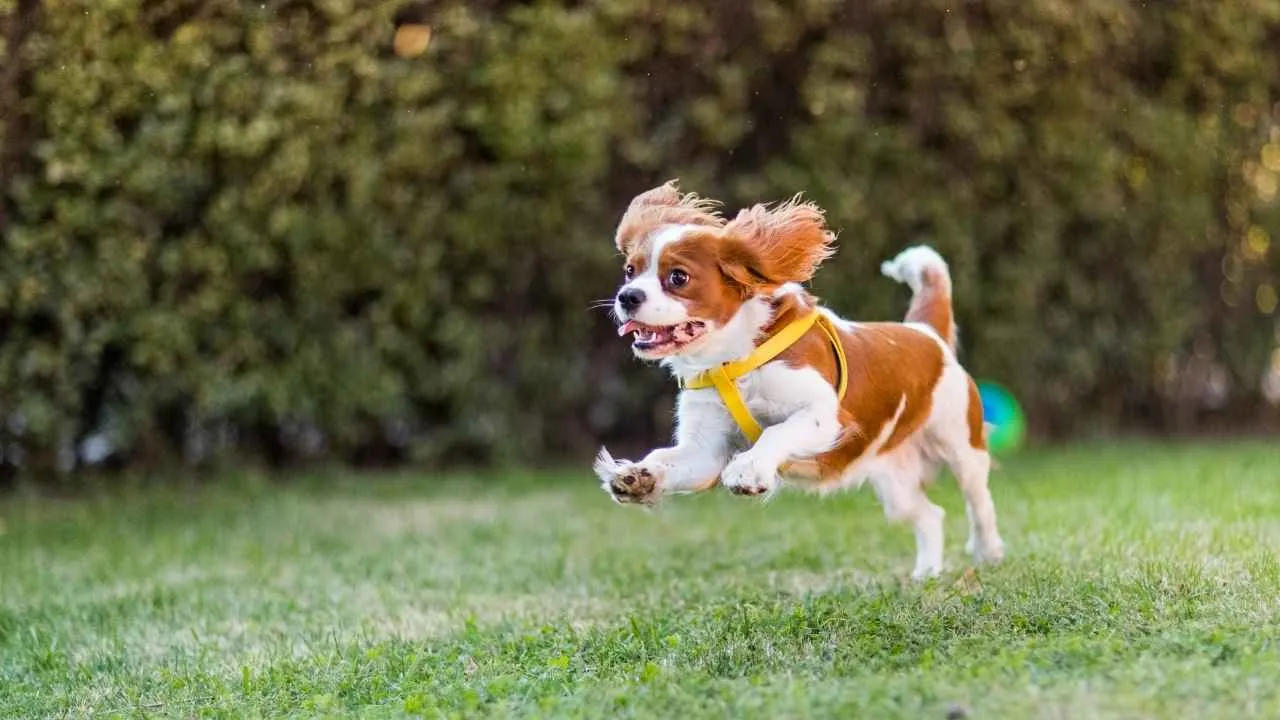
The Cavalier King Charles Spaniel is a breed known for its expressive eyes and affectionate nature. Often called a “Velcro dog,” this breed bonds deeply with its owners, sometimes making it feel like it chose you! Originally bred as a lap dog, the Cavalier combines sweetness, athleticism, and a friendly temperament, making it an ideal choice for first-time dog parents.
With proper socialization, Cavaliers get along well with children of all ages. However, they do not handle long periods of alone time well, as separation anxiety can be a common issue. Their long, silky coat requires regular brushing to stay healthy and tangle-free.
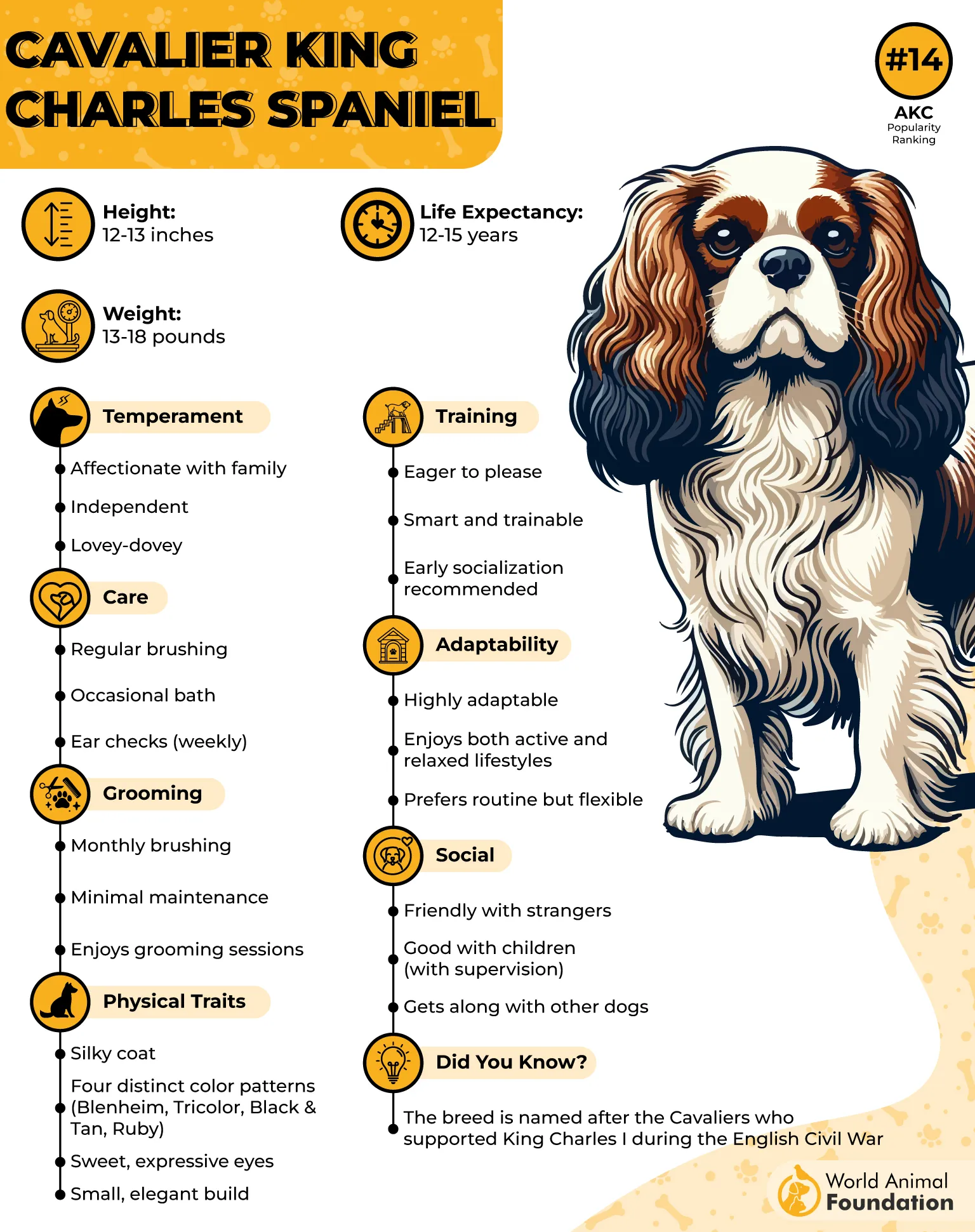
Overall, the Cavalier King Charles Spaniel is considered a healthy breed with a lifespan of 12–15 years. Still, potential owners should be aware of common health concerns, including heart conditions, joint issues, and eye problems, which require careful attention.
Thanks to its gentle temperament, this breed adapts beautifully to apartment living and family life, offering love, companionship, and loyalty in equal measure.
2. Bichon Frise
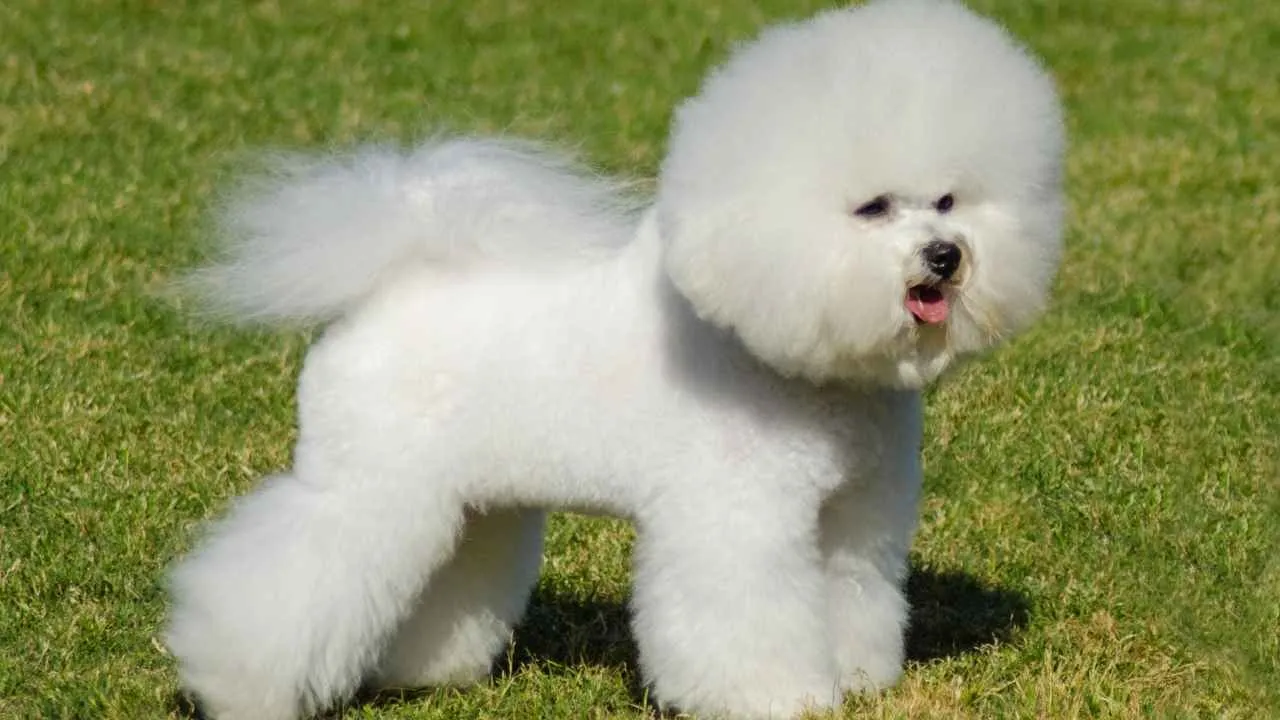
The Bichon Frise is a small, sturdy dog with a fluffy white coat that turns heads wherever it goes. Known for its cheerful and playful personality, this breed is highly adaptable and thrives in a variety of home environments. Its hypoallergenic coat makes it an ideal choice for new pet parents, especially those concerned about allergies.
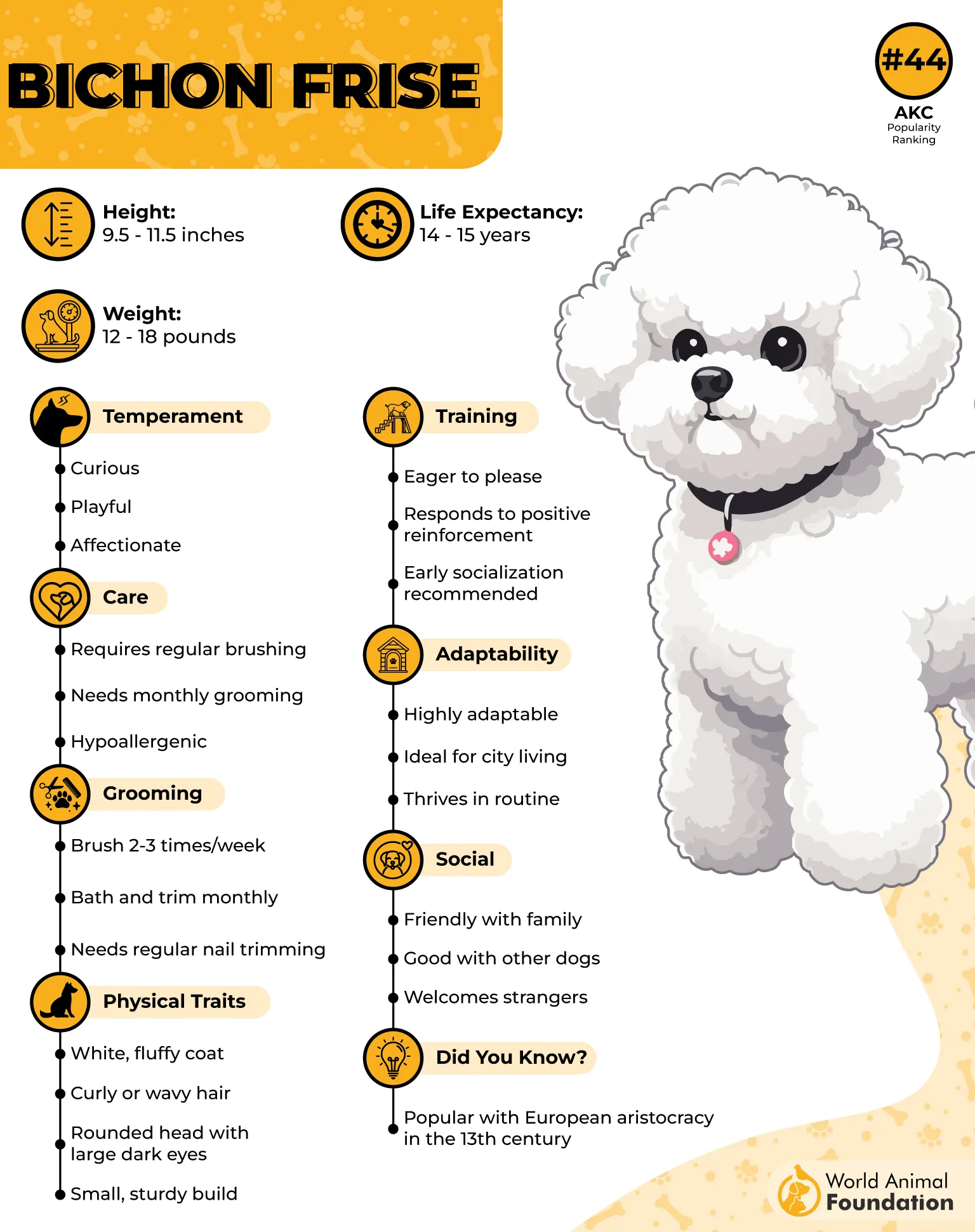
However, prospective owners should be prepared for regular grooming, which can become a monthly commitment. Bichons have bursts of energy in short intervals, meaning they do not require extensive exercise. They respond exceptionally well to positive reinforcement training, making them easy and rewarding to train.
With a stable, friendly temperament and a lifespan of 14–15 years, the Bichon Frise is a loving and loyal companion. Still, new owners should watch for health concerns, including diabetes, eye problems, and dental issues, to ensure their fluffy friend stays happy and healthy for years to come.
3. Pug
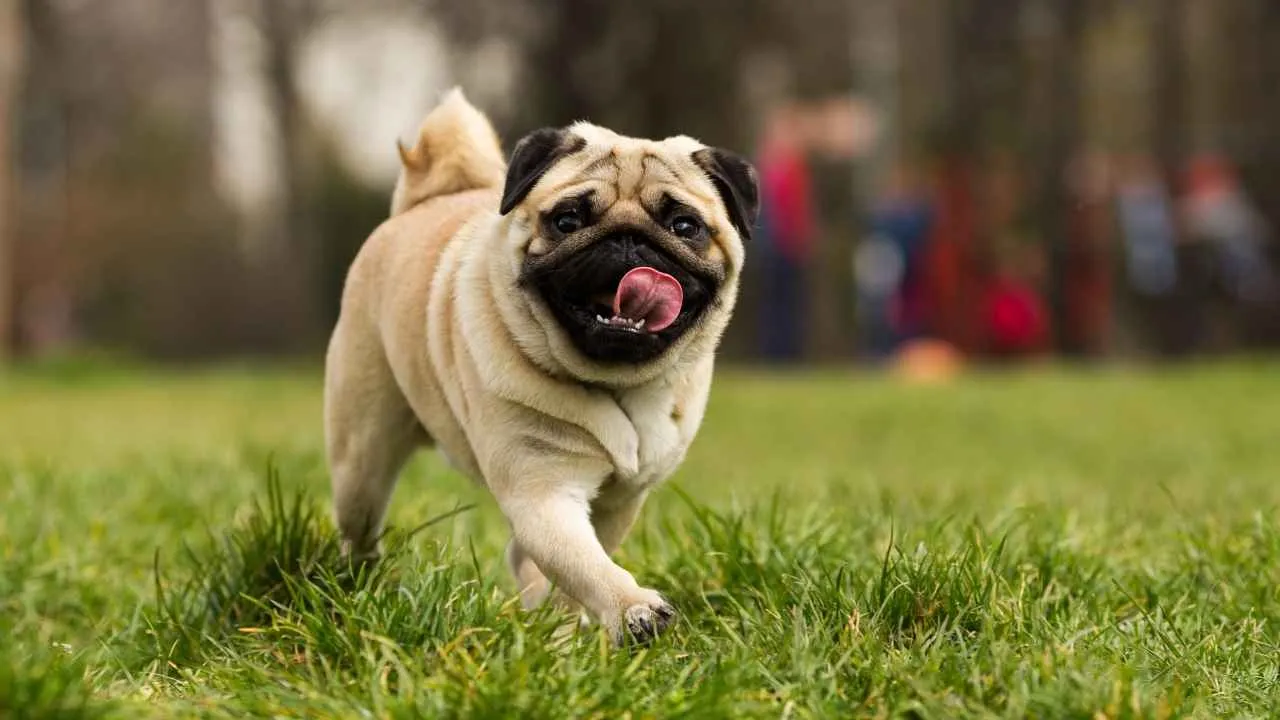
Pugs are instantly recognizable for their wrinkled faces, charming expressions, and big personalities. Known for their stable and affectionate temperament, they are playful, loving, and great at bonding with their families. Pugs typically get along well with other pets and dogs, making them a wonderful choice for households of all sizes.
While they are relatively low-energy, Pugs benefit from moderate exercise, such as 20-minute daily walks and occasional outdoor play, to maintain a healthy weight and prevent obesity. Purina also emphasizes the importance of mental stimulation to keep them happy and engaged.
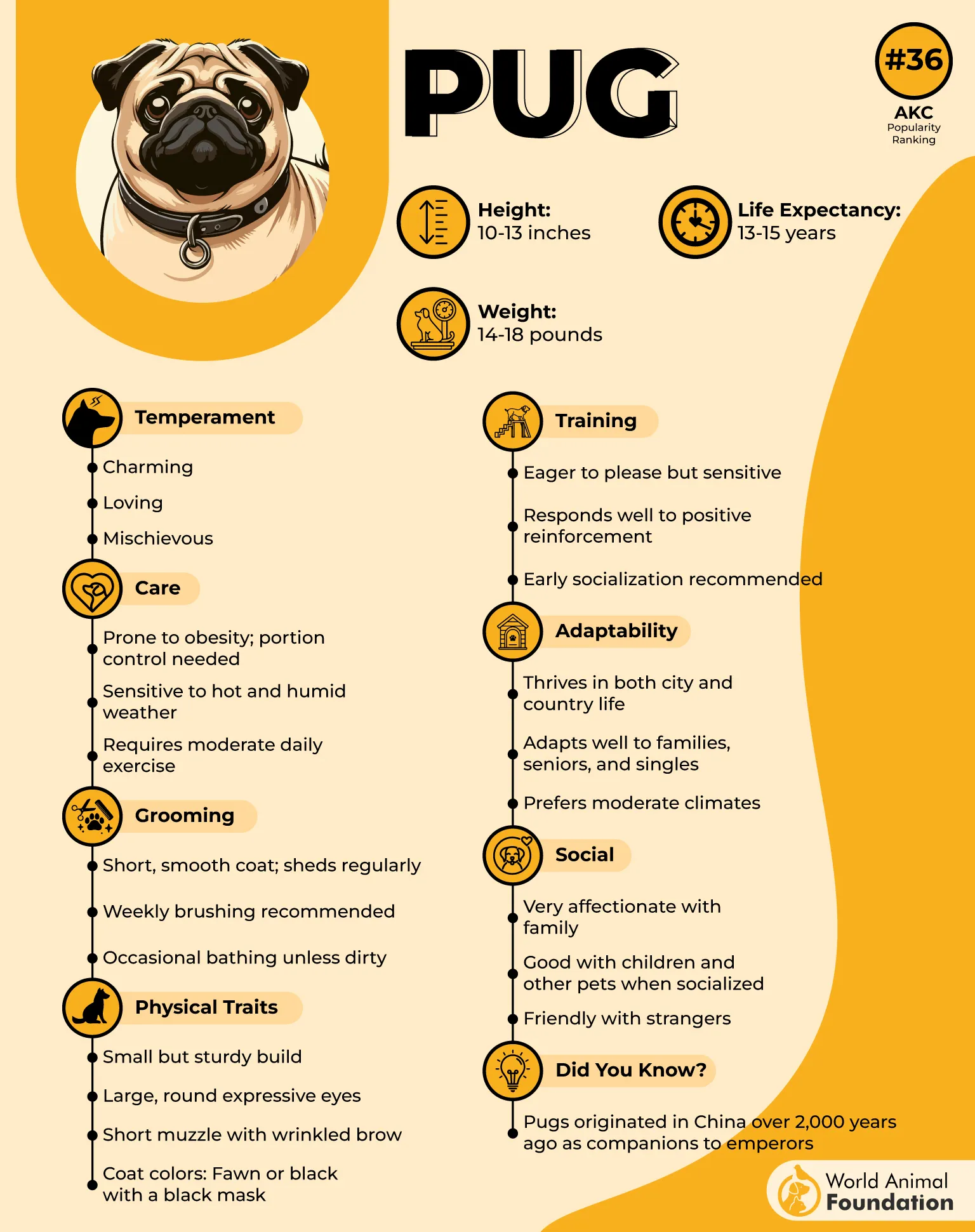
Pugs are prone to certain health issues, including respiratory difficulties, skin fold infections, eye injuries, ear infections, and dental problems. Regular grooming, careful monitoring, and preventive care are essential to keeping them healthy. Training can be a bit challenging, but with patience and consistency, Pugs quickly learn commands and thrive in structured environments.
With a lifespan of 13–15 years, Pugs offer first-time pet owners a devoted, playful, and adaptable companion that fits perfectly into a loving home.
4. French Bulldog
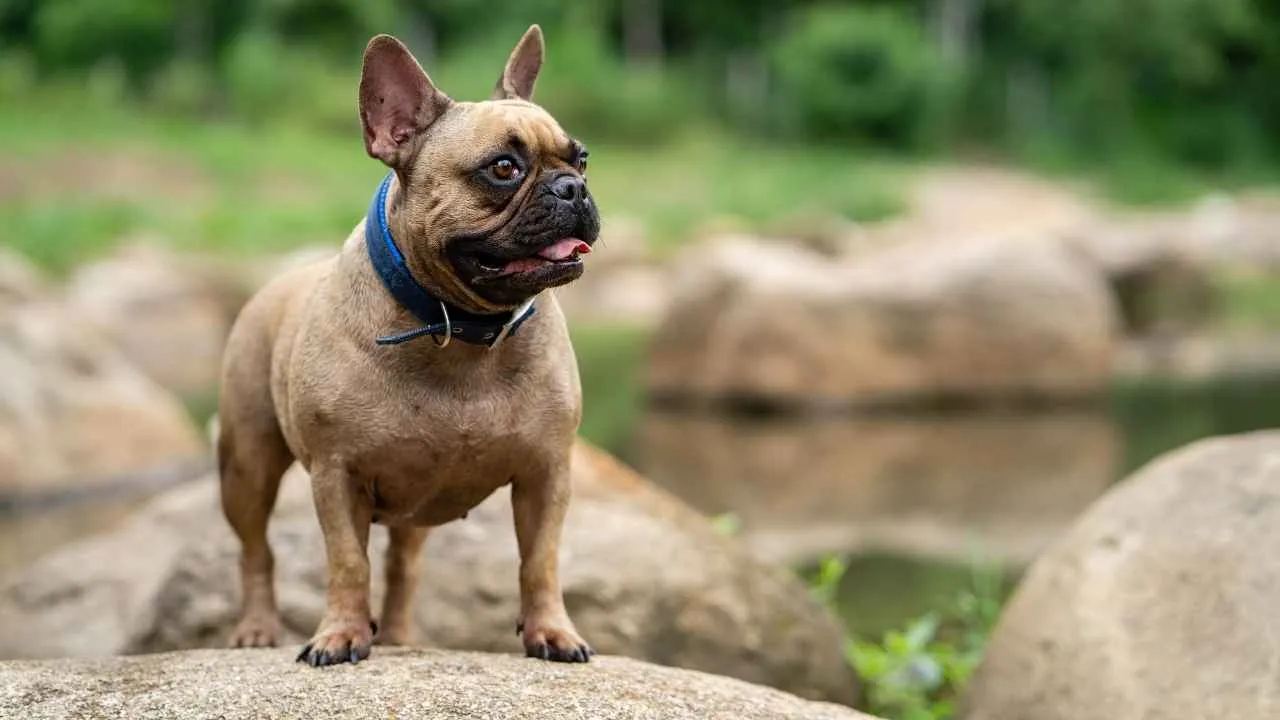
French Bulldogs are playful, intelligent, and full of personality. Their compact size, gentle temperament, and relatively low energy make them an ideal choice for new pet parents and apartment living. With a short coat that sheds minimally, grooming is easy and low-maintenance.
Despite their relaxed nature, Frenchies still need daily exercise, about an hour split into multiple short walks and interactive activities like fetch, tug-of-war, or gentle play sessions. These activities keep them healthy, mentally stimulated, and happy.
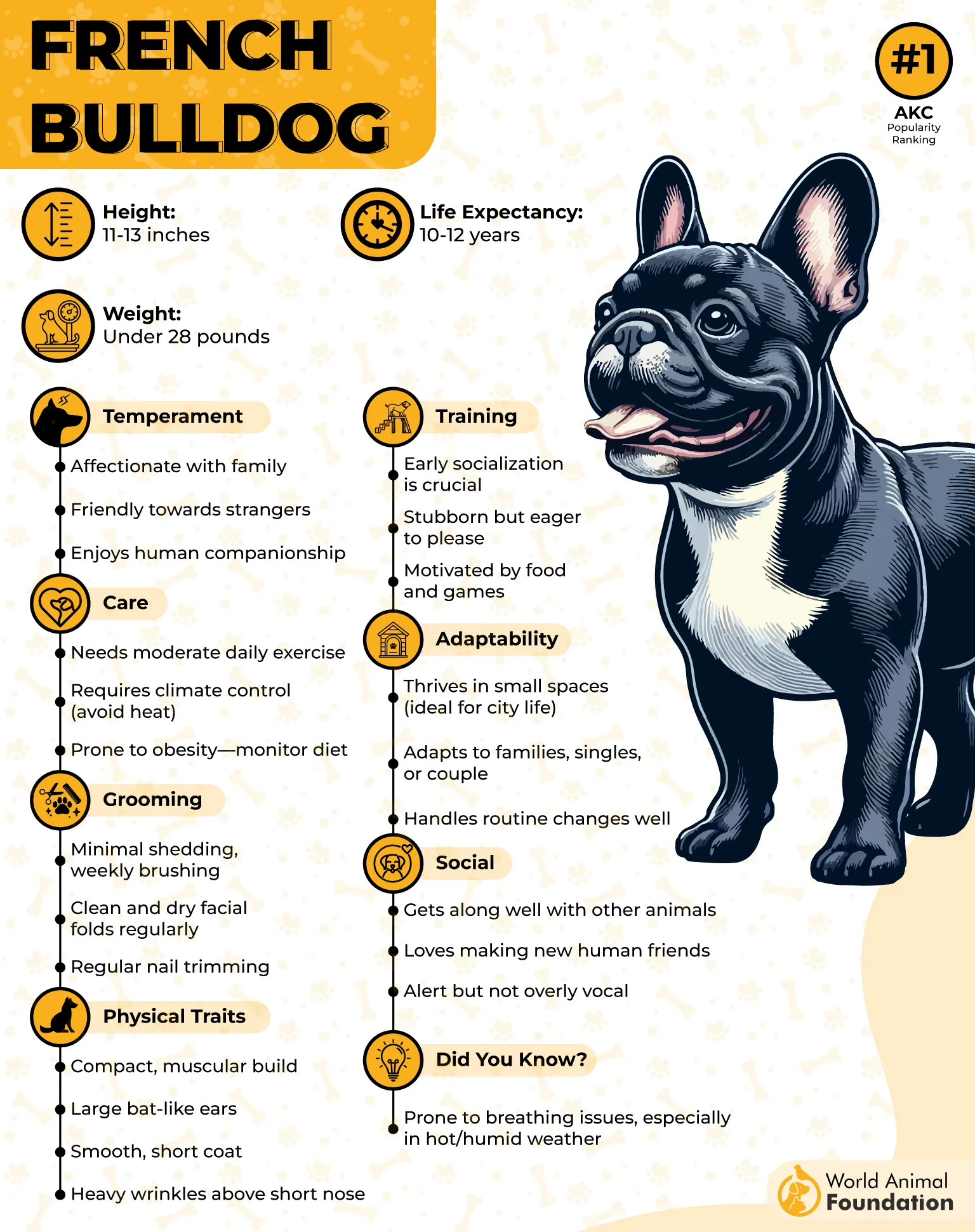
Because of their flat, brachycephalic faces, French Bulldogs are prone to specific health issues. According to the PDSA, responsible owners understand their dog’s breathing challenges and skin sensitivities and provide proper care to prevent ear infections, overheating, and back injuries.
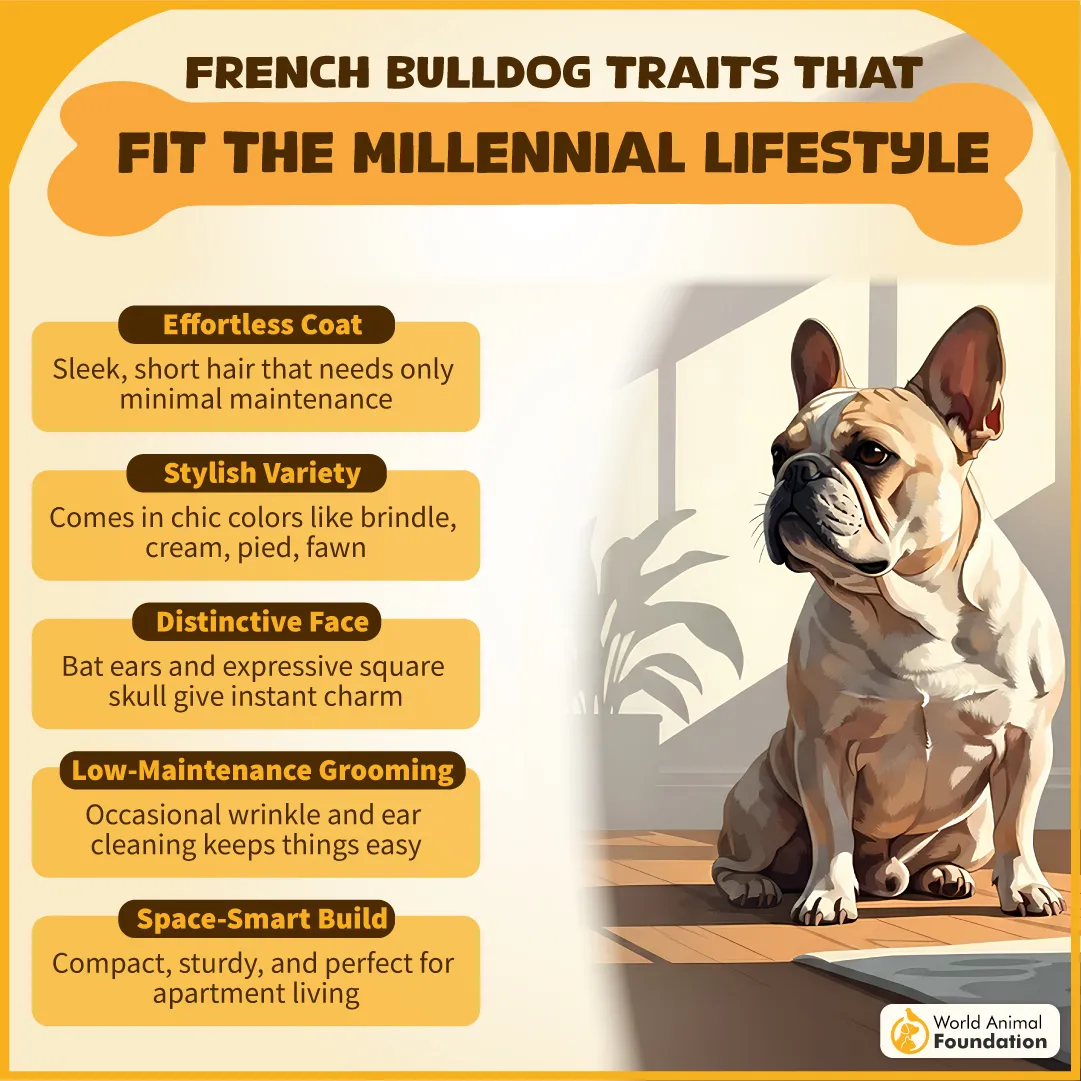
With a lifespan of 10–12 years, French Bulldogs reward attentive owners with loyalty, companionship, and a playful spirit. Proper care, regular vet visits, and understanding their unique needs will ensure a long, happy life together.
5. Shih Tzu
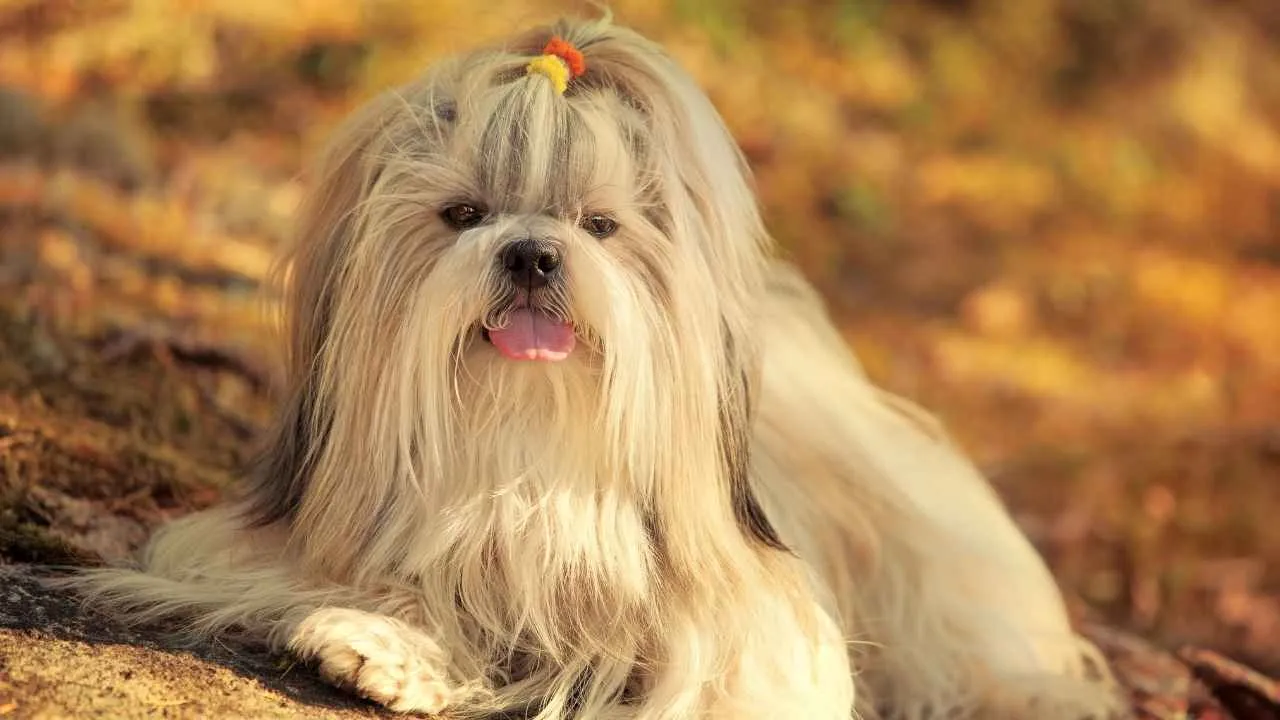
Shih Tzus are small, loving dogs with a gentle and affectionate nature. Originally bred to sit beside royalty, these charming companions have retained their devotion to family life and enjoy spending quality time with their loved ones.
A low-energy breed, Shih Tzus are not as prone to excessive barking as many other toy breeds, making them ideal for apartments and quieter homes. Their long, silky coat requires regular brushing to prevent tangles, though many owners opt for a shorter “puppy cut” to simplify grooming.
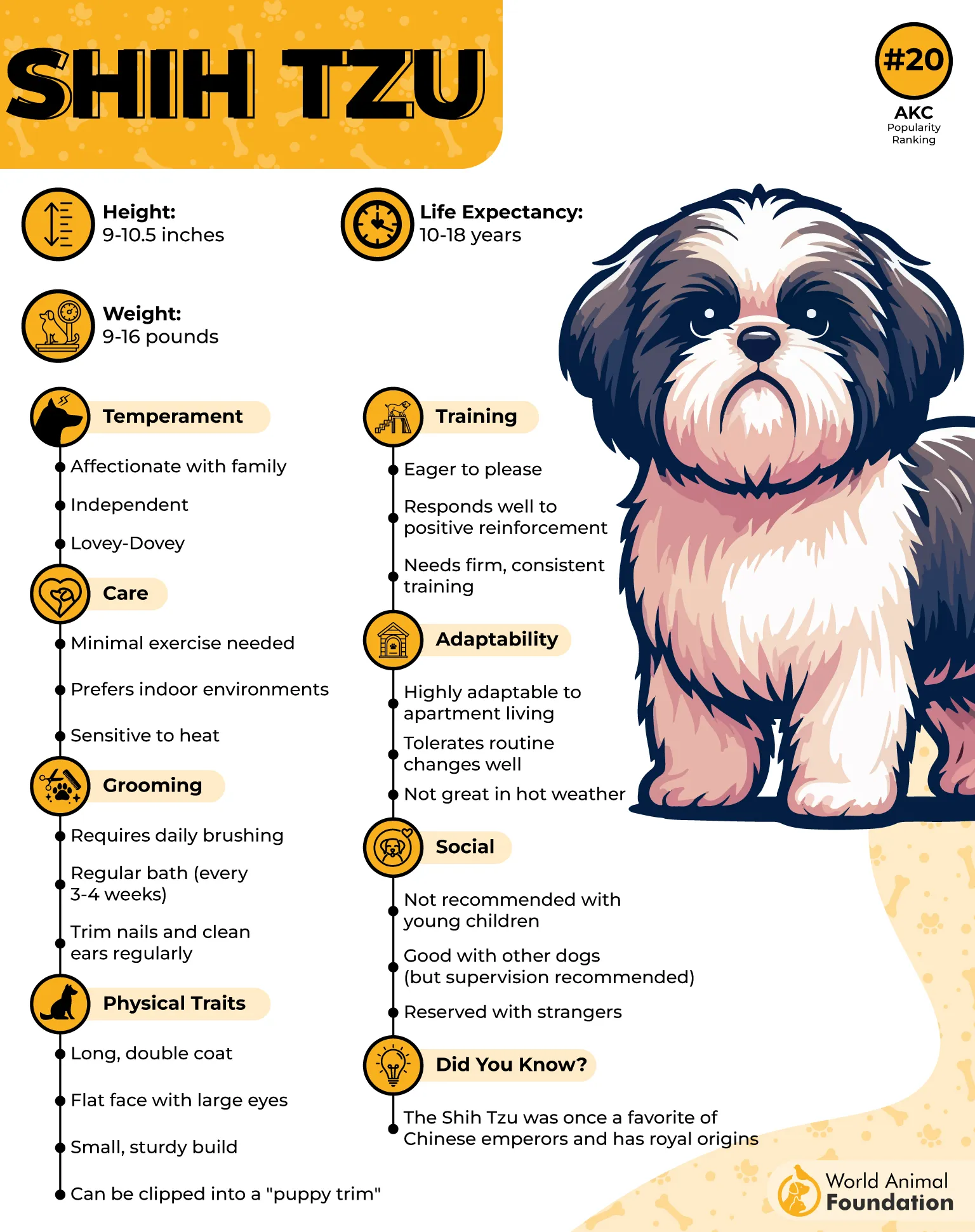
Thanks to their eager-to-please temperament, Shih Tzus respond well to training. Positive reinforcement, treats, and consistent routines work best to encourage good behavior and social skills.
Like all breeds, Shih Tzus require attention to their health. They can be prone to obesity, eye problems, joint issues, and liver shunts. Regular veterinary care, balanced exercise, and proper diet help maintain their overall well-being.
Shih Tzus enjoy short bursts of play, daily cuddles, and interacting with both family members and new friends. Adaptable, affectionate, and gentle, they make wonderful companions in nearly any home setting.
6. Labrador Retriever
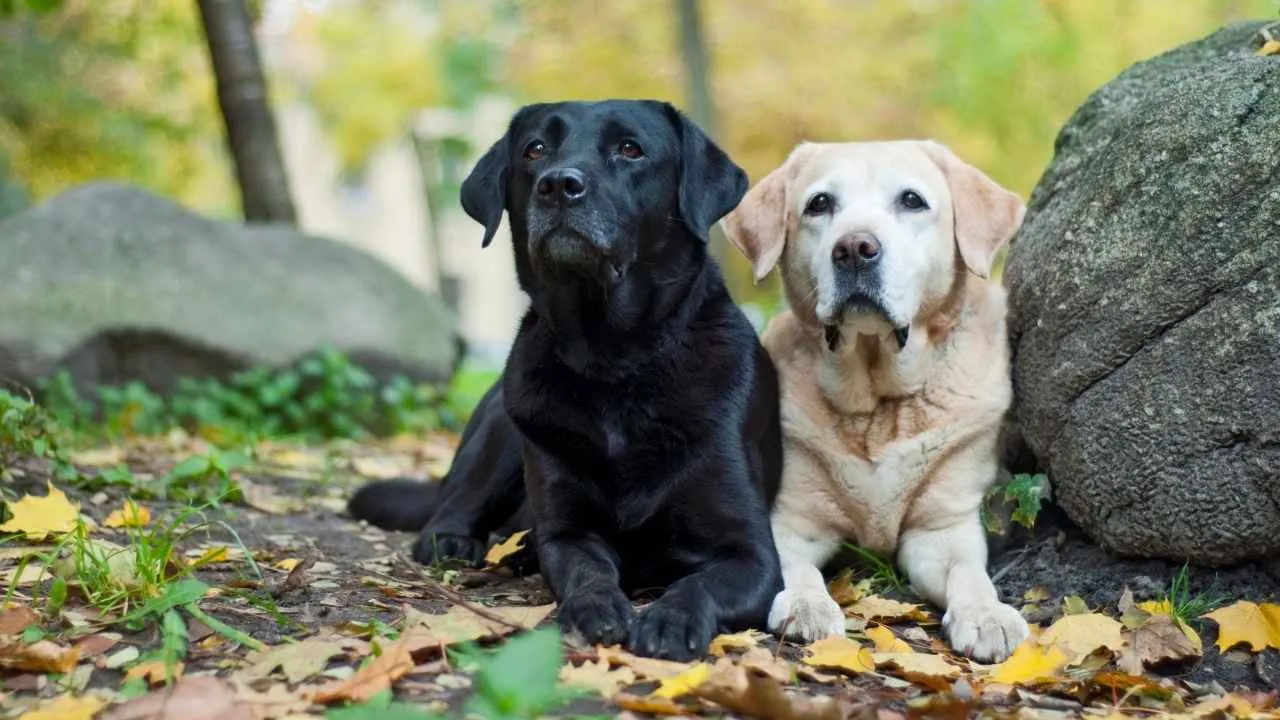
The Labrador Retriever is one of the most friendly and athletic dog breeds, widely loved for its intelligence, endurance, and adaptable nature. Labs are quick learners, respond well to training, and thrive in active households where they can participate in family activities. Their loyal and caring temperament makes them excellent companions for children and adults alike.
Labradors are energetic dogs, and without sufficient physical and mental stimulation, they may develop destructive behaviors. Daily exercise, such as long walks, play sessions, or swimming, is essential to keep them happy and healthy.
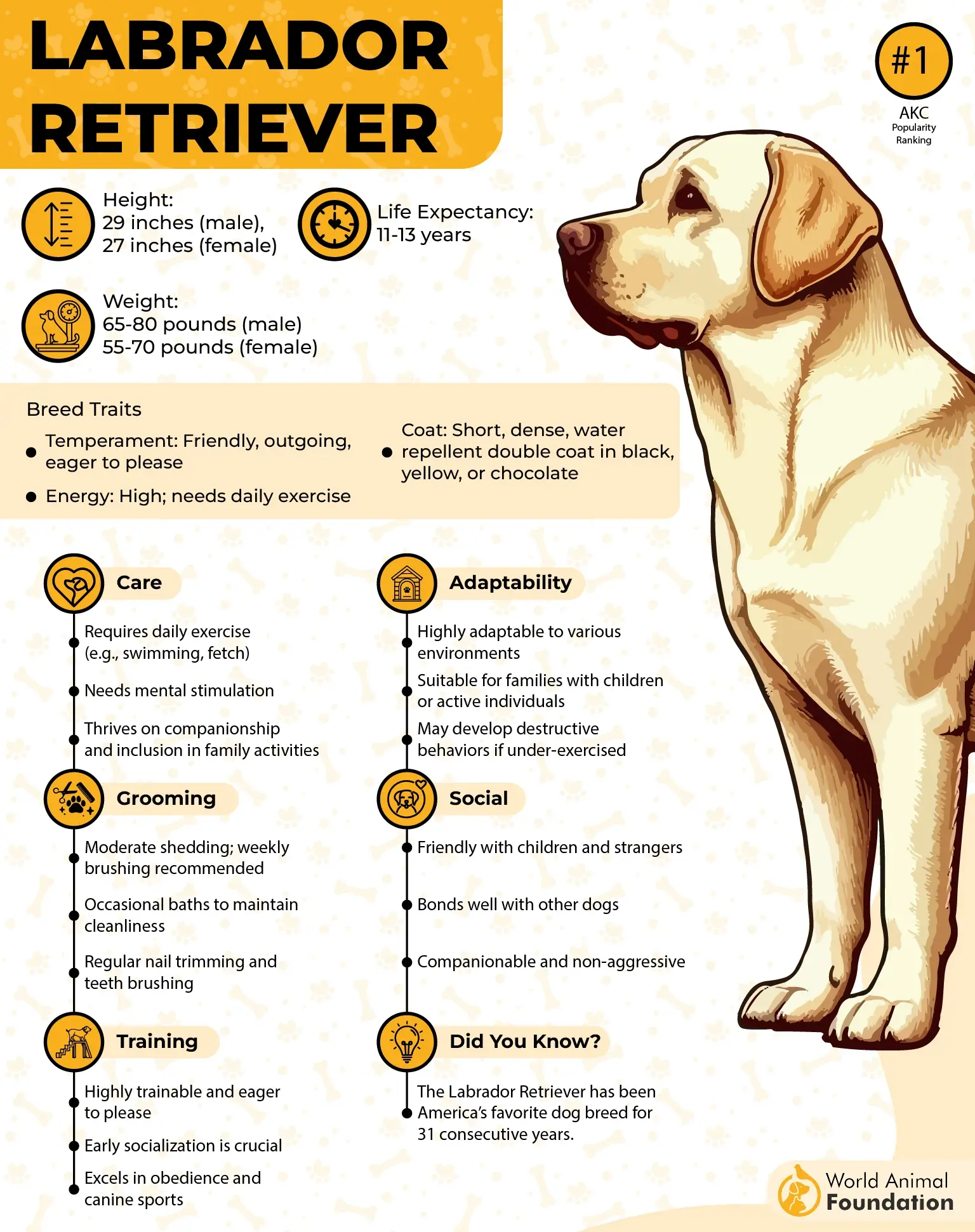
Their double coat requires regular maintenance, as Labs shed more than many new owners anticipate. Brushing 2–3 times per week helps manage shedding and keeps their coat healthy. Combined with proper training and socialization, Labs form strong, lasting bonds with their families.
While generally a healthy breed, Labrador Retrievers can be prone to certain conditions, including ear infections, heart problems, cancer, and exercise-induced collapse. Regular veterinary care, balanced nutrition, and monitored exercise can minimize risks and support a long, happy life.
7. Poodle
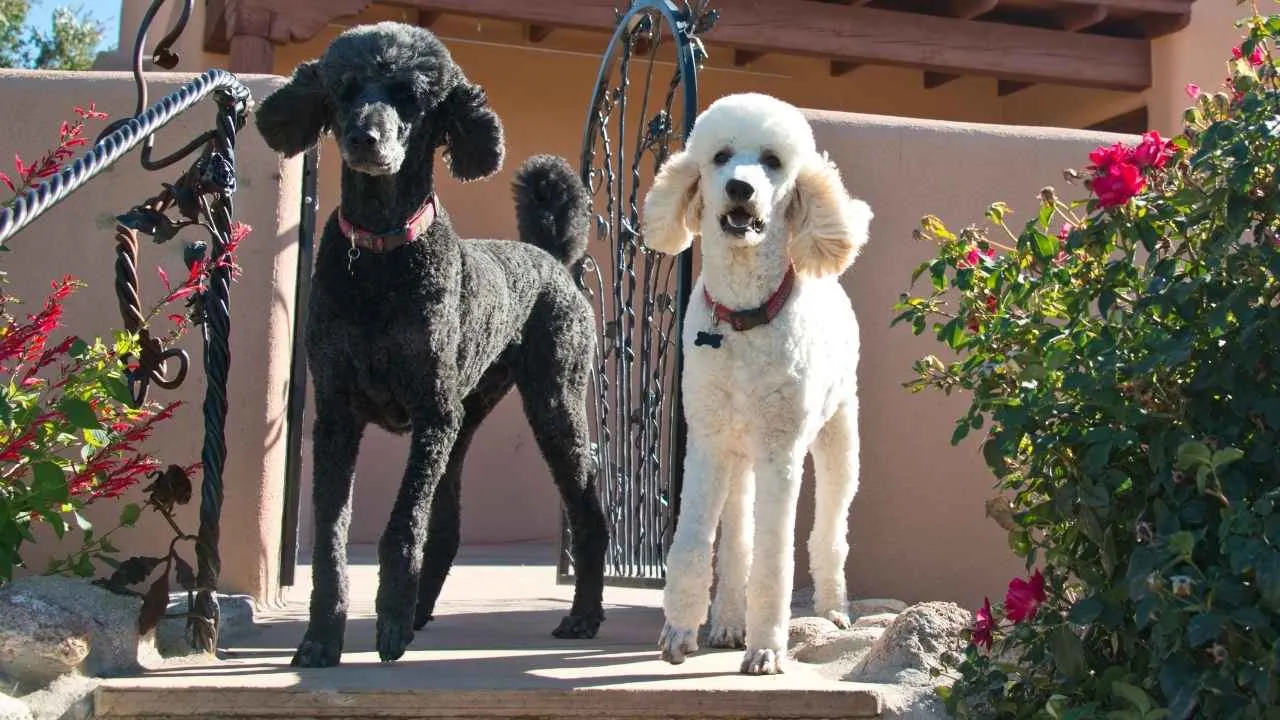
Poodles are far smarter than most people realize, making them one of the most intelligent and versatile dog breeds. With an alert, playful, and loyal temperament, Poodles adapt well to families, active households, and first-time dog owners who are ready to meet their mental and physical needs.
Their signature curly coat is soft but prone to matting, which means they require regular brushing and professional grooming sessions. While they are low shedders, their intelligence truly stands out; they quickly learn commands, tricks, and routines, often surprising owners with their problem-solving abilities.
Because of their high intelligence, Poodles need plenty of mental stimulation and daily exercise. Without it, they may invent their own “fun,” which can include digging, excessive barking, or other unwanted behaviors. Activities such as fetch, flyball, swimming, dock diving, or teaching new tricks help keep Poodles engaged, happy, and healthy.
Britannica states that Poodles are generally a healthy breed, but new owners should be aware of potential issues such as patellar luxation, Legg-Calvé-Perthes disease, and ear infections. Regular veterinary checkups, proper grooming, and preventive care are key to a long, vibrant life.
8. Whippet
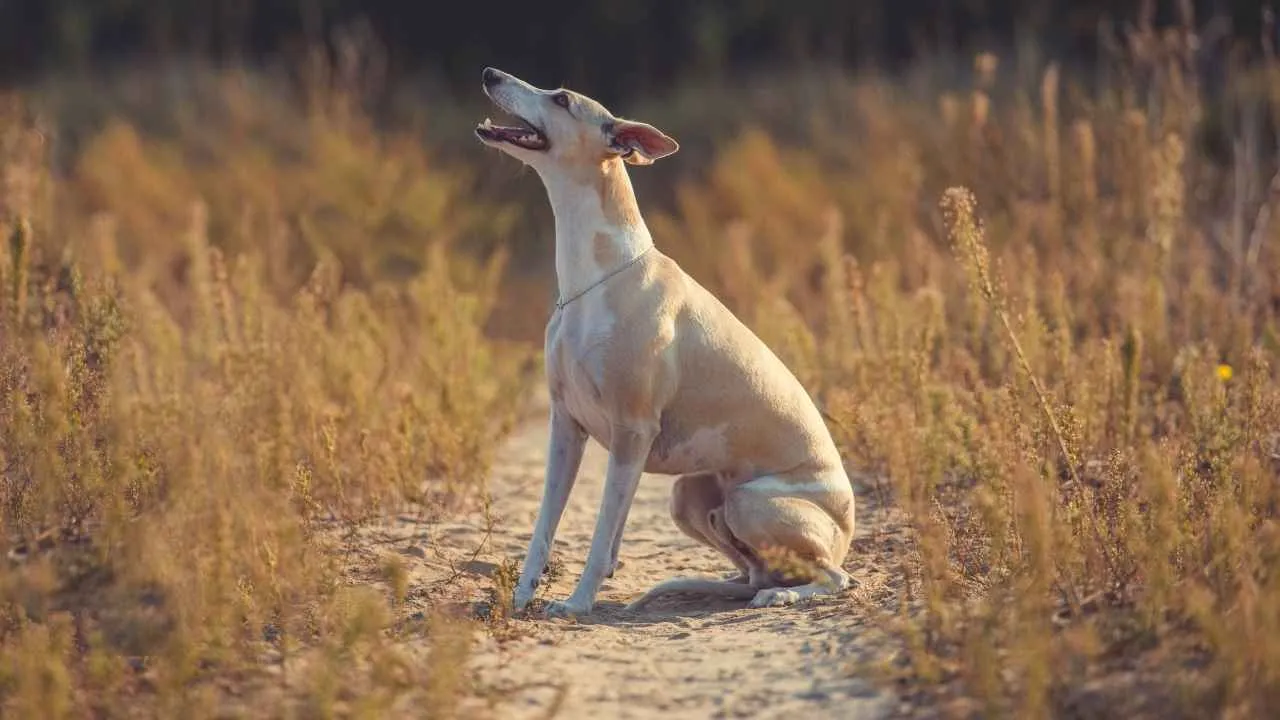
Whippets are playful, affectionate, and surprisingly calm dogs, earning a reputation as the ultimate “couch potato” breed. Their slender build and thin coat mean they require minimal grooming, but their moderate exercise needs must be met to keep them healthy and happy.
Daily activities such as walks, agility sessions, frisbee, or lure coursing for about an hour are ideal. Afterward, they love nothing more than sprinting hard and taking long, cozy naps.
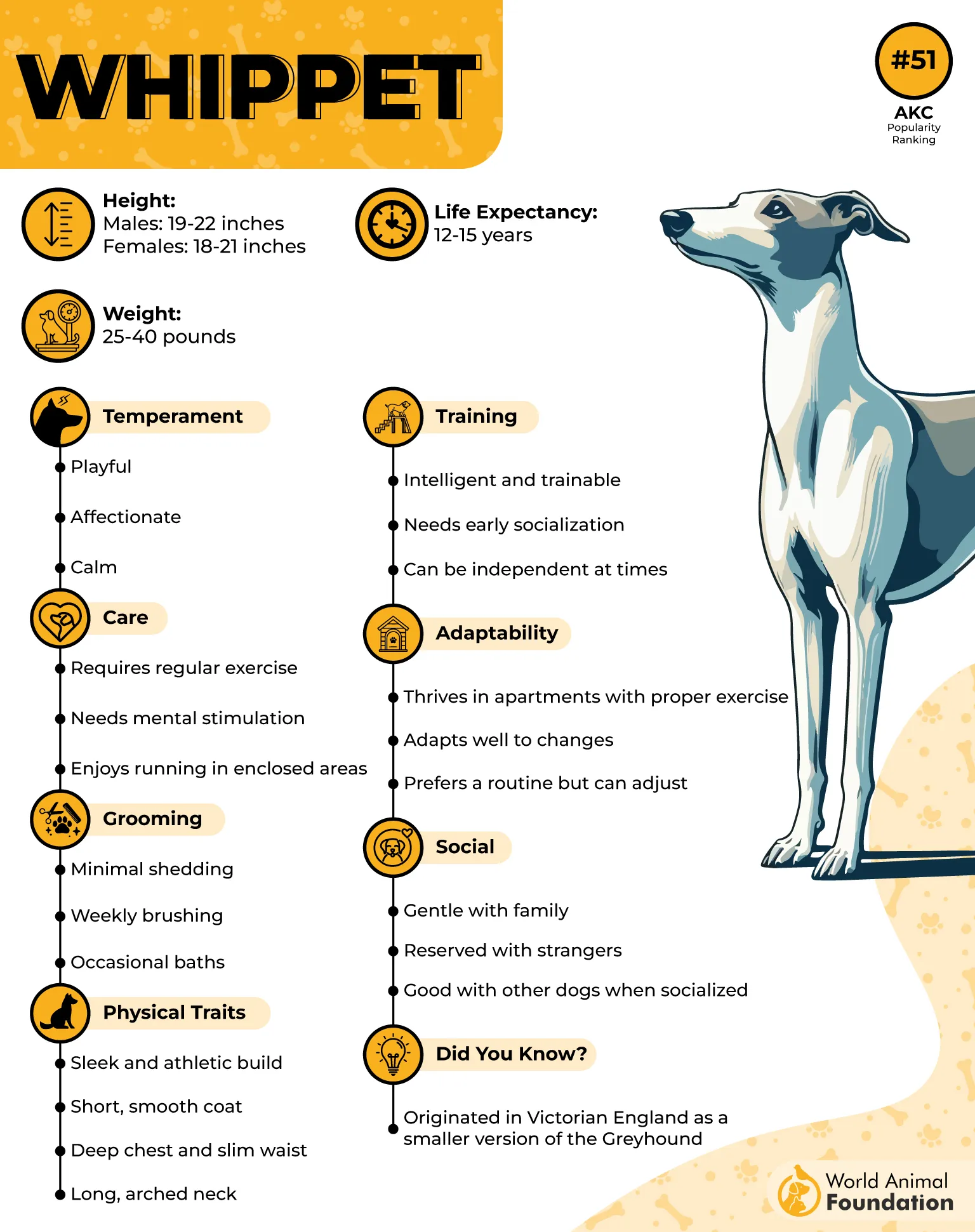
New owners should understand that Whippets thrive with short, consistent exercise sessions rather than long, exhausting routines. Their sensitive nature responds best to reward-based training, and they quickly learn basic commands when handled with patience. They are a great choice for owners who live in quiet homes and can offer gentle, consistent guidance.
Because of their thin skin and light coat, Whippets are sensitive to cold. Sweaters, coats, or even dog pajamas are essential during chilly weather. Health considerations for this breed include potential issues such as deafness, heart disease, and bloat, so regular veterinary care is important.
9. Italian Greyhound

The Italian Greyhound is a small, graceful breed known for its athleticism, expressive eyes, and charming personality. While they form strong bonds with their owners and are deeply affectionate, their delicate frame makes them prone to injuries, so gentle handling is a must.
These tiny athletes require about 45 minutes of exercise daily. They love sprinting around parks or chasing toys, but their activity should be supervised to prevent accidents. Their short, smooth coat is easy to maintain, making grooming a simple task for new owners.
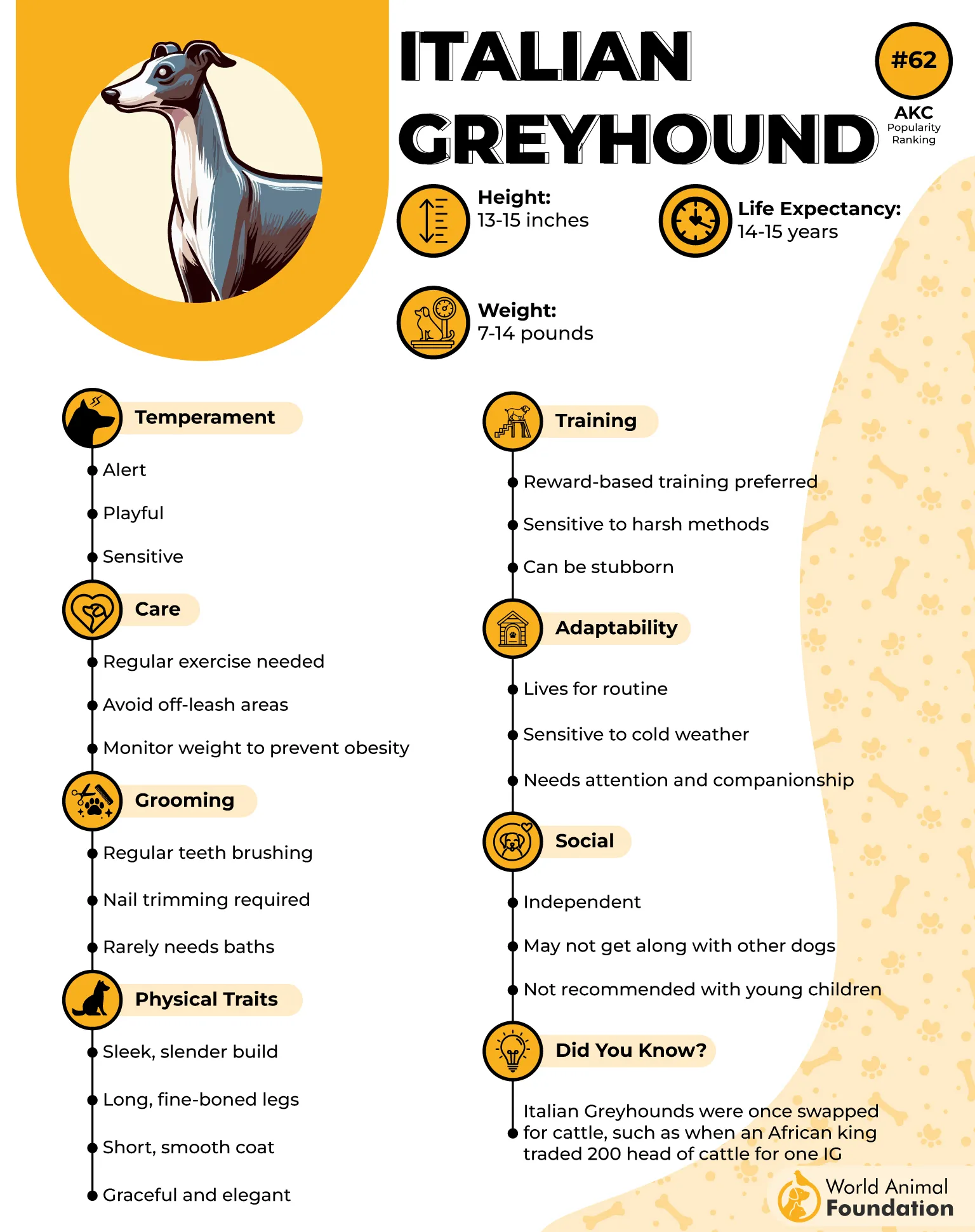
Italian Greyhounds thrive in calm homes and are not ideal for households with very young children, unless interactions are carefully monitored. With proper socialization and positive training, they get along well with other pets and dogs. However, potty training can sometimes be challenging and requires patience and consistency.
Health-wise, this fragile breed demands extra care. Owners should be vigilant about potential leg fractures, dental issues, hypothyroidism, and hip dysplasia. Comfort is important too; Italian Greyhounds adore blankets and love curling up next to their humans.
Conclusion
These are some key recommendations for first-time dog owners, covering the most important aspects to consider before embarking on the journey of responsibility and companionship. Choosing the right breed that fits your lifestyle is essential, because while research provides valuable insights, firsthand experience teaches you the most.
Equally important are training and socialization. The best dog breeds for first-timers offer unwavering loyalty and companionship, but they also require your love, attention, and consistent guidance. Without it, they may develop separation anxiety, which can become challenging to manage. By investing time, care, and patience, first-time owners can enjoy a rewarding bond with their furry friend that lasts a lifetime.
