




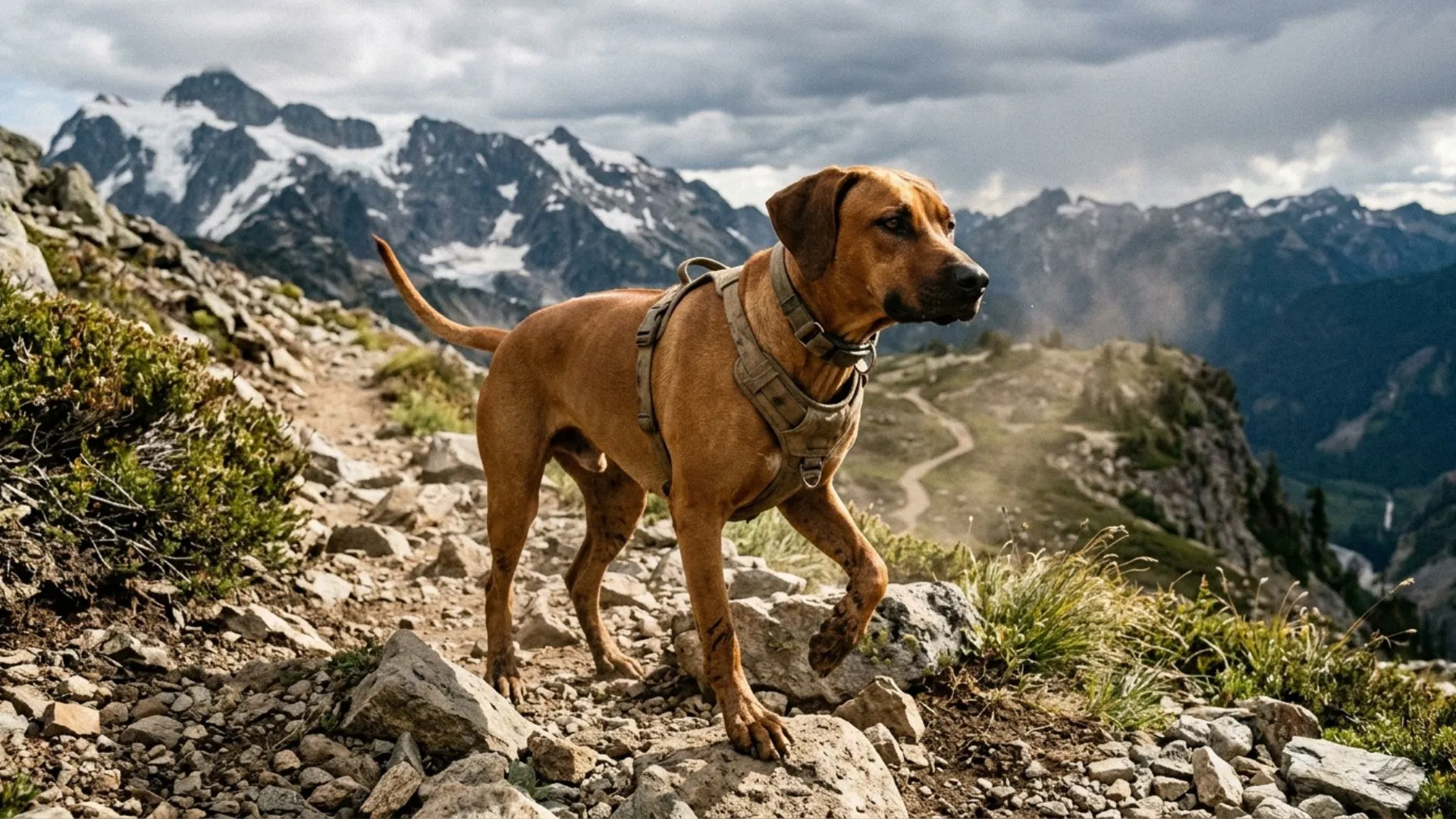
Some dogs are happiest curled up indoors, while others are built to tackle rugged trails, freezing temperatures, and long days in the wild.
These hardy breeds combine strength, endurance, and sharp instincts, making them ideal companions for people who love outdoor adventure. From mountain guardians to tireless working dogs, they thrive in demanding environments where stamina and resilience matter most.
Many were originally bred to protect livestock, pull heavy loads, or assist in harsh terrain, giving them the confidence and drive to handle extreme conditions with ease.
Whether you enjoy hiking, camping, snow sports, or backcountry exploring, the right rugged dog breed can keep pace with every adventure while offering loyal companionship along the way.
Rugged Dog Breeds That Thrive in Extreme Outdoor Conditions
1. Alaskan Malamute
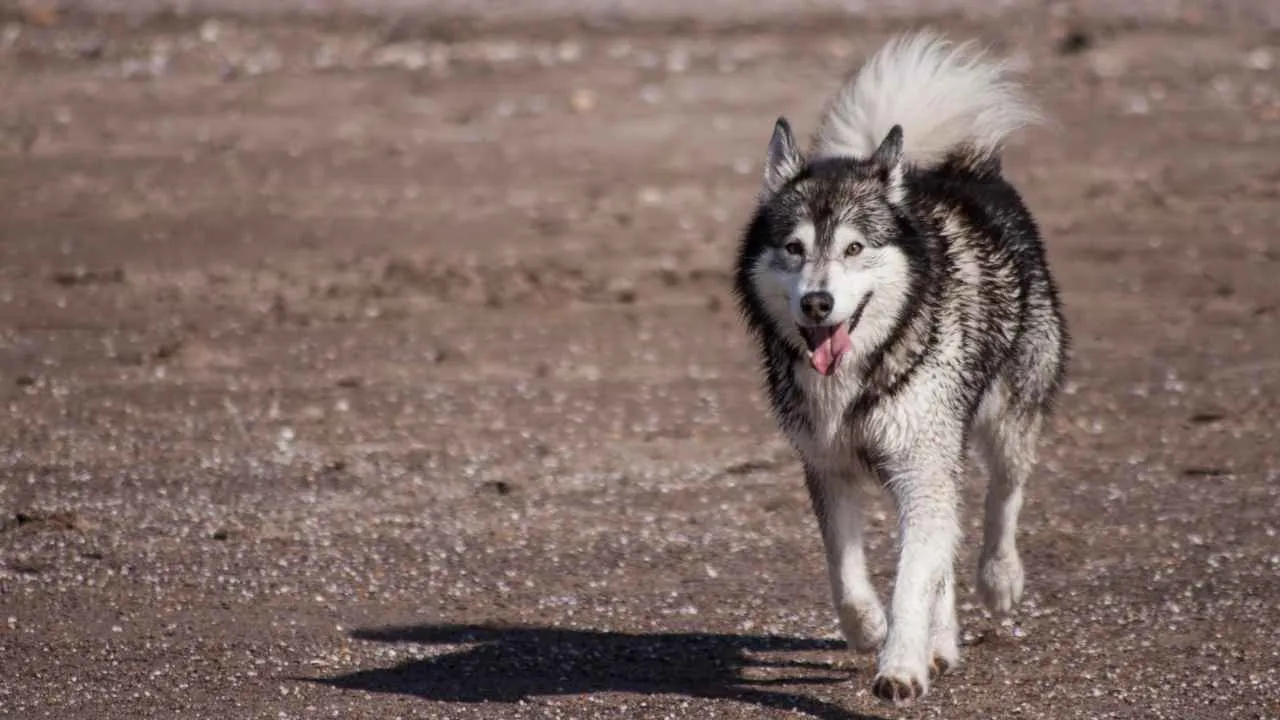
The Alaskan Malamute looks like a snowstorm decided to become a dog. With its thick double coat, fluffy curved tail, and powerful build, this breed was made for freezing temperatures and hard work. Originally developed by the Mahlemut people of Alaska, these dogs hauled heavy sleds, hunted seals, and even helped protect people from polar bears.
Despite their serious appearance, Malamutes are playful and deeply attached to their families. They enjoy company and can become lonely if left alone too often, which usually leads to dramatic howling sessions worthy of a wilderness movie soundtrack. Their strong prey drive means squirrels, cats, and anything tiny that moves may suddenly become part of an unauthorized chase scene, as noted by WebMD.
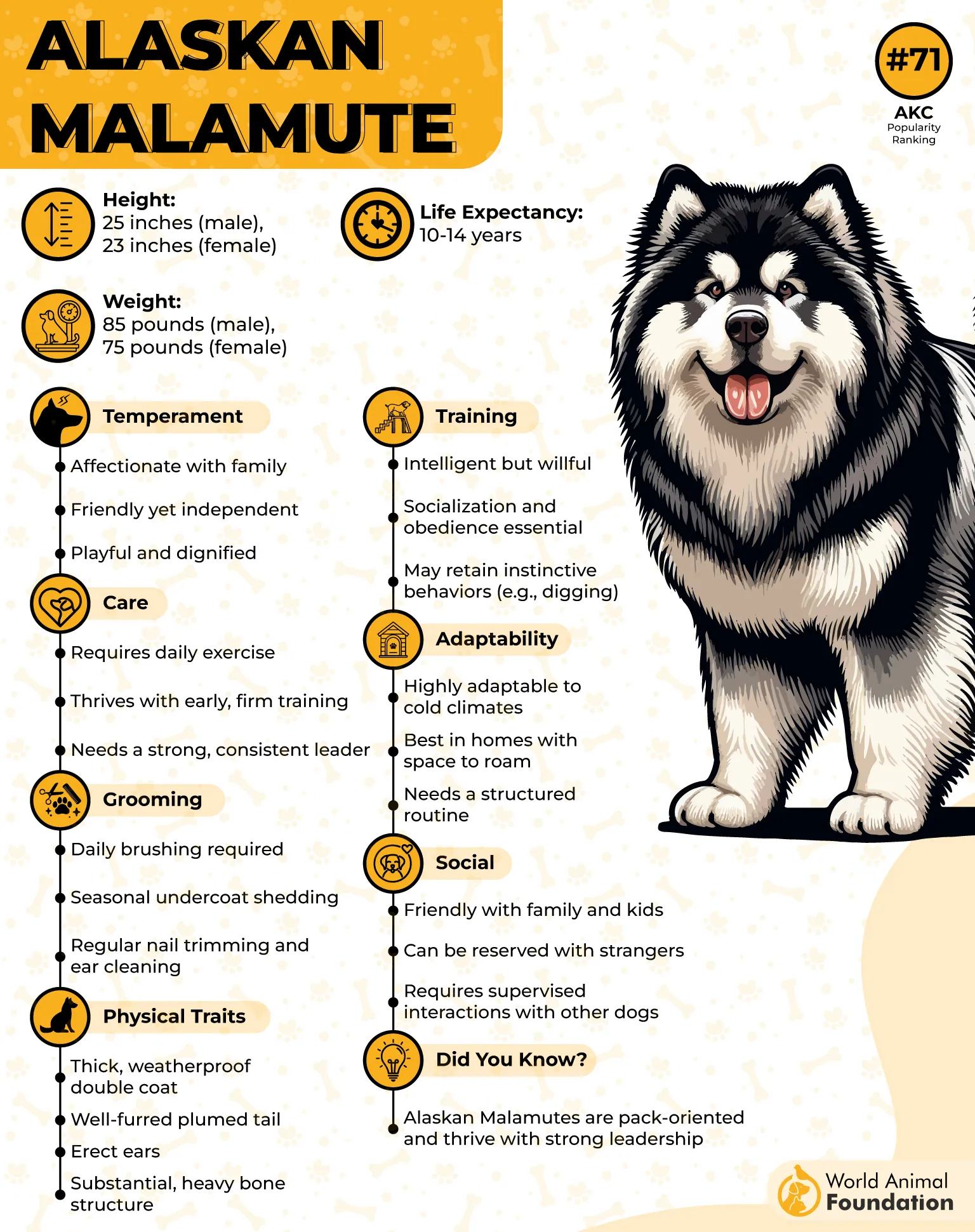
Exercise is a huge part of life with this breed. Malamutes love hiking, running, skiing, and outdoor adventures, but they are not ideal for cramped apartments or owners who prefer lazy weekends indoors. Grooming also takes commitment because their dense coats shed heavily, especially during seasonal changes.
While intelligent, they can be stubborn, so training works best with patience and early socialization instead of harsh correction.
Why This Breed Is a Good Fit
Perfect for active people who want a dog ready for every outdoor mission.
Their loyal, pack-oriented personality makes family life feel lively and entertaining.
Built for cold climates, they thrive in snowy adventures instead of hiding from winter weather.
2. Siberian Husky
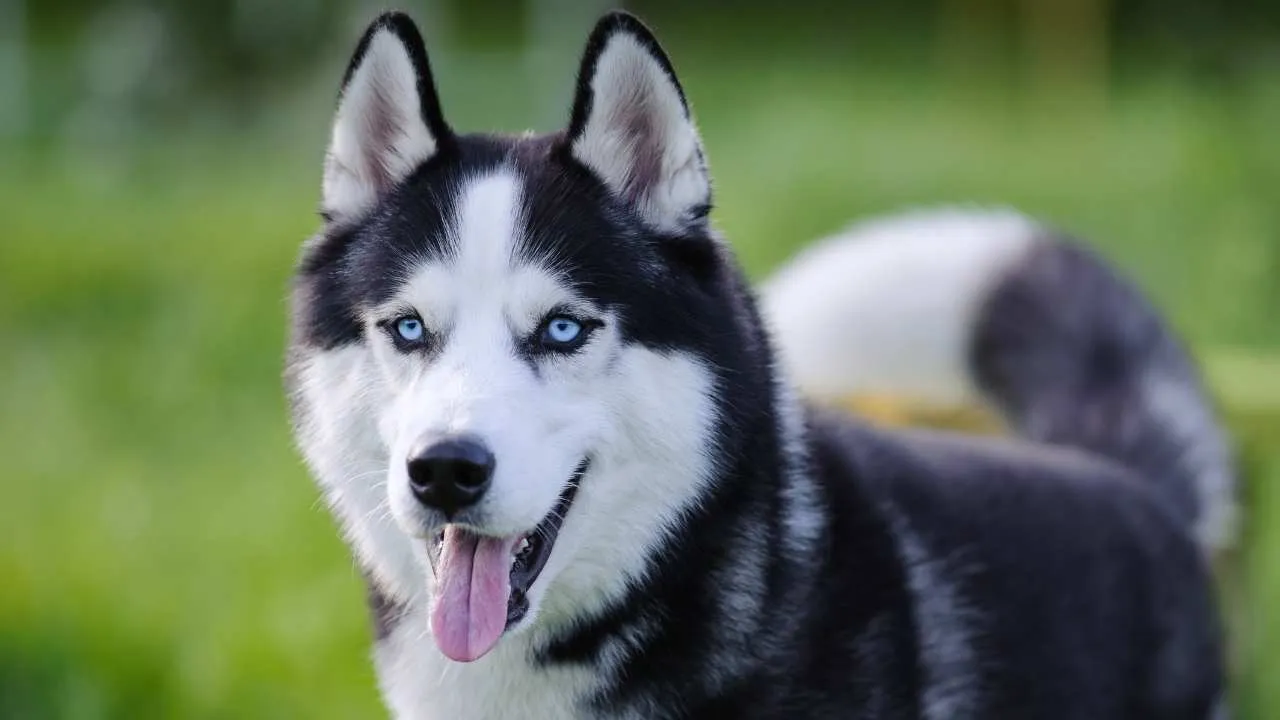
Huskies are the kind of dogs that act like comedians trapped inside furry athlete bodies. Originally bred by the Chukchi people in Siberia as sled dogs, they are known for remarkable stamina, speed, and an endless desire to explore absolutely everything. Their thick double coat, pointed ears, and dramatic howls make them one of the most recognizable breeds in the world.
These dogs are incredibly friendly and love spending time with people, but they also have a mischievous, independent streak. A Husky left in an insecure yard may quickly become an escape artist with impressive digging and fence-jumping skills. They are not big barkers, though they do enjoy talking through howls and strange vocal performances that seem to happen for their own amusement.
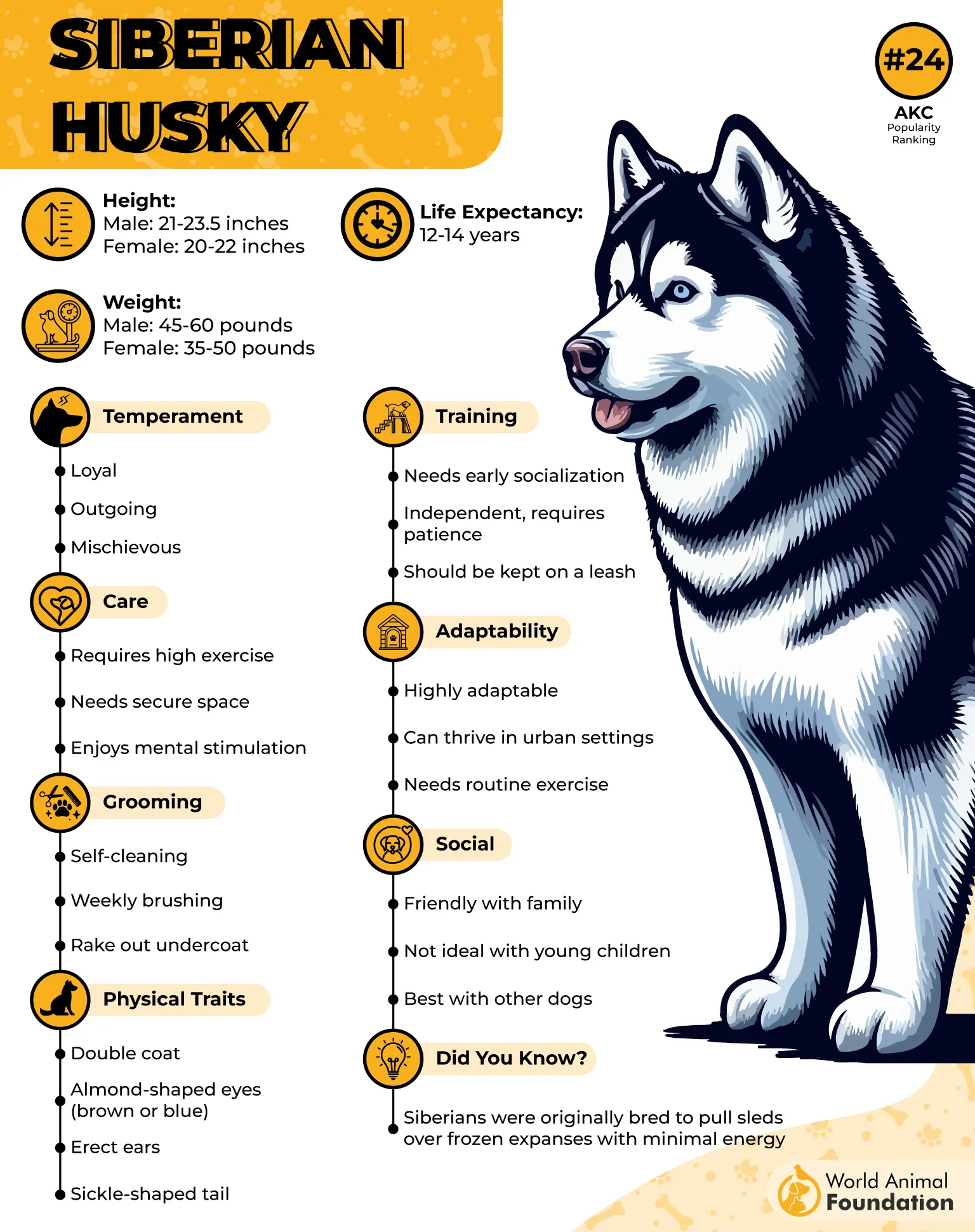
PetPlan states that daily exercise is non-negotiable with this breed. Adult Huskies need at least two hours of activity and enjoy running, agility work, hiking, and even canicross. Mental stimulation matters just as much because boredom can lead to destructive behavior. Grooming requires regular brushing, especially during heavy shedding seasons when fur seems to appear on every surface imaginable.
Why This Breed Is a Good Fit
Great for adventurous owners who spend lots of time outdoors year-round.
Their playful personality keeps homes energetic and rarely boring.
Excellent companions for people who enjoy active hobbies like running or hiking.
3. Great Pyrenees
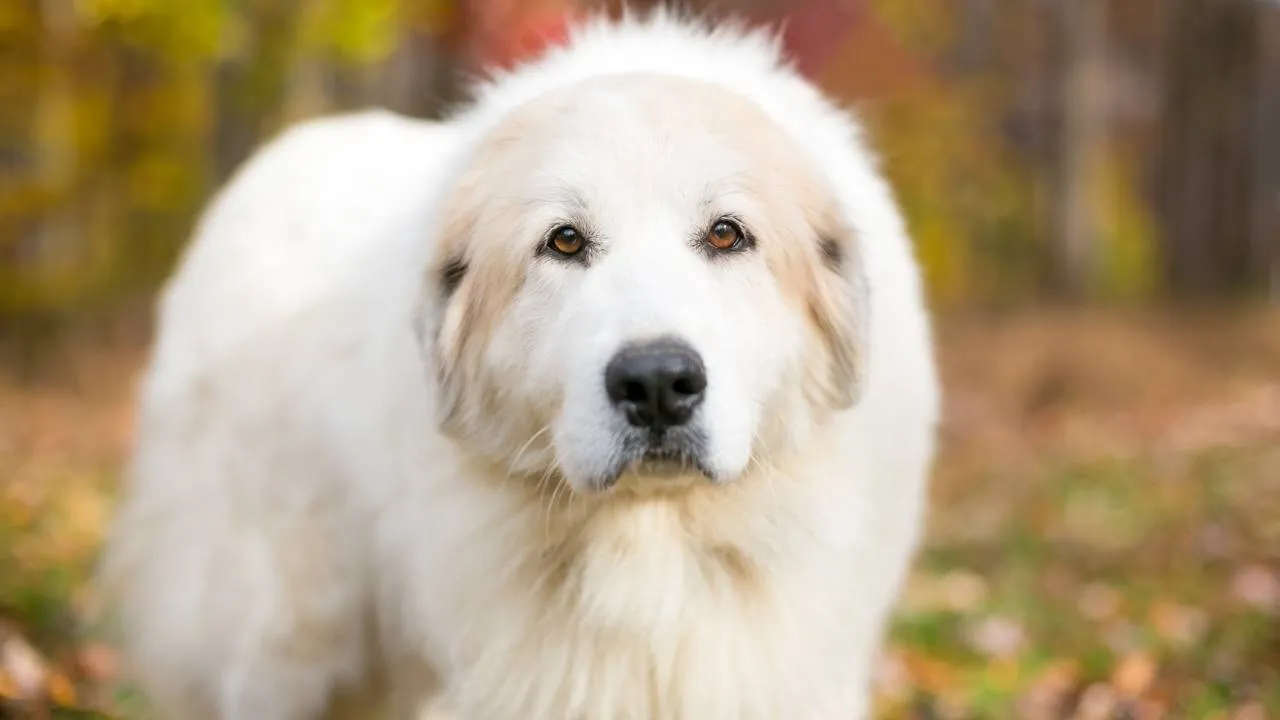
The Great Pyrenees may look like a giant walking cloud, but this breed was originally developed to guard and herd livestock in the mountains between France and Spain. Their thick white coats helped them blend into snowy landscapes while protecting sheep from wolves and bears. Even with their massive size, these dogs are usually calm, gentle, and surprisingly relaxed at home.
Great Pyrenees prefer conserving energy unless there is something important to investigate. They were bred to think independently while guarding flocks alone, which explains why training can sometimes feel like negotiating with a very fluffy security guard. They enjoy roaming outdoors and tend to bark when they notice unfamiliar activity, even if it is just the mail carrier doing absolutely nothing suspicious.
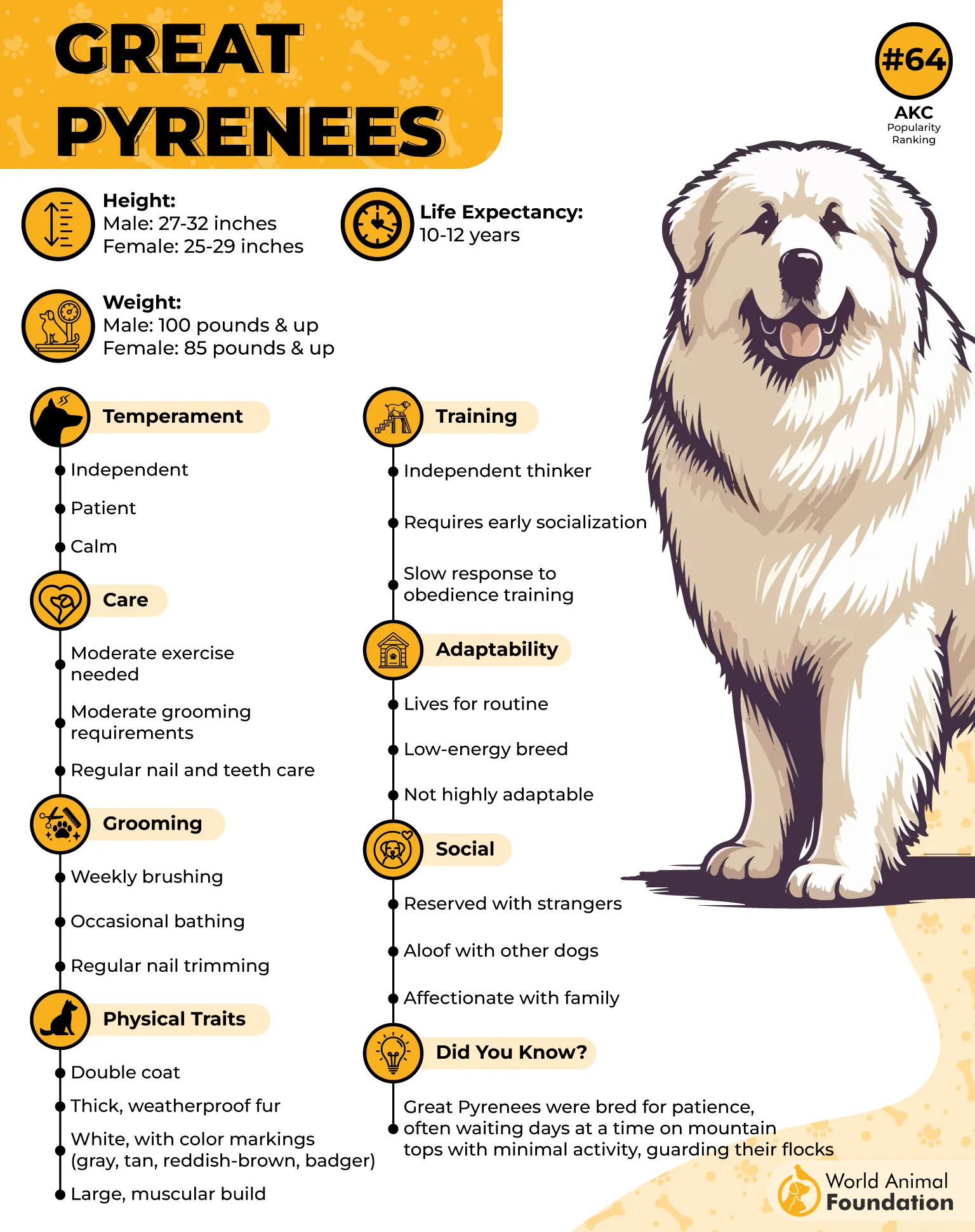
According to PetMD, their coat is easier to maintain than it appears because the outer fur resists tangles and dirt, though weekly brushing helps control shedding. Health concerns can include hip dysplasia, elbow dysplasia, eye disorders, and gastric dilatation and volvulus, a serious stomach condition seen in deep-chested breeds.
Why This Breed Is a Good Fit
Ideal for households wanting a calm dog instead of a nonstop whirlwind of energy.
Their protective instincts help families feel secure without constant aggression.
They adapt surprisingly well to quieter lifestyles while still enjoying outdoor roaming.
4. Rhodesian Ridgeback
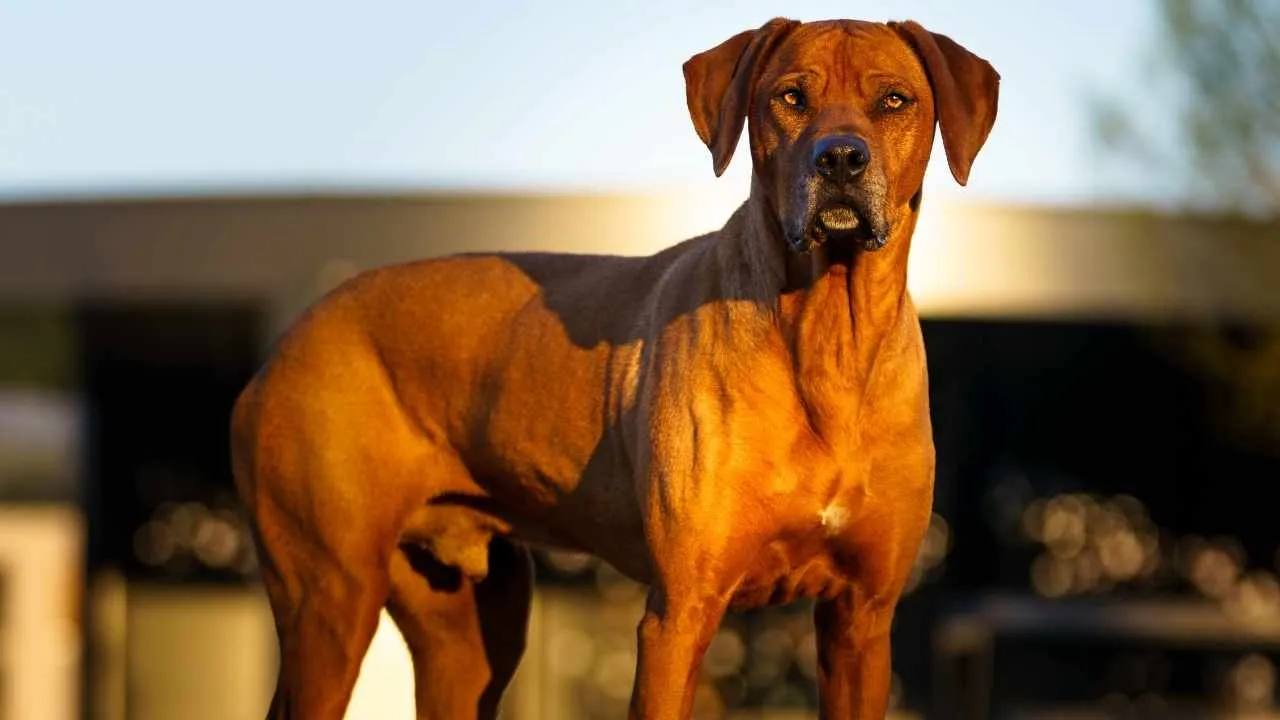
The Rhodesian Ridgeback is easy to recognize thanks to the strip of hair along its back that grows in the opposite direction from the rest of the coat. Originally developed in southern Africa, this breed combined endurance, courage, and athletic ability to help hunters track lions and other game across rugged terrain. They are muscular dogs with sleek wheaten-colored coats and a confident, balanced presence.
Although Ridgebacks are affectionate with their families, they are not clingy dogs that constantly demand attention. They can be protective and territorial, so early socialization matters from a young age. Their strong hunting instincts remain, which means small animals may trigger instant chase mode if the dog is not securely leashed or fenced in.
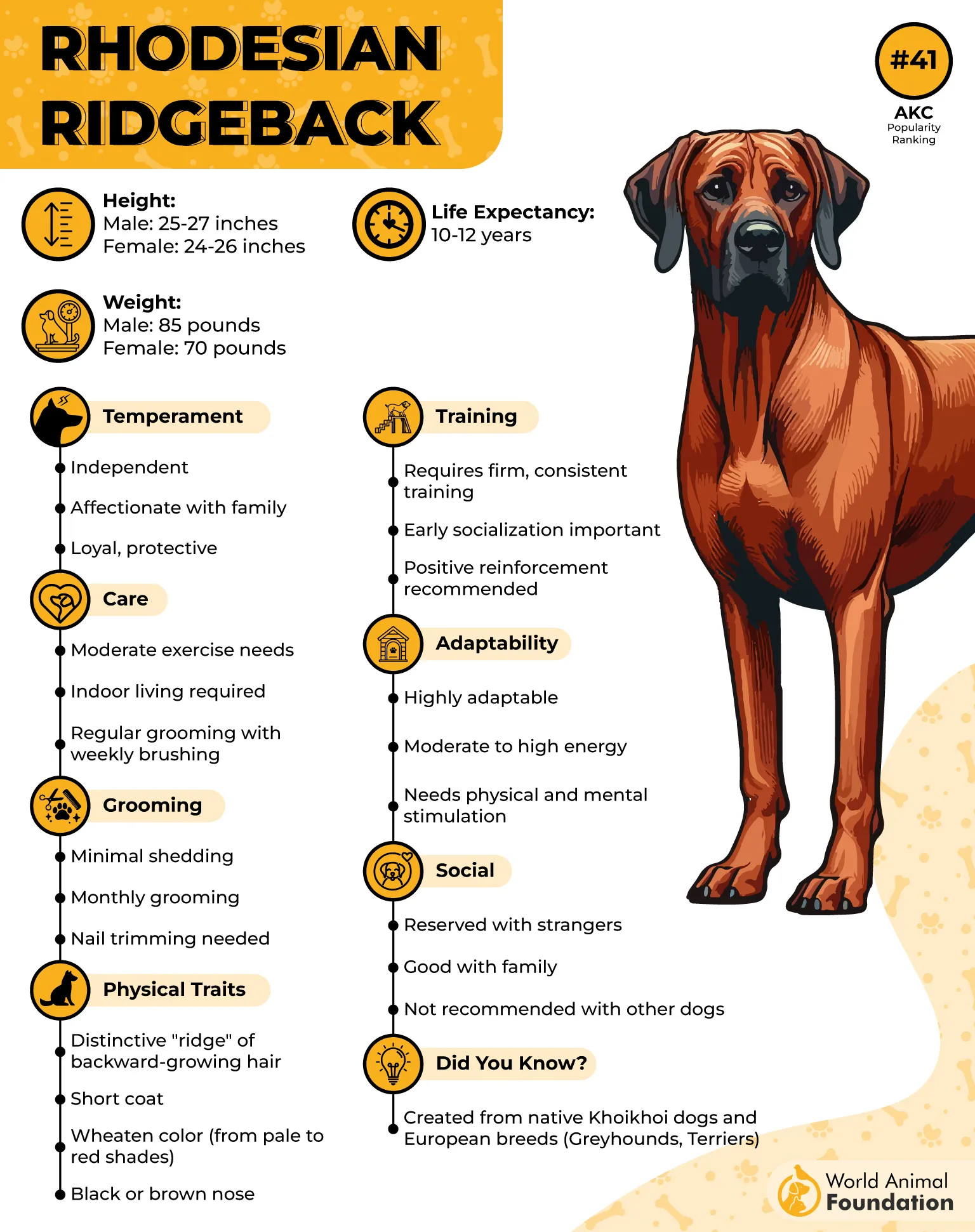
Exercise keeps this breed physically and mentally satisfied. Ridgebacks enjoy running, walking, tracking activities, and agility sports, but they mostly enjoy activities that involve their people. Grooming is refreshingly simple because their short coats only need occasional brushing and baths. Training requires consistency and positive reinforcement since Ridgebacks can be independent thinkers.
Why This Breed Is a Good Fit
A strong match for pet parents who want an athletic dog without endless grooming duties.
Their calm confidence creates a steady companion rather than an overly excitable pet.
Works well for active families looking for both loyalty and outdoor enthusiasm.
5. Weimaraner
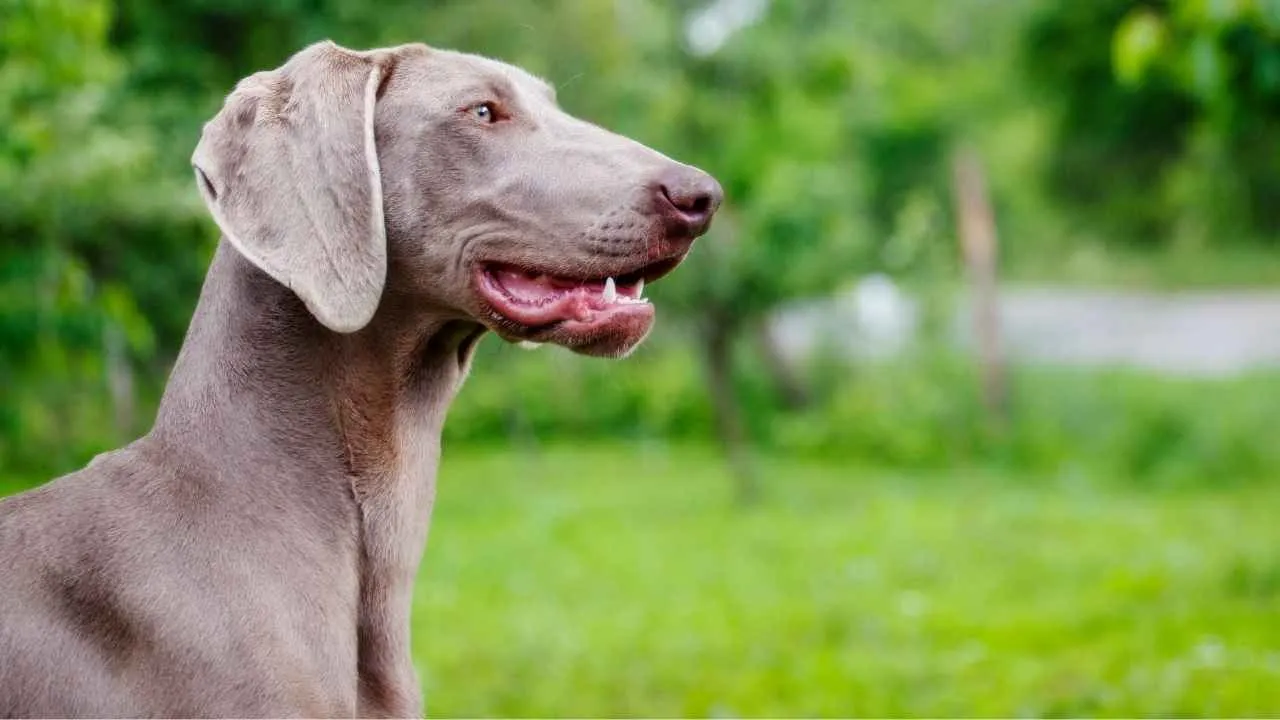
The Weimaraner began as a hunting dog for German royalty, originally tracking large game like bears and boars before later shifting to smaller animals such as rabbits and birds. Their sleek silver-gray coats and athletic build give them an elegant appearance, but these dogs are far from delicate. They are energetic, playful, and happiest when included in family activities.
Weimaraners are extremely people-focused and enjoy attention almost as much as they enjoy exercise. They adapt well to family life and are affectionate with children, though they need enough mental stimulation to stay out of trouble. Because they learn quickly, they can pick up bad habits just as fast as good ones, making early training especially important. Positive reinforcement tends to work best since these dogs are eager to please.
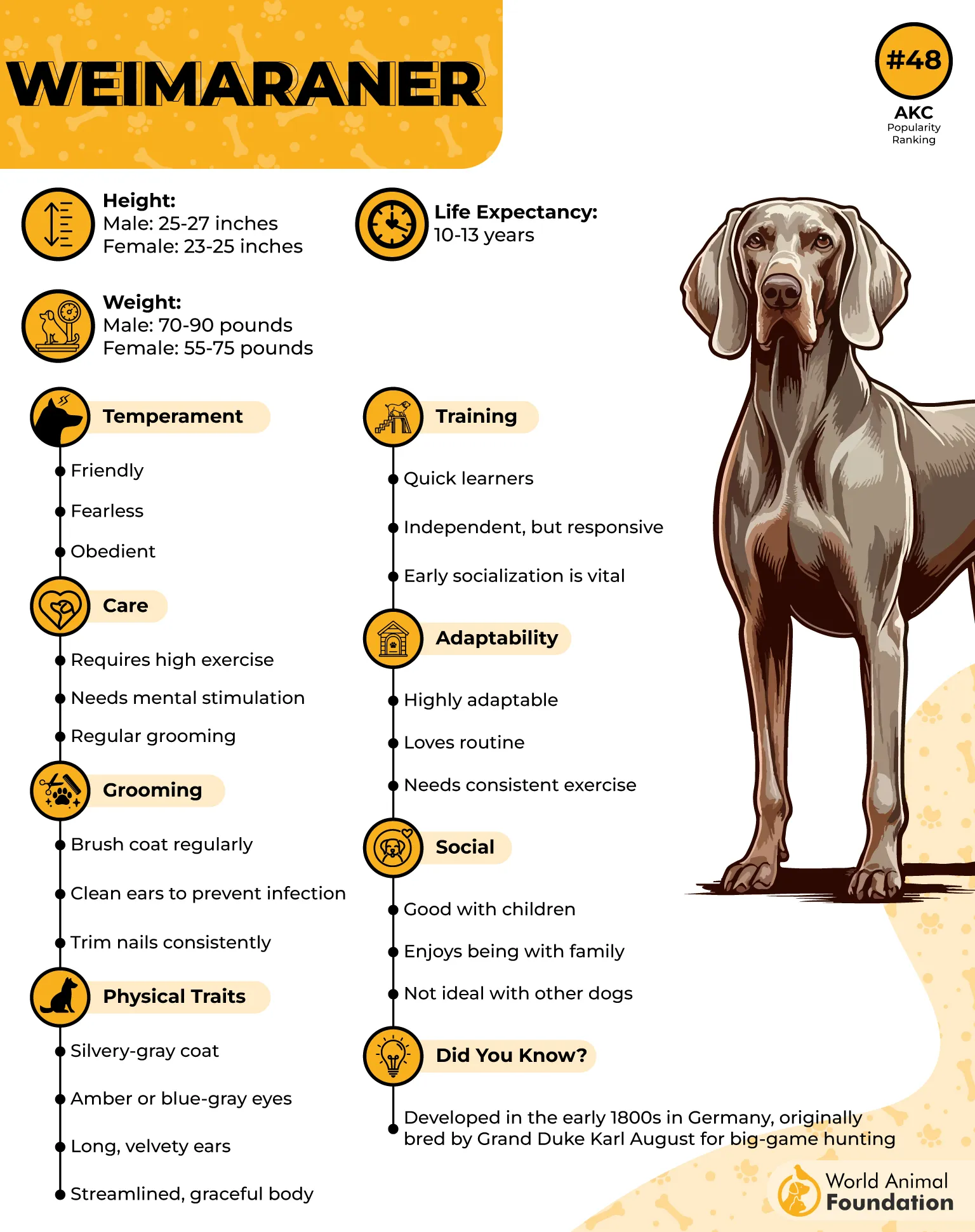
Their grooming routine is fairly manageable because the short coat sheds moderately and only needs occasional brushing. Nail care and ear cleaning are important, especially because the ear structure can trap moisture and increase the risk of infections.
Why This Breed Is a Good Fit
Excellent for families who want a highly interactive and affectionate dog.
Their intelligence makes training activities and games especially rewarding.
A great choice for owners who enjoy daily walks, running, or active play sessions.
6. Australian Cattle Dog
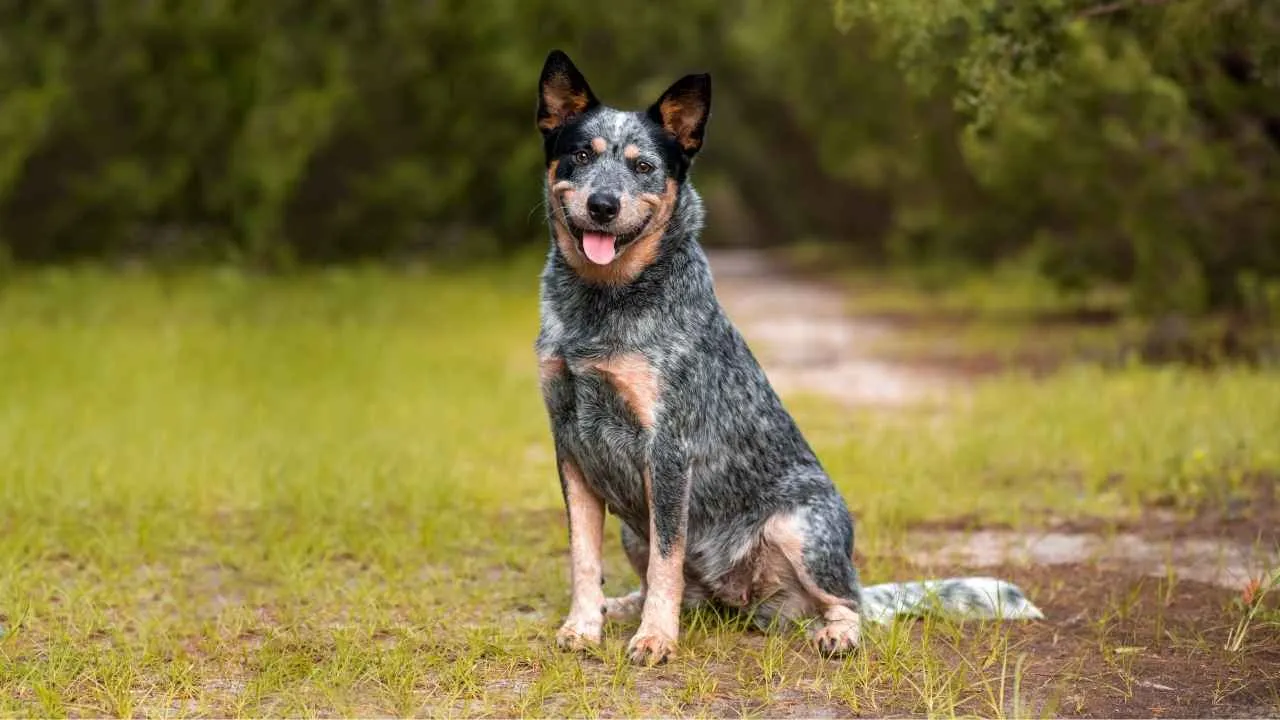
The Australian Cattle Dog was developed in Australia to herd cattle across rough terrain and long distances. Descended partly from dingoes, these dogs are known for their toughness, intelligence, and tireless work ethic. Often called Blue Heelers or Red Heelers, depending on coat color, they are energetic companions that thrive when given a job to do.
Australian Cattle Dogs are deeply loyal and usually form strong bonds with one person or family. They are highly alert, protective, and naturally curious, making them excellent working dogs and devoted companions. Because they are so intelligent, they need constant mental and physical stimulation. Without enough activity, they can become destructive or develop stubborn behaviors.
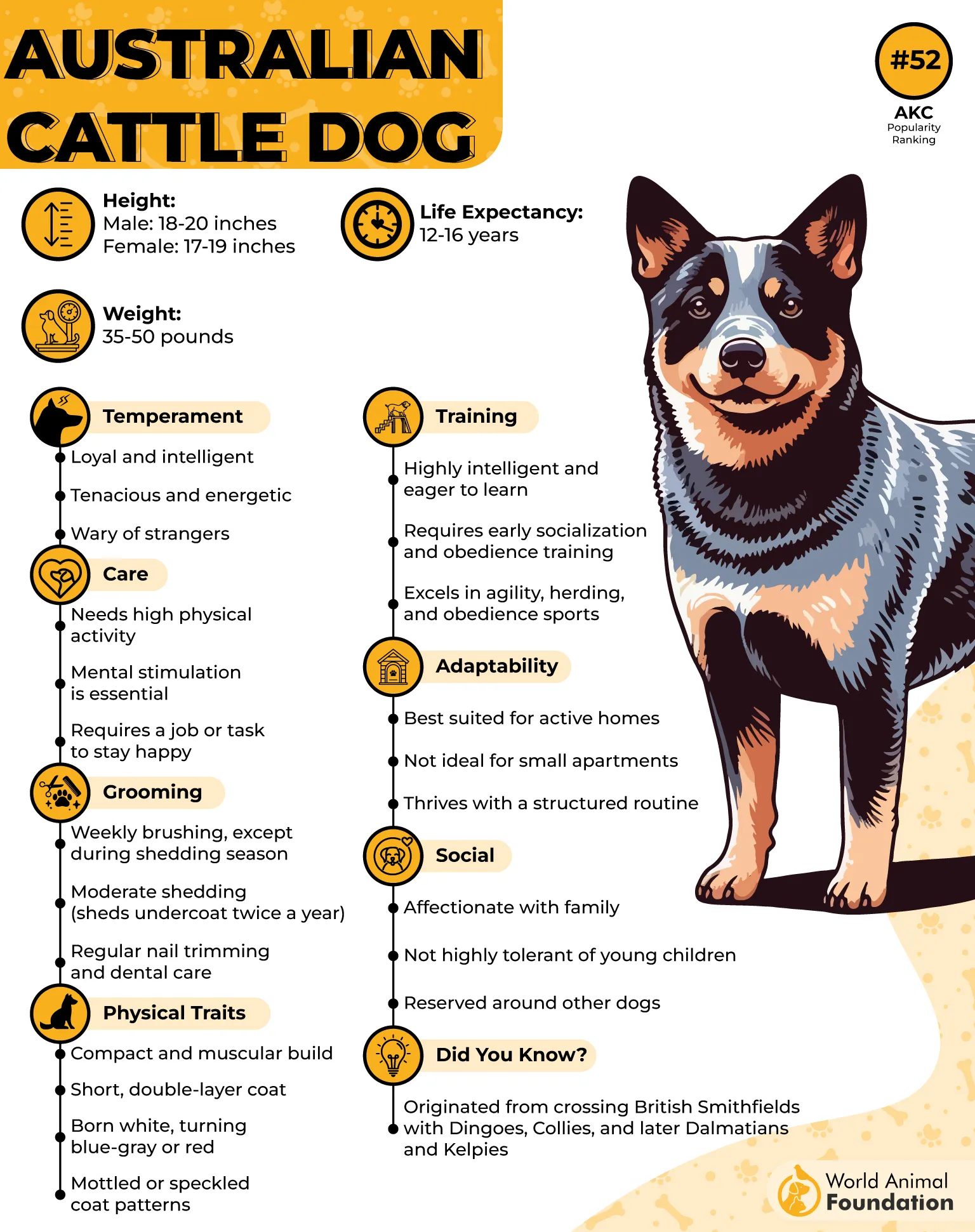
Their short double coat is weather-resistant and fairly easy to maintain with regular brushing. They shed throughout the year and experience heavier seasonal shedding twice annually. Routine nail trimming, ear cleaning, and daily exercise are important parts of their care.
Why This Breed Is a Good Fit
Herding dogs, excellent for active owners who enjoy outdoor activities and exercise.
Highly intelligent and eager to learn advanced training and canine sports.
Strong loyalty and protective instincts make them devoted companions.
7. Bloodhound
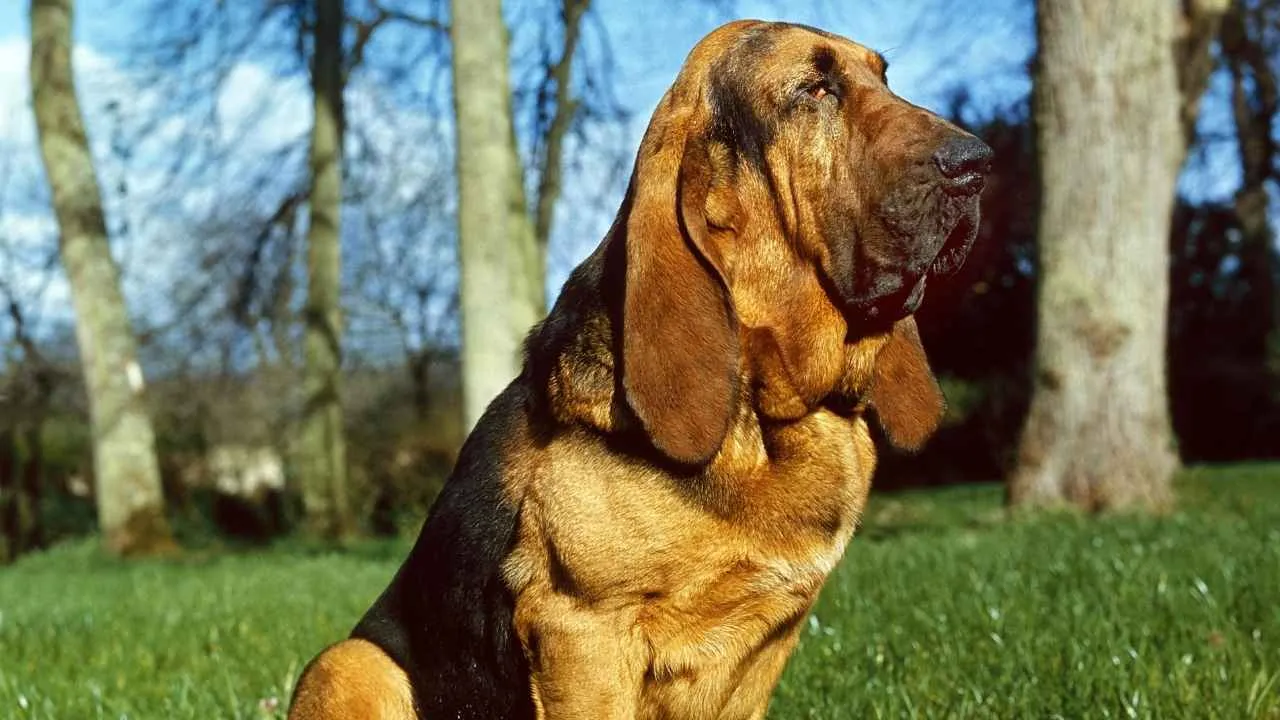
The Bloodhound is one of the world’s most famous scent-tracking dogs, originally bred for hunting and trailing people or animals over long distances. Known for their loose skin, long droopy ears, and remarkable noses, Bloodhounds are gentle giants with calm and affectionate personalities.
Despite their relaxed appearance indoors, Bloodhounds are highly active dogs that require plenty of exercise and mental stimulation. They love exploring scents and enjoy long walks, tracking games, and outdoor adventures.
Their independent nature can sometimes make training challenging, especially when they catch an interesting smell, but they respond well to patient and positive reinforcement methods.
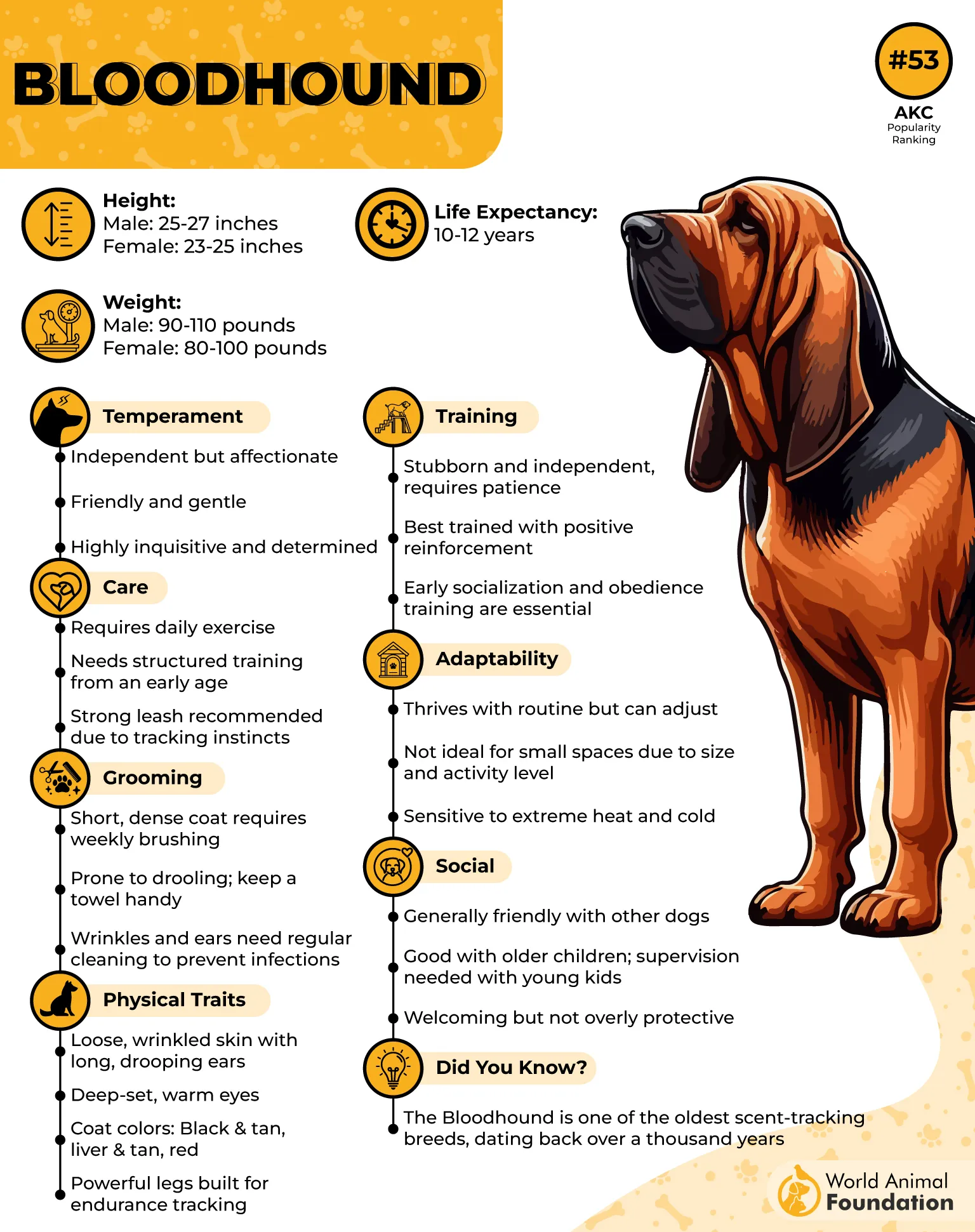
Their short coat is simple to groom with weekly brushing, though their skin folds and ears require regular cleaning to prevent infections. Bloodhounds are also known for drooling and may need extra grooming attention around the face and mouth area.
Why This Breed Is a Good Fit
Outstanding scent-tracking ability and love for outdoor activities.
Gentle and affectionate temperament makes them good family dogs.
Enjoy companionship and form strong bonds with their owners.
8. Redbone Coonhound
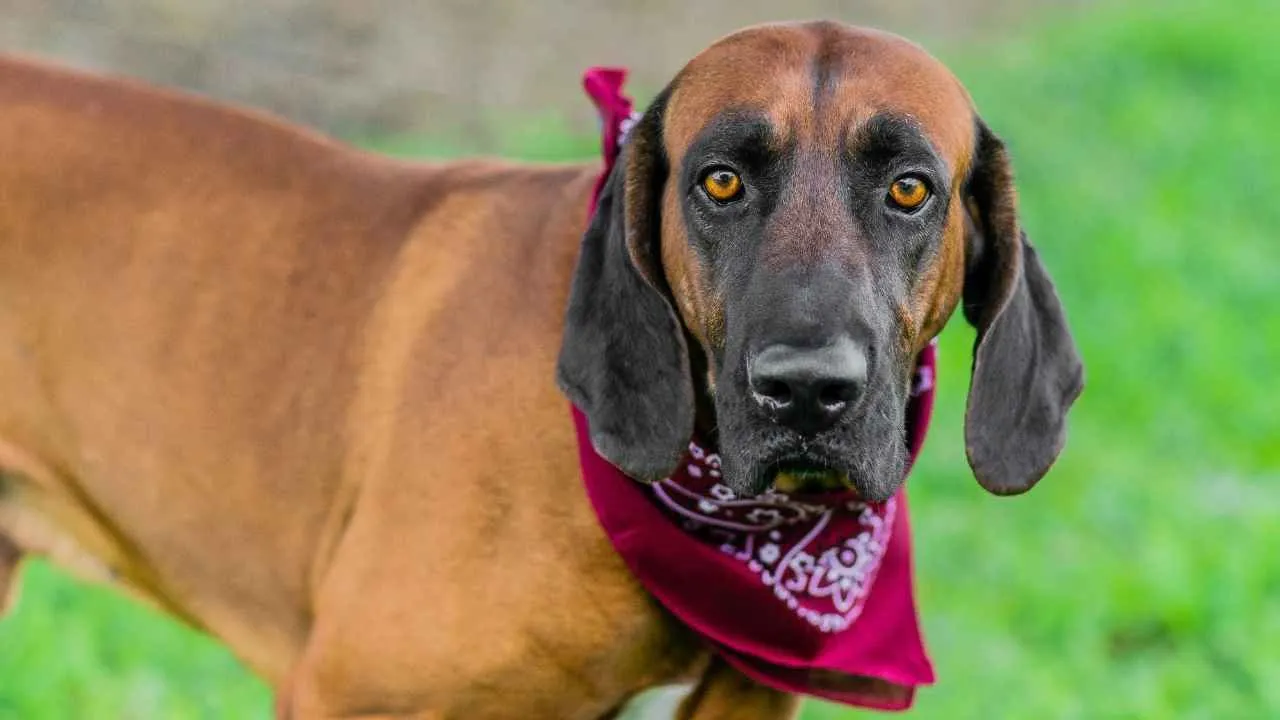
The Redbone Coonhound was originally bred in the United States for hunting raccoons and large game. Recognized by its rich red coat and athletic build, this breed combines strong hunting instincts with a friendly and affectionate nature. Redbone Coonhounds are energetic dogs that enjoy both adventure and family life.
These dogs are playful, social, and usually get along well with children and other dogs. This breed thrives in active households where they can participate in hiking, running, scent games, or hunting activities.
Redbone Coonhounds are intelligent and eager to please, though their strong prey drive can sometimes make them distracted outdoors. Consistent training and early socialization help them become well-mannered companions.
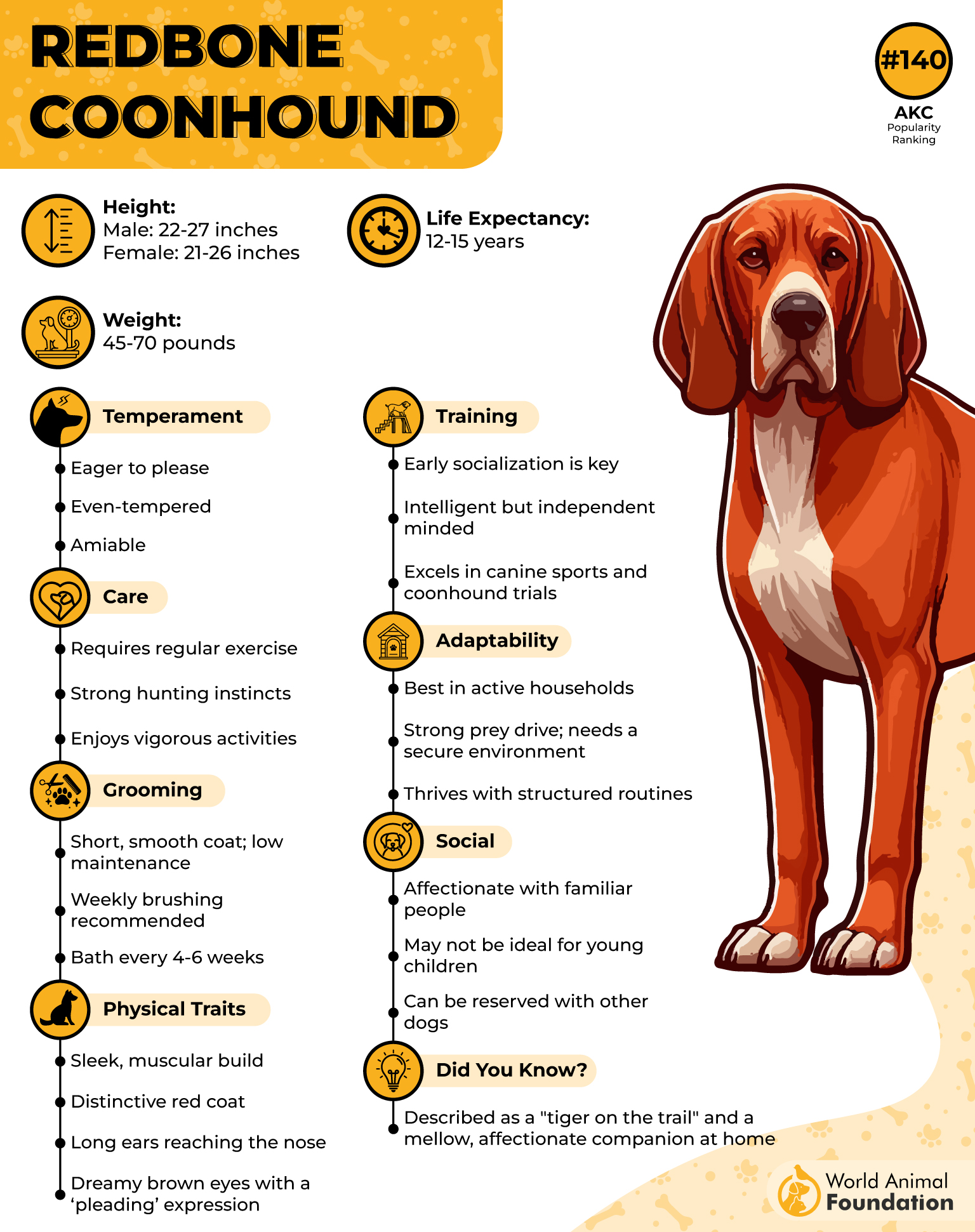
Their short, smooth coat is low-maintenance and only needs weekly brushing to remove loose hair. Regular ear cleaning is important because their floppy ears can trap moisture and debris. Daily exercise helps keep them physically and mentally satisfied.
Why This Breed Is a Good Fit
A friendly and affectionate personality works well in family homes.
An athletic build makes them ideal companions for outdoor adventures.
A short coat requires relatively easy grooming and maintenance.
9. Black and Tan Coonhound
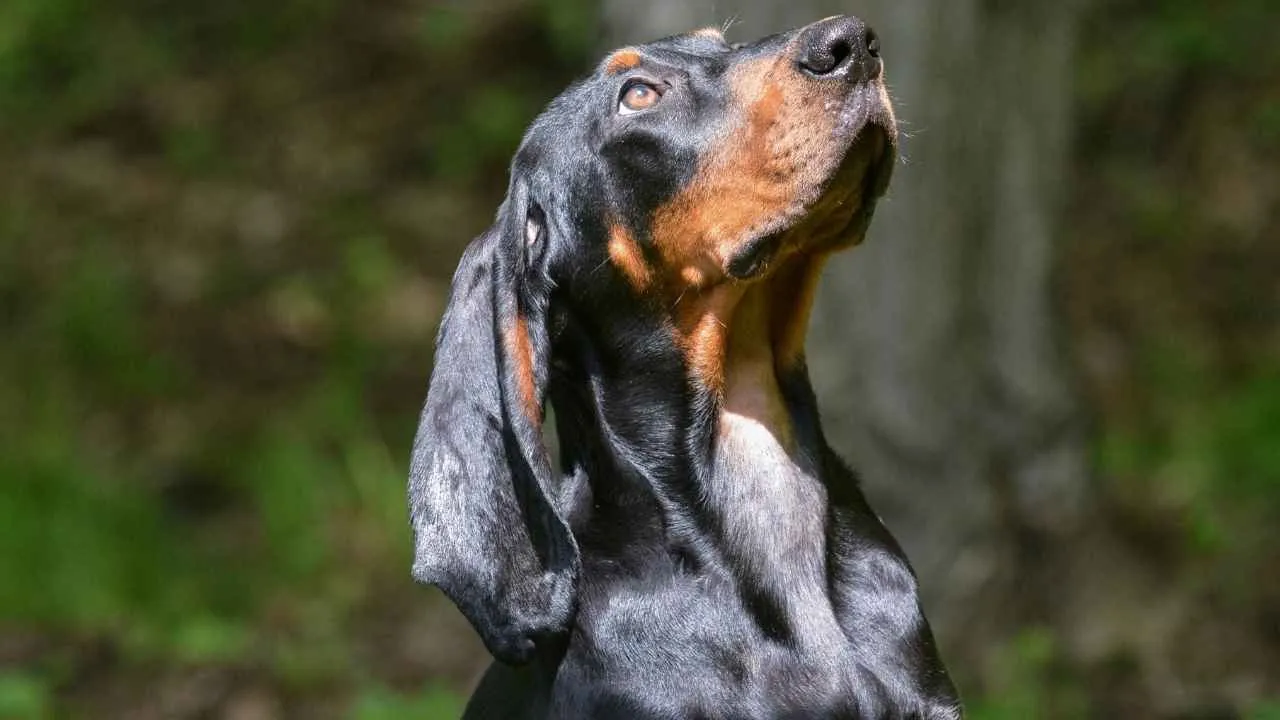
The Black and Tan Coonhound is a powerful scent hound developed for tracking raccoons, deer, and other game. With their black coat and tan markings, deep bark, and strong nose, these dogs are excellent hunters while also being calm and affectionate companions at home.
Black and Tan Coonhounds enjoy spending time with their families and are known for their gentle, easygoing temperament. They are playful and social with children and other dogs, but their strong hunting instincts mean they can become distracted by scents outdoors. Daily exercise, scent games, and obedience training are important to keep them mentally and physically engaged.
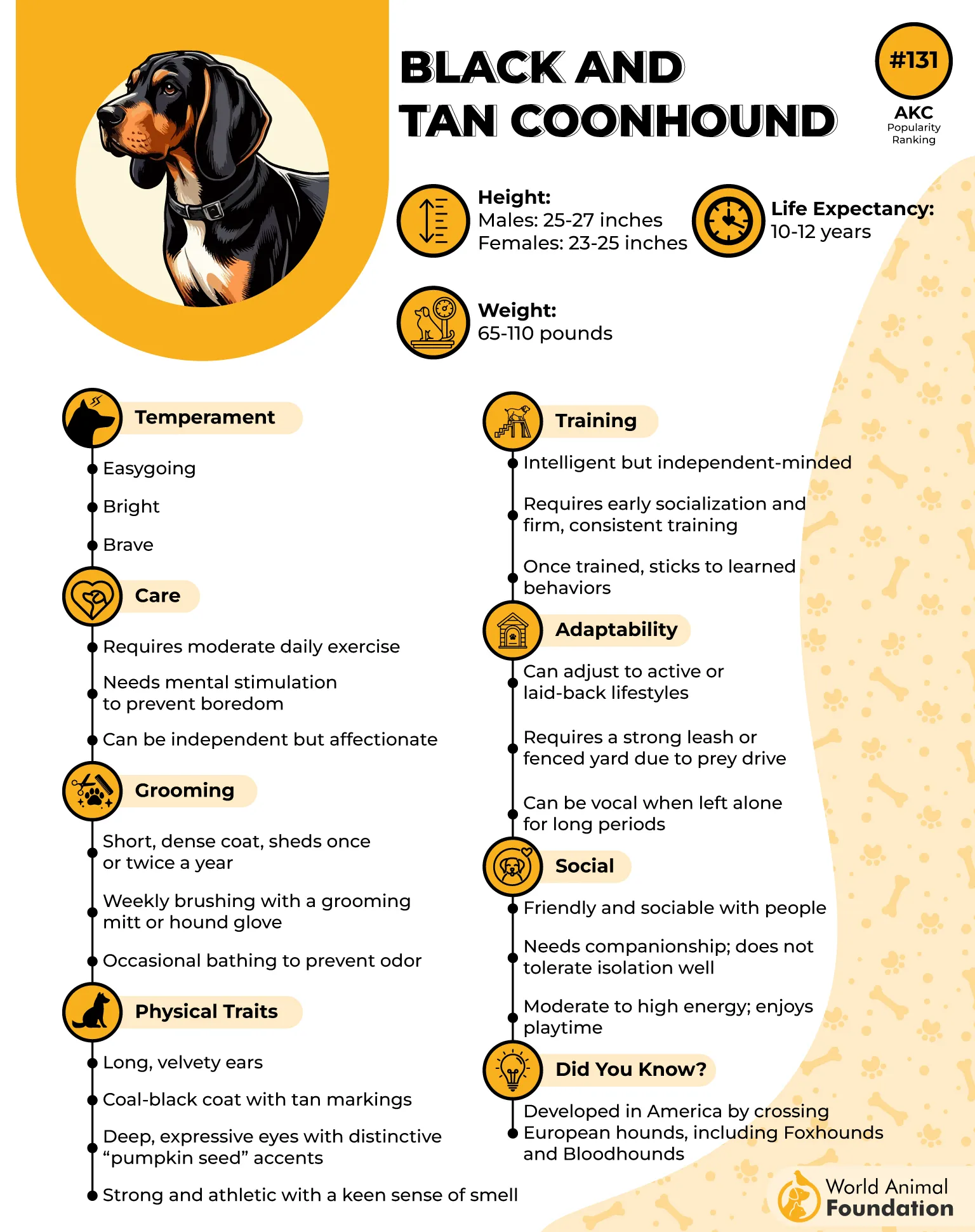
Their short, dense coat is easy to care for with regular brushing. Long ears should be checked and cleaned often to prevent infections, and routine nail care is essential for active dogs. They may drool more than some breeds, especially after exercise or eating.
Why This Breed Is a Good Fit
A gentle and friendly personality makes them strong family companions.
Excellent scent-tracking skills and love for outdoor activities.
A low-maintenance coat is easy to groom and care for.
Conclusion
Every dog has its own personality, energy level, and care requirements, which is why choosing the right companion should always depend on lifestyle and commitment rather than appearance alone.
Some dogs thrive in active households with plenty of exercise and mental stimulation, while others are valued for their loyalty, intelligence, and affectionate nature. Proper training, socialization, grooming, and healthcare all play an important role in raising a happy and well-adjusted pet.
Other dogs, such as the Bernese Mountain Dog, Australian Shepherd, Labrador Retriever, Border Collie, and Belgian Malinois, are great canine companions for active lifestyles and outdoor enthusiasts.
With patience, consistency, and attention to their needs, these hardworking and devoted companions can form strong bonds with their families and provide years of friendship, protection, entertainment, and unconditional love in the right home environment.
