




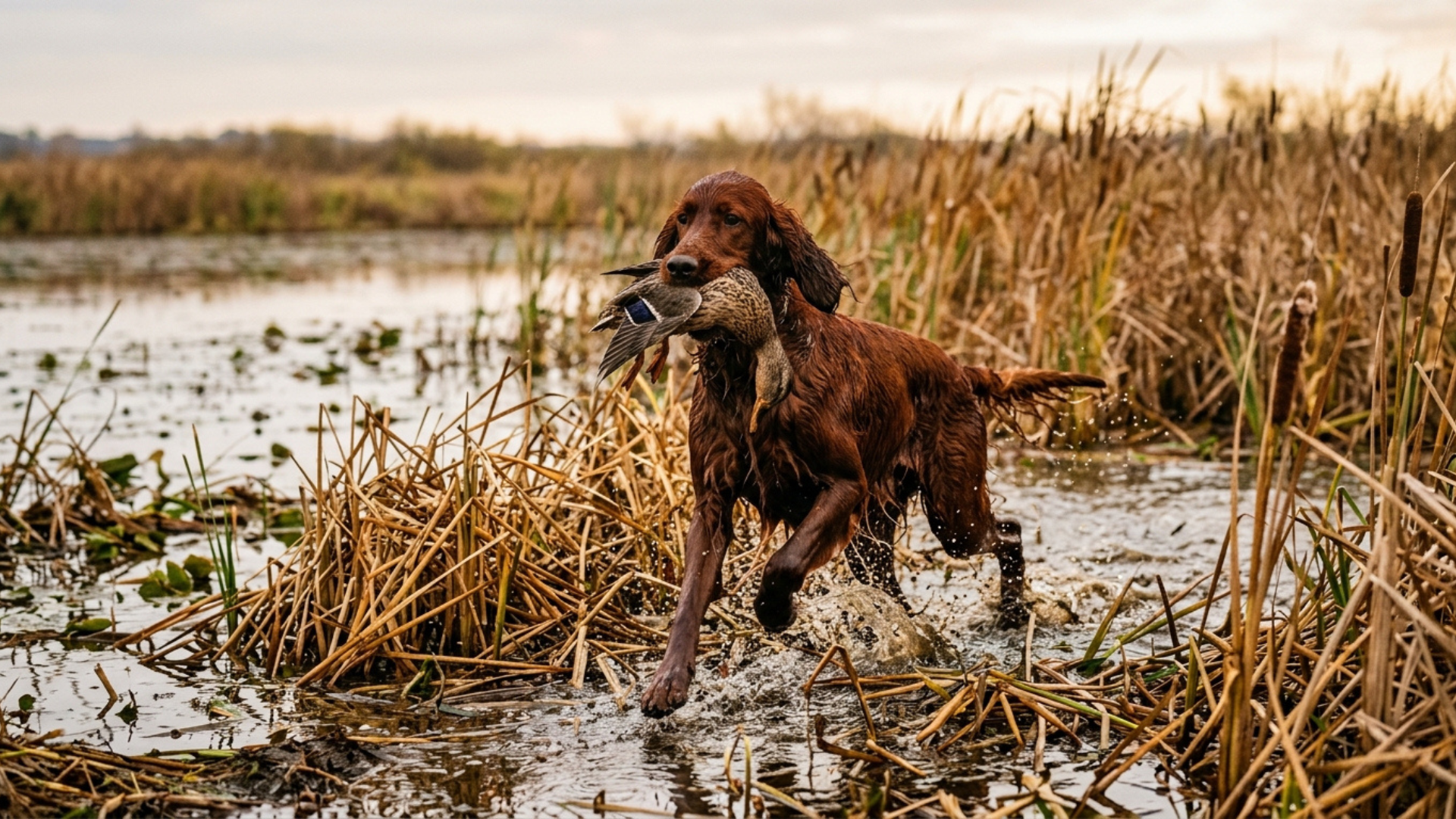
At sunrise, the water lies still. Mist drifts over the reeds. Ducks streak across the sky like tiny fighter jets… and somewhere beside the boat, a dog vibrates with excitement strong enough to power a small city.
One splash into freezing water? No hesitation. No drama. Just pure determination wrapped in fur and muddy paws. Waterfowl hunting dogs are built differently.
These aren’t the “stay clean on the couch” types. They charge through icy lakes, crash through dense reeds, and retrieve birds with the kind of focus most humans wish they had before their morning coffee. Some swim for hours. Others treat swamp mud like a luxury spa treatment.
And the craziest part?
Many of these breeds are affectionate family companions once the hunt is over. One minute they’re diving into freezing water like furry Navy SEALs… the next, they’re snoring on your living room floor as if nothing happened.
So, which breeds truly dominate duck blinds, marshes, and wetlands year after year? Let’s meet the top 10 dogs practically born with webbed feet and a passion for the hunt.
Did you know?
Some waterfowl hunting dogs have specially designed double coats that help repel icy water and keep them warm during long retrieves. Retriever breeds like the Labrador Retriever and Chesapeake Bay Retriever were specifically developed to retrieve ducks in brutally cold conditions.
Top Dog Breeds Excelling at Waterfowl Hunting
1. American Water Spaniel
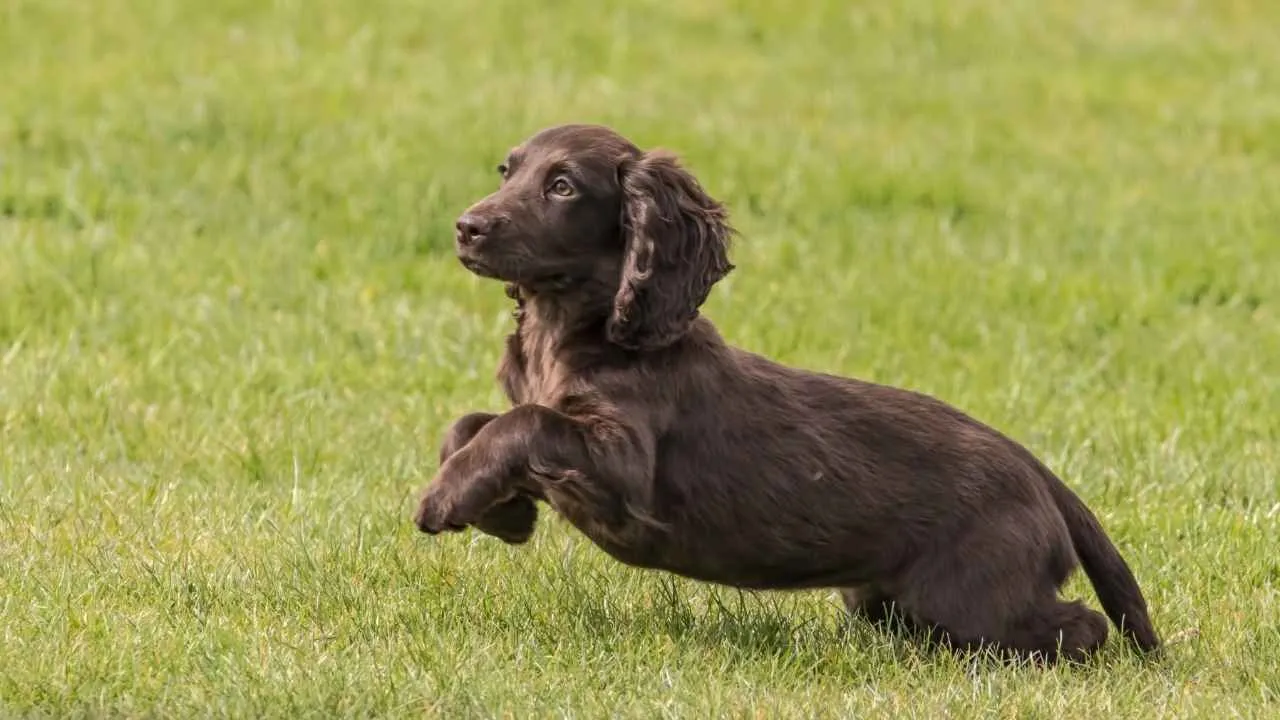
The American Water Spaniel may not be the biggest hunting dog in the marsh, but it works like one that never runs out of energy.
Originally developed in Wisconsin and Minnesota during the 1800s, this compact gun dog became popular with hunters who needed a hardworking retriever small enough to fit inside a boat yet tough enough to handle cold lakes and thick wetlands.
And this energetic dog breed absolutely loves water.
The moment ducks hit the water, the American Water Spaniel charges in without hesitation, weaving through reeds, muddy shorelines, and icy ponds with impressive determination.
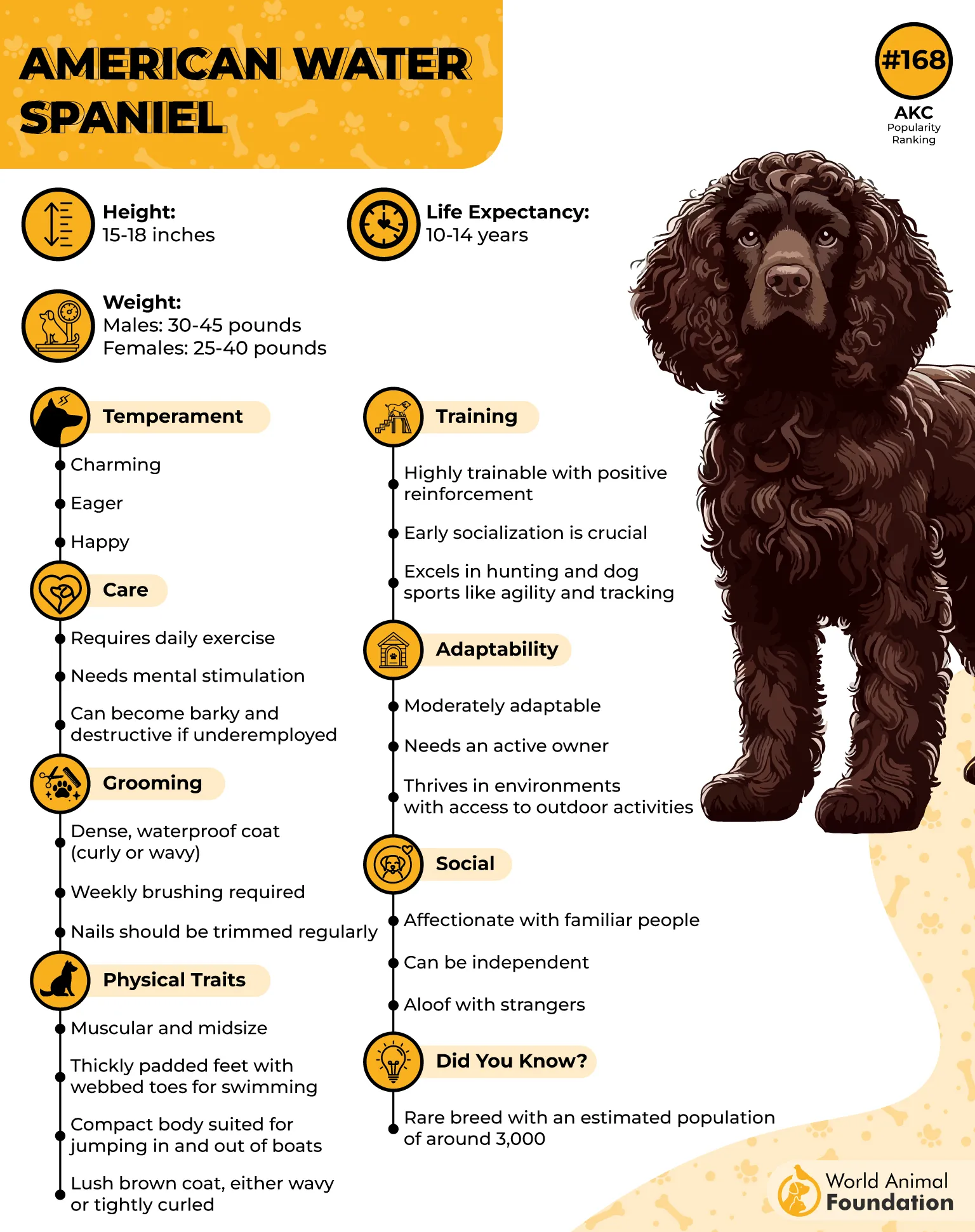
Its dense curly coat helps protect it from cold weather, though the coat’s natural oils can leave behind that classic “wet dog” smell after a long morning hunt.
Unlike many larger retrievers, this breed combines strong retrieving instincts with the agility to hunt quail, grouse, pheasant, and rabbits across rough terrain.
It also has a rare ability to switch quickly between flushing and retrieving game, making it especially useful for hunters working mixed environments throughout the Midwest.
2. Irish Setter
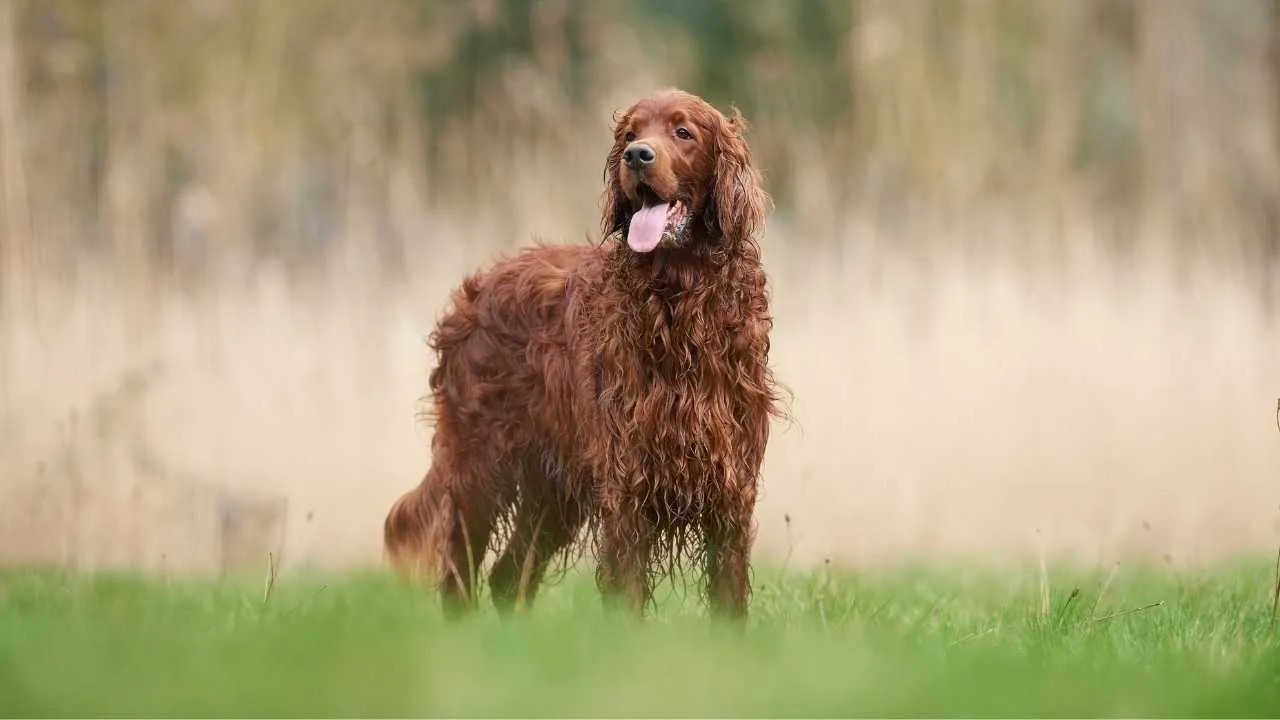
The Irish Setter brings speed, boundless energy, and style into the hunting field in a way few sporting dogs can match, as mentioned by the AKC.
Originally developed in Ireland for bird hunting, this breed became especially valued for covering large stretches of marshland and open terrain while locating game birds hidden deep in thick cover.
And it does it FAST.
With long legs, a lightweight build, and powerful movement, the Irish Setter can work across wet grasslands and uneven ground for hours without slowing down.
Hunters often relied on the breed during long days outdoors because of its stamina and strong bird-finding instincts.
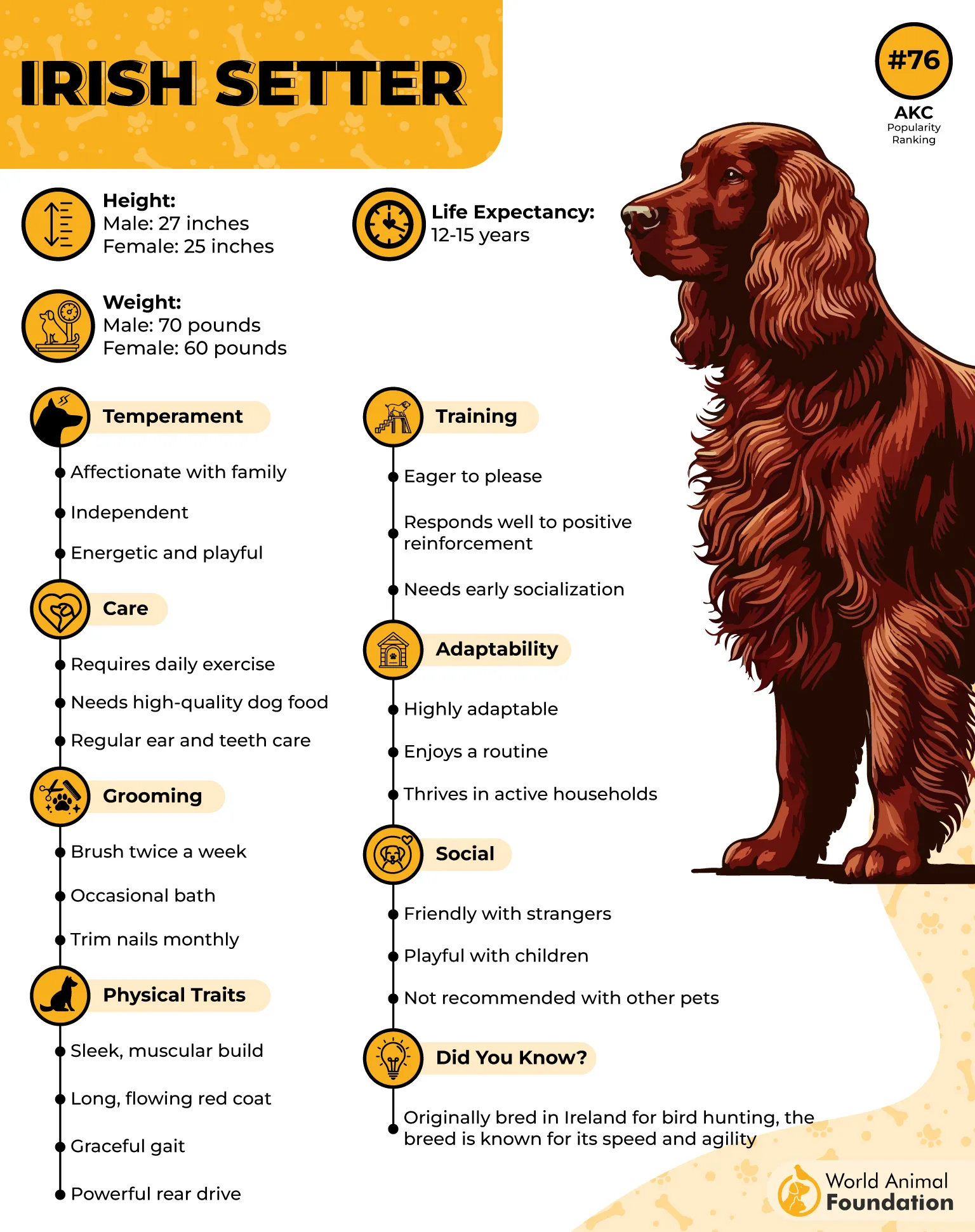
Once the dog catches scent, it moves with impressive focus and quickly flushes birds into the air.
That rich mahogany coat may look elegant, but this is far from a delicate dog. Irish Setters are known for charging through rough brush and muddy fields with a fearless attitude that surprised many hunters over the years.
Unlike heavier retrievers that mainly wait for retrieves, the Irish Setter excels at actively searching wide areas at high speed, making it especially useful for hunters working large wetlands and upland bird hunting territory.
3. Boykin Spaniel
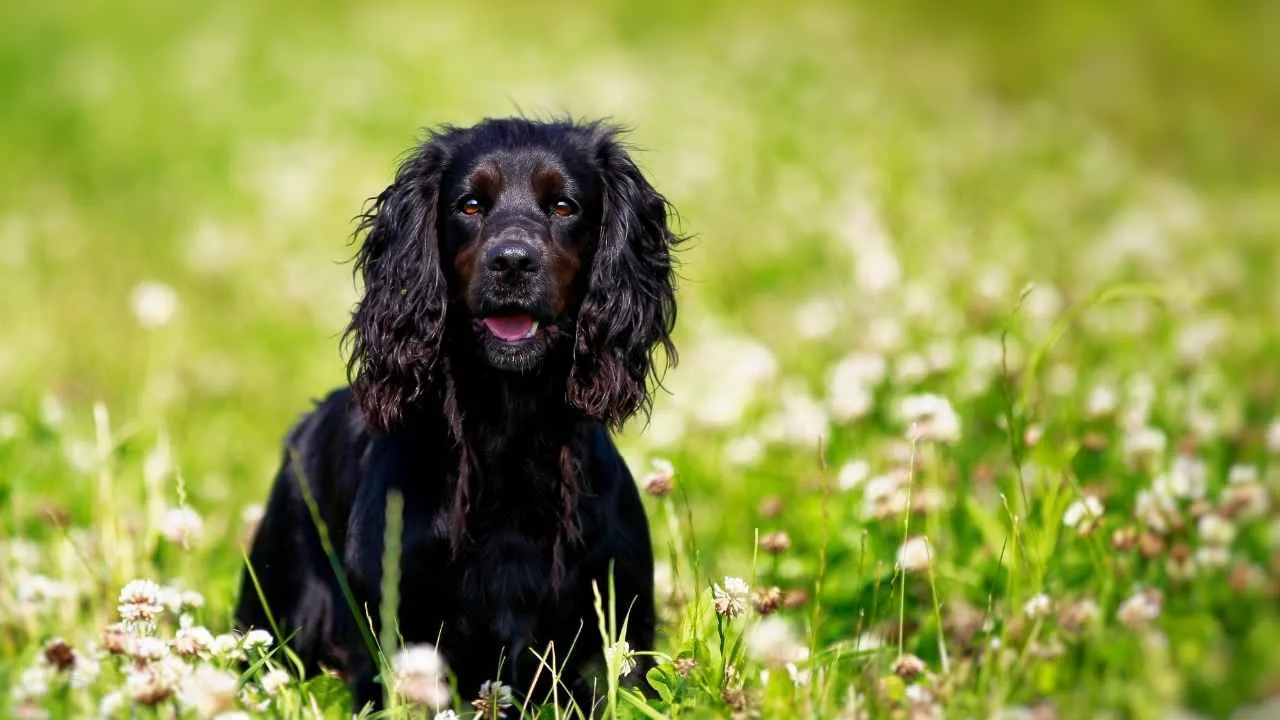
The Boykin Spaniel was built for the swamps, lakes, and flooded timber of South Carolina, where hunters needed a compact dog tough enough to retrieve ducks from water yet small enough to fit comfortably inside a boat.
And this little hunter takes its job seriously.
Boykins are strong swimmers with webbed feet that help them move smoothly through muddy water and thick marsh vegetation.
Hunters often praise the breed for staying energetic through long mornings in wet conditions, then calmly settling beside the family once the day is over.
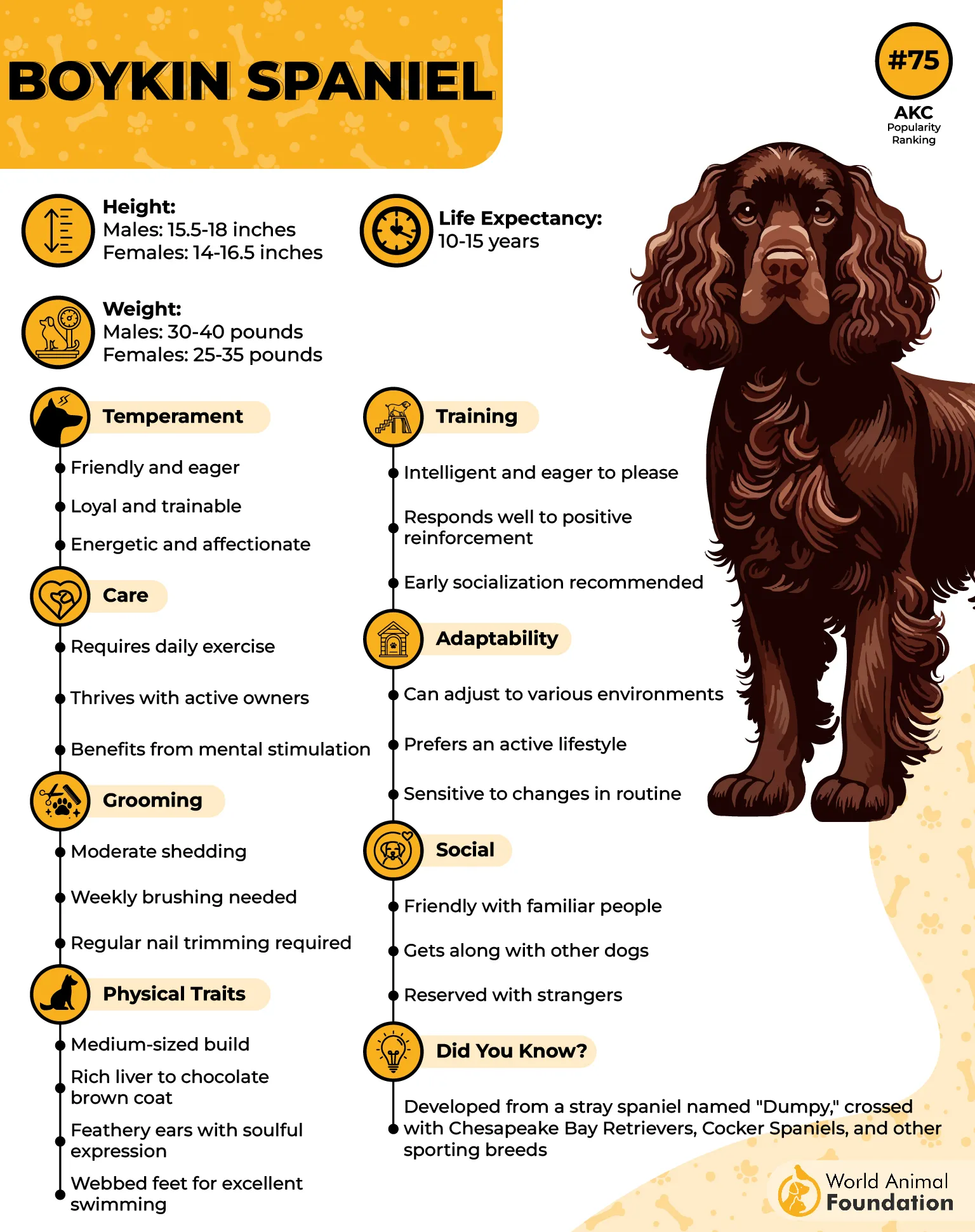
That rich brown coat isn’t just for looks either. It offers protection while pushing through brush, reeds, and damp shoreline cover during retrieves.
This duck dog breed became especially popular among waterfowl hunters because it could handle both flushing and retrieving duties without needing a much larger dog.
Despite their medium size, Boykins work with surprising determination in the field. Many hunters describe them as quiet and gentle at home, but incredibly driven once birds start flying.
The breed’s stamina made it reliable during long days of upland game hunting and duck retrieval.
Their ability to jump into small hunting boats without crowding space made them especially valuable during traditional turkey and duck hunts throughout the American South.
4. Nova Scotia Duck Tolling Retriever
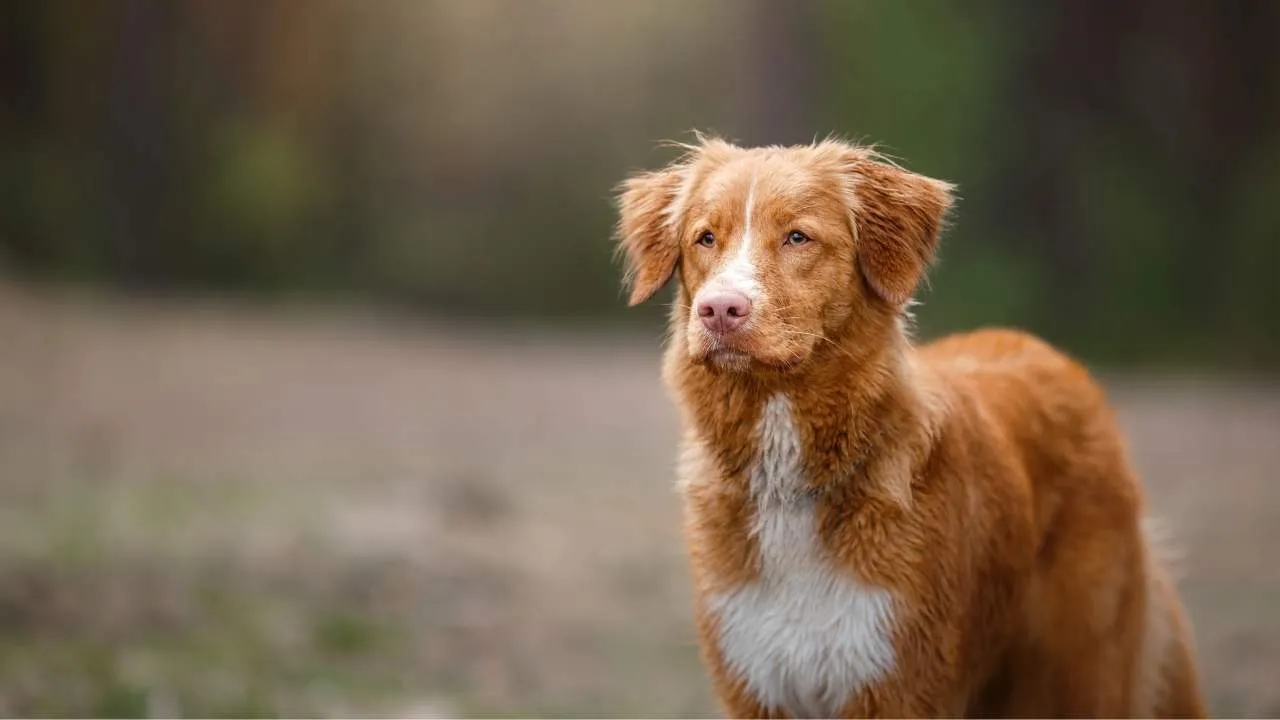
The Nova Scotia Duck Tolling Retriever hunts waterfowl in a way that looks almost like a clever trick, as mentioned by Purina.
Instead of waiting quietly beside hunters, this energetic retriever moves along the shoreline, playing and darting through the grass to grab the attention of curious ducks.
As the birds drift closer to investigate, hunters get their opportunity.
This unusual hunting method, called “tolling,” made the breed famous in the icy coastal regions of Nova Scotia.
And once the birds drop into the water?
The Toller turns into a tireless retriever.
Its water-repellent double coat, thick underlayer, and webbed feet help it handle freezing lakes and rough weather surprisingly well for a medium-sized dog.
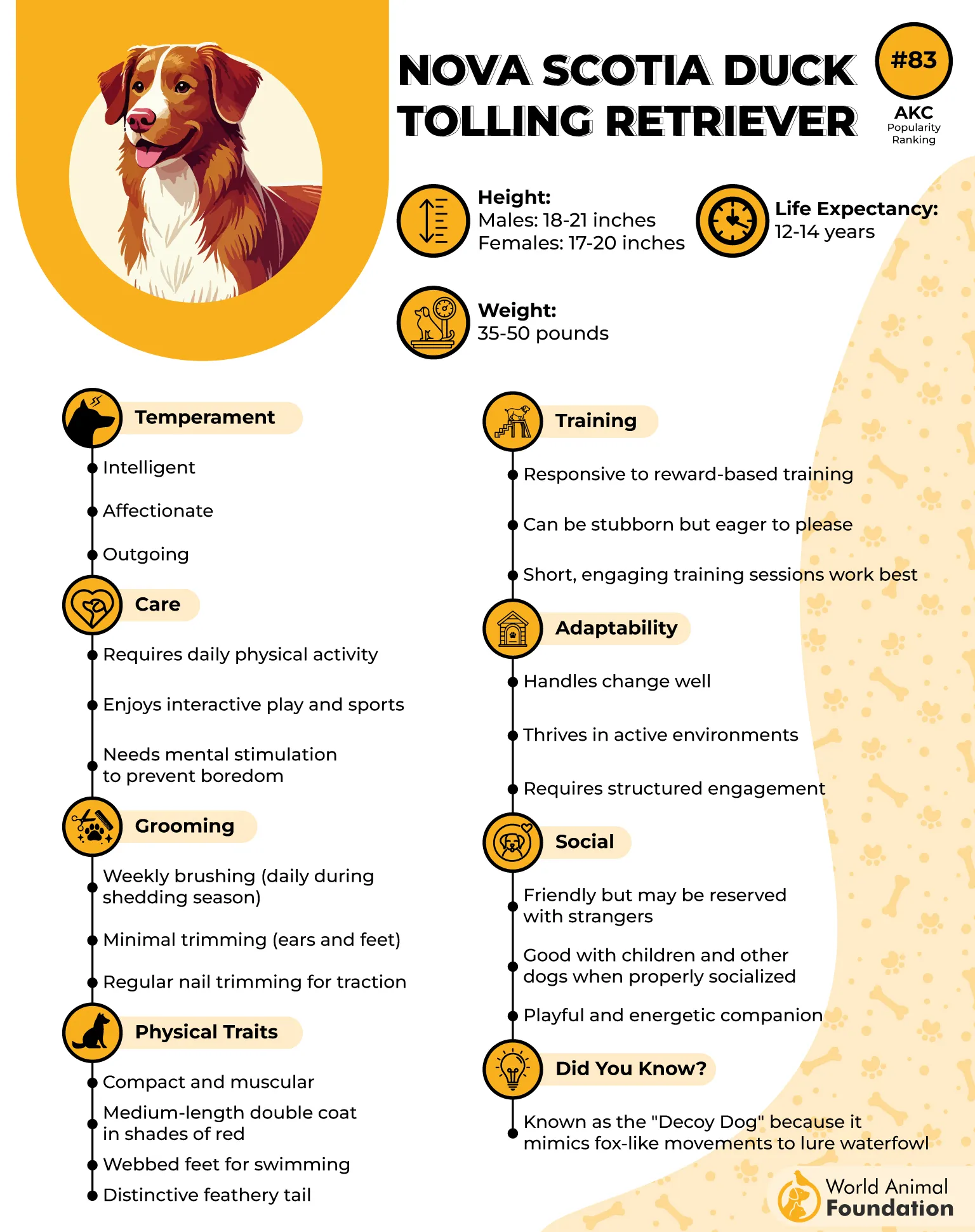
Hunters value the breed for staying active during long outings while still responding quickly to commands.
That striking red-orange coat and constantly waving tail make the Toller easy to spot near marshes and shorelines, even in low morning light.
Unlike many retrievers that mainly focus on strength, this breed combines speed, intelligence, and a playful style of hunting that few other waterfowl dogs can replicate in the field.
5. Flat-Coated Retriever
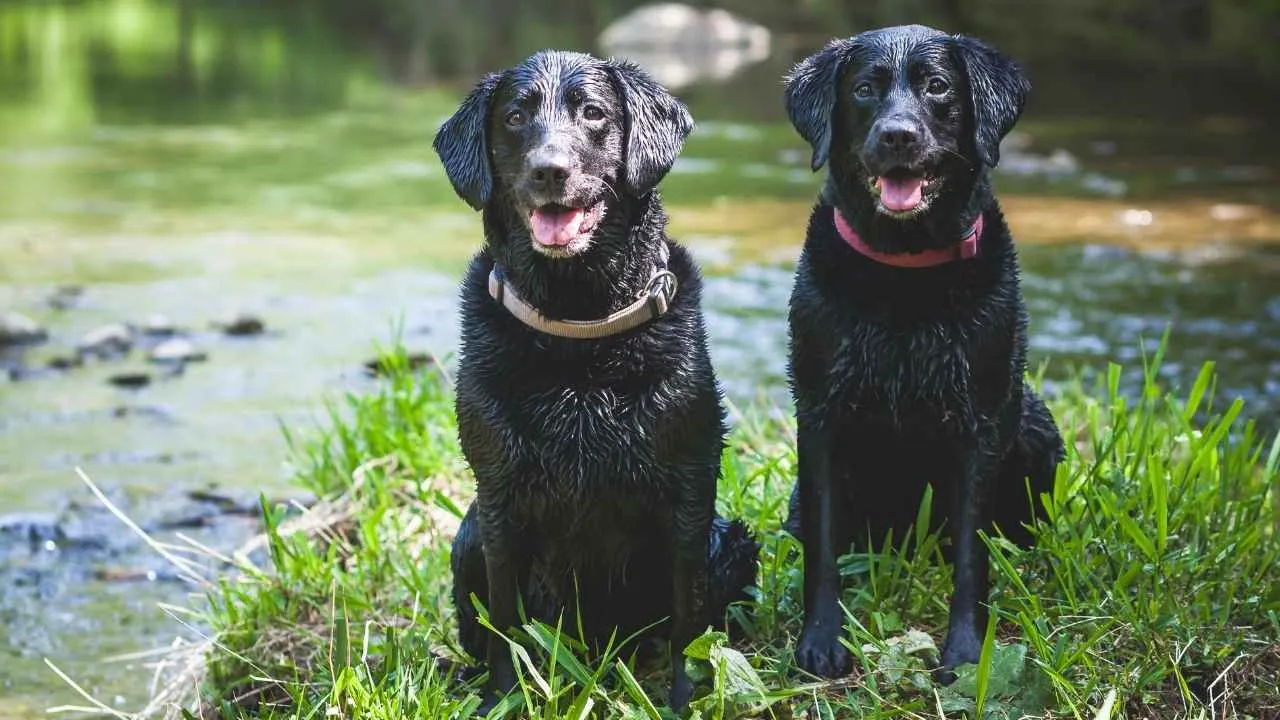
The Flat-Coated Retriever was developed during the 1800s when bird hunting became increasingly popular across Britain, and hunters needed a dependable dog capable of retrieving ducks and other game from lakes, marshes, and rough wetlands.
And this breed quickly earned a reputation for never seeming to run out of enthusiasm.
Flat-Coats are powerful swimmers that move confidently through cold water while carrying game birds gently back to hand.
Hunters valued them for their straight, efficient retrieves and their ability to closely watch where birds landed before charging out on command.
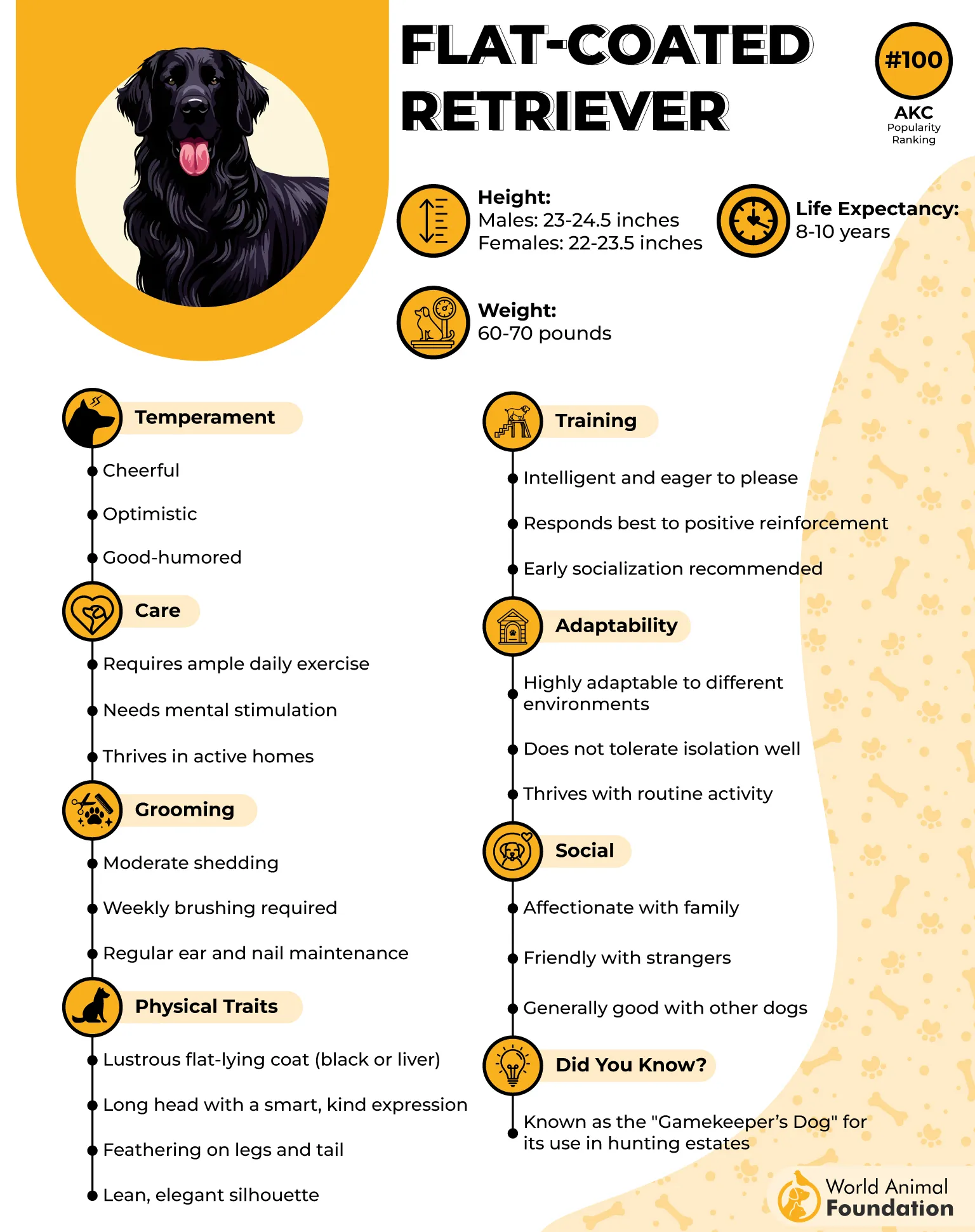
Their sleek black or liver-colored coat helps protect them during long hours outdoors, especially around damp fields and muddy shorelines.
The breed was created using water dogs, spaniels, setters, and the St. John’s water dog from Newfoundland, giving it strong retrieving instincts and impressive versatility in hunting conditions.
But what truly makes this versatile breed stand out is its famously youthful personality. Even experienced hunting dogs often keep the playful energy of a puppy well into adulthood.
One minute, they are focused workers in icy water… the next, these versatile hunting dogs are begging for another game of fetch like overgrown kids.
6. Labrador Retriever
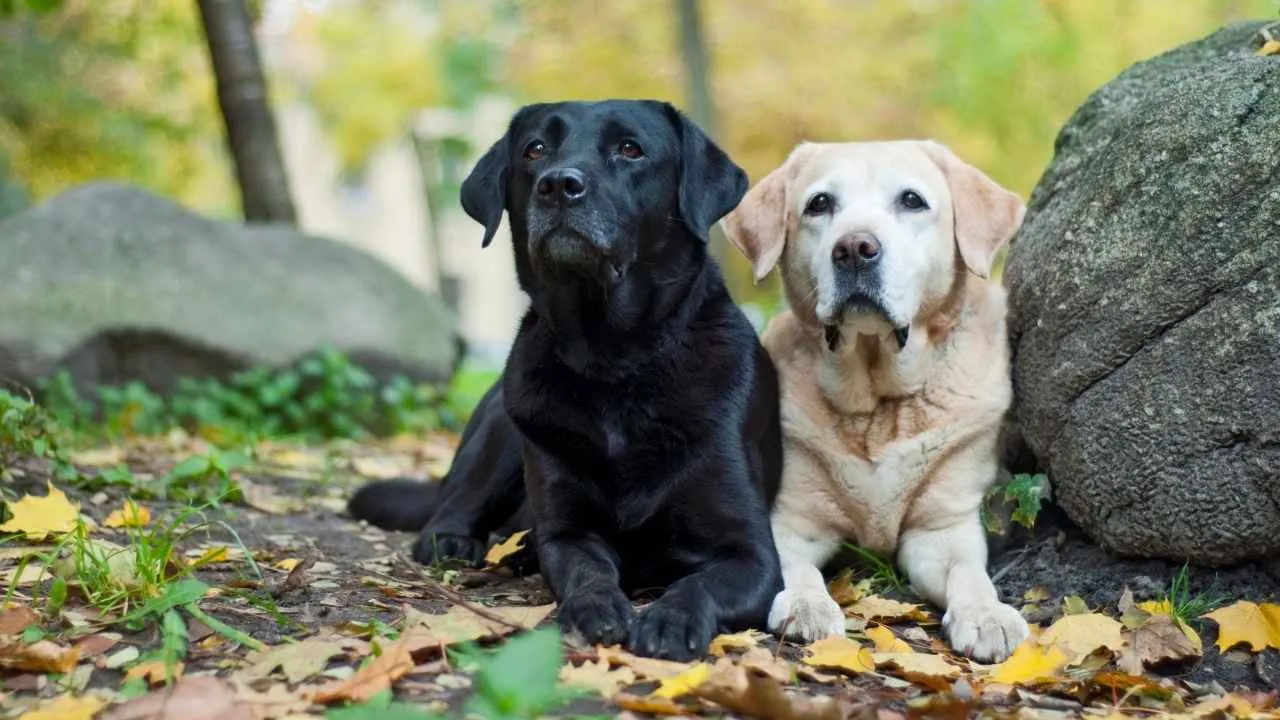
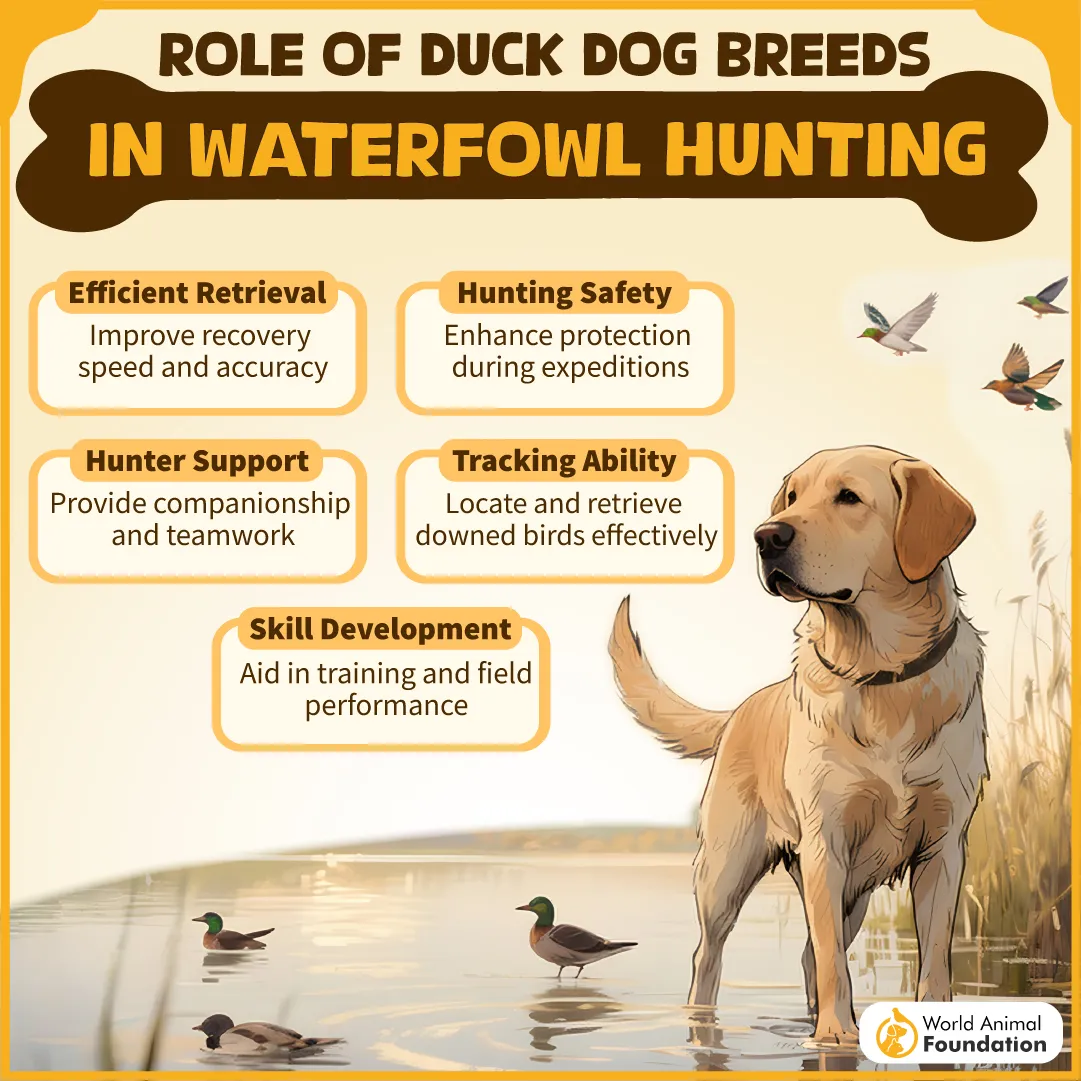
The Labrador Retriever became a legend among waterfowl hunters for one simple reason… it refuses to quit.
Cold lakes, heavy rain, icy wind, thick mud — none of it seems to slow this dog down. Originally descended from fishing dogs in Newfoundland, Labradors were bred to work around water long before they became America’s favorite family companion.
And you can still see those roots every time a Lab charges into a marsh after a fallen duck.
Its dense double coat helps repel freezing water, while the famous “otter tail” acts almost like a rudder during strong swims, as noted by the AKC.
Hunters value Labs for their steady temperament and reliable retrieves, especially during long duck hunts where patience matters just as much as speed.
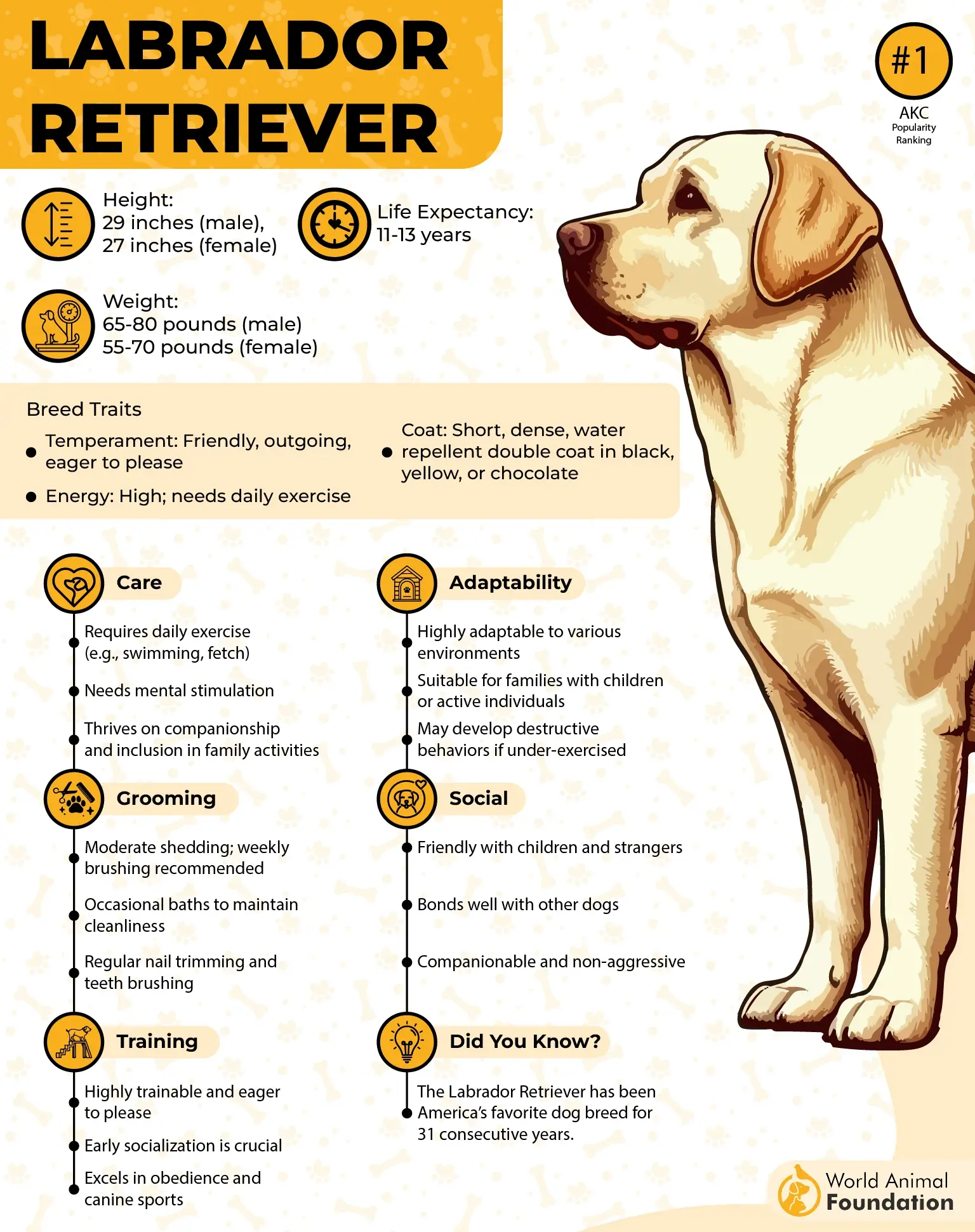
Unlike some high-strung sporting breeds, the Labrador stays calm beside the blind until the action starts. Then suddenly… pure athlete.
Labs are also known for carrying birds gently without damaging them, an important skill during waterfowl retrieval.
Even after exhausting mornings in flooded timber or open wetlands, many Labradors still have enough energy left for another retrieve, another swim, or another endless game of fetch back at camp.
7. Pudel Pointer
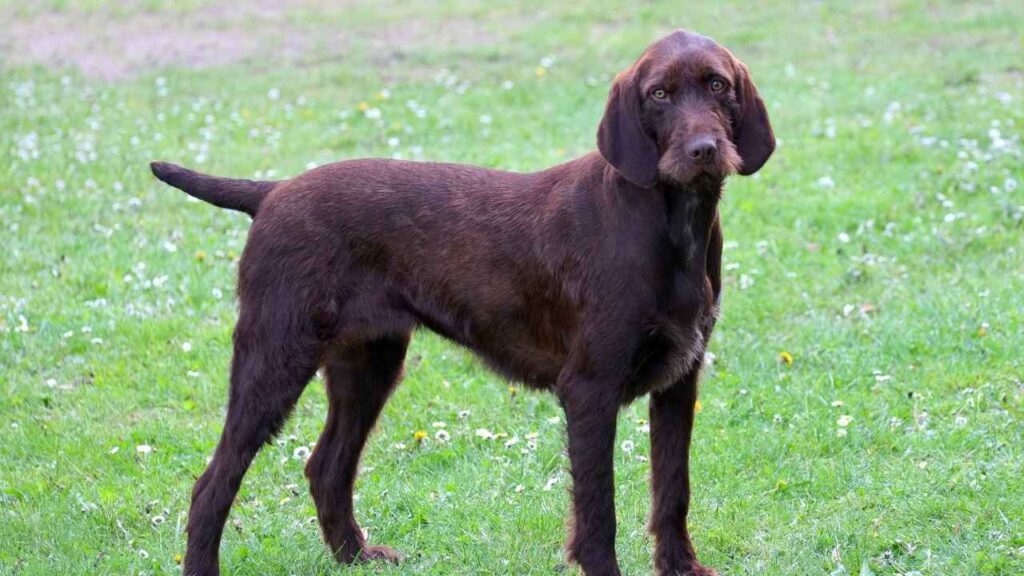
The Pudelpointer was created in Germany for hunters who wanted one dog capable of handling nearly everything — tracking game in forests, pointing birds in open fields, and retrieving waterfowl from cold lakes and marshes.
And this breed takes that job seriously.
Built from crosses between the Poodle and the Pointer, the Pudelpointer combines sharp hunting instincts with remarkable control in the field.
Hunters appreciate how calmly the breed waits beside the blind without becoming nervous around loud gunfire or fast-moving birds.
But the moment a duck drops into the water…
It’s gone.
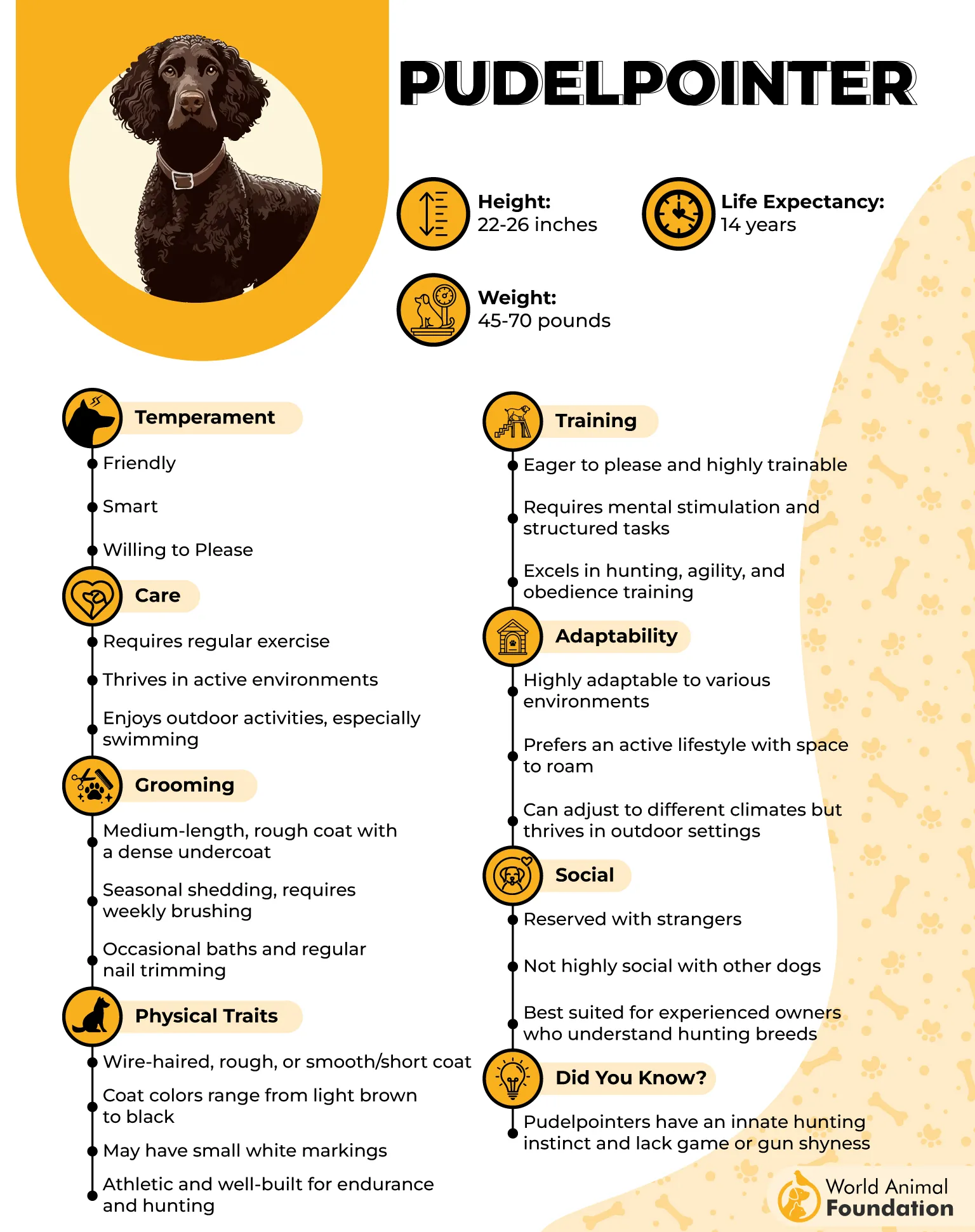
The Pudelpointer dives confidently into ponds, flooded timber, and rough wetlands with impressive determination.
Its dense coat offers protection from cold weather and thorny brush, while its strong swimming ability makes long retrieves much easier during difficult hunts.
Unlike many sporting dogs that specialize in only one task, this breed moves naturally between pointing, tracking, and retrieving throughout the same outing.
That flexibility made the Pudelpointer highly respected among European hunters for generations. Even after hours outdoors, many still seem ready for another swim, another search, and another retrieve before the day ends.
8. Standard Poodle
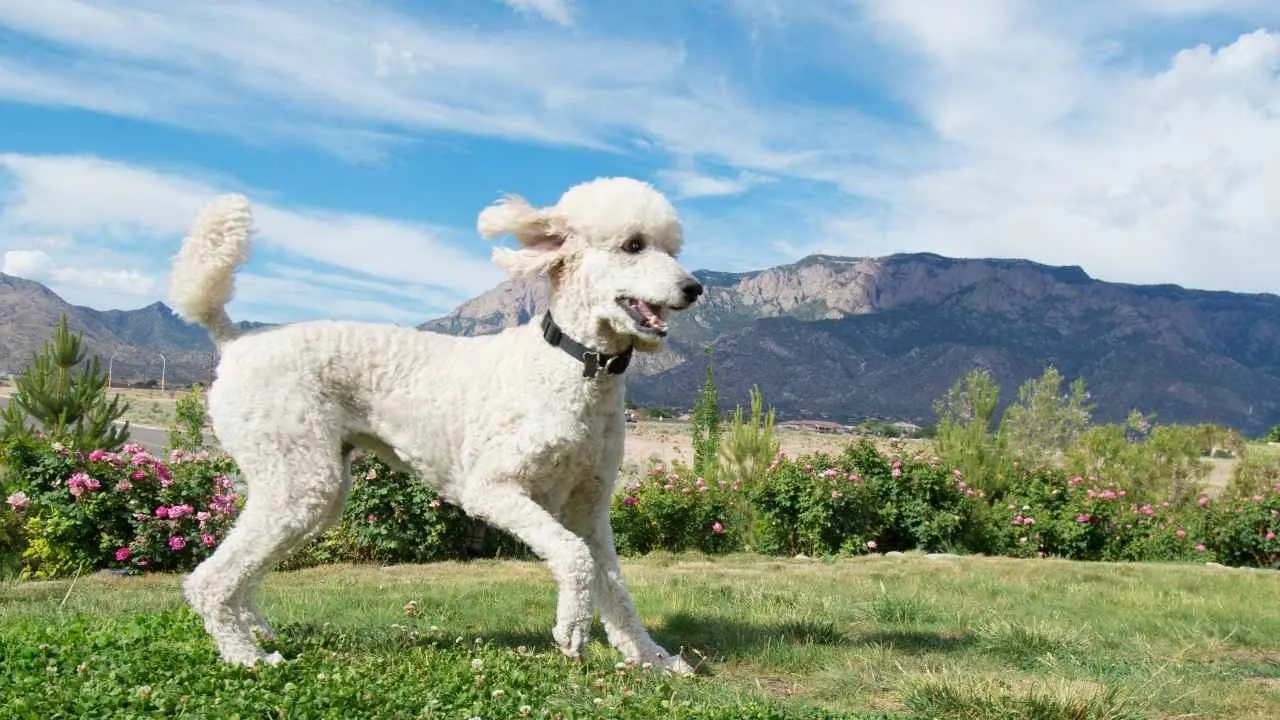
The Poodle may surprise people on a waterfowl hunting list, but long before fancy grooming styles and dog shows, the Standard Poodle was working beside hunters as a skilled water retriever.
And honestly… it was exceptionally good at it.
Originally developed in Europe for retrieving ducks from lakes and rivers, the breed became known for intelligence, athletic ability, and strong swimming skills.
The dense curly coat helped protect the dog from cold water, while its natural retrieving instincts made it highly dependable during hunts.
Unlike many retrievers that rely mostly on power, the Poodle approaches hunting with remarkable problem-solving ability.
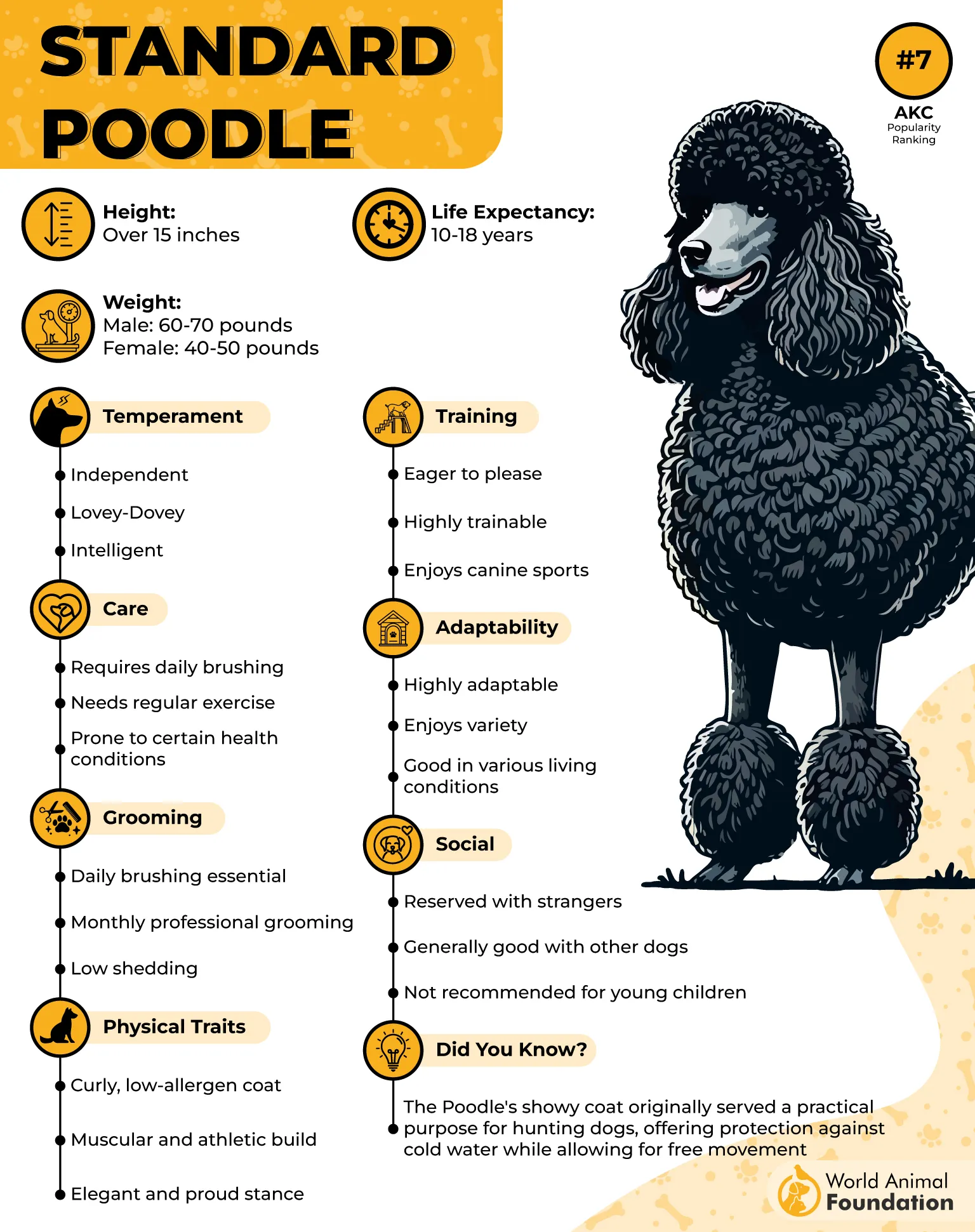
Hunters often noticed how quickly the breed learned hand signals, adjusted to changing conditions, and remembered where birds landed across complicated marsh terrain.
The Standard Poodle especially handles long outdoor sessions well, thanks to its stamina and agile movement through water and thick shoreline cover. Even today, many continue competing successfully in retriever hunt tests and dock diving events.
That famous haircut also had a practical purpose years ago. Hunters trimmed certain areas to improve swimming movement while leaving thicker fur around joints and the chest for warmth in freezing water.
9. Irish Water Spaniel
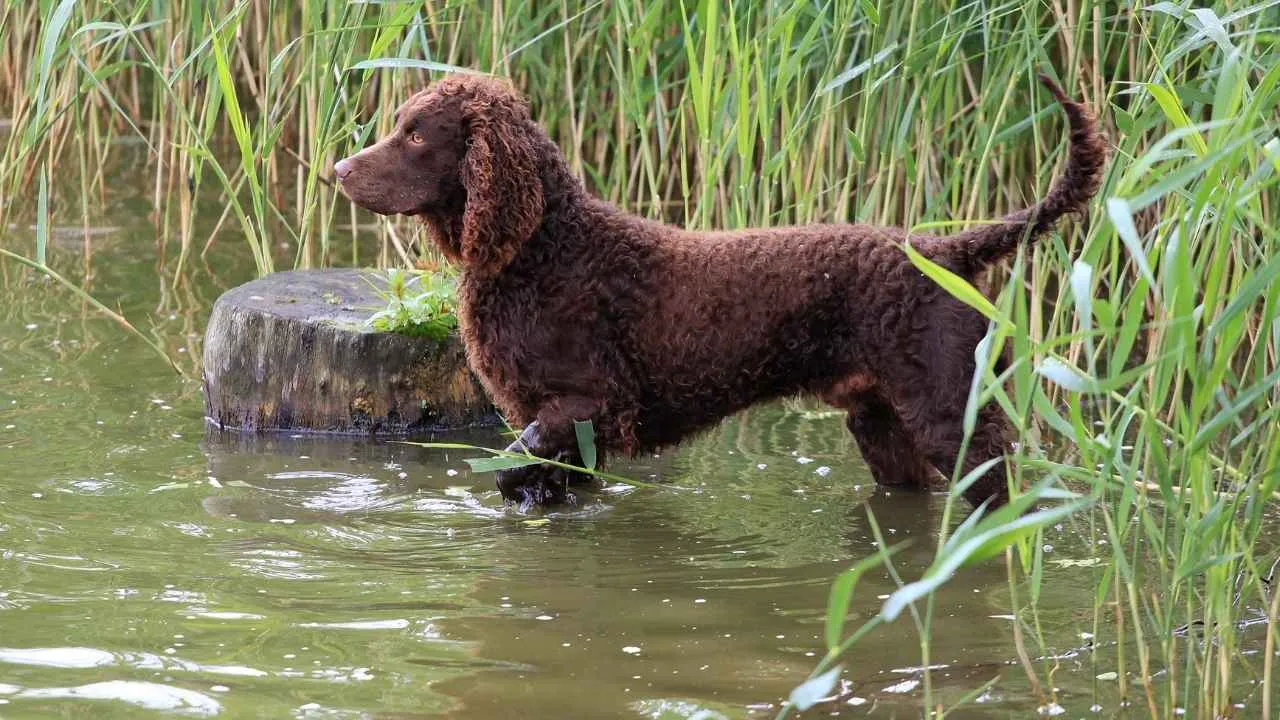
The Irish Water Spaniel looks impossible to forget once you see it — tight liver-colored curls, a puffed-up topknot, and a nearly hairless “rat tail” that stands out from every other sporting dog in the marsh.
But this breed was built for serious water work, not just attention.
Developed in Ireland as a retrieving gun dog, the Irish Water Spaniel became highly respected for pulling ducks and other game birds from cold lakes, rivers, and flooded fields, as noted by Orvis.
Its dense curly coat naturally repels water and helps protect the dog during long hours in chilly conditions.
And when hunting starts, the playful personality disappears fast.
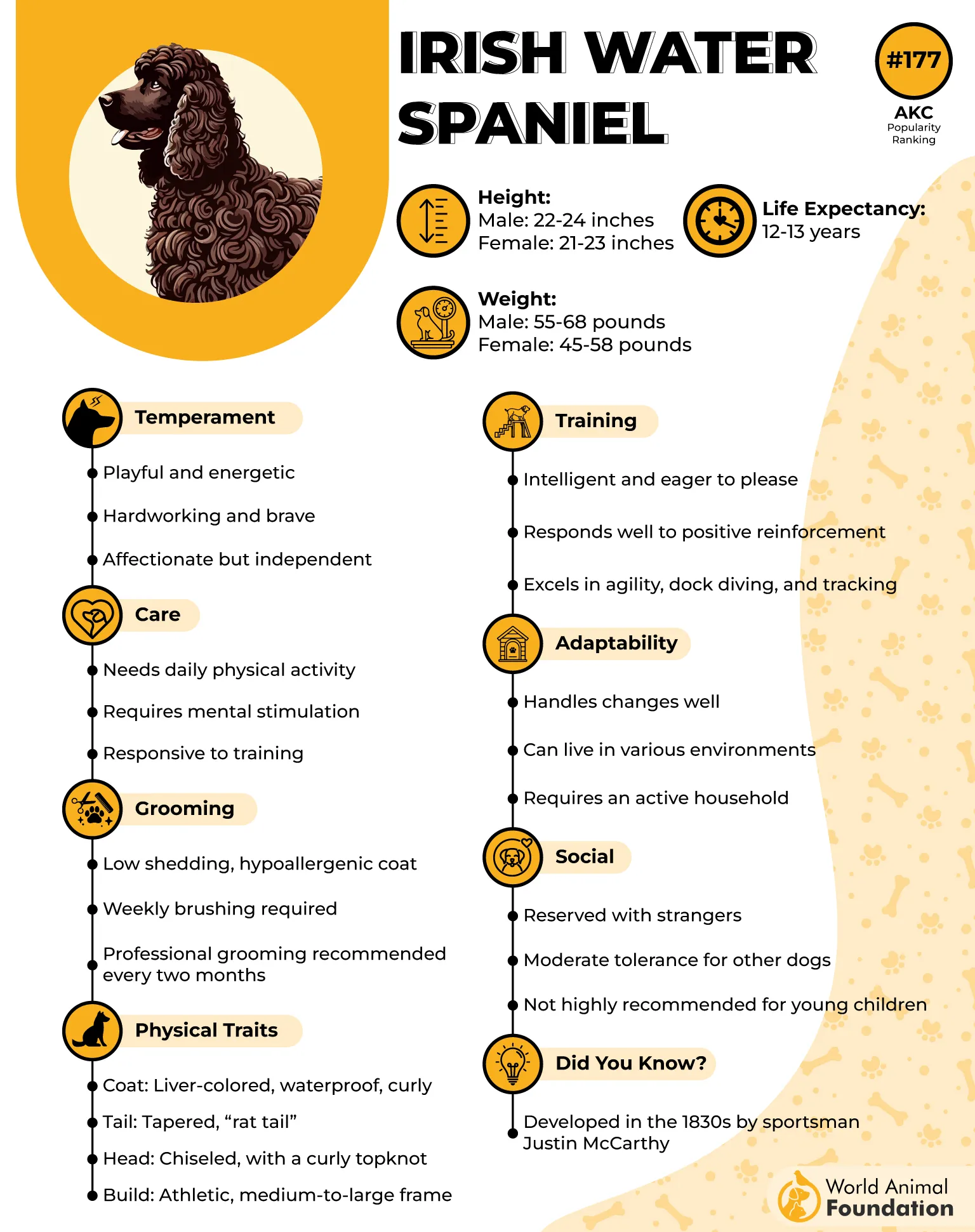
In the field, the breed becomes focused, determined, and impressively hardworking. Hunters often relied on its stamina during all-day outings because the dog could continue swimming and retrieving without tiring easily.
The Irish Water Spaniel also moves through reeds and muddy shorelines with surprising agility for a spaniel of its size.
Unlike many retrievers that openly greet everyone, this breed tends to stay more reserved around strangers while forming strong loyalty toward its owner, especially during demanding hunts in rough wetland conditions.
10. Golden Retriever
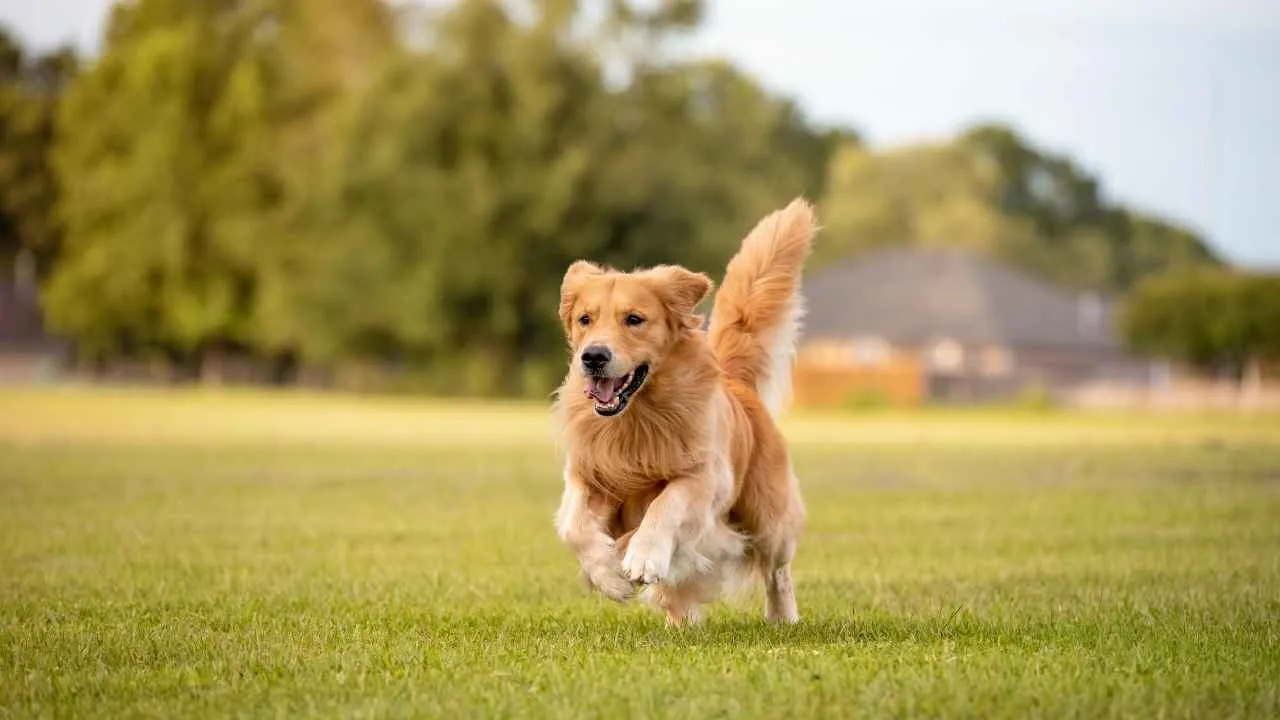
The Golden Retriever may be famous as a friendly family dog today, but its story actually began in the marshes and hunting grounds of Scotland during the 1800s.
Hunters wanted a dog capable of retrieving birds from both land and icy water without damaging the game.
The result was the Golden Retriever — a strong, dependable sporting dog with remarkable endurance and one of the gentlest retrieving mouths among hunting breeds.
And that soft mouth matters.
During waterfowl hunts, Goldens are known for carrying ducks carefully back to hand while staying calm and cooperative beside hunters.
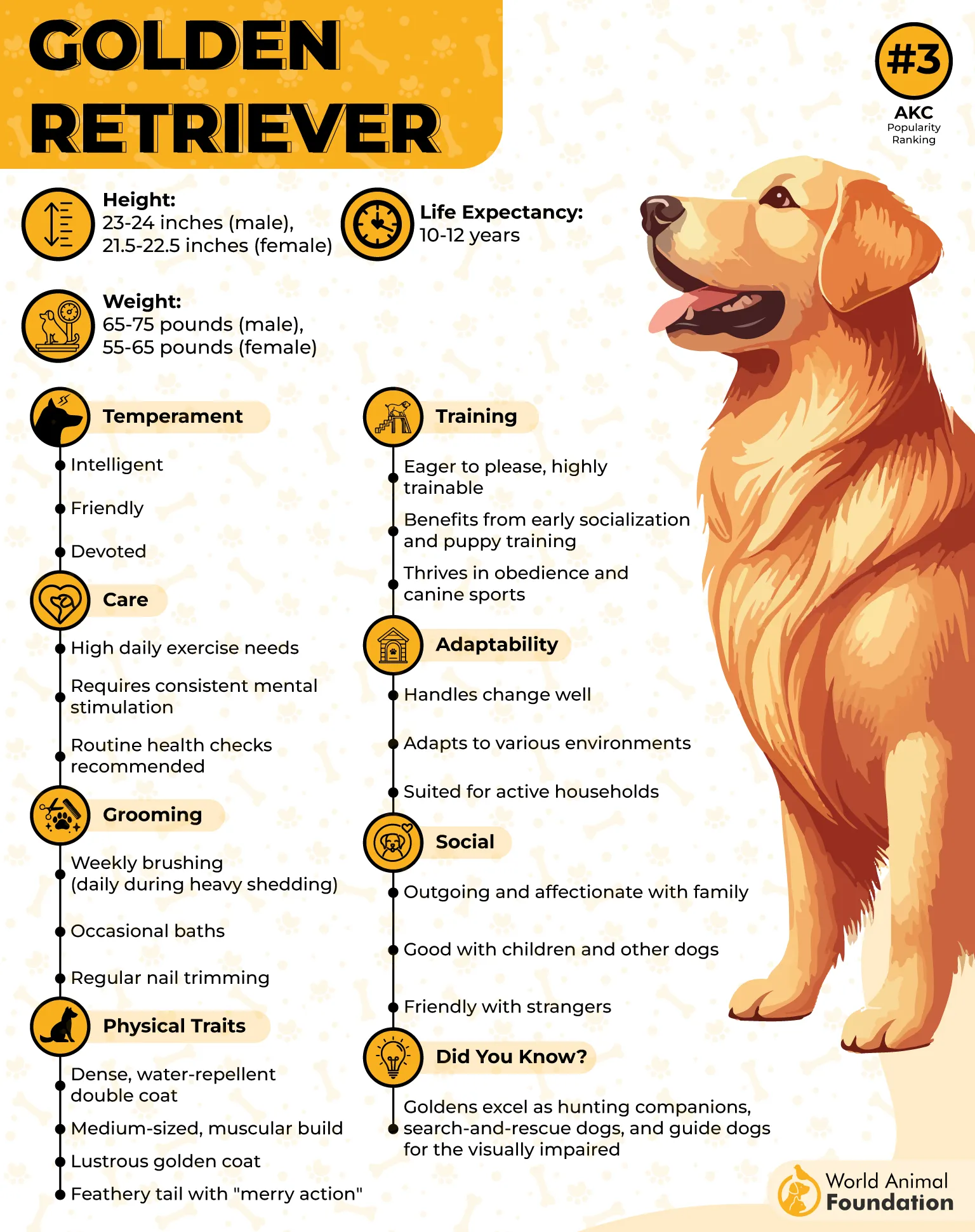
Their dense water-resistant coat helps protect them during cold retrieves, especially in wet grasslands, lakes, and muddy shorelines.
Unlike some retrievers that work independently, Goldens are especially focused on teamwork with their handler. They constantly watch for signals, follow directions closely, and seem happiest when working side by side with people.
Their excellent sense of smell also makes them highly reliable at retrieving downed birds hidden in reeds or thick cover after a shot. Even after hours outdoors, many Golden Retrievers still eagerly wait for one more retrieve before heading home.
Conclusion
Waterfowl hunting dogs are far more than skilled retrievers splashing through icy marshes. They are hardworking partners built for endurance, intelligence, and unwavering loyalty in challenging conditions.
From charging through freezing water to locating birds hidden deep in thick reeds, these dogs bring energy and determination that hunters have relied on for generations.
Yet what makes them truly remarkable is how quickly they switch from focused hunting companions to affectionate family members back at home.
Whether working in flooded timber, open lakes, or muddy wetlands, these sporting dogs continue proving why they remain essential partners during waterfowl season.
