




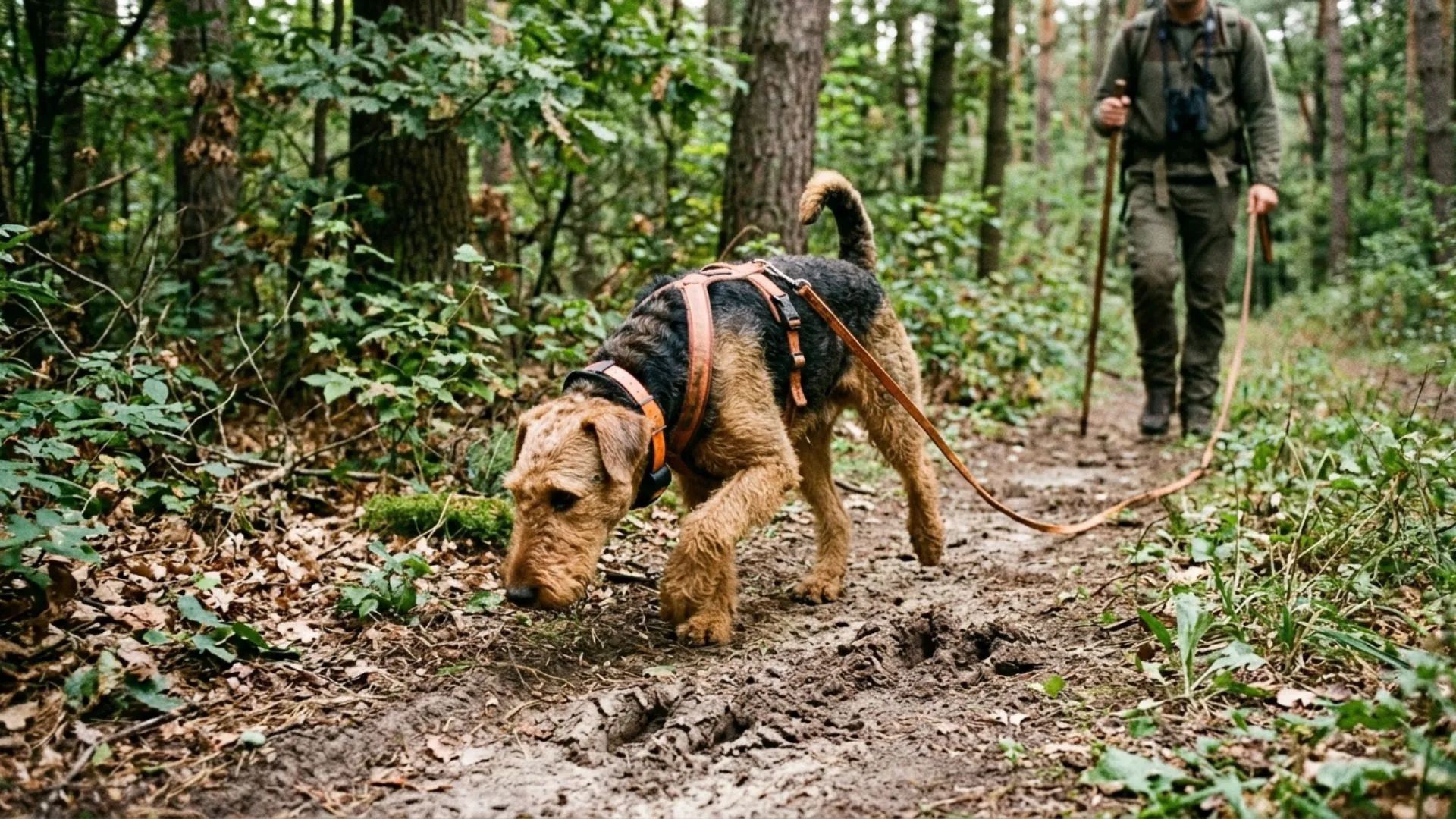
Wild boar hunting demands far more than speed or aggression from a dog. Dense brush, uneven terrain, shifting scent trails, and the sheer unpredictability of a wounded boar create situations where ordinary hunting instincts fall apart quickly.
Many hunting companions learn this after relying on dogs that lose focus under pressure or struggle once the trail grows cold. A wild boar rarely moves in a straight line, and once it disappears into thick cover, tracking becomes a test of patience, endurance, and control.
This is why experienced hunters place so much importance on choosing breeds with proven working ability instead of relying on appearance or reputation alone. The right dog can follow scent for miles, remain composed around dangerous game, and continue working even when conditions become physically exhausting.
Coming up are the breeds trusted for tracking power, determination, courage, and the kind of field performance that serious boar hunters continue relying on year after year.
Key Takeaways
A wild boar can disappear deep into dense terrain within minutes, yet a few hunting breeds are built to keep tracking long after the trail turns difficult.
Bloodhounds and Plott Hounds stand out for their relentless tracking style, pushing through forests, swamps, and steep ground with steady determination.
Dogo Argentino brings a completely different intensity to the field, combining raw power with the speed needed for dangerous close-range pursuits.
As the list unfolds, each breed reveals a hunting instinct shaped by generations of real field work and survival-driven precision.
Proven Dog Breeds for Tracking and Hunting Wild Boars
1. Plott Hound
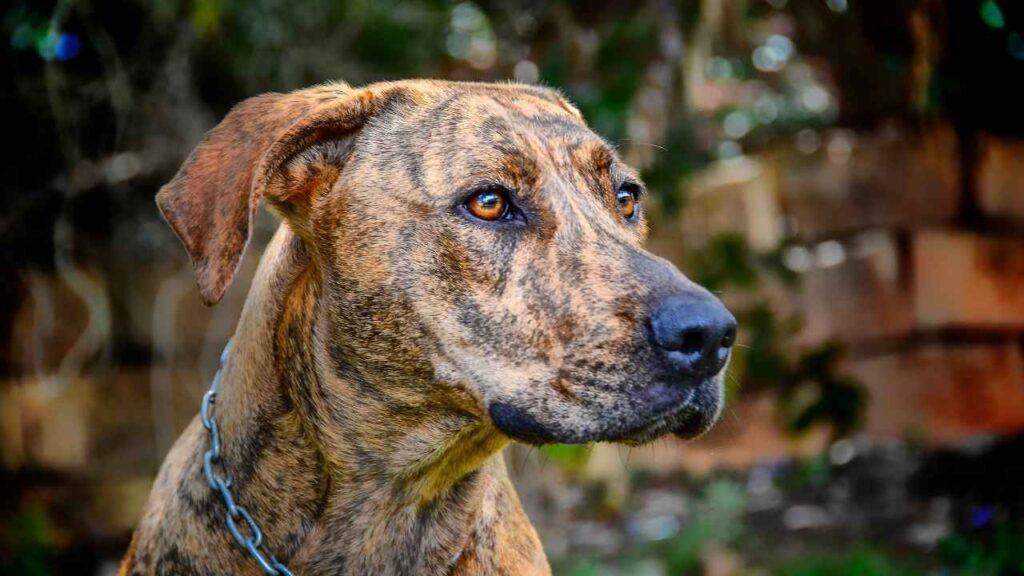
Plott Hound was originally bred in North Carolina, where it is recognized as the state dog, shaped for demanding tracking work across wild terrain. Its early role centered on pursuing large game like boar and bear, later adapting to smaller quarry such as raccoons.
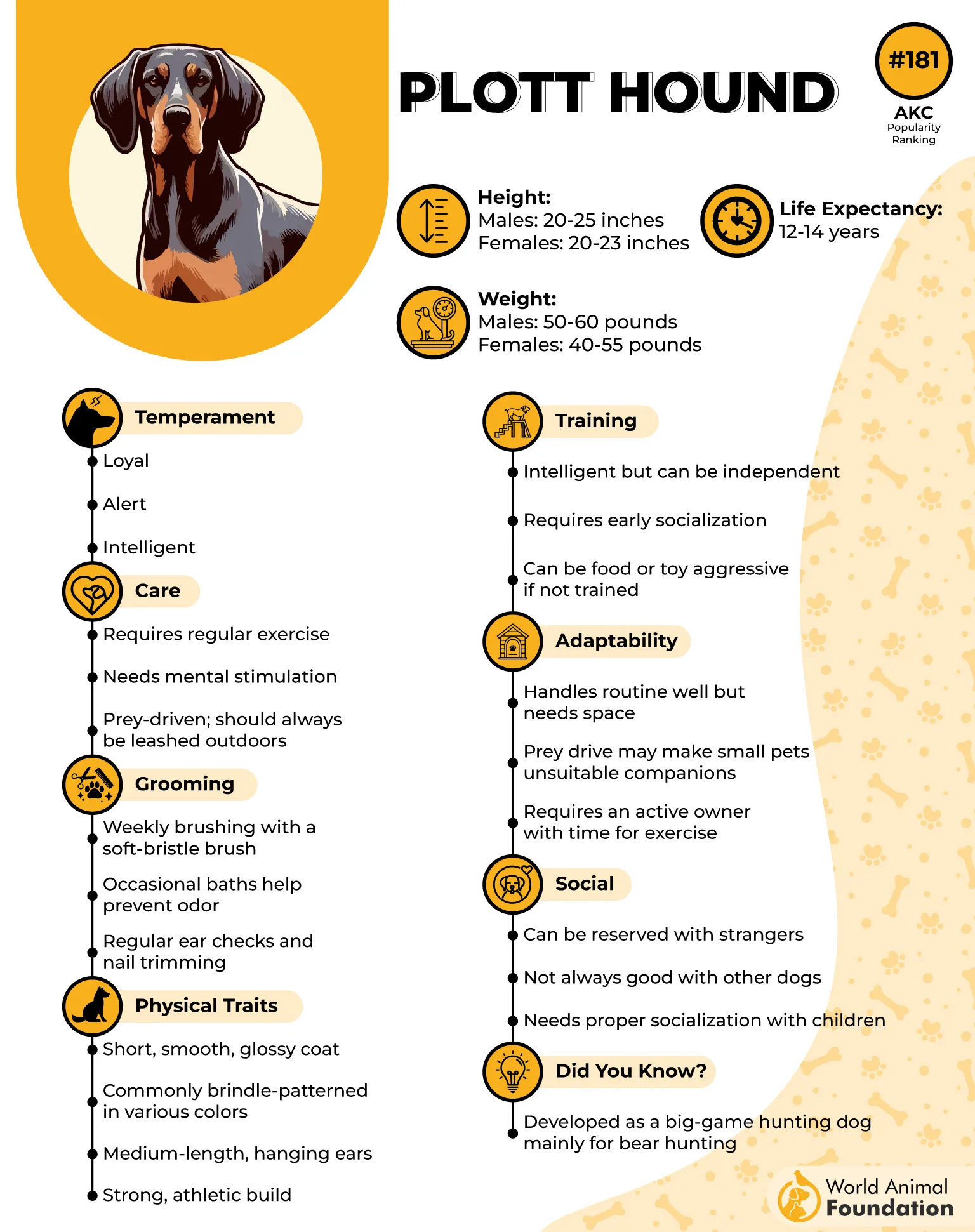
Tracking behavior in real field conditions
This hog hunting dog works with a nose-focused approach, often keeping close contact with scent trails across ground and elevation. Its effort does not fade quickly, especially when following strong wildlife trails through dense environments.
This tracking style appears in practical field actions:
Follows scent lines across long distances
Climbs trees when the quarry shifts upward
Works through dense terrain with steady focus
Every day rhythm and activity needs
Plott Hound enjoys movement-based routines like hiking, long walks, and swimming, especially when paired with strong environmental scents, as WebMD noted.
It also values companionship, often staying close to both people and other dogs during daily activity. This blend of energy and social ease shapes its day-to-day behavior.
2. Catahoula Leopard Dog
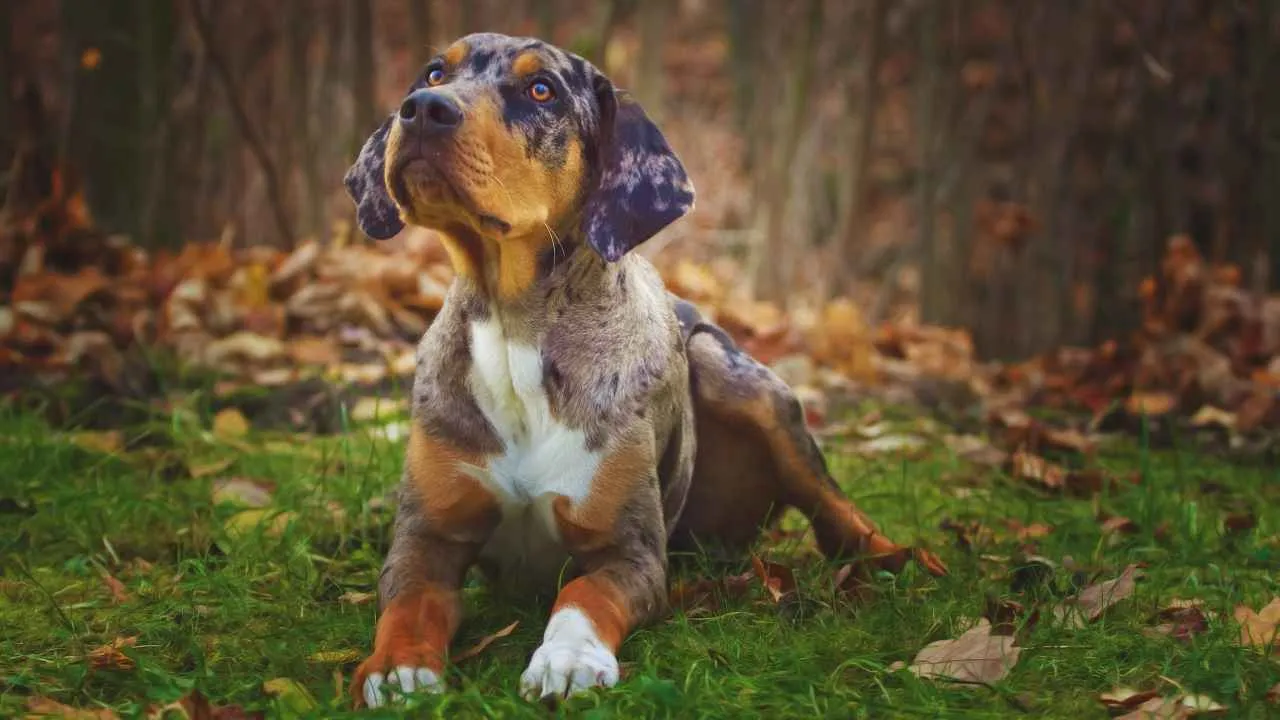
Catahoula Leopard Dog takes its name from a Choctaw term linked to a “sacred lake,” rooted in Louisiana’s swamp regions around Catahoula Lake, as per the AKC. Its identity formed around tracking and driving livestock through dense southern terrain, especially hogs and cattle.
Field behavior shaped by task focus
They approach work with a self-directed tracking style, often covering uneven ground while following scent trails tied to livestock movement. Its control comes through action rather than hesitation, especially when navigating swamp or forest environments.
This working pattern is reflected in clear field actions:
Tracks hogs and cattle across swamp terrain
Drives livestock through open and dense areas
Adjusts direction based on scent movement patterns
Energy demand and activity pressure
Catahoula Leopard Dog holds a high activity requirement shaped by continuous field work, needing space that allows extended physical output. Without structured activity, this drive can turn into restless behavior such as digging or chewing. Large, secured outdoor areas suit its movement-based nature best.
3. Bloodhound
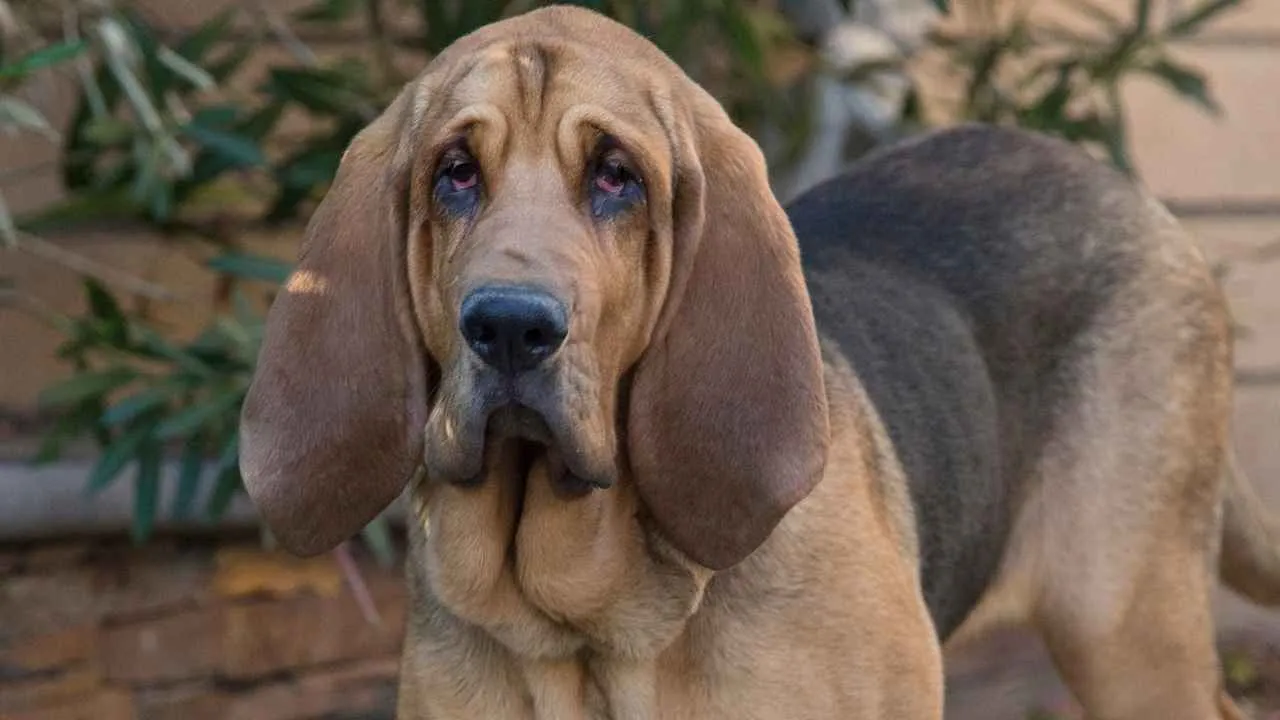
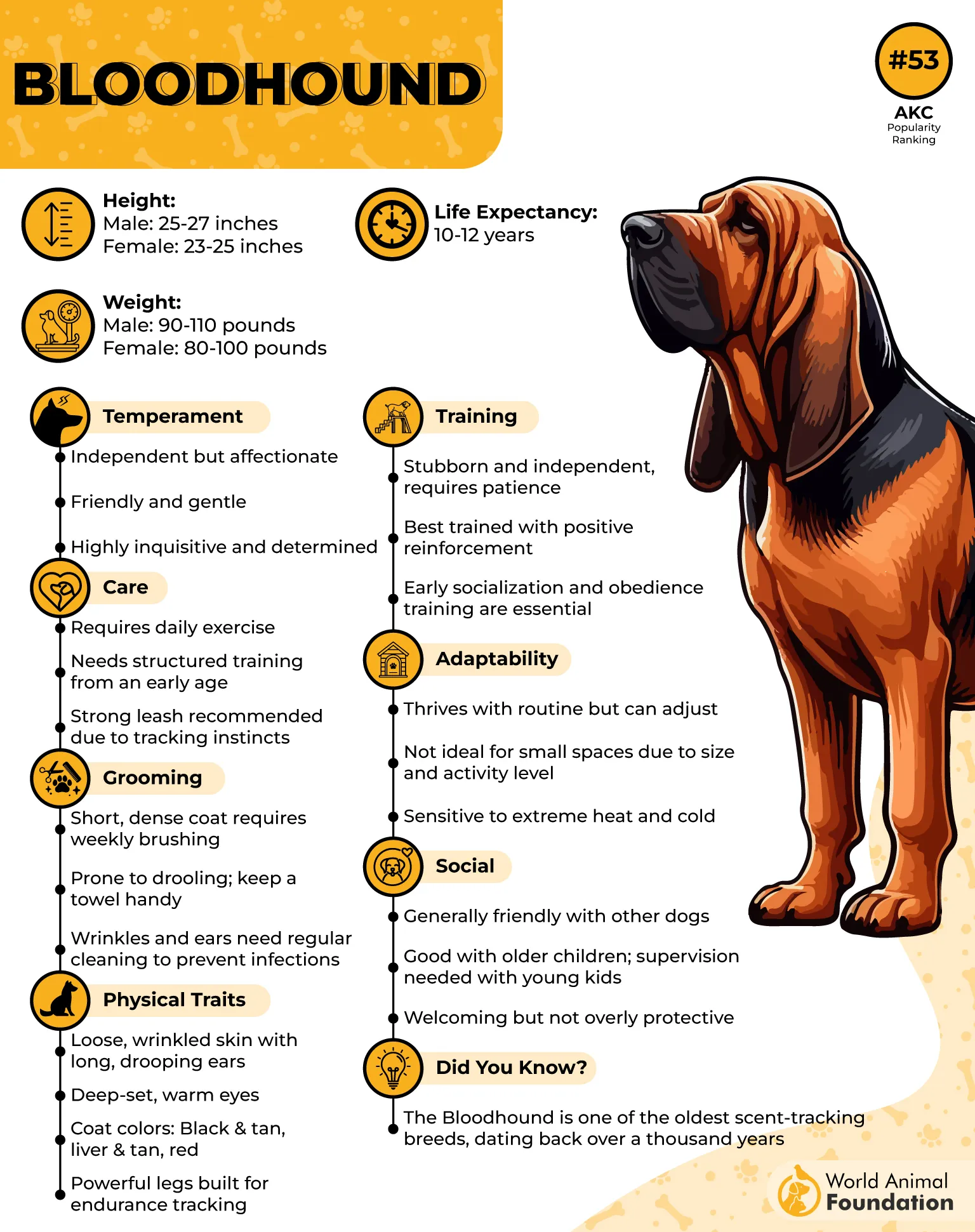
Bloodhound is recognized for an extraordinary sense of smell that long supported tracking work for nobles and later wild hog tracking and search roles.
Its scent focus is so precise that trails can be followed over long periods without losing direction. This makes its working style deeply dependent on smell rather than sight.
Tracking behavior driven by persistence
This hunting breed follows scent trails with steady determination, often prioritizing a single trace over surrounding distractions. Once a trail is picked up, attention narrows fully toward it, which can lead far beyond expected boundaries.
This working pattern becomes clear through field behavior:
Locks onto scent trails for extended durations
Follows direction through layered terrain changes
Continues tracking even after long distances
Social nature within a pack setting
They interact comfortably with other dogs and family members when introduced early, often responding better in group environments than in isolation, as PetMD notes.
Its gentle nature becomes more visible in familiar company, especially with children. This social ease contrasts with its intense outdoor tracking focus.
4. Redbone Coonhound
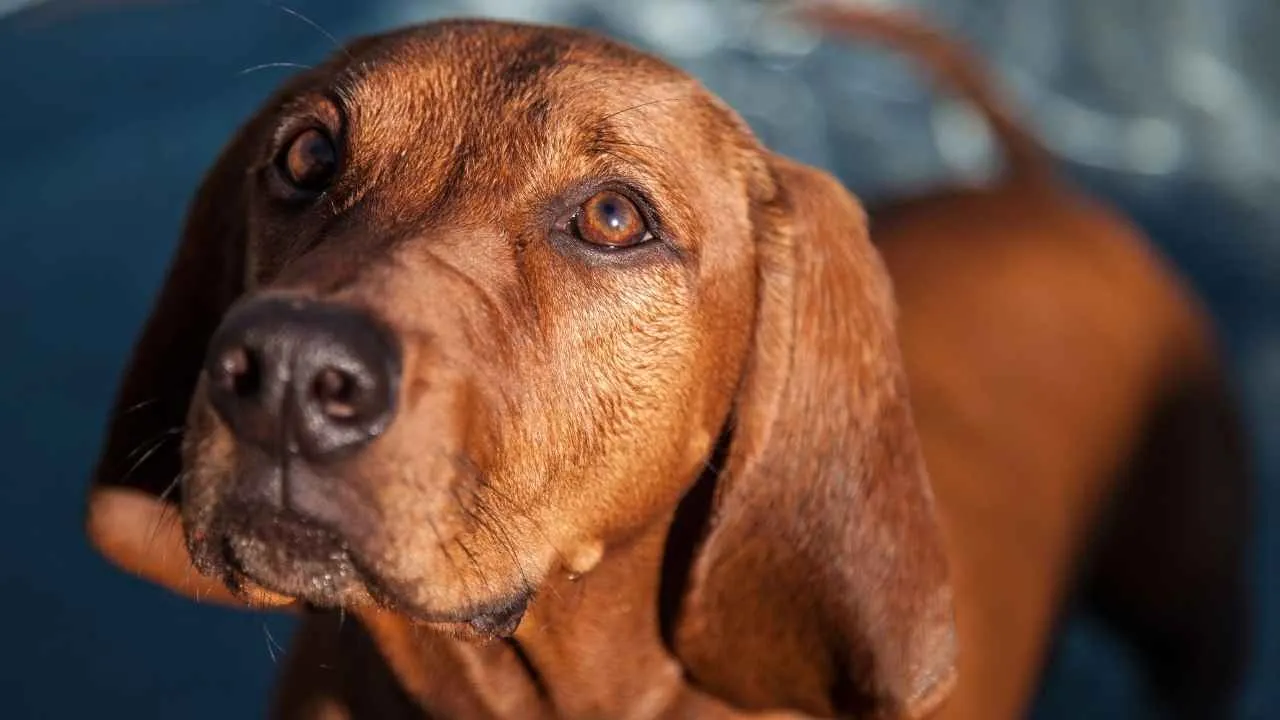
Redbone Coonhound comes from the United States, bred for wide-ranging scent work across forests and rough terrain. Its structure supports long tracking sessions where endurance and focus matter more than speed. The breed handles multiple quarry types, including raccoon, bear, wild hog, and bobcat.
Tracking method built on persistence
This Coonhound follows scent lines with steady determination, often continuing long after initial detection. Its work style relies on endurance-driven pursuit rather than short bursts of action.
This tracking approach reflects clear field behaviors:
Pursues scent trails across long distances
Climbs and corners quarry through tracking pressure
Responds strongly to scent-driven direction outdoors
Outdoor-driven personality pattern
They bring strong energy into daily life, often seeking movement and outdoor engagement with people. Without structured activity, its curiosity can turn into barking or digging as unused drive finds an outlet. Its interaction style remains friendly and people-oriented in active settings.
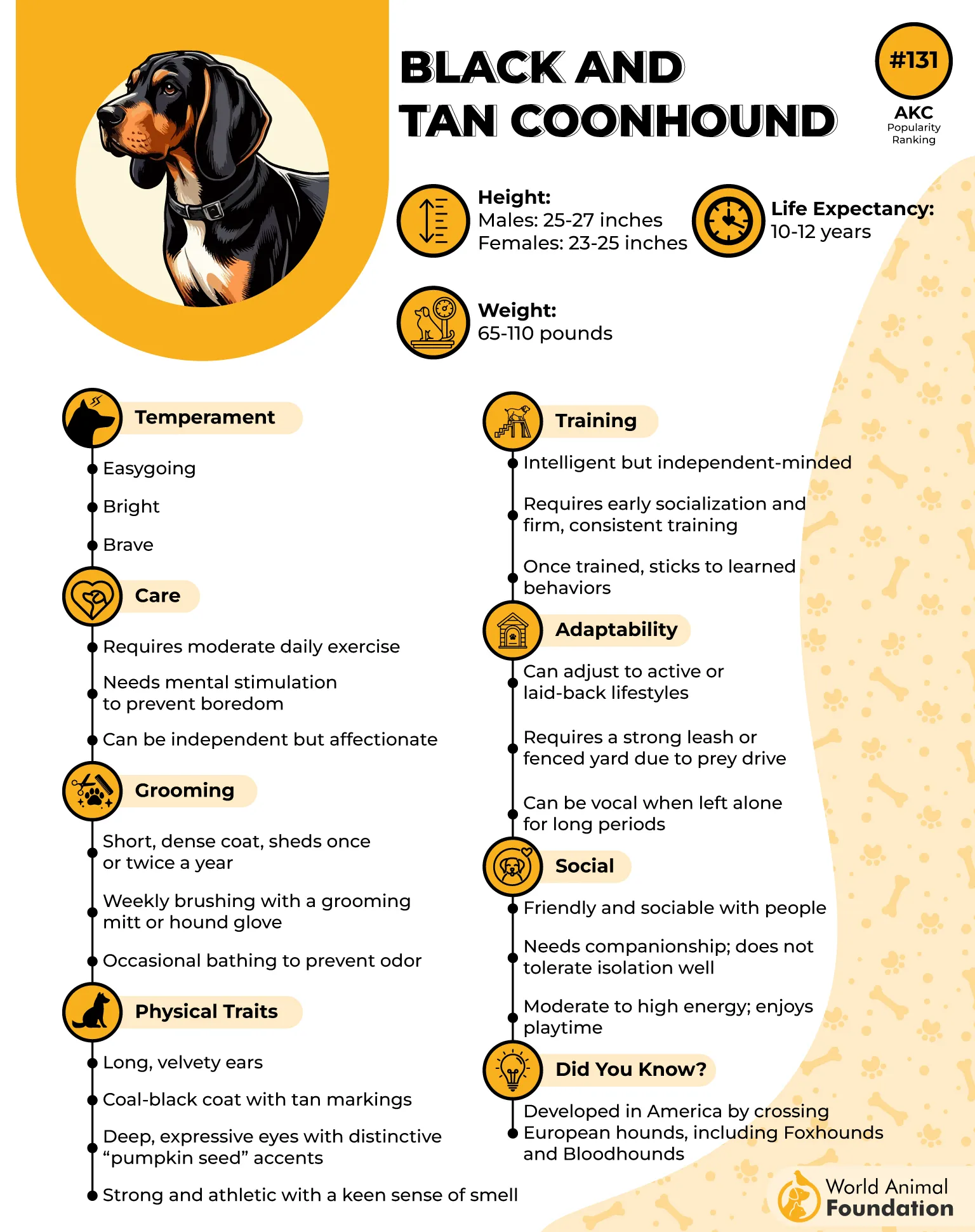
5. Black And Tan Coonhound
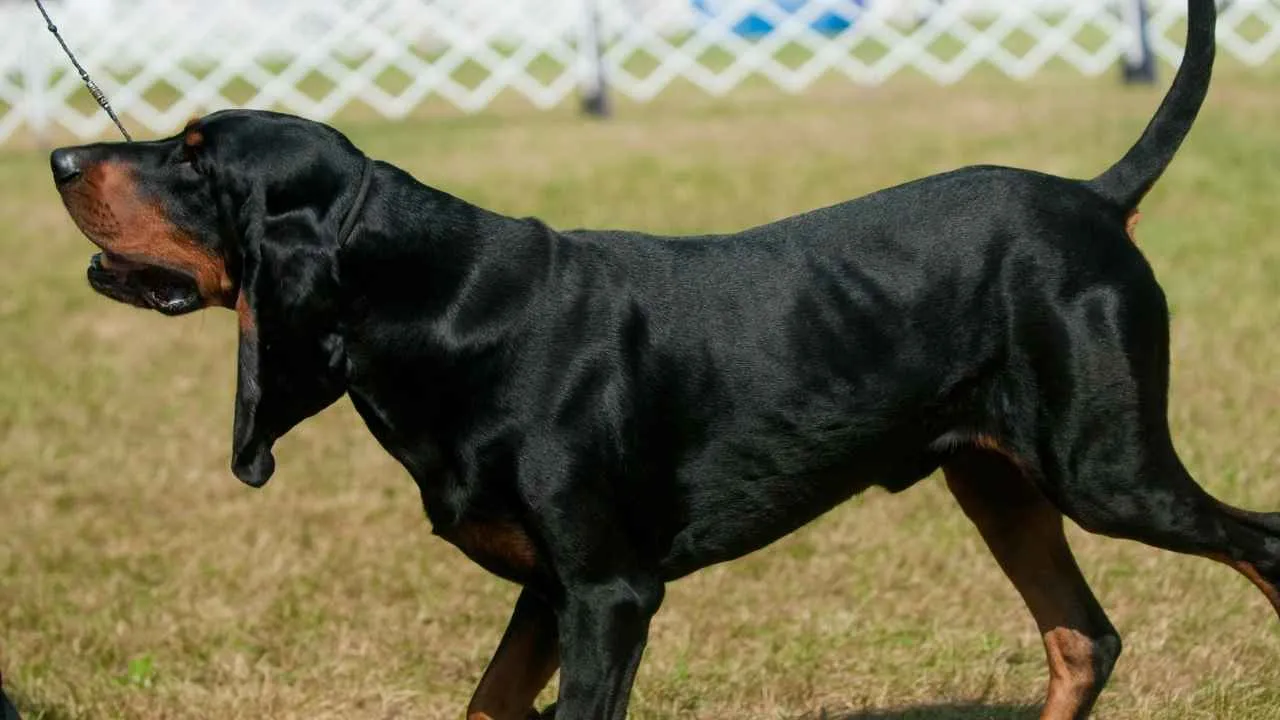
Black and Tan Coonhound earned recognition through long-distance scent trailing, first used for raccoons before proving effective against larger game like bears and wild boar.
Its tracking focus remains steady once a trail is picked up. Among experienced hog hunters, this persistence is highly valued in rough terrain.
Nose-Led hunting style
They stay locked onto scent trails for long stretches, moving across wide areas without losing direction. Its voice plays an active role during hunts, using baying and howling to signal location through dense ground cover.
Several traits shape that tracking approach:
Exceptional long-range scent detection
Strong vocal signaling during pursuit
Endurance across uneven hunting terrain
Calm indoors, driven outside
This breed settles into a quiet and mellow rhythm inside the home, shifting noticeably once outdoors. The hunting instinct becomes more intense around active scent trails, making fenced areas and leash control important. This contrast gives the breed a dual-purpose rhythm as both companion and working dog.
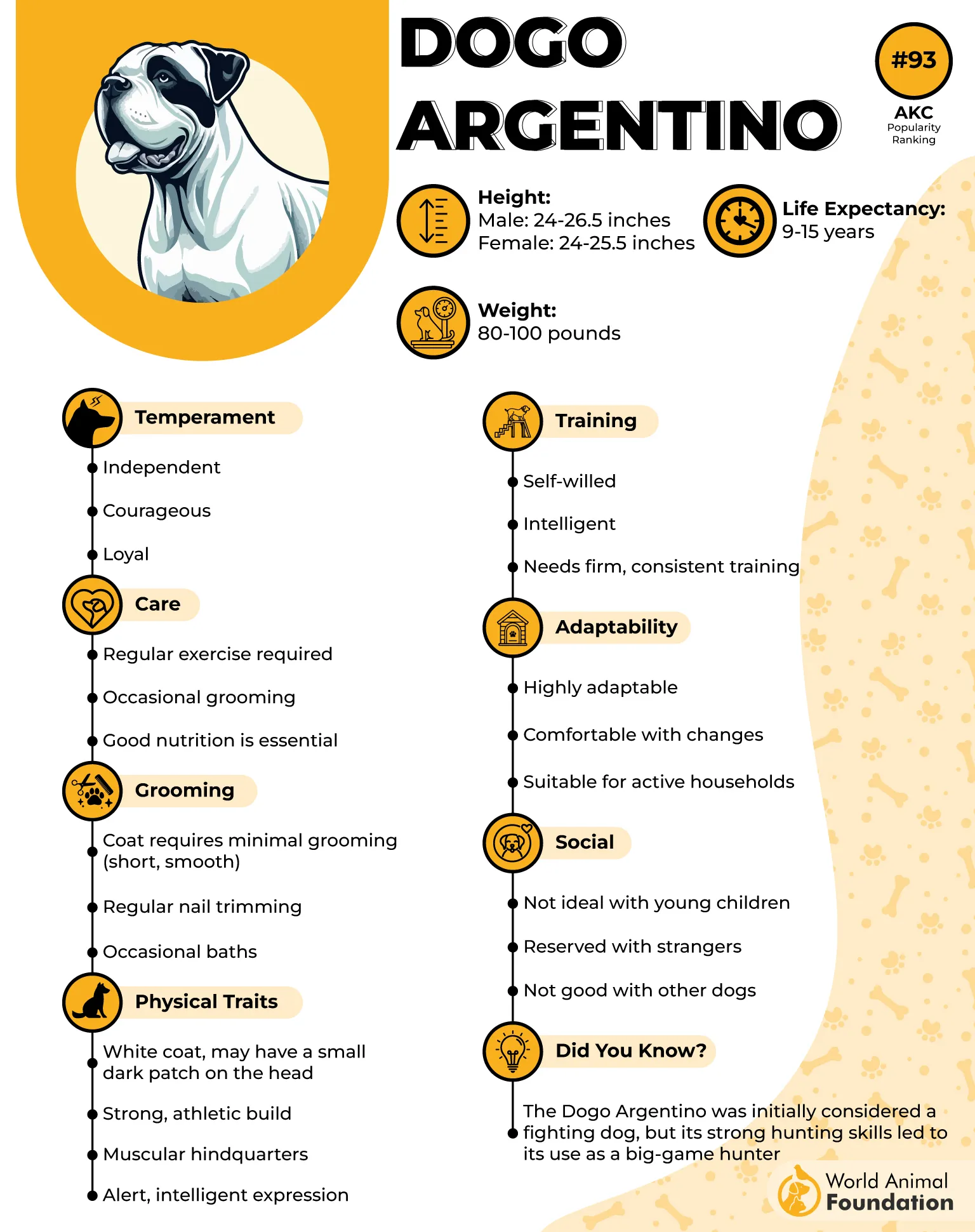
6. Dogo Argentino
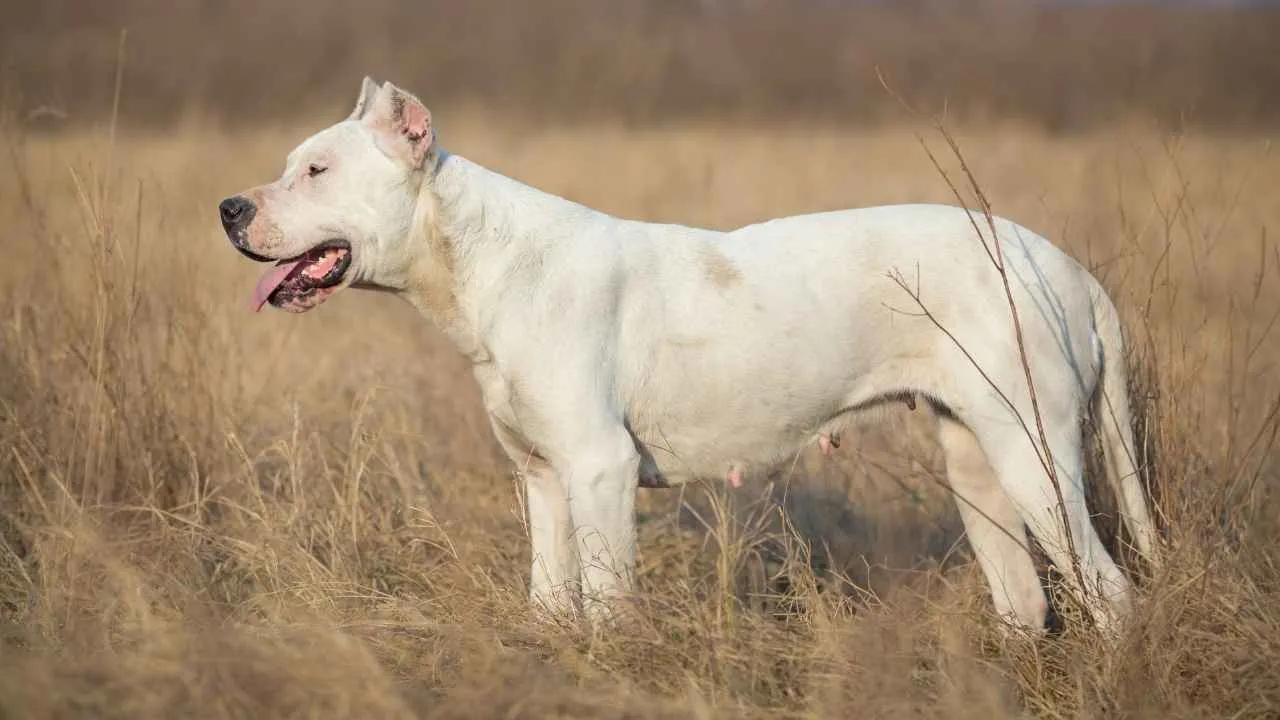
Dogo Argentino entered the hunting world with a singular purpose, pursuing wild boar and puma across unforgiving terrain in coordinated pack hunts.
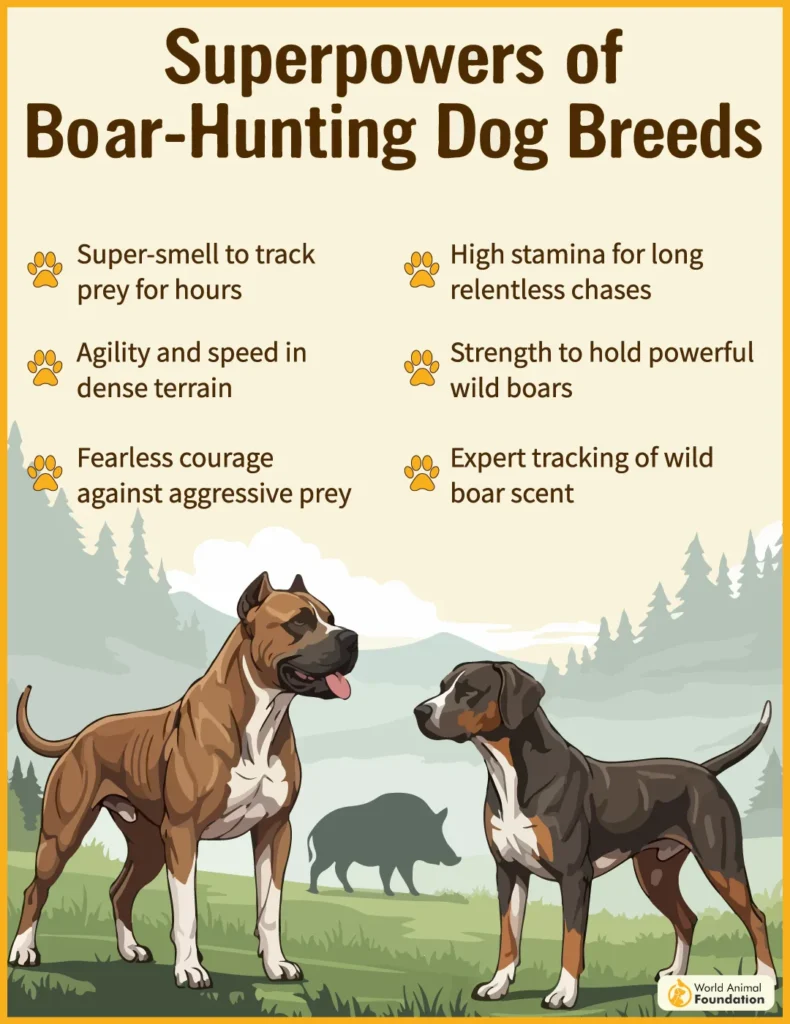
The breed combines quick responsiveness with the physical force needed for dangerous game. Its alert expression and controlled intensity reflect a dog bred for demanding pursuits.
Athletic Precision
As a hog dog, they balance explosive strength with athletic coordination, giving hunters a dog capable of both endurance and sudden action. The thick neck, muscular hindquarters, and substantial forelegs create a frame prepared for physical confrontation.
Several features reinforce that capability:
A broad chest supports lung capacity
Short white coat for clear visibility
Powerful jaws with agile movement
Energy That Needs Direction
This energetic dog stays mentally sharper when physical outlets become part of a daily routine rather than an occasional activity.
Hiking, retrieving, swimming, and structured dog sports give this athletic breed productive ways to release energy. Indoor games like hide-and-seek or obedience drills also help channel its focus constructively.
7. Airedale Terrier
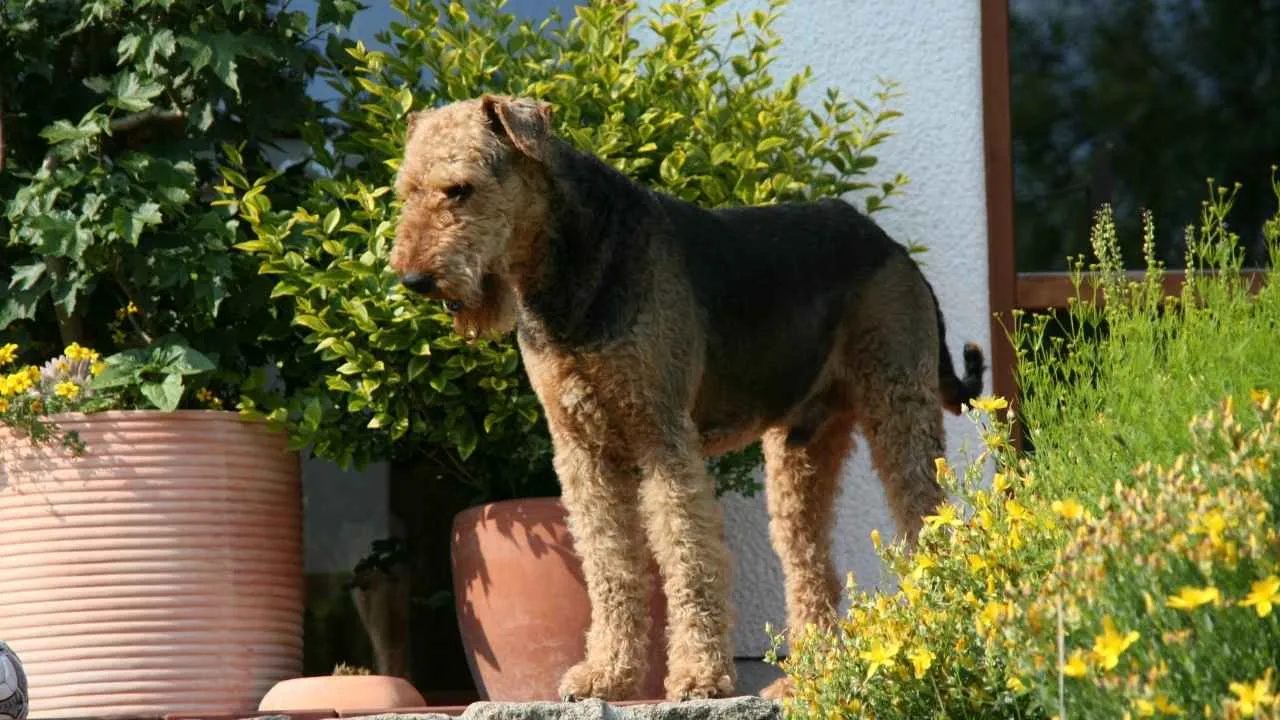
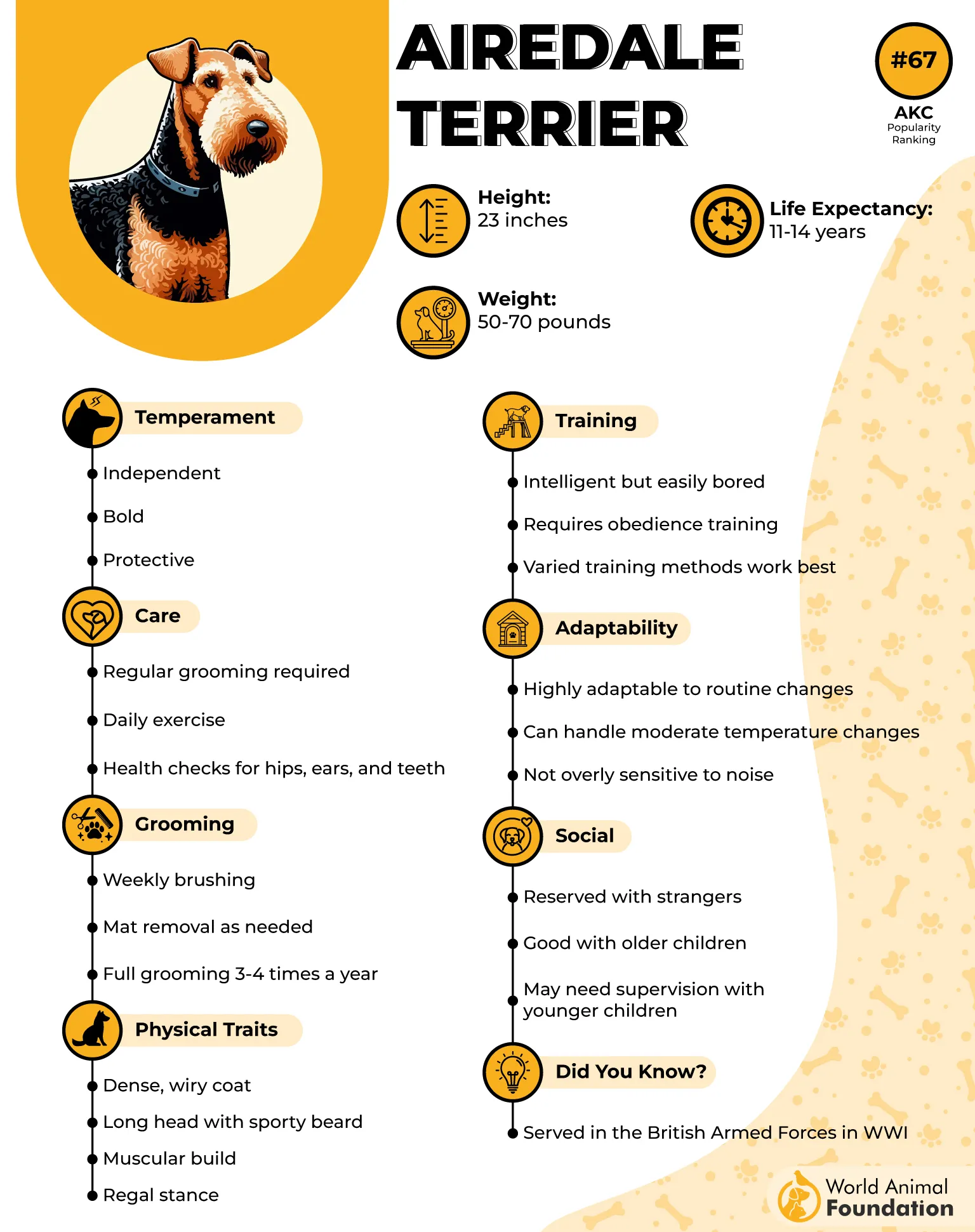
Airedale Terrier earned the title “King of Terriers” through a mix of size, grit, and relentless working ability. Hunters valued this breed for tackling demanding terrain while remaining focused and responsive. Its tall frame, long head, and muscular legs give it a commanding field presence.
Built for pursuit
These terriers combine terrier determination with the endurance needed for long outdoor hunts. The breed stays mentally engaged during tracking work and quickly shifts attention when scents change.
A few traits shape that versatility:
Long, athletic legs for ground coverage
Strong build suited for rough terrain
Alert expression with sharp responsiveness
Energy that needs direction
Airedale Terrier rarely settles for an inactive routine and prefers regular games, walks, or outdoor tasks. Their playful temperament often turns physical because of their strength and enthusiasm during interaction. Even casual family play sessions can become rough if supervision is ignored around toddlers.
Conclusion
The difference between an average hunting dog and a truly dependable one becomes obvious once the terrain turns rough and the pressure starts building. Thick brush, fading scent trails, and dangerous game expose weaknesses quickly, which is why experienced hunters rely on instinct, endurance, and hunting skills when dogs hunt hogs in difficult terrain.
Some dogs were shaped for that environment through generations of demanding fieldwork, where hesitation could end badly within seconds. Their ability to stay focused under pressure explains why they still earn respect today. With proper training, some of the most popular dog breeds also become affectionate family dogs outside the hunt.
