




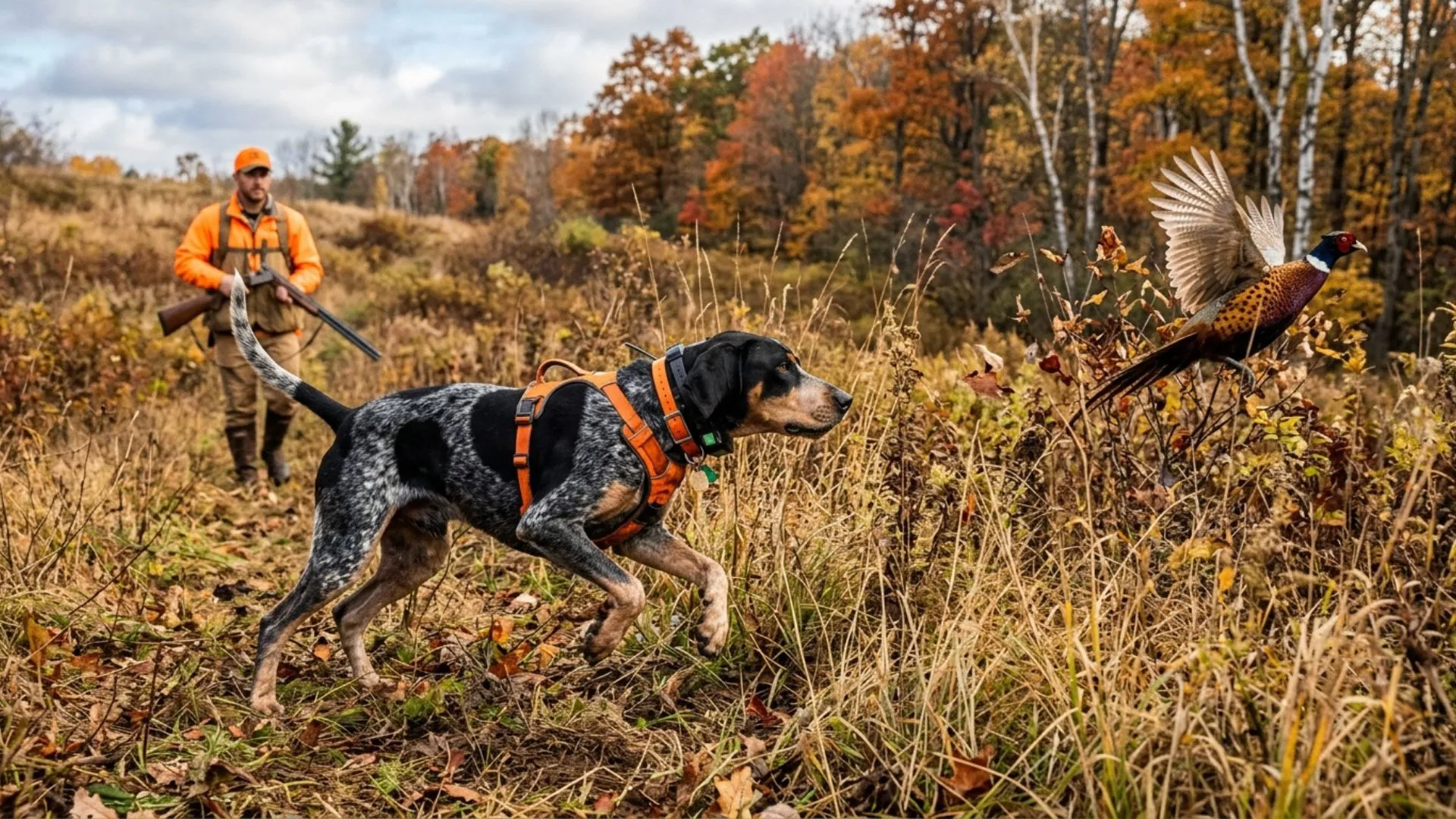
Hunting has been a human pursuit for centuries, but it’s hard to imagine it without our four-legged companions. Upland game hunting dogs are bred for stamina, scenting ability, and a natural drive to work closely with their handlers.
From flushing birds out of dense cover to pointing and retrieving, these breeds have a specialized skill set that makes them invaluable partners in the field.
Not all hunting dogs are created equal. Some thrive in marshy wetlands, others excel on open plains, and a few are versatile enough to do both. Understanding each breed’s instincts, temperament, and energy level is key for anyone considering one as a hunting companion—or even as a high-energy pet at home.
In this guide, we’ll explore the most amazing upland game hunting dog breeds, highlighting their abilities, personalities, and care requirements. We’ll also sprinkle in real-owner insights, fun facts, and stats from field trials and breed clubs to give you a well-rounded view.
Whether you’re an experienced hunter or just a dog lover, you’ll appreciate the fascinating skills and dedication of these remarkable breeds.
Amazing Dog Breeds Specializing In Upland Game Hunting
1. Bracco Italiano
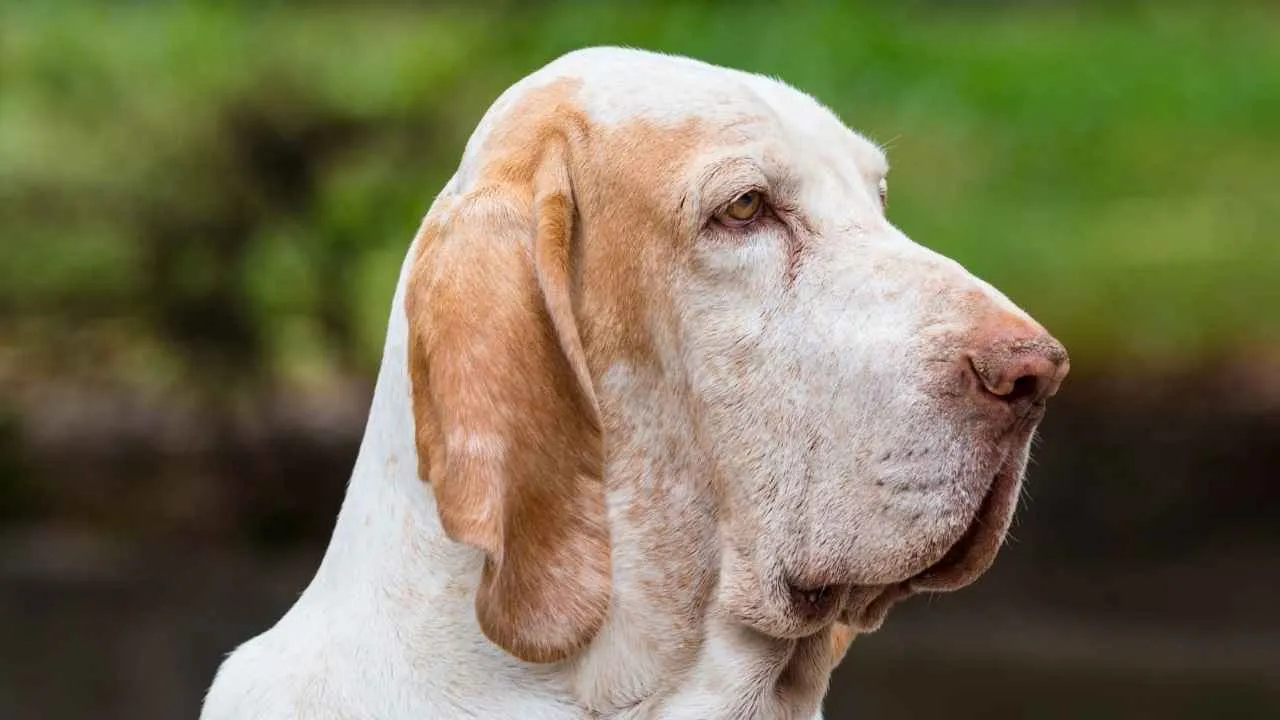
Braccos are celebrated in Europe for their extraordinary nose and steady field pace. Hunters admire their methodical approach, maintaining a rhythmic trot rather than an exhausting sprint. Their cooperative nature with handlers makes them especially easy to train using gentle guidance.
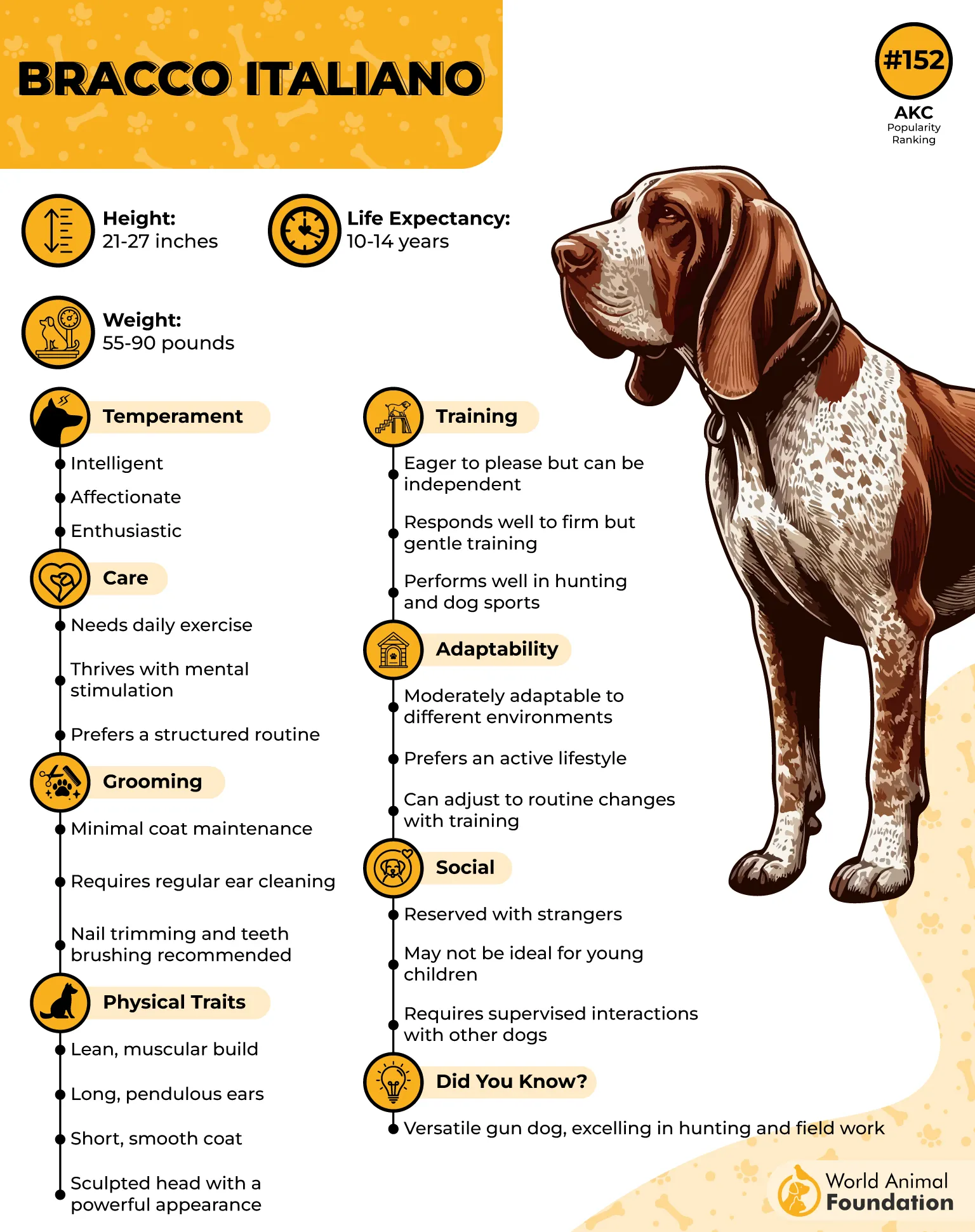
Beyond hunting, this popular dog breed is a gentle companion at home, blending loyalty with a friendly temperament. It has short, dense coats, typically white with orange or chestnut markings, and requires only moderate grooming. It thrives on consistency, exercise, and mental stimulation, ensuring its hunting instincts remain sharp, as noted by Purina.
Braccos are also known for their retrieving skills—they carry game carefully and naturally, a trait highly prized in versatile hunting dogs. They are generally people-oriented, forming strong bonds with their family while staying alert in the field. For hunters who value endurance and reliability, the Bracco Italiano is a trusted partner.
Their upland game hunting style is as follows:
Unlike some hunting dogs that sprint erratically or cover ground in bursts, the Bracco moves at a steady, rhythmic trot, carefully covering the terrain.
This pace allows the dog to scan and scent the ground consistently, which is crucial for detecting birds hidden in tall grass, brush, or uneven terrain.
Hunters appreciate this because it’s predictable and controlled, meaning the Bracco rarely rushes ahead and stays within range of the handler.
2. American Foxhound
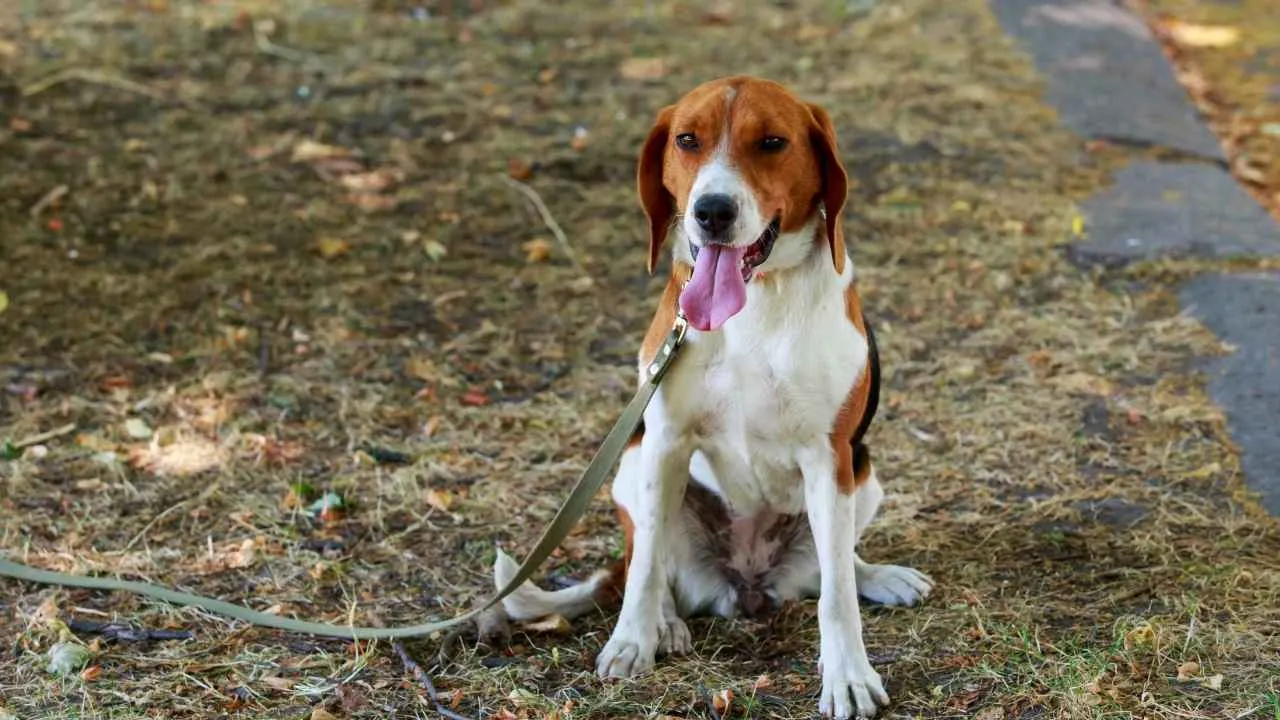
American Foxhounds are the epitome of endurance and grace in the field. Bred to track foxes across challenging terrain, these dogs have exceptional stamina, speed, and a keen nose. Their baying voice lets hunters know when a trail is picked up—a centuries-old skill still celebrated today.
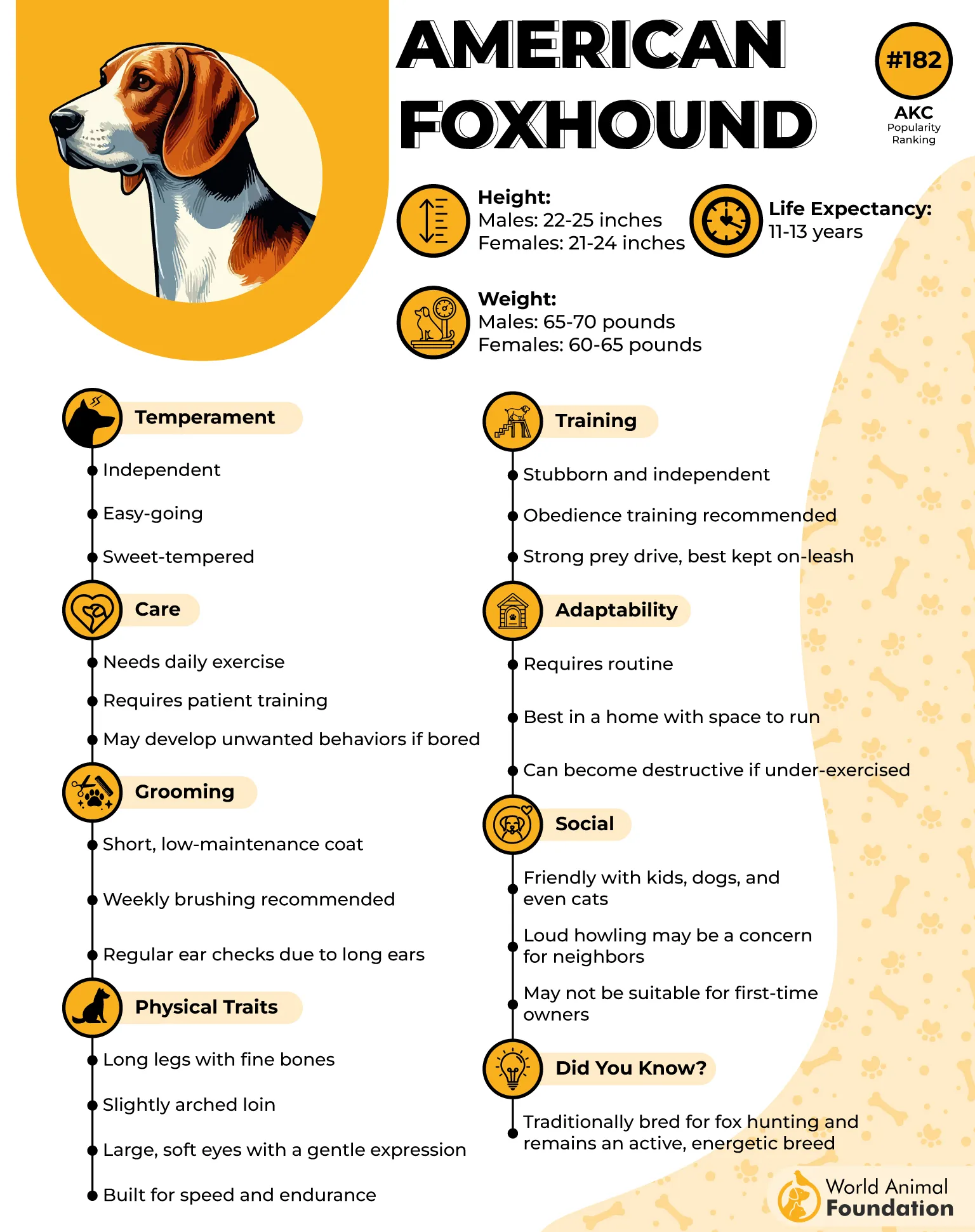
This breed of bird dog is loyal and affectionate at home, making it an excellent family companion despite its independent streak. Early socialization is essential, as it can be easily distracted by scents, which is both a blessing and a challenge.
The American Foxhound’s combination of tracking ability, stamina, and gentle temperament makes it a versatile hunter. Even in modern hunting scenarios, they remain a favorite among traditional hunters who value a breed with historical significance.
Their upland game hunting style is as follows:
Unlike silent pointers, the American Foxhound often uses baying or howling to communicate with the hunter and other hounds.
This vocalization signals that the dog has picked up a scent or is closing in on the game.
For hunters in dense terrain or large areas, the Foxhound’s voice acts as a live guide, indicating progress even out of sight.
3. Nova Scotia Duck Tolling Retriever (Toller)
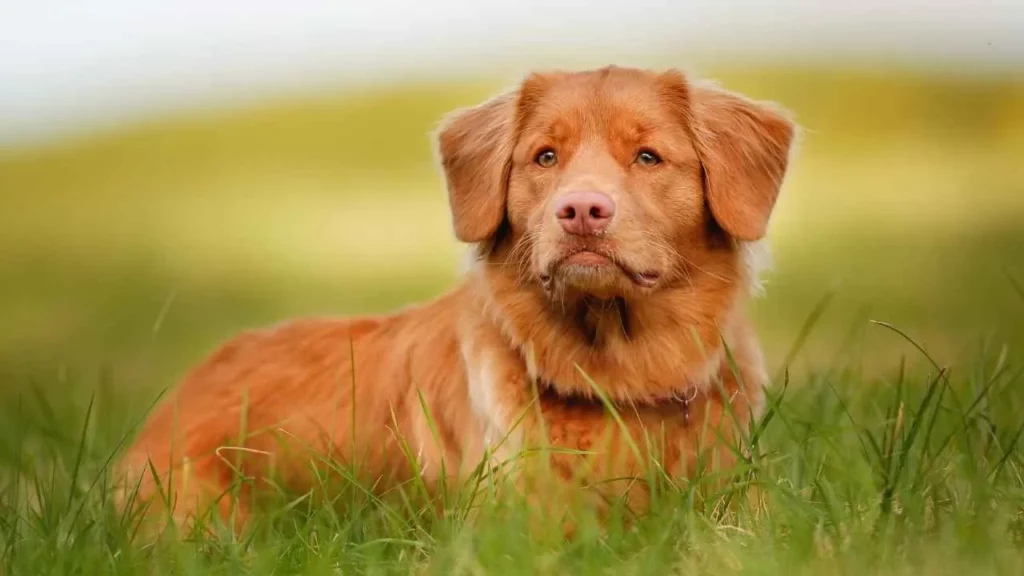
Tollers are energetic, compact dogs with a seemingly endless retrieving drive. They were bred for duck tolling and retrieving, but excel in upland hunting due to their agility and stamina. Their playful, high-energy nature translates well both in the field and at home.
Despite their small size, these hunter dogs are fearless in retrieving birds from water or rough terrain. They respond best to positive reinforcement and consistent training, thriving on a close bond with their handler.
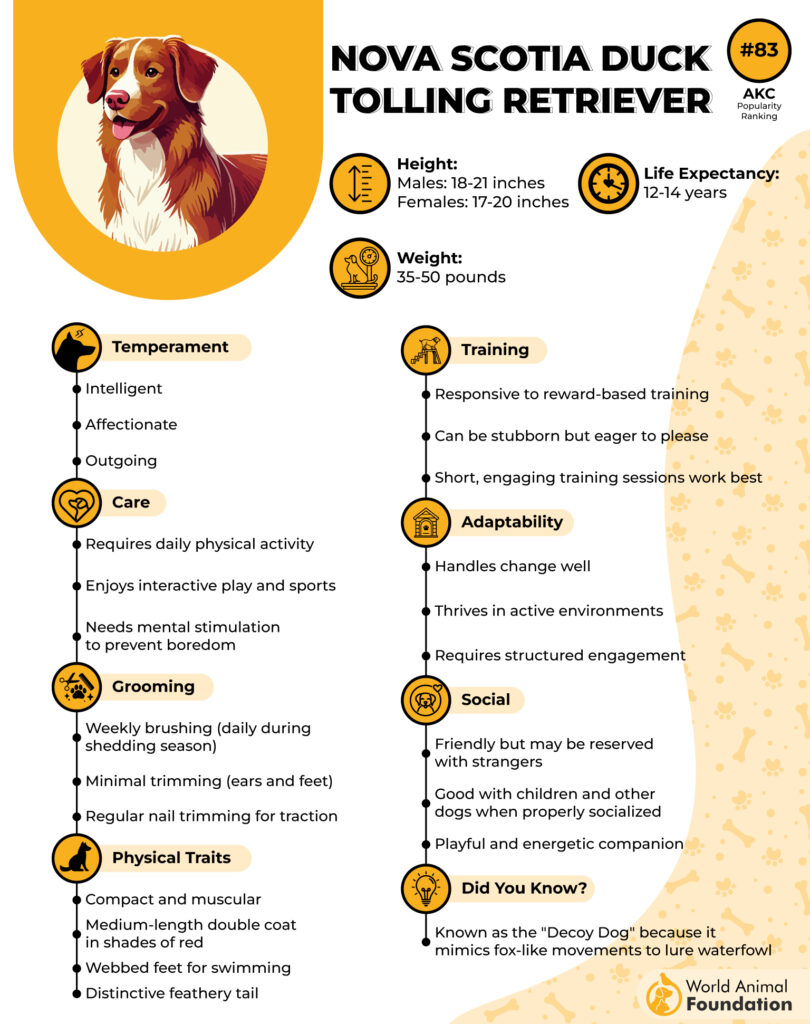
Their bouncy personalities make them entertaining companions outside hunting season, while their instincts keep them focused and effective during hunts. These family dogs are highly trainable and form tight-knit bonds with families, blending hunting prowess with household affection.
Their upland game hunting style is as follows:
This breed uses playful movement along the shoreline to attract ducks’ curiosity, drawing them into shooting range without frightening them away.
Tolling is an active, strategic approach, making this dog unique among retrievers that typically wait passively for the hunter’s command
This dual capability—flushing and retrieving—makes them versatile hunting partners, especially in mixed terrains of marsh, meadow, or forest.
4. Vizsla
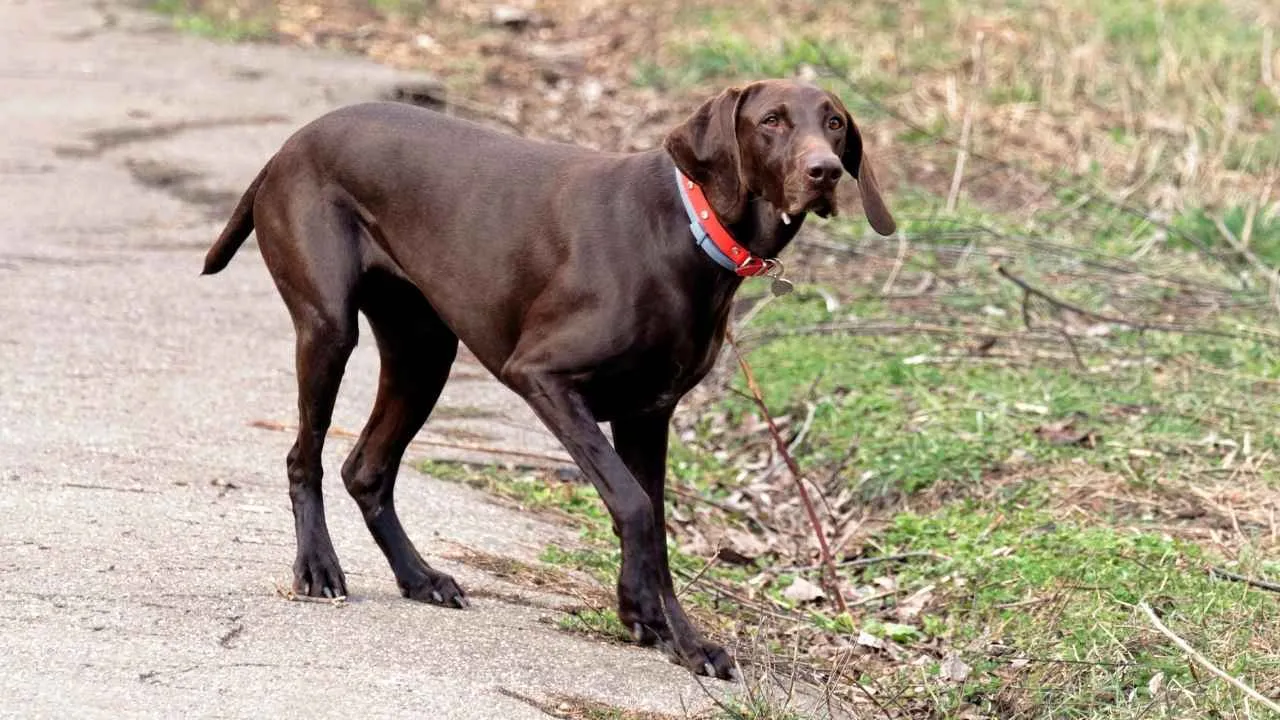
Vizslas are athletic, medium-paced hunters known for their versatility in the field. They excel at pointing and retrieving upland game, often maintaining a close quartering pattern with their handler. Their reliance on scent, combined with natural intelligence, makes them adaptable to varying hunting terrains.
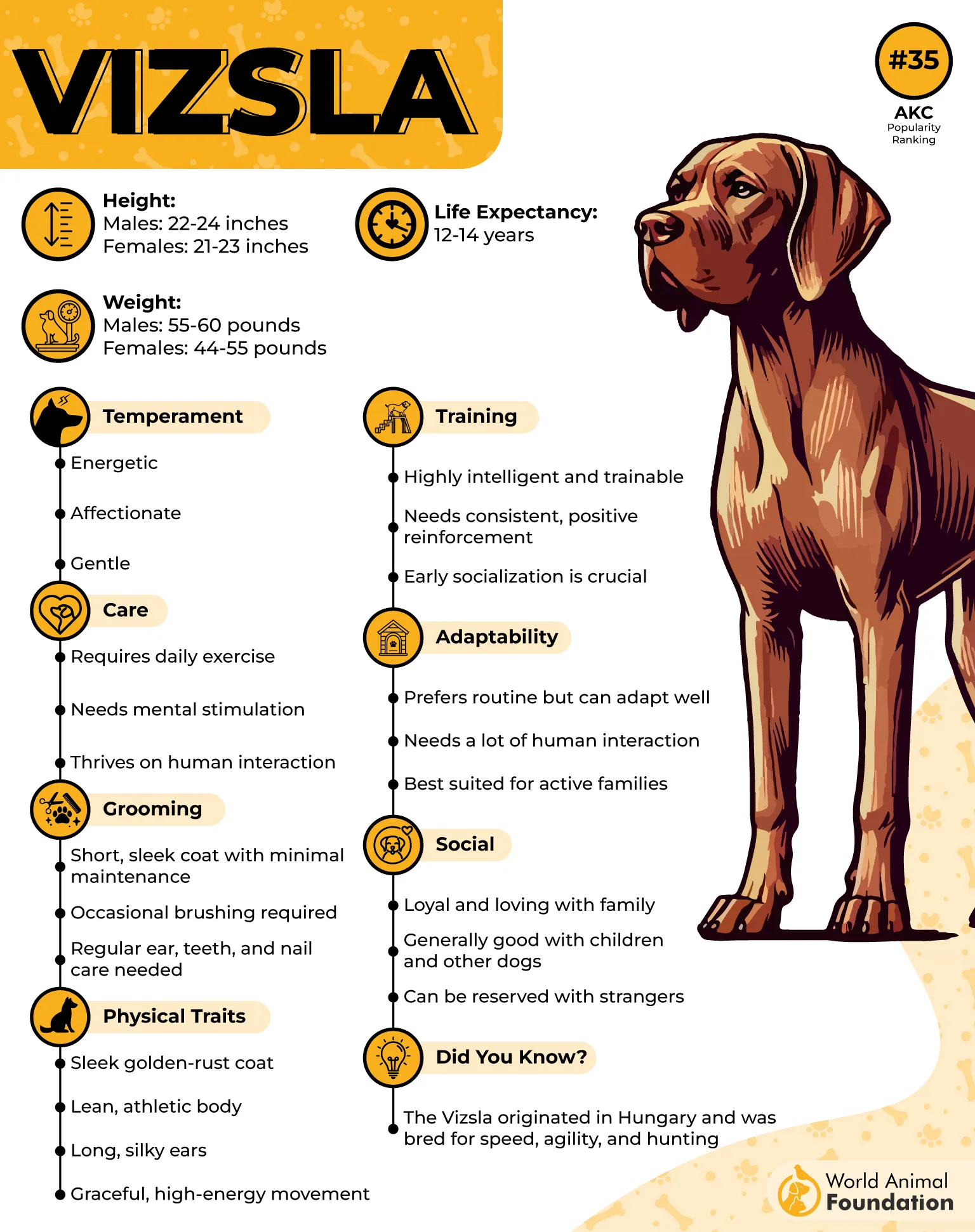
They are affectionate, “Velcro” dogs who crave human companionship. This strong bond encourages quick training and makes them obedient partners, though their high energy demands significant exercise. Their short, sleek coat is easy to maintain, adding to their appeal as a family-friendly hunting dog.
Vizslas’ combination of speed, stamina, and close-working style with the hunter makes them an all-around champion. They are consistent performers, whether in field trials or real hunting scenarios, proving their reliability time and again.
Their upland game hunting style is as follows:
Vizslas excel at systematically covering ground in a zigzag or quartering pattern ahead of the hunter, typically 50–100 meters ahead.
This method maximizes scent detection, enabling them to efficiently detect birds such as pheasants, quail, and woodcock.
Unlike some high-strung pointers, Vizslas maintain a medium, steady pace, ensuring they don’t rush past game.
5. Weimaraner
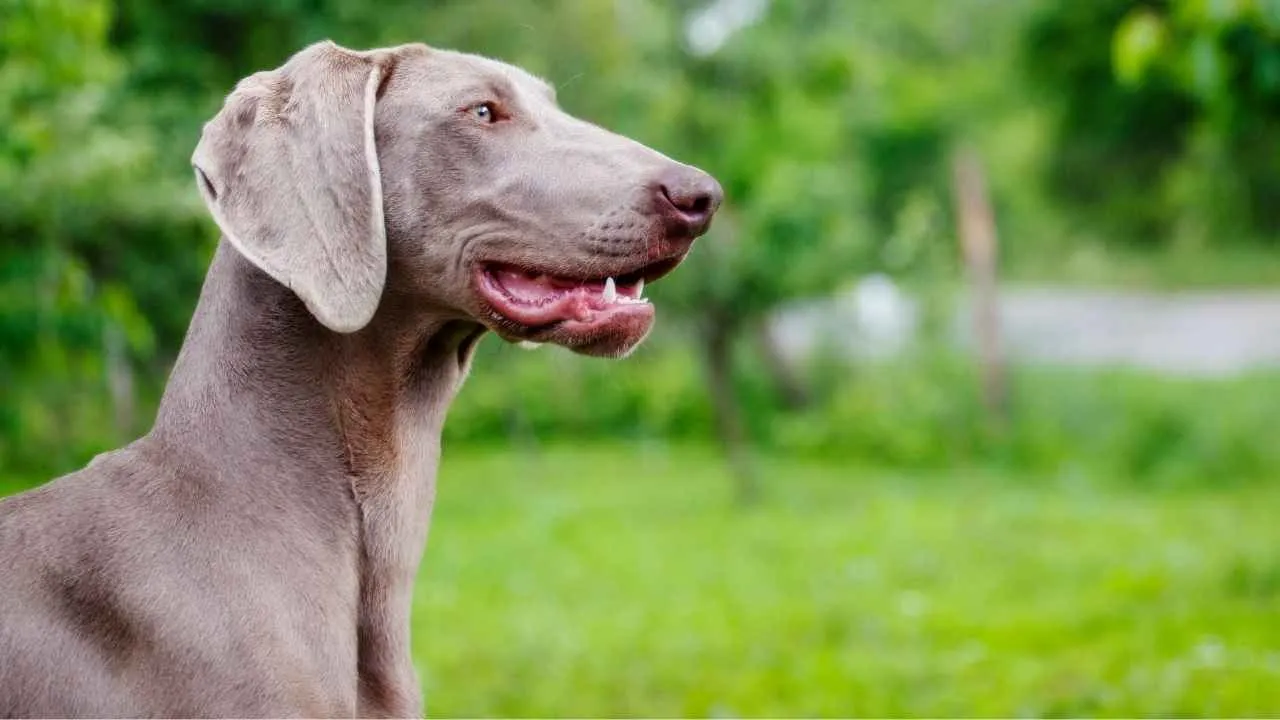
Weimaraners are versatile hunting dogs originally bred in Germany for upland game, predators, and waterfowl. Their athleticism, intelligence, and high energy make them exceptional in the field. Early training and socialization are key to managing their strong bond with handlers.
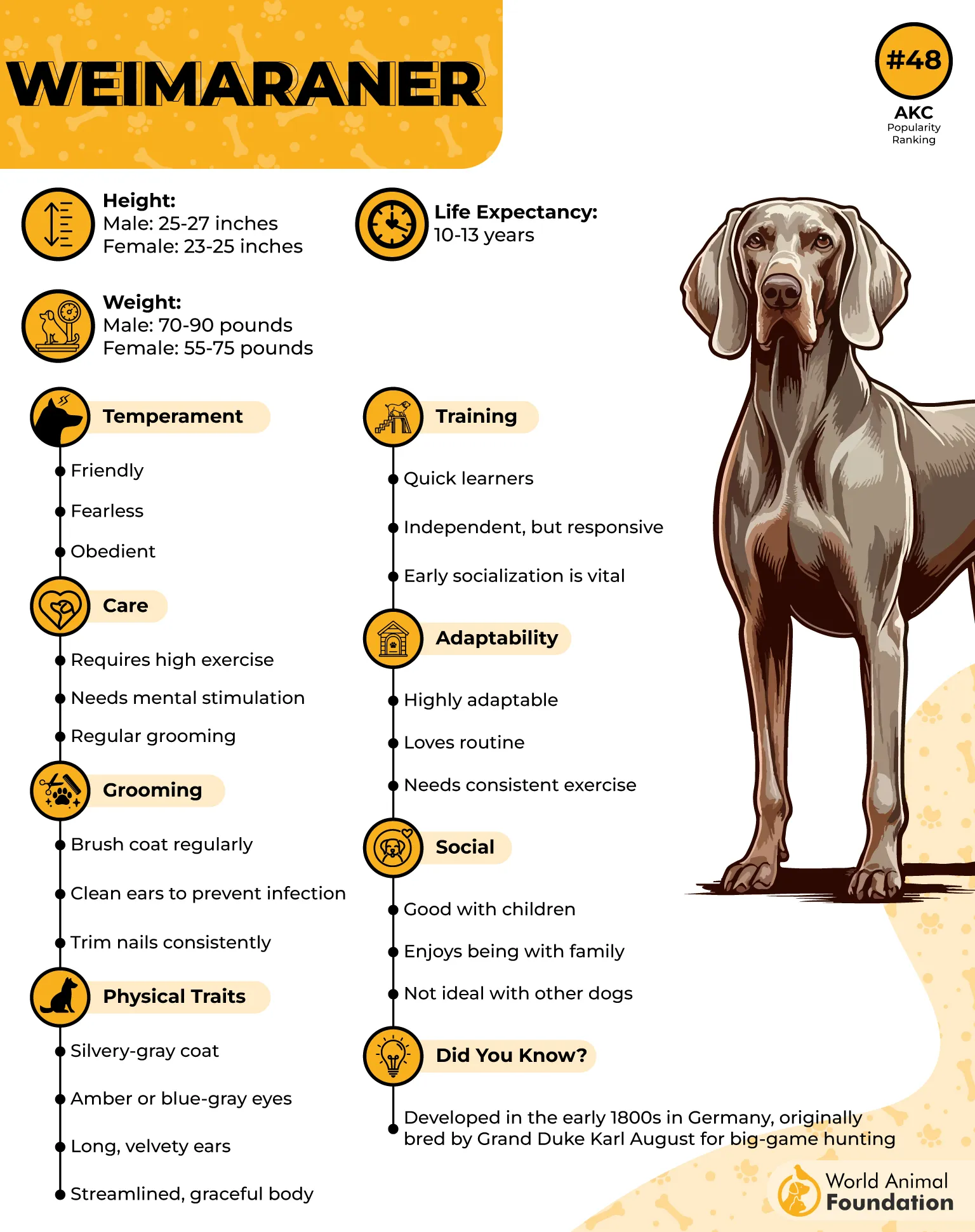
Weimaraners can be sensitive and highly attached, which is excellent for cooperation but can challenge independence. Their sleek silver-gray coat is low-maintenance, and their expressive nature makes them a favorite among hunters and families alike.
These versatile dogs have natural pointing instincts that develop with maturity, and they also show strong retrieving abilities. Weimaraners require consistent mental and physical stimulation, making them ideal for active owners who hunt or engage in dog sports.
Their upland game hunting style is as follows:
Weimaraners develop a strong natural pointing instinct, although it may take some time to mature in young dogs.
When they locate game, they lock into a staunch point, signaling the hunter without startling the bird.
Unlike some highly excitable pointers, Weimaraners are measured in style, combining elegance with functionality—a trait highly valued in field trials and practical hunting.
6. Bluetick Coonhound
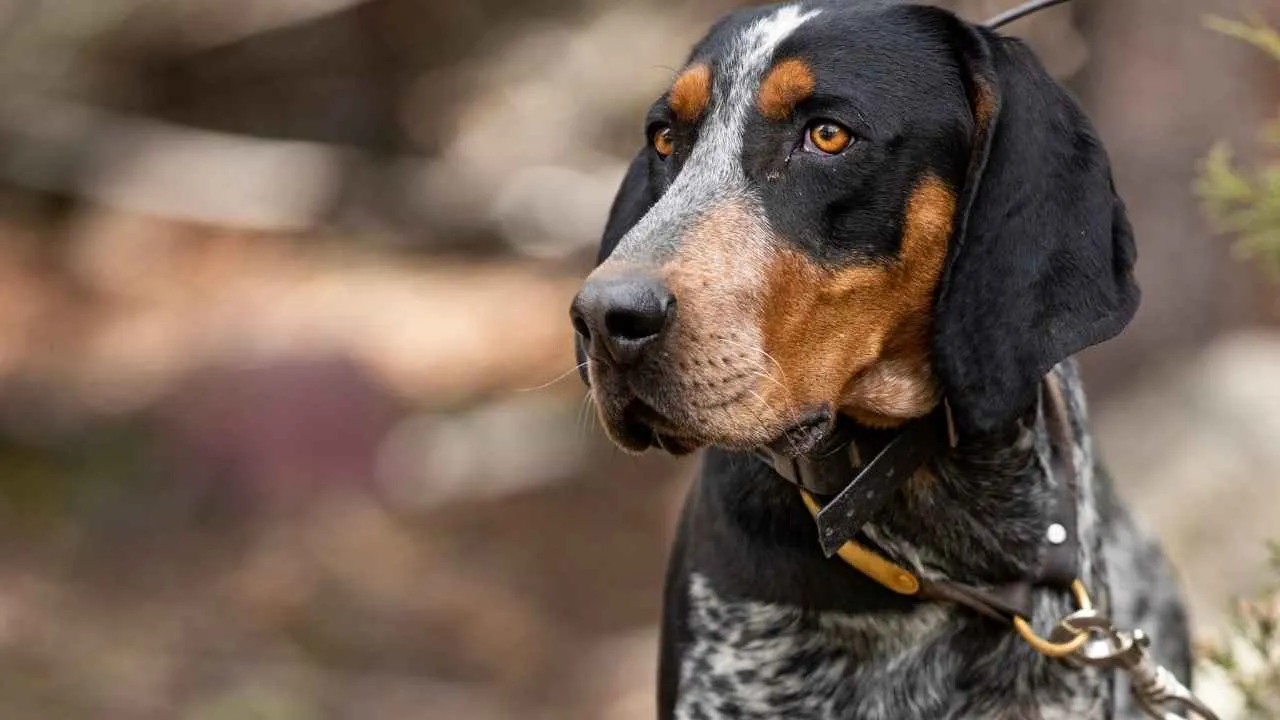
Blueticks are legendary for tracking game with an unparalleled sense of smell. Descended from English foxhounds and French hunting dogs, they excel in trailing raccoons, deer, and other small game. Their distinctive coat patterns and vocalizations make them instantly recognizable in the field.
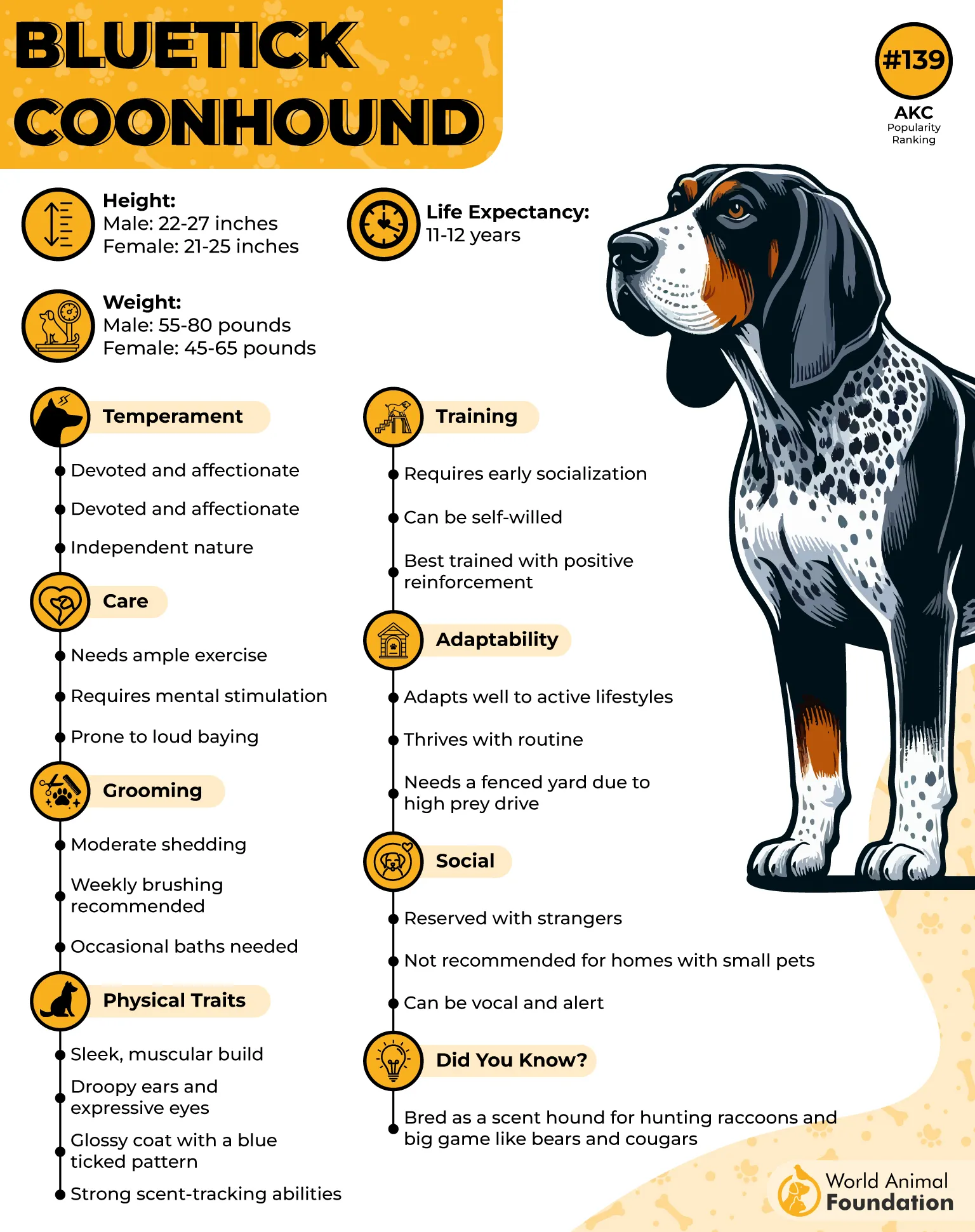
The AKC says these dogs are intelligent, loyal, and versatile, adapting well to modern hunting needs while retaining historical skills. Blueticks have an energetic and ambitious nature, requiring substantial exercise and engagement to thrive.
At home, this good bird dog is playful and affectionate, forming strong bonds with families. With proper training, it excels in dog sports, scent work, and even search-and-rescue missions, highlighting its versatility beyond hunting.
Their upland game hunting style is as follows:
Bluetick Coonhounds are primarily scent hounds, bred to trail game over long distances with theirincredible noses.
In upland hunting, they excel at tracking birds or small game through forests, fields, and rugged terrain
Their strategy is to follow a scent trail persistently, often at a steady, endurance-focused pace, rather than sprinting recklessly after the quarry.
7. German Shorthaired Pointer (GSP)
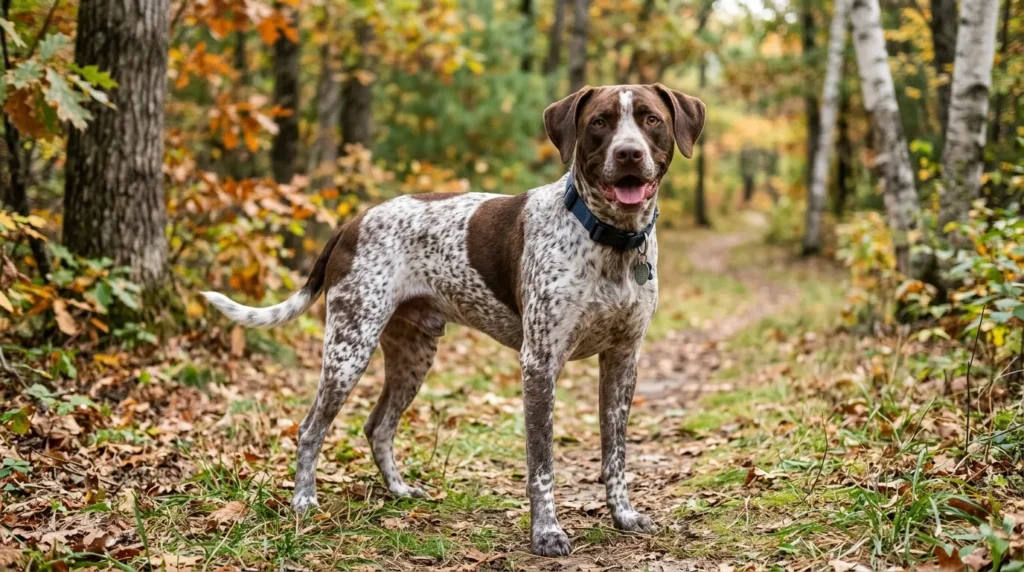
GSPs are classic versatile gun dogs, capable of hunting, pointing, and retrieving on land and water. Their natural hunting instincts are strong, and with early exposure, even young puppies can become competent hunting partners.
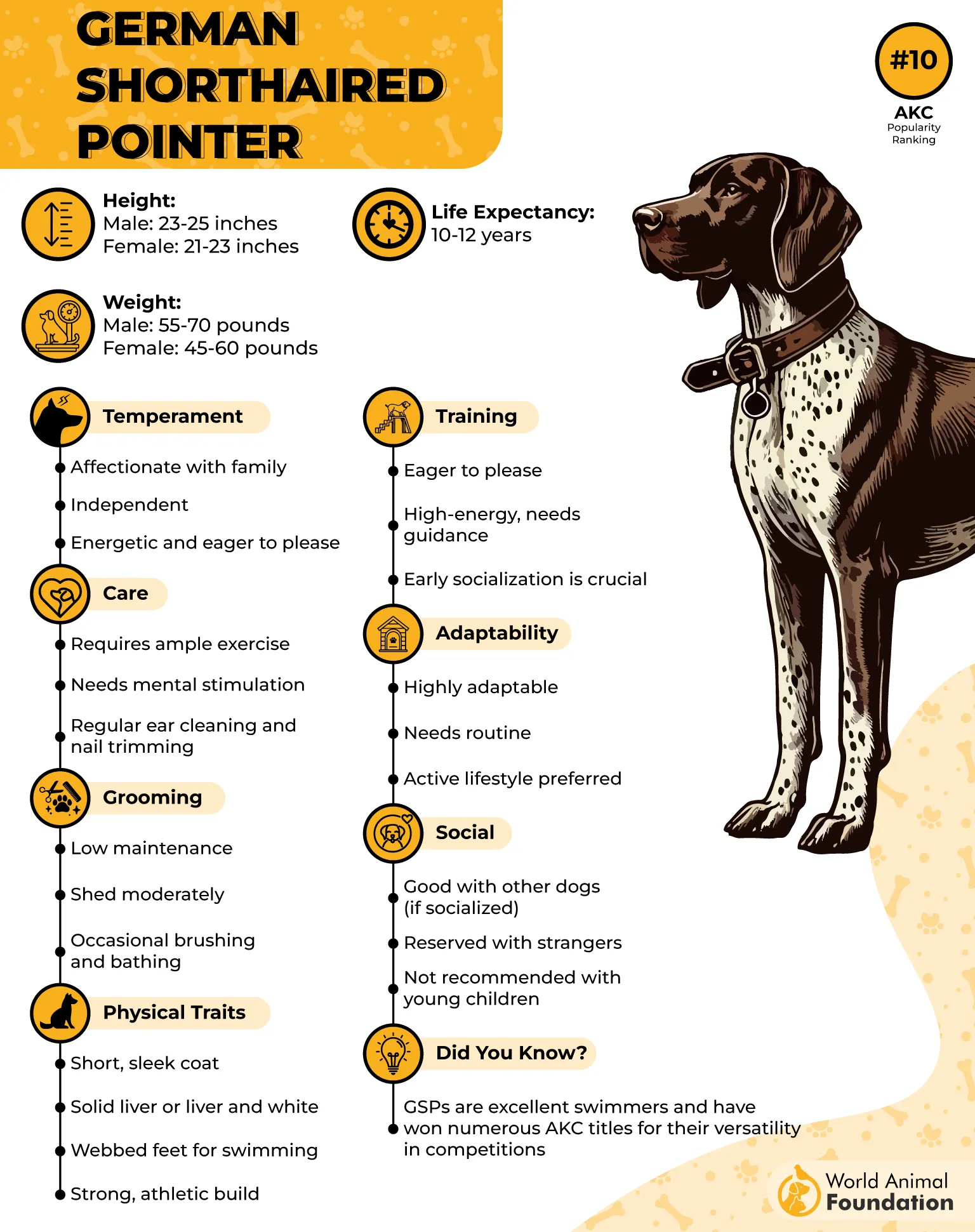
These Pointer dogs are energetic, intelligent, and affectionate, forming strong bonds with their owners. Their short, easy-care coat requires minimal grooming, adding to their appeal for active households.
This bird dog breed excels in field trials, NAVHDA testing, and upland hunting, consistently proving its value as an all-around sporting dog. It requires both physical and mental challenges to stay happy, making it ideal for committed hunters or active families.
A great breed for pheasant hunting, as per PetMD, it works closely with the hunter to systematically cover large areas.
Their upland game hunting style is as follows:
When these bird dogs detect game, they freeze and indicate the location by pointing their nose and body toward the bird, remaining motionless until the hunter arrives.
This strategy prevents the game from escaping prematurely and lets hunters prepare for an accurate shot.
The combination of pointing first and flushing later demonstrates discipline, intelligence, and cooperation between dog and hunter.
Conclusion
Upland game hunting dogs are more than just field partners—they are highly intelligent, athletic, and loyal companions that bring unmatched energy and personality into any home. From the Bracco Italiano’s methodical approach to the German Shorthaired Pointer’s versatility, each breed has unique traits that make them invaluable in hunting and rewarding in everyday life.
Selecting the right hunting dog depends on your lifestyle, field preferences, and ability to meet their exercise and training needs. Early socialization, consistent positive reinforcement, and regular exposure to games ensure that these breeds excel in both skill and temperament.
Labrador Retriever, English Springer Spaniel, German Wirehaired Pointer, Chesapeake Bay Retriever, Cocker Spaniels, Wirehaired Pointing Griffon, Golden Retrievers, Brittany Spaniel, and English Setters are also some great breeds for upland bird hunting.
Whether you’re a dedicated hunter or admire athletic, intelligent dogs, upland hunting breeds offer a fascinating blend of history, skill, and companionship. Understanding their unique personalities and capabilities helps you appreciate these breeds beyond the field, making every adventure—hunting or casual—a rewarding experience for both dog and owner.
