




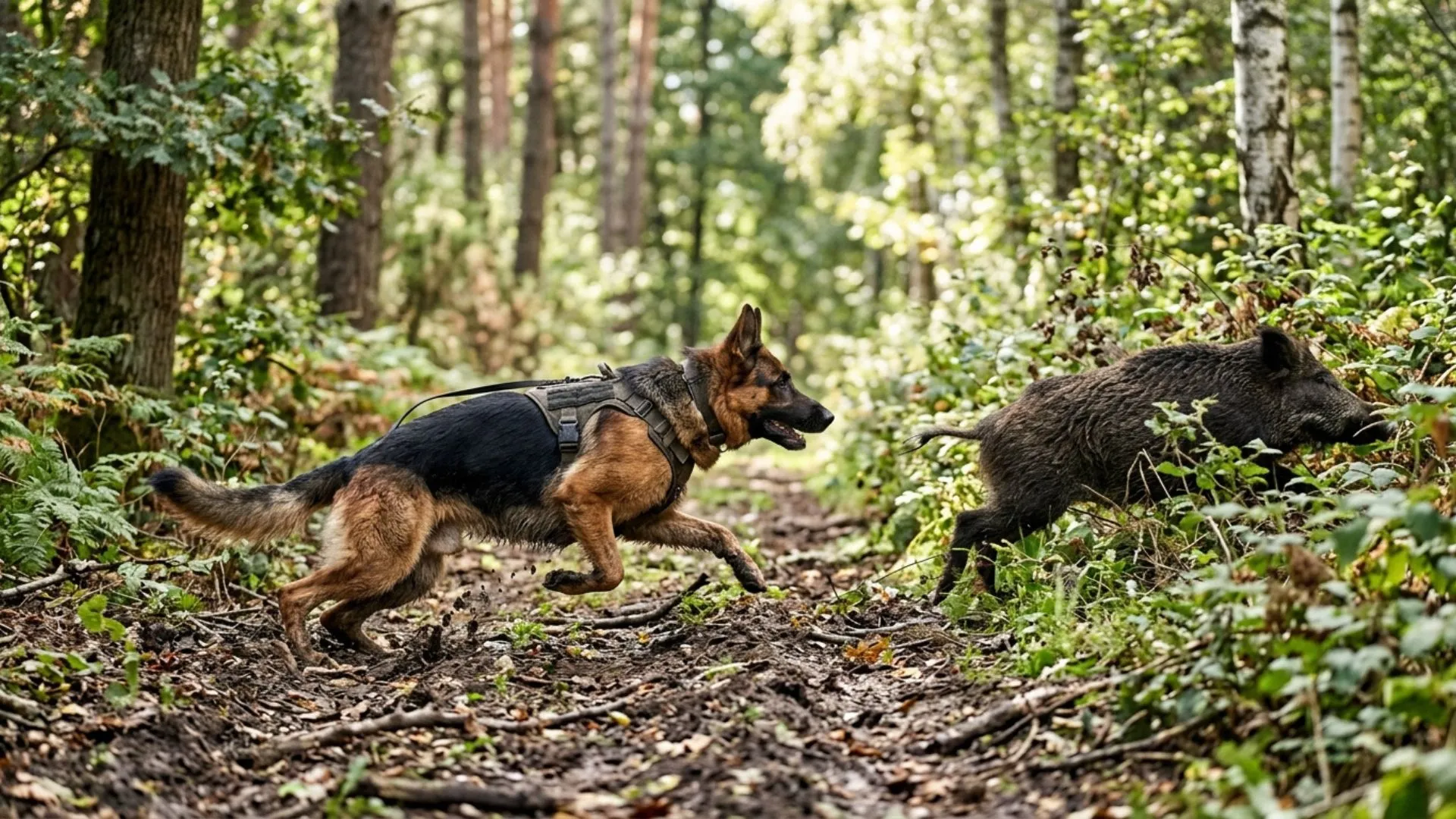
“Imagine this… you’re deep in the wild, everything is quiet — and suddenly the bushes start shaking.”
Not a movie scene. Not a joke. That’s exactly what hunting wild hogs can feel like.
And in that moment, you don’t just want a dog — you need a partner that won’t panic, won’t hesitate, and definitely won’t run the other way. Because wild boar aren’t just fast… they’re strong, stubborn, and ready to fight back.
This type of hunting isn’t for average pets or lazy companions. It calls for powerful, highly trained dogs that can track scent over long distances, push through thick cover, and face dangerous animals without losing focus.
The truth is, only a few dog breeds are truly built for this intense job. They combine strength, speed, and sharp instincts — making them the ultimate hunting companions in rough and unpredictable environments.
Key Takeaways
Different dog breeds play different roles in wild boar pursuits, including catching, baying, tracking, and recovering game.
Strength, endurance, intelligence, and scenting ability are the key traits that make hunting dogs successful in rough terrain.
No single breed does it all — teamwork and proper training are essential for safe and effective hunting.
Powerful Dog Breeds Perfect for Wild Boar Pursuits
1. Siberian Husky
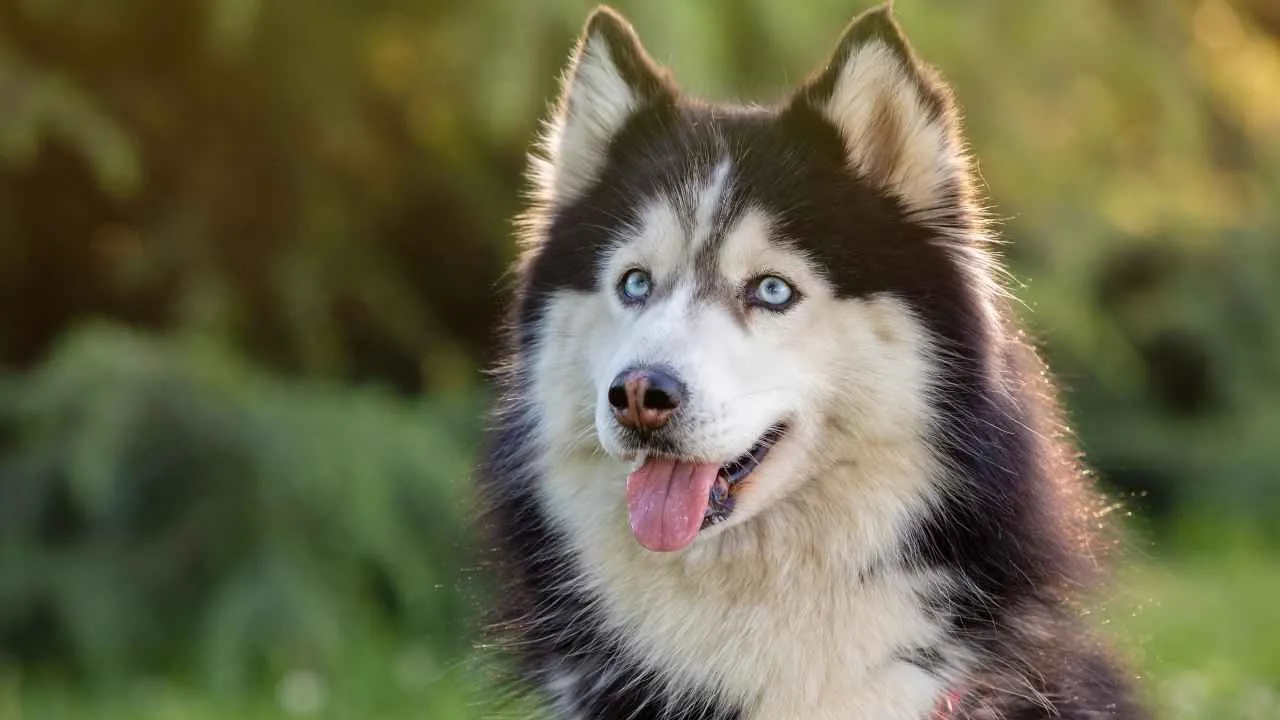
So… a sled dog in a wild boar chase?
Sounds odd, right?
But don’t underestimate this snow-born athlete. Originally bred by the Chukchi people, these dogs are built for endurance, long distances, and tough conditions, which already gives them a solid edge in certain types of hunting, as per Britannica.
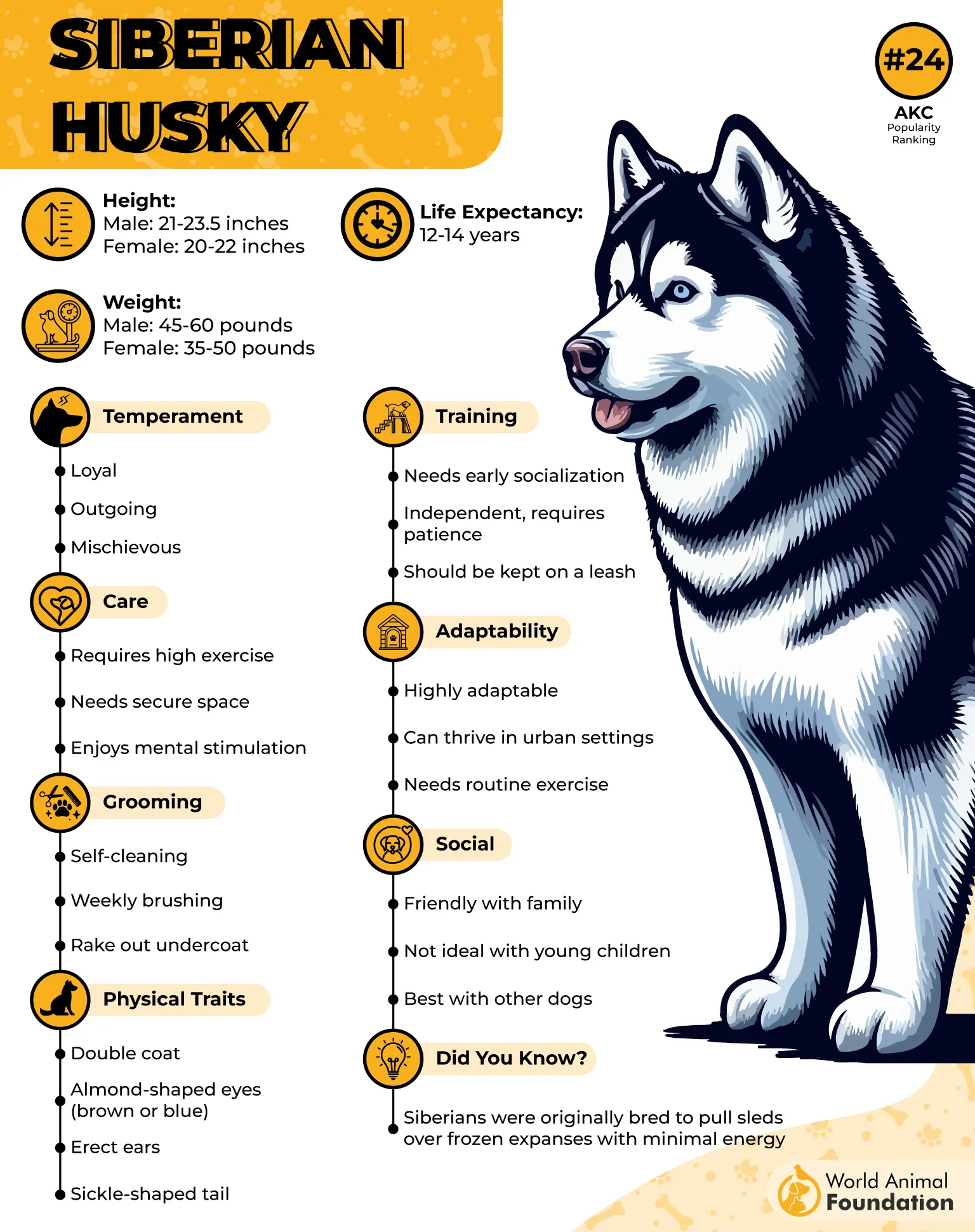
Lean but powerful build made for stamina, not quick burnout
High energy levels that thrive in long-distance tracking
Strong pack instincts, making them work well with multiple dogs
A thick coat protects in harsh weather and rough terrain
Now here’s the catch… Siberian Huskies aren’t typical hog dogs. They’re not natural catch dogs or bay dogs. But in the right setup — especially in cold, open hunting environments — they can assist in tracking and covering ground fast.
Still, you’ll need patience… because this clever escape artist might chase adventure more than the hunt itself.
2. Alaskan Malamute
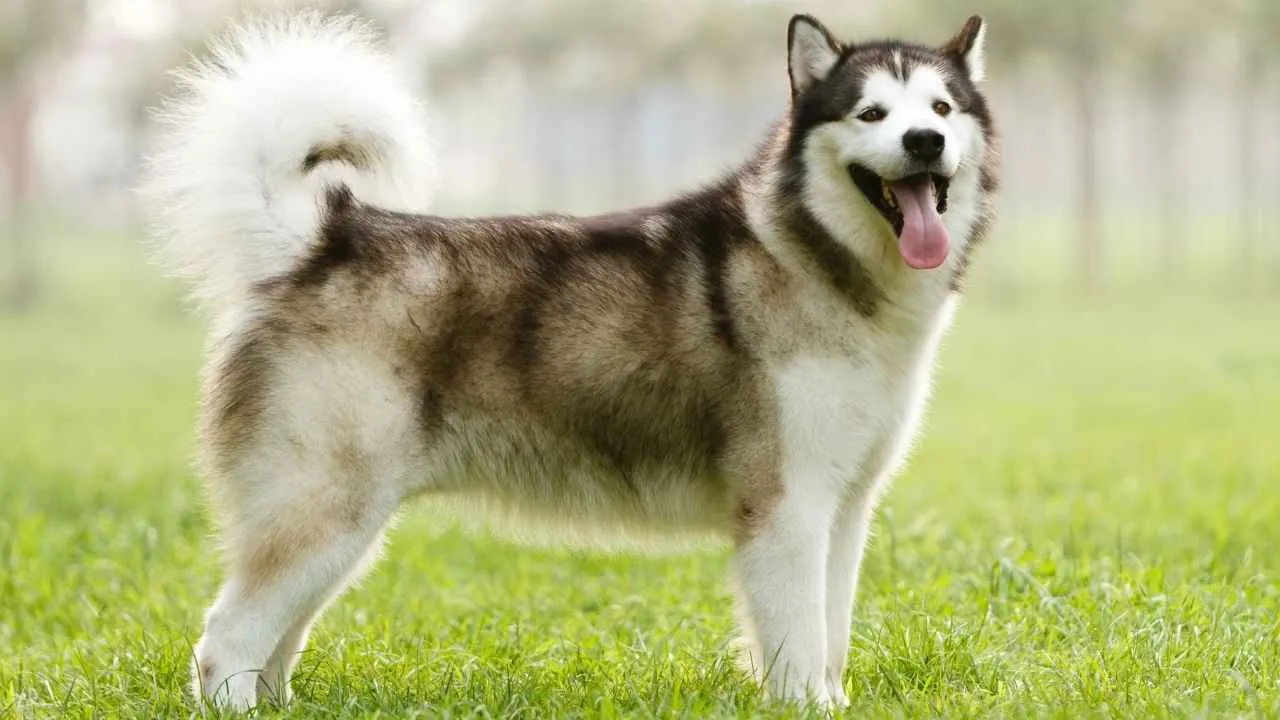
Now this one… looks like it could pull a truck and still have energy left!
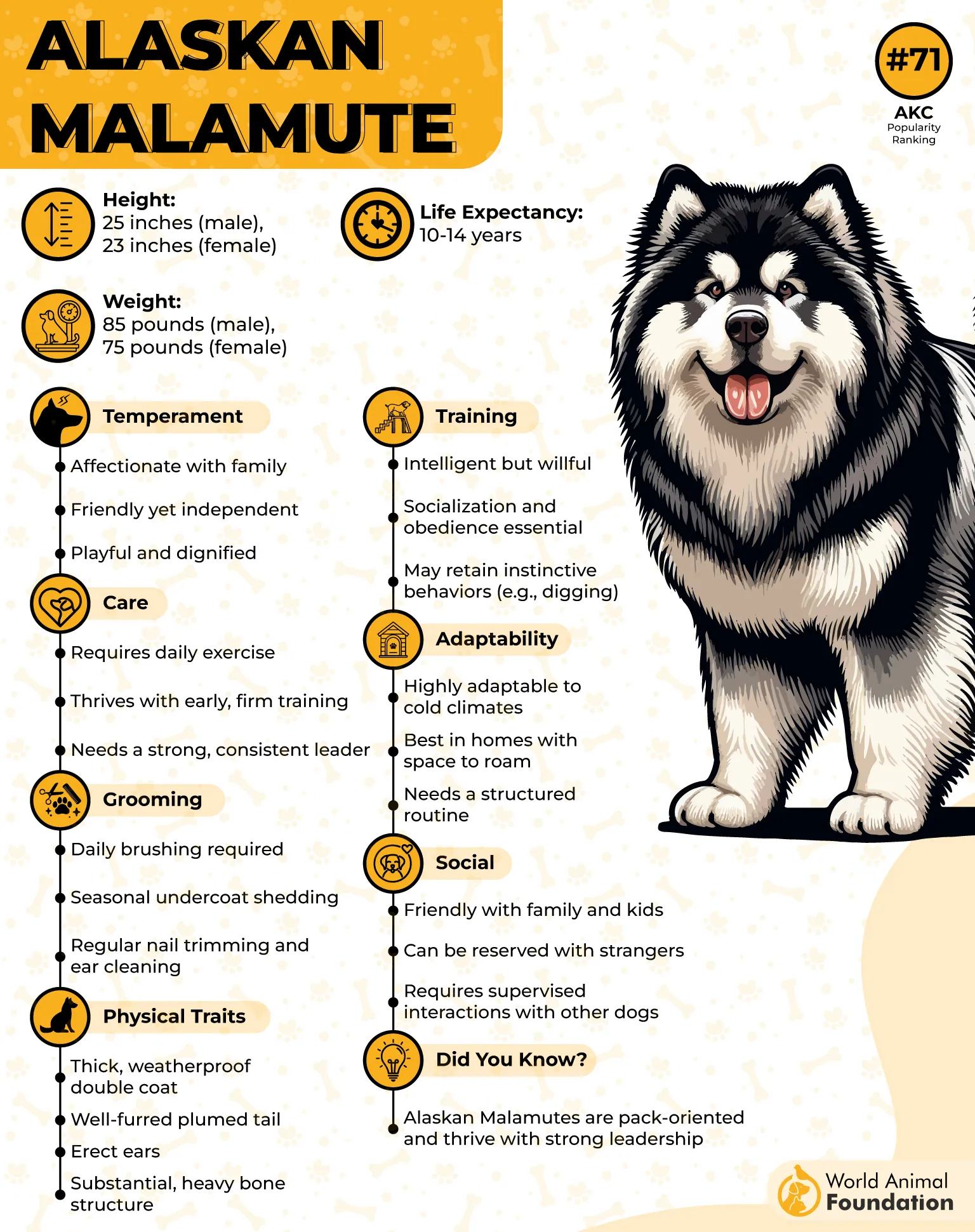
The Alaskan Malamute isn’t just strong — it’s built for serious work, harsh conditions, and long days that would exhaust most other dogs, as per AKC.
Heavy bone structure and powerful shoulders for raw strength
Deep chest and muscular build are ideal for endurance tasks
Thick, weatherproof coat handles rough terrain and harsh conditions
The pack mindset helps it work well with multiple dogs in coordinated hunts
Now here’s where it fits in… but with a twist.
The Malamute isn’t your typical hog-hunting dog. It’s not a natural catch dog or one of those sharp bay dogs that hold wild boar in place. But in cold, rugged hunting environments, it can support the hunt by tracking over long distances and staying active for hours without slowing down.
Think of it as the strong backup teammate — not leading the charge, but definitely not sitting on the bench either.
3. Rhodesian Ridgeback
Okay… now we’re talking about a dog that actually means business.
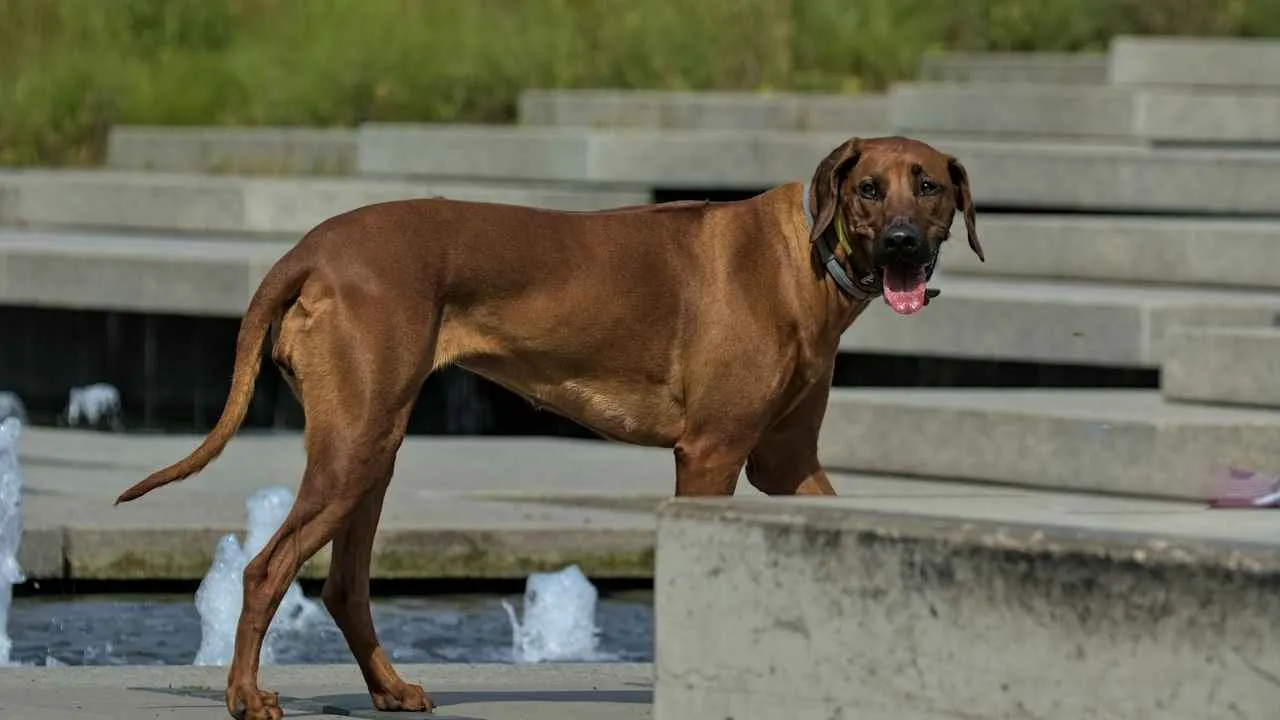
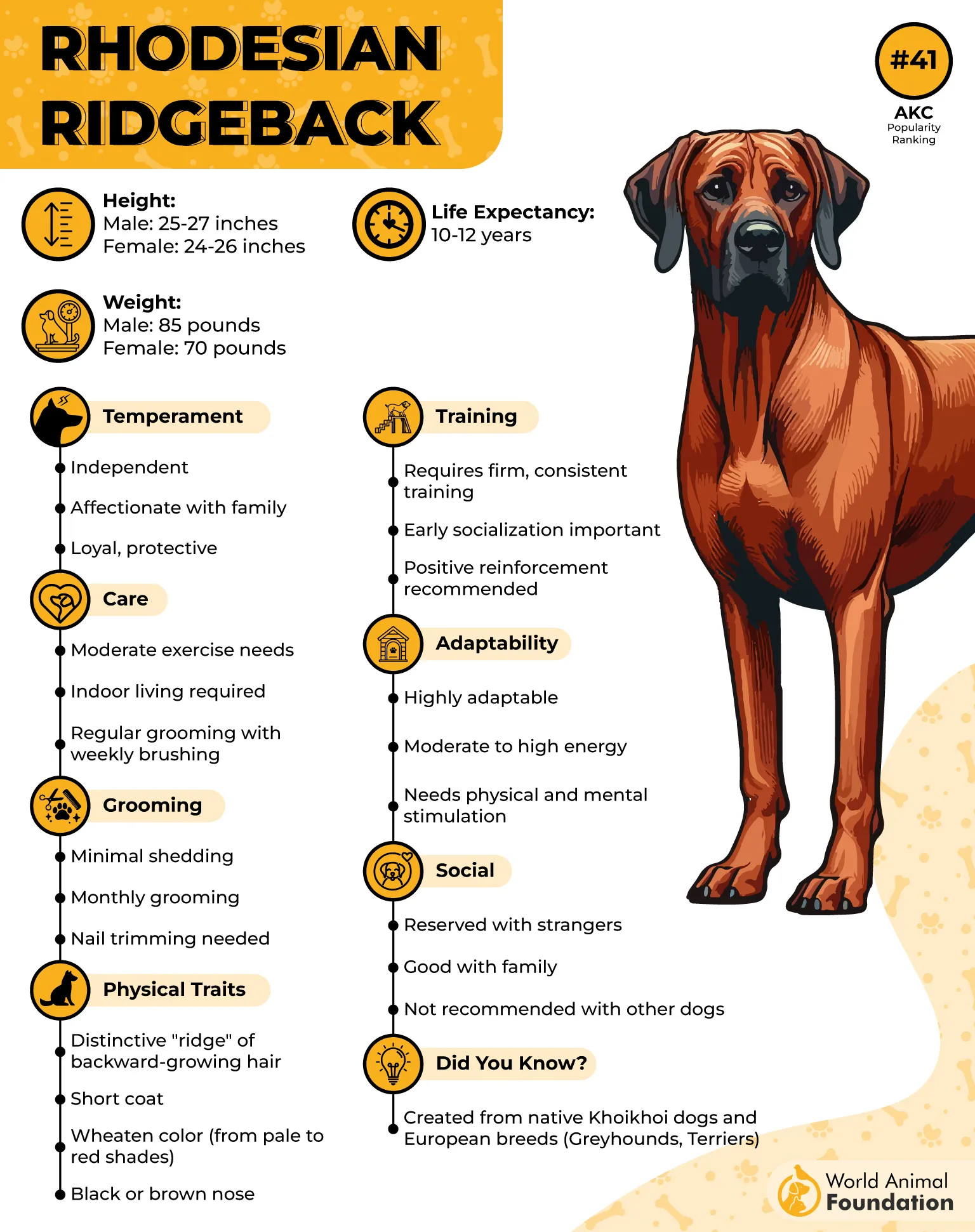
This isn’t just a powerful breed — it’s one that was originally bred to track and bay some of the toughest animals out there. Yes… even lions
Muscular, athletic build designed for speed and strength
Strong prey drive makes it highly focused during hunts
Excellent stamina for covering long distances without slowing down
Natural baying instinct helps control large game without rushing in blindly
Now here’s why it stands out in wild boar pursuits…
The Rhodesian Ridgeback is one of those rare dogs that can handle pressure without losing control. It works well as a bay dog — tracking wild pigs, holding them in place, and keeping a safe distance until the hunter arrives.
Plus, its intelligence and independence help it make quick decisions in rough terrain and unpredictable hunting environments.
Just don’t expect an easy ride… this confident hunter needs firm training, or it might decide it’s the boss of the entire hunt
4. Bernese Mountain Dog
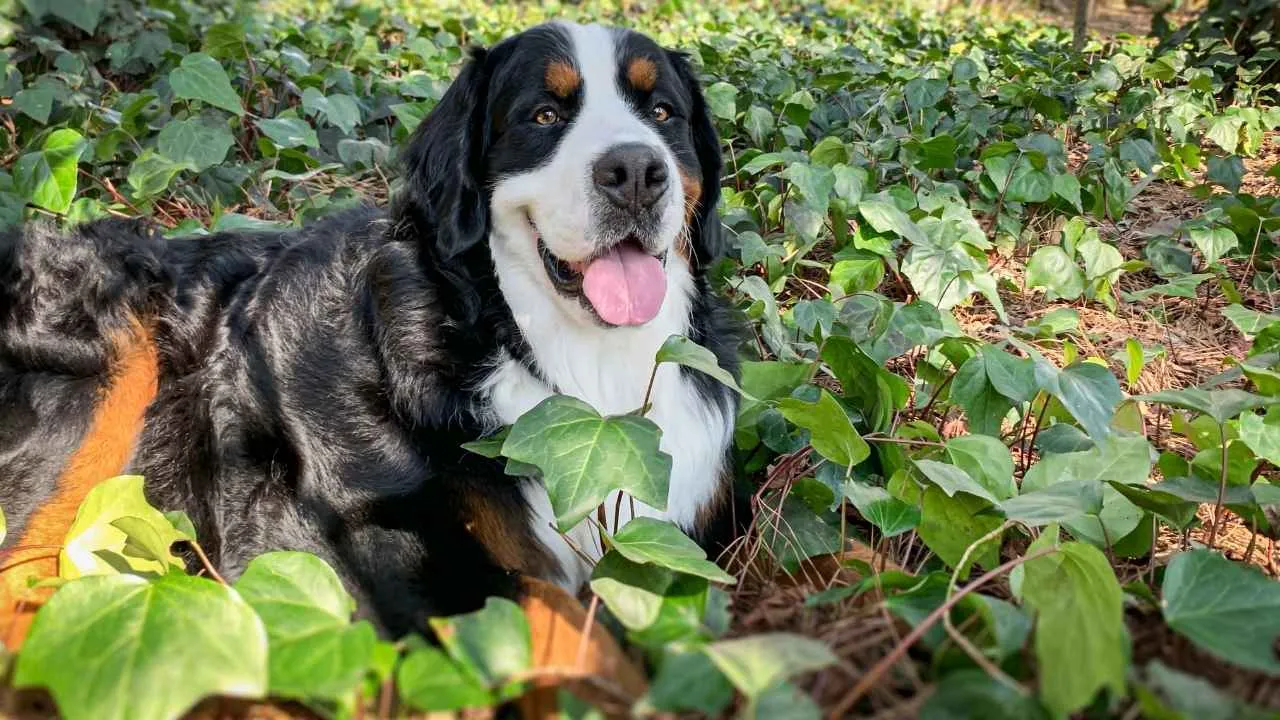
Now this one… looks like a giant teddy bear — but don’t let that fool you!
Behind that fluffy coat is a seriously strong working dog, originally bred to handle tough jobs in the mountains, as per WebMD.
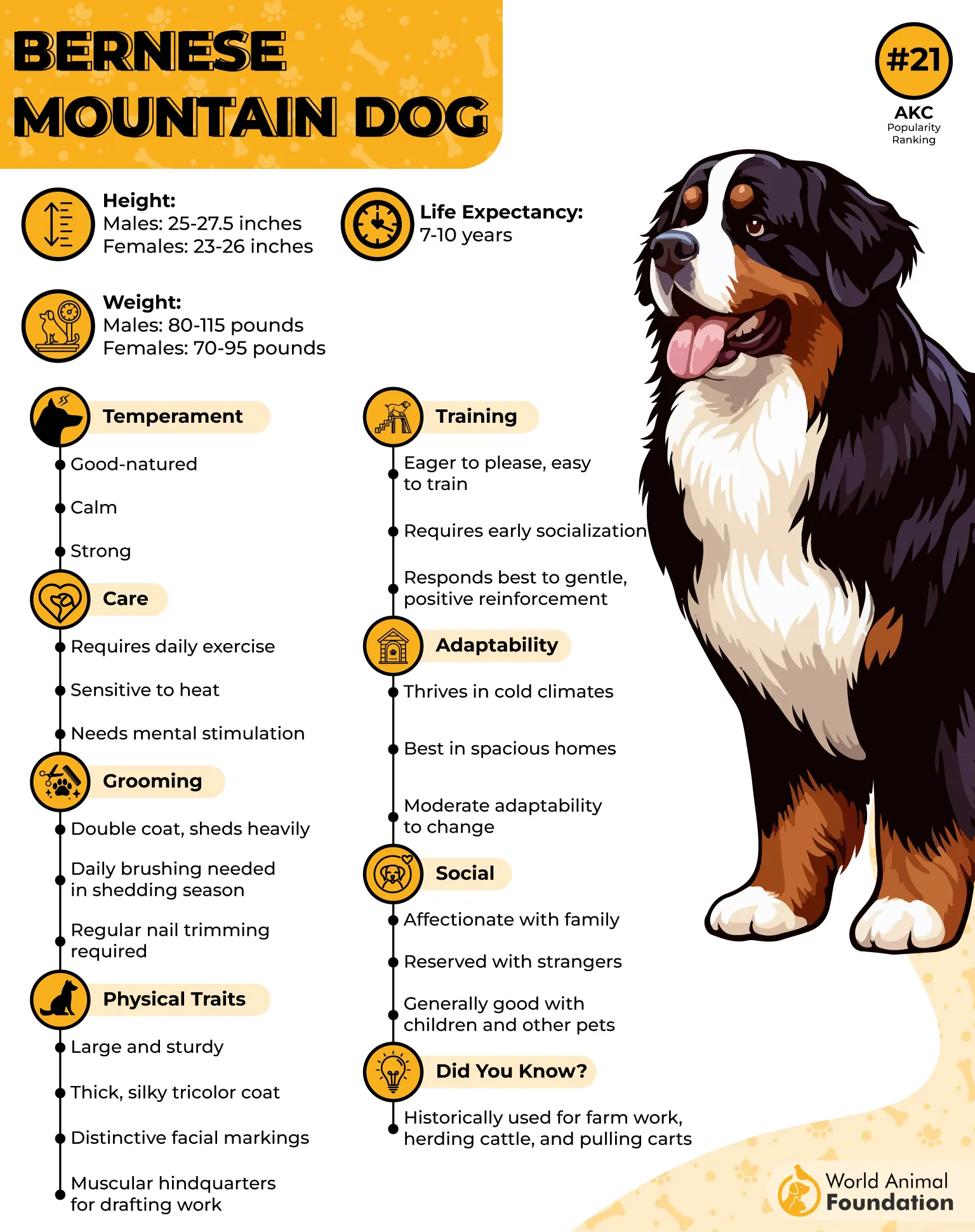
Large, powerful build capable of pulling heavy loads with ease
Strong work ethic from farm and draft work history
Intelligent and steady in controlled tasks
Protective and alert around unfamiliar animals
So where do they actually excel?
They’re not built for fast-paced hog hunting or to act as hog hunters chasing wild pigs. Instead, they do better in calmer, controlled roles like recovering wounded game or assisting in light tracking.
They are not ideal to hunt birds, retrieve waterfowl, or chase upland game either, as speed and agility in dense cover aren’t their strengths.
Think of them as the dependable support dog — not made for the chase, but reliable when strength and patience are needed
5. German Shepherd
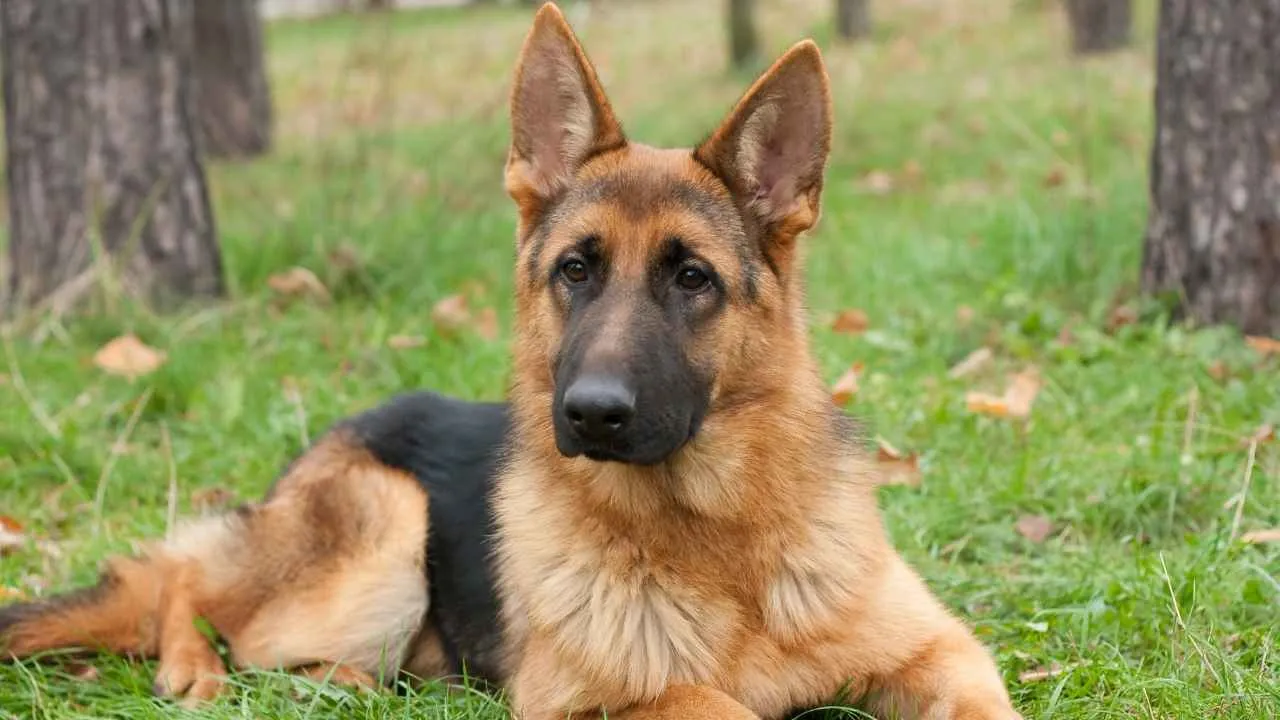
If there’s a dog that looks like it’s always “on duty,” it’s this one.
As per Orvis, the German Shepherd is a powerful, versatile working dog breed built for intelligence, energy, and serious purpose. It’s strong, keen sense and highly responsive when given a clear job to do.
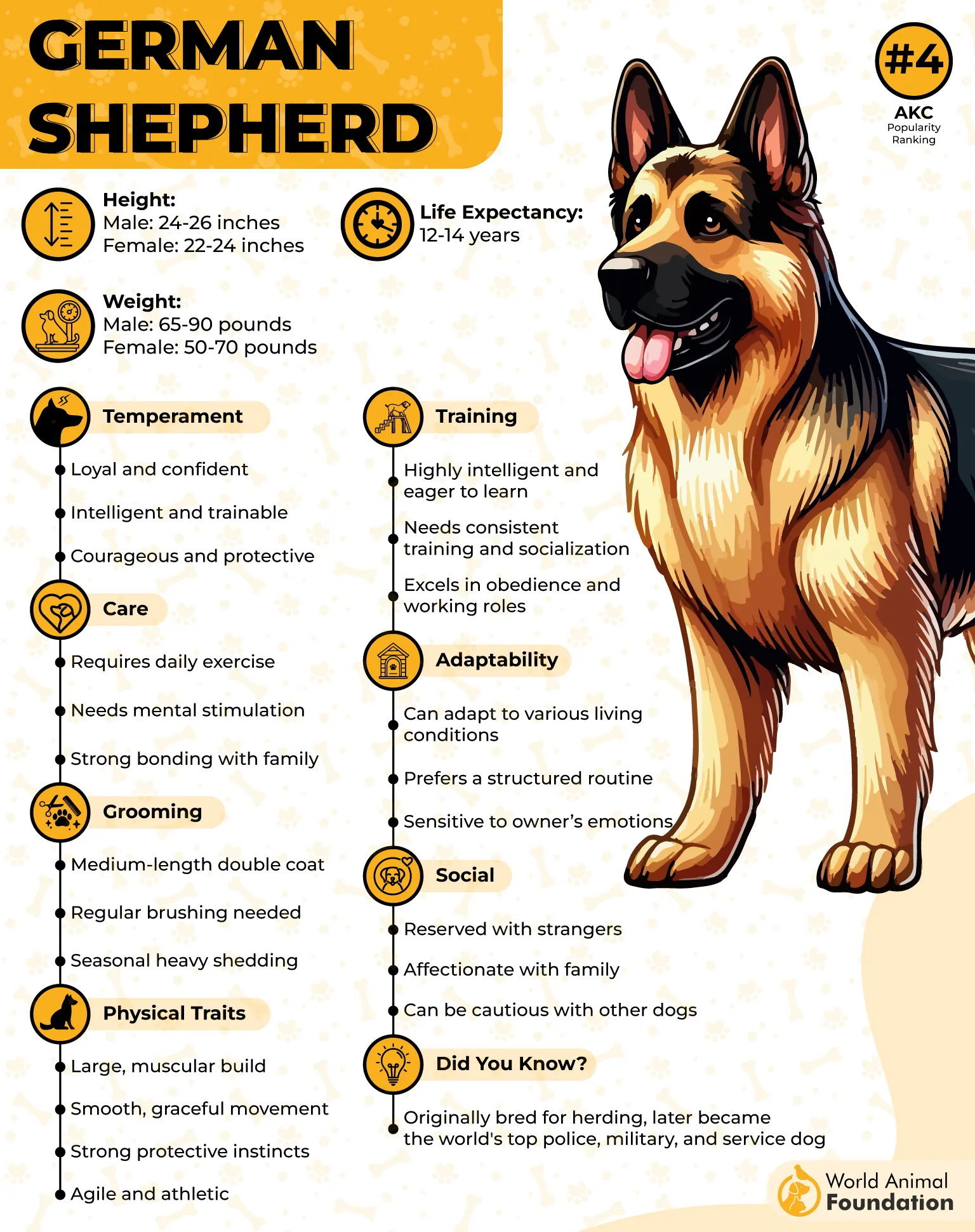
Strong, athletic body with smooth and powerful movement
Extremely intelligent and highly trainable with proper guidance
Loyal, alert, and naturally protective of its handler
High energy levels needing daily mental stimulation and physical activity
In field and hunting-related work, this breed is not a traditional wild boar catch dog, but it plays a strong supporting role. It is widely used as a search and rescue dog, also in tracking, and recovering wounded game, thanks to its excellent scent detection and focus.
It can also assist in controlled hunting environments where discipline and coordination are more important than direct confrontation.
Overall, the German Shepherd is a smart, disciplined working companion — built more for tracking, protection, and teamwork than for direct boar chasing.
6. Vizsla
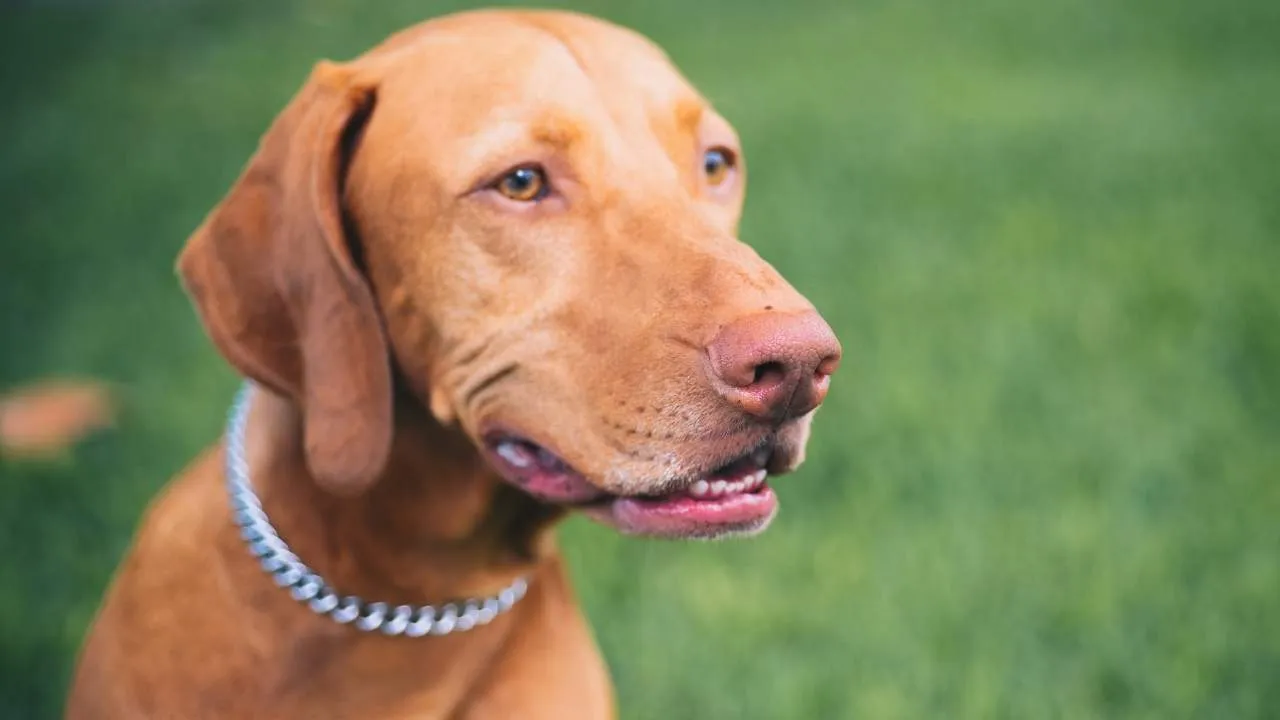
If energy had a face… it would probably look like a Vizsla.
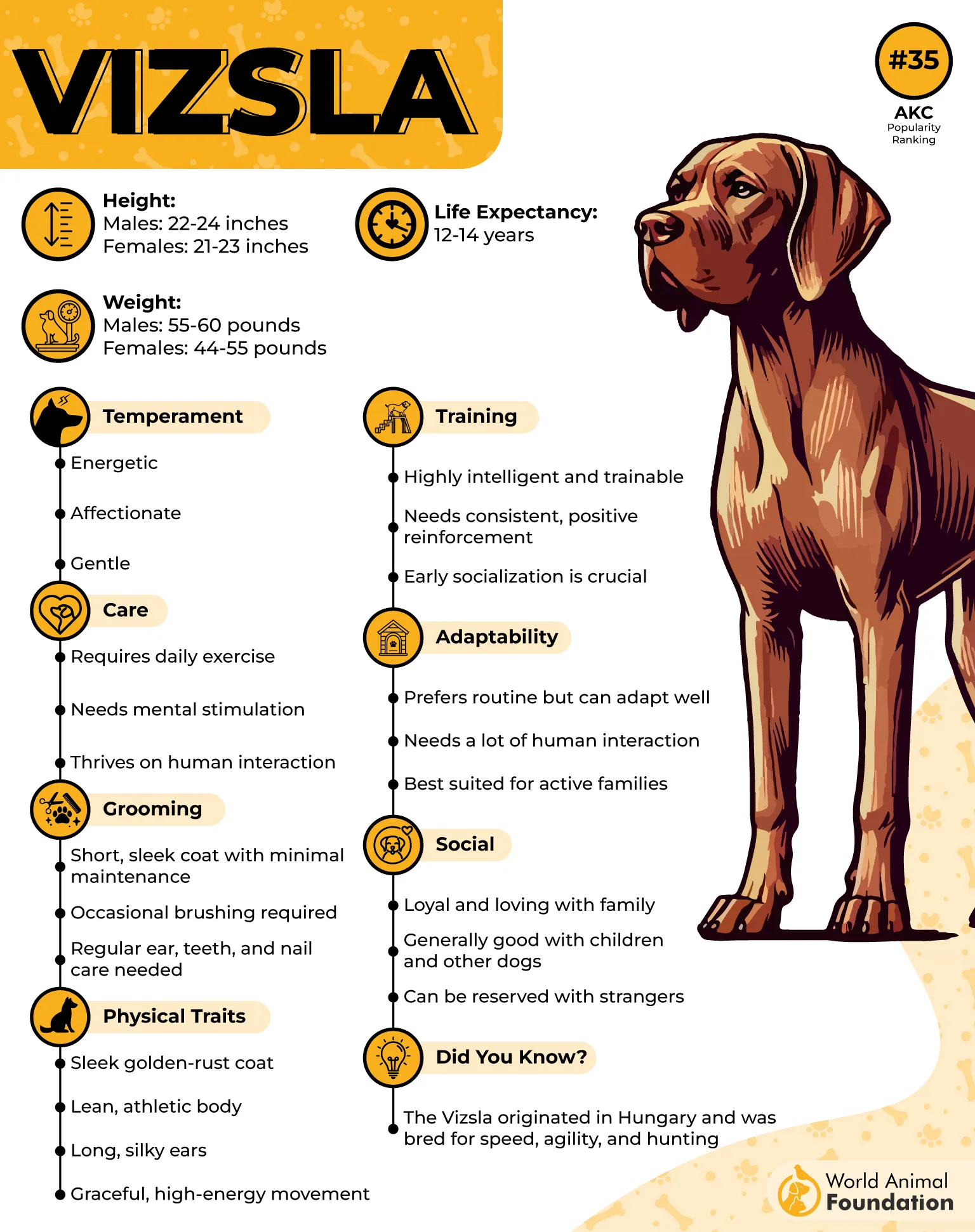
This cheerful, athletic hunting dog was originally bred in Hungary as a close-range hunting breed, built for speed, focus, and teamwork with humans, as per PetMD.
Lean, muscular body designed for speed and endurance
Strong natural instinct for tracking and pointing game
Extremely intelligent and highly responsive to training
High energy levels need daily exercise and mental activity
So, where does it fit in wild boar pursuits?
It can play a valuable supporting role as a tracking and scent-driven hunting companion. It excels in following scent trails over long distances and staying focused on moving game in varied terrains like open or semi-dense terrain.
It is also better suited for small game and upland bird hunting, rather than direct confrontation with large, aggressive animals. Its speed and sharp sense of smell make it useful in controlled hunting environments where precision matters more than brute strength.
Overall, the Vizsla is a focused scent hound and loving companion — more of a precision tracker than a heavy-duty boar fighter.
7. Australian Shepherd
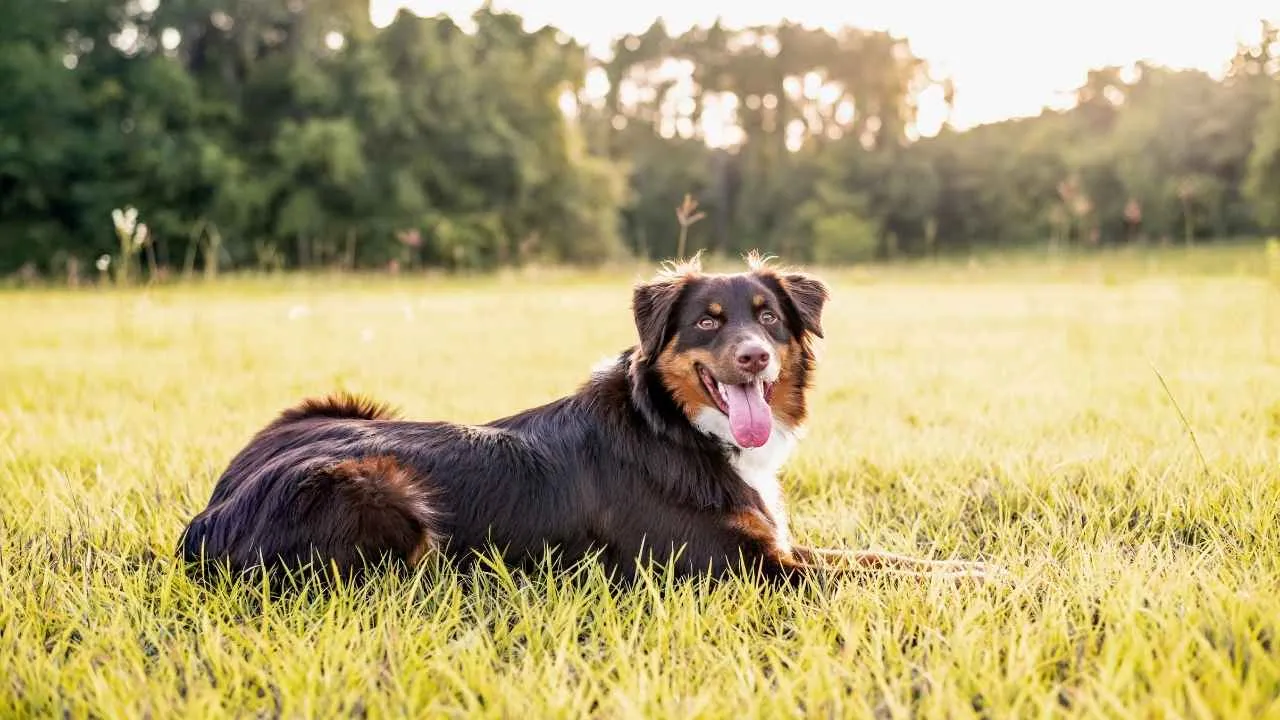
If there’s a dog that looks like it was born to stay busy… It’s the Australian Shepherd.
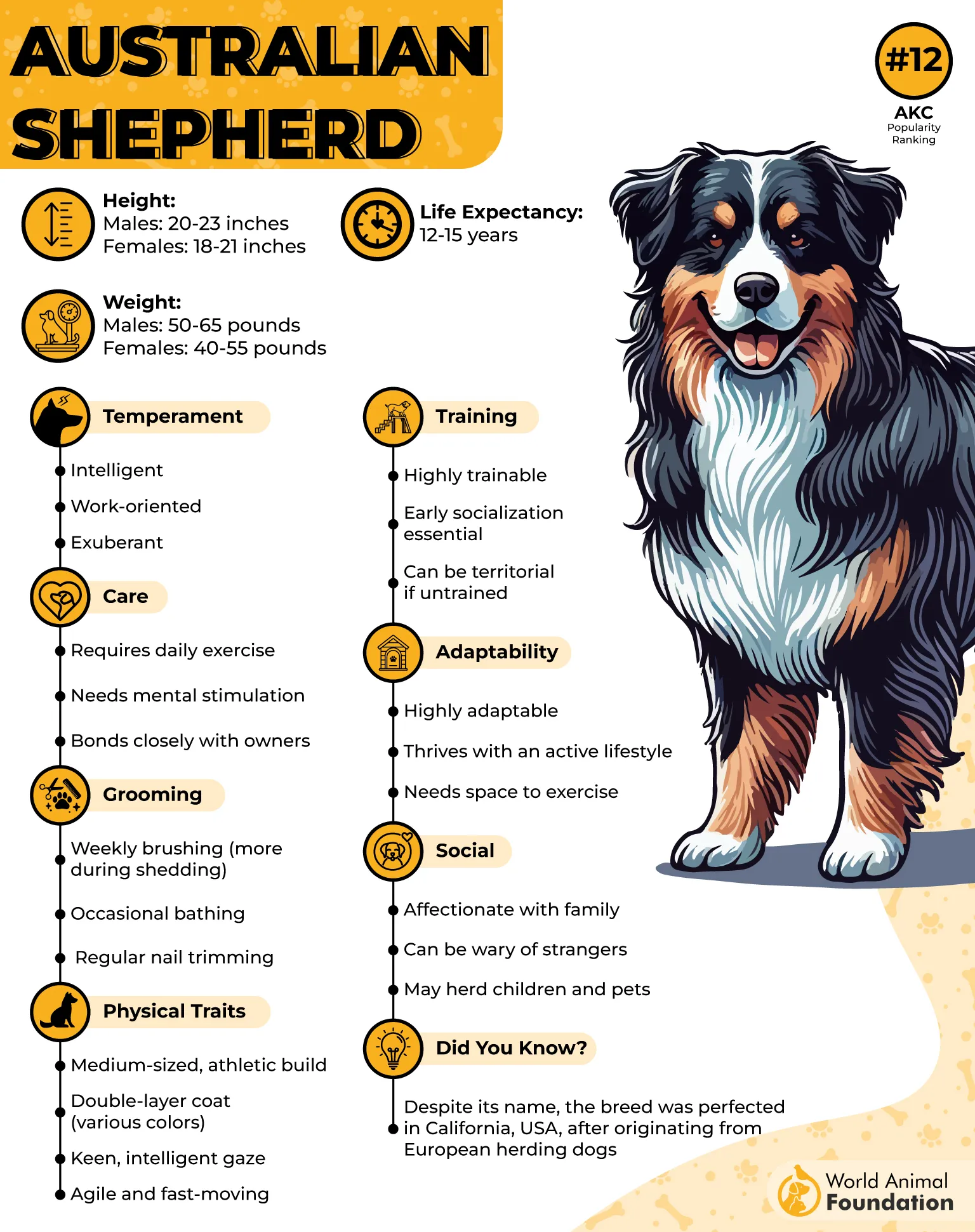
As per Hill’s Pet, this medium-sized, athletic working dog is all about energy, intelligence, and nonstop action. With a solid build and low center of gravity, it moves fast, thinks faster, and never really likes being idle.
Strong, agile body built for speed and control
Extremely intelligent and quick to learn commands
Natural herding instincts with sharp focus and awareness
High energy levels need daily mental and physical stimulation
Now, where does it fit in wild boar pursuits?
The Australian Shepherd is not a traditional catch dog for wild boar, but it can still support the hunt in its own smart way. It works better in tracking, guiding, and controlling movement rather than direct confrontation with wild pigs.
It can also assist in search-based roles, using its sharp instincts and endurance to follow scent trails and stay active across rough terrain.
Overall, the Aussie is a smart, energetic working companion — more of a control-and-track specialist than a direct boar chaser
8. Labrador Retriever
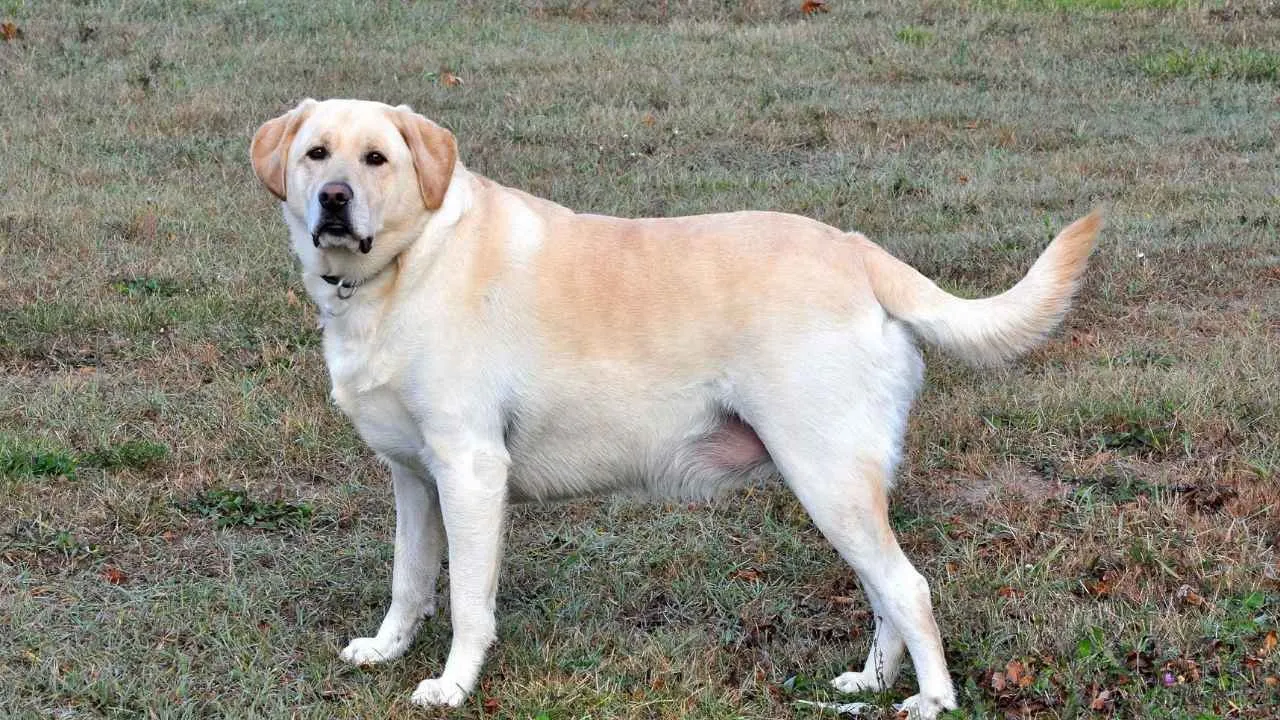
If there’s a dog that can go from family companion to field worker without breaking a sweat, it’s the Labrador Retriever.
As per Wikipedia, originally bred as a gun dog, this medium-large breed is built for strength, stamina, and excellent retrieving ability on both land and water.
Powerful, muscular body with great endurance
Water-resistant coat and webbed paws for strong swimming ability
Soft mouth designed to retrieve game without damage
Highly intelligent, friendly, and easy to train
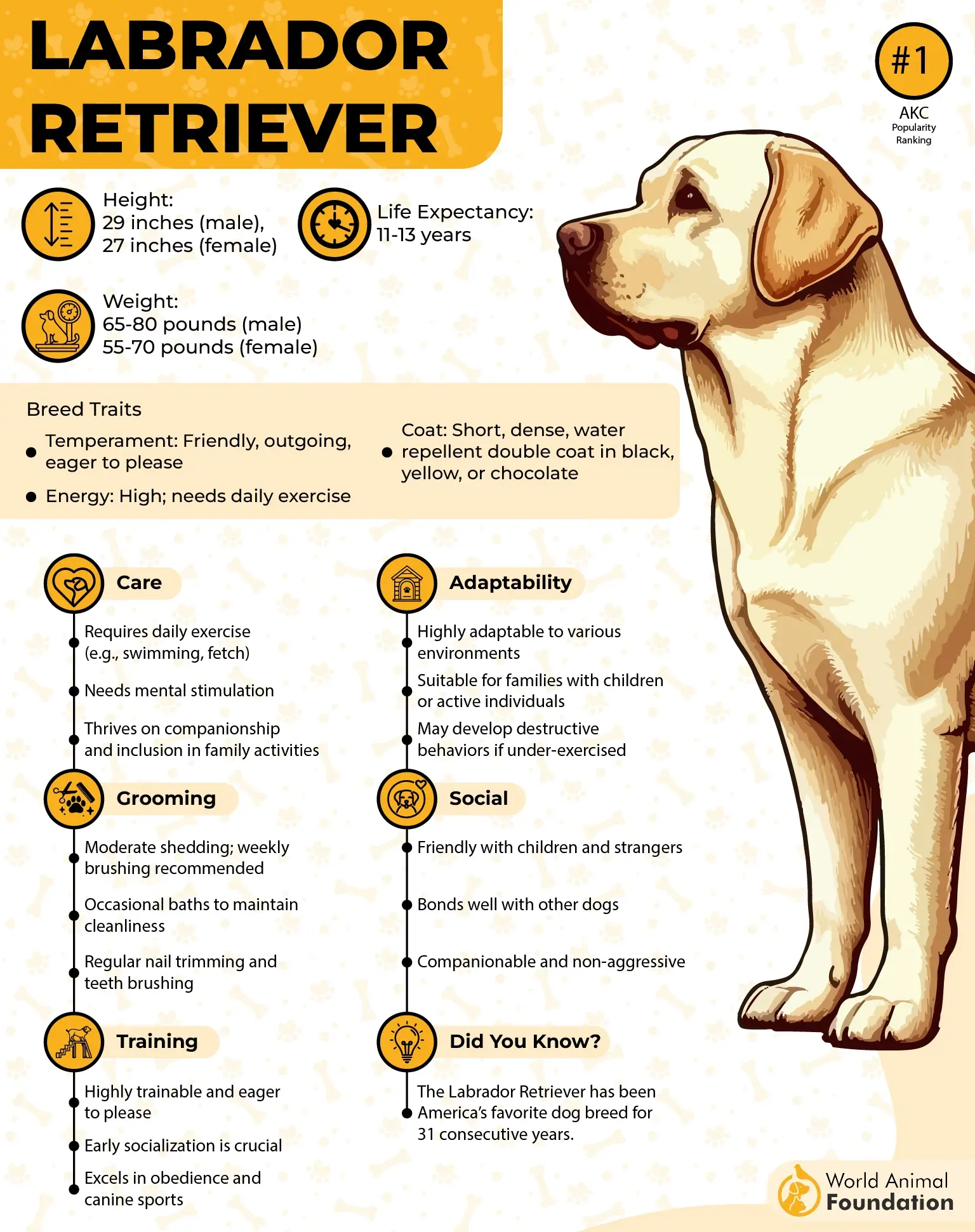
It plays a support role in recovering wounded game, tracking with its strong sense of smell, and assisting hunters in controlled environments.
It also performs very well in waterfowl and small game hunting, where retrieving and obedience are more important than aggression.
Overall, the Labrador Retriever is a dependable, versatile support dog — focused on recovery, tracking, and teamwork rather than frontline hunting action.
9. Akita
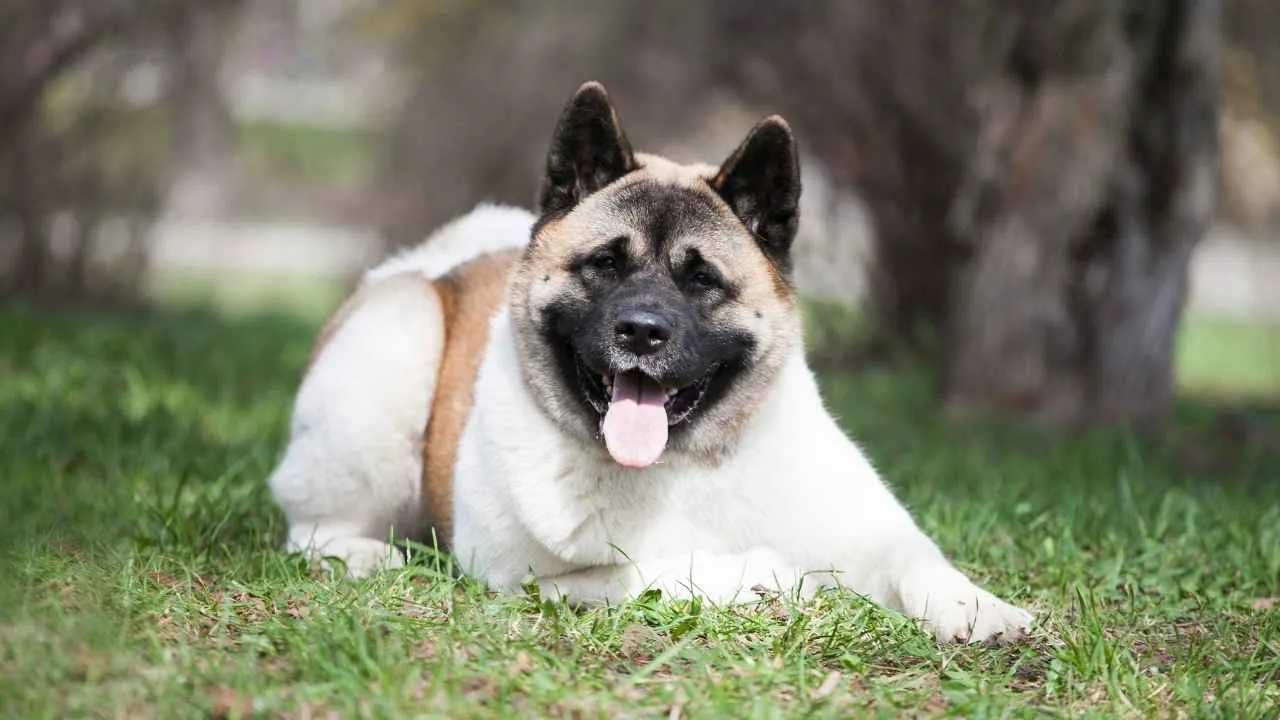
The Akita is a strong, dignified Japanese hunting breed known for its power, loyalty, and independent nature. Originally developed for hunting large game, it is muscular, alert, and built for endurance in tough outdoor conditions.
Powerful, heavy build with strong bone structure
Thick double coat suited for cold climates
Intelligent but highly independent and strong-willed
Loyal, calm, and naturally protective
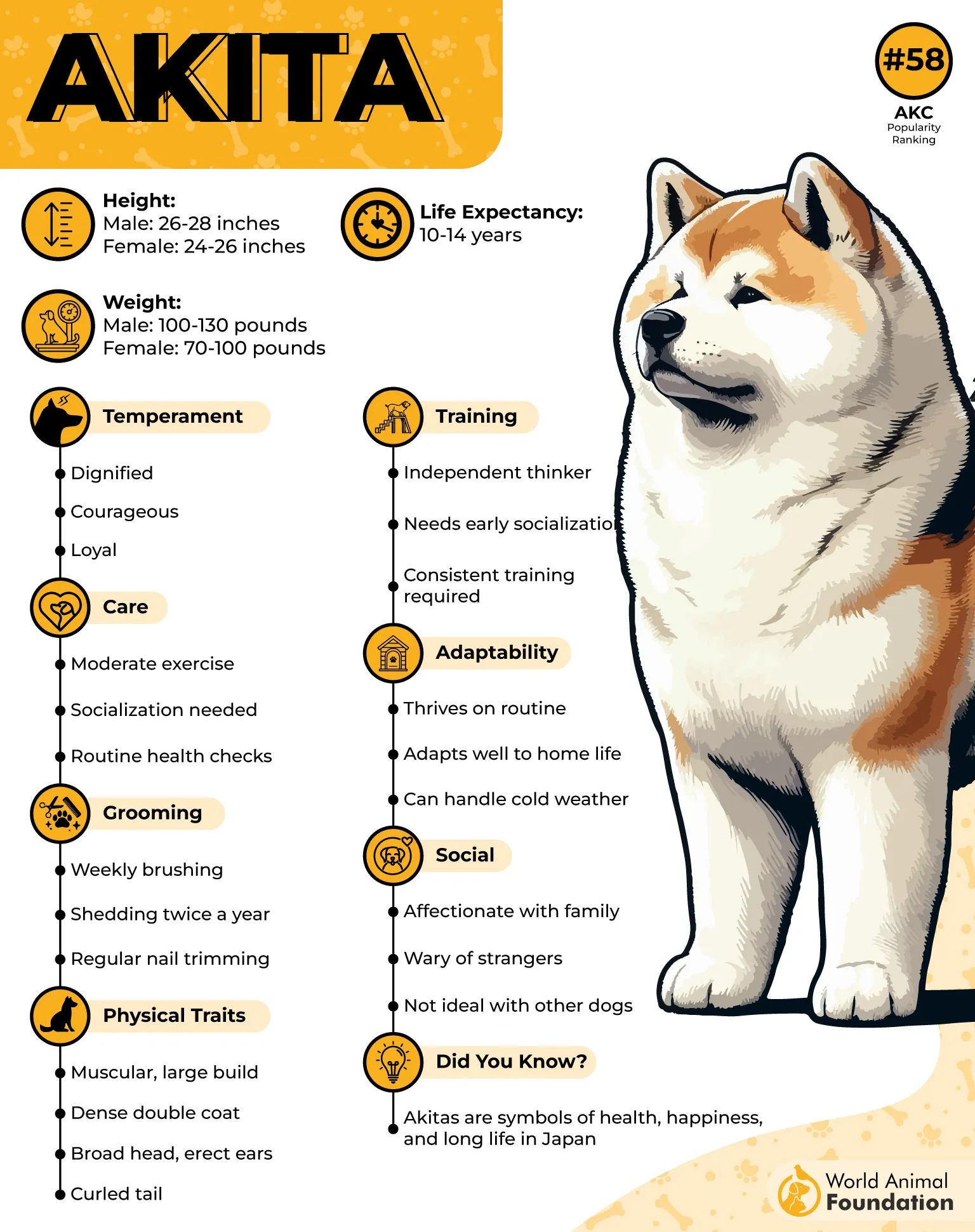
It retains strong instincts from its large game hunting background. It can assist in tracking and controlled hunting situations where courage and focus are required.
However, it needs experienced handling and early training, as its independent mindset can be challenging in high-pressure hunting environments.
Overall, the Akita is a bold and reliable working companion — better suited for controlled support roles than fast-paced boar hunting action.
10. Norwegian Elkhound
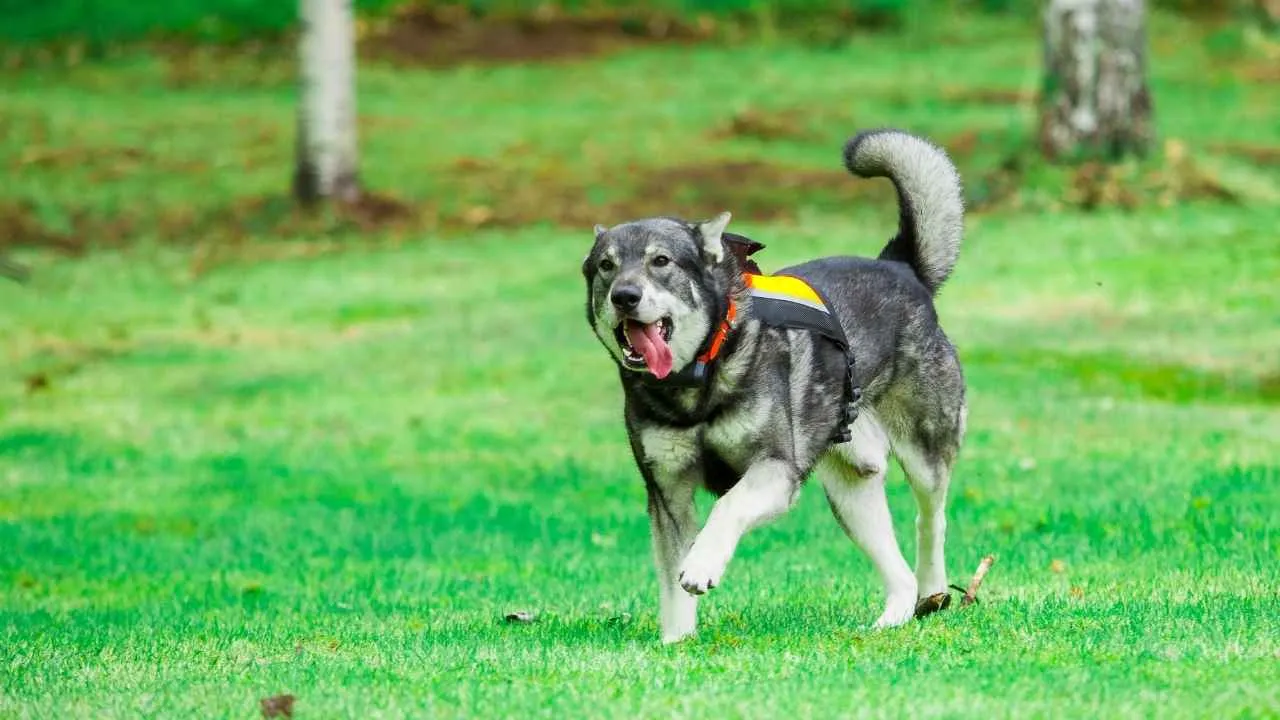
The Norwegian Elkhound is a sturdy, ancient hunting breed known for its silver-gray coat, endurance, and fearless spirit.
Originally used by Vikings for moose hunting, this spitz-type dog is built for long-distance tracking and tough Nordic conditions.
Strong, compact body with excellent stamina
Dense double coat for harsh weather protection
Highly intelligent but independent decision-maker
Excellent tracking instincts with strong endurance
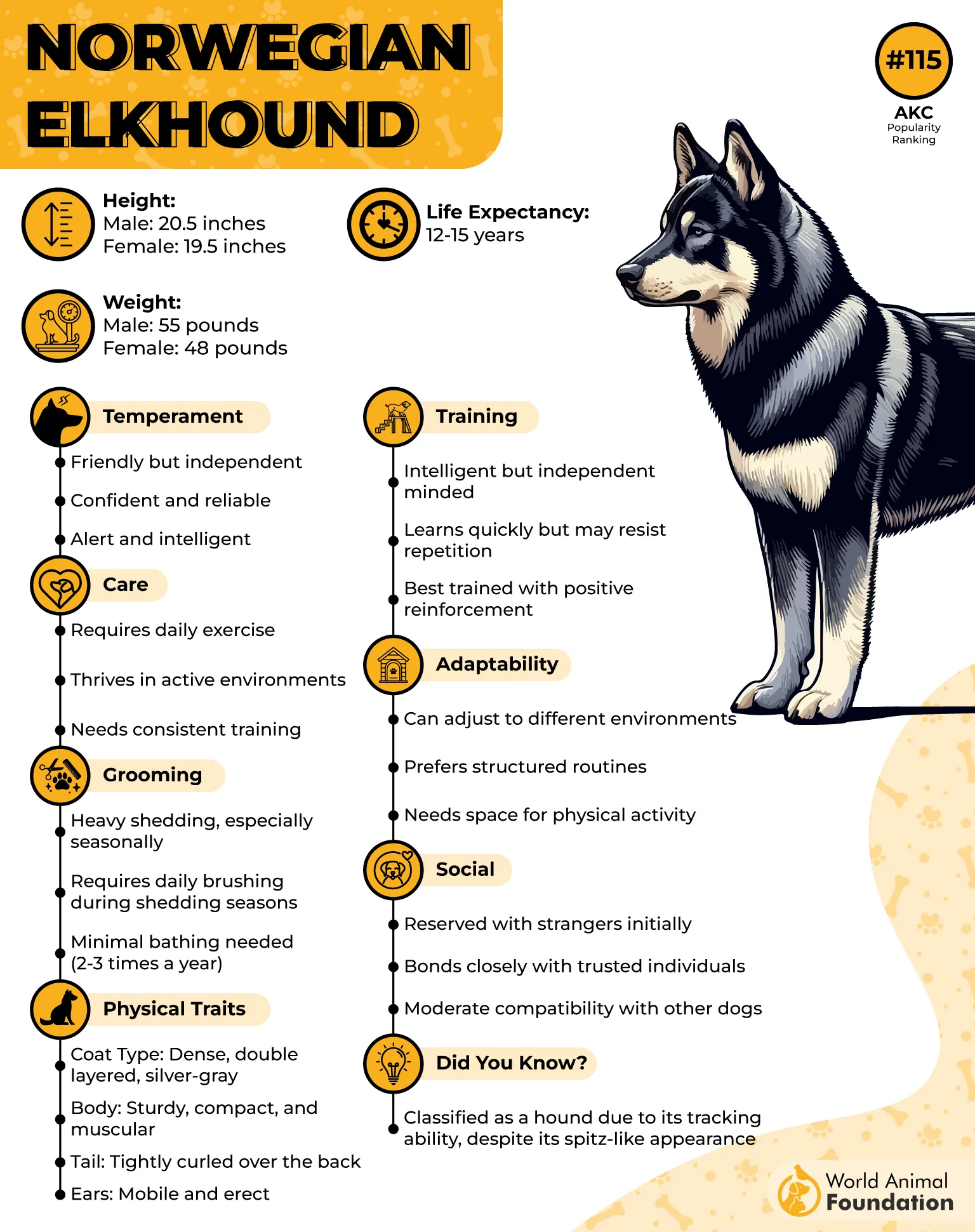
It can follow scent trails over long distances and help locate large game in dense or rough terrain.
Its independence and natural hunting drive make it useful in extended tracking work, but it requires secure handling as it may roam if off-leash.
Overall, the Norwegian Elkhound is a determined northern tracker — more focused on endurance and scent work than direct boar confrontation
Conclusion
In the end, wild boar pursuits aren’t about one “perfect” dog — they’re about the right team of powerful, trained hunting dogs working together with skill, instinct, and control. Some excel as catch dogs, some as bay dogs, and others shine in tracking, retrieving, or supporting roles across rough and varied terrain. From speed and scent work to strength and endurance, each breed brings something different to the field.
What really matters is understanding the role behind the breed, not just its size or reputation. Because in real hunting environments, success comes from balance — brains, bravery, and teamwork working in sync.
So whether you’re a seasoned hunter or just exploring these incredible dogs, take time to appreciate what makes each one special. And maybe… the real takeaway is this: the best hunting partner isn’t just powerful — it’s the one that understands the job as deeply as the hunter does
