




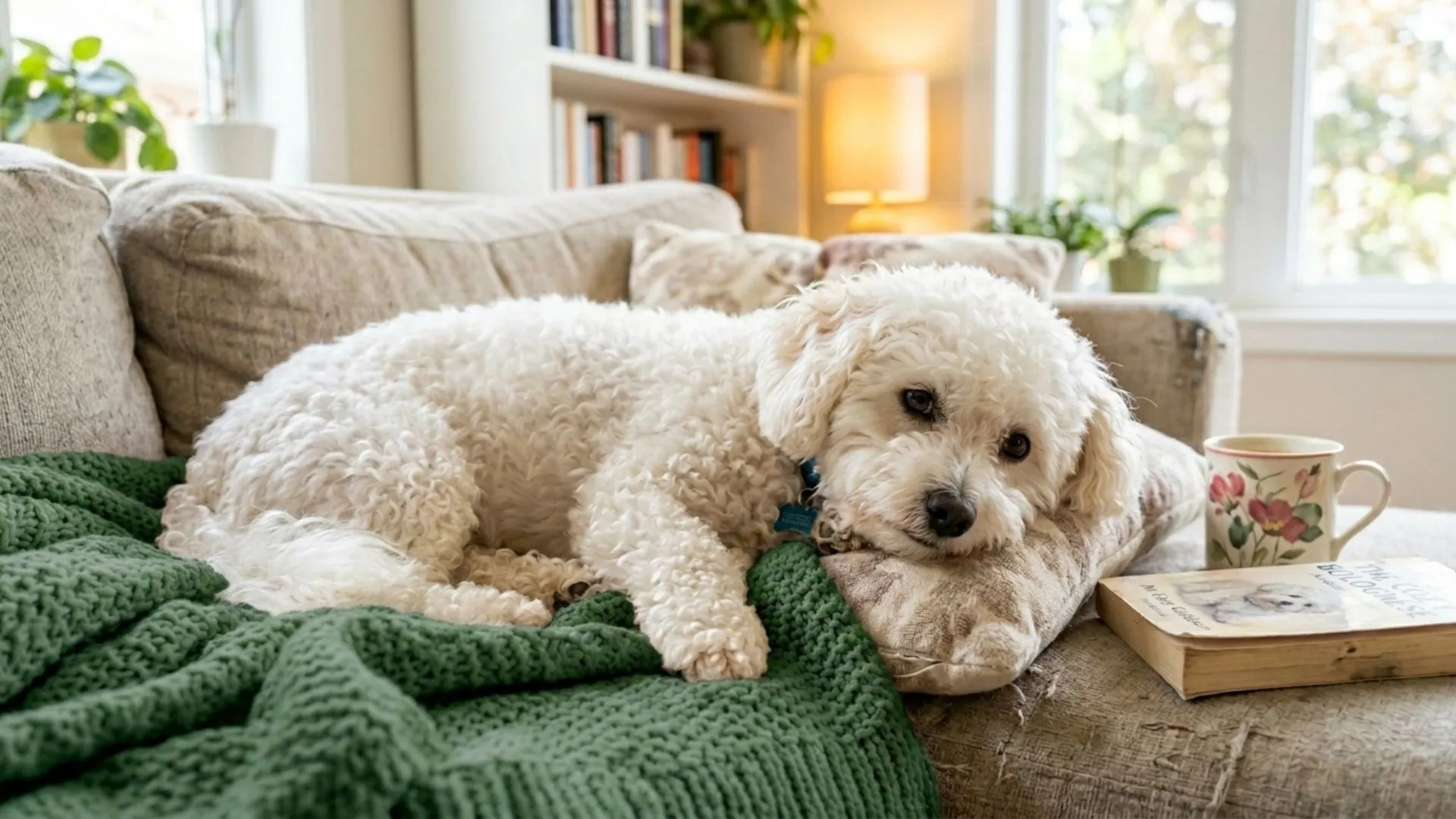
Not every dog dreams of endless hikes, muddy adventures, or chasing tennis balls for hours. Some are perfectly content doing just one thing… absolutely nothing.
And honestly, that sounds kind of perfect. The biggest myth about dogs is that they all need nonstop energy and constant activity. Many people imagine chaos—barking, zoomies at 6 a.m., and a house in constant motion.
The reality, however, is very different. Some breeds are practically built for blankets, naps, and slow living. Calm souls. Quiet companions. Professional couch warmers. These dogs don’t judge your binge-watching habits—they join you.
So, if your ideal weekend involves comfy clothes, snacks, and avoiding cardio at all costs, this list might just introduce you to your soulmate in dog form.
A Quick Tip: While these breeds are naturally low-energy, it’s important to keep them at a healthy weight. Portion-controlled feeding is essential since they won’t be burning off extra calories on long hikes.
Least Energetic Dog Breeds Ideal for Couch Potatoes
1. Basset Hound
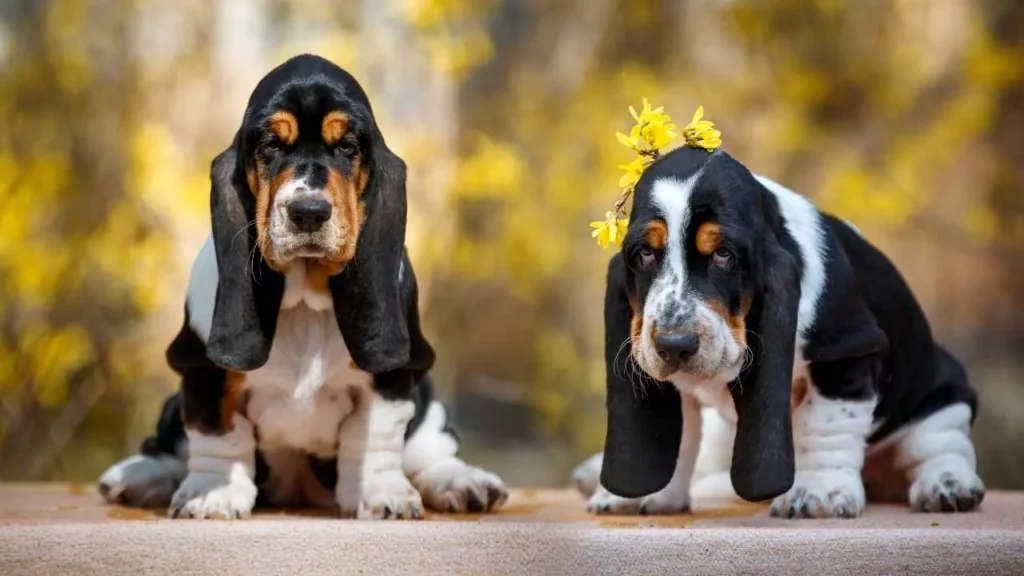
Basset Hound is a laid-back companion that perfectly matches people who enjoy slow mornings, cozy evenings, and a quiet lifestyle, as stated by PetMD.
With their short legs, droopy ears, wrinkled face, and sleepy expression, these low-energy dogs look relaxed almost all the time—and they usually are.
Unlike high-energy breeds that constantly demand activity, these laziest dog breeds are happy spending hours stretched across the couch or resting beside their favorite person.
Although they were originally bred for hunting, modern Basset Hounds are known more for their calm personality than their athletic ability.
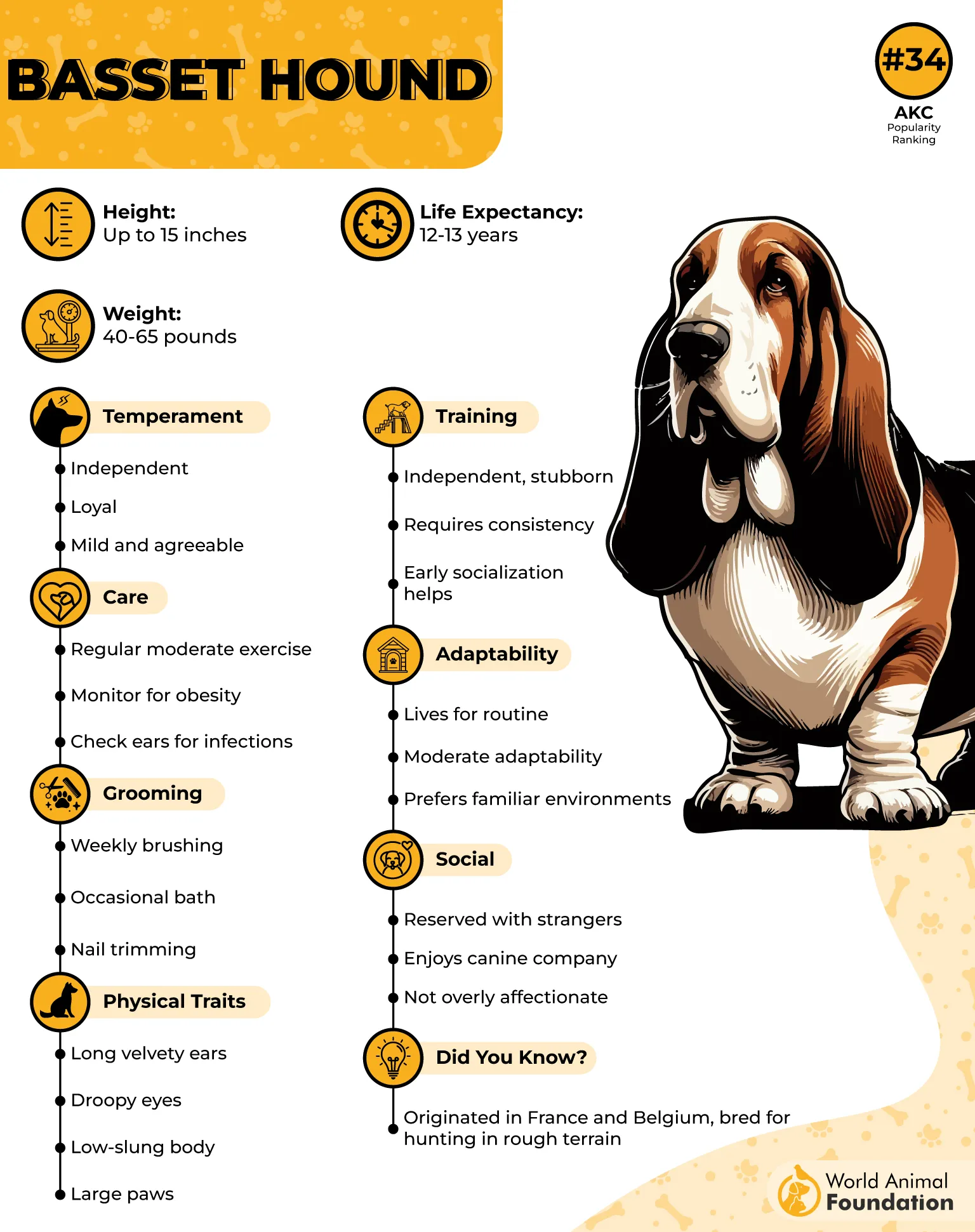
They still carry an incredibly powerful sense of smell, and once they catch an interesting scent outdoors, their stubborn side quickly appears.
Basset Hounds are known for their calm demeanor and are perfectly content with a couple of short walks each day, making them great companions for apartment living.
Their short, smooth coat is simple to care for, though shedding and drooling are common. Friendly with children and other pets, Basset Hounds thrive in homes where companionship, comfort, and relaxed routines are part of everyday life.
🎧 Dogcast
Episode 37 — Why Dogs Stay Close without Touching
If you don’t hear sound, tap the button above to enable audio.
2. Pug
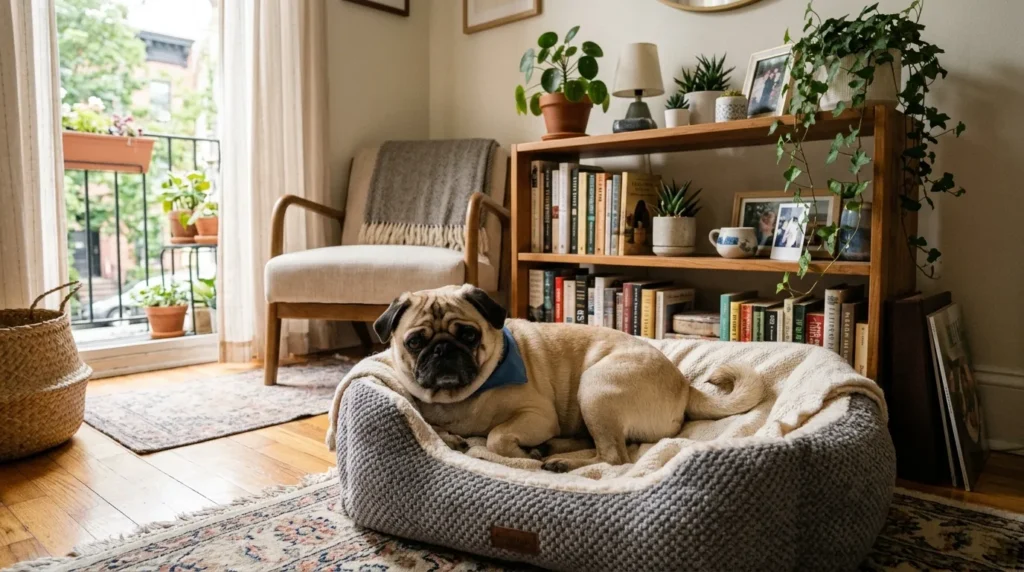
Pugs are one of the easiest dogs to live with if your perfect day involves relaxing indoors, watching movies, or working from the couch.
These compact little dogs love being close to their people and are usually satisfied with a few short walks and some light play around the house.
Instead of demanding long hikes or nonstop activity, most Pugs would rather nap beside you and follow you from room to room like a tiny shadow.
Their flat face, deep wrinkles, curled tail, and funny snorting sounds give them a personality people instantly remember.
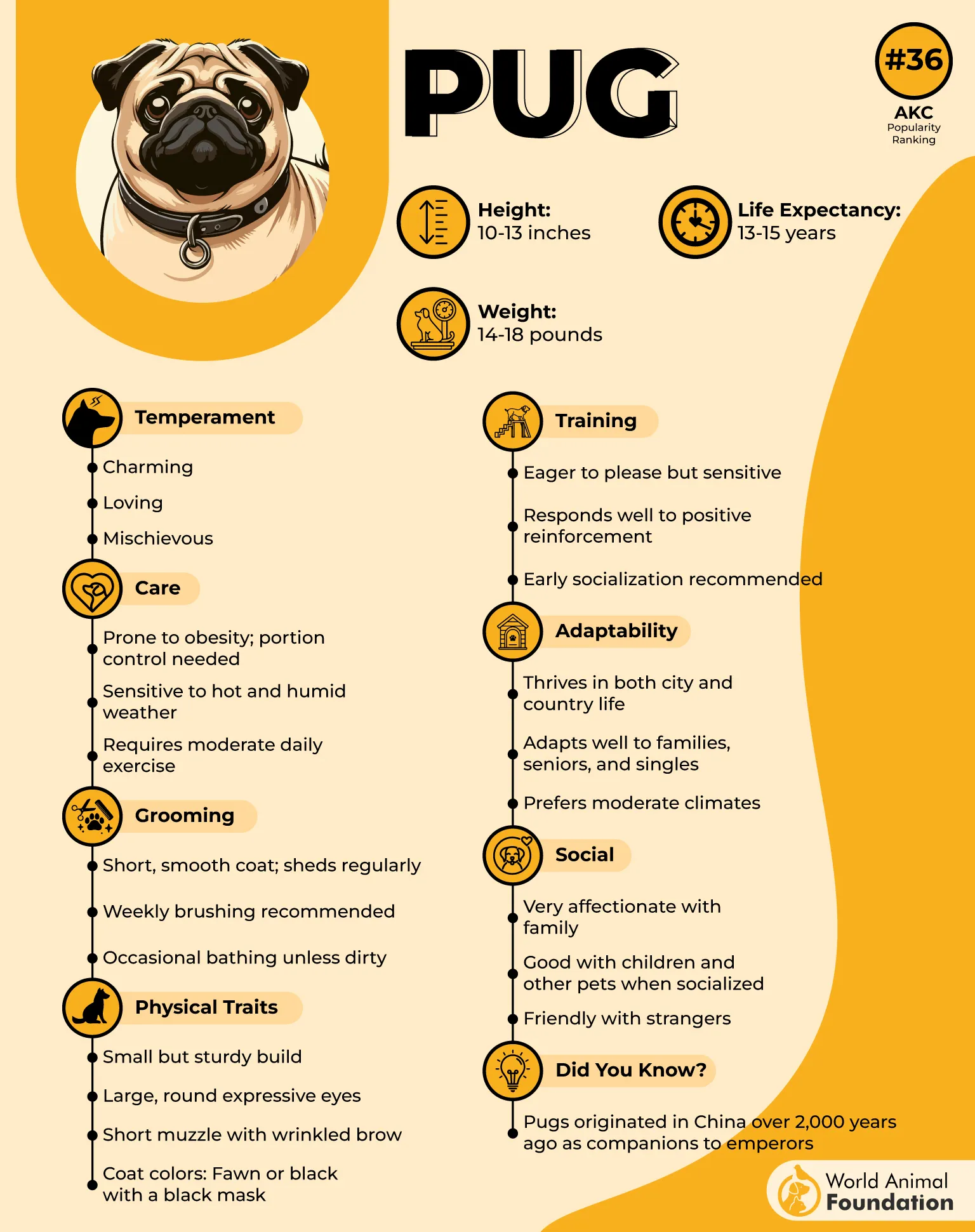
Because of their short muzzle, Pugs can struggle with overheating and heavy exercise, especially in warm weather. Many pet parents keep outdoor time brief and prefer early morning or evening walks to help them stay comfortable.
Originally bred in ancient China as companions for royalty, these relaxed canine companions still carry that spoiled-lapdog attitude today.
They are affectionate, social, and usually great for first-time owners who want a calm companion without the demands of a highly active breed. Regular weight control and attention to breathing issues are especially important for this dog.
3. Japanese Chin
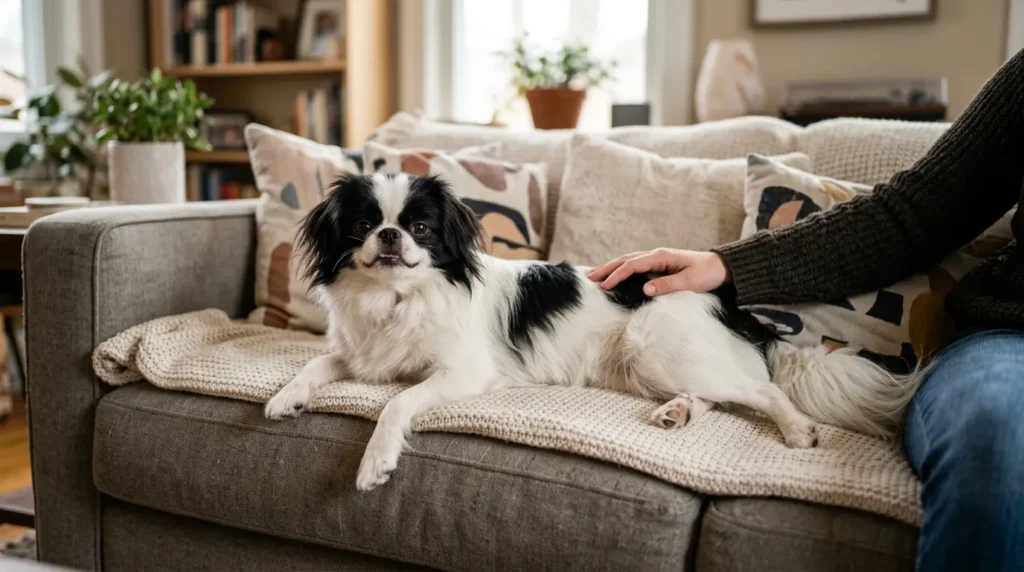
Japanese Chin is a small companion that fits perfectly into a calm, indoor lifestyle. Weighing only a few pounds, this breed is happiest curled up on a lap, resting beside its owner, or quietly observing the house from the top of a couch like a cat.
In fact, many owners compare the Japanese Chin to a feline because of its graceful movements, climbing habits, and love for high resting spots around the home.
Although playful and alert, these dogs do not need intense exercise to stay content. A short daily walk and a little indoor play are usually enough.
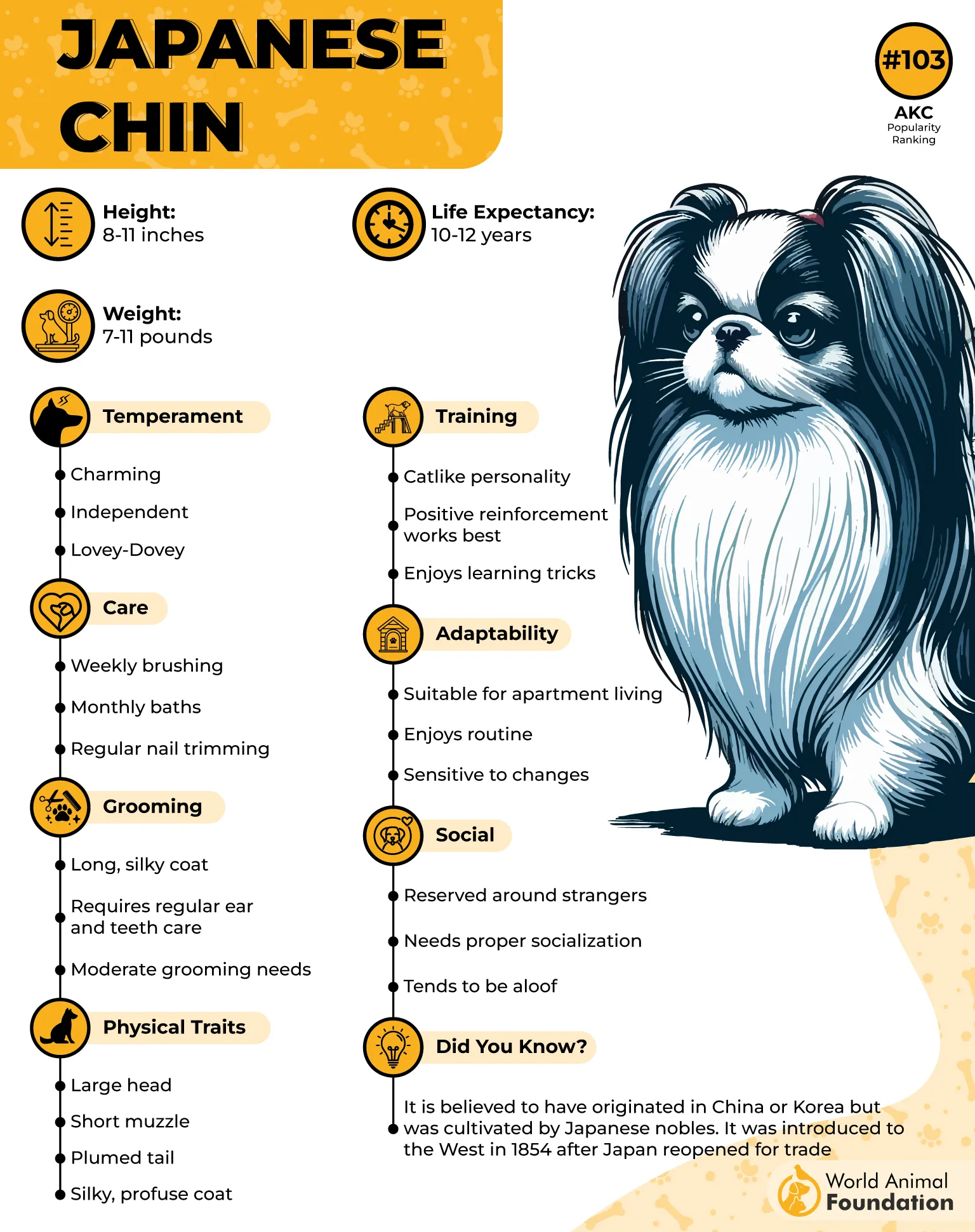
This makes them a great option for apartment living, older adults, or anyone who enjoys a quieter routine without constant outdoor activity.
Their silky coat, wide-set eyes, and flat face give them a soft, expressive appearance that easily wins people over.
Historically associated with royal households and Buddhist nobility, the Japanese Chin was bred mainly for companionship, and that purpose still defines the breed today.
They form close emotional bonds with their families and often spend hours peacefully napping in someone’s lap.
4. Bolognese
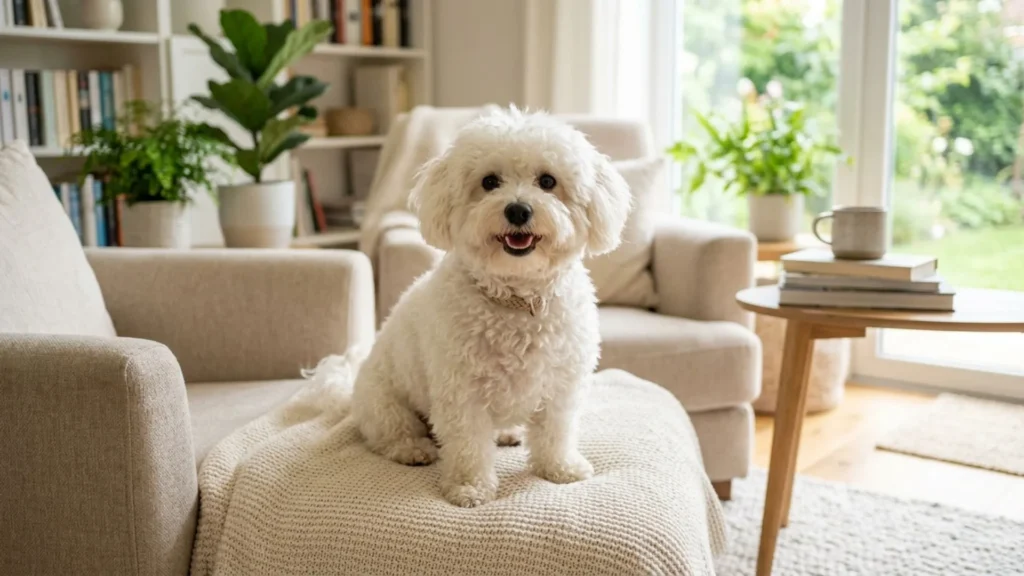
Bolognese is a gentle little companion that suits people who enjoy a slower, quieter lifestyle. This fluffy white dog is known for being calm indoors and surprisingly content spending long hours relaxing near its favorite person, as noted by the AKC.
Unlike highly active breeds that constantly demand outdoor adventures, the Bolognese is usually happy with short walks, light games around the house, and plenty of cuddle time on the couch.
Their soft cotton-like coat gives them a charming teddy-bear appearance, while their thoughtful and slightly serious expression makes them stand out from other toy breeds.
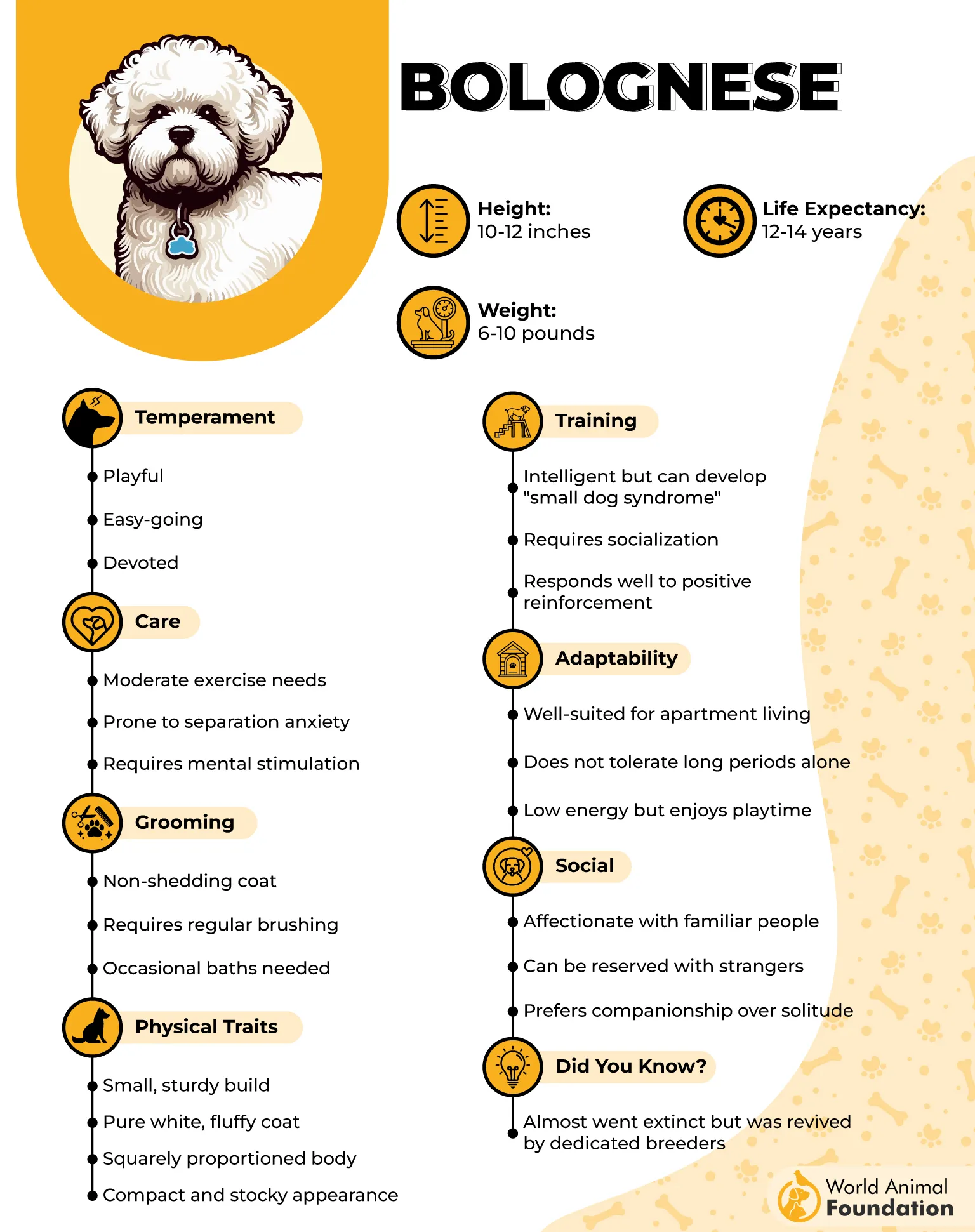
They enjoy playful moments, but their energy comes in small bursts rather than nonstop activity. A simple game of rolling a ball across the floor or practicing easy tricks indoors is often enough to keep them entertained.
Originally developed in Italy as a companion dog for nobility, the Bolognese forms strong emotional attachments to its family and dislikes being left alone for long periods.
They thrive in apartments, retirement homes, or quiet households where someone is around most of the day to provide attention, affection, and companionship.
5. Newfoundland
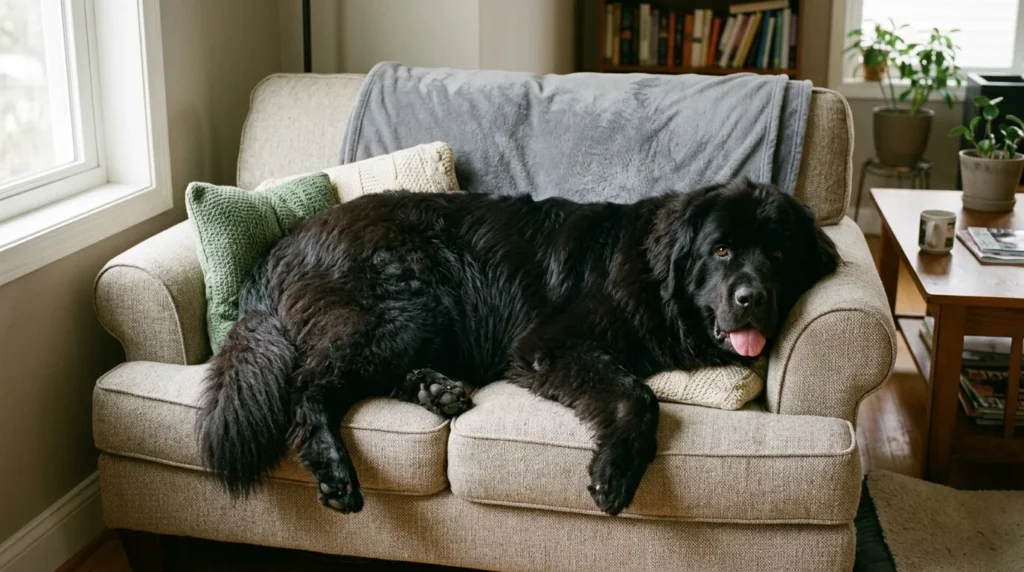
Newfoundland may look enormous and powerful, but behind that massive frame is one of the calmest and most gentle companions a family can have.
These giant dog breeds are known for their relaxed nature and are often happiest lying beside their owners after a short walk or some light outdoor activity.
Once their exercise needs are met, most Newfoundlands prefer quiet evenings, cool floors, and long naps over nonstop movement.
Originally bred as working dogs for fishermen, they are naturally loyal and enjoy staying close to their people. Many owners describe them as patient “nanny dogs” because of how carefully they behave around children.
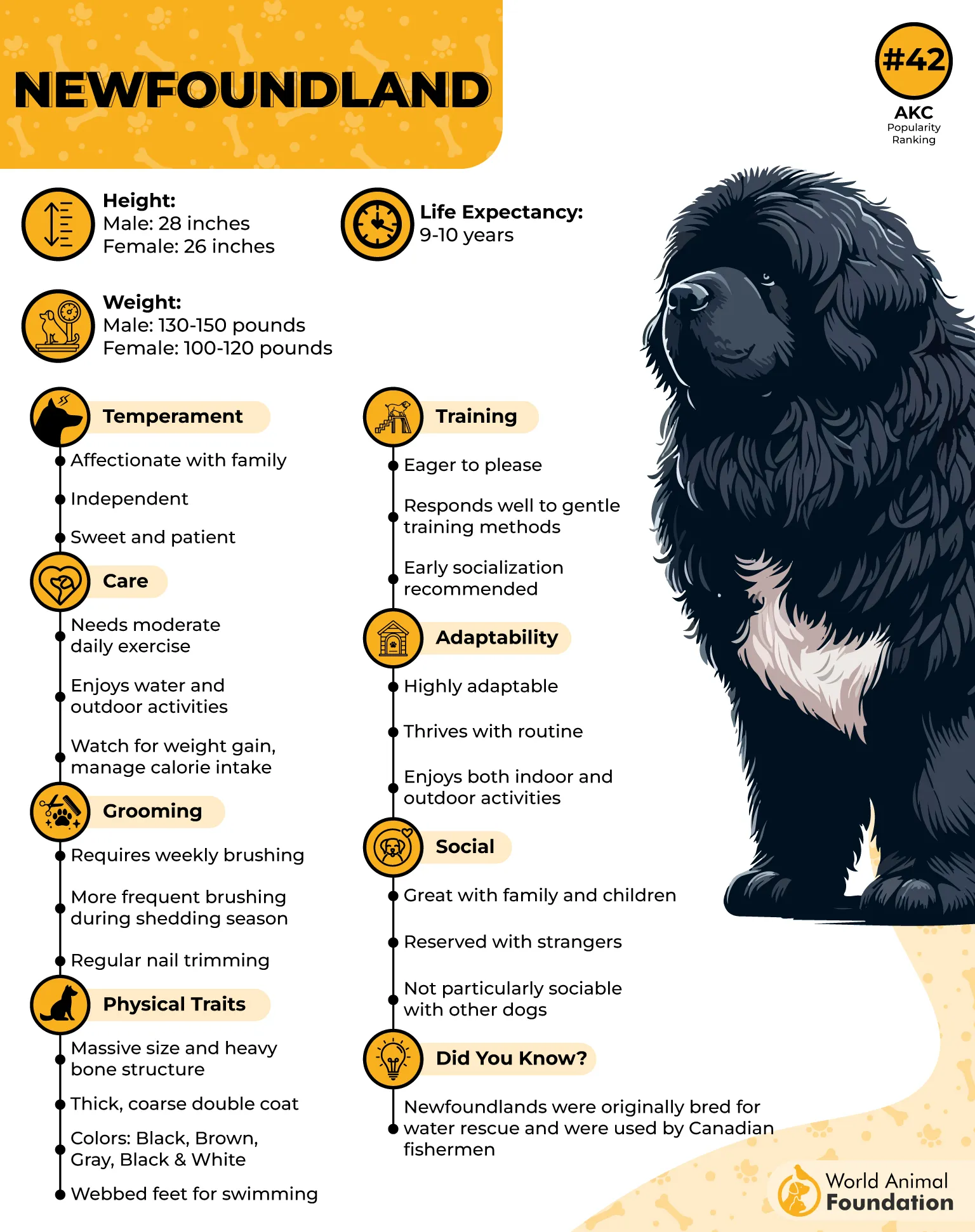
Their thick coat, large paws, and deep, soulful eyes give them a soft, comforting presence despite their giant size.
One thing that truly sets them apart is their natural swimming ability and webbed feet, which have helped them rescue people from water for generations. Even with their working background, they are not hyperactive dogs.
They do best in homes where they can relax with the family, receive regular affection, and enjoy moderate daily activity without intense exercise routines.
6. Clumber Spaniel
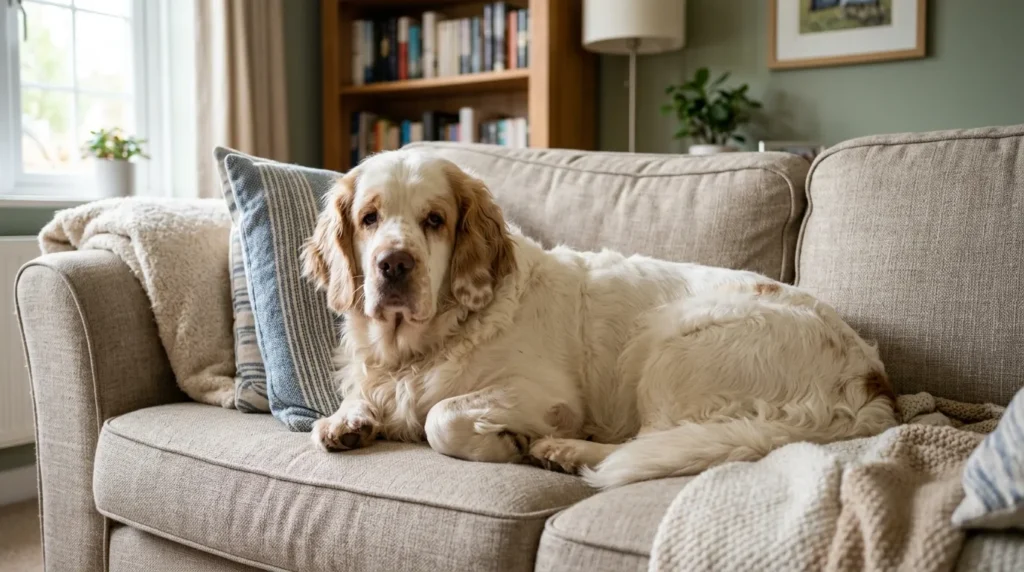
The Clumber Spaniel is a relaxed and slow-moving companion that fits naturally into a peaceful household.
Unlike energetic sporting dogs that constantly need physical and mental stimulation, the Clumber Spaniel prefers a calm routine filled with short walks, quiet time indoors, and long naps near the family, as noted by Orvis.
Their heavy build, gentle personality, and easygoing attitude make them especially appealing to people who enjoy a quieter pace of life.
Although they were originally bred for bird hunting, modern Clumber Spaniels are far more interested in comfort than endless activity.
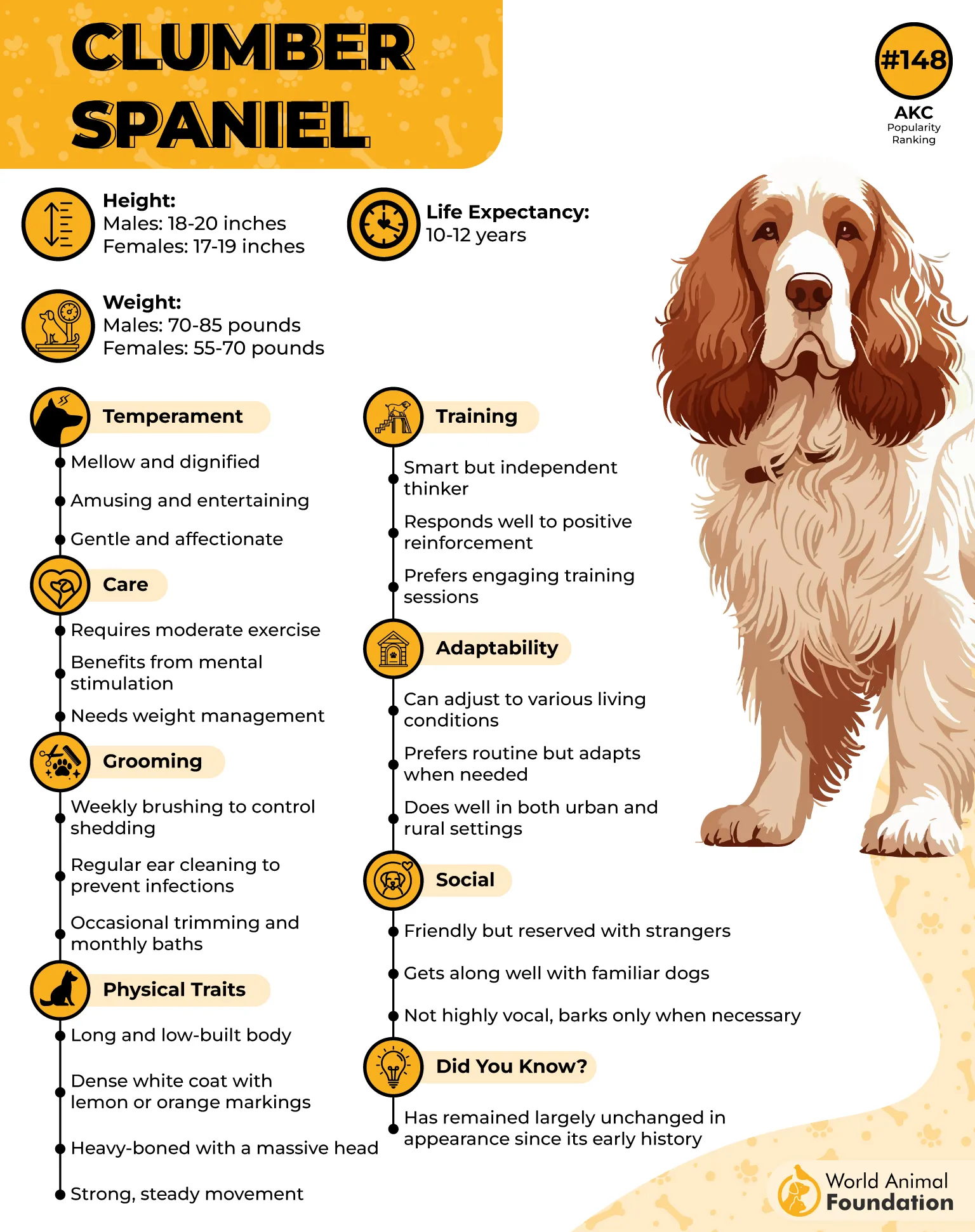
Most are satisfied with about an hour of moderate exercise each day, such as a steady neighborhood walk or light play in the yard. Without regular movement, they can gain weight quickly because they genuinely enjoy lounging around the house.
Their large head, droopy eyes, and deep expression give them a thoughtful appearance that stands out from other spaniels. Clumber Spaniels are also known for their slow, rolling walk and surprisingly quiet nature indoors.
They form strong bonds with their families and are happiest in homes where relaxation, companionship, and low-key daily routines are part of everyday life.
7. Irish Wolfhound
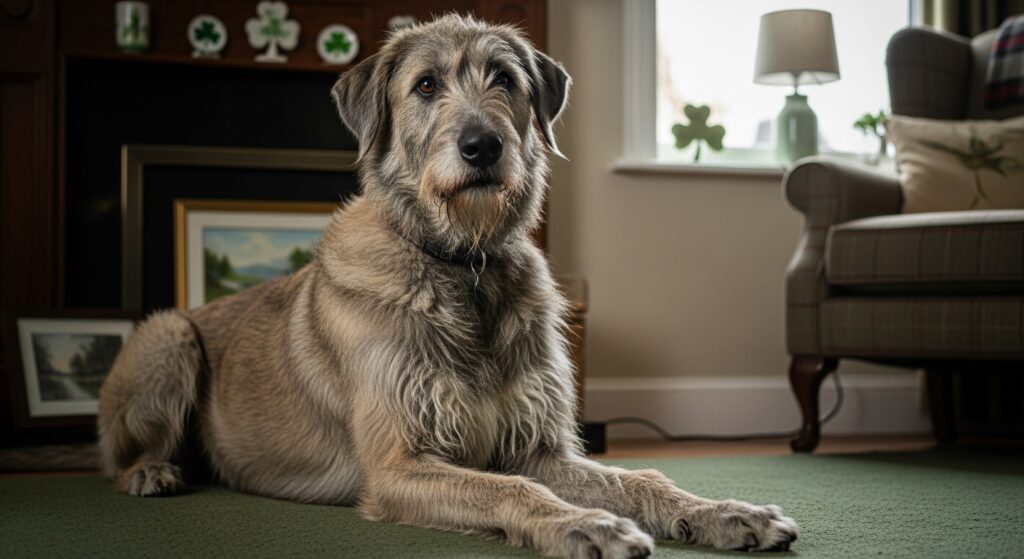
Irish Wolfhound may be one of the tallest dog breeds in the world, but indoors, these giants are surprisingly calm and relaxed. After a good walk or some time running in a secure yard, most Irish Wolfhounds are perfectly happy stretching across the floor for hours of uninterrupted sleep.
Their peaceful nature often catches people off guard because such a massive dog is usually expected to be constantly active and difficult to manage.
Despite their size, they are known for being gentle, patient companions that enjoy quiet time with their families more than nonstop excitement.
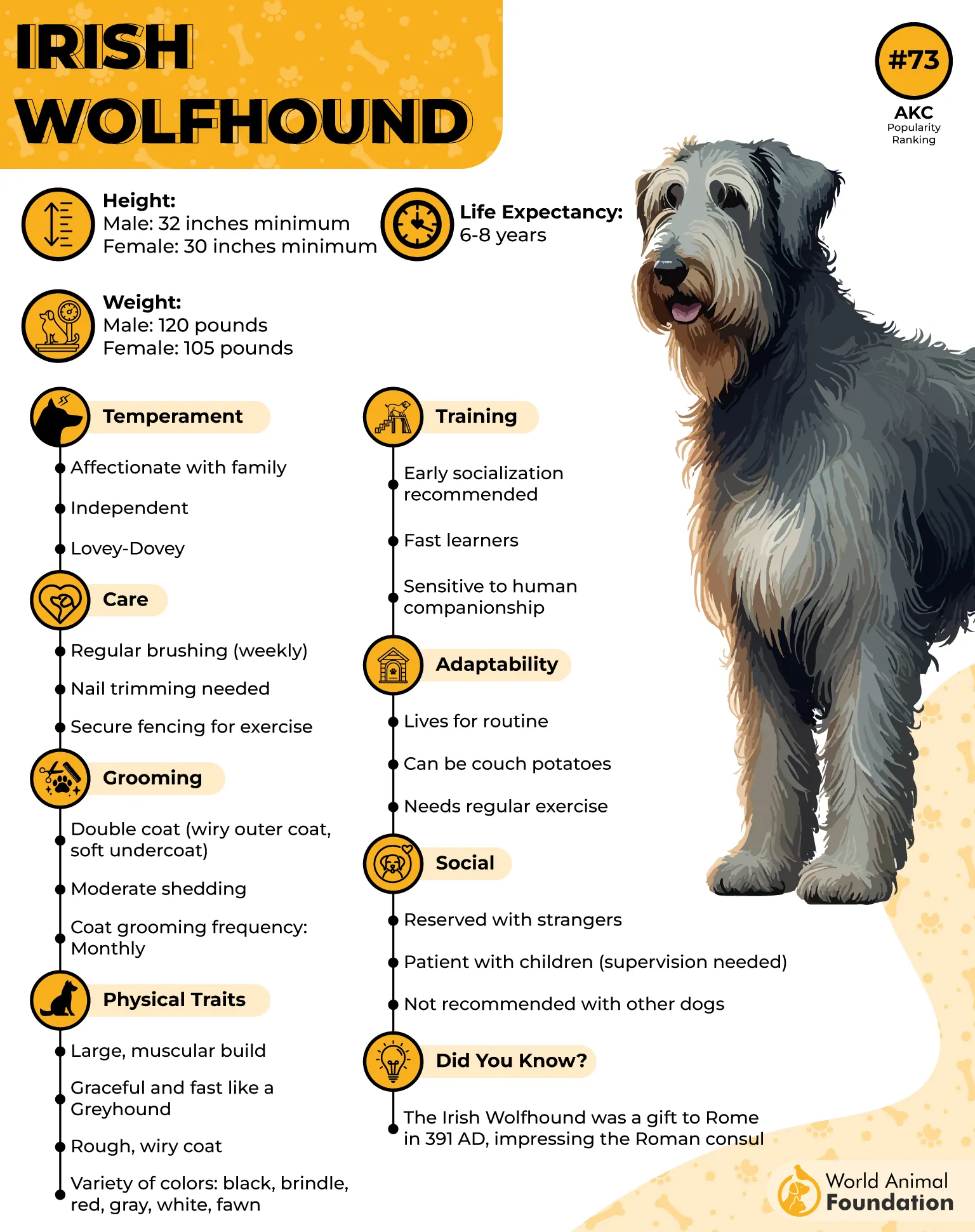
They do need regular exercise to stay healthy, especially space to gallop freely, but once that energy is released, they settle down quickly and become incredibly laid-back house dogs.
Their rough coat, long legs, and towering height give them a striking appearance that few breeds can match.
Historically bred in Ireland to hunt large game like wolves, they still carry an athletic build, yet their personality indoors is soft and easygoing. Irish Wolfhounds thrive best in spacious homes where they can relax comfortably and stay close to the people they love.
Conclusion
Not every dog needs nonstop adventure to live a happy life. Some are perfectly content with slow walks, cozy naps, and simply staying close to their favorite humans.
For people who enjoy quiet evenings, apartment living, or relaxed weekends at home, low-energy companions can be a perfect match.
They still need attention, exercise, and proper care, but they bring comfort without the constant demand for intense activity.
Choosing a calmer dog often creates an easier balance between pet ownership and everyday life, especially for families, seniors, remote workers, or anyone who prefers peace over chaos.
🐶 Couch Potato Dog Quiz — Can You Score 6/6?
Which dog breed is famous for its powerful sense of smell and stubborn personality?
Which breed was originally bred in ancient China as a companion for royalty?
Which low-energy breed is often compared to a cat because of its climbing habits?
Which giant dog breed is known for webbed feet and natural swimming ability?
About how much moderate exercise does a Clumber Spaniel usually need daily?
Which towering breed was historically bred in Ireland to hunt wolves?
