




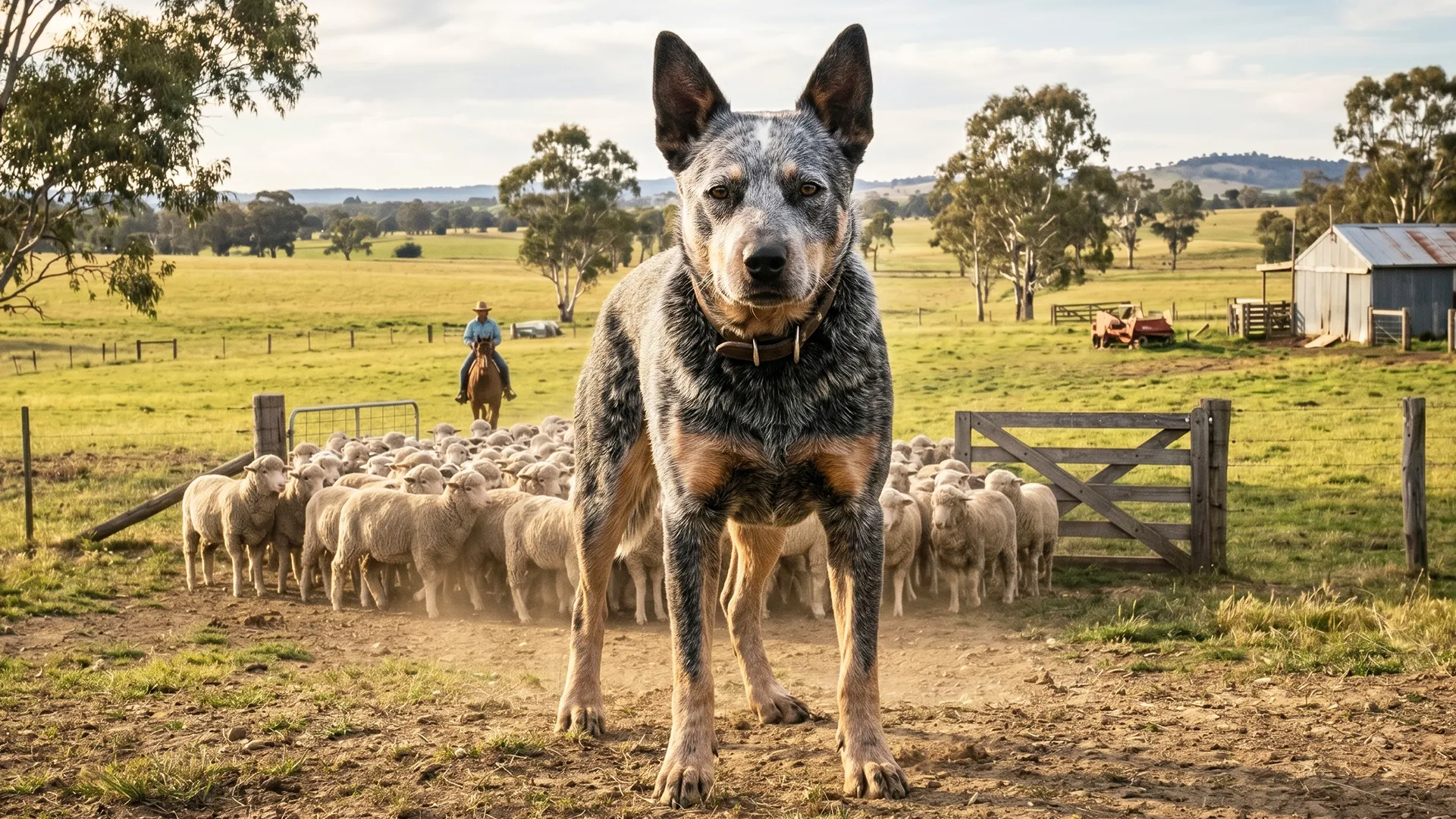
Some dogs were never meant to spend their lives lounging quietly around the house. They were built for movement, responsibility, and long days filled with purpose.
You can usually sense it almost immediately in the way they observe their surroundings, react to motion, or stay mentally engaged even when nothing seems to be happening. These qualities become especially important in herding and field work, where hesitation can quickly turn into chaos. Not every strong dog can handle that kind of pressure.
The ones that succeed carry a rare combination of intelligence, stamina, discipline, and instinct that cannot easily be trained into an average companion animal. Interestingly, many of these traits still appear even when the dogs are far removed from working environments. Their behavior continues reflecting the jobs they were originally developed to perform.
Up ahead are the remarkable breeds whose strength and working instincts still command attention in fields, farms, and open landscapes.
Key Takeaways
A quiet backyard was never the destiny of dogs bred to guide livestock, cover miles of land, and stay alert from sunrise to dusk.
Australian Cattle Dogs earned the nickname “Blue Heeler” from their habit of nipping at cattle’s heels while working across rough terrain for hours.
Beaucerons and Belgian Sheepdogs carry the same intense drive, staying mentally locked into every task, whether it involves herding, tracking, or long outdoor routines.
The more you read about these breeds, the easier it becomes to understand why ordinary companion life rarely satisfies dogs built for this kind of work.
Mighty Dog Breeds for Herding and Field Work
1. Australian Cattle Dog
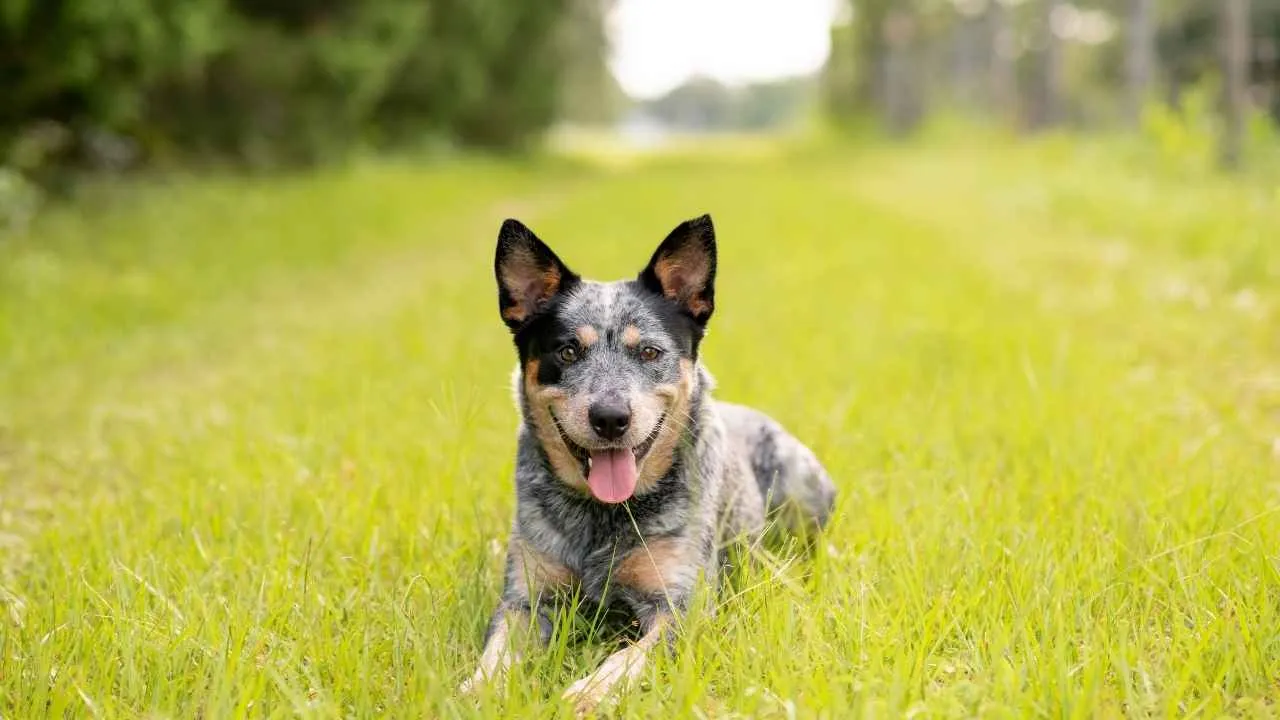
The Australian Cattle Dog descends from the Dingo, which is reflected in its toughness, alert expression, and relentless working nature.
Its compact, muscular frame was shaped for controlling livestock across demanding terrain. The nickname “Blue Heeler” comes from its habit of nipping at cattle’s heels during herding work.
Endurance tied to daily purpose
This herding dog breed approaches activity with constant intensity, often seeking tasks that involve speed, direction changes, or livestock control. Physical engagement forms a central part of its routine rather than occasional entertainment.
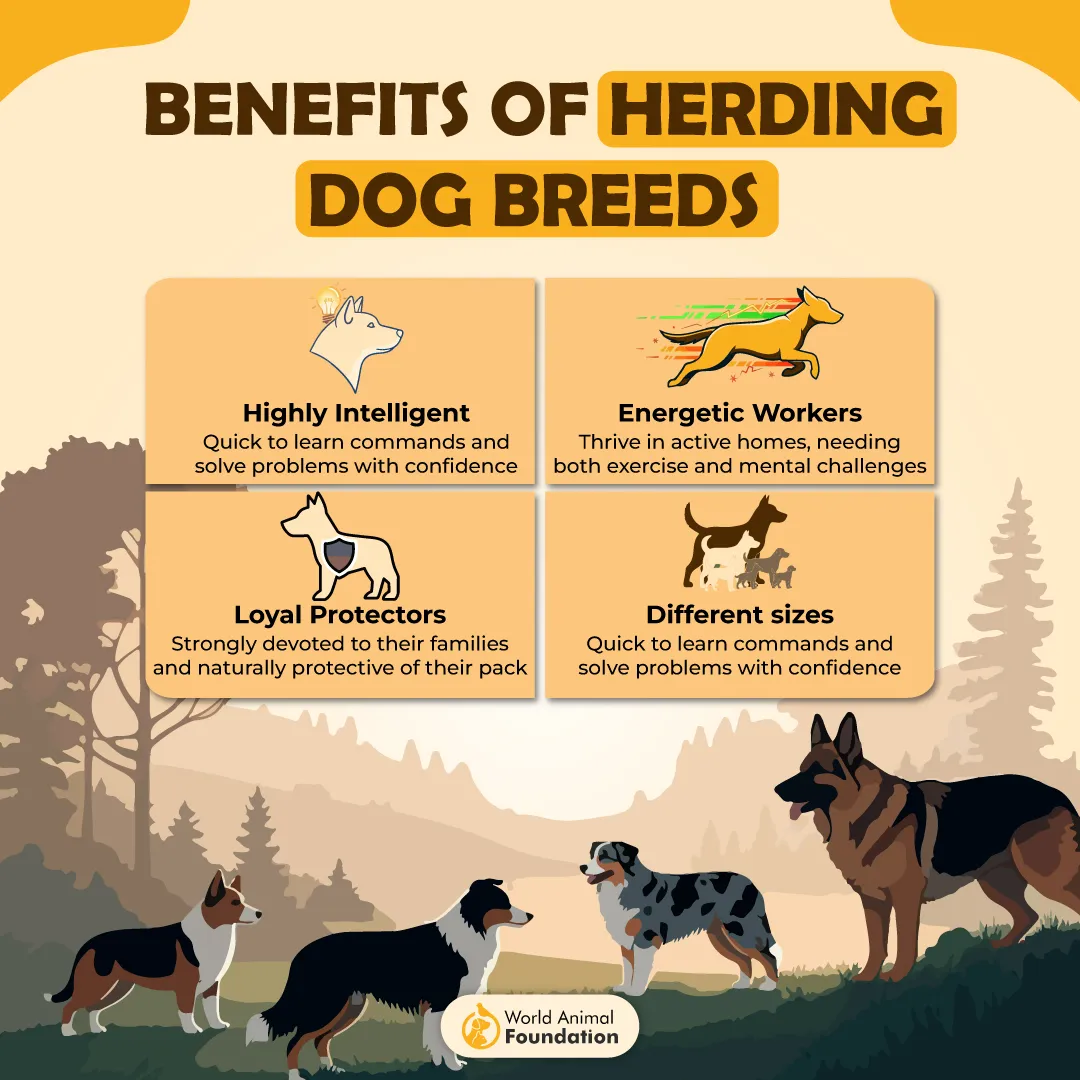
That working rhythm appears through activities like:
Agility and obedience drills
Frisbee and long-distance fetch
Daily running and farm tasks
Structure made for stamina
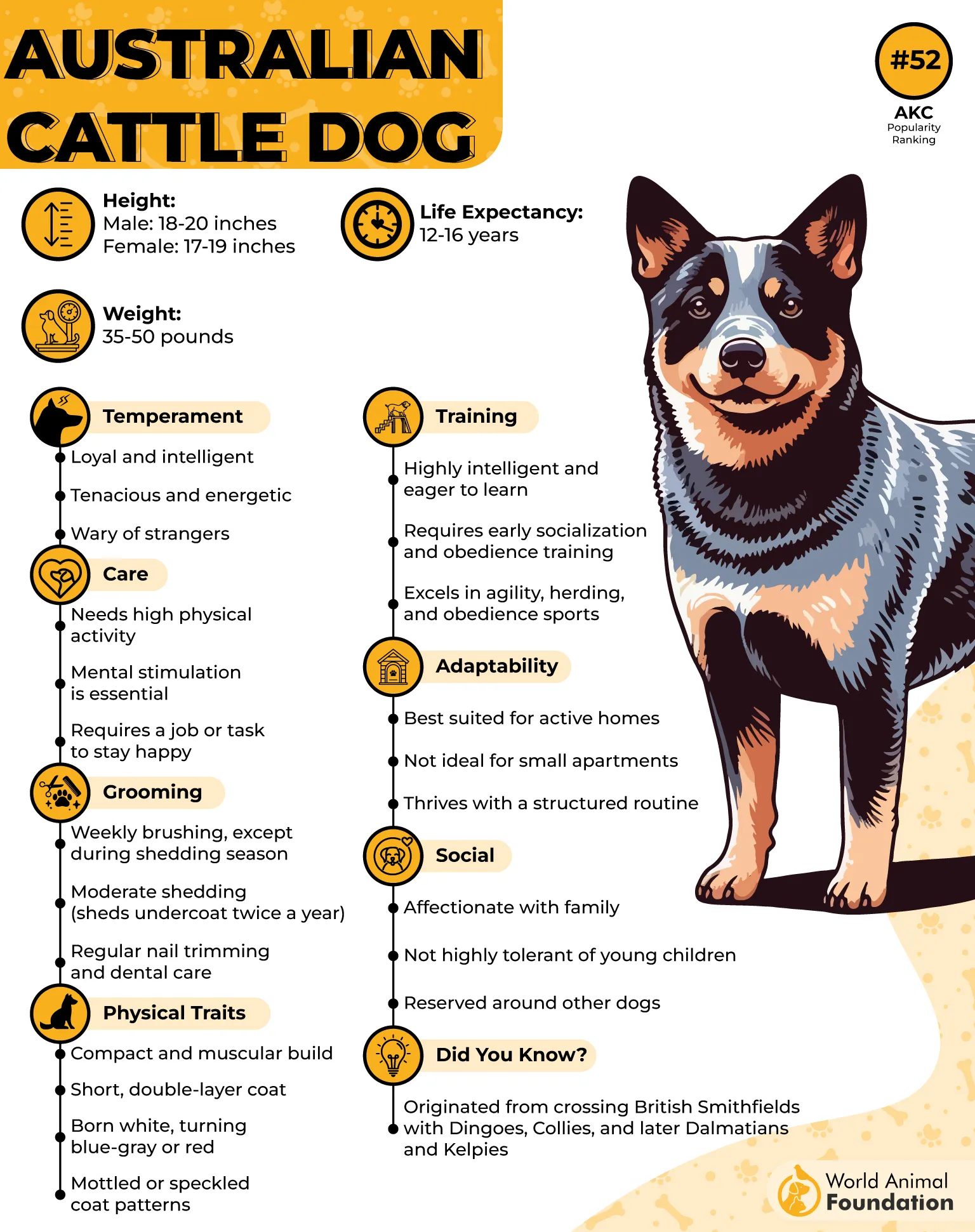
The Australian Cattle Dog relies on a stocky build and strong muscle distribution that supports repeated physical effort across long sessions.
Its body was shaped for endurance rather than appearance, allowing quick reactions during herding work. Red and blue speckled coats became one of the breed’s defining visual traits.
2. Bouvier des Flandres
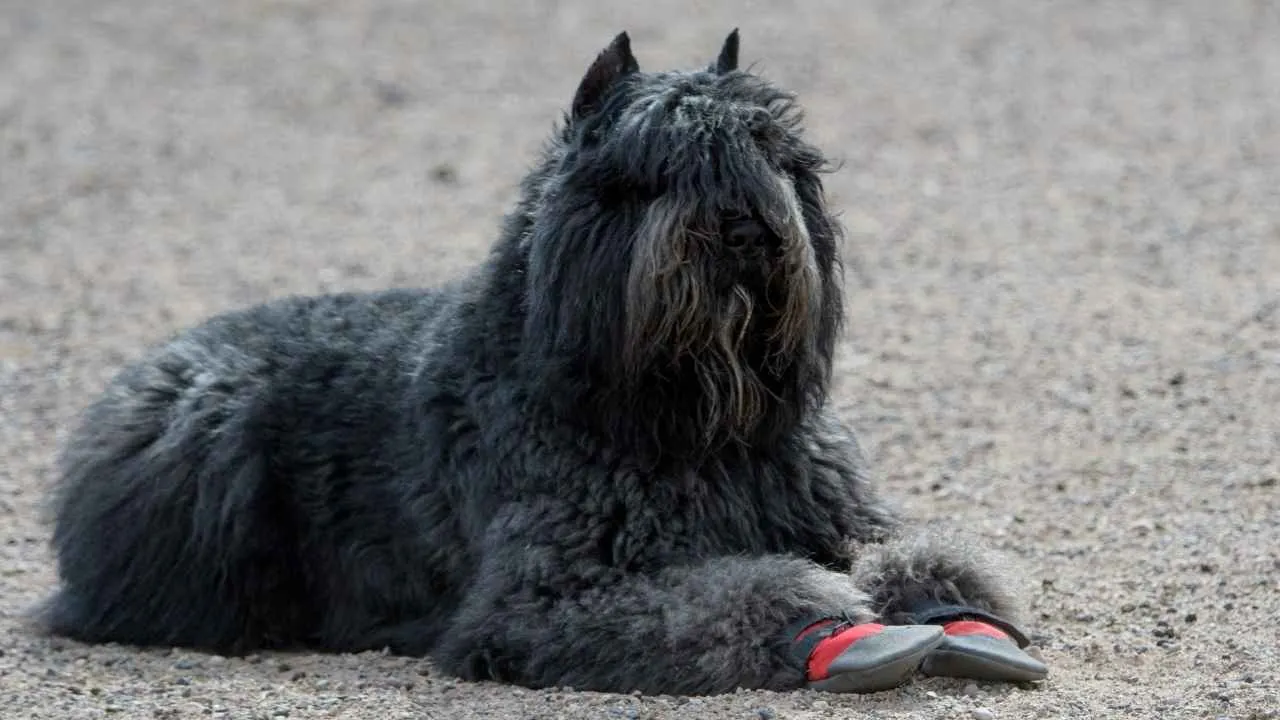
The Bouvier des Flandres entered Belgian farm life as a rugged cattle driver trusted to pull loaded milk carts across demanding terrain. The thick beard and powerful frame reflect a dog shaped for labor rather than appearance. Calm judgment and physical toughness gave this breed lasting value in daily field work.
Built Around Purpose
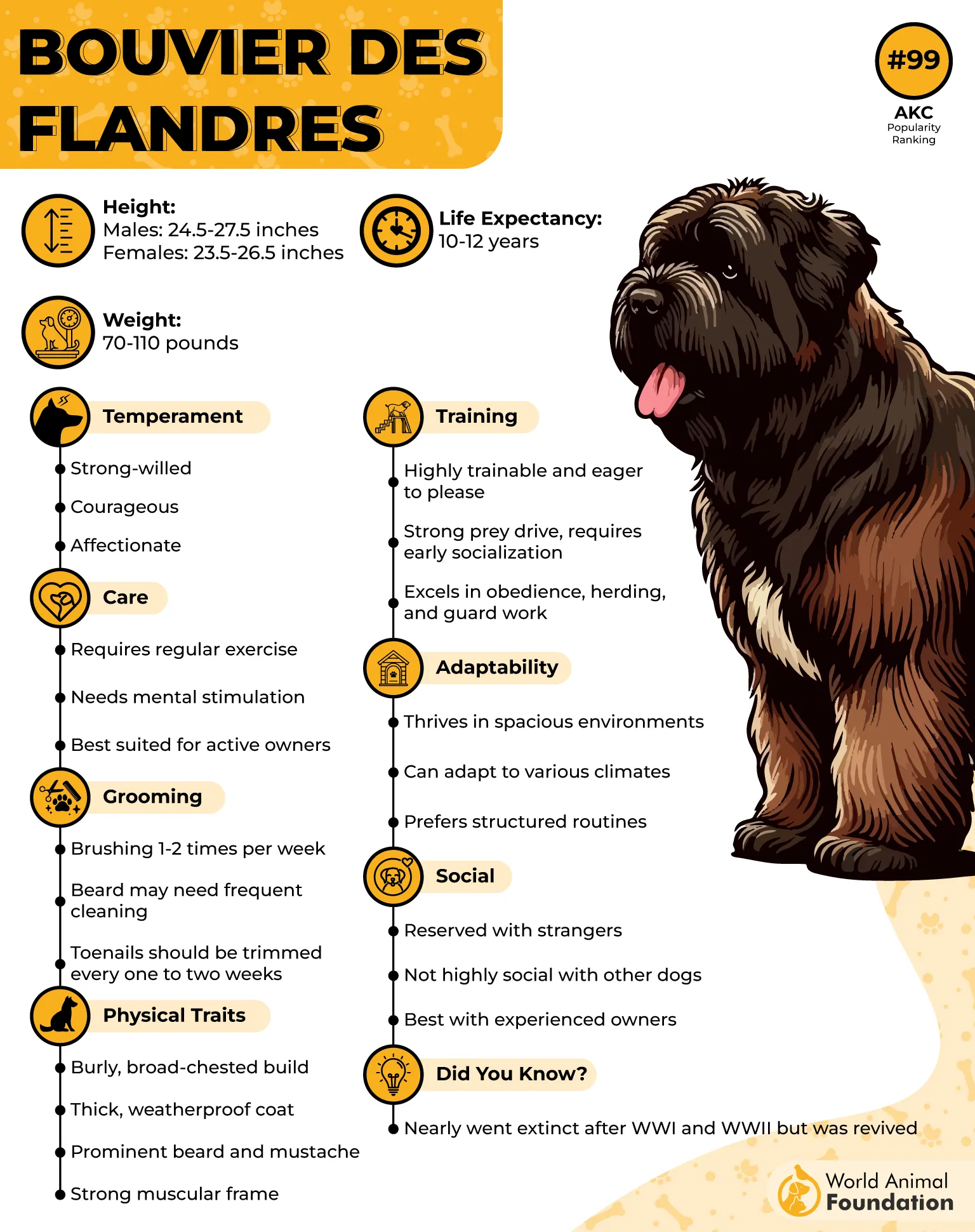
The Bouvier des Flandres combines strength, endurance, and problem-solving ability, qualities that helped farmers manage large livestock efficiently. Daily structure matters with this breed.
A few working traits deserve attention:
Powerful build suited for hauling tasks
Strong herding instinct with quick responsiveness
Dense coat suited for rough outdoor conditions
Energy That Needs Direction
As energetic dogs, Bouviers stay mentally engaged when given purposeful activity such as tracking, obedience, herding trials, or long outdoor routines, as PetMD noted.
Without enough stimulation, boredom often turns into destructive behavior inside the home. Early guidance is important because this intelligent breed quickly learns both good and bad habits.
3. Beauceron
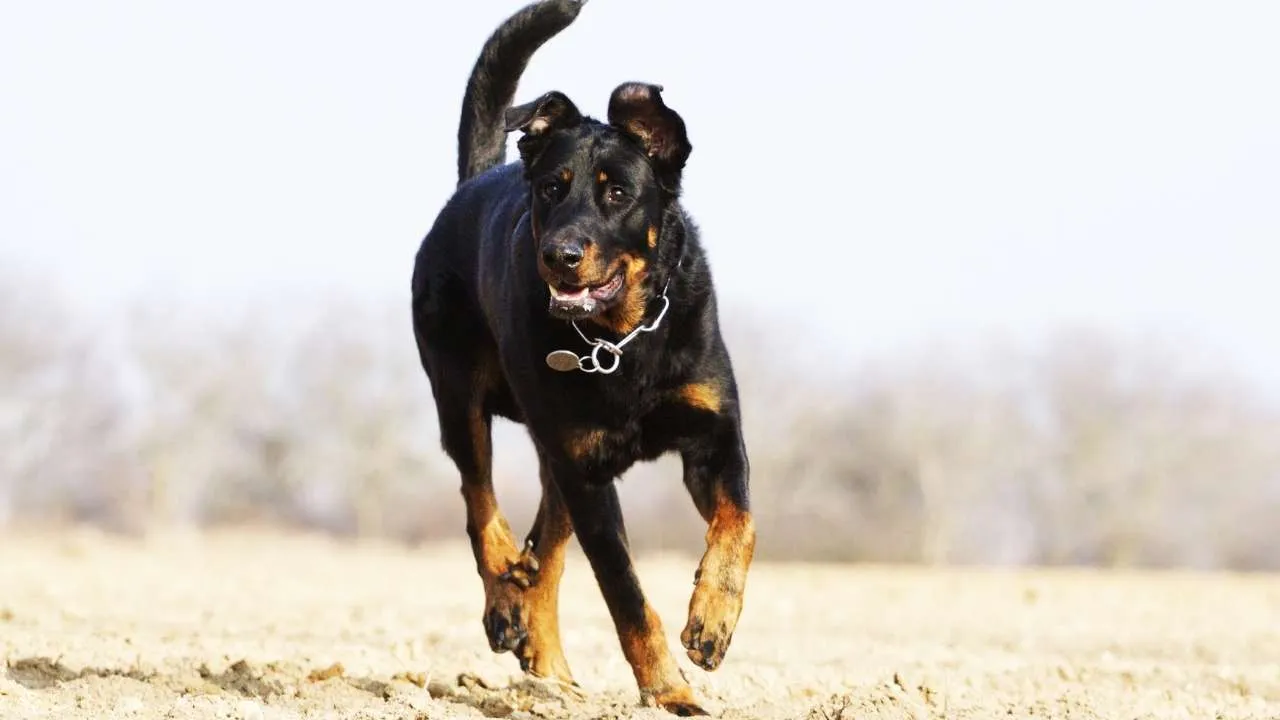
The Beauceron worked alongside shepherds in central France, guiding flocks while handling demanding outdoor farm tasks.
Its capability was later extended into military service during World War I, where reliability and control became equally valuable. This dual-purpose role shaped a dog accustomed to responsibility and pressure.
Energy directed through demanding tasks
The Beauceron requires structured outlets that challenge both body and focus, especially during adolescence when energy levels remain intense. Activities tied to pulling, distance work, and coordination fit naturally into its working instincts.
That working nature appears through activities such as:
Carting and skijoring tasks
Long-distance hiking routines
Agility-based directional work
Social behavior shaped through early exposure
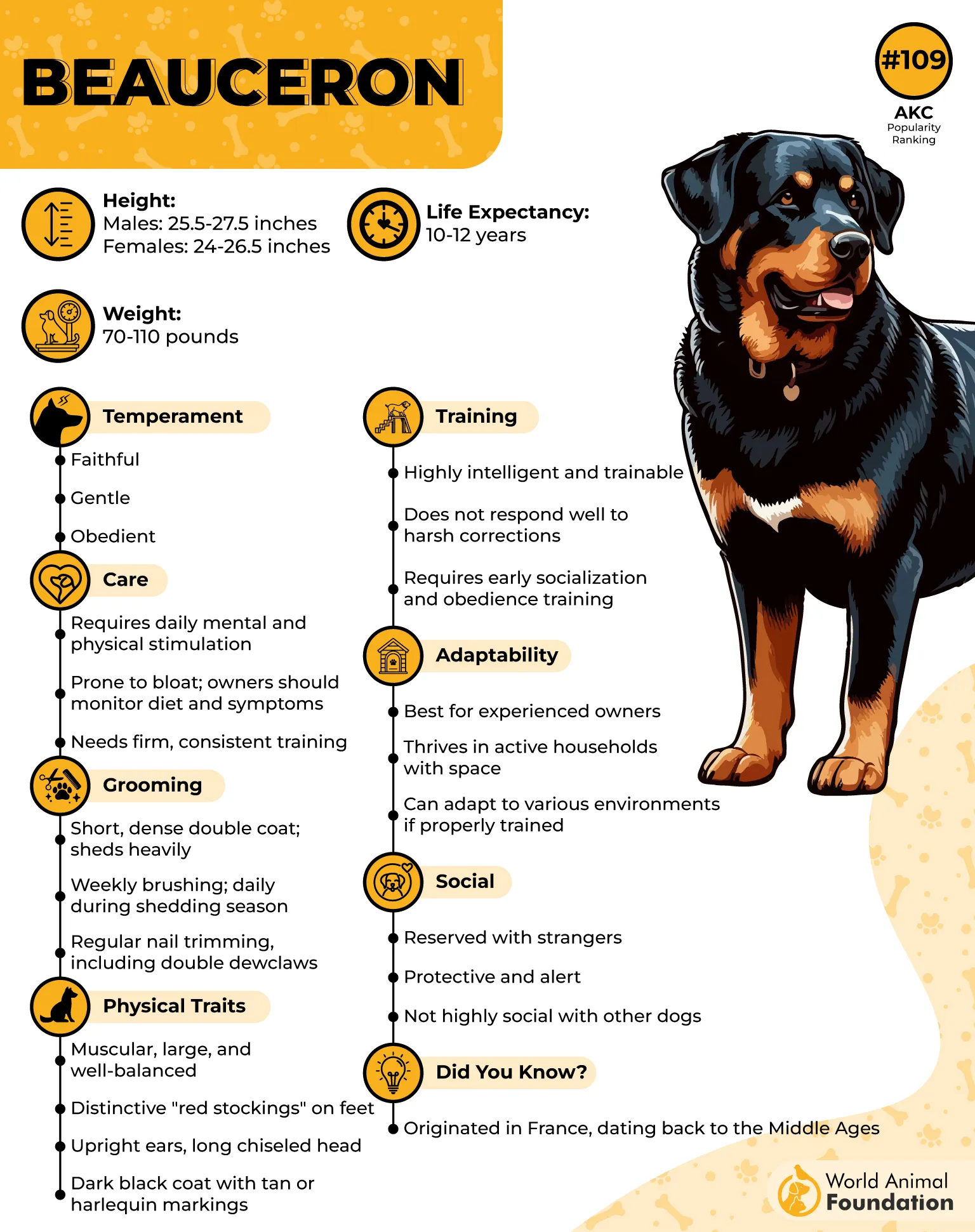
This large dog forms a strong attachment within its household while approaching unfamiliar people with caution and assessment, as stated by the AKC.
Early introductions influence how calmly it reacts around strangers, children, and other dogs later in life. Its responses become more balanced when social experiences begin young.
4. Old English Sheepdog
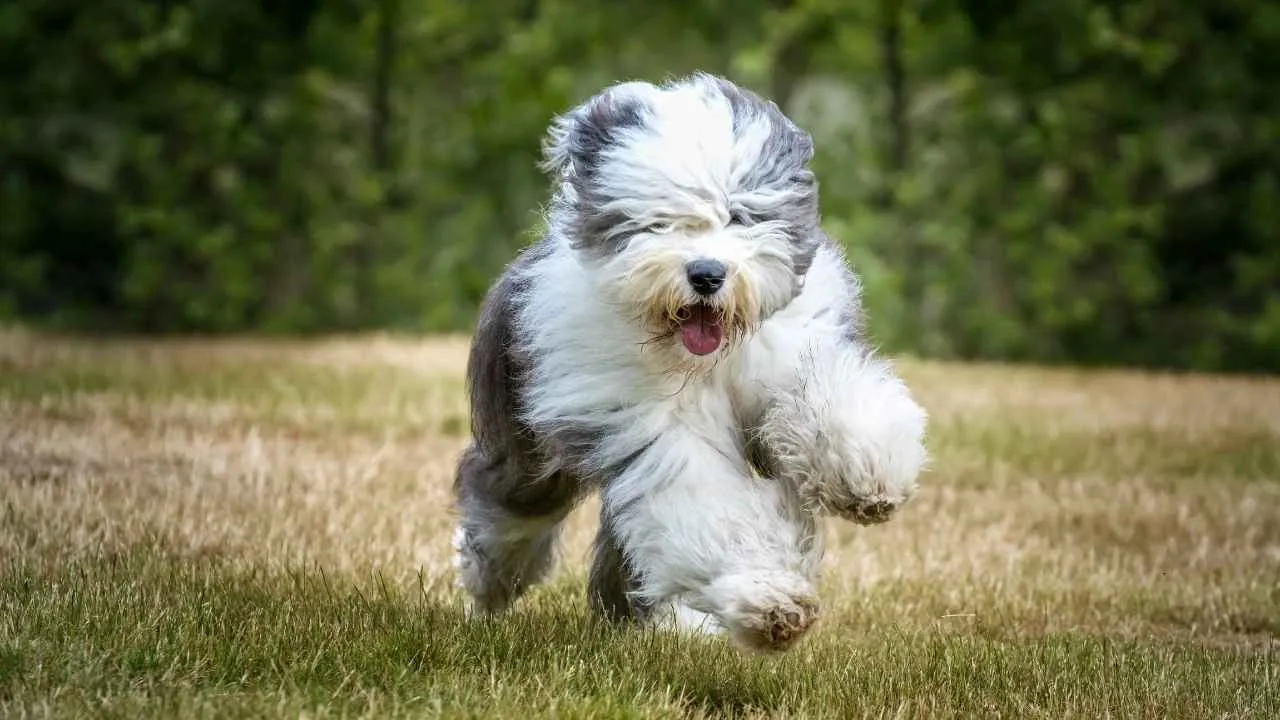
The Old English Sheepdog was originally bred in western England as a rugged farm dog tasked with guiding both sheep and cattle toward local markets.
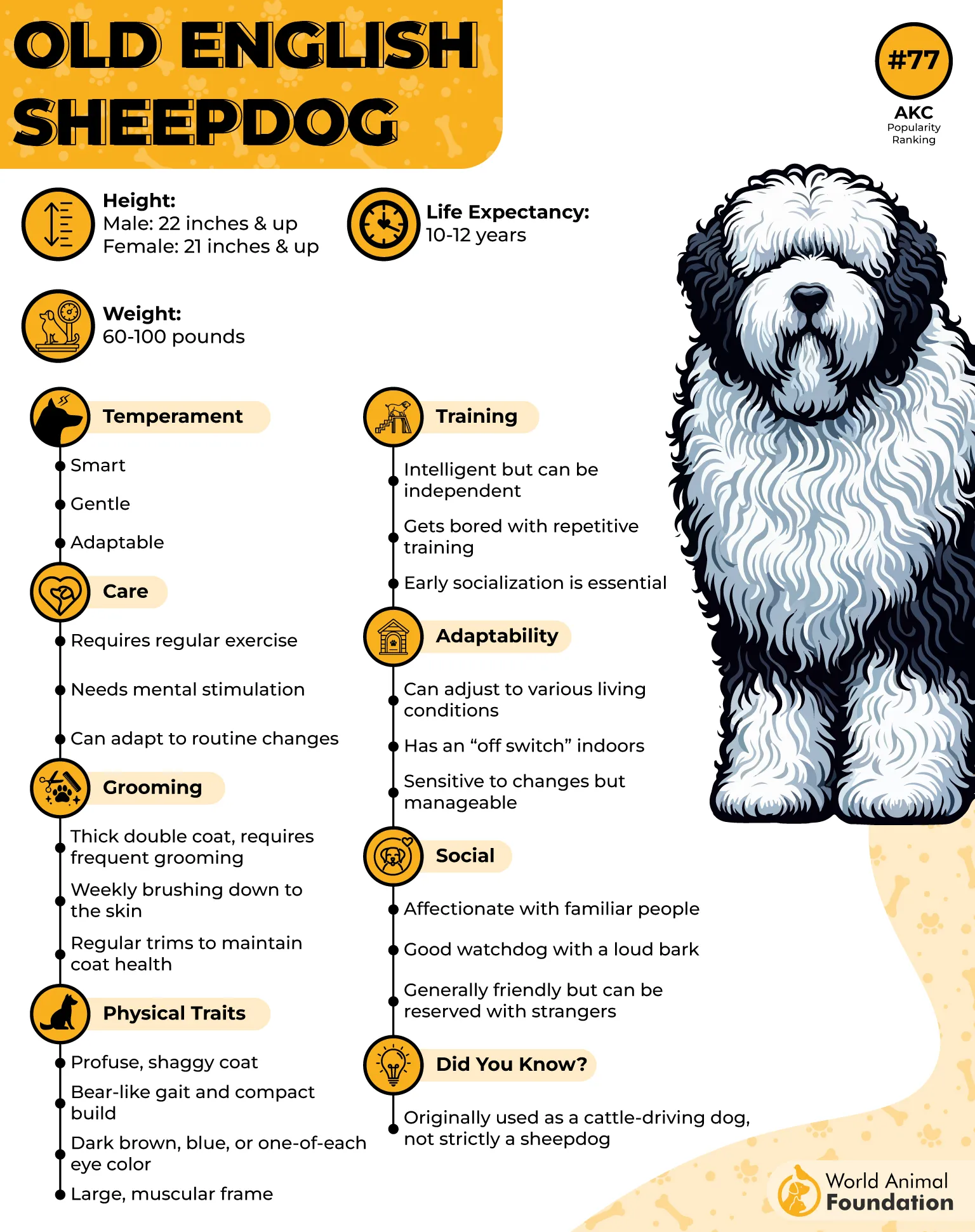
Its heavy coat and broad frame suited long outdoor routes where endurance mattered more than speed. Beneath the shaggy outline sits a practical herding dog built for daily labor.
Herding style and working rhythm
This dog approaches field tasks with intelligence and physical confidence, responding well when activity has structure and direction. Its rough-and-tumble nature fits environments where movement, problem-solving, and interaction happen together.
That working rhythm appears through key activities:
Handles long-distance walking with ease
Responds well during obedience drills
Engages quickly with agility-based tasks
Personality inside the household
This Sheepdog brings an affectionate and playful temperament into family settings, often interacting closely with people across different age groups, as PDSA claims. Around unfamiliar animals or strangers, its behavior can feel more reserved at first. Time and repeated interaction help build comfort gradually.
5. Belgian Sheepdog
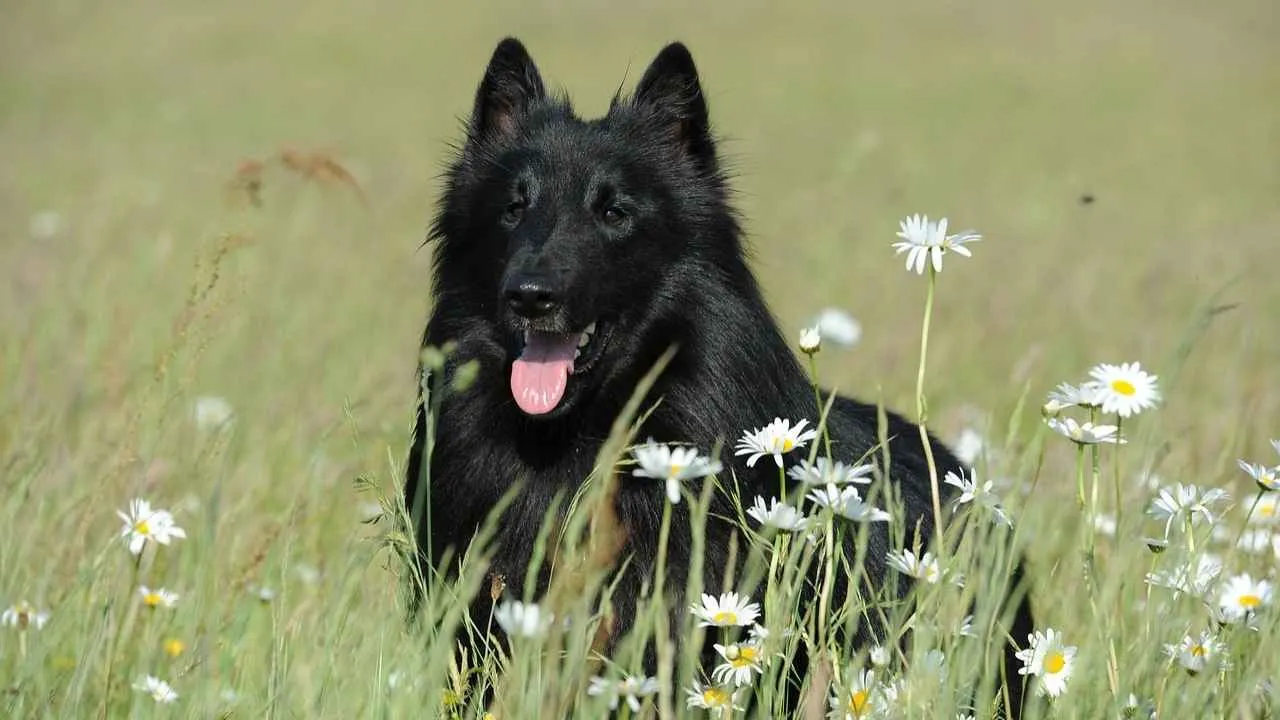
The Belgian Sheepdog gained recognition through its flowing black coat and versatile working role within the Belgian Shepherd family. Farms across Belgium relied on this breed for herding and guarding long before military and police units recognized its discipline.
Precision Through Work
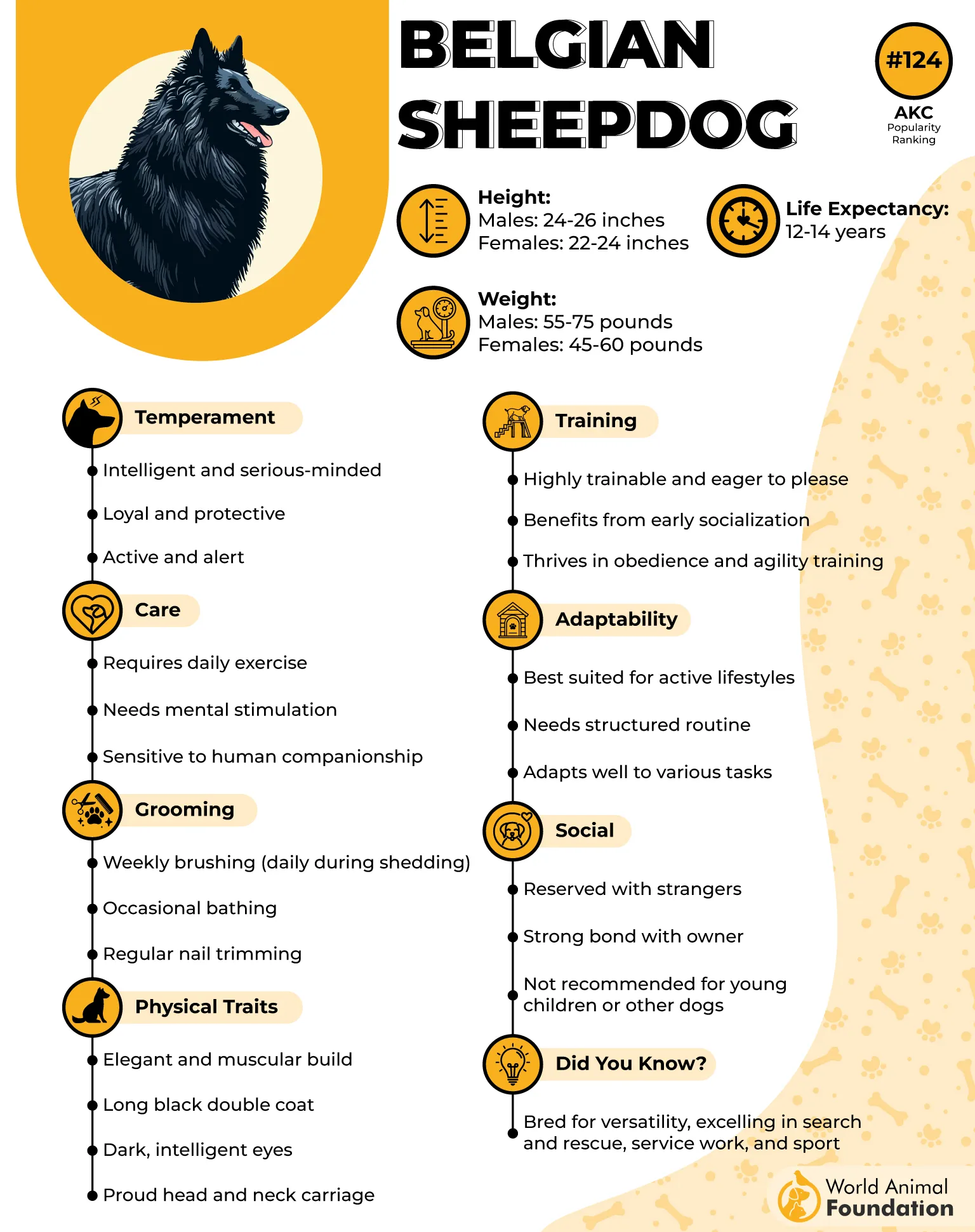
This dog approaches tasks with sharp awareness, often reacting quickly to direction during herding or structured training exercises. Its working instinct connects closely with coordination, responsiveness, and repeated task engagement.
That working nature appears through distinct patterns:
Responds quickly during obedience drills
Excels in scent-focused tracking tasks
Handles long activity sessions with focus
Energy With Purpose
The Belgian Sheepdog channels its energy into active routines such as hiking, jogging, agility courses, and dock diving. Mental engagement matters just as much, especially during nose work or tracking exercises requiring concentration. Puppies often bring a playful streak that continues alongside serious working behavior.
6. Briard
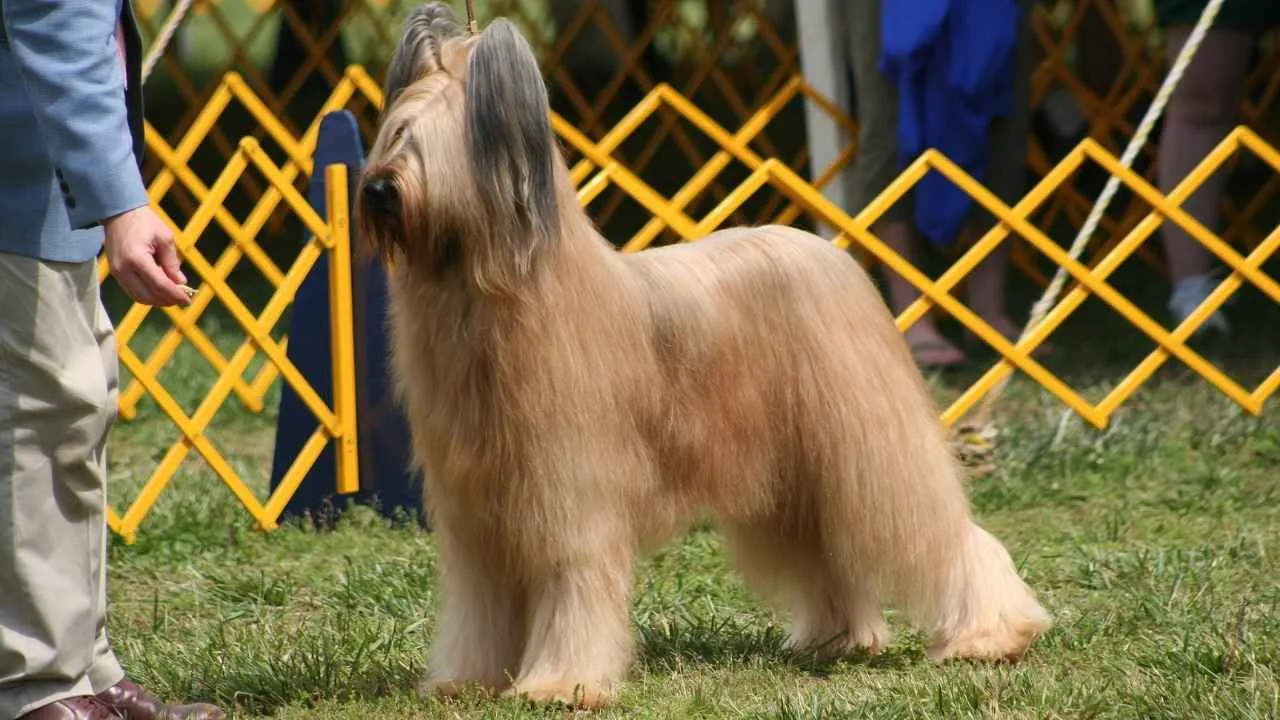
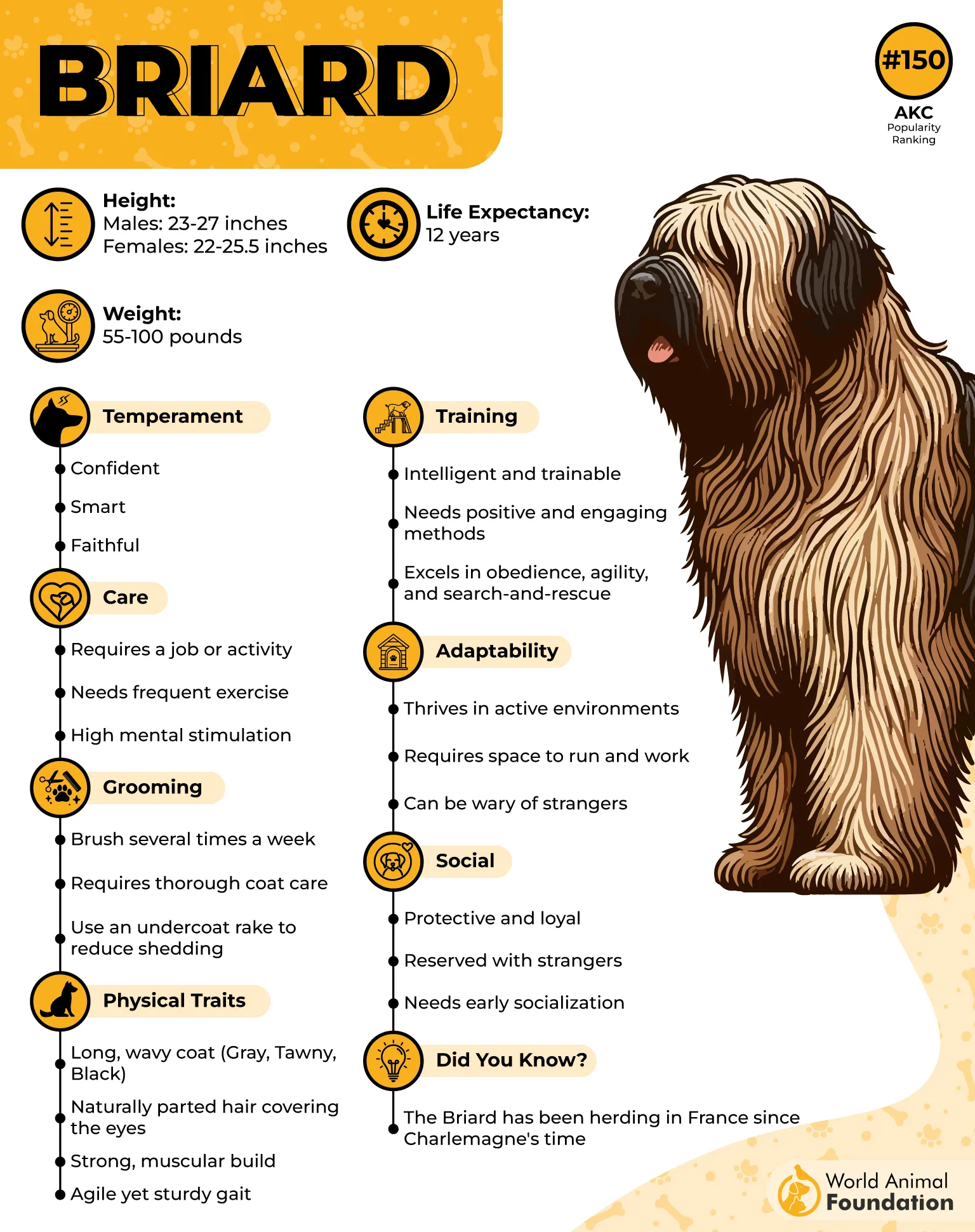
The Briard entered French pastures as a powerful sheep guardian whose rough coat and fearless attitude suited demanding field work.
Among herding breeds, it earned recognition for balancing protection duties with livestock control. Its personality combines initiative, physical strength, and unusually sharp decision-making.
Instincts With Purpose
This intelligent dog works with independent judgment, a trait shaped by moments when handlers were far from sight during flock management. That confidence influences both daily behavior and reactions around unfamiliar people or animals.
Several traits reveal this working mindset clearly:
Directs children instinctively during activity
Watches unfamiliar pets with caution
Responds quickly during physical tasks
Energy Tied to Responsibility
The Briard channels its stamina best through demanding activity, often preferring long outdoor challenges over passive routines indoors.
Hiking paths, running sessions, and bike trails suit its physical intensity far better than idle downtime. The breed connects effort with purpose rather than simple recreation.
7. Bergamasco Sheepdog
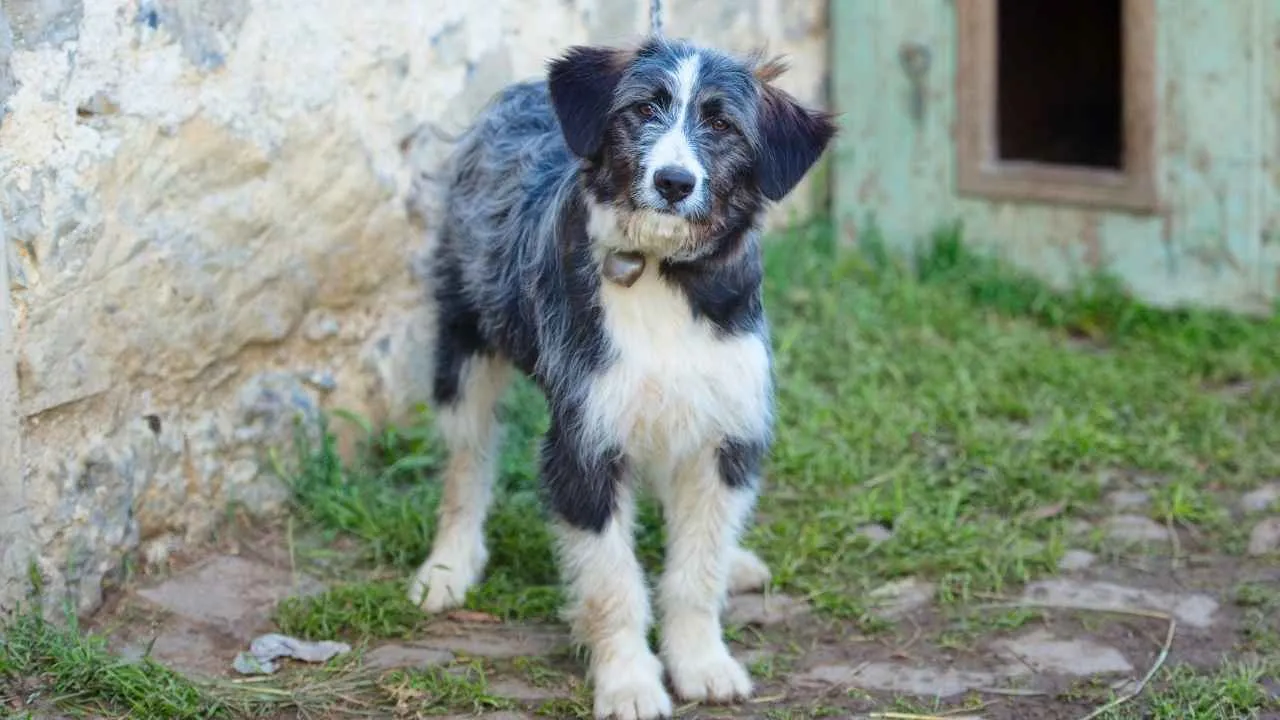
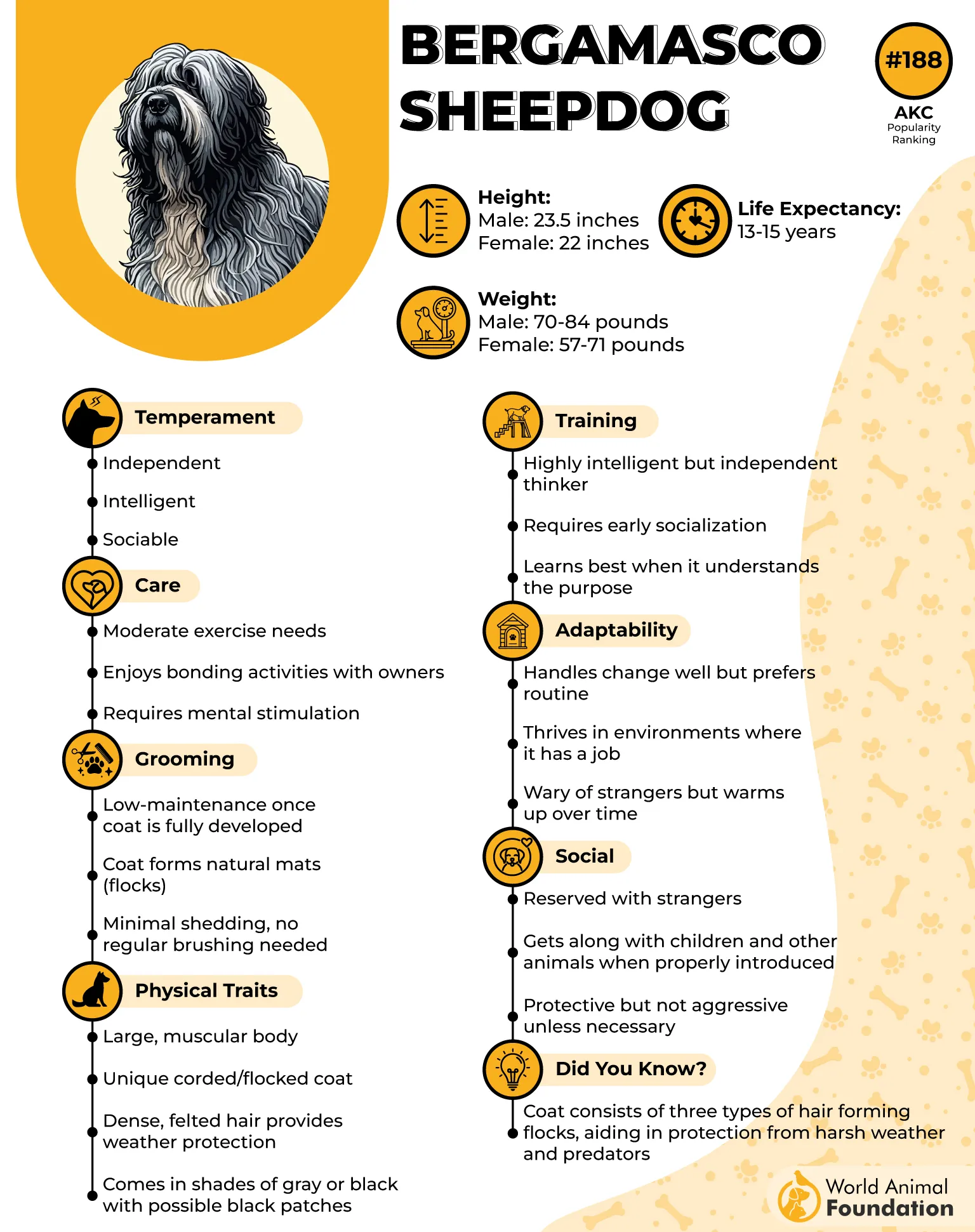
The Bergamasco Sheepdog originated from the harsh Italian Alps, where icy weather and predators shaped a shepherd built for endurance and close flock supervision. Its naturally formed flocks shield the body like layered armor, giving this muscular worker a striking but practical appearance.
Coat With Purpose
Three different hair textures weave together into loose felted mats that protect these dogs through mountain work and long outdoor exposure. Beneath that rugged coat sits an agile herder with patience and physical strength.
A few details explain that design clearly:
Naturally forming protective flocks
Muscular frame suited for rough terrain
Wary attitude toward unfamiliar visitors
Calm Around The Flock
Bergamascos bond deeply with the people they live beside and prefer shared activity over isolation in a yard. Their protective instinct stays measured and thoughtful, reacting carefully instead of rushing into conflict. Around children and familiar animals, they usually settle into a composed and dependable rhythm.
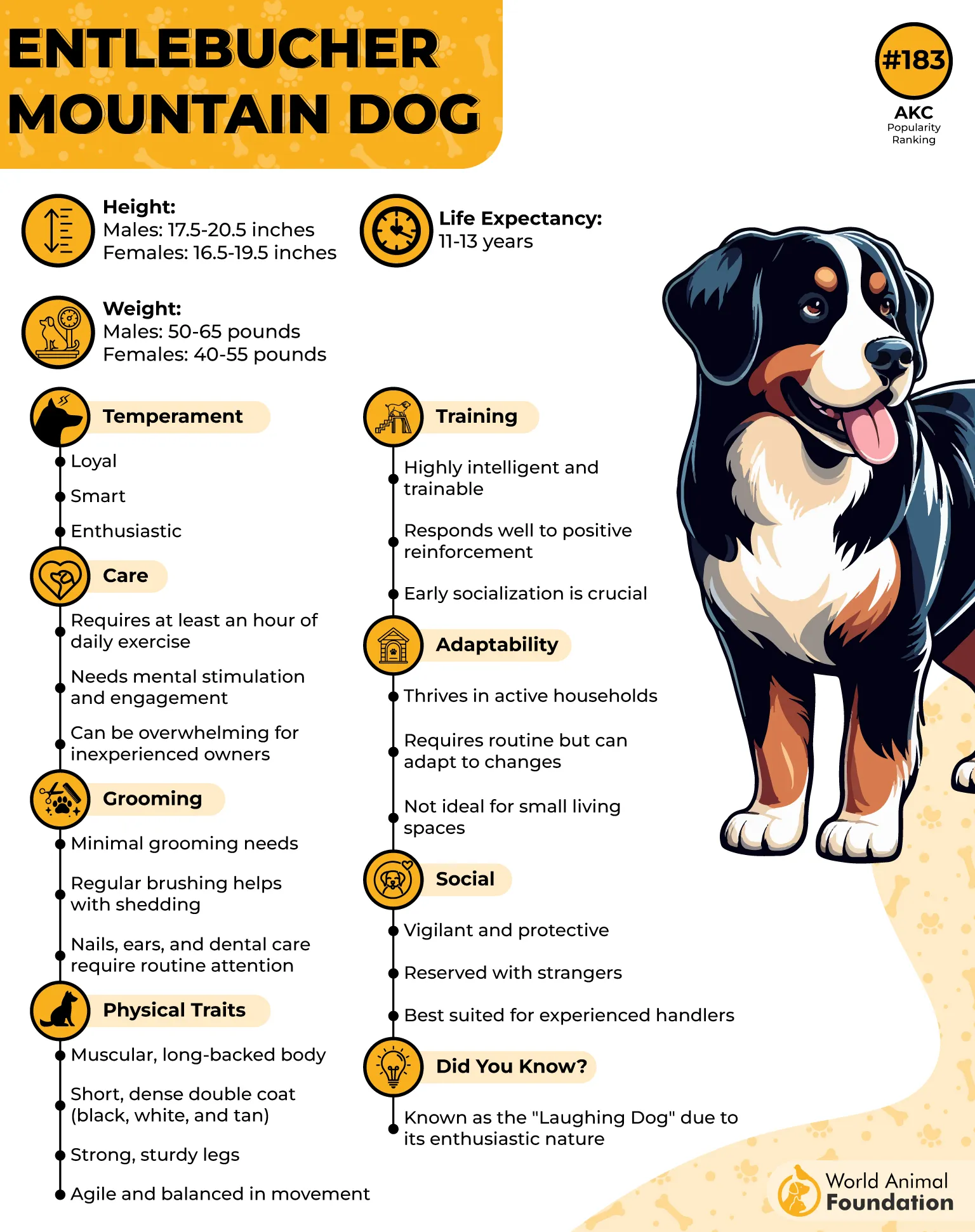
8. Entlebucher Mountain Dog
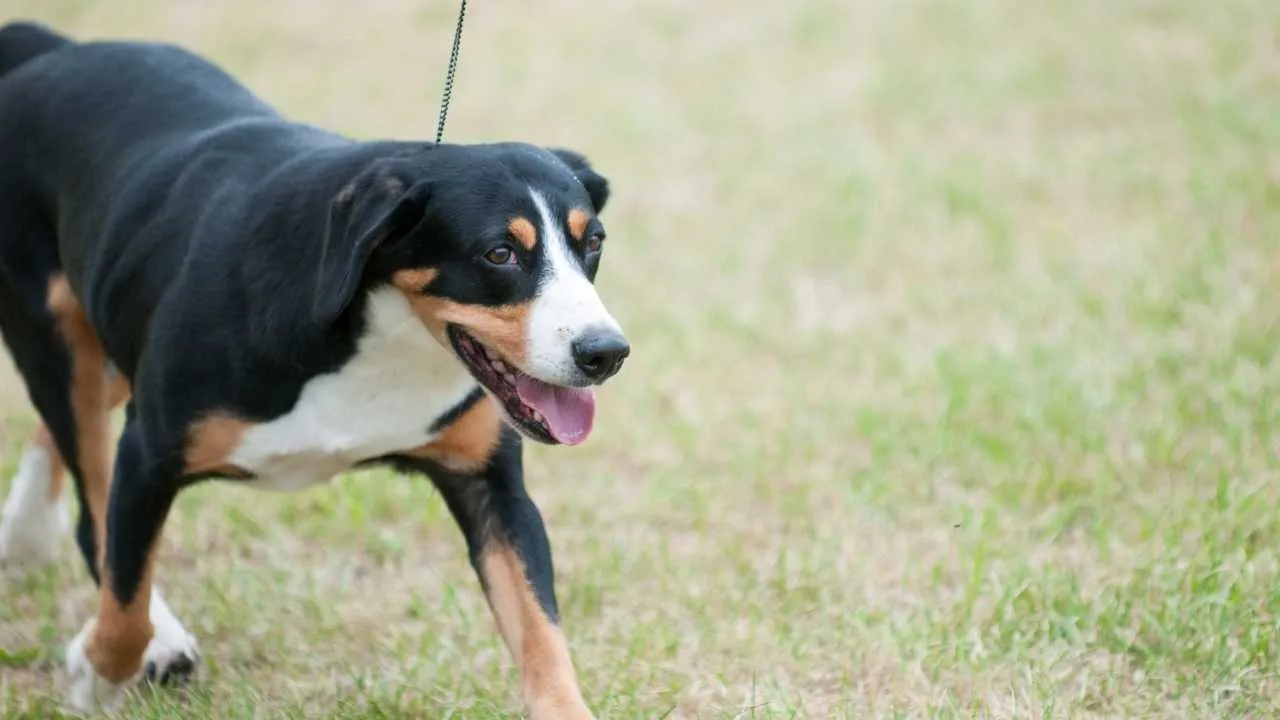
The Entlebucher Mountain Dog worked along steep Swiss Alpine routes, guiding cattle across rocky ground with quick footing and sharp awareness.
Its compact tricolor frame matched the demands of narrow paths and constant outdoor activity. That rugged working role shaped a dog closely tied to movement and coordination.
Engaged in every task
This mountain dog prefers involvement over distance, often inserting itself into daily routines and shared activities. Its working instincts connect closely with attentiveness, especially around familiar people and changing surroundings.
That working nature appears through clear habits:
Follows activity from room to room
Reacts quickly to shifting movement
Responds well to structured routines
Social bonds with caution
This dog forms deep attachments within the household while taking extra time around unfamiliar people. Early social exposure influences how comfortably it responds to visitors, children, and other animals later on. Its affectionate side appears more naturally once trust becomes familiar.
9. Polish Lowland Sheepdog
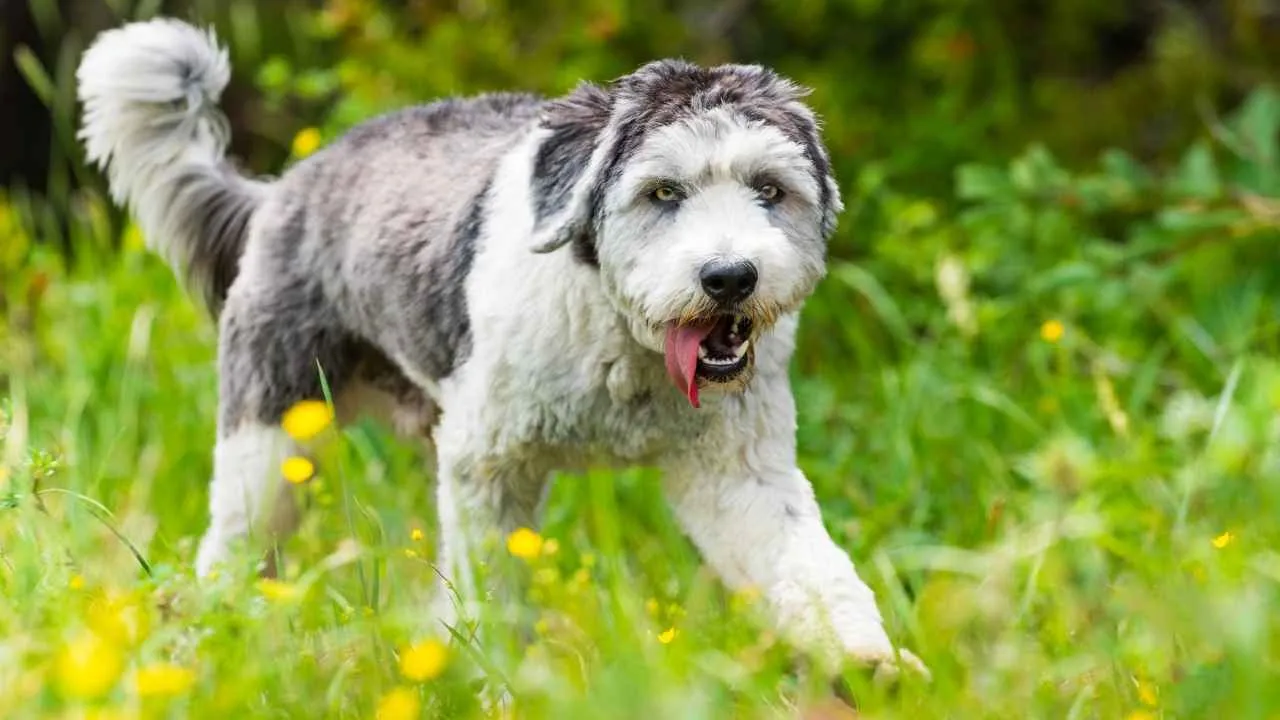
The Polish Lowland Sheepdog enters the field with a dense, mop-like coat that shields the body from cold weather and uneven land. Its rugged appearance comes directly from working conditions in the Polish lowlands alongside livestock.
Herding instinct guided by intuition
It protects livestock through awareness, quick thinking, and close attention to its surroundings. Its intelligence and loyalty influence how it handles both herding and guarding responsibilities.
That working style appears through practical traits:
Reads flock movement with strong awareness
Handles rough outdoor conditions comfortably
Responds quickly during directed tasks
Energy tied to routine and activity
The Polish Lowland Sheepdog functions best with structured daily activity that combines physical work and mental engagement. Walks, agility tasks, and interactive play help direct its lively temperament into focused behavior. Idle routines often create restlessness instead of calm behavior.
Conclusion
Herding and field work demand far more than strength alone. The working dogs trusted for these responsibilities must stay alert through long hours, react calmly under pressure, and handle difficult conditions without losing focus. That combination creates a working ability few popular dogs truly possess, especially across rugged landscapes.
Many still carry those instincts naturally, even far from farms or livestock. Their behavior reflects generations shaped around responsibility, movement, and close partnership with people.
Whether guiding animals, protecting open land, or staying mentally engaged through mental stimulation, these breeds stand apart for their stamina and intelligence while remaining excellent companions in everyday life.
