




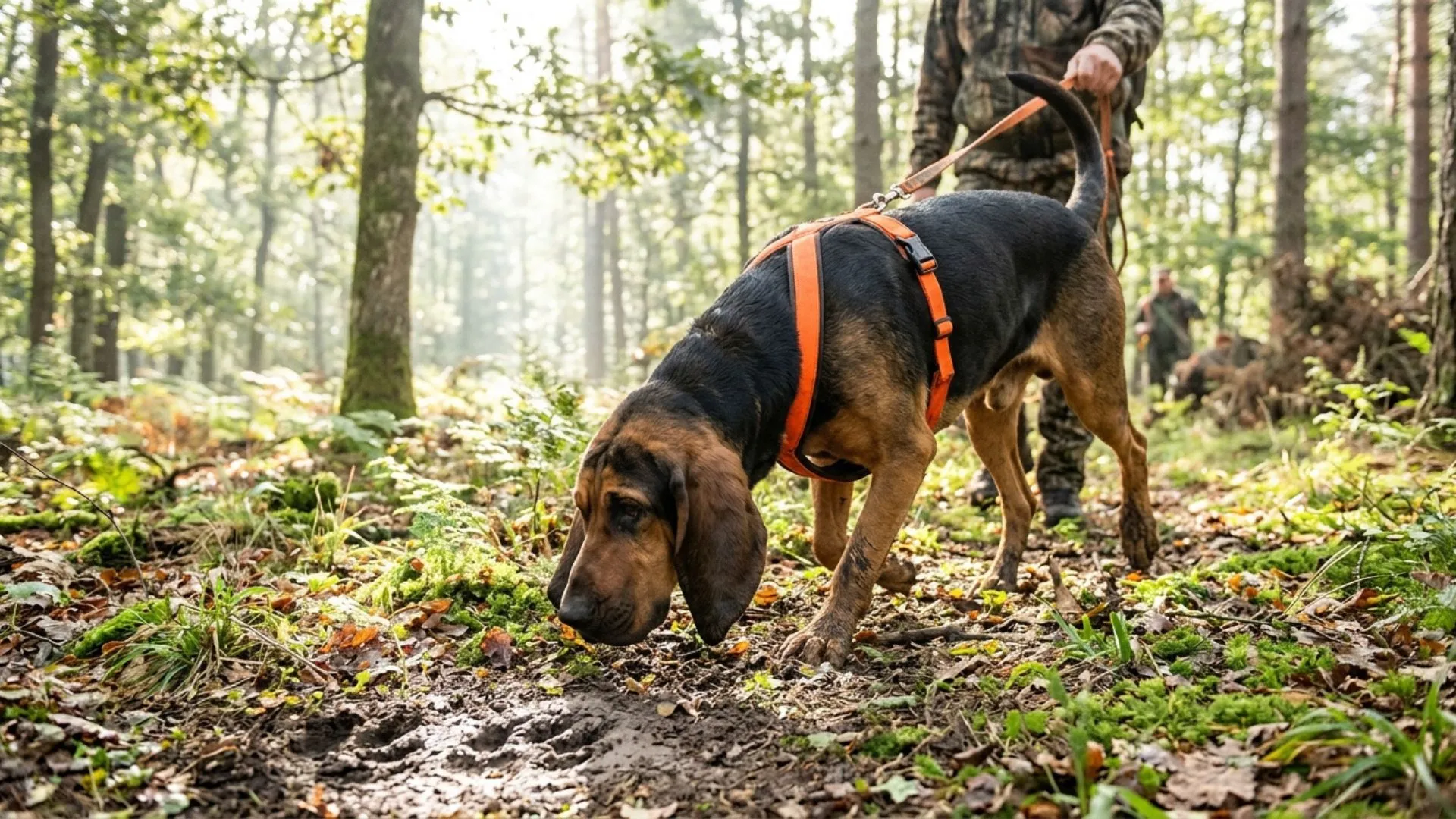
Ever heard a sound in the wild that makes even the bravest dogs pause for a split second? It’s not fear—it’s anticipation. In the dense forests and muddy riverbeds where wild boars roam, this is more than a hunt—it’s wild boar hunting at its finest.
Many people assume boar hunting dogs rely solely on size, strength, or aggression. Big dogs, loud barking, raw force—they think that’s all it takes. But the truth is different. The best wild boar hunting breeds rely on strategy, timing, and intelligence. They don’t just chase—they track, calculate, circle, and wait for the perfect moment to strike.
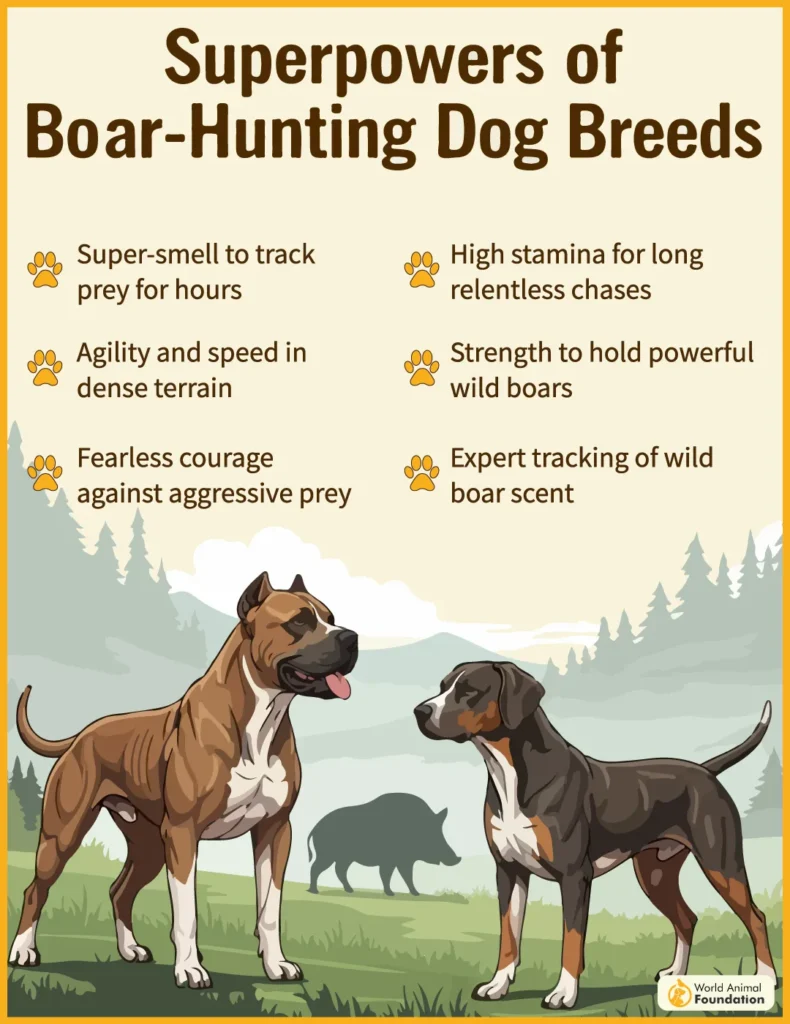
The most effective boar hunting dogs come in many forms. Some are built like tanks, capable of holding their ground against powerful hogs. Others move like shadows, silently following their prey. Some lock in with relentless focus, while others bring explosive speed that can change the outcome of a hunt in seconds.
Different breeds. Different roles. Same mission: track, chase, contain, and bring down the wild boar. When a wild boar turns, everything changes—and only the best hog hunting dog breeds are ready for that critical moment.
In this guide, we’ll break down the top 7 dog breeds for boar hunting—the ultimate trackers, chasers, and takedown specialists that every serious hunter should know.
Top Dog Breeds for Boar Hunts: Track, Chase, and Bring Them Down
1. Bluetick Coonhound
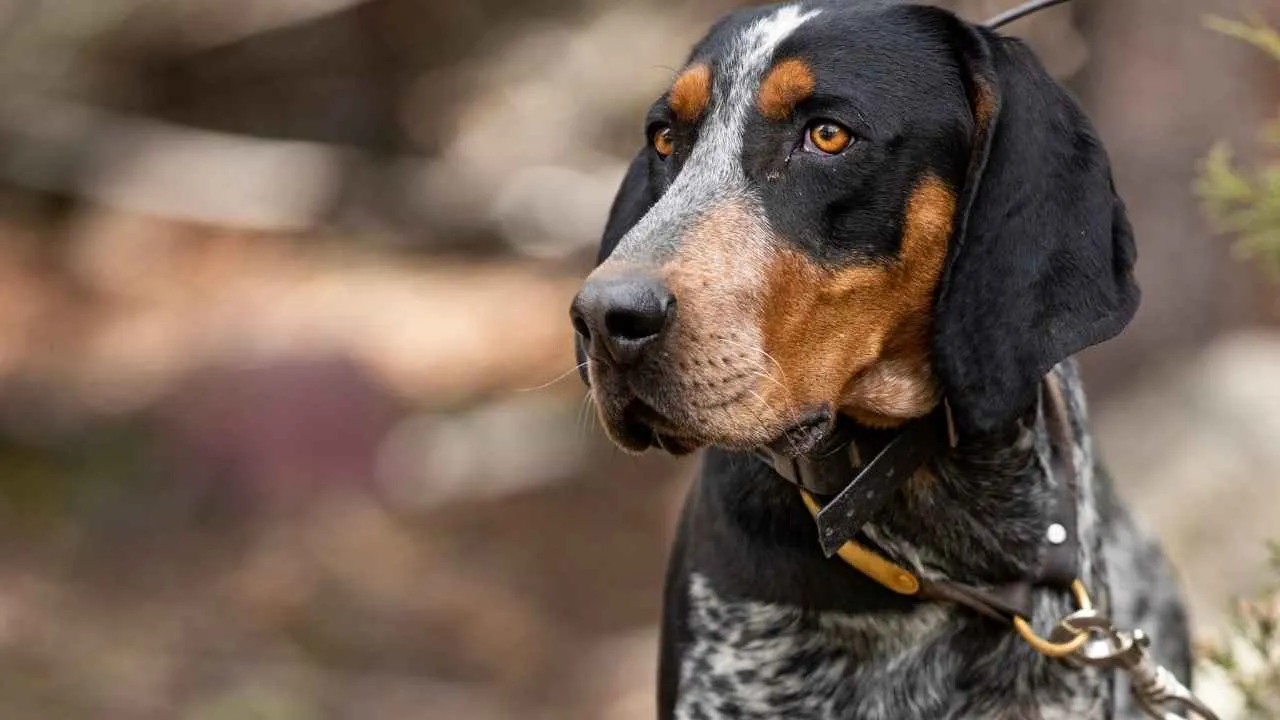
Bluetick Coonhound works the ground with patience rather than speed, which makes it useful as one of the reliable hog dogs in boar country where scent trails break and restart through mud, brush, and water crossings.
It relies heavily on scent memory, often continuing to follow a trail even after it has gone cold, which becomes valuable when a wild boar doubles back or lies low to confuse pursuers.
In dense terrain, its deep, rolling bark carries over long distances, helping handlers understand its position without needing visual contact.
Unlike many hounds that surge forward impulsively, this breed tends to work methodically, checking and rechecking scent lines before committing to a direction. That behavior can prevent wasted chases and keep pressure steady on the animal being tracked.
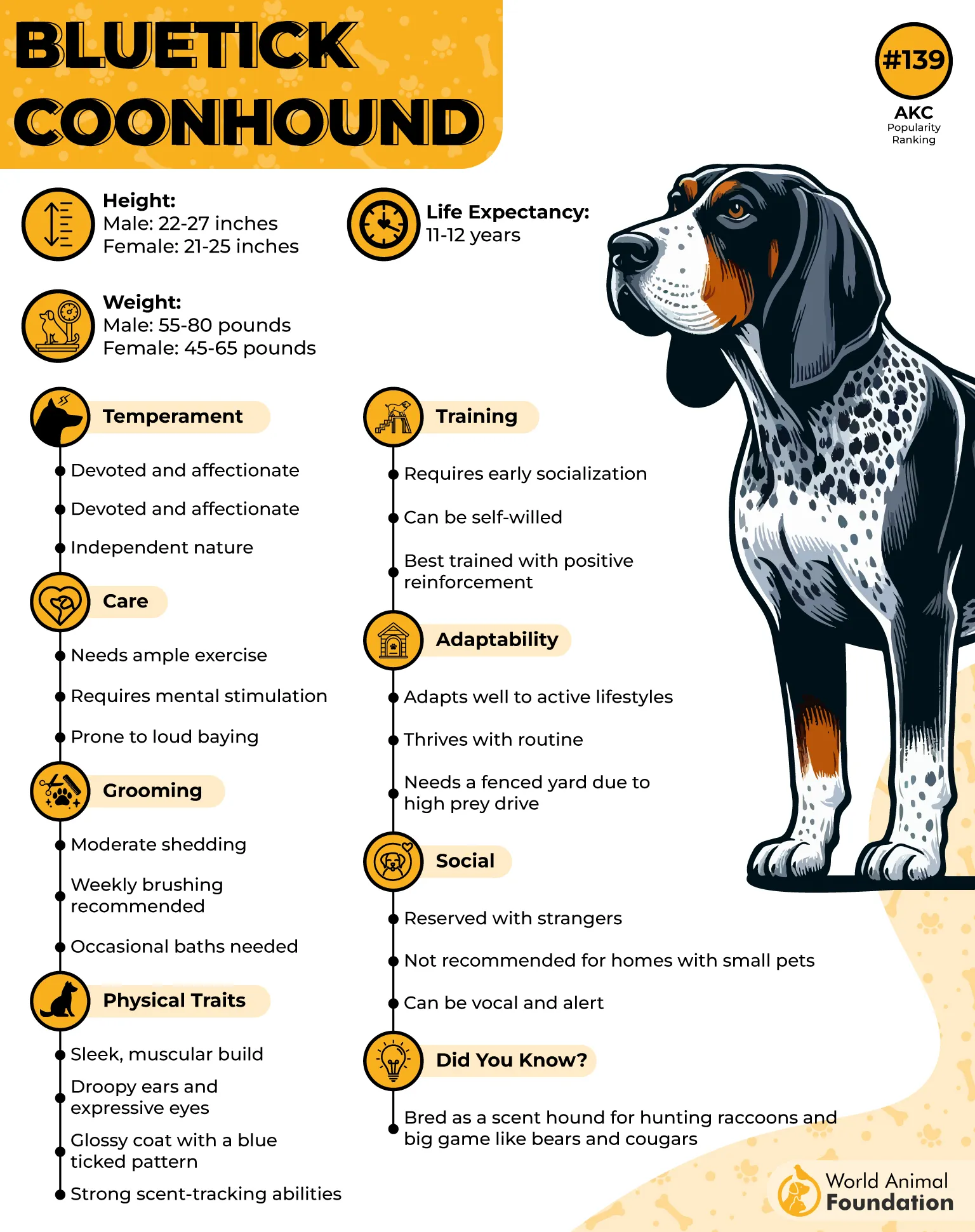
The Bluetick Coonhound is also known for its cold-nose tracking ability, allowing it to follow faint trails over long distances, making it suitable for hunting wild boar.
Its endurance allows it to stay active for extended periods without losing focus, especially during long nighttime pursuits.
The Bluetick’s origins come from early American hound development influenced by French staghound bloodlines, later refined for rugged hunting conditions.
Its mottled blue-black coat helps it blend into shaded woodland, while its calm persistence makes it a dependable tracking partner when boar movements become unpredictable, and the ground work matters more than speed alone.
2. Bloodhound
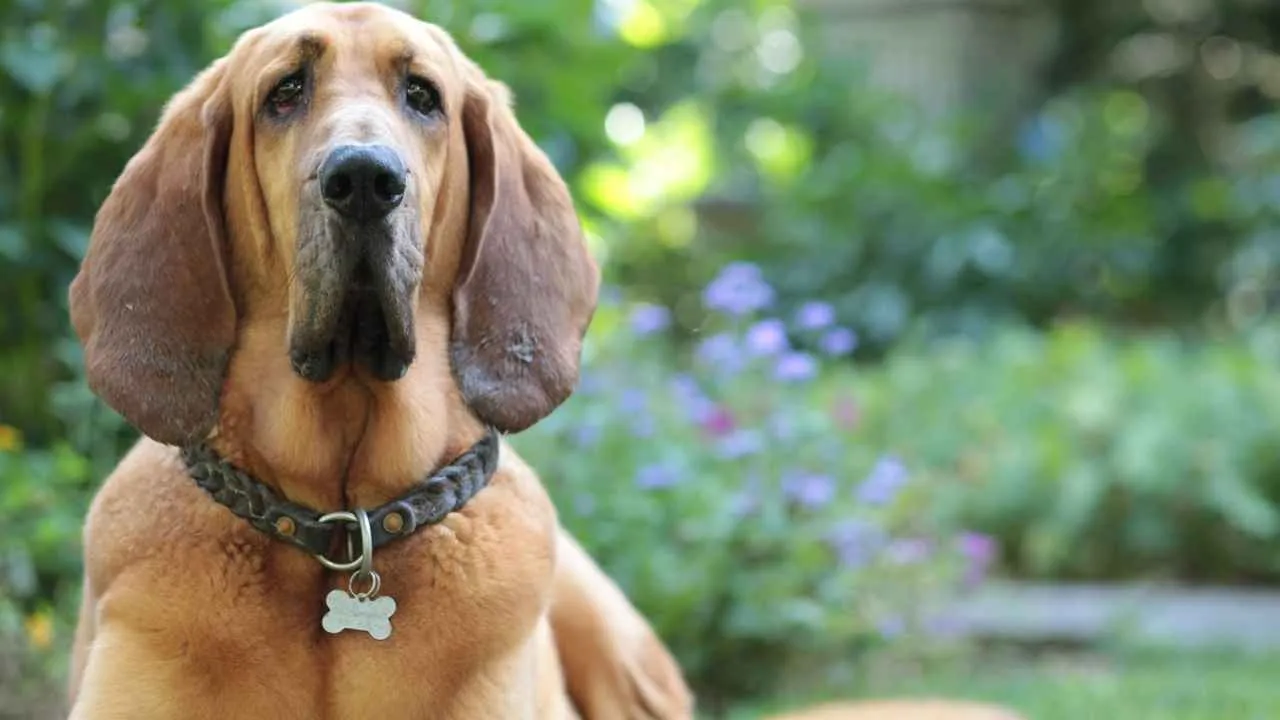
The Bloodhound is one of the most trusted scent trackers in heavy boar terrain, often considered among the best hog dogs for cold-trail tracking.
It follows scent lines even when trails go old and broken, especially when wild boar move through swamp, forest, or rocky ground and double back to confuse pursuit, as noted by WebMD.
It follows odor with extreme patience, even when the trail is hours old, making it useful when other dogs lose direction after a boar breaks cover and disappears into dense brush.
Its long ears sweep scent particles upward while the loose skin around its face helps trap and concentrate odor toward the nose, giving it an advantage in low-visibility environments and wet conditions where scent spreads unevenly.
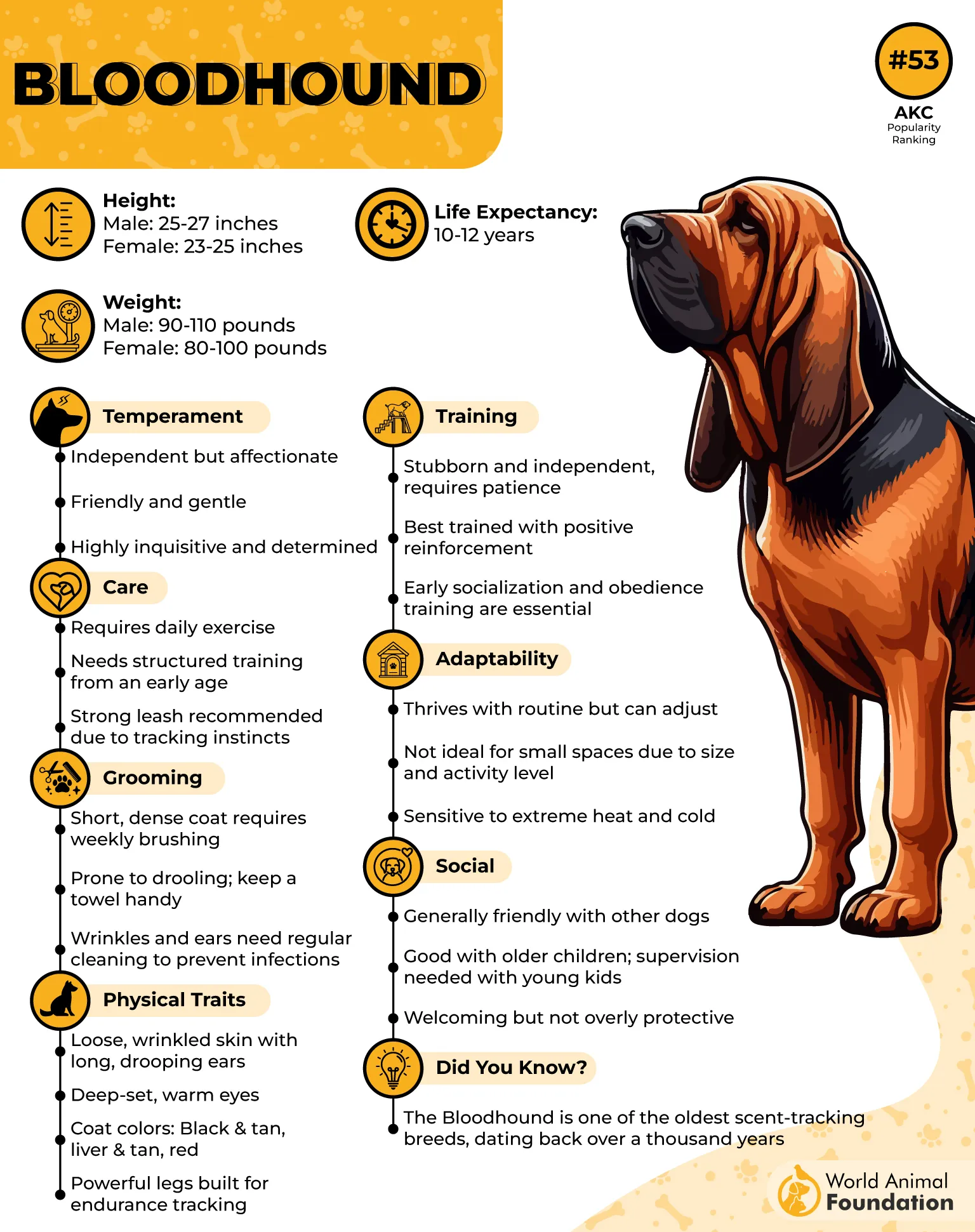
In field situations, it does not rush or switch targets easily. Instead, it locks onto one track and works it step by step, even across water crossings where scent is partially erased.
Handlers often depend on the deep, rolling bay to read distance and movement when visual contact is impossible during a chase through thick forest. That vocal trail communication becomes crucial when coordinating with other hunters during extended pursuits.
Originally refined in European monastic breeding programs for scent tracking, it was later used in both game hunting and search work.
Its ability to stay focused on a single trail, even under pressure or distraction, is what makes it effective when following boar that rely on misdirection and sudden movement to escape pressure.
3. Catahoula Leopard Dog
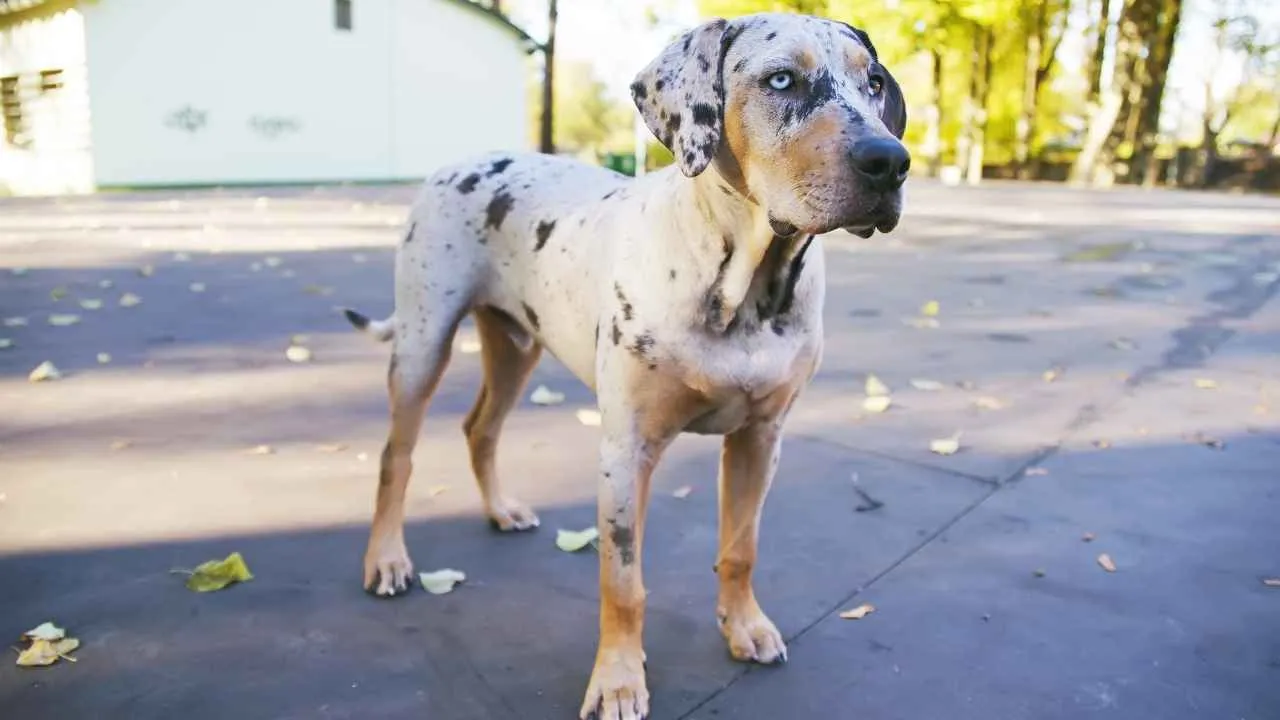
The Catahoula Leopard Dog breed moves through boar country, in wild boar hunting, with a mix of tracking instinct and controlled pressure work as a hog dog, especially in swamp and thick forest, where wild hogs rely on water, reeds, and tangled brush to disappear, as noted by PetMD.
Instead of simply chasing in a straight line, it studies movement patterns and cuts off escape routes, often pushing the animal out of cover so it can be managed by hunters on the ground.
This approach becomes especially useful when terrain shifts quickly between flooded marshes and dry woodland edges, forcing the dog to adjust its footing and strategy in real time.
In active hunts, this versatile hunter stays alert to both scent and sight cues, which helps when odor trails break apart in wet soil or flowing water.
That ability to switch between tracking methods keeps it effective even during long pursuits where boars double back or split through dense vegetation to confuse pressure.
The breed is also known for eye colors that can appear light blue or mismatched between both eyes, a trait that stands out during low-light tracking in early morning or dusk conditions.
Developed in Louisiana for hog-driving work, it remains closely tied to swamp hunting traditions where endurance, independence, and quick decision-making are essential for controlling strong, fast-moving game in difficult terrain.
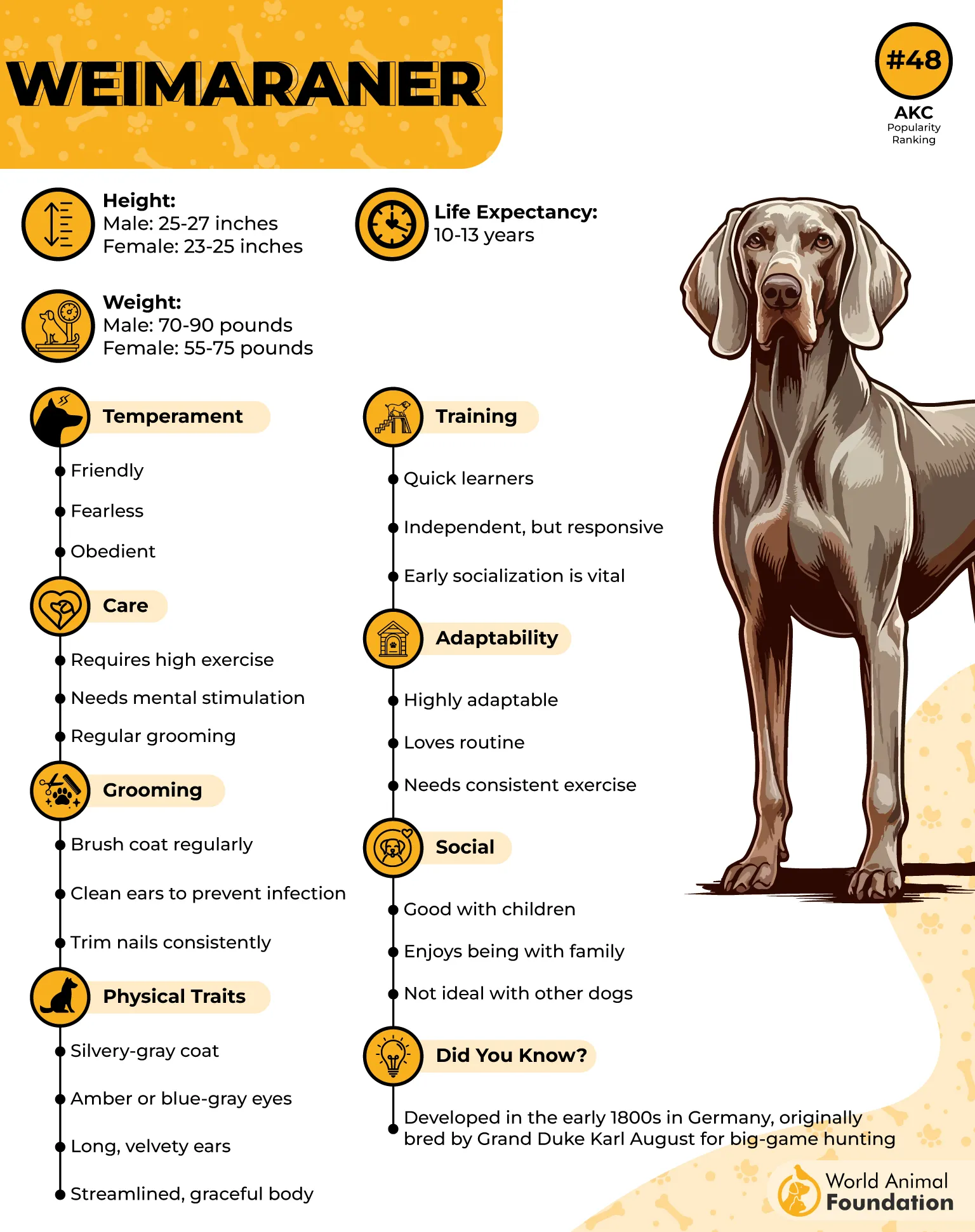
4. Weimaraner
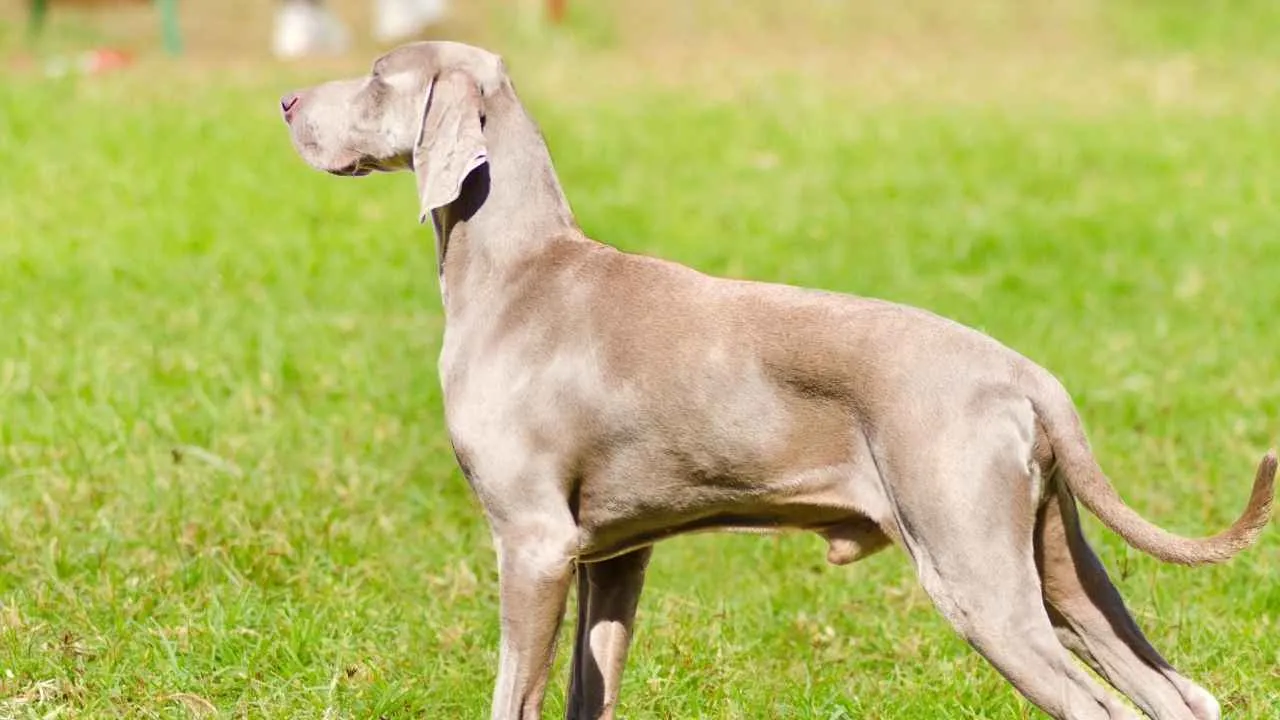
Weimaraner moves through boar terrain with speed and focus, often used when hunts require fast coverage of open fields that lead into dense woodland where wild hogs try to break away quickly.
Its long strides allow it to close distance rapidly, while its strong tracking drive helps it stay locked onto fresh scent even when the animal changes direction in open ground.
In situations where boars attempt sudden bursts of speed, this breed can keep pressure by staying close and preventing easy escape routes toward cover.
In the field, it depends heavily on coordination with its handler, responding quickly to direction changes and adjusting its path without losing momentum.
That balance of obedience and independence becomes important during fast-moving chases where timing decides whether the animal is contained or lost in brush.
Purina states that the breed is also recognized for its smooth silver-gray coat that often appears almost metallic under sunlight, making it easier to spot during wide-ranging pursuits across open landscapes.
Developed in 19th-century Germany for noble hunting parties targeting large game, it was shaped for endurance, courage, and speed in demanding hunts where boar could break into open country before doubling back into cover.
5. Plott Hound
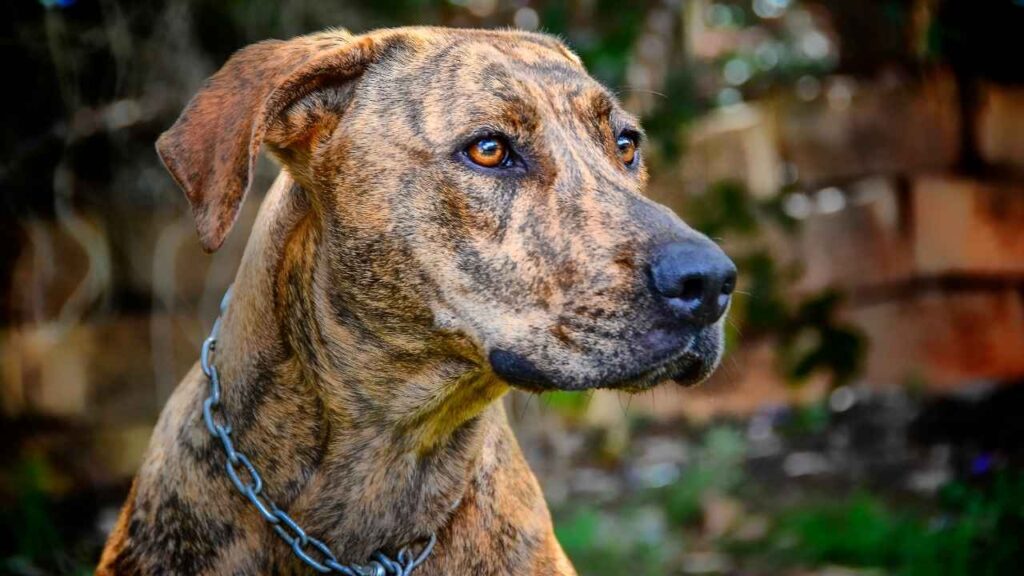
Plott Hound is a boar-focused hunting dog known for pushing through rugged mountain terrain with determination, especially in mountain forests where wild hogs rely on steep slopes, thick undergrowth, and sudden turns to escape pressure.
Once it locks onto a scent, it works it with steady intensity, following tracks that move across rocky terrain, creek beds, and dense brush without losing direction easily.
In active hunts, it is often used to maintain chase pressure, keeping boars moving so they cannot settle or circle back into cover unnoticed.
Its working style combines confidence with endurance, allowing it to stay active through long tracking sessions where scent lines weaken or split.
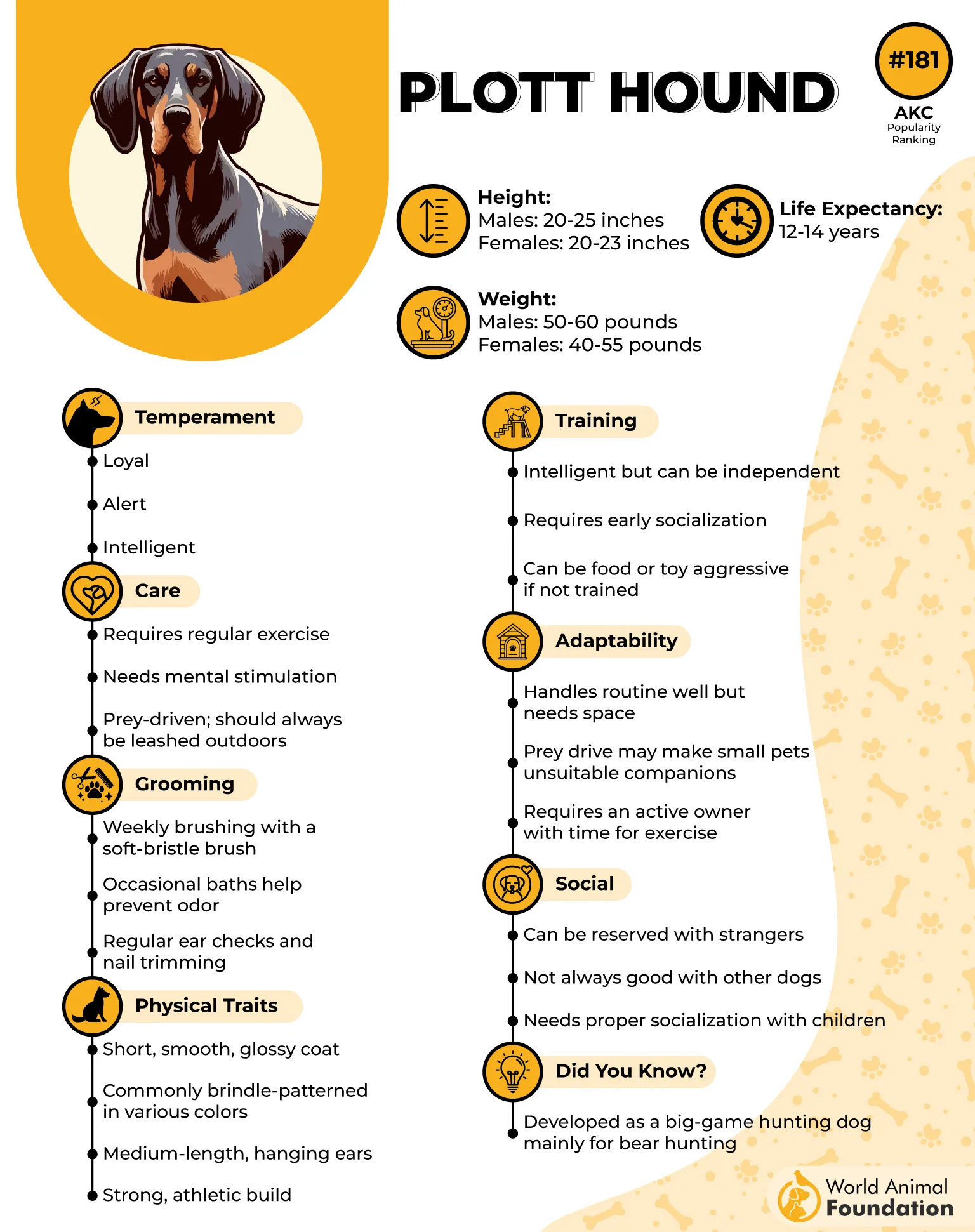
When a boar tries to break away, this breed tends to close the distance quickly and keep the animal moving rather than allowing it to disappear into heavy forest.
The coat is especially eye-catching, marked by bold brindle striping that can appear in deep black, reddish gold, or smoky brown tones, often forming a saddle-like pattern across the body.
Originating from the Appalachian region of North Carolina, it developed as a dedicated hunting hound and remains closely tied to boar work, where stamina, tracking accuracy, and relentless forward drive are essential for controlling strong game in rough terrain.
6. Dogo Argentino
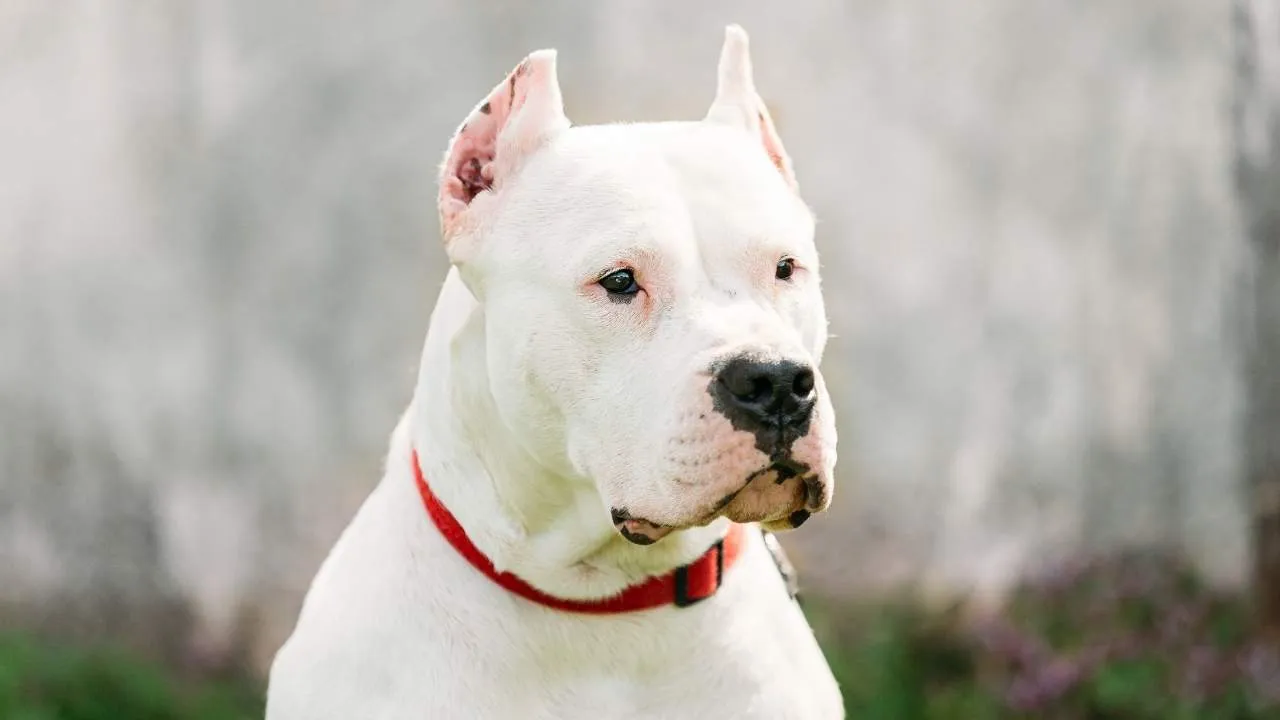
Dogo Argentino operates as a powerful close-range hog hunter, often used when wild hogs must be physically controlled after being tracked through open ground or broken forest.
Once the scent line is established, it follows with steady drive, but its real strength shows when the chase tightens, and the animal turns defensive.
In those moments, it moves in with controlled force, helping hold pressure on a boar that is trying to break through brush or charge back toward escape routes.
In field use, it is valued for staying calm under intensity, continuing its work even when the situation becomes loud, fast, and unpredictable.
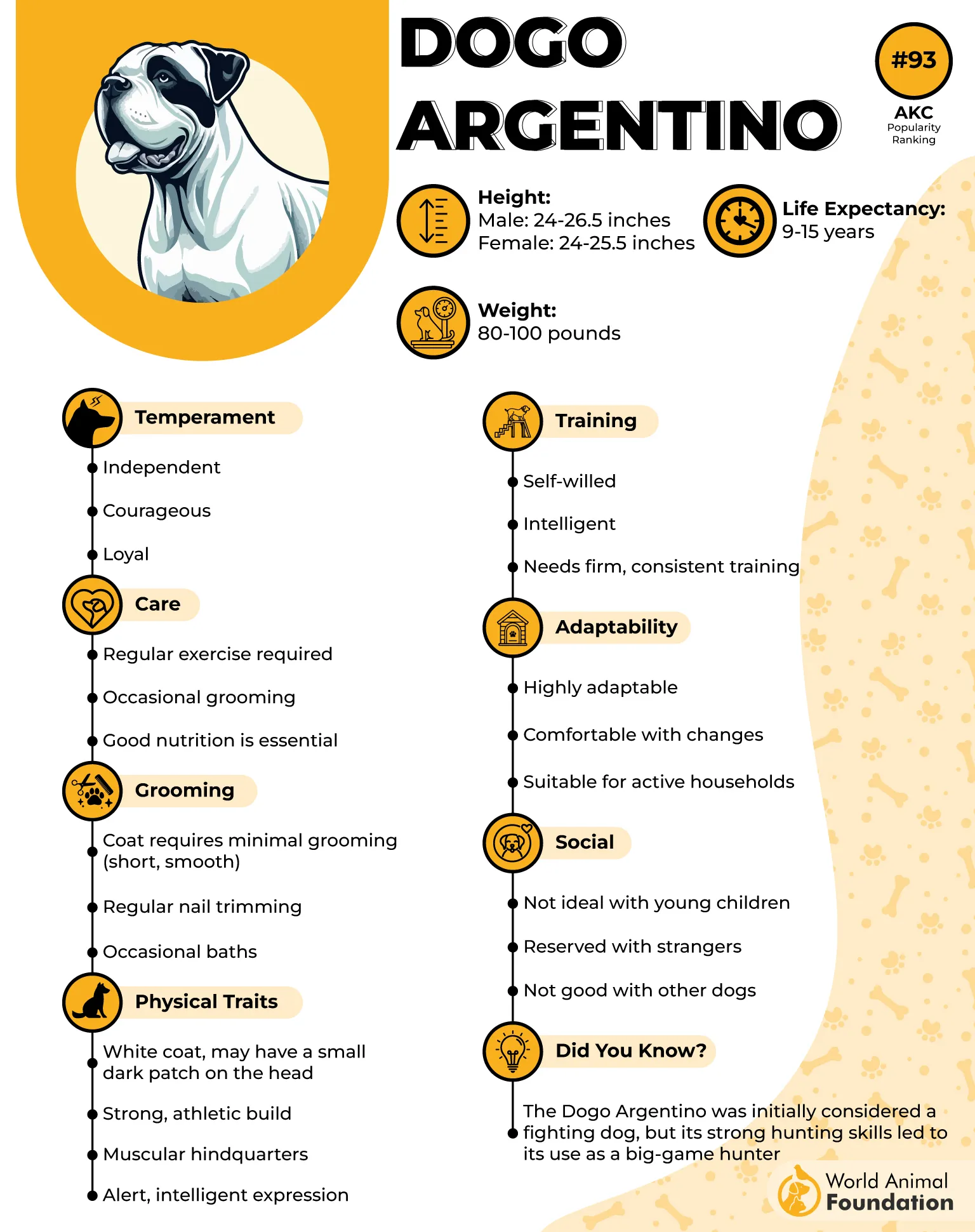
This steadiness allows handlers to rely on it during the final stages of a hunt where accuracy and courage matter more than speed alone.
The breed’s white coat is especially notable in low-light conditions, making it easier to track visually during night or early morning hunts across dense terrain.
Developed in Argentina for big game such as wild boar and mountain predators, it was shaped for strength, endurance, and controlled engagement.
Its working role today still reflects that origin, where tracking leads into confrontation and the dog’s responsibility shifts from following scent to holding ground against strong, fast-moving game.
7. Airedale Terrier
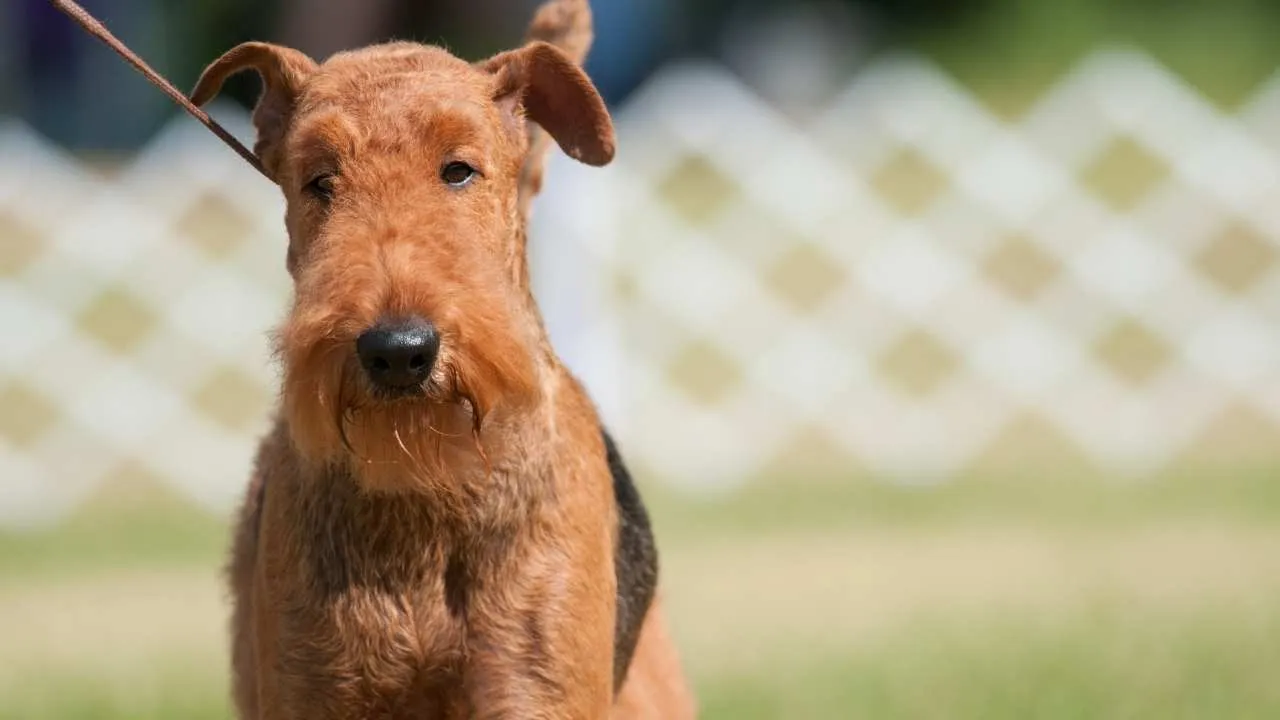
Airedale Terrier is often used in hunting feral hogs where versatility matters as much as courage, especially in mixed terrain that shifts from dry fields into wet brush and shallow water.
It works as a flexible hunter, able to track scent on land and still stay active when wild hogs move through rivers, marsh edges, or flooded ground to break pursuit.
In these conditions, its steady determination helps it keep up with fast, erratic movement rather than losing interest when the trail becomes difficult or fragmented.
During a chase, it tends to stay alert and responsive, adjusting quickly to sudden turns or changes in direction that boars use to confuse pressure.
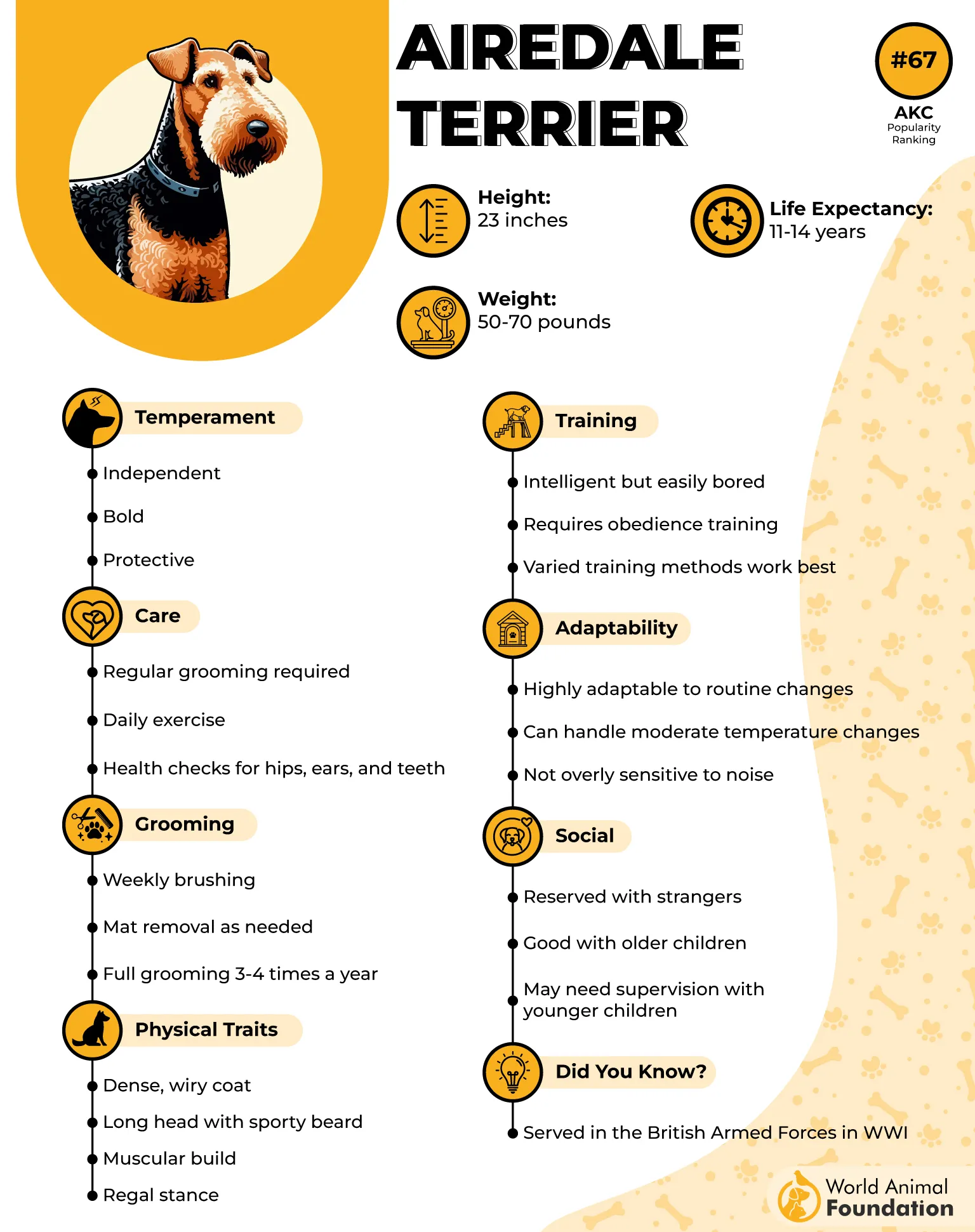
Its role is often to support the pursuit by maintaining contact and preventing the animal from fully escaping into thick cover.
The breed’s wiry, dense coat helps protect it when moving through rough vegetation, especially in wet or thorny areas where boar trails are most active.
Known historically as a multipurpose working terrier from northern England, it developed from hunting lines used around rivers and farmland.
That background still shows in its ability to shift between land and water work, making it well-suited for hunts where tracking, chasing, and persistence must all work together against strong, unpredictable game.
Conclusion
Boar hunting demands more than raw strength… it demands balance. The right mix of scent work, endurance, speed, and controlled pressure decides how a hunt unfolds in unpredictable terrain.
The best dog breeds for hunting wild boars include tracking hounds for finding and baying, and powerful breeds for catching and holding.
Thick forests, swamp edges, and broken ground test every instinct a dog has. Some focus on cold trails, others excel in fast pursuit, while a few are built for close confrontation when the animal turns defensive.
What connects them all is discipline under pressure and the ability to keep working when conditions shift. In the end, success comes from coordination, instinct, and relentless drive in the field.
