




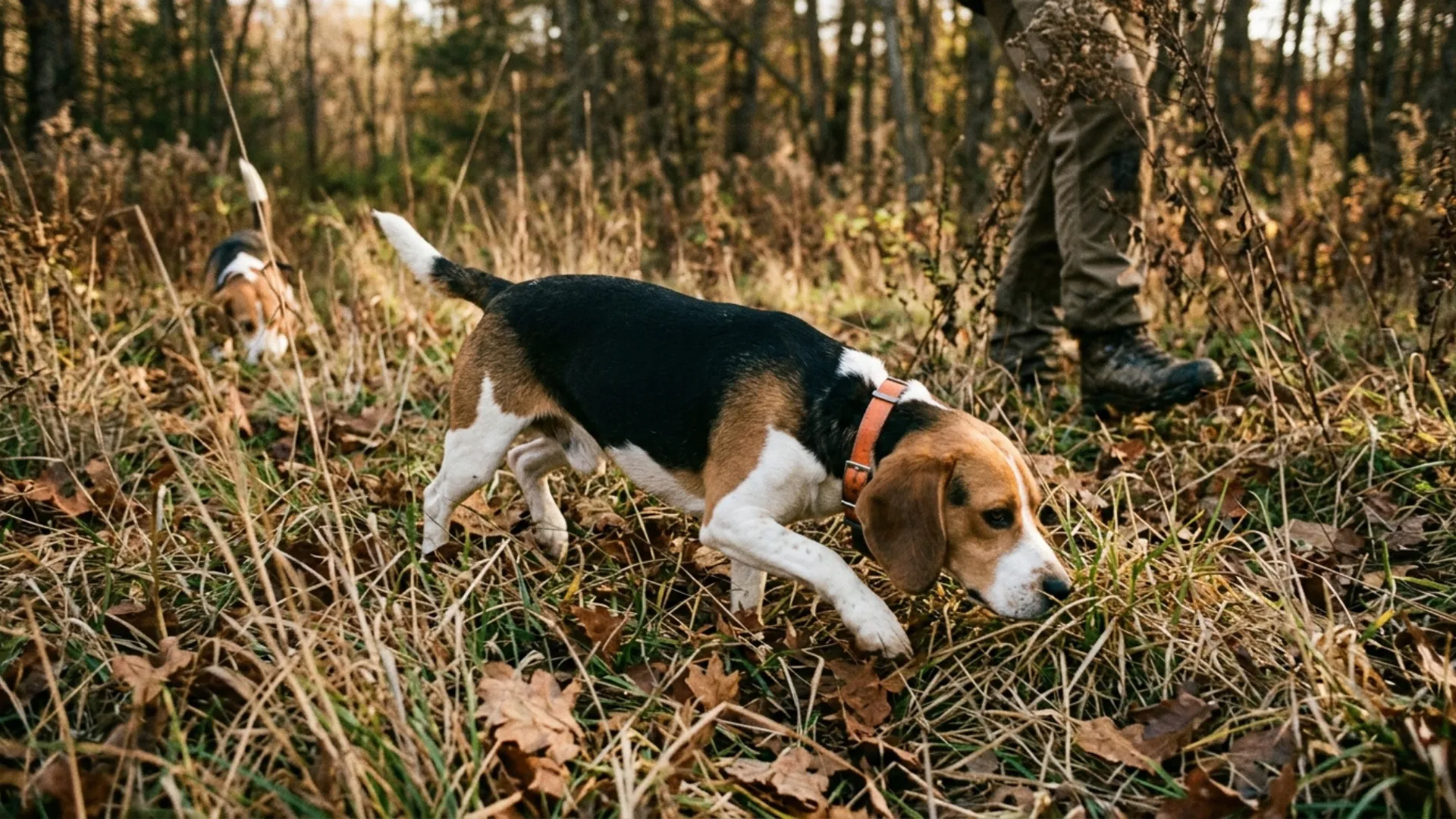
If you’ve ever watched a dog’s nose practically twitching on the ground as it follows a scent, you know there’s something truly remarkable about their tracking abilities.
Humans and dogs have been teaming up to hunt together for thousands of years—long before agriculture even existed—and some dogs are naturally built to excel at sniffing out prey. Their incredible sense of smell, sharp instincts, and boundless energy make them the ultimate partners in the field.
But tracking isn’t just about following a scent; it’s a mix of focus, patience, and instinct. Some dogs can pick up a trail that’s hours old, navigate tricky terrain, and even alert you to the exact location of their quarry—all while making it look effortless.
In this article, we’ll explore the top hunting breeds that are naturally gifted at tracking prey animals, how their instincts work, and why these incredible skills have made them indispensable companions for hunters—and adventurers alike.
Key Takeaways
These breeds have exceptional tracking instincts and strong prey drives.
Regular exercise and mental stimulation are essential for their well-being.
Early socialization and positive training improve obedience and focus.
They make loyal hunting partners and affectionate family companions.
Top Dog Breeds That Excel at Tracking Prey Animals
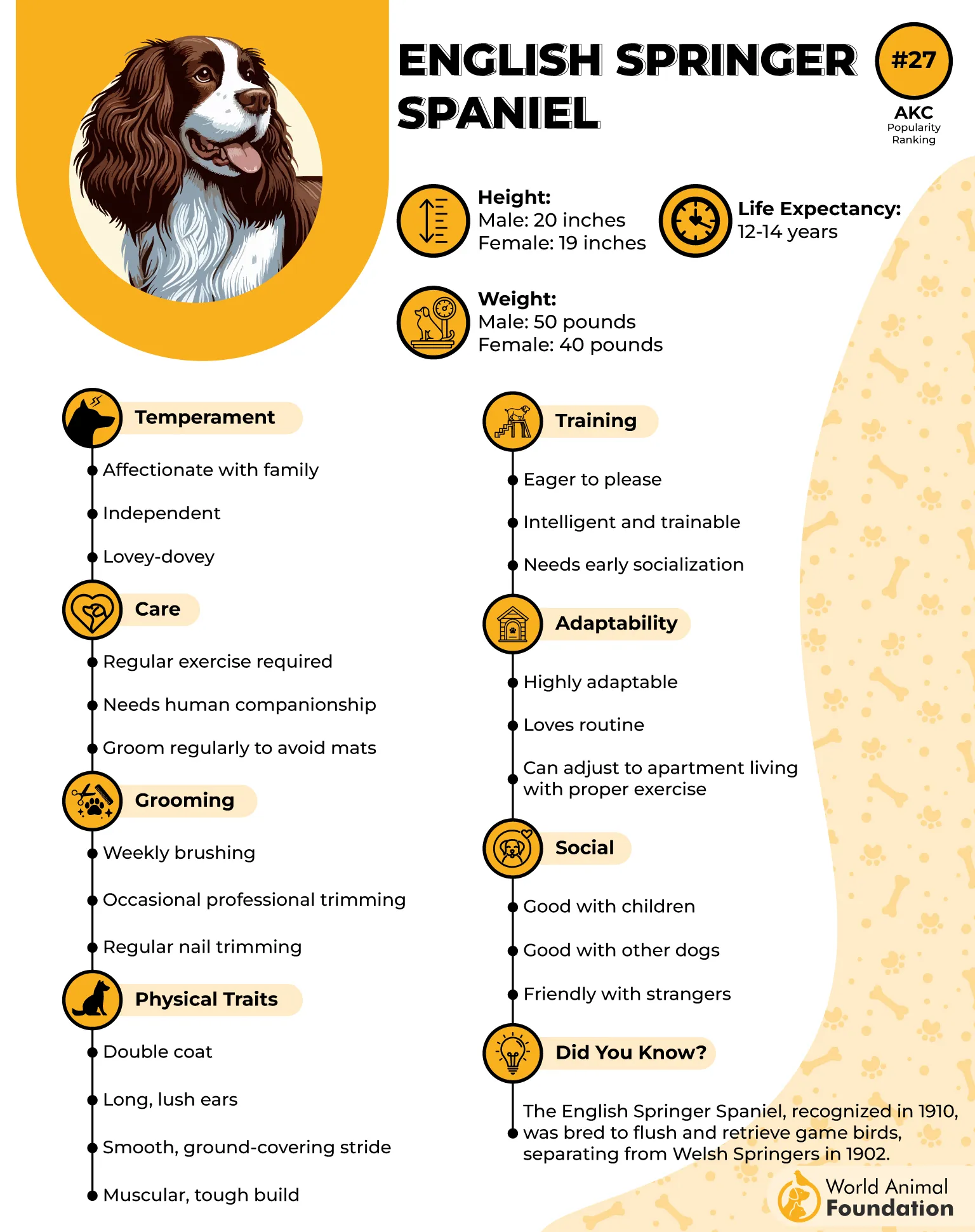
1. English Springer Spaniel
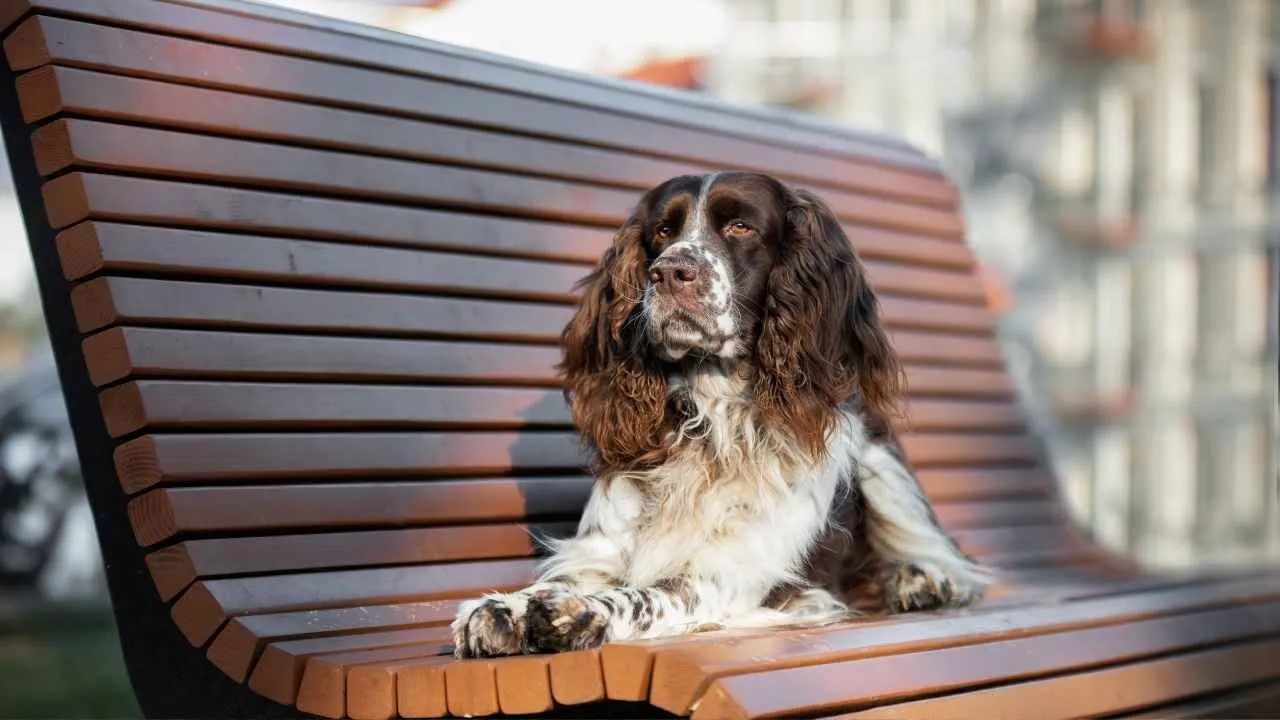
English Springer Spaniels are loyal, intelligent, and full of energy. Bred specifically as hunting companions, these dogs excel at tracking prey and retrieving birds. They are highly trainable and love working closely with humans.
Springers are equally happy as family pets, enjoying long walks, games of chase, and water activities. Their keen noses, athleticism, and instincts make them excellent hunters, while their friendly personalities make them wonderful companions.
Hunting Instincts and Prey Drive
Springers are built for scent work and tracking. They instinctively follow prey scents until the birds take flight and often retrieve what is caught. Research on their predatory behaviors shows strong interest in:
Hunt: Show great interest in locating prey
Chase: Love chasing moving targets
Orient, Grab-bite, Possess: Most exhibit strong hunting instincts
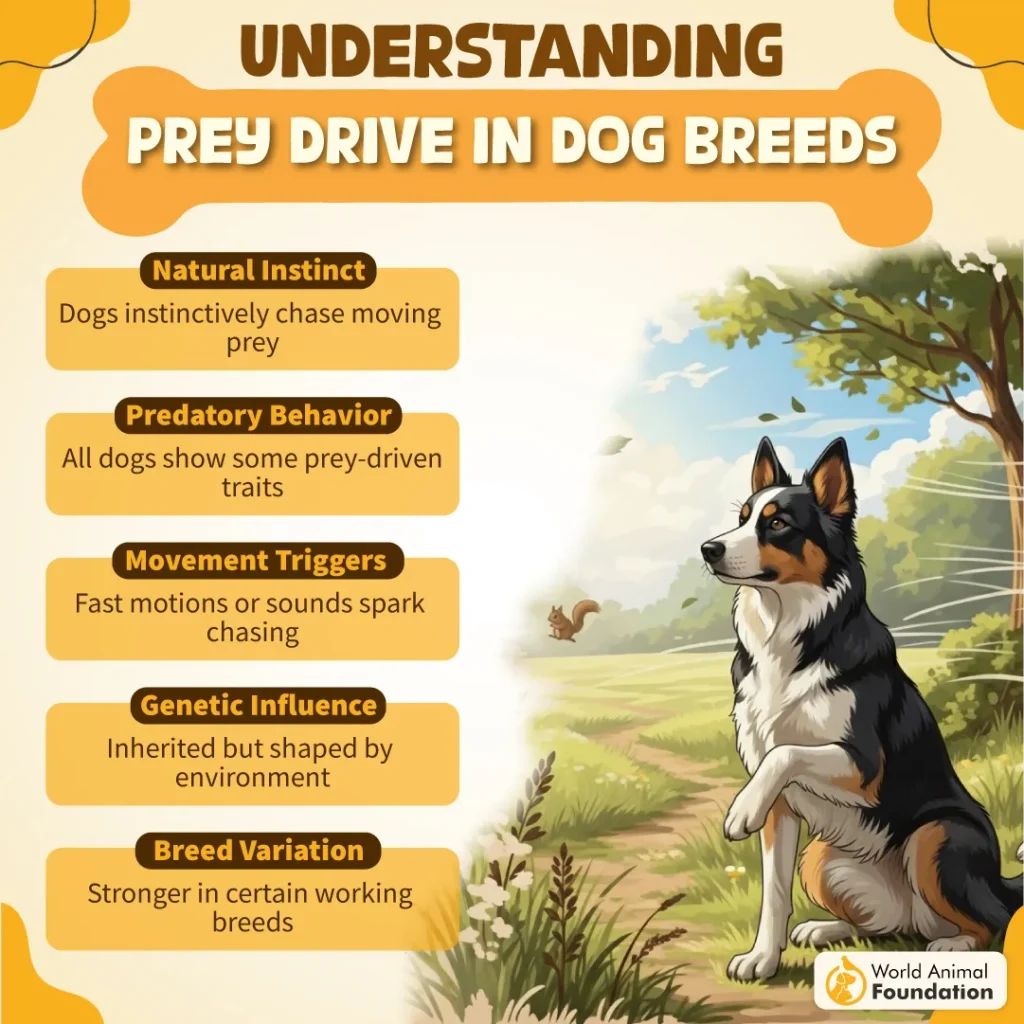
Even though some may show less interest in kill-bite or dissect behaviors, they are described as “living to hunt.” Each Springer is an individual, but most have a strong prey drive that shines in the field.
Care, Training, and Lifestyle
Springers thrive with early socialization, proper training, and plenty of activity. They enjoy indoor family life but need regular exercise like long walks, agility, or scent games to stay happy.
Grooming includes weekly brushing, trimming around ears and legs, and cleaning their ears to prevent issues. Polite and affectionate, they do well with children and make excellent family pets, as mentioned by PetPlan.
Their intelligence and eagerness to please make them responsive in hunting, obedience, and tracking activities, while their loyalty ensures they are both hardworking hunting partners and beloved family members.
2. Beagle
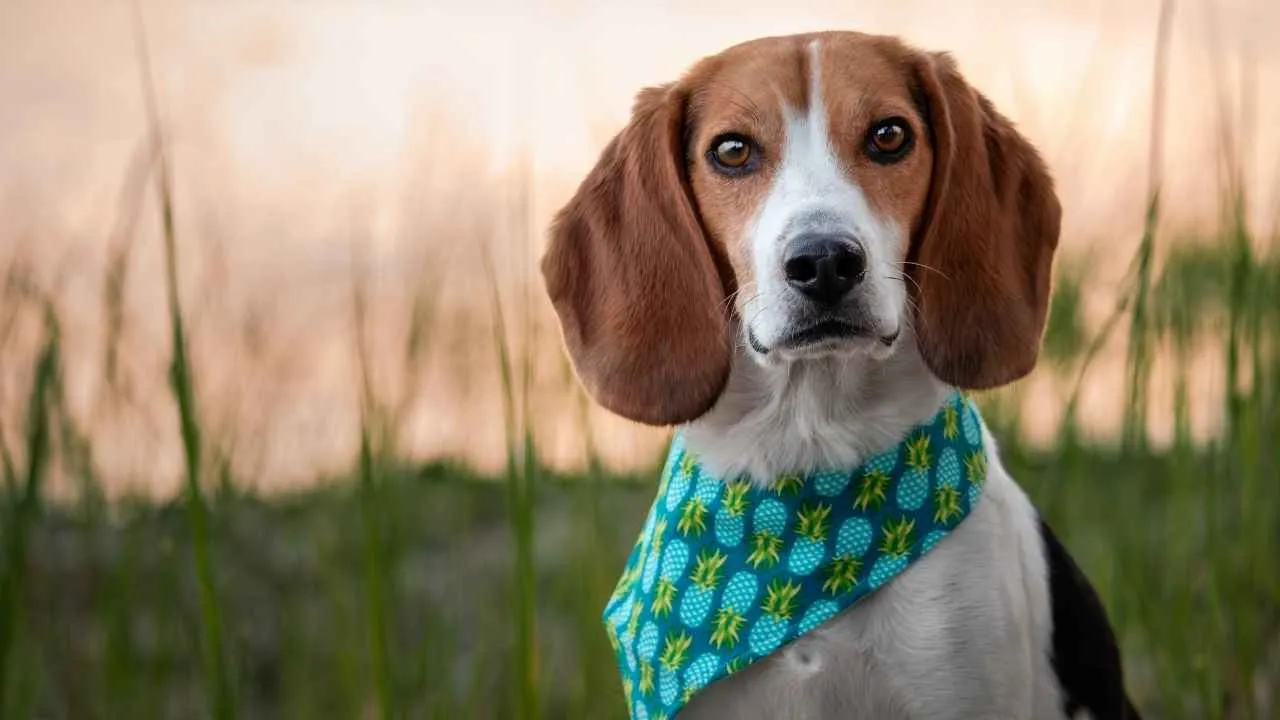
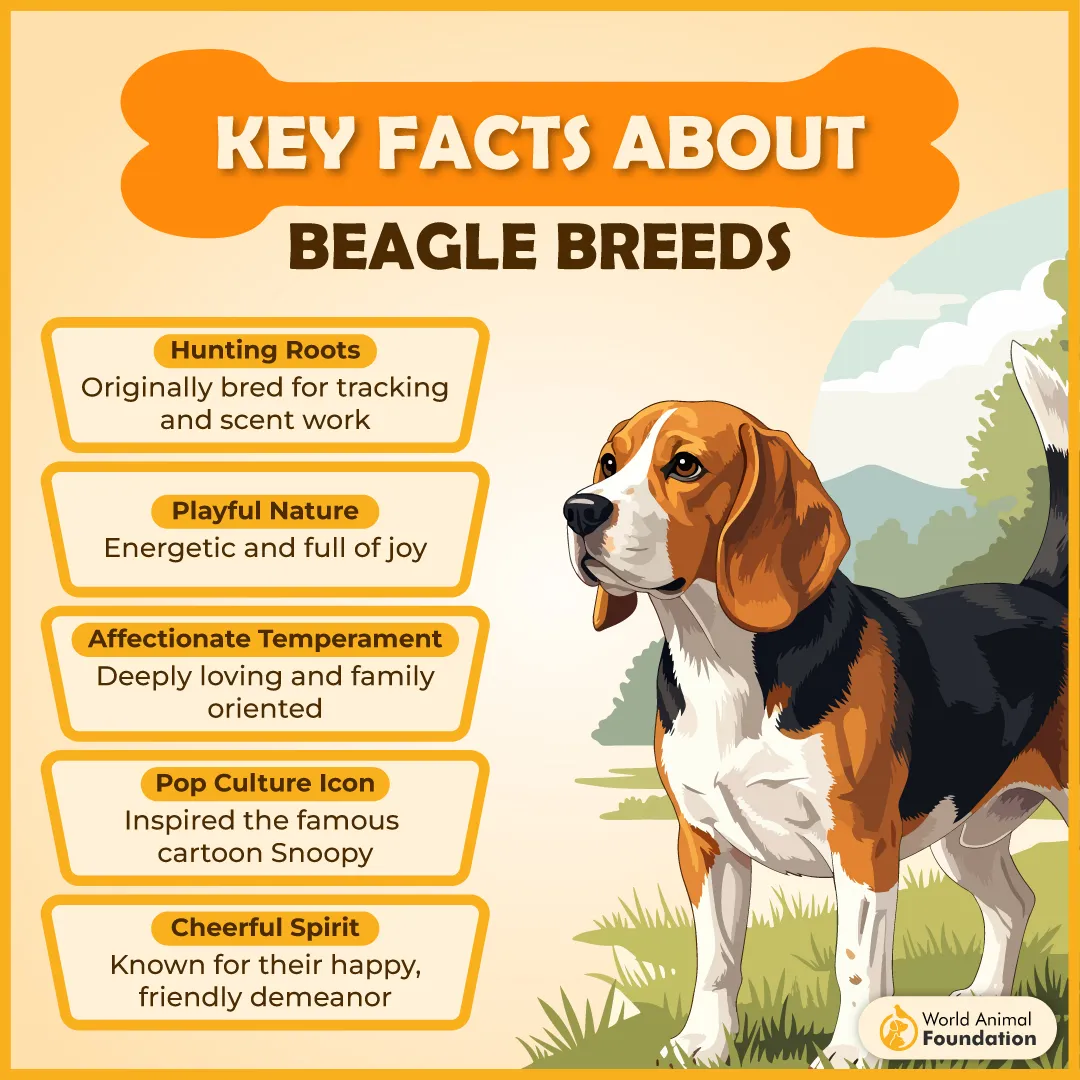
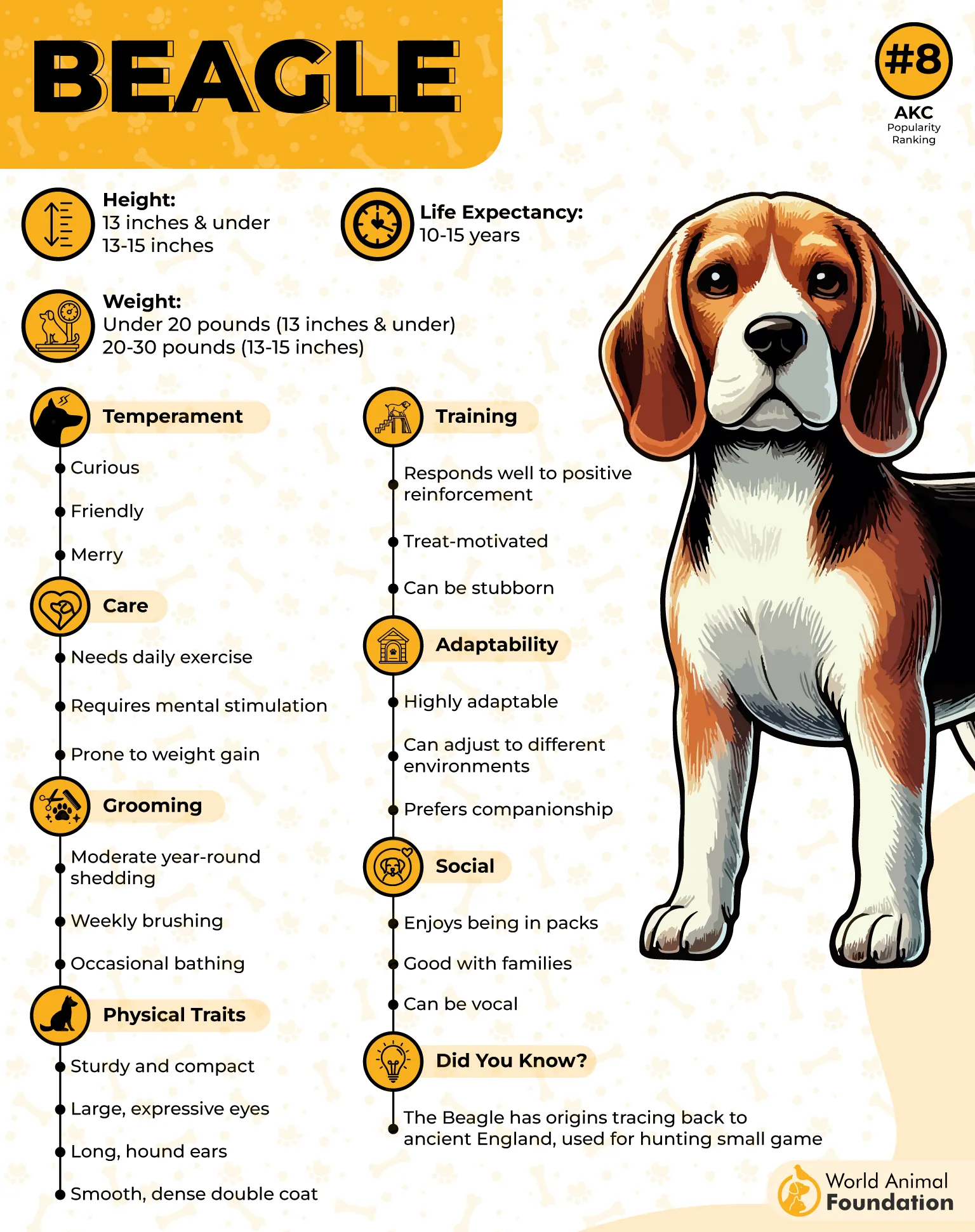
Beagles are curious, energetic dogs with a nose built for tracking. Originally bred in England to hunt rabbits and quail, they are natural scent hounds. Their keen sense of smell allows them to follow prey trails for long distances, making them excellent hunters.
Beagles are social and friendly, enjoying time with families, other dogs, and even cats if introduced carefully. Their playful, mischievous nature makes them both entertaining companions and skilled tracking dogs.
Hunting Instincts and Prey Drive
Beagles have a strong prey drive, a trait that fueled their hunting history. They love to follow scents, chase small animals, and explore every corner of their environment. Key traits include:
Tracking instinct: Highly skilled at following scent trails
Chase and focus: Quick to sprint after prey, with great stamina
Vocal alerting: Naturally vocal, a trait from hunting packs
Because of their history, Beagles can be independent and distracted. They need clear guidance, positive reinforcement, and mentally stimulating activities to channel their energy safely. Daily scent games or short tracking exercises help satisfy their instincts while strengthening the human-dog bond.
Care, Training, and Lifestyle
Beagles thrive on activity and companionship. They need at least two hours of exercise daily, plus mental stimulation through play or scent work. Grooming is simple—weekly brushing and ear checks help prevent issues.
Early training and socialization are key to managing their independent streak and vocal tendencies. With structure, Beagles respond well to commands and enjoy working closely with humans.
Their combination of intelligence, stamina, and natural tracking ability makes them both fun family pets and reliable hunting partners.
3. German Shorthaired Pointer
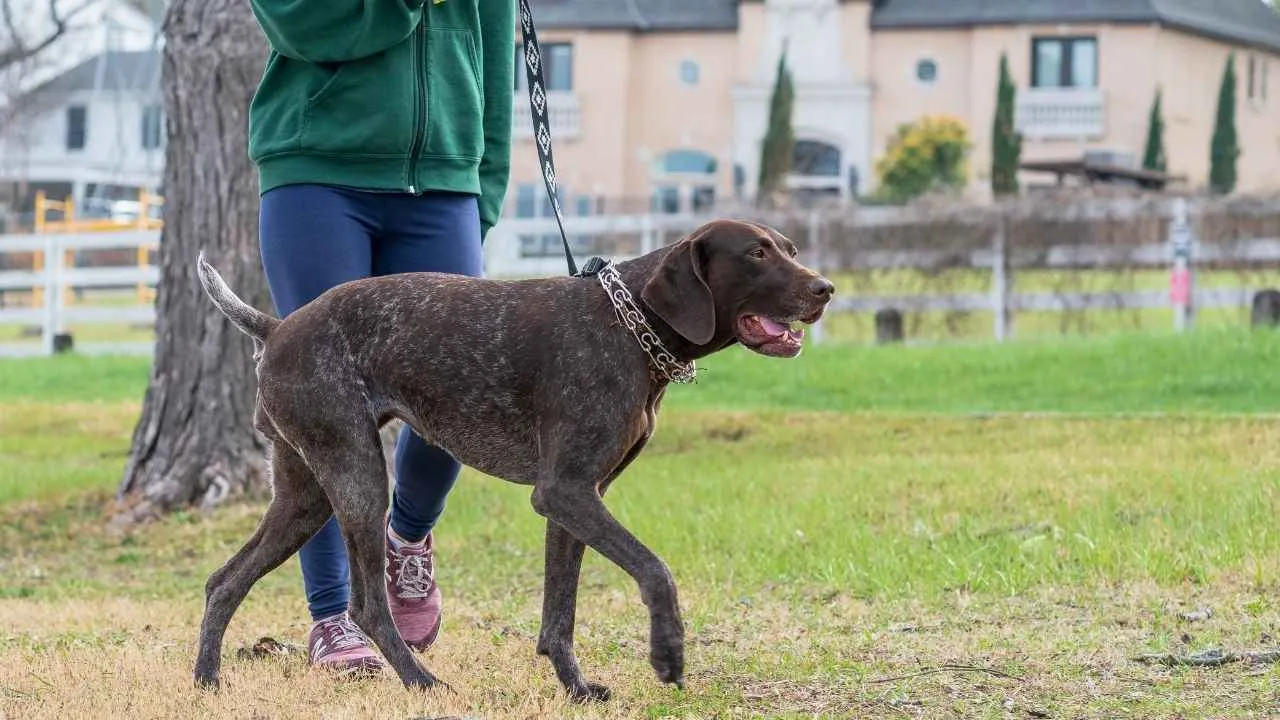
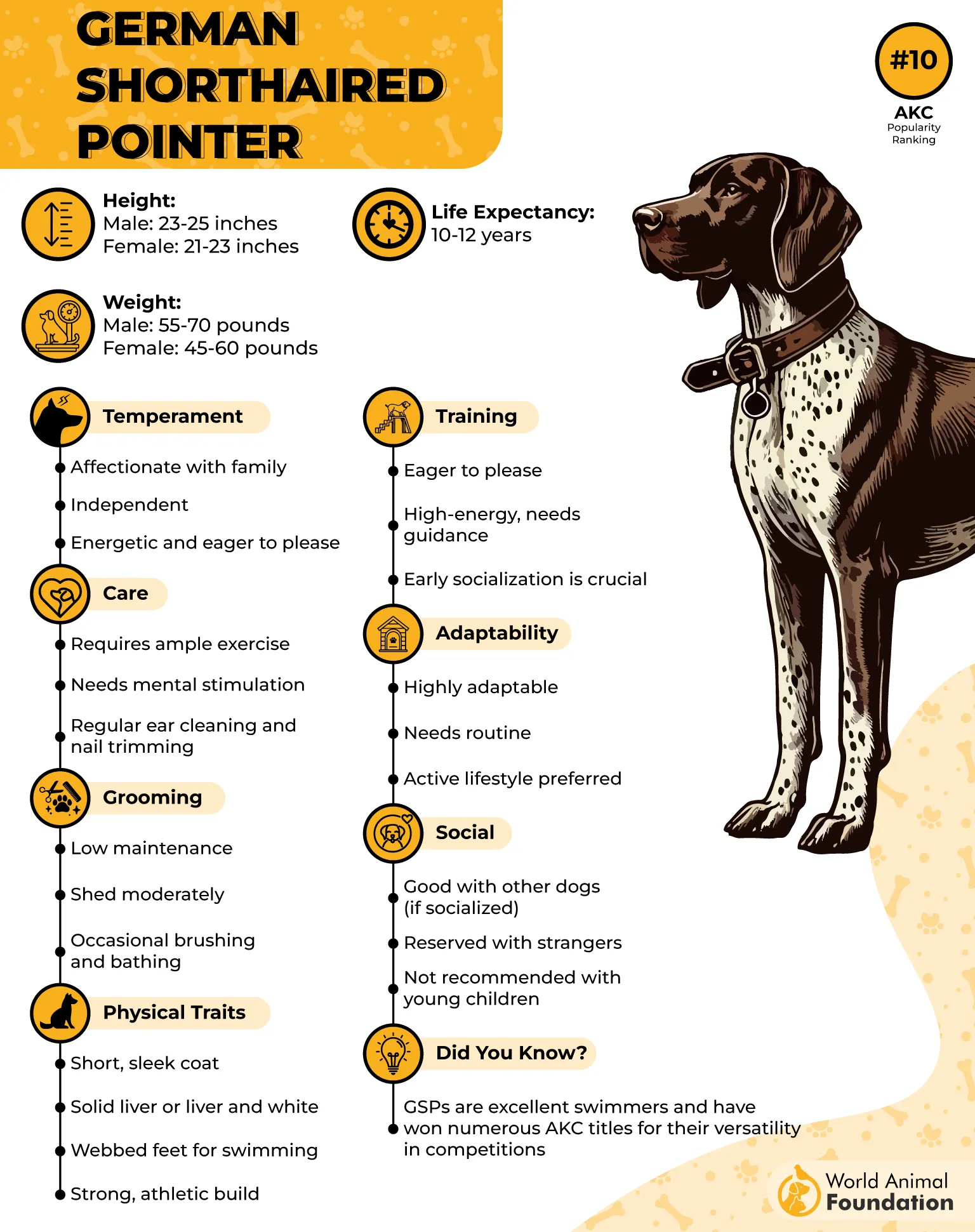
German Shorthaired Pointers (GSPs) are noble, energetic dogs built for tracking and hunting game. These dogs excel at pointing, standing still to signal the location of prey, and retrieving shot game. Some GSPs are even trained to face larger game, such as foxes or wild boar.
Their intelligence, endurance, and natural prey drive make them exceptional hunting partners, while their friendly and loyal nature allows them to thrive as active family companions.
Hunting Instincts and Prey Drive
GSPs are born to work closely with humans in the field. They love following scents and pointing out prey with precision. Key traits include:
Hunt and Orient: Strong interest in tracking and locating game
Chase and Grab-bite: Active and driven to pursue prey
Pointing: A stand-still behavior to alert hunters to prey
Because of their high prey drive, GSPs need secure areas or leashes to prevent wandering off. Mental and physical stimulation through games like scent tracking, tug, or hiding toys keeps them engaged and satisfied.
Care, Training, and Lifestyle
PDSA states that GSPs require more than 2 hours of high-intensity exercise daily. Running, agility, hiking, swimming, and fetch are ideal outlets for their energy. Their short, shiny coats require minimal grooming, but weekly brushing and routine skin checks are important.
Early structured training and consistent positive reinforcement help manage their independent streak. When properly exercised and stimulated, GSPs are affectionate, obedient, and loyal dogs who can thrive both as hunting partners and loving family members.
4. Bluetick Coonhound
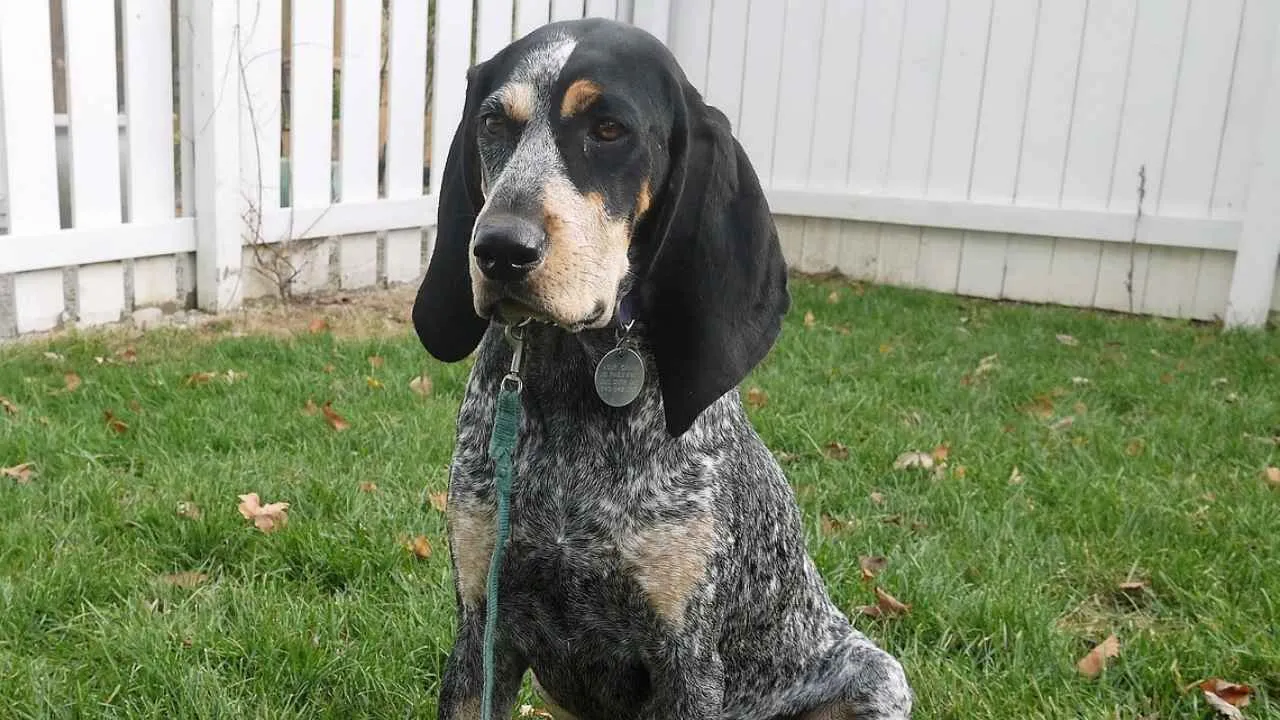
Bluetick Coonhounds are sleek, athletic dogs with a powerful nose and a love for the hunt. Named for their distinctive blue-ticked coat, these dogs are natural scent hounds with an impressive prey drive.
While they enjoy snoozing in the shade, once a scent catches their attention, they become single-minded and relentless. Blueticks are loyal and affectionate, and they thrive in active homes where their energy and intelligence are put to good use.
Hunting Instincts and Prey Drive
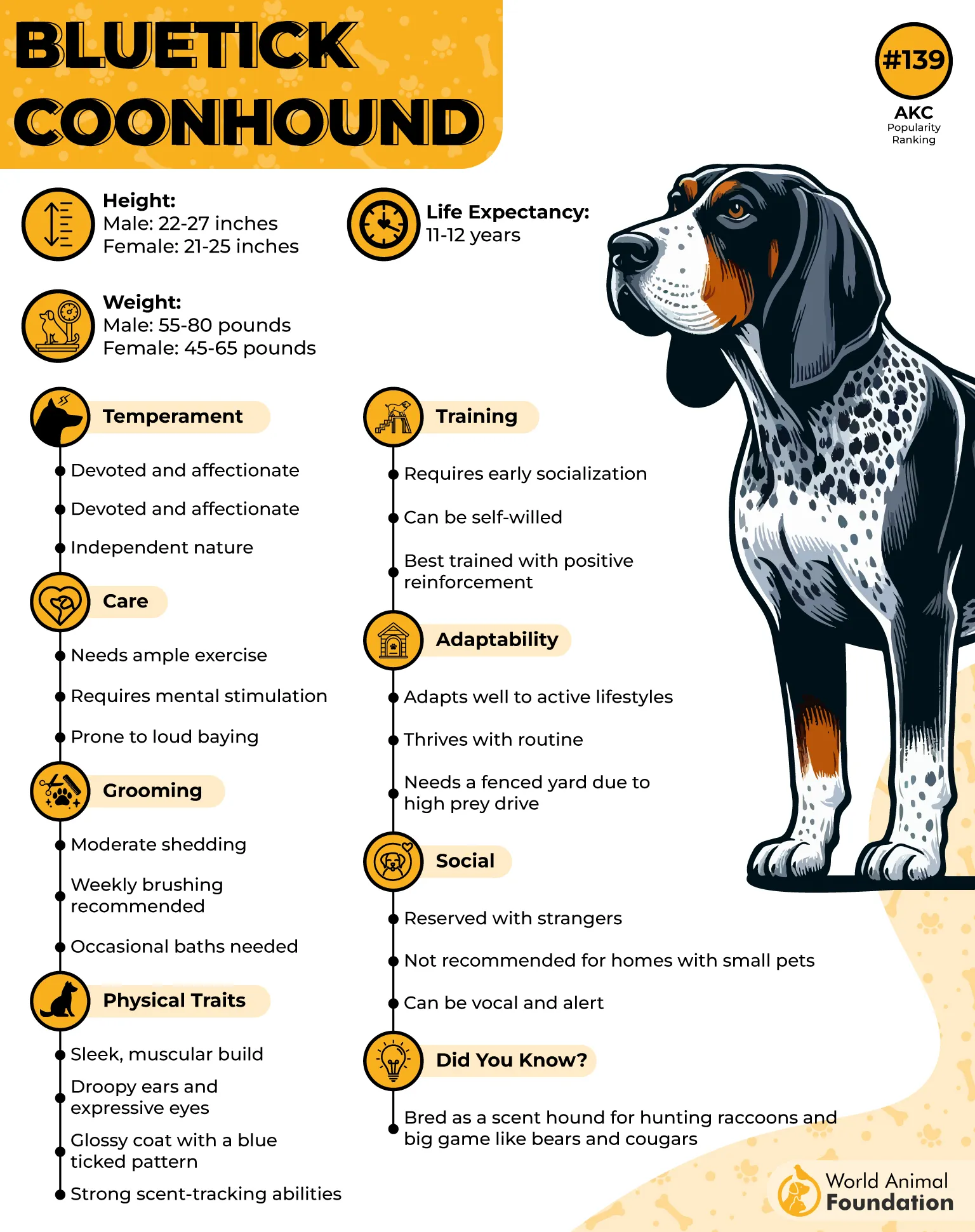
Bluetick Coonhounds are built to hunt by scent. They follow trails with intense focus and determination, often using baying or howling to communicate while tracking. Key traits include:
Cold noses: Can detect faint or days-old scents
Relentless tracking: Single-minded pursuit of prey
Vocal alerting: Loud baying to signal hunters
Their strong prey drive means mental and physical stimulation is essential. Scent games, agility, obedience, and tracking exercises help satisfy their instincts while preventing boredom or problem behaviors.
Care, Training, and Lifestyle
Blueticks need plenty of exercise, such as running, hiking, or fetch, combined with mental challenges. They are intelligent but independent, so early training with a confident, patient handler is vital. Their short, glossy coat is low-maintenance, requiring weekly brushing and occasional baths.
When properly exercised and mentally engaged, Blueticks are affectionate, devoted, and hardworking dogs who excel as hunting companions and energetic family pets.
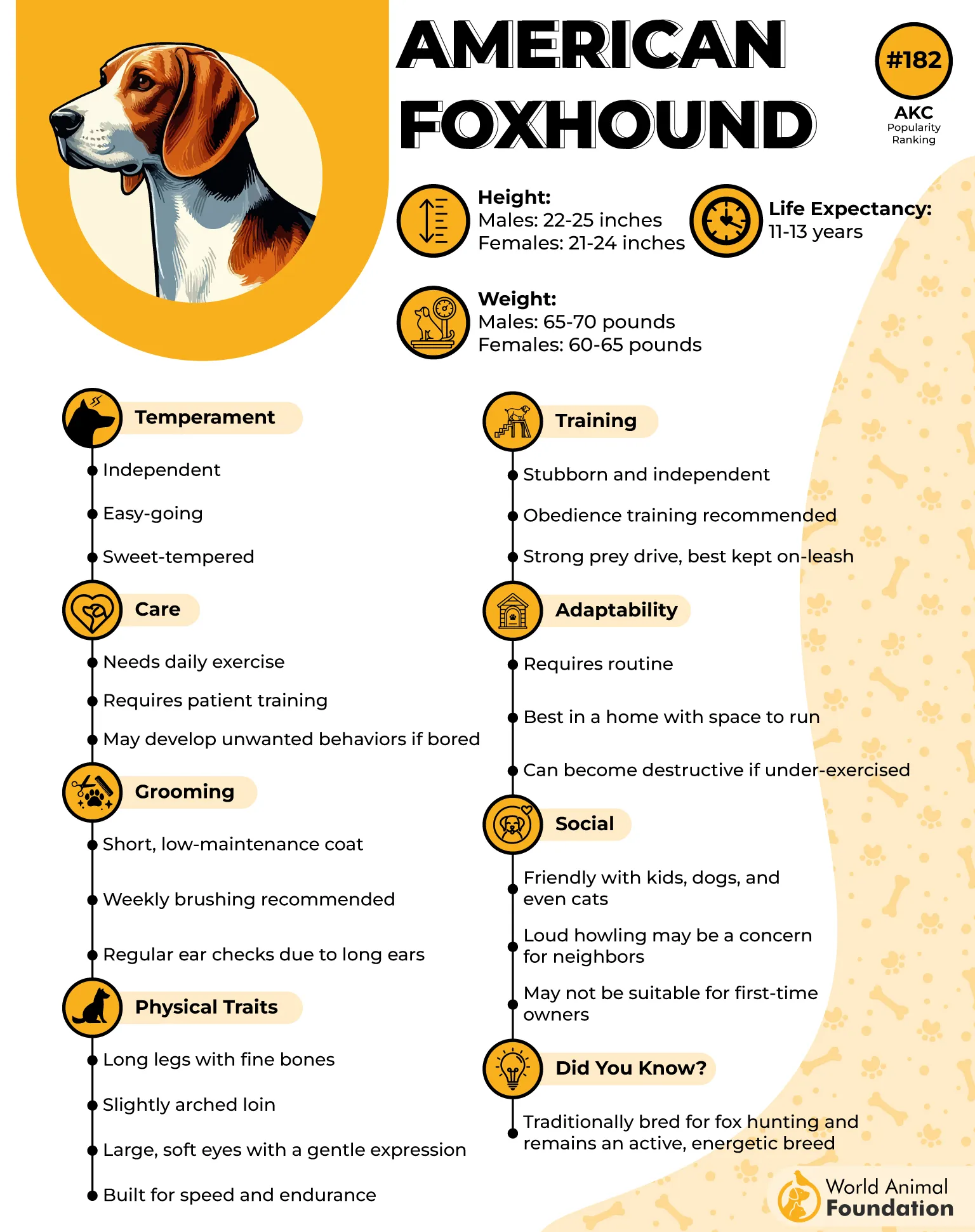
5. American Foxhound
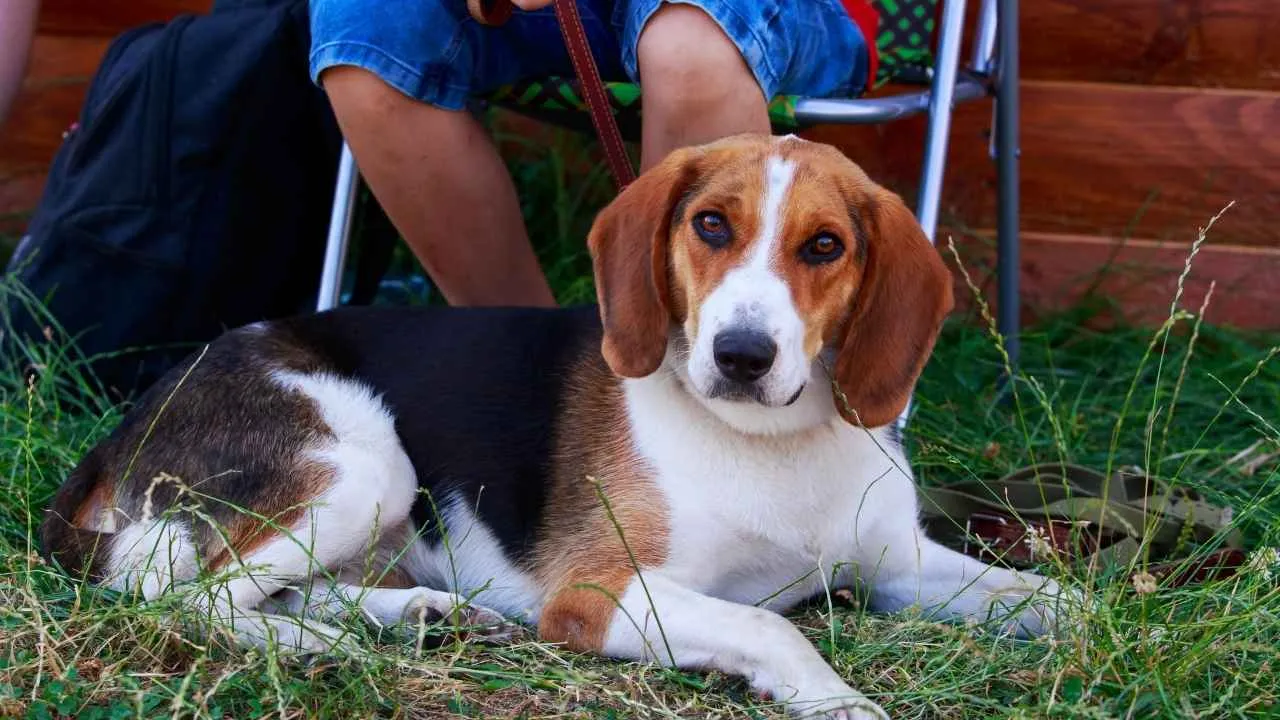
American Foxhounds are elegant, athletic dogs built for speed, stamina, and tracking. Bred in the United States from English and French hounds, they were developed for fox hunting across rough terrain.
These hounds are friendly, gentle, and sociable, making them good companions for families, dogs, and even cats. But their high prey drive and independent nature mean they need an active lifestyle and patient, experienced owners.
Hunting Instincts and Prey Drive
American Foxhounds are natural scent hounds with a single-minded drive to track and chase prey. They can follow a trail for miles and signal their findings with loud baying. Key traits include:
Hunt and Chase: Strong interest in following scents over long distances
Independent Tracking: Can work alone and remain focused on prey
Vocal Alerting: Loud, distinctive baying for communication
Because of these instincts, Foxhounds should only be off-leash in secure areas. Mental and physical stimulation through scent games, tracking sports, or long hikes is essential to prevent boredom or destructive behaviors.
Care, Training, and Lifestyle
According to WebMD, Foxhounds need at least one to two hours of vigorous daily exercise, including running, hiking, or scent work. Their short, dense coats are low-maintenance, requiring weekly brushing and regular ear and nail care.
Early training, socialization, and consistent positive reinforcement are critical to manage their stubborn streaks and independent hunting instincts.
When their energy is well-directed, American Foxhounds are affectionate, loyal, and hardworking dogs who thrive as both hunting partners and active family companions.
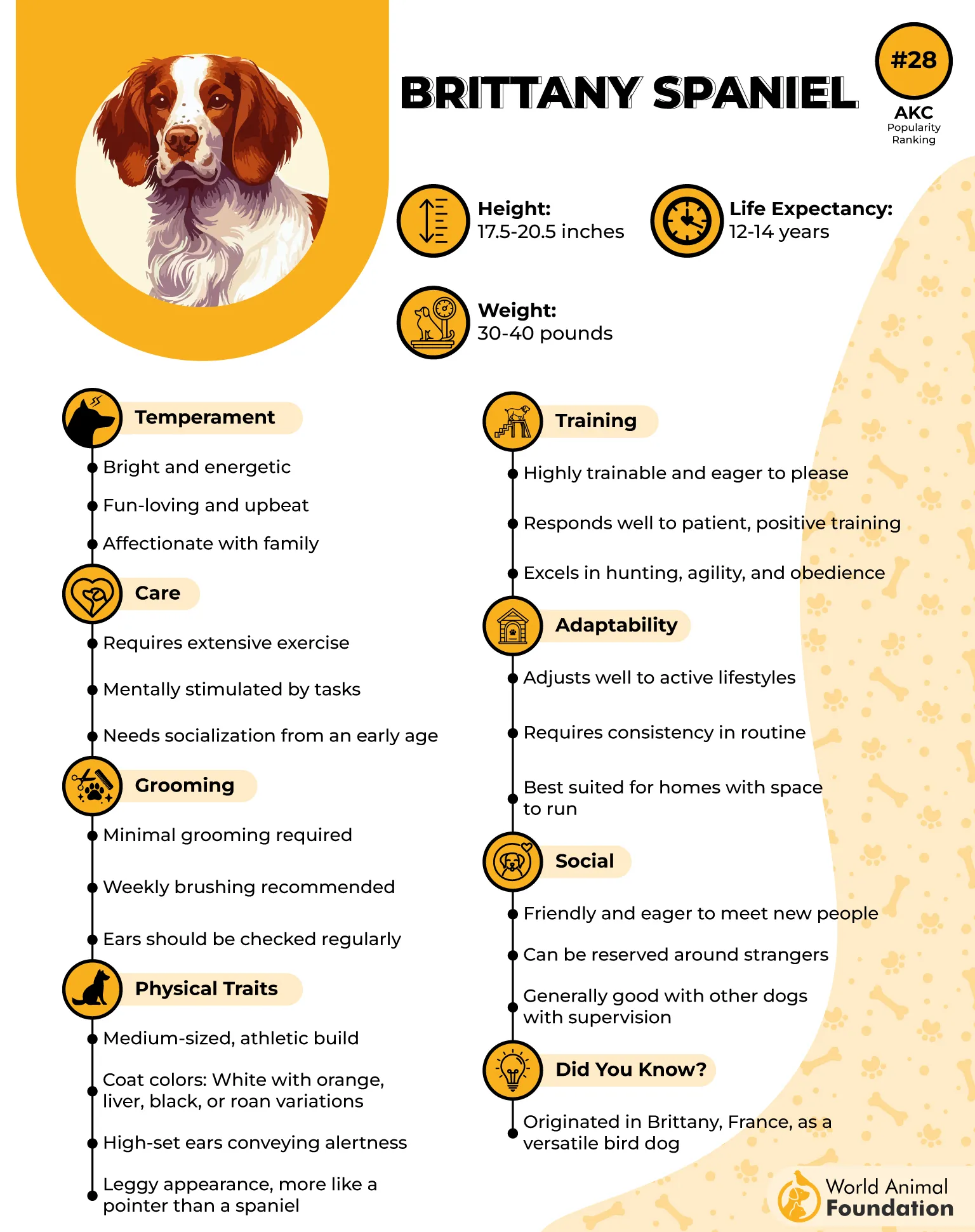
6. Brittany
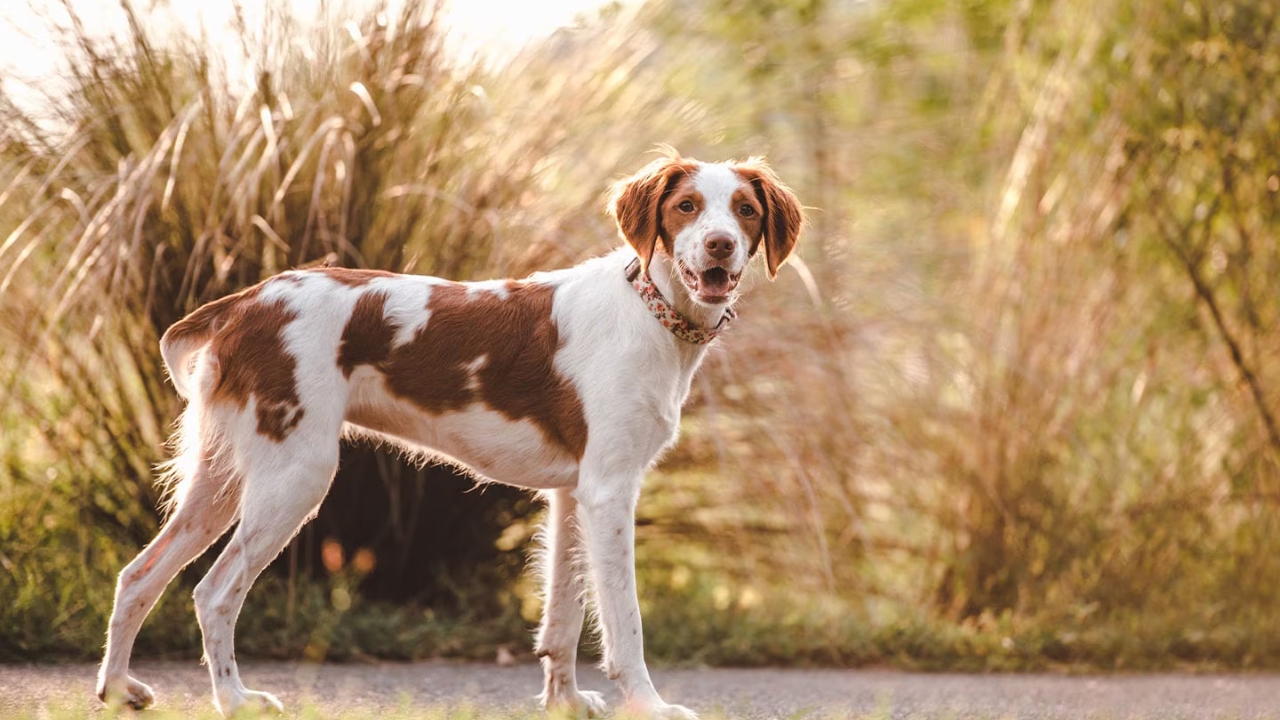
Brittanys are compact, athletic dogs with endless energy and a strong nose for tracking scents. Originally bred in France for hunting birds, they excel at pointing and retrieving game. Despite their smaller size, Brittanys are highly intelligent, athletic, and affectionate.
They thrive in active households where they get both mental stimulation and physical exercise, making them excellent companions for families, runners, or hunters.
Hunting Instincts and Prey Drive
Brittanys have a high prey drive, which fuels their love for chasing birds and small animals. They are persistent trackers and enjoy tasks that challenge their nose and brain. Key traits include:
Hunt and Point: Alert and precise when locating game
Chase and Retrieve: Energetic pursuit of prey
Mental Stimulation: Enjoy games, scent work, and agility
Because of their hunting instincts, Brittanys should be kept in secure areas or on a leash outdoors. Regular play, tracking exercises, or interactive training channels their energy safely and productively.
Care, Training, and Lifestyle
Brittanys need daily exercise, including walks, runs, hiking, or fetch, combined with mental challenges like agility or scent games. Their soft, wavy coat is low-maintenance and requires weekly brushing. Early socialization and positive, reward-based training are important to manage their independent streaks.
When properly exercised and mentally engaged, Brittanys are affectionate, eager-to-please dogs who excel as both hunting partners and loyal family companions.
7. Weimaraner
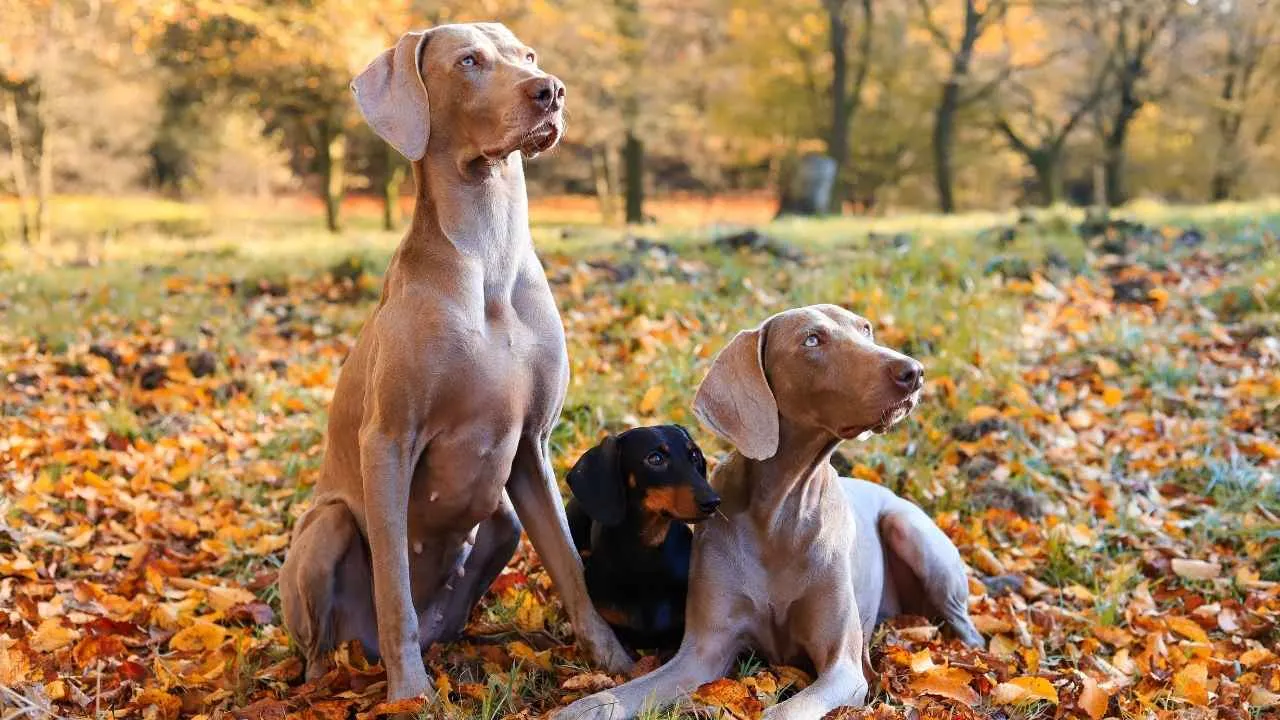
Weimaraners are athletic, intelligent, and fearless dogs bred for tracking and hunting in Germany. With sleek, silver-gray coats and velvety ears, these dogs are striking both in appearance and ability. They thrive in active households where they receive plenty of exercise and attention.
They are friendly and affectionate dogs. Weimaraners form strong bonds with their families but are not suited to being left alone for long periods due to their high energy and need for interaction.
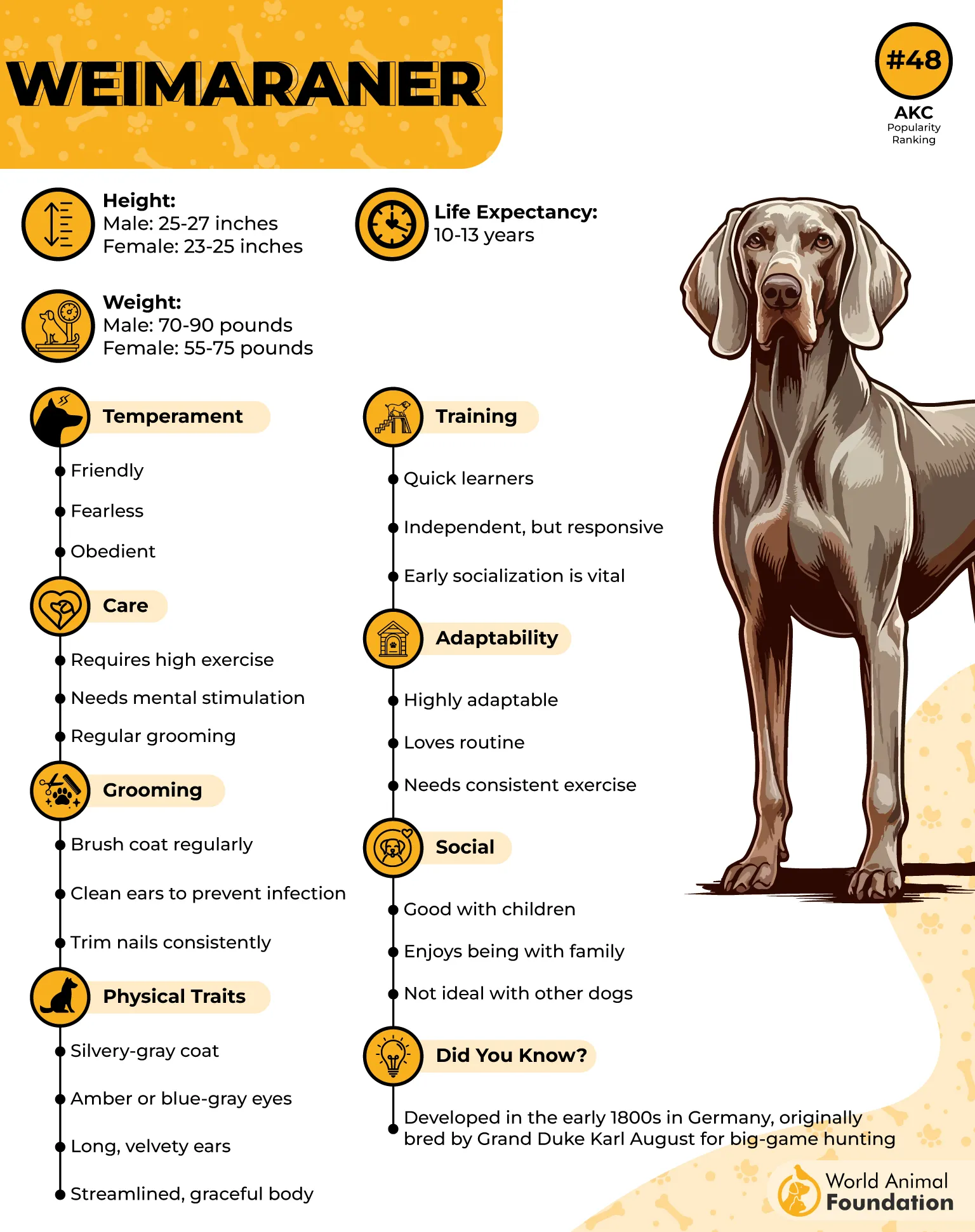
Hunting Instincts and Prey Drive
Weimaraners have a strong prey drive, a trait honed over centuries as all-around hunting dogs. They excel at chasing, retrieving, and tracking moving targets, and their sharp noses make them excellent at following scents. Key traits include:
Hunt and Chase: Relentless pursuit of prey and moving targets
Intelligence and Problem-Solving: Quickly learn commands, but may use smarts for mischief
High Prey Drive: Everything that moves can trigger their instinct, from birds to bikes
Because of this drive, they should not be left unsupervised with smaller pets, and secure fencing or leashes are essential for safety. Mental stimulation through scent games, agility, or interactive play helps channel their energy productively.
Care, Training, and Lifestyle
Weimaraners require at least two hours of daily exercise, including running, hiking, fetch, or swimming. Their short coats are low-maintenance, requiring weekly brushing and occasional ear and dental care.
Early socialization and positive, consistent training are critical to manage their independent streaks and high energy. When properly trained and mentally stimulated, Weimaraners are loyal, affectionate, and obedient, making them exceptional hunting companions and great family dogs.
Conclusion
Tracking prey is in a dog’s DNA, and the breeds we’ve explored show just how extraordinary these instincts can be. From the sharp-nosed Beagle to the tireless Weimaraner, each dog brings a unique blend of intelligence, energy, and devotion to hunting and scent work.
They aren’t just skilled hunters—they’re loyal, affectionate companions that thrive when given the right mix of exercise, mental stimulation, and human attention.
If you’re thinking about adding one of these remarkable dogs to your life, remember that their drive and energy need an outlet. Choosing a breed that fits your lifestyle can lead to a bond unlike any other—one built on respect, teamwork, and the simple joy of exploring the world together.
Looking for more options? You can also check out the Labrador Retriever, German Wirehaired Pointer, Treeing Walker Coonhound, Mountain Cur, and English Setter.
