




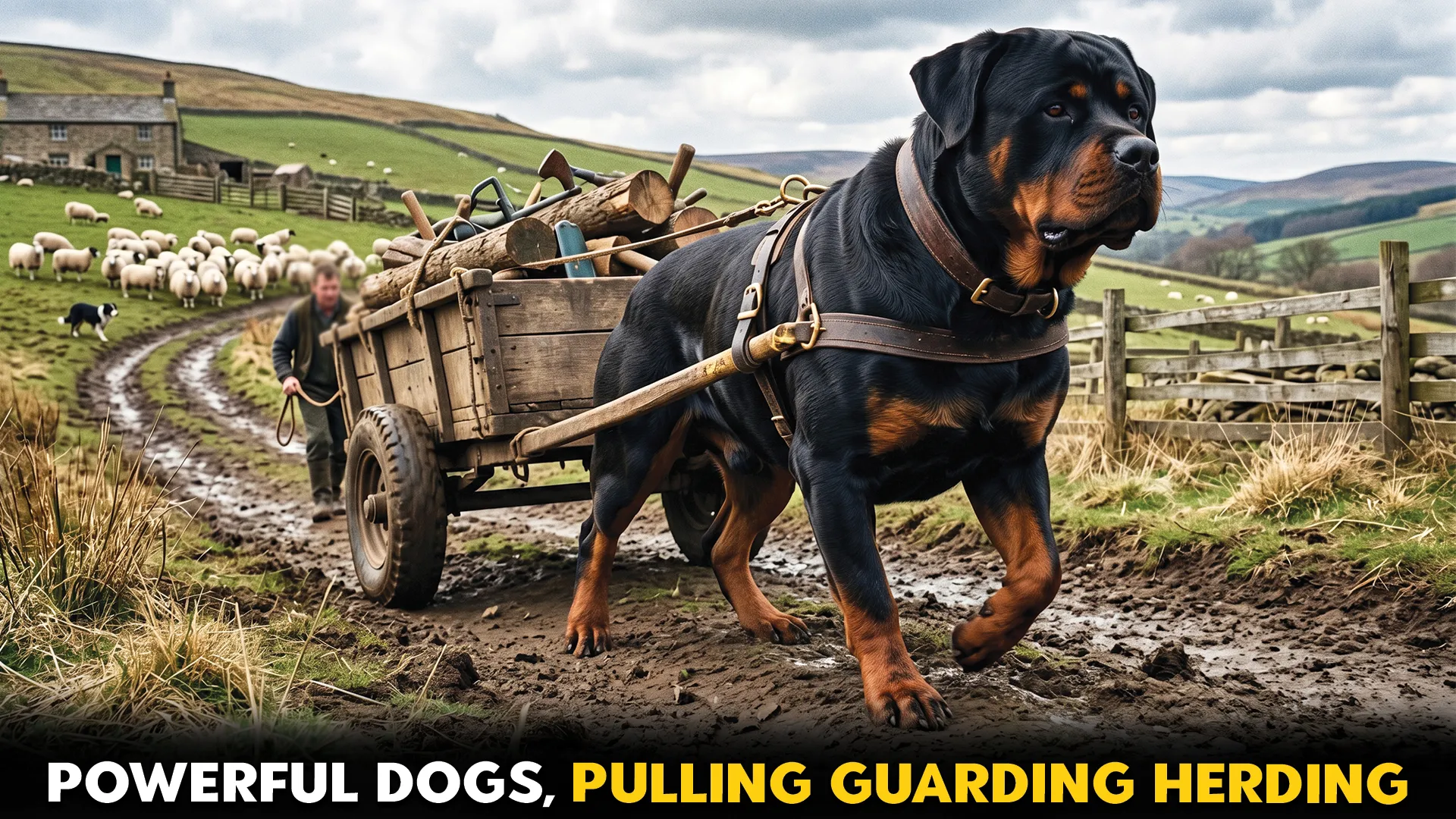
Some dogs were built for more than couch naps and backyard zoomies. Robust working breeds have helped people pull supplies, guard livestock, move cattle, and manage herds in tough conditions across the world.
These dogs often bring a powerful mix of strength, loyalty, stamina, intelligence, and confidence, making them valuable partners on farms, ranches, cold-weather routes, and busy homesteads. Many still carry those hardworking instincts today, even when they live as family companions instead of full-time workers.
For active owners, the right breed can be both a capable helper and a devoted friend. Here are ten strong dog breeds known for pulling, guarding, herding, and doing the kind of work that proves paws can be seriously powerful.
Robust Dog Breeds Perfect for Pulling, Guarding, and Herding
1. Entlebucher Mountain Dog
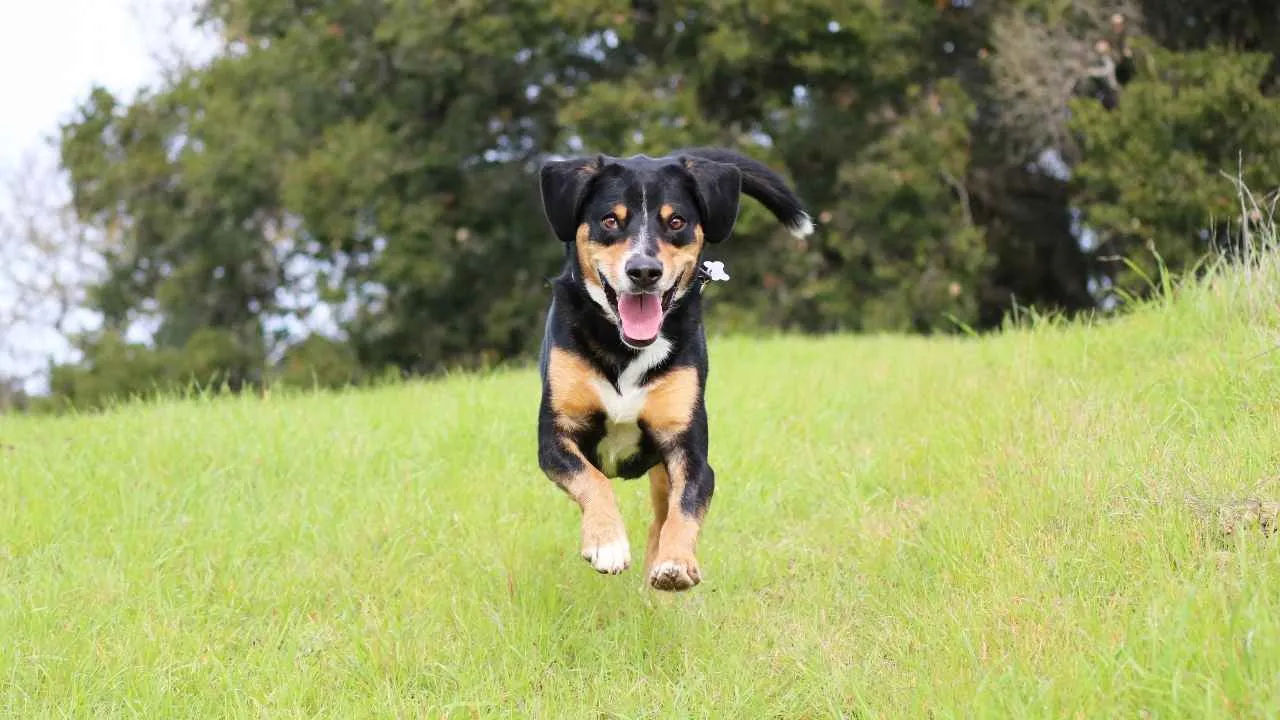
The Entlebucher Mountain Dog may be the smallest Swiss mountain dog, but nobody told this bold worker to act small. Bred in Switzerland to herd cattle in the Alps, this lively breed is known for its tri-colored coat and big, cheerful personality.
According to PetMD, this dog is smart, loyal, and happiest when included in family life. It tends to be deeply devoted to its people, though strangers may get the “please wait while I inspect you” treatment at first.
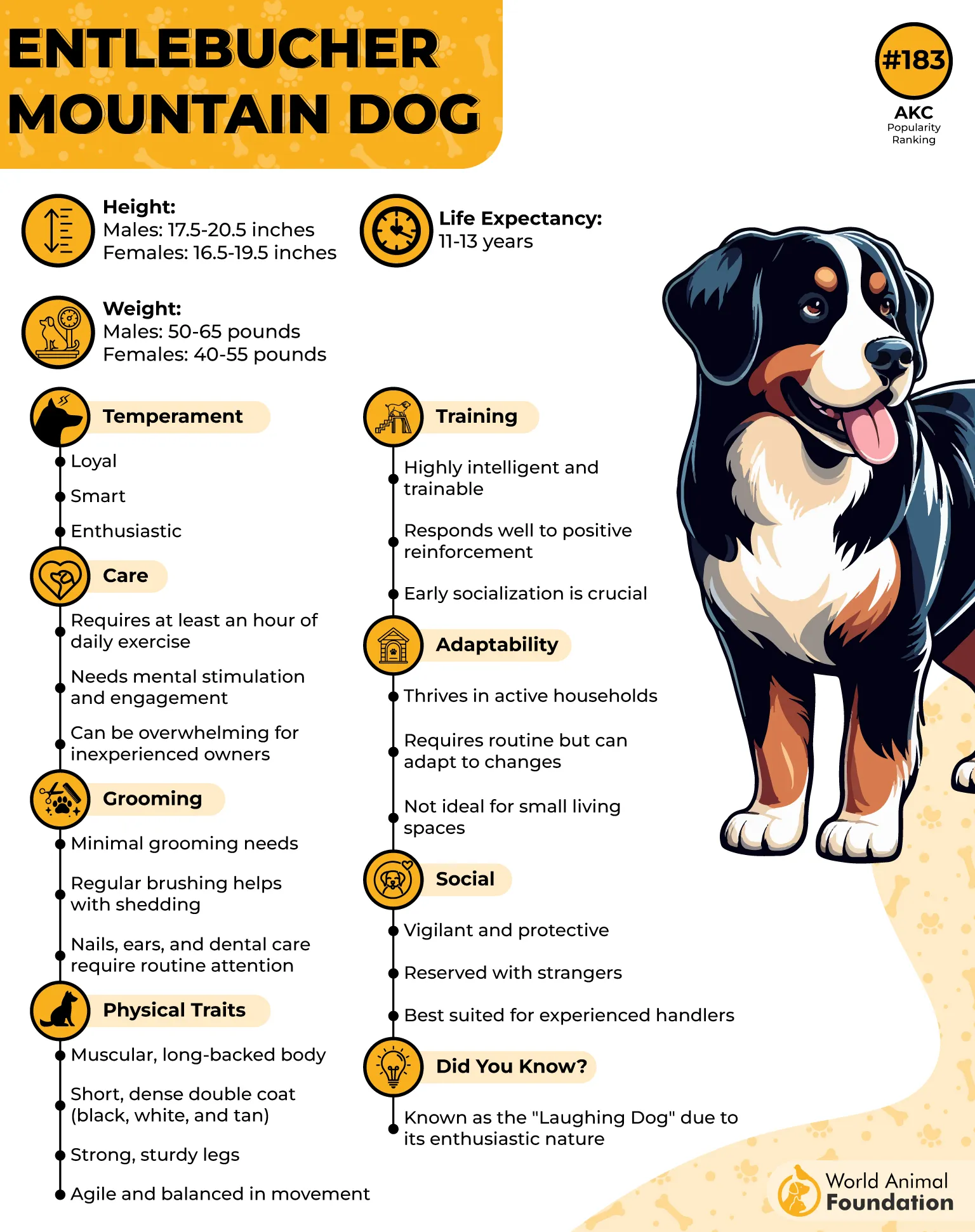
Energy is part of the package, and boredom is not its friend. Entlebuchers need physical exercise and mental challenges, from hiking and fetch to agility, puzzle toys, tracking games, and herding trials.
Why This Breed Is a Good Fit
Its cattle-herding background gives it a natural place in a list about hardworking farm dogs.
The breed’s devotion and alert nature make it useful for active homes that want a watchful companion.
Its love of puzzles and movement fits owners who prefer a dog with more “let’s do something” than “five more minutes.”
2. Anatolian Shepherd Dog
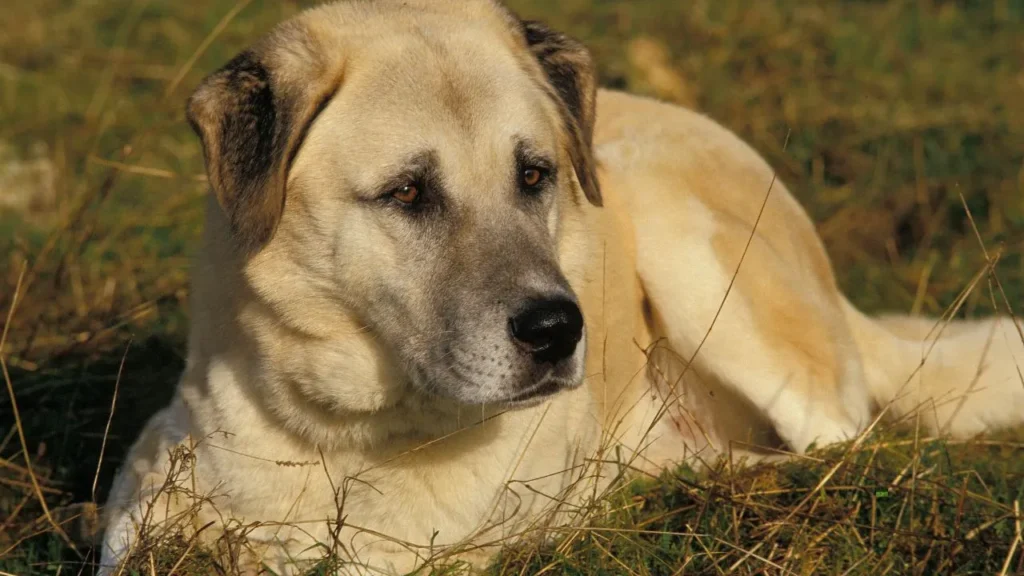
The Anatolian Shepherd Dog is not the type to panic because a leaf moved. Originating in Anatolia, Turkey, this strong, fast, and perceptive breed was developed as a serious working dog with a protective streak.
This is an independent, cautious dog that does not need constant attention to feel secure. It can enjoy playtime, but it is better known for steady watchfulness than for acting like a goofy lap dog.
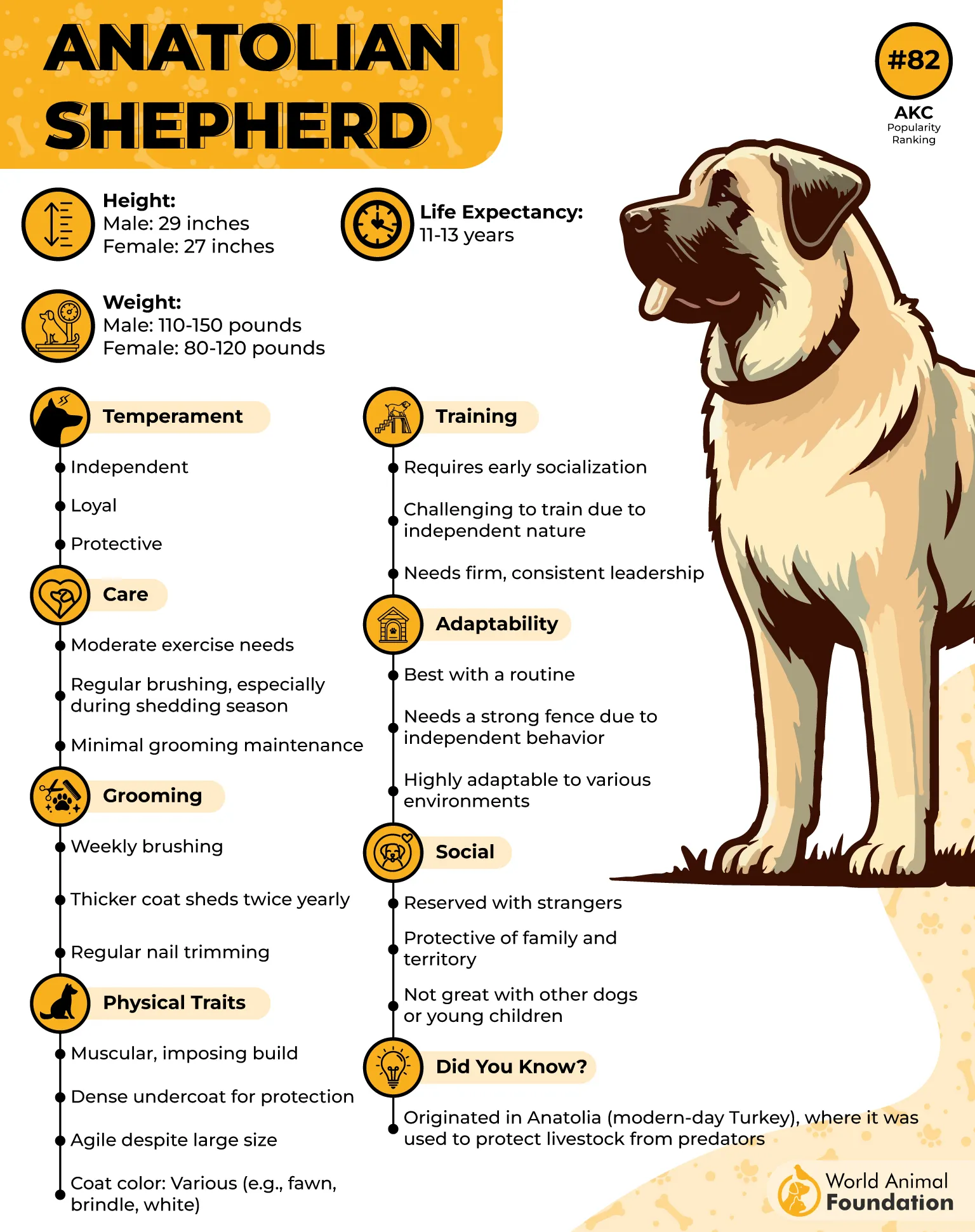
Its livestock guardian dog history still shows in family life. WebMD states that Anatolian Shepherd Dogs can live well with children and animals they know, but early socialization and obedience training help keep their natural wariness from turning into full-time suspicion duty.
Why This Breed Is a Good Fit
Its history of managing livestock makes it a standout guardian breed.
Its rugged nature suits work that calls for presence, stamina, and confidence.
Its reserved attitude toward strangers can be valuable when properly guided by a steady owner.
3. Rottweiler
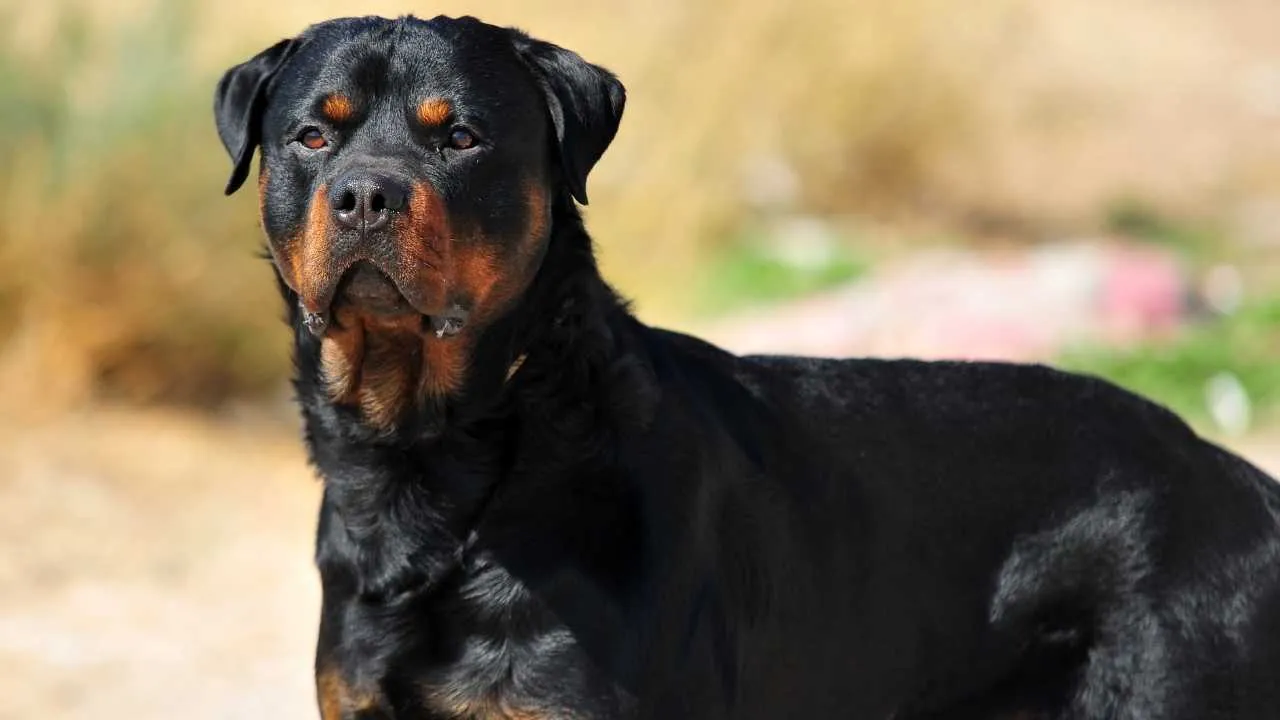
The Rottweiler gives a first impression of solid strength, and that impression is not exactly misleading. This large, blocky dog has a massive head, square muzzle, short black coat with tan markings, and a powerful look that fits its working past.
Rottweilers were selected for guarding and protection work, so early guidance is not optional. As per Hill’s Pet, they are active, intelligent, and confident enough to make their own decisions, which is great when trained and less great when the dog decides the flowerbed needs excavation.
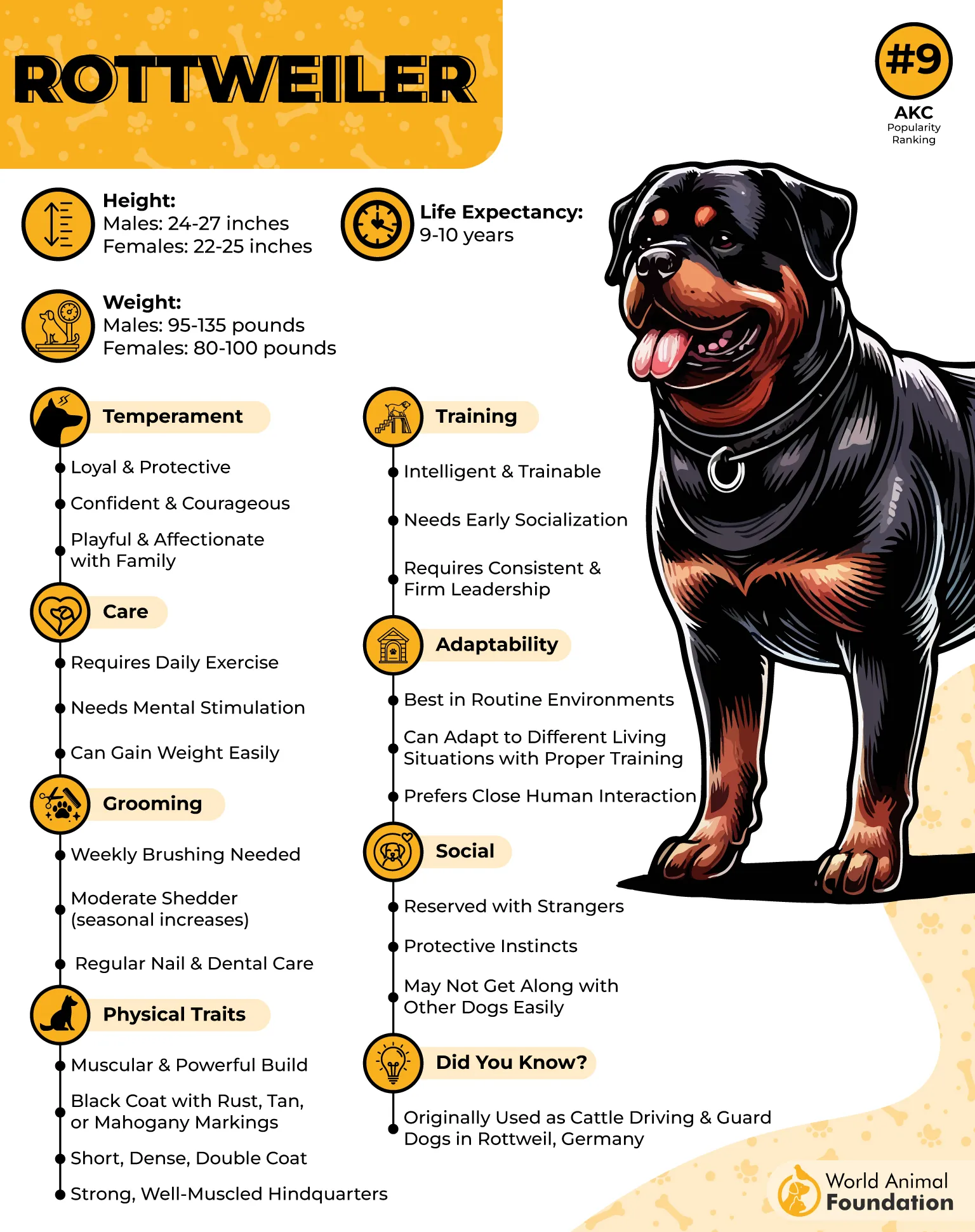
Their working history is wide-ranging and impressive. Rottweilers drove cattle, pulled carts, guarded homes, carried money to market, and today still work in security and herding.
Why This Breed Is a Good Fit
Few breeds match this mix of cart-pulling history, cattle work, and guarding instinct.
Their love of jobs makes them suitable for obedience, herding, and weight pull activities.
Their protective nature can shine when paired with steady training and ongoing socialization.
4. Doberman Pinscher
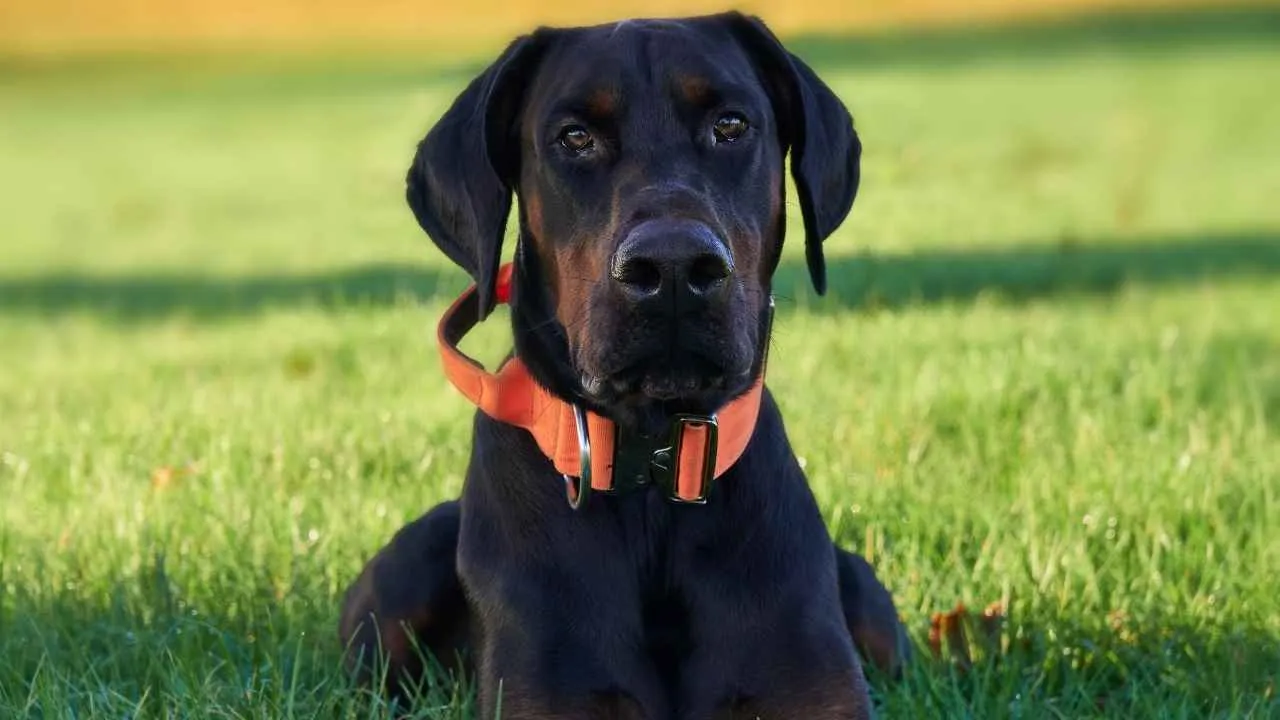
The Doberman Pinscher looks like it was designed by someone who wanted elegance, power, and “do not try anything silly” in one dog. Sleek, muscular, fast, and powerful, this breed is known for its polished appearance and athletic way of moving.
This breed is known for keen intelligence and fearless vigilance. Its protection-dog reputation comes with real responsibility, since Dobermans are strong dogs that need proper socialization, obedience training, and a life indoors with their people.
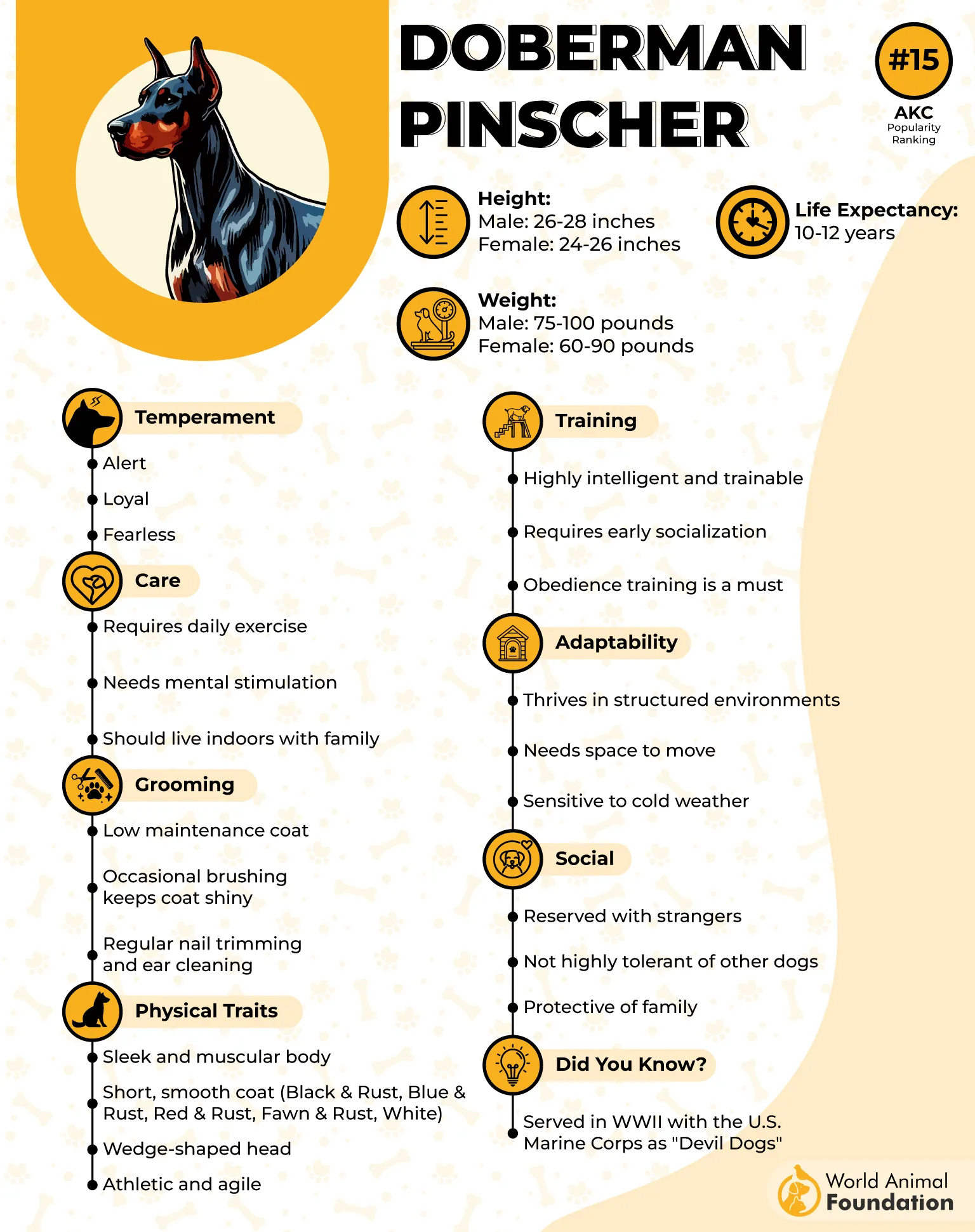
Exercise is a big deal for this energetic athlete. Long daily walks, hikes, free play in a fenced area, and canine sports like obedience, tracking, and agility help keep both brain and body out of mischief mode.
Why This Breed Is a Good Fit
Its protective background makes it a natural choice for the guarding side of the topic.
Its speed and athletic build suit active owners who want a dog that moves with purpose.
Its quick learning ability supports structured training, which is essential for a powerful working breed.
5. German Shepherd Dog
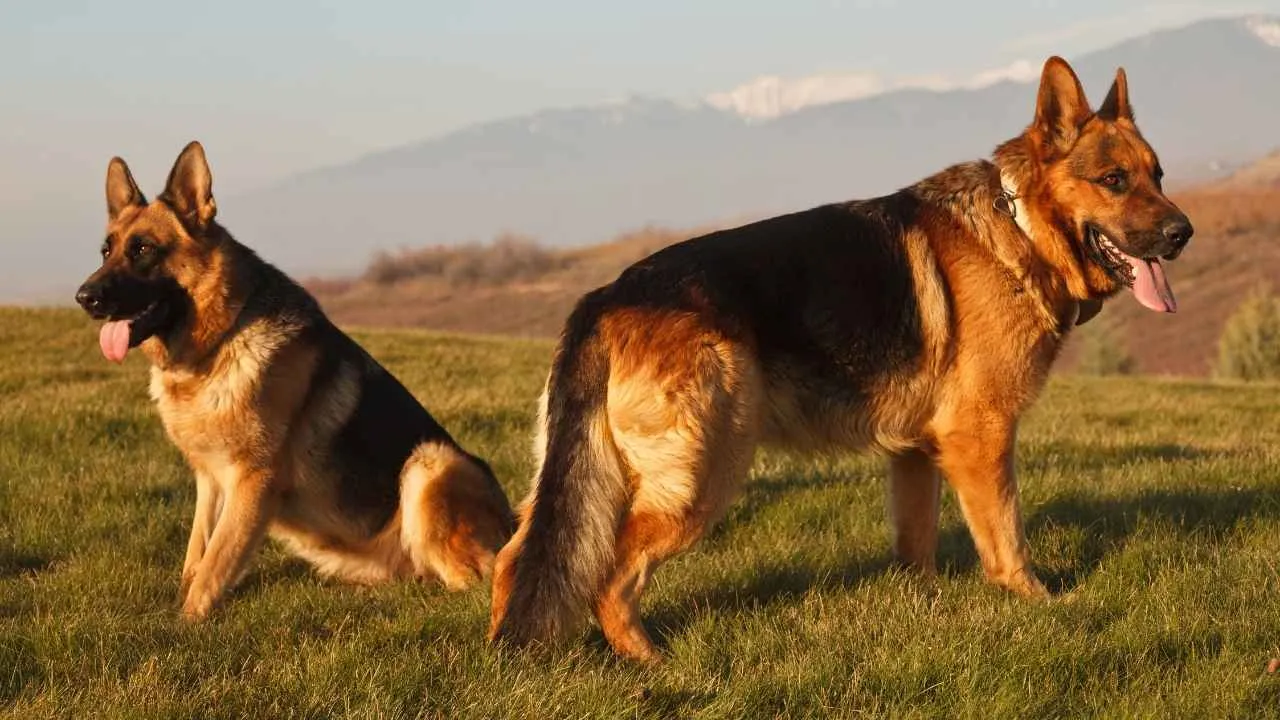
The German Shepherd Dog is large, agile, muscular, highly intelligent, and loyal, which explains why it often appears wherever serious work is happening. As a herding-group breed, it is high-energy and enjoys having a job or a regular outlet for exercise.
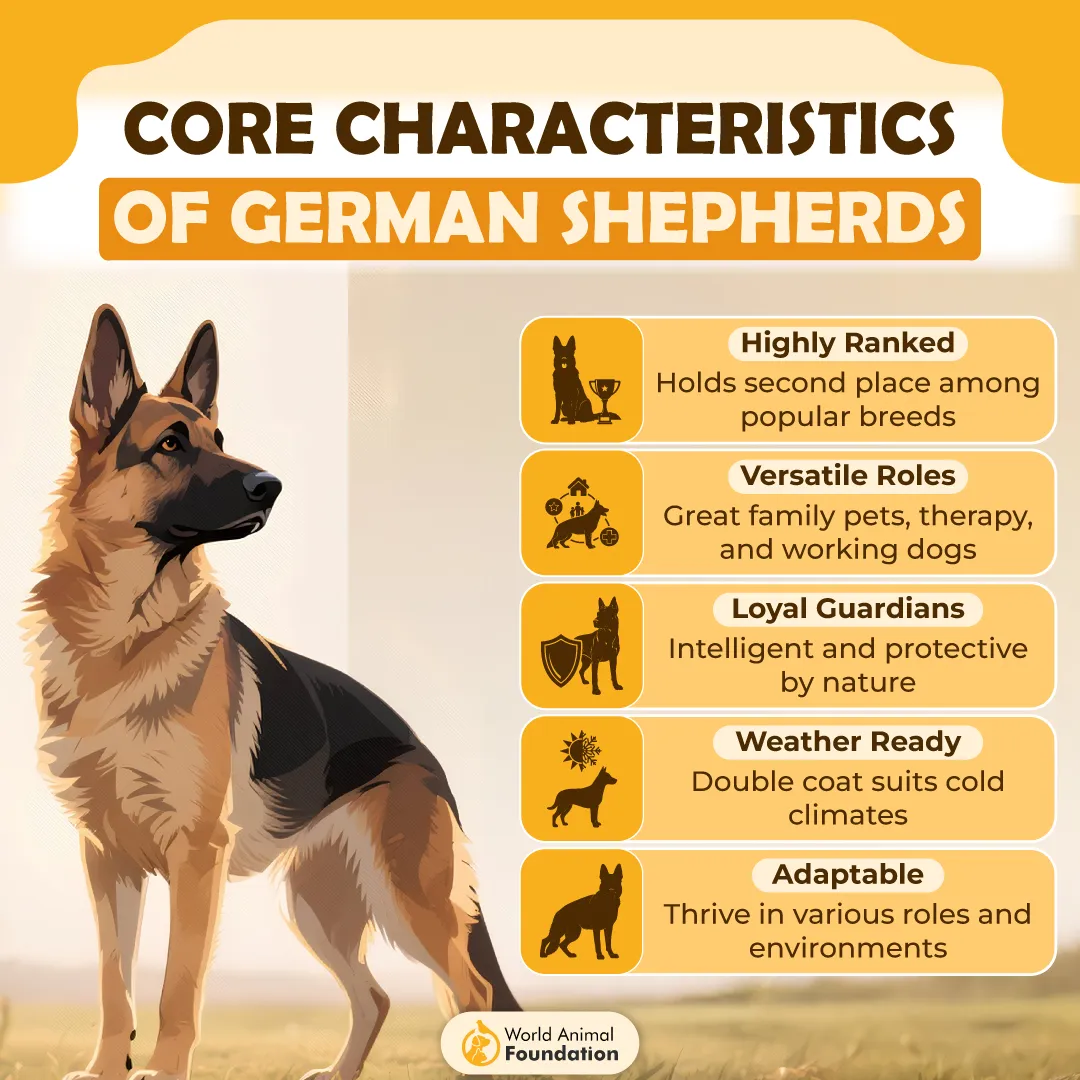
This dog is known for confidence and bravery, along with strong potential for advanced training and obedience. German Shepherds are commonly used in military and police work for patrolling, bomb sniffing, and search and rescue.
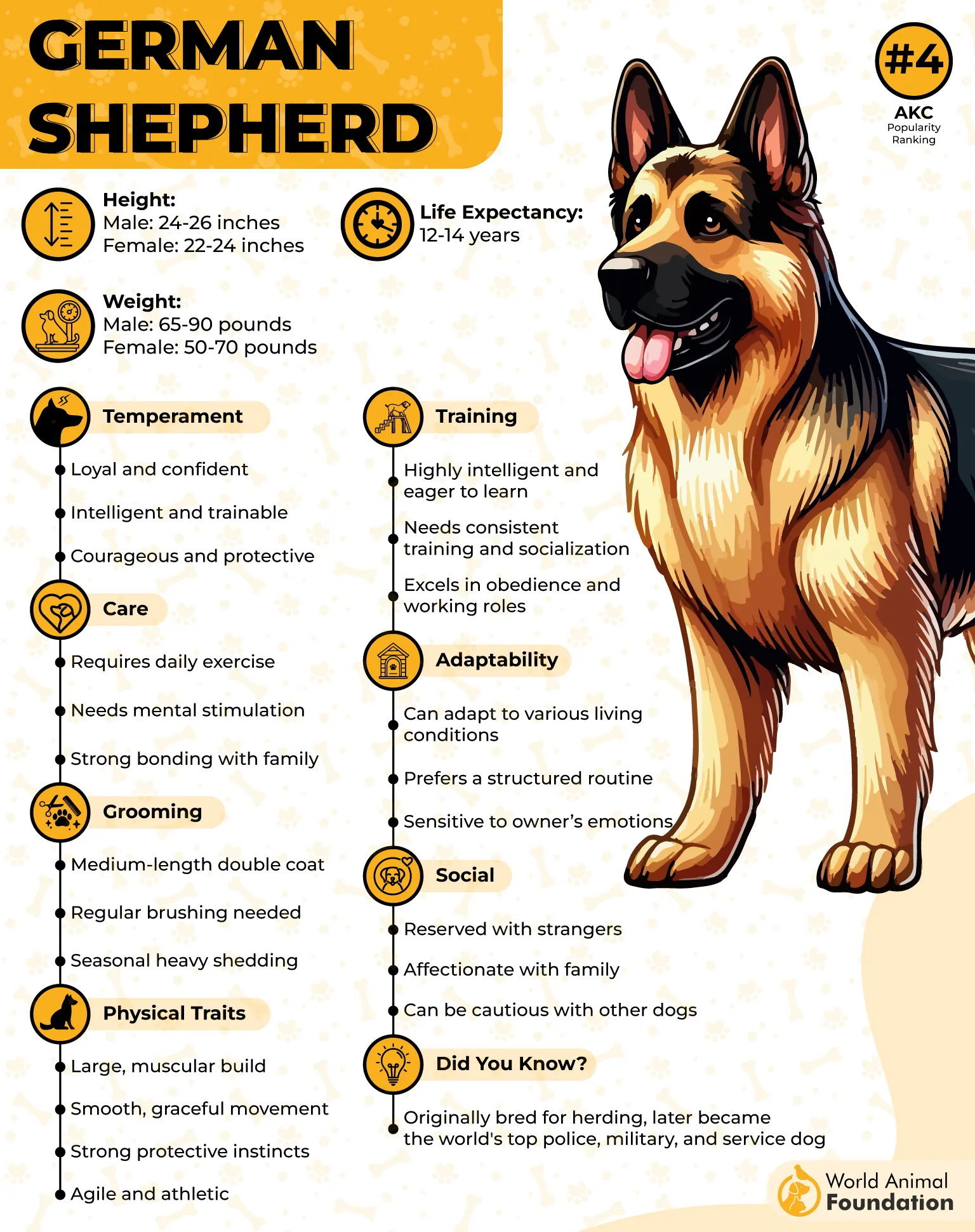
At home, they need active families or experienced pet parents who can handle their energy level. With consistent training, proper socialization, and enough exercise, this alert breed can become a well-mannered companion instead of a furry chaos manager.
Why This Breed Is a Good Fit
It’s herding background connects directly to livestock work and farm-style tasks.
Its use in police, military, and search-and-rescue roles shows strong working versatility.
Its need for daily activity makes it best for owners who want a dog with brains, drive, and a schedule.
6. Belgian Malinois
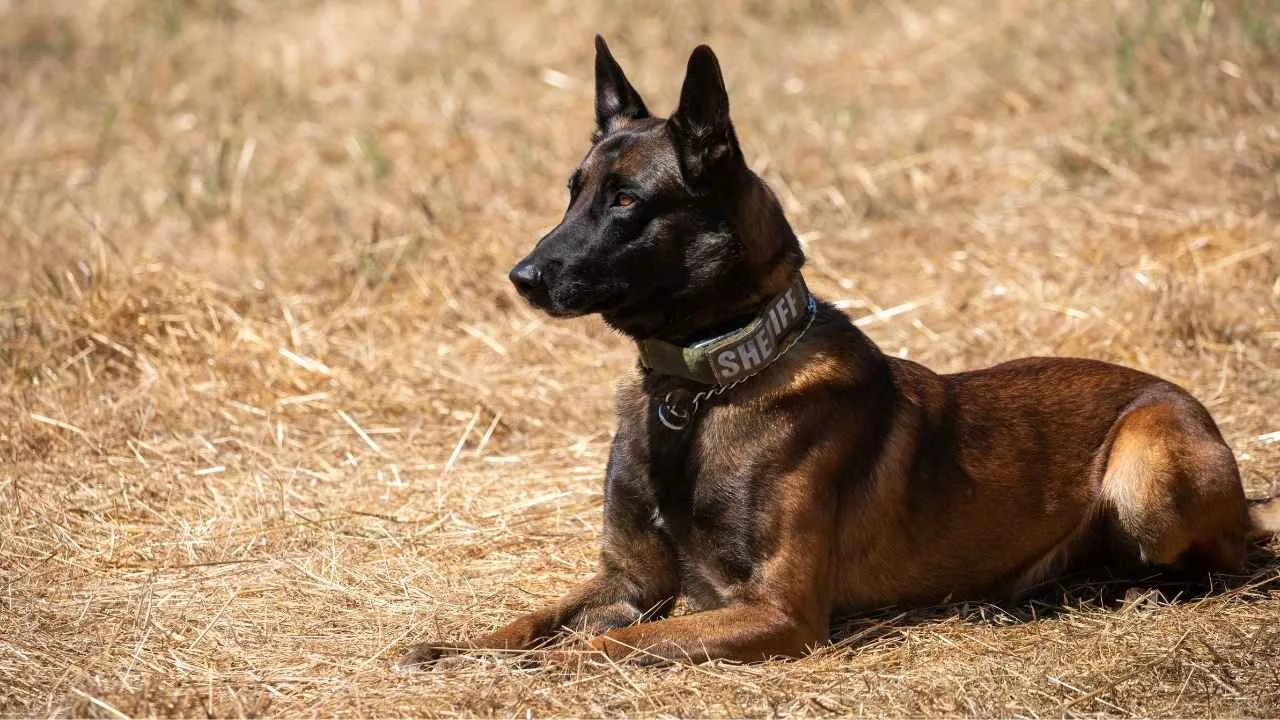
The Belgian Malinois is the dog version of a focused coworker who has already finished the task and wants the next one. First bred near Malines in Belgium for herding, this confident and intelligent dog breed later moved into police work, search and rescue, and bomb and drug detection.
A simple daily walk is usually not enough for this high-energy dog. Belgian Malinois need serious physical outlets and mental work, such as running, hiking, biking, agility, tracking, herding, obedience, fetch, or scent-based activities that make their brain clock in too.
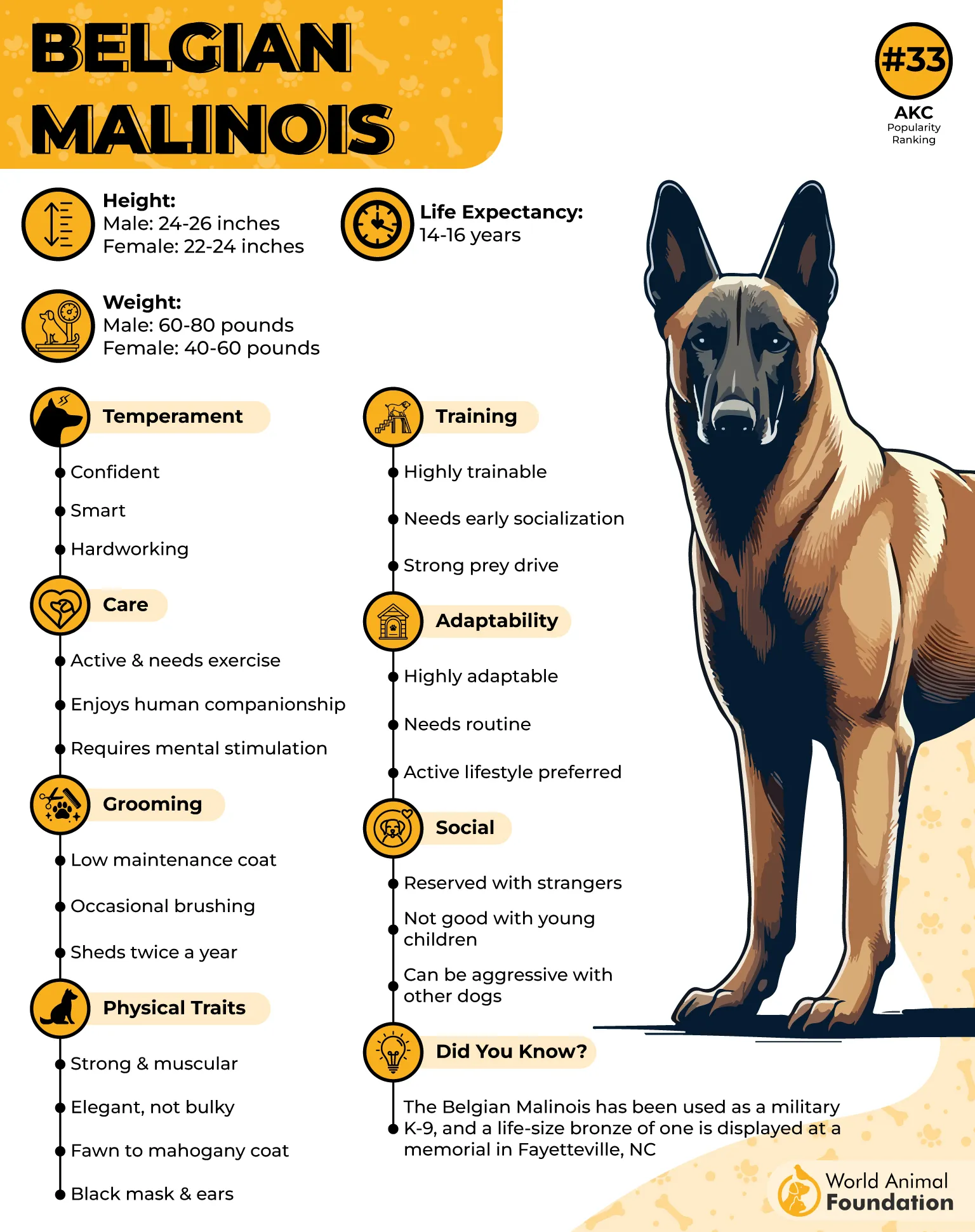
This breed bonds deeply with its person and does not do well as a backyard-only dog left to invent entertainment. Without enough training and stimulation, a Malinois may chew, dig, destroy household items, or chase moving objects, so early socialization, steady training, and experienced handling are essential.
Why This Breed Is a Good Fit
Its herding roots connect it directly to farm work, while its modern service roles show a major working range.
Its drive and trainability make it ideal for owners who want a dog with a real job, not just a cute face.
Its intense energy fits active households that can turn exercise and training into a daily lifestyle.
7. Spanish Mastiff
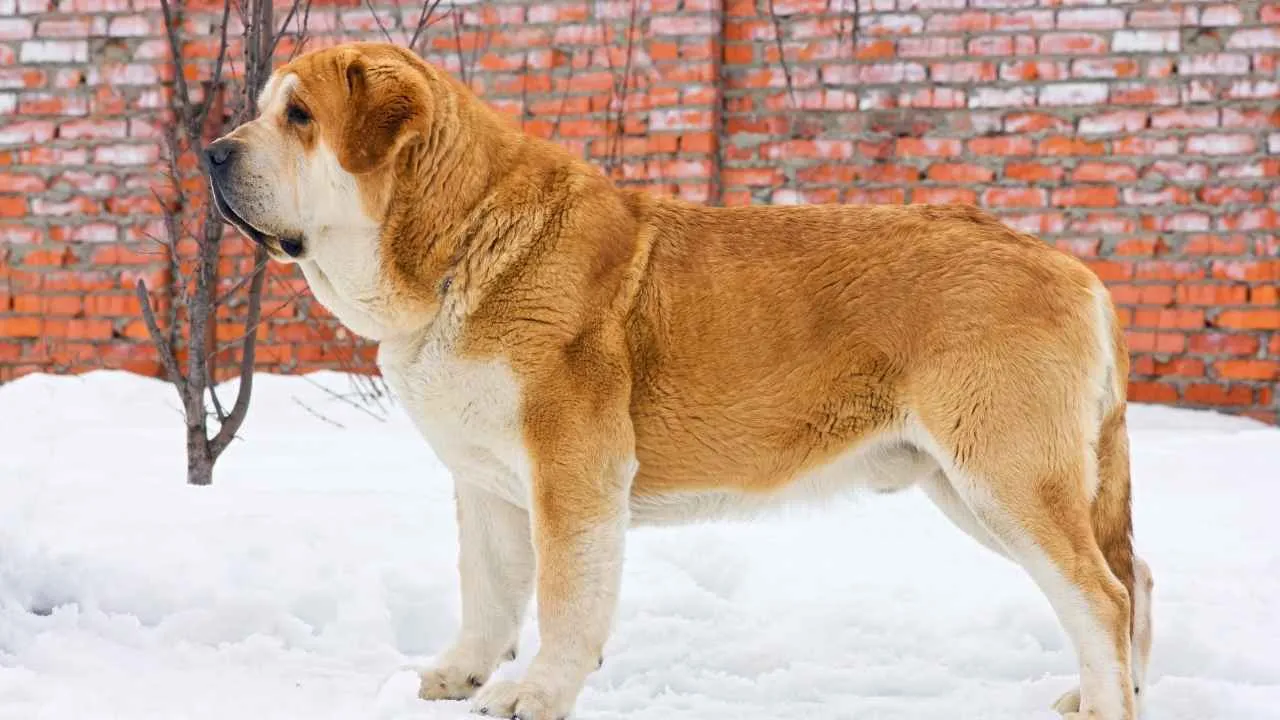
The Spanish Mastiff, also called the Mastín Español, is a calm, intelligent, and independent guardian with a seriously old working resume. Its history reaches back more than 2,000 years, and shepherds later relied on these huge dogs to protect sheep as flocks moved between southern Spain and northern mountain pastures.
At home, this breed can be affectionate and loyal without acting like a needy drama king. Spanish Mastiffs are typically gentle with children and other animals they know, but their protective nature may make them wary of strangers until they decide the guest is not secretly a villain. Once familiar people are accepted, the breed usually warms up and settles back into its calm, steady rhythm.
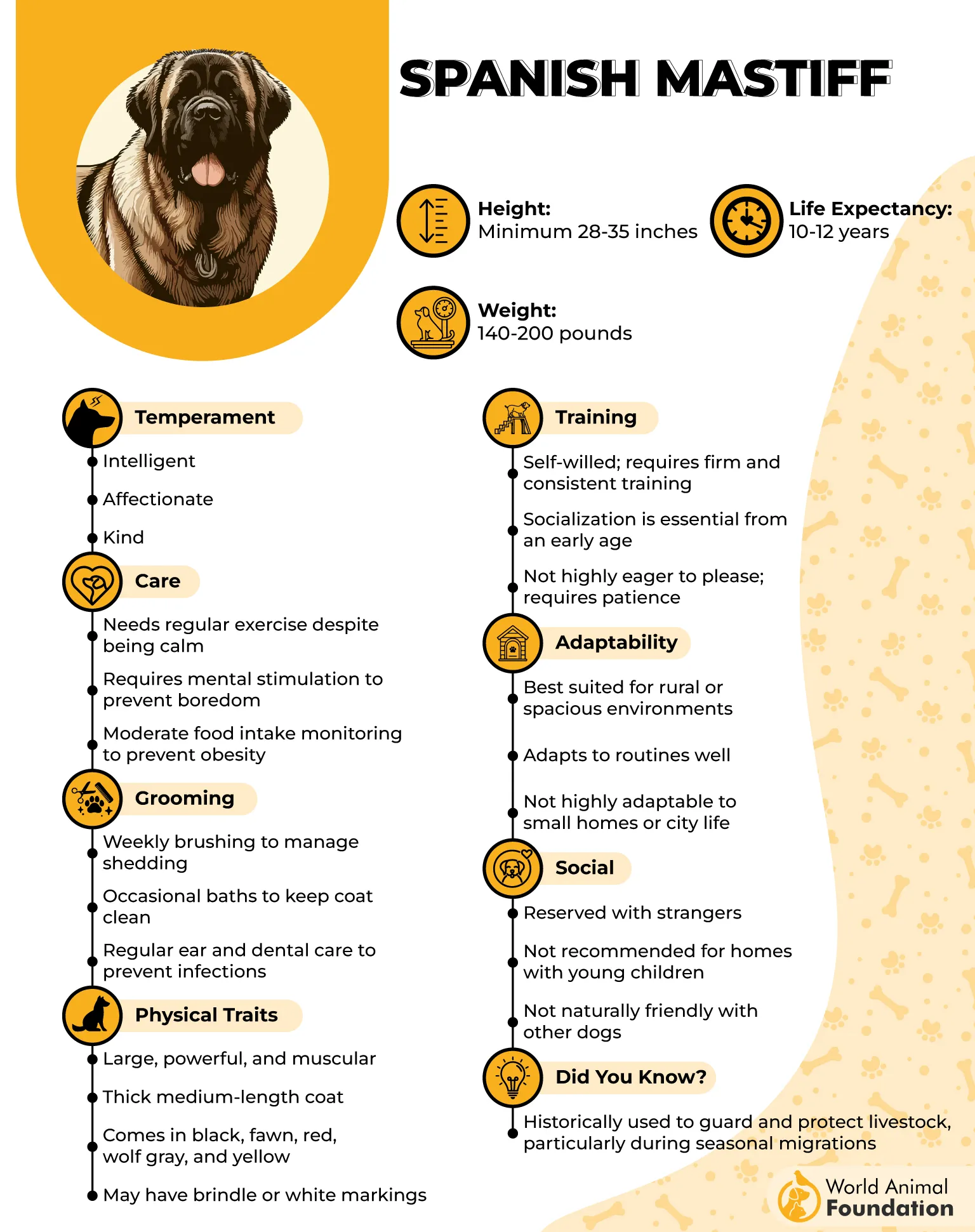
Their booming bark is part warning system, part neighborhood announcement, and it suits a dog bred to make predators think twice. Training works best with patience, respect, rewards, and early socialization, especially because this confident breed likes to understand who is leading the operation before agreeing to cooperate. Daily time outside also matters, since this is not an apartment-minded dog waiting to become a hallway statue.
Why This Breed Is a Good Fit
It brings serious livestock-protection value without needing nonstop motion.
Its calm confidence works well for guarding land, animals, and familiar people.
Its cart-pulling and farm-dog history add more range than the usual “big guard dog” label.
8. Bouvier Des Flandres
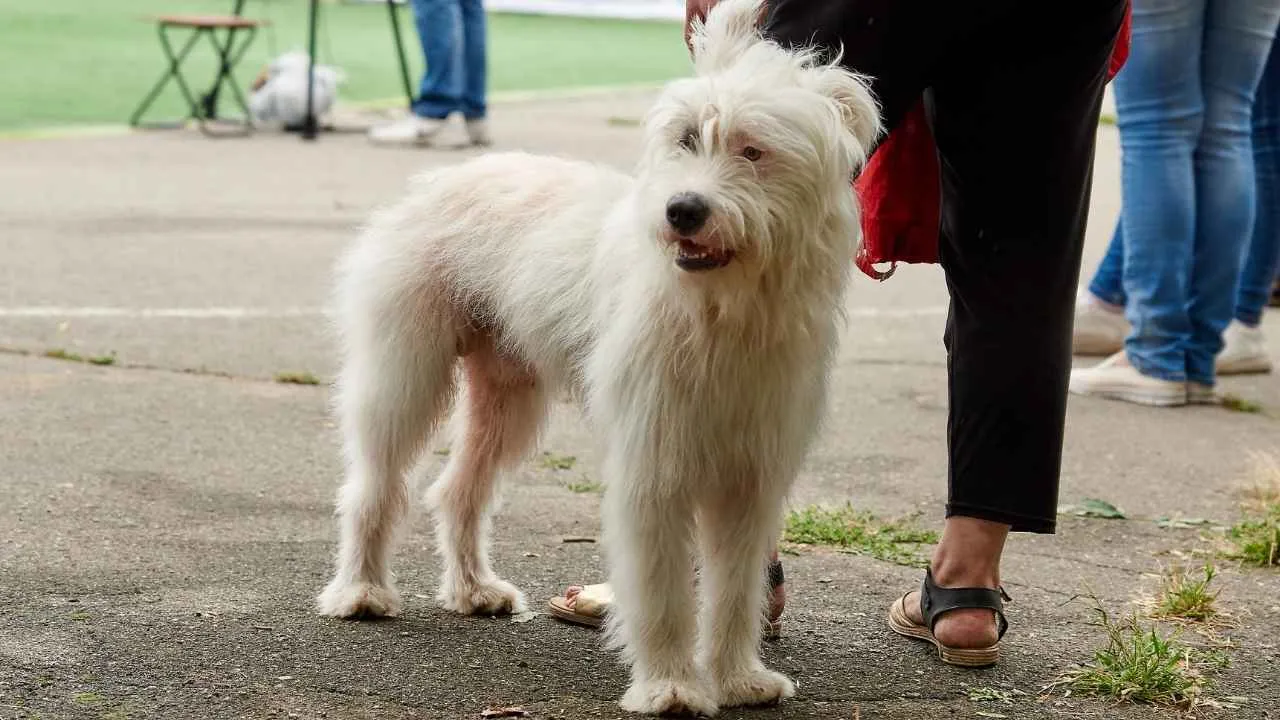
The Bouvier Des Flandres comes from Flanders, and its name translates to “Cow Herder of Flanders,” which is delightfully direct. This breed started as a farm dog and later found roles as a guard dog, police dog, pet, cattle driver, and cart-pulling helper. Even its nicknames, including “dirty beards,” sound like they belong to a dog with real barnyard credentials.
Behind the rough coat and famous beard is a dog that is eager to please and usually easy to train. Bouviers are affectionate with family, good with children and other dogs when trained well, and often reserved around strangers, which adds to their watchdog value. They are protective without needing to bark at every passing breeze, as if it personally offended them.
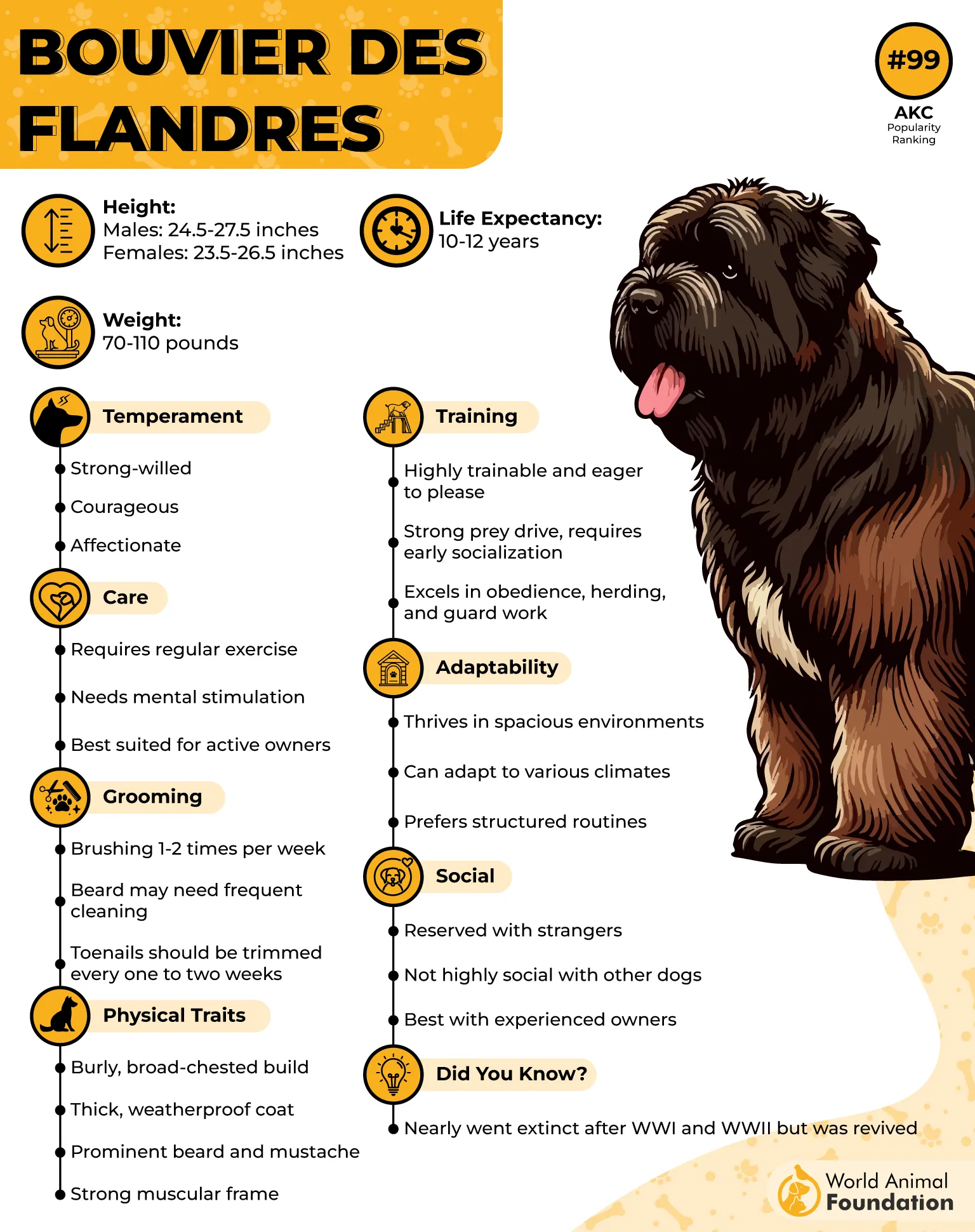
This is not a breed that wants to spend every day doing a convincing impression of a rug. A Bouvier likes movement, can suit active hikers or bikers, and should play in enclosed spaces because moving objects may trigger a chase-worthy moment. Regular grooming matters too, especially for that beard, which may collect evidence from meals, yards, and mysterious dog adventures.
Why This Breed Is a Good Fit
It checks several work boxes at once: herding sheep and livestock, guarding, carting, and farm support.
Its trainable nature makes all that strength easier to channel into useful tasks.
Its watchdog instincts add protection without turning the dog into a noise machine.
9. Maremma Sheepdog
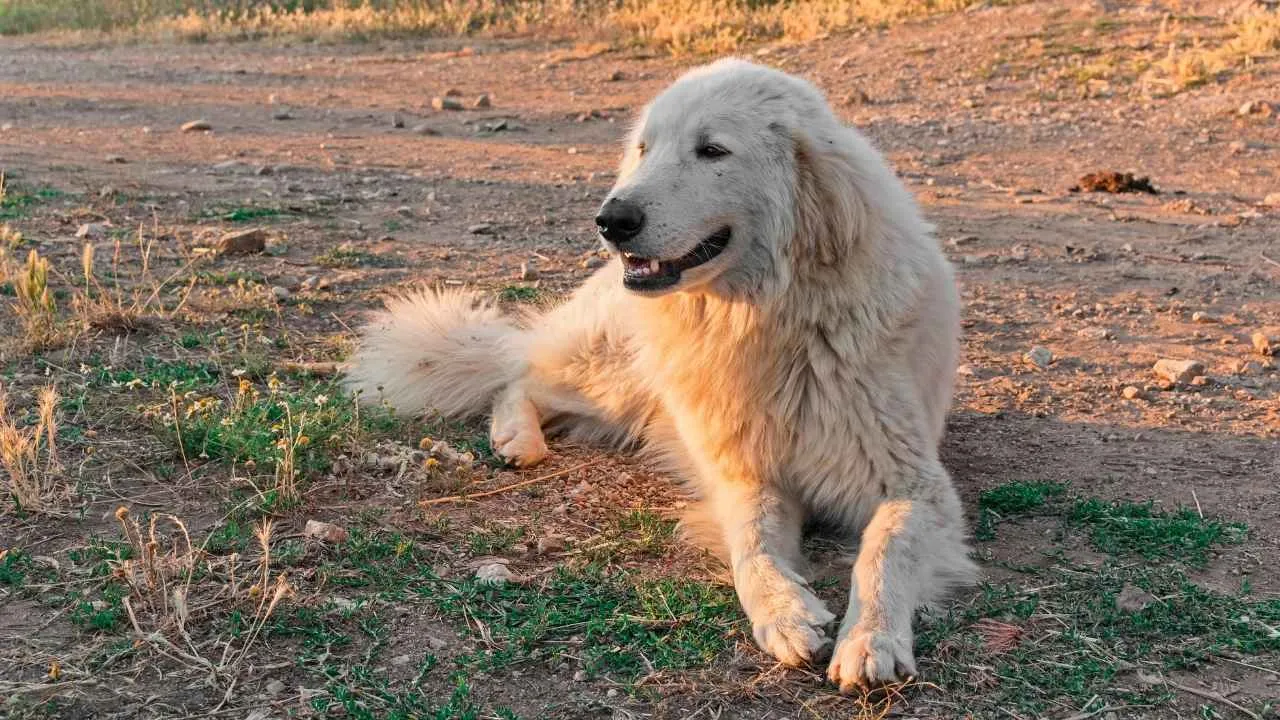
The Maremma Sheepdog comes from Italy, where shepherds used it to guard sheep from wolves. This large, rugged guardian has been around for at least 2,000 years and is still used as a working dog in the Abruzzo region, where farmers continue to need livestock protection. The breed has also been used to protect cattle, goats, and even penguins in Australia, which is a wonderfully specific line on any dog résumé.
A Maremma takes guarding seriously, whether the subject is sheep, people, chickens, or territory. It can be good with family and children, but strangers do not get instant backstage passes, and early socialization helps this watchful dog handle visitors with better manners. Barking is part of its warning style, so teaching a quiet command from day one is a smart move.
Training requires patience because this breed is intelligent but not blindly obedient. It likes to think things through first, which can be charming or mildly hilarious, depending on whether you asked it to come inside five minutes ago. Regular brushing helps its thick double coat stay in shape after all that outdoor guardian business.
Why This Breed Is a Good Fit
It is built around protection, especially for animals and territory.
Its independent thinking suits guardian work where instant hand-holding is not the point.
Its outdoor stamina makes it better matched to space, purpose, and steady responsibility.
10. Greater Swiss Mountain Dog
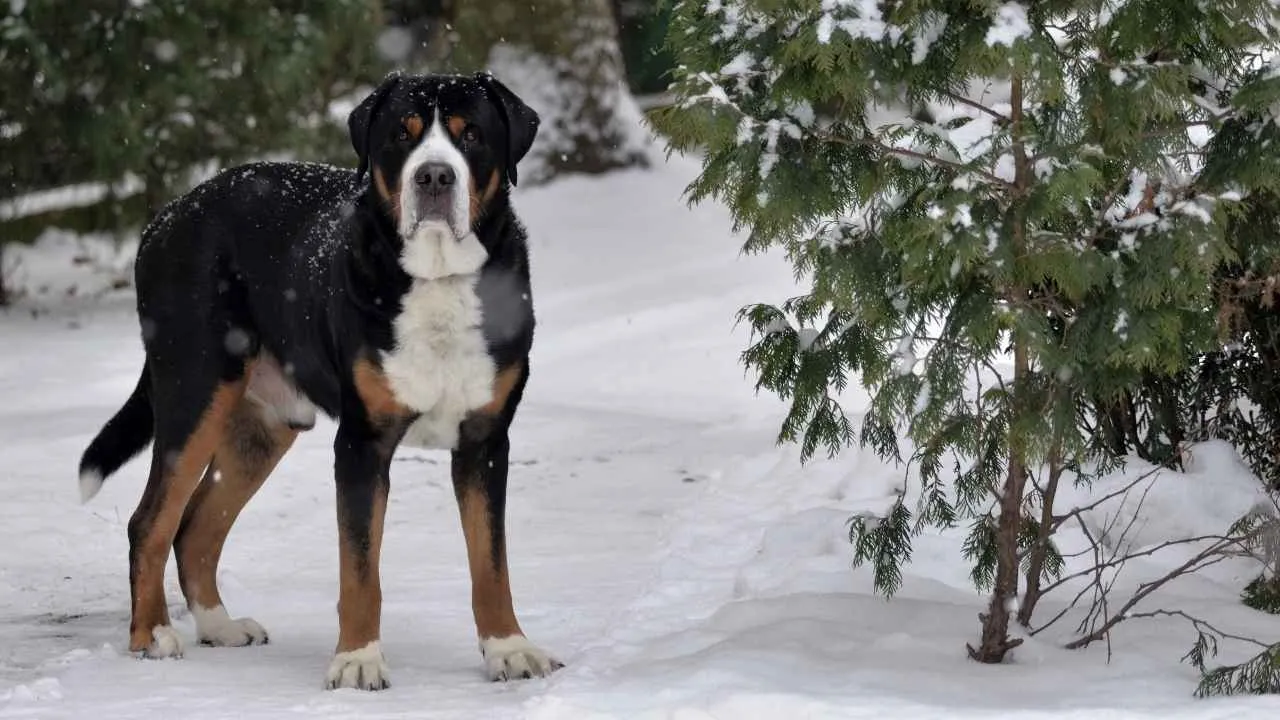
The Greater Swiss Mountain Dog has roots tied to the Roman Empire, when large mastiff-like dogs came through the Alps with Roman legions. Those dogs helped shape several Swiss herding breeds, and the Greater Swiss Mountain Dog is also believed to be connected to the background of the Rottweiler and Saint Bernard. So yes, this breed’s family tree has a very serious working-dog section.
Despite the grand history, this dog is often a big sweetie-pie with its family. It can be placid and eager to please, but the breed standard’s description of a bold, faithful, willing worker explains why confident and consistent handling matters. The Swissy may not grab a new task as quickly as more specialized breeds, yet it is known for giving the job real effort.
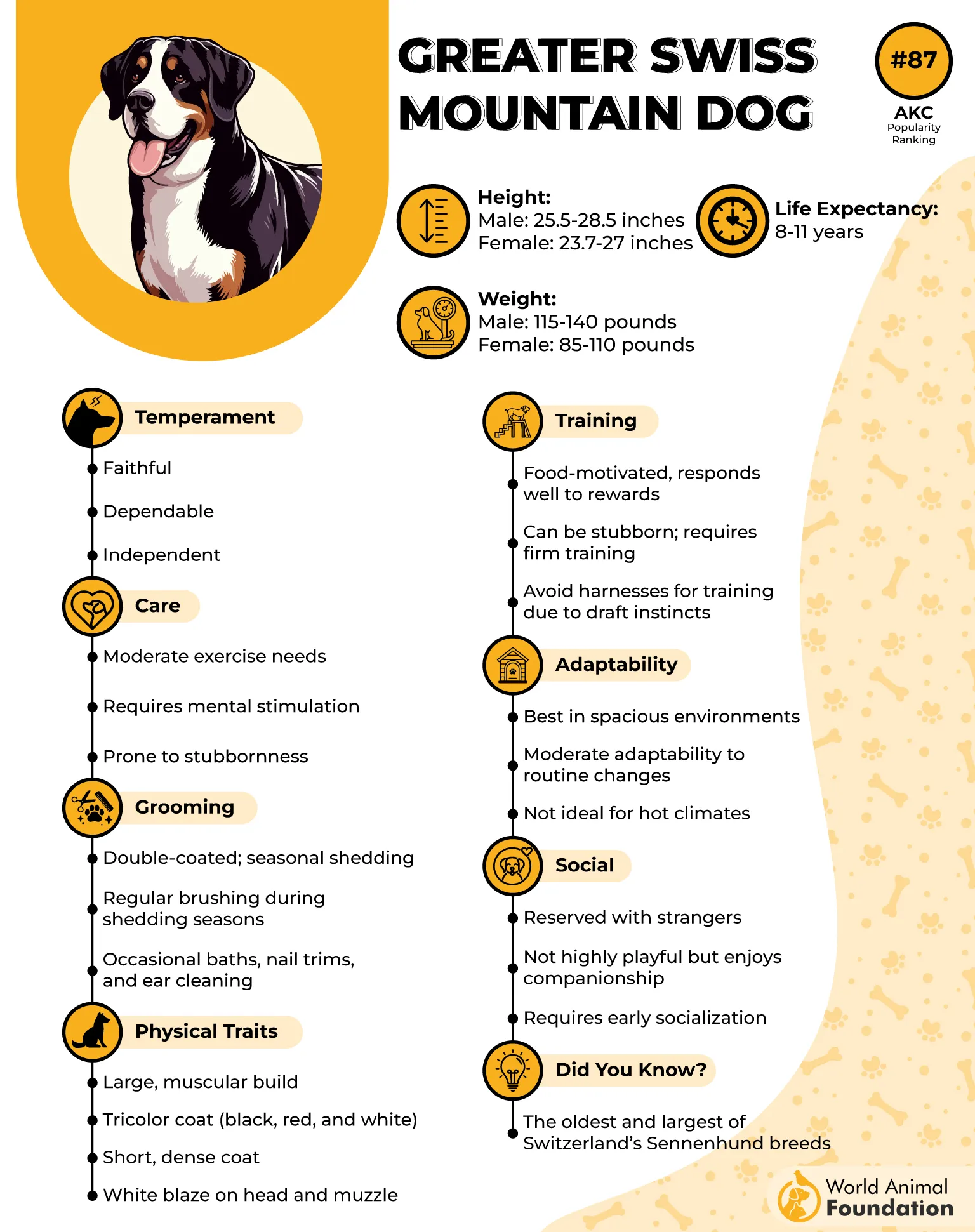
Swissies can show talent in weight-pulling and carting, making them a strong match for owners who enjoy practical dog activities. They need early socialization, steady training, and care in warm weather because this cool-weather breed does not handle heat well. A fenced yard or regular access to one is also helpful for daily walking and play.
Why This Breed Is a Good Fit
Carting and weight-pulling talent make it one of the most literal “pulling” breeds here.
It’s bold, faithful temperament supports the guardian side of the working-dog world.
Its Swiss herding-breed background ties strength to farm usefulness, not just size.
Conclusion
Robust working dogs are more than impressive muscles and serious expressions. From herding livestock to guarding flocks and pulling carts, many herding dog breeds were shaped for purpose, stamina, and teamwork.
But their strength comes with responsibility. Many need early socialization, consistent training, daily activity, and owners who understand their instincts. In the right home, they can be loyal protectors, clever partners, and surprisingly lovable companions.
Whether they are managing animals, watching over property, or joining an active family, one thing is clear: these dogs are not just pets with power. They are hardworking personalities wrapped in fur.
