




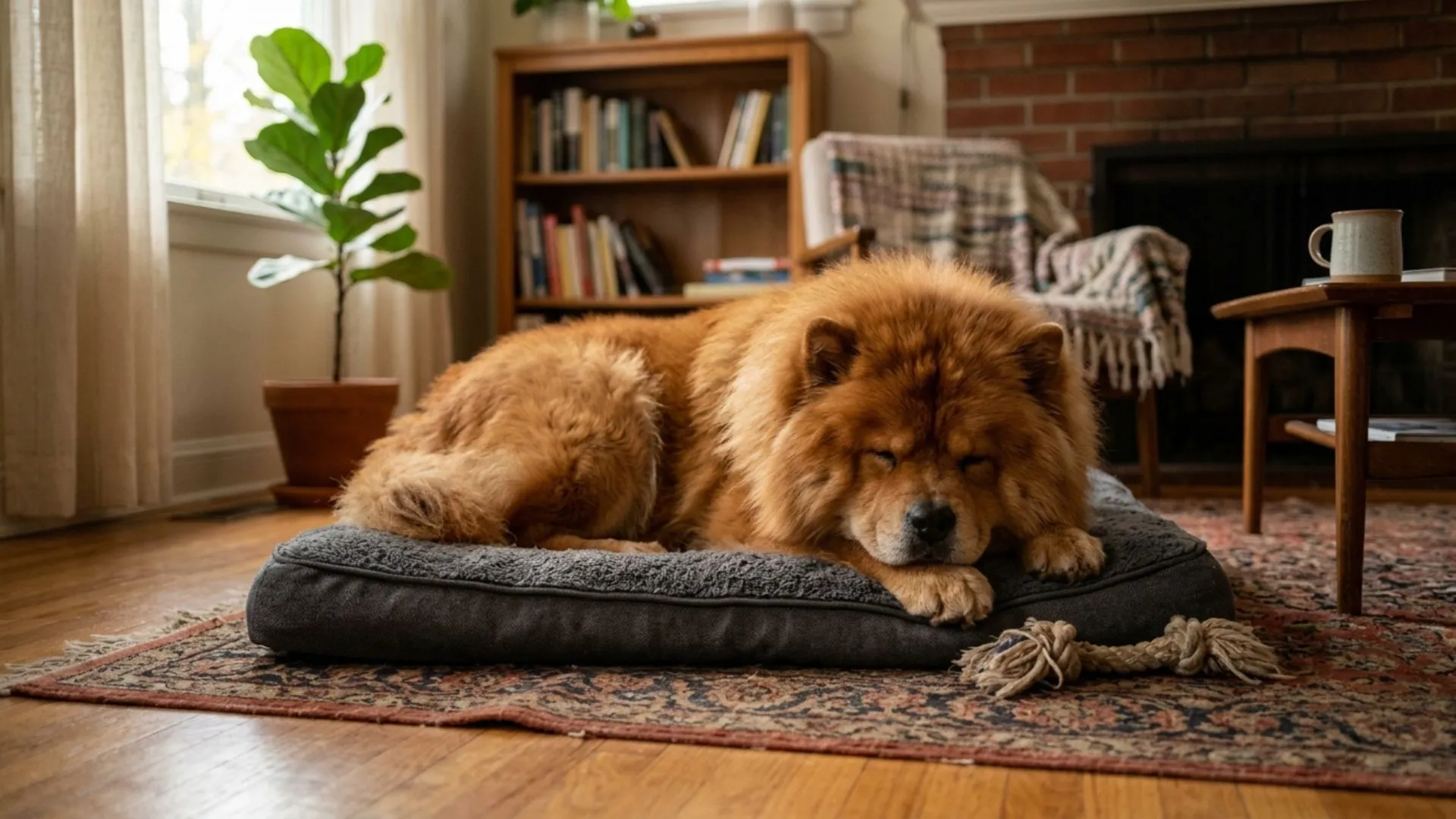
A peaceful home often pairs perfectly with a dog that enjoys calm surroundings and independent downtime. While many breeds constantly seek attention and interaction, others are naturally more reserved and comfortable spending time on their own.
These dogs typically display relaxed temperaments, lower separation anxiety, and an ability to adapt well to a quieter lifestyle. Whether curled up on a sofa, sunbathing near a window,, or calmly waiting for their owners to return home, they are often happiest in stable and stress-free environments.
Their independent nature does not mean they lack affection; instead, they simply balance companionship with a healthy sense of self-comfort. This makes them ideal for people who value quieter routines, work long hours, or prefer less demanding pets. Let’s explore the specific breeds that truly excel in enjoying peaceful time at home alone.
Dog Breeds That Love Alone Time in Your Home
1. Lhasa Apso
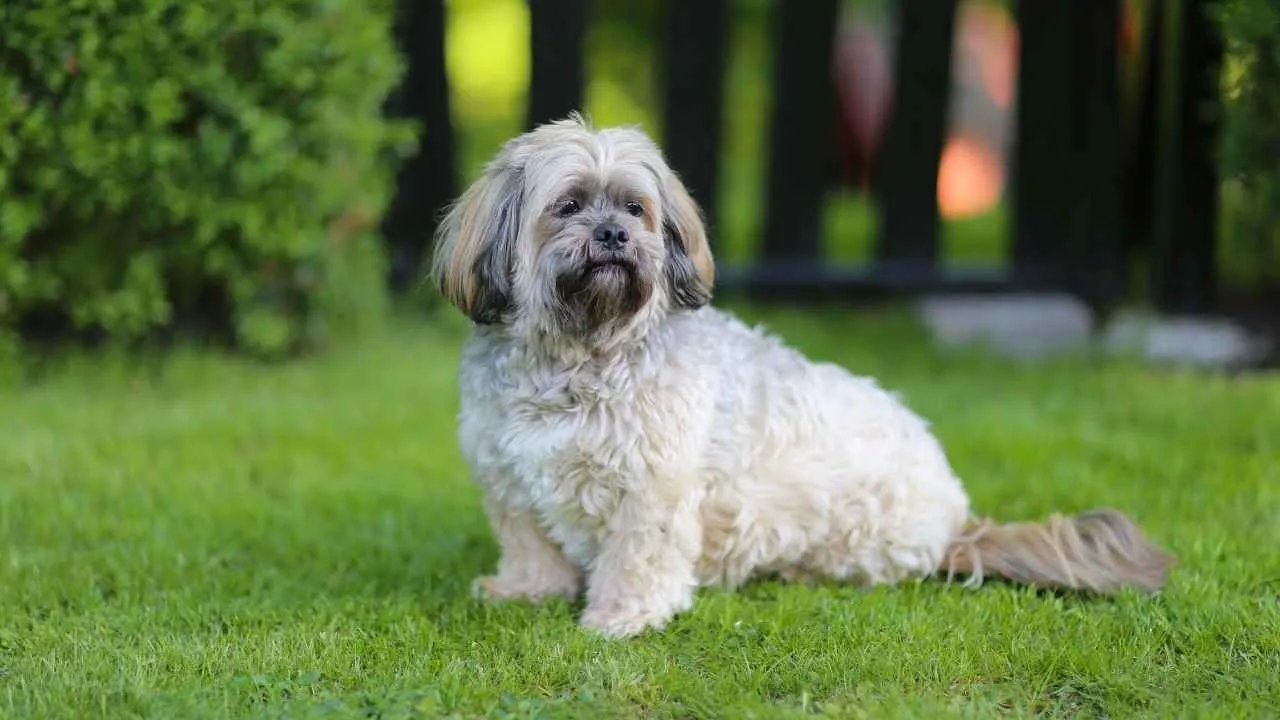
Originally bred by the monks living in Tibet to watch over their homes, they later became the favorites of royalty and aristocracy as well for the same purpose, along with companionship. Today, they are admired for having a confident demeanor and long, silky coats.
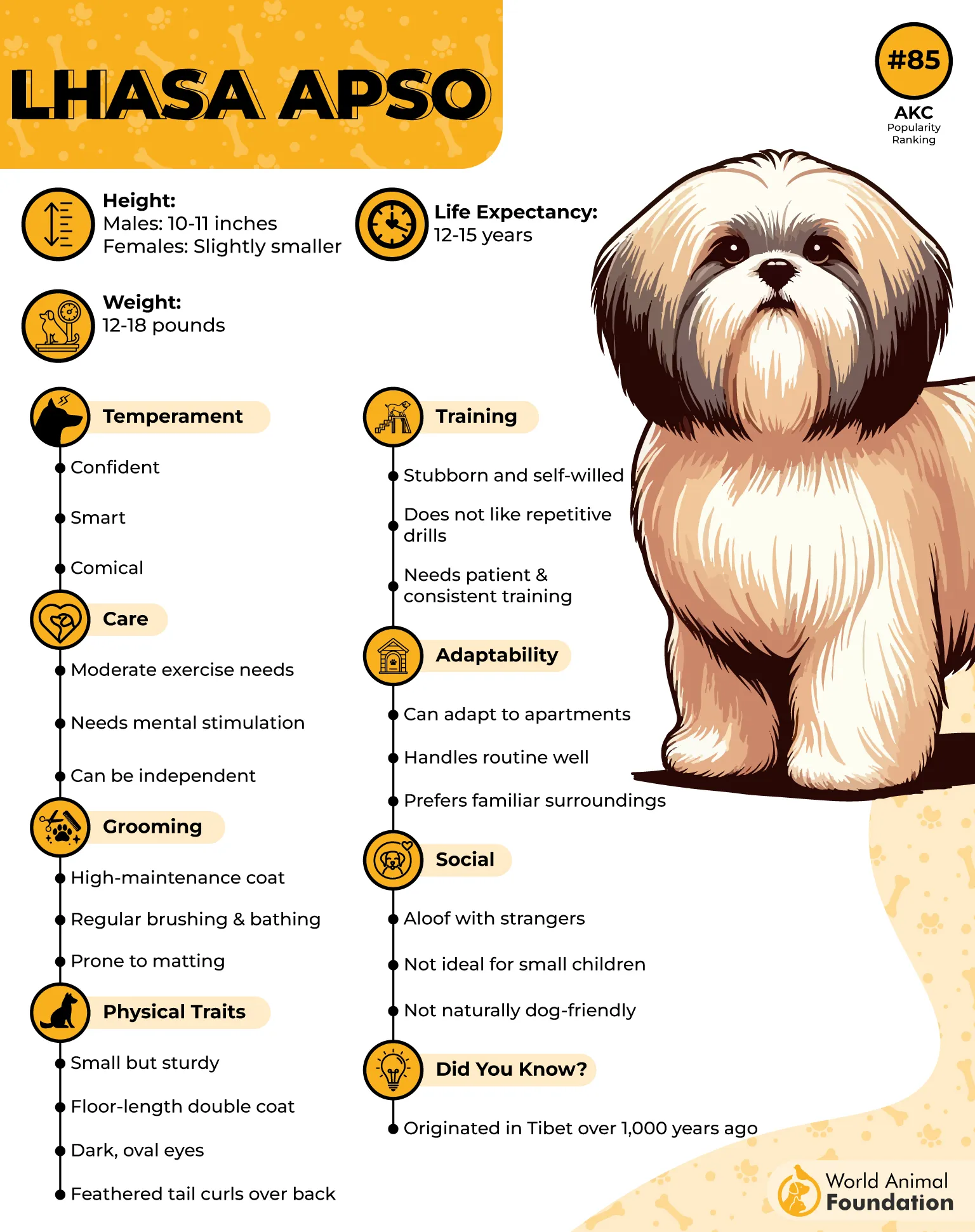
As independent dogs, they do not mind being left alone for some period of time with their own devices. However, do not do this for long stretches, but for a few hours a day, not more than four to six, or they develop destructive behavior. Lhasa Apsos make a perfect match for busy owners.
These small dogs need firm and consistent training to be well-behaved adults. They are not too clingy and at the same time love roaming in the house, even in limited spaces. Although they are content to be lap dogs, due to their increased weight gain, short walks of 30 minutes are vital.
2. Basset Hound
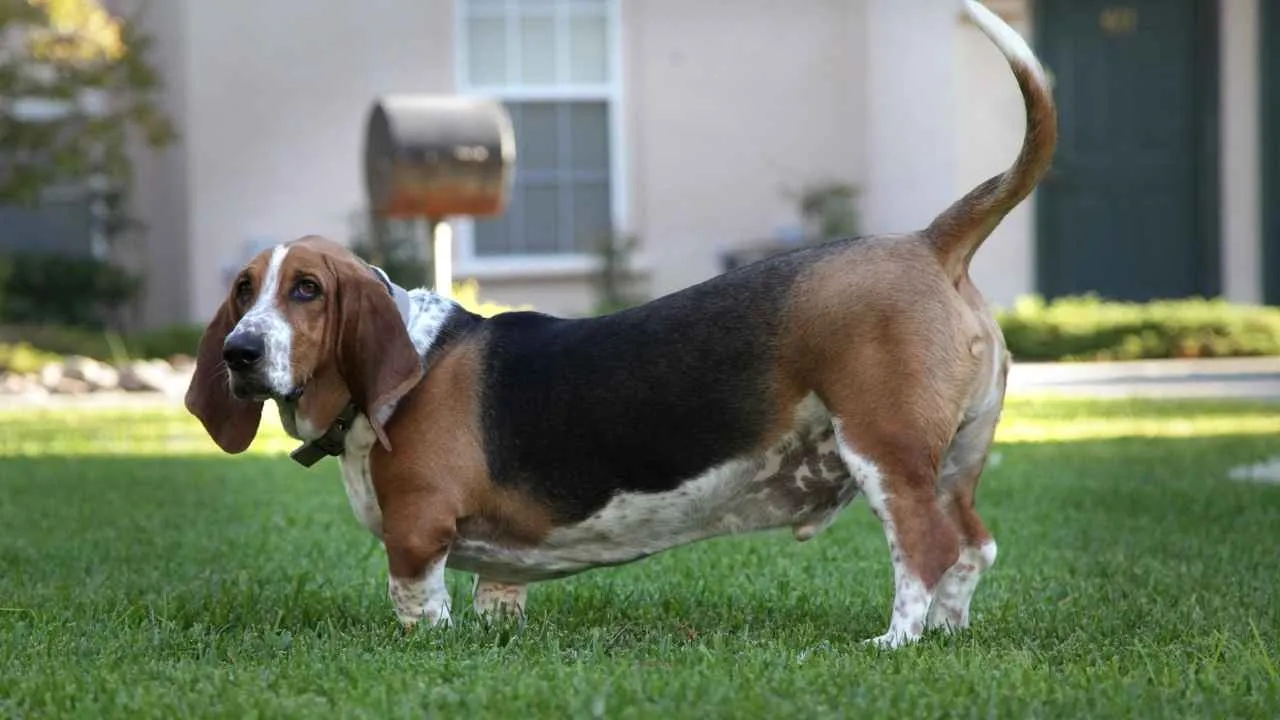
The short and sturdy hunting dogs hail from France to hunt small game, especially rabbits and hares. Basset Hounds are naturally independent dogs, which means they are fine being left alone for a few hours and also remain willful during training sessions.
These adorable dogs with their long droopy ears also possess an affectionate and laid-back personality, which suits well in busy households. Being amiable and loving, they get along well with kids and other pets, if properly socialized and trained at a young age in their lives.
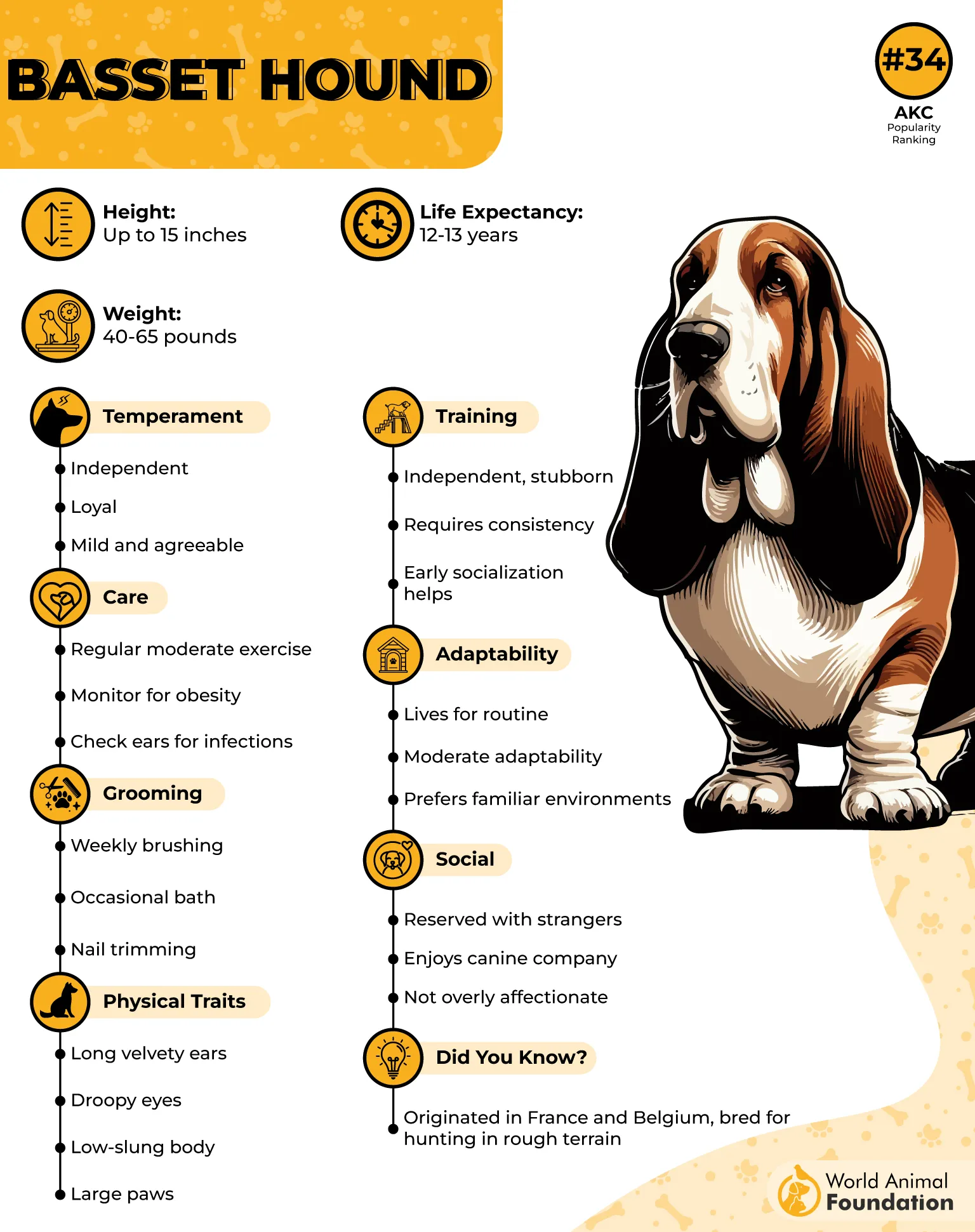
Owing to their loud bark and vigilant demeanor, they can be one of the best dog breeds for watching over the surroundings. They do well if pet parents provide them with puzzle toys and some kind of company in the form of pets, or they become prone to separation anxiety if left alone for several hours.
3. Miniature Schnauzer
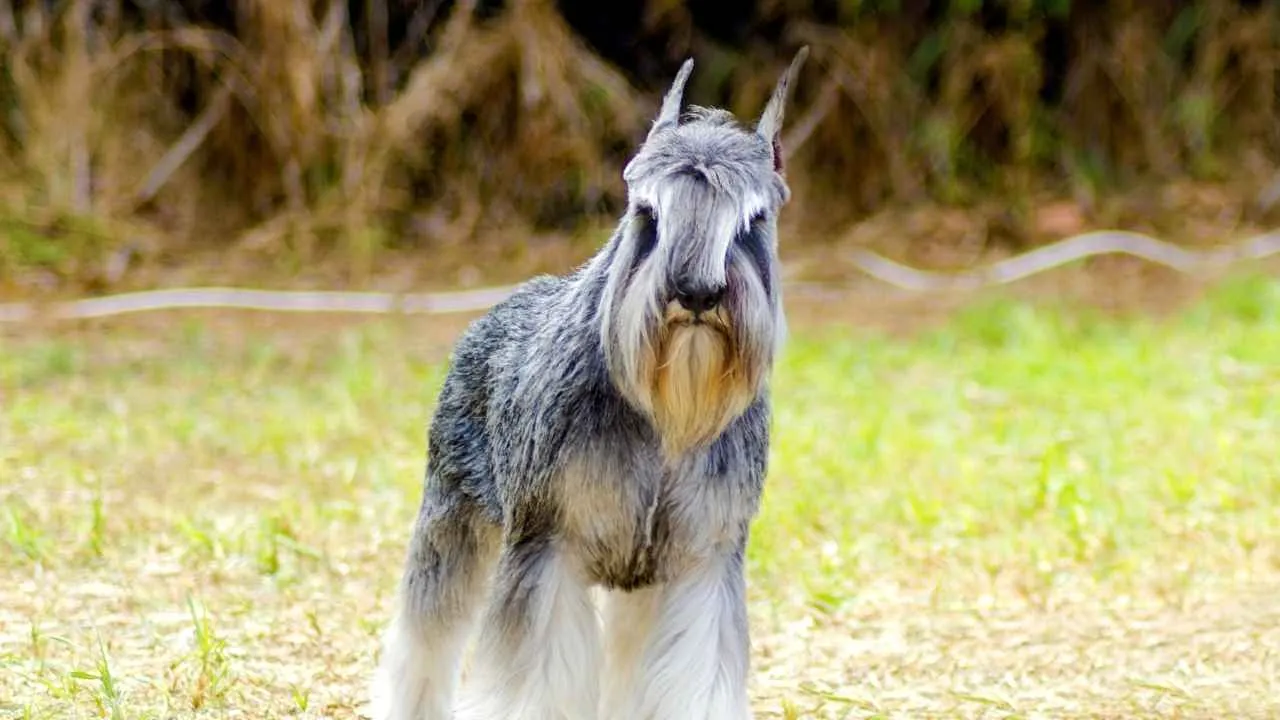
Not overly affectionate, yet they make strong bonds with their family members; Miniature Schnauzers historically developed to pull carts and herd livestock. As a part of the list of independent dog breeds, they are happy playing with their puzzle toys if the owners are outside the home for short periods.
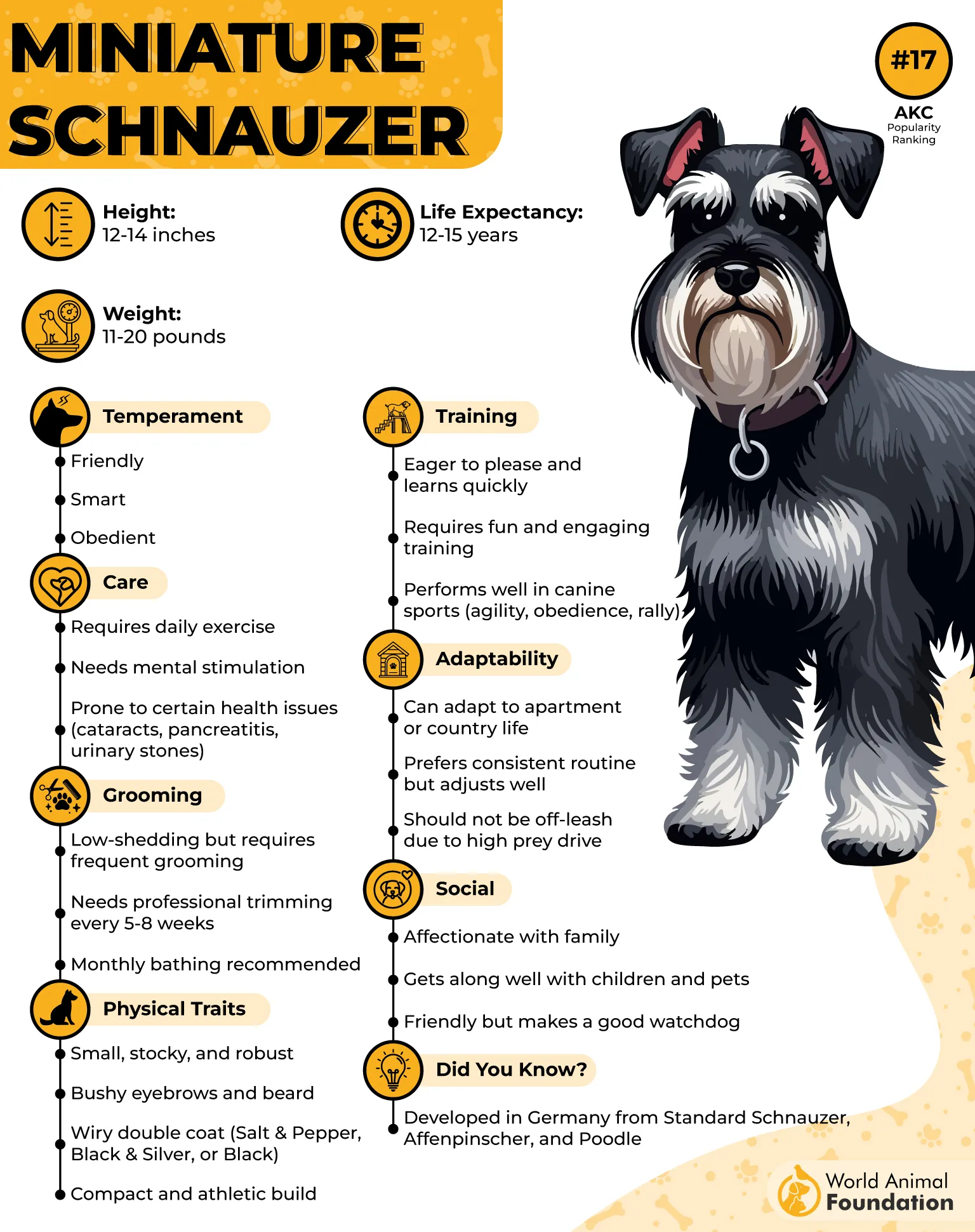
Miniature Schnauzers are eager to please and smart dogs, which makes the training sessions relatively easier. However, when their intelligence, independence, and feisty attitude blend together, they can do things that they want the most by finding out the loopholes from training.
They are vocal dogs who bark at neighbors, other dogs in the park, and even at the delivery boys, which makes their early socialization very mandatory. To keep their years healthy and happy, they require regular exercise while adapting to any of life, either in the country or the city.
4. Boston Terrier
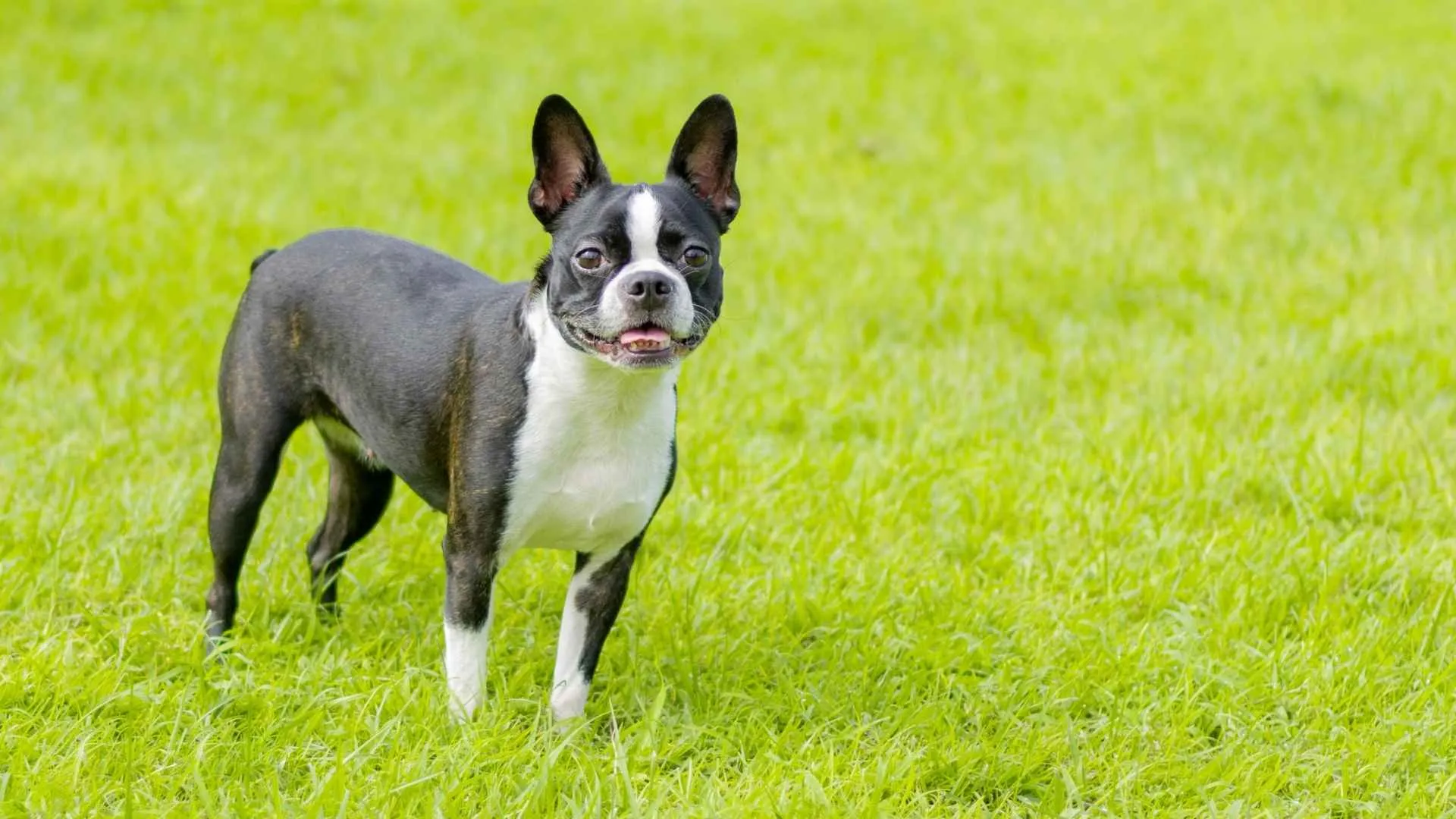
Also called the American gentleman, Boston Terriers are famous for having well-mannered, gentle personalities, combined with their dapper tuxedo coat, which often comes in black and white colors. They typically thrive in human company, but with the right guidance, can tolerate being left alone for short periods.
Boston terriers are high-energy dogs and love participating in everything their family members are doing. They suit active households who can provide them with ways of a significant amount of exercise and mental stimulation, even if they are out for some time.
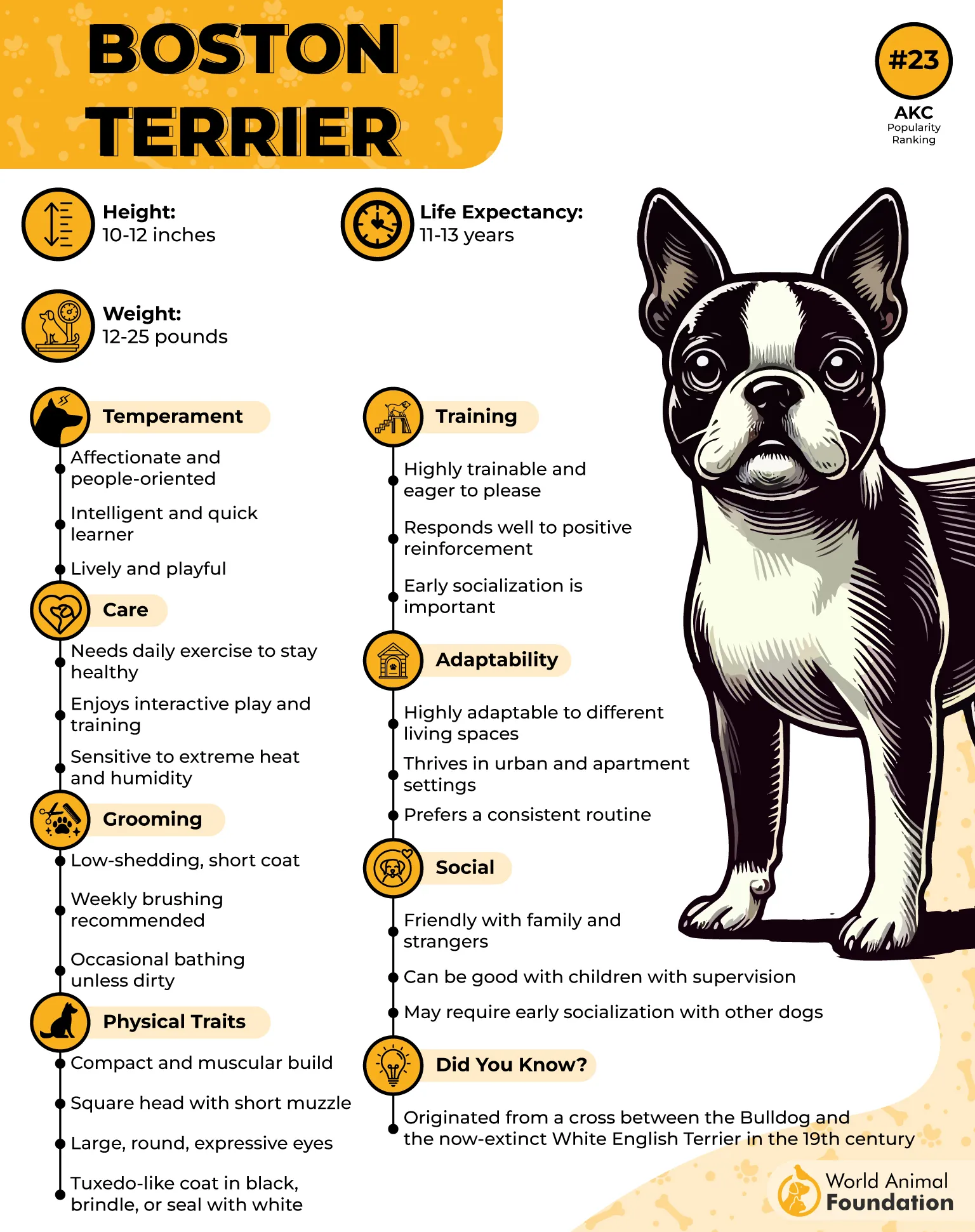
Owing to their flat faces and short muzzles, they develop breathing issues that can be life-threatening if not properly taken care of, according to PetMD. They adore gentle play and make good family pets. Pet parents should supervise their interaction with kids, as they may accidentally get injured.
5. Basenji
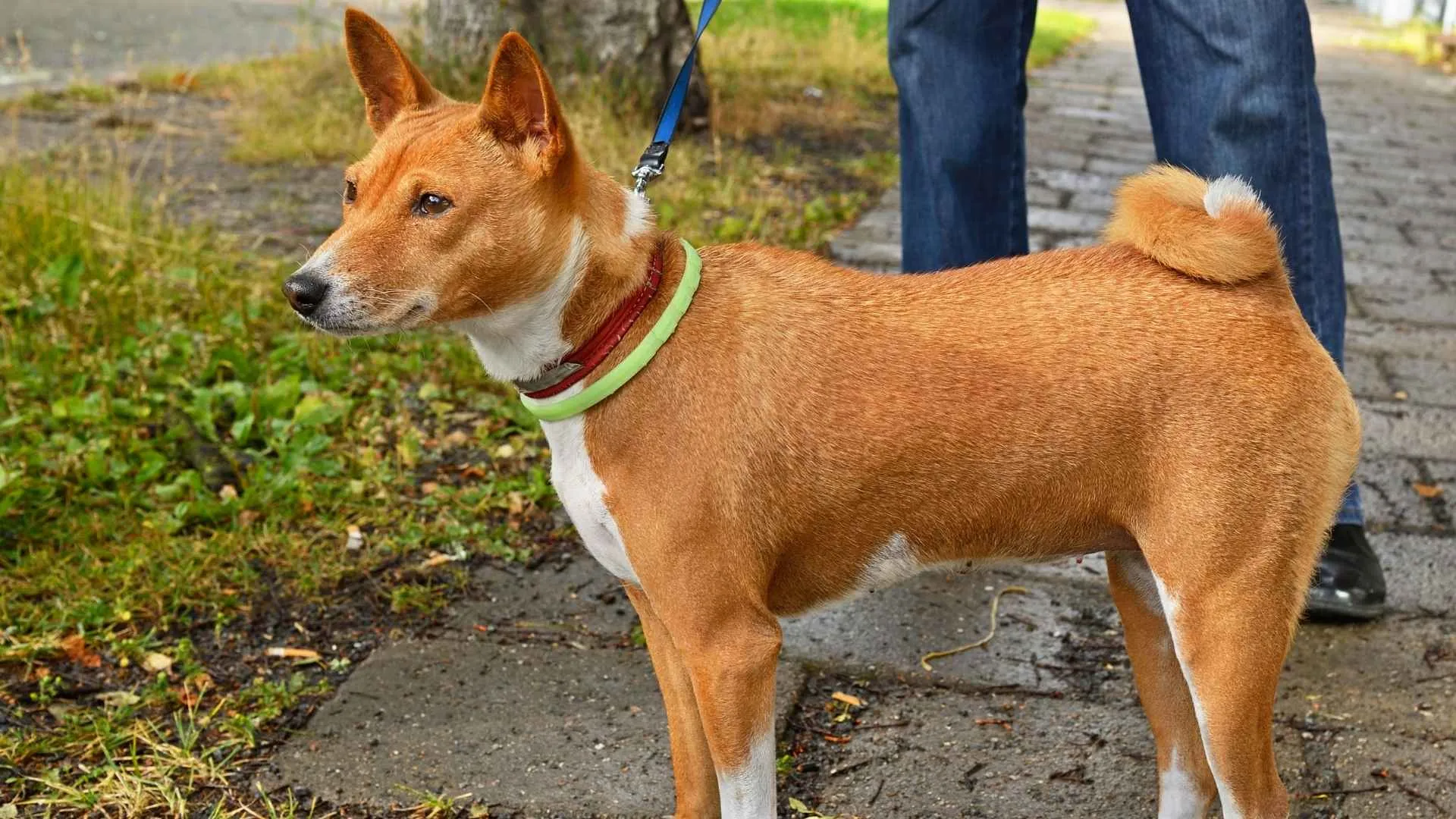
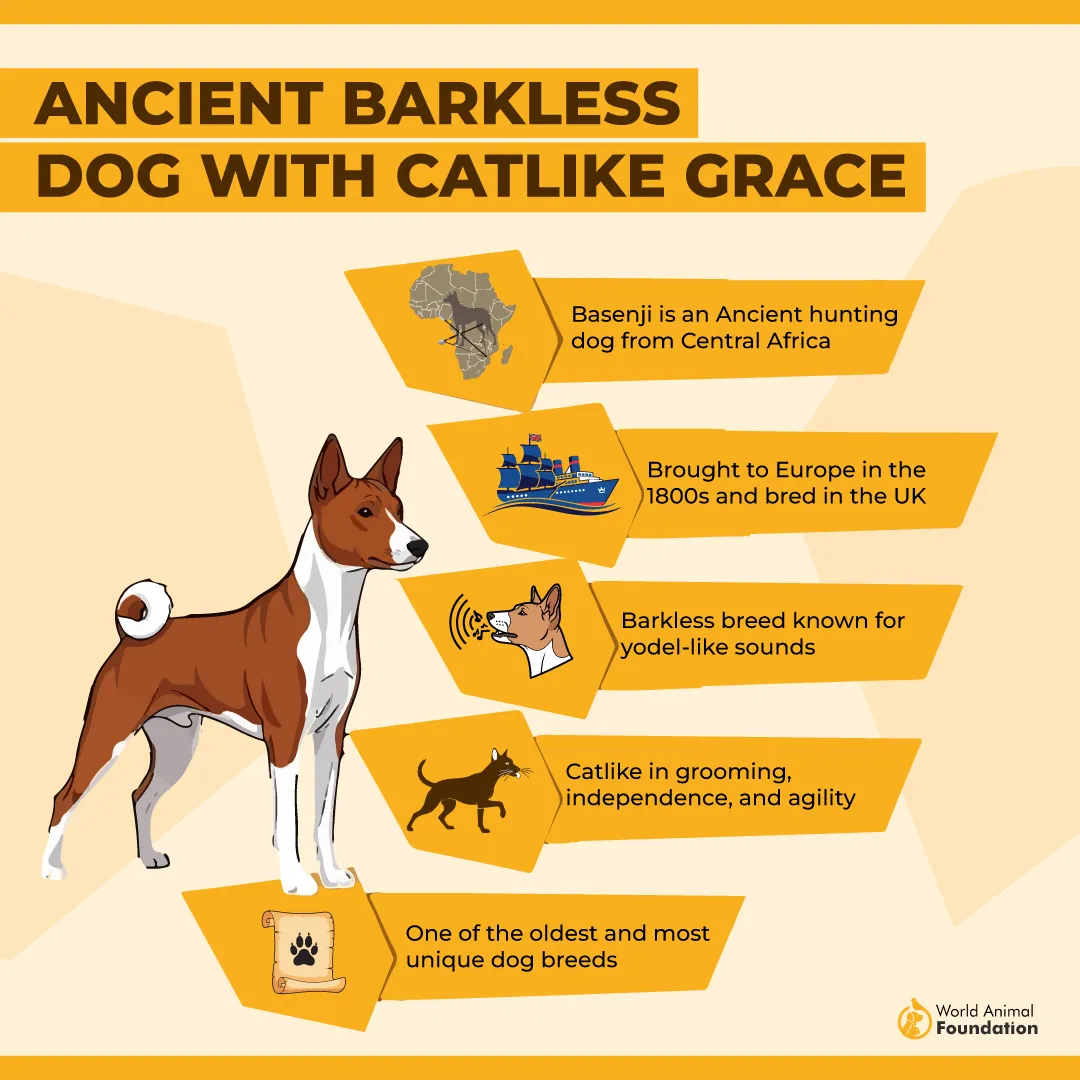
Bark less dogs- nature has designed their vocal box in a unique manner that they do not bark to communicate with their owners, but can yodel. These compact dogs have almond-shaped eyes which convey human-like emotions, while their cat like independency allows them to be home alone sometimes.
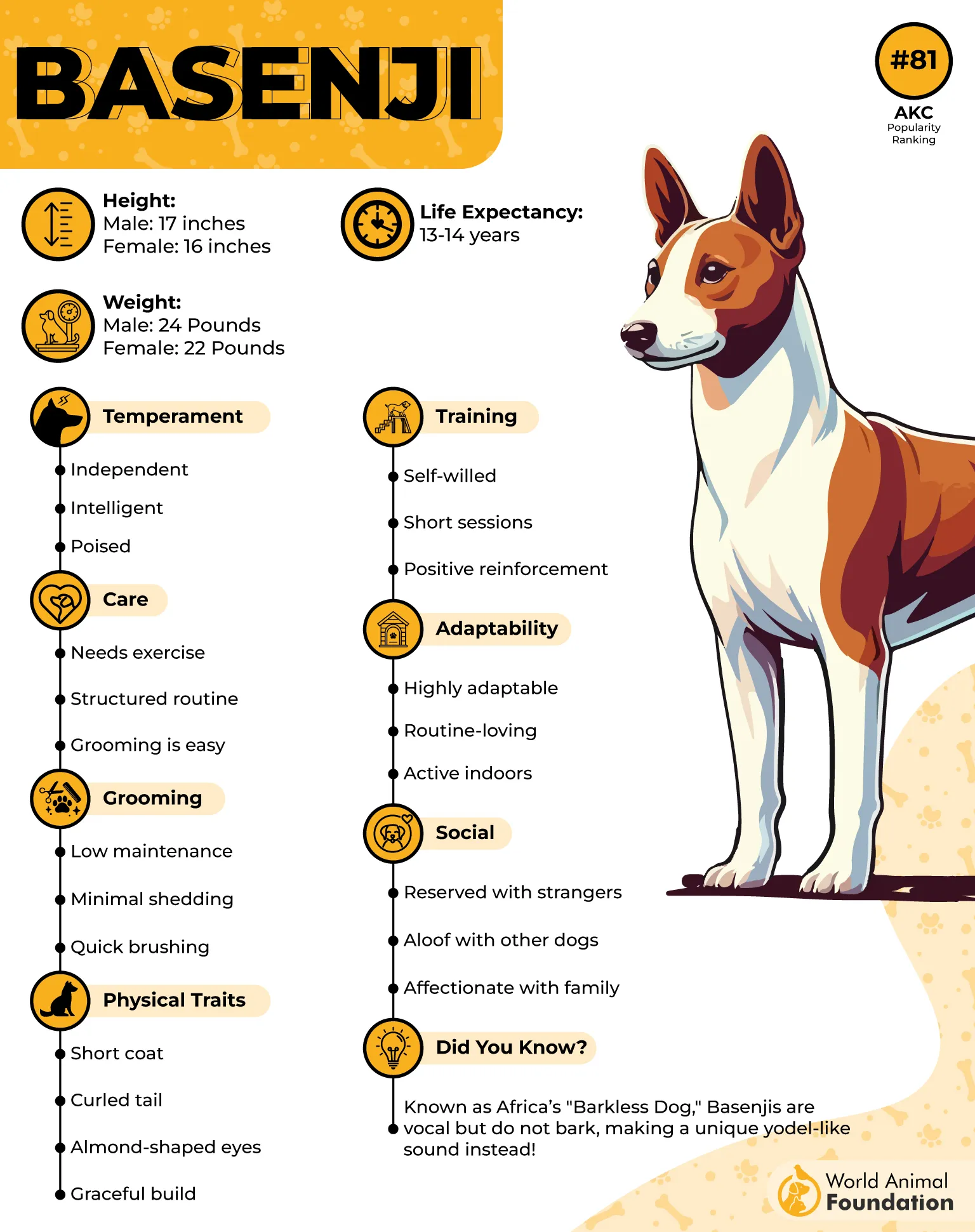
Basenjis have an appearance in the old artwork of Egypt, which means they are as old as the history of the pyramids. These working dogs act both as sight hounds and scent hounds and can still be trained for different hunting tasks that include pointing and retrieving, says Purina.
Being inquisitive and highly energetic, pet parents must not compromise their need for exercise. If they get bored, they develop destructive behavior, so make sure they are also participating in proper canine sports along with daily walks and plenty of play sessions at home.
6. Chow Chow
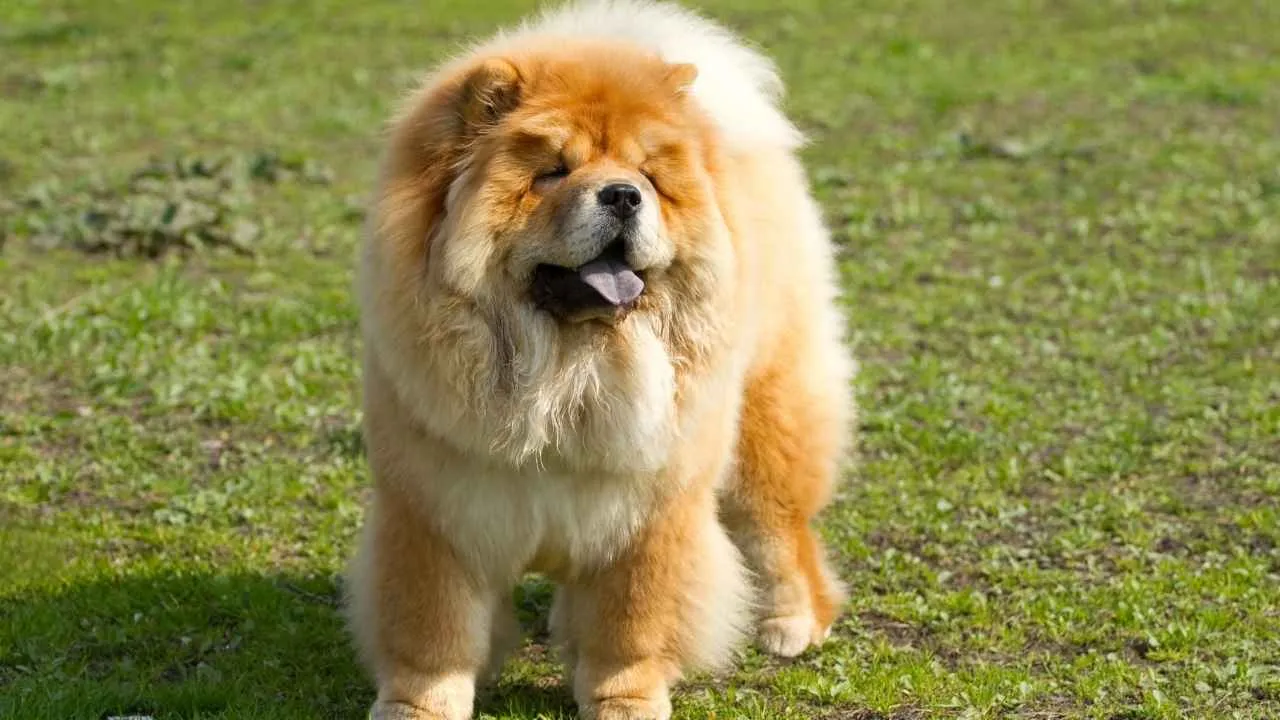
The dignified and regal looks and coat give them a close resemblance to lions. Chow Chows do not require constant attention or snuggling with their owners, just like a cat’s behavior. Therefore, with early training and guidance, they enjoy their solo time and are fine being left alone.
These dogs are aloof towards unknown people and take time to warm up with them – here, socialization plays a crucial role in their lives. They do have low energy and love being couch potatoes at home, yet 15 minutes of daily walking will keep them healthy.
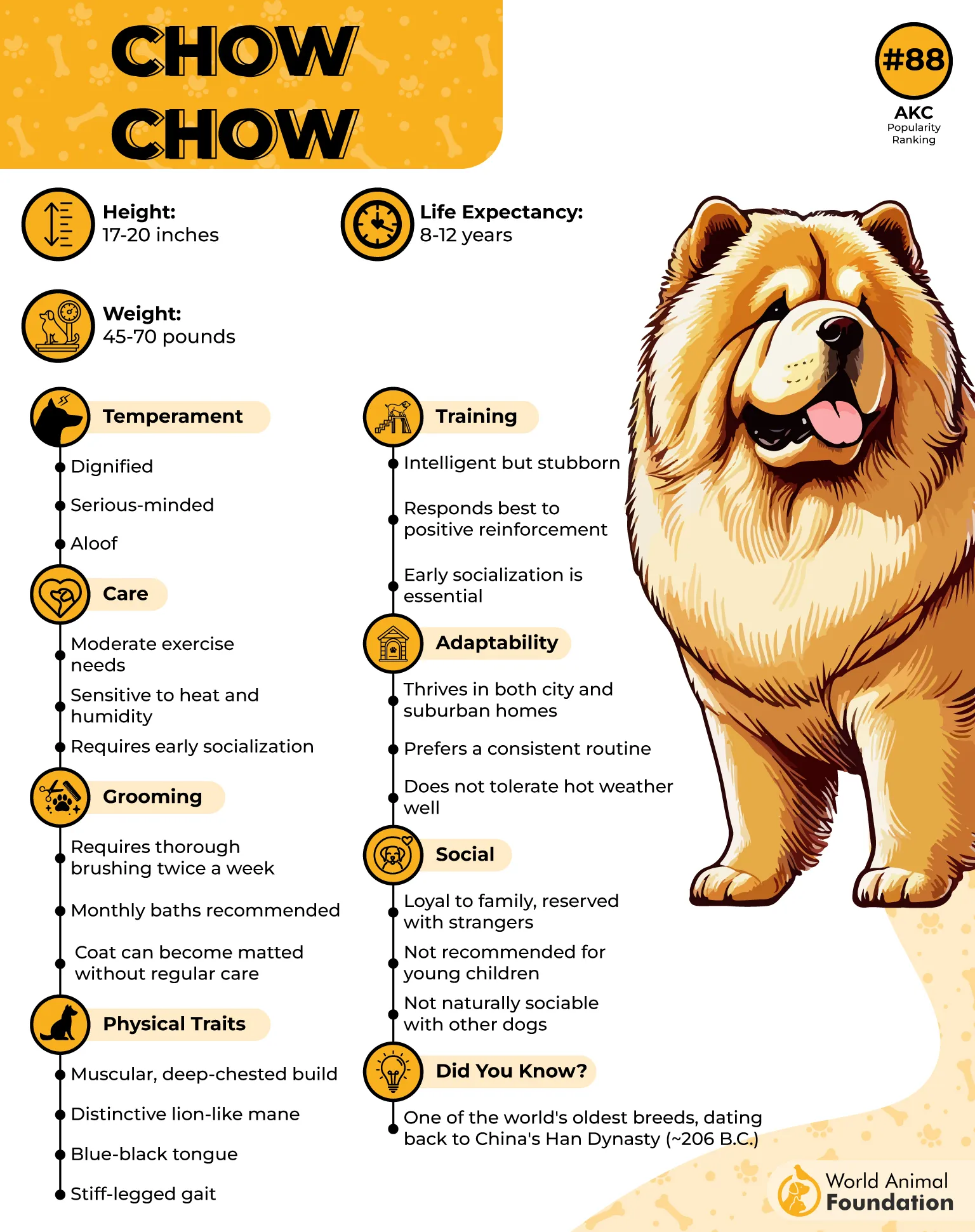
Interestingly enough, pure-bred Chow Chows have characteristic blue tongues, but the puppies do have pink colored tongues that transform to their signature ones after a few months. Do not get confused by their ability to withstand the alone time at home, as they do not like to be left alone outside the home.
7. Greyhound
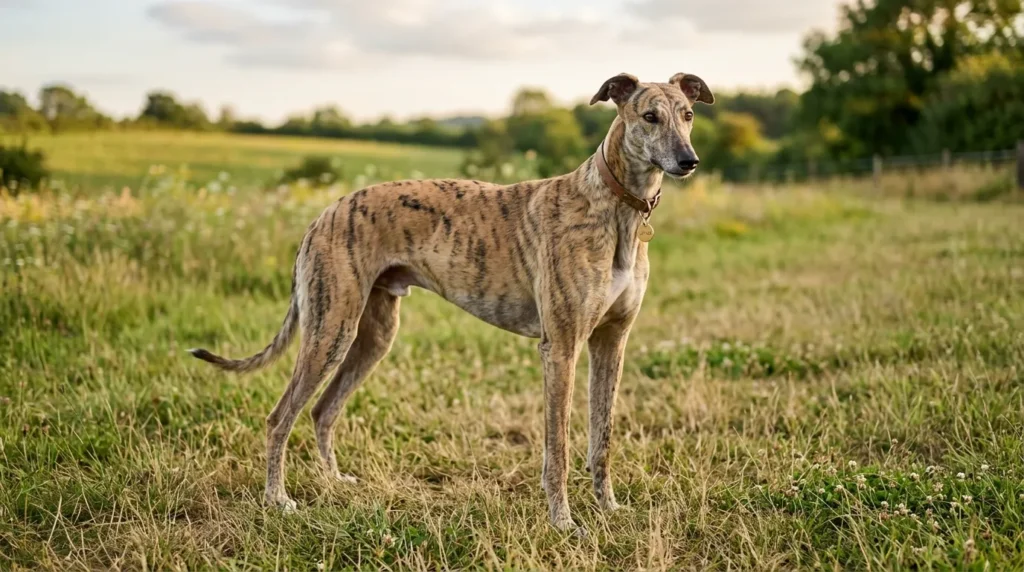
Greyhounds can be left alone for a few hours every once in a while; a perfect match for busy individuals and families. However, being one of the fastest breeds, they require a session to burn off their energy, and after that, they remain calm, dogs loving their lounge and sleep time.
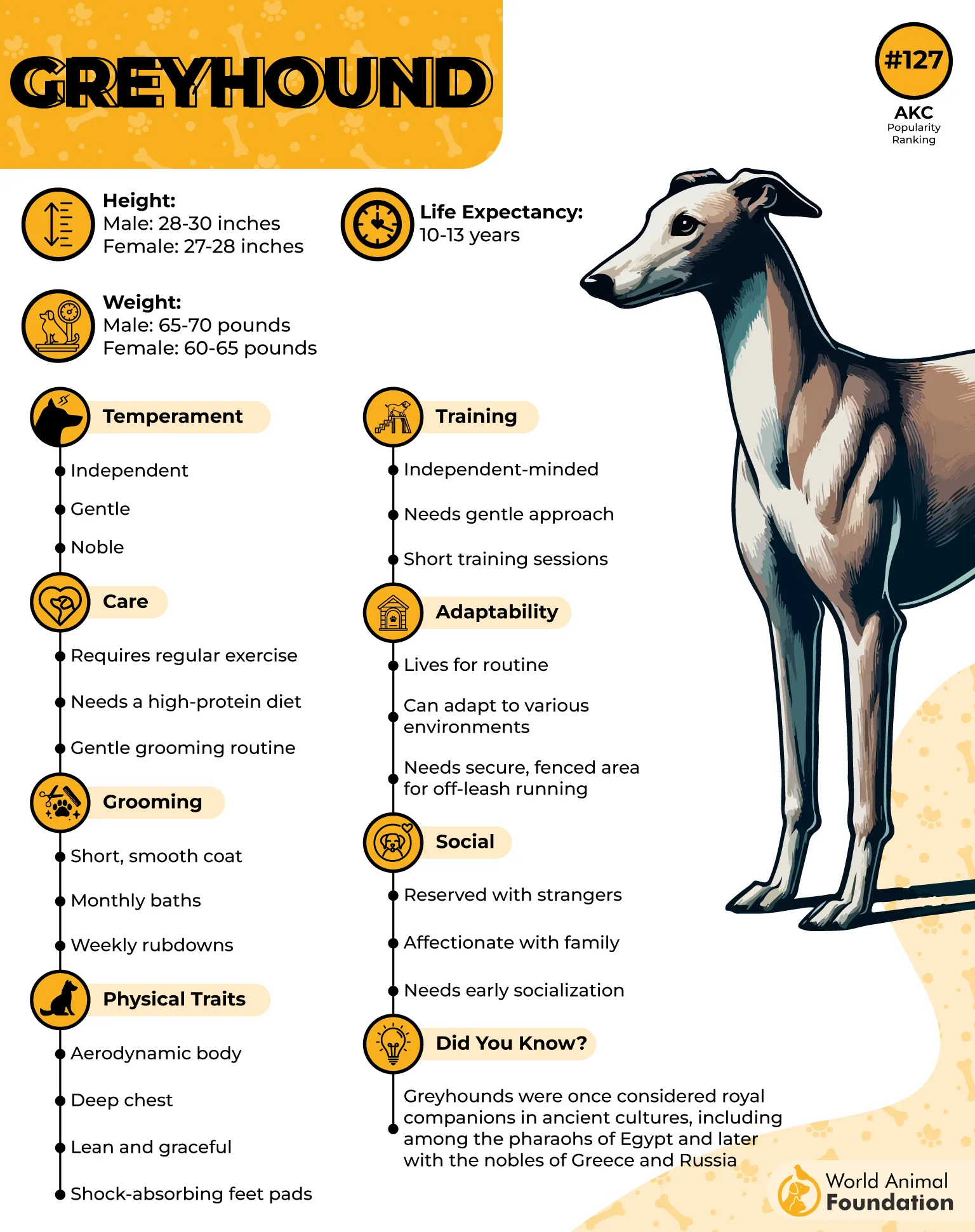
They have a strong prey drive due to their natural instincts of hunting, which is why Greyhounds do not suit multi-pet households – always end up chasing after small animals and things with swift movements. Owing to their background as sight hound dogs, they exhibit an independent demeanor.
Greyhounds become bored easily, and with a sensitive nature, they do not tolerate harsh dealing. Therefore, reward-based methods with lots of patience and consistency should be introduced to train them well as pups. Their short, smooth coat does not require any extensive but basic grooming.
8. Bullmastiff
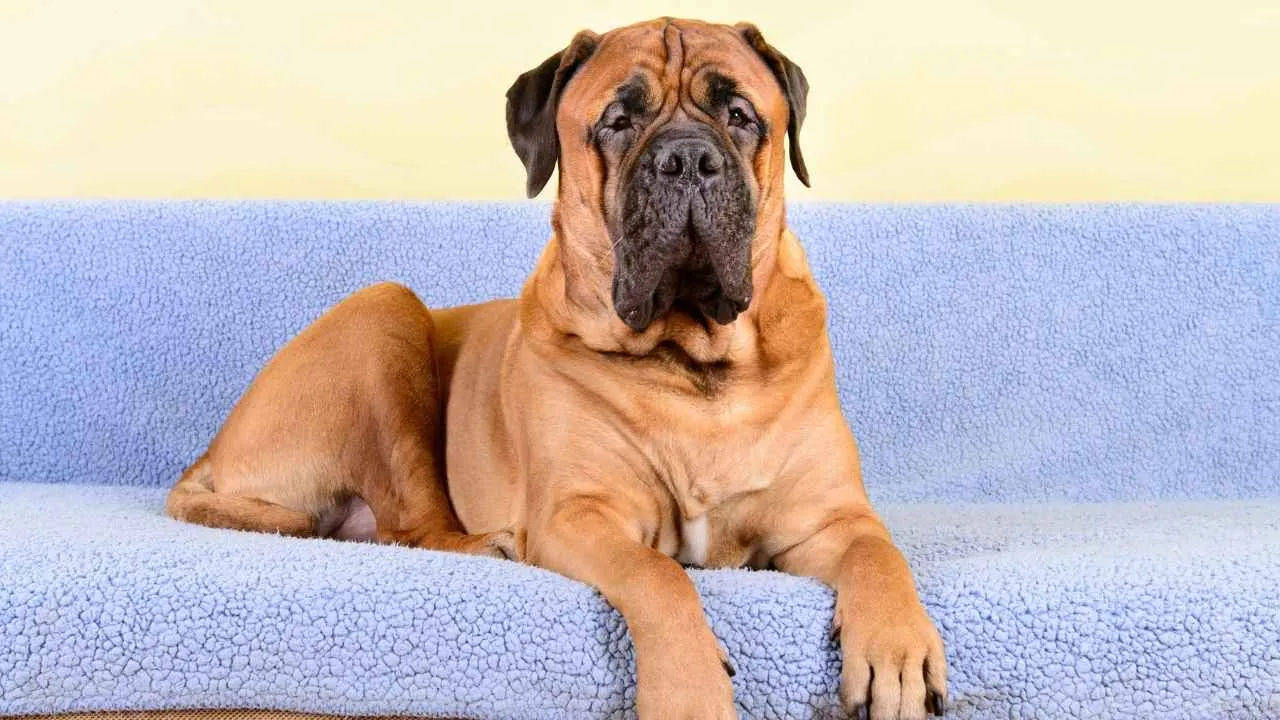
Initially emerging as guard dogs, Bullmastiffs are typically loyal, affectionate, and giant dogs. Due to their sheer size and build, they need lots of exercise than small ones, yet they also love sleeping and spending some time home alone, so they are one of the best dogs for ones having hectic schedules.
Their strong minds, exceptional intelligence, and urge to be active during playtime make them suitable for experienced dog owners only who know how to handle such breeds. They remain quiet and stealthy, but if sensed anything unusual in their surroundings, they do not hesitate to inform and deter.
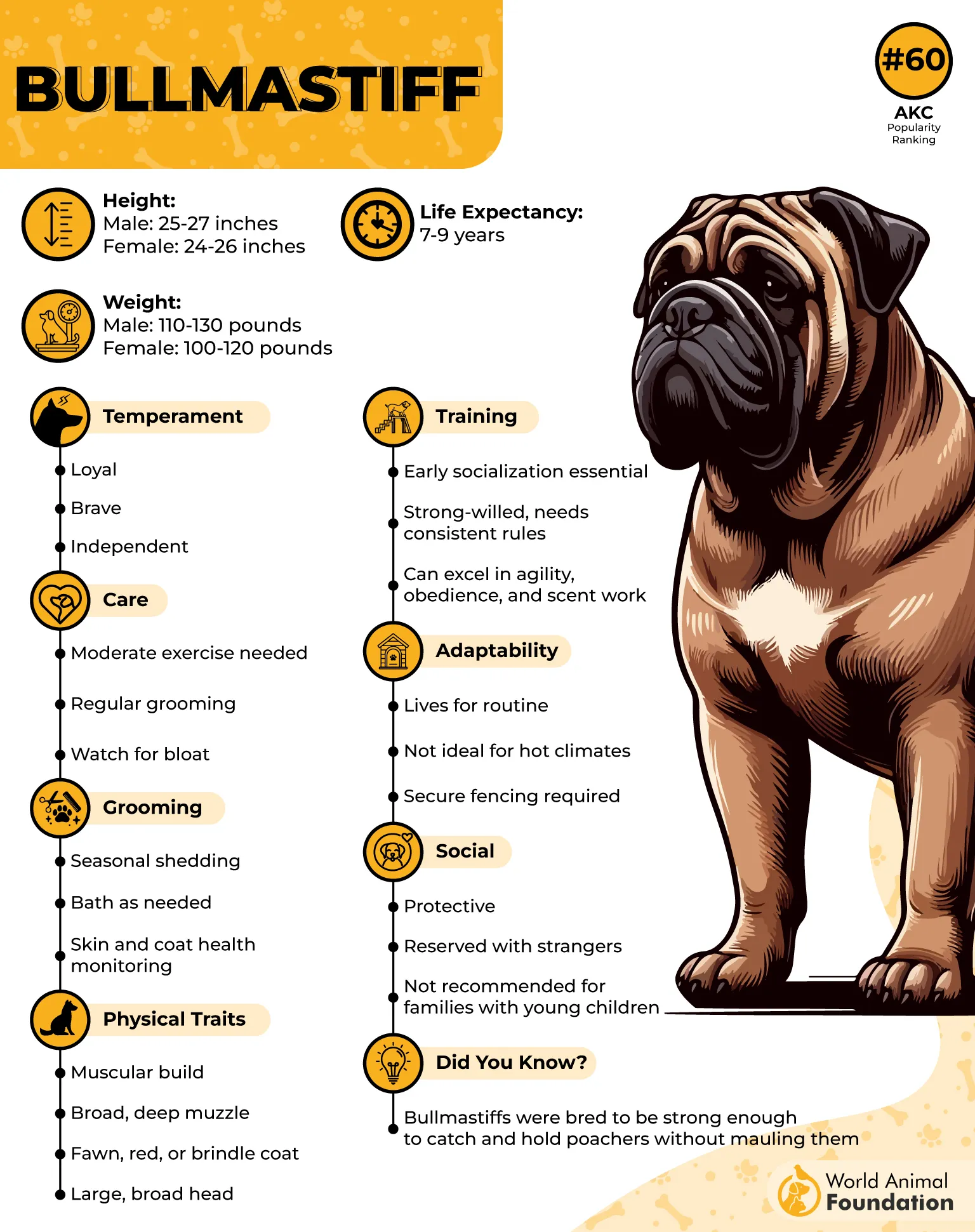
Bullmastiffs are naturally wary of strangers and have territorial instincts, so they should be socialized and trained as pups to recognize the threats more precisely. Despite having big frames and weight, they are adaptable to various living situations, including apartments.
9. Shiba Inu
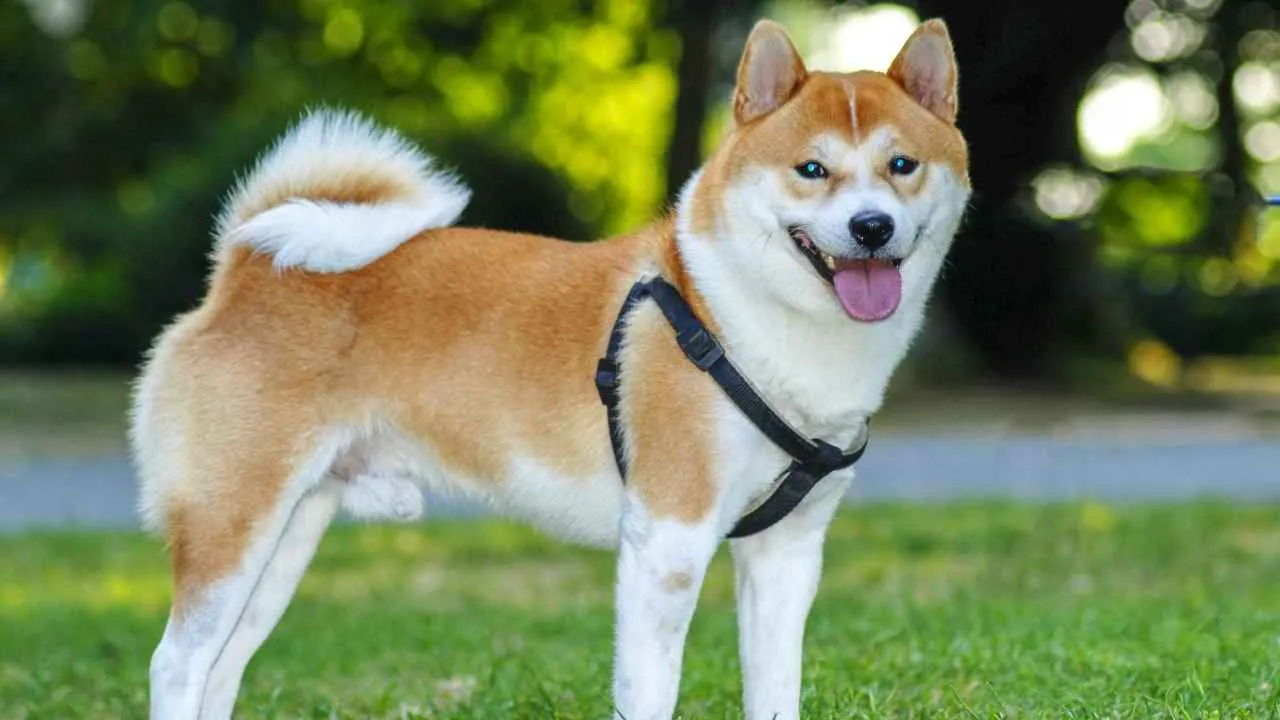
Constant interaction is not needed by Shiba Inus, but ample exercise and mental enrichment are some of the keys to keeping them away from developing separation anxiety. These independent dogs are characterized by traits including alertness, boldness, and adaptability.
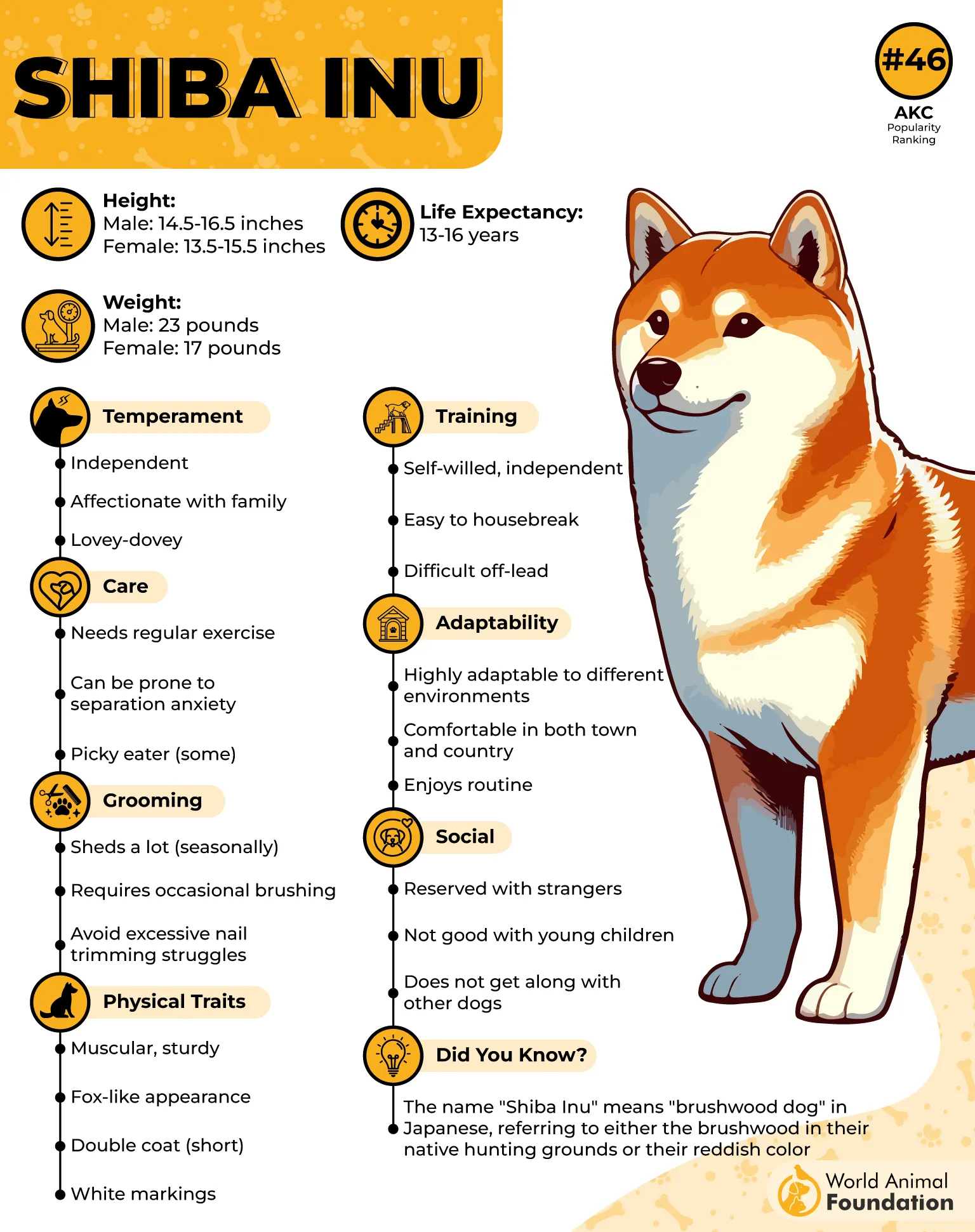
According to Orvis, Shiba Inus are considered the treasure of Japan, as their ancestors belonged to ancient Japan and developed here. They do not show their love through cuddles but by protecting their loved ones from the upcoming danger.
As adult dogs, they can spend time home alone for 6 to 8 hours, while the pups can last up to two hours only, considering the fact that some of them can also be prone to separation anxiety. Once they found something to hunt, they would not listen to anyone, so ensure their leash training as early as possible.
Conclusion
Overall, dog breeds that are comfortable spending quiet time at home bring a unique sense of peace and stability into everyday life. Their ability to remain calm, confident, and emotionally balanced during alone time makes them excellent companions for many different households. With the right care and understanding, these breeds offer loyal friendship without being overly demanding or dependent.
