




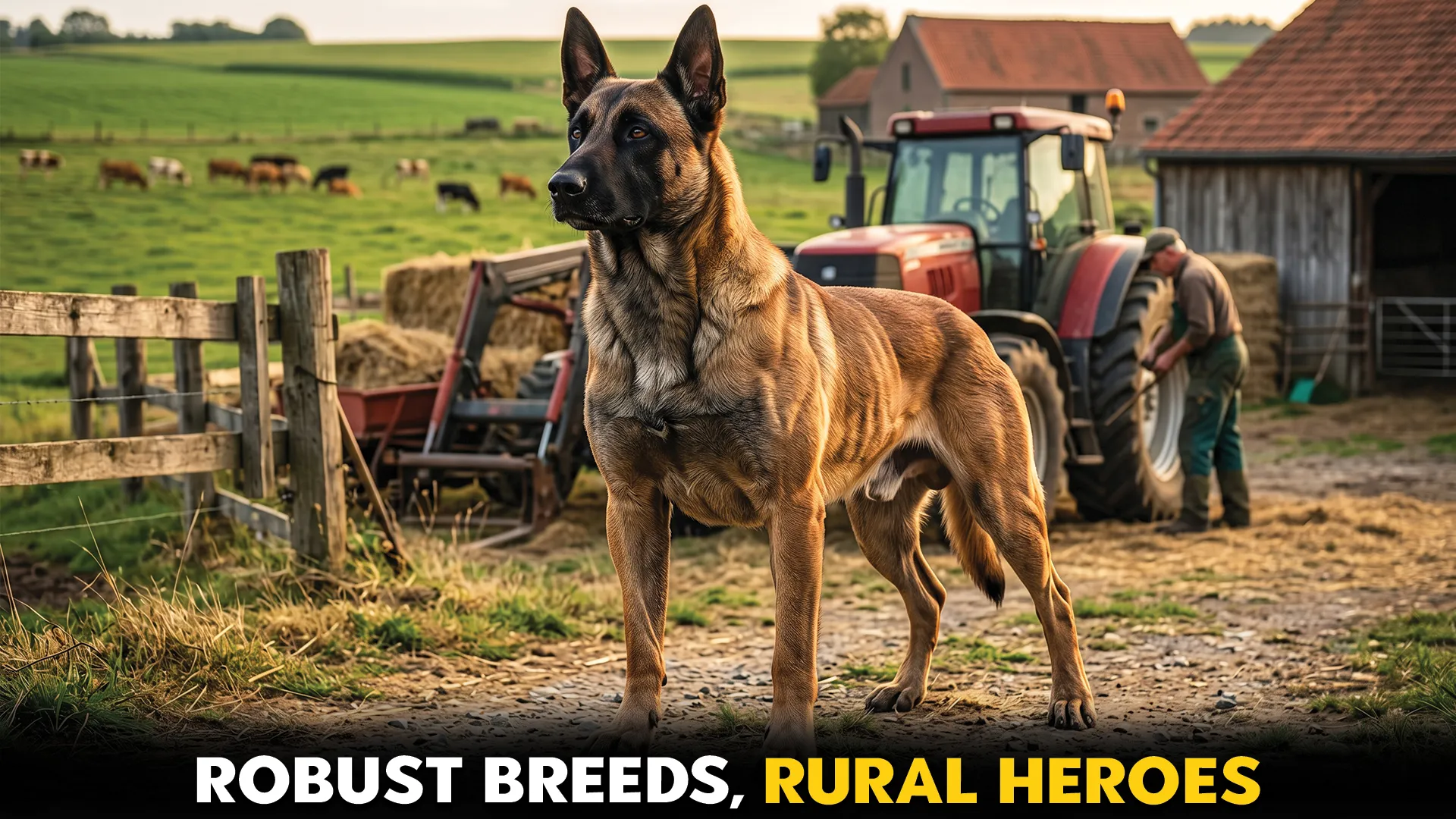
Ever noticed how a farm never really gives you a quiet moment? Something is always moving, escaping, or needing attention before the first cup of tea. That constant activity is why the right working companion is not a luxury but a necessity.
From sunrise chores to late evening checks, every task seems to demand extra hands. In reality, those extra hands often come on four legs with sharp instincts and endless energy. These dogs are more than pets; they are dependable problem-solvers built for busy, unpredictable farm life.
They act as herders, protectors, and all-round helpers whenever chaos appears uninvited. Their intelligence, stamina, and loyalty make them natural partners for managing livestock and securing property. For anyone living in rural areas or working with animals, choosing the right helper truly matters.
A great working dog combines intelligence, endurance, loyalty, and instinct into one reliable package. In the sections ahead, you’ll discover seven powerful breeds known for excelling in farm and herding duties.
Robust Dog Breeds Perfect for Farm and Herding Duties
1. Australian Cattle Dog
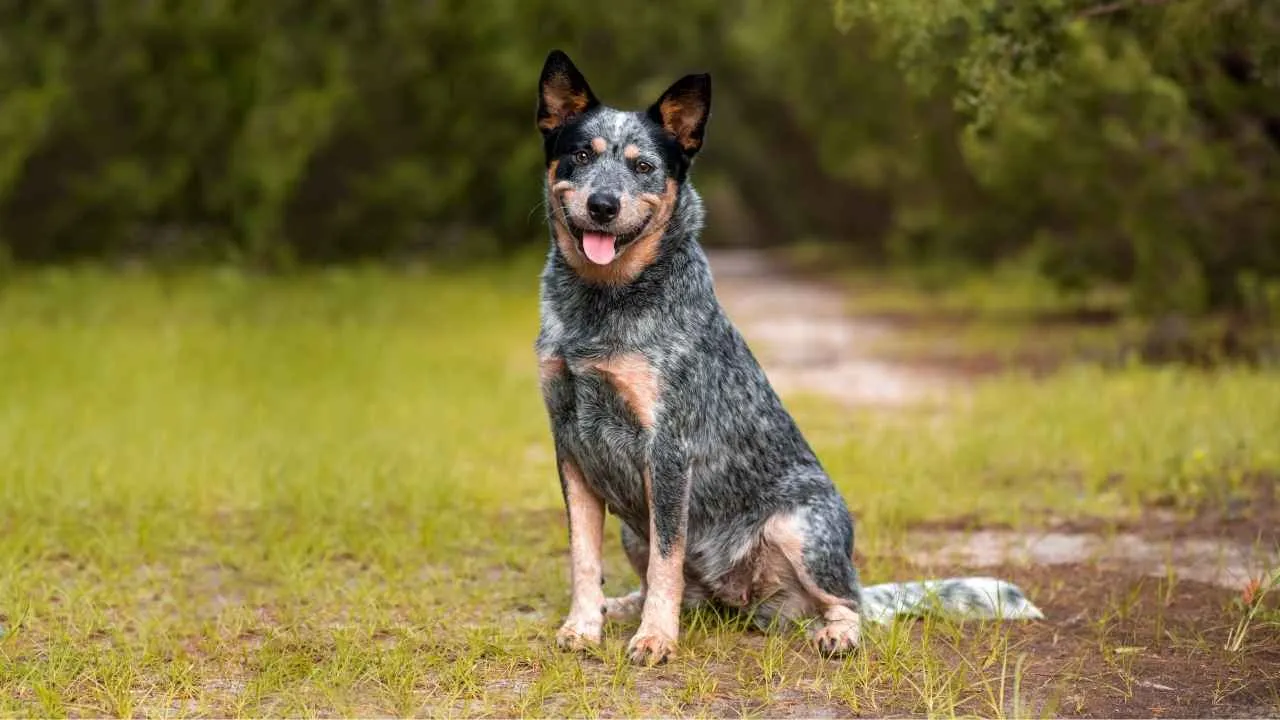
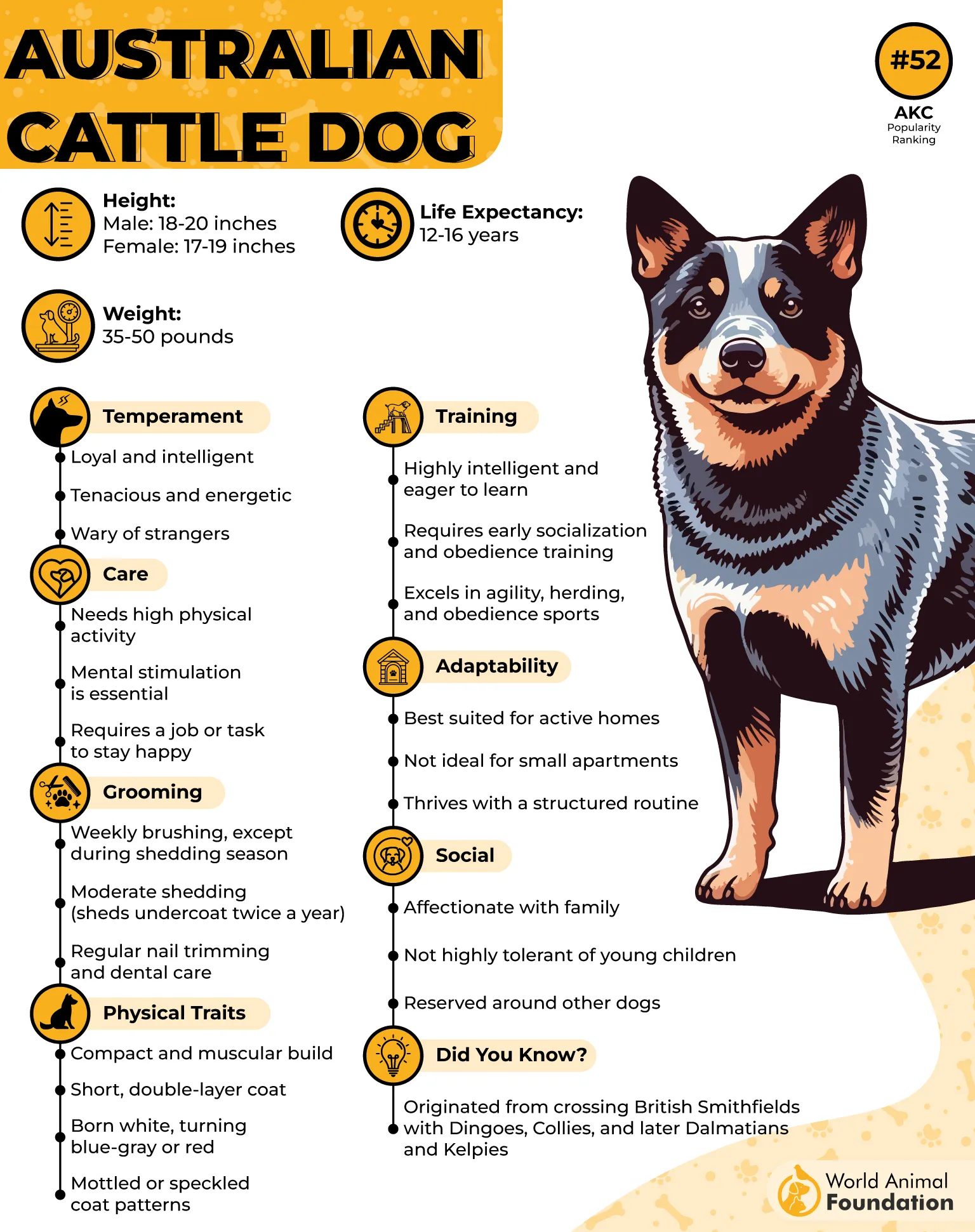
This herding breed was originally developed in the 19th century to manage cattle in the harsh Australian Outback. It gained the nickname “heeler” because it controls livestock by nipping at their heels, a behavior linked to its dingo ancestry. Compact, muscular, and always alert, it carries a naturally intense working mindset.
Highly intelligent and quick to learn, it also shows an independent streak that can turn into stubborn decision-making, as per Britannica.
It bonds strongly with its handler and stays watchful around unfamiliar people or animals, reflecting a strong protective instinct. That mix of loyalty and suspicion keeps it constantly tuned to its environment.
Farm and Herding Duties
Built for long days in open land, it moves cattle with speed, accuracy, and controlled pressure instead of force. It handles rough terrain and extreme distances without losing focus. On farms, it supports herding, boundary patrol, and livestock control, while also discouraging strays or predators.
Its high stamina demands daily intense work like running, herding drills, or mentally challenging tasks to stay balanced and effective.
2. German Shepherd
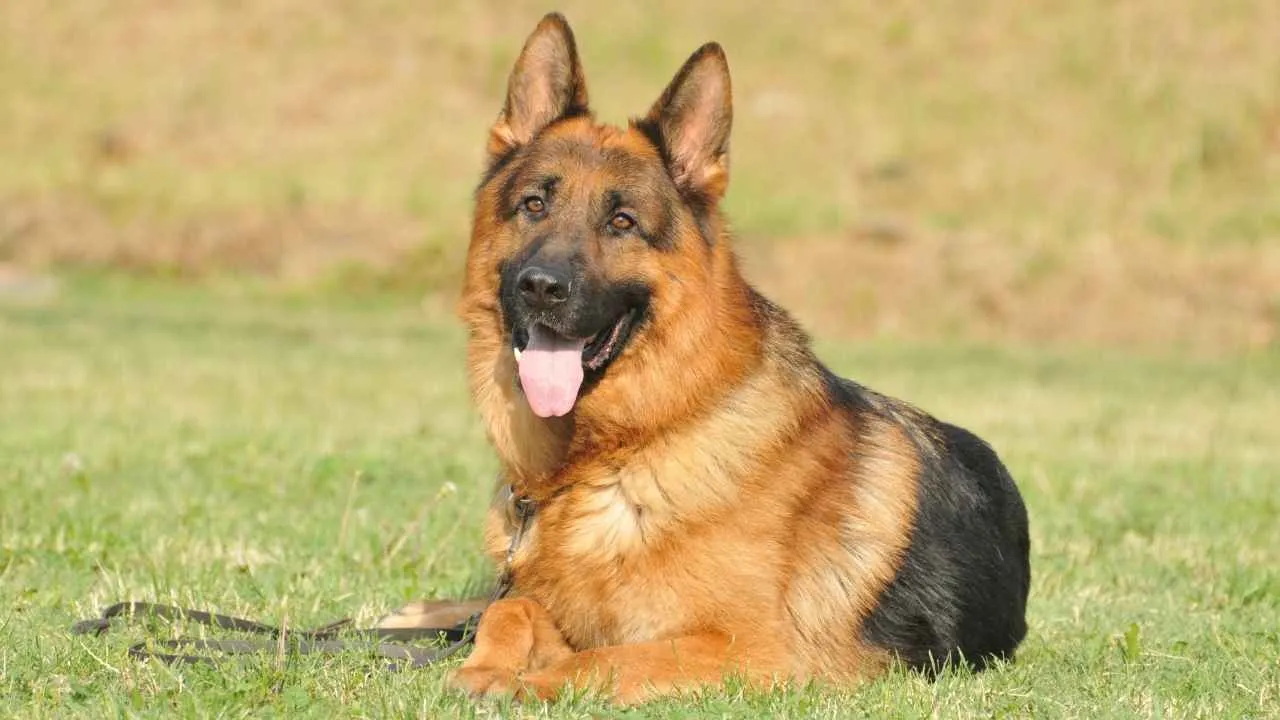
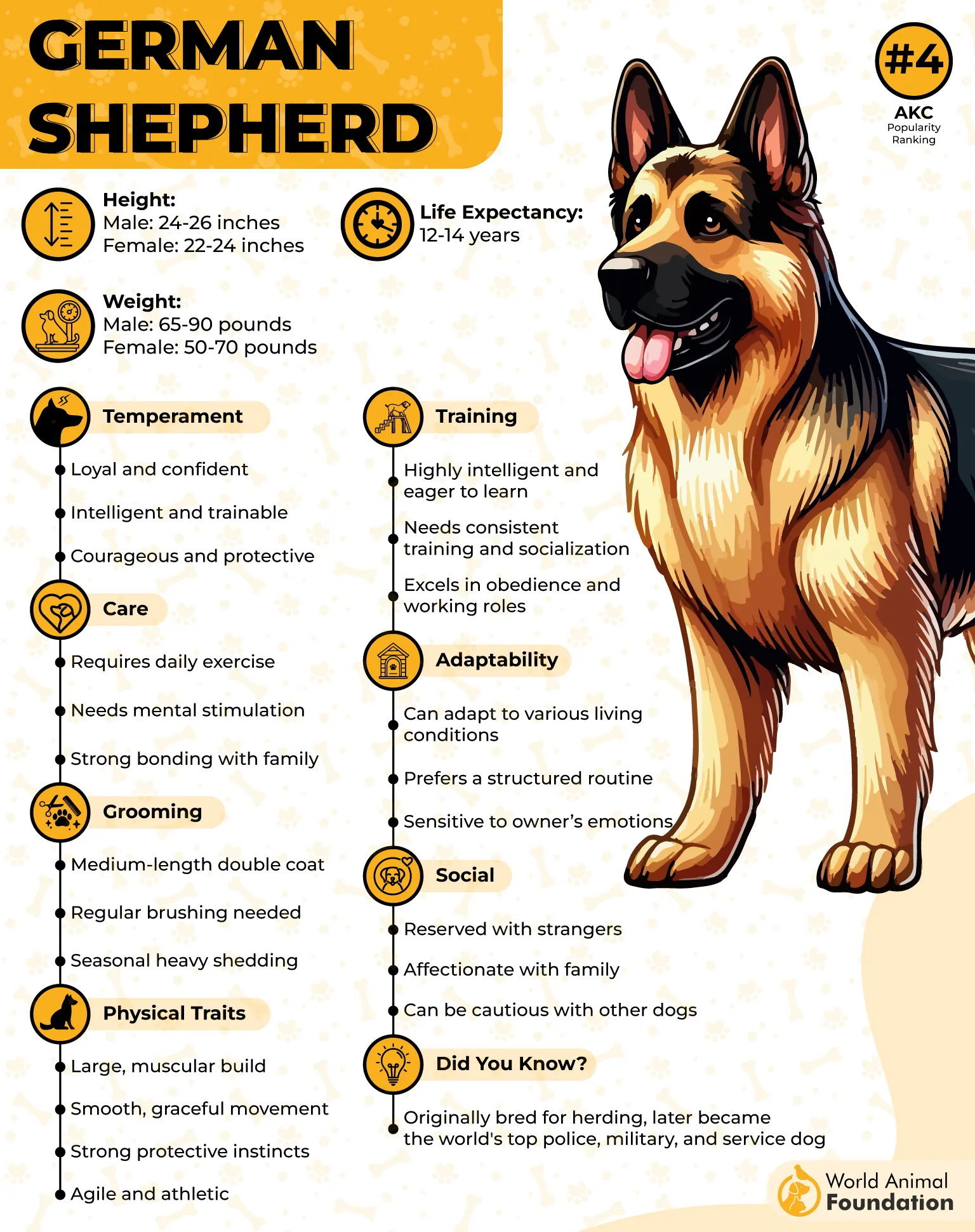
Originally bred for herding sheep, this intelligent working breed is also known as GSD or Alsatian. It is highly trainable, observant, and naturally tuned to human direction. Loyalty runs deep, often forming strong bonds with its handler and family members.
Protective instincts come built-in, so it stays alert around unfamiliar faces while remaining calm when properly socialized.
Being a herding dog, it enjoys structure and routine, but without mental engagement, it may create its own “projects” at home. Sensitive to tone and guidance, it responds well to clear communication and consistent training from an early age, as per PetPlan.
Farm and Herding Duties
On farms, it manages livestock by guiding movement, guarding boundaries, and responding quickly to commands. Its herding style relies more on control and positioning than force, making it effective with sheep, goats, and cattle. Strong tracking ability helps locate strays across large fields.
It needs daily physical work plus mental stimulation like obedience drills or scent games to stay balanced. Long exercise sessions, especially walking, tracking, or structured farm rounds, keep its energy useful instead of restless.
3. Australian Shepherd
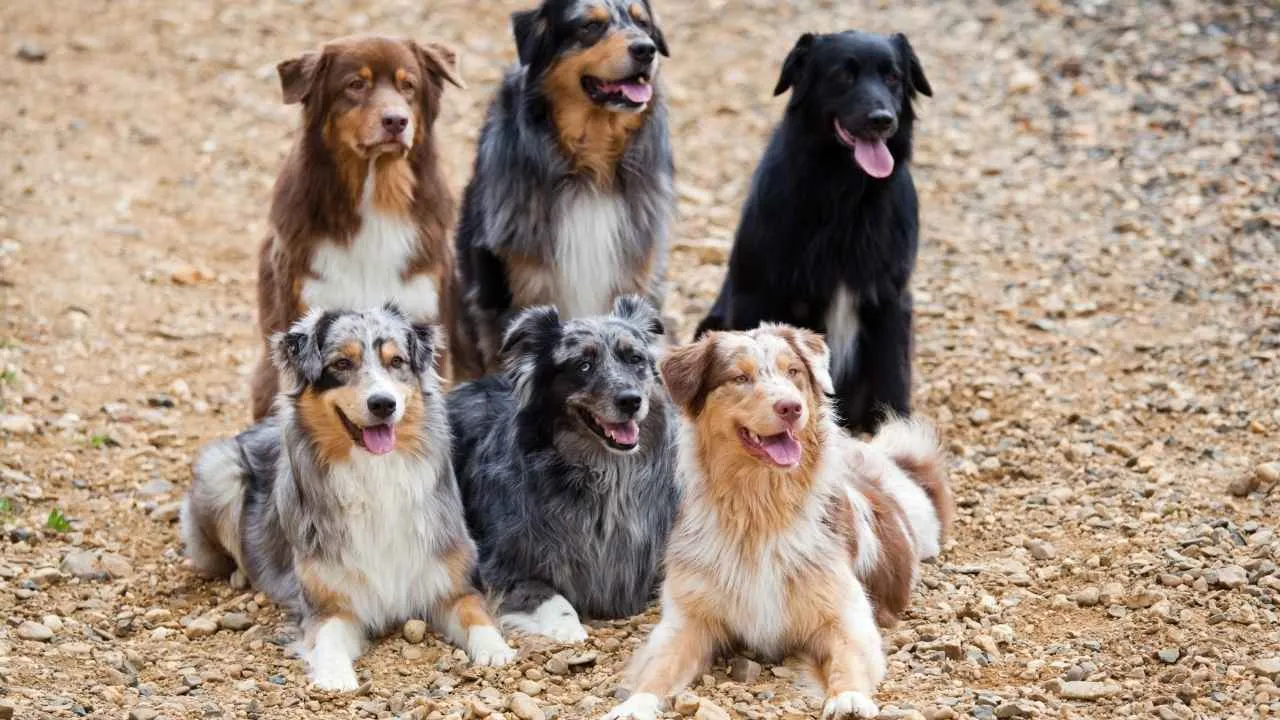
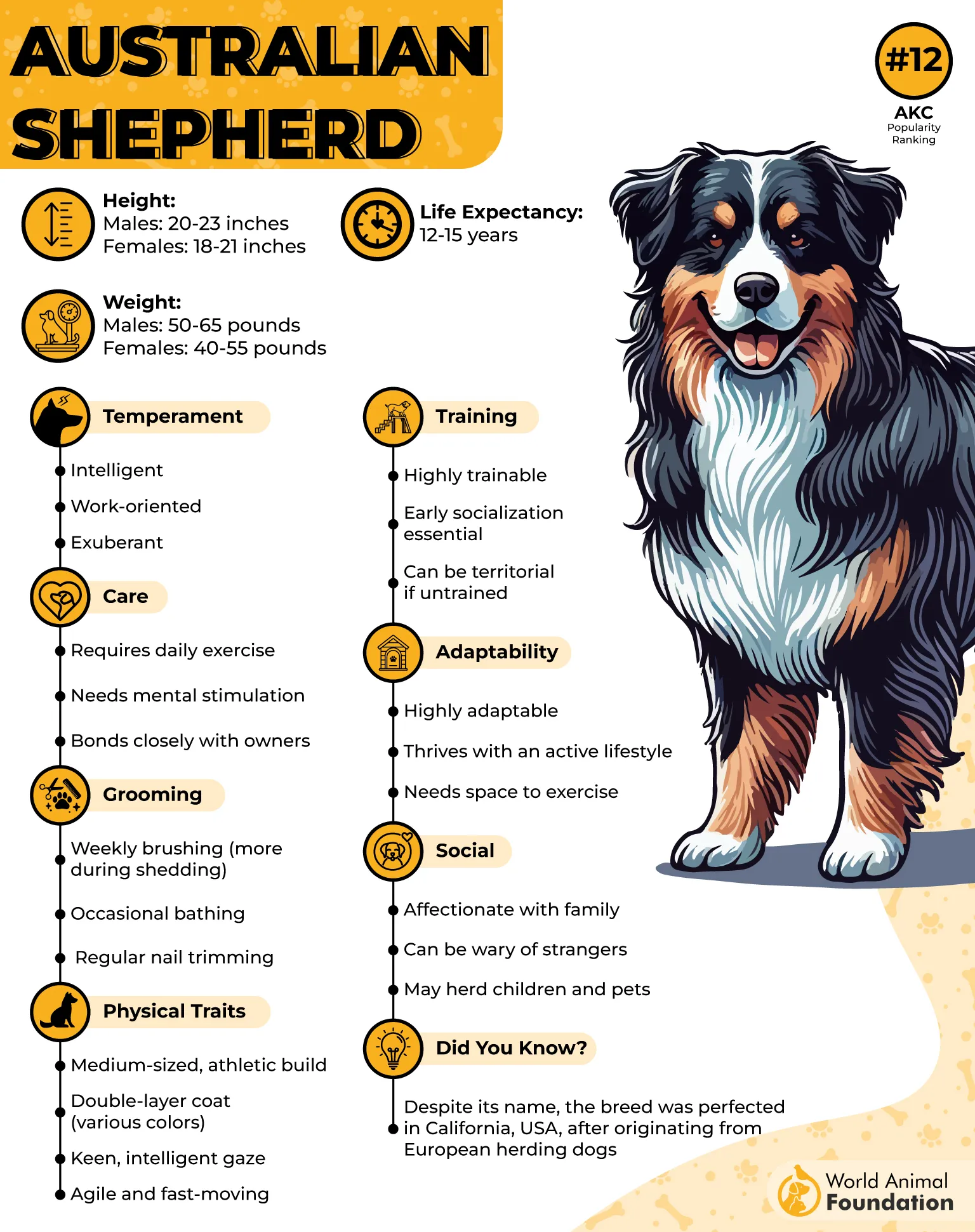
Despite the name, this ranch worker was refined in America and became a symbol of cowboy life. A medium-sized, athletic farm dog breed with sharp focus, it is known for its intense gaze and quick reactions. Its coat can appear in striking patterns like blue merle, adding to its rugged working look.
Australian Shepherd carries a strong natural herding instinct for almost anything in motion—livestock, birds, or even children—simply because the drive is always switched on.
Highly intelligent, it learns fast but also figures out loopholes with remarkable precision, which can surprise inexperienced handlers. It forms deep attachments with its people and may become territorial or overly watchful if not properly guided.
Farm and Herding Duties
On farms, it shines when given clear responsibility like moving livestock, guiding animals through pens, or supporting rodeo-style work. Its energy demands long daily activity, ideally open space running, hiking, or structured herding tasks, as per AKC.
Without a job, this working farm dog tends to redirect high energy into unwanted habits, so continuous engagement is essential. Early training helps channel its natural drive into precise control, making it effective in obedience, agility, and farm management roles.
4. Border Collie
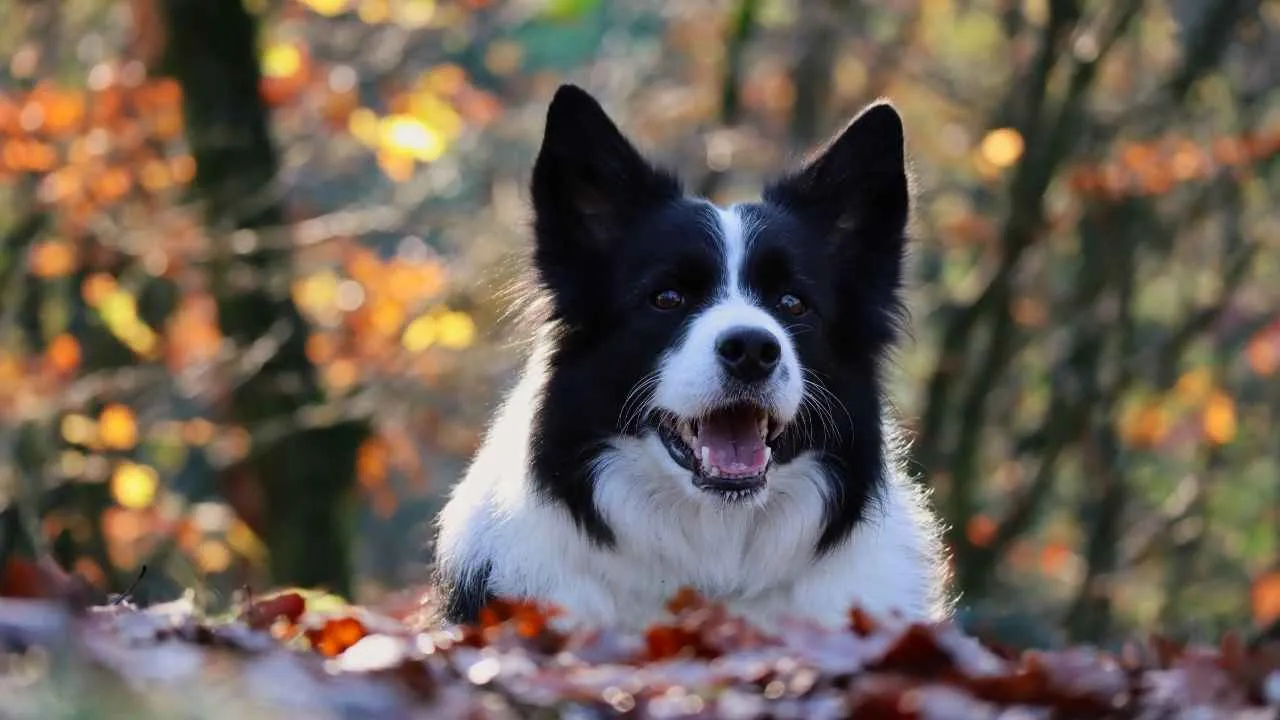
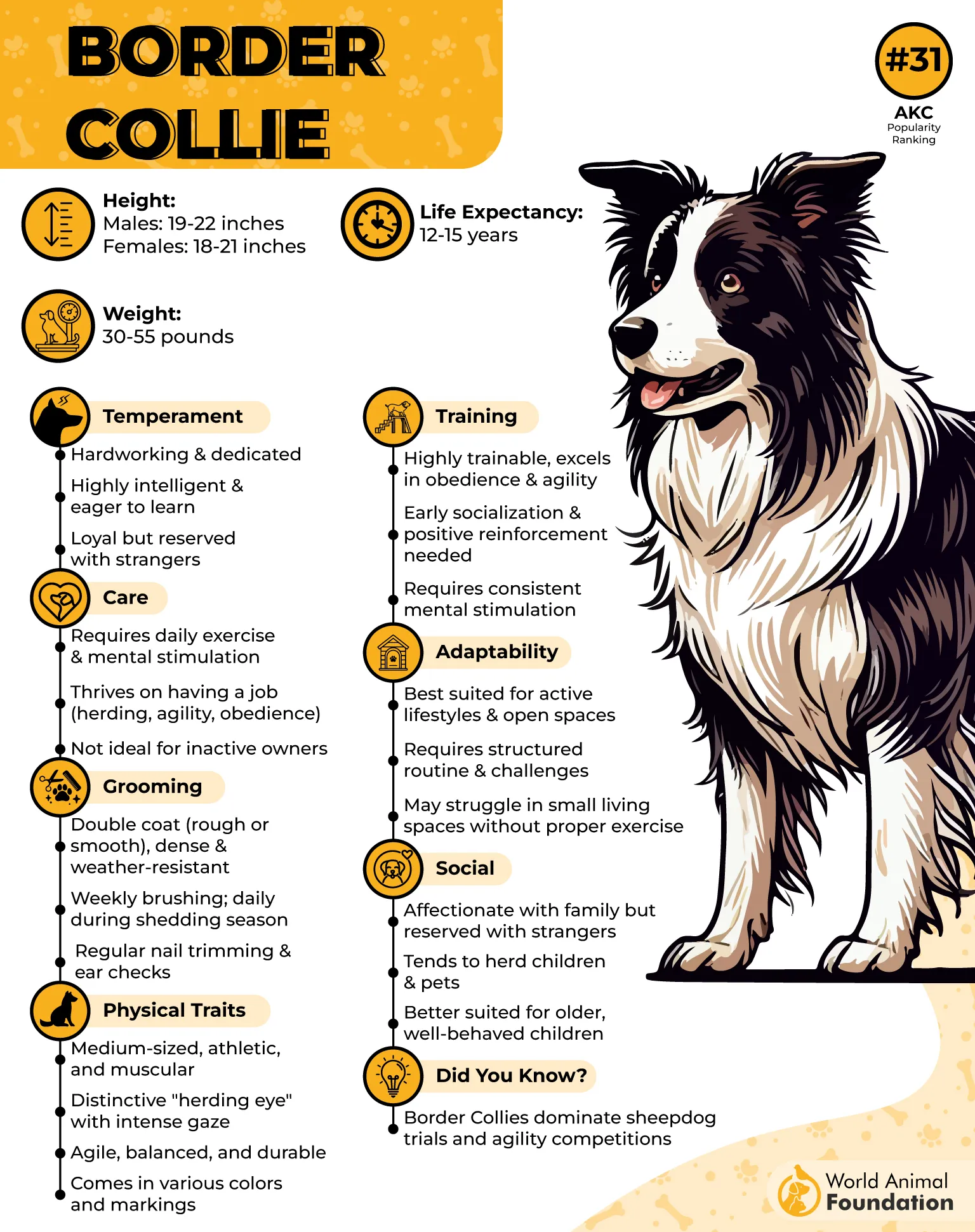
Bred specifically for herding sheep, this medium-sized working dog is often called one of the smartest breeds in the world. It carries a muscular yet nimble build with intense, focused eyes known as the “herding gaze.”
This breed is energetic, alert, and constantly thinking ahead, often solving problems on its own during work. It forms strong bonds with handlers and enjoys structure, but boredom can quickly turn into unwanted behavior.
Because of its instinct to control movement, it may try to herd children or smaller animals without proper training, as per WebMD.
Farm and Herding Duties
On farms, it excels in farm tasks like gathering, driving, and controlling livestock with precision and speed. It uses stealthy movement, crouching posture, and sudden bursts of energy to guide sheep across fields. Known for endurance, they can work long hours without losing focus, making them perfect farm dog breeds.
It needs daily physical exercise and mental challenges like agility drills or command training to stay balanced. When given responsibility, it performs like a highly efficient livestock manager, turning complex herding tasks into smooth, controlled movement.
5. Shetland Sheepdog
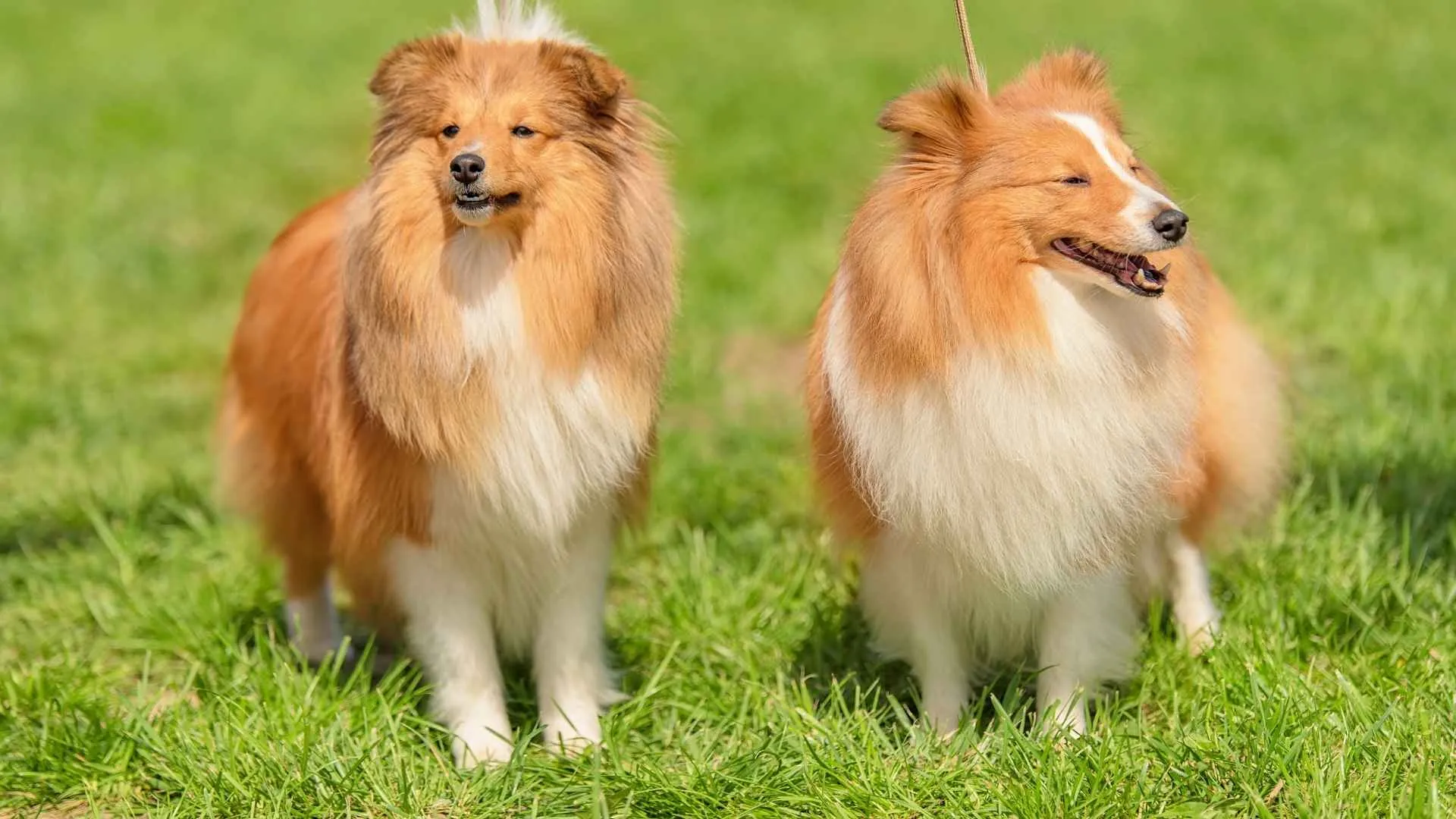
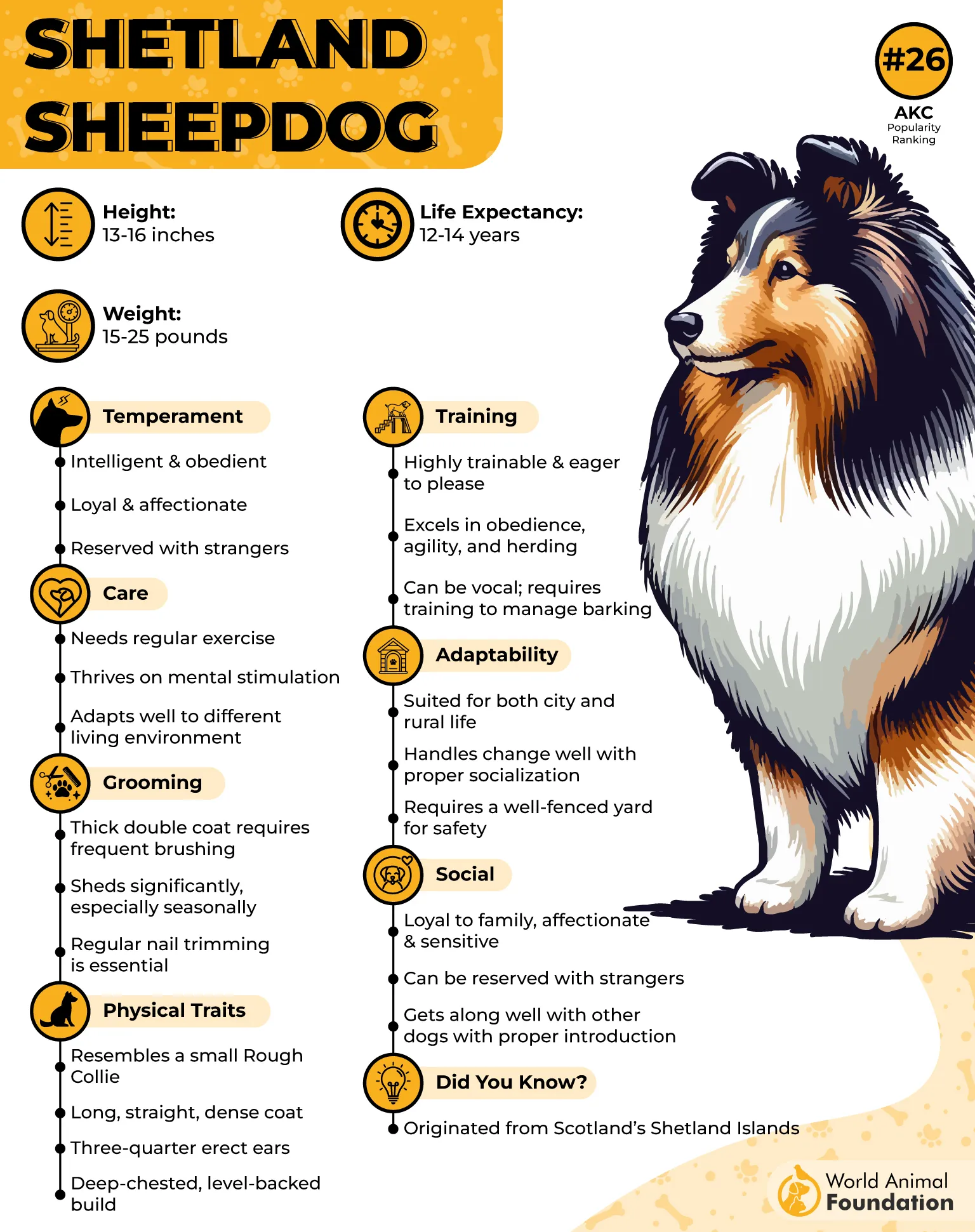
Often called a “mini Collie,” this compact herding dog comes from the rugged Shetland Islands, where it worked with small livestock and guarded farmland. Small in size but big in personality, it carries an alert, intelligent expression and a strong sense of awareness.
It is deeply loyal and affectionate with its family, yet naturally reserved around strangers. That built-in caution, combined with a sharp bark, turns it into a living alarm system that rarely misses a thing.
As per Orvis, its strong herding instinct may show up as gentle heel-nipping, especially around moving targets, which needs proper training to manage.
Farm and Herding Duties
On farms, it handles light herding tasks like guiding sheep and keeping birds away from crops using its voice and quick movement. It also works as an early warning system, alerting owners to anything unusual around the property.
Though smaller than other herders, it moves swiftly and responds well to commands, making it a great choice for controlled herding livestock. Regular exercise, agility games, and mental challenges help channel its energy into focused, productive work.
6. Old English Sheepdog
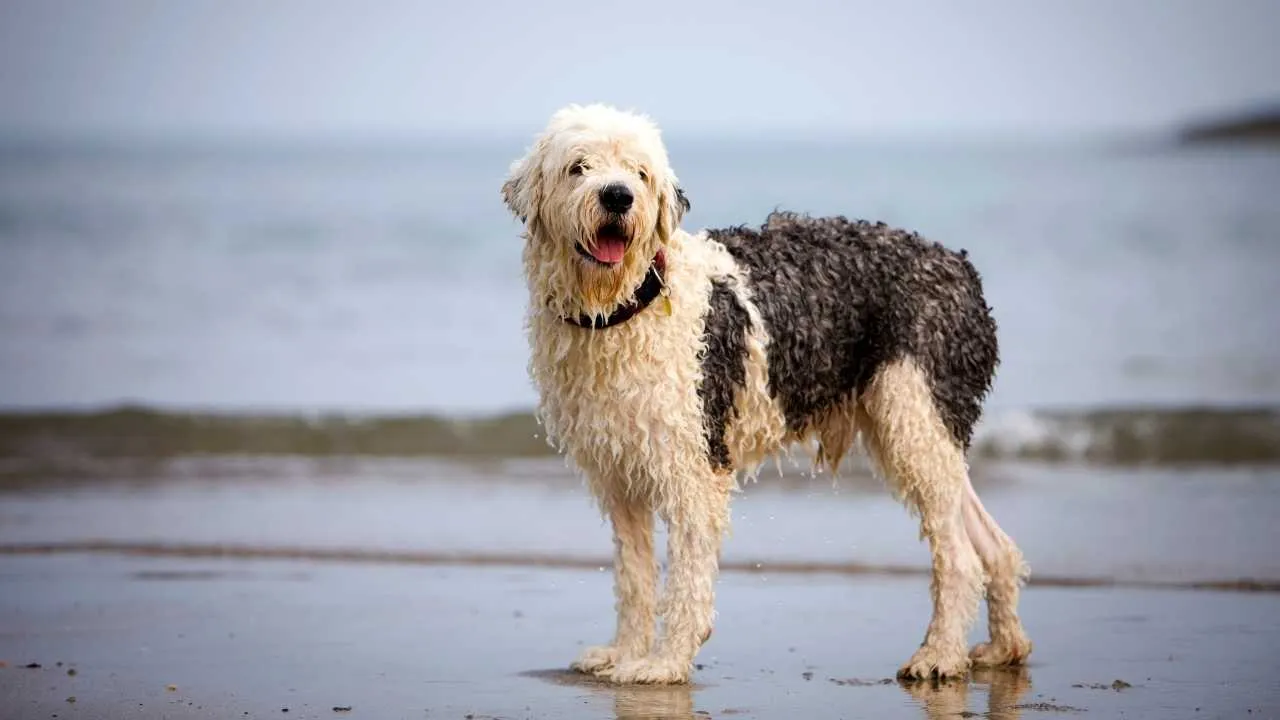
Behind that fluffy, cloud-like appearance is a hardworking herding dog with a lively personality. Developed around 200 years ago, it was used to move both sheep and cattle, showing strength and adaptability from the start. Its shaggy coat may suggest a relaxed nature, but underneath is an alert and capable worker.
It carries a cheerful, rough-and-tumble attitude and enjoys being around people. Strong attachment to its family makes it an affectionate family pet, though it may take a little time to warm up to unfamiliar faces or animals. Intelligent and responsive, it prefers staying involved rather than being left alone for long periods.
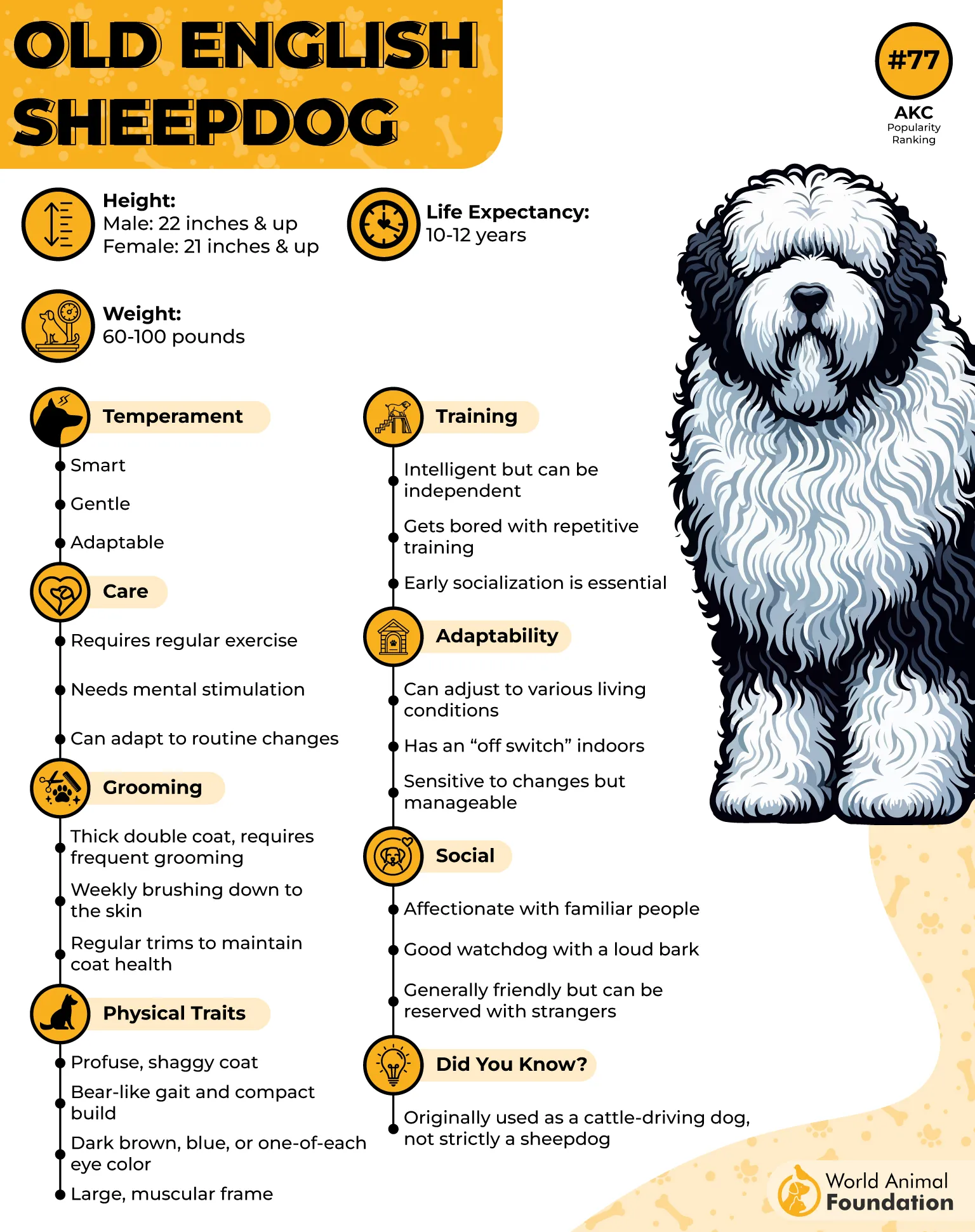
Farm and Herding Duties
On farms, it handles both herding and driving livestock, especially when moving animals over longer distances, like to markets. Its size and steady movement help control larger groups without panic.
As per PetMD, it needs regular exercise and mental tasks to stay engaged, including walking rounds, herding practice, or structured play. Without enough activity, it may turn its energy into barking or chewing, so consistent work keeps it balanced and useful.
7. Belgian Shepherd
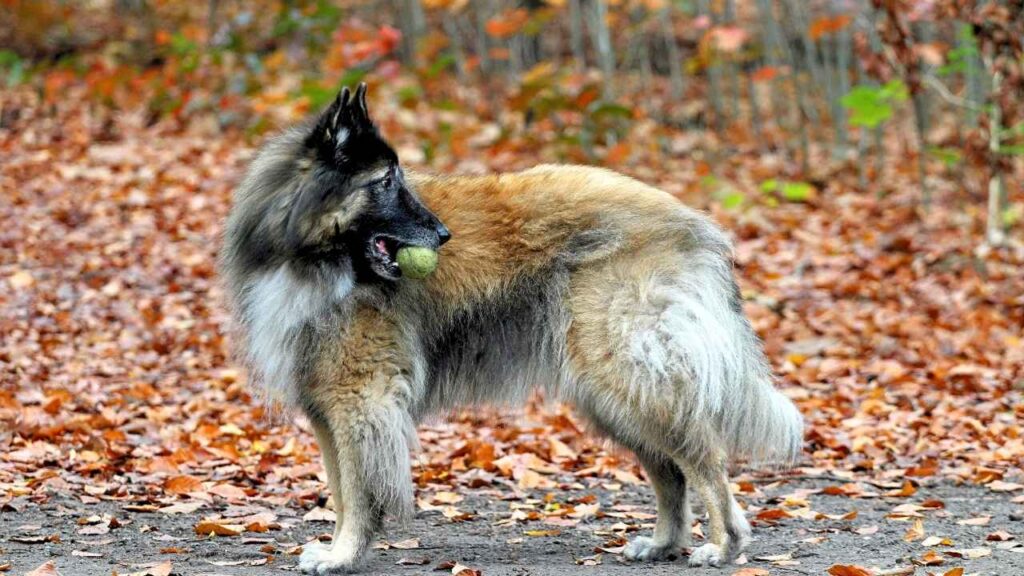
Built for endurance and sharp thinking, this medium-sized herding dog is like a multitasking machine with fur. Originally developed for herding, it quickly proved it could do much more—working with police, military, and rescue teams across the world, as per Wikipedia.
It is highly intelligent, alert, and sensitive, always tuned in to its surroundings like a security system on high alert. Training comes naturally, but so does a strong natural instinct of guarding, which means it stays protective of its territory and people.
With the right guidance, it becomes focused and disciplined, though its intensity may feel overwhelming for unstructured environments.
Farm and Herding Duties
On farms, it takes charge of herding livestock with precision, using speed and awareness to keep animals in line. Its natural vigilance also helps guard property, making it useful beyond just herding tasks.
It thrives when given consistent work like patrolling boundaries, guiding livestock, or responding to commands. Daily exercise and mental challenges are essential, as unused energy can quickly turn into restlessness. With proper direction, it handles both herding and protection duties efficiently.
Conclusion
Farm life demands more than just hard work—it needs the right kind of partner who can keep up without slowing things down. From sharp thinkers to tireless movers, these working dogs bring a mix of intelligence, strength, and instinct that helps manage livestock and protect what matters most.
Each one carries its own style, whether it is quiet control, high energy, or strong guarding presence, but they all share one thing: a natural drive to work.
Choosing the right companion is not just about looks or popularity—it is about matching energy, environment, and purpose. A well-suited working dog does not just assist on the farm; it becomes part of the rhythm of daily life.
So, if you are ready to add a four-legged worker to your team, take the time to understand what fits your needs best—because the right choice can make farm life smoother, smarter, and a whole lot more enjoyable.
