




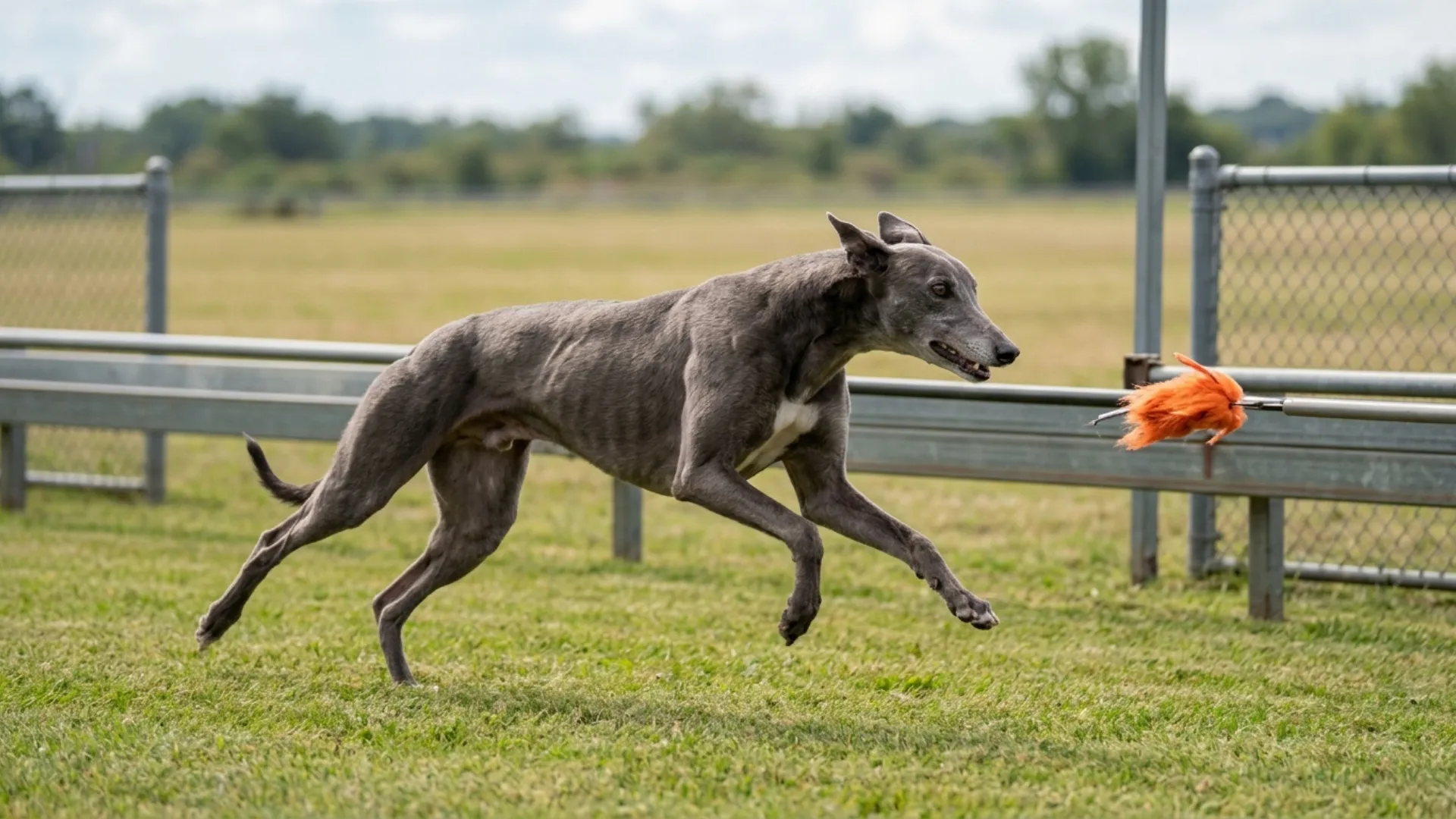
Ever watched a dog lock onto something in the distance and suddenly switch from relaxed companion to sharp, motion-tracking focus—ears forward, body still, attention fixed like a radar locking onto a signal?
One moment, they’re calmly enjoying attention, and the next, a small movement catches their eye, and they’re off like a shot.
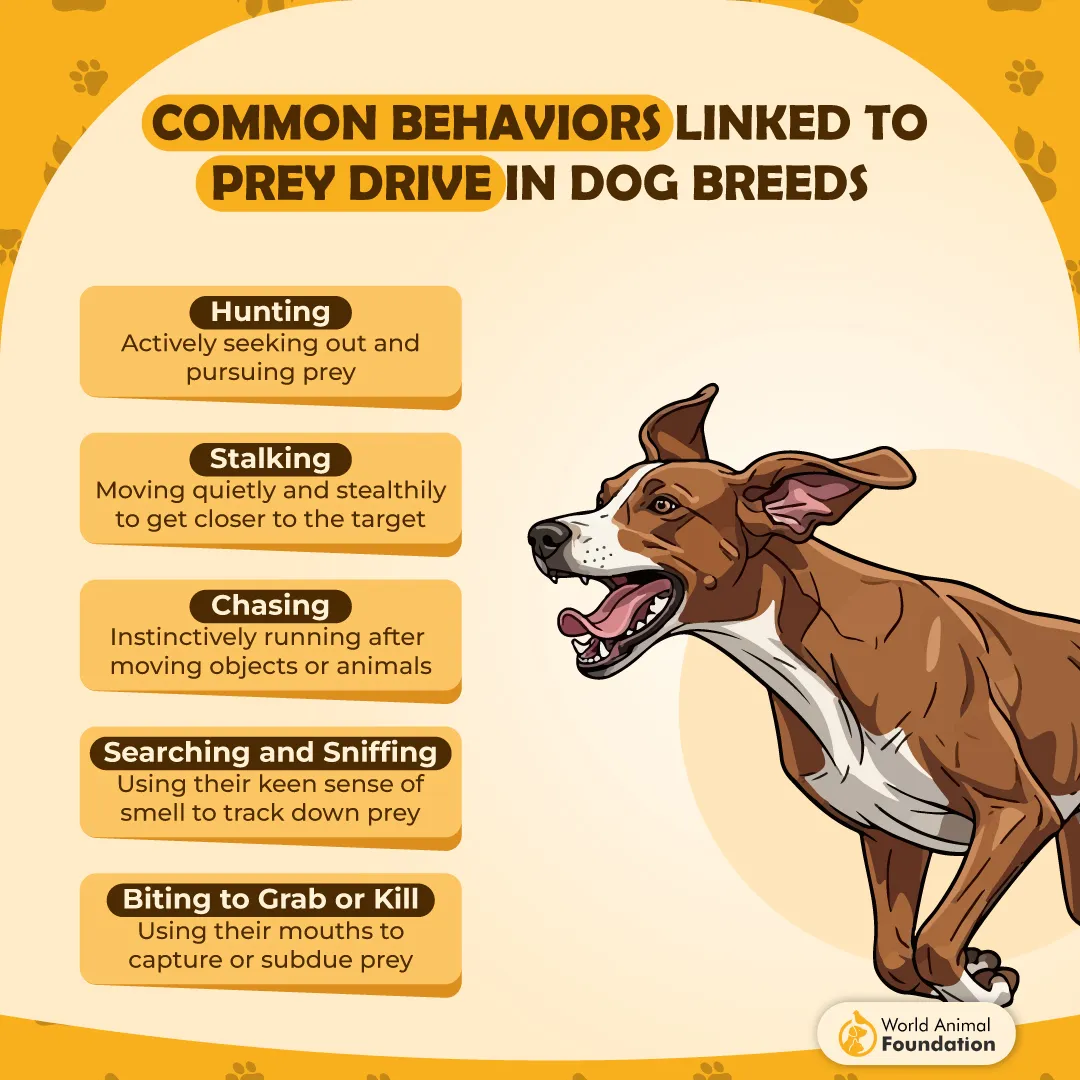
Prey drive in dogs is a natural desire to chase and catch moving objects, which is an instinct necessary for survival in wild carnivores like wolves, the ancestors of domestic dogs.
Breeds with strong prey drive often respond intensely to fast or unpredictable motion, whether it’s wildlife, a blowing object, or even a sudden dash from another animal.
In daily life, this can show up as sudden pulling on the leash, fixed staring, or quick sprints if something triggers their attention. That’s why controlled walks and secure environments are especially important for managing them safely.
Different breeds express this instinct in different ways, but the common thread is a heightened sensitivity to movement and a quick decision to act on it.
Did you know?
Dogs with high prey drive aren’t “being naughty”—their behavior is linked to ancient survival instincts. In fact, studies on canine behavior show that breeds developed for hunting or herding often have heightened sensitivity to motion, allowing them to detect and react to fast-moving objects far more quickly than many other breeds.
Dog Breeds That Exhibit Strong Prey Drive
1. Greyhound
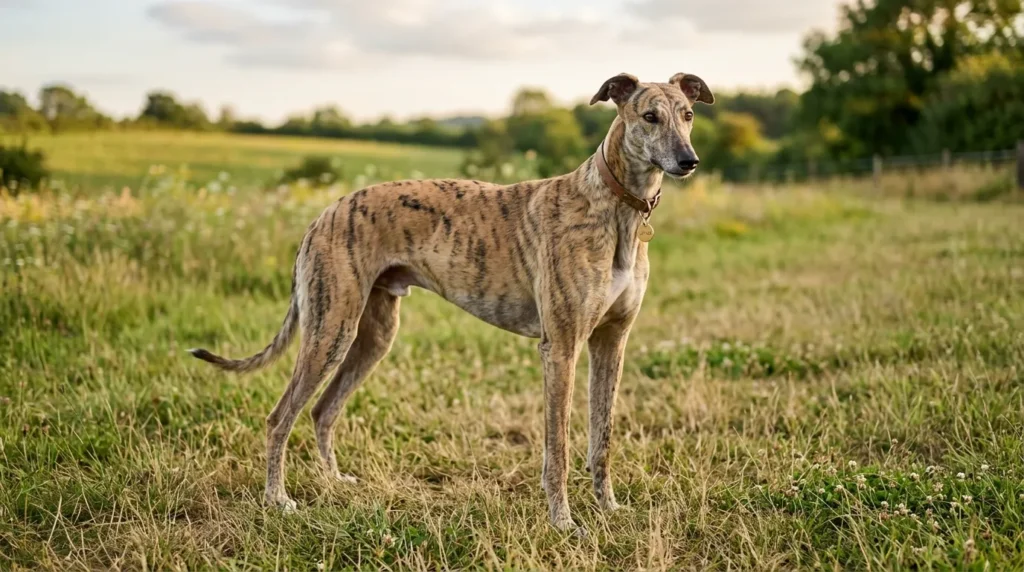
Greyhounds are a classic example of a breed with a powerful prey drive shaped by generations of sight hunting, as mentioned by PetMD.
They are built to notice movement instantly, which means even small, fast distractions like a running cat, squirrel, or fluttering object can trigger a strong chase response.
This instinct is not about misbehavior but about how they were originally developed to track and pursue moving targets using keen vision and explosive bursts of speed.
In everyday life, this means Greyhounds need careful management outdoors. A leash is important during walks unless they are in a fully secure, enclosed space where sudden chasing won’t lead to danger.
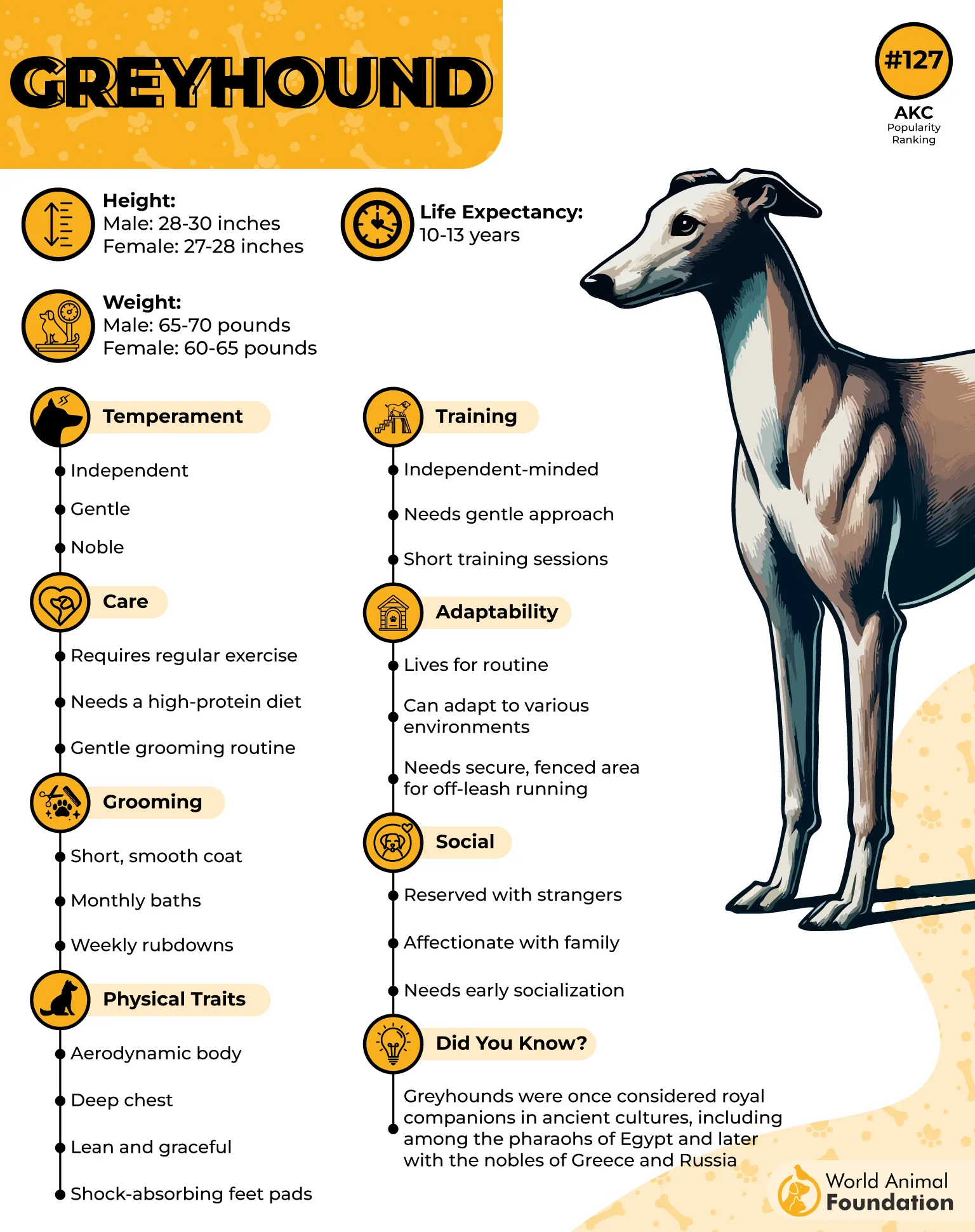
Even well-mannered Greyhounds that are calm indoors can switch quickly when something small and fast crosses their path. Some may adjust with consistent exposure and structured social experiences, but the underlying instinct usually remains.
Because of this, households with small pets such as cats, rabbits, or similar animals require extra caution. Their interaction depends heavily on individual temperament and training history, but supervision is always essential.
Despite this strong drive, Greyhounds are typically quiet and relaxed companions at home, often communicating more through soft vocal sounds or subtle expressions than frequent barking.
2. Saluki
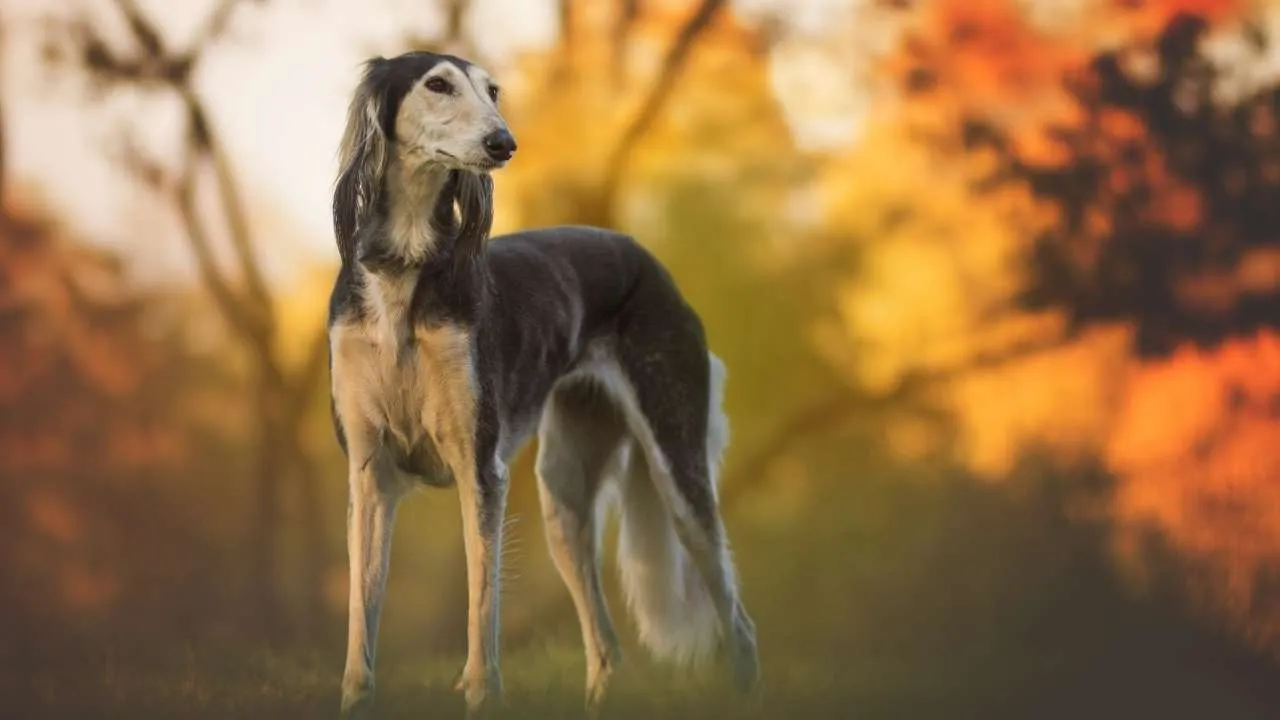
The Saluki is one of those breeds that feels almost timeless, shaped by centuries of hunting alongside early civilizations.
Known for their speed and sharp focus, they were once treasured in royal courts, especially in ancient Egypt, where they were valued for their ability to chase down fast-moving prey across open landscapes.
This deep-rooted hunting background still shows up clearly in their behavior today.
Salukis tend to notice motion quickly and may instinctively chase small animals like cats, rabbits, or other animals if given the chance.
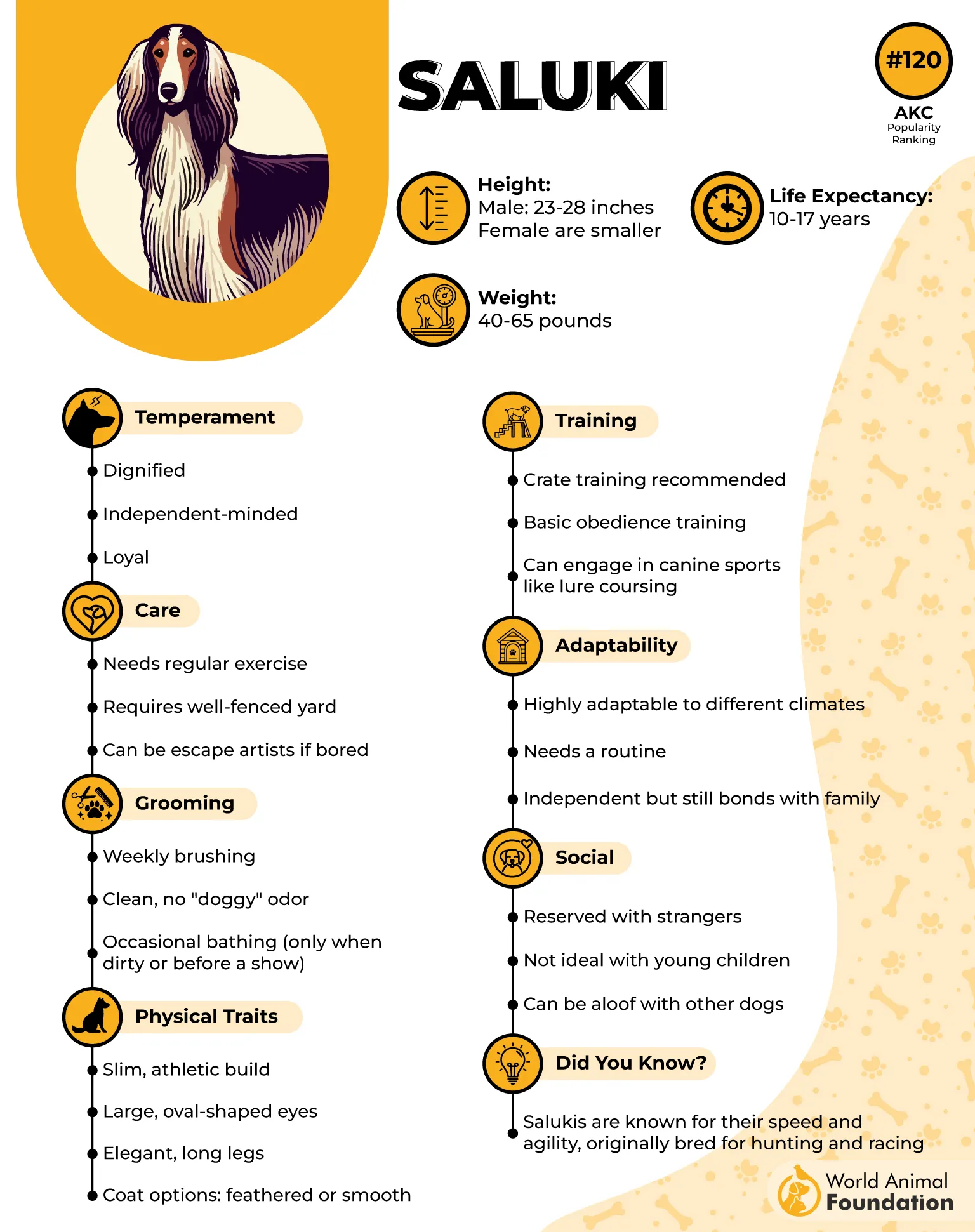
Because of this, they do best in homes where outdoor spaces are securely fenced and where unexpected escapes or pursuits can be prevented. Walks require attention and control, as their high prey instincts can switch on suddenly when something fast moves nearby.
They are independent thinkers, which can make training feel more like negotiation than instruction at times.
Consistency and patience matter, especially early on, to help them adjust to household routines. While they can live peacefully with other dogs when introduced properly, smaller animals may trigger their chase response.
Salukis prefer calm environments and often bond closely with their people, enjoying quiet companionship rather than chaotic households.
3. Afghan Hound
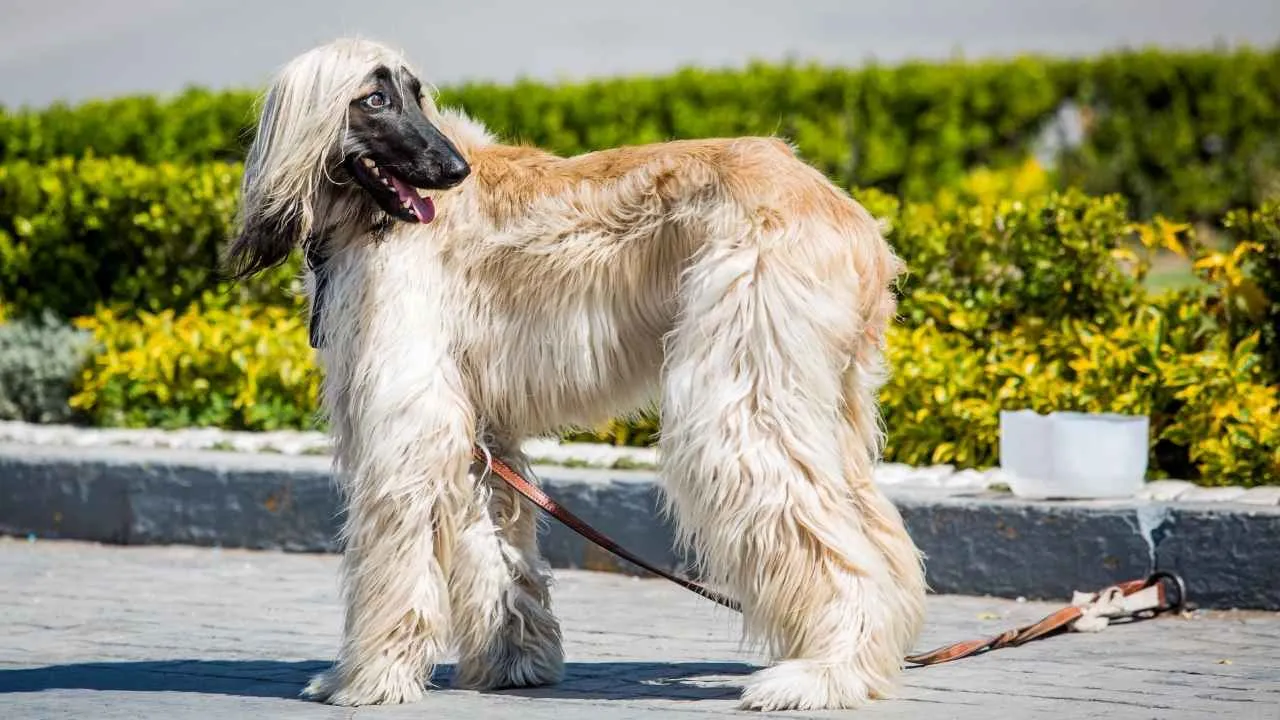
The Afghan Hound stands out with an elegant, almost royal appearance, but behind that graceful look is a high prey drive dog shaped by its history as a sight-driven chaser.
Purina states that this breed was developed to spot movement from a distance and respond quickly, making it highly sensitive to anything that runs or darts away.
In everyday situations, this means an Afghan Hound may suddenly take off after small animals, moving objects, or anything that triggers its chase response.
Because of this, off-leash walking in open areas is risky, even when the dog seems calm and relaxed at home. Their unmet prey instinct can switch on in seconds, especially in wide, open spaces where movement is easy to detect.
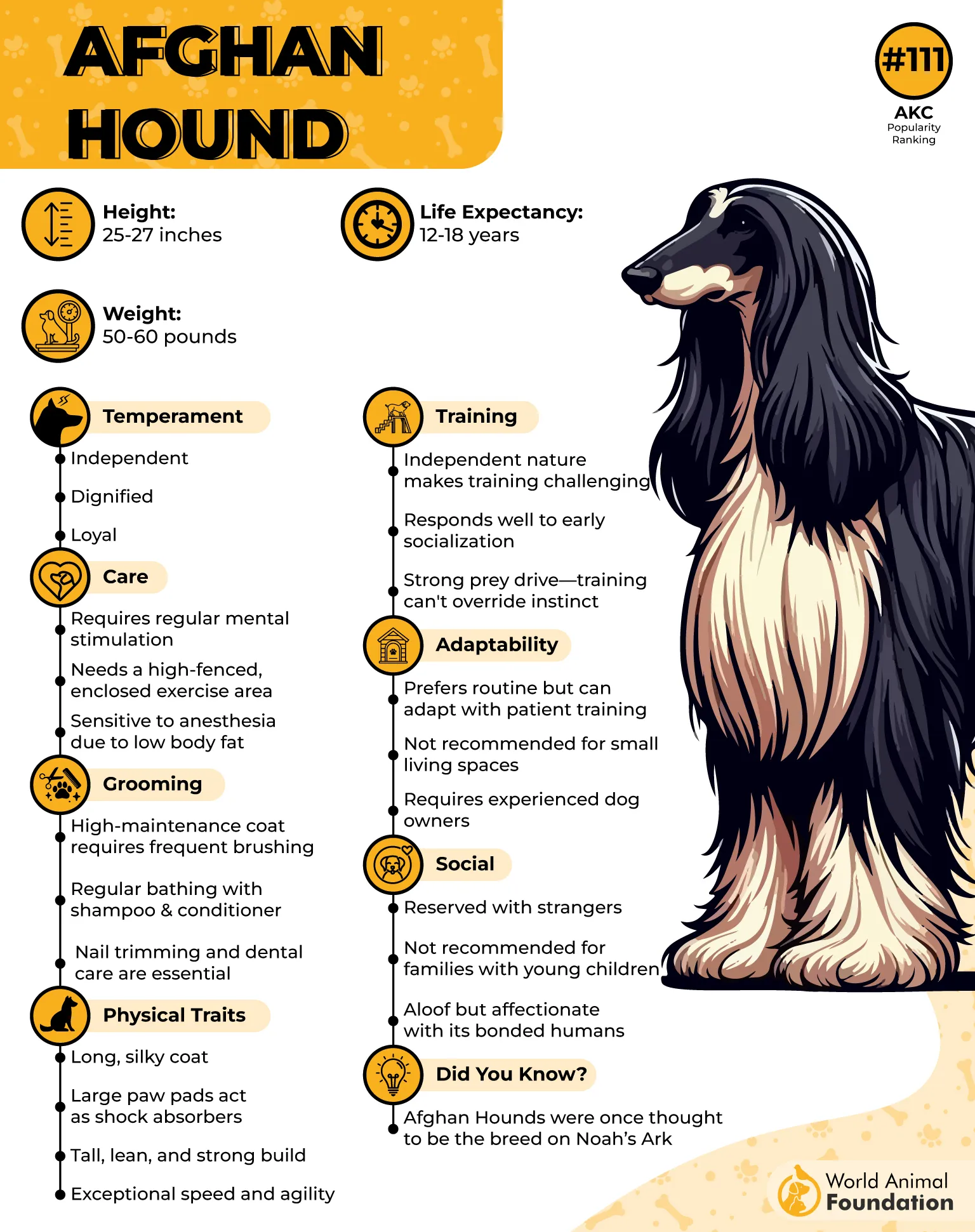
They need secure, enclosed environments for safe exercise, where they can stretch out and run without the chance of escaping. A strong fence is important, as their athletic ability and speed can easily carry them over or through weak boundaries if motivated.
Although they may appear reserved, Afghan Hounds often form close bonds with their families and can show playful, light-hearted behavior in familiar surroundings.
However, their independent nature and strong chase instinct mean they require careful management, especially in environments with small animals nearby.
4. Vizsla
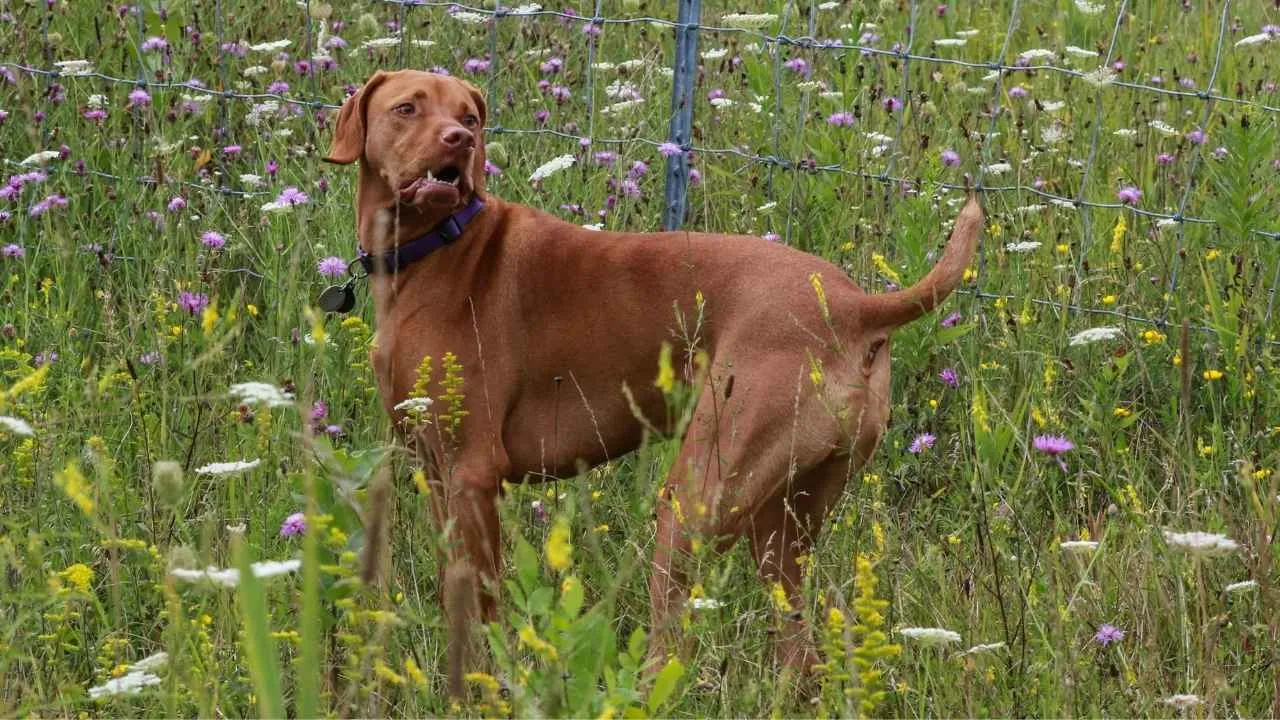
The Vizsla is an energetic hunting breed with a long history rooted in Hungary, where it was developed to work alongside hunters across fields, forests, and water, as noted by WebMD.
Known for its sleek coat and athletic build, this dog was shaped to be fast, alert, and highly responsive to movement and scent, which still shows strongly in its behavior today.
Because of this background, Vizslas tend to have a strong prey drive. In daily life, that can mean quick reactions to anything small or fast-moving, such as wildlife or small pets.
Once their attention locks in, they may try to follow or chase, especially in open spaces where distractions are easy to spot. For this reason, outdoor time usually needs to be managed with a leash or a secure enclosed area.
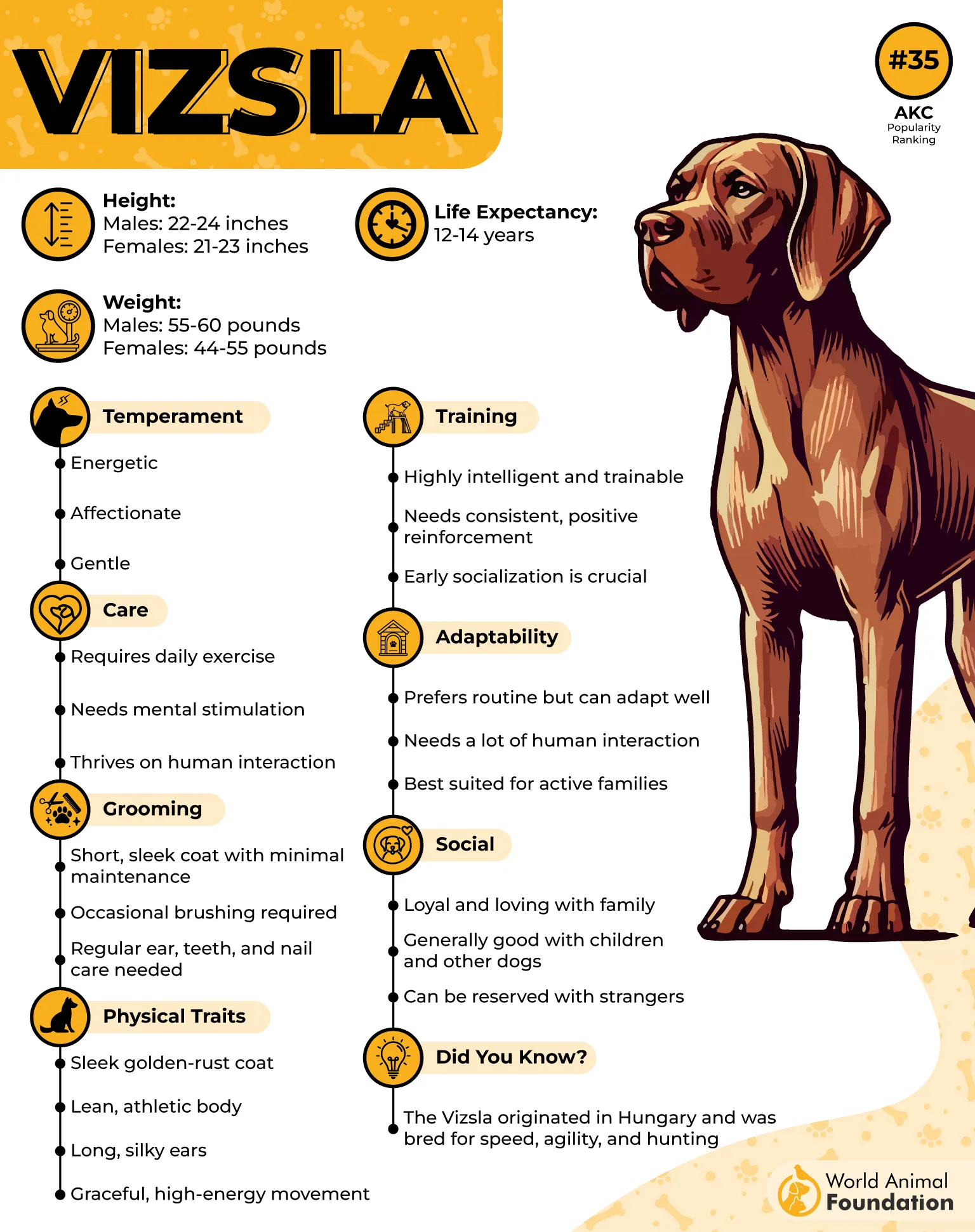
They are highly social dogs that form close bonds with their families and often want to stay near their people throughout the day.
Without enough exercise and interaction, they can become restless, as both physical activity and mental stimulation are important for balance.
Vizslas generally do well with other dogs with early socialization, but their strong chase instinct means smaller animals can trigger unwanted pursuit. Because of this, supervision is important in mixed-pet households.
5. Weimaraner
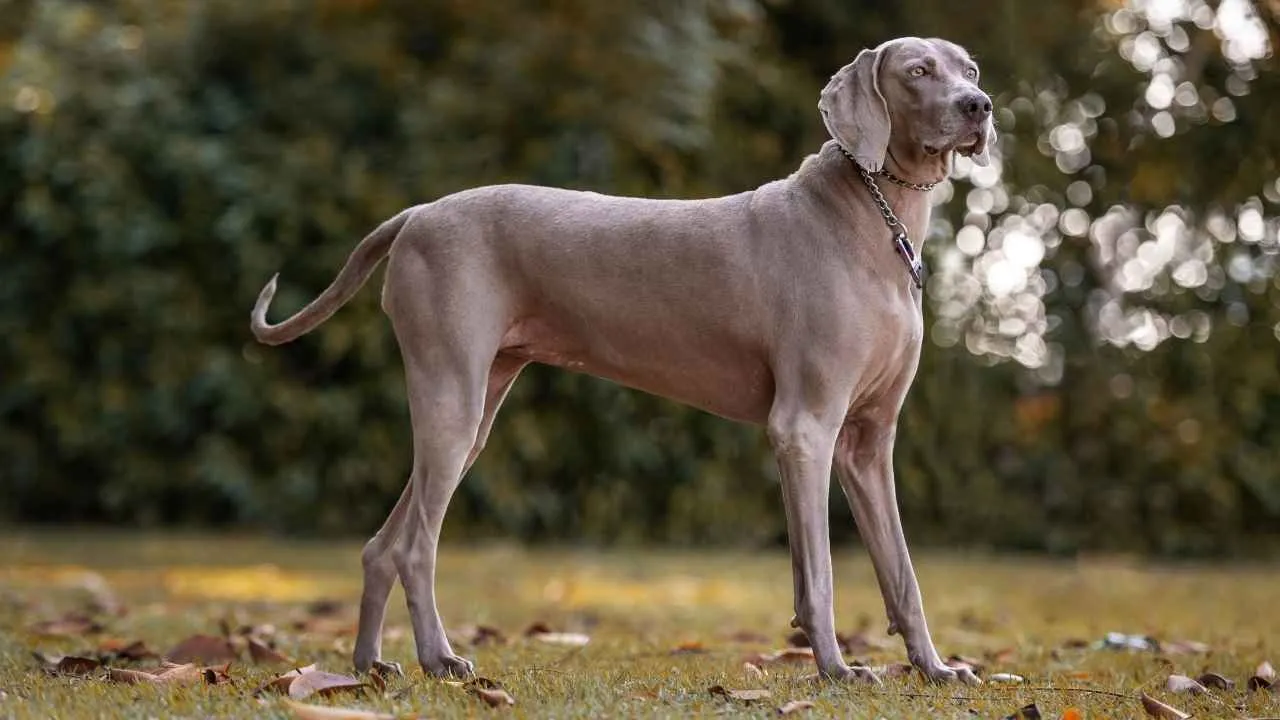
The Weimaraner is a highly intelligent and energetic hunting breed known for its strong bond with people and its alert, responsive nature.
Originally developed as a versatile hunting companion, it still carries a powerful instinct to track and pursue moving animals, which shows up clearly in everyday situations.
Because of the dog’s prey drive, it can quickly become focused on small, fast-moving animals such as cats, rodents, or even small dogs. In outdoor environments, this can lead to sudden chasing if they are not properly managed.
For safety, walks and exercise are best done with a leash or in fully enclosed areas where unexpected pursuits can be avoided.
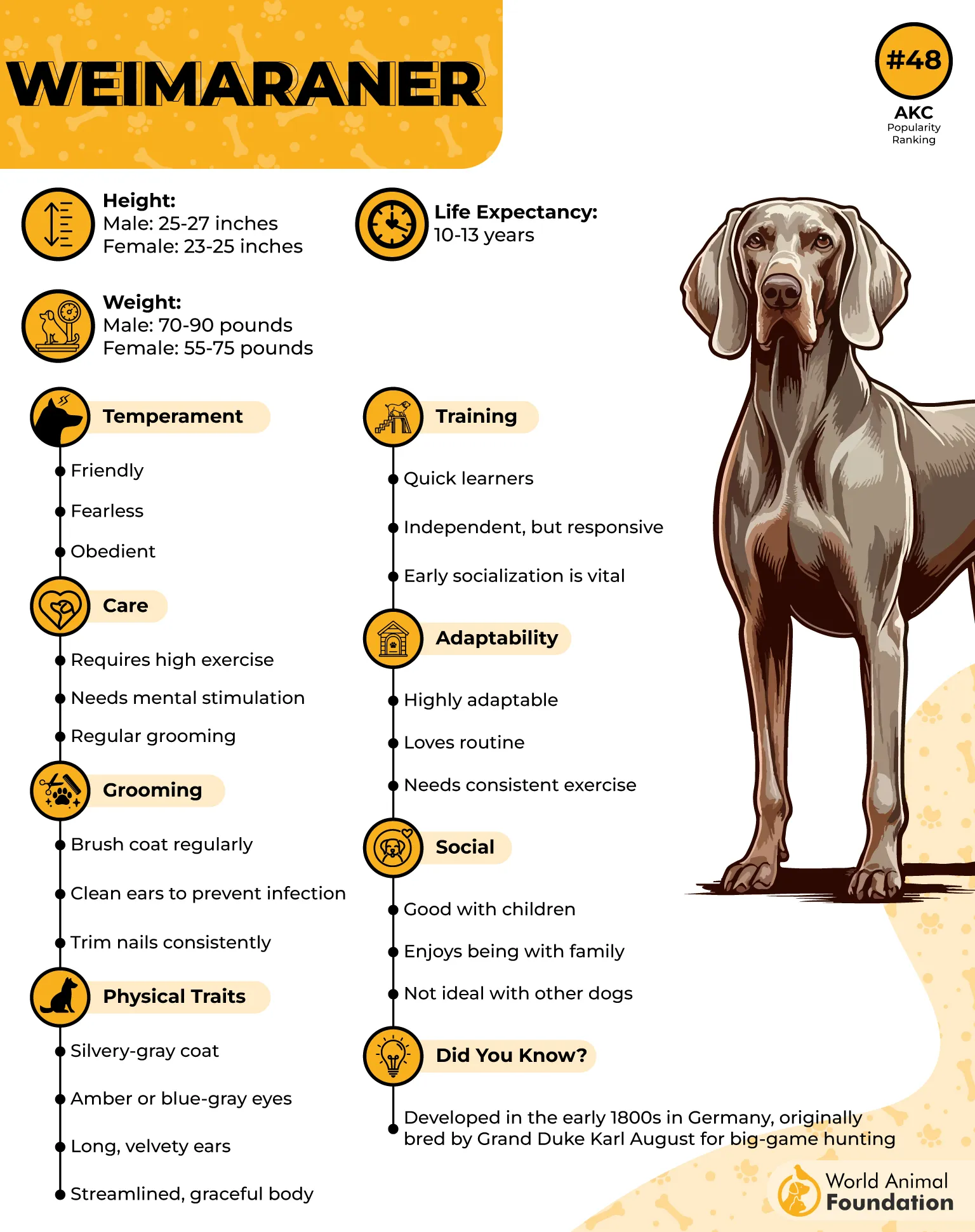
These dogs thrive when they are given consistent training and plenty of physical and mental activity. Without enough stimulation, they may become restless or develop unwanted behaviors driven by boredom and excess energy.
Early social exposure can help them learn to interact more calmly with other dogs, but supervision is still important, especially around smaller animals.
Their loyal nature makes them strong companions, yet their hunting instinct remains a core part of how they respond to movement and their environment.
6. Rhodesian Ridgeback
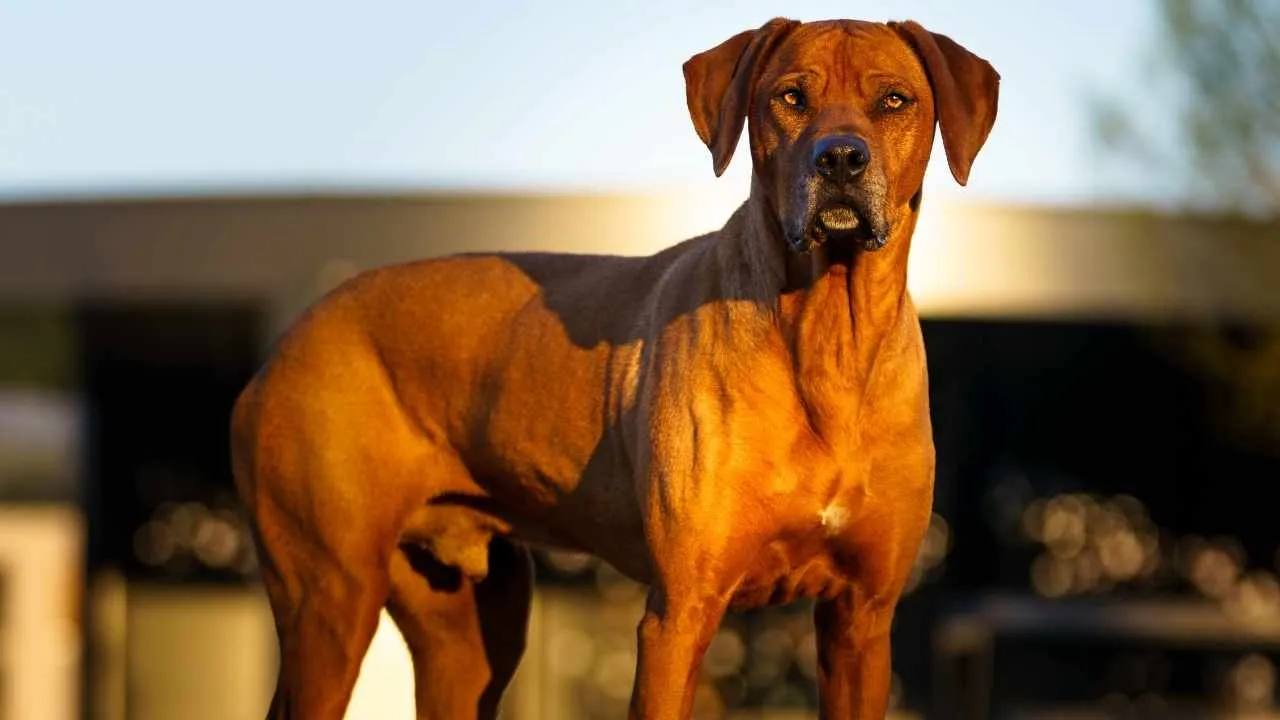
The Rhodesian Ridgeback is a powerful and athletic high prey drive breed that originated in southern Africa, where it was developed to track and hold large game using courage, speed, and control.
The Rhodesian Ridgeback was originally bred for hunting lions and is known for its powerful prey drive, requiring early training and supervision around small pets and children.
In everyday life, Ridgebacks tend to be highly alert to movement in their environment. Small animals, fast motion, or sudden activity can quickly trigger their instinct to chase, making close supervision essential in open or unsecured spaces.
Because of this, these great guard dogs are best managed with a leash during walks and kept within securely fenced areas when outdoors.
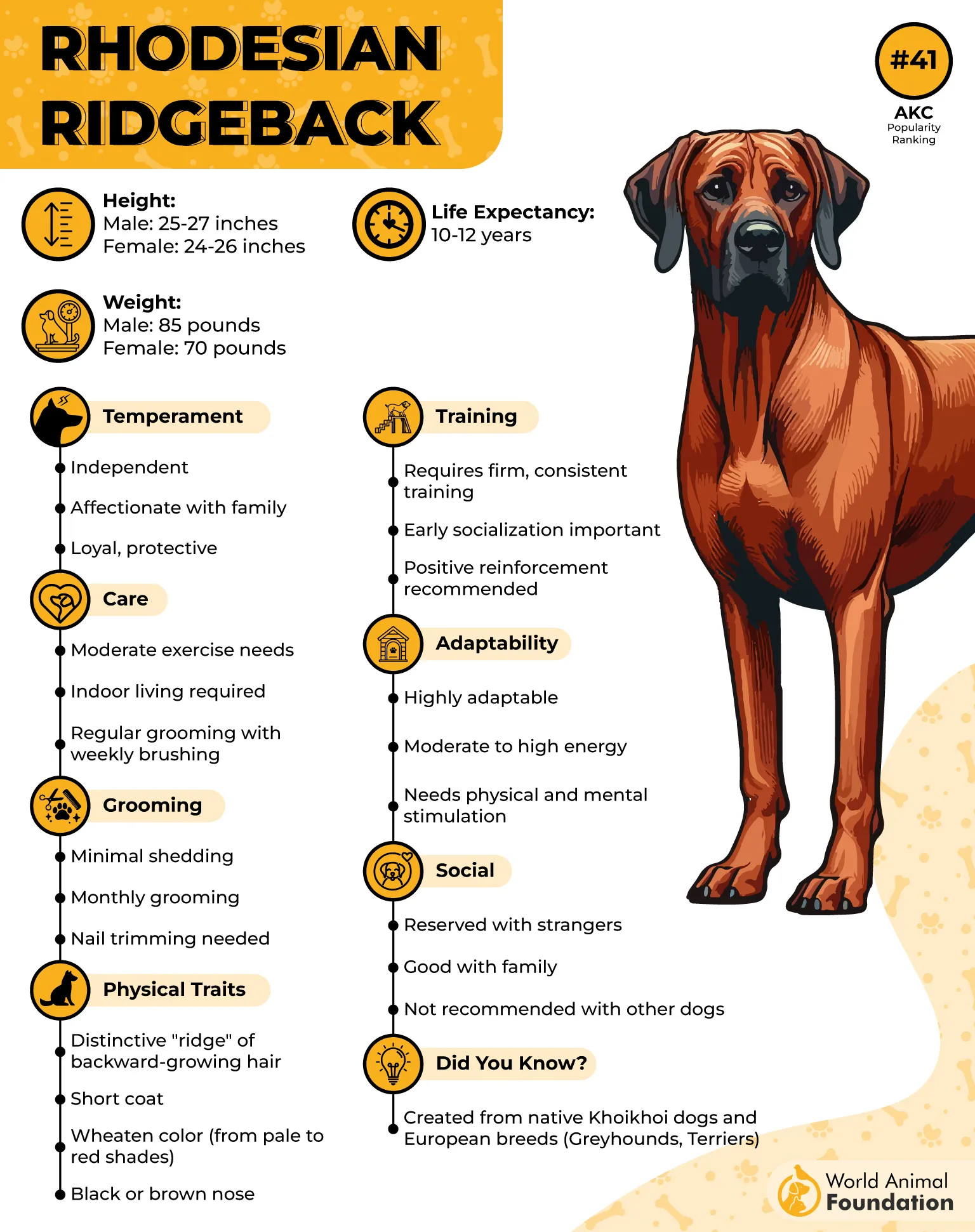
They are known for being confident and self-reliant, which means structured training should start early and stay consistent to help build reliable behavior around distractions.
While they can live peacefully with other dogs when properly introduced, their strong chase instinct can make smaller pets a challenge in the same home.
Ridgebacks generally prefer being close to their family and adapt well to indoor living when their exercise needs are met. However, their natural protective instincts remain strong, so safe environments and consistent handling are important in daily routines.
7. Jack Russell Terrier
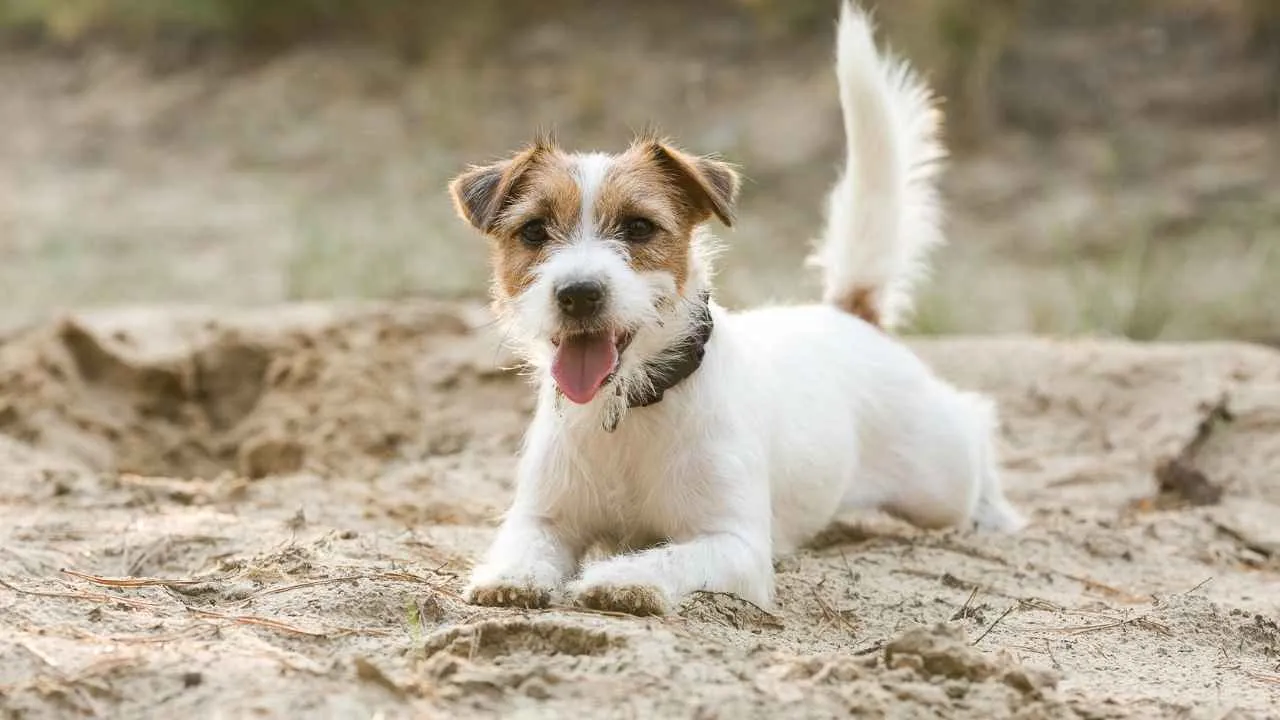
The Jack Russell Terrier is a small but extremely energetic hunting breed developed to work closely with hunters, digging out and chasing quarry in tight spaces.
That working background is still very visible today in its strong prey drive and fast reactions to movement. Anything that runs, darts, or rustles nearby can quickly trigger a chase response, often before the owner has time to react.
In everyday life, this means they need careful supervision outdoors, especially in open areas where small animals or sudden motion can set them off.
A leash is often necessary during walks unless they are in a fully secure, enclosed space. Without proper control, their quick bursts of energy can take them far in seconds.
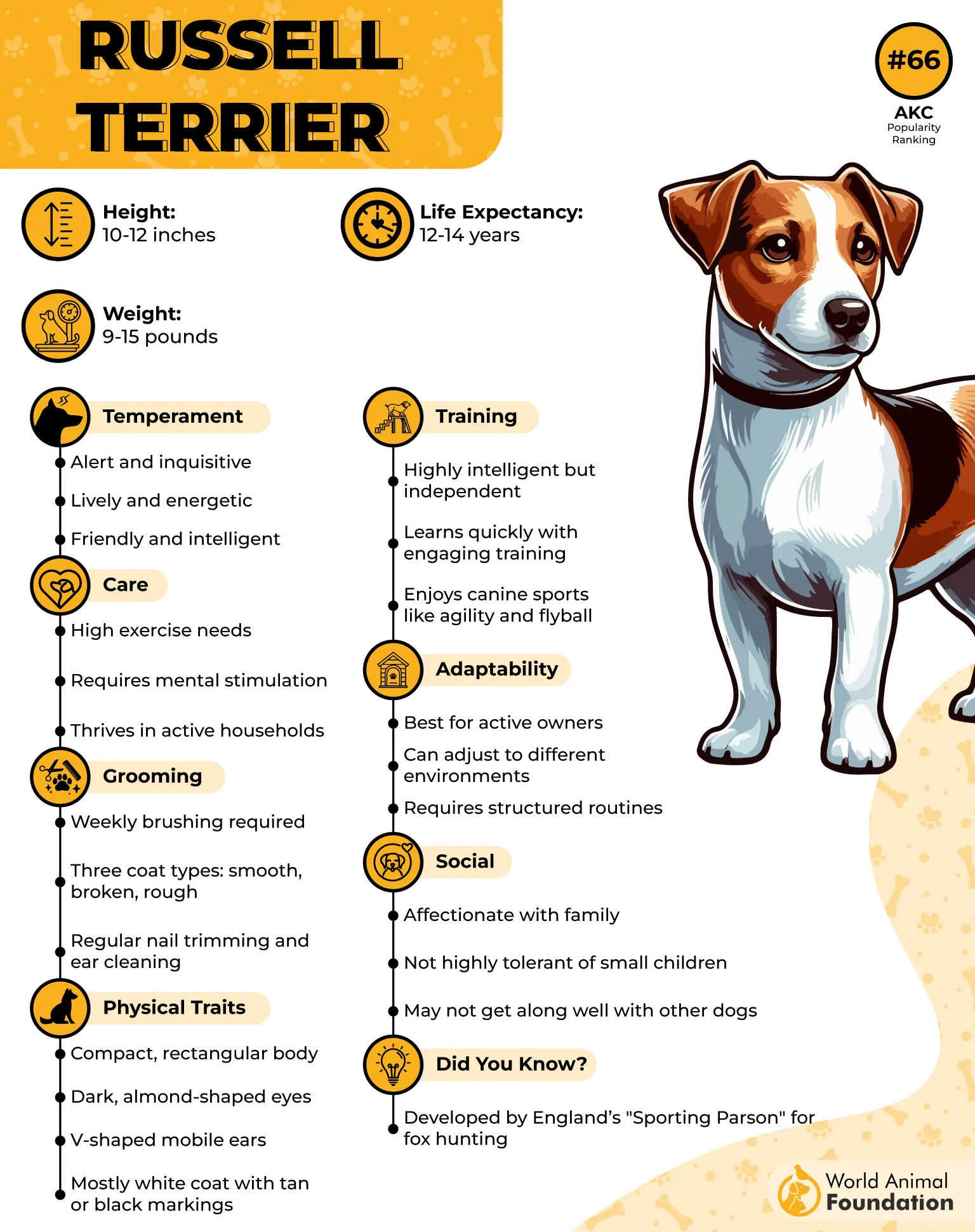
Jack Russells also have very high energy levels and need regular physical activity and mental challenges to stay balanced. Long walks, active play, and varied routines help keep them focused and less likely to act on instinct-driven impulses.
They are intelligent but easily bored, so training works best when it is consistent and engaging. While they can become well-mannered companions, their strong chase instinct remains a core part of how they interact with the world.
Conclusion
Strong prey drive is a deeply rooted instinct shaped by generations of selective breeding for hunting, tracking, and herding work.
It shows up as quick reactions to movement, intense focus, and a natural urge to chase anything fast or unpredictable. While this trait can make certain breeds of dogs highly skilled and energetic companions, it also requires responsible management in everyday life.
Secure environments, early training, and careful supervision are key to keeping them safe and balanced. With the right guidance, these instincts can be managed into structured, positive behavior patterns.
