




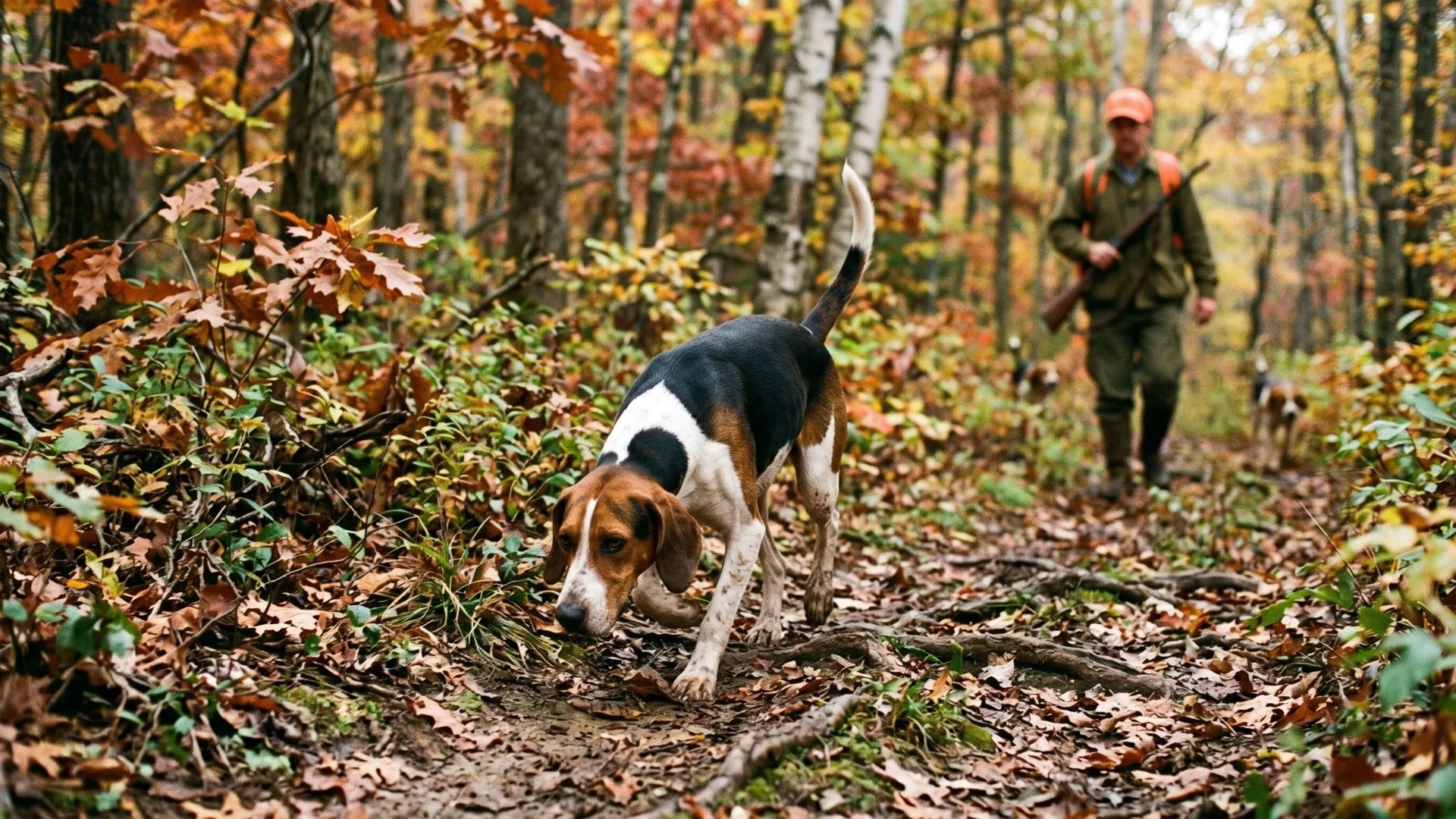
Hunting has long relied on the unmatched partnership between humans and dogs, with certain breeds specially developed for precision, stamina, and extraordinary tracking ability.
These hunting dogs are not all the same; each group has been refined over generations to perform specific roles in the field, making them indispensable companions for hunters across different terrains and game types.
Bird dogs, also known as gun dogs, work closely with hunters to locate, point, flush, or retrieve game birds with remarkable coordination and control.
In contrast, hounds are natural trackers that rely on either powerful scent detection or sharp vision, capable of following prey across long distances or sprinting in fast pursuit.
Curs, historically used by early settlers, are known for their ability to corner and tree game animals, while terriers are fearless underground hunters, bred to pursue prey hidden in burrows.
Together, these categories represent the diverse evolution of the best hunting dog breeds, each offering unique tracking strengths, intelligence, and endurance.
Their instincts, discipline, and loyalty make them some of the most reliable and skilled working dogs in hunting history across various environments and conditions.
Top Hunting Dog Breeds With Exceptional Tracking
1. Labrador Retriever
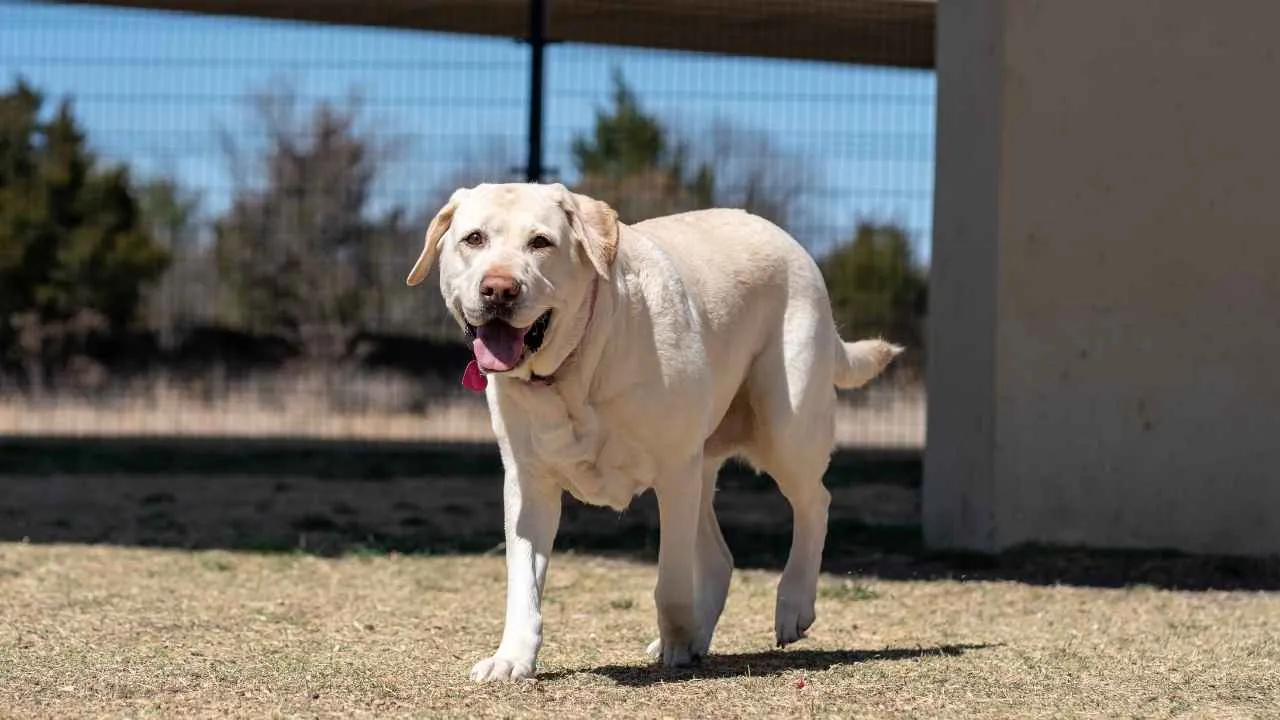
Among the most trusted hunting companions, the Labrador Retriever stands out as one of the most versatile and dependable gun dog breeds, widely admired for its exceptional retrieving and tracking abilities, as noted by WebMD.
Originally developed to assist hunters by recovering shot game, Labradors have become an essential part of hunting traditions due to their strong work ethic, intelligence, and adaptability in the field.
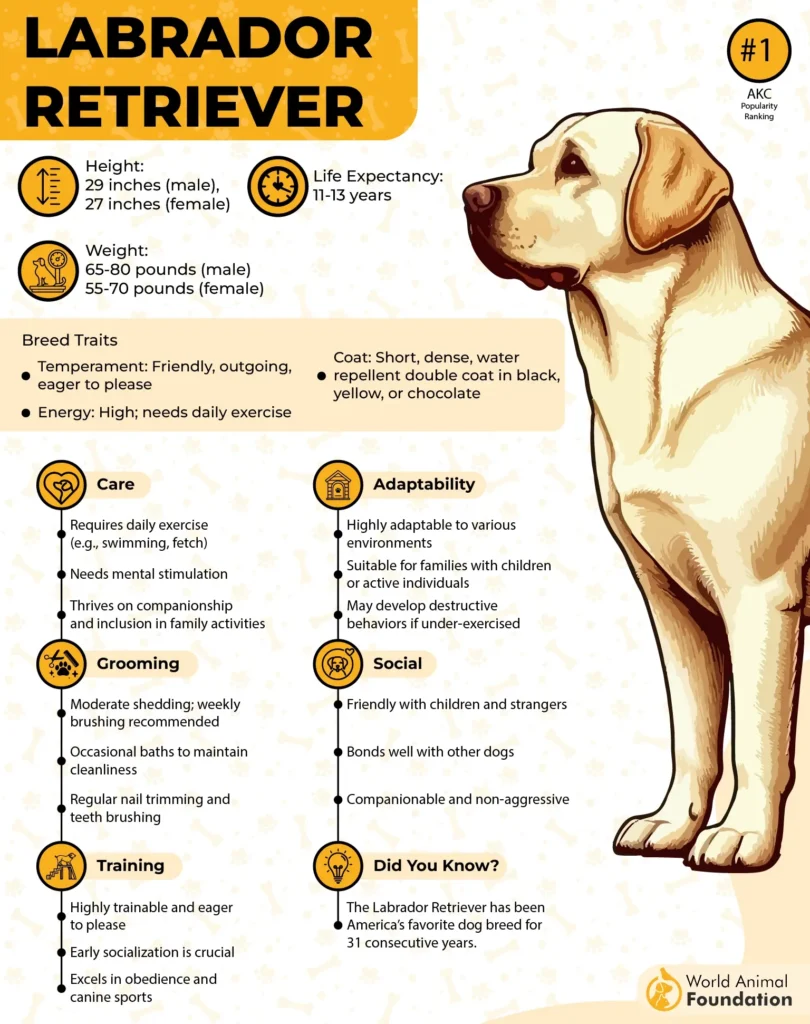
These dogs are highly energetic, eager to please, and naturally inclined toward outdoor activity, making them excellent partners for hunting excursions across diverse terrains.
Their keen sense of smell and soft mouth retrieving skill allow them to track and recover game efficiently without damaging it. Labradors are also strong swimmers, which makes them especially effective in waterfowl hunting scenarios.
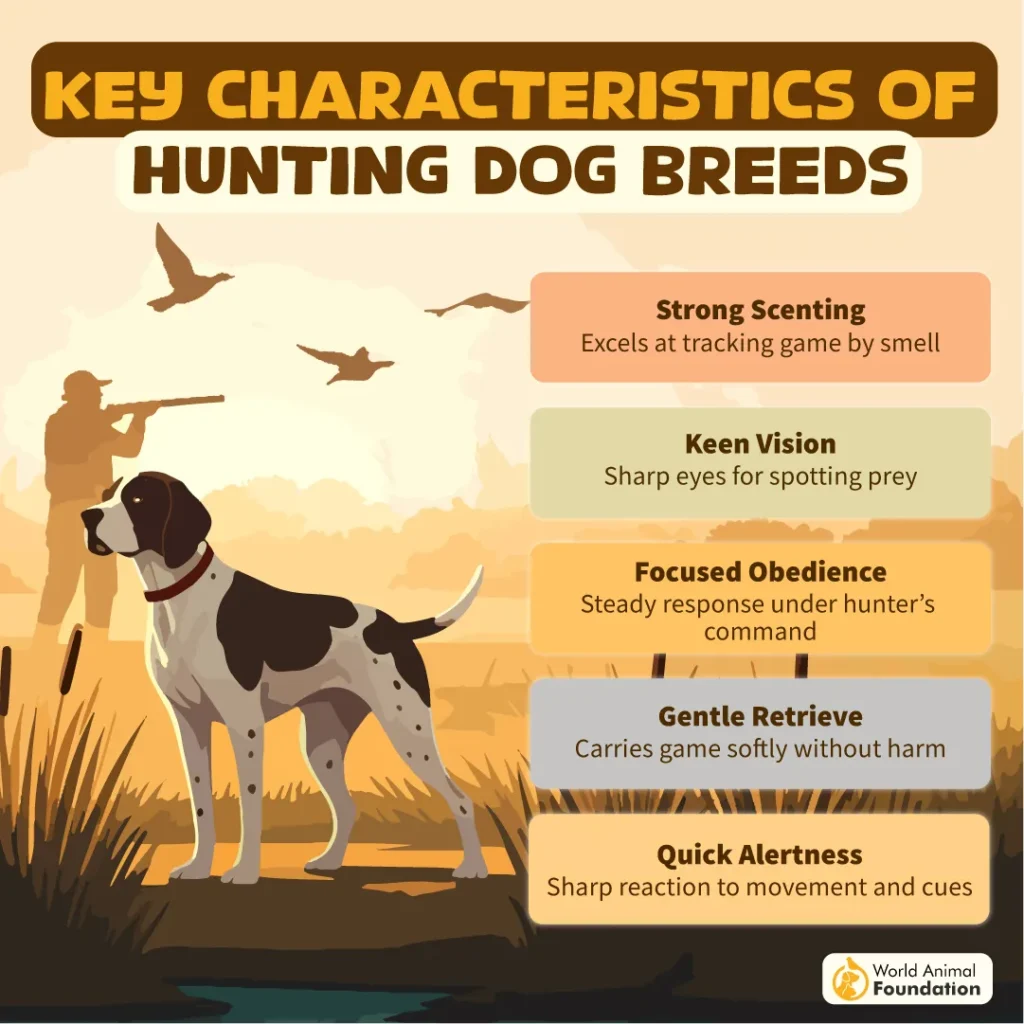
Beyond hunting, they are widely used in service roles such as search and rescue, detection work, and assistance tasks due to their trainability and stable temperament.
Whether in structured fieldwork or active outdoor environments, Labradors combine loyalty, endurance, and precision, making them one of the most exceptional tracking and retrieving breeds in the hunting dog category.
2. American Foxhound
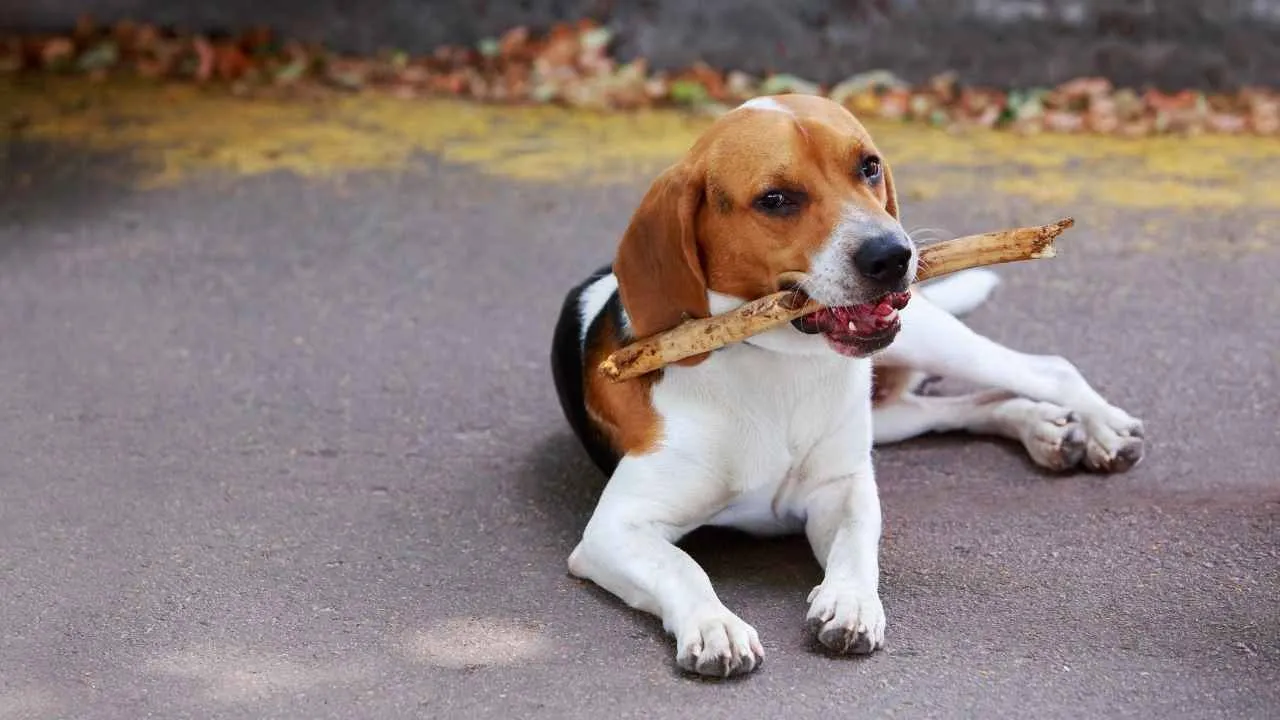
The American Foxhound is a classic scent hound renowned for its exceptional tracking ability, endurance, and historical significance in American hunting traditions.
Bred to follow scent trails over vast distances, this breed is highly valued for its stamina and steady pursuit of game, often working for hours without fatigue.
Known for its friendly and easygoing temperament, the American Foxhound is generally good-natured and sociable with people, other breeds, and even other pets, though its strong hunting instincts require thoughtful management.
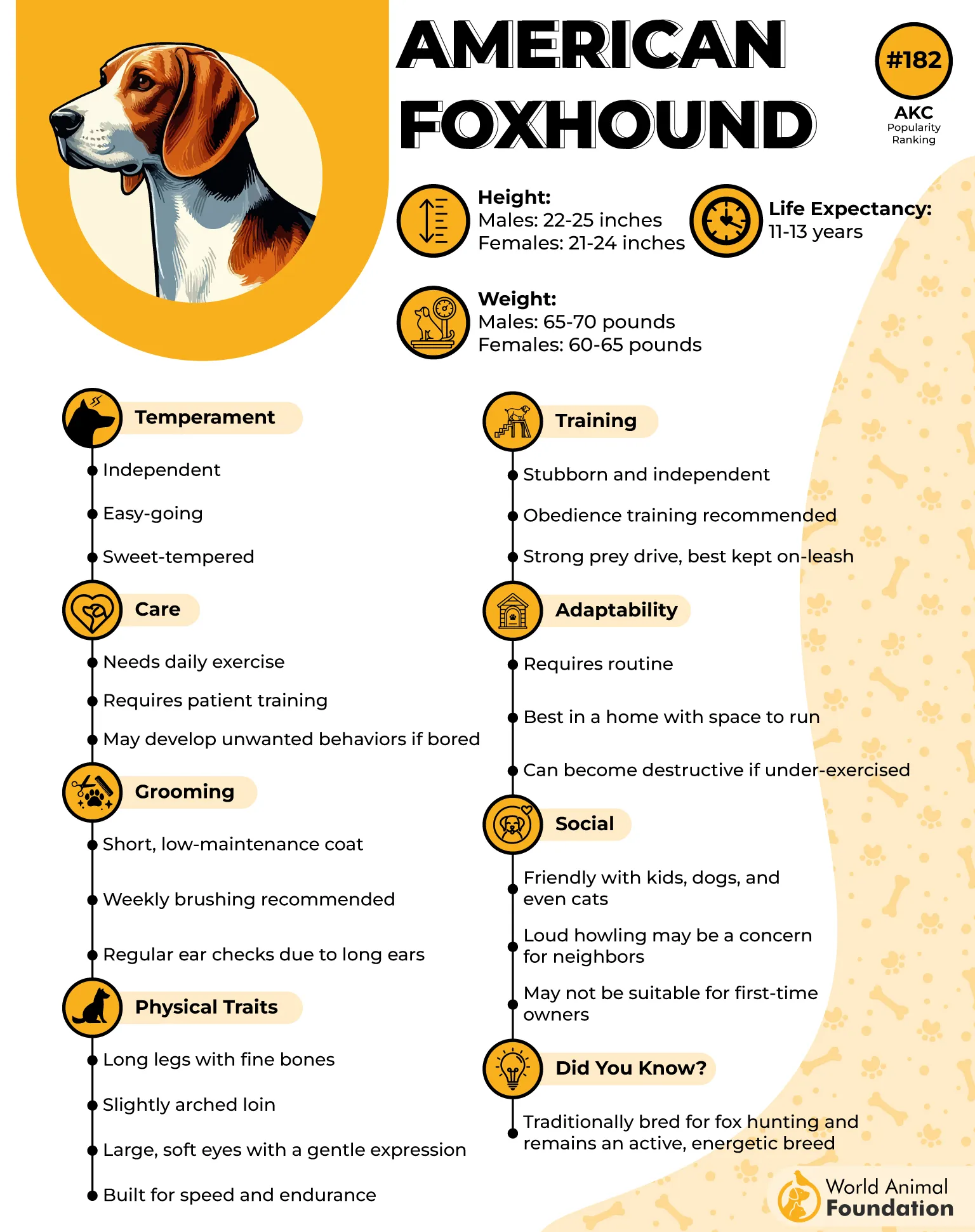
Physically, it is a sleek, long-legged, and lightly built hound designed for speed and efficiency across open terrain.
Its slightly arched back and refined structure distinguish it from its close relative, the English Foxhound. The breed’s short, hard coat lies close to the body, protecting rough underbrush while remaining extremely low-maintenance.
Historically linked to early American hunting culture and estates, the American Foxhound remains a skilled tracker that excels in scent-based hunting work.
Its combination of endurance, intelligence, and determined tracking drive makes it one of the most reliable scent hounds in the hunting dog category today.
3. Beagle
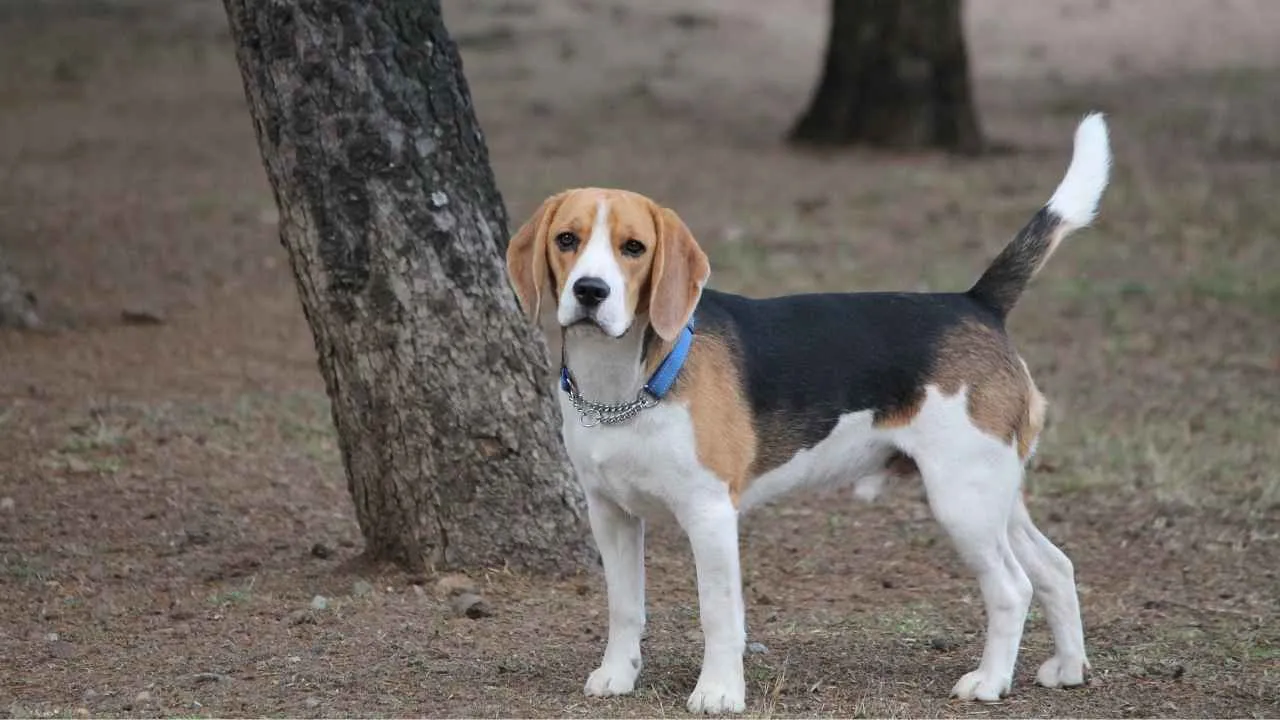
The Beagle is one of the most iconic scent hounds in the hunting world, originally developed in 19th-century England through the blending of several hound breeds, including the North Country Beagle, Southern Hound, Talbot Hound, and Harrier.
Bred specifically for beagling—hunting hare in packs—this breed is celebrated for its extraordinary nose and relentless tracking ability.
Beagles possess one of the most highly developed scenting instincts among hunting dogs, allowing them to follow complex trails with remarkable accuracy and determination.
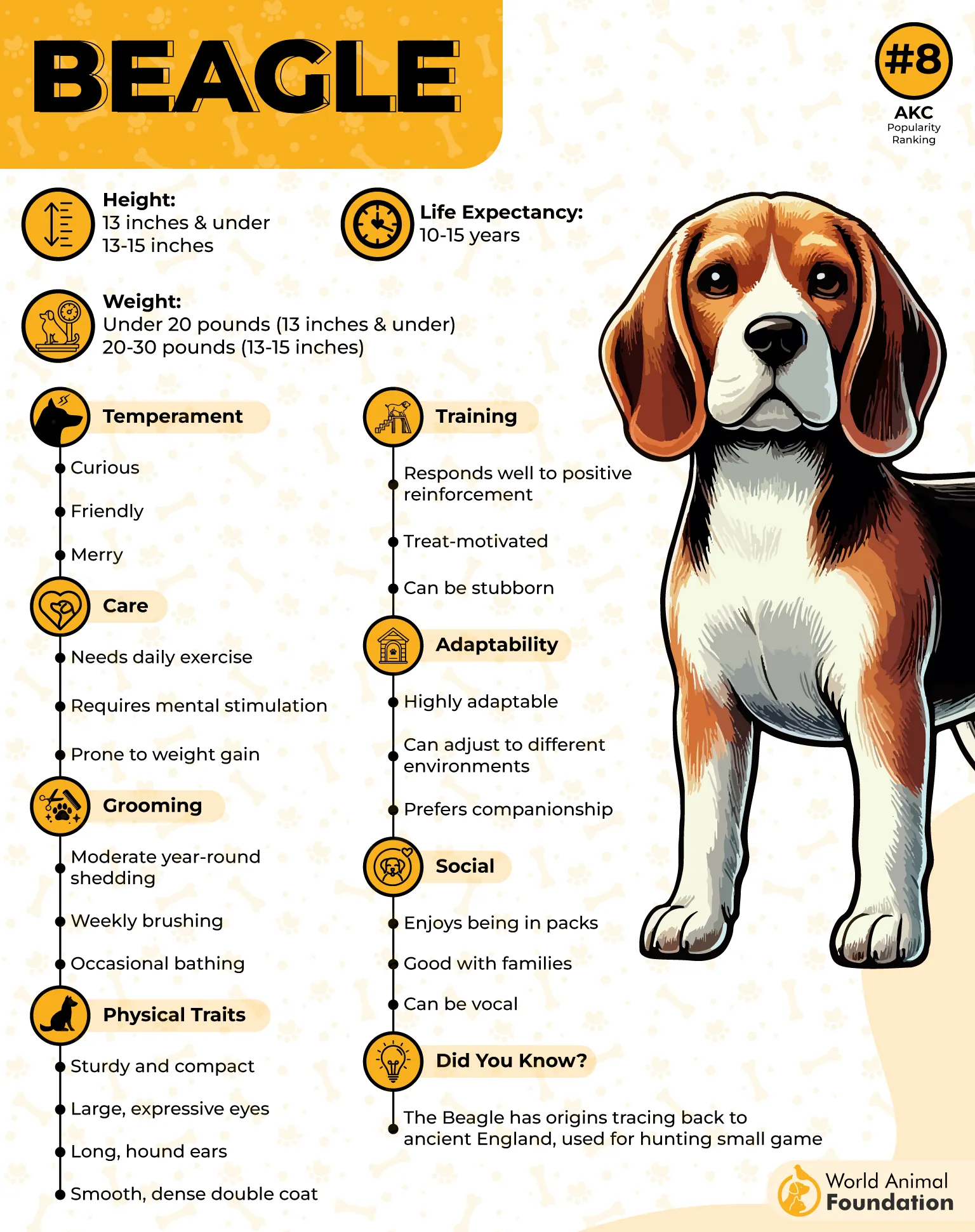
Compact, sturdy, and built for endurance, they are able to work tirelessly over varied terrain while maintaining focus on scent trails.
Although intelligent and eager to please, Beagles are famously independent-minded due to their hunting heritage, often becoming deeply absorbed in smells that can challenge training consistency.
They typically respond best to positive reinforcement and food-based motivation. Beyond hunting fields, Beagles have gained global recognition in culture and media, but their true strength remains in tracking and scent work.
Their combination of persistence, energy, and unmatched olfactory skill makes them one of the most effective tracking breeds in the hunting dog category.
4. German Shorthaired Pointer
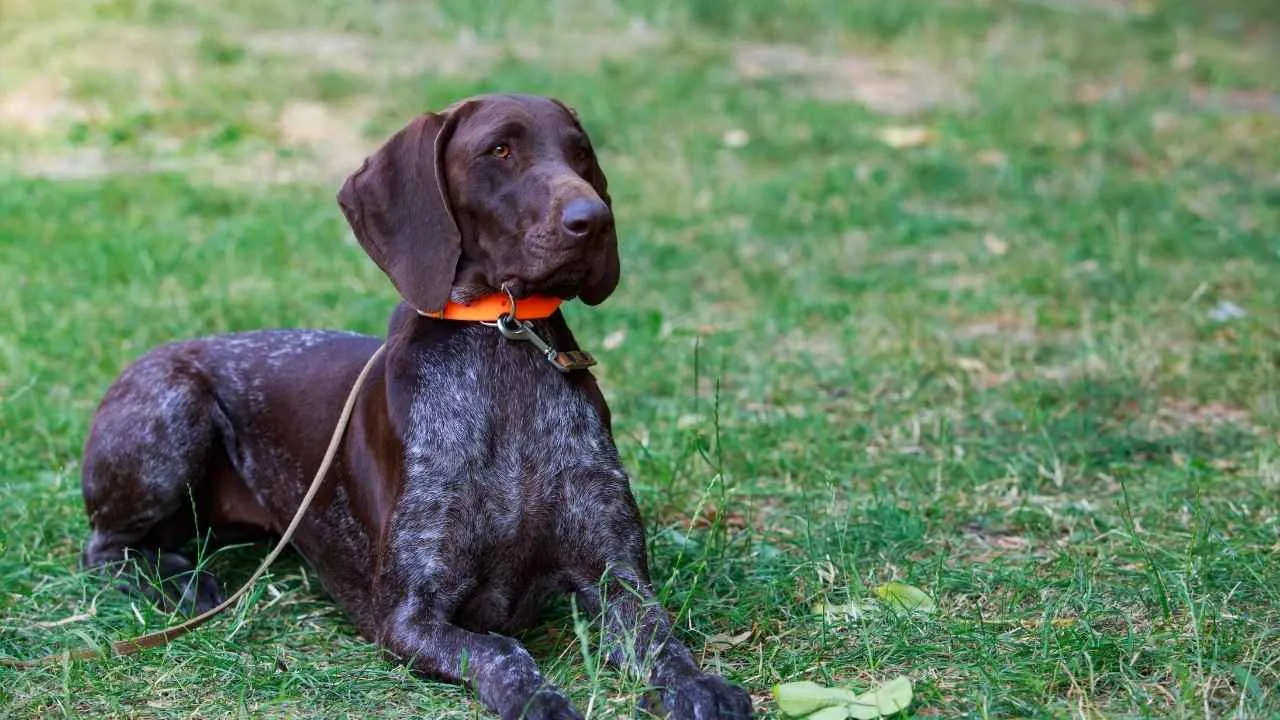
The German Shorthaired Pointer is a highly versatile and energetic gundog celebrated for its outstanding tracking, pointing, and retrieving abilities, as mentioned by Orvis.
Developed in Germany during the 19th century from earlier German hunting dogs and refined with Pointer and Bloodhound influences, it was carefully bred to excel in both land and water hunting.
This breed is known for its lean, athletic build, exceptional stamina, and keen scenting ability, making it a reliable partner for hunters across diverse terrains, including upland bird hunting.
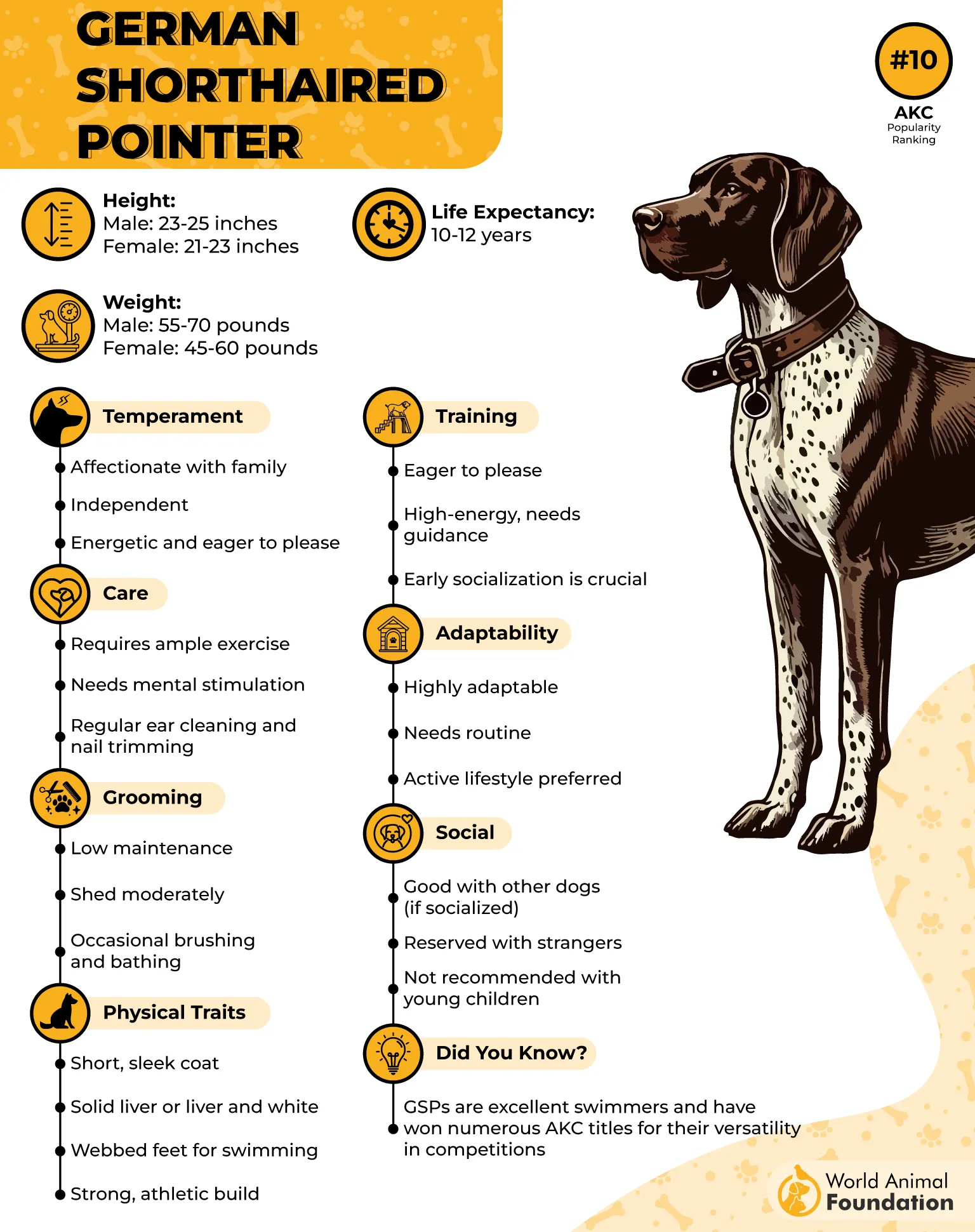
Its distinctive short, dense coat with ticking patterns protects while remaining low-maintenance and functional in the field.
Highly intelligent and eager to work, this active dog responds well to training and thrives in active environments where it can channel its drive into hunting tasks or structured dog sports such as agility, tracking, and field trials.
Due to its strong hunting instincts, it may display prey drive toward smaller animals, requiring proper guidance and socialization.
The German Shorthaired Pointer combines speed, endurance, and precision tracking skills, making it one of the most capable and dynamic hunting breeds in the world today.
5. Weimaraner
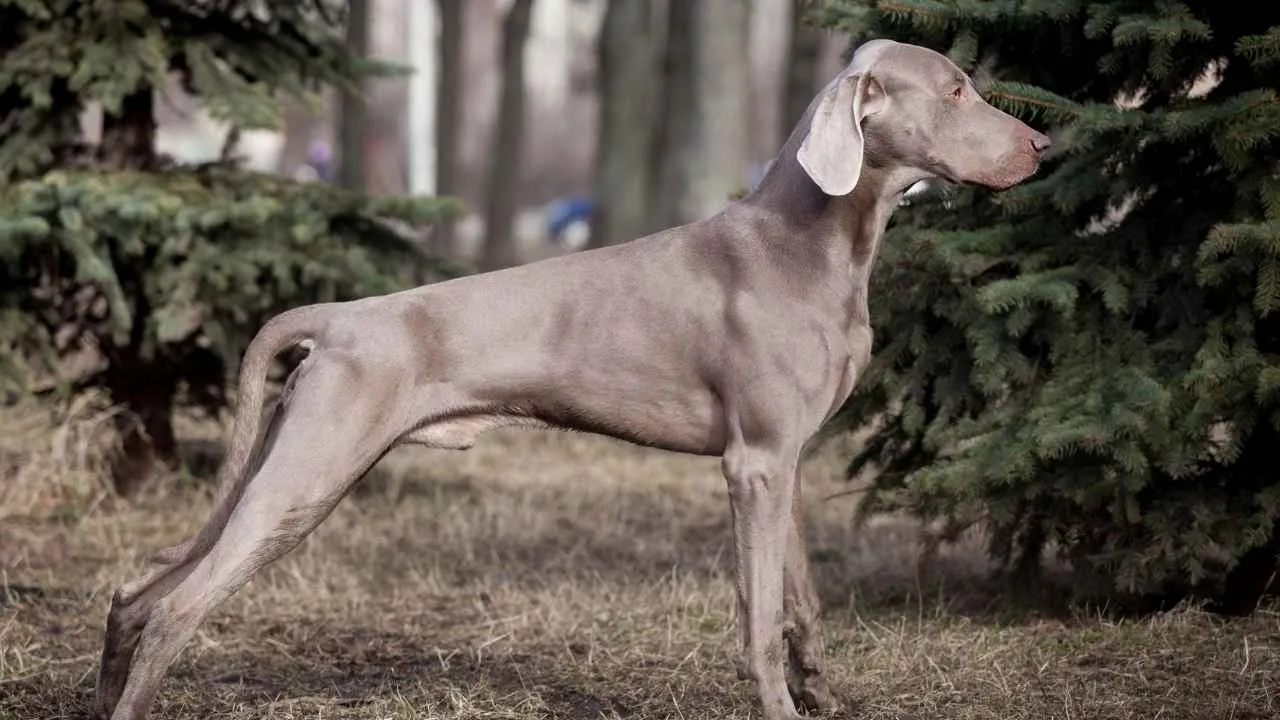
The Weimaraner, often called the “Gray Ghost” for its sleek silver-gray coat and stealthy movement, is a distinguished sporting breed developed in early 19th-century Germany by nobles of the Weimar court.
Originally bred for tracking and hunting large game such as deer and boar, it was later refined into a skilled bird dog and retriever, valued for its versatility and sharp tracking instincts.
This breed is known for its elegant, athletic structure, long endurance, and powerful scenting ability, making it highly effective in both field and water-based hunting work.
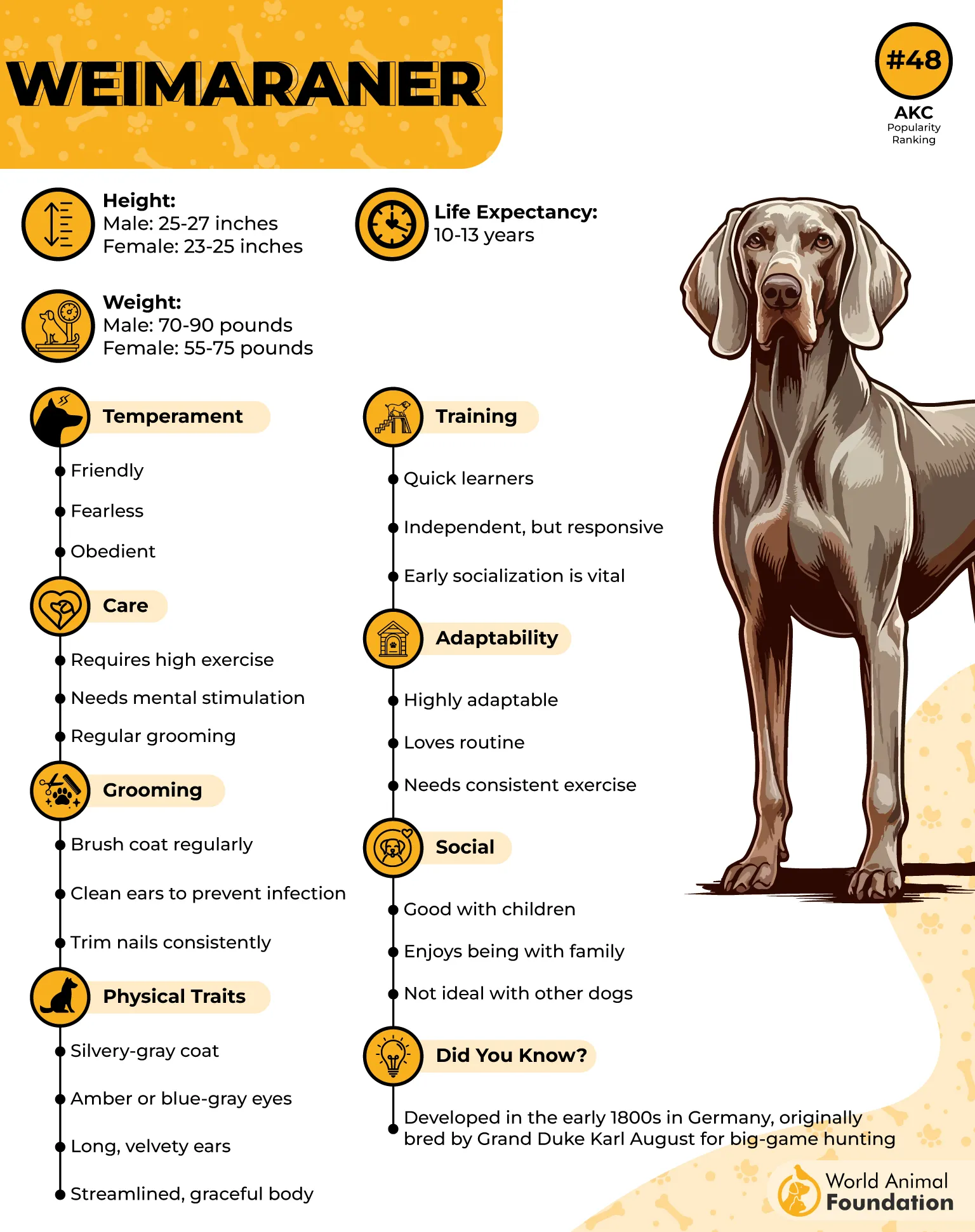
Its short, smooth coat, striking eyes, and alert posture reflect its combination of grace and working strength.
Highly intelligent and driven, it performs exceptionally well in structured training, excelling in hunting tests, tracking exercises, obedience trials, agility, and other canine sports.
The Weimaraner requires significant daily exercise and mental stimulation to remain balanced, thriving in active environments that involve running, hiking, swimming, and retrieving.
With strong loyalty, intelligence, and an intense work drive, it remains one of the most capable and recognizable hunting and tracking breeds in the sporting dog category today.
6. Bloodhound
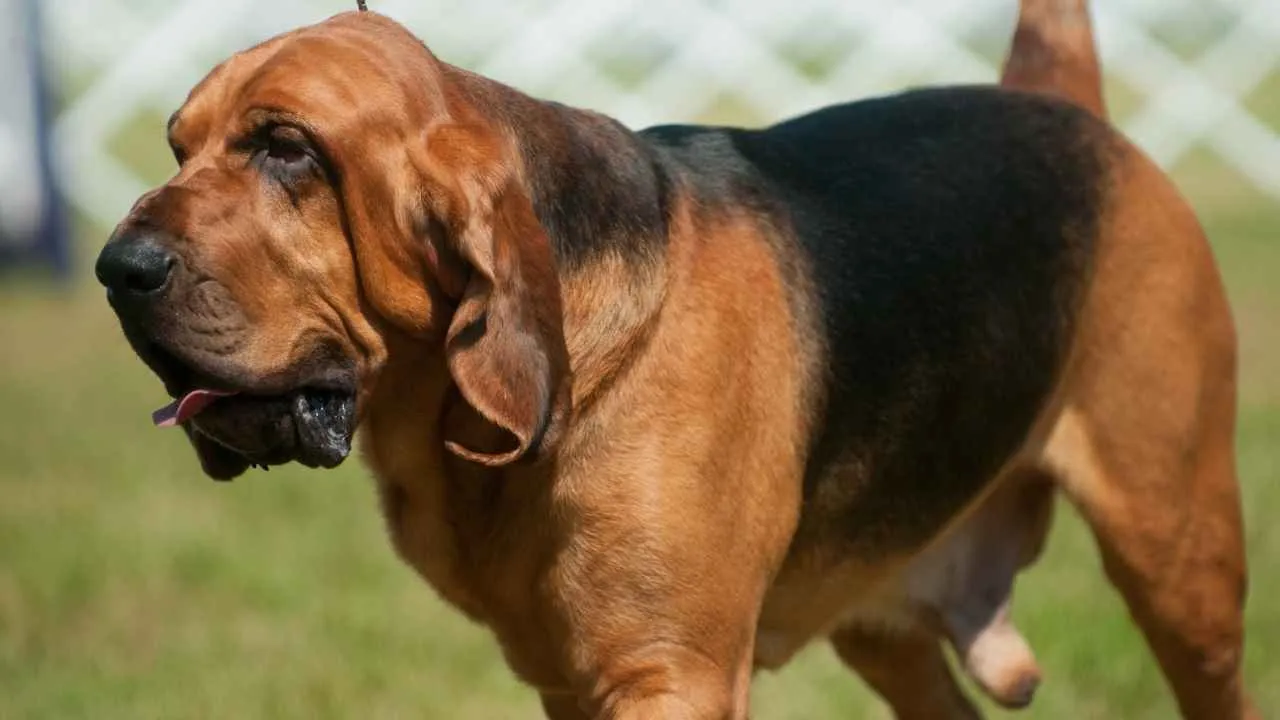
The Bloodhound is one of the most legendary scent hounds in history, widely regarded as the ultimate tracking dog due to its unmatched olfactory ability, as noted by Britannica.
With an ancient lineage tracing back to Greece and Rome and refined in medieval Europe, particularly by monks at the Saint Hubert Monastery in Belgium, this breed has been carefully developed for centuries of precision scent tracking.
It is believed to possess around 230 million scent receptors, giving it extraordinary capability to follow human and animal trails over vast distances and even days-old scent lines.
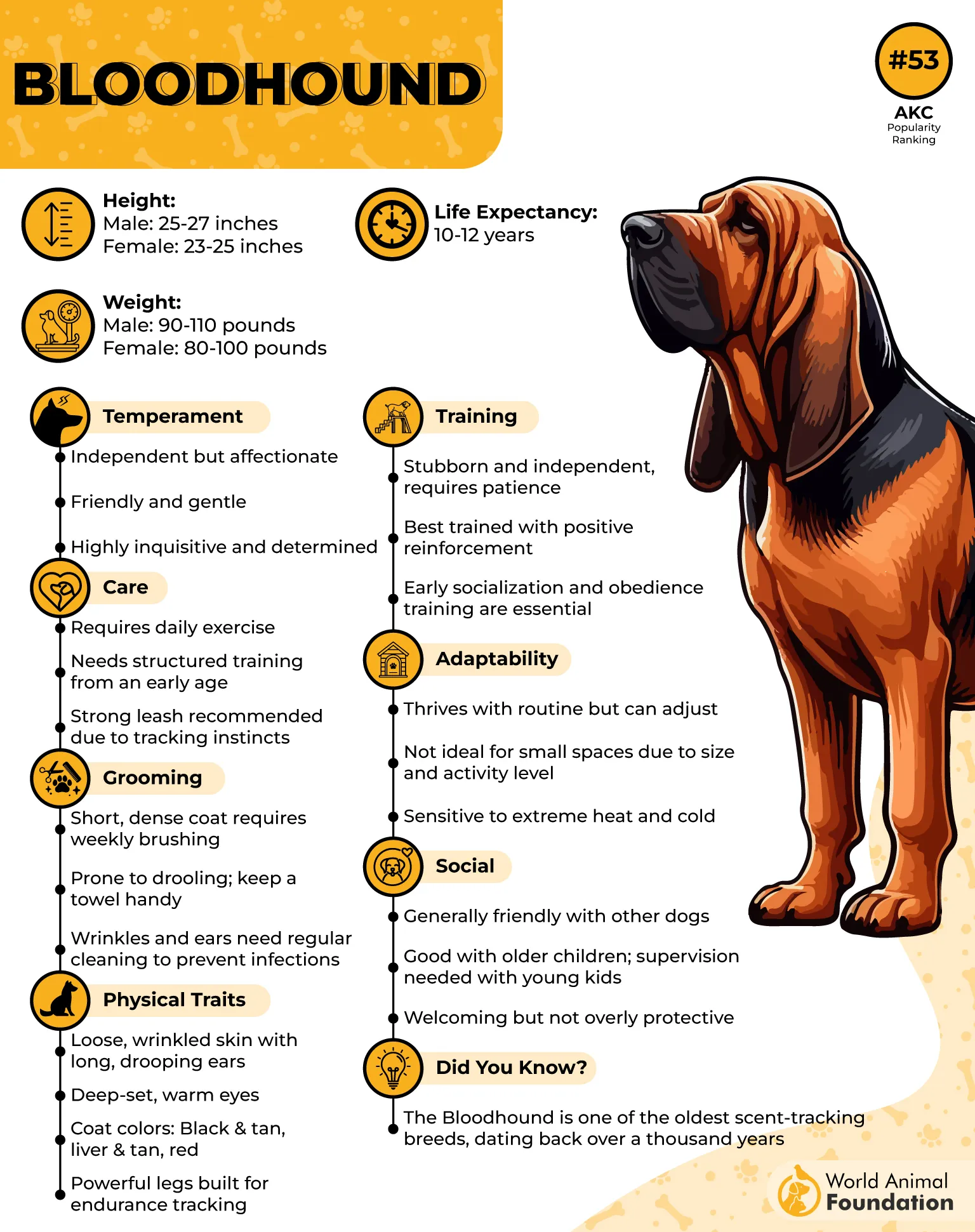
Large, powerful, and built for endurance, the Bloodhound is instantly recognizable by its long ears, deep facial folds, and loose skin, all of which help trap and channel scent toward its nose for improved tracking accuracy.
Its coat appears in shades of black and tan, liver and tan, or red variations. Despite its imposing appearance, it is generally gentle and persistent rather than aggressive.
In search and rescue, law enforcement, and hunting applications, the Bloodhound remains one of the most reliable and celebrated tracking breeds in the world.
7. Bluetick Coonhound
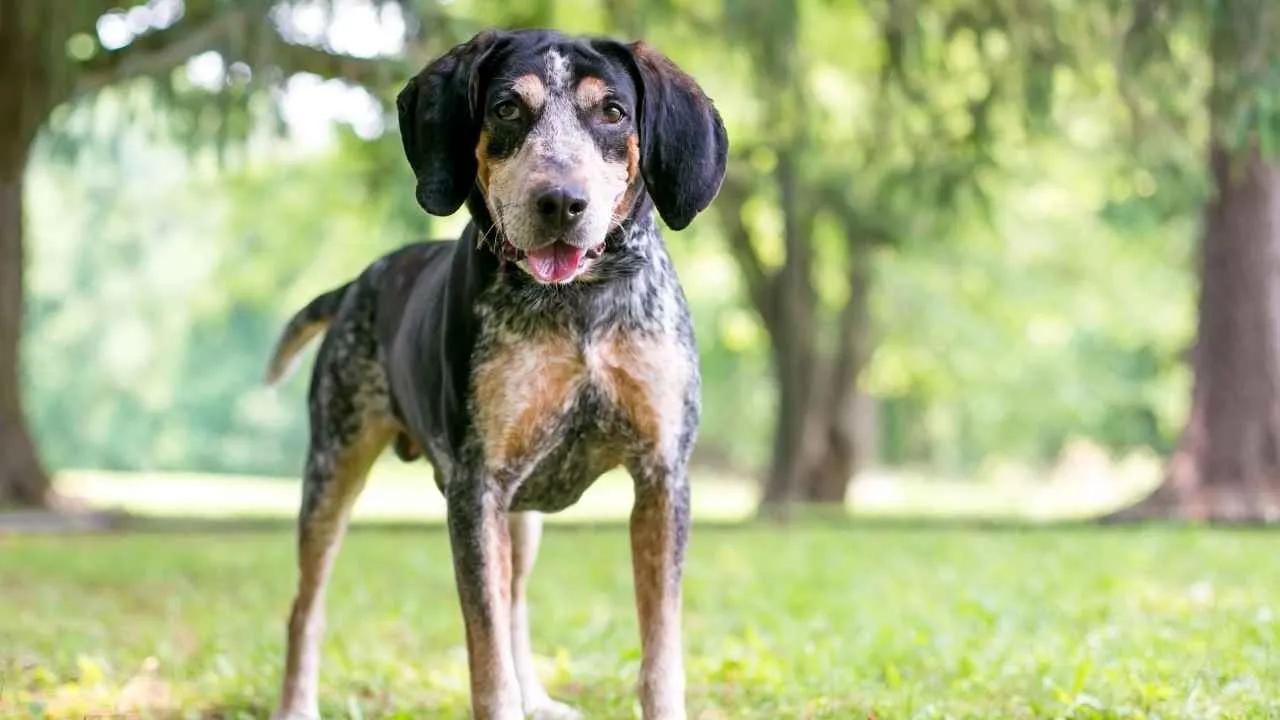
The Bluetick Coonhound is a skilled scent hound known for its intelligence, determination, and exceptional tracking ability, making it a valued breed in hunting and trailing game across challenging terrains.
Developed in the United States, it excels at following cold and complex scent trails with remarkable persistence, often working for extended periods without losing focus.
This affectionate family dog is deeply devoted and loyal within a family setting, showing a calm and friendly temperament when at home. However, once placed on a scent trail, its behavior shifts into a highly driven and focused hunter with strong prey instincts.
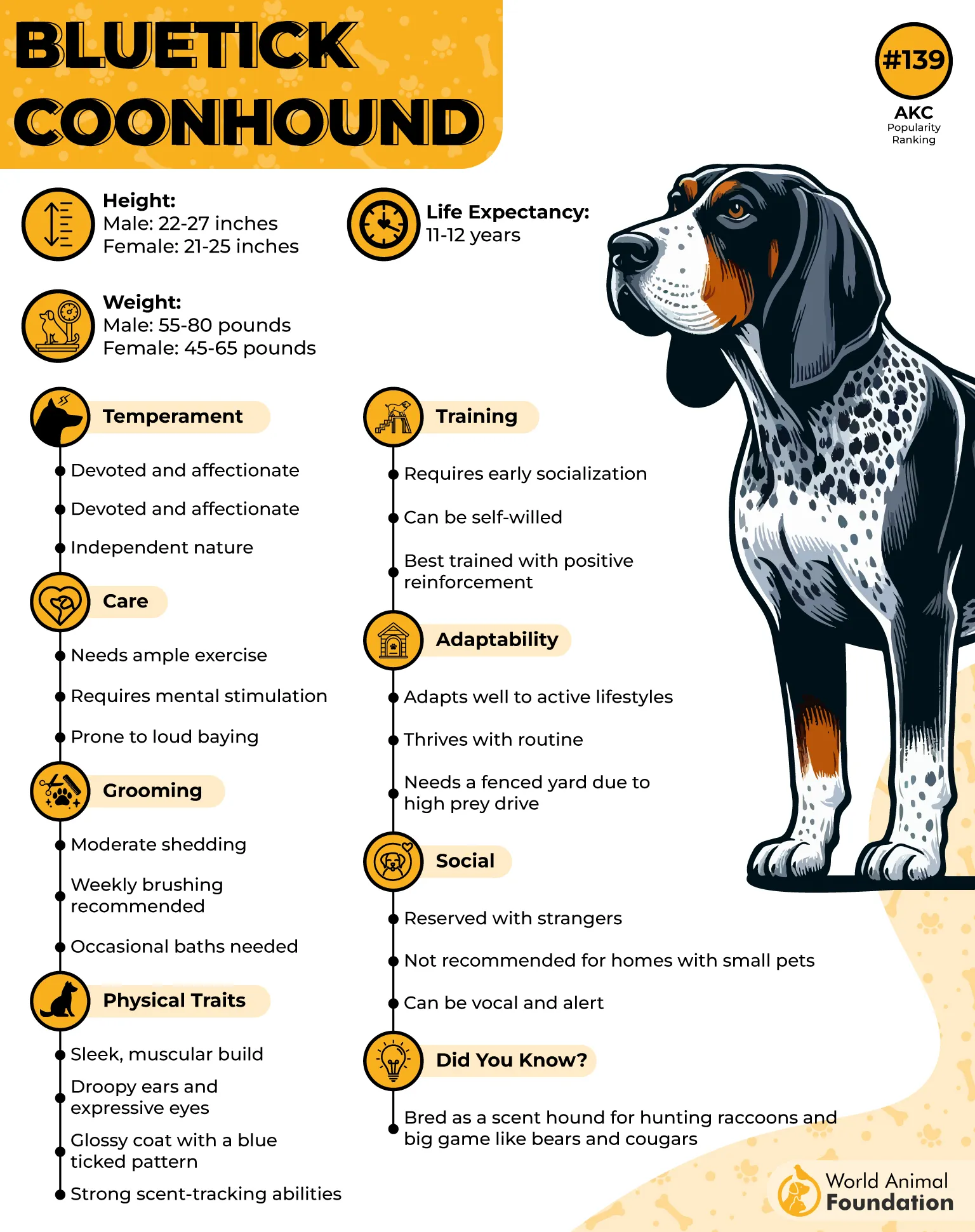
It is especially known for its distinctive “baying” vocalization while tracking, which helps hunters locate its position during the chase.
Bluetick Coonhounds require proper training and consistent guidance due to their independent nature and strong tracking drive, which can sometimes make them stubborn in the field.
Despite this, they are highly valued for their endurance, scent accuracy, and reliability in hunting small game such as raccoons.
Their combination of affectionate companionship and relentless tracking ability places them among the most capable scent hounds in the hunting dog category.
8. Plott Hound
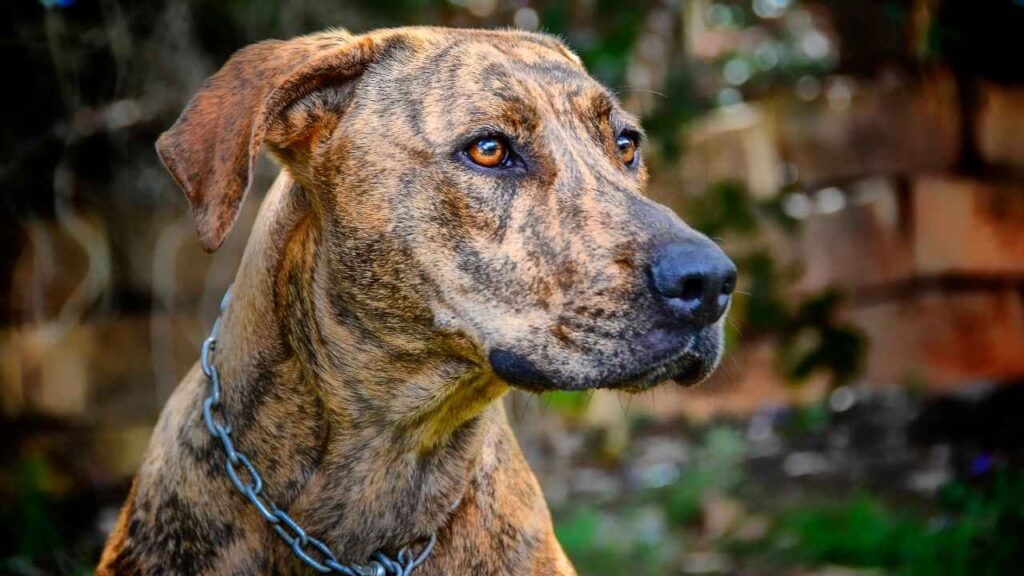
The Plott Hound is a powerful and determined scent hound recognized for its exceptional tracking ability, courage, and endurance in hunting large game, as mentioned by the AKC.
Originating in the United States, it is the only major coonhound breed not descended from English foxhound lines, instead tracing its roots to German boar-hunting dogs brought to America in the 18th century by the Plott family.
Developed in the Smoky Mountains of North Carolina, it was refined over generations into a fearless tracker capable of pursuing and treeing animals such as wild boar, bear, and mountain lion.
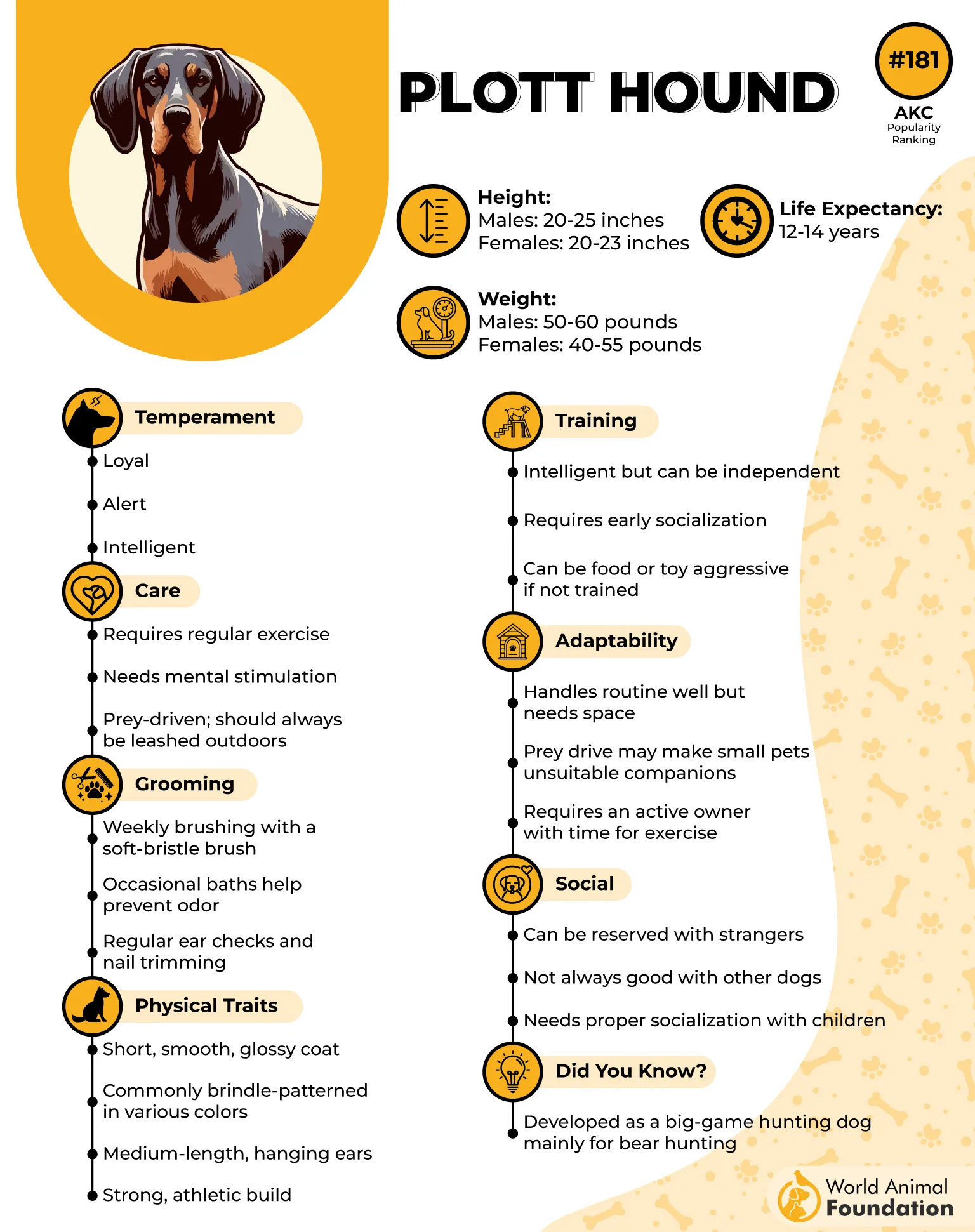
It is also effective in tracking wounded game. Known for its strong scenting ability and relentless drive, it also excels in raccoon hunting, making it a versatile working hound.
The Plott Hound is intelligent, confident, and highly focused in the field, often using its distinctive voice to signal progress during a trail.
At home, it tends to be an affectionate, gentle, and loyal breed, though it requires experienced handling, mental stimulation, and regular exercise.
With its muscular build, endurance, and unwavering determination, the Plott Hound remains one of the most capable and respected tracking breeds in the hunting dog world today.
9. Treeing Walker Coonhound
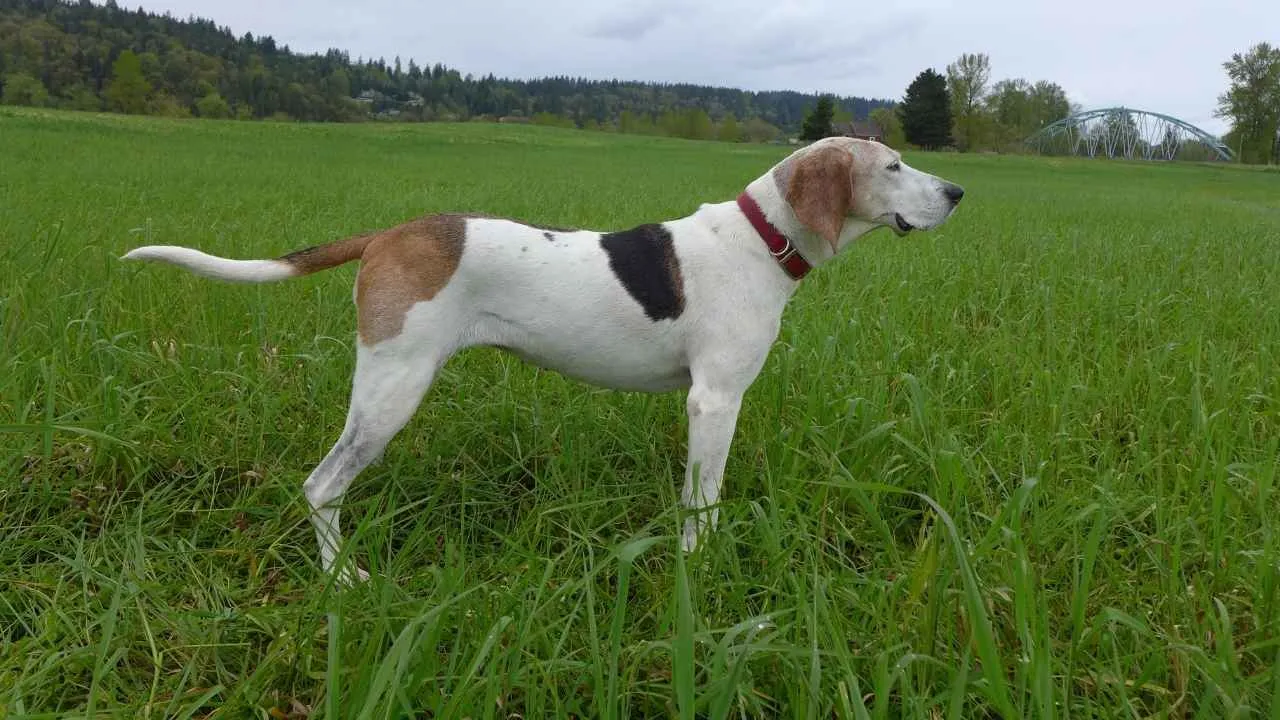
The Treeing Walker Coonhound is a highly skilled scent hound celebrated for its exceptional tracking speed, endurance, and treeing ability, making it one of the most effective raccoon hunting breeds.
Developed primarily in the United States, it was originally bred to follow scent trails with remarkable precision and pursue raccoons until they take refuge in trees, where the dog signals the hunter.
Known for its keen nose and strong drive, it is capable of tracking game efficiently even during nighttime hunts when raccoons are most active, making it useful in upland game hunting scenarios where varied terrain and scent tracking are essential.
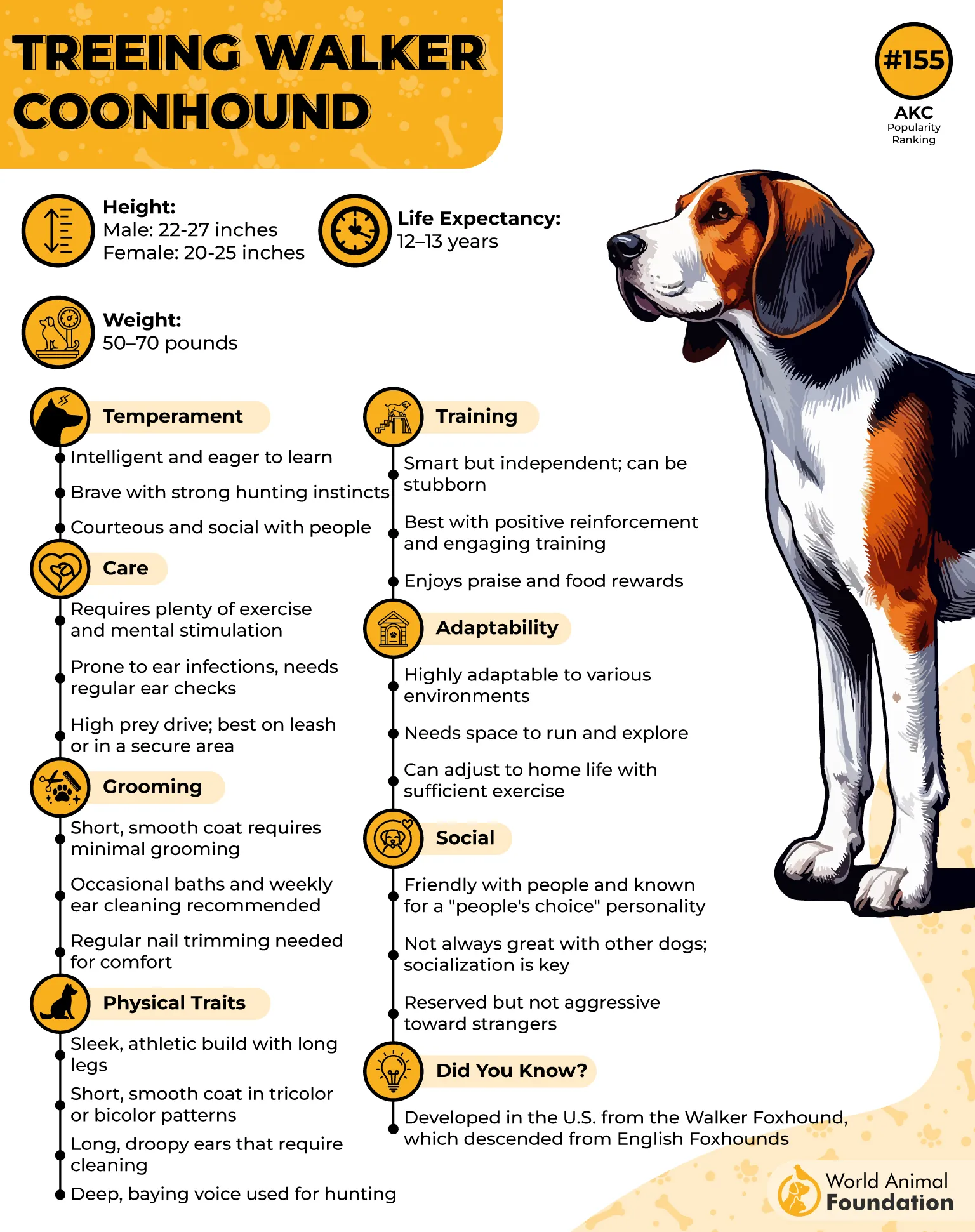
This breed is also highly vocal, using distinct sounds to communicate during the hunt, including a bay while tracking and a sharp bark when treeing prey.
Often described as “the people’s choice” among coonhounds, it is valued for its ability to switch quickly to fresher scent trails, improving hunting success rates.
The Treeing Walker Coonhound is versatile enough to hunt alone or in packs and can also pursue larger tree-dwelling game such as bobcats and coyotes.
With its athletic build, intelligence, and relentless tracking instinct, it remains one of the most reliable and efficient hunting breeds in the coonhound group.
10. Basset Hound
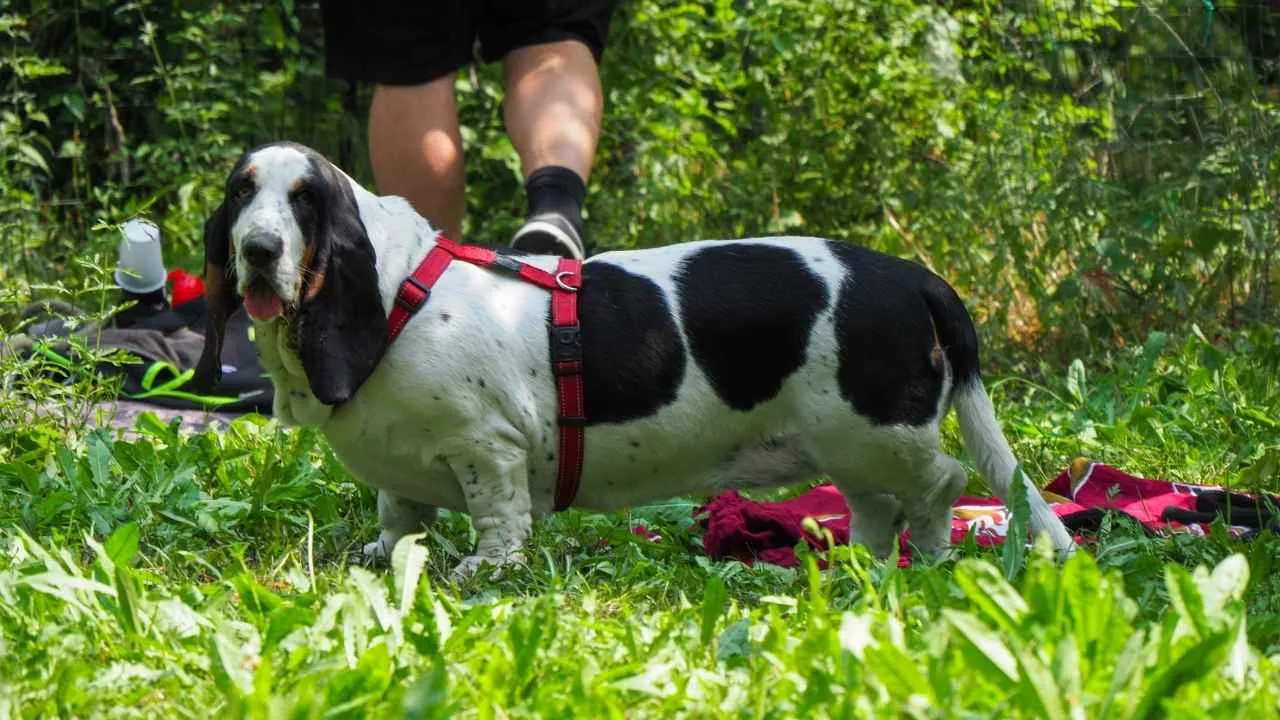
The Basset Hound is a classic scent hound widely recognized for its exceptional tracking ability, calm temperament, and historical role in rabbit and hare hunting.
Originating in France as early as the 1500s, its name comes from the French word “bas,” meaning low, reflecting its short-legged, heavy-bodied structure designed for slow, methodical tracking.
Later refined in England during the 19th century, the breed was developed from French basset-type hounds and closely related scent hounds to enhance endurance and scenting precision.
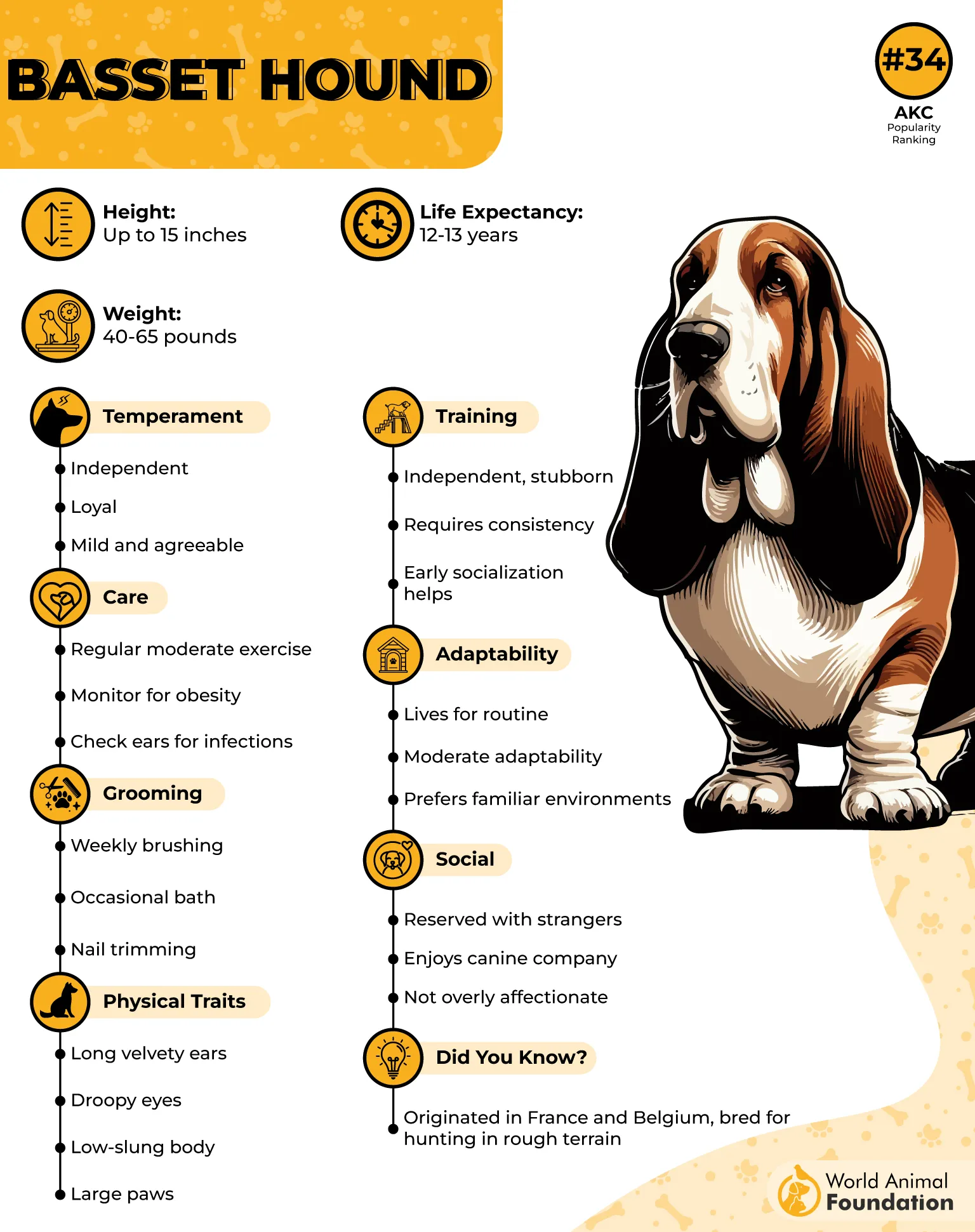
Known for its powerful nose and remarkable ability to follow ground-level scent trails, the Basset Hound can track game over long distances at a steady, deliberate pace, allowing hunters to follow on foot.
It was traditionally used in packs for hunting rabbits and hares and occasionally for tracking wounded larger game.
Despite its hunting origins, it is gentle, sociable, and friendly, though sometimes stubborn, requiring patient and consistent training.
Its low stature, long ears, and loose skin are not only distinctive but also assist in scent collection. Today, while often kept as a companion, it remains one of the most capable tracking breeds in the hound group.
Conclusion
Hunting dogs with exceptional tracking ability have played a vital role in shaping traditional and modern hunting practices across the world.
Developed over centuries, these breeds are valued for their powerful sense of smell, endurance, intelligence, and unwavering focus in the field. Many are also used in upland bird hunting and other field activities requiring precision tracking and retrieval.
Whether following faint scent trails over long distances or working in challenging terrains, their instincts and training make them highly reliable partners for hunters.
Beyond their working roles, many also adapt well to family life, showing loyalty and affection. Their legacy continues as both skilled working dogs and admired companions in diverse environments today.
