




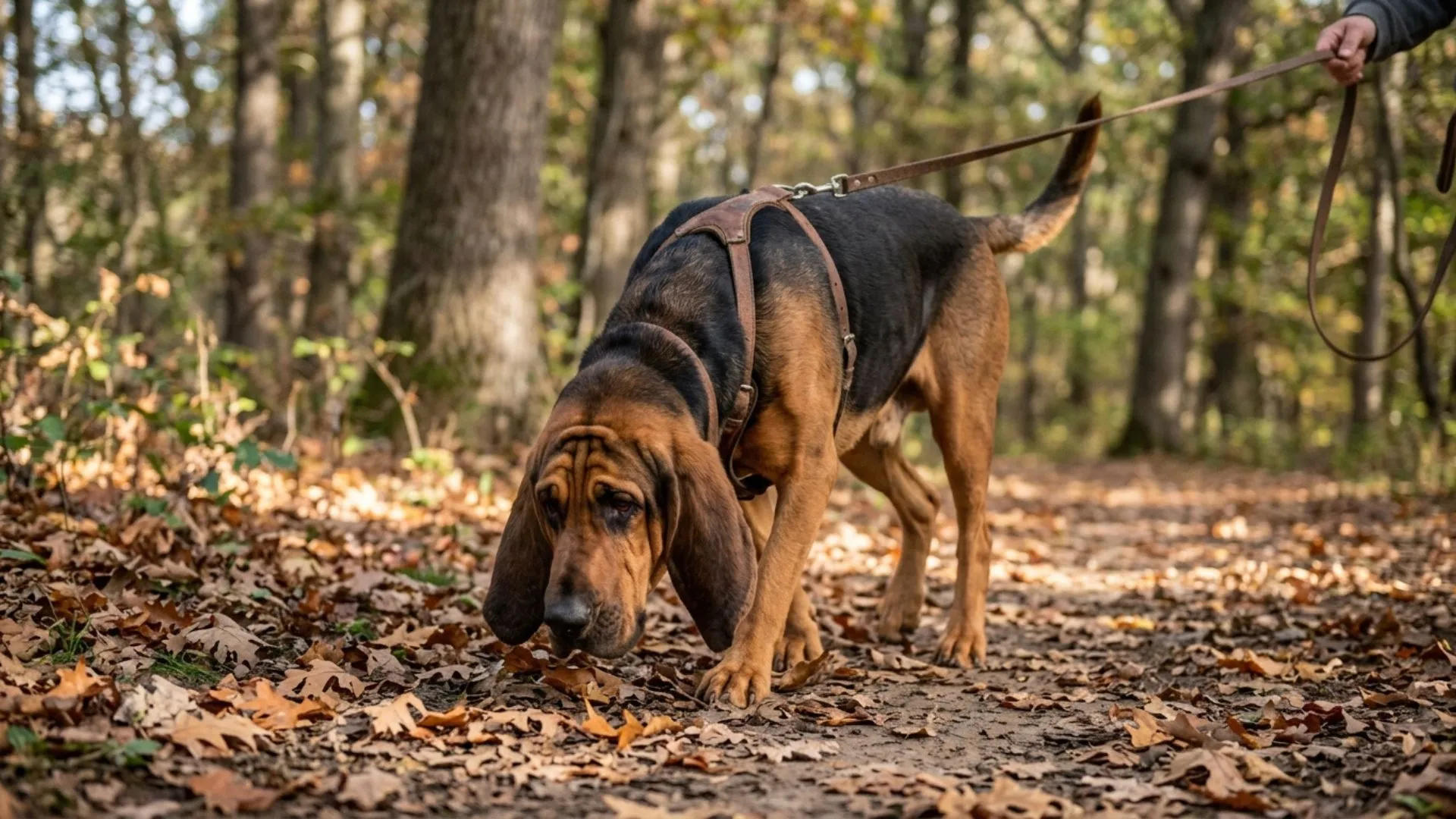
The exceptional hunting dog shows its value through more than its ability to run fast and display physical power. The bond between handler and dog develops through instinct and trust, which leads to a greater understanding of each other. Some dog breeds possess innate abilities that enable them to track scents and retrieve hunted animals, while they can run long distances without losing their concentration.
The selection of a hunting dog creates an overall impact on outdoor activities for dog owners who spend time in nature. Every dog breed offers distinct characteristics that range from energetic breeds that excel at endurance to serene breeds that specialize in focused tracking.
Tracking dogs can follow scent trail which are up to seven days old.
Long ears and loose skin actually help trap scent particles. Hunting breeds were developed to work together with hunters during hunting activities. These dogs serve as active participants in rescue operations and law enforcement activities throughout the globe.
Outstanding Dog Breeds for Hunting and Tracking That Truly Stand Out
1. Labrador Retriever
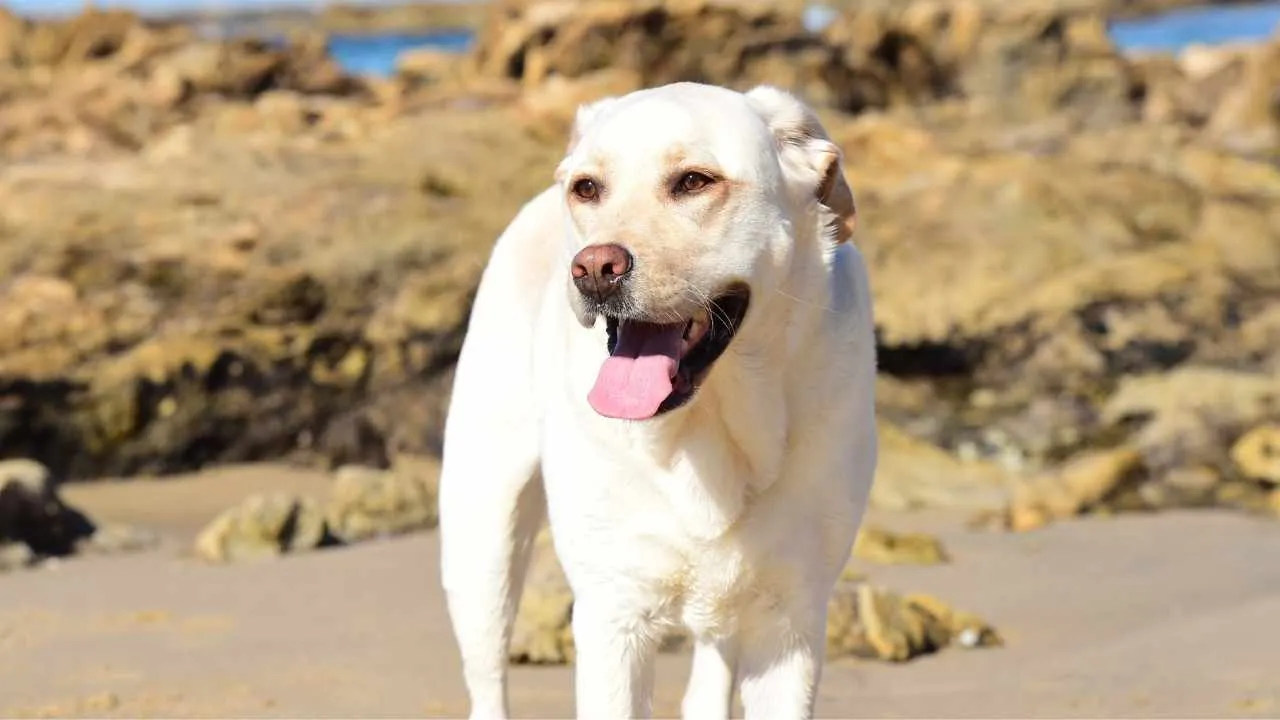
The Labrador Retriever stands as one of the most popular dog breed choices across the world. The breed develops a friendly and curious personality, which helps it to fit into hunting fields and family environments. The Lab provides dependable hunting assistance through its strong body and moderate energy level.
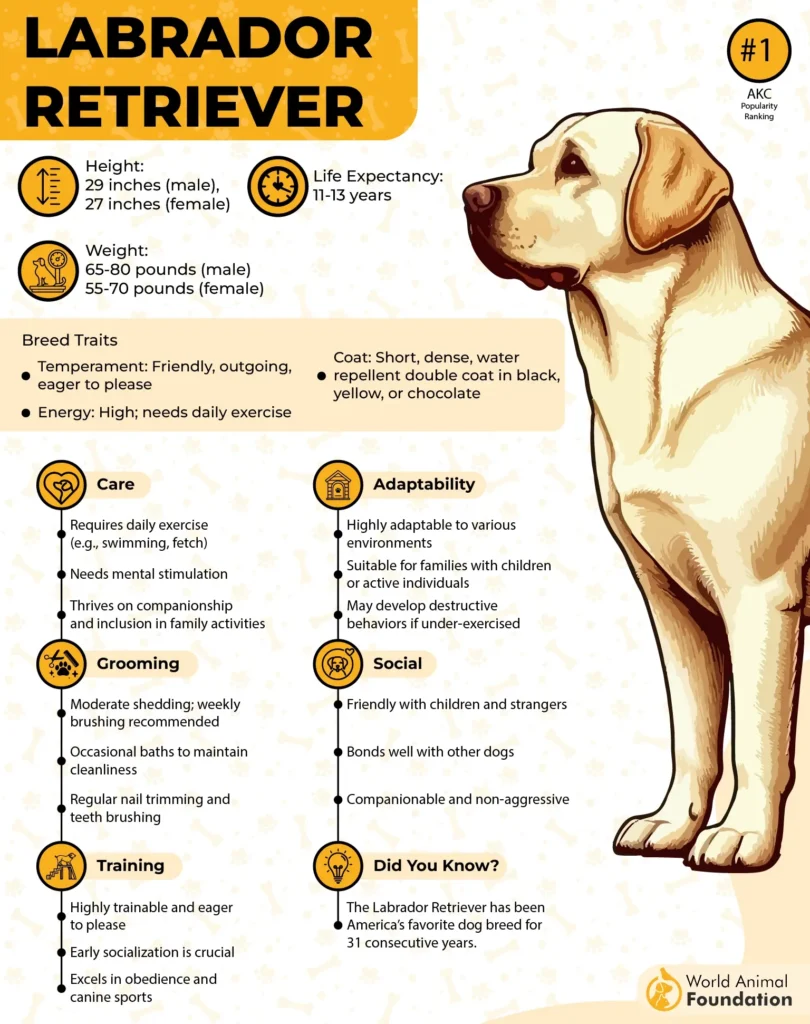
The Labrador Retriever originates from waterfowl hunting dogs, which can adapt to both wet and tough environments. The American Kennel Club recognizes Labradors as intelligent dogs that learn obedience commands with rapid success. First-time dog owners can train these dogs successfully because they possess fast learning abilities and a strong desire to please their owners.
The Labrador Retriever requires human socialization because it needs to play outside every day. It stays well-behaved through activities that provide both physical exercise and mental challenges. Proper breed training establishes this dog as a reliable tracking companion, which best serves active families.
2. German Shorthaired Pointer
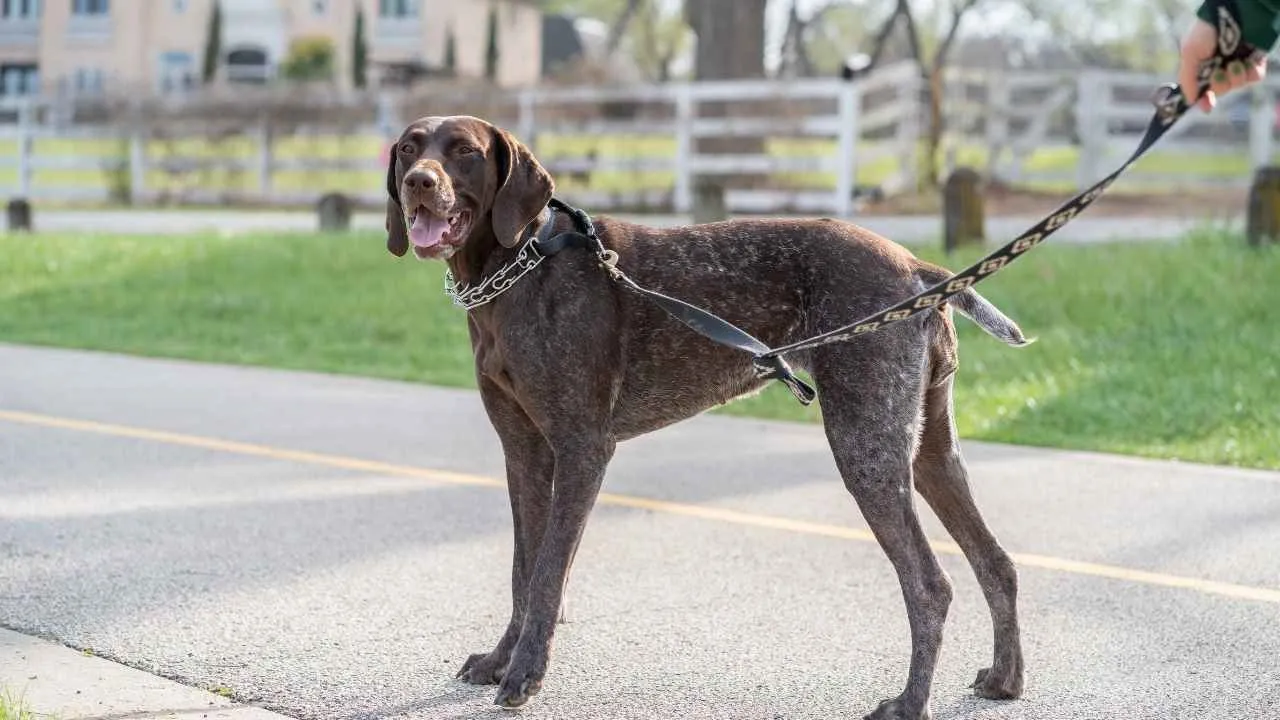
The German Shorthaired Pointer shows its athletic design because it combines its slim physique with unlimited stamina for extended hunting missions. The hunting dog combines speed with accuracy, which enables it to track small animals through extensive outdoor areas.
Hills Pet Nutrition shows that their pet demonstrates high intelligence and strong hunting instincts. The breed requires continuous mental activities, while its members should maintain an active lifestyle that includes regular physical movement throughout the day.
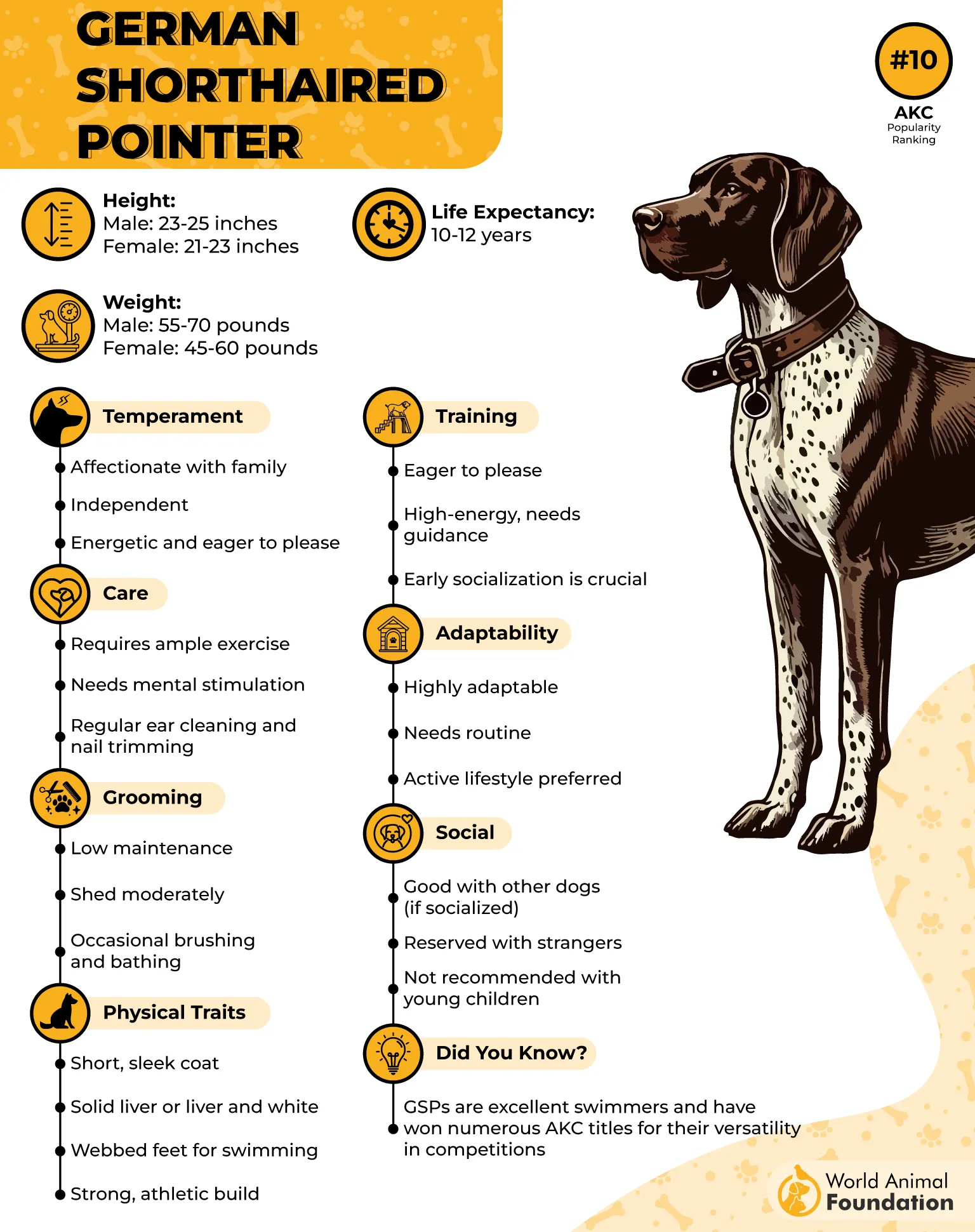
The German Shorthaired Pointer requires plenty of exercise and structured routines. The training process achieves better results when trainers use positive reinforcement methods. The correct surroundings enable this breed to develop into a flexible dog, which can manage both hunting and home responsibilities.
3. Bloodhound
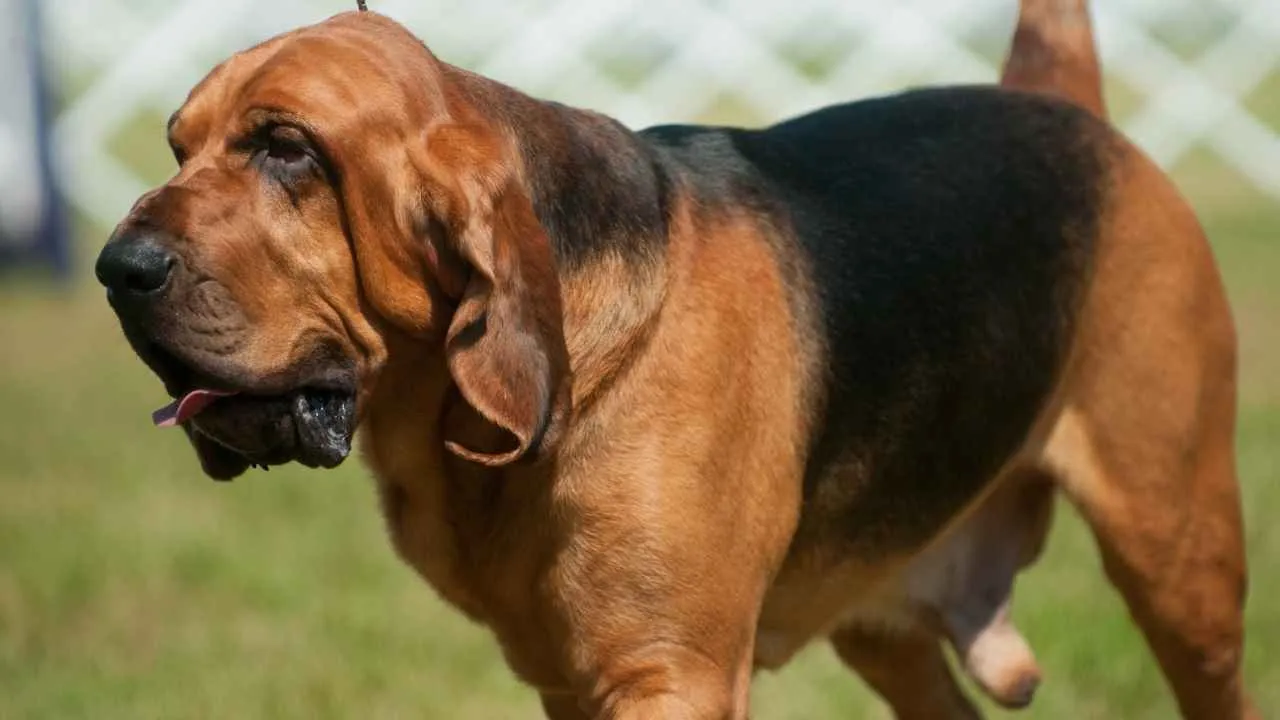
The Bloodhound maintains its status as the top tracking dog because of its superior scent detection abilities. The breed uses its long, floppy ears and loose skin to capture scent particles, which enable it to track scents accurately over extended distances.
Purina states that this breed possesses extreme concentration abilities, together with dependable performance capabilities, which make it suitable for police work. It shows working skills but maintains a peaceful and relaxed demeanor throughout its home life.
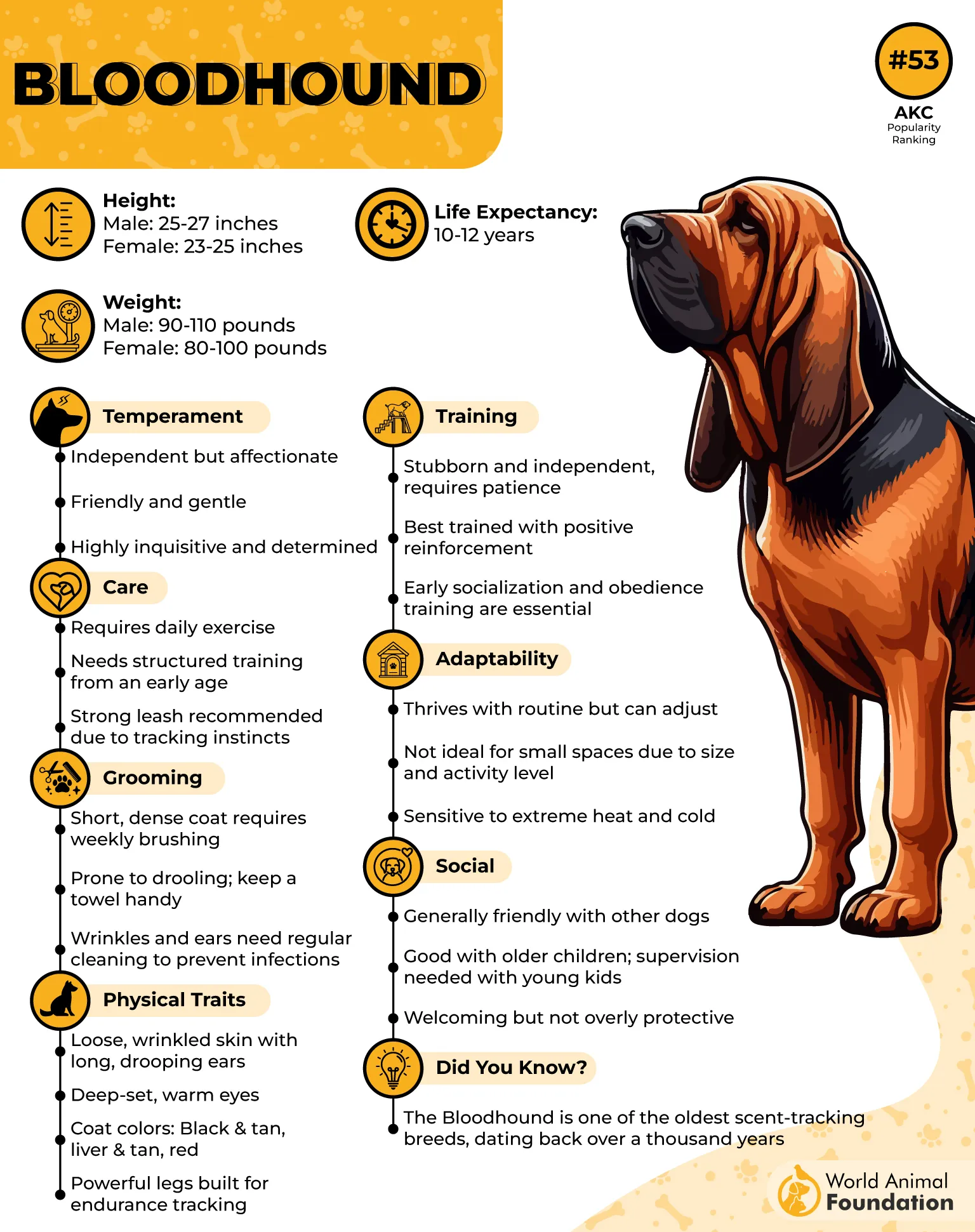
The Bloodhound prefers to keep a relaxed indoor environment, but changes its behavior when it goes outside. The combination of regular exercise plus dedicated time to train obedience skills helps people achieve their desired weight. Dog owners who want their pets to keep a peaceful presence at home should choose this breed because it possesses both tracking and protective skills.
4. Weimaraner
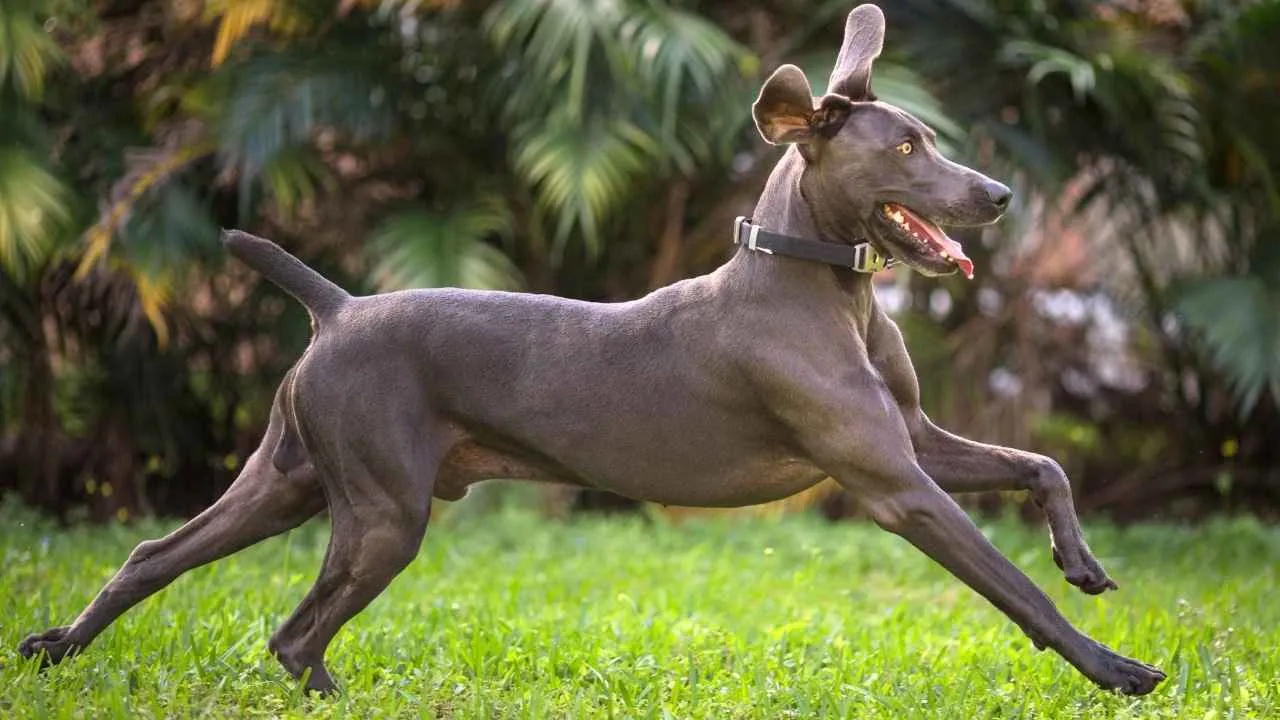
The Weimaraner combines elegance with power to create an impressive hunting breed. The breed features a streamlined coat together with a muscular physique, which breeders developed for tracking deer and other large game.
PDSA provides information that shows that this breed develops strong connections with its human family members while wanting to be with people at all times. It develops restlessness because its high energy level needs more physical activity to be controlled.
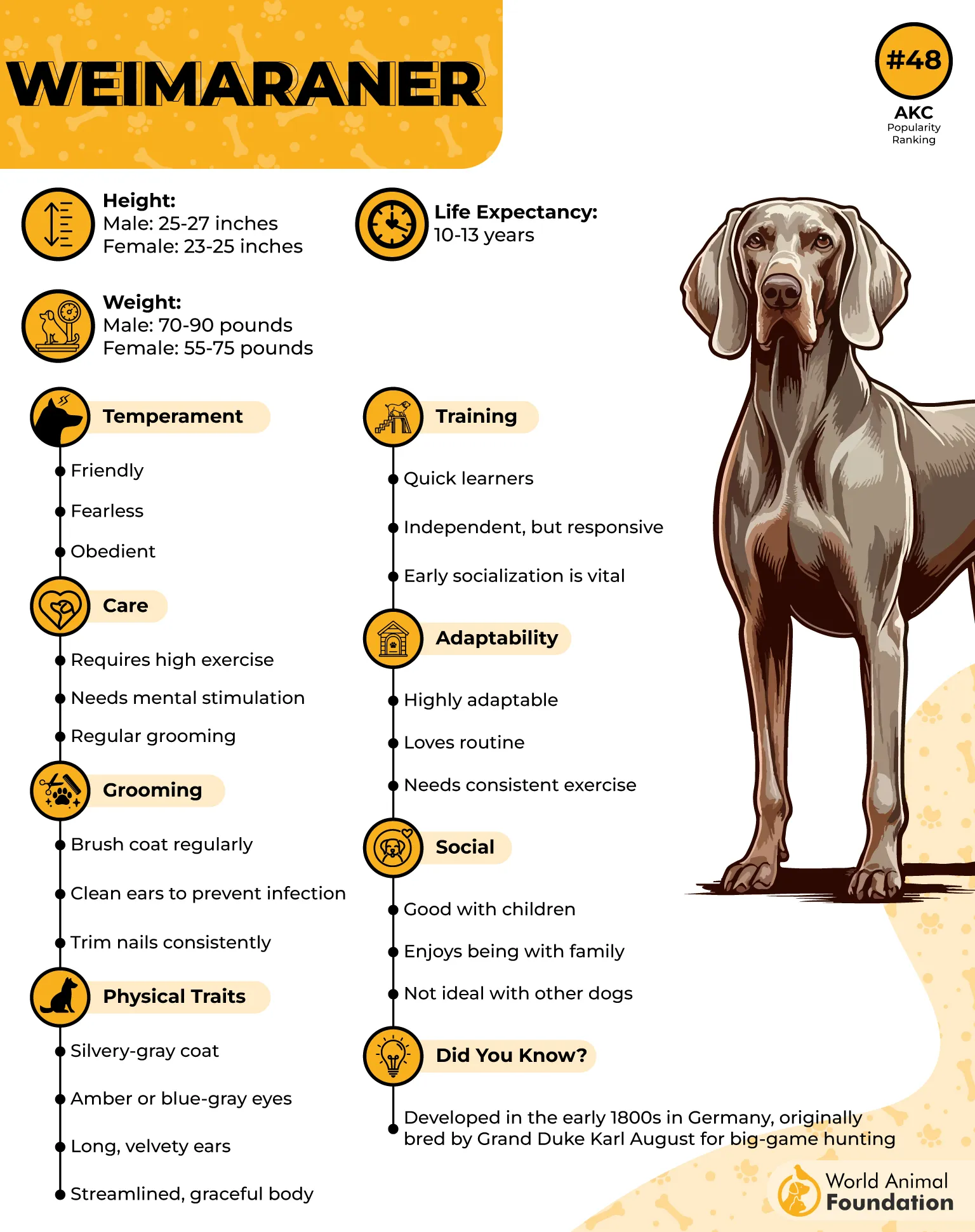
The Weimaraner requires extensive outdoor space, together with outdoor activities that occur on a regular basis. The necessity of mental challenges matches the essential requirement for physical activity. Training enables this breed to develop into a dependable hunting companion, which also serves as a strong family member.
5. Brittany Spaniel
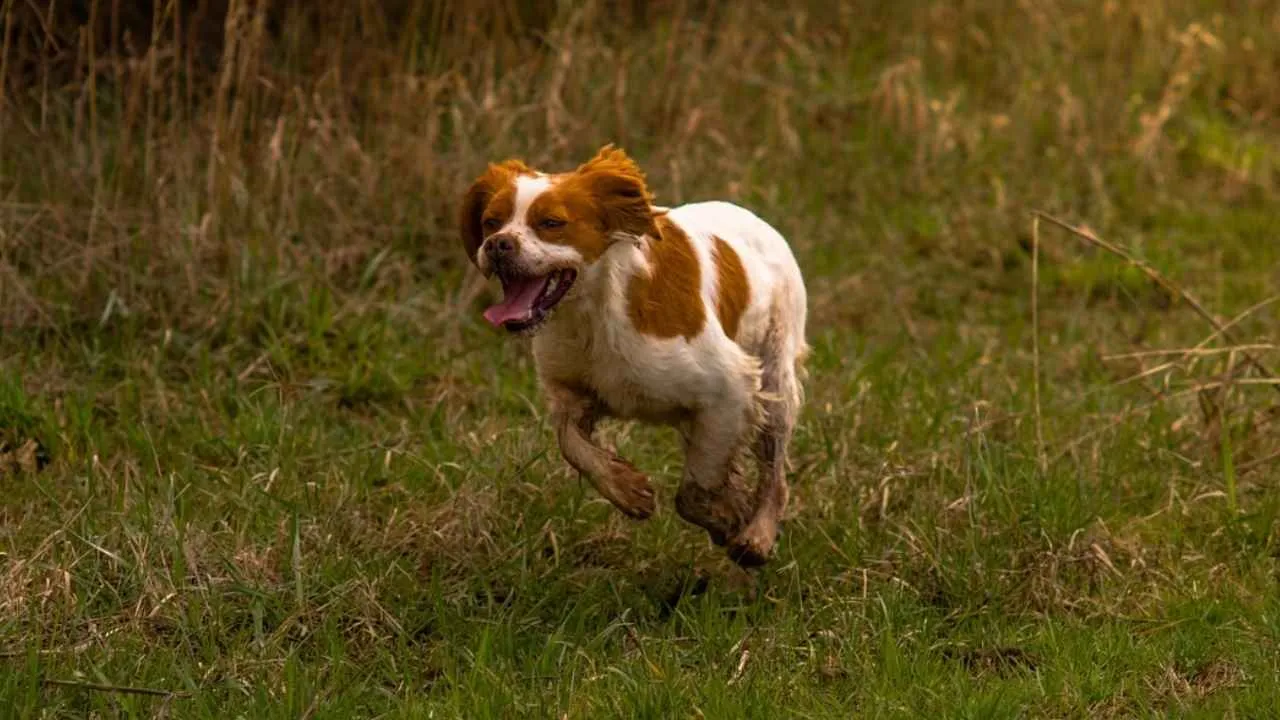
The Brittany Spaniel displays exceptional speed, together with athletic ability and high energy levels. The medium-sized hunting dog excels at retrieving game while challenging uneven ground conditions.
This breed learns new things quickly while interacting with others. Families who lead active lifestyles will find it to be a perfect match because of its loving personality.
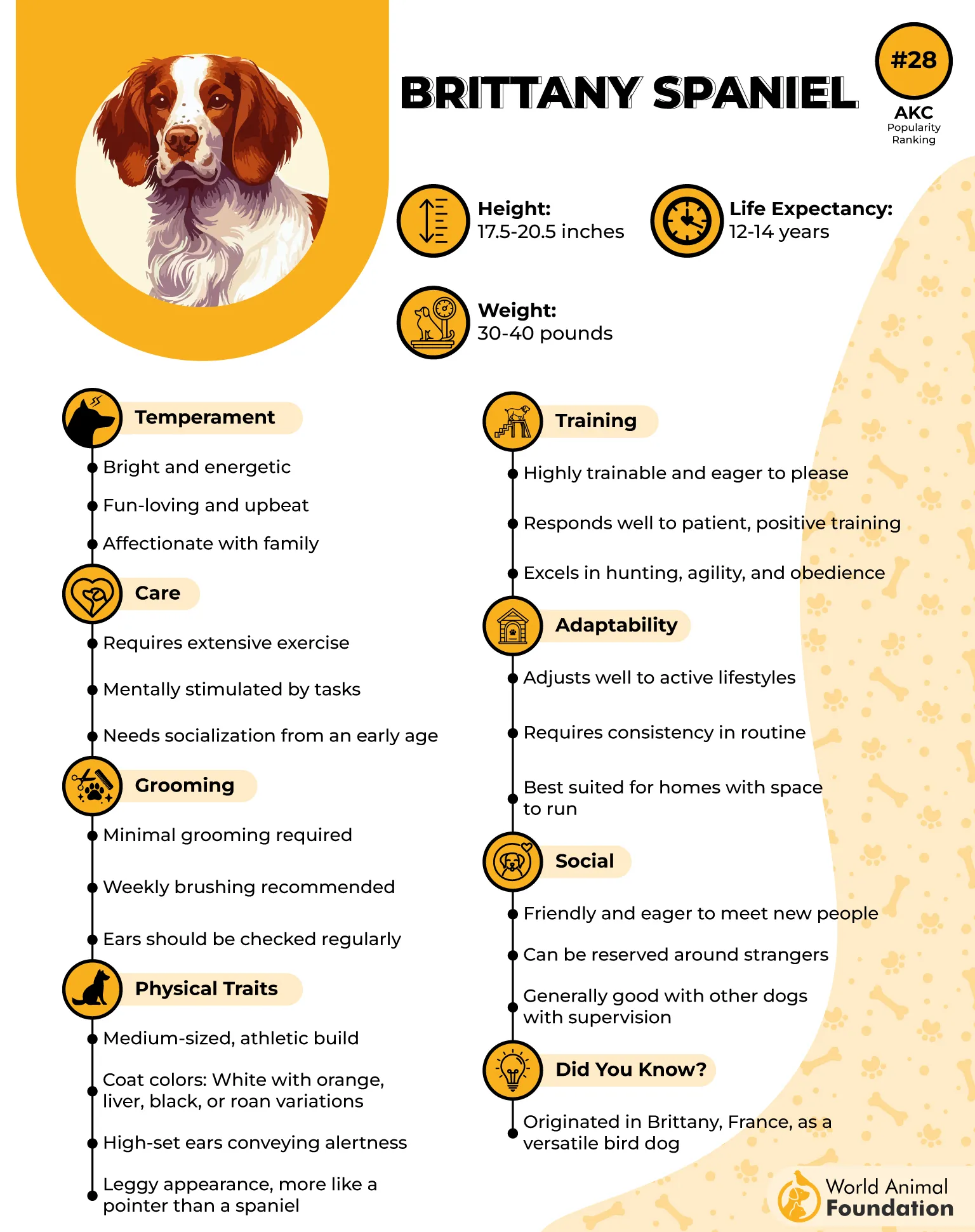
The Brittany Spaniel requires daily physical activity, while it shows a preference for playing fetch and discovering outdoor spaces. This breed requires ongoing activities to avoid boredom. It proves to be a suitable companion for families who maintain continuous physical activities and social interactions.
6. English Pointer
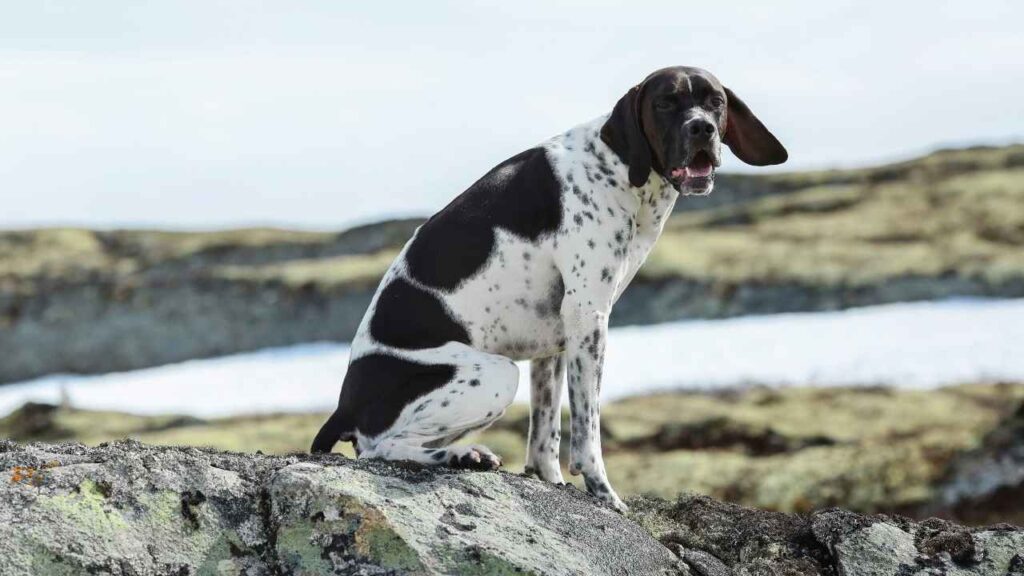
Hunting experts recognize the English Pointer because of its natural ability to identify game through pointing. This dog breed excels at locating game while showing hunters its exact position, which makes it an essential partner for hunting purposes.
The English Pointer possesses two main traits, which include its intense desire to work and its exceptional intelligence. It shows an independent streak, but it will follow established routines when given precise instructions to follow.
The English Pointer thrives in environments with regular exercise and open space. It prefers extended running sessions, which it combines with various physical activities. This breed develops into a dependable hunting companion through training, which includes obedience exercises.
7. Bluetick Coonhound
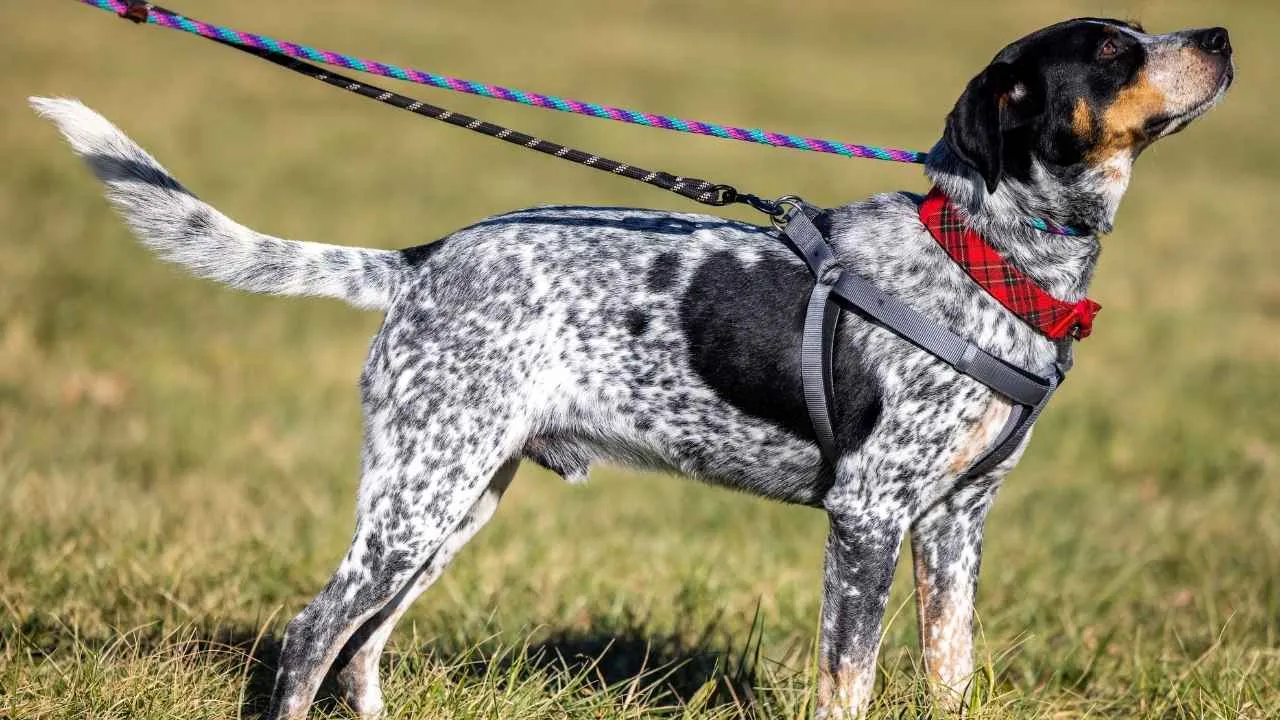
The Bluetick Coonhound displays its unique abilities through its exceptional tracking skills and powerful vocalizations. This dog uses its loud baying to provide clear signals during hunts, which help hunters track small game.
The dog’s personality exhibits both loyalty and affection. It possesses strong working instincts while developing close bonds with families and actively seeking social contact. It thrives best in environments that provide regular activity and companionship.
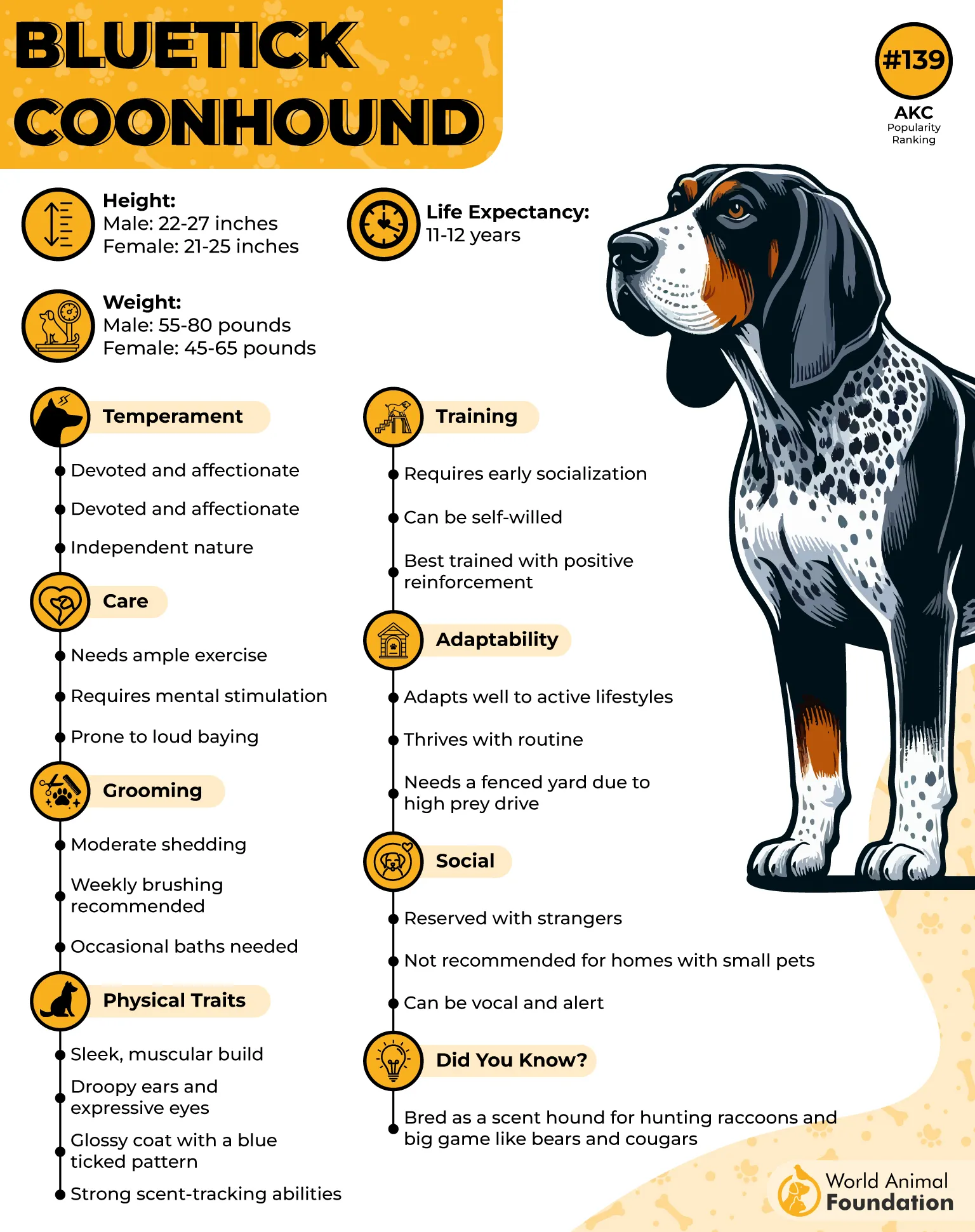
The Bluetick Coonhound requires exercise at scheduled times, while outdoor activities help its development. The simple grooming process makes maintenance work easier. The breed needs proper training to achieve its goal of maintaining friendly home behavior while using its hunting abilities.
8. Redbone Coonhound
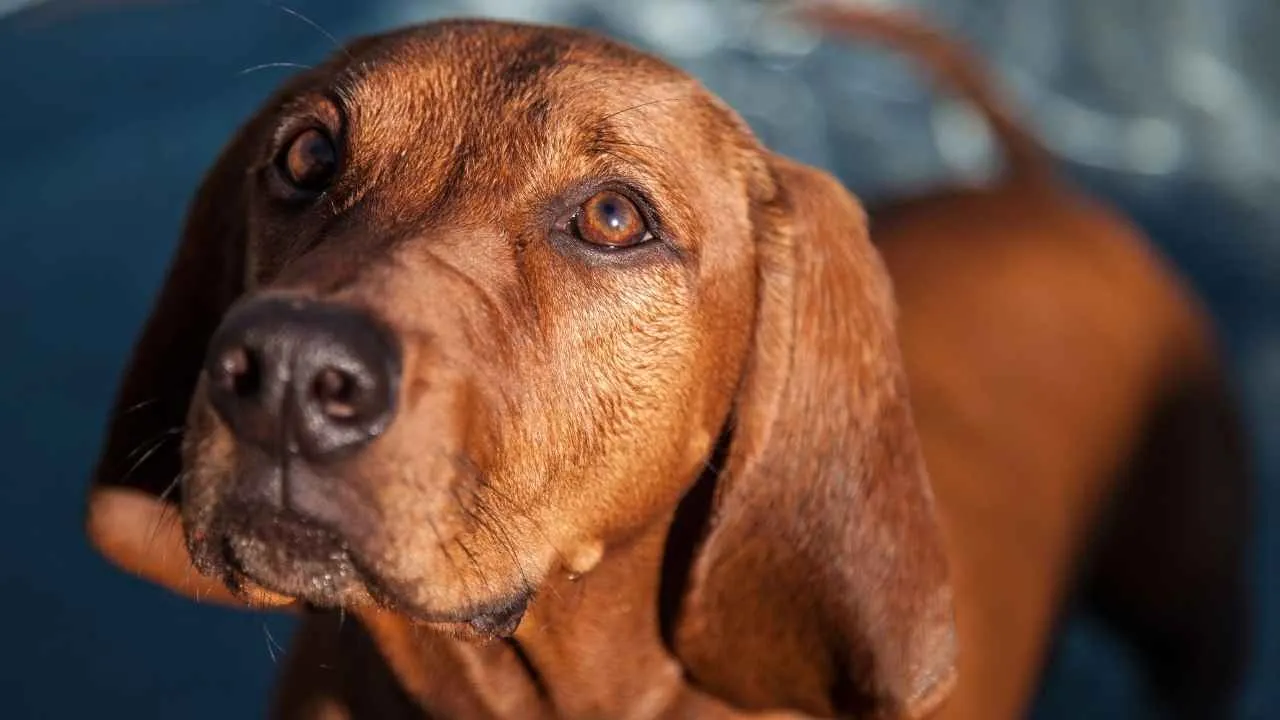
The Redbone Coonhound combines its high endurance capacity with its elegant body shape. The dog uses its ability to navigate difficult environments for extended hunting expeditions, which require it to traverse demanding landscapes.
The Redbone Coonhound displays peaceful and kind conduct throughout its home area. The breed maintains its concentration on the path because it shows determination to stay on the trail.
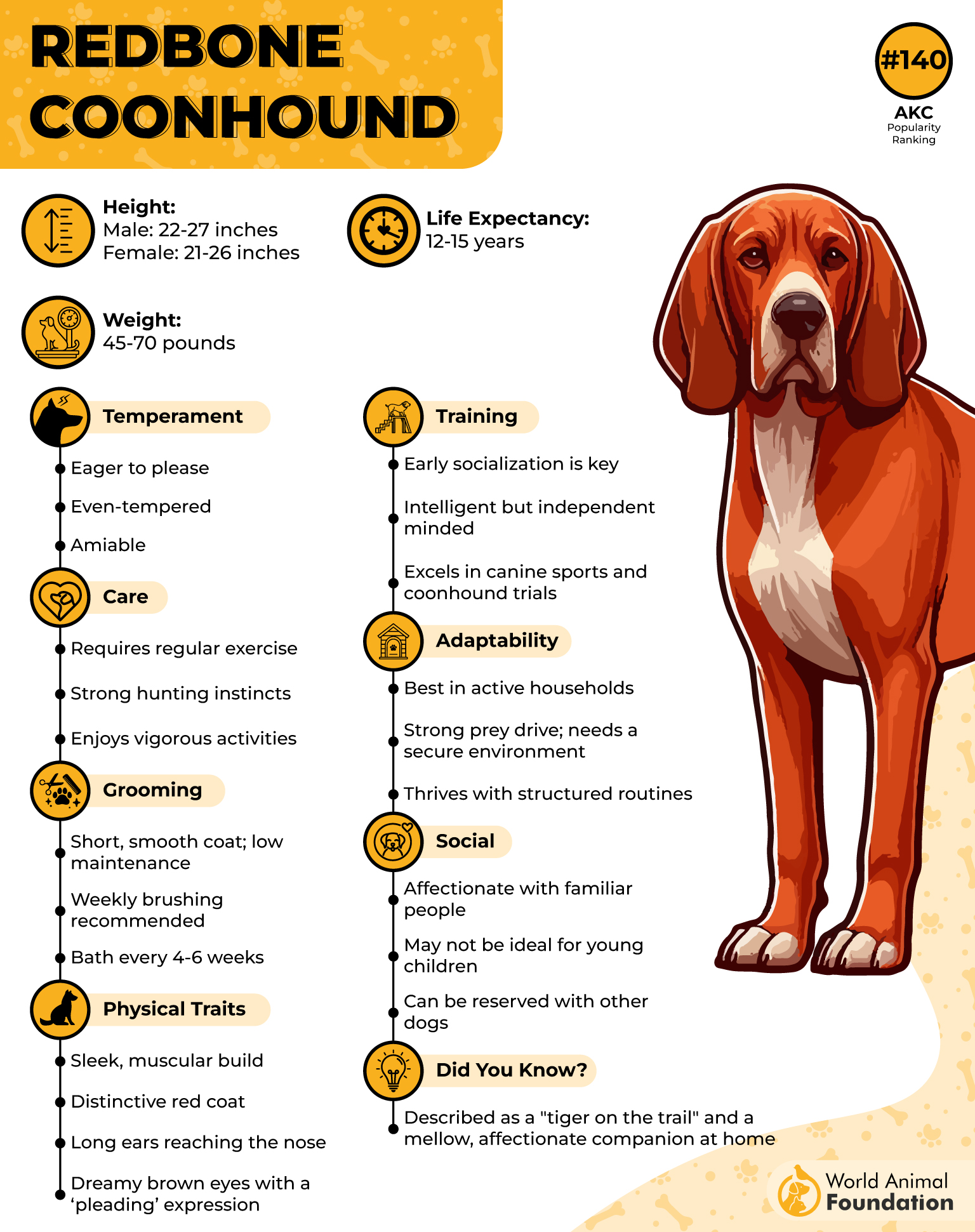
The Redbone Coonhound needs outdoor time to explore large areas. The training program begins with basic obedience instruction, which leads to improved conduct. This breed shows good adaptability to both hunting activities and laid-back home settings.
9. American Foxhound
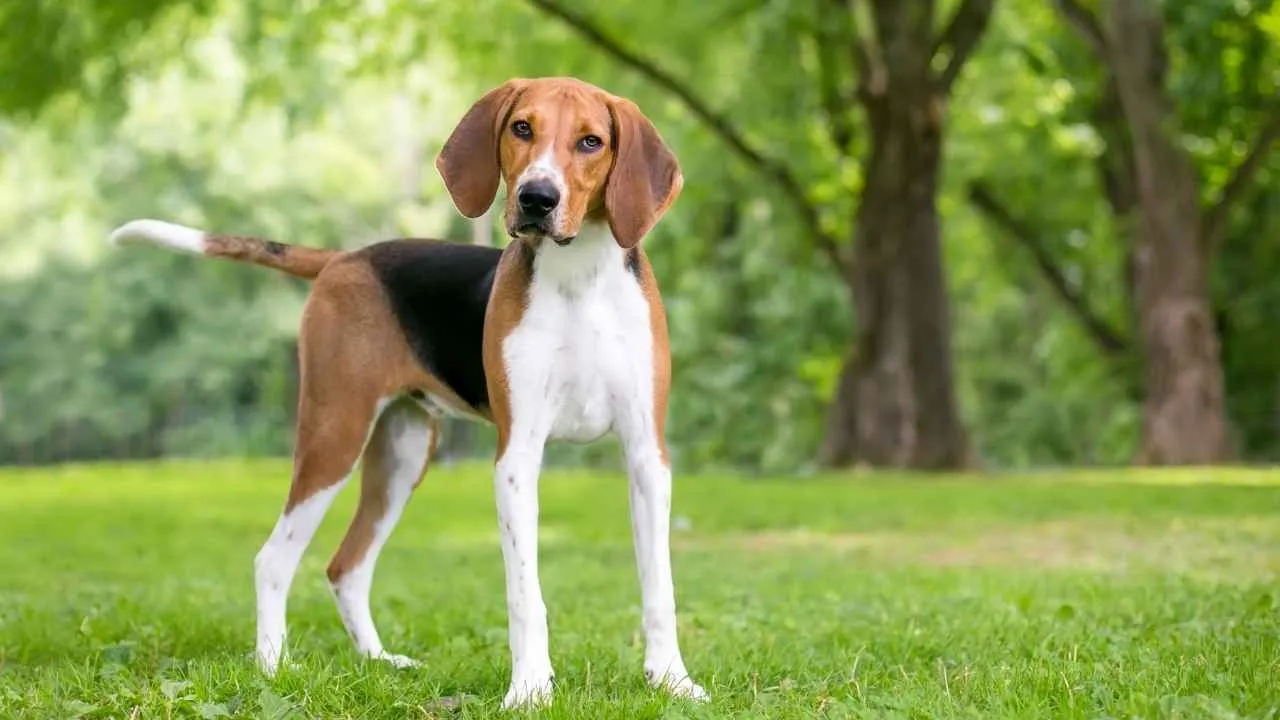
The American Foxhound serves as a traditional pack hunting dog that displays both endurance and strength. The dog originally served to track deer, and evolved into a top deer tracking breed.
According to Omlet, this breed shows a gentle temperament and interacts well with other pets. It needs close monitoring during outdoor playtime because it possesses a strong desire to wander away from its designated area.
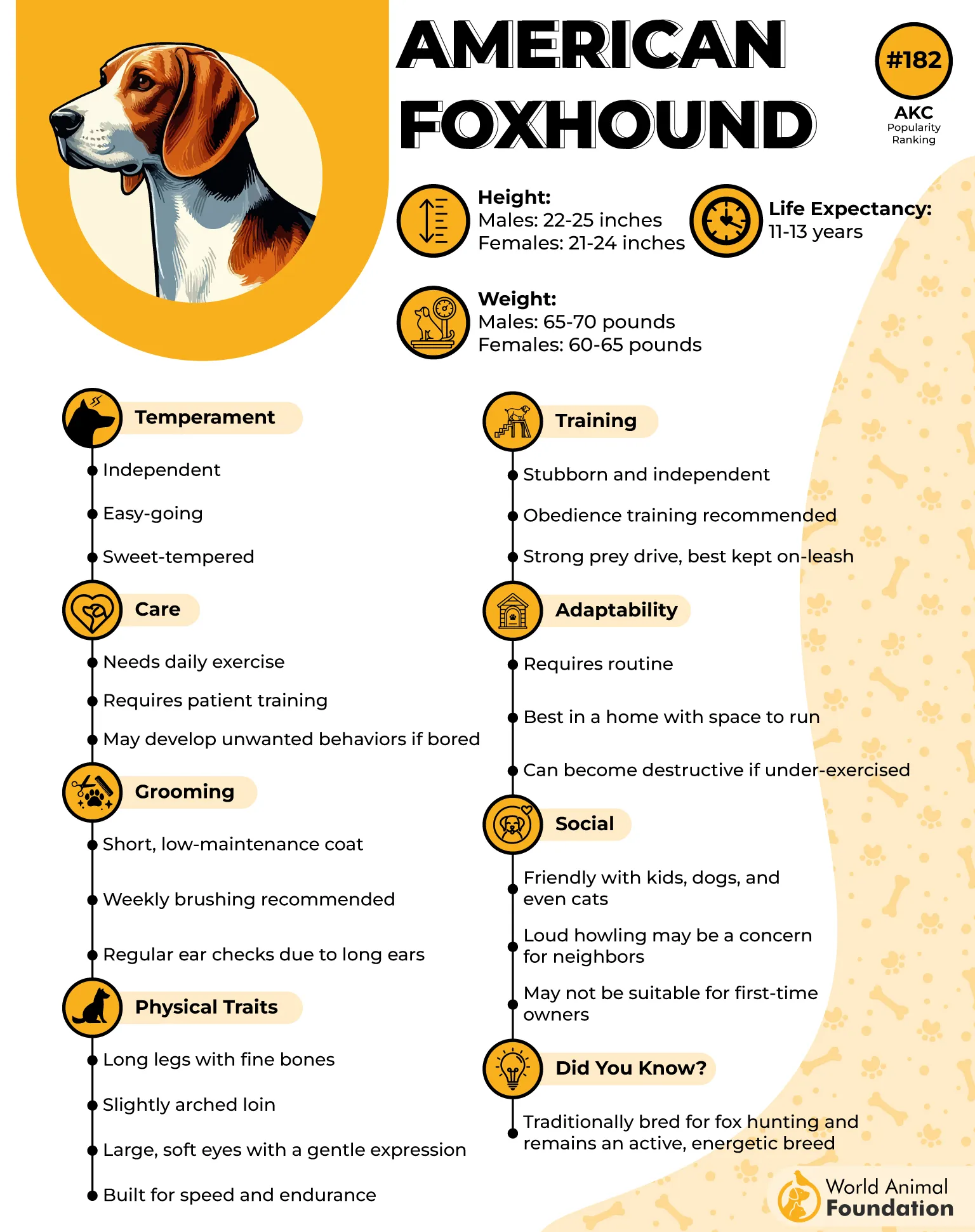
The American Foxhound needs to run extensively because its energy level peaks in active surroundings. It shows stable behavioral patterns through social contact with other dogs and people. The breed fits dog owners who prefer active outdoor activities and spend time outside.
10. Treeing Walker Coonhound
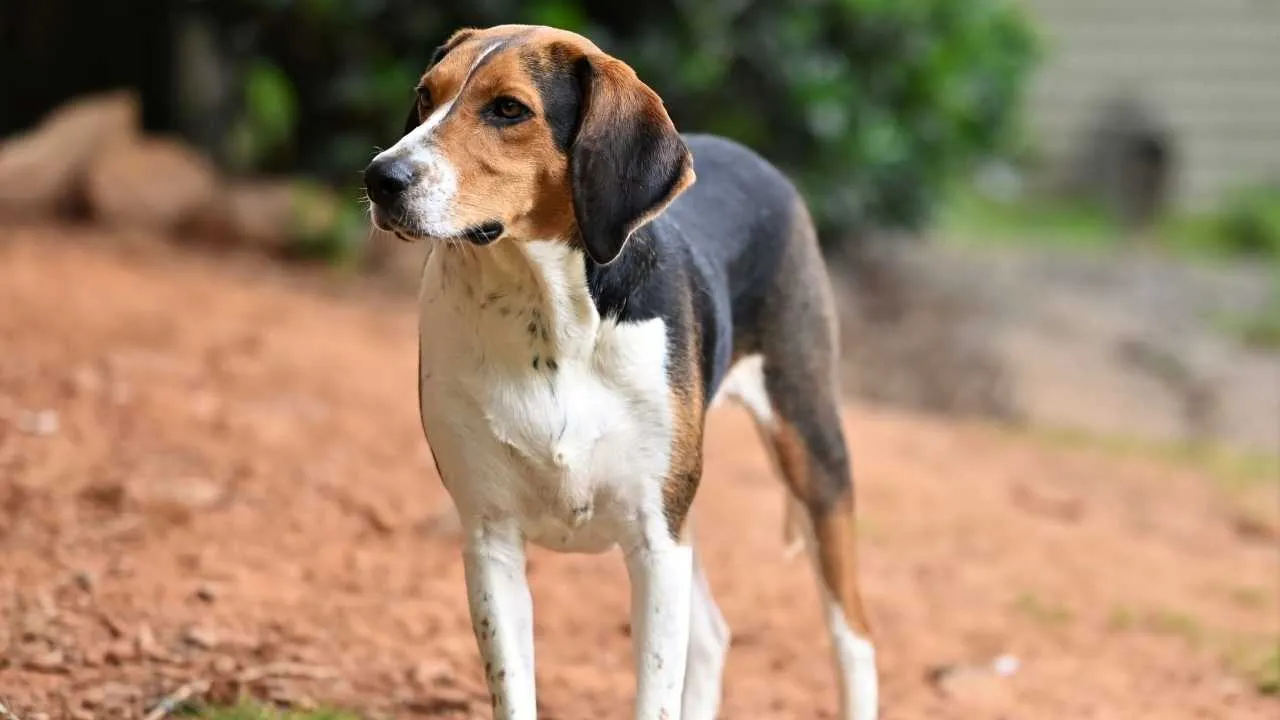
The Treeing Walker Coonhound shows multiple abilities, which include running fast and staying watchful, following scents, and finding their intended targets. The breed holds high value for hunters because it possesses the skill to find and elevate animals to higher positions.
According to WebMD, the Walker Coonhound features both a friendly personality and a strong desire to hunt. It establishes deep bonds with family members while staying focused during work.
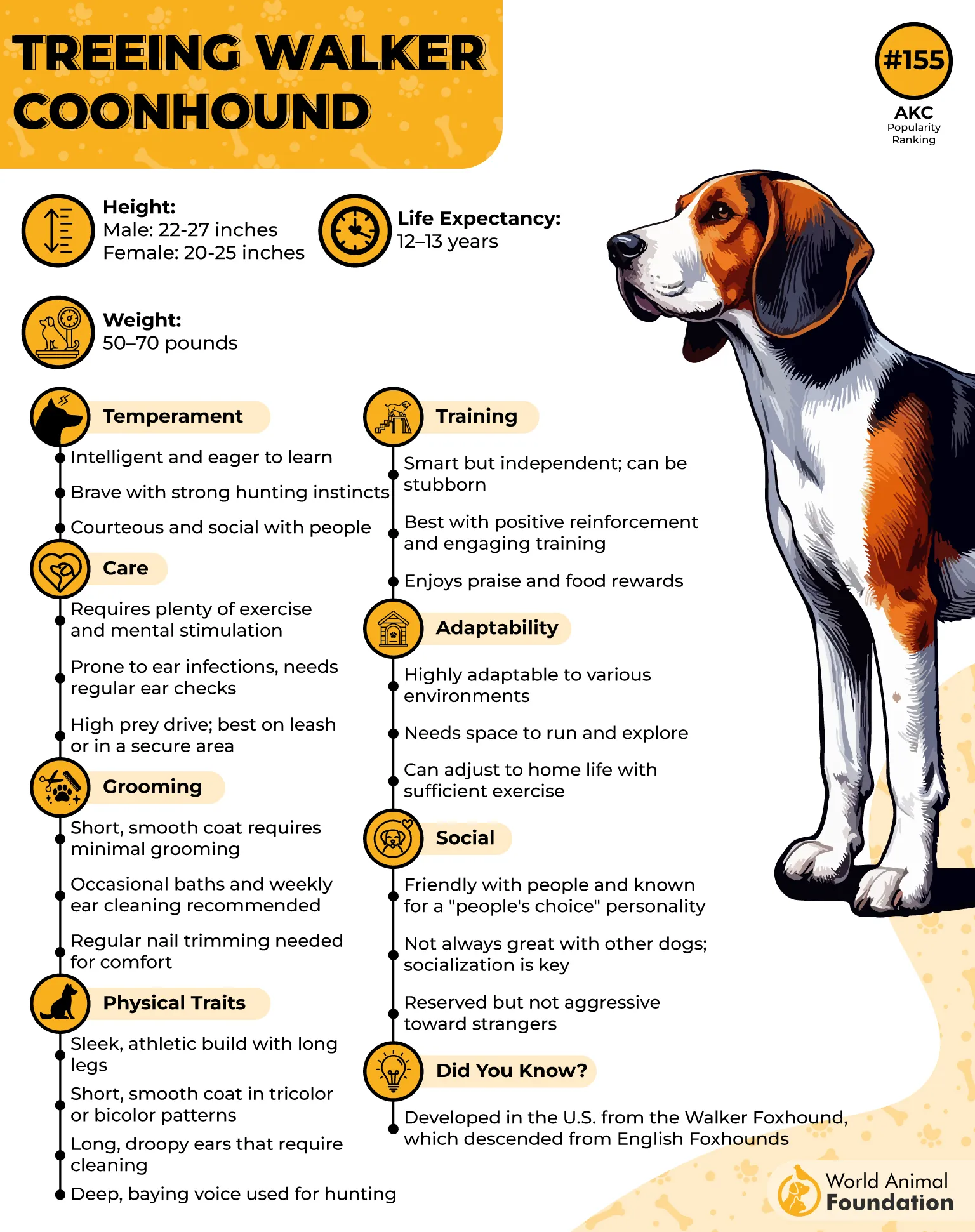
The Treeing Walker Coonhound needs heavy daily exercise and thrives in open environments. Running specific daily activities together with special monitoring procedures helps control its instinct to hunt prey. The breed develops into a successful hunting dog that shows affection to people.
Conclusion
Hunting and tracking dog breeds present exceptional options that require assessment beyond their fieldwork abilities. The process requires dog owners to select a breed that matches their personal lifestyle requirements and energy needs, and their future expectations. Some dogs excel in long hunts across rugged terrain, while others bring balance between hunting ability and family life.
The distinct characteristics of each breed presented here have developed through their historical background and their specific breeding purposes. The two types of dogs show distinctly different qualities because tracking dogs have a strong work focus, while versatile dogs combine friendly behavior with their natural curiosity.
